
Inside Aston Martin’s Global Dealer Network
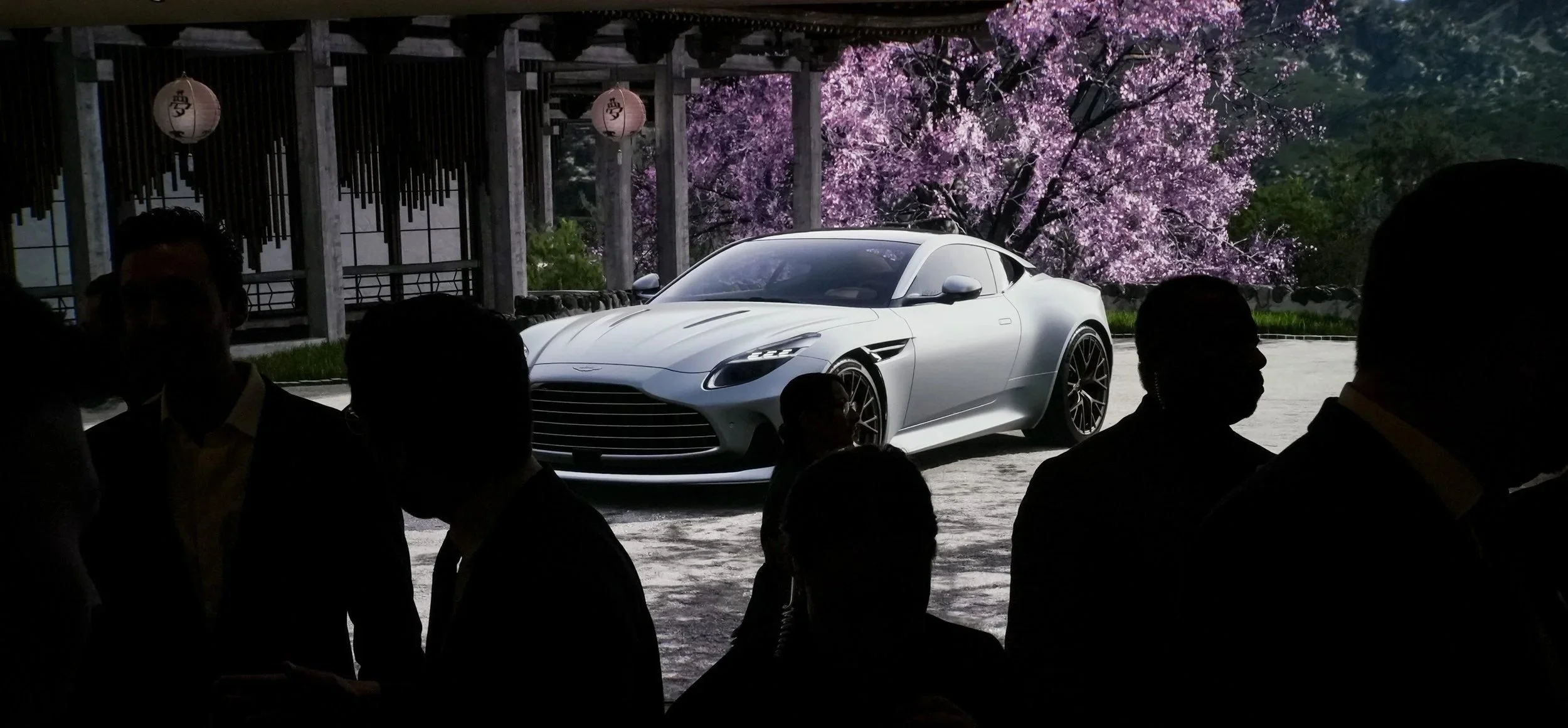
Image © Aston Martin Lagonda. Used for editorial purposes. Aston Martin Flagship Q, New York
Reader’s Note
This is a longer Fuel the Passion Featured Article than usual, and it became longer for a good reason. What began as a straightforward look at Aston Martin’s dealer network gradually evolved into a much wider story about heritage, ownership, retail strategy, customer experience, and the way the marque presents itself around the world.
You are of course, very welcome to read it in one sitting, but it may work just as well in stages. Think of it less as a quick article and more as a journey through the Aston Martin network, from local dealerships and service bays to flagship spaces, historic sites and the wider global structure behind the badge.
As always, I hope you enjoy it.
Dan
Fuel the Passion
Editor’s Introduction - Dan, Fuel the Passion
For many Aston Martin owners and enthusiasts, the dealership is simply where the journey begins, the place where a car is ordered, collected, perhaps serviced, and then quietly fades into the background of ownership. But the more time I’ve spent around the marque, the more I’ve come to realise that the dealer network is far more than a collection of showrooms. In many ways, it is Aston Martin’s most important interface with the outside world. It’s where the promise of the brand, craftsmanship, performance, heritage and luxury, is either confirmed or quietly undermined.
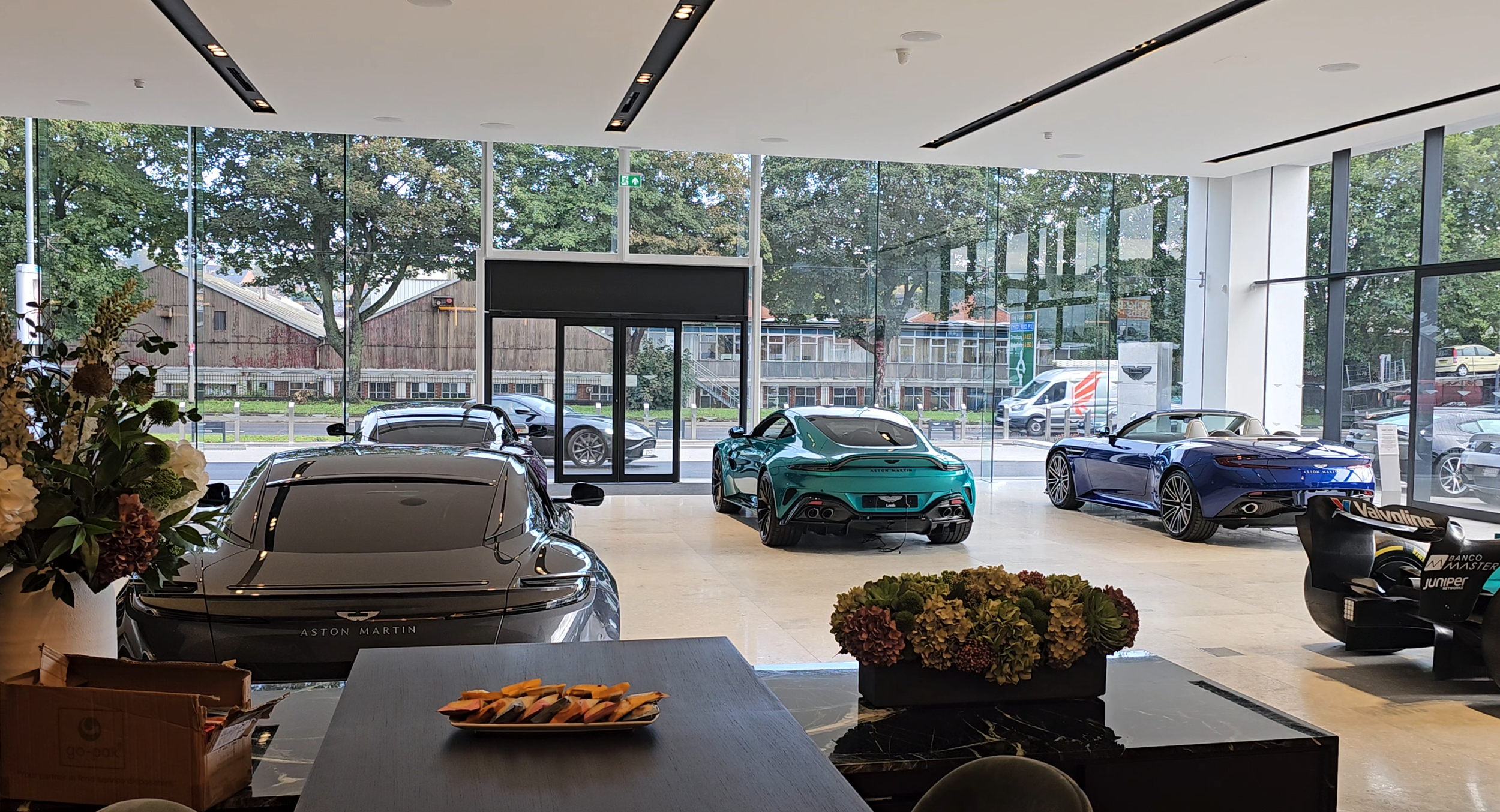
Image © Fuel the Passion, JCT600 Aston Martin, Leeds
My own experience has largely been shaped through JCT600 Aston Martin Leeds, the dealership that looks after my Vantage today. It’s also rooted in Aston Martin Sevenoaks, where I purchased the car back in August 2024.
Two different locations, two different moments in the journey, yet both part of the same wider network that sits behind the Aston Martin name. Yet, until recently, I hadn’t really stopped to consider what that network actually is.
How many dealerships are there?
How are they structured?
Who really owns and operates them?
Why do some carry names like JCT600, Dick Lovett or HWM alongside the Aston Martin badge?
…and perhaps most importantly, how has that network evolved as Aston Martin has repositioned itself as a modern ultra-luxury brand?
This article is not about ranking dealers, nor is it an attempt to single out individual sites for praise or criticism. Instead, it’s an effort to step back and understand the bigger picture, to look at Aston Martin’s global dealer network as a system: how it works, how it’s changed, and what it reveals about the marque today. Behind every glass-fronted showroom, every carefully lit specification lounge, and every service bay, there’s something more complex at play. A global structure, shaped by history, driven by modern strategy, and ultimately responsible for delivering the ownership experience that defines the brand.
What follows is an attempt to explore that world, from Walton-on-Thames to Tokyo, from flagship spaces in New York to the workshop floors that keep these cars on the road and to understand what Aston Martin’s dealer network really is in 2026.
More Than Showrooms: What a Dealer Network Really Is
To most people, a dealership is a fairly simple idea. It’s the place where a car is displayed, discussed, perhaps test-driven, and eventually sold. For some owners, it becomes the place where the annual service is booked, a warranty concern is raised, or a conversation begins about what might come next. But with Aston Martin, that description only scratches the surface.
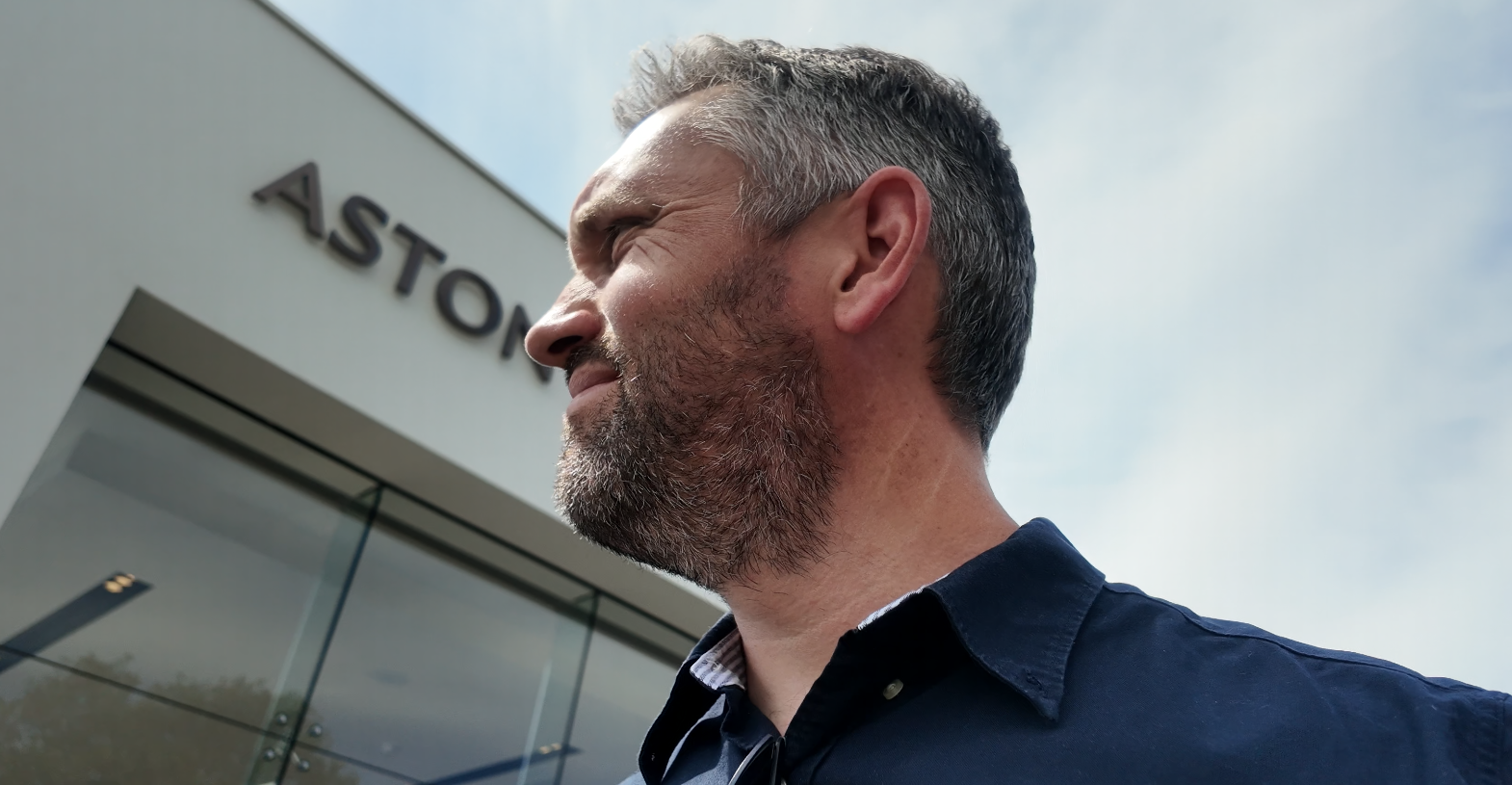
Image © Fuel the Passion, Dan outside JCT600 Aston Martin, Leeds
A dealer network is not simply a chain of showrooms. It’s the structure through which the brand is experienced in the real world.
For all the power of Gaydon, all the beauty of the cars, and all the theatre of launches and marketing campaigns, most customers and owners will know Aston Martin not through a boardroom or a design studio, but through the people and places that represent it day to day. That matters because the dealer sits at the point where aspiration meets reality.
It’s one thing for Aston Martin to speak about craftsmanship, performance, beauty and ultra-luxury. It’s another for an owner to walk into a dealership, discuss a car, specify it, collect it, service it, and live with the quality of support that follows. In that sense, the dealer network isn’t background infrastructure. It’s the human face of the marque. At its best, an Aston Martin dealership performs several roles at once. It’s a retail space, of course, but it’s also a place of reassurance, technical knowledge, aftersales support, and brand interpretation. It’s where a customer may first encounter the subtleties of a Vantage or DB12, but also where they may later return with a practical problem that needs solving properly and without fuss. The polished handover suite and the service reception desk may look very different, but both shape confidence in the brand.
That’s especially true in a marque like Aston Martin, where ownership is rarely just transactional. Buyers aren’t simply choosing an engine, colour and monthly payment. They’re often buying into a story, a design language, a sense of heritage, and a level of expectation that extends well beyond the day the keys are handed over. The dealership therefore carries unusual weight. It has to sell the dream, but it also has to support the reality.
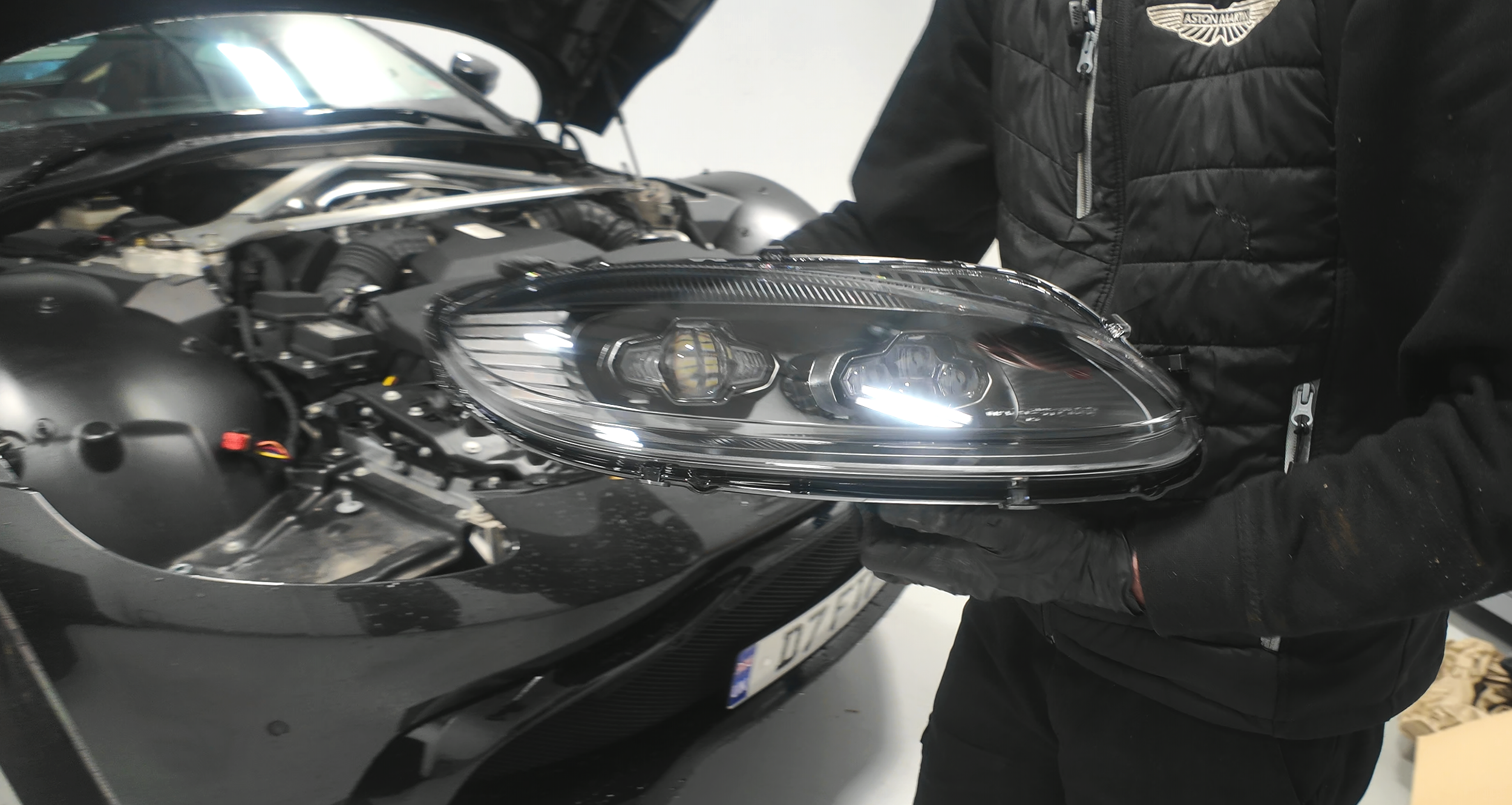
Image © Fuel the Passion, FTP Vantage in a service bay at JCT600 Aston Martin, Leeds
That support is broader than many people might assume.
It includes sales and test drives, naturally, but also servicing, warranty work, diagnostic capability, genuine parts supply, digital service records, accessories, handover, provenance, and increasingly the guidance required for a far more sophisticated specification process than luxury car buying once involved.
Even Aston Martin’s own aftercare language makes this clear. The network is tied not just to purchase, but to trained technicians, factory-backed service procedures, approved maintenance standards, roadside support, and long-term ownership confidence.
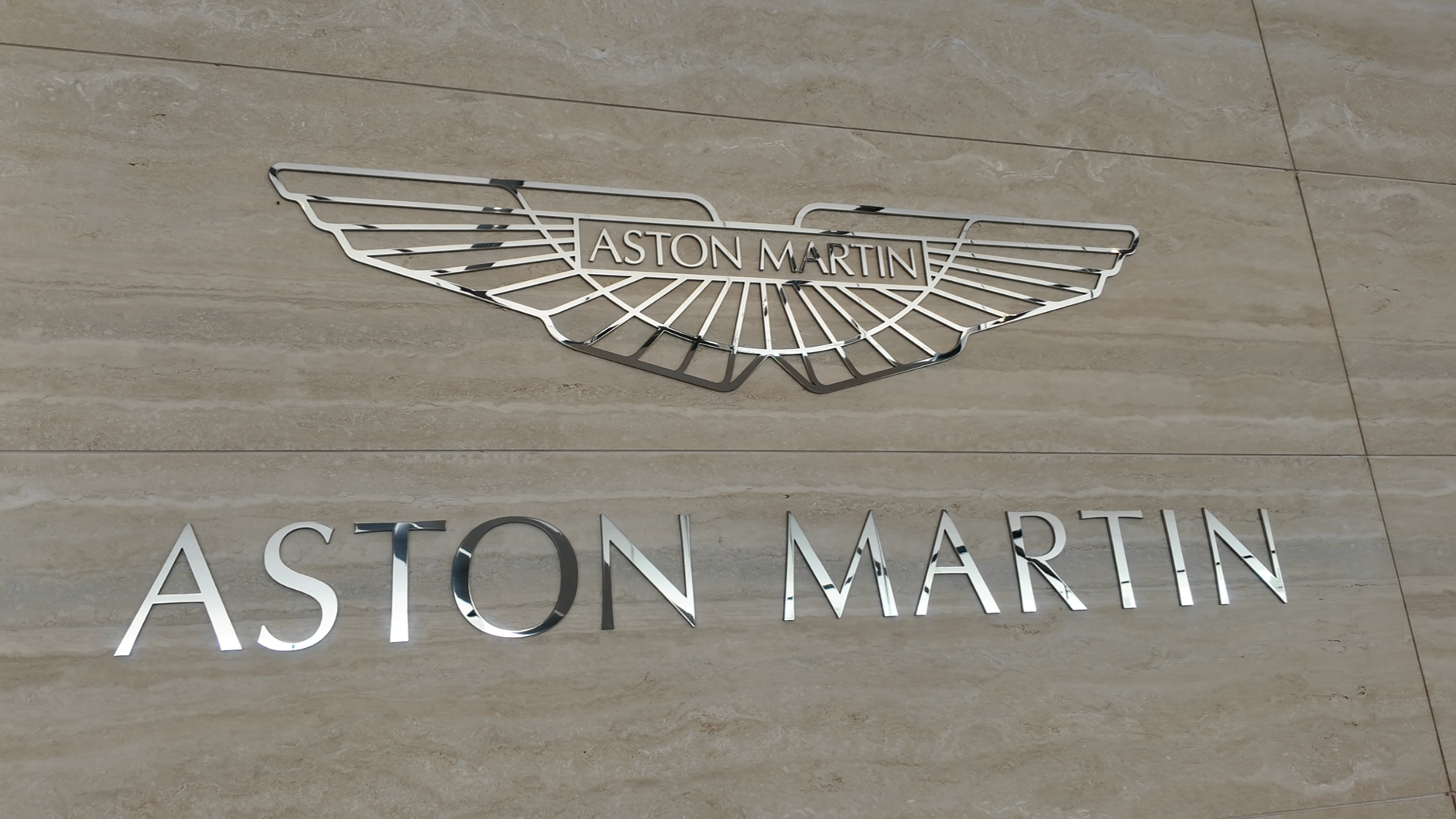
Image © Fuel the Passion, Aston Martin Nottingham
It’s also worth being clear about something that’s often misunderstood. Aston Martin dealerships aren’t, in most cases, simply factory-owned branches run directly by the manufacturer. They’re better understood as authorised retail partners operating under the Aston Martin name and standards. That’s why names such as JCT600, Dick Lovett, Grange, Marshall or HWM can appear alongside Aston Martin branding. The marque, product range, corporate identity and required standards come from Aston Martin; the local business, staff, facilities and day-to-day operation are run by the retail partner on the ground.
That distinction is important, because it explains both the strength and the complexity of the network. On the one hand, Aston Martin can extend its reach globally through experienced dealer partners willing to invest in buildings, staff and customer experience. On the other, the quality of the network depends not only on the cars themselves, but on how consistently those individual businesses interpret and deliver the brand.
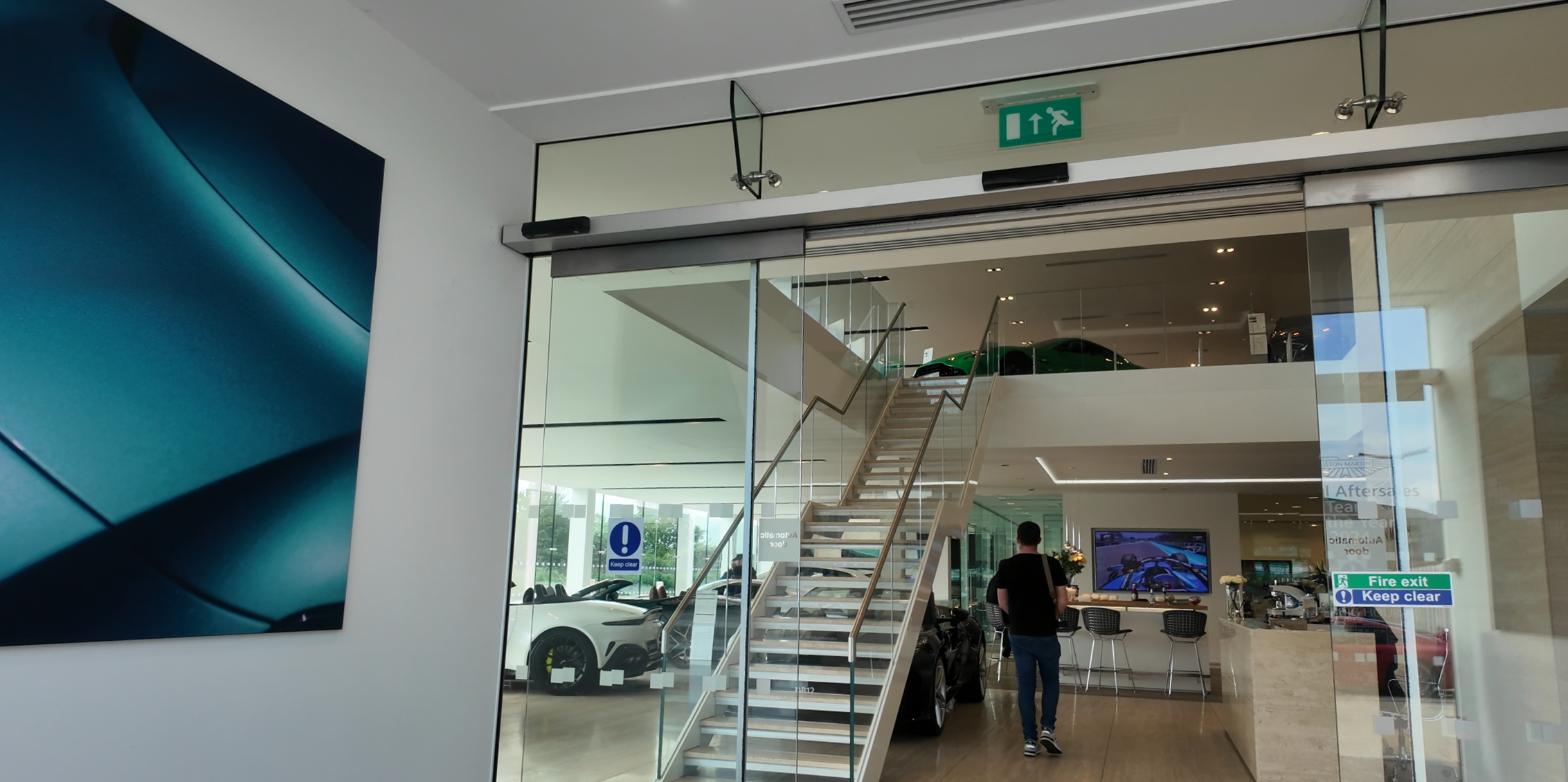
Image © Fuel the Passion, Aston Martin Nottingham
In practical terms, that means the words above the door tell two stories at once. “Aston Martin” tells you the marque being represented. “JCT600” or “Dick Lovett” tells you who is actually running that site. For the customer, those two identities are meant to work together seamlessly.
Ideally, the partner brings local knowledge, operational strength and investment; Aston Martin brings the product, the standards, the identity and the wider sense of occasion.
There’s nuance within that model, too. Some Aston Martin retailers sit within large multi-franchise dealer groups. Others are long-established businesses with a much older, more distinctive relationship to the marque. HWM at Walton-on-Thames, for example, remains a striking outlier: officially recognised by Aston Martin as the oldest Aston Martin dealership worldwide, and described today as the only independently owned Aston Martin dealership in the UK. That alone is a reminder that this network is not a uniform modern corporate grid. It’s a structure shaped by history as well as strategy. That, perhaps, is why the subject deserves a closer look, because once you stop seeing dealerships simply as places where cars sit under bright lights, a more interesting picture begins to emerge. Aston Martin’s network is part sales infrastructure, part ownership support system, part brand theatre, and part living expression of how the company sees itself in the world.
In other words, the dealership is not the edge of the Aston Martin story. In many ways, it’s where that story becomes real.
A Global Footprint

Image © Fuel the Passion
For a company whose annual volumes remain relatively small by mainstream automotive standards, Aston Martin’s retail presence is strikingly far-reaching. This is not a marque confined to Britain and a handful of familiar export markets. By Aston Martin’s own current wording, its dealer network spans more than 160 locations in 53 countries, a figure that gives the clearest public sense of the brand’s retail scale in 2026. That matters, because it reminds us that Aston Martin’s dealer story is not simply a domestic one. It’s genuinely global.
That global spread is easy to underestimate. In Britain, Aston Martin still carries the natural weight of home-market identity, history and heritage. But the modern network stretches far beyond that, through Europe, North America, Asia, the Middle East and South America, with official presences in cities and regions that reflect both traditional luxury strongholds and newer growth ambitions. London, Walton-on-Thames, Birmingham, Leeds and Edinburgh are part of that picture, but so too are New York, Tokyo, Seoul, Shanghai, Paris, Hamburg, Madrid, São Paulo, Mexico City and Lima. Even a selective glance at the official dealer map is enough to show that Aston Martin now operates through a genuinely international retail system rather than a loose cluster of prestige showrooms.
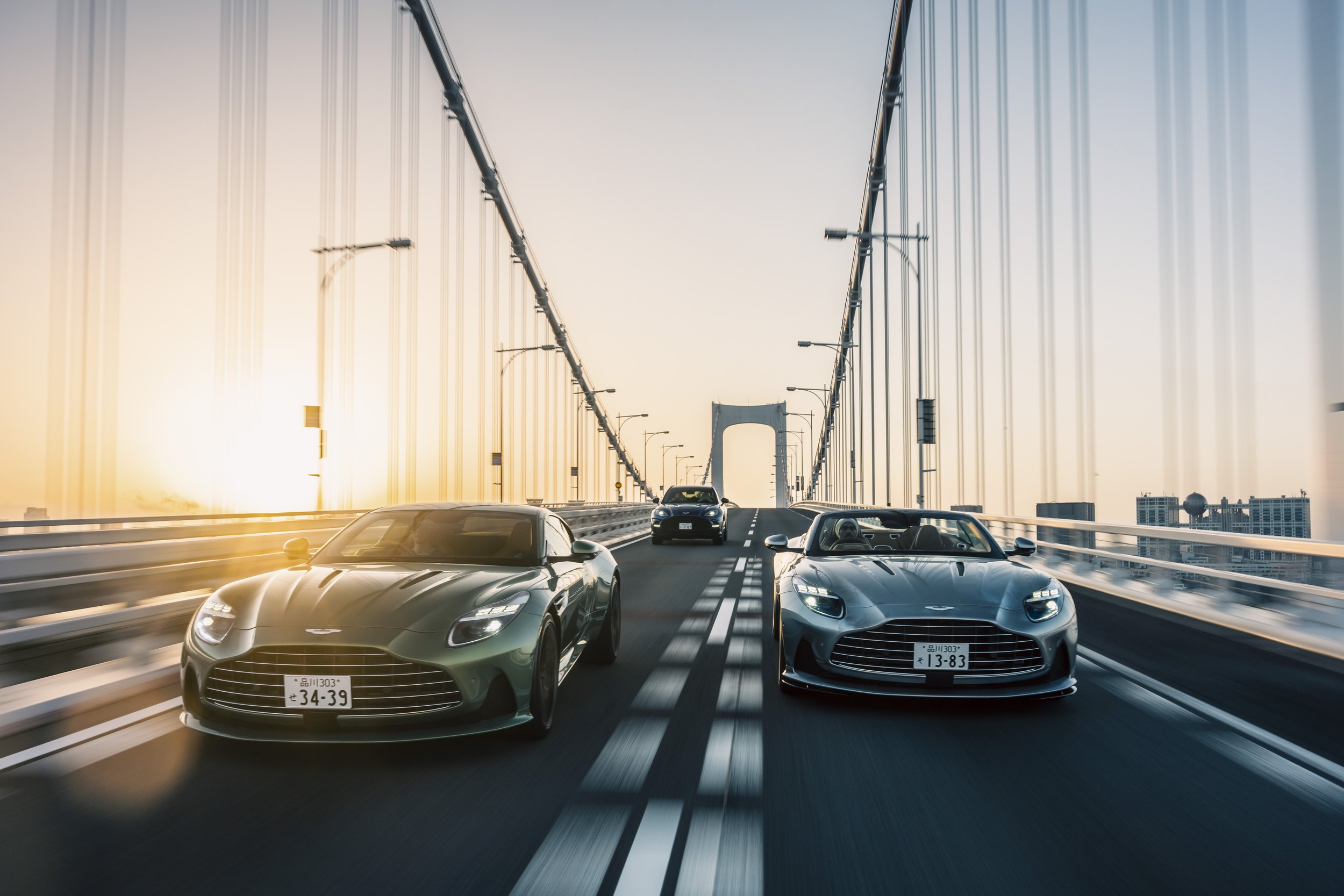
Image © Aston Martin Lagonda. Used for editorial purposes. Aston Martin Cars on Tokyo Rainbow Bridge
The structure behind that reach matters as much as the raw number. Aston Martin’s own location material indicates that the business thinks in broad regional terms, with oversight spanning The Americas, Europe, China, and Asia Pacific. That’s a useful clue, because it suggests the network is managed not merely as a series of isolated national markets, but as a coordinated global framework with regional logic behind it.
In practice, of course, those regions are not equal in scale, maturity or strategic importance. Some are historic heartlands for the marque, while others are newer expressions of Aston Martin’s ultra-luxury ambitions. But together they form the infrastructure through which the brand meets the world.
It’s also important to recognise that “global footprint” doesn’t mean uniformity. Aston Martin’s presence looks different depending on market, geography and local opportunity. In one place that may mean a long-established dealer with deep roots in the marque. In another it may mean a boutique city showroom, a high-investment full-service dealership, or a flagship experience designed to bring the highest levels of Q by Aston Martin into a key commercial market. The fact that all of these sit within the same broad network is one of the most interesting aspects of the story. Aston Martin may be global, but it’s clearly not pursuing a one-size-fits-all retail formula.
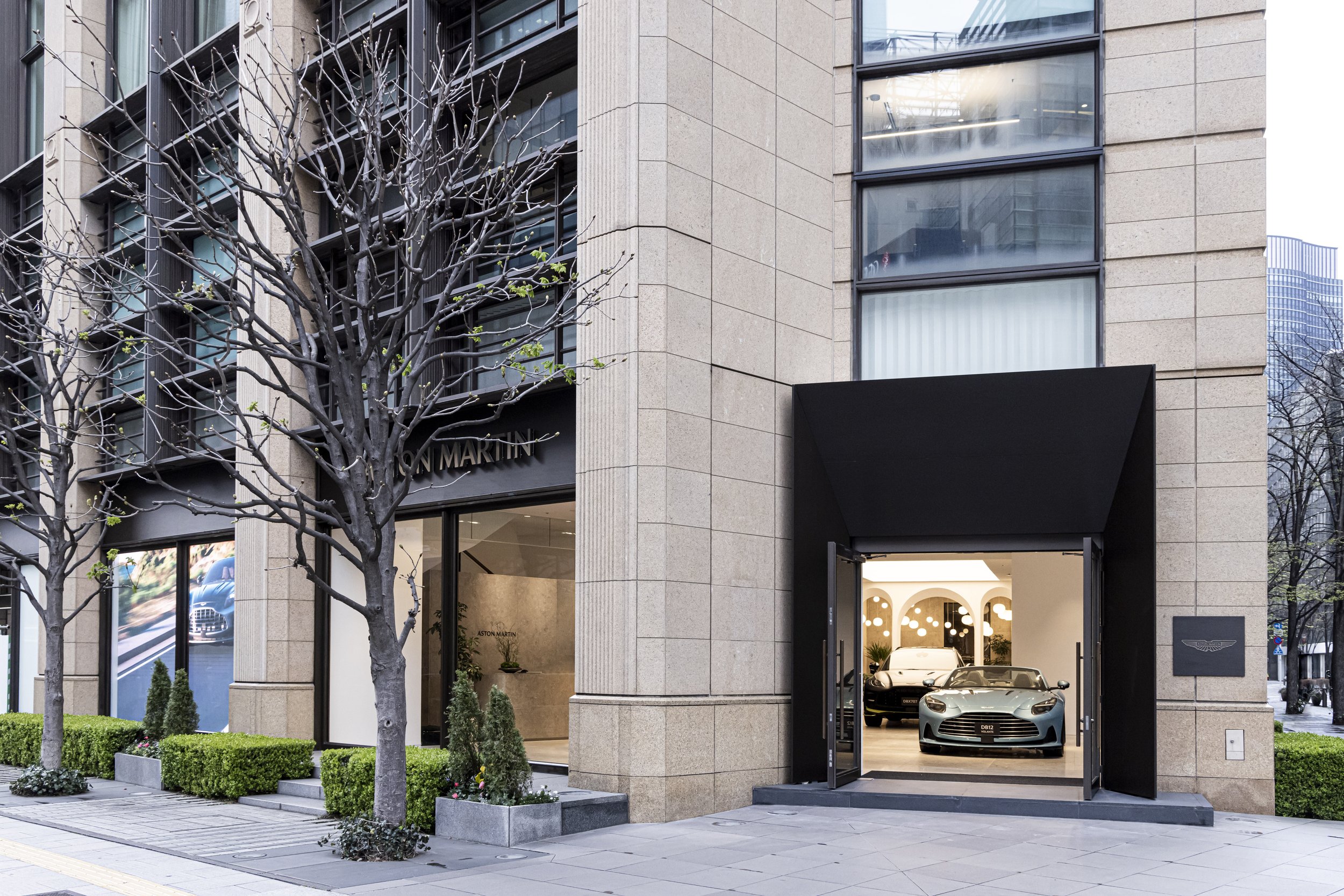
Image © Aston Martin Lagonda. Used for editorial purposes. Ginza at The Peninsula, Tokyo
That flexibility can already be seen in the examples now live across the network. In North America, Aston Martin has used New York to make a particularly bold statement about flagship retail and bespoke commissioning. In Japan, Ginza at The Peninsula Tokyo shows how the brand has adapted its presence to an intensely urban, hospitality-led luxury environment. In the UK, new-generation sites such as Birmingham and Leeds underline Aston Martin’s desire to express its modern retail identity in its home market, not just overseas. In Germany, the network now includes a more urban, boutique-style language in places such as Baden-Baden, Nürnberg and Hamburg. In South Korea, Seoul and Suwon reflect a more recent phase of development and renewed momentum. Taken together, these examples show a network that’s not only large, but increasingly varied in form.
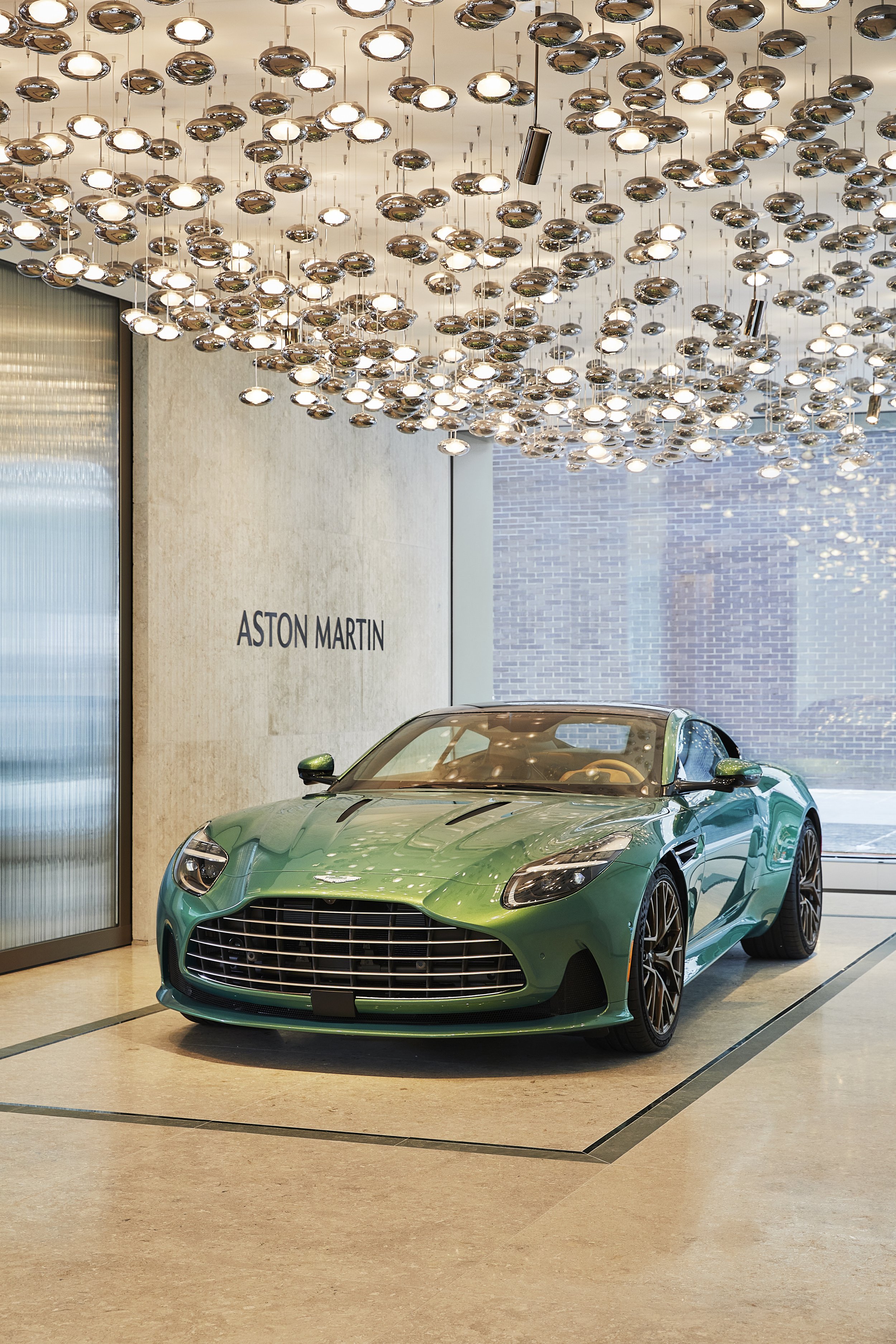
Image © Aston Martin Lagonda. Used for editorial purposes. AML Flagship Q, New York
There’s a further nuance worth keeping in mind. Aston Martin’s public language isn’t always identical in every setting. When discussing its corporate profile more broadly, the company often uses the looser phrase that its cars are sold in more than 50 countries. But when describing the retail network itself, the more specific wording, more than 160 locations in 53 countries, offers a more precise picture of the infrastructure behind the brand.
That distinction is useful, because it hints at the difference between broad international reach and the actual physical retail footprint that supports it. It also serves as a reminder that any serious look at the network needs to pay attention not only to the headline geography, but to the nature and role of the spaces themselves.
For the purposes of this article, that global spread matters for a simple reason: it changes how we should think about Aston Martin. This is not merely a British sports-car maker with a few well-placed overseas agents. Nor is it a mass-market manufacturer chasing blanket coverage. It’s a relatively low-volume luxury marque whose retail network has been built to support a worldwide customer base while still trying to preserve a sense of rarity, theatre and control.
That balancing act, between reach and exclusivity, consistency and local character, heritage and modern luxury, sits at the heart of Aston Martin’s dealer story. Once you see the network in those terms, the next question becomes unavoidable: how did this footprint evolve into what it is today?
The Network Evolves - Not Retreats
If Aston Martin’s dealer network is viewed only through the lens of openings and closures, it’s easy to misread what has happened over the past decade. The more useful story is not one of simple expansion, nor of straightforward contraction. It’s a story of evolution, from a broadening global footprint towards a more selective, more premium, and more strategically layered retail model.
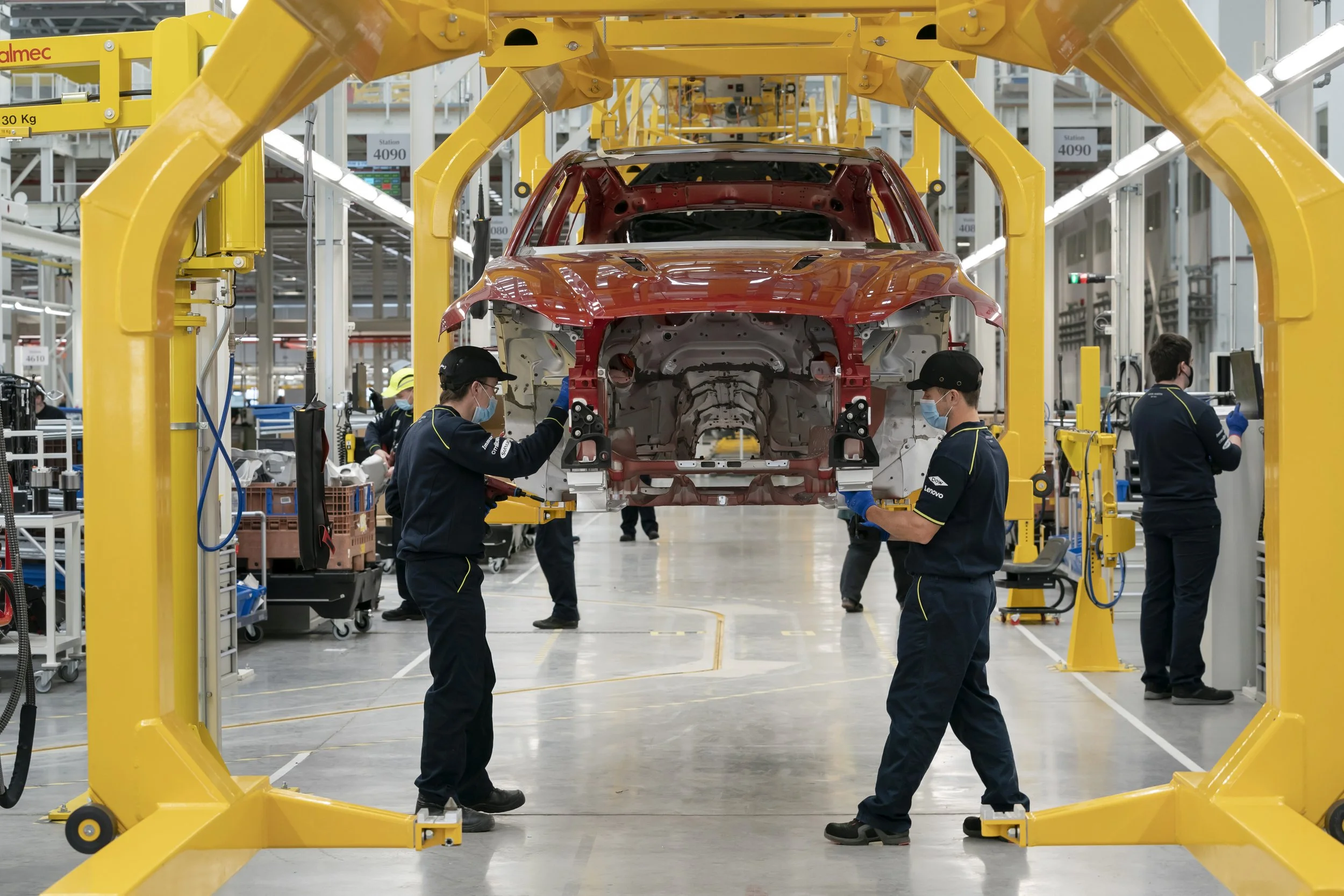
Image © Aston Martin Lagonda. Used for editorial purposes. AML, St Athan, a DBX on the production line
The historical markers are revealing. In its 2016 annual report, Aston Martin said its official dealer network spanned over 167 locations in 52 countries. By 2019, the company reported 168 dealers across 54 countries, explicitly linking network development to future growth and the arrival of DBX.
Today, Aston Martin’s own current wording refers to a network of more than 160 locations in 53 countries. Read lazily, those figures might suggest little more than fluctuation. Read properly, they point to something more interesting: a network that has remained globally extensive while being reshaped around changing commercial priorities.
That distinction matters. For much of the 2010s, Aston Martin’s network story could still be framed in relatively traditional terms: greater penetration, new markets, more points of sale, and preparation for a wider product range. The company’s 2019 reporting, for example, described further strengthening of the dealer network, including selective expansion in China and Japan ahead of DBX. In other words, scale still mattered. The network was being prepared not just to represent the brand, but to support a broader commercial push.
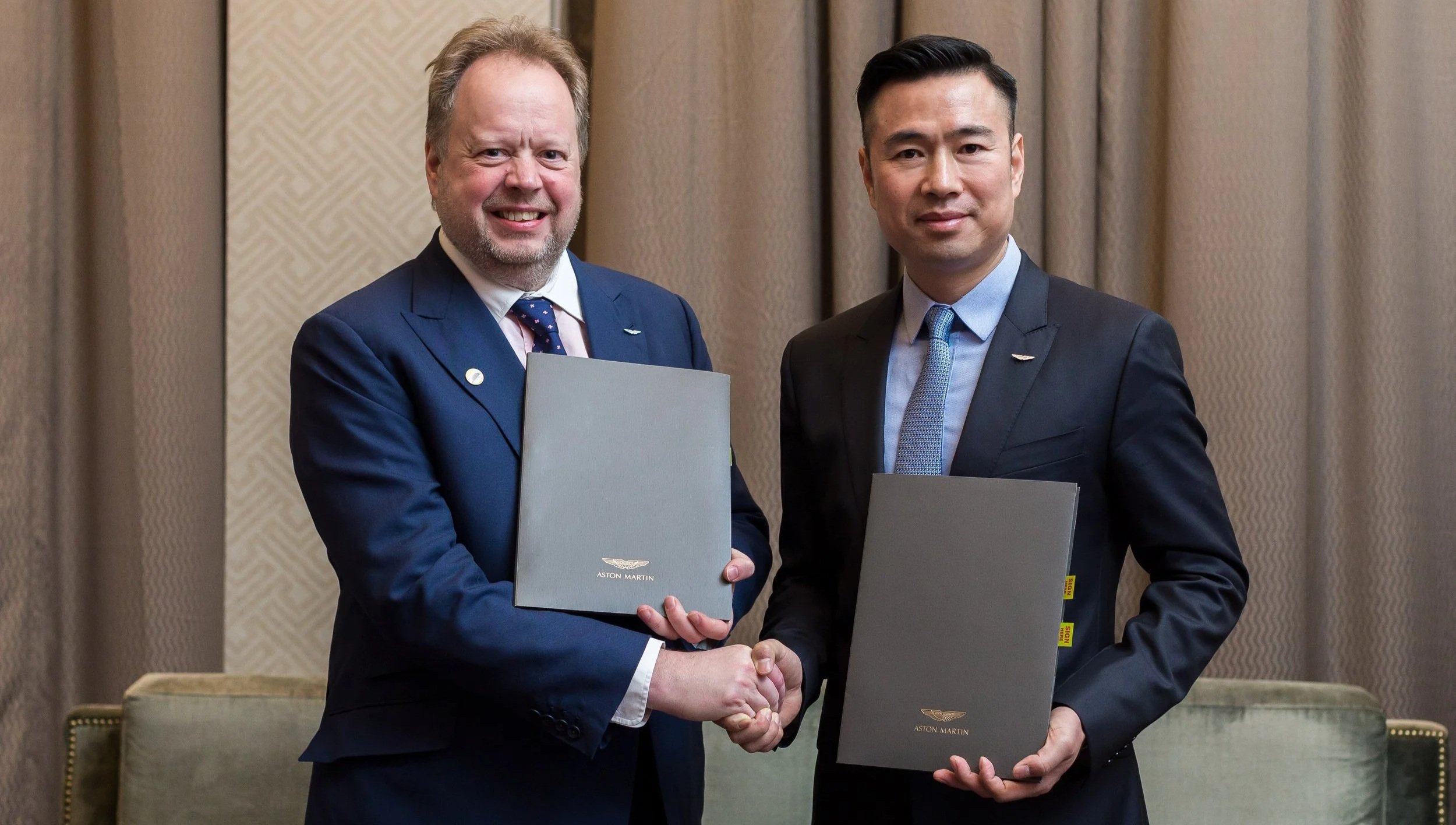
Image © Aston Martin Lagonda. Used for editorial purposes. Wuhan, new AML Showroom, Andy Palmer & David Liu
But that logic has gradually changed. By 2020 and 2021, Aston Martin was talking far more clearly about de-stocking, supply discipline, and the transition to a more demand-led ultra-luxury model. That may sound like dry corporate language, but it has direct consequences for the way a dealer network is shaped. A brand seeking volume growth above all else tends to prize reach, throughput and market coverage. A brand seeking higher value per car, stronger residuals and greater exclusivity begins to think differently. The question becomes not simply how many dealers there are, but what kind of retail environment they offer, how effectively they support personalisation, and whether they reinforce the brand’s desired position in the market.
By the time Aston Martin reported its 2024 results, that shift was much clearer. The language had moved decisively towards quality of order book, customer experience, Q by Aston Martin, and the upgrading of dealer facilities in key markets. Recent official announcements don’t read like the communications of a company obsessed with adding outlets for their own sake. They read like the communications of a company trying to make each location work harder, commercially, visually and emotionally. Birmingham, Leeds, Ginza and Q New York were not presented as more places to transact. They were presented as expressions of Aston Martin’s ultra-luxury identity. Aston Martin’s October 2024 UK retail announcement, for example, described Birmingham and Leeds as the first UK dealerships to embrace the marque’s new ultra-luxury vision and stand-out corporate identity, while also pointing to further developments in Europe and Asia.
That’s why “evolves, not retreats” feels like the right lens. The network is still large, it’s still global, but it’s no longer best understood as a map being filled in. Instead, it’s being edited, upgraded and repositioned. In some cases that means landmark new facilities, in others it means boutique urban formats. In others still it may mean quieter rationalisation, relocation, or the replacement of older sites with more strategically aligned ones. The important point is that the logic has changed: footprint alone is no longer the headline objective.
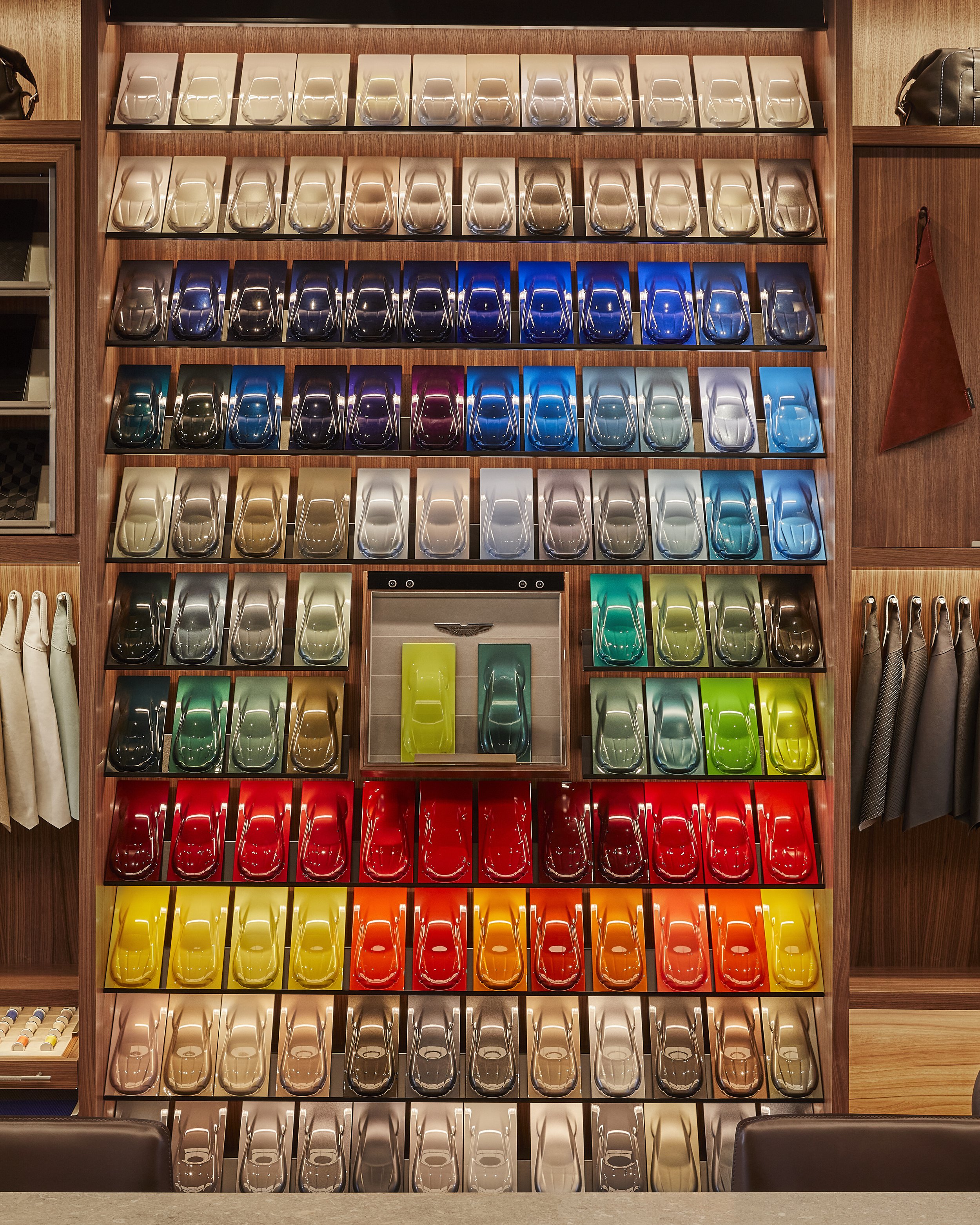
Image © Aston Martin Lagonda. Used for editorial purposes.
There’s a commercial reason for that. Aston Martin’s current strategy depends heavily on selling not just cars, but higher-value cars, better specified, more personalised, and more closely aligned with the brand’s ultra-luxury aspirations.
A dealership in that context is not only a distribution point. It becomes part of the mechanism through which value is created. The surroundings matter more, the specification process matters more.
The ability to guide a customer into Q by Aston Martin, optional content and a more bespoke purchase matters more. Even the quality of the lounge, handover area or digital commissioning environment begins to have commercial weight.
This is also where the type of space starts to matter. Aston Martin’s newer retail investments suggest that the company is increasingly matching format to market role. The boldness of Q New York makes more sense when placed against Aston Martin’s own description of the United States as its largest commercial market. Tokyo’s Ginza showroom makes more sense when Aston Martin said Tokyo had been its number one city location for new car sales in 2023. Rome’s boutique-first model also fits this pattern: a tailored format in a market Aston Martin described as one of its top five in continental Europe. The pattern is not mechanical, but it’s visible: the network is becoming more differentiated according to what Aston Martin wants from each location.
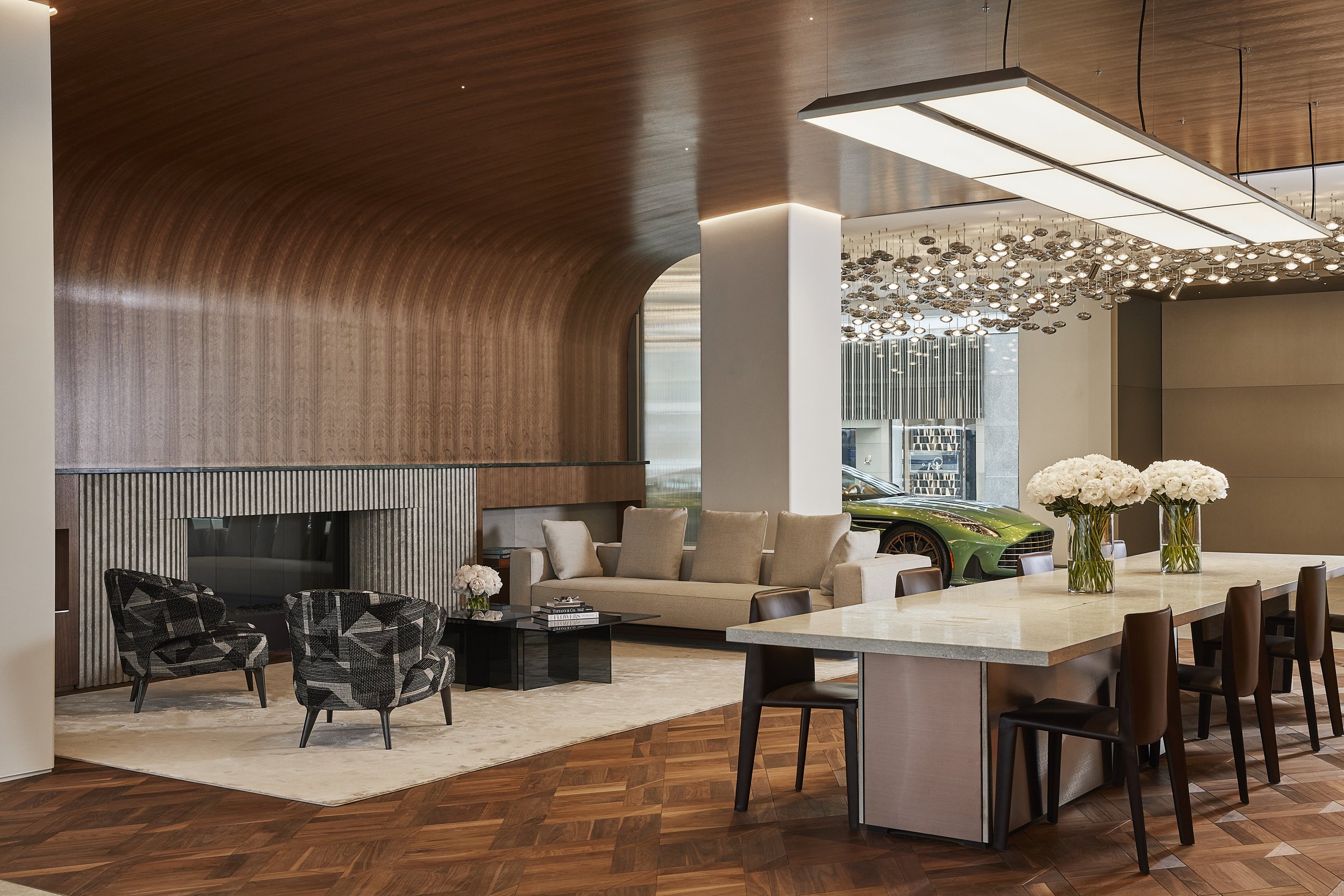
Image © Aston Martin Lagonda. Used for editorial purposes. New York Q AML Dealership
Aston Martin has spent the last decade moving from the language of network growth towards the language of network quality. The dealer footprint remains genuinely global, but the emphasis has shifted. This is no longer primarily a story about adding dots to a map. It’s about deciding which kinds of spaces best serve which markets, how those spaces can support a more valuable customer journey, and how a relatively low-volume luxury brand can remain visible around the world without becoming ordinary.
The next question follows naturally: what does that modern Aston Martin retail space now look like in practice?
The Rise of the Modern Aston Martin Retail Space
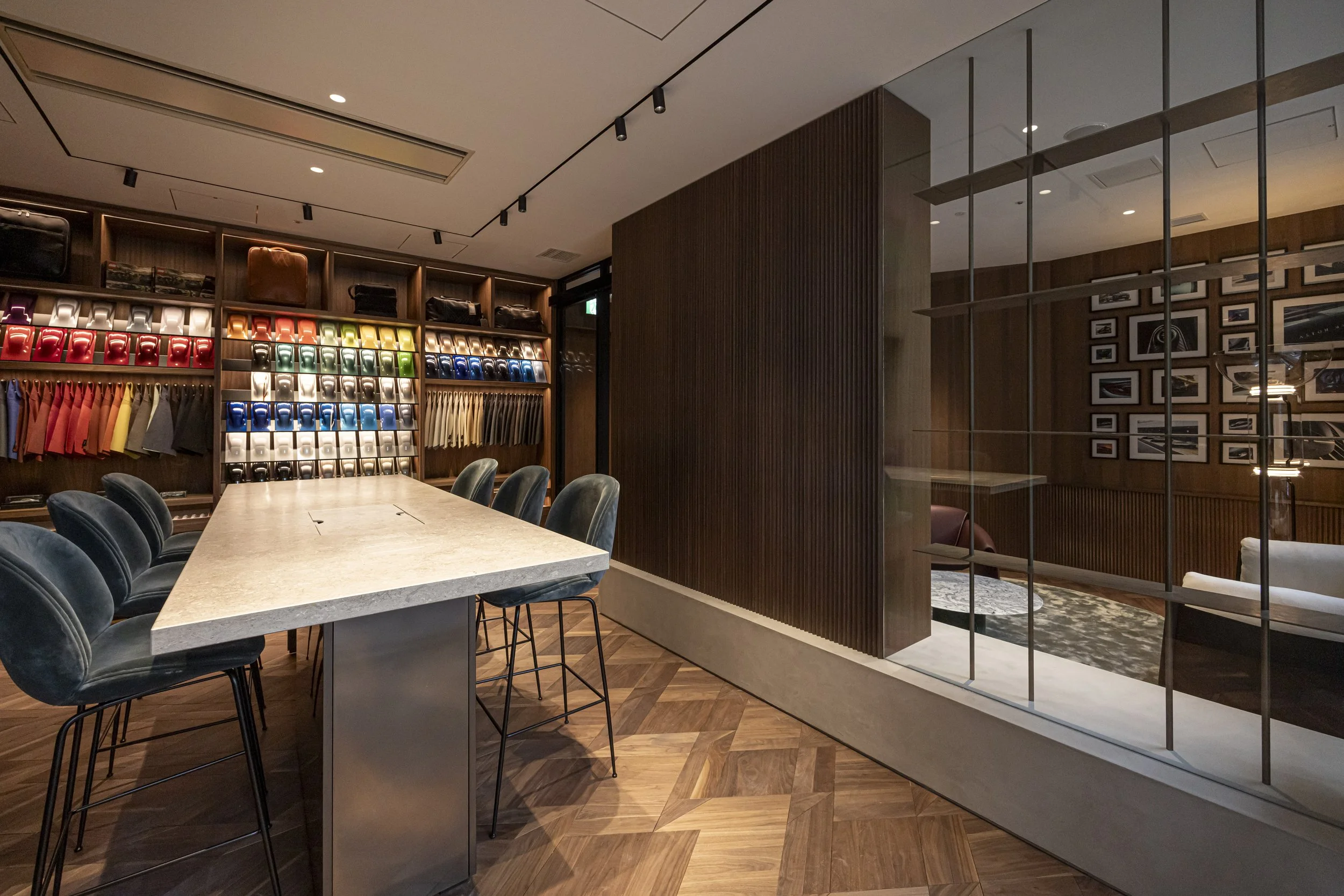
Image © Aston Martin Lagonda. Used for editorial purposes. AML Ginza Interior.
For much of the motor industry, the showroom has traditionally been a fairly straightforward thing: a branded building, a line of cars, a reception desk, a sales office, perhaps a workshop behind the scenes. Even in the premium sector, the basic formula has often remained recognisable. What Aston Martin appears to be doing now is something more ambitious. The company is no longer simply refreshing dealerships. It’s rethinking what an Aston Martin retail space is supposed to feel like.
That change is visible in both language and architecture. Recent Aston Martin releases have not spoken merely about display areas and forecourts, they’ve spoken about ultra-luxury vision, customer experience, specification lounges, bespoke handover, immersive commissioning, hospitality, and the fusion of digital and physical environments. In other words, the modern Aston Martin retail space is being asked to do more than present a product. It’s being asked to express a world.
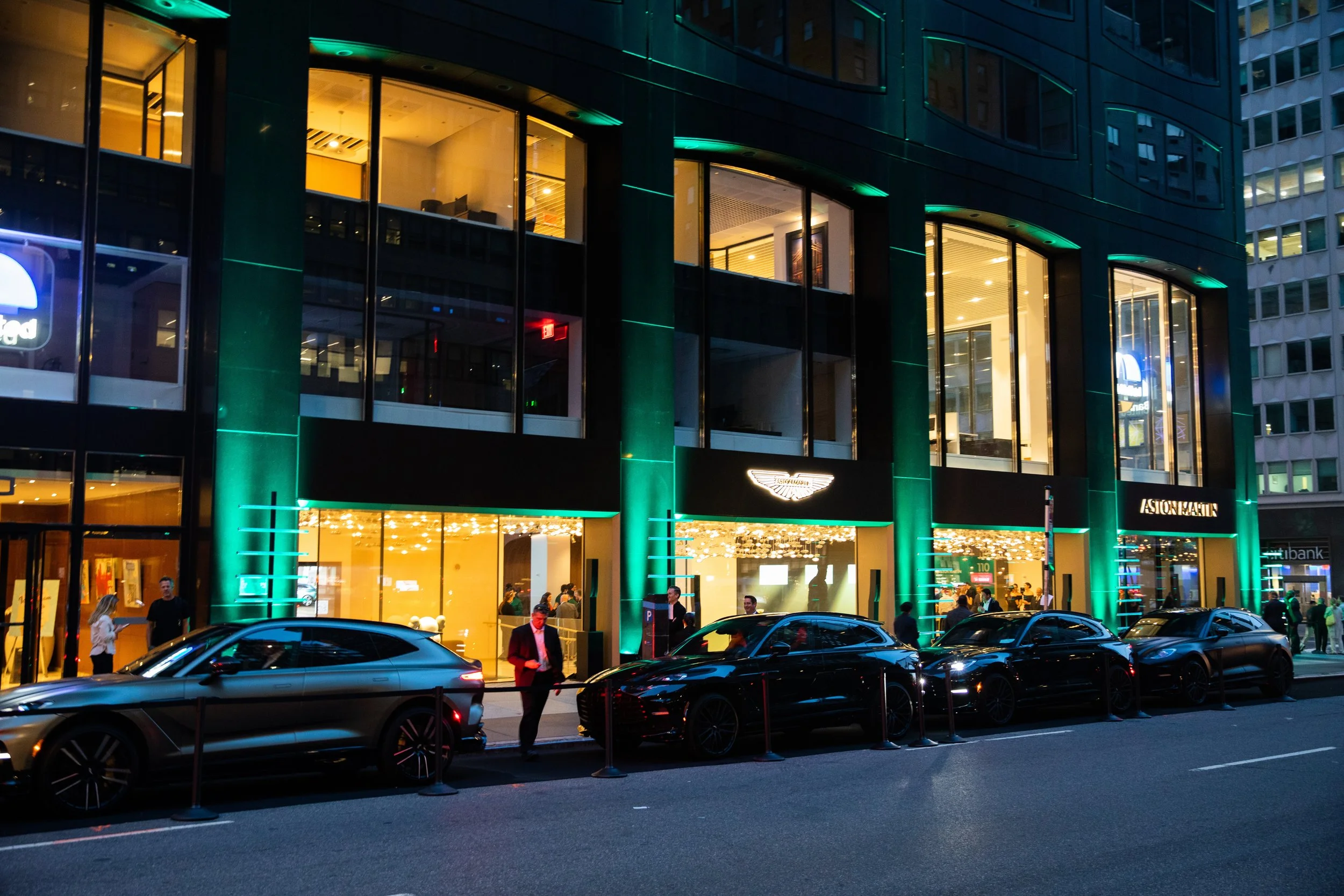
Image © Aston Martin Lagonda. Used for editorial purposes. AML Flagship, Q New York
Q New York is the clearest statement of that ambition. It’s difficult to look at that project and see it as just another dealership. Aston Martin presented it as its first ultra-luxury flagship, and everything about it was designed to support that status: the Park Avenue address, the commissioning-led environment, the emphasis on Q by Aston Martin, and the sense that the space exists not merely to sell cars, but to stage a highly personalised encounter with the brand.
It’s not hard to see why Aston Martin chose to make that statement in New York. The city carries global luxury weight of its own, while the United States remains a commercially critical market for the marque. In that context, Q New York feels less like a showroom and more like a deliberate act of brand positioning.
This 4 minute 17 second video from Forbes takes you into Q New York and is a great introduction to this flagship showroom.
Tokyo offers a different variation on the same theme. Aston Martin Ginza, inside The Peninsula Tokyo, isn’t a copy of New York, nor should it be. What’s interesting is that Aston Martin appears to have adapted the format to fit the city. If New York is about flagship confidence and high-end commissioning theatre, Ginza feels more like a tightly curated urban luxury presence, elegant, hospitality-led, and closely aligned with the rhythms of one of the world’s most sophisticated retail districts. Again, the space itself says something about the market. Aston Martin’s ambitions in Tokyo are clearly not limited to having a point of sale; they extend to being visible in the right environment, in the right way, to the right type of customer.
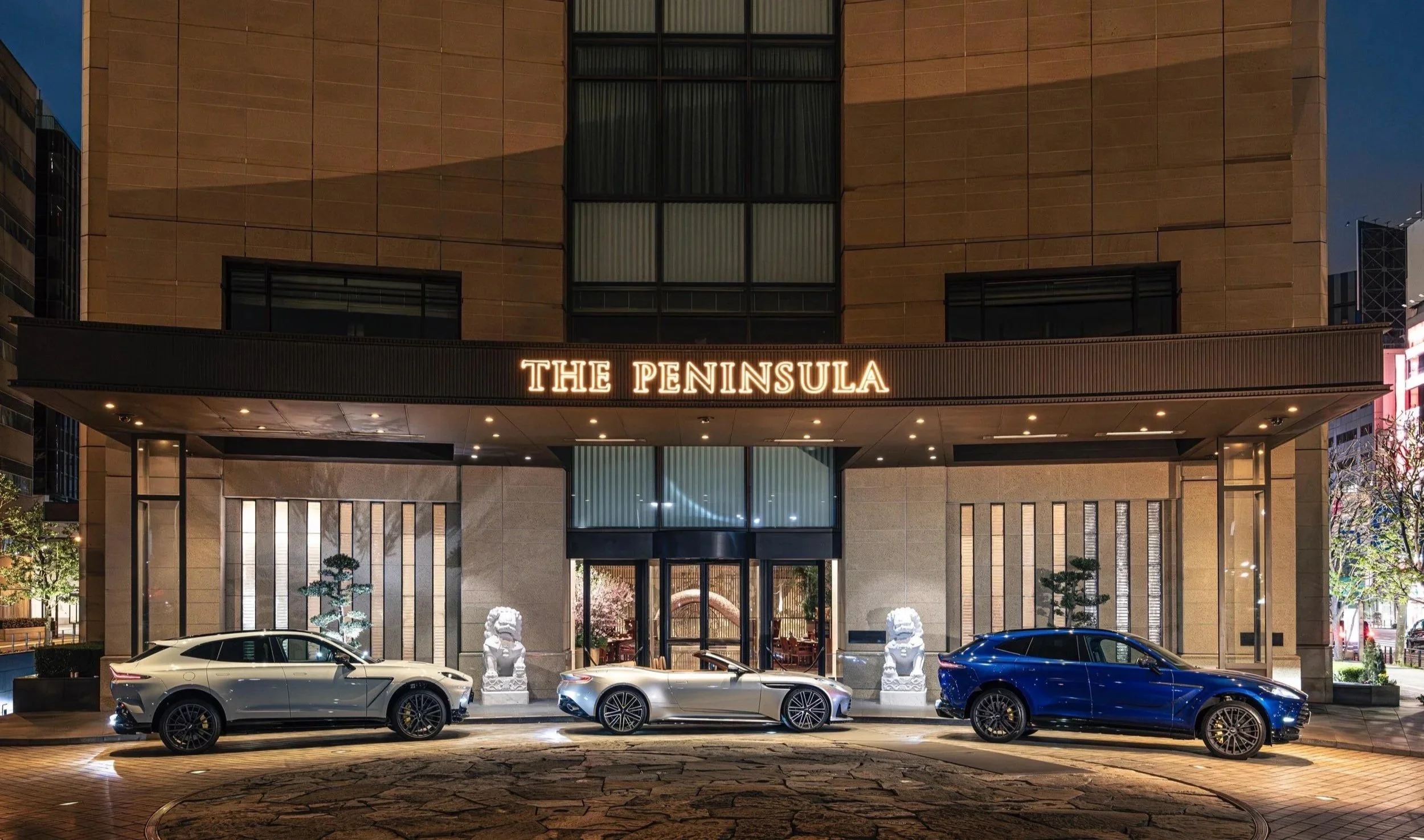
Image © Aston Martin Lagonda. Used for editorial purposes. The Peninsula, Tokyo.
That, perhaps, is the key shift. Aston Martin’s newer retail spaces suggest that the company is no longer thinking in terms of a single universal dealership template. Instead, it appears to be matching format to market role.
In some places, that means a flagship environment capable of carrying the full theatrical weight of the brand. In others, it means a boutique or city-centre presence that trades on location, intimacy and lifestyle context. In others still, it means a larger full-service dealership that combines premium presentation with the practical capacity needed to support owners properly. What matters is not that every site looks the same, but that each site reflects what Aston Martin wants that market to do.
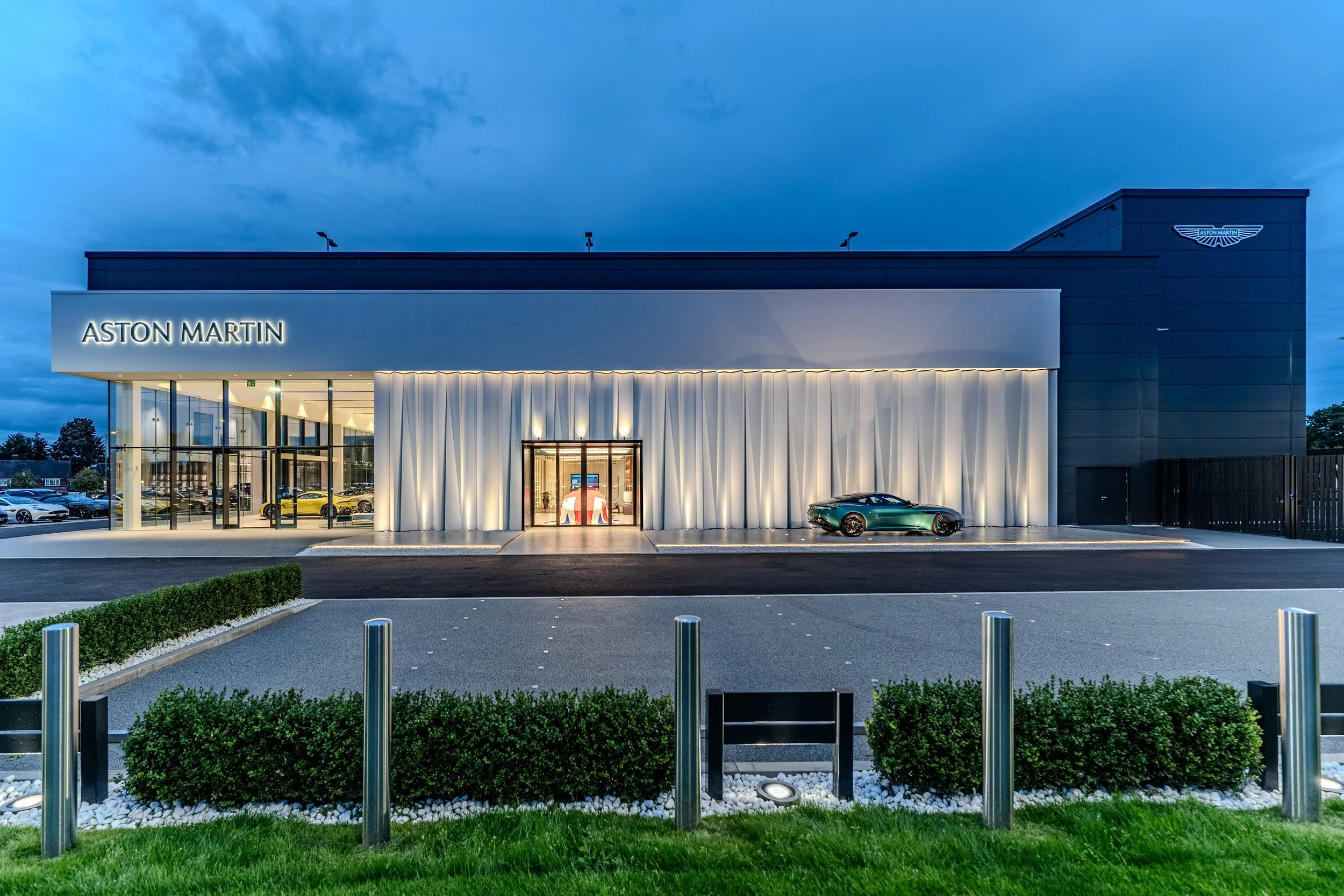
Image © Aston Martin Lagonda. Used for editorial purposes. Aston Martin Dealership, Birmingham
The UK examples are revealing here. Birmingham and Leeds don’t carry the same international glamour as Park Avenue or Ginza, but they’re important in a different way.
These are not symbolic outposts in distant luxury capitals, they’re working home-market dealerships, expected to handle real ownership journeys at scale, including aftersales and long-term support.
Yet Aston Martin still chose to present them as the first UK sites to embrace the new ultra-luxury identity. That matters, it suggests the modernisation of the network isn’t reserved only for global showpieces, the company wants the domestic retail experience itself to reflect the same broader repositioning.
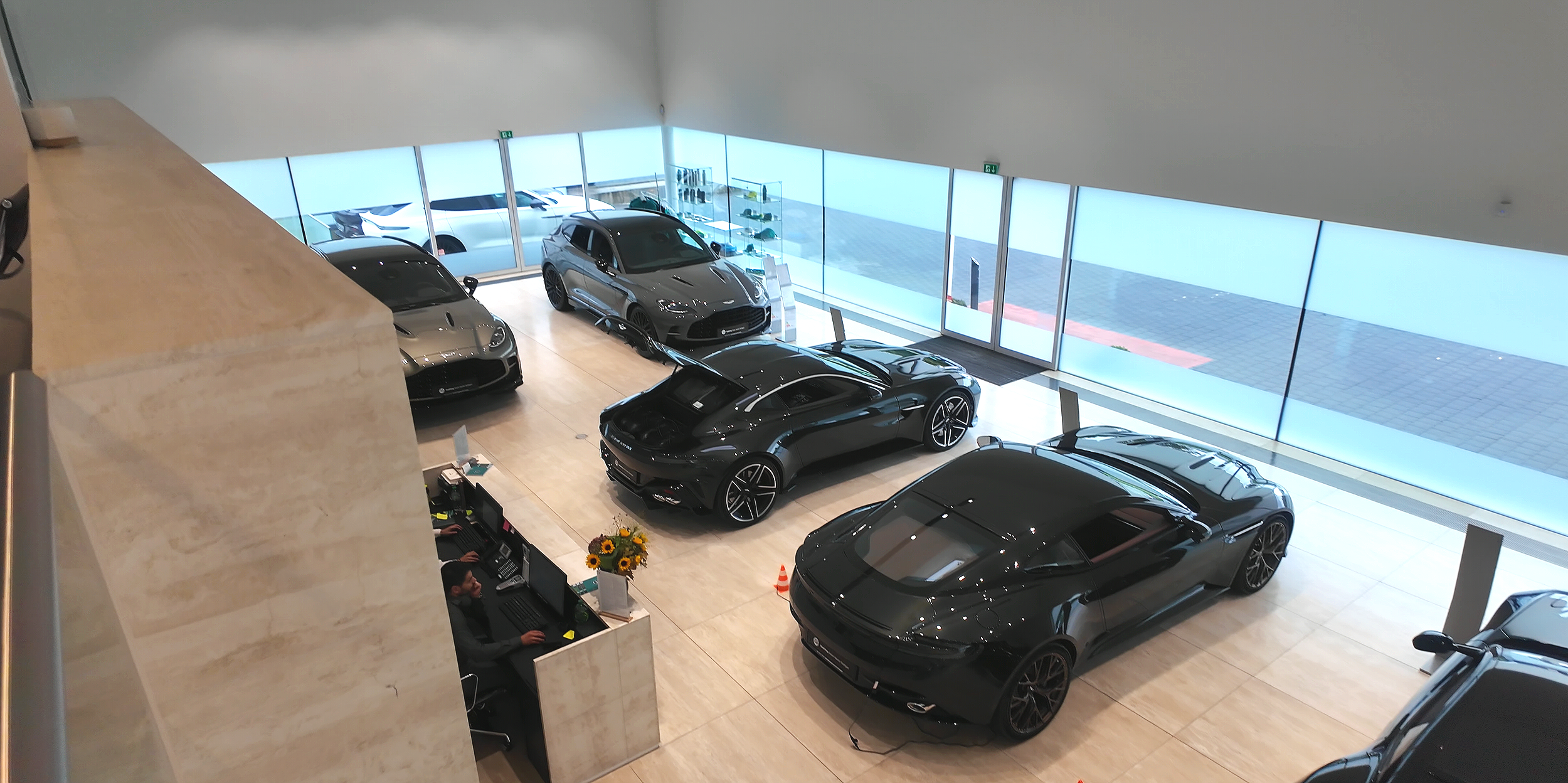
Image © Fuel the Passion, Aston Martin, Stuttgart Dealership, interior
I had a small reminder of that last September, on the way to Austria for the AMOC 90th Anniversary event, when I stopped at Aston Martin Stuttgart. It was a lovely showroom, different in layout to JCT600 Aston Martin Leeds, but similar in overall feel: upmarket, immaculate, and clearly designed to do more than simply display cars.
Like Leeds, it combined showroom presence with the practical confidence of a site equipped to support full servicing and maintenance as well. That matters, because it underlines something central to Aston Martin’s modern retail strategy: these spaces may be visually impressive, but they still have to work as real ownership centres.
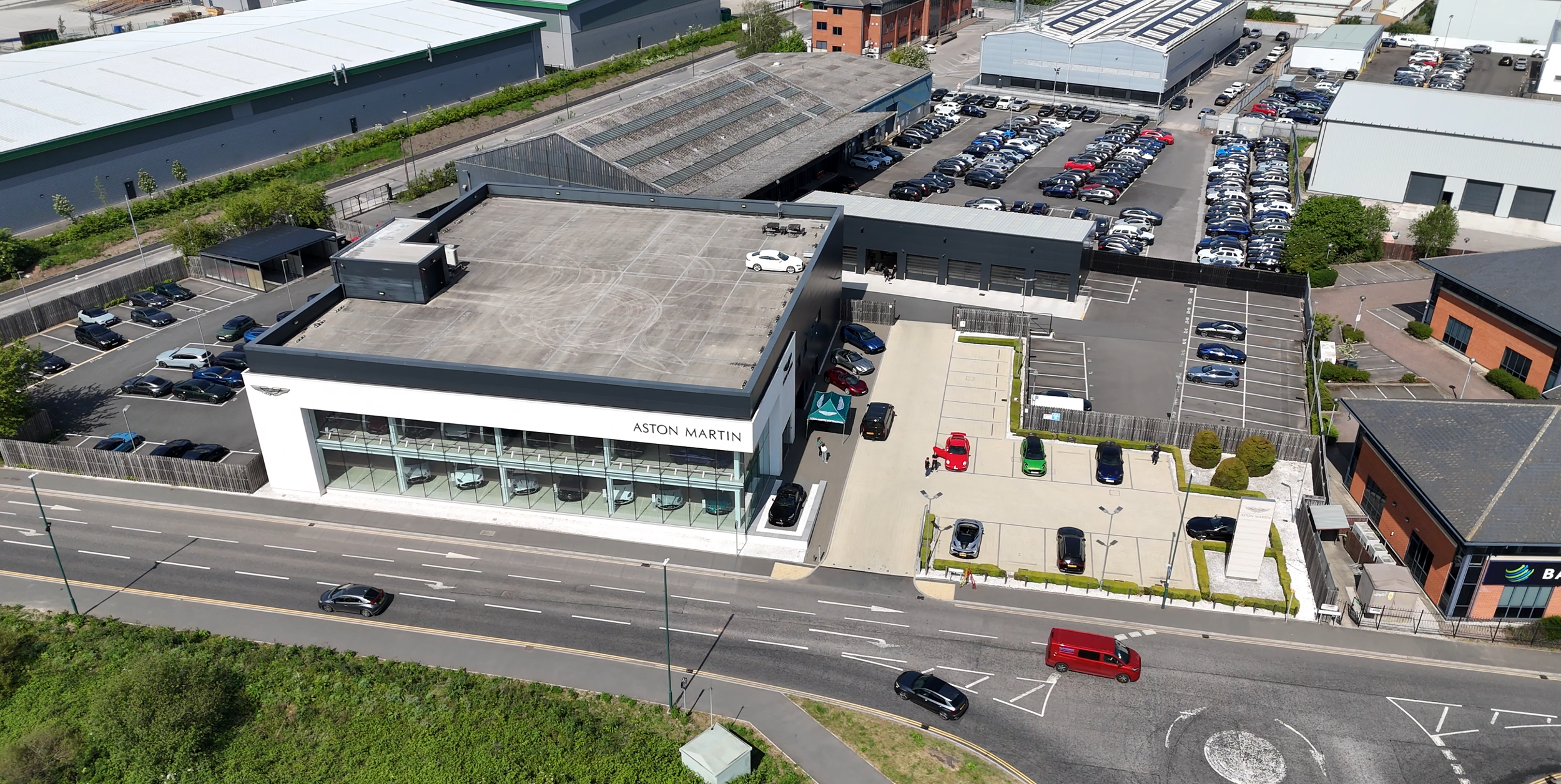
Image © Fuel the Passion, Aston Martin Nottingham
By coincidence, the day before this article was due to go live, I also visited Aston Martin Nottingham for the first time, attending a Cars & Coffee morning organised by the dealership and Sports/Super car club, SC:UK. It proved to be a useful real-world reminder of the very point this article is trying to make.
Nottingham isn’t a small satellite showroom, but a substantial two-storey Aston Martin dealership, opened in 2017 as Sytner Group’s first Aston Martin site, with new cars, Timeless pre-owned Aston Martins, aftersales and parts all brought together under one roof.
The layout tells its own story; on the ground floor, the new models were presented in a bright, open showroom, with the Aston Martin wings set into the reception wall, a customer lounge and coffee area nearby, and the cars arranged with the sort of visual care you would expect from the marque. Upstairs, the Timeless and previously owned cars occupied their own space, giving the site a clear sense of structure: new-car aspiration below, ongoing Aston Martin life above.
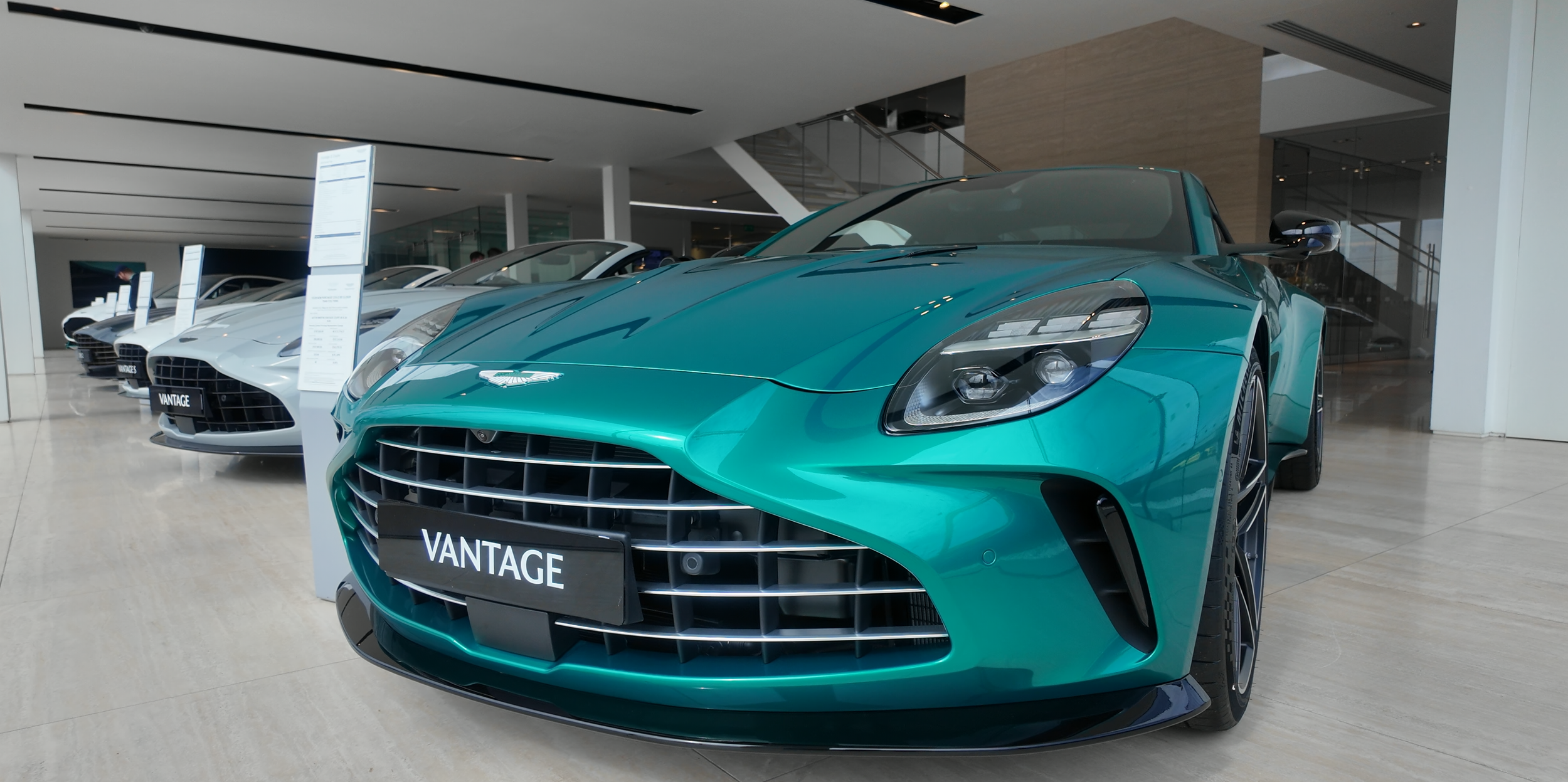
Image © Fuel the Passion, Aston Martin Nottingham, Ground Floor Showroom.
What struck me was not simply that the showroom looked impressive, though it certainly did, but that it showed another version of the modern Aston Martin retail model in practice.
Like Leeds and Stuttgart, Nottingham felt less like a room full of cars and more like a complete brand environment: polished, welcoming, carefully organised and capable of supporting both the excitement of a new car and the continuing appeal of pre-owned Aston Martin ownership.
It also reminded me that dealerships can act as community points as well as retail spaces. A Saturday morning Cars & Coffee event isn’t the same as a formal handover or service visit, but it still brings owners, enthusiasts and the dealership together around the marque. In that sense, Nottingham fitted perfectly into the wider theme of this article: the dealer network isn’t just where Aston Martins are sold, it’s one of the places where the Aston Martin community is kept alive.
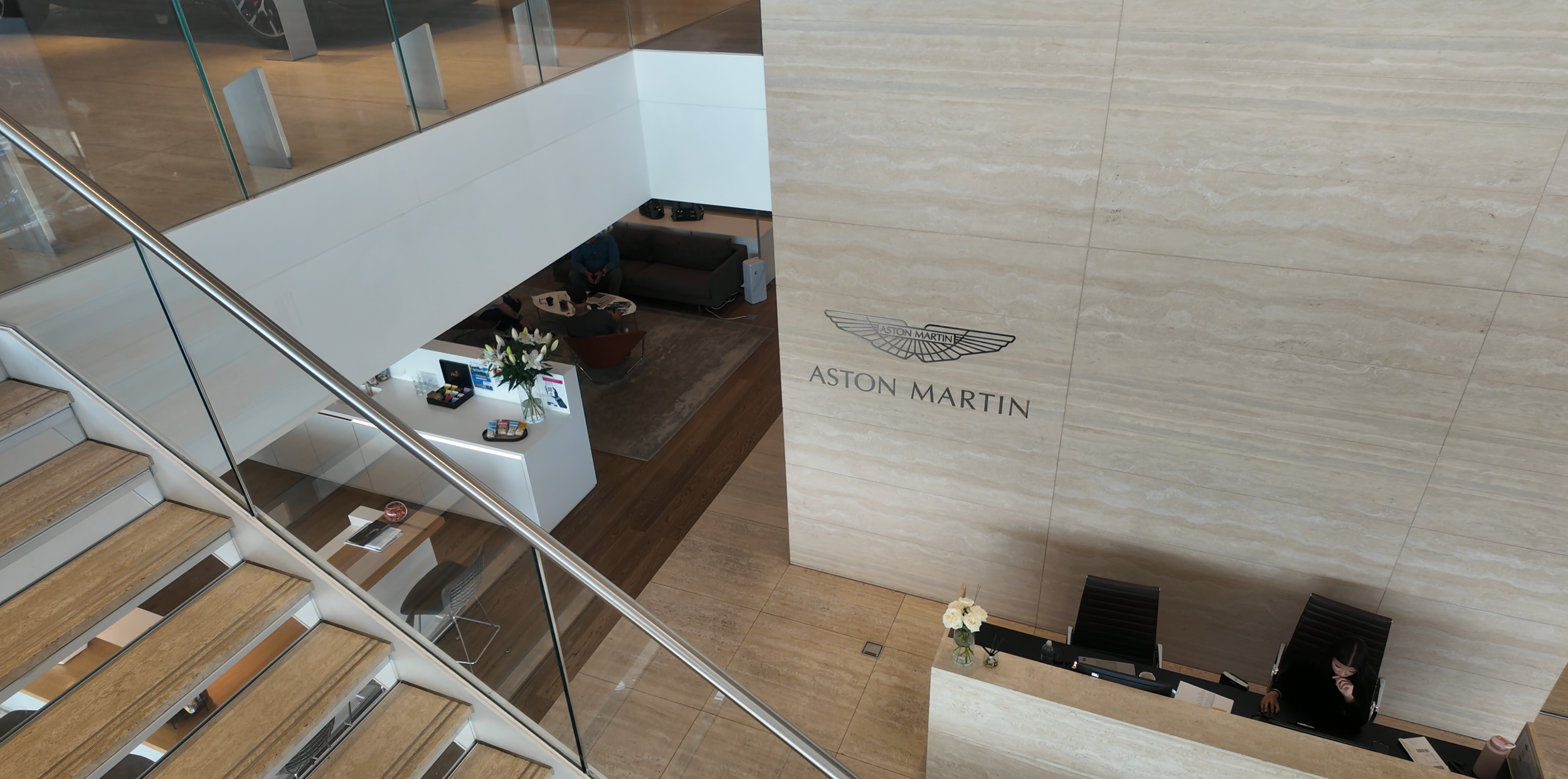
Image © Fuel the Passion, Aston Martin Nottingham, Ground Floor Showroom.
That’s where the distinction between showroom and retail space becomes useful. A showroom can display a car. A retail space can shape a customer’s understanding of the brand. It can influence how special a specification journey feels, how personal a handover feels, and how confident an owner feels about returning there once the glamour of collection day has passed. Aston Martin seems increasingly aware of that difference.
The European examples add further texture. Rome’s boutique-first approach suggests that Aston Martin is willing to enter or strengthen a market through a smaller, more selective format before moving to a full-service presence. In Germany, the mix of city-focused sites and broader regional support suggests a willingness to use more than one kind of footprint within the same country. This isn’t random, it looks much more like a network being tailored according to market maturity, local opportunity, and the type of customer relationship Aston Martin wants to build.
What makes this especially interesting is that these spaces are not only aesthetic statements, they’re commercial tools. Aston Martin’s push towards higher-value cars, greater personalisation and more bespoke commissioning means the environment in which a customer chooses a car matters more than it once did. A better location, a more thoughtful lounge, more effective digital tools, richer material displays and more immersive Q support aren’t simply decorative extras. They help move the retail experience away from transaction and towards curation. Yet, for all the glass, lighting and design language, the most successful modern Aston Martin retail spaces will still be judged by an older standard: whether they leave people feeling well looked after. That’s where the surface glamour meets the deeper test. It’s one thing to create a beautiful setting, it’s another to make that setting feel credible, useful and human once the excitement settles.
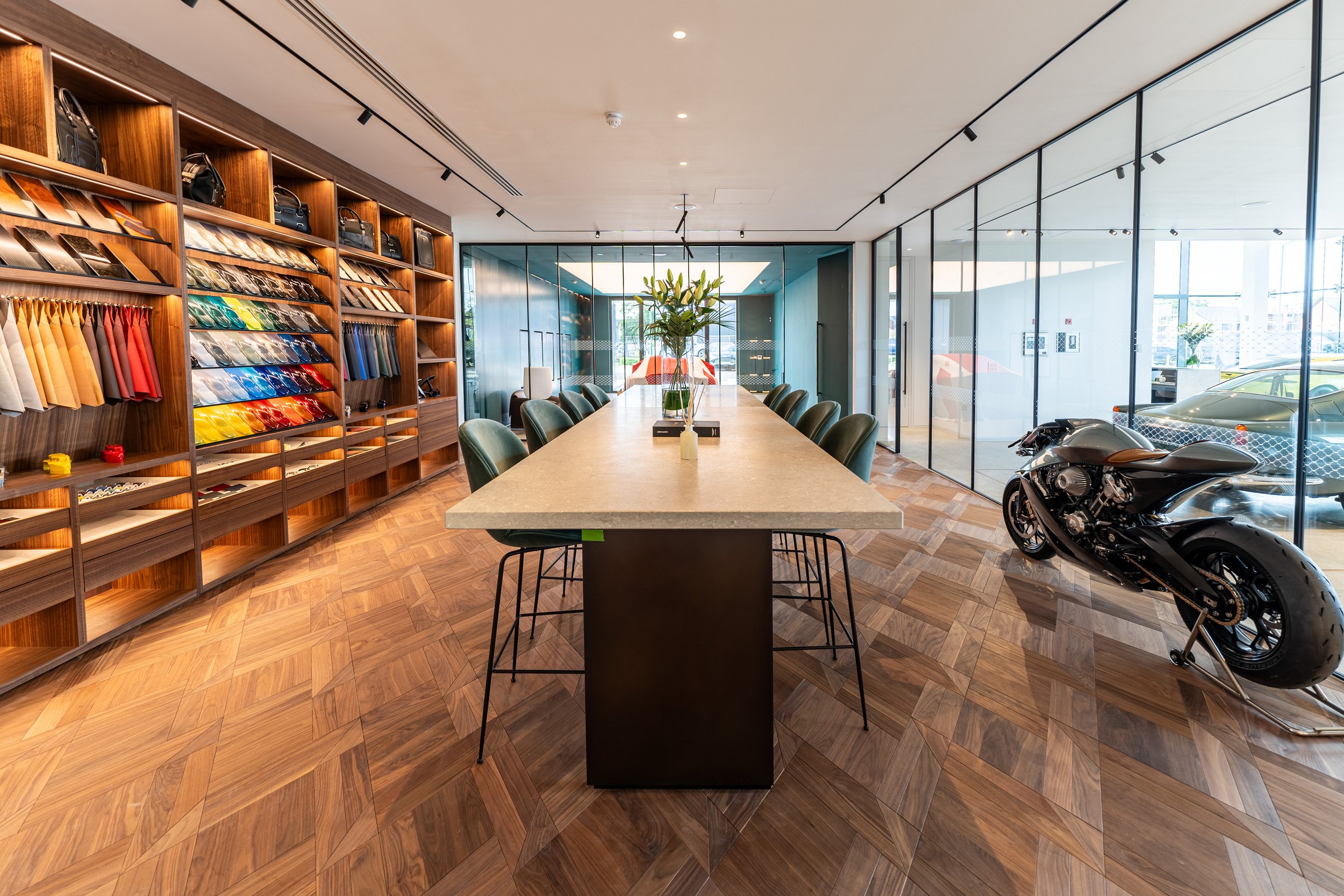
Image © Aston Martin Lagonda. Used for editorial purposes. Aston Martin Dealership, Birmingham
What Aston Martin appears to be building, then, is not a single new type of dealership, but a more flexible retail architecture. Flagship where flagship is needed, boutique where boutique suits the market, full-service scale where ownership support demands it. The badge above the door remains the same, but the way the space is used is becoming far more varied. That variety is not a weakness, on the contrary, it may be one of the most intelligent things Aston Martin is doing. A global luxury brand doesn’t need every location to be identical, it needs each one to make sense and of course the Aston Martin experience no longer begins when someone walks through the dealership door.
Inside the Experience: From Configurator to Dealership
There was a time when the dealership experience began with a visit. A customer walked through the door, saw the cars in front of them, leafed through colour charts, sat at a desk, and gradually worked out what they wanted. That world hasn’t disappeared entirely, but it’s no longer where the Aston Martin journey necessarily starts.
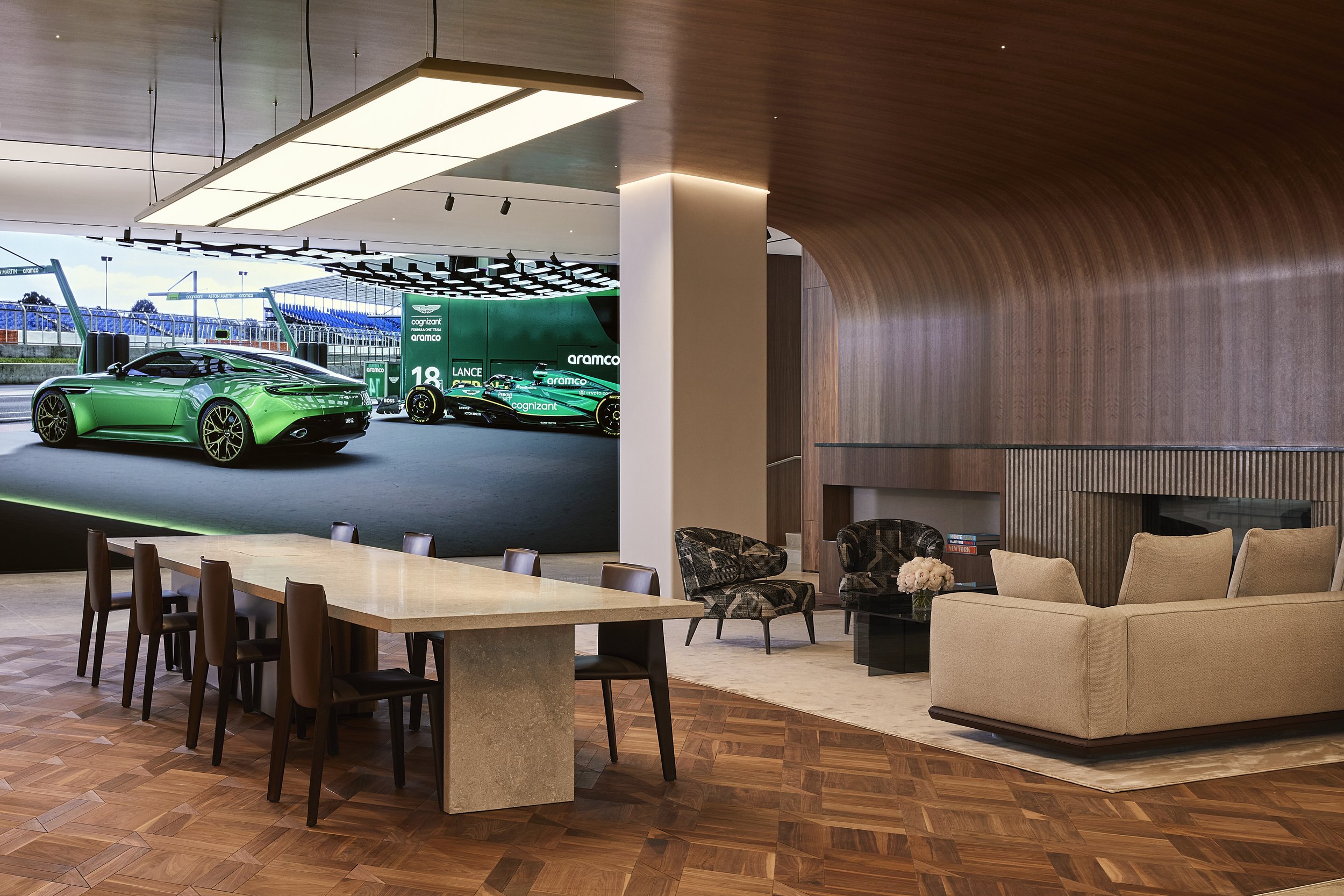
Image © Aston Martin Lagonda. Used for editorial purposes. AML, New York Flagship Q
Today, it often begins much earlier, and much more privately.
Before a customer speaks to a salesperson or steps into a specification lounge, they may already have spent hours with the car online, exploring colours, wheels, trim finishes, carbon fibre details, brake calipers and interior combinations, shaping the car in their mind long before they ever see it in the metal. Aston Martin’s updated configurator, launched in late 2025, made that shift explicit. The company described it not merely as a useful digital tool, but as an “essential component of modern car buying” and “a true gateway to the brand.” That’s revealing language, it suggests Aston Martin now sees the early stages of desire, imagination and decision-making as part of the retail experience itself. That makes sense, for a luxury marque whose current strategy depends increasingly on higher-value cars and more richly specified orders, the purchase is no longer simply about choosing a model, it’s about composing something more personal.
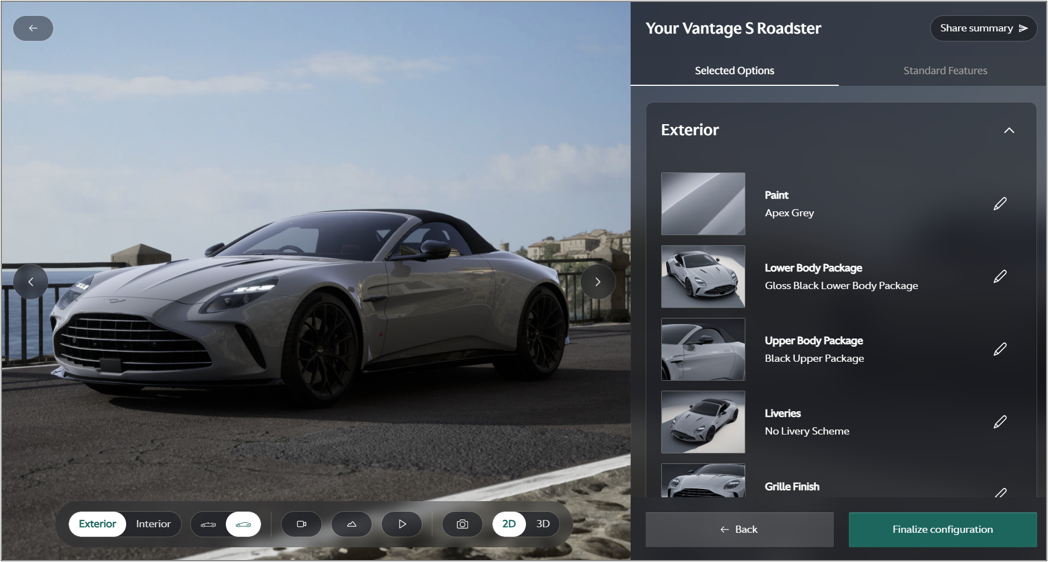
Image © Aston Martin Lagonda. Used for editorial purposes. Aston Martin Configurator
The configurator is the first expression of that. It allows the customer to begin building not just a car, but an idea of themselves within the car, the colour they want to be seen in, the cabin they want to inhabit, the atmosphere they want the vehicle to project. Even the visual language around the newer configurator reflects that shift. Aston Martin placed emphasis on richer graphics, more realistic finishes, new rendered environments and the use of Gaydon itself as a digital backdrop, all designed to make configuration feel more immersive and more aspirational. The point is not simply to inform, it’s to draw the customer further in.

Image © Aston Martin Lagonda. Used for editorial purposes. AML Configurator, displaying Minotaur Green Vanquish
By the time that customer reaches a dealership, then, the conversation may already have moved beyond basics. They may know the model, they may know the colour, they may even have a fairly advanced sense of the car they want to commission. The role of the retail space changes accordingly. Instead of merely presenting options for the first time, it becomes the place where digital interest is refined into physical choice.
That’s where the modern Aston Martin dealership starts to matter in a different way. The material samples, paint finishes, leather swatches, stitching options and wheel designs are no longer simply accessories to the sales process. They’re part of a transition from imagining the car to properly understanding it. A colour that looks perfect on screen may feel different in daylight, a trim that seems appealing digitally may feel less convincing when seen and touched in person. The dealership, in that sense, still performs an irreplaceable role. It gives physical truth to what digital tools can only approximate.
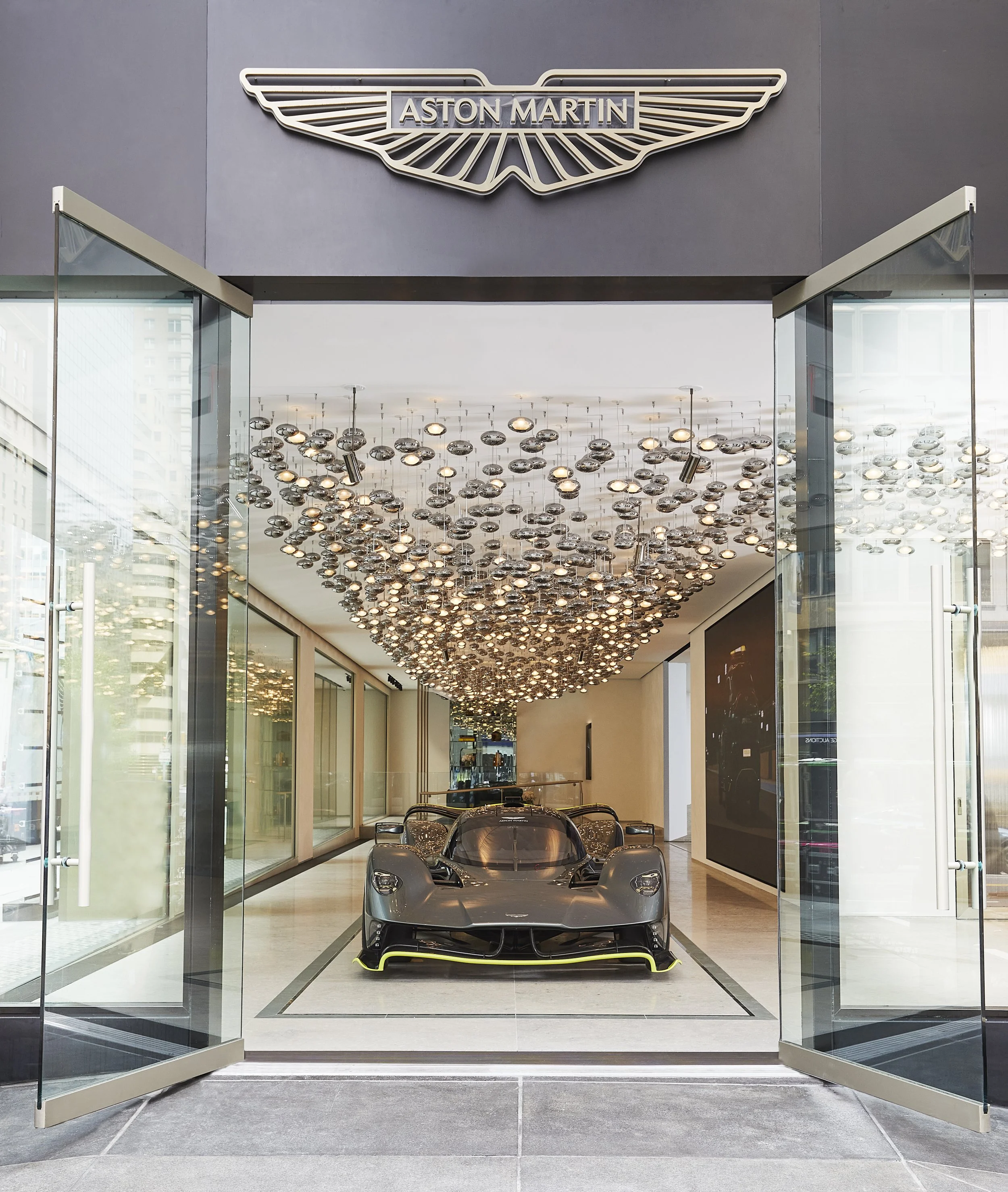
Image © Aston Martin Lagonda. Used for editorial purposes. AML, New York Flagship Q
At the upper end of that journey sits Q by Aston Martin, the marque’s bespoke personalisation service. This is where the experience moves decisively away from “buying a car” and towards something closer to commissioning one.
Q has always existed as part of Aston Martin’s appeal, but the company’s recent retail strategy makes clear that it now sees bespoke commissioning as a much more central part of the customer experience.
Q spaces, flagship environments and enhanced specification lounges all point in the same direction: Aston Martin wants customers to feel that personalisation is not an optional extra at the edges of ownership, but part of the core event.
That has real commercial significance. Aston Martin’s own reported figures show that options contribution to core revenue has been rising, reaching 18 per cent in 2024, up from around 13 per cent two years earlier. That’s more than a dry financial detail. It tells us that the specification experience is now materially important to the business. The lounge, the configurator, the Q conversation, the carefully presented finishes and the sense of occasion around commissioning all help support a model in which customers are encouraged to go deeper into choice, individuality and higher-margin personalisation. Seen in that light, the modern dealership is doing several things at once. It’s still selling cars, obviously, but it’s also converting curiosity into confidence, digital intent into physical conviction, and brand desire into a more valuable order.
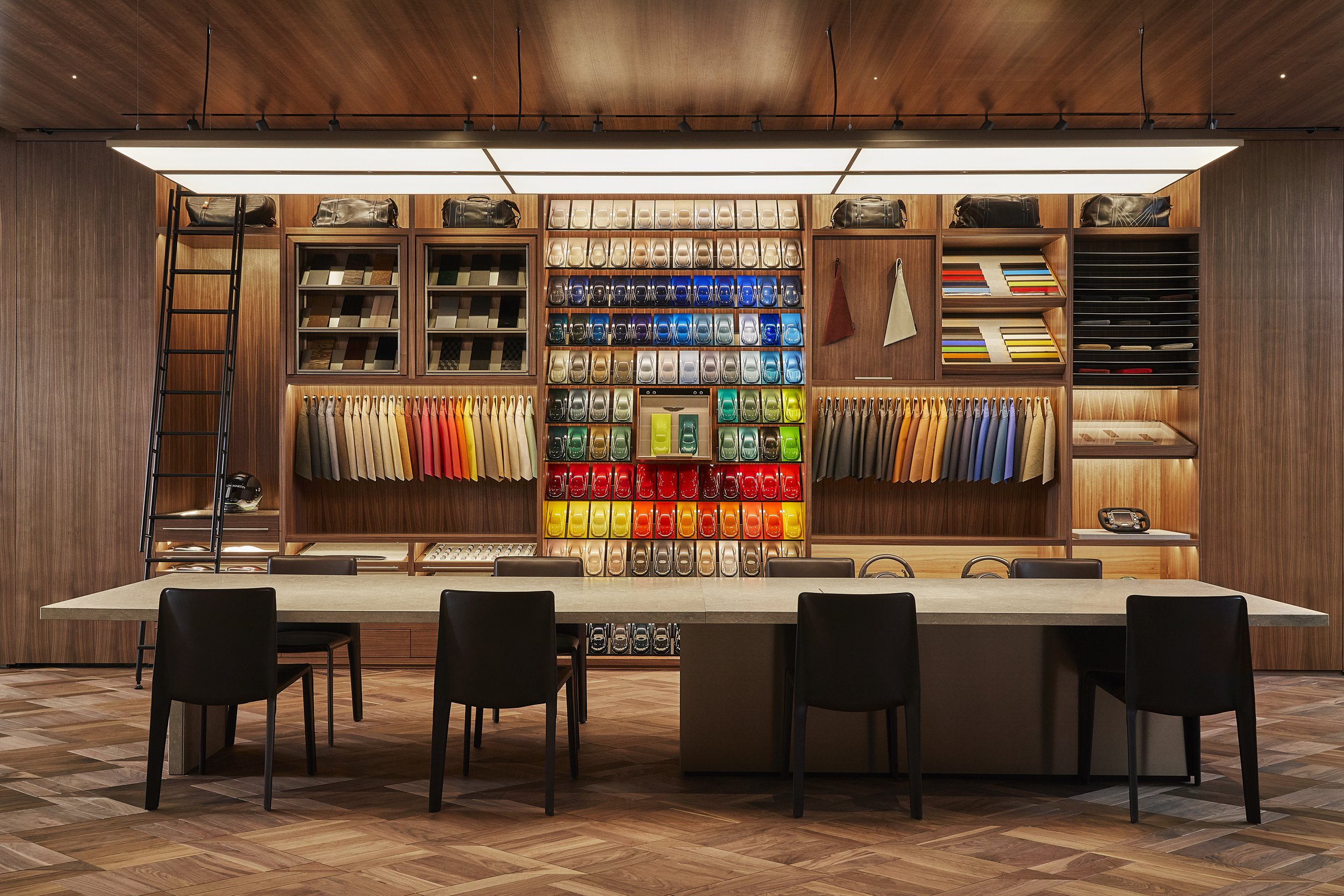
Image © Aston Martin Lagonda. Used for editorial purposes. AML, New York Flagship Q
Yet for all this talk of configuration, commissioning and curated luxury, one point remains important: the retail experience cannot simply be theatre, it has to feel human. For a customer, the process still depends on being guided well, not overwhelmed; on being listened to, not merely sold to; and on feeling that the person across the table understands both the product and the significance of the purchase. Aston Martin may now have more sophisticated digital tools and more polished environments, but the emotional success of the experience still depends heavily on people.
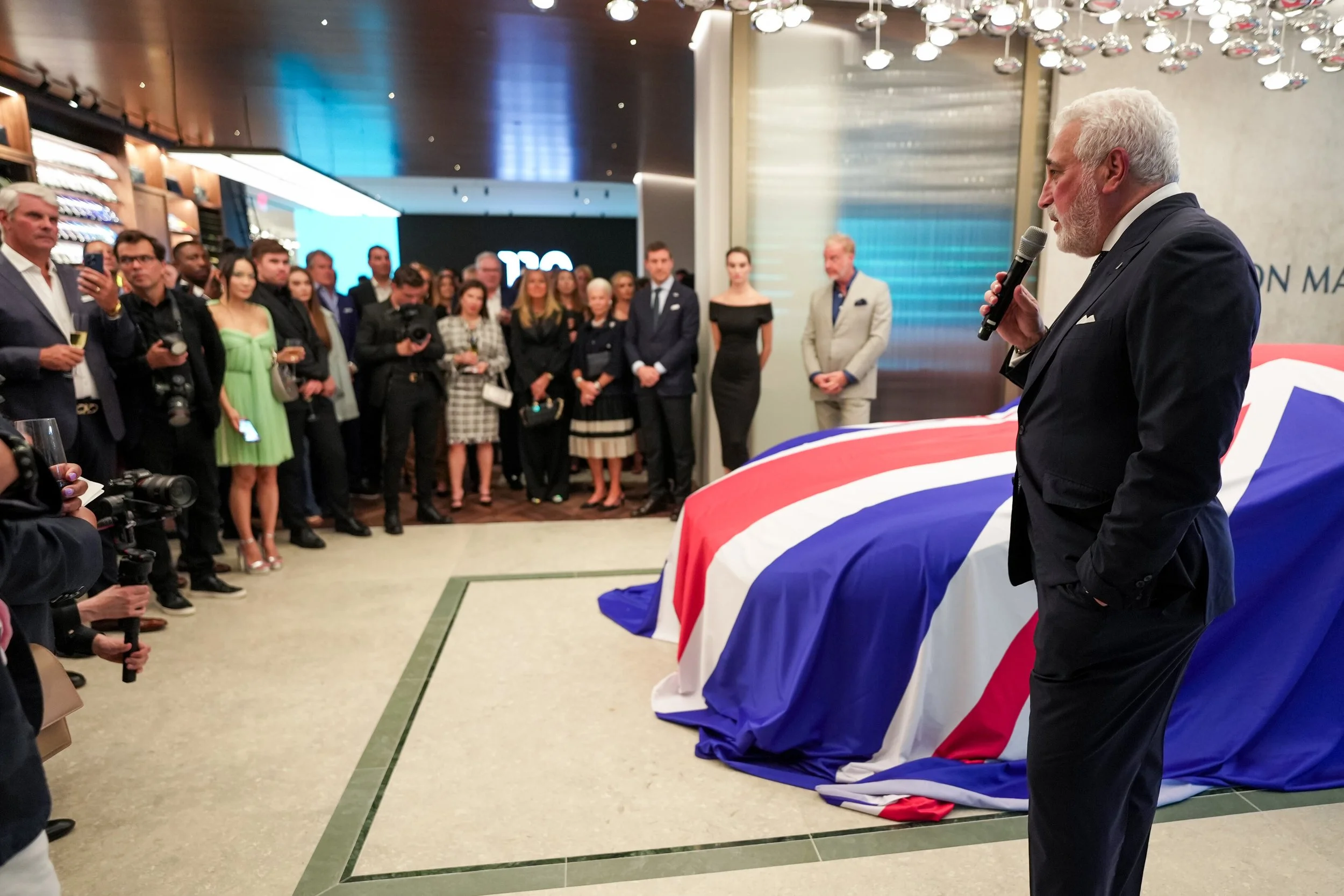
Image © Aston Martin Lagonda. Used for editorial purposes. Lawrence Stroll, AML CEO, Flagship, Q, New York
That human element becomes even more important at handover. However beautifully a car is specified, the moment of collection still carries unusual weight. In a brand like Aston Martin, handover is not just a practical transfer of ownership, it’s part ceremony, part reassurance, part culmination of months of anticipation.
The newer dealership environments, with their more refined lounges, dedicated spaces and improved surroundings, are clearly designed to elevate that moment. They do not merely frame a car, they help frame the memory of acquiring it.
What Aston Martin appears to understand, then, is that the experience of acquiring one of its cars is no longer confined to a single place or a single day. It begins online, deepens in the dealership, becomes more tangible through touch and conversation, and culminates in a handover that the company increasingly wants to feel intimate, tailored and worthy of the badge on the bonnet. In that sense, the modern Aston Martin dealership is no longer the starting point of the customer journey, it’s the place where that journey becomes real.
Why This Matters to Owners
For all the attention now given to configurators, commissioning lounges and beautifully staged handovers, the long-term value of a dealership is usually measured in quieter moments; a warning light, a service booking, a warranty concern, a question about a part, a need for confidence rather than theatre. That’s where the ownership side of the dealer network matters most.
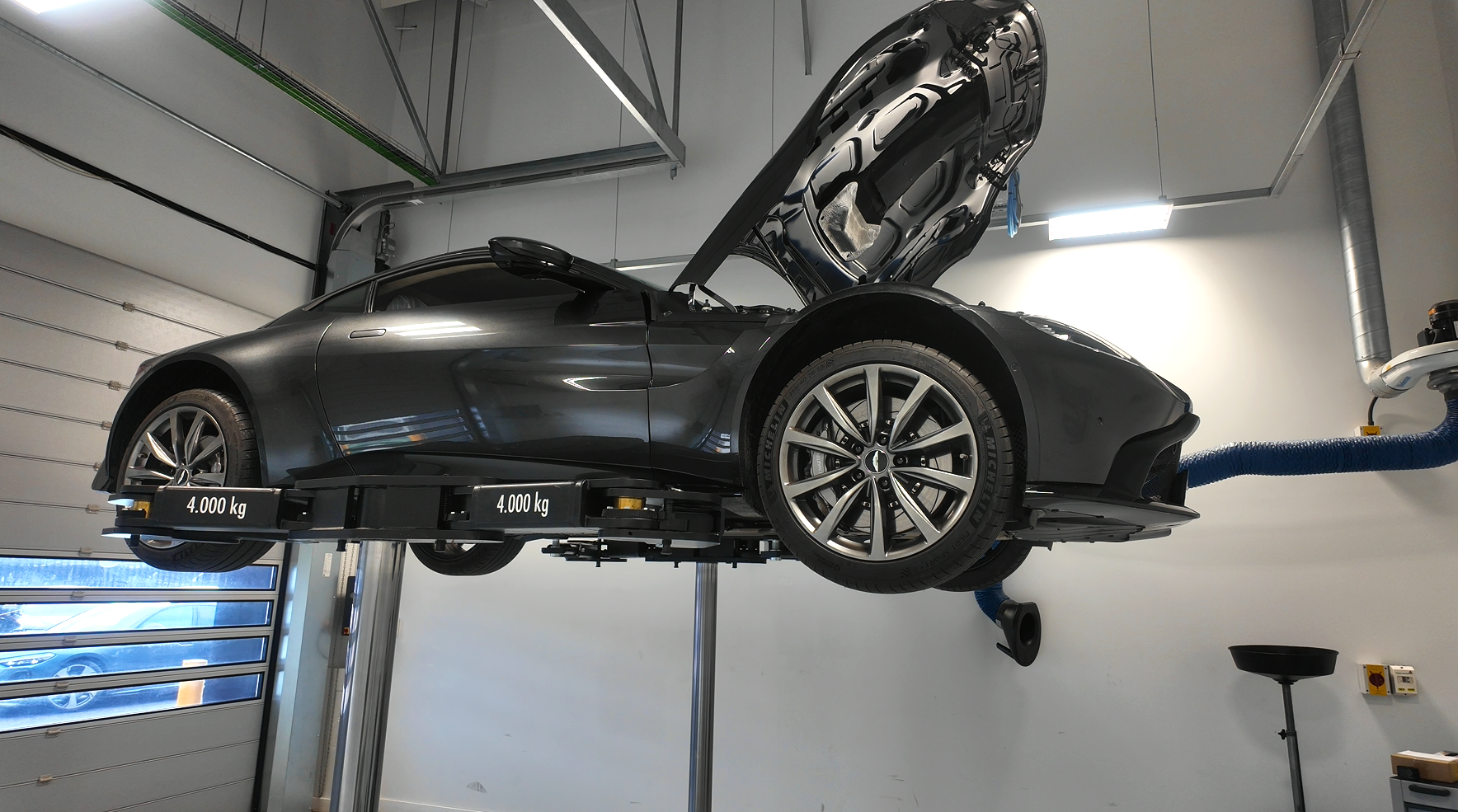
Image © Fuel the Passion, JCT600, Aston Martin Leeds, FTP Vantage in service bay
Aston Martin’s own aftercare language makes clear that the retail network is expected to do far more than maintain appearances.
The company ties its dealer experience to trained technicians, genuine parts, approved servicing procedures, roadside support, warranty-backed programmes, digital service records and provenance protection.
Those things may sound less glamorous than a Q commissioning suite, but for an owner they often carry greater long-term weight.
That’s especially true in a marque like Aston Martin, where trust and confidence are a meaningful part of the ownership equation. A beautifully designed showroom may shape a first impression, but it’s the quality of the support that follows which often determines whether an owner feels properly looked after. The service department, in that sense, can matter just as much as the showroom floor.
That’s one reason why the better modern Aston Martin sites appear to be designed not simply as sales spaces, but as complete ownership centres. Leeds is a good example of that in principle. Whatever the visual impression of the showroom itself, its real importance lies in the fact that it combines front-of-house brand presentation with the practical capability to support the car properly afterwards.
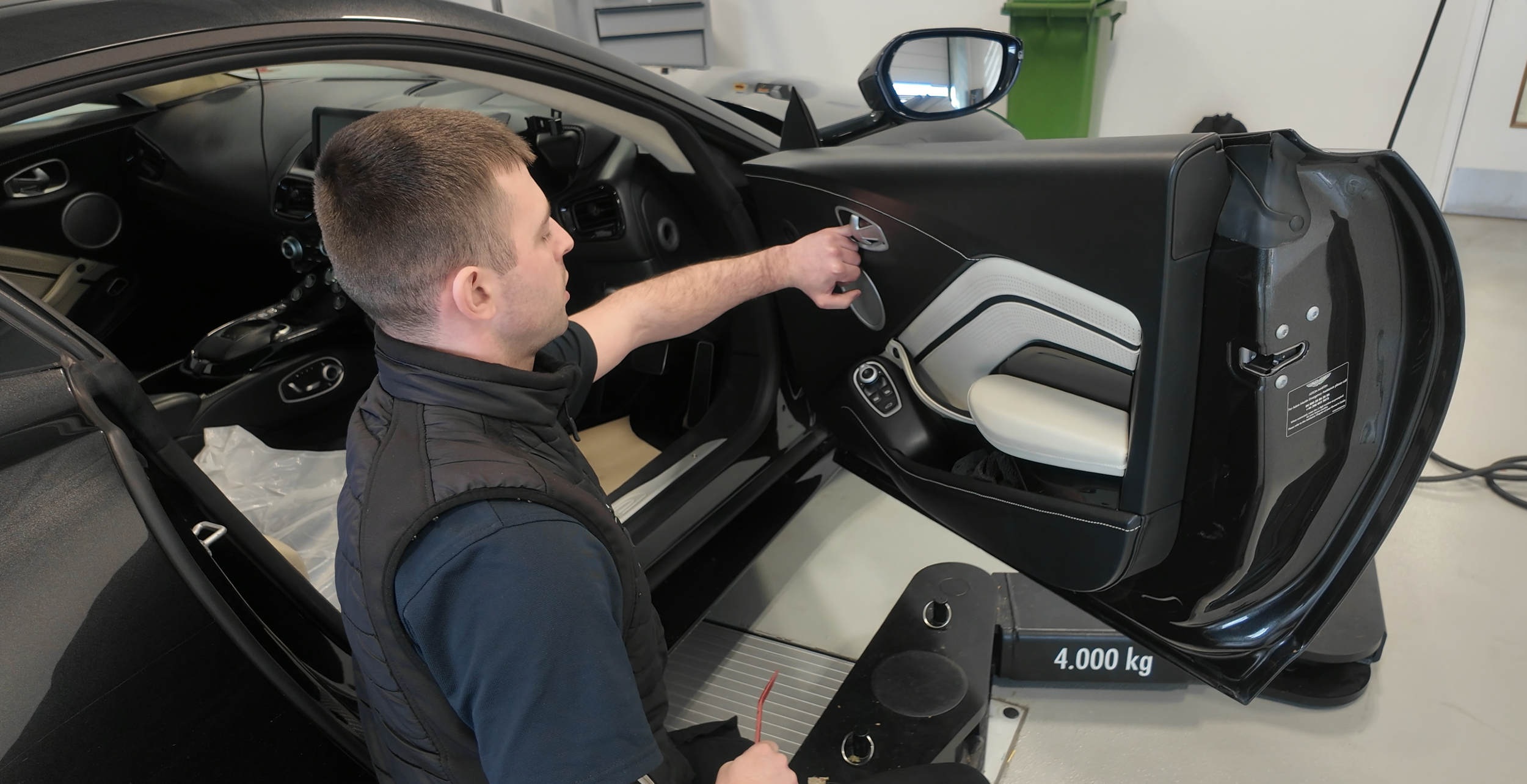
Image © Fuel the Passion, Brandan, JCT600, Aston Martin, Leeds
In my own case, a good part of that confidence comes down to people. Brandan, the technician at JCT600 Aston Martin Leeds who looks after my Vantage, explains things clearly, carries out the work carefully and professionally, and gives me confidence that the car is being handled responsibly.
That sort of relationship matters. It reminds you that beyond the glass, lighting and corporate identity, ownership still depends on skilled individuals doing their job properly and communicating well.
Many dealerships now reinforce that confidence in other ways too, including inspection videos sent to customers showing what has been found, or, just as importantly, what hasn’t. That kind of transparency is valuable, it helps demystify the process and reassures the owner that the work is being carried out carefully and with proper attention to detail.
It also raises a wider thought, for those customers who want it, there may be room in the modern luxury service experience for something even more personal: not just a polished handover or a video update, but the opportunity to be shown what’s been done, why it matters, and how the work has been carried out. Not every owner would want that, of course, but some certainly would and in a marque built so heavily on craftsmanship, confidence and emotional connection, that kind of openness could strengthen the relationship between dealership and owner still further.
In the end, that may be the most important truth about the network. For the customer, the dealership is where the dream takes shape. For the owner, it’s where the relationship is tested.
Measuring Excellence: Standards Across the Network
For all the visual variety now visible across Aston Martin’s global retail presence, one question sits behind it all: what, exactly, does the company consider a good dealership to be?
That’s not always easy to answer from public material alone. Aston Martin understandably says more about the atmosphere and aspiration of its newer retail spaces than it does about the finer details of network performance measurement. Even so, enough can be seen to make one thing clear: the marque is not treating its dealer network as a loose collection of independent outlets. It’s trying, in its own way, to define what excellence looks like across sales, service and ownership support.
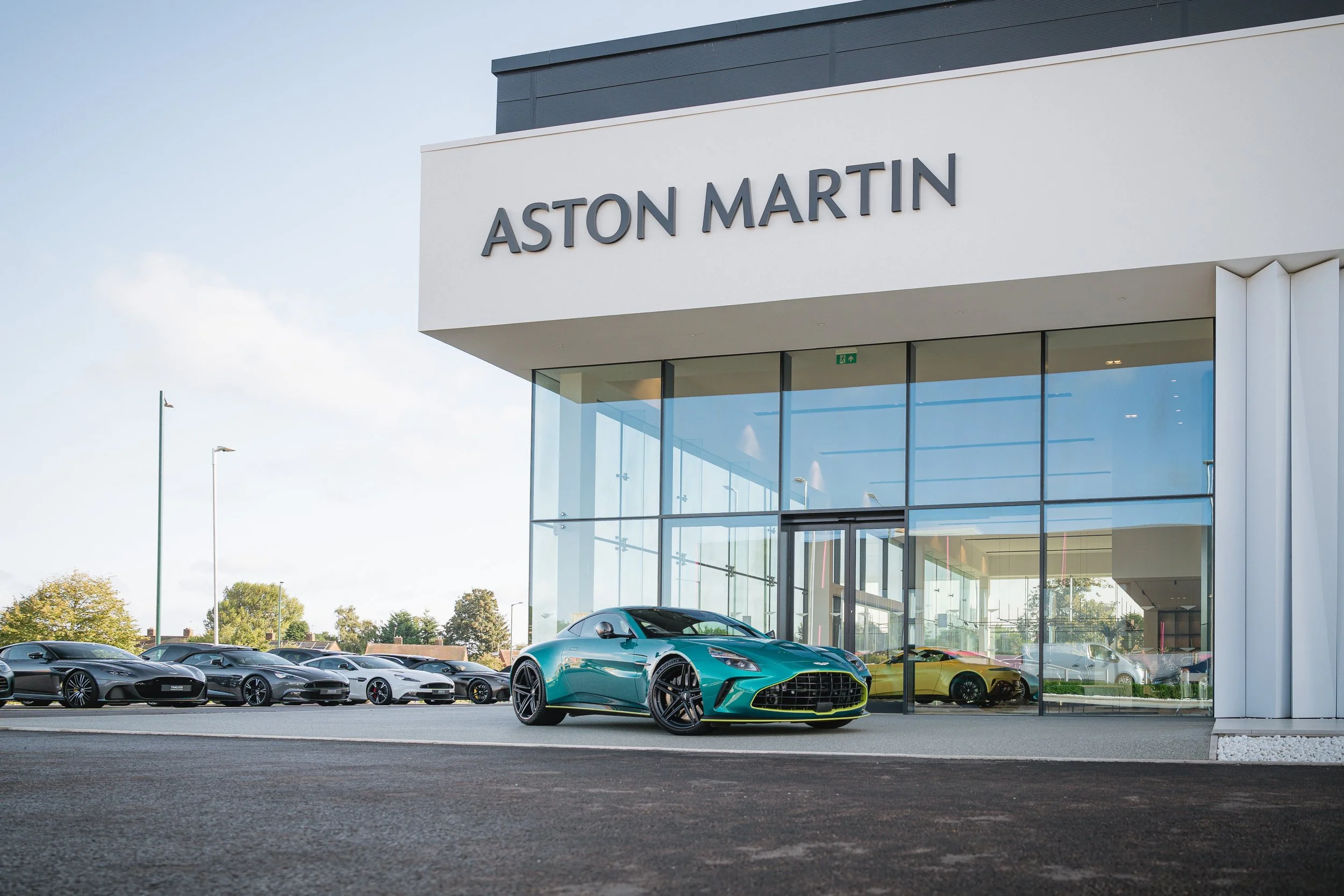
Image © Aston Martin Lagonda. Used for editorial purposes. Aston Martin, Birmingham.
Part of that picture is technical. Aston Martin’s own aftercare language repeatedly returns to the same foundations: manufacturer-trained technicians, genuine parts, specialist equipment, warranty-backed support, digital records and provenance protection. None of that is especially theatrical, but it is revealing.
It tells us that, from Aston Martin’s point of view, excellence in the network is not only about how a showroom looks or how impressive a handover feels. It’s also about whether the practical backbone of ownership is being handled to the standard the marque believes its cars require.
There’s also evidence that Aston Martin has tried to formalise the softer side of that standard as well. In its 2019 annual report, the company said it had launched a Centre for Excellence, a training academy designed to encourage continuous improvement and provide dealers with a combination of product and soft-skills training so customers receive what it called a true luxury experience. That phrase matters. It suggests Aston Martin understands that dealership quality is not just a matter of technical competence, but of communication, confidence, consistency and the way customers are treated throughout the journey.
Image © Aston Martin Lagonda. Used for editorial purposes.
That combination, hard standards beneath softer presentation, is central to how a luxury dealer network succeeds. A beautiful showroom with poor follow-through will disappoint. A technically capable workshop with a cold or clumsy customer experience will feel out of step with the marque.
Aston Martin’s challenge, therefore, is not simply to ensure its dealers are competent. It’s to make them feel worthy of the badge while still delivering the basics exceptionally well.
In March 2026, Dick Lovett announced that Aston Martin Bristol had won Global Dealer of the Year 2025 as well as Regional Sales Team of the Year 2025 at Aston Martin’s Wings Awards, against a network it said covered 156 dealers in 53 markets. That doesn’t necessarily make Bristol a “flagship” in the formal sense used for Q New York, but it does place it very clearly among the network’s leading retail partners. More importantly, it suggests Aston Martin still sees value in identifying and celebrating benchmark performance across its authorised dealer base.
Bristol is useful here not because the article needs an awards story, but because it illustrates a larger truth. However varied the network may now be in format; flagship, boutique, hotel-linked, full-service, heritage-rooted, Aston Martin still needs a common idea of what good looks like. That means strong sales performance, yes, but it also means how the brand is represented, how customers are handled, and how consistently the dealer delivers the ownership experience expected of an Aston Martin outlet. Aston Martin’s public service and maintenance language reinforces that point: the company speaks of peace of mind, meticulous care, and the use of genuine parts and trained specialists not as optional virtues, but as part of the ownership promise itself.
It’s also where the authorised-partner model becomes especially important. Because Aston Martin relies on dealer groups and long-standing partners rather than running every site directly, standards cannot rest on corporate identity alone. The quality of the network depends on whether those local businesses interpret the brand well, invest appropriately, train properly, communicate clearly and follow through once the sale is done. In that sense, excellence is not just designed at Gaydon; it’s delivered, or not delivered, on the ground.
That may be why this section matters more than it first appears. A global dealer network can look impressive on paper. It can have the right number of sites, the right cities, the right visual language and the right strategic rhetoric. But ultimately, what gives it credibility is whether customers and owners can trust it, and that trust is built in the details: the skill of the technician, the clarity of the explanation, the quality of the parts, the care taken with the car, the confidence felt at handover, and the sense that the people representing Aston Martin understand that they’re not just selling or servicing a product. They’re carrying the marque’s reputation in public.
At its best, that’s what excellence in this network really means.
HWM: The Oldest Aston Martin Dealership in the World
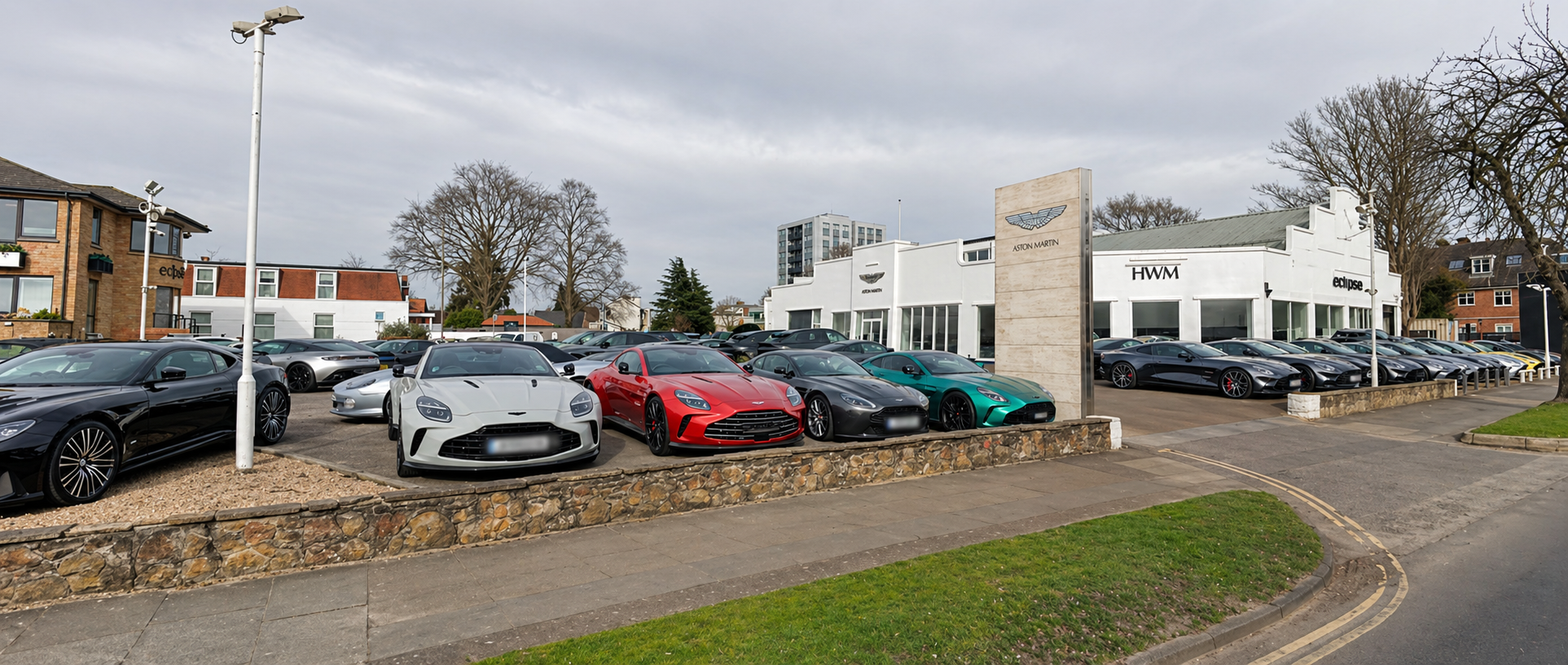
Image © Google Earth, Street View. Used for editorial purposes.
If much of Aston Martin’s modern dealer story is about reinvention, investment and ultra-luxury retail theatre, HWM represents something rarer: continuity. Not heritage applied as decoration, and not nostalgia for its own sake, but a living connection to an earlier Aston Martin world, one built on racing, engineering, local knowledge and long memory.
That matters because Aston Martin itself now describes Walton-on-Thames as the oldest Aston Martin dealership worldwide. Its current dealer page also makes clear that the site remains an authorised and official Aston Martin dealership, and describes it as the only independently-owned dealership in the UK. HWM’s own material adds a little more clarity still: HWM stands for Hersham and Walton Motors, the business was established in 1938, and it says it has represented Aston Martin since 1951.
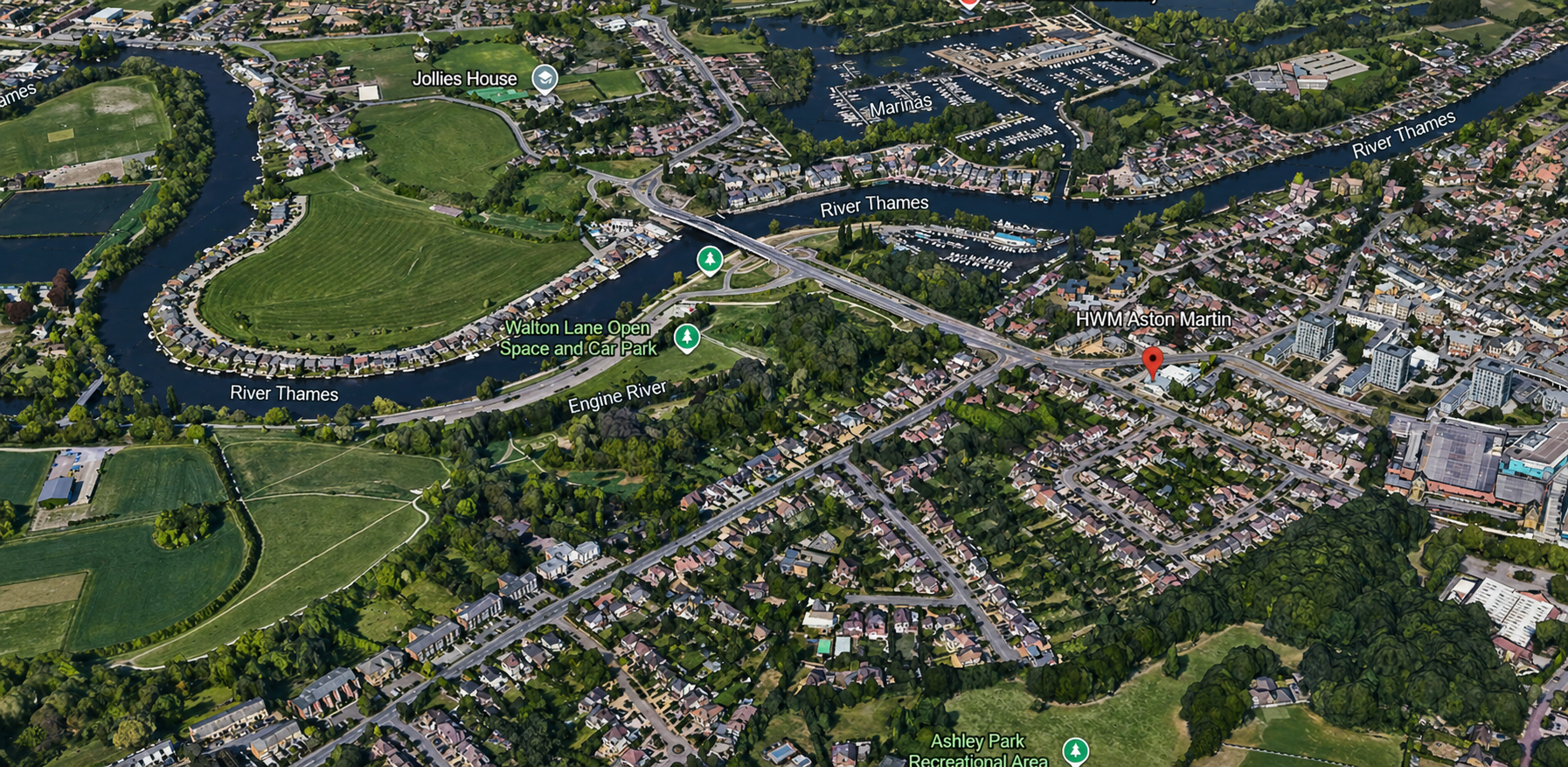
Image © Google Earth. Used for editorial purposes.
Those facts alone would make HWM notable, but what makes it truly significant is that its story is not simply one of longevity, it’s one of substance.
According to HWM’s own history, the company was founded by John Heath and George Abecassis, two figures whose names still carry weight in post-war British motor racing. Aston Martin Heritage Trust supports that broad chronology too, describing the roots of Hersham and Walton Motors as going back to 1938 under Heath and Abecassis. This was not merely a retail concern that happened to pick up an Aston Martin franchise at some later date. From the beginning, HWM’s identity was bound up with motorsport, engineering ambition and a willingness to operate at the sharp end of things.
That racing background matters enormously in the context of Aston Martin. HWM wasn’t just selling cars near the factory gates, it was part of the same wider competitive and engineering culture that shaped the marque in the post-war years. HWM’s own material makes that clear, the company built and raced its own HWM cars, competed across Europe, and played a role in the formative years of Britain’s international post-war racing story. This was a serious organisation with its own identity, not a polite suburban showroom with a famous name above the door.
Its proximity to Aston Martin’s Feltham factory only deepened that relationship. HWM says it was based close to Aston Martin in Middlesex, which placed it in direct orbit of the marque during the DB2 era and beyond. That geographic closeness is more important than it might first appear, it meant HWM was not interpreting Aston Martin from a distance. It was embedded near the company during a period when Aston Martin was still defining what it would become in the modern era.
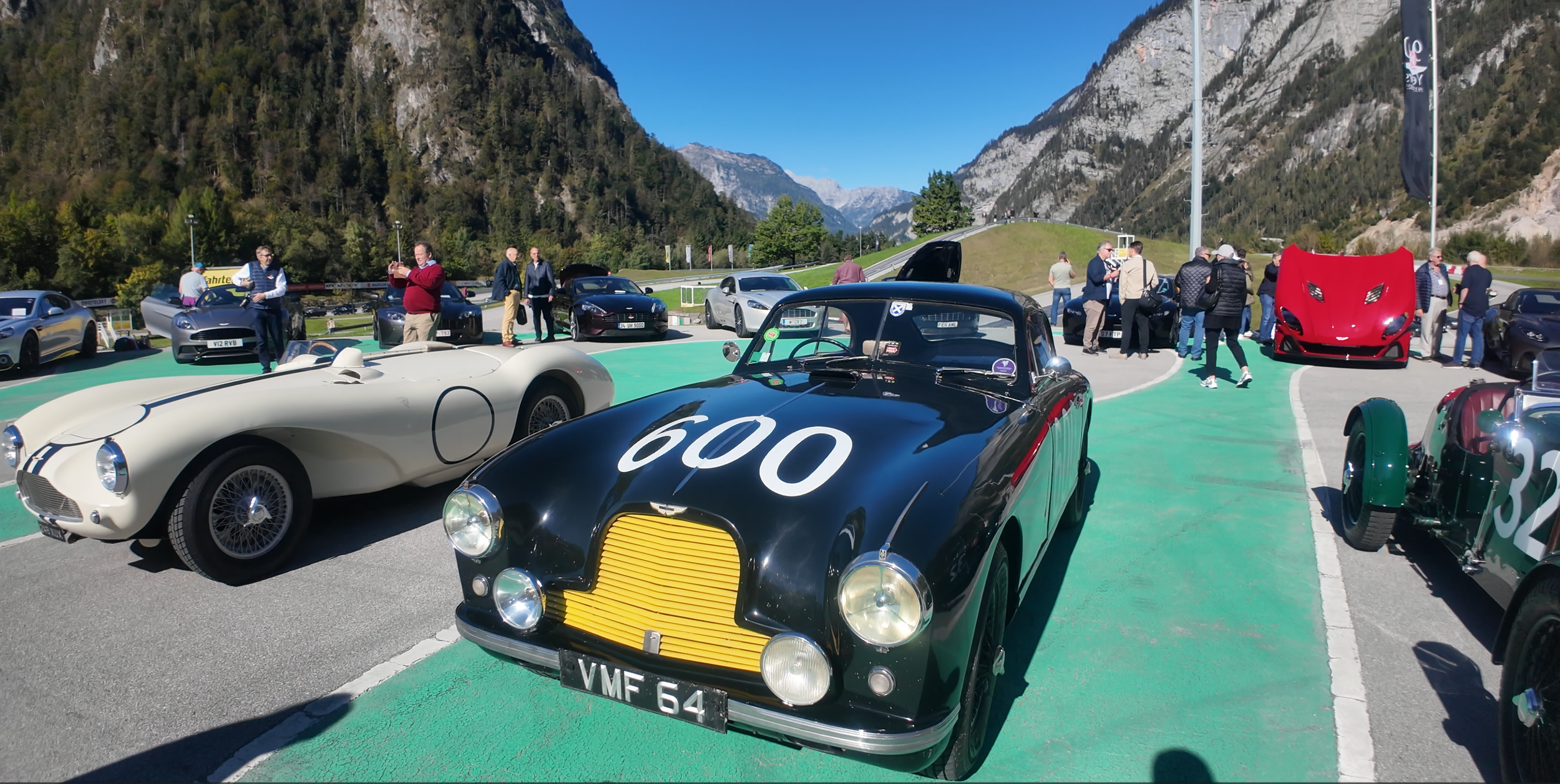
Image © Fuel the Passion, Aston Martin DB2, VMF64 filmed in Austria, September 2025.
The most commonly repeated milestone in the HWM story comes in 1950, when George Abecassis won his class at Le Mans in an Aston Martin DB2. But for me, there is an extra layer to that story, because the car in question was VMF 64, one of the three works DB2 team cars that have become such a fascinating part of Aston Martin history. Shared by Abecassis and Lance Macklin, VMF 64 finished fifth overall, won the 3.0-litre class and also took the Index of Performance.
Its sister cars were VMF 63, which finished sixth overall and second in class, and VMF 65, which sadly didn’t start after being damaged in a road accident on the way to the circuit. Those three cars, VMF 63, VMF 64 and VMF 65, are a story I intend to return to properly in a future Fuel the Passion Featured Article, because they sit right at the intersection of Aston Martin’s competition history, David Brown-era ambition and the early DB2 story.
That makes the HWM connection feel even more powerful. HWM’s own telling is direct: the Aston Martin franchise followed in 1951, linked to Abecassis’s Le Mans success. Whether one treats that as a neat single-cause explanation or the simplified public version of a broader relationship already developing, the wider point is persuasive enough. HWM’s Aston Martin credentials were forged not through corporate paperwork alone, but through competition, credibility and trust. Having been lucky enough to film VMF 64 in Austria during the Aston Martin Owners Club 90th Anniversary celebrations, I now find that connection especially striking. In one car, you can trace Le Mans, HWM, the works DB2 programme and one of the earliest great Aston Martin dealer relationships still alive today.
That’s one of the reasons HWM feels so important within this article. Before Aston Martin’s retail presence became a global network of more than 160 locations, before there were flagship spaces in Manhattan or hotel-linked showrooms in Tokyo, one of the marque’s defining dealer relationships had already taken shape through shared endeavour and proximity to the heart of the business.
But HWM’s story is not all triumph. In some ways, that’s what makes it feel more real. The material I found whilst researching for this article, together with HWM’s own history, reminds us that this was a business shaped by ambition, setbacks and tragedy as well as success. The death of John Heath following the 1956 Mille Miglia was a profound blow, and by HWM’s own account it marked the beginning of the end for its racing-car production. George Abecassis, the calm counterweight to Heath’s mercurial edge, is said to have stepped away from racing thereafter. HWM continued, but inevitably changed.
That continuity after loss is part of the story too. Aston Martin Heritage Trust (AMHT) and HWM’s own material both point to the importance of Mike Harting in later years, helping to sustain and shape the business that followed. Over time, HWM became not just an old dealership, but a place where Aston Martin history, specialist knowledge and customer relationships accumulated across generations. It adapted, but it didn’t lose its sense of self.
The physical continuity is especially striking. Aston Martin said in 2021 that HWM could still be found in the same building it first occupied in 1948, while HWM itself speaks of remaining in its long-standing post-war Walton-on-Thames premises. In an era when many dealerships have been relocated, rebranded or rebuilt beyond recognition, that detail carries unusual weight. At HWM, the premises themselves are part of the memory of the marque.
What makes HWM especially interesting, though, is that it’s not simply living on its past. Some of the material found during my research into this article, shows a business still trying to interpret Aston Martin ownership in distinctive ways today. Its Flying Technician service is a good example. HWM presents it as a fully approved Aston Martin mobile service (see the 30 second video below), capable of carrying out official authorised servicing at a customer’s home, workplace or storage location while keeping the warranty valid and the service book properly stamped.
That’s a striking idea: the world’s oldest Aston Martin dealership adapting itself to modern ownership by literally taking its expertise on the road. It suggests a business that understands heritage is not enough on its own, relevance still has to be earned. That modern relevance matters because it stops HWM from becoming a sentimental footnote. It remains part of the current Aston Martin network not because it’s charming, but because it still appears to offer something distinctive: long experience, private ownership, continuity of culture, and a slightly more personal interpretation of customer care than might be expected from a modern multi-site dealer group.
For me, that’s what makes HWM one of the most revealing parts of Aston Martin’s global dealer story. The modern network is increasingly sophisticated, international and curated. It includes flagships, boutique formats and highly polished retail environments designed to project the company’s current ambitions. HWM reminds us that another layer still exists beneath all of that: the dealer as custodian, the retailer as historian, the business whose authority comes not only from a corporate identity manual but from decades of lived involvement with the marque itself.
I have yet to visit HWM in person, which feels like a gap worth putting right. But even from a distance, its significance is impossible to miss. If Aston Martin’s wider network shows how the company wants to present itself today, HWM shows something just as important, how parts of that story were built in the first place, because if any one place in the network can claim to connect Aston Martin’s present to its deeper retail past, it is surely Walton-on-Thames.
From London to the World: A Brief Historical Context
Before Aston Martin became a global luxury marque with more than 160 retail locations spread across 53 countries, it began in a much smaller and more local way. Like so many great motoring stories, the early roots were not global at all. They were personal, practical and rooted in London.

Image © Aston Martin Heritage Trust, Used for editorial purposes - Lionel Martin
Aston Martin traces its origins to 15th January 1913, when Lionel Martin and Robert Bamford formally established the business that would become Aston Martin. At that point, the company wasn’t yet a manufacturer in the fully developed sense that later history would recognise. It began as a London-based motor business, trading from premises in Chelsea and dealing in existing cars before the founders turned their attention more seriously towards building something of their own.
In that sense, Aston Martin’s earliest story belongs not to a dealer network, but to a single entrepreneurial starting point. It was a business before it was a system.
That distinction matters, because it helps prevent two different histories from becoming blurred together. Aston Martin as a company began in 1913. Aston Martin as a recognisable dealer network came later, gradually and unevenly, as the marque developed, changed hands, moved premises and found its place in the wider motor industry. The early London workshops and trading premises are therefore part of the company’s foundational story, but not yet the global retail story this article is examining.
Even so, those beginnings remain important. They remind us that Aston Martin did not emerge fully formed as an international luxury brand. It grew, first from a local motor business, then into a manufacturer, and only later into a marque supported by a wider network of official representatives and retail partners. The polished global structure we see today sits on top of that much older, more improvised journey.
That’s one reason HWM matters so much. If Bamford and Martin represent the company’s origin point, HWM represents one of the clearest early points at which Aston Martin’s story began to extend beyond the factory and into a more recognisable dealer relationship. The distinction is subtle, but important. One is the birth of the marque itself, the other is part of the birth of the network that would carry that marque into the world.
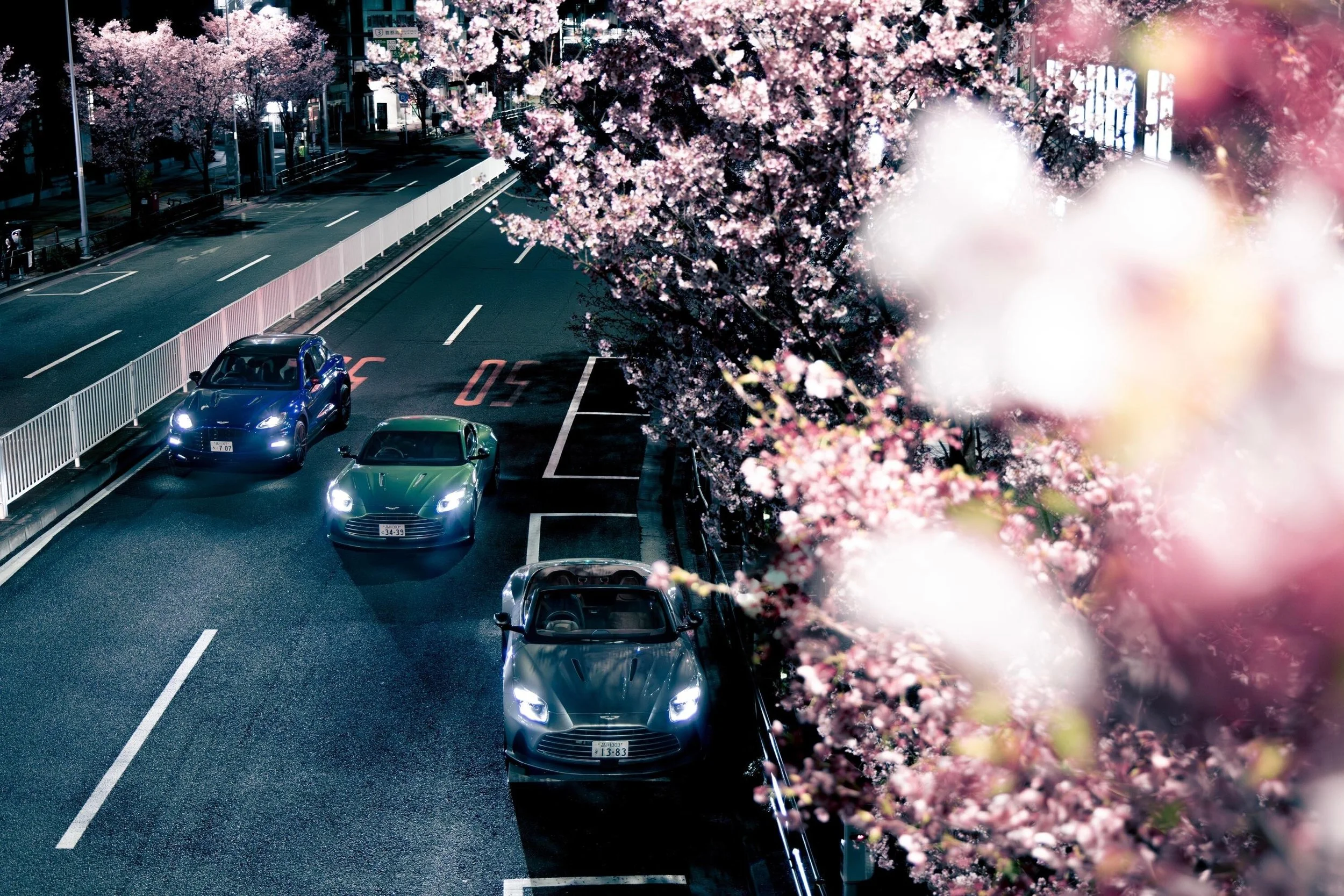
Image © Aston Martin Lagonda. Used for editorial purposes. Aston Martin models with Japanese Cherry Blossoms
Seen in that light, the path from London to Walton-on-Thames and eventually from Walton-on-Thames to New York, Tokyo, Seoul, São Paulo and beyond, starts to make more sense. The dealer network did not appear overnight, nor did it arrive through a single neat moment of corporate planning. It emerged gradually, shaped by the growth of the company, the demands of new markets, the need for trusted representation, and the wider spread of Aston Martin’s reputation. That makes today’s network easier to understand. However global, polished and strategically managed it may now be, it still rests on an older truth: every great international structure begins somewhere small. For Aston Martin, that somewhere was London. From that local beginning, the marque slowly began its journey out into the wider world.
Beyond Dealerships: The Wider Aston Martin Network
To understand Aston Martin’s dealer network properly in 2026, it helps to step back and look at the wider structure around it. The showrooms and service centres matter enormously, but they don’t sit in isolation. They’re part of a broader Aston Martin world that now includes headquarters, manufacturing sites, performance centres, heritage facilities, flagship brand spaces and a growing range of ownership-support services. Aston Martin’s own Corporate Locations page makes that plain enough. It doesn’t present the company’s footprint simply as a dealer list; it groups it under headings such as Headquarters, Manufacturing, Performance Centres, Brand Centres and Operations, while also stating that the official dealer network now spans more than 160 locations in 53 countries.
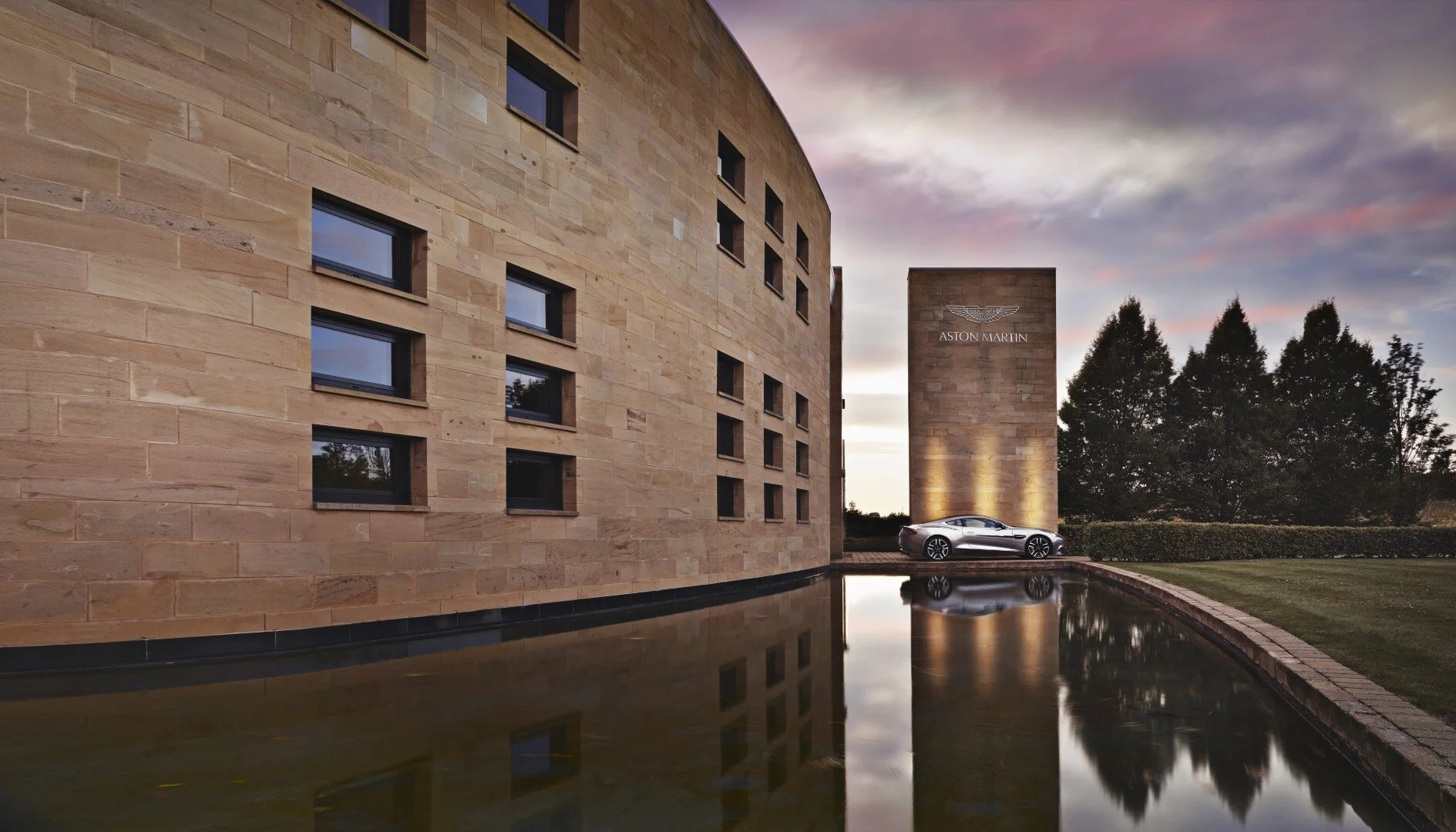
Image © Aston Martin Lagonda. Used for editorial purposes. AML HQ, Gaydon.
At the centre of that world sits Gaydon, Aston Martin’s global headquarters in Warwickshire. Aston Martin describes it as the embodiment of the marque and its cars, combining design, engineering and production in one state-of-the-art home. That matters because Gaydon is more than an office address.
It’s where much of the company’s design language, engineering direction and production philosophy come together, and it increasingly appears within the wider customer journey too, whether through product launches, Q commissioning, or even as a rendered backdrop in the newer configurator.
In a very real sense, Gaydon is both the operational heart of Aston Martin and the symbolic centre of the brand.
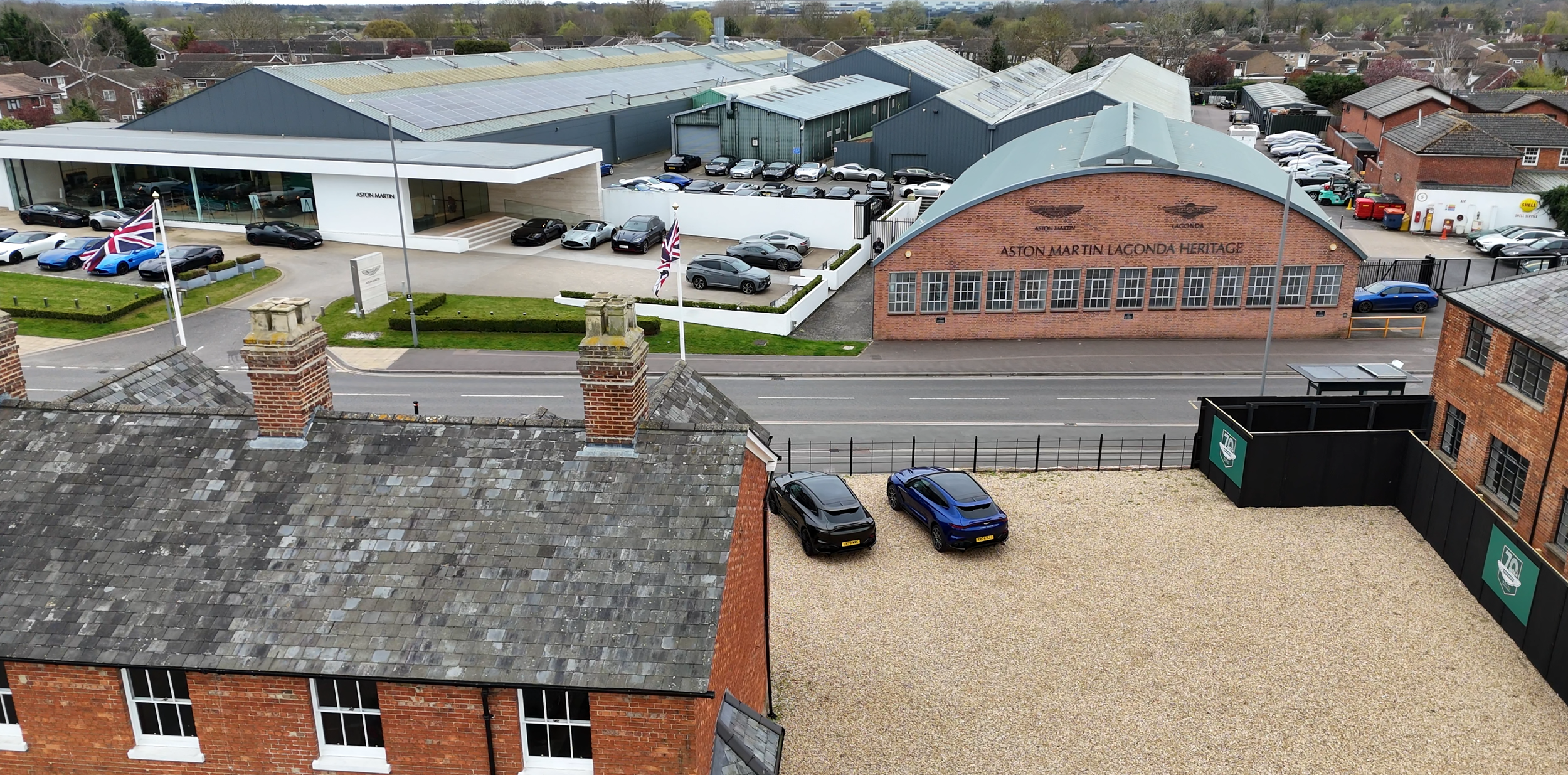
Image © Aston Martin Lagonda. Used for editorial purposes. AML Newport Pagnell.
If Gaydon represents the modern core, Newport Pagnell carries the weight of memory. Aston Martin’s own Newport Pagnell dealer page describes Aston Martin Works as the historic home of the marque, the place where more than 13,300 cars have been hand-built since 1955, and today a combined new car dealership, service centre, and global Heritage sales, service and restoration facility.
That’s an unusual combination. It means Newport Pagnell is not simply preserved as a heritage site detached from the present-day business.
It still operates within the live network while also serving as a custodian of Aston Martin’s past. For an article about the dealer system, that’s significant: it shows how the network can sometimes carry both current commercial responsibility and historic authority in the same place.
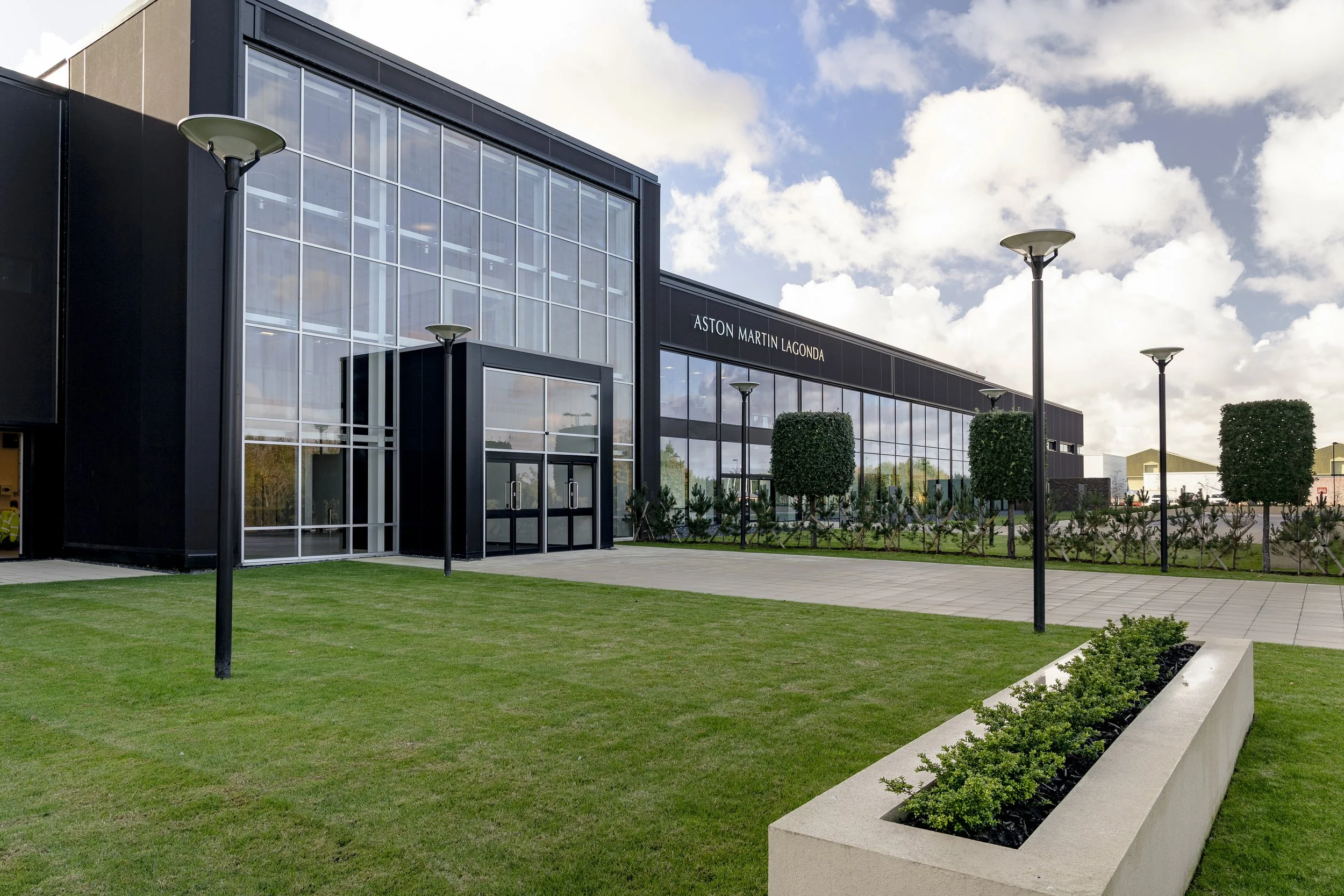
Image © Aston Martin Lagonda. Used for editorial purposes. DBX’s being built at St Athan, South Wales
Then there is St Athan in South Wales, a useful reminder that Aston Martin’s physical network is not only about retail but about industrial capability too. Aston Martin’s own locations material describes St Athan as the company’s Production & Technology Centre, while earlier official announcements framed it as a major manufacturing investment bringing substantial employment to the region.
Whether readers think of St Athan primarily through DBX or through Aston Martin’s broader industrial ambitions, its presence helps explain the scale of infrastructure now sitting behind the retail network. Customers may meet the marque through a dealership, but the confidence behind that experience still depends on a much wider operational base.
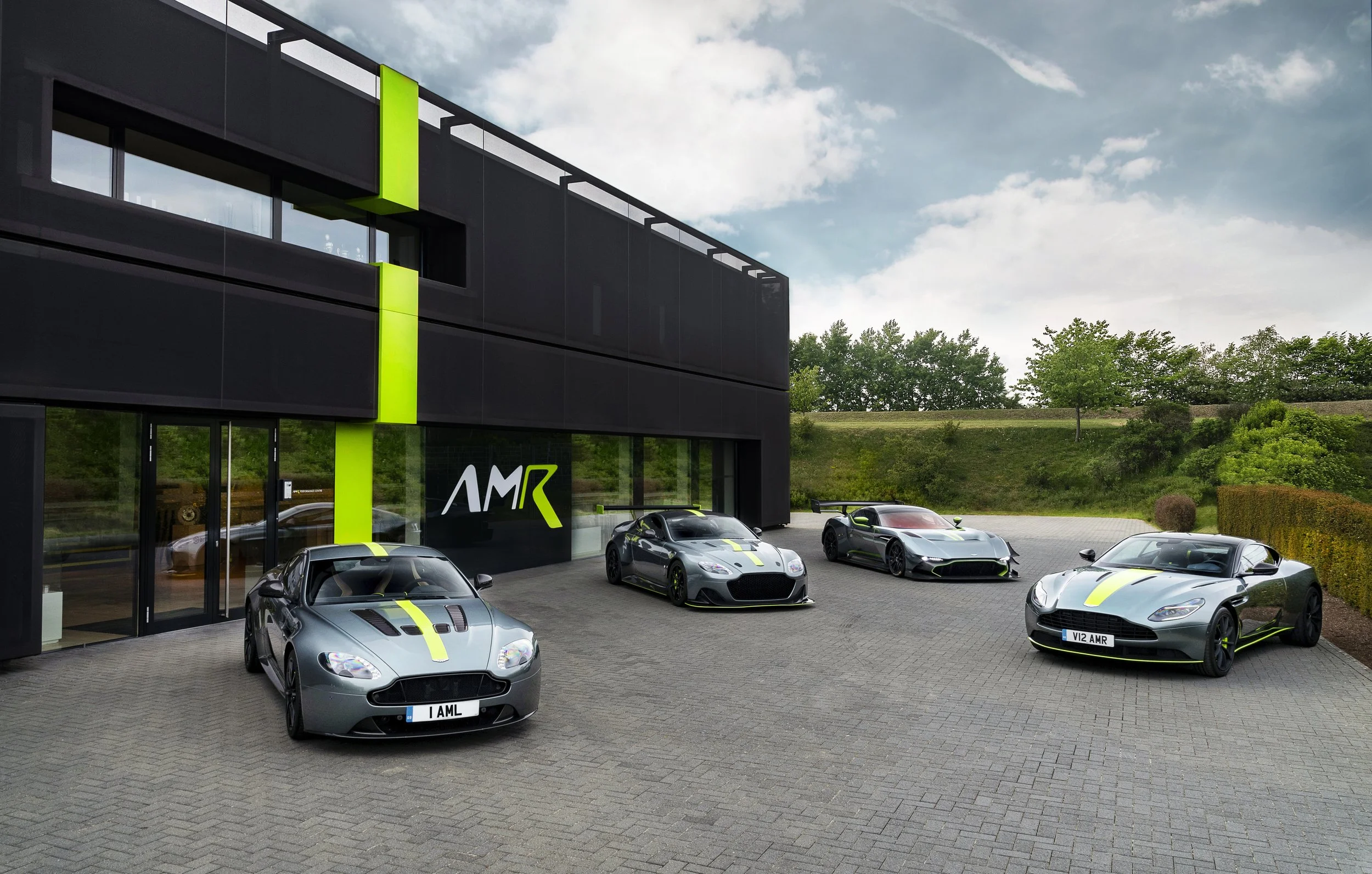
Image © Aston Martin Lagonda. Used for editorial purposes.
A similar point applies to the AMR Performance Centre at Nürburgring. On paper, it sits outside the ordinary dealer story.
In reality, it tells us a great deal about how Aston Martin wants its wider world to function. Aston Martin describes the Nürburgring site as a testament to the marque’s racing prowess and its relentless development of new and existing products, adding that a key part of sign-off for new models is a 10,000km Nürburgring durability test.
It also says the centre serves as a support hub for Aston Martin Racing’s European customers and race teams, offering advice and enhanced parts service. That matters because it shows how performance development, motorsport credibility and customer support are now folded into the company’s broader physical ecosystem, not kept entirely separate from it.
Once those pieces are seen together, the logic of the modern Aston Martin network becomes clearer. A dealer is still the place where most owners and customers encounter the brand most directly, but the dealership now sits within a wider chain of meaning. Gaydon provides the centre of gravity, Newport Pagnell carries heritage, St Athan reflects industrial reach, Nürburgring reinforces performance legitimacy. Q locations and boutique urban spaces express the luxury and personalisation agenda in key markets. The effect is cumulative: Aston Martin is trying to build not just a sales network, but an ecosystem in which design, engineering, history, service and customer experience all support one another.
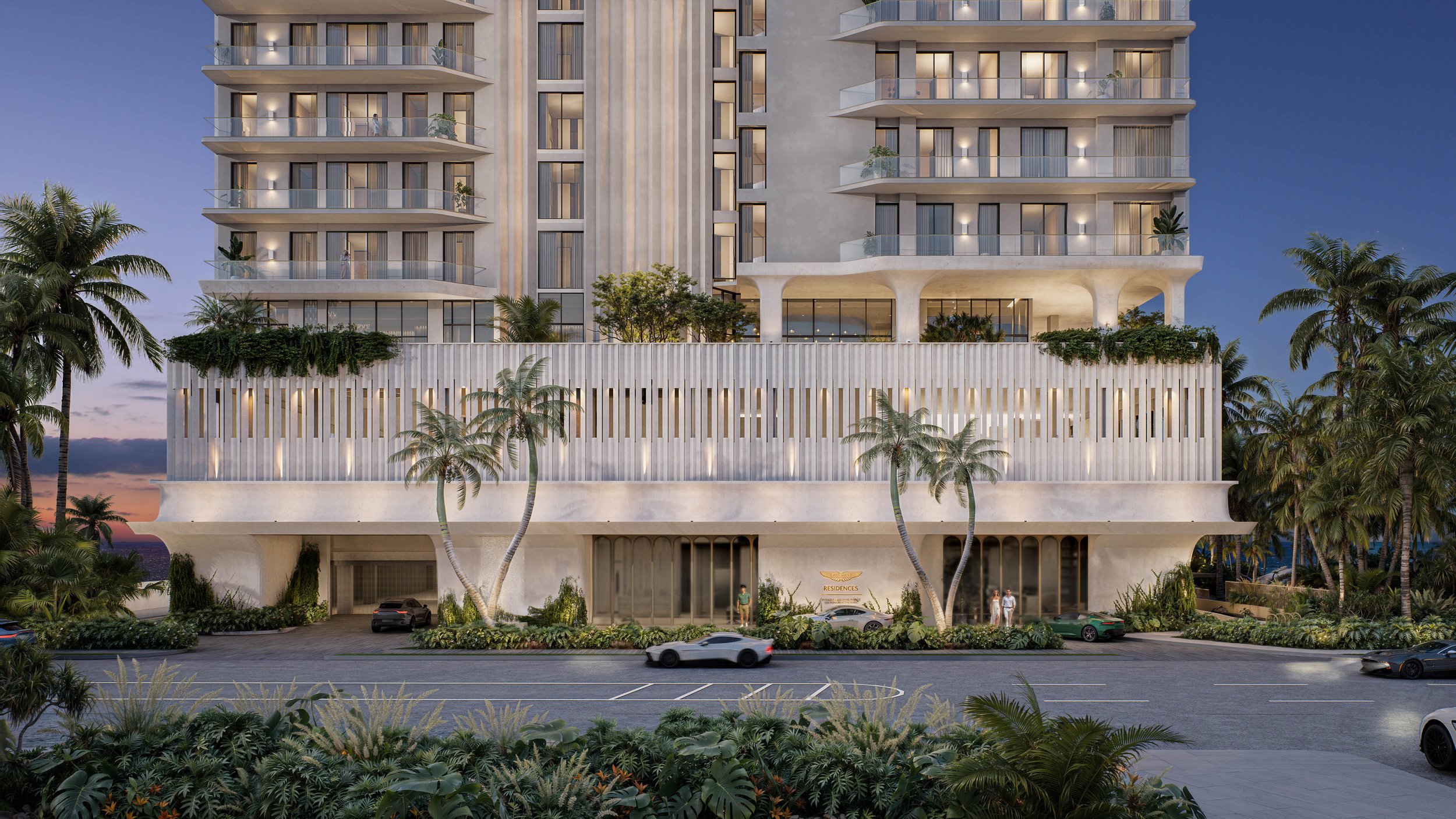
Image © Aston Martin Lagonda. Used for editorial purposes.
There’s also a wider brand context worth acknowledging, though only in proportion. In recent years Aston Martin has extended its design language beyond cars and conventional retail into selected architectural and lifestyle projects, from Aston Martin Residences Miami to The Astera in Ras Al Khaimah and N°001 Minami Aoyama in Tokyo.
Those projects are not part of the dealer network in any literal sense, and this article should not drift too far into them. But they do help explain the environment Aston Martin increasingly wants its physical spaces to reflect. The same brand that speaks of craftsmanship, proportion, atmosphere and bespoke identity in a residence is unlikely to think of the dealership merely as a place to park cars under bright lights. In that sense, the broader design world around Aston Martin helps illuminate the retail world too.
All of this helps explain why the phrase “dealer network” can now feel slightly too narrow. The network still exists, of course, and it still matters deeply, but around it has grown something larger: a support and brand infrastructure that stretches from boardroom to workshop, from heritage restoration to mobile servicing, from city-centre flagship spaces to manufacturing and performance hubs. That doesn’t make the dealership less important, if anything, it makes it more so, because the dealer is often the place where all those wider Aston Martin ambitions are finally translated into something the customer can feel and judge.
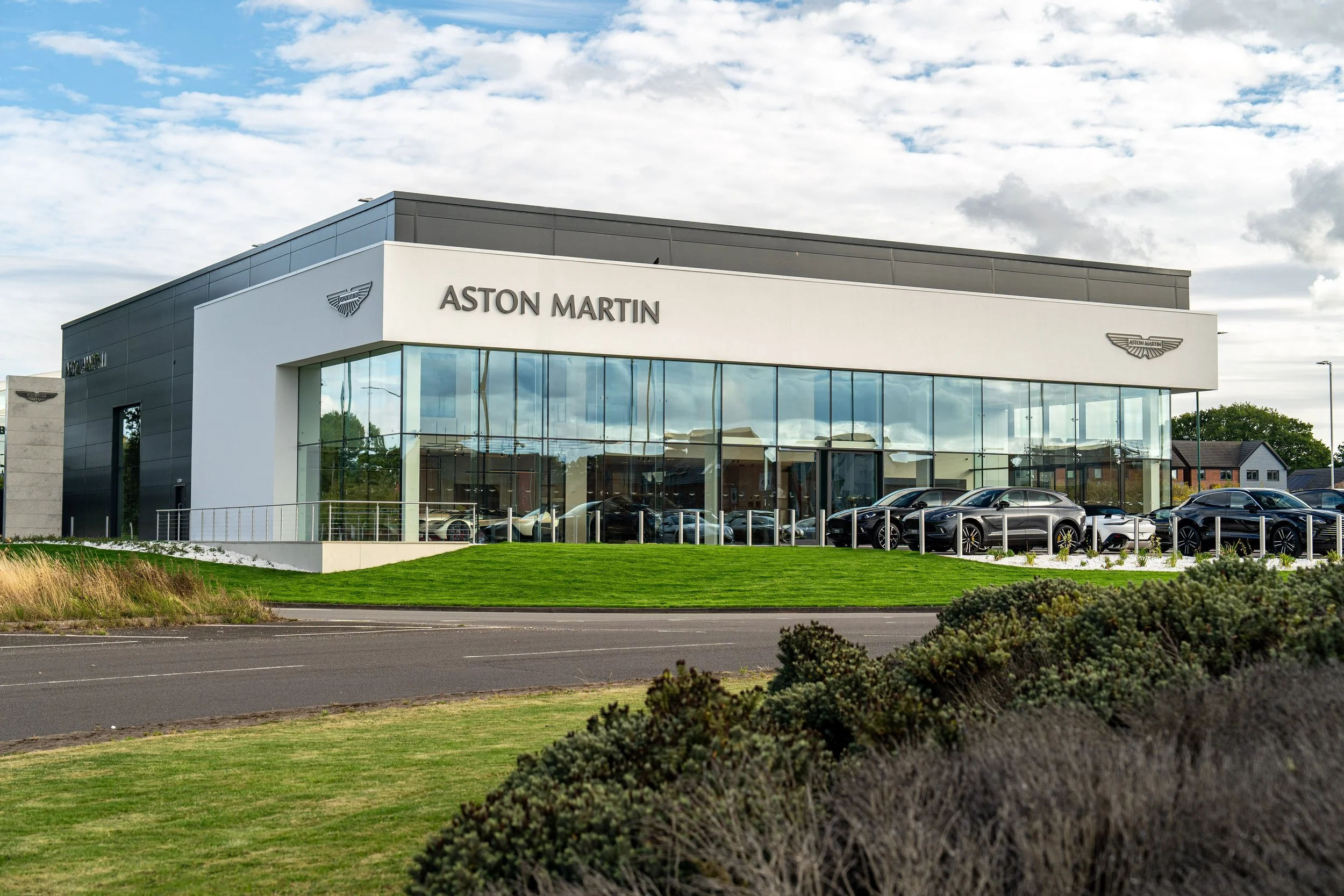
Image © Aston Martin Lagonda. Used for editorial purposes. Aston Martin, Birmingham
Perhaps that’s the real point of looking beyond dealerships at all. It reminds us that the retail network isn’t just a collection of outlets. It’s the public-facing edge of a much broader Aston Martin system, one that now blends history, production, performance, luxury and ownership support more deliberately than many readers may realise.
The Future of the Network
If the recent history of Aston Martin’s dealer network has been about refinement rather than simple expansion, then its future seems likely to follow the same direction. The broad shape is already visible. Aston Martin doesn’t appear to be chasing indiscriminate global growth for its own sake. Instead, the company’s recent language points towards a network that is becoming more selective, more experience-led, more digitally integrated, and more closely tied to higher-value customer journeys.
That’s consistent with the wider strategy we’ve already traced. Aston Martin’s current commercial model depends less on sheer retail volume than on selling better-specified, more desirable, more profitable cars. In that context, the future of the network is not just about where the next dealership opens. It’s about what kind of space Aston Martin needs in each market, what role that space should perform, and how effectively it can support the company’s ultra-luxury ambitions.
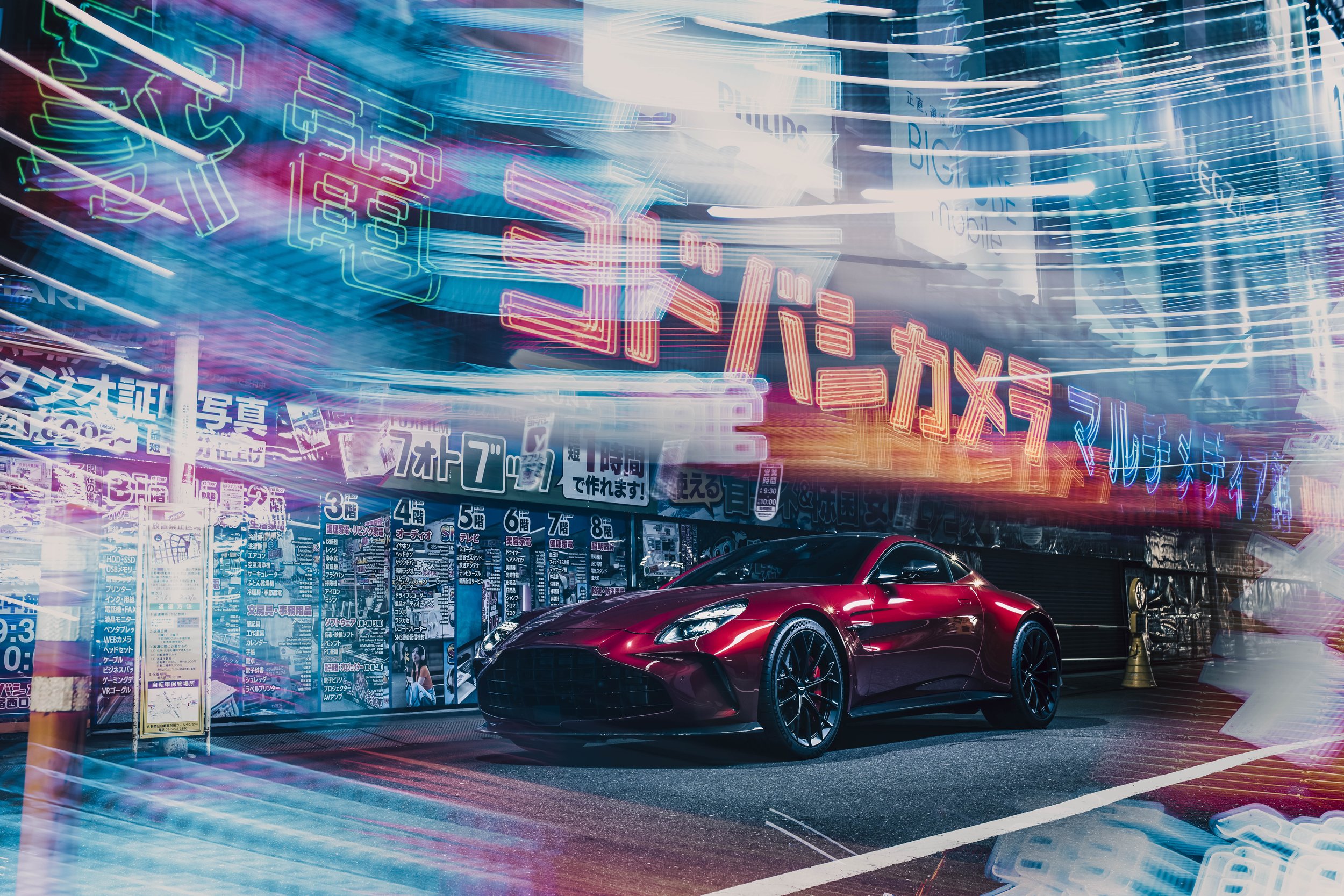
Image © Aston Martin Lagonda. Used for editorial purposes. Aston Martin Vantage in Tokyo.
Some of that future will almost certainly be physical. Aston Martin’s recent official material points to continued investment in dealer partners, further store upgrades, and a wider rollout of spaces capable of expressing the marque’s current identity more convincingly. The company has already shown, through New York, Tokyo, Birmingham, Leeds and others, that it believes the environment around the car can influence both the emotional experience and the commercial outcome. It would be surprising if that thinking stopped here.
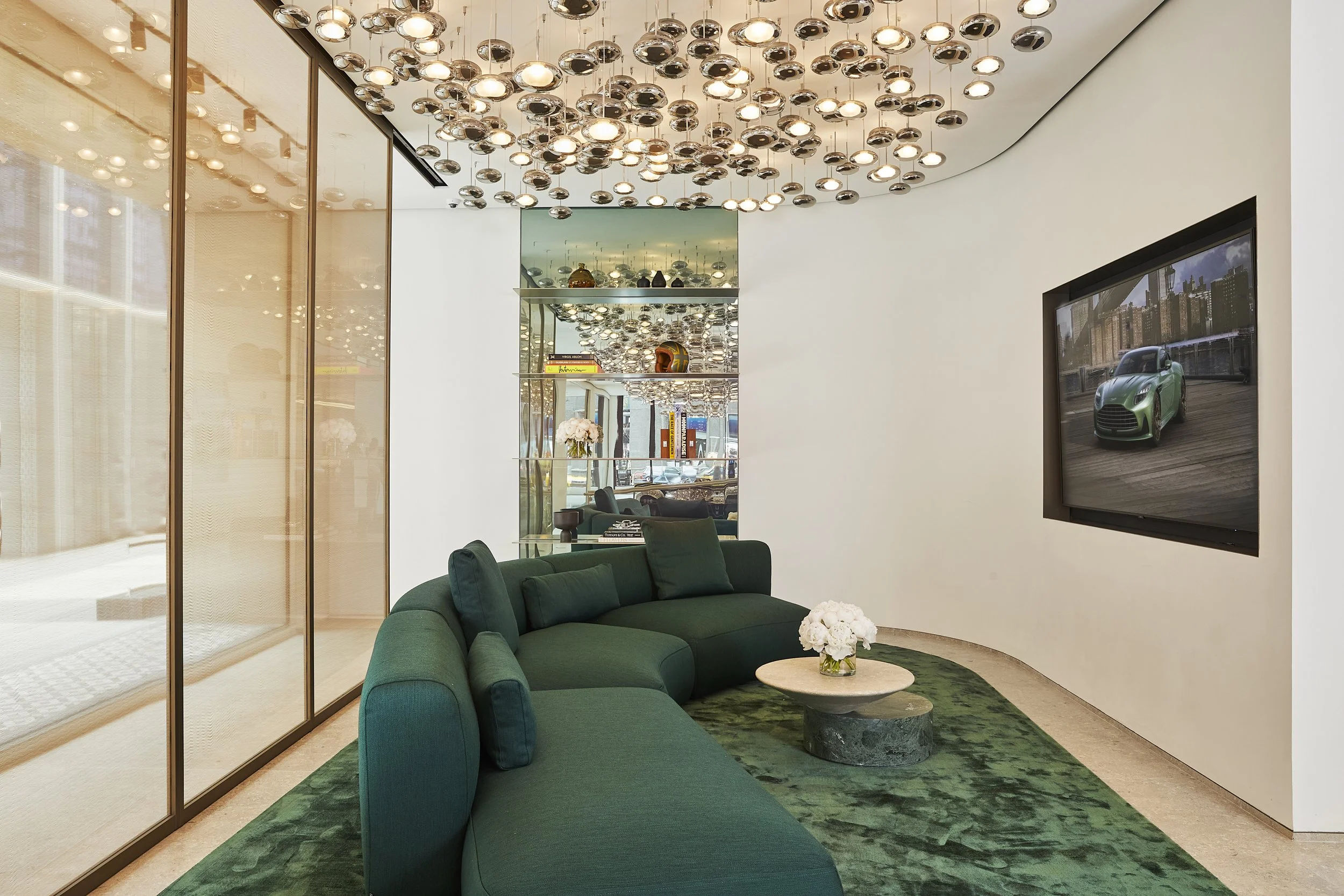
Image © Aston Martin Lagonda. Used for editorial purposes. AML, New York Flagship Q.
At the same time, the likely direction of travel is not uniformity. If anything, Aston Martin’s recent actions suggest the opposite. The future network looks more likely to be differentiated by market role.
In one city that may mean a flagship or boutique commissioning space. In another it may mean a high-capacity ownership centre with serious aftersales capability. In another still it may mean a more selective urban presence supported by a wider regional service operation.
What matters is not that every location looks the same, but that each location serves the purpose Aston Martin needs from that market.
That makes the digital side of the network increasingly important too. The newer configurator is one part of that, but probably only one part. Aston Martin’s recent results language points towards better use of CRM, customer insight and more targeted activation in local and regional markets. That suggests a future in which the line between digital retail and physical retail becomes more blurred still. The customer may begin online, continue through digital contact and configuration, then move into a dealership space that is already better informed about who they are and what they want. If Aston Martin gets that balance right, it could help make the network feel both more personal and more efficient.
There’s also a geographical question within all this. Aston Martin’s official material still signals belief in the long-term importance of key markets, particularly the United States and, over the medium term, China, even while acknowledging that some markets have brought near-term challenges. That matters because it suggests Aston Martin is not retreating from the global stage. Rather, it’s trying to place its bets more intelligently, investing where the combination of brand strength, luxury demand and customer experience opportunity appears strongest.
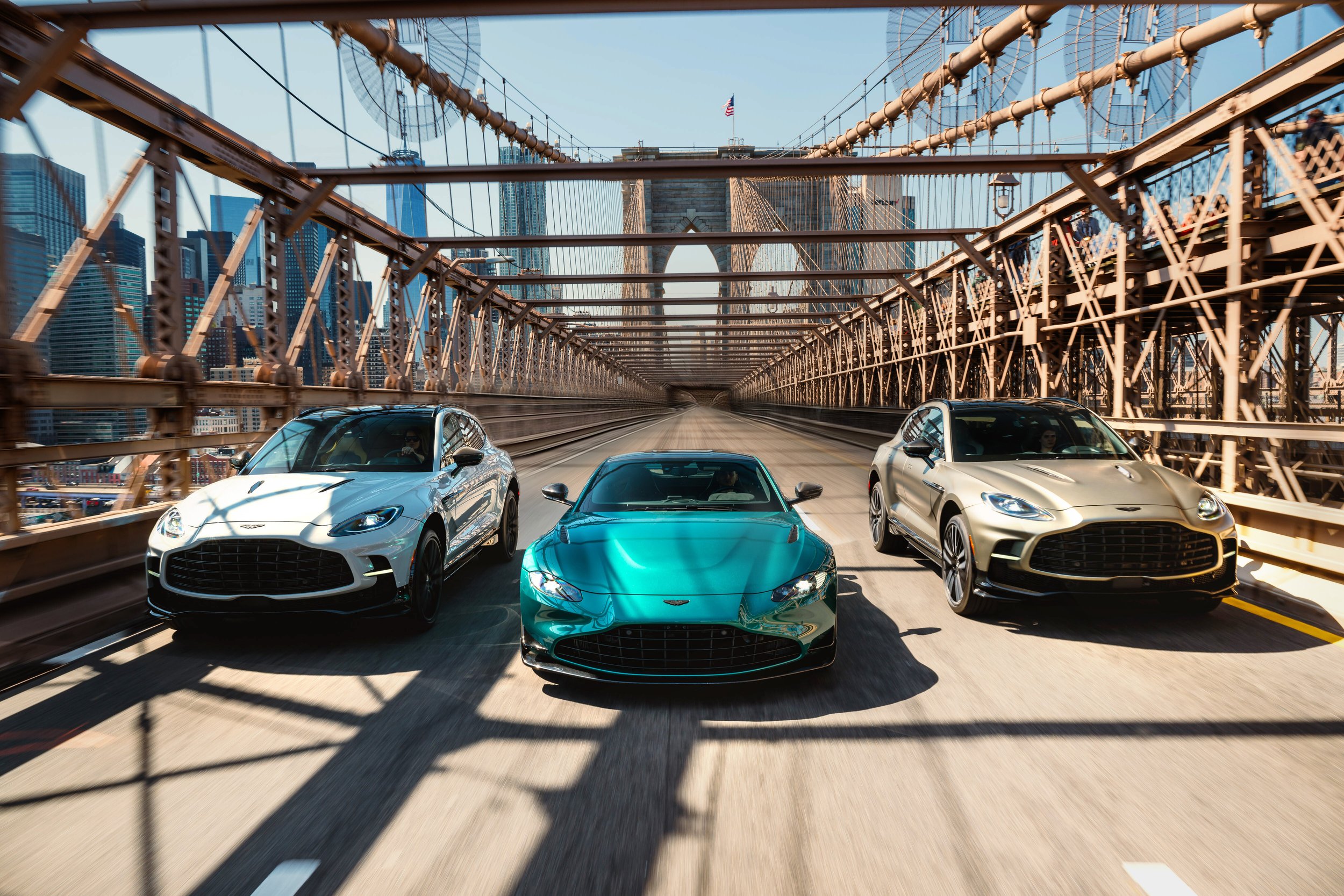
Image © Aston Martin Lagonda. Used for editorial purposes. Aston Martin Cars in New York.
London is an interesting marker here. Aston Martin signalled in 2024 that a further high-profile Central London development had been identified, and later results material pointed to a new Q flagship in London in 2026. That sort of move, if and when fully realised, would fit the pattern we’ve already seen elsewhere: not expansion for its own sake, but selective investment in locations that carry strategic and symbolic importance. London, like New York and Tokyo, isn’t just another city on the map. It’s a place where Aston Martin can make a statement about what kind of luxury brand it believes itself to be.
Yet there’s a challenge running through all of this. The more polished, differentiated and experience-led the network becomes, the more important consistency may prove. Aston Martin can build beautiful spaces, improve digital tools and deepen the bespoke journey, but if that’s not matched by dependable ownership support, strong communication and technical confidence after the handover, the strategy will feel incomplete. That’s why the future of the network will be judged not only by where Aston Martin opens next, but by whether the entire ownership journey feels more coherent, more personal and more trustworthy as a result.
In the end, the likely future of Aston Martin’s network is not a bigger version of the past. It’s a more curated version of the present: fewer assumptions, more deliberate formats, more emphasis on experience, more value extracted through personalisation, and a stronger attempt to make every space feel as though it genuinely belongs to the same brand world. If that sounds ambitious, it is. But then so is the challenge Aston Martin has set itself. To remain rare, visible, desirable and globally relevant all at once is not easy. The dealer network is one of the places where that balancing act will either succeed, or begin to unravel.
Final Thoughts
At first glance, Aston Martin’s dealer network might seem an unusual subject for a long-form feature. It lacks the instant drama of a new model launch, the romance of a great racing victory, or the easy nostalgia of a heritage anniversary. But the deeper I’ve delved into it, the more it’s felt like one of the most revealing ways of understanding the marque as it stands today, because the dealer network is where so many different Aston Martin stories meet.
It’s where heritage meets modern luxury. Where design language meets workshop reality, where flagship ambition meets local execution. Where a customer first dreams about a car, and where an owner later decides whether the brand has truly earned their confidence. It is, in many ways, the point at which Aston Martin stops being an idea and becomes an experience.
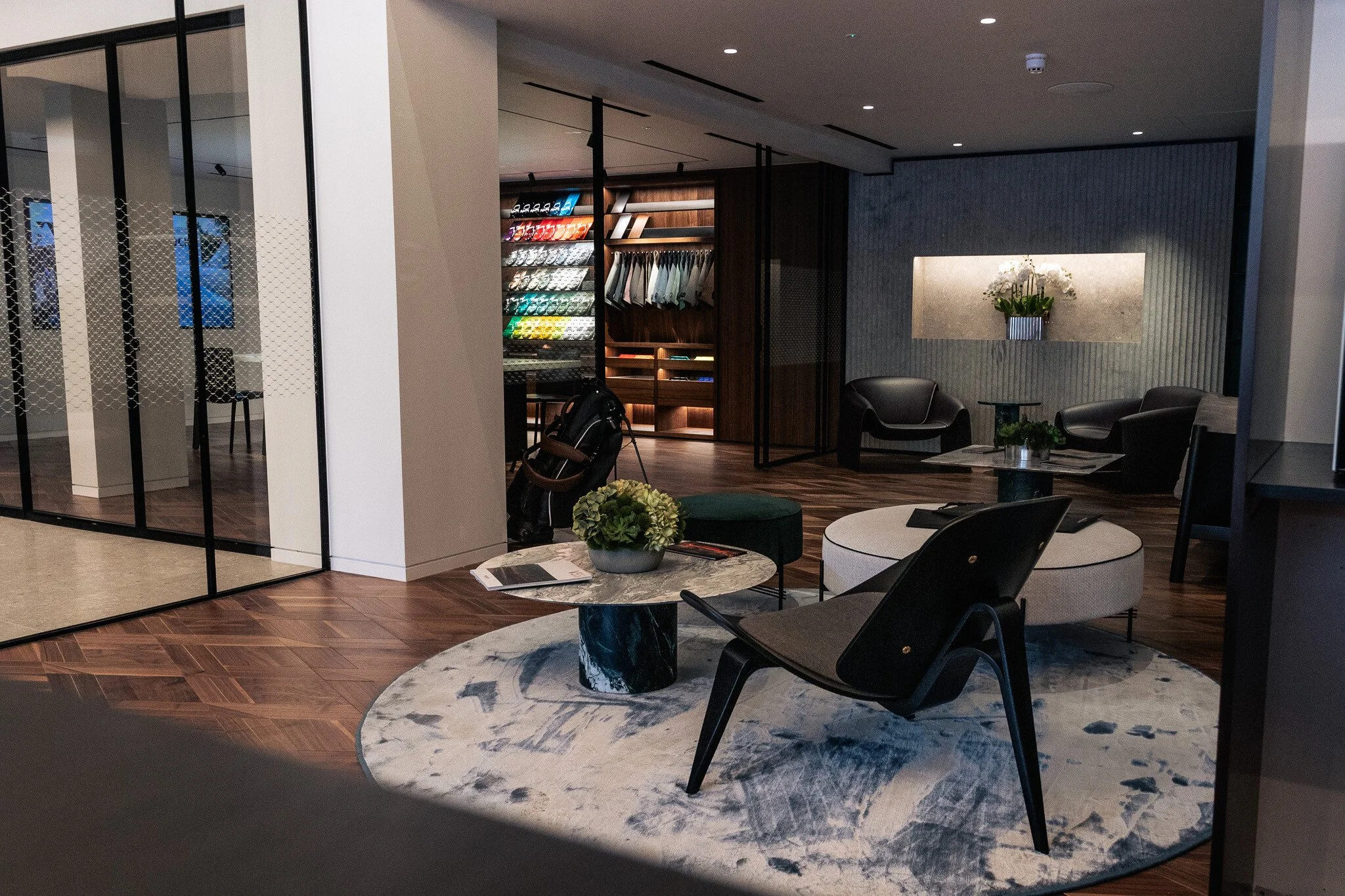
Image © Aston Martin Lagonda. Used for editorial purposes. Aston Martin, Leeds
What makes that especially interesting in 2026, is that the network is clearly no longer just a network of showrooms.
As we’ve said so many times in this article, Aston Martin’s own current wording describes a dealer footprint of more than 160 locations in 53 countries, but what sits behind that number is more layered than it first appears: flagship spaces such as Q New York, hospitality-led retail in Tokyo, upgraded home-market sites in Birmingham and Leeds, heritage-rich places such as HWM and Aston Martin Works, and a broader infrastructure that stretches from Gaydon to Nürburgring.
That breadth says something important about the company’s direction of travel. This is no longer a brand thinking only in terms of sales coverage, it’s thinking about curation, atmosphere, personalisation, ownership support and the role physical spaces play in a wider ultra-luxury ecosystem. At its best, that gives Aston Martin an opportunity not just to sell cars more effectively, but to represent itself more intelligently, and yet, as ever, the fundamentals remain surprisingly old-fashioned.
For all the architecture, lighting, digital configurators and commissioning lounges, trust still comes down to people; A skilled technician, a clear explanation, a well-handled handover, an owner who feels listened to rather than processed. That’s why places such as HWM remain so powerful in the story. They remind us that a dealer can be more than a branded site. It can be a custodian, a specialist, a long-term interpreter of the marque itself. Aston Martin’s own Walton-on-Thames dealer page still describes HWM as the oldest Aston Martin dealership worldwide, and that’s more than a charming historical footnote, it’s a reminder that continuity still has value in a network increasingly shaped by reinvention.
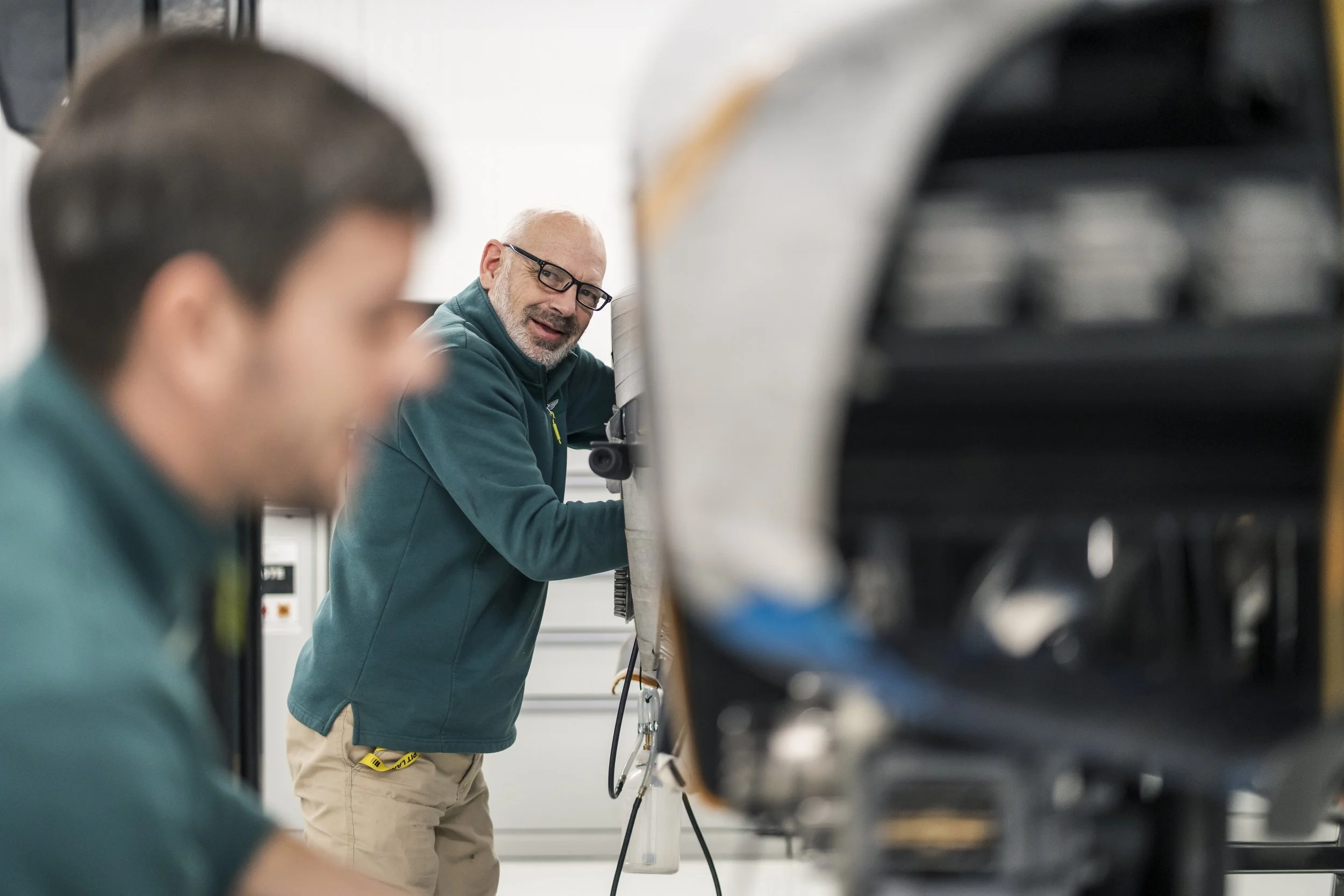
Image © Aston Martin Lagonda. Used for editorial purposes.
Perhaps that is the central tension running through the whole article. Aston Martin wants its network to feel more modern, more premium and more globally coherent, while still preserving rarity, authenticity and human trust. That is not an easy balance to strike.
It demands beautiful spaces, yes, but also dependable support. It demands strong strategic thinking, but also the humility to recognise that an owner’s experience may ultimately be defined not by a flagship launch in Manhattan, but by a service visit, a warranty concern, or the way a technician explains what has been done to their car.
If Aston Martin gets that balance right, the network becomes one of the company’s greatest strengths: not simply a route to market, but a living expression of what the brand is trying to be. If it gets it wrong, the effect is equally powerful in the other direction. That’s why this subject matters more than it first appears. The dealer network is not the edge of the Aston Martin story, it’s one of the places where the story is most publicly tested. Perhaps that’s the best way to see it; from Walton-on-Thames to Tokyo, from Newport Pagnell to New York, Aston Martin’s dealer network is not just a map of places. It’s a map of expectations and of whether the marque can meet them.
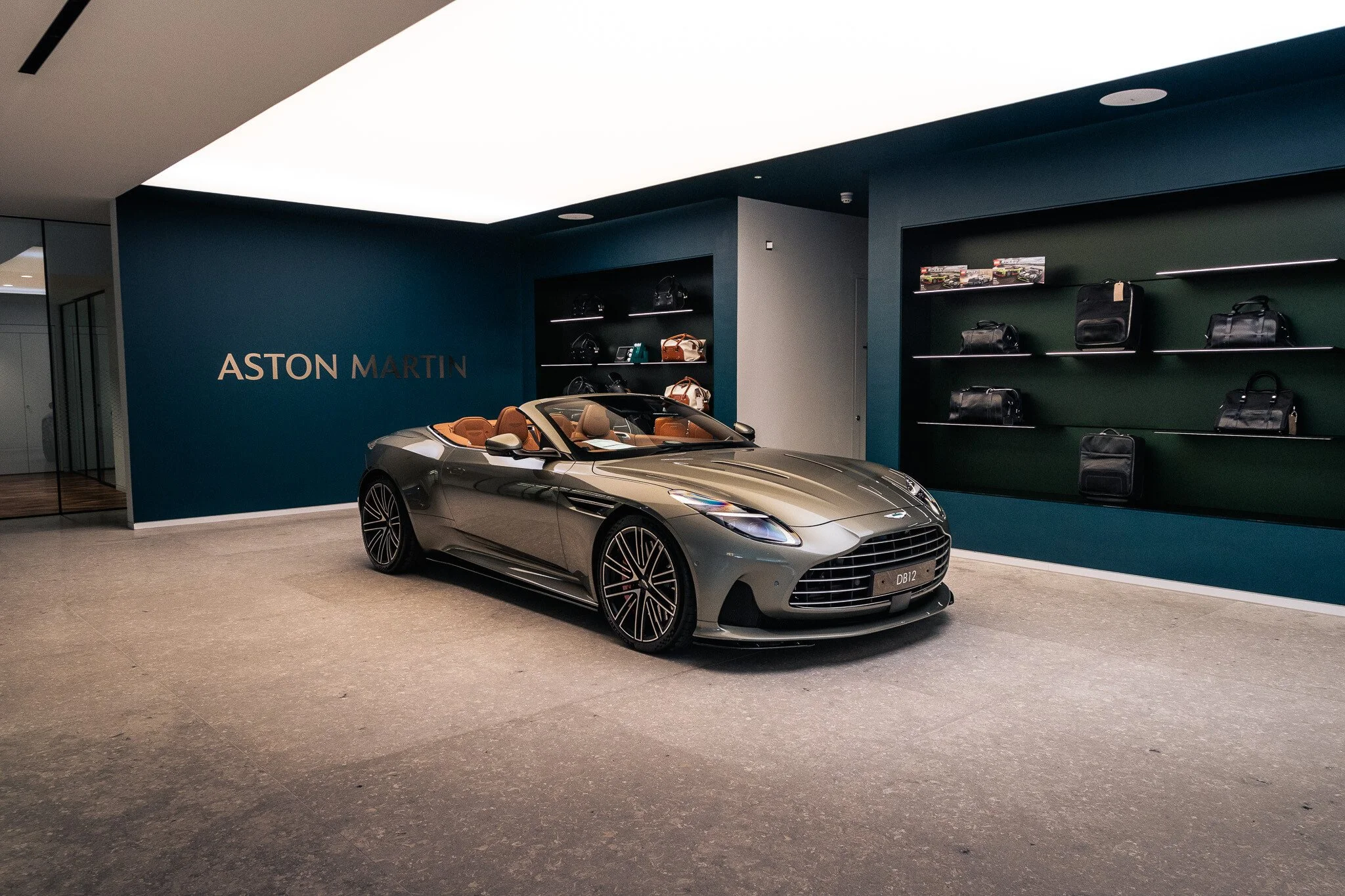
Image © Aston Martin Lagonda. Used for editorial purposes. Aston Martin Leeds.

If you’ve enjoyed this Featured Article, you can follow the wider Aston Martin story each week in the FTP Weekly Roundup, published every Sunday at 6am here on Fuel the Passion.
It’s where we track the ongoing world of Aston Martin, from road cars and heritage to motorsport, market developments and ownership talking points and it remains the best place to stay connected to the story as it continues to unfold.
Questions for Readers
What matters most to you in an Aston Martin dealership today, the showroom experience, the people, the aftersales support, or the sense of heritage behind the business?
Looking at how Aston Martin’s network is evolving, do you think the marque is getting that balance right between ultra-luxury theatre and real-world ownership confidence?
I would love to hear your thoughts about this or anything else you want to raise about this article and the dealership network. Feel free to leave a comment below 👇.
