
Introduction from Dan, Fuel the Passion
Aston Martin is more than a brand, it’s a heritage, a community and a shared passion. And as enthusiasts, we all read the same headlines: financial pressure at Aston Martin Lagonda (AML) on one side, and major growth in the Aston Martin Aramco Formula One team on the other.
This contrast How Aston Martin’s Finances and F1 Ambitions Fit often sparks a big question:
“How can the F1 team invest so heavily while the road-car business faces financial challenges?”
Let’s cut through some confusion with hopefully a clear explanation, as far as I understand it.
This is written from my own, FTP perspective, but grounded in what we can verify.
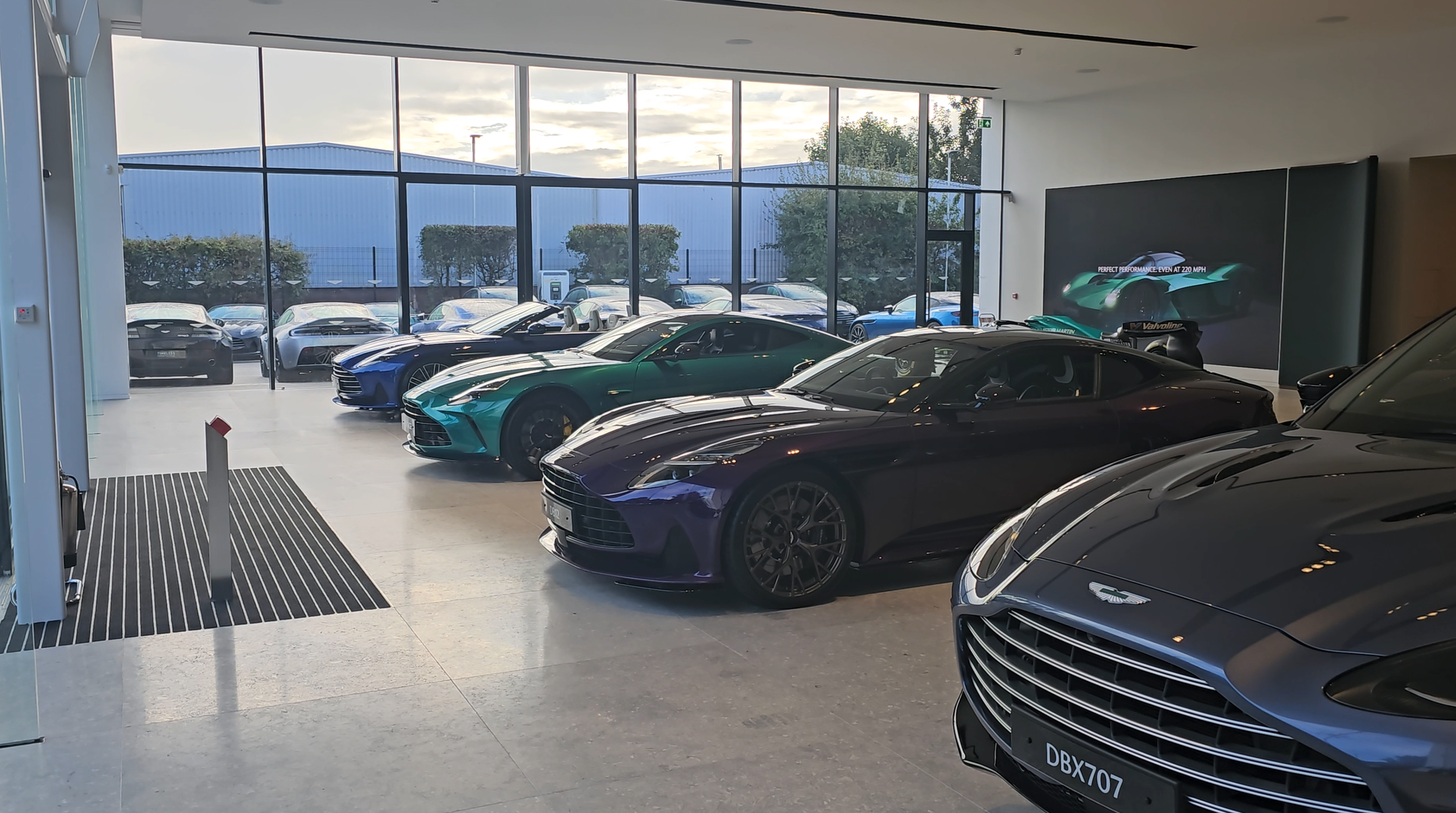
Once this separation is understood, the contrast in their financial situations becomes far easier to make sense of, because they are, fundamentally, two distinct entities moving forward with different roles under the same legendary badge.
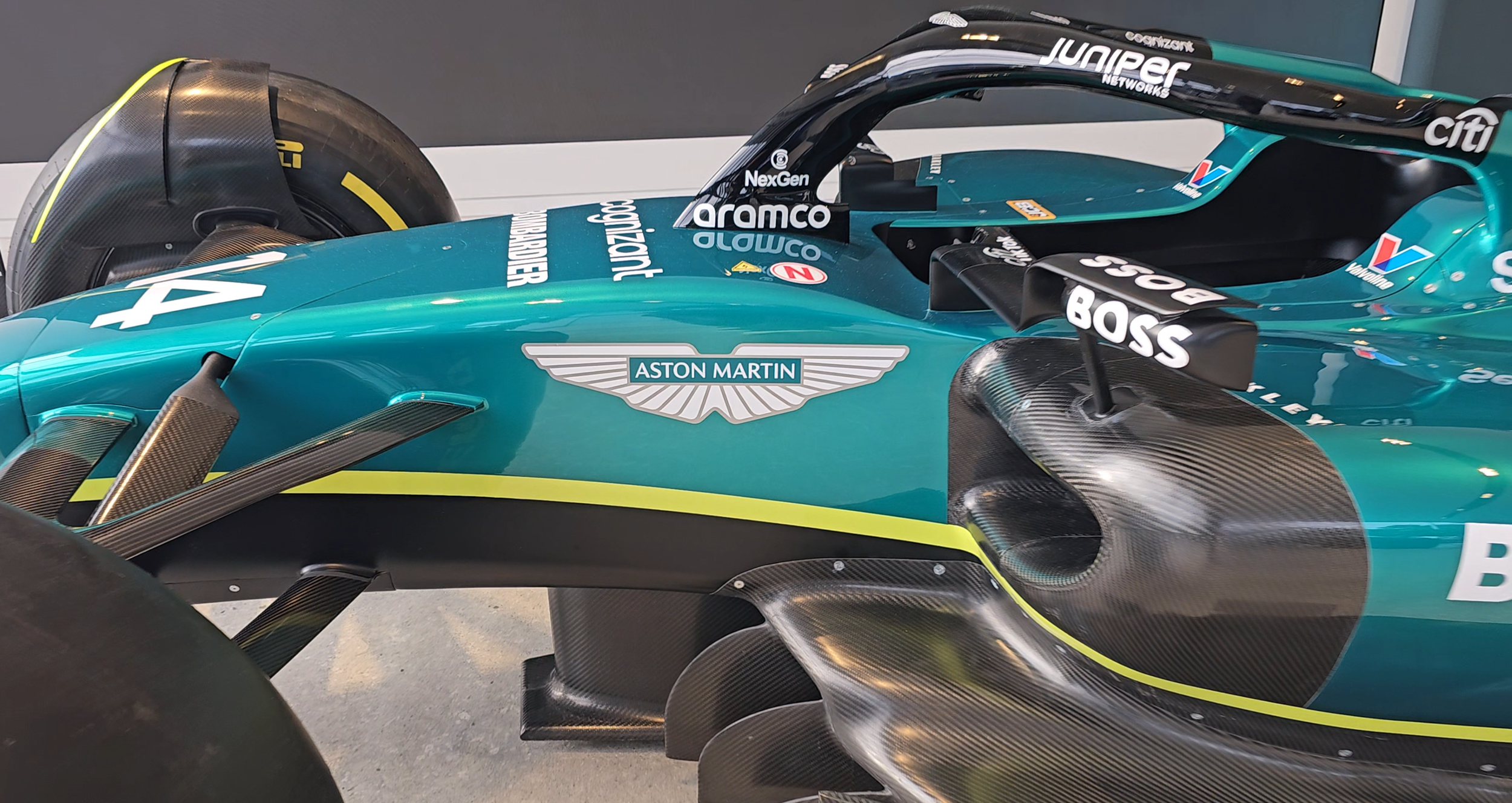
Why Allow the Aston Martin Name on the F1 Team?
The reason Aston Martin chooses to put its name on the Formula One team is simple: there is no greater global branding engine on the planet.
Formula One delivers a level of visibility and cultural relevance that no traditional advertising campaign could ever hope to match. Every race places the Aston Martin name in front of millions of viewers worldwide, reaching younger, broader and more international audiences than any print ad or billboard could ever achieve. It reinforces a modern, technological and performance-driven identity, elevating the brand to the same aspirational tier occupied by long-established titans like Ferrari and Mercedes.
For a specialist manufacturer like AML, operating in a fiercely competitive premium market dominated by larger global players such as Porsche and Mercedes-Benz, this kind of exposure is invaluable.
F1 keeps Aston Martin firmly in the public eye, reminding the world that this historic British marque is not just surviving, it is pushing forward, innovating and fighting for its place on the world stage.
On top of that, the entire automotive world is moving toward hybrid and electric technology, and for a small manufacturer like AML, that transition is financially heavy.
Bringing new powertrains, updated platforms and next-generation electronics to market demands capital, often more capital than the business can generate in the short term.
When you combine these long-standing pressures with timing challenges around new model launches, you begin to understand why AML’s finances can look strained even when its products are strong.

FTP Picture: The 2025 Aston Martin Vantage S, Goodwood Festival of Speed, 2025
In short, Aston Martin Lagonda is not a company in freefall, it is a company rebuilding itself while carrying the weight of its past. The full product range has now been refreshed, the brand direction is clearer than it has been in years, and the foundations for future stability are being laid. This is a transition phase, not an endpoint. And like many chapters in Aston Martin’s history, it will ultimately be defined by resilience, evolution and passion.
Where F1 Fits Into AML’s Long-Term Strategy
When Lawrence Stroll took the helm at Aston Martin, he made his intentions unmistakably clear. His vision is to turn Aston Martin into “the world’s greatest British ultra-luxury performance brand,” a statement that sets the tone for a far-reaching transformation. Central to that vision is Formula One, not as a marketing gimmick or a short-term splash, but as a long-term strategic pillar that supports the future of the entire Aston Martin identity.
Formula One gives Aston Martin something few brands can buy: global desirability on a grand stage. Every race weekend places the name in front of millions of viewers worldwide, modernising the brand image and connecting Aston Martin with the cutting-edge technology, innovation and engineering excellence that F1 represents. In markets where Aston Martin is still growing or newly emerging, F1 acts as a powerful calling card, instantly elevating recognition and aspiration.
The halo effect from Formula One mirrors what Ferrari and Mercedes have benefitted from for decades, a virtuous cycle where motorsport pedigree lifts the image of the road cars, and the cars reinforce the credibility of the motorsport effort. It also plays a quiet but important role in attracting world-class engineering talent. Even if the crossover between F1 and road cars isn’t direct, the culture of high performance, precision and innovation naturally influences the broader brand.
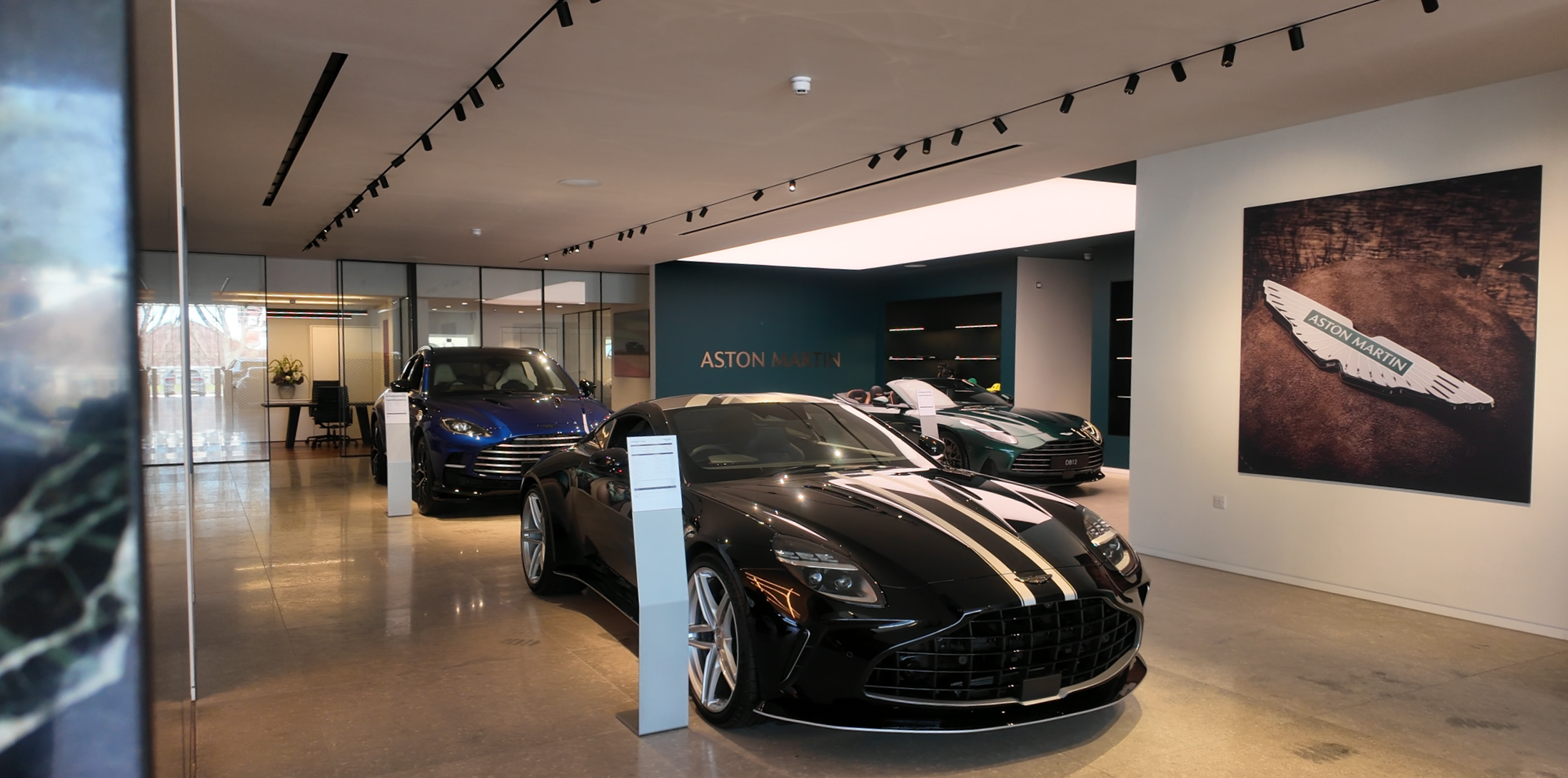
Crucially, the financial weight of this ambition does not sit on AML’s shoulders.
Because the F1 team is funded by Stroll’s consortium and its commercial partners, the motorsport programme doesn’t drain the car company’s resources. Instead, it strengthens the marque at a global level while allowing AML to focus on its core mission: building exceptional cars, rebuilding its financial foundations and steering the brand toward a more stable and competitive future.
In essence, F1 isn’t a distraction for Aston Martin, in my opinion, it’s a catalyst. It amplifies the brand, energises the future and brings the kind of worldwide presence a company of Aston Martin’s size could never afford through traditional means.

FTP Picture: AMOC 90th Anniversary Celebrations, Austria 2025 - International Concours Day

And when viewed alongside F1, the picture becomes even clearer;
Formula One generates global excitement and modern prestige. AML focuses on creating exceptional cars that carry the brand forward. But AMOC safeguards the soul, the human, emotional side of Aston Martin that no marketing campaign can replicate.
Together, they form a powerful three-pillar ecosystem:
F1 creates the spotlight,
AML builds the product,
and AMOC carries the heritage and community that makes Aston Martin truly special.
And at the centre of this ecosystem, carrying the heart and soul of the marque, stands the Aston Martin Owners Club, the principal owners’ club officially recognised by AML. AMOC connects the past, present and future of Aston Martin in a way no corporation ever could. It is where stories are preserved, friendships are formed and the emotional heartbeat of the brand continues to thrive. Heritage, community, passion, all of it lives here.
When you bring these elements together; a revitalised range of road cars, a Formula One team climbing with purpose, and a strong, officially recognised owners’ club, you begin to see that we are living through a uniquely exciting chapter in Aston Martin’s history. A chapter shaped not by struggle, but by transformation. Not by conflict, but by alignment. Not by fear, but by ambition.
Yes, challenges remain. They always have. That is part of Aston Martin’s story, a story defined by resilience, reinvention and an unbreakable sense of identity. Through every era, one constant has endured: the passion of the people who love this marque.

And for enthusiasts like us, that passion is exactly what keeps the legend alive. It fuels the community, inspires the engineers, drives the brand forward and ensures that Aston Martin remains what it has always been, a shining symbol of British craftsmanship, courage and soul.
Recently, on the Chris Harris & Friends podcast, they posed a brilliantly provocative question: “Is Aston Martin an unkillable brand?”
And honestly, standing back and looking at the passion, the heritage, the resilience and the sheer willpower that has carried this marque through more than a century of highs, lows and reinventions, I can’t help but smile. If any brand deserves to be called ‘unkillable’, it’s Aston Martin. Every era has proved the same truth: this company bends, it evolves, it battles… but it never breaks.
And for my part? I truly hope that spirit burns forever.
This editorial reflects my personal interpretation as an Aston Martin enthusiast
and is not affiliated with or endorsed by Aston Martin Lagonda, Aston Martin F1 Team or Aston Martin Owners Club (AMOC)
