
What Winning Would Really Mean?
If Aston Martin Won the Formula One World Championship
By Dan, Fuel the Passion
Introduction: The Question, Not the Trophy
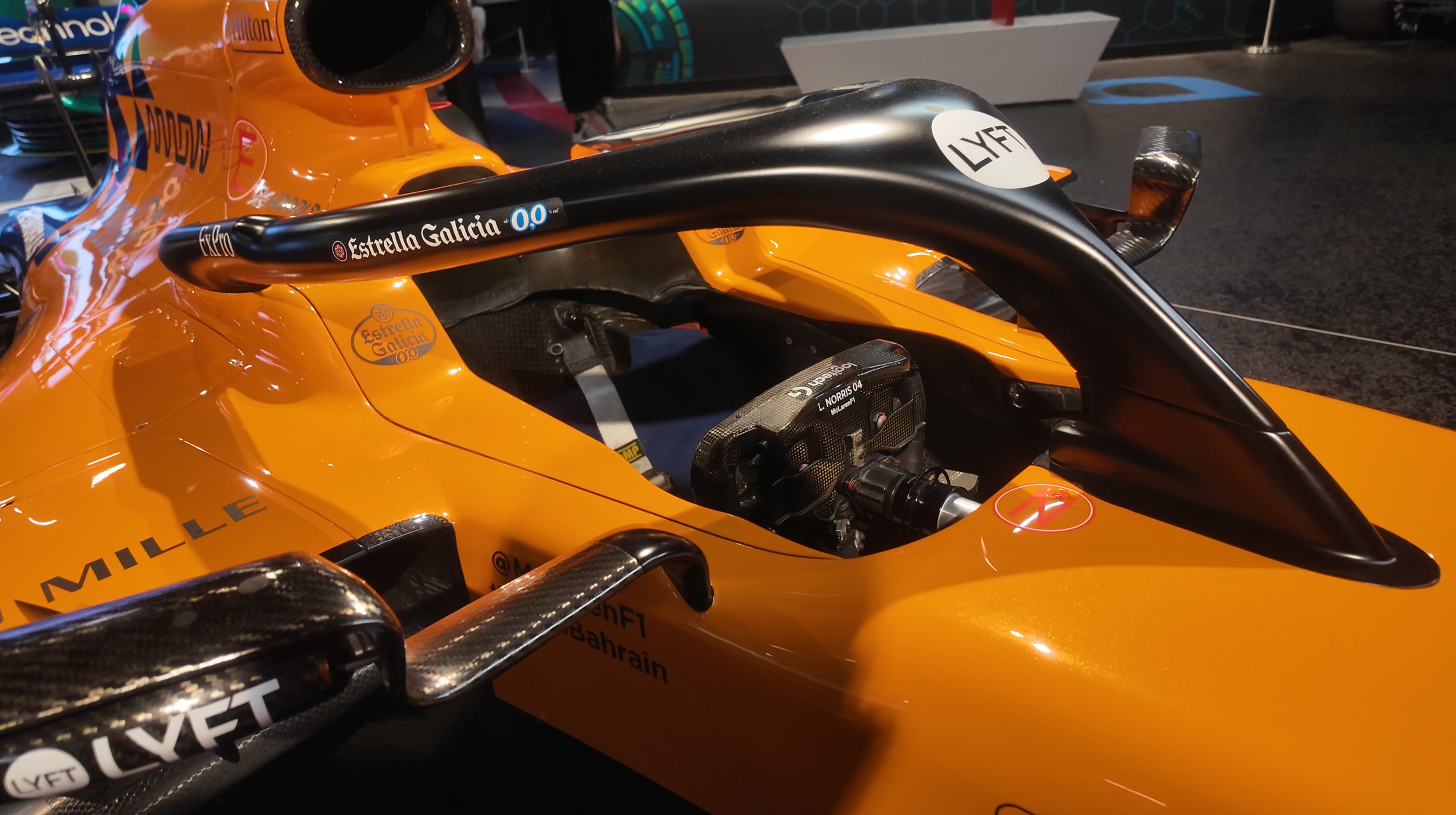
When McLaren sealed their return to the summit of Formula One, to me and probably numerous others, it felt bigger than a set of trophies being lifted under bright lights. It felt like a reminder. A reminder that, even in a modern era dominated by cost caps, corporate structures and global branding exercises, a World Championship still carries weight. It still carries meaning.
Formula One titles are not just about statistics or silverware. I believe they shape perception and influence belief. They remind the world who truly belongs at the very top of the sport and by extension, at the pinnacle of automotive excellence. Which inevitably leads to a more intriguing question.
What if Aston Martin were to do the same? What if the green cars from Silverstone didn’t just compete at the front, but won as Constructors’ and Drivers’ World Champions?
Not in theory. Not in marketing slides. But in reality.
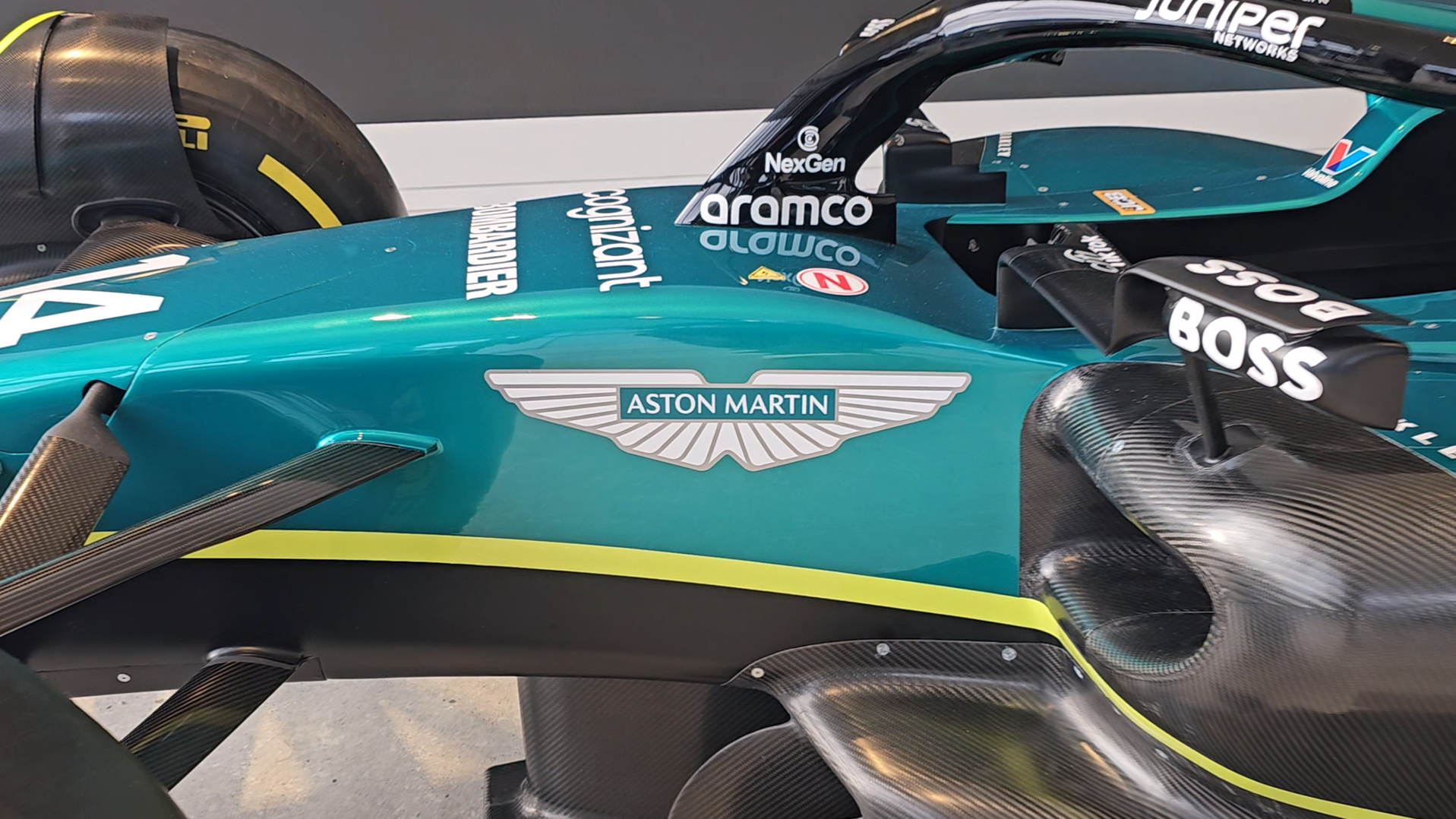
What would that really mean for Aston Martin?
Not just for the Formula One team, but for the road-car brand, the owners, the investors, and the countless people who admire Aston Martin from afar.
Would it change fortunes? Would it change perceptions? Or would it simply confirm something Aston Martin has always believed about itself?
To try and answer that properly, we need to start somewhere important, with the reminder that, Aston Martin has already conquered the world stage before.
Just not this one.
Chapter 1: Aston Martin Has Won Before - Just Not Here
To me and no doubt countless others, Aston Martin’s racing pedigree has never been in doubt.

Long before modern Formula One became the global spectacle it is today, Aston Martin had already written its name into motorsport history. Le Mans victories. Endurance racing dominance.
The DBR1 was a car so significant that it remains one of the most revered Aston Martins ever built, securing outright victory at the world’s greatest sports car race.
Aston Martin’s DBR1 secured its only outright victory at the 24 Hours of Le Mans in 1959, achieving a one-two finish and delivering one of the marque’s most celebrated victories in endurance racing history.
That year was also part of Aston Martin’s success in the 1959 World Sportscar Championship, where the DBR1’s performance helped the brand claim the overall title.
These were not footnotes. They were defining moments.
Aston Martin has always understood competition, understood performance, and understood how to win when it mattered. But crucially, its greatest triumphs came in arenas that aligned perfectly with the brand’s character: endurance rather than sprinting, elegance rather than aggression, stamina rather than spectacle.
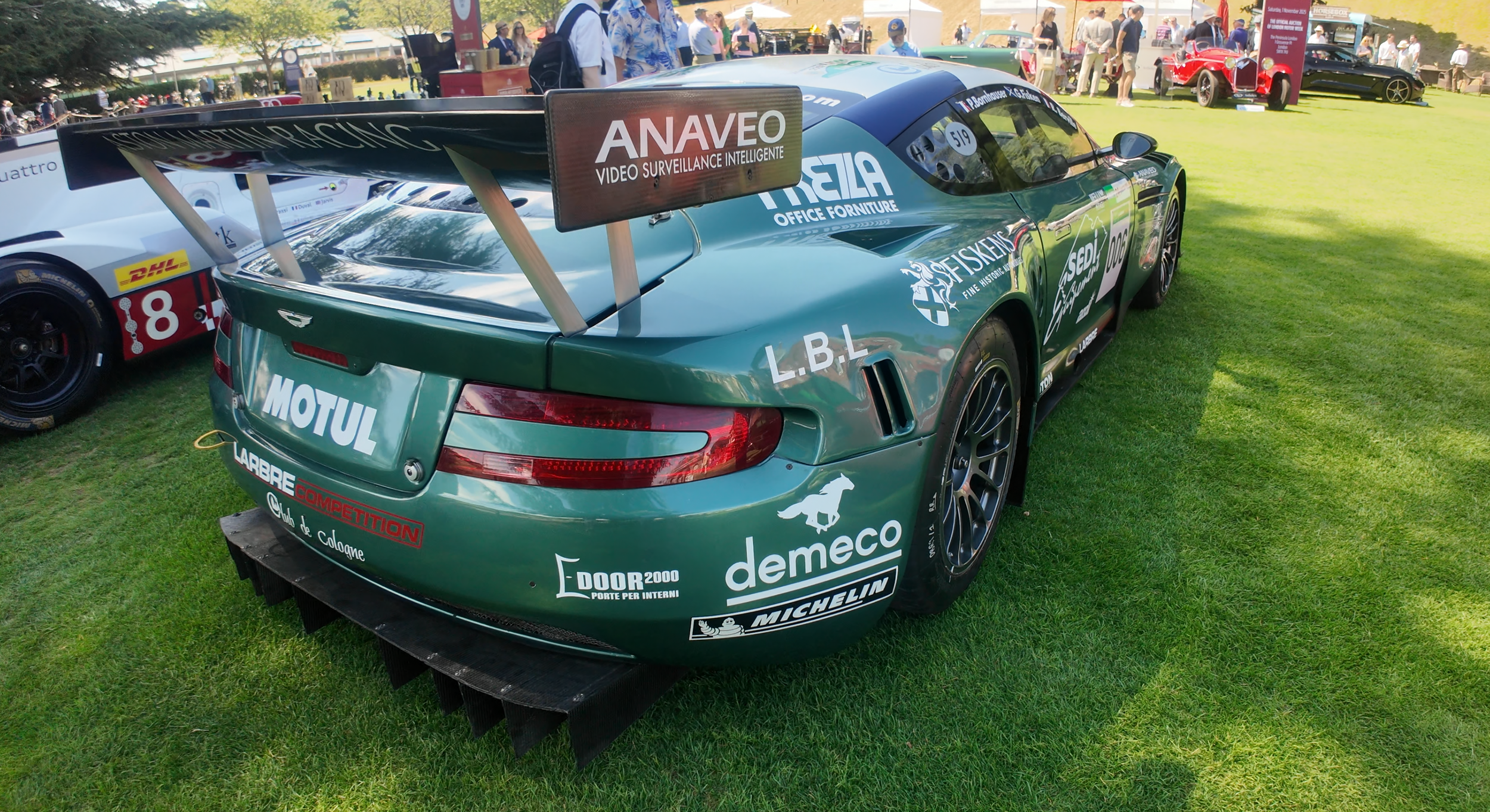
That philosophy did not end with the DBR1. In the modern era, the DBR9 carried Aston Martin back to the very top of international GT racing, securing class victories at Le Mans and multiple championship successes around the world.
Competing against some of the strongest manufacturers in motorsport, the DBR9 reaffirmed that Aston Martin’s racing DNA was not a relic of the past, but something very much alive and relevant.
Formula One, by contrast, has always sat slightly apart. Not absent, but unfinished.
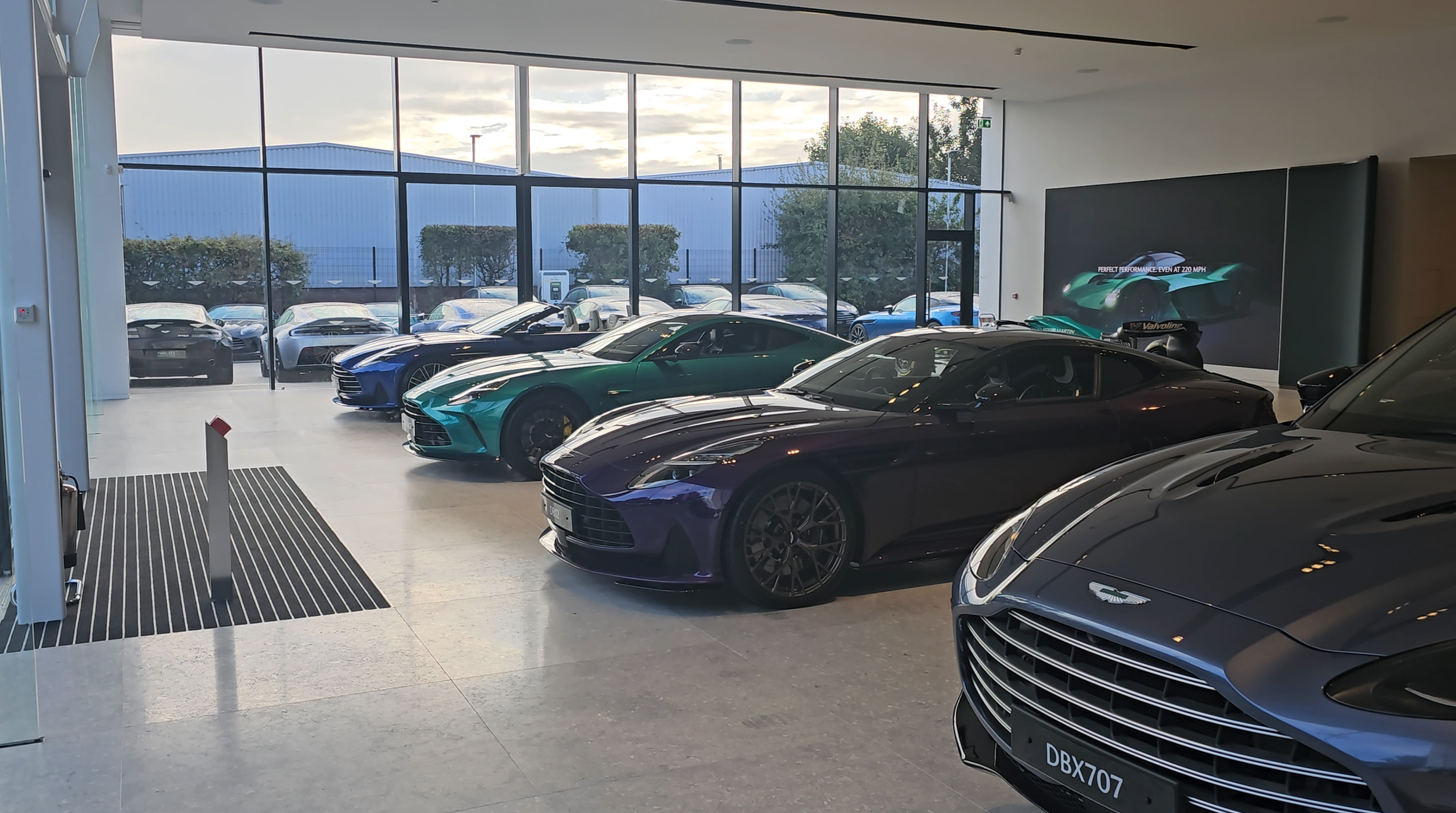
While Ferrari, McLaren and later Mercedes built their modern identities around Grand Prix success, Aston Martin became something different.
A marque defined by beauty, by craftsmanship, by grand touring excellence. A brand synonymous with cinematic glamour, British sophistication and emotional design, rather than relentless competitive dominance.
That distinction is important. Aston Martin has never lacked legitimacy. It has never needed Formula One to justify its existence or its heritage.
Yet, in a world where F1 success has increasingly become shorthand for modern engineering excellence, for me, one question has quietly lingered in the background.

Has Aston Martin’s story been missing its final chapter? Not because it failed elsewhere, but because this particular box has never quite been ticked.
And in today’s landscape, I think that absence probably matters more than it once did.
Chapter 2: Formula One - The One Box Still Unticked
In the modern automotive landscape, I believe Formula One has become something more than a racing championship. Fairly or not, I think it’s evolved into the global yardstick by which engineering excellence is judged. When a manufacturer succeeds in Formula One, the assumption follows; these people know what they’re doing.
I believe Ferrari understands this instinctively, McLaren has rebuilt its reputation upon it and Mercedes used Formula One dominance to cement its status as a technological leader. Even Red Bull, a brand with no historic automotive lineage, leveraged Formula One success to create instant credibility at the highest level, to the point where it now has the confidence, scale and authority to develop its own power units for future championships. That evolution did not happen overnight; it was enabled by success, belief and long-term commitment.
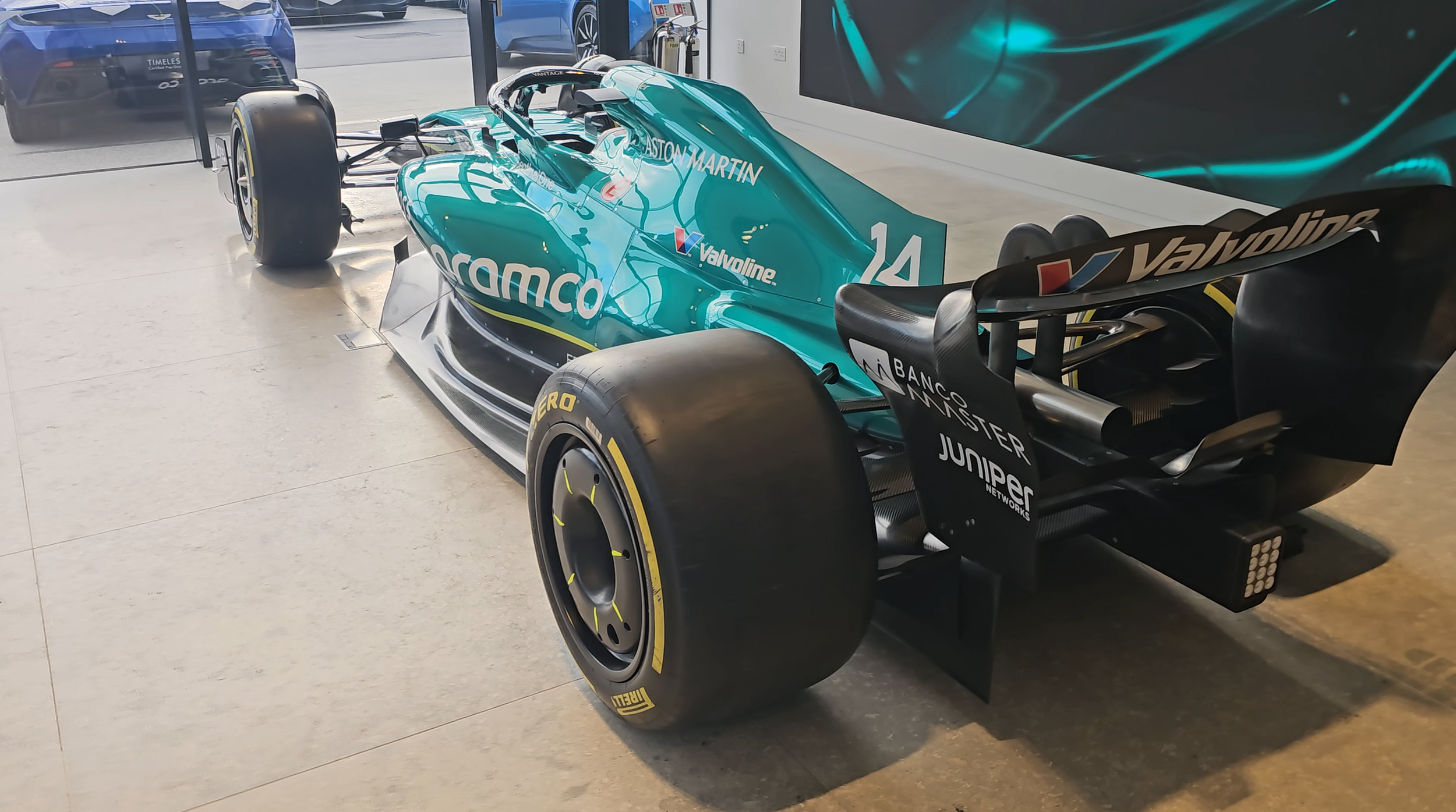
It inevitably raises a fascinating question for Aston Martin: could sustained Formula One success one day give the marque the confidence and capability to pursue an even deeper level of technical independence itself?
Against that backdrop, Aston Martin occupies a fascinating position.
It is already one of the most recognisable automotive brands on the planet. I believe it carries heritage that many competitors would trade fortunes to possess. And yet, when conversations turn to outright technical authority in the modern era, I think Aston Martin is often admired rather than assumed. And I think that distinction matters.
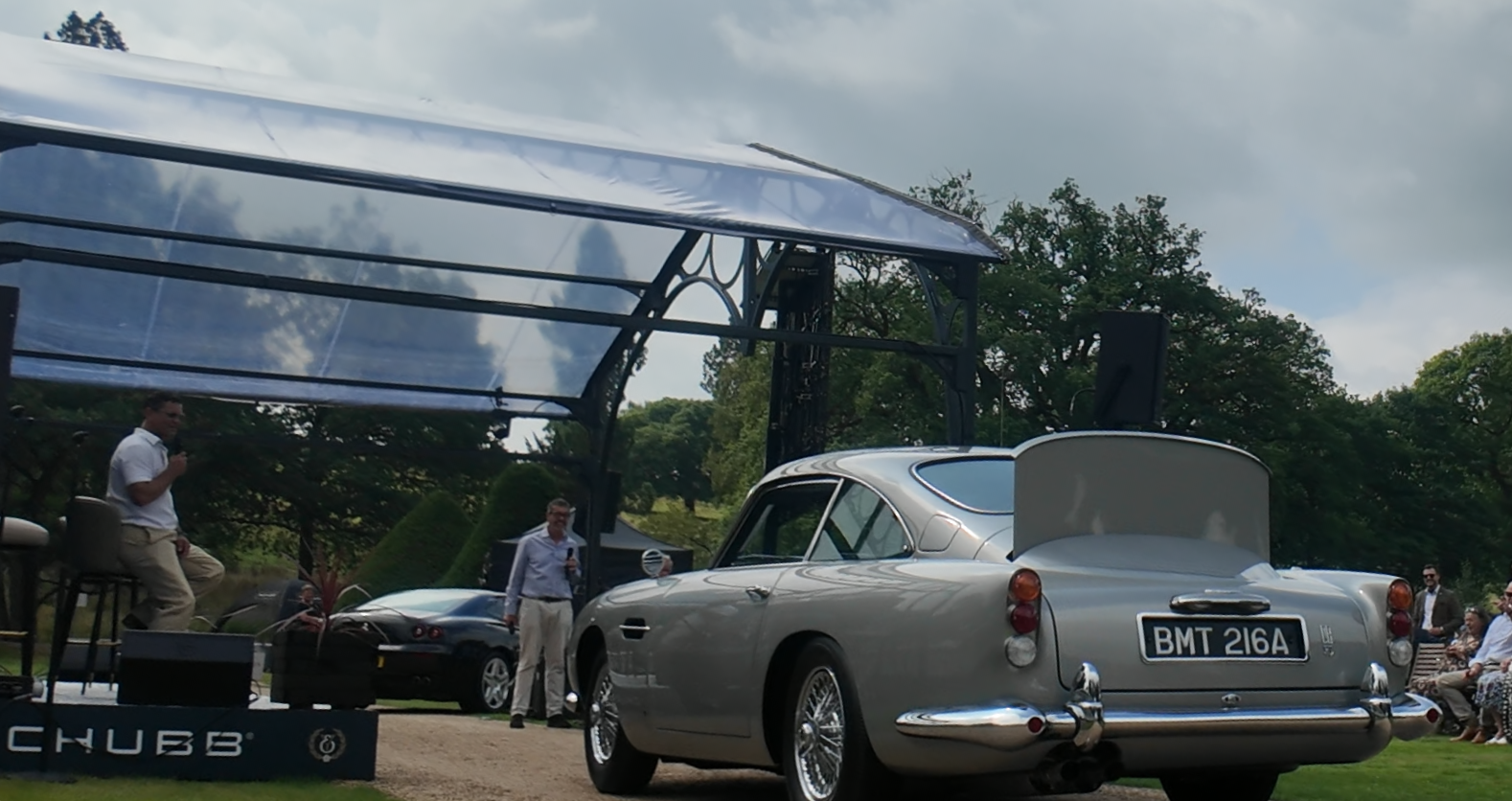
For some, Aston Martin still exists primarily in the realms of beauty, emotion and cinematic association.
James Bond remains an extraordinary asset, but it can also become a comfortable shorthand. A way for the casual observer to appreciate the brand without fully understanding the depth of engineering, ambition and expertise that now underpins it.
I think Formula One has the power to change that narrative instantly. That global stage is a vast one.
A World Championship would not rewrite Aston Martin’s past, but it would redefine its present. It would place the marque shoulder-to-shoulder with manufacturers whose identities are inseparable from Grand Prix success, and it would do so in the most unforgiving era the sport has ever known. Cost caps, marginal gains, relentless scrutiny - there is nowhere to hide. This then leads me to the unavoidable question;
Is Formula One the missing element in Aston Martin’s modern identity?
The final piece that transforms the brand from universally admired icon into an unquestioned performance authority? The achievement that shifts perception from beautiful cars to brilliantly engineered machines?
If so, I think the consequences would stretch far beyond the pit lane, because in a world where confidence drives investment, perception shapes desirability, and belief influences purchasing decisions, a Formula One World Championship would not simply be a sporting success. I think it would be a statement. A BIG statement!
Chapter 3: “Win on Sunday, Sell on Monday” - Myth, Reality… and Residuals
“Win on Sunday, sell on Monday” is one of motorsport’s most enduring phrases. I’ve heard it a few times over the years. Often attributed to Enzo Ferrari, it captures the seductive idea that success on the track directly translates into sales in the showroom. The reality, of course, is far more complex.

I don’t think modern buyers rush out on Monday morning because a chequered flag fell the day before.
Purchasing a luxury performance car is rarely impulsive. It is considered, researched, and increasingly shaped by financial confidence as much as emotional desire. And I think this is where Aston Martin faces a challenge that many owners and admirers know all too well.
For decades, Aston Martin road cars have suffered from steep depreciation. Residual values have often fallen faster than comparable rivals, making financing more difficult, ownership more daunting, and long-term confidence harder to sustain. PCPs become less attractive and leasing numbers fail to stack up. Potential buyers, even those who love the brand can and often do quietly drift toward safer options.
I hear this from speaking to many people, car enthusiasts, whilst at various car meets and events over the past two years.
I also see this in various social media posts over and over again, from car enthusiasts whose heart may be saying – buy an Aston Martin, but who’s head is saying something else due to the finances; Porsche. Ferrari. McLaren. Not always because they are more beautiful, or even more exciting, but because they feel like lower-risk propositions.
This is an uncomfortable truth, but an important one. So for me, the question becomes not whether a Formula One World Championship would suddenly reverse depreciation overnight, I don’t think it will, but whether it could begin to change the psychology that underpins it.
I think perception matters enormously in the used-car market. Confidence in a brand’s future stability, technical competence and long-term relevance plays a significant role in how values are set and sustained. We have seen this effect before. Manufacturers such as Porsche have built residual strength through consistency of direction and engineering credibility, while Ferrari’s modern era of success helped reinforce belief that ownership is underpinned by clarity, control and confidence.
When buyers trust that a manufacturer knows where it’s going, and has the competence to get there, I believe residuals tend to follow (but I appreciate, I am not an expert in car markets, just a keen enthusiast, an observer!)
I don’t think a Formula One World Championship would necessarily and magically fix Aston Martin’s historic challenges, but I do believe that it could alter the conversation. It could strengthen belief. It could reassure hesitant buyers that Aston Martin is no longer a romantic gamble, but a brand with proven modern competence at the highest level.
So I don’t think winning would necessarily sell more cars on Monday morning, but it might make people far more comfortable signing on the dotted line. And in a market increasingly driven by finance, reassurance can be just as powerful as desire. After all, reassurance breeds confidence, and confidence has a way of translating into purchasing decisions over time.
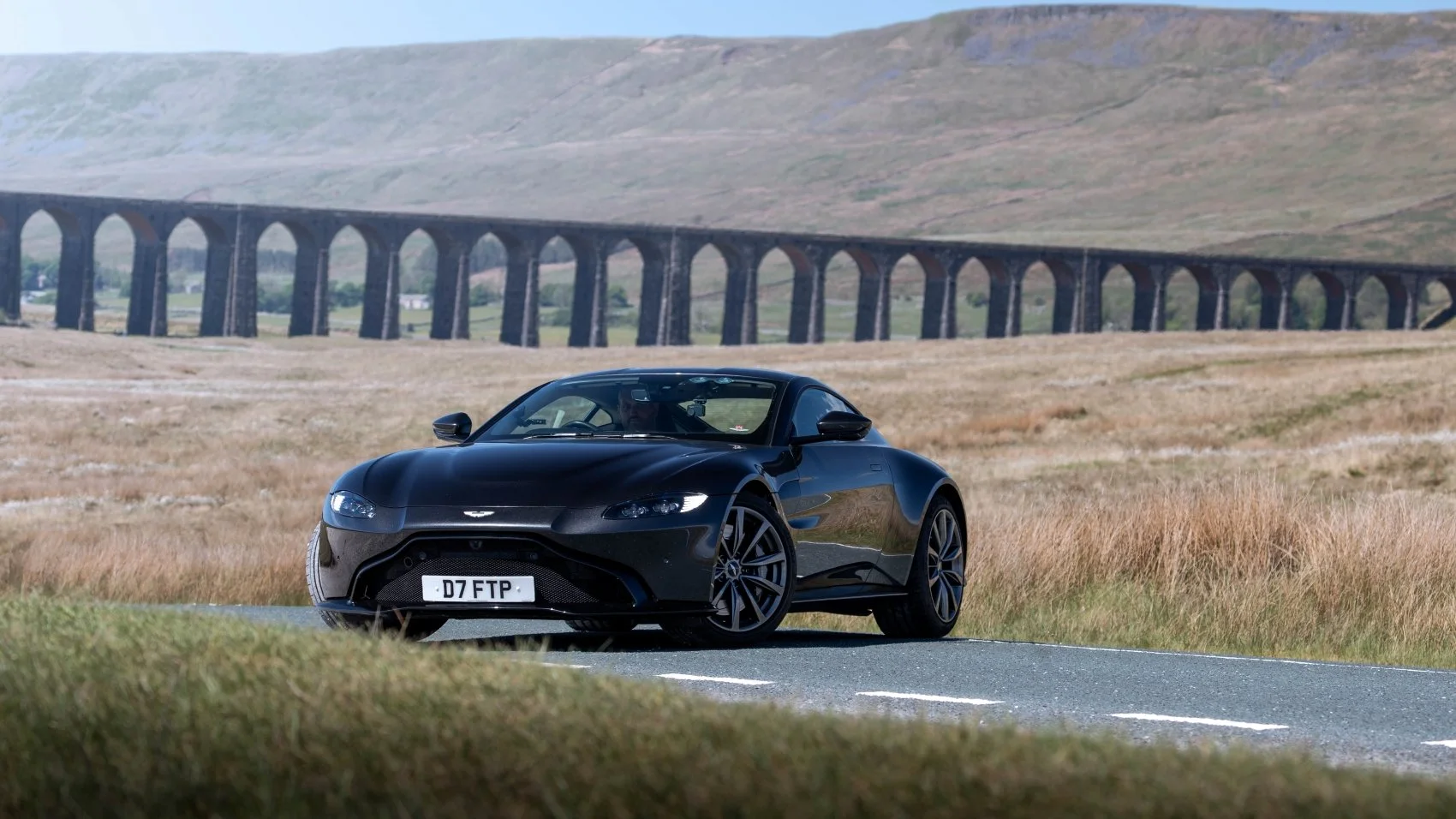
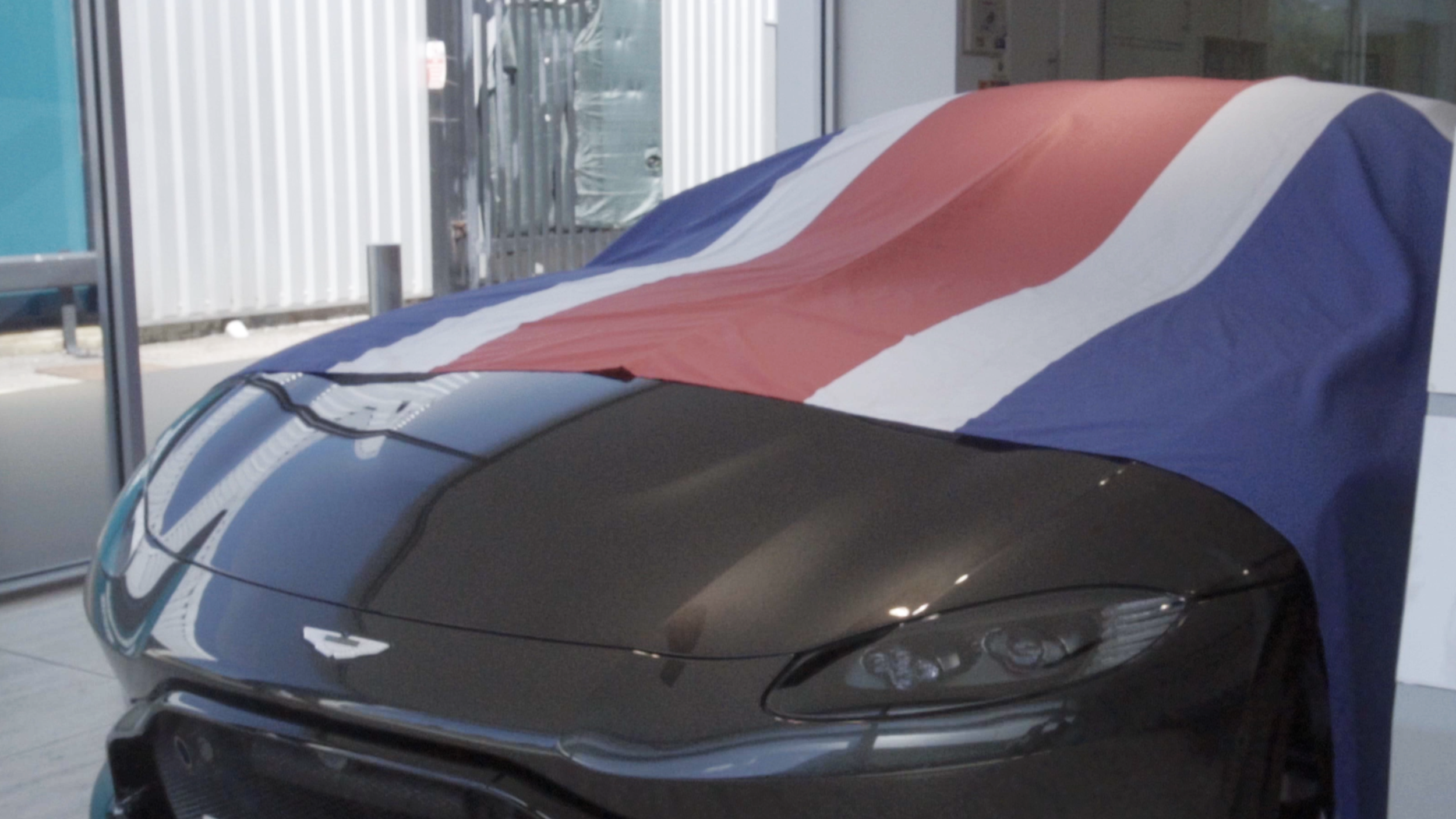
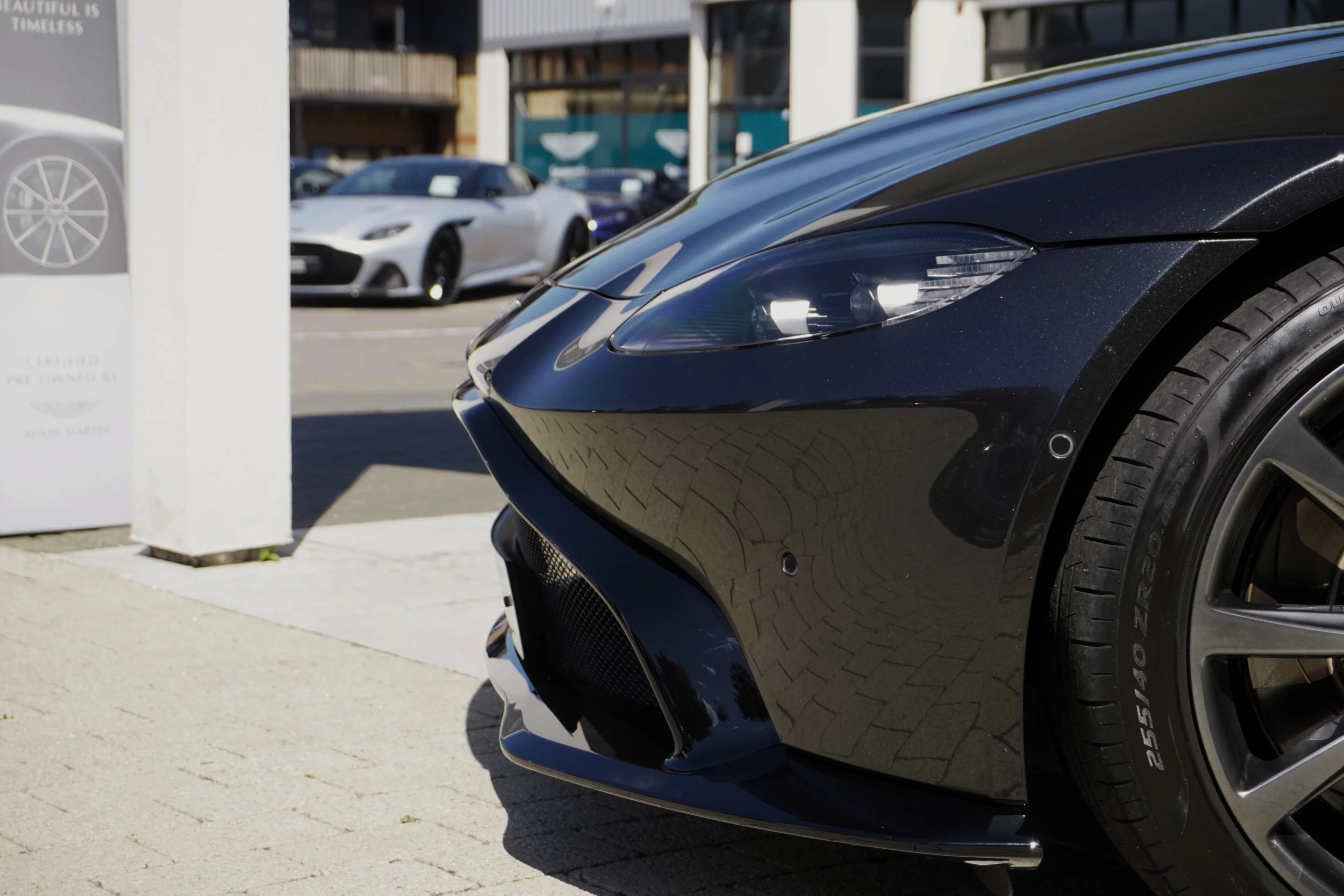
As the two photographs above show, I was already comfortable signing on the dotted line.
They were taken on the day I collected the FTP Vantage from Aston Martin Sevenoaks in August 2024, a moment that felt quietly significant.
It wasn’t driven by impulse, but by a long-held belief in where Aston Martin was heading.
To me, the brand had entered a modern era of confidence and competence, producing cars that were not only beautiful, but convincing in their intent. That belief has only deepened since, reinforced by the quality of the cars themselves and the consistency of the acclaim they continue to receive.
For me, Aston Martin wasn’t a romantic gamble, but a marque that was again moving forward with clarity and purpose and one I was genuinely proud to put my faith in.
Chapter 4: What Winning Would Actually Change
So, I believe a Formula One World Championship would not be a cure-all for Aston Martin’s challenges, but it would act as a powerful catalyst. Not because of the trophy itself, but because of what that trophy represents to the outside world. First and foremost, I believe it would transform confidence.
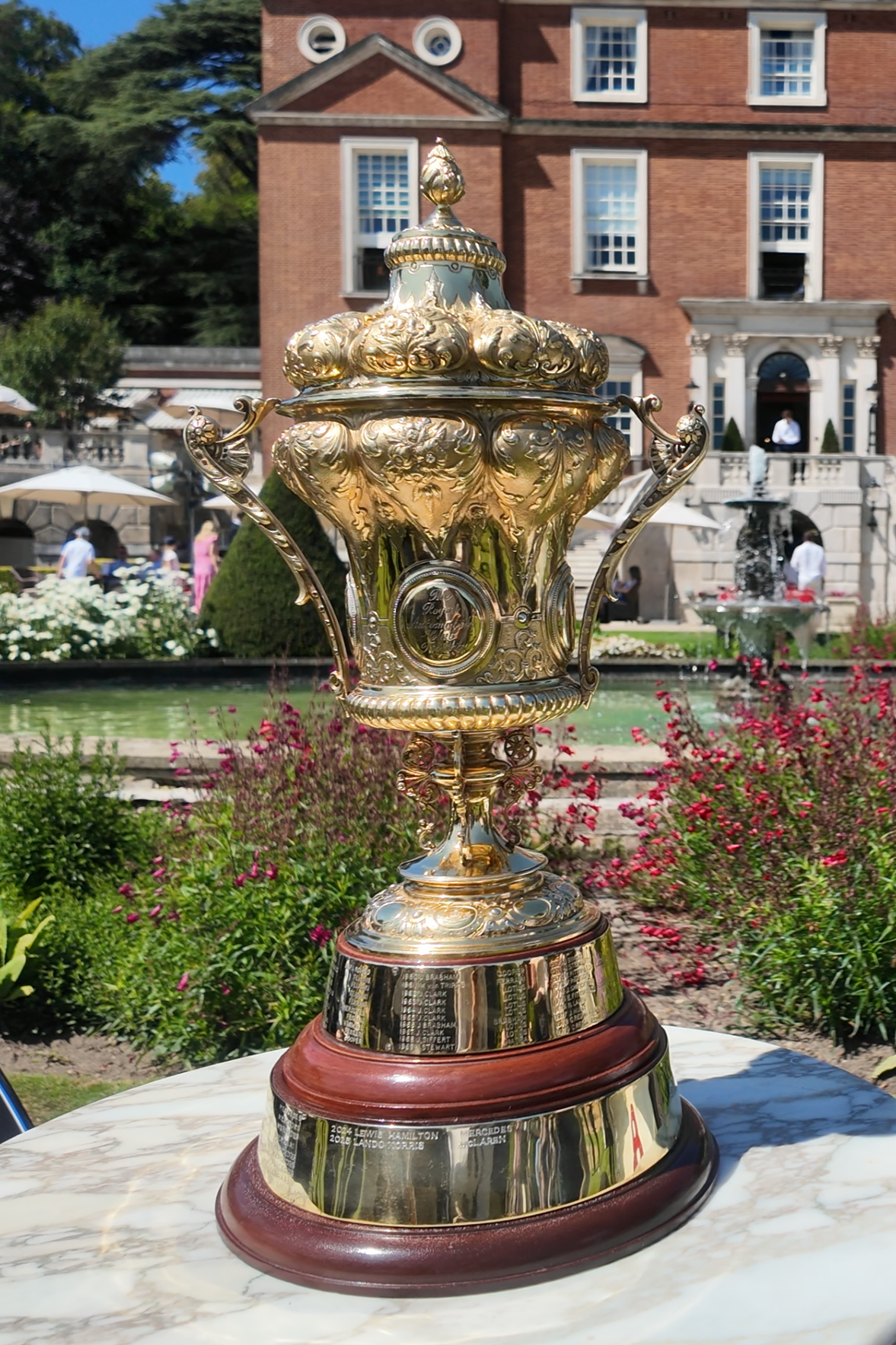
Investor confidence, in particular, is shaped as much by narrative as by numbers. I think, winning in Formula One would signal that Aston Martin is no longer a story of recovery or ambition, but one of delivery. It would demonstrate additional operational excellence under the most competitive, regulated and scrutinised conditions in global motorsport.
That matters when capital is being allocated and long-term strategies are being judged.
Beyond the boardroom, I believe success would elevate Aston Martin’s commercial appeal. I predict that sponsorships become easier to secure and more valuable to maintain when a team is winning rather than chasing. Partnerships deepen and brand associations strengthen. Formula One success does not simply attract attention, it attracts belief.
Internally, I believe the impact could be even more profound.
Winning changes culture. It validates decision-making, sharpens accountability and accelerates progress, this is something that I’ve seen and experienced repeatedly over the course of my 32-year career in the public sector.
Back to the Formula One context, engineers, designers and leaders would gain confidence not only in their direction, but in their ability to execute at the very highest level. That mindset tends to spill over, influencing how future road cars are conceived, developed and delivered.

Motorsport has long informed road-car innovation, from gearbox operation and steering-wheel controls to aerodynamics and systems thinking and sustained success in Formula One would only deepen that exchange.
I believe a championship would give Aston Martin authority. Not borrowed authority through heritage or glamour but earned authority through performance. It would allow the brand to speak with a different voice, quieter, perhaps, but far more convincing. When you have proven you can beat the best in the world under equal rules, you no longer need to explain yourself.
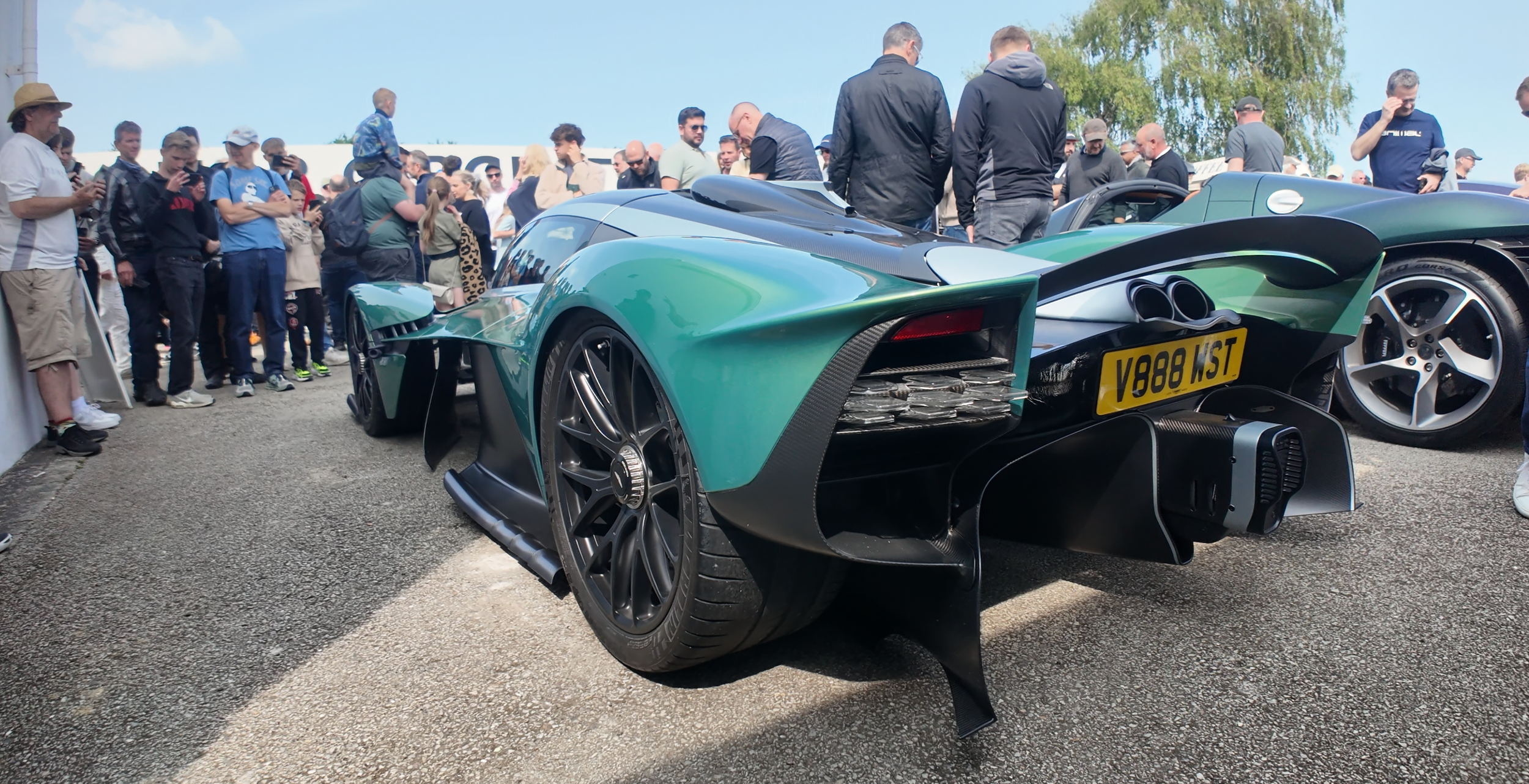
I think there is already a glimpse of how this kind of cross-pollination can work. The Valkyrie stands as a rare and compelling example of what happens when Formula One thinking is allowed to shape a road car without compromise.
Designed largely under the influence of Adrian Newey, it did not simply sell for millions, it reshaped how Aston Martin was perceived. More than a hypercar, Valkyrie became a statement of intent.
That statement has only grown louder since the car took to the world stage in competition. Valkyrie’s first year in the World Endurance Championship marked Aston Martin’s return to top-level prototype racing, and while expectations were rightly tempered, the progress made was remarkable. Each race told a story of learning, development and determination, with clear steps forward over the course of the season.
Just as striking was the reaction it provoked. The sound, the presence, the sheer theatre of seeing a Valkyrie racing again captivated crowds wherever it appeared. It felt significant, not just as a racing programme, but as a reminder of what Aston Martin dares to attempt. Just watch Episode Four of this journey below to see what I mean…
Its impact has extended far beyond private collections. The sight and sound of Valkyrie competing in the World Endurance Championship has resonated because it represents Aston Martin standing toe-to-toe with manufacturers possessing vastly greater resources. In prestige, public affection and emotional connection, Aston Martin has never looked out of place.
A Formula One World Championship could accelerate that effect dramatically. With Adrian Newey at the helm, the opportunity for Formula One ideas, in philosophy, design and execution, to influence future road cars becomes even more tangible. And with success comes the opportunity to create something truly special.
In my view Championships do not guarantee prosperity, they enable it.
They create the conditions in which belief can grow, among investors, partners, employees and customers alike. And in an industry as emotionally driven as luxury performance cars, belief may be the most valuable currency of all.
Just to expand a little on that ‘belief’ aspect, with the general British public. One thing that is impossible to ignore, particularly here in Great Britain, is the depth of affection people still hold for Aston Martin. I experience it almost daily.
Driving the FTP Vantage, I regularly find myself stopped by strangers, at petrol stations, in car parks, even while waiting to pay, simply wanting to know which model it is, or to say how beautiful they think it looks.
Conversations often begin with the same words: “I’ve always loved Aston Martin.”
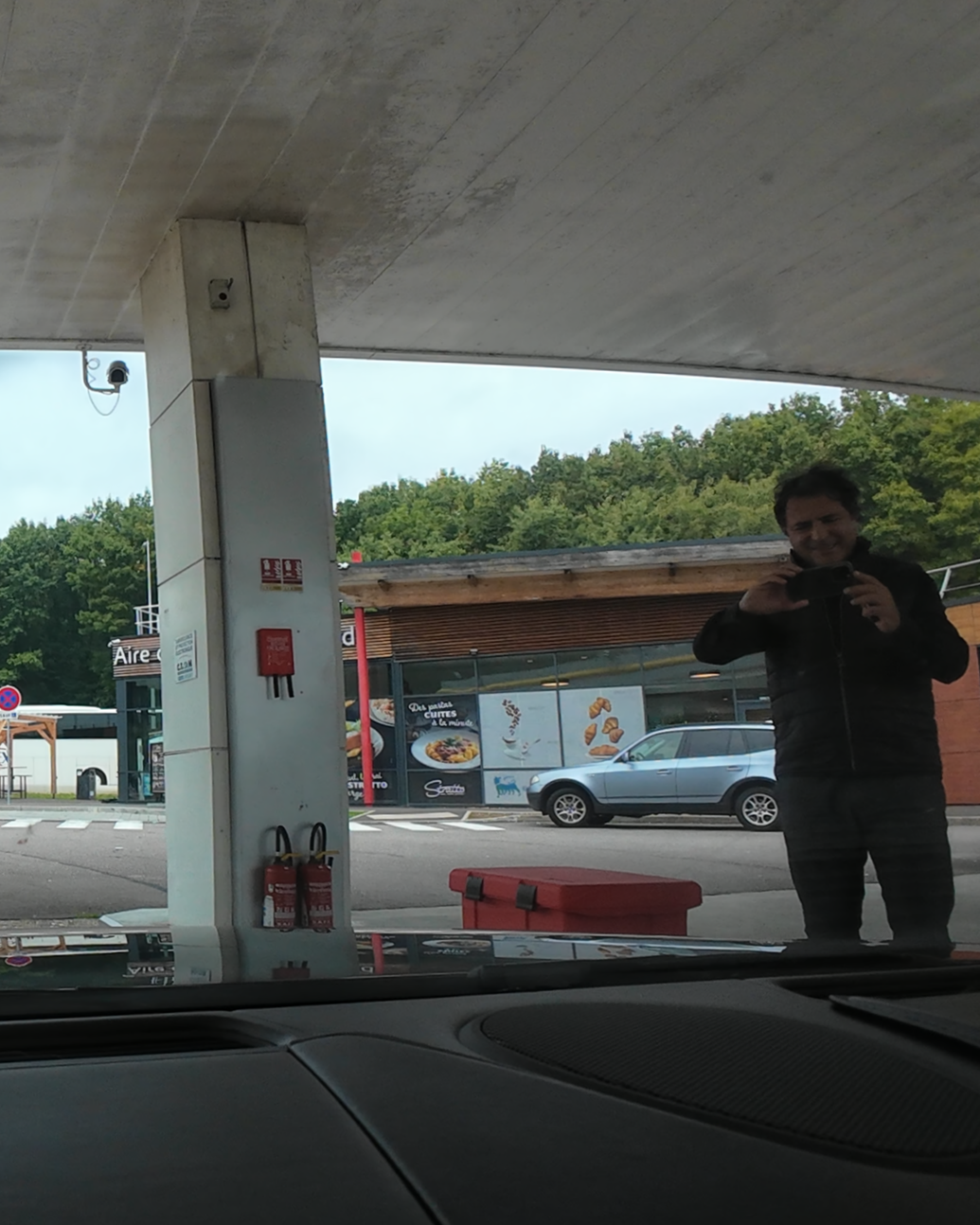
The picture on the right, is of a lovely gentleman I met in France, on route home after the AMOC 90th Anniversary Celebrations. A big fan of Aston Martin and someone who very much admired the marque. I have so many other examples!
On one recent occasion, standing in a long queue after filling up with super unleaded, I could hear two builders behind me quietly admiring the car. “Have you seen that Aston Martin?” one said. “Yeah, stunning, that. Proper special,” came the reply. Moments like that are small, unplanned, and entirely genuine, and they reinforce my belief that Aston Martin already captivates people, certainly here in Great Britain, and I’m sure world wide - in a way few other marques can.
Chapter 5: The Risks of Success
I suspect winning in Formula One would be intoxicating. But I believe it may not be without consequence. A World Championship would elevate Aston Martin into a different category altogether, and with that elevation comes pressure. Expectations rise quickly and forgiveness diminishes just as fast. What was once celebrated as progress can be judged as underperformance the moment results slip.
“You’re only as good as your last job” is a phrase often quoted across many professions and in the unforgiving world of top-level motorsport, it resonates more than most.

Sustaining success in the cost-cap era is brutally difficult. Marginal gains become harder to find. Rivals respond with renewed intensity. The narrative shifts from challenger to benchmark, a far less comfortable position to occupy.
I also think there is a possible risk of over-identification. When a brand ties too much of its modern identity to Formula One success, it becomes vulnerable to the sport’s cyclical nature. Performance in F1 is rarely linear. Peaks are followed by plateaus, sometimes by decline.
We have seen before how prolonged downturns on the grid can quickly reshape perception, even for respected manufacturers. If confidence in a road-car brand becomes overly dependent on Grand Prix results, the fallout from a downturn can be sharp.
And then I have a human question.
Lawrence Stroll’s involvement in Aston Martin has been defined by clarity of intent. He did not enter Formula One to participate, he entered to win. Facilities were built. Talent was recruited. Long-term investment was committed. For me and I think the world, the goal was explicit.
So what happens when that goal is achieved?
Would success mark the beginning of a new chapter, or the natural conclusion of a personal mission? Would Aston Martin benefit from continuity at the very top, or would a championship-winning organisation become an attractive proposition for others to steward into the future? These are not uncomfortable questions, they are inevitable ones.
I believe success brings opportunity, but it also brings transition. The challenge for Aston Martin would not simply be winning, but ensuring that victory becomes a foundation rather than a full stop.
Section 6: What Would It Mean for the Soul of Aston Martin?
Beyond balance sheets, beyond trophies, beyond headlines, I think there is a quieter question that matters just as much.
What would winning mean to Aston Martin itself?
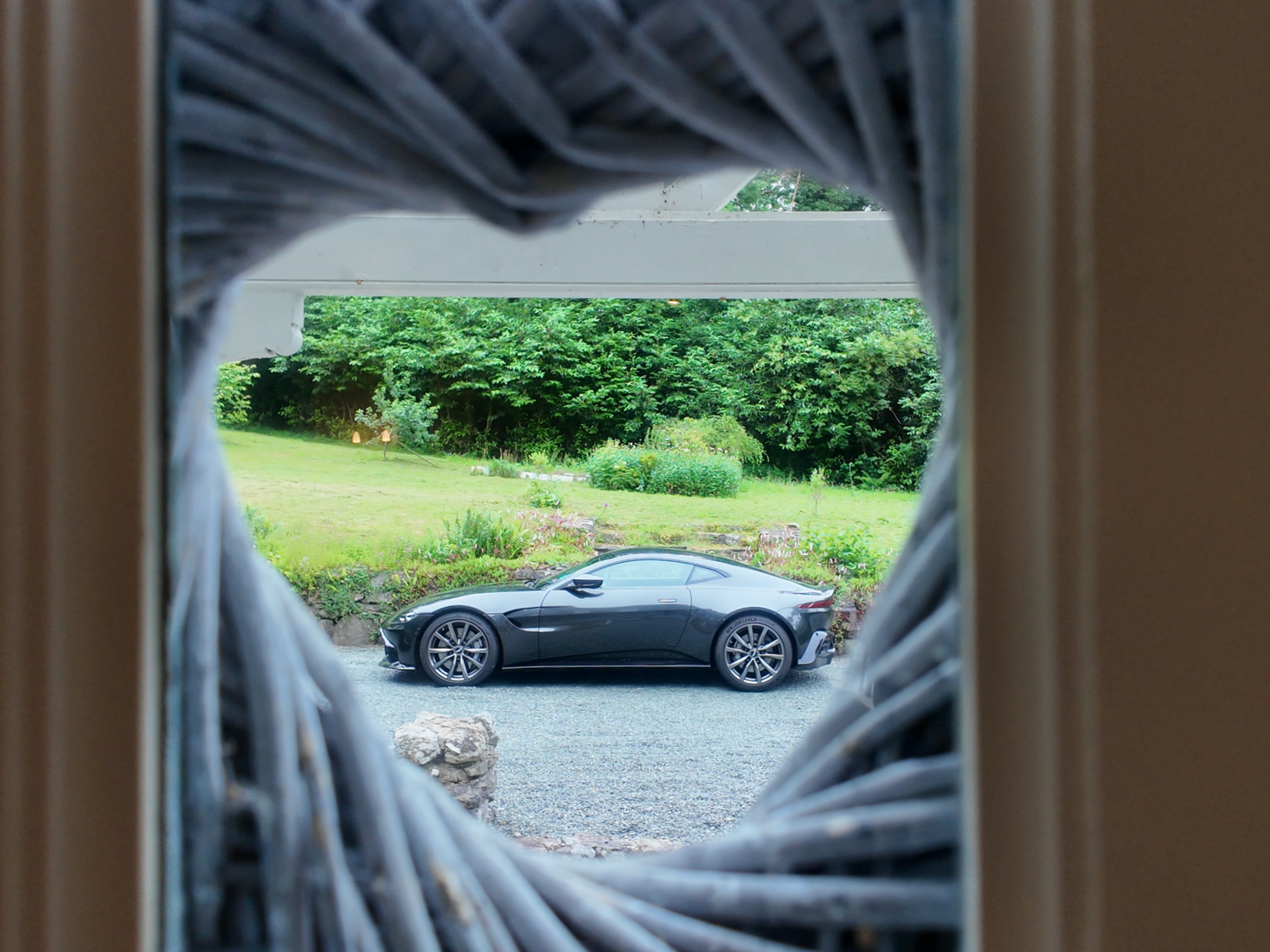
For owners, like me, I think it would bring a moment of affirmation. A feeling that the car in the garage is not simply beautiful or rare, but part of something that has proven itself at the highest level of modern competition.
Not everyone buys an Aston Martin because of motorsport, but knowing that the marque can win, properly, convincingly, probably changes how ownership feels.
For long-time supporters and club members, I think it would complete a story decades in the making. Aston Martin has never lacked passion or loyalty. What it has sometimes lacked is external recognition of its modern capability, often masked by financial challanges. A Formula One World Championship would be a moment where pride quietly deepens rather than shouts.
And for those standing just outside the brand, the admirers, the hesitant buyers, the ones who have always loved Aston Martin from a distance, winning could be the moment perception finally tips into conviction. The moment Aston Martin is no longer seen primarily through the lens of nostalgia or cinema, but as a living, evolving performance brand that understands today’s world as well as it honours its past.
Crucially, I believe this would not require Aston Martin to change who it is. The marque’s soul has never been about domination at all costs. It has been about character, confidence and craftsmanship. Winning in Formula One would not erase that identity, it would validate it. It would say that elegance and intelligence can still succeed in a sport defined by intensity and precision.
In that sense, I think a World Championship would not transform Aston Martin’s soul. It would simply give it a new voice, one that speaks with quiet authority, modern relevance and hard-earned confidence, without ever needing to raise its tone.
Conclusion: Winning Isn’t the End, it Could be a New Beginning
I personally don’t think a Formula One World Championship would solve every challenge Aston Martin faces, nor would it redefine the brand overnight. My interpretation of watching various areas of motorsport since childhood, is that success in modern motorsport is rarely that simple. But I believe it would matter, profoundly.

I think it would matter because winning would represent delivery on ambition, not just intent. It would show that Aston Martin can compete, innovate and prevail in the most demanding arena of all, under rules designed to expose weakness rather than hide it.
That achievement would resonate far beyond the paddock.
For the road-car brand, I think it would strengthen belief. Not by chasing volume or trends, but by reinforcing confidence among buyers, owners, investors and partners alike. It would not make Aston Martin something new, but it would complete the picture of what the marque probably already aspires to be: beautiful, distinctive, and unquestionably capable.
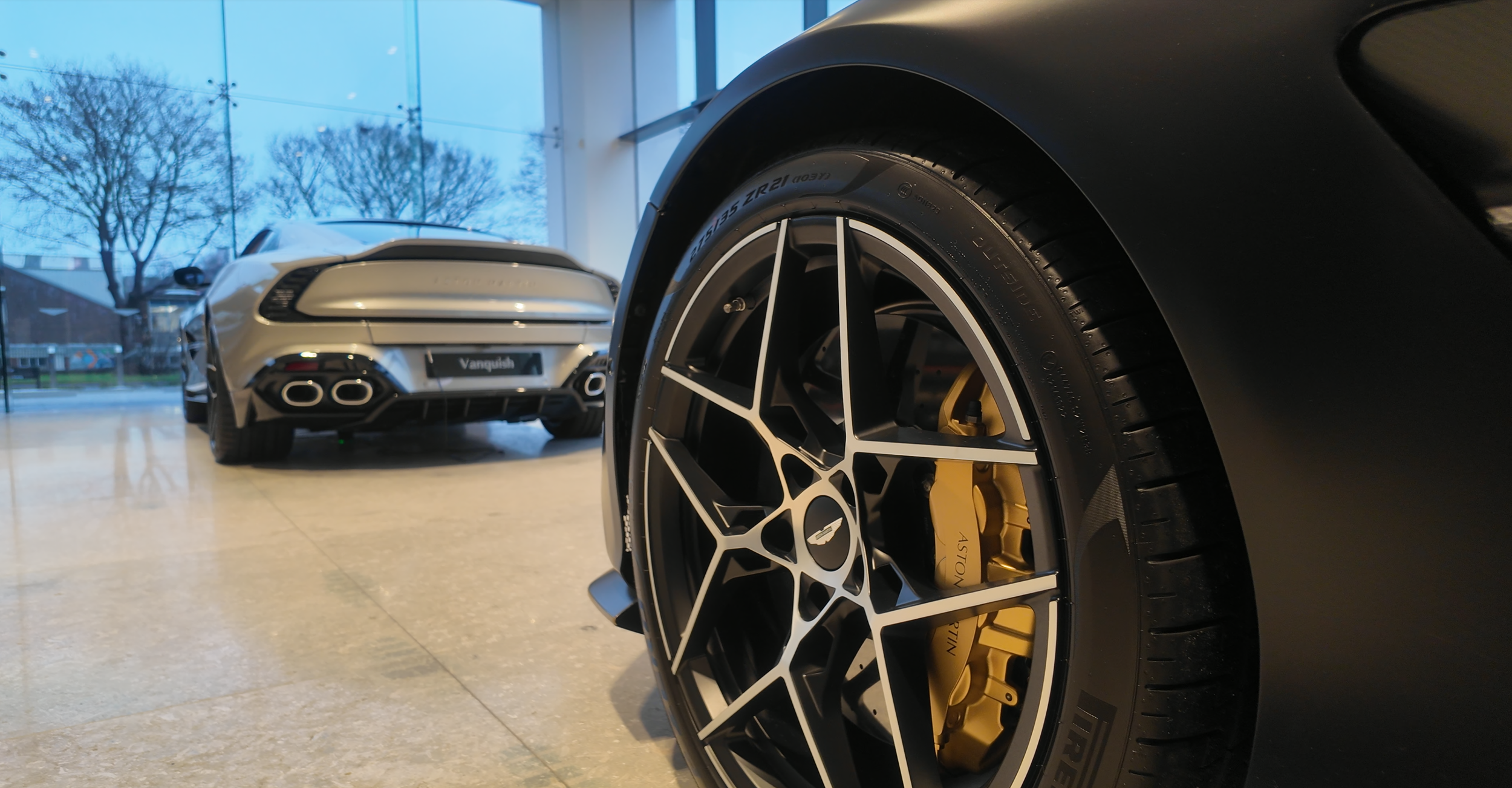
I think it has all this in droves already, but I acknowledge that I’m a big fan of Aston Martin.
For the wider story of Aston Martin, I think a championship would mark a moment of alignment. Heritage and modernity. Emotion and engineering. Romance and reality. All pulling in the same direction at the same time. And perhaps most importantly, it would shift the conversation.
Aston Martin would no longer be spoken of solely in terms of what it once was, or what it hopes to become. It would be judged on what it has achieved, now, in the present, on the world’s most visible stage.
Winning, in that sense, would not be a destination. It would be a beginning.
This article is written from my own perspective, not as an insider or analyst, but as an Aston Martin owner, a long-time admirer of the brand, and someone who genuinely cares about where it is heading. My pride, respect and belief in Aston Martin come not only from its beauty or performance, but from its history, its resilience, and its ability to endure.
Few marques have faced the financial struggles Aston Martin has, often more than once, and yet it remains, an iconic British brand that continues to fight, evolve and inspire. If this piece asks difficult questions, it does so from a place of passion and optimism, and from a genuine desire to see Aston Martin flourish and to share that sense of pride with others.

I’d love to hear your thoughts. What do you think a Formula One World Championship would really mean for Aston Martin?
Would it change how you see the brand, or even how you’d feel about owning one? Or do you believe Aston Martin already has everything it needs?
Please share your perspective in the comments below, this is a conversation worth having.
This article is an independent editorial and is not written in association with, or in consultation with, Aston Martin Lagonda or the Aston Martin Formula One Team.
