
Issue 18 - Fuel the Passion (FTP) Weekly Roundup
Week Ending 5th April 2026
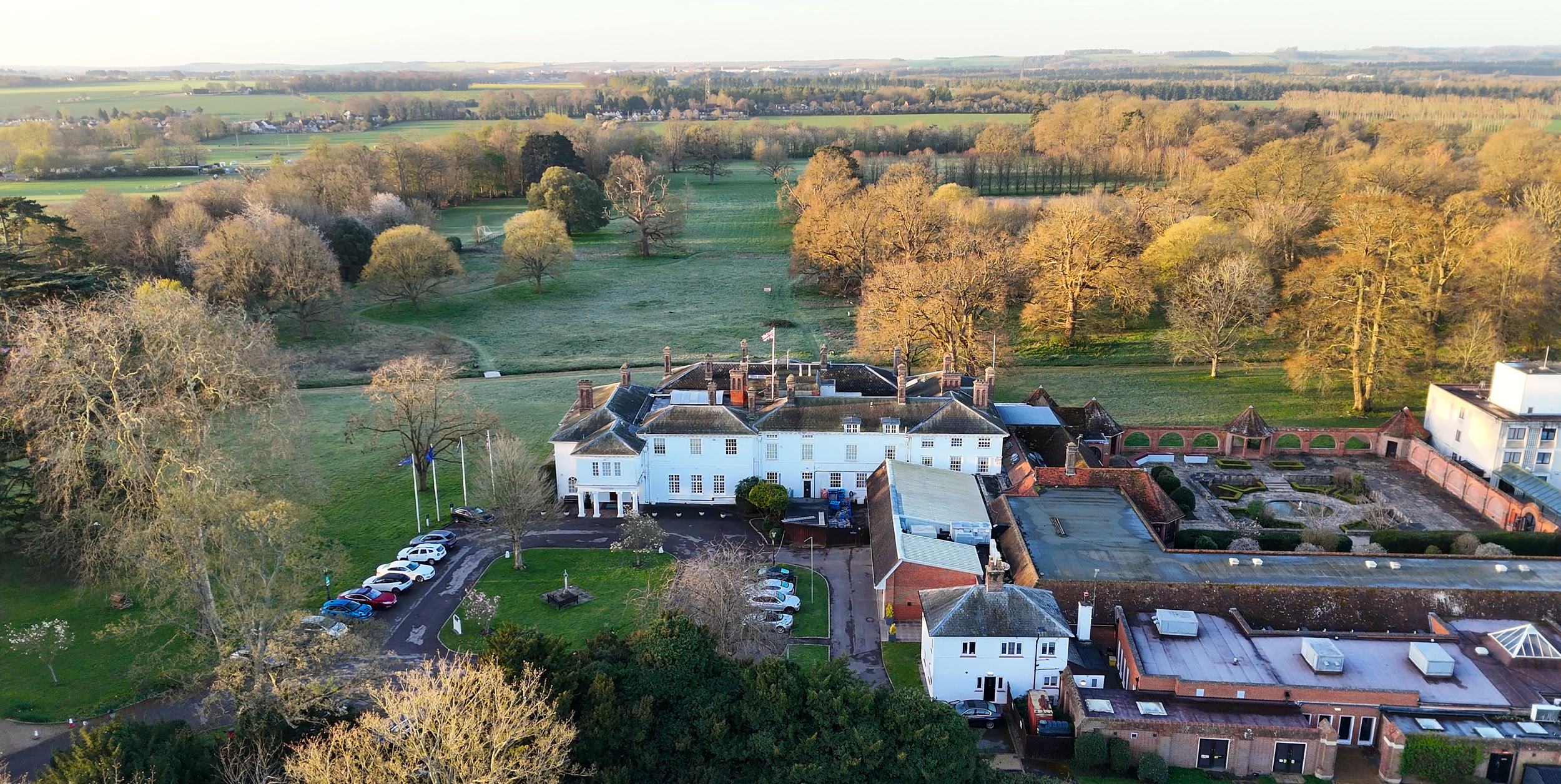
Image © Fuel the Passion, Milton Hill House, Abingdon, Oxfordshire
Editor’s Introduction - Dan, Fuel the Passion
What struck me most this week was not simply the volume of Aston Martin stories, but the contrast between them. The Valhalla has been welcomed with real enthusiasm, GT racing looks healthy and busy, and yet the familiar concerns around Formula 1, ownership costs and AML’s market position have not gone away. That tension probably tells us quite a lot about where Aston Martin stands at the moment.
Last weekend, though, ended on a particularly enjoyable note. The AMOC Yorkshire Area 06 short spring stay took us down to Milton Hill House Hotel near Abingdon, giving us the chance to enjoy a proper early-season Aston Martin drive-out, good company, and visits that included the Aston Martin Heritage Trust Museum, Diddly Squat Farm Shop and The Farmer’s Dog. I mentioned in last week’s roundup that the edition had been finished a little earlier than usual because of that trip, so this week really picks up where that left off, with a closer look at last weekend’s Formula 1 race in Japan, the flood of Valhalla verdicts that followed, and plenty more besides.
So, with that spring run still fresh in the mind, let’s dig in.
Aston Martin Formula 1 - Japan, a finish at last, but still plenty of work ahead
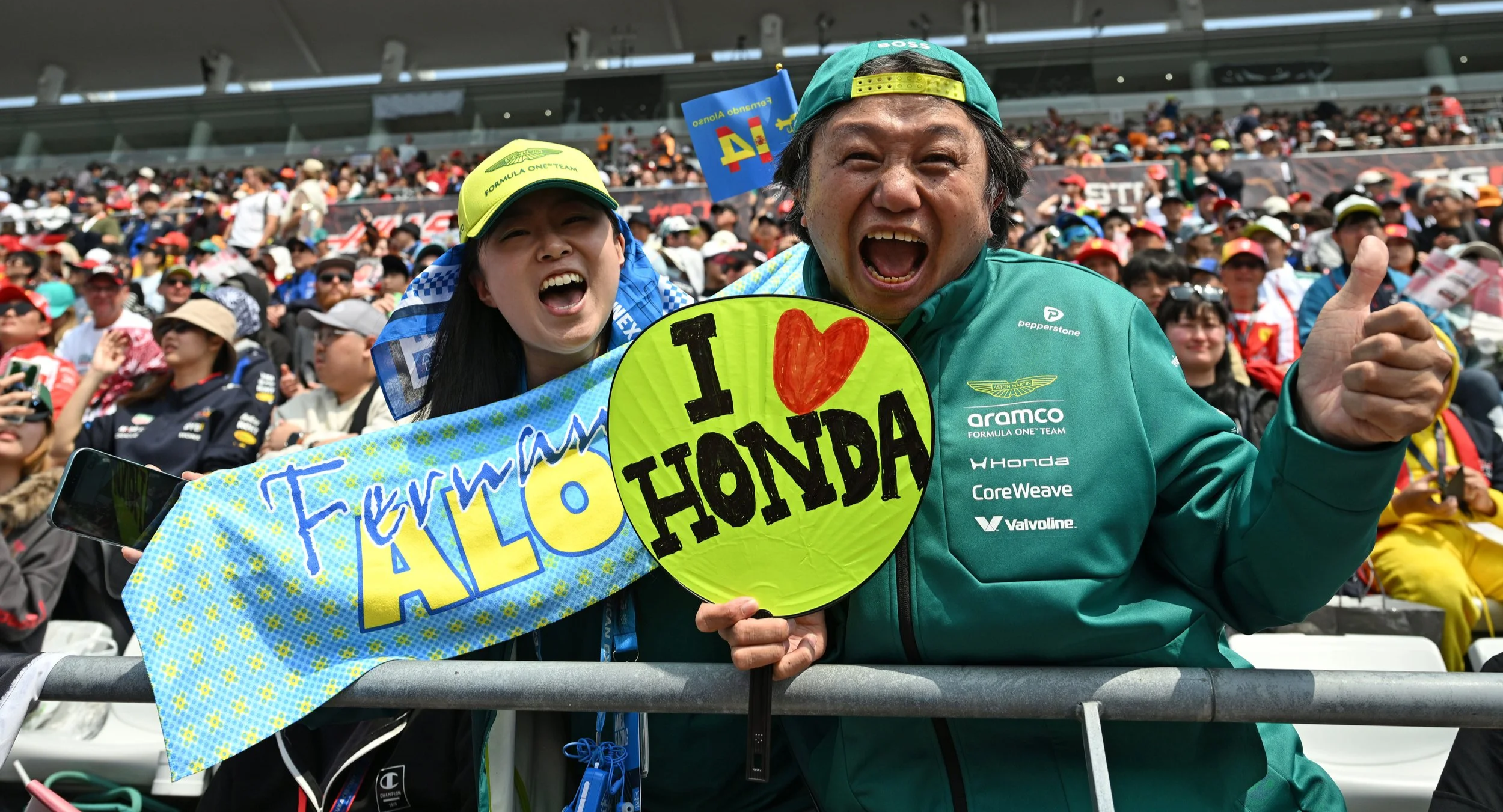
Image © Honda Motor Co., Ltd. Used for editorial purposes.
If last weekend’s earlier-than-usual roundup left the Japan story only partially told, Suzuka has now had time to settle into clearer focus and the honest reading is that Aston Martin left Japan with something modest but still meaningful: not a breakthrough in performance, but at least the first full Grand Prix distance completed by the AMR26 in 2026. Fernando Alonso classified 18th at Suzuka after Aston Martin finally got one car to the flag, while Lance Stroll’s race ended early with a water-pressure issue. The team itself called Alonso’s finish “a significant moment”, which felt fair enough. In the context of how bruising the opening weeks of this season have been, simply completing the race distance mattered. It just did not change the wider picture.
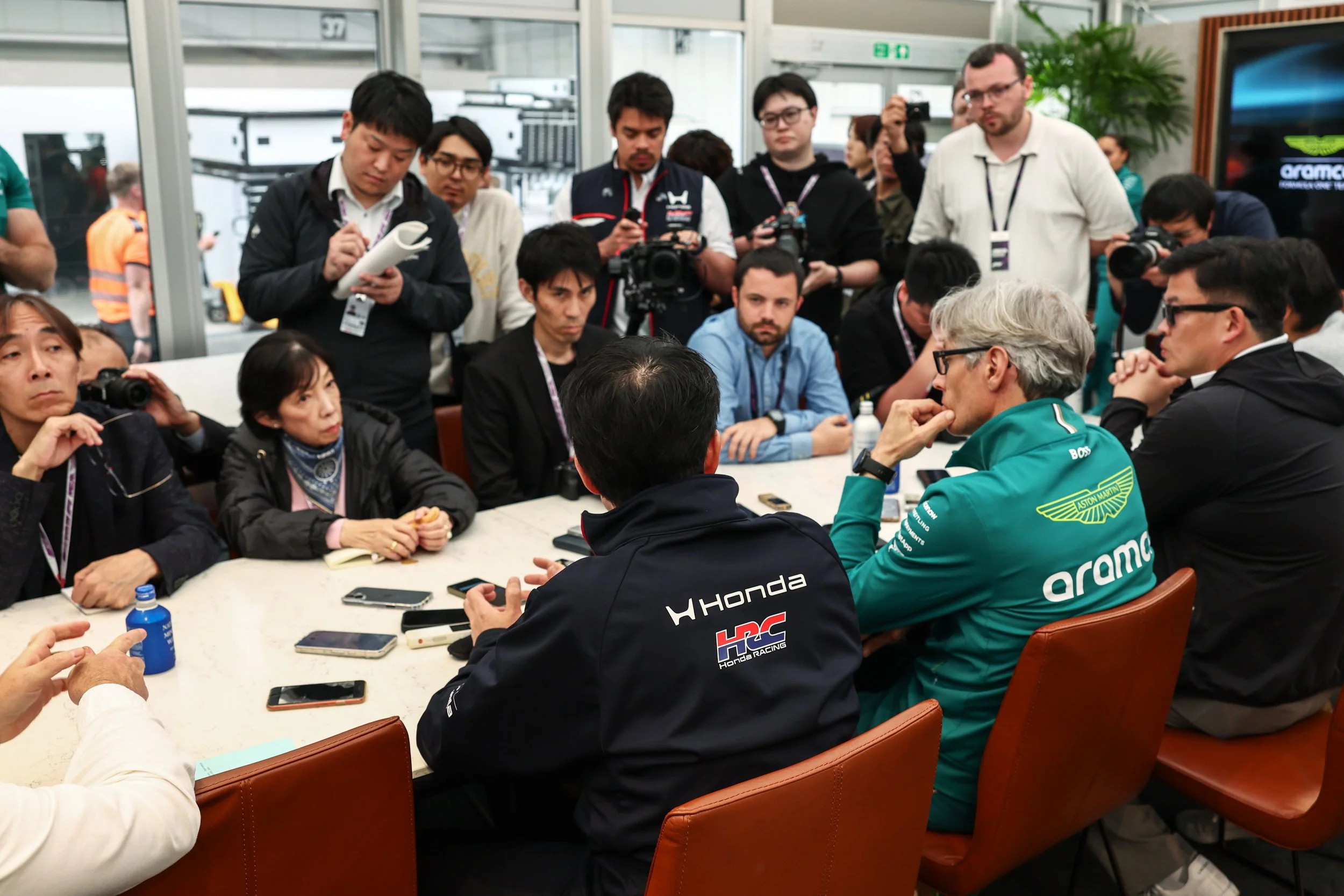
Image © Honda Motor Co. Ltd & Aston Martin Aramco. Used for editorial purposes.
That wider picture remains difficult. Aston Martin’s own post-race language was careful rather than celebratory, with Mike Krack openly acknowledging that reliability is improving but that the package is still far from where it needs to be. That is probably the right tone.
Suzuka did not suddenly turn Aston Martin into a midfield threat, nor did it erase the discomfort, vibration and broader competitiveness concerns that have shaped the opening phase of 2026.
What it did offer was the smallest sign that the team may at least be moving from survival mode towards understanding how to stabilise the car enough to build from there.
Honda’s side of the story pointed in a similar direction. In the material shared this week from Honda’s trackside operation, there was a clear emphasis on Suzuka being a first proper reliability step, with Shintaro Orihara saying the team had completed the full race distance with Alonso’s car, gathered useful data, and would now focus on that learning before Miami. That does not read like a solved problem. It reads like a programme still trying to get itself on stable footing. But after Melbourne and China, even that feels like a change of tone worth noting. The encouraging part is that both Aston Martin and Honda are now speaking less about firefighting in the moment and more about data, understanding and the next step. That is not much, but it is more than they had a fortnight ago.
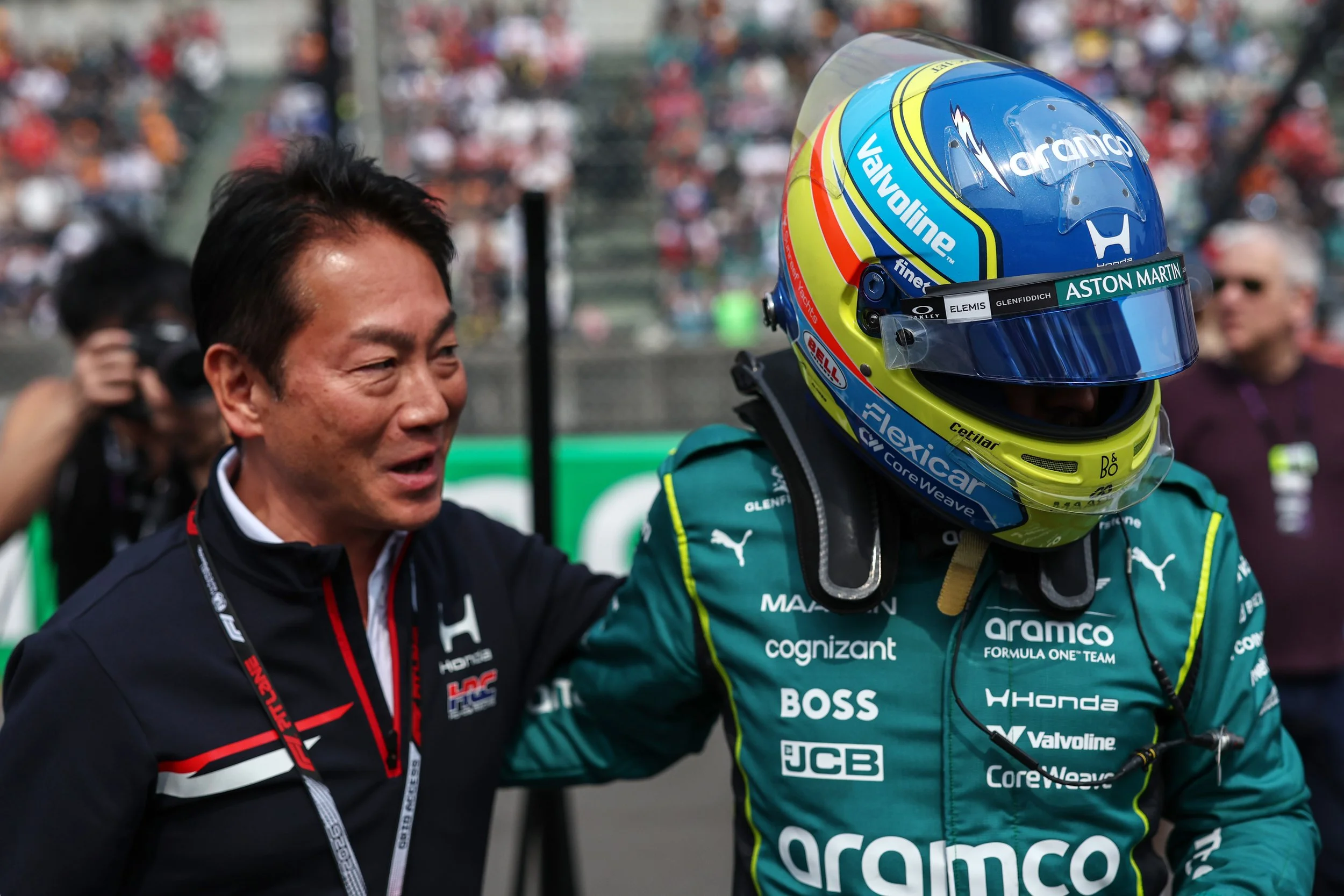
Image © Honda Motor Co. Ltd & Aston Martin Aramco. Used for editorial purposes. Fernando Alonso of Spain and Aston Martin F1 Team on the grid during the F1 Grand Prix of Japan at Suzuka Circuit
The other reason Suzuka matters is because of what comes next. Formula 1 now drops into an unusual five-week gap before Miami, created by the cancelled Bahrain and Saudi Arabian Grands Prix. Under normal circumstances, a long break can either feel like relief or risk.
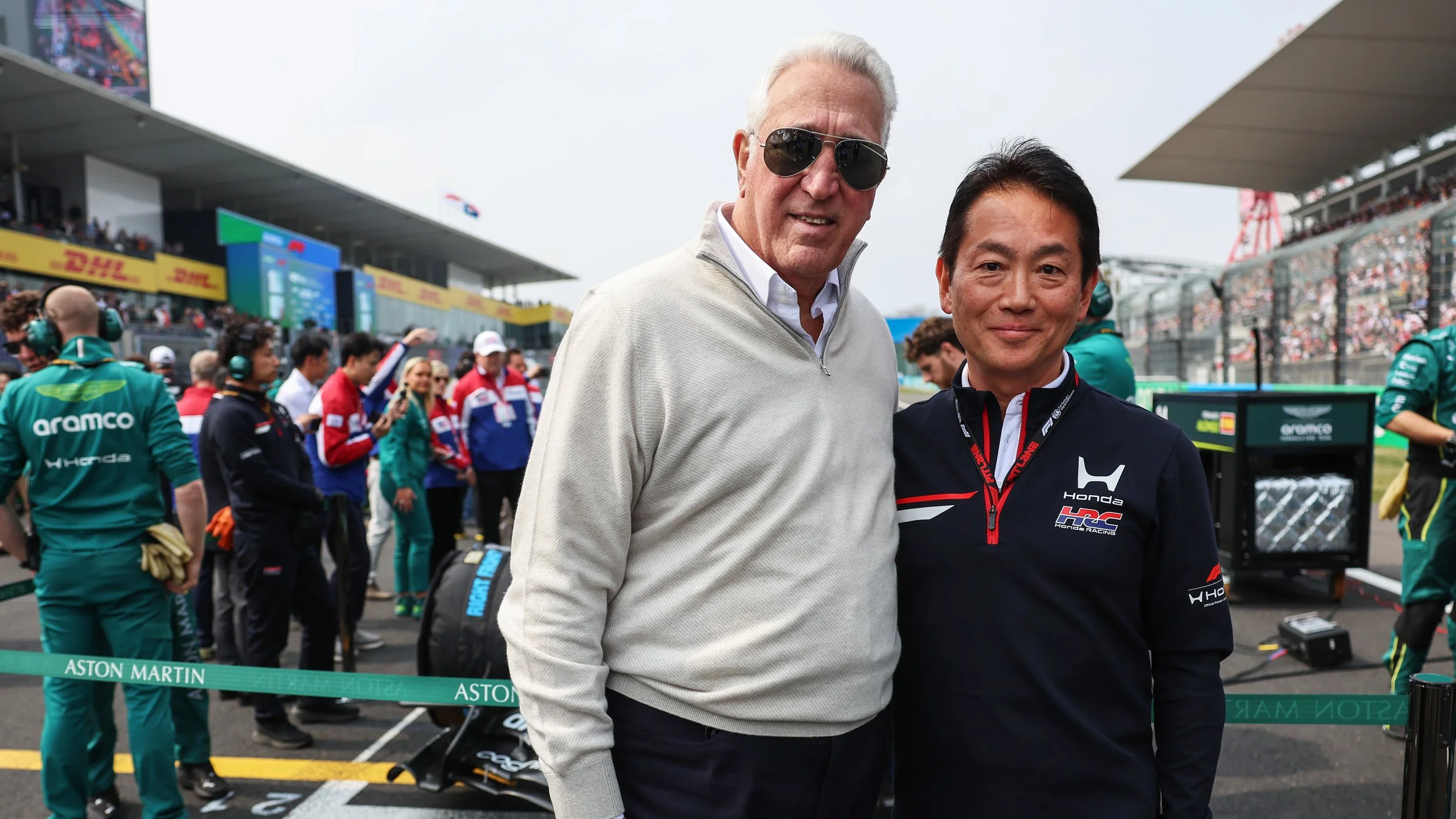
Image © Honda Motor Co., Ltd. Used for editorial purposes. Lawrence Stroll, Owner of Aston Martin F1 Team and Koji Watanabe, President, CEO and Representative Director of Honda Racing Corporation.
For Aston Martin, it is probably both. Relief, because the team finally has time to work without another race immediately bearing down on it.
Risk, because expectation will now build around whether anything meaningful has actually been learned. If Aston Martin arrives in Miami looking unchanged, the mood will darken quickly again.
“If there is even a modest improvement in reliability and drivability, Suzuka may come to look like the first small turning point of the season.”
That gap has also created one of the week’s more intriguing side stories. Lance Stroll will use the April pause to make his GT World Challenge Europe debut at Paul Ricard in a Comtoyou Racing Aston Martin Vantage GT3, sharing the car with Roberto Merhi and Mari Boya. It is an unusual move, but not a frivolous one. Formula1.com framed it as a way of keeping himself sharp during the break, and in truth it also fits Aston Martin’s broader motorsport picture rather neatly: while the Formula 1 effort searches for answers, the marque’s GT world remains busy, credible and far healthier in tone. Stroll’s outing therefore feels less like a novelty cameo and more like Aston Martin making sensible use of an odd moment in the calendar.
There is, meanwhile, still a leadership subplot humming away in the background. Formula1.com’s Lawrence Barretto reported that Jonathan Wheatley was sounded out by Aston Martin after his abrupt Audi exit, though no deal has been done and the team continues to insist publicly that its non-traditional structure is deliberate. That story should be handled carefully. It is not confirmation of an imminent change, and certainly not the main event of the week. But it does underline a point that has not gone away: with the AMR26 struggling, and with Adrian Newey’s value lying most obviously in technical direction rather than managerial overload, the question of how Aston Martin wants its senior F1 structure to look over the longer term remains live, whether the team likes the conversation or not.
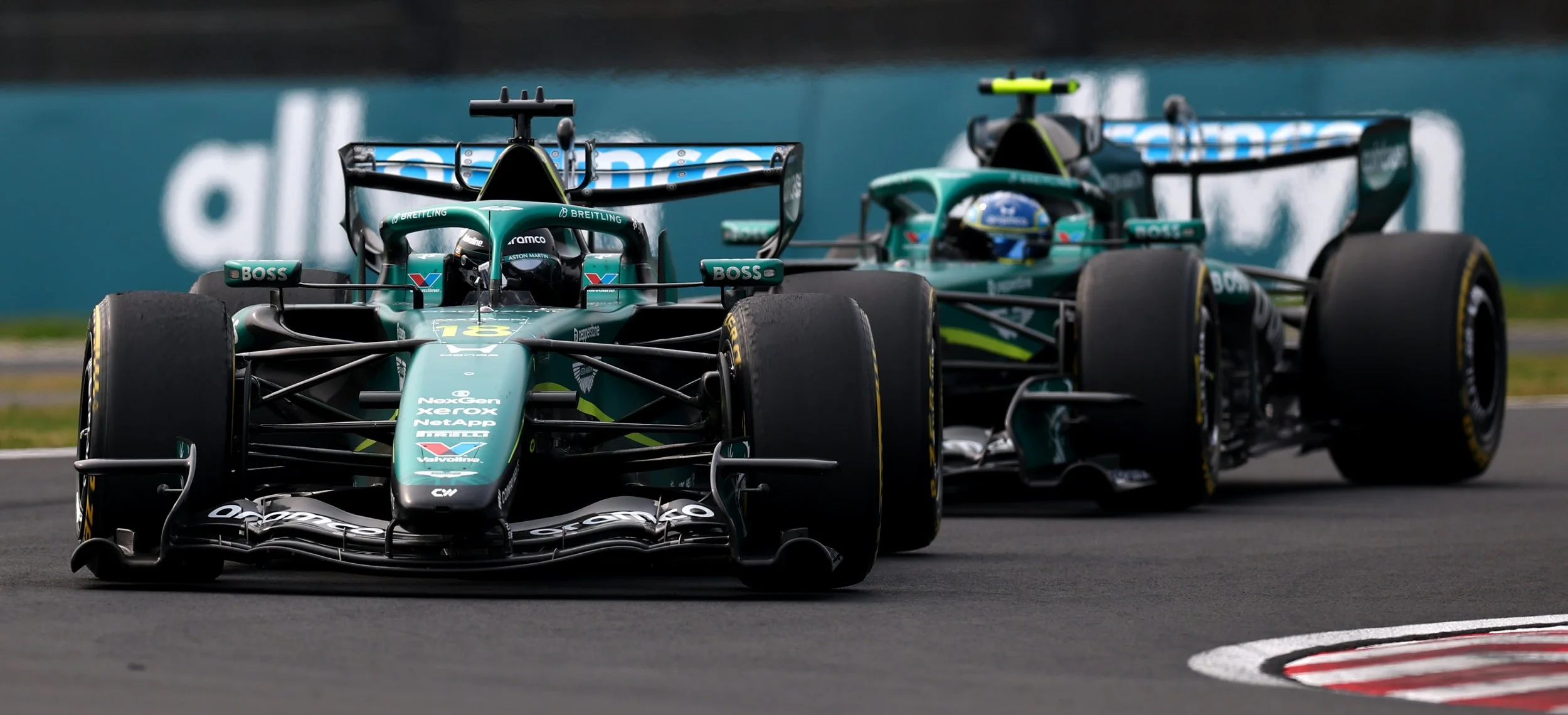
Image © Honda Motor Co. Ltd & Aston Martin Aramco. Used for editorial purposes. Lance Stroll of Canada driving the (18) Aston Martin F1 Team AMR26 Honda leads Fernando Alonso of Spain driving the (14) Aston Martin F1 Team AMR26 Honda on track during the F1 Grand Prix of Japan at Suzuka Circuit
So, where does that leave the F1 story this week? Probably in a place that feels slightly less bleak than it did after China, but not yet meaningfully brighter. Japan gave Aston Martin a classified finish, a little more data, and perhaps the first faint sign that the team is beginning to steady itself. What it did not give was pace, certainty or anything close to comfort. For now, that means Suzuka should be read not as a revival, but as the latest small movement in an ongoing struggle.
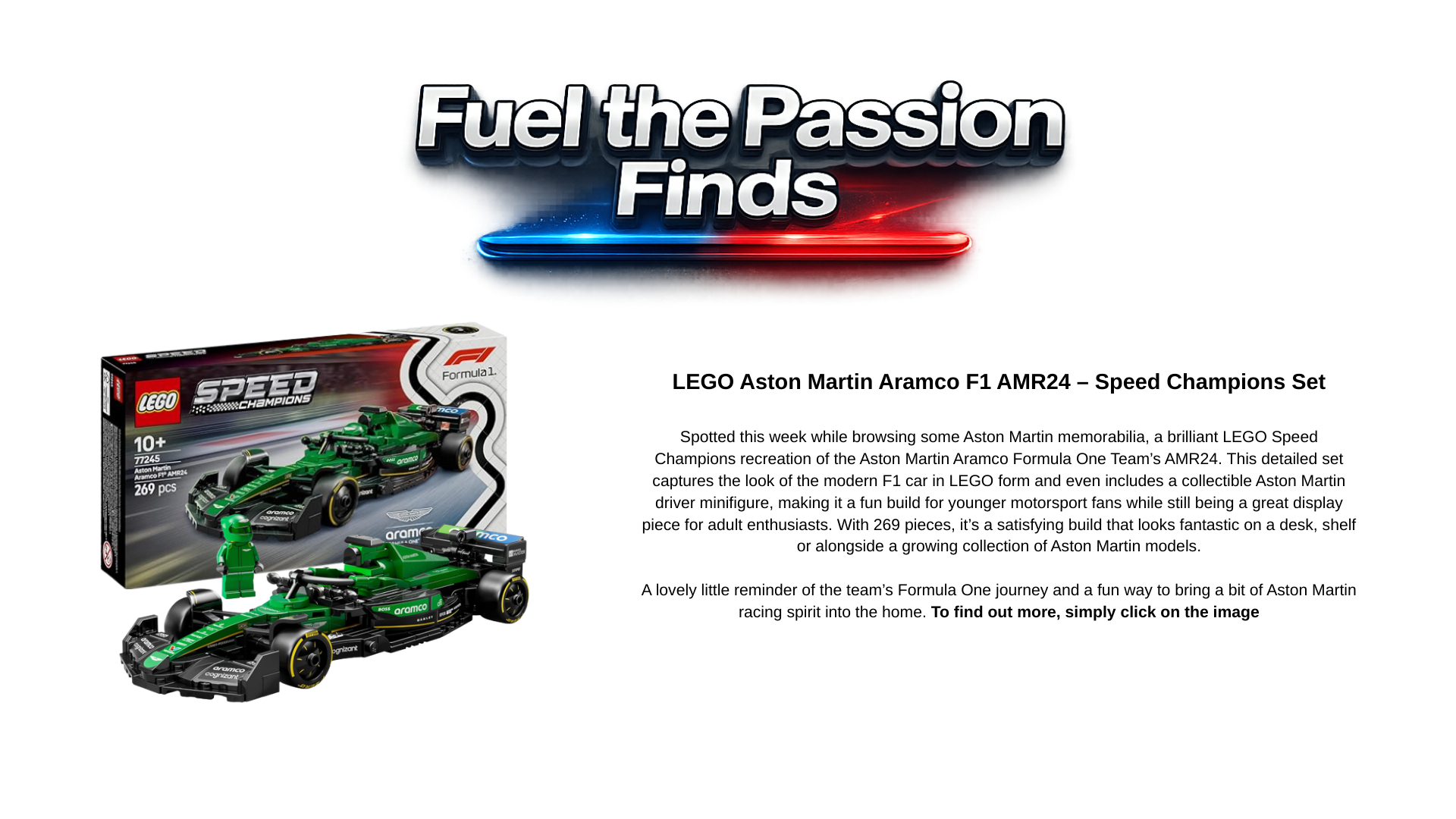
If you choose to purchase via this link, it comes at no extra cost to you and helps support Fuel the Passion, thank you.
Wider Motorsport - GT and endurance season gathers shape
If the Formula 1 story still feels like a season trying to steady itself, Aston Martin’s wider GT and endurance picture looks rather healthier. In fact, one of the strongest motorsport signals of the week came not from Suzuka but from Paul Ricard, where Aston Martin has confirmed its biggest-ever opening presence in the GT World Challenge Europe Endurance Cup.
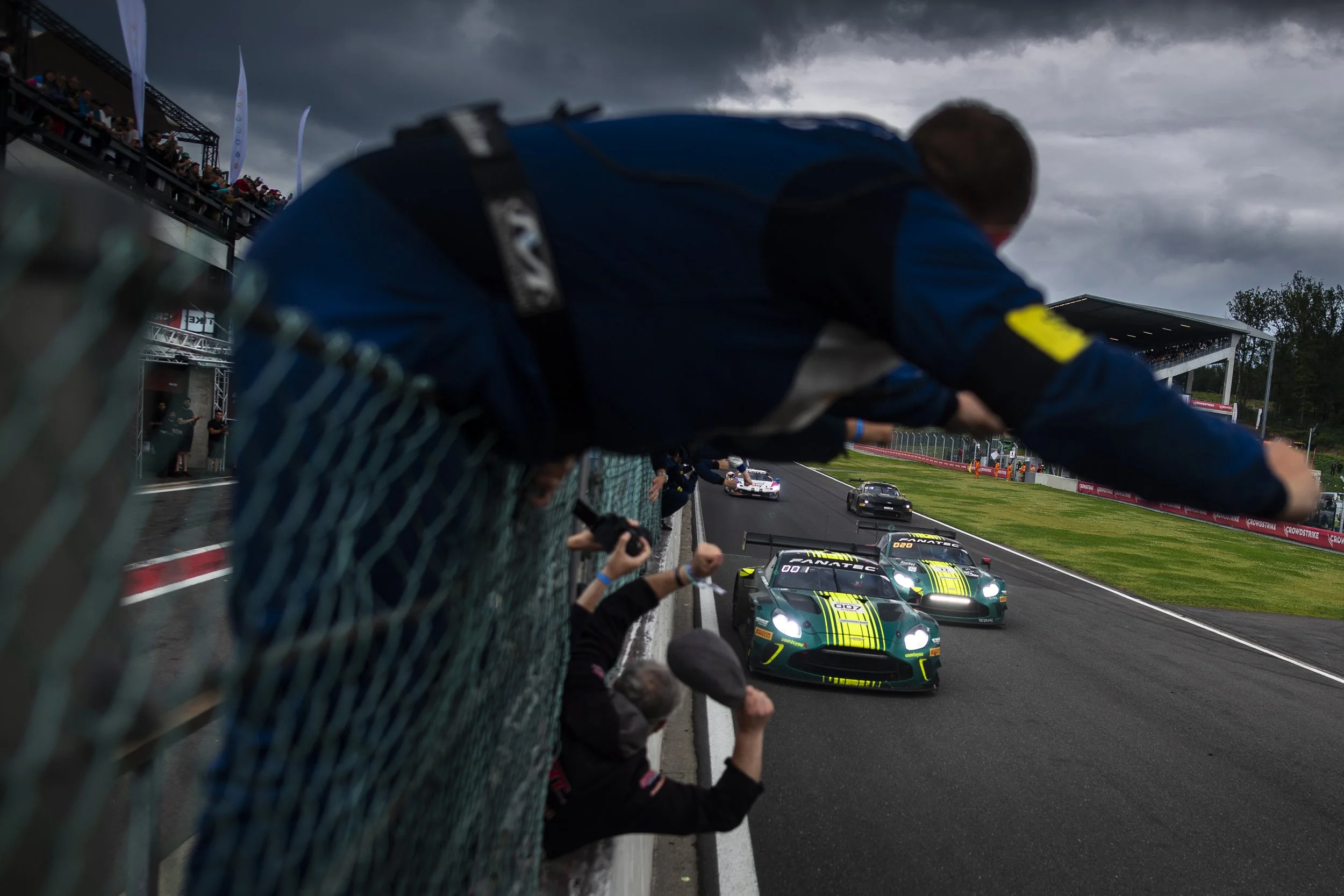
Image © Aston Martin Lagonda. Used for editorial purposes. Winning the 2024 Hours of Spa.
“Seven Vantage GT3s will take the start in the season opener, accounting for more than ten per cent of the grid…”
…and giving the brand one of its most substantial customer-racing showings at this level. That matters, because it says something important about Aston Martin in 2026: while Formula 1 remains in an awkward and uncomfortable phase, the Vantage GT3 ecosystem continues to look busy, competitive and extremely well supported.

Image © Aston Martin Lagonda. Used for editorial purposes.
There is a nice spread to that Paul Ricard line-up, too. Comtoyou Racing returns as a major Aston Martin force with Mattia Drudi, Marco Sørensen and Nicki Thiim in the Pro class, while Walkenhorst Motorsport fields a second Pro entry featuring Henrique Chaves, Christian Krognes and Jamie Day.
In the Silver and Bronze ranks, Aston Martin’s presence runs deeper still, and that in itself is encouraging.
It is one thing to have a flagship car at the front of the field; it is another to see the wider customer programme stretching across multiple classes, teams and driver grades. That breadth has become one of Aston Martin’s real racing strengths.
The extra intrigue, of course, comes from Lance Stroll’s GT World Challenge Europe debut. With Formula 1’s April calendar unexpectedly emptied by the loss of Bahrain and Saudi Arabia, Stroll will head to Paul Ricard in a Comtoyou Racing Vantage GT3 alongside Roberto Merhi and Mari Boya. It is an unusual crossover story, but a worthwhile one. Rather than allowing the gap in the calendar to become dead time, Aston Martin is effectively using it to keep one of its F1 drivers race-sharp in another part of the brand’s competition world. It also helps Paul Ricard feel more relevant to Aston Martin followers who might not otherwise keep a close eye on GT World Challenge Europe.
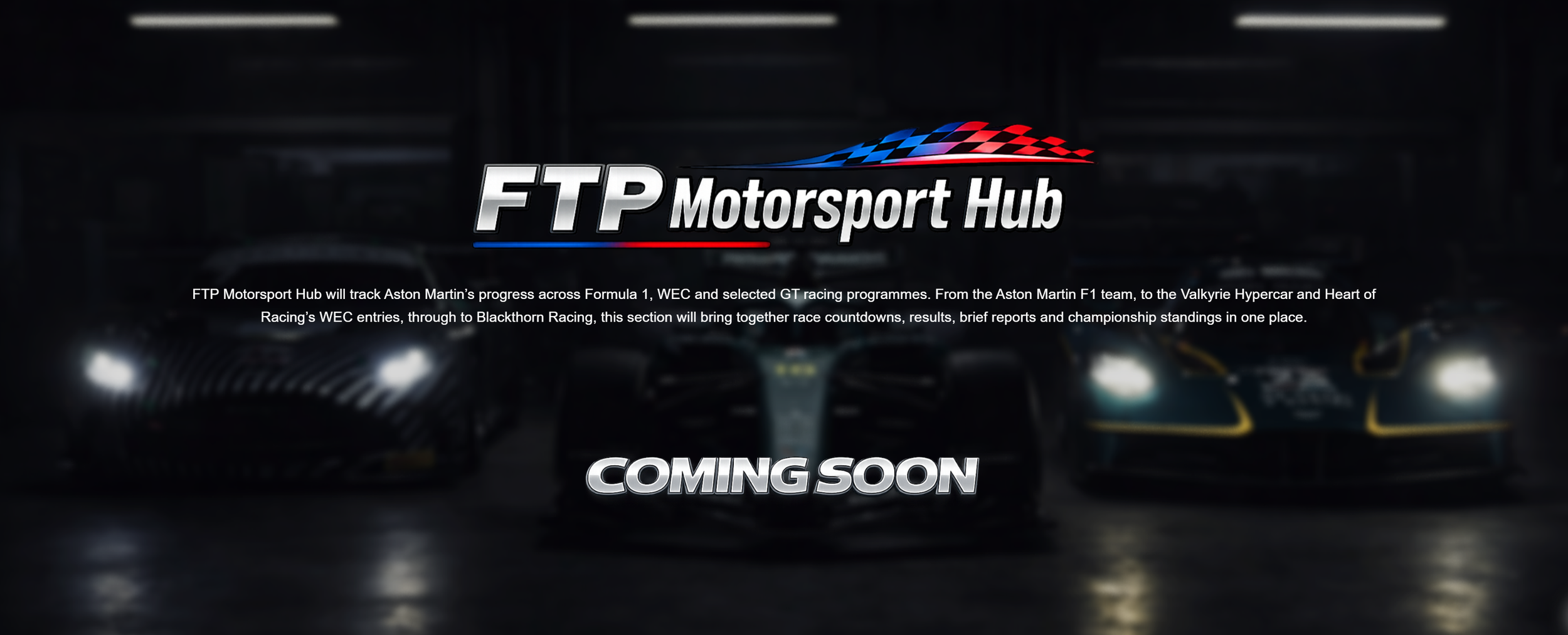
Image © Fuel the Passion, FTP Motorsport Hub - Coming Soon to Fuel the Passion Website
That matters here at Fuel the Passion, too, because this is exactly the kind of joined-up motorsport picture we are trying to build into the developing FTP Motorsport Hub. As you may have seen from the front page of the Fuel the Passion website (as shown in the image above), the aim there is to create one place on the website where readers can keep up to date with race countdowns, standings and news across Formula 1, WEC and selected GT programmes, including The Heart of Racing and Blackthorn Racing. Weeks like this show why that makes sense. Aston Martin’s motorsport story is no longer confined to one paddock, one championship or one type of car. It is spread across a much wider racing landscape, and increasingly it makes more sense to follow it that way.
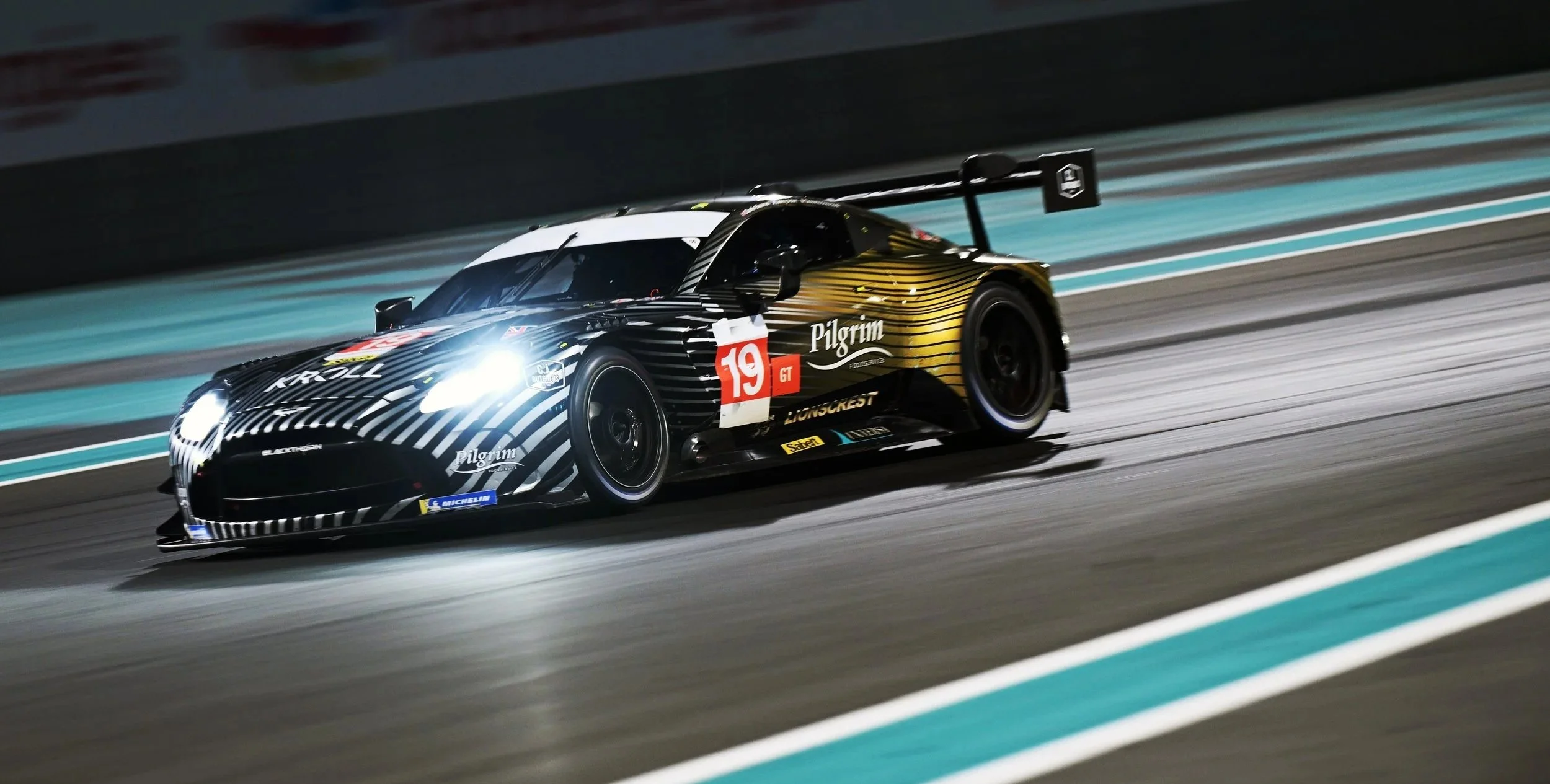
Image © Aston Martin Lagonda. Used for editorial purposes. Ecurie-Ecosse Blackthorn Aston Martin Vantage GT3
Blackthorn, in particular, continues to feel like one of the more interesting Aston Martin stories outside Formula 1. Écurie Écosse Blackthorn will field a Bronze Cup Vantage at Paul Ricard for Jonny Adam, Giacomo Petrobelli and Tom Wood, giving the team another important step in a season that already stretches across several series.
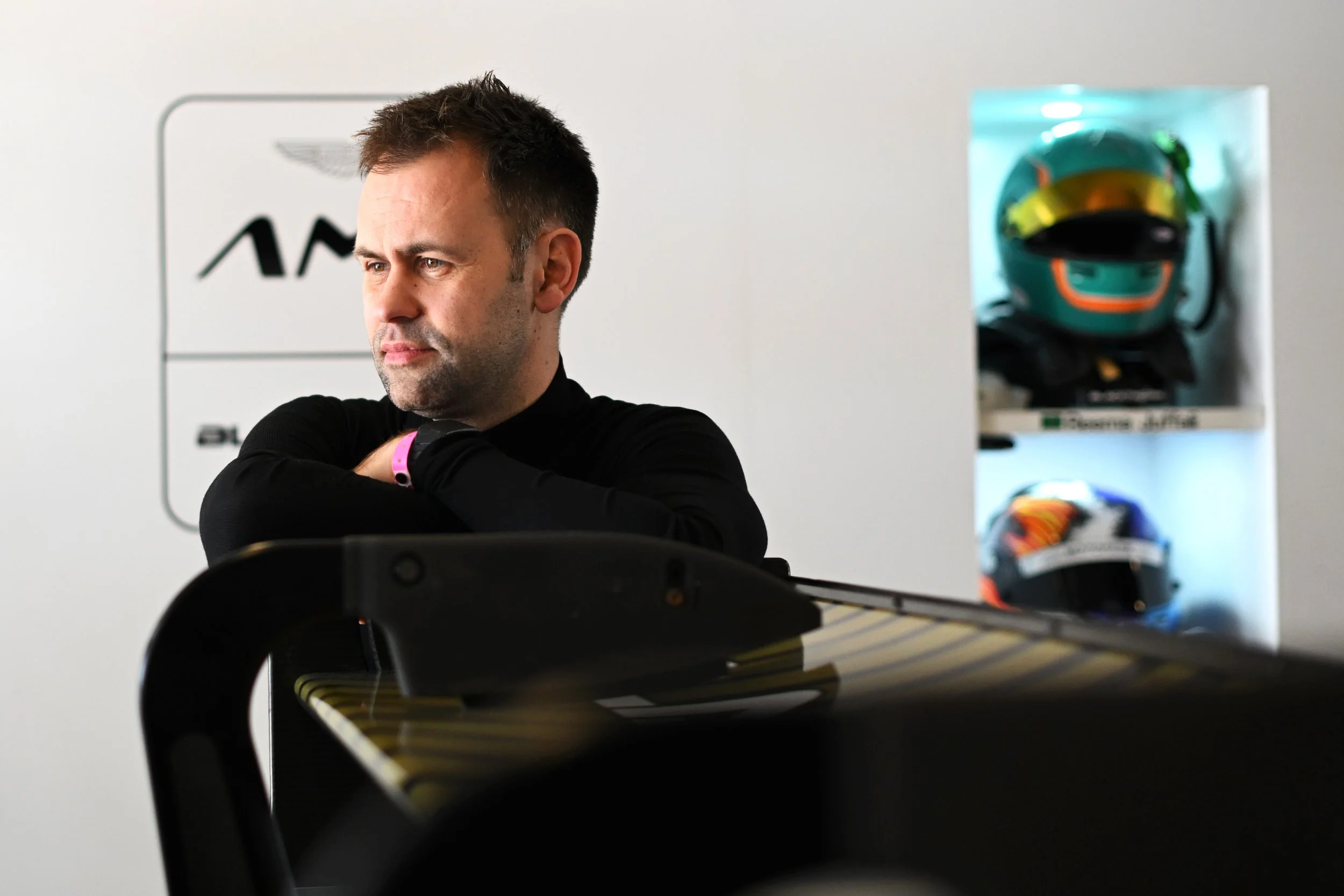
Image © Aston Martin Lagonda. Used for editorial purposes. Jonny Adam.
It is exactly the sort of programme that rewards patient monitoring rather than one-off mentions, because Blackthorn is gradually building a broader and more serious Aston Martin presence of its own. The fact Jonny Adam keeps appearing at the centre of so many of these threads only adds to that sense of continuity.
Beyond GT World Challenge Europe, the broader endurance picture is beginning to gather shape as the calendar moves on. In FIA WEC, Aston Martin’s LMGT3 story remains anchored by The Heart of Racing, which will again field two Vantage AMR LMGT3s in 2026. The familiar No. 27 entry continues, while the new No. 23 car gives Jonny Adam another major Aston Martin programme alongside Gray Newell and Eduardo “Dudu” Barrichello. With Imola now the next major WEC checkpoint, that strand is well worth keeping in view. It may not be the loudest Aston Martin story in any given week, but it remains one of the more meaningful long-term ones.
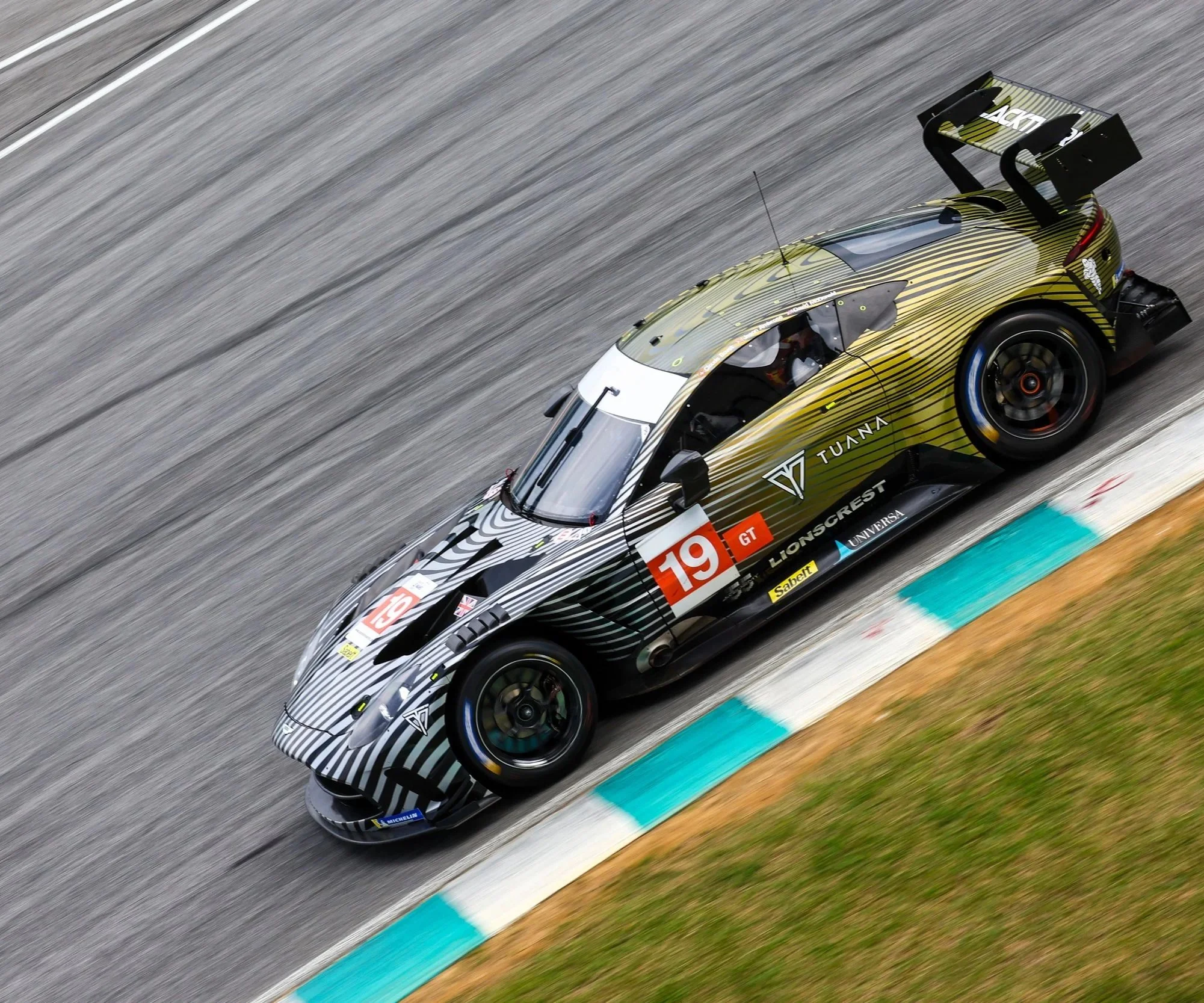
Image © Aston Martin Lagonda. Used for editorial purposes. Ecurie-Ecosse Blackthorn at speed
There is movement further down the ladder as well. The Michelin Le Mans Cup season opener at Barcelona has a 44-car grid confirmed for 11th April, including ten GT3 entries, which keeps Blackthorn and the Aston Martin GT3 presence relevant there too.
Meanwhile, British GT is still in pre-season build-up mode, but Silverstone media day underlined how much Aston Martin interest there is across the classes, with names such as Jessica Hawkins and Darren Turner still providing a clear Aston link. None of that quite demands a major standalone section this week, but together it helps paint a broader picture of a brand whose GT and endurance activity remains full of life.
So while the F1 team continues to search for stability, the wider racing story is actually rather encouraging. Aston Martin arrives at this next phase of the season with numbers at Paul Ricard, depth in GT3, a growing Heart of Racing WEC effort, and enough familiar names scattered across the paddock to keep the whole picture feeling connected. That is no small thing. In a difficult Formula 1 season, it is worth remembering that Aston Martin’s motorsport identity has always been bigger than one championship alone.
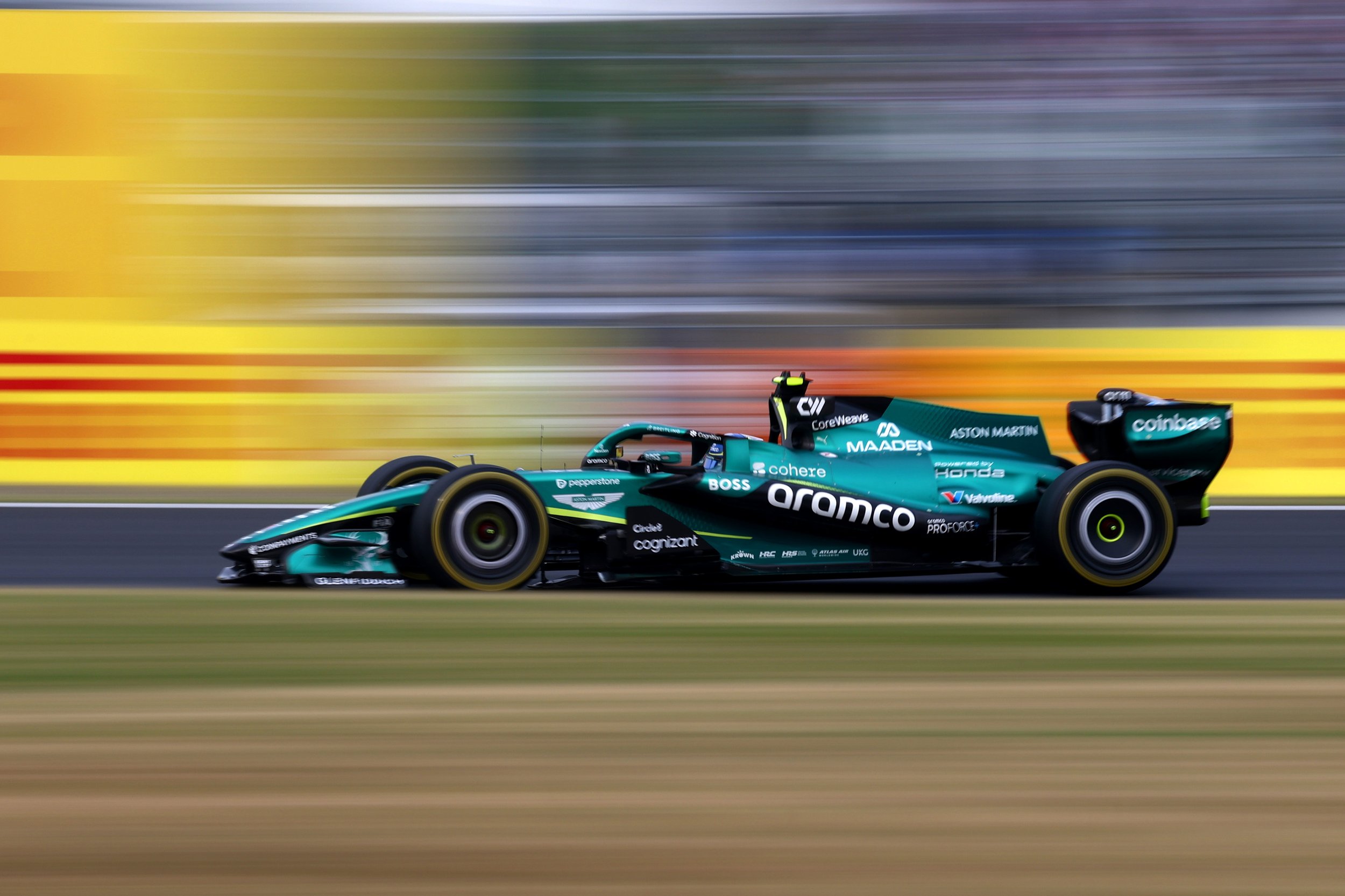
Image © Honda Motor Co. Ltd & Aston Martin Aramco. Used for editorial purposes. Fernando Alonso of Spain driving the (14) Aston Martin F1 Team AMR26 Honda on track during the F1 Grand Prix of Japan at Suzuka Circuit.
Aston Martin Road Cars - Valhalla lands with real authority
If the Formula 1 side of Aston Martin’s world still feels unsettled, the road-car side has had a far more convincing week. The arrival of the first full Valhalla verdicts has brought the clearest sign yet that Aston Martin may have judged this car rather well. Across a broad spread of outlets, the tone has been strikingly consistent: this is not being treated as an interesting curiosity, nor as a compromised “son of Valkyrie”, but as a genuinely serious mid-engined Aston Martin that feels worthy of the badge. Aston Martin’s own media-drive page has, understandably, been quick to gather that praise together, highlighting strong scores from Top Gear, evo, CAR and others, while also pointing to a Top Gear EV Awards “Best Supercar” accolade for the Valhalla.

Image © Aston Martin Lagonda. Used for editorial purposes.
That matters because this was never going to be an easy car for Aston Martin to get right. On paper, the risk was obvious. A mid-engined, plug-in hybrid, carbon-tubbed Aston Martin with three electric motors, active aerodynamics and a flat-plane V8 could very easily have ended up feeling like a technical statement more than an Aston Martin. Instead, the broad critical message this week has been almost the opposite. Reviewers have repeatedly said that Valhalla still feels special, still feels expensive in the right ways and, most importantly, still feels enjoyable rather than merely impressive. Top Gear called it a car that blends hypercar feel with a playful, exploitable chassis…
“…while evo went further and placed it among the best Aston Martins, arguing that the current Aston Martin range may be the strongest it has ever been.”
The engineering story is a large part of the fascination. Valhalla brings together an AMG-derived 4.0-litre twin-turbo flat-plane V8, heavily reworked for Aston Martin, with three electric motors and an eight-speed dual-clutch gearbox.
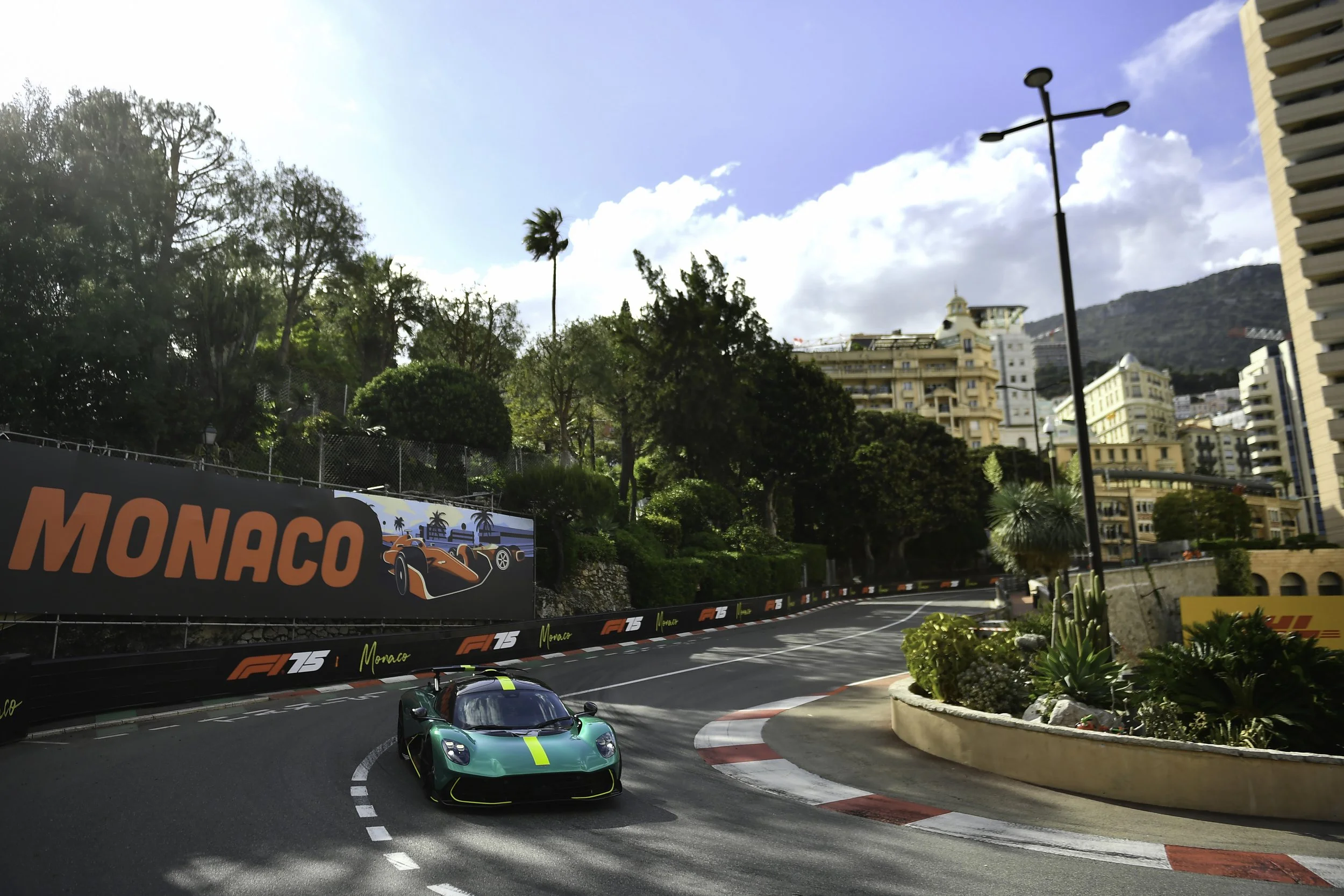
Image © Aston Martin Lagonda. Used for editorial purposes.
System output is a little over 1,060bhp, with 0-62mph quoted at 2.5 seconds and top speed at 217mph.
More interesting than the raw numbers, though, is the way reviewers describe how the car deploys them.
Again and again, the same themes came through: torque-fill smoothing away the usual delay of a big turbo engine, front-axle assistance helping the car rotate and hold line, and active aero bringing genuine confidence rather than just brochure theatre. On track, the Valhalla appears to be devastatingly capable; on the road, it appears far more compliant and approachable than its shape and specification might suggest.
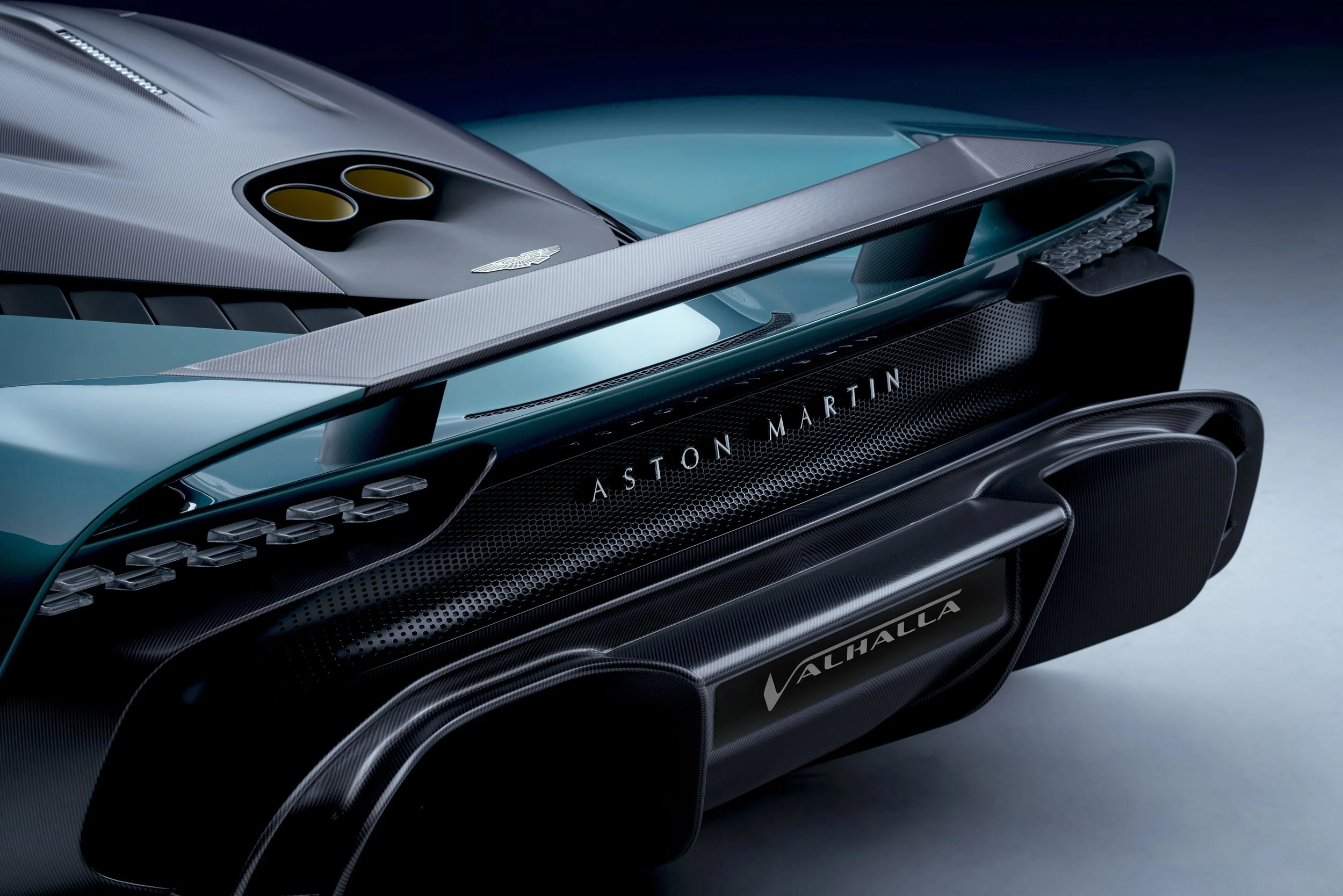
Image © Aston Martin Lagonda. Used for editorial purposes.
That road-versus-track breadth may be the most important part of the whole story. Plenty of very fast cars can look dramatic on a spec sheet. Far fewer are praised for feeling intuitive once you start using them.
T3’s review was especially useful on that point, describing the car as “phenomenal” and “world-class”, while also emphasising that it is not simply a blunt-force weapon.
The Telegraph struck a similar note, arguing that the Valhalla’s price begins to make more sense when judged not against ordinary supercars, but against the much more expensive hypercar tier Aston Martin clearly has in its sights. Even those reviewers who were not entirely persuaded by every aspect of the car still tended to come back to the same conclusion:
“Aston Martin has produced something cohesive, serious and unexpectedly usable.”
What has also struck me personally over the past couple of weeks is just how much presence the Valhalla has in the metal. During my recent visit to Aston Martin HQ at Gaydon, I was genuinely taken aback to see dozens of Valhallas at various stages along the production line, each in a different specification and each seeming to suit the car remarkably well. That in itself tells you something. Some designs only really work in one or two hero launch colours, but the Valhalla seems to carry a wide range of specifications with real confidence, which feels a very Aston Martin trait.

Image © Fuel the Passion. The Aston Martin Valhalla at Aston Martin Works, Newport Pagnell
Then, at Aston Martin Works, there was a Podium Green example sitting in the showroom, and it was a real pleasure to spend a little more time around it up close.
I had already been lucky enough to see a silver Valhalla at Salon Privé, Blenheim Palace last year, (to see that car, watch the FTP Video by clicking HERE and we’ll take you straight to the relevant section) but it is still not the sort of car you come across often. In fact, with only 999 to be built, seeing several of them in person over such a short period may turn out to be a rather rare acquaintance with this car.
The engine itself is part of what makes the Valhalla story so interesting this week, because it seems to be both admired and mildly contested at the same time. Technically, it is a hugely impressive unit. Reviewers consistently note the immediacy of the response, the violence of the acceleration and the sophistication of the hybrid integration. But the same reviews also tend to land on one shared reservation: it doesn’t quite sing in the way some readers may have hoped from an Aston Martin halo car. That is not quite the same as saying it sounds bad.
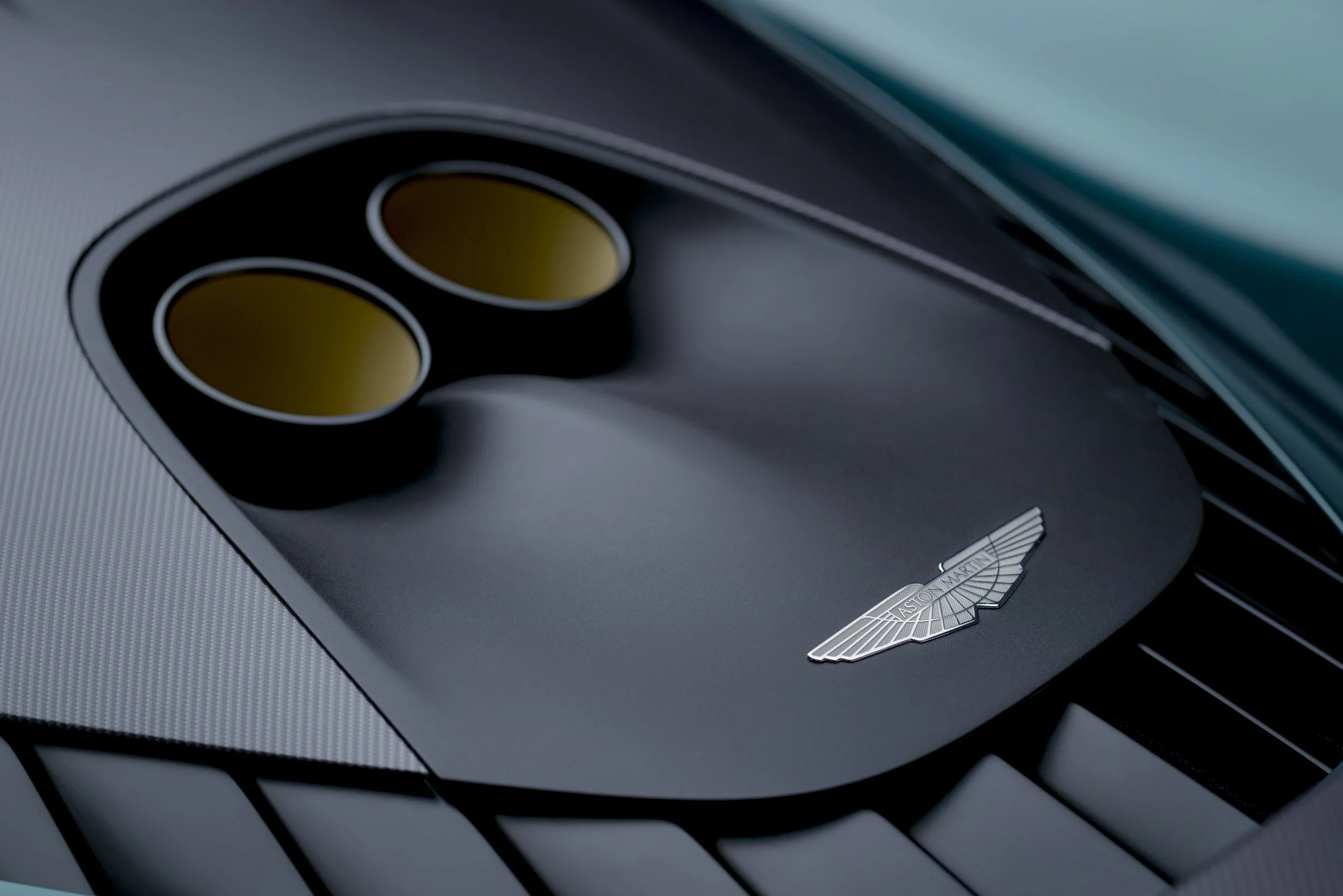
Image © Aston Martin Lagonda. Used for editorial purposes.
In fact, several outlets noted there is texture in the soundtrack; turbo chatter, electric whine, mechanical aggression and top-exit exhaust drama, but not necessarily the sort of rich, soaring, emotional voice that people still associate with the marque’s best V12s.
That needs to be judged fairly, too, because modern performance-car makers are working within far tighter emissions and drive-by noise rules than they once did, with petrol particulate filters and type-approval noise limits inevitably taking some edge and theatre out of the final soundtrack.
It is also worth noting that Valhalla’s upper exhaust outlets are valved specifically to satisfy noise regulations, while other outlets sit lower down in the diffuser. Even so, it is telling that this point comes up so often, because it suggests critics are not merely applauding the car blindly; they are praising it while still acknowledging what it is not. evo’s review describes the upper exits as having “valves to take care of noise regulations,” with two further unsilenced outlets lower down.
The same can be said for practicality. If there is one criticism that appears almost universally, it is the near-total absence of luggage space. A few slim bins and pockets are about your lot. That has been mentioned so often across the week’s coverage that it now feels part of the Valhalla’s identity: a car surprisingly comfortable and surprisingly usable, right up until the moment you try to take any belongings with you. Reviewers seem more amused than outraged by it, but it is clearly one of the trade-offs Aston Martin has chosen to accept.
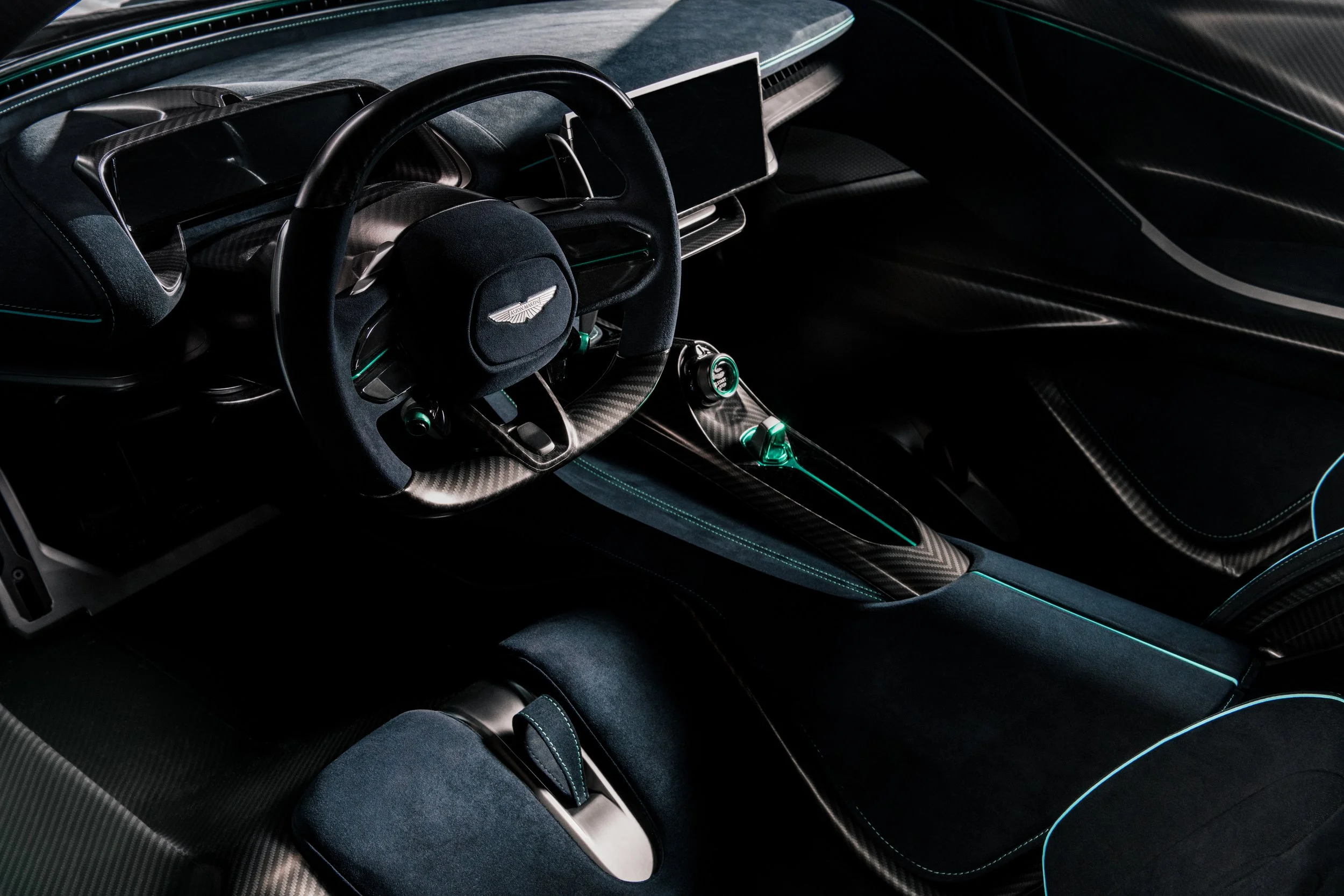
Image © Aston Martin Lagonda. Used for editorial purposes.
Alongside that sits the interior debate. The driving position, visibility and sense of occasion are widely admired, but the screens themselves have divided opinion more sharply. Several writers and many viewers feel that the digital displays look too generic or too obviously screen-led for a car at this price point.
That brings us to the public reaction, which is worth touching on because there has been a flood of video coverage this week and the comments sections beneath it have offered a useful sense of mood. It is not scientific, of course, but after looking through hundreds of viewer comments across the major Valhalla review videos, the broad themes are quite clear.
“First, a great many people think the car looks superb…”
…in fact, some of the warmest reaction is simply to the shape, with repeated praise for it being more beautiful and more coherent than several current rivals. Second, the screens are the single biggest gripe, with many viewers feeling they cheapen or age the cabin too quickly. Third, the engine note comes up again and again, with a fair number of people saying the car seems to deserve a more special soundtrack than it has. Fourth, there is plenty of debate about whether this is really a supercar or a hypercar, and whether Aston Martin’s pricing is justified. But even there, the argument is often less dismissive than intrigued. The recurring feeling is that Aston Martin has built something seriously impressive, even if not everyone agrees on the exact label it should wear.

Image © Aston Martin Lagonda. Used for editorial purposes.
One of the most striking reactions this week came from Chris Harris, who admitted quite openly that he had misjudged the Valhalla before driving it. Speaking on his podcast, Chris Harris on Cars, he said he had not been a natural supporter of the car, partly because it felt so late to market and partly because he had questioned whether Aston Martin really needed a rival in this part of the supercar world at all. But having now driven it, his view changed dramatically.

Image © Aston Martin Lagonda. Used for editorial purposes.
Harris described the Valhalla as “arguably the most impressive very, very fast car” he had driven in years, praising the way it takes the technologies other manufacturers have been wrestling with and actually turns them into something properly calibrated, refined and effective on both road and track.
Most telling of all, he called the car “a triumph”, said it showed Aston Martin had “a lot more life in it than we realise”, and admitted he felt “frankly guilty” for not giving it more of a chance beforehand.
That is strong praise from a voice not naturally inclined to hand it out lightly.
During his YouTube video review (see below), Chris Harris probably captured that mood best with a phrase, that did make me chuckle:
“…this is different gravy!”
If you want to see this review, just click on the image below;
In truth, that may be about as good a shorthand as any for Valhalla this week. Not perfect, not cheap, not conventionally practical, and not universally adored in every last detail, but clearly something more than a press-release exercise. What seems to have landed with reviewers and viewers alike is the sense that Aston Martin has not merely joined the modern mid-engined supercar conversation. It has turned up with a car that belongs there.
Perhaps that is the deeper significance of the week. The Valhalla story is not just that Aston Martin has produced a fast hybrid halo car. It is that a wide spread of knowledgeable reviewers now seem to believe Aston Martin has judged the character of it correctly. That is a much more important thing. Because in a week where some other parts of the Aston Martin story still feel fraught or fragile, Valhalla has arrived as a reminder that the company still produces bold, technically ambitious and, by most accounts, genuinely thrilling cars. Also in my view, extremely good looking ones at that!
Whilst Valhalla has understandably dominated the road-car conversation, it has not been the only Aston Martin story of relevance to owners this week.
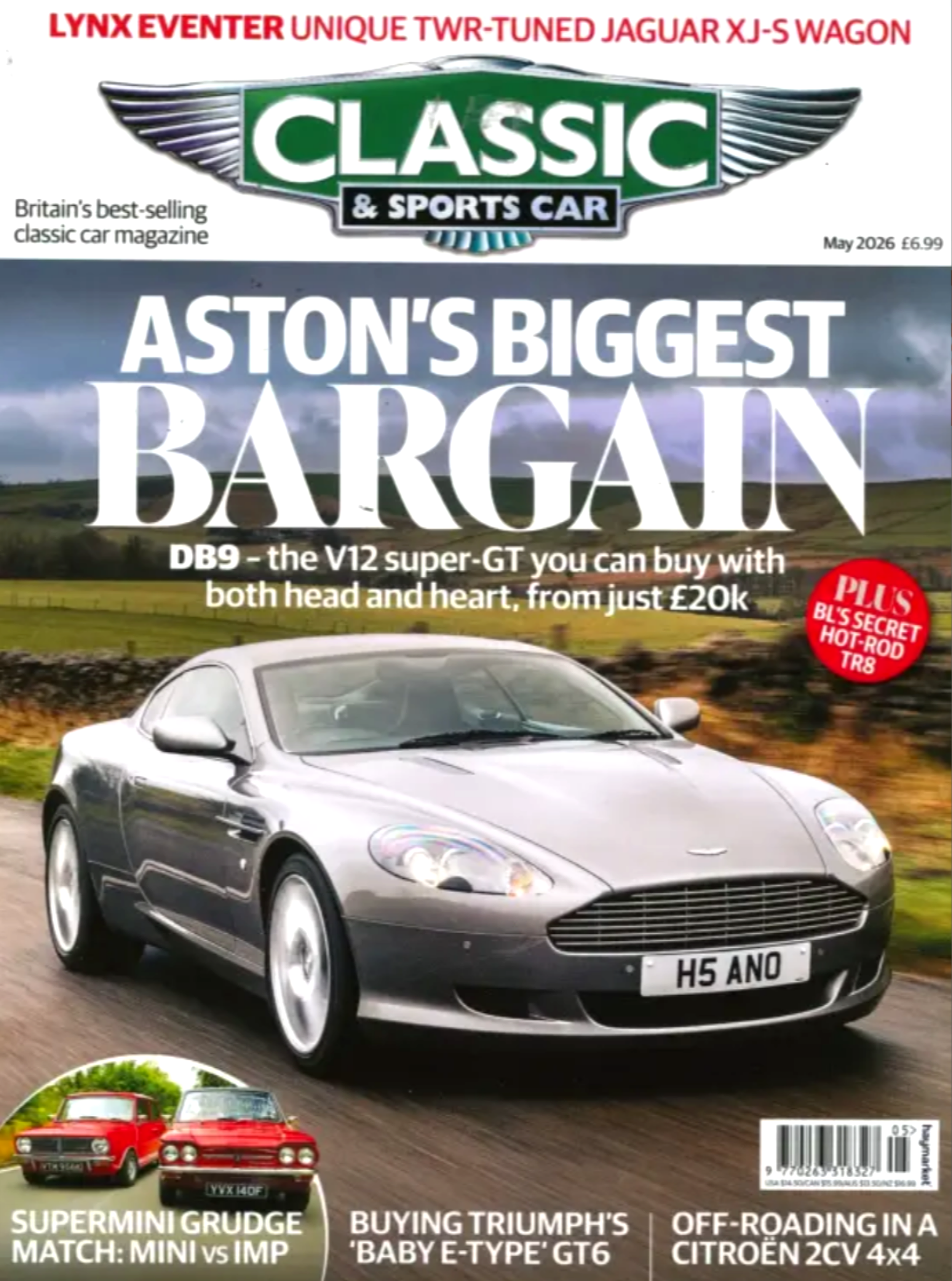
ASTON MARTIN V12 SPECIAL
Classic & Sports Car Magazine - May 2026
Discover the legend of the Aston Martin V12, its sound, its power, and the heritage that defines it.
This beautifully produced spring edition blends expert insight with real-world ownership passion, celebrating one of motoring’s greatest engines.
A must-have for Aston Martin and classic car enthusiasts alike.
£6.99 — Limited stock available
If you choose to purchase via this link, it comes at no extra cost to you and helps support Fuel the Passion, thank you.
DBX Recall Update
A more practical, owner-facing issue also surfaced around the DBX, although it is important to separate the details properly because the stories relate to different markets and different faults. In the United States, Aston Martin has issued a recall covering certain 2025 - 2026 DBX and 2026 DBX S models because incorrect tyre-pressure monitoring system (TPMS) coding may mean the car does not warn the driver correctly when a tyre is under-inflated. The official NHTSA filing says 1,091 U.S. vehicles are affected, and also notes that a further 2,146 DBX vehicles in other countries require the same coding update.

Image © Aston Martin Lagonda. Used for editorial purposes.
Separately, in Australia, a different DBX recall has been issued for certain 2024 - 2026 cars over a rear lower suspension arm bolt that may not meet specification and could detach. The Australian recall notice says this could allow the suspension to collapse and potentially damage the brake line, with the obvious knock-on risk of reduced braking performance and loss of steering control. That is clearly a more serious-sounding fault than the U.S. TPMS software issue, but the key point for readers is that these are not the same recall and should not be bundled together as though one global DBX problem has appeared overnight.
At the time of writing, I have not found evidence of a new public UK recall notice this week matching either of those two specific DBX issues. That is worth stating carefully rather than too bluntly. It does not necessarily mean no UK car could be affected, only that I have not found a matching new UK public notice during this week’s checks. The best advice for any Aston Martin owner is therefore simple:
Check your own car directly using
Aston Martin’s Safety Campaign Checker
…where you can enter your VIN to see whether there are any outstanding safety campaigns linked to your vehicle. Aston Martin’s own owner page says recalls affecting a vehicle “must be completed without delay”, and its checker is the cleanest route to certainty. To access the VIN checker, simply click on the underlined words above or simply click on the image below;
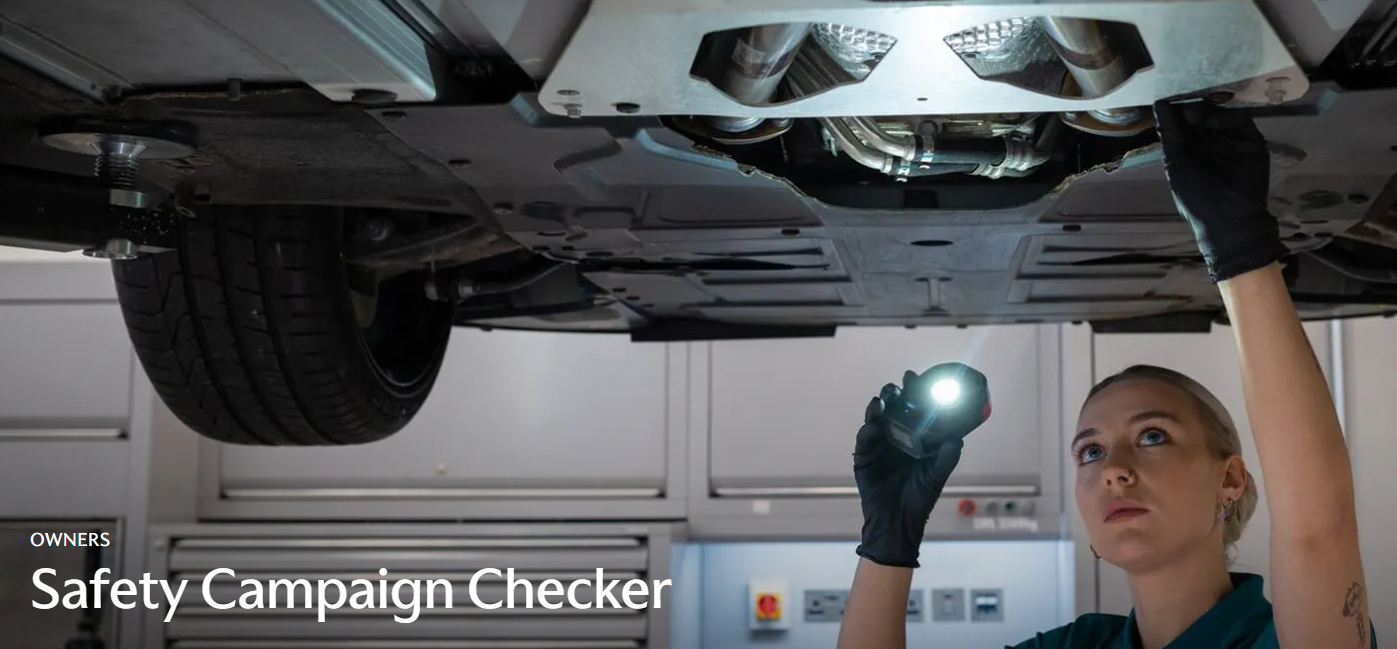
Image © Aston Martin Lagonda. Used for editorial purposes.
That matters because recall stories can easily turn into noise unless they are handled calmly and precisely. The sensible FTP reading this week is not that DBX owners should panic, but that they should pay attention. If you own one, or are buying one, it is exactly the sort of reminder that makes a quick VIN check worthwhile. In that sense, this is less a dramatic Aston Martin crisis story than a useful piece of practical ownership housekeeping, the sort of thing that is far better caught early and dealt with properly than discovered later by accident.
Away from recalls and owner housekeeping, this week also brought a trio of thoughtful features that reminded us how many different people help hold Aston Martin’s motorsport world together.

Before we move on, a quick thank you.
Fuel the Passion has now passed 3,000 subscribers on YouTube, which I genuinely do not take for granted, especially in such a niche space focused on a single marque. What began as a simple idea has grown into a wonderful community of people who share a love for these cars and their stories.
The next milestone is 5,000 subscribers by 1st January 2027. Whether we get there or not, it feels a challenge worth aiming for. If you haven’t yet subscribed and would like to, I’d genuinely love you to. Simply click on the link below, which will take you to the Fuel the Passion YouTube channel, then look for the subscribe button. It’s completely free to do, and it really does help boost the channel and everything Fuel the Passion is trying to build. Thank you for being part of the journey.
Inside Aston Martin F1 - the people behind the operation
Away from recalls and owner housekeeping, this week also brought a trio of thoughtful features that reminded us how many different people help hold Aston Martin’s motorsport world together.
We spend so much time, quite naturally, talking about drivers, lap time, strategy calls and technical problems that it is easy to forget how broad a modern Formula 1 operation really is. One of the more worthwhile threads this week came through Females in Motorsport, which published a set of profiles looking at women working inside Aston Martin Aramco Formula One Team in very different roles. Taken together, they offered something more useful than a simple feel-good story. They gave a more rounded sense of the people and disciplines required to keep a front-rank motorsport organisation functioning.
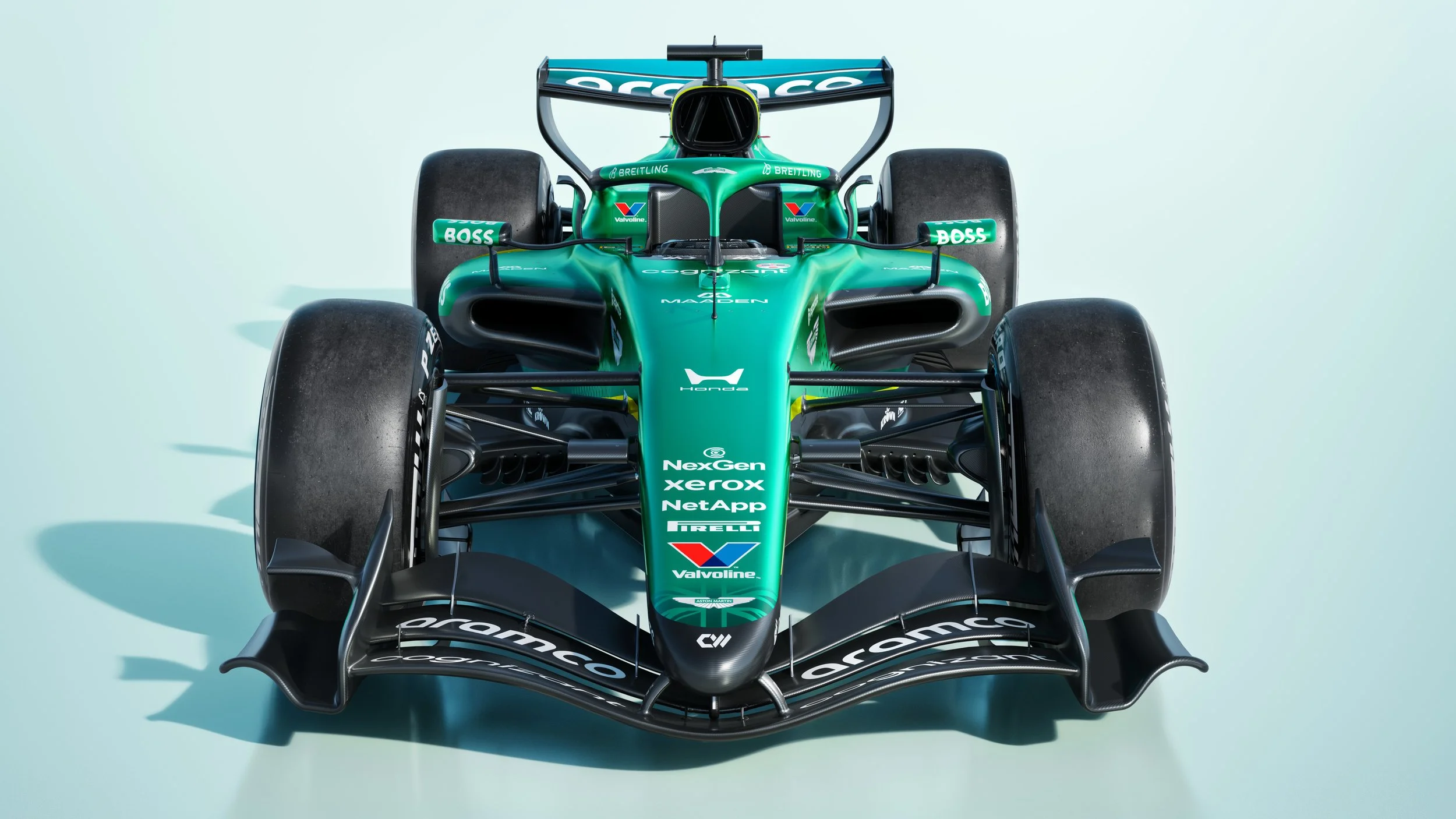
Image © Honda Motor Co., Ltd. Used for editorial purposes.
The first profile centred on Sioned Edwards, Aston Martin Aramco’s IT Operations Director, whose journey into Formula 1 began in far from a conventional way. What stood out there was not only the route she took, but the scale of responsibility now attached to the role. Her team looks after the day-to-day IT infrastructure at the AMR Technology Campus, manages more than a thousand users, and supports the travelling data systems that race weekends now rely upon. One of the most striking lines in the piece was the simple reminder that without a working laptop, the car does not even leave the garage. That is the kind of invisible dependency modern Formula 1 is built on, and it is exactly the sort of detail that television coverage rarely has time to show.
The second profile looked at Pippa Treacy, one of Aston Martin’s Tyre Performance Engineers, and this one opened up a different corner of the operation again. Her role sits much closer to the racing heartbeat: circuit characterisation, tyre degradation, simulation work, race-weekend data and the constant balancing act between setup, pace and tyre life. It is also a useful reminder that tyres remain the car’s only point of contact with the road, so the work done in this area is not some peripheral technical niche. It sits right at the centre of performance. The profile also touched on Mission Control back at Silverstone, where Pippa supports race weekends remotely, reinforcing again how wide the team really is once you look beyond the pit wall and garage cameras.
Alongside those came a third Aston Martin-related feature on Ella Justh, the team’s Event Manager, whose work sits on the guest-experience and hospitality side of the business. That might sound at first glance a long way removed from race engineering, but in truth it is another important part of how Aston Martin wants to present itself in Formula 1: premium, polished, international and carefully judged. In a team that trades not only on performance but also on brand identity, luxury and presentation matter too.
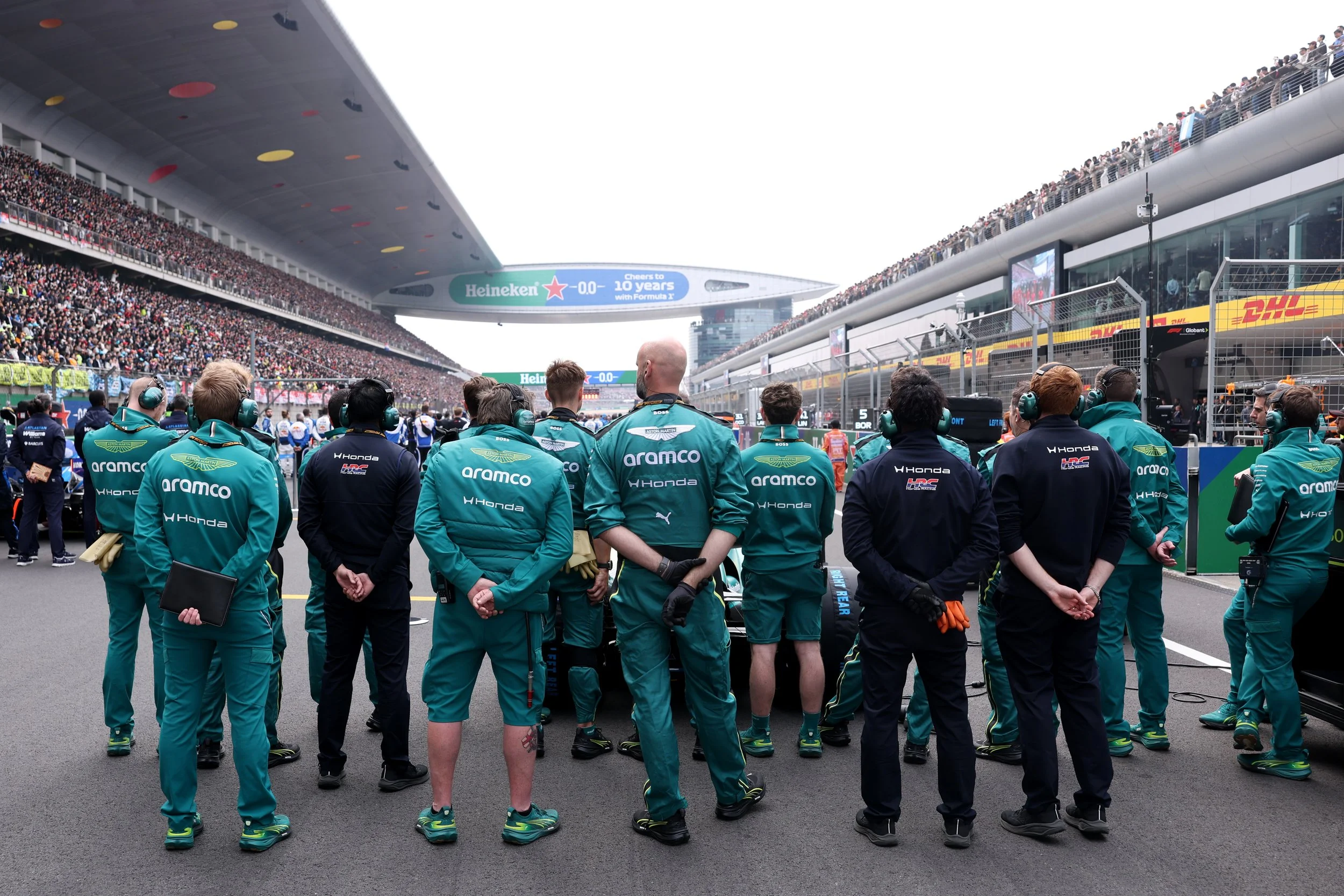
Image © Honda Motor Co. Ltd & Aston Martin Aramco. Used for editorial purposes.
Taken together, the three profiles made a broader point rather nicely. Aston Martin Formula 1 is not just Adrian Newey, Fernando Alonso, Lance Stroll and the visible names on the pit wall. It is also coders, data specialists, tyre engineers, logistics planners, hospitality staff and dozens of other people whose work is rarely seen directly but felt constantly in the final product.
In a week where so much of the Formula 1 conversation has again been dominated by problems, reliability and structure, these pieces provided a more human and, in truth, rather refreshing counterpoint. They reminded us that the organisation is made up of many more moving parts than the loudest headlines ever capture.
If you would like to read the full interviews, they are well worth a look on Females in Motorsport, which published all three features this week.
Market Watch - AML steadies, but the wider picture is still one of pressure

Image © Fuel the Passion
With the London market closed on Good Friday, Aston Martin Lagonda shares ended the shortened trading week at 38.42p on Thursday 2nd April, which at least gave the stock a more settled finish going into the Easter break.
Taken in isolation, the final few sessions were better than the opening tone of the week suggested they might be. Monday was the hardest day to watch, with AML slipping to a fresh multi-year intraday low of 35.40p before recovering some ground to close at 37.30p. Tuesday then gave back a little of that improvement, with the shares easing to 36.30p, before sentiment turned more constructive again on Wednesday and Thursday. By the close on Thursday, AML had recovered to 38.42p, helped by a firmer mood across parts of the UK mid-cap market and some more encouraging commentary around Aston Martin’s sales performance in markets such as Italy and Switzerland.
That does not change the broader story we have been following over recent weeks, but it does slightly improve the week-on-week tone. Rather than ending the week pinned close to the lows, the shares managed a modest rebound. In practical terms, that matters because it suggests there is still some support in the stock when it falls too sharply, even if confidence remains clearly fragile.
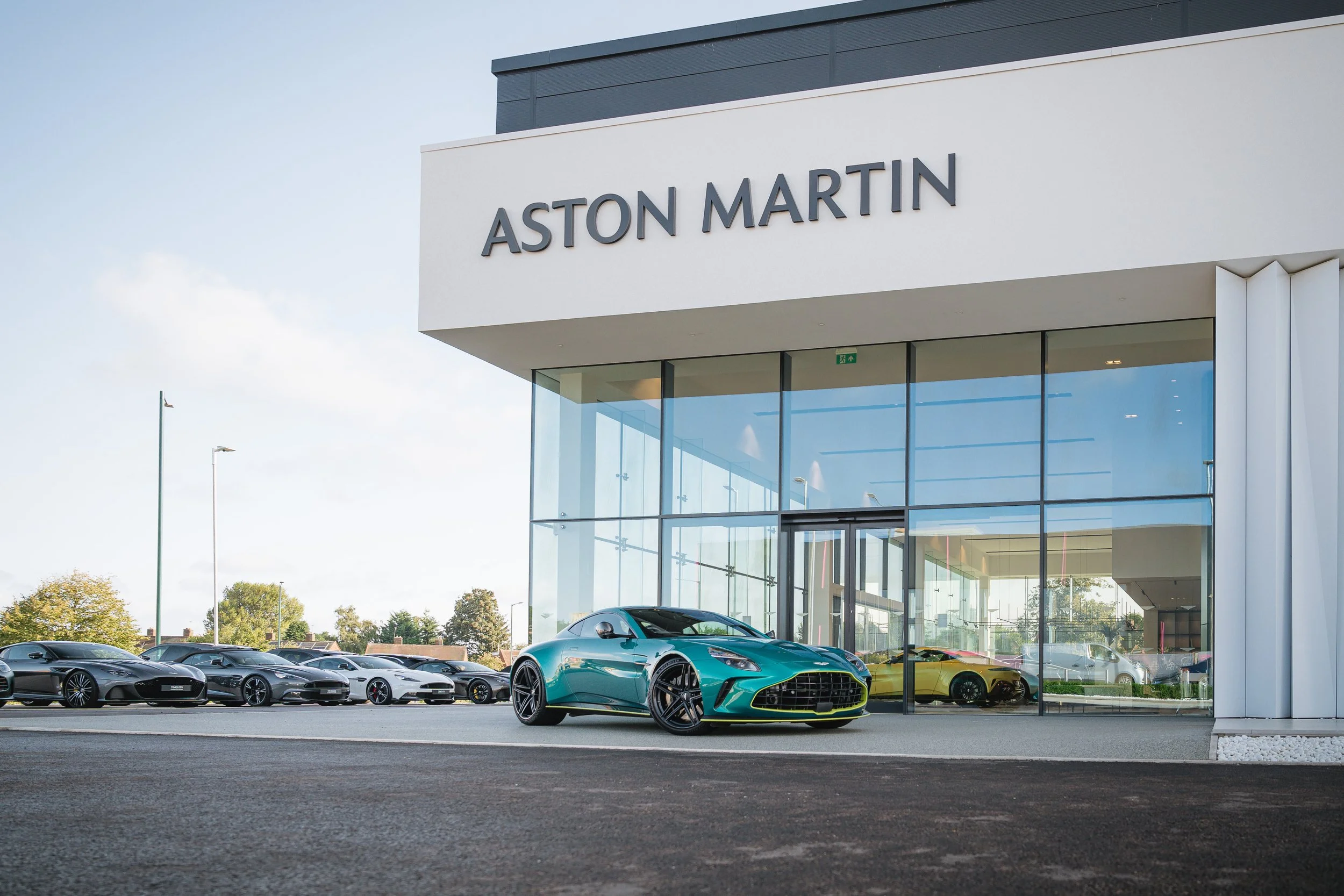
Image © Aston Martin Lagonda. Used for editorial purposes.
Looking back across the last five weeks, though, the bigger picture is still one of sustained pressure rather than meaningful recovery.
At the beginning of March, AML was trading at around 43.38p. Since then, the direction of travel has broadly been downward, shaped by the same themes we have already been discussing in recent FTP Weekly Roundups: financial strain, debt concerns, and a market that still wants more convincing evidence that Aston Martin’s restructuring and product strategy will translate into firmer results.
The lowest point of that run came on Monday 30th March, when the shares touched 35.40p, setting a new 52-week low. The move back to 38.42p by Thursday is therefore welcome, but it is probably best read as a bounce from very depressed levels rather than a decisive shift in market confidence.
That has been the recurring theme of AML’s share-price story lately. There have been moments of encouragement, but not yet the sort of sustained move that would suggest the market has materially changed its mind about Aston Martin’s immediate outlook. The stock remains well below where it stood just a few weeks ago, and still a long way from the 50p plus levels seen in February. So the most sensible FTP reading this week is probably a familiar one: a slightly calmer ending, a little relief after a difficult spell, but no reason yet to claim that Aston Martin has turned a corner in the market’s eyes.
“April now matters for a more important reason too, because it is the month AML is due to report its first financial results of 2026.”
The group’s Q1 2026 earnings release is expected on 29th April, with the earnings presentation scheduled for around 9am. That, much more than a short Easter-week rebound in the share price, is likely to tell us whether this recent stabilising move has any firmer foundation beneath it. We’ll obviously be reporting on Q1 results in more depth once they’re released, I’m really hoping for a positive narrative.
Oil and Ownership Context - fuel costs rise, but this is not yet a 2000-style crisis

Image © Fuel the Passion
If AML’s share price continues to tell one part of the Aston Martin story, the forecourt is telling another. Over the past five weeks, the cost of actually using these cars has moved sharply in the wrong direction, and the reason is now familiar enough: the Middle East conflict has pushed oil markets higher again, with supply fears focused particularly on the Strait of Hormuz, one of the world’s most important energy chokepoints. On 2nd April, Brent crude settled at about $109 a barrel, having traded even higher during the day, while U.S. crude pushed above $111. That is not abstract market noise, it’s the upstream reason why owners across the UK are now feeling the squeeze every time they stop for fuel. The UK forecourt effect has been swift and, by recent standards, severe.
“Reporting this week described March’s increase in pump prices as one of the fastest on record…”
…with petrol and diesel both climbing sharply as oil markets reacted to the worsening geopolitical picture. Figures cited by national coverage put average UK petrol at around 154.45p per litre and diesel at about 185.23p per litre, leaving petrol roughly 22p per litre higher than it was in late February and diesel up by about 43p per litre over a similar period. The result is that a normal fill-up now costs noticeably more than it did just a month ago, with diesel drivers feeling the change most sharply of all.
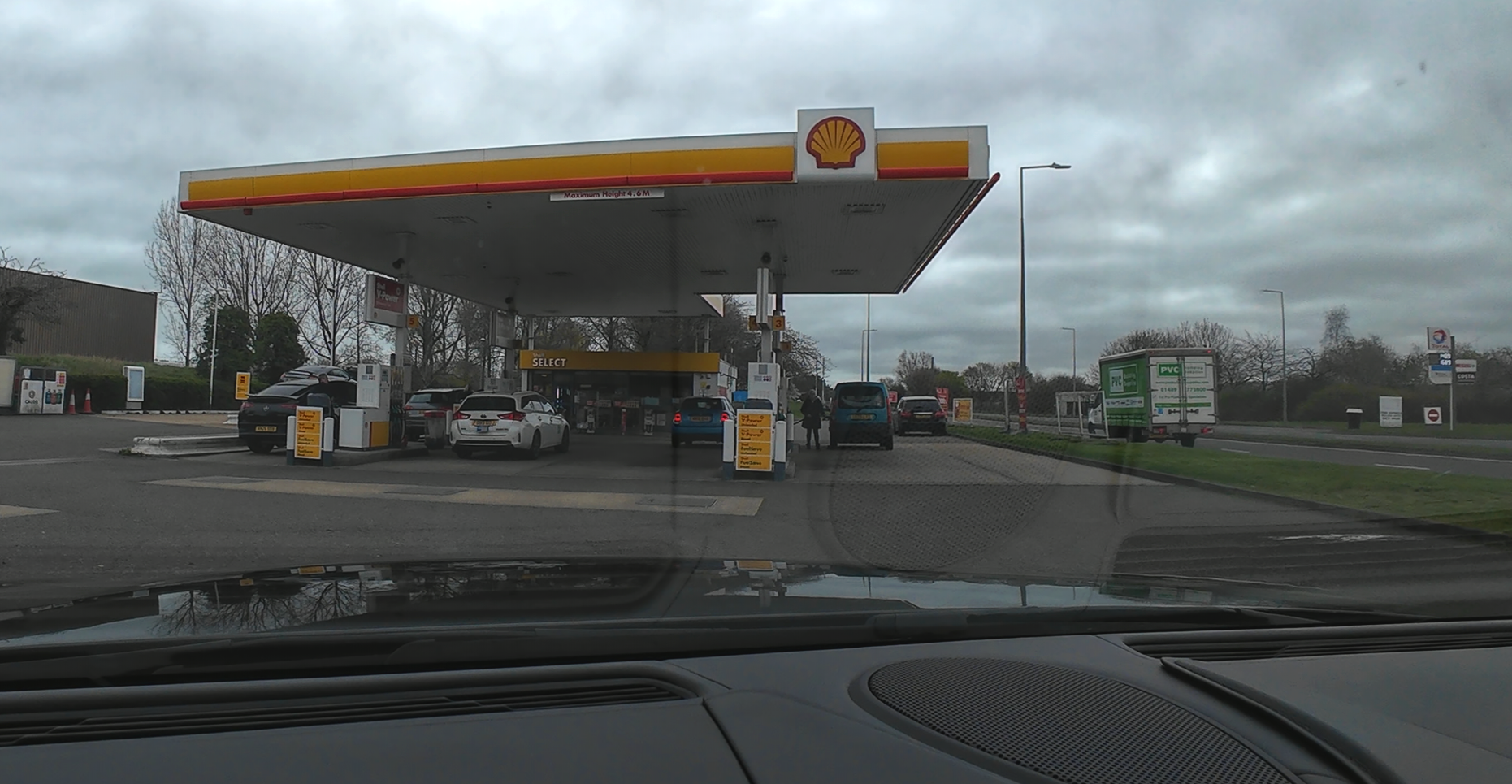
Image © Fuel the Passion
For Aston Martin owners, though, the practical reality is often a little harsher than the national petrol average suggests. These are not cars that will usually be run on the cheapest forecourt option, and many will quite reasonably be filled with the premium end of the petrol menu, the 97 or 99 RON fuels such as Shell V-Power or Esso Supreme+ 99. That matters because the regular unleaded averages only tell part of the story.
Current UK forecourt examples show standard unleaded in roughly the high-140s to mid-150s per litre, while premium petrol can sit materially higher again, ranging from the mid-160s to the mid-180s per litre depending on retailer and location. In other words, for many Aston Martin owners, especially those filling with premium fuel, the real cost of a tank is higher than the national headline figures imply.
The other obvious question, of course, is whether higher prices might turn into something more serious here in the UK. At the moment, the answer appears to be: not nationally, but there have been some short-lived local disruptions. Retailers including Asda have warned of temporary shortages at certain sites, while Fuels Industry UK and the Petrol Retailers Association have continued to stress that…
“…overall UK fuel supply remains normal and that motorists should avoid panic buying.”
So the main national pressure right now is still price rather than a full-blown supply crisis. Even so, the local shortages that have appeared in places are a reminder of how quickly forecourts can run dry when anxiety changes driver behaviour faster than the supply chain can respond. That is why this story has caught attention so quickly. For many UK readers, the natural comparison point is the fuel protest crisis of September 2000, when depot blockades and panic buying combined to leave large parts of the country struggling for fuel. This does not appear to be that sort of event, at least not at present, but the memory of it still sits close enough to the surface that any sign of patchy forecourts immediately feels more serious than it might in calmer times.
So, in FTP terms, this week’s fuel story is not just another general cost-of-living headline. It is part of the real-world ownership backdrop for Aston Martin drivers in spring 2026. Over the last five weeks, the combination of higher crude prices and sharply rising UK pump prices has made using these cars more expensive again, just as the driving season begins to open up. Whilst there is no clear evidence yet of a nationwide shortage, there is enough tension in the system to make this more than just a passing market wobble. For now, the main pain is at the till rather than at the pump itself, but that is still pain all car users and owners will feel.
Aston Martin in Context
If potential pressure at the pump has been a reminder that Aston Martin ownership never exists in a vacuum, three other stories this week also offered a useful bit of wider perspective around the marque.
The first came from evo, which published a feature on what it considers to be the best Aston Martins, running from the Vantage right through to the Valhalla. For the purposes of this week’s roundup, the most interesting point was not the list itself, so much as what it says about where Aston Martin currently stands. evo’s view is that the marque’s present range may be one of the strongest it has ever had, with the DB12, Vantage and Vanquish forming what it calls “probably the best core Aston trifecta we’ve ever seen”, while Valhalla is treated as an immediate and deserving addition to the upper tier.

Image © Aston Martin Lagonda. Used for editorial purposes.
In other words, the praise around Valhalla we touched on earlier in this edition is not being framed in isolation.
It is landing within a broader view that Aston Martin, at least on the road-car side, is in a notably strong place at the moment. If you would like to read the full evo piece, just click here.
The second is a small but intriguing auction note. Broad Arrow’s Global Icons: Spring Online Auction 2026 runs from 11th to 18th May 2026, with bidding opening on 11th May and the sale beginning to close on 18th May. Among the lots is a 1956 Aston Martin DB2/4 Mk I, while Hagerty suggested the more valuable car in the same sale may actually prove to be a 1989 Ford Sierra RS500 Cosworth Group A. That is not really a slight on the Aston so much as a reminder of how unusual the collector market can now be, with homologation-era fast Fords attracting fierce money from a very different corner of the enthusiast world. Still, it is an eye-catching comparison, and one that says something about how broad today’s auction appetite has become. If you would like to browse the Broad Arrow sale, including the Aston Martin lot, just click here.
The final and one of the more unusual Aston Martin market stories this week came from the sale of a scarcely used Vantage GTE at RM Sotheby’s. Sold for £190,850, it was described as one of just seven examples completed by Aston Martin Racing and, more intriguingly still, as a car with effectively no meaningful use since completion. In other words, this was not simply an old race car changing hands, but a rare chance to acquire a near-unused piece of Aston Martin’s modern competition history, the sort of machine that sits somewhere between collector’s item, engineering artefact and potential entry ticket into historic GT competition. To get a glimpse of this car click on this link; motorsportmagazine.com
All of which brings us rather neatly back to a 1960s Aston Martin, and to a car that feels like a wonderful counterpoint to Valhalla after such a modern, fast-moving week.
Car of the Week - Aston Martin DB4

Image © Aston Martin Lagonda. Used for editorial purposes.
After a week dominated by the Valhalla, it feels only right to balance Aston Martin’s newest statement car with one of its most important earlier ones.
This week’s Car of the Week is a 1960 Aston Martin DB4 Saloon currently advertised through Aston Martin Bristol at £375,990, finished in Aston Racing Green with a Fawn Hide interior, manual transmission, and showing 117,500 miles.
The official Timeless listing also notes an expansive history file, which is exactly the sort of phrase you want to see attached to a car of this age and significance.

A Deeper Dive into the 1960s
If the DB4 has sparked something, this special collector’s edition from Classic & Sports Car takes you further into one of motoring’s greatest decades.
The Ultimate Buyer’s Guide to 1960s Classics blends expert insight with real-world ownership guidance, covering values, restoration considerations, and what truly matters when choosing a car from this remarkable era.
At just £9.99, it’s a thoughtfully put together companion for anyone drawn to the craftsmanship, character, and enduring appeal of 1960s motoring.
Affiliate link, no additional cost to you, with a small contribution that supports Fuel the Passion, thank you.
There is a pleasing symmetry to that choice. Much of this week’s discussion around Valhalla has centred on whether Aston Martin has produced a modern flagship worthy of the ambition, the engineering and the price. The DB4 came from a very different era, of course, but it too arrived as a car that helped define what Aston Martin could be. It was admired for its beauty, respected for its performance, and priced as something knowingly exclusive. In other words, while the shape of the dream has changed, the underlying Aston Martin formula has not altered nearly as much as we sometimes think.
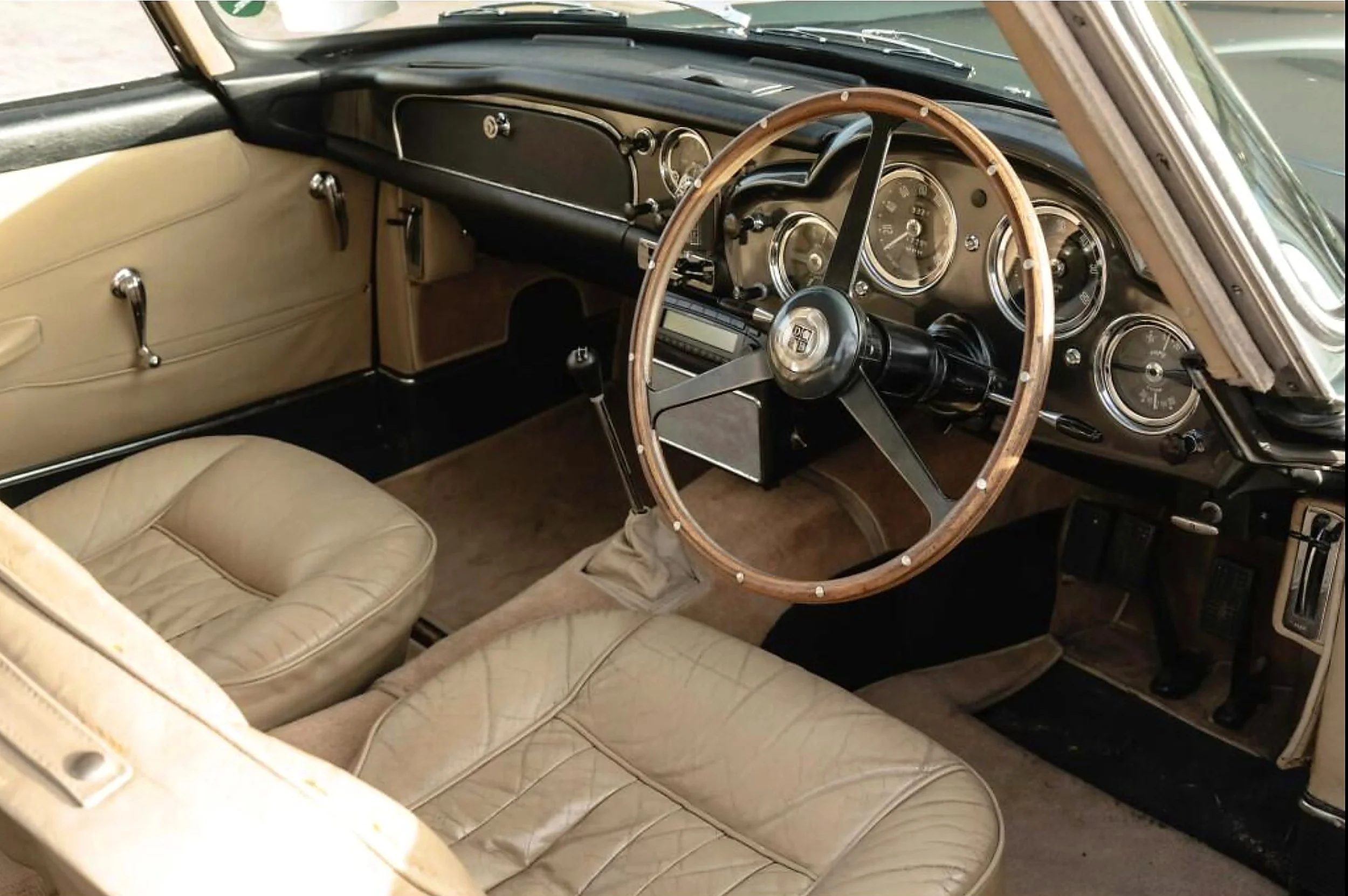
Image © Aston Martin Lagonda. Used for editorial purposes.
This particular car looks every inch the sort of DB4 people hope to find. Aston Racing Green suits it beautifully, perhaps inevitably because it reinforces the car’s long-bonnet elegance without tipping it into something too flashy or over-restored in feel.
Paired with the Fawn Hide cabin, it has exactly the sort of colour combination that feels right on a DB4: understated, confident and very much of the marque.
In the photographs, the cabin appears to have the warmth and visual lightness you want from one of these early DB-series Astons, and that matters because so much of the charm of a DB4 lies not just in the outer shape, but in the atmosphere it creates once you open the door and sit behind that large wheel.
That matters in the context of this week because one of the striking things about Valhalla has been just how warmly it has been received visually. Reviewers and viewers alike seem to agree that Aston Martin has got the shape right. Seeing this DB4 alongside that wider conversation is a useful reminder that Aston Martin’s best cars have often shared the same quality: not just beauty, but a sort of confidence in the design. The DB4 had it in period, Valhalla appears to have it now. Very different cars, but there is a recognisable family instinct there.
There is also an interesting parallel in exclusivity. Valhalla will be limited to 999 examples, which immediately places it in rarefied company by modern standards. The DB4, although not marketed in quite the same way, was never a commonplace car either. Production numbers were modest enough to ensure that ownership remained something special, and that rarity has only become more meaningful with time. That is one of the reasons the DB4 still carries such weight today. It is not merely old; it was always selective.
Price tells a similar story. Valhalla’s £850,000 starting point has triggered plenty of debate this week, as it was always going to, but Aston Martin’s most significant cars have rarely been cheap in the context of their own era. The DB4 was an expensive and aspirational machine when new, positioned very clearly above ordinary motoring and into the sort of territory where style, engineering and badge mattered every bit as much as raw practicality. Adjusted into modern money, its original price becomes a serious sum, which helps place today’s Valhalla discussion in a little more perspective.
“Aston Martin has long sold dream cars at dream-car money.”
That is why this DB4 feels such a good fit for this edition. Valhalla has spent the week proving that Aston Martin can still build a car that turns heads, prompts strong opinions and seems to have genuine substance underneath the styling. The DB4 reminds us that this is not a new trick. Aston Martin has been doing versions of that for decades. Different technology, different regulation, different customer expectations, but the same basic challenge: build something fast, beautiful and desirable enough that people will still be talking about it years later.
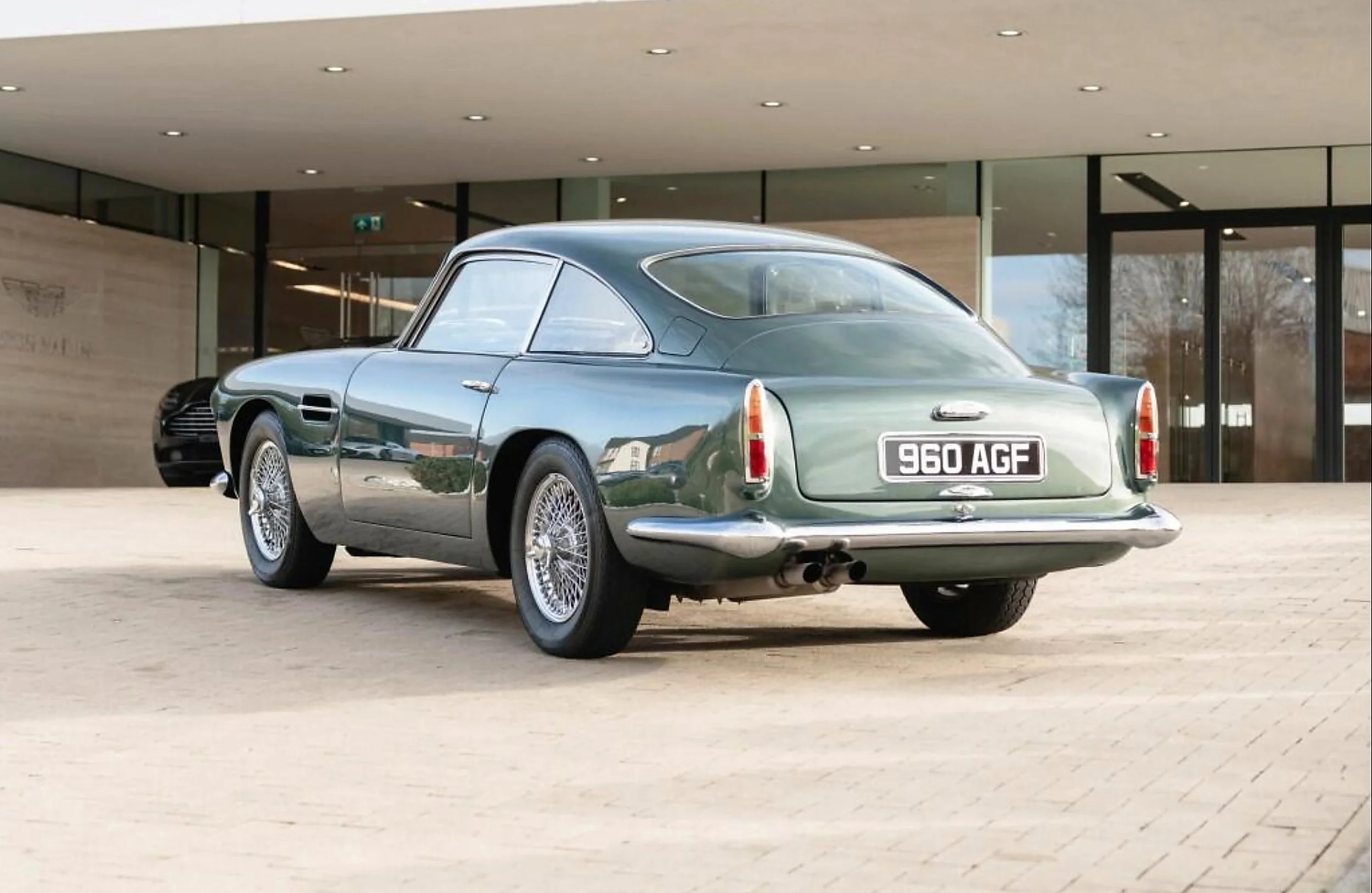
Image © Aston Martin Lagonda. Used for editorial purposes.
If this one has caught your eye, it is being advertised through Aston Martin Bristol, which is worth noting for another reason too. That is the same dealership we mentioned recently after it was named Global Dealer of the Year 2025, as well as Regional Sales Team of the Year, at Aston Martin’s Wings Awards.
So if you do decide to enquire, you would at least be doing so with a retailer currently being recognised at the highest level inside the Aston Martin network, which rather suggests you are likely to be met by people who know how to look after both the cars and the customers properly. Click HERE for Aston Martin Bristol contact details.
So this week’s Car of the Week is not simply a lovely old Aston Martin, though it is certainly that. It is a useful point of perspective. If Valhalla represents Aston Martin at full modern stretch, this DB4 shows how long the marque has been setting itself that same challenge: to build cars that feel exclusive, admired and unmistakably Aston Martin.
AMOC and AMHT - Club Life, Fresh Displays and a Museum Visit Worth Making
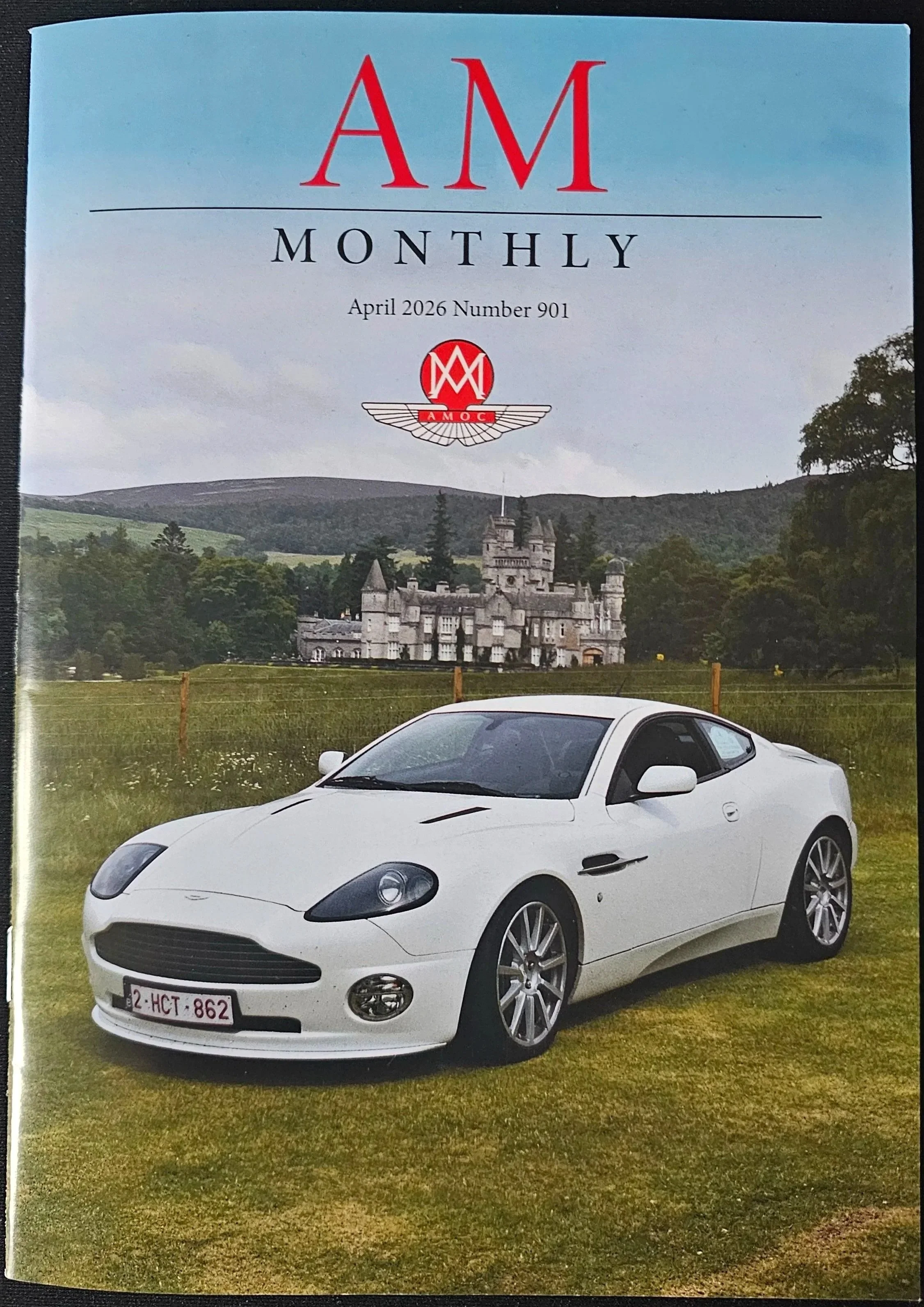
Image © Aston Martin Owners Club (AMOC)
Away from the road-test headlines and race programmes, there has also been plenty happening in the wider Aston Martin club world, and the latest AM Monthly offers a useful snapshot of that. As covered over the last couple of weeks here at Fuel the Passion, the AMOC continues to evolve its identity and activities, and April’s issue reinforces that sense of a club trying to balance tradition with fresh momentum. The new-look branding is soon to be released, the new logo features inside this latest edition of AM Monthly. The social events calendar remains busy, and there is a clear effort to keep members engaged across local, national and international activity.
One of the more interesting notes from this month’s edition is the continued rollout of the updated AMOC identity across club platforms, publications, signage and merchandise. It is a small thing on one level, but these details matter. For a club with such long history, visual change always says something broader about direction, and the impression from this latest issue is of an organisation trying to modernise without losing its roots.
Alongside that, there was also confirmation of a new partnership with Fairline Yachts, which feels a very AMOC sort of fit: British, premium, and aimed squarely at members who appreciate craftsmanship, lifestyle and engineering in equal measure.
The April issue also carried a substantial social and events programme, with the usual mix of concours gatherings, tours, museum days and specialist meetings, underlining how varied the club calendar now is. The Aston Martin Owners Club Festival at the British Motor Museum, Gaydon on 21st June stands out as one of the headline dates still ahead, not least because of its Vanquish theme this year, while the AMHT Members Only Open Days on 6th July and 17th September remain especially appealing for those who enjoy the heritage side of Aston Martin ownership rather than only the social scene around it.
There is also a slightly more reflective note within this month’s magazine, with the passing of Pam Taylor noted in the Pre-War section, a reminder, as ever, that these clubs are built not just around cars but around people, friendships and long memory.
What brought much of this to life for me, though, was not simply reading the magazine but visiting the Aston Martin Heritage Trust Museum last weekend as part of the Yorkshire Area 06 Cotswolds spring trip. As mentioned in last week’s roundup, that weekend was one of the reasons the previous edition was pulled together a little earlier than usual, so this week feels like a good point to pick up where that left off. Along with many other AMOC Yorkshire members, I called in at the museum, which of course also sits alongside AMOC HQ and it was a genuine pleasure to spend some time there again and to meet some of the AMOC team.
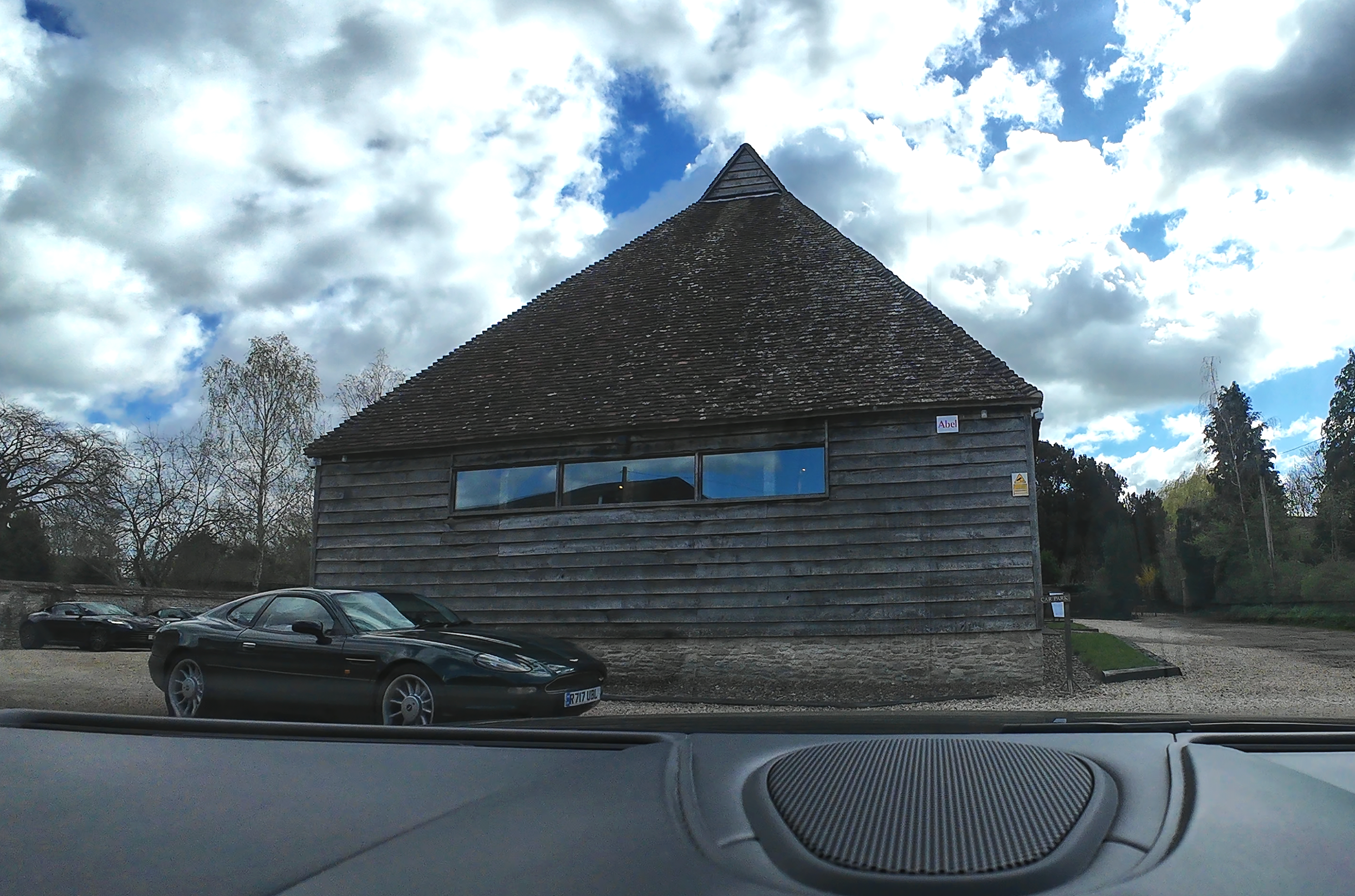
Image © Fuel the Passion
What struck me most this time was how fresh it felt. The team have changed some of the displays around, and there are now a couple of lovely additional cars on show that make the visit especially worthwhile.
The standout, without doubt, is the 1954 Aston Martin DB2/4 Vignale (picture below), a truly exceptional one-off fastback created by Alfredo Vignale for King Baudouin of Belgium. Completed in 1955, it features hand-formed aluminium coachwork, a large rear hatch and beautifully individual detailing, and it is believed to be the only surviving original Vignale-bodied DB2/4. That alone would make it worth seeing, but in person it has something more than rarity. It has presence. It is one of those cars that quietly stops you in your tracks and reminds you how broad and fascinating Aston Martin history really is.

Image © Fuel the Passion
It will only be on display until July, so it is well worth making the effort to see it while you can. Entry is by pre-booking, and if you are planning a visit, you can book here: https://amht.org.uk/museum/planning-your-visit/
Another display that deserves attention is the AMV8 Vantage Concept, first shown at the 2003 Detroit Motor Show and met at the time with universal acclaim. Standing in front of it last weekend, you can see why. Although it was based on a DB7 Vantage Volante chassis, it already looks remarkably close to the production V8 Vantage that arrived just over two years later. The styling is credited to Henrik Fisker, though you can still sense the Ian Callum influence in the proportion and stance. There is a lovely bit of theatre underneath it as well: while the production car would of course go on to use the 4.3-litre V8, this concept still carries the DB7 Vantage’s V12, cleverly disguised to appear as a V8. For anyone interested in the origins of one of Aston Martin’s most important modern cars, it is a fascinating thing to see in person.
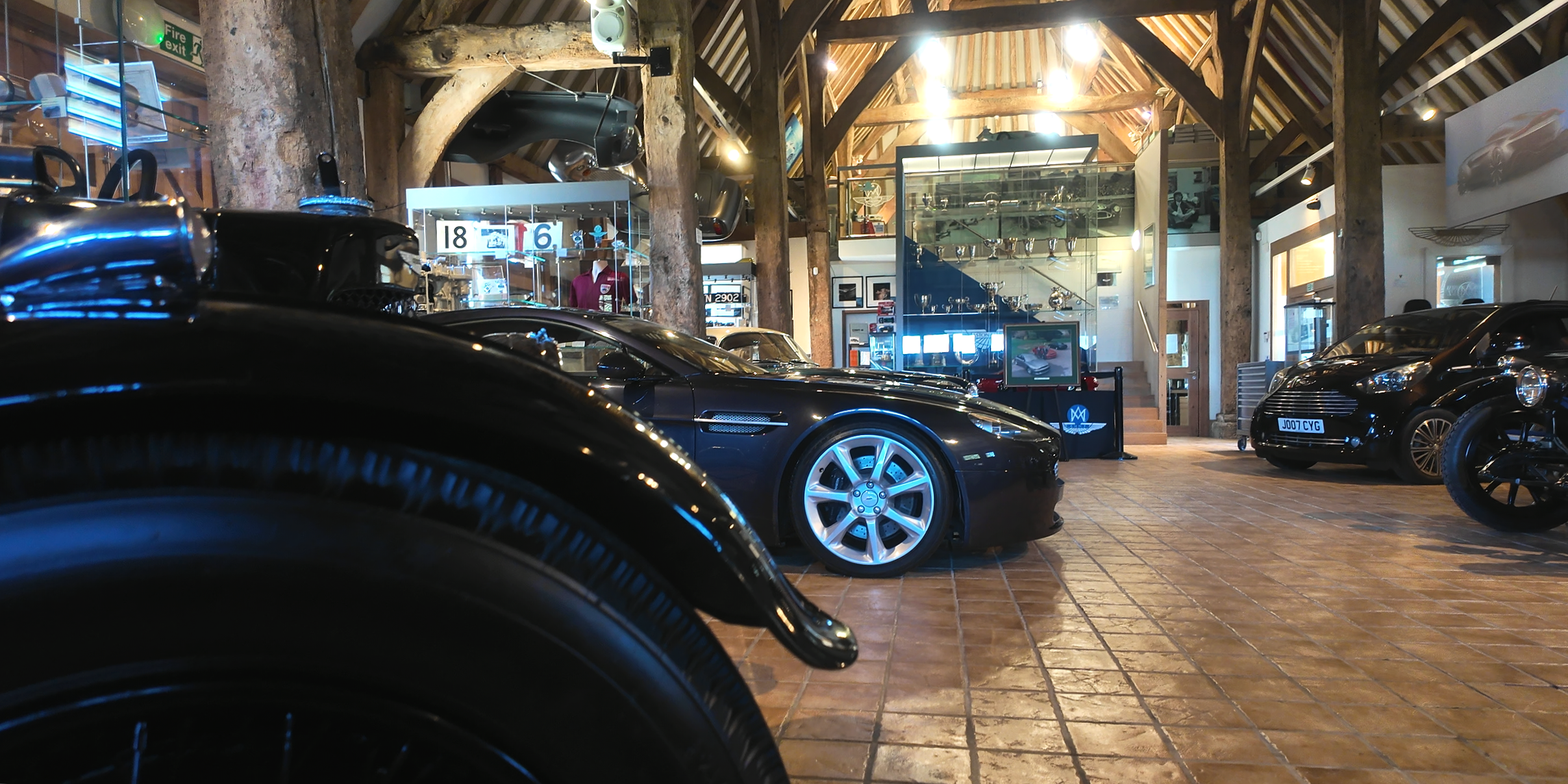
Image © Fuel the Passion
The other new arrival that caught the eye is a Cygnet, which makes for an enjoyable contrast. It may be one of the more unusual chapters in Aston Martin’s modern history, but that is precisely why it deserves its place. In a museum setting, the Cygnet works rather well because it prompts conversation. It tells a story about regulation, branding, experimentation and the lengths to which Aston Martin has sometimes gone to navigate difficult commercial realities while still trying to preserve a sense of identity. Not every important Aston Martin story is wrapped in glamour and V12 noise.
The AM Monthly magazine also notes that Dr Ulrich Bez has joined the AMHT Council, which is another quietly significant development. His name still carries real weight in the Aston Martin world, and his involvement feels meaningful rather than ceremonial. It suggests a continued seriousness around the Trust’s role in protecting the record and presenting Aston Martin history properly, something very much in keeping with what the museum does so well.
Taken together, this month’s AM Monthly and last weekend’s museum visit both point to the same conclusion: the AMOC and AMHT remain at their best when they bring the cars, the stories and the people together in one place. That is what makes the club world matter. It is not simply a diary of lunches and drives, but a living connection between Aston Martin’s past and present and if you haven’t visited the museum recently, this current display rotation gives you a very good reason to put that right.

Image © Fuel the Passion, What a family! Some lovely Aston Martins from Yorkshire Area06 AMOC - of a variety of models, parked up outside the Aston Martin Heritage Trust Museum, late March 2026 (You can see the FTP Vantage - 2nd car in)

Image © Aston Martin Owners Club (AMOC) used for editorial purposes
If you are reading this and would like to find out more about the Aston Martin Owners Club, or perhaps are thinking about joining, simply click on the AMOC logo opposite and it will take you straight there.
FTP Update
As referenced through this week’s roundup, last weekend’s AMOC Yorkshire Area 06 trip to the Cotswolds was a real pleasure. More than anything, I simply thoroughly enjoyed being in such good company. What a friendly bunch. I will be editing a short video on that trip in the weeks ahead for those interested, so I will leave the fuller detail of the weekend to that.
Behind the scenes, I am also continuing work on the new FTP Motorsport Hub, which will be going live on the website soon. As mentioned earlier in this roundup, the aim is to bring Aston Martin’s wider competition story into one place, so readers can keep track more easily of Formula 1, WEC and selected GT racing programmes, with race countdowns, current standings and the latest news gathered together in a single home. Aston Martin’s motorsport world is now far too broad and far too interesting to leave tucked away in separate corners, so I hope this becomes a genuinely useful part of the site, particularly for those following programmes such as The Heart of Racing and Blackthorn Racing.
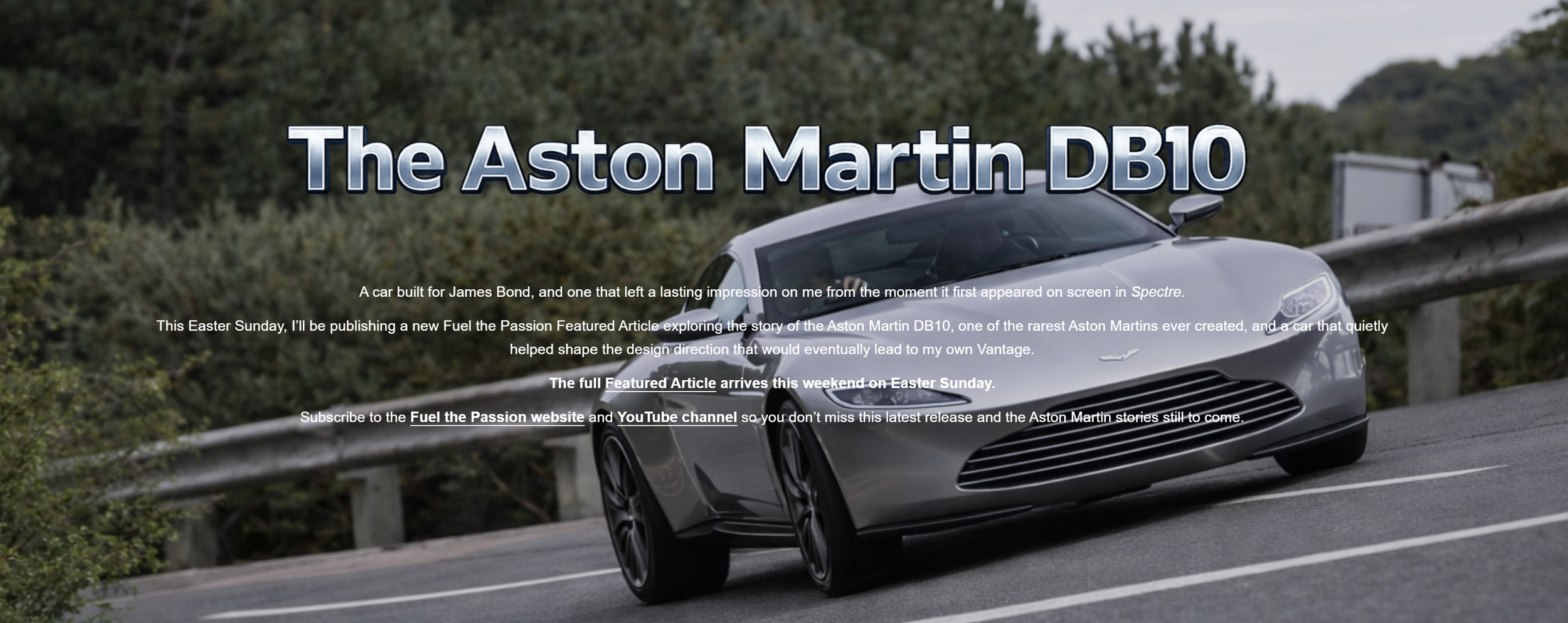
Image © Fuel the Passion
There is also a new Fuel the Passion Featured Article landing this weekend alongside this roundup, focused on the Aston Martin DB10. It is a car that has meant a great deal to me personally ever since it first appeared on screen in Spectre, and in many ways it helped shape the design path that would eventually lead me to my own Vantage. I am really looking forward to sharing that story properly. You may have seen this image on the front page of the website. If you want to read that after this weekly roundup, which is nearly finished, just click on the image above and we’ll take you to the Featured Article section of the website.
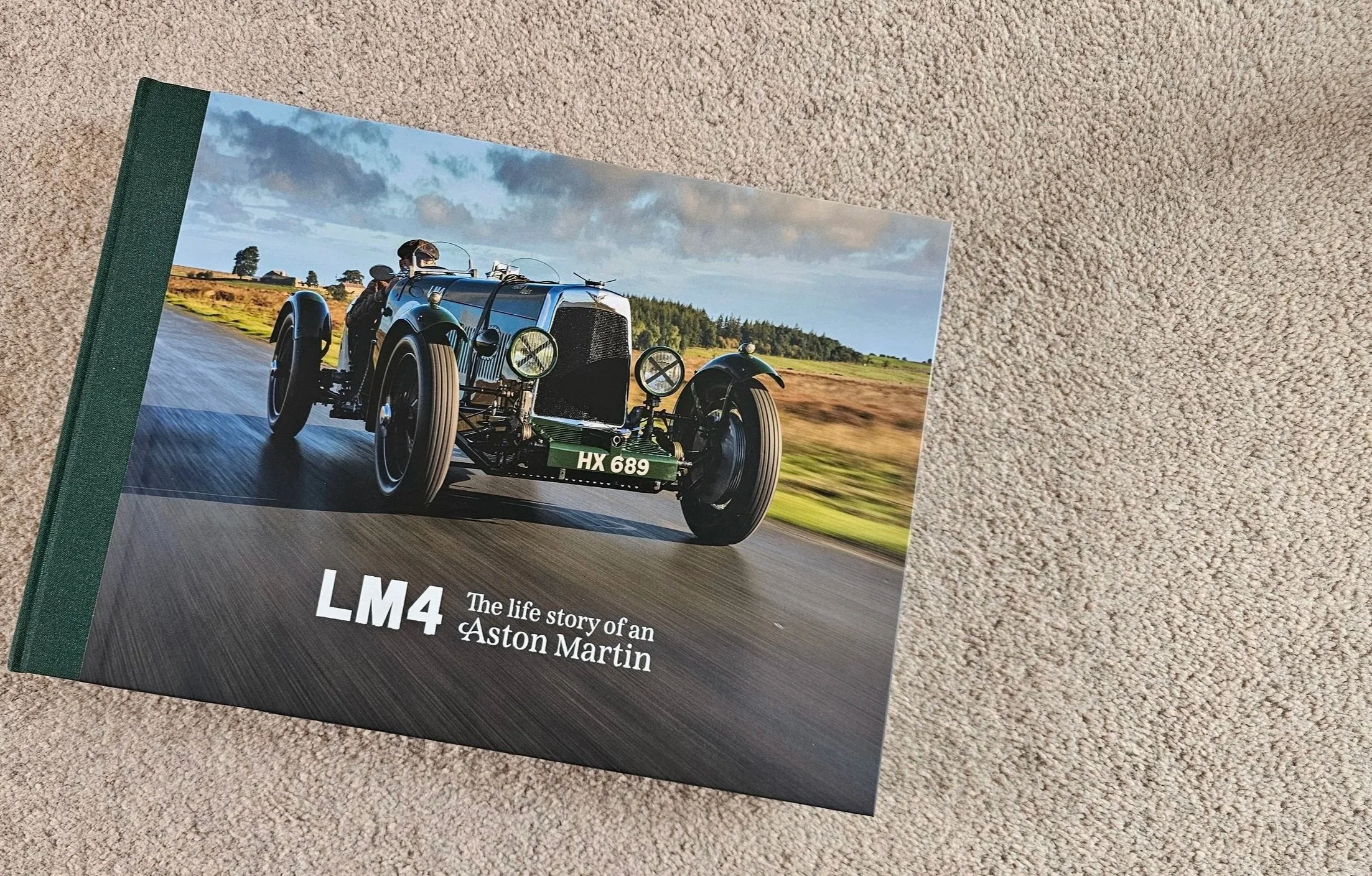
Another recent pleasure has been acquiring a signed copy of LM4 – The Life Story of an Aston Martin, written by Steve Waddingham, Aston Martin Lagonda historian. Quite apart from the subject itself, you could not hope for a better author. Steve brings that rare combination of warmth, deep knowledge and genuine affection for the cars and the people around them, and that comes through immediately in the book.
From the opening pages, it is clear this is not simply a technical record of an early Aston Martin, but the story of a car rediscovered, researched, filmed, driven and gradually better understood. The preface traces Steve’s own growing connection with LM4 from 2020 onwards, beginning almost by chance during the strange quiet of the pandemic, before the car’s story expanded through Brooklands filming, HWM’s involvement and later appearances including Goodwood.
Darren Turner’s foreword adds another lovely layer, reflecting on just how different these pre-war Astons are from the later DB cars many of us know more easily, and how special LM4 became as a project and as an experience. I am only part way through reading it, but it is already one of those books I keep returning to. The photography is superb, the production quality is beautiful, and it is the sort of book that makes you stop, stare, and imagine what it must have been like to ride in, or better still drive - such a machine.
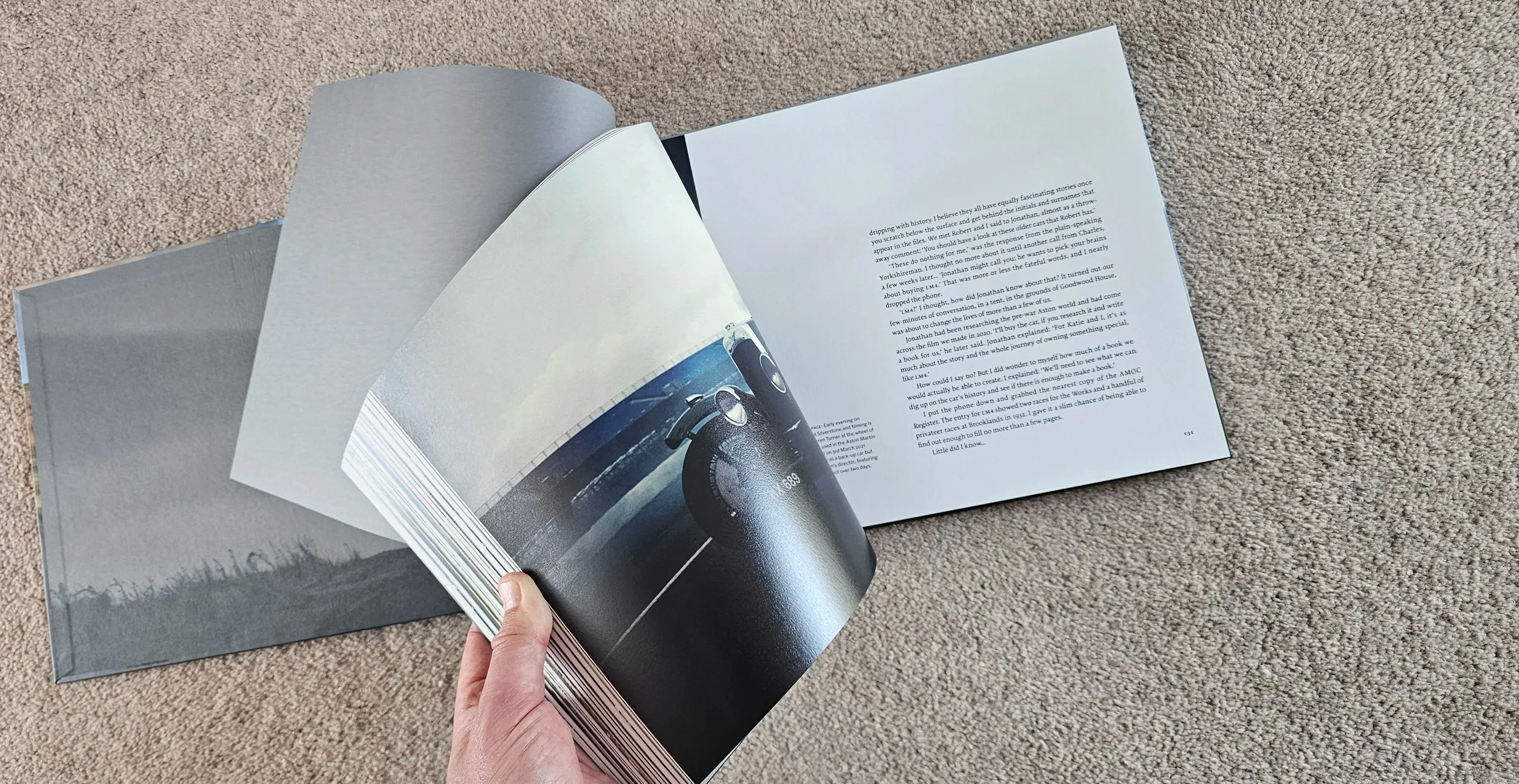
It is also a substantial, beautifully produced book, the sort of thing that looks right at home on a coffee table rather than hidden away on a shelf. It is striking how often people pick it up, start flicking through, and almost immediately offer very positive first impressions. I would strongly recommend it for any Aston Martin fan, whether as a future Father’s Day gift, a birthday present, or simply as a treat to yourself. Just to be clear, this is not an affiliate link, simply a highly recommended book that I think many readers may genuinely enjoy.
Having recently worked and filmed with Steve on the forthcoming Vanquish 25th Anniversary series, which is taking up much of my editing time at the moment, I simply had to ask him to sign a copy for me. If you love Aston Martin and especially the pre-war years, LM4 looks to be a fantastic addition to the shelf. It will certainly be finding its way into the FTP Book Library, and if you would like to find out more, or order your own copy, just click on one of the book images above.
If you have been wondering where the more regular Fuel the Passion videos have gone on the YouTube channel, do not worry, they’re coming. The simple truth is that a good deal of my recent editing time has been spent working with AMOC, AMHT and Aston Martin Works, helping shape a series of films to mark the 25th Anniversary of the Vanquish. I am learning all the time, but my editing skills are still such that everything takes me rather longer than I would like. I tend to keep moving things around until it finally feels like something worth asking you to spend your precious time watching. I have yet to master the art of speedy editing!
Then again, perhaps that should not be too surprising. After 32 years in public service, I had never really picked up a video camera in earnest until August 2024, when I collected the FTP Vantage. The rest has been a mixture of memories being formed, stories being discovered and skills still very much in need of improvement. So yes - the videos are coming. Soon.
As for the FTP Vantage herself, she is currently in need of a good clean, which I am hoping to sort over the Easter weekend. But, touch wood, she is driving like a dream. I continue to adore her!
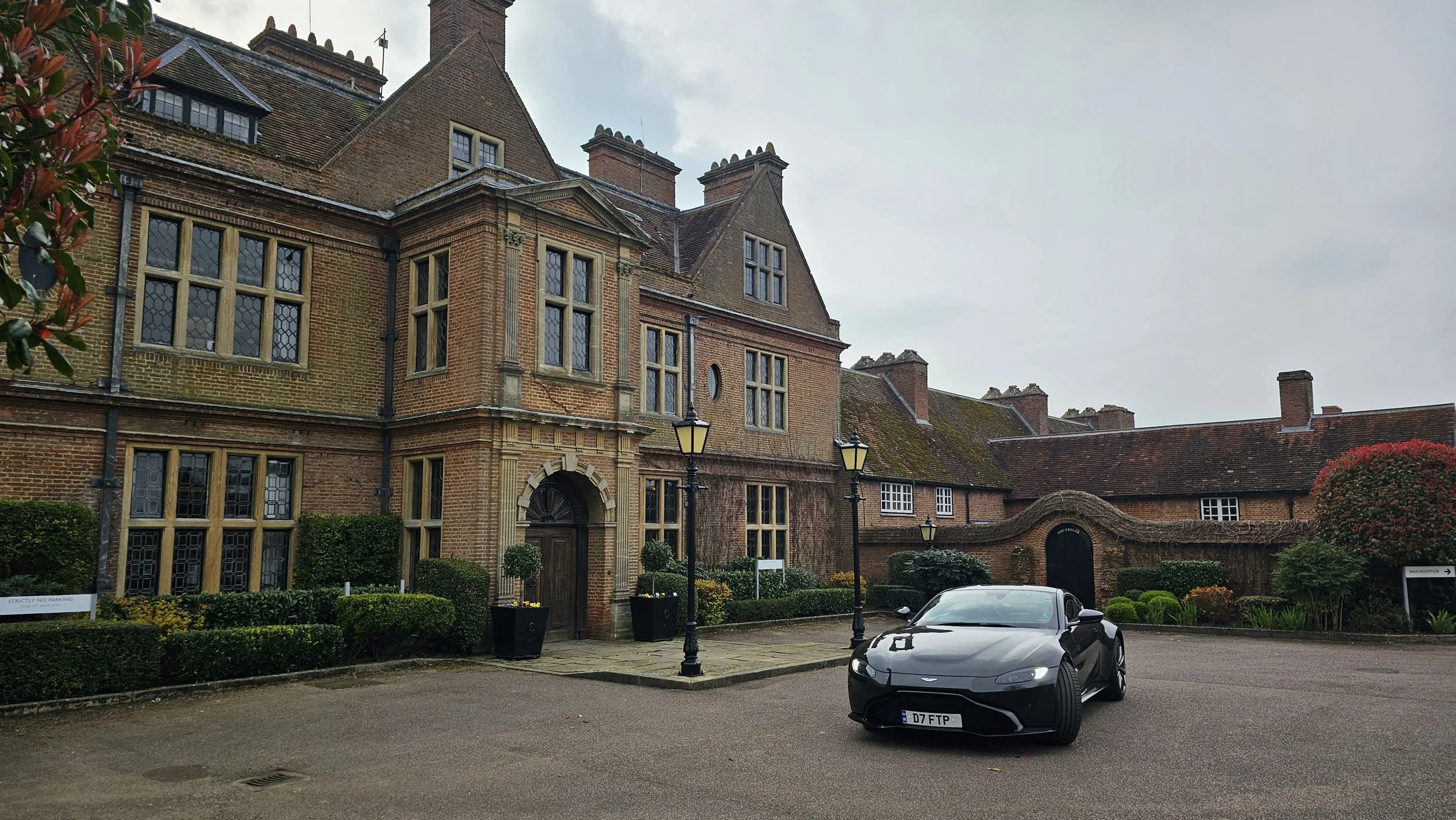
Image © Fuel the Passion, the FTP Vantage outside Horwood House Hotel, Mursley Road, Little Horwood, Milton Keynes, MK17 0PH, which is where I stayed whilst visiting Aston Martin HQ and Aston Martin Works - video coming soon.

If you choose to purchase via this link, it comes at no extra cost to you and helps support Fuel the Passion, thank you.
Closing Reflection
So that is where Aston Martin leaves us this week: encouraged in some places, still uneasy in others, but never short of reasons to keep watching. Valhalla has arrived with the sort of reception the company would have hoped for, the GT and endurance story continues to build in a healthy direction, and the club and heritage world remain as rich and engaging as ever. At the same time, Formula 1 is still searching for firmer ground, AML’s market position still asks awkward questions, and rising fuel prices are once again reminding owners that the wider world has a habit of finding its way into the garage.
Perhaps that is why Aston Martin remains such a compelling marque to follow. It is rarely simple, rarely static, and often at its most interesting when ambition, history, beauty and difficulty all sit in the same frame. This week has felt very much like one of those moments.
Over the coming days I will be keeping an eye on Paul Ricard, the next steps in Aston Martin’s wider motorsport story, and the first signs of whether that small Suzuka lift in Formula 1 can develop into something more meaningful before Miami. Closer to home, there is also the DB10 feature landing this weekend, the Cotswolds trip video still to edit, and a few more stories quietly taking shape behind the scenes.

Image © Aston Martin Lagonda. Used for editorial purposes.
I would also be very interested to hear what you make of a few of this week’s themes in the comments section below. Has the Valhalla won you over, or do the screens, soundtrack and price still leave you unconvinced? On a rather different note, do you see Aston Martin’s current road-car range as one of the strongest the marque has produced in modern times, or do some of the older cars still hold the upper hand for you? 👇
Until next week, thank you, as always, for reading Fuel the Passions Weekly Roundup. See you on the next one! ☝️
