
Fuel the Passion (FTP) Weekly Roundup
Week Ending 15th February 2026
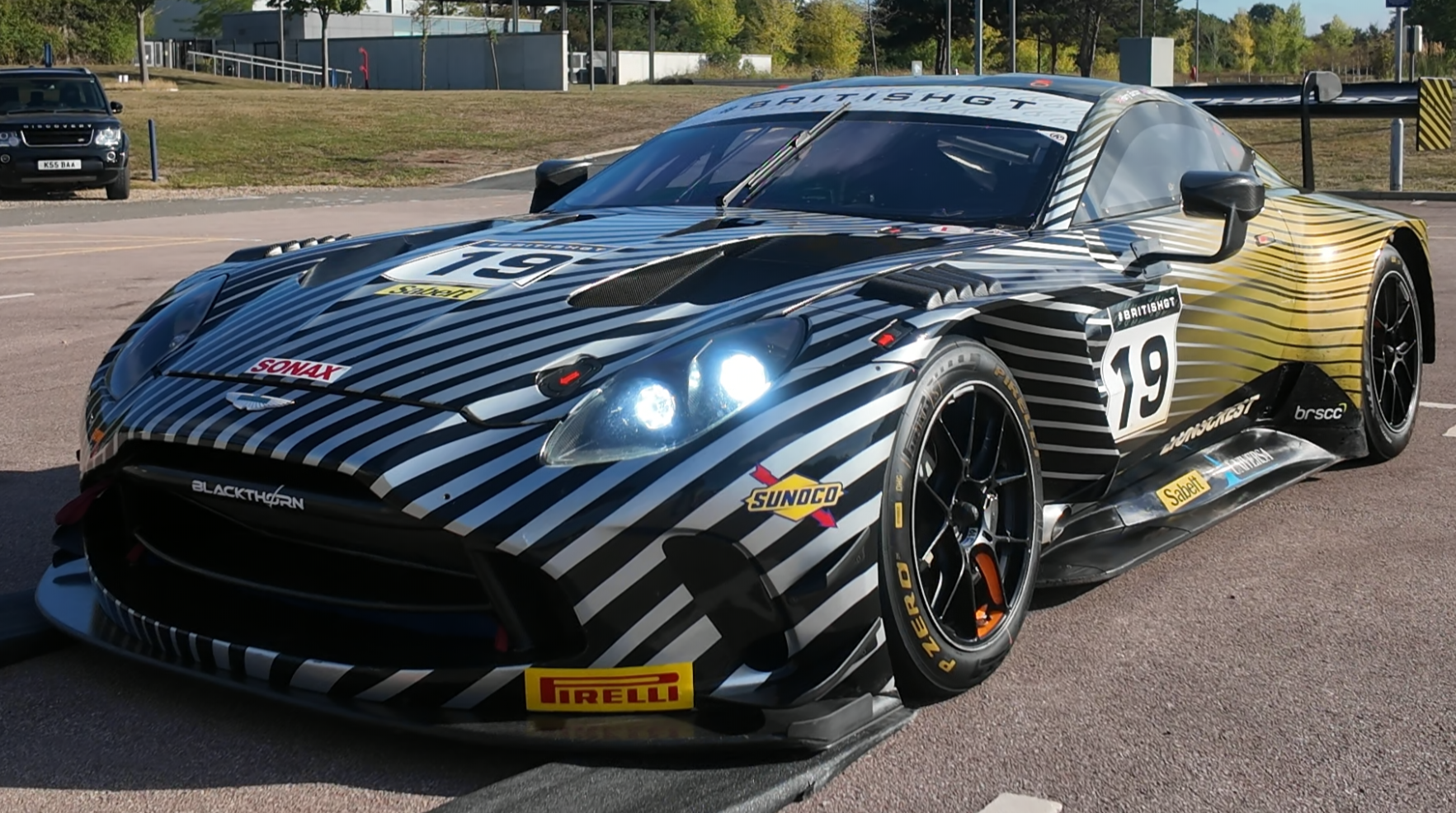
Image © Fuel the Passion, Blackthorn Racing Aston Martin GT3 at British Motor Museum 2025
Editor’s Introduction - Dan, Fuel the Passion
There are some weeks where the Aston Martin world feels noisy. Regulation changes, lap time gaps, corporate headwinds, testing frustrations. And then there are moments of quiet perspective, stories of resilience, endurance, and engineering integrity. This week has been a blend of both.
A small but meaningful development this year is that Fuel the Passion now receives official media releases from both Honda HRC and Aston Martin Lagonda. Access to official and authorised statements, stories and photography allows these Roundups to be supported by primary material, which I believe strengthens both accuracy and context.
The larger quotes dotted throughout these Roundups are simply my own reflections on the week’s developments, they’re not there for drama, just perspective..
“The real story isn’t a single headline — it’s the direction of travel.”
From pre-season Formula One testing in Bahrain, to Valkyrie pounding around Le Mans in the World Endurance Championship, to a fantastic victory for the Blackthorn Racing Team in their Aston Martin Vantage GT3, to a deeply human story in the pages of AM Quarterly that stopped me mid-read, it’s been a week that reminds us what this marque really represents.
Let’s take a look at what actually matters.
Formula One - Reality, Not Hype
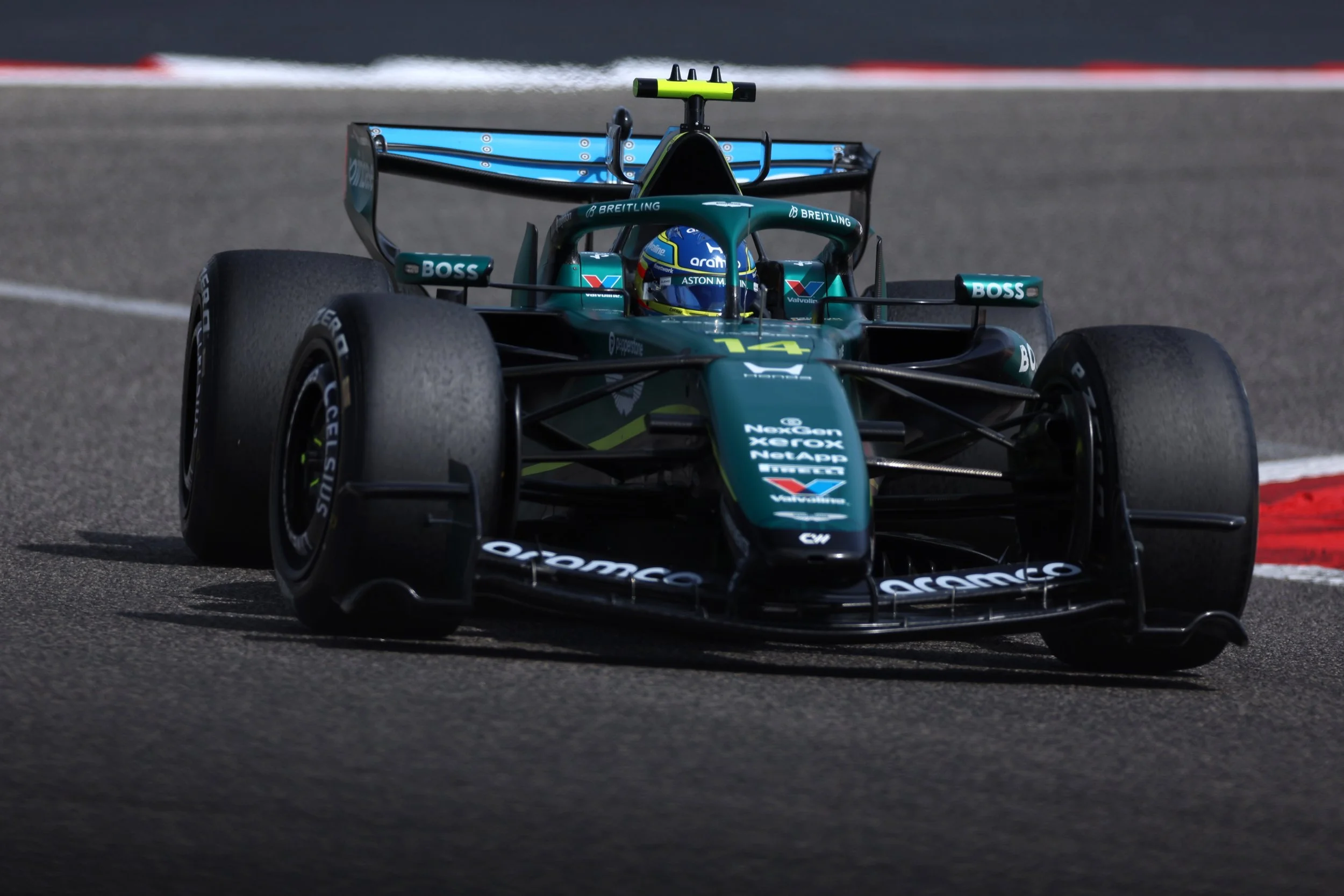
Image © Honda Motor Co., Ltd. Used for editorial purposes.
Pre-season testing in Bahrain has given us our first meaningful look at the AMR26 under sustained running. And if we’re honest, it hasn’t been the start Aston Martin would have hoped for.
The car itself is visually striking. Adrian Newey described it at launch as “one of the more extreme interpretations” of the new regulations, and even rival engineers have acknowledged its boldness. The sidepods are tightly packaged, the airflow concepts aggressive, and the rear bodywork unusually tapered. But early in Bahrain, that ambition came with compromise.

Image © Honda Motor Co., Ltd. Used for editorial purposes.
Cooling adjustments were clearly visible. Additional gills were opened along the engine cover to help the new Honda power unit manage temperatures.
Lance Stroll’s first day was curtailed after just 36 laps due to a power unit anomaly that required an engine change. It was not the mileage profile the team needed. And then came the comment that understandably made headlines.
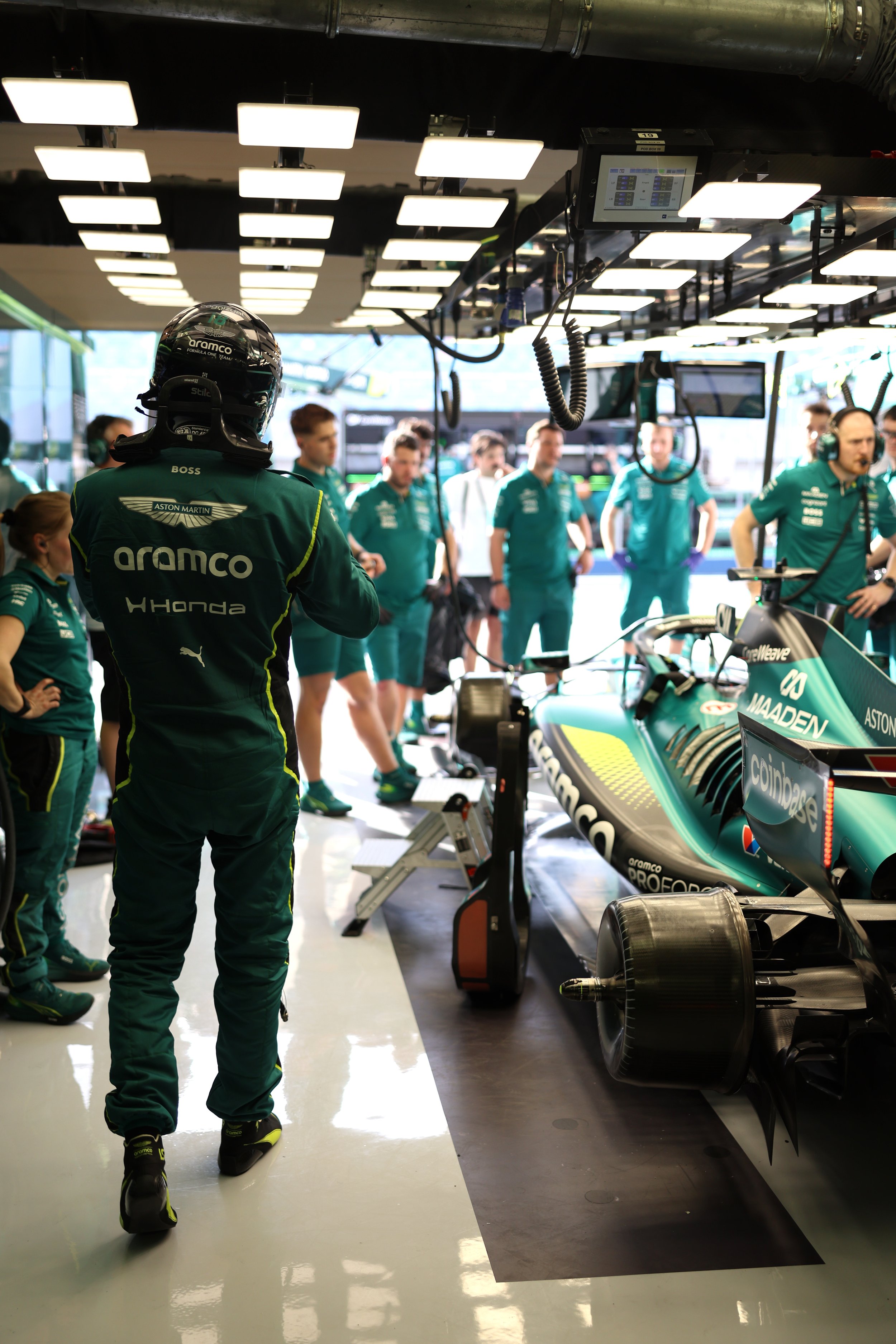
Image © Honda Motor Co., Ltd. Used for editorial purposes.
Stroll was candid:
“Right now we look like we’re four seconds off the top teams, four and a half seconds…
Impossible to know what fuel loads and everything people are running. But now we need to try and find four seconds of performance.”
It was certainly direct. No spin. No hiding behind testing clichés.
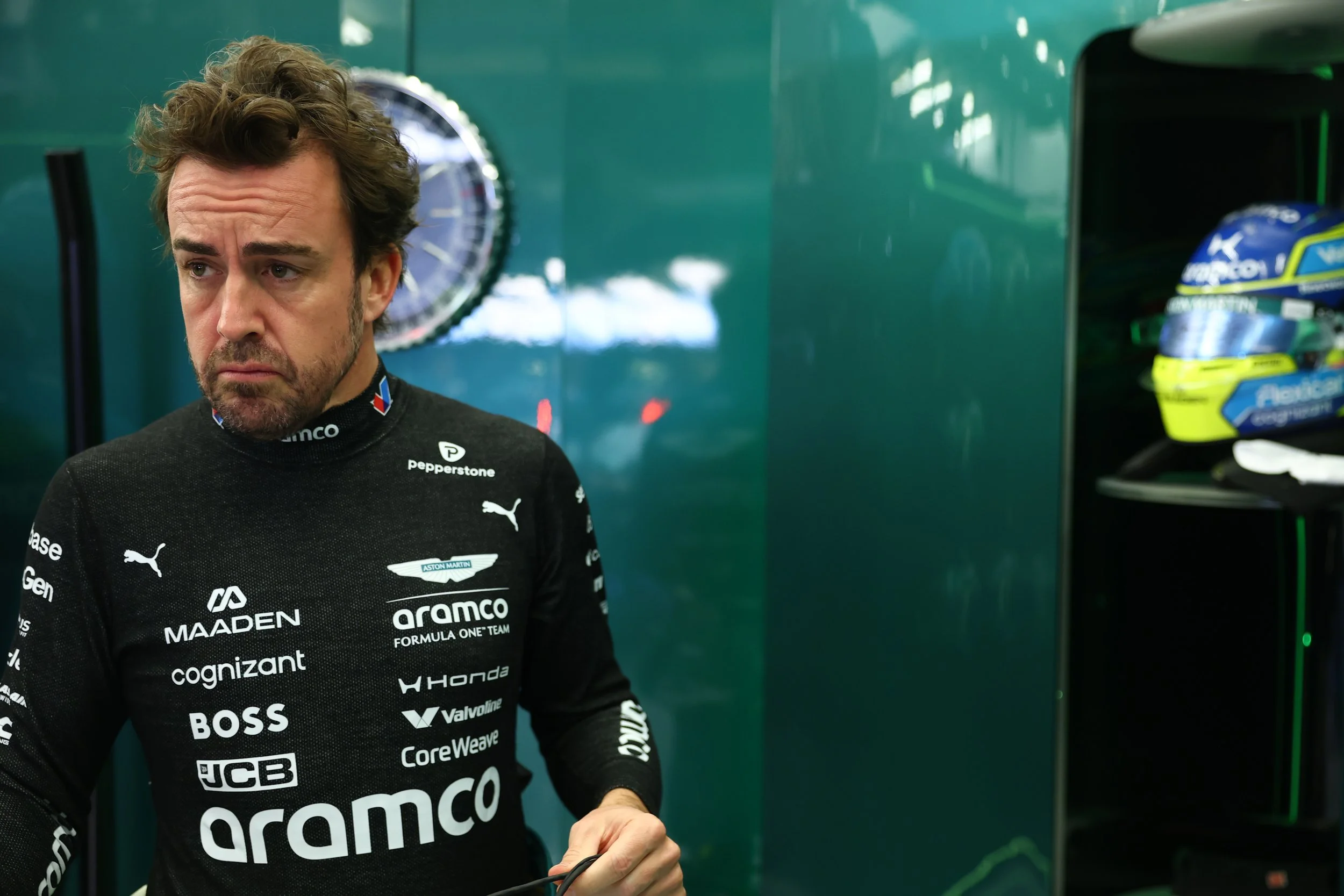
Image © Honda Motor Co., Ltd. Used for editorial purposes.
Fernando Alonso, after completing 98 laps on Day Two, was similarly clear-eyed:
“It’s clear there is a lot of work for us to still do and we need to improve our pace.”
There was no drama in his tone, just a statement of fact. Alonso knows better than most that pre-season is about understanding weaknesses before you start racing for points.
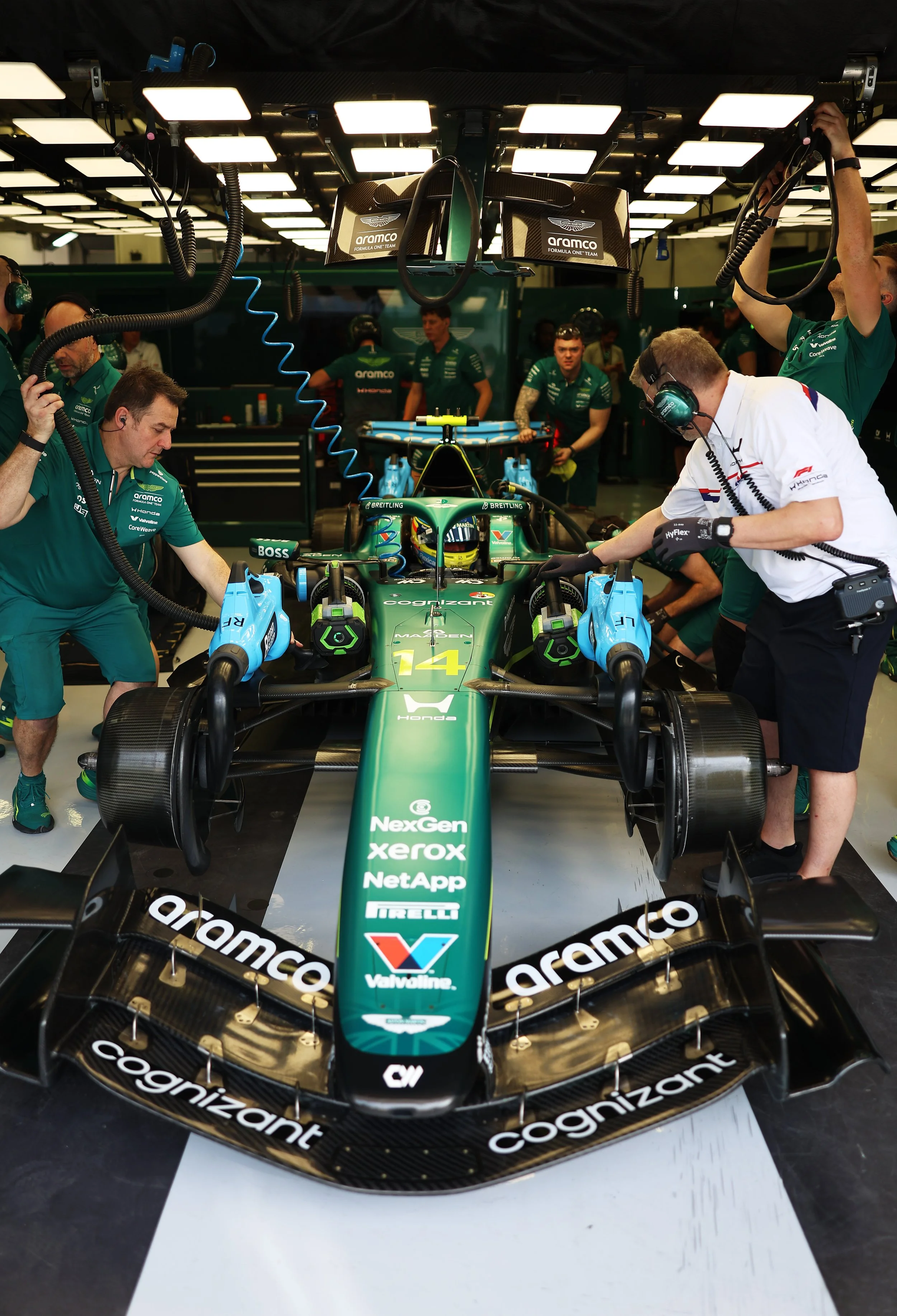
Image © Honda Motor Co., Ltd. Used for editorial purposes.
Sky Sports F1’s David Croft provided useful perspective during testing coverage:
“Don’t expect Aston Martin to be out of the box, fastest car in Australia… But in a development race for this season, watch this car throughout the year and watch Adrian Newey try and work his magic.”
That feels measured.
Anthony Davidson (Sky Sports F1) also pointed to the bigger picture around Honda’s reset:
“Honda have done it before in the past and I’m sure they’ll do it again.”
It’s worth remembering that this Honda programme is effectively a rebuild. Personnel changes, a fresh works alignment, and entirely new regulations, this is not continuity; it’s reinvention.
Across the paddock, others were honest too. Even McLaren’s Lando Norris, despite strong long-run pace, admitted:
“We’re certainly not quick enough… still plenty of work to do.”
Ferrari topped the timesheets with Charles Leclerc’s 1:34.273, but testing lap times are famously misleading. Fuel loads, engine modes, deployment strategies, none of it is transparent.
“Progress in Formula 1 is seldom theatrical — it is earned in small, deliberate steps.”
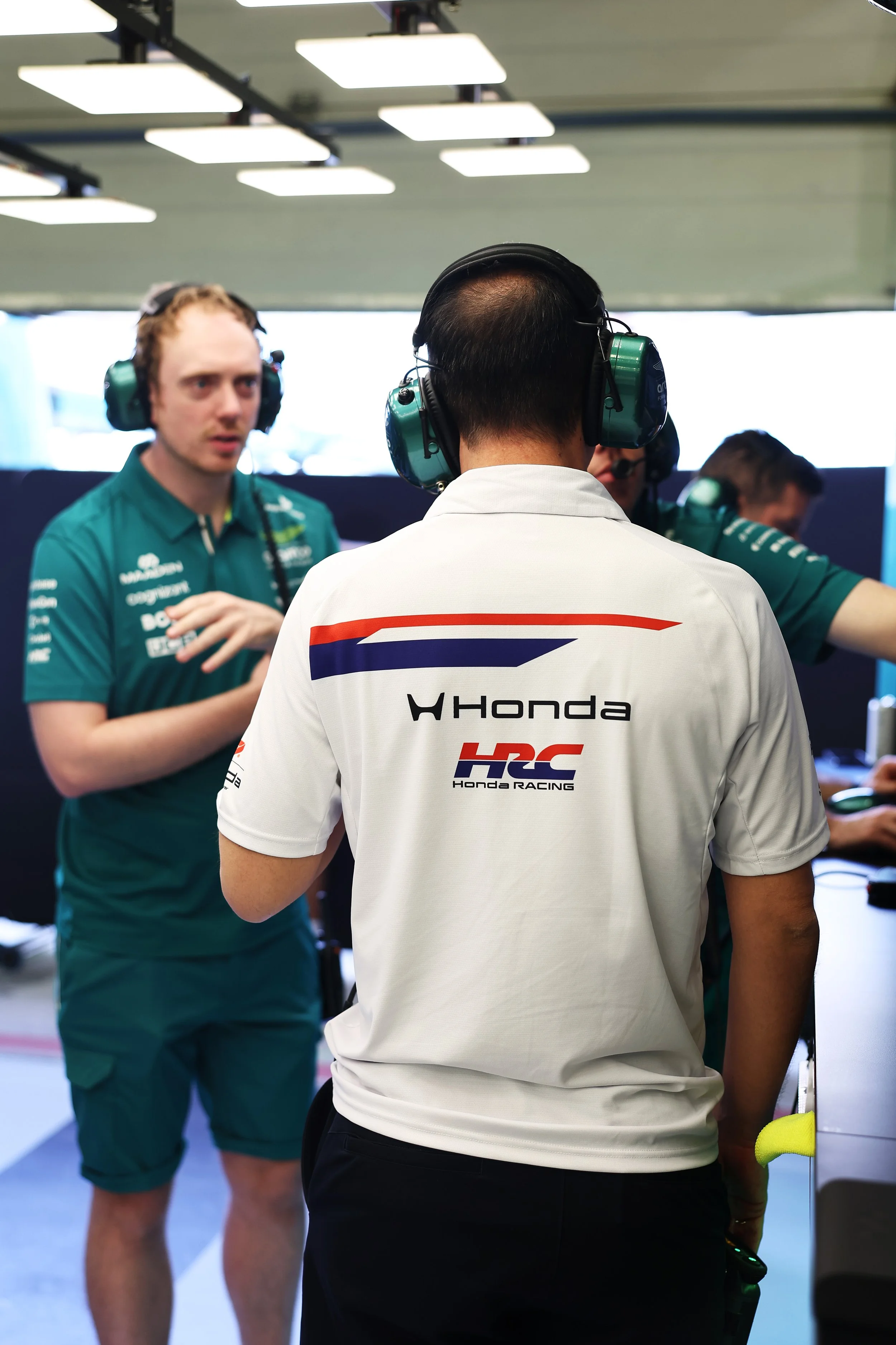
Image © Honda Motor Co., Ltd. Used for editorial purposes.
There was also an important update from Honda Racing Corporation following the first official test at Sakhir. Over three days, the new partnership between HRC and the Aston Martin Aramco Formula One Team completed 206 laps, a solid foundation as both sides begin working together under sweeping new technical regulations.
Shintaro Orihara, Trackside General Manager and Chief Engineer, reflected on the significance of the week:
“Testing in Bahrain over the last three days was really beneficial for us and for our partnership with Aston Martin Aramco Formula One Team as we ran 206 laps overall.
“It was a good opportunity to learn a lot from the power unit package itself and its integration in the chassis.
“New regulations are a big change, not only for the way you drive the car, but also how you charge and deploy your energy over one lap. We worked on new ways of how to deal with energy management together with the team and drivers.
“Of course, we would have wanted to run more laps, but we have to remember this is our first official test together with the team, so we all had lots to learn from our new on-track collaboration.
“It is certain that we have more work to do back at our F1 R&D centre in HRC Sakura and here at the track. We know where to improve together with the team and, believe me, we are pushing!
“For sure, we are playing catch-up on overall test programme, but we have just acquired a significant amount of data and key learnings form the last week.
“Looking forward, we have three more days of testing next week and we will be prepared to make the most out of it.”
What is clear is this: Aston Martin seem to be on the back foot for now. The AMR26 is ambitious, the Honda integration is ongoing and mileage is still catching up. With three further days of testing to come next week, the emphasis now shifts from data gathering to apparent much needed refinement. It is early days, but the tone from Sakura and the track suggests a partnership very much in build mode, pushing, learning and quietly preparing for what lies ahead. So yes, Bahrain has been sobering, but testing is not Melbourne. And development under Newey has rarely been linear, it has often been relentless.
It’s also been interesting to hear some initial comments from the drivers about how complex the cars are now…
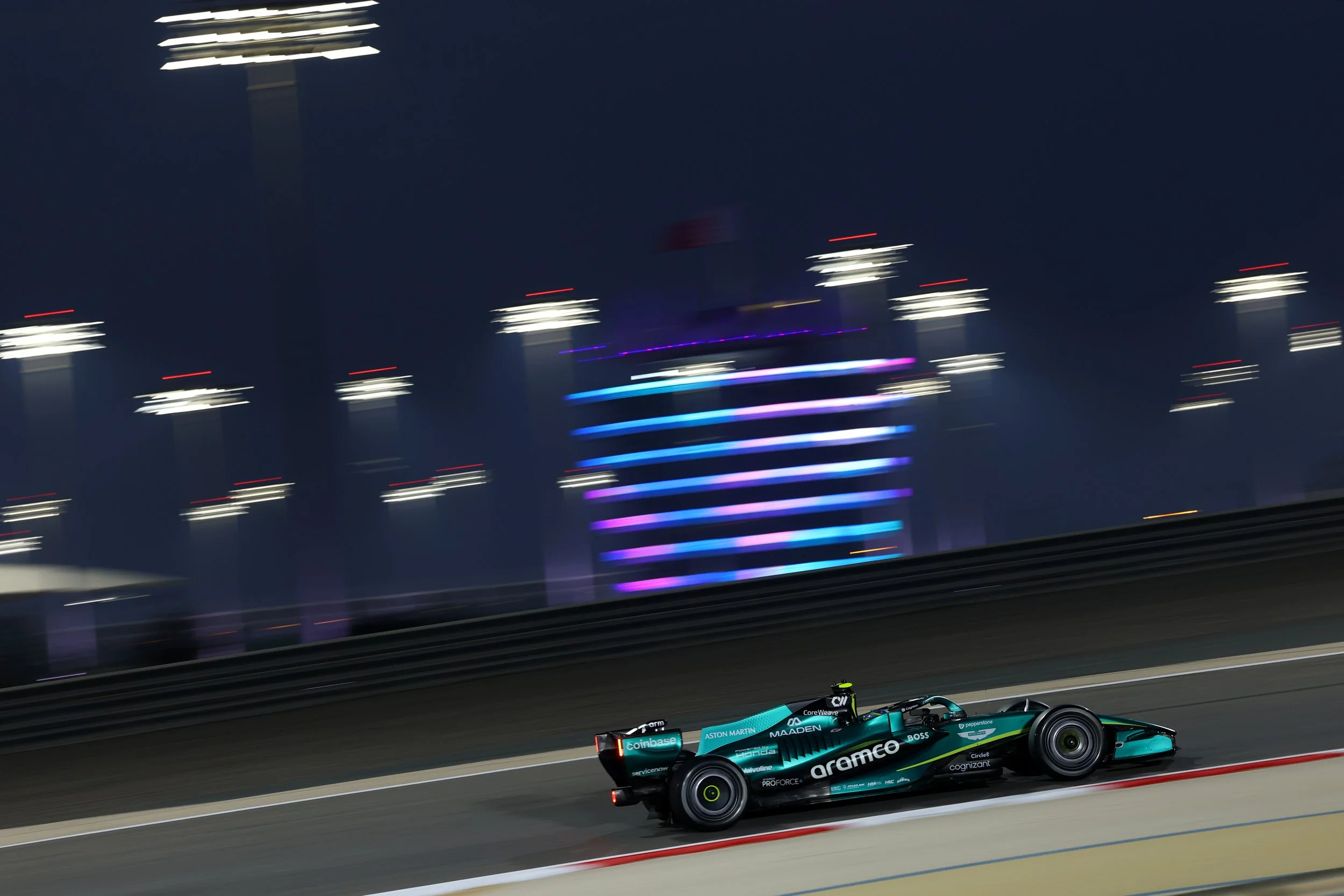
Image © Honda Motor Co., Ltd. Used for editorial purposes.
Energy Management – A Debate Larger Than One Team
Max Verstappen’s press conference this week threw something of a grenade into the paddock. He described the 2026 cars as “not very F1-like”, “anti-racing”, and compared them to “Formula E on steroids.” Strong language, particularly from a driver whose Red Bull appears competitive.
His frustration centres on energy management. The near 50/50 split between combustion and electric deployment means drivers are lifting and coasting more aggressively, charging strategically and balancing battery levels in ways that feel less instinctive and more engineered.
Lewis Hamilton echoed elements of that concern, noting that lifting and coasting for hundreds of metres on a qualifying lap “isn’t racing.” Even race starts now require turbo spooling and battery balancing choreography unseen in previous eras. If energy management is fundamentally reshaping how these cars must be driven, then the conversation could intensify across the grid. These are certainly interesting times.
Technology & Partnerships - Cognition Joins the Aston Martin Aramco F1 Team
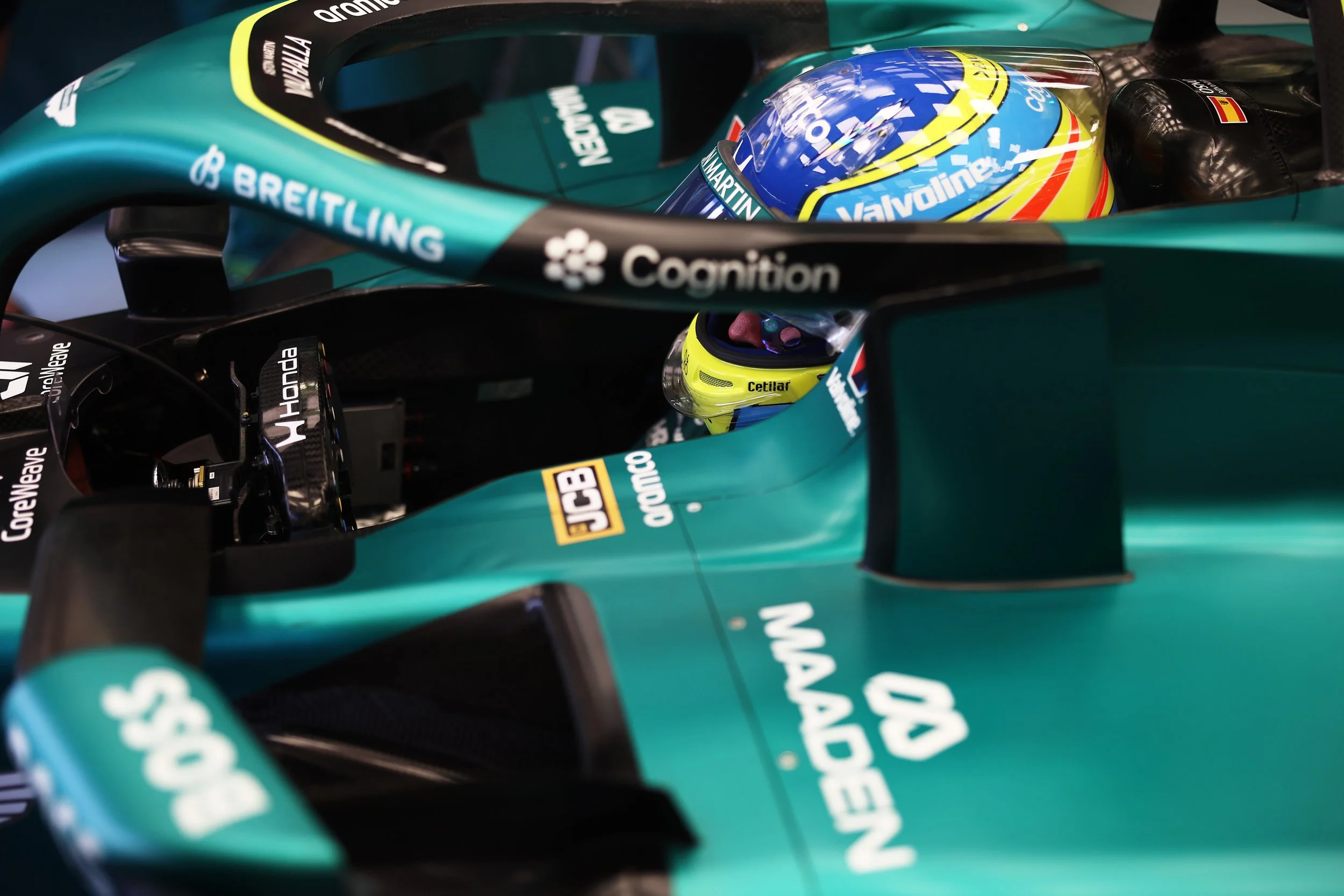
Image © Honda Motor Co., Ltd. Used for editorial purposes.
Away from the lap times and testing headlines, there was a quieter but strategically significant announcement this week. Aston Martin Aramco confirmed a multi-year partnership with AI software engineering specialists, Cognition.
On the surface, it reads like a technology collaboration, and it is, but in modern Formula One, software is no longer background infrastructure; it’s competitive performance. From simulation environments and digital twins, to energy deployment modelling and real-time strategy tools, the sport increasingly runs on code as much as carbon fibre.
Cognition specialises in AI-assisted software engineering, tools designed to improve development speed, reliability and iteration. In a regulatory era defined by complexity, particularly on the power unit and energy management side, that matters. The 2026 cars are as much systems platforms as racing machines. Managing battery deployment, turbo spooling strategies, energy harvesting and control logic isn’t just mechanical, it’s computational (I didn’t even know such a word existed!)
“In modern motorsport, intelligence is as critical as horsepower.”
For Aston Martin, this feels aligned with the broader rebuild underway at Silverstone; a new wind tunnel now online, a works Honda relationship, Adrian Newey shaping long-term aerodynamic philosophy and now a structured investment in AI-assisted development.
None of this guarantees performance in Melbourne. But it does suggest something more important: foundations are being laid deliberately. We know Championships are rarely won by noise, they’re built by infrastructure and in these ultra tech times that infrastructure increasingly looks like software!
Leadership Stability - Andy Cowell Rumours Addressed
Amid rumours circulating this week, Andy Cowell remains firmly in place at the Aston Martin Aramco Formula One Team, not as a trackside figurehead, but as Chief Strategy Officer. That title matters as Cowell’s remit is centered on long-term technical alignment as the team prepares for the most significant regulatory shift in over a decade. With Aston Martin transitioning into a full works partnership with Honda for 2026, alongside deep fuel integration with Aramco, his responsibility is ensuring that power unit, energy systems, fuel chemistry and chassis philosophy evolve as one coherent programme. This is less about day-to-day race management and more about architectural integrity.
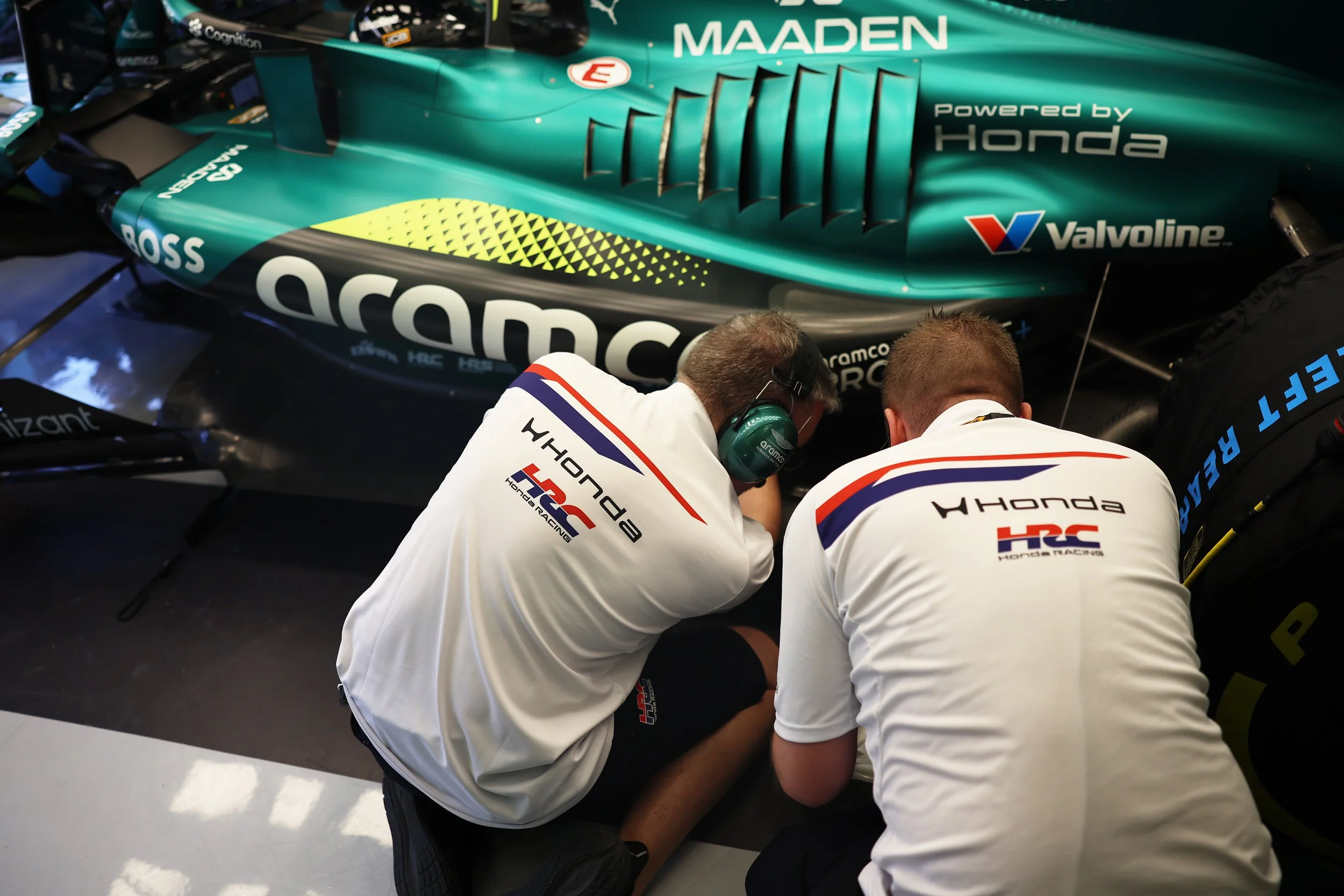
Image © Honda Motor Co., Ltd. Used for editorial purposes.
Cowell’s background makes that focus particularly relevant. As the former managing director of Mercedes’ High Performance Powertrains during Formula 1’s hybrid era, he oversaw the integration of combustion engine, electrical deployment and energy recovery systems into a package that defined a generation of dominance.
The 2026 regulations amplify precisely those complexities greater electrical emphasis, new sustainable fuels and tighter system integration. At a moment when Aston Martin’s ambitions depend on seamless collaboration between Silverstone and Honda’s power unit programme, continuity in strategic leadership is important and stability at this level reinforces that the long game remains firmly on track. I do however ask myself, where and why that rumour began, so we’ll watch this space!
Victory for the Aston Martin Vantage GT3 - Blackthorn Racing’s GT Class Triumph
One of the most rewarding developments this week came in the final rounds of the 2025-26 Asian Le Mans Series, where the Ecurie Ecosse Blackthorn entry in the Aston Martin Vantage AMR GT3 Evo took victory in the GT class at the 4 Hours of Abu Dhabi. (Unfortunately I don’t have any images I’m able to share with you from this series - editorial use agreements not yet in place, but I can show you some images from last year that I took of the Blackthorn Racing GT3).
This wasn’t an overall race win, the overall honours went to an LMP prototype, but within the fiercely competitive GT field, it was a hard-fought and strategically smart victory that deserves proper recognition.
The drivers who delivered the class win were:
Jonathan Adam - an Aston Martin factory-associated racer with decades of GT experience
Kobe Pauwels - a rising talent with strong GT3 credentials
Giacomo Petrobelli - a steady performer who helped keep the car in contention throughout the four hours
The race itself was a classic endurance test. The Blackthorn-run Aston Martin Vantage AMR GT3 Evo experienced an early setback, an opening-lap puncture. Over four hours, strategic tyre choices, disciplined traffic navigation and smart pit-stop execution allowed the trio to claw their way back through the field and ultimately take class honours ahead of strong entries such as the GetSpeed Mercedes-AMG GT3 Evo.
“Four hours, twenty-four hours — endurance has always favoured those prepared to endure.”
In GT3 endurance racing, raw pace rarely tells the whole story. What wins races is consistency, clean air management, controlled stint lengths, and minimising mistakes in the mid-session phases where traffic congestion and multi-class differentials can cause chaos.
Blackthorn’s drivers and engineers delivered exactly that. They brought the Vantage home in front when it mattered, preserving tyres, managing driver time limits and avoiding penalties, a textbook demonstration of endurance racing discipline.
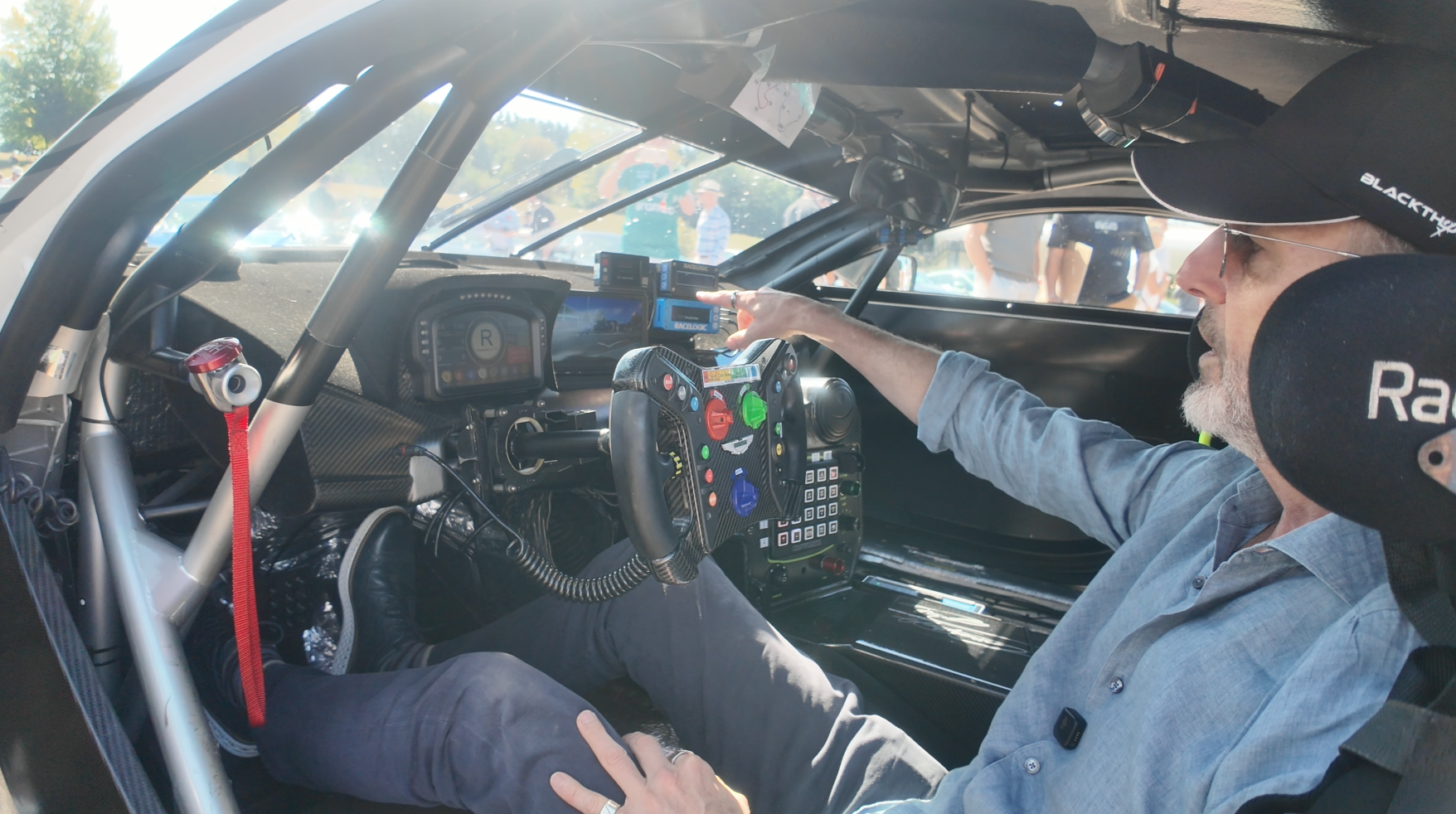
Image © Fuel the Passion, Blackthorn Racing Aston Martin GT3 ,Claude Bovet, CEO of Blackthorn Racing
On a personal note, this result resonated with me because of a moment I shared with the team long before this victory.
Last summer, at the British Motor Museum during the Vantage celebration event, I had the pleasure of meeting Claude Bovet, CEO of Blackthorn Racing, and Dan Jeal, the team manager.
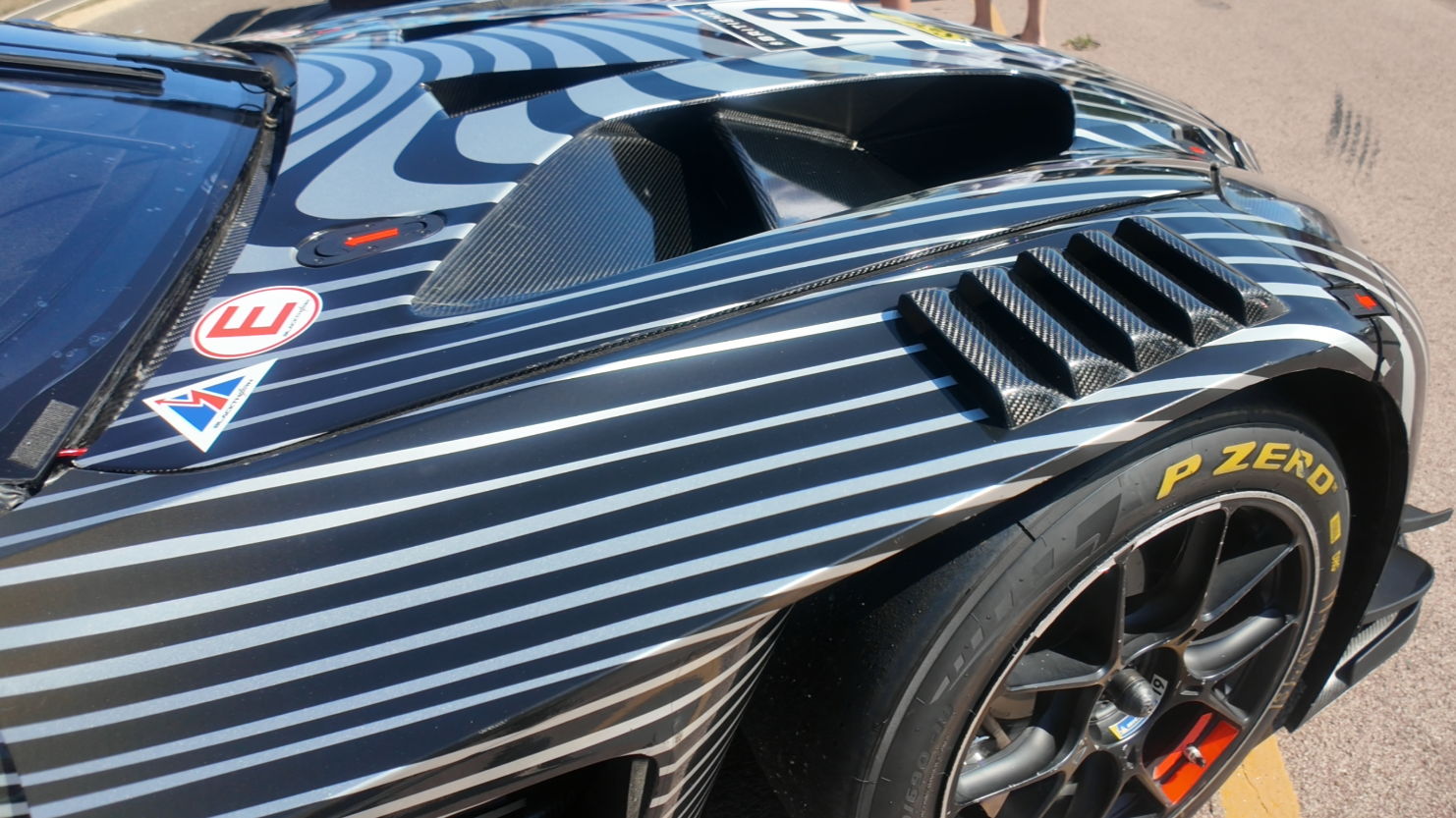
Image © Fuel the Passion, Blackthorn Racing Aston Martin GT3 at British Motor Museum 2025
I was shown around their GT3 car and captured an interview with them, a behind-the-scenes glimpse of the preparation and passion that go into campaigns like this (video below).
To skip straight to that interview and closer examination of the Blackthorn Racing Aston Martin Vantage GT3, skip to 23:45 in the video below. Knowing some of the faces and the focus behind the machine made this class win all the more satisfying to see.
Class victories in endurance racing are built on preparation, patience and teamwork. This one was no exception.
FIA WEC - Ian James and the Long View
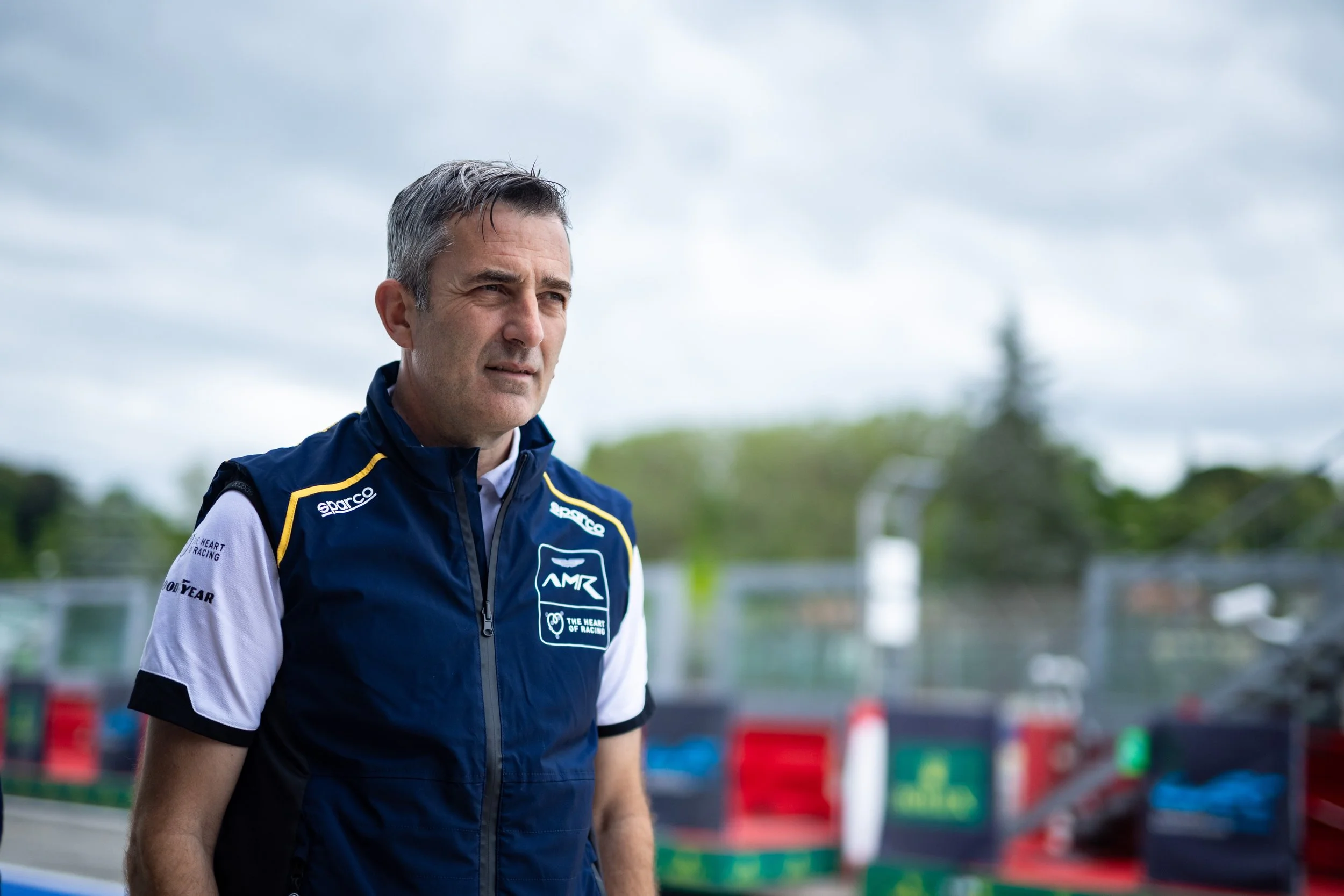
Image © Aston Martin Lagonda. Used for editorial purposes. Ian James driver and team principal of The Heart of Racing.
The latest episode of Beyond The Track from the FIA World Endurance Championship is genuinely worth your time (Link & Video at the end of this article). It focuses on Ian James driver and team principal of The Heart of Racing and it captures something that statistics alone never can: the emotional weight of building something properly.
James balances the rare dual role of team leader and driver. His words struck me:
“When I get in the car, I can relax. When I’m out of the car, I’m overseeing everything.”
That duality says everything about this phase of Aston Martin’s endurance programme.
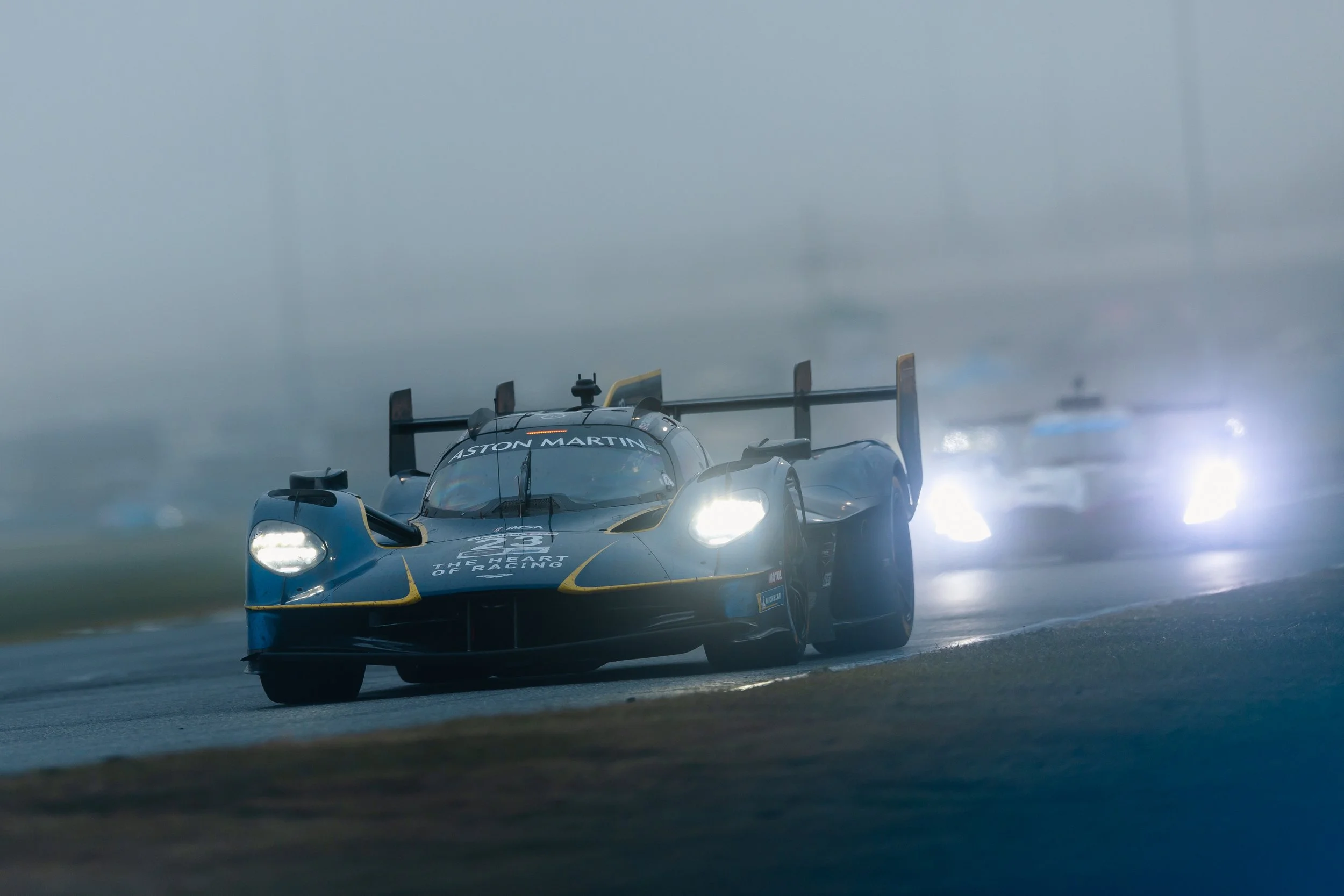
Image © Aston Martin Lagonda. Used for editorial purposes.
When he talks about driving at night at Le Mans, the headlights cutting through darkness on the Mulsanne, the world narrowing to instinct and rhythm, you’re reminded why people endure the pressure.
Why they put themselves through 24-hour races. Why they chase something that most of us only ever watch on a screen.
And then there’s the bigger picture.
Aston Martin’s return to top-level endurance competition with the Valkyrie carries historical weight. As James points out, the DNA of the brand is racing. From Aston Hill to 1959 Le Mans, competition has always defined it. Hearing that naturally aspirated V12 echo down the Mulsanne again meant something. Not just to long-time fans, but to a younger generation who had never heard that sound in modern competition.
“Few marques can say their racing car has a road-going twin; fewer still can make it believable.”
Now, here’s my FTP perspective; this programme is not about instant domination, it never was. They arrived later than some of their hypercar rivals. The learning curve has been incredibly steep, whilst the competition being Ferrari, Porsche and Toyota, are deeply embedded and highly experienced. But what this episode makes clear is that foundations are being laid properly.
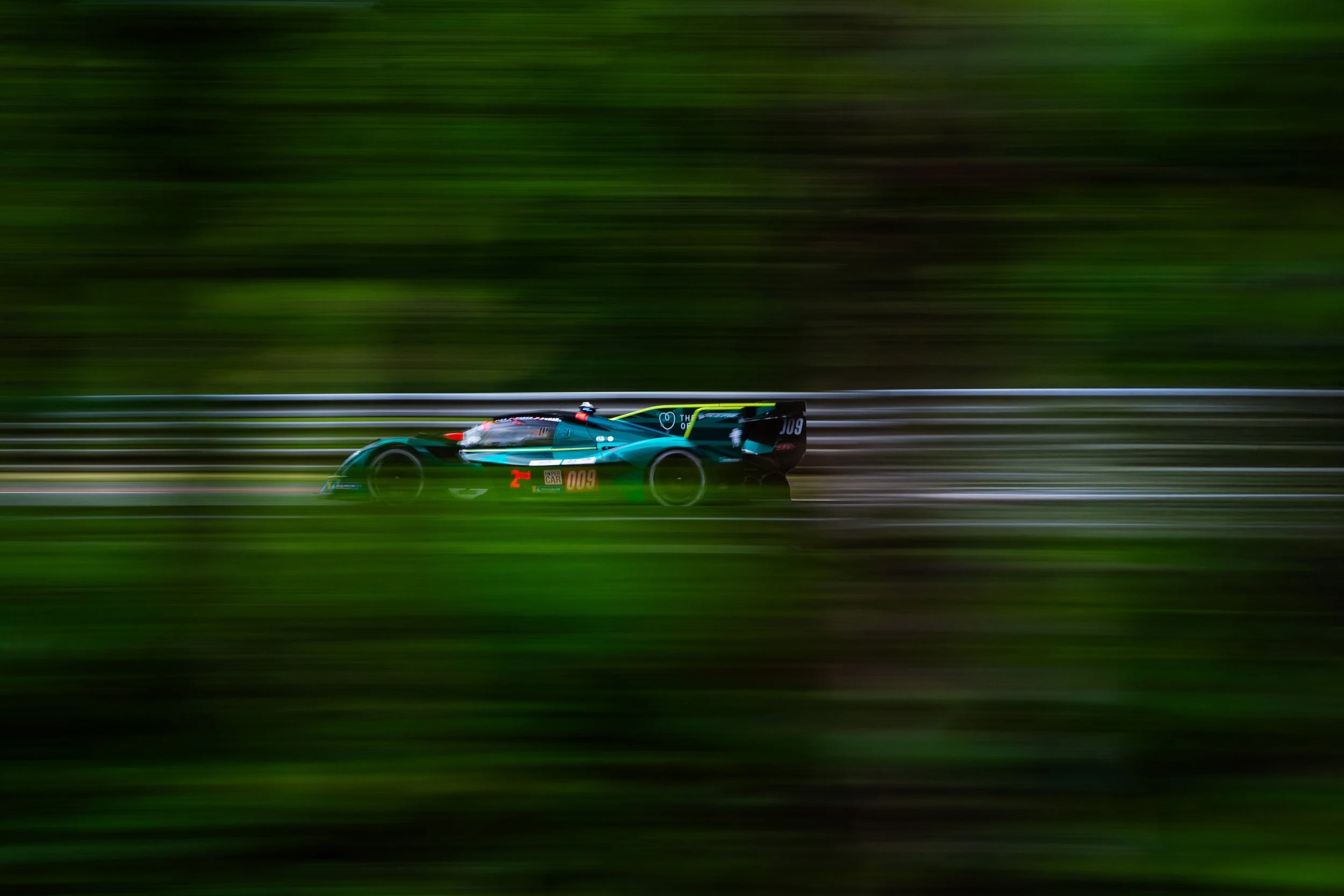
Image © Aston Martin Lagonda. Used for editorial purposes.
Three cars finishing. Reliability improving. Personnel with world championship experience embedded in the team. A culture being built rather than bought. If you expect immediate Le Mans wins, you’ll likely be disappointed. But, if you’re like me and you view this as the first serious chapter in a long-term return to overall contention, then it starts to make sense. Results remain a work in progress, yes, but foundations, if built correctly, are what allow future years to become meaningful, and this feels like groundwork.
If you haven’t watched the episode yet, I’d genuinely recommend it, it’s not hype, it’s more of an insight. I’m hoping that this is just the beginning.
Road Cars – Strength in Reality: A Vantage on Its Roof
While continuing to work my way through the latest edition of AM Quarterly, which I mentioned in last week’s Roundup, I came across a sobering story involving a modern Vantage from my era that ended up on its roof! The photographs alone stop you. A low-slung sports car inverted, wheels in the air, bodywork crumpled, the sort of image none of us ever want to see associated with our own cars.
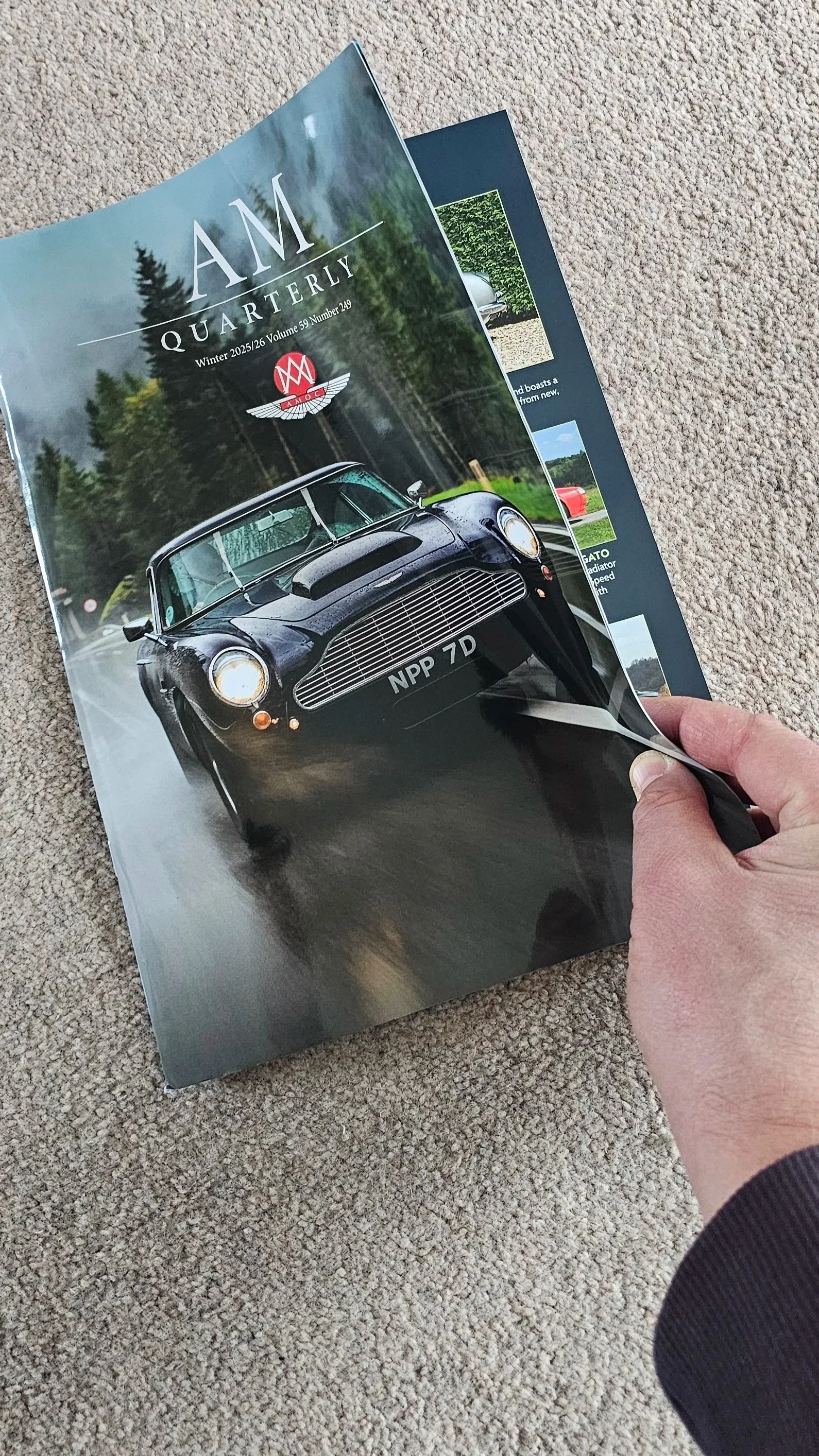
Image © Fuel the Passion
Without giving away the full detail (it genuinely deserves to be read properly in the publication), what struck me most was not the damage. It was the outcome; the occupants walked away with only minor injuries, obviously that’s what matters.
We often talk about performance, design, exhaust notes and residual values. What we rarely talk about is structural engineering, the unseen strength built into modern Aston Martins. The bonded aluminium architecture, the integrity of the cabin cell, the deployment systems designed to protect in worst-case scenarios.
Modern Vantages are not fragile things (albeit the headlights might be - but that’s a personal story already told elsewhere!). Beneath the sculpted bodywork sits serious engineering. Seeing that integrity tested and seeing it protect, especially in the story, is very reassuring.
None of us buy these cars expecting to test their safety credentials. But knowing they’re there, properly developed and robust, is important.
It also reinforces the value of publications like AM Quarterly. Beyond events, drives and concours reports, there are real-world ownership stories, the sort that add valuable perspective. If you’re considering joining the Aston Martin Owners Club, this is part of the value. Access to thoughtful, in-depth pieces that don’t appear elsewhere.
Membership details can be found here:
https://amoc.org/become-a-member
Road Cars - The DB7 V12 Vantage Revisited
Separately, Top Gear revisited the Aston Martin DB7 V12 Vantage this week and it’s a timely reminder of how pivotal certain models are in Aston Martin’s survival story. The DB7 itself arrived in the mid-1990s as a lifeline car under Ford stewardship, but it was the arrival of the V12 Vantage in 1999 that truly changed the narrative.

Image © Fuel the Passion
Suddenly, this wasn’t simply a beautifully styled grand tourer, it was a 420bhp, 6.0-litre V12-powered statement. Performance moved into serious territory. The soundtrack deepened and the credibility strengthened. Top Gear’s reflection captures something important: the V12 didn’t shout about saving the model line, it simply elevated it.
The original supercharged six-cylinder DB7 had brought Aston Martin back from the brink commercially. The V12 Vantage gave it stature. The V12 proved the platform could handle more, it bridged eras from the Ian Callum-penned DB7 through to the VH-platform DB9 that would follow.

Image © Fuel the Passion
Sometimes the most important Astons aren’t the most dramatic, they’re the ones that quietly secure the future. And the DB7 V12 Vantage did exactly that!
“The badge may evolve, but the intent behind it remains reassuringly familiar.”
DBX S - Two Dogs, 717bhp and a Highland Reality Check
Earlier this week, I came across a wonderfully grounded review in Forbes, who put the Aston Martin DBX S through a test few press cars face: a 200-mile Highland round trip with two rescue dogs; Chloe, a 27kg Shepkita with a nervous streak and a dislike of loud noises, and Freya, a 20kg Siberian Husky who prefers the back seat, argues for sport and stares with piercing blue eyes. This wasn’t a sterile spec-sheet exercise. It was blankets, bowls, leashes and real-world loading. The low trunk floor and adjustable air suspension made getting Chloe settled in surprisingly easy, particularly important when the DBX S’s bone-rattling exhaust note could spook an anxious Akita if fired up too enthusiastically. With 638 litres of boot space plus an 80-litre underfloor bin, secure tie-down points and rear pillar-mounted air vents at what can only be described as Husky height, the DBX S proved more thoughtful than theatrical. It’s hard to argue with a car that delivers 717bhp yet still considers airflow for a dog bed!
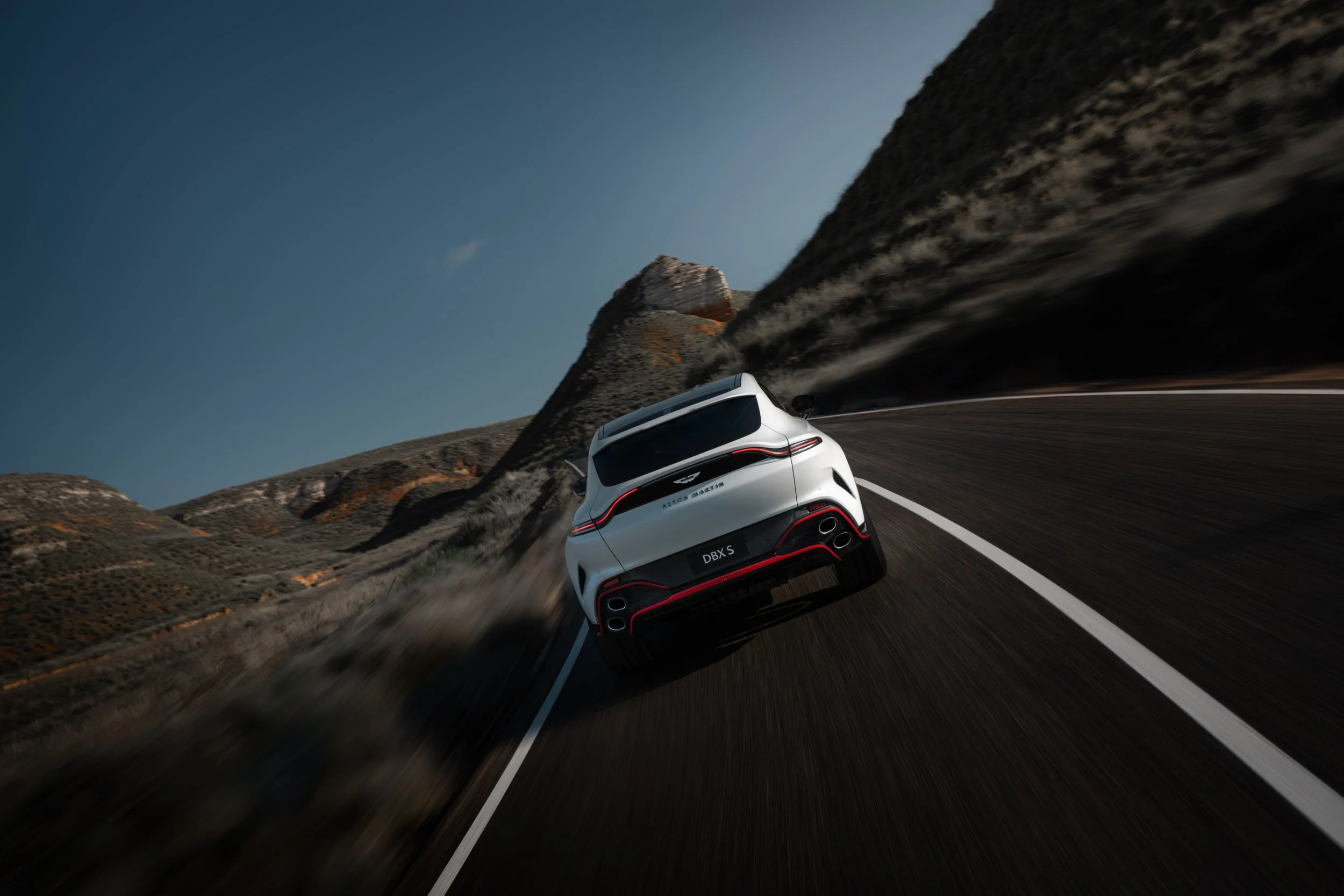
Image © Aston Martin Lagonda. Used for editorial purposes.
Out on Highland roads, long ribbons of tarmac unfurling past lochs and glens, the car was reported to have revealed its dual character. In GT mode it devoured rough surfaces with composure; in Sport Plus the twin-turbo V8 opened its lungs with enough drama to make passing hikers imagine wildlife on the move.
The nine-speed gearbox felt sharper than the 707’s, the steering quicker, the suspension more reactive, yet despite a 3.3-second sprint to 62mph and a 193mph top end, power delivery remained oddly linear and controlled. The author stated that the dogs neither panicked nor protested. That said, the review didn’t gloss over quirks: cable-only Apple CarPlay and Android Auto, and occasional low-speed gearbox lumpiness were noted, as was the inevitable post-journey dog-hair excavation. But those foibles felt more characterful than critical.

Image © Aston Martin Lagonda. Used for editorial purposes.
The verdict was unequivocal, this is a luxury SUV that blends genuine performance with surprising practicality. In other words, an Aston Martin that can carry two rescue dogs into the Highlands without losing its sense of occasion, or its composure. And on top of all that, I think it looks fab too!
AML Stock watch
Aston Martin Lagonda (AML) shares closed on Friday 13th February 2026, at 63.70p, marking a modest but noticeable rebound from the week’s low of 60.25p recorded on 9th February. After dipping close to the 60p threshold earlier in the week, the stock recovered into Friday’s close, a move that suggests short-term resilience, even if conviction remains measured.
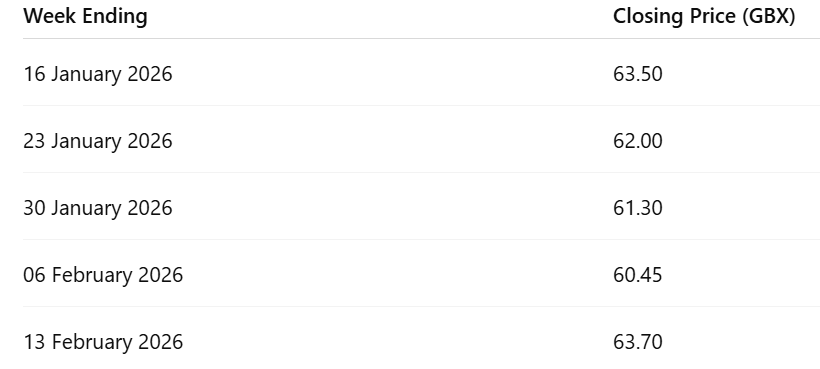
Image © Fuel the Passion
Week-on-week, that represents a rise of nearly 4%, which will be welcomed by shareholders. However, over the full five-week period the movement remains broadly sideways, with the overall monthly change sitting at approximately -0.81%.
Zooming out further, the longer-term picture remains more challenging. AML shares are still down more than 43% year-on-year, reflecting ongoing headwinds including softer demand in Asia-Pacific and North America, and the continuing effects of US tariff pressures. Analyst consensus currently sits at Neutral, with an average 12-month price target of 69.27p implying moderate upside from current levels, but not yet signalling a decisive shift in market sentiment.
For Fuel the Passion readers, this week’s recovery doesn’t change the broader narrative, but it does suggest that the 60p region is becoming an area of technical and psychological support. Whether that foundation holds as we move toward the 2026 product and motorsport milestones will be something we continue to track carefully.
Halo Theatre - Valkyrie LM, Properly Explained
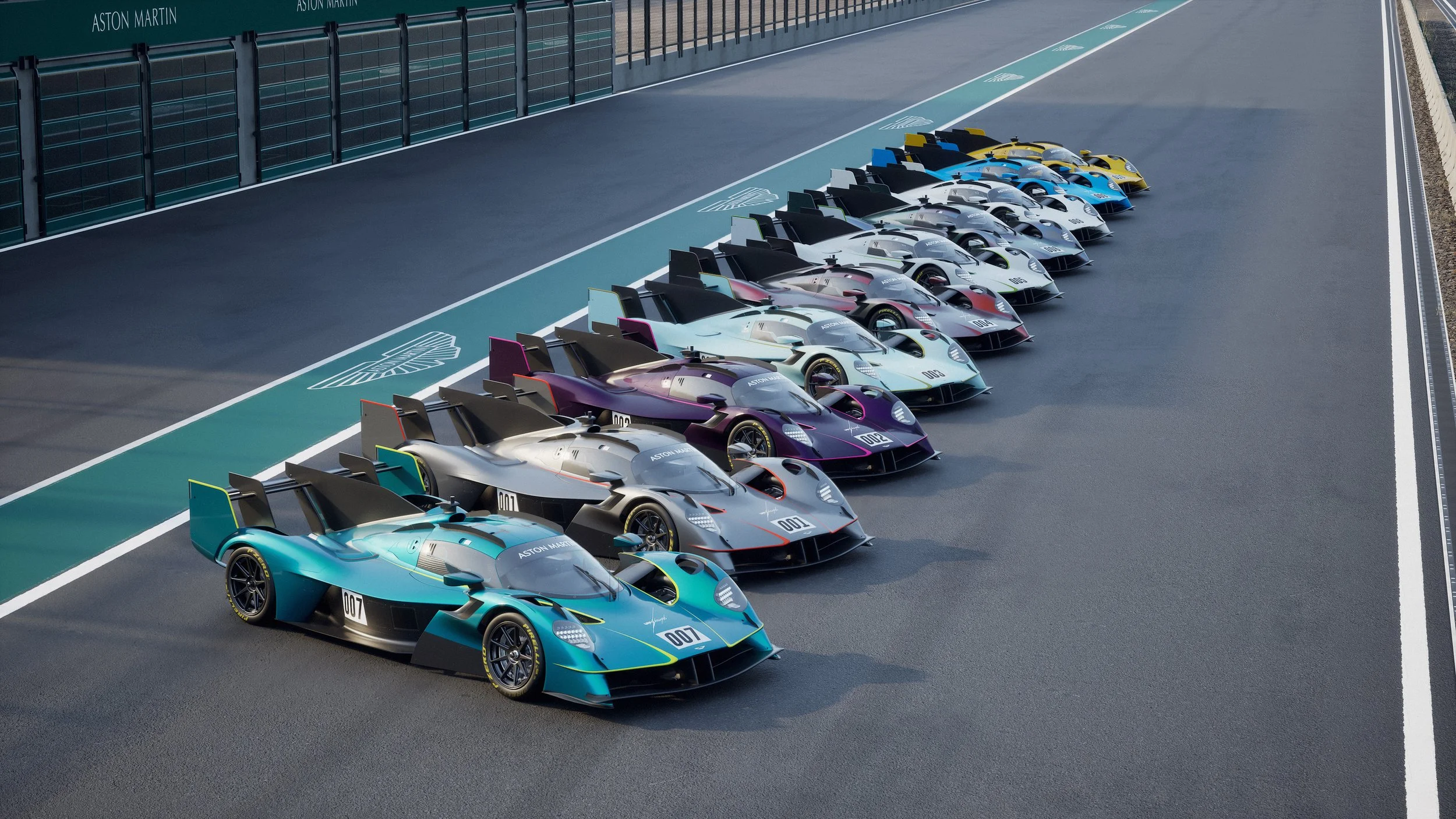
Image © Aston Martin Lagonda. Used for editorial purposes.
Earlier this week I came across coverage from Supercar Blondie who reignited interest via an online article about the remarkable Aston Martin Valkyrie LM, but the origins of this machine trace back to Aston Martin’s official announcement on 9 June 2025. Revealed at Gaydon as an ultra-exclusive programme limited to just ten privately owned examples, Valkyrie LM is derived directly from the only road-based Hypercar which contested in both the FIA World Endurance Championship and the IMSA WeatherTech SportsCar Championship last year, in 2025.
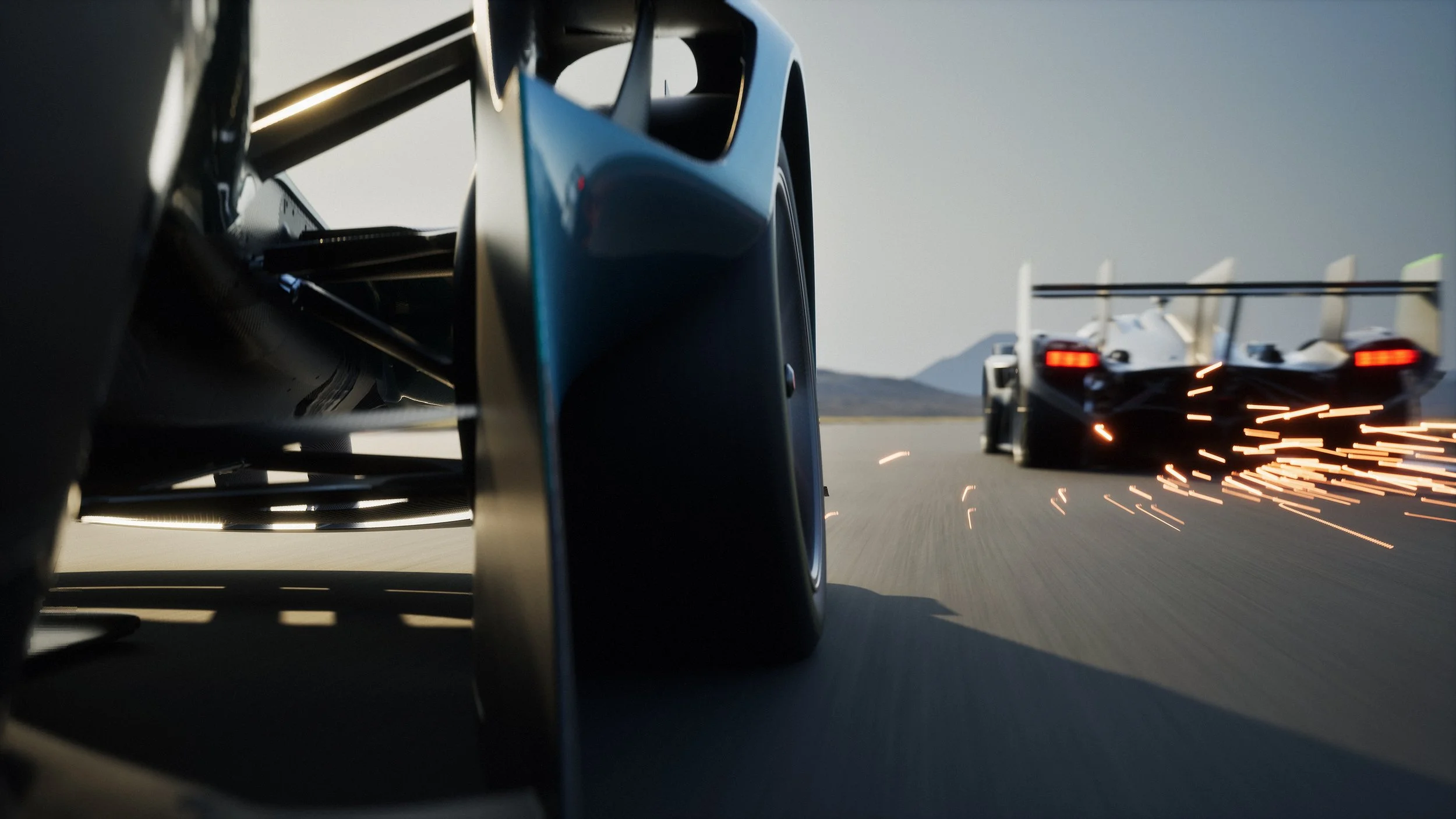
Image © Aston Martin Lagonda. Used for editorial purposes.
Powered by the same lean-burn Cosworth-built 6.5-litre naturally aspirated V12 as the race car, regulation-limited to 697bhp, it shares the core architecture, vehicle dynamics and aerodynamic philosophy of Aston Martin’s Le Mans contender.
“Ten cars. One philosophy. Racing without dilution.”
This is not a stylised tribute. It is a non-homologated variant of a current Hypercar programme, altered only where necessary to make it accessible to private drivers.
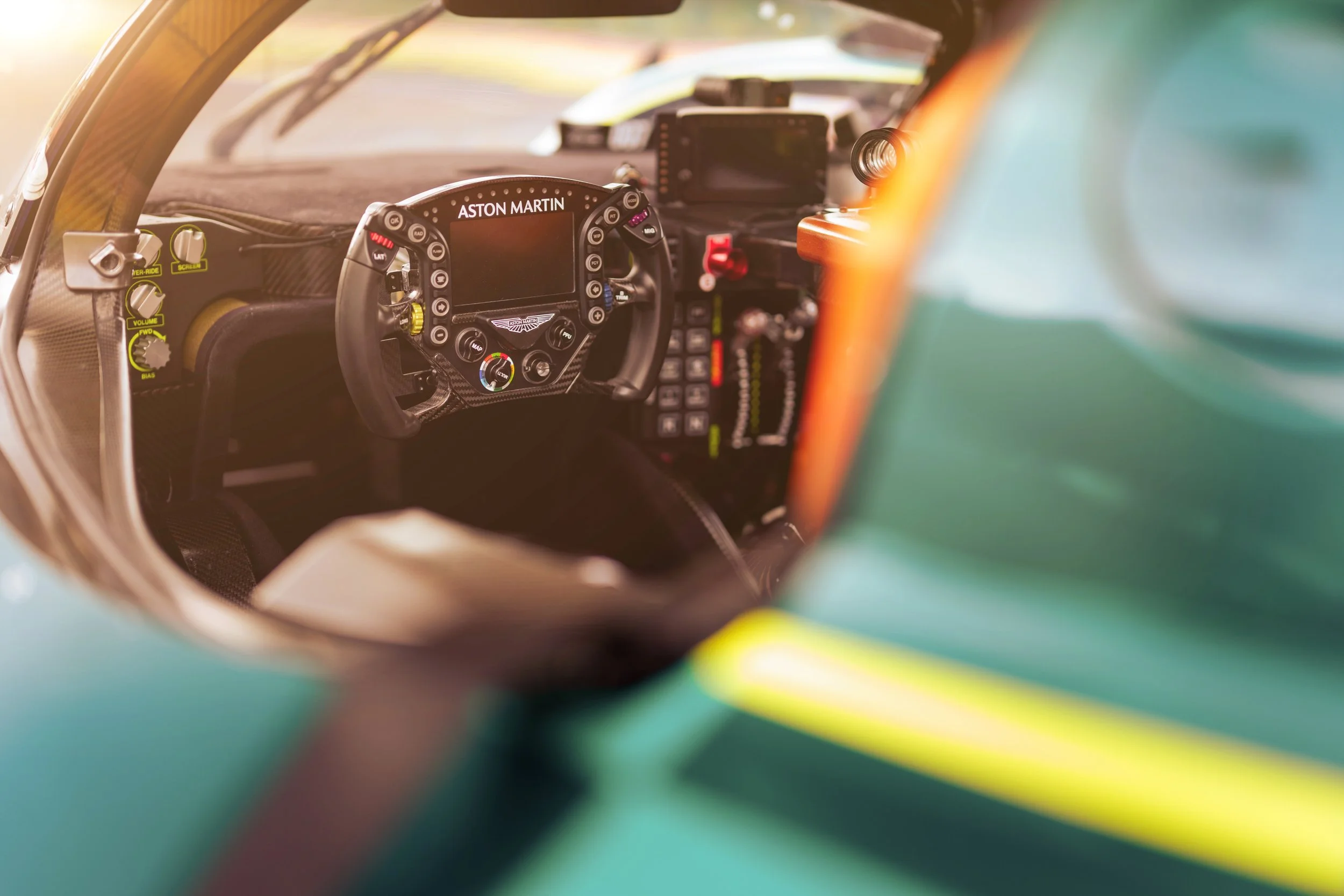
Image © Aston Martin Lagonda. Used for editorial purposes.
What elevates Valkyrie LM beyond headline spectacle is its intent. Owners are not simply handed a car; they are immersed in a fully managed driver development programme which begins in 2026, complete with simulator preparation, professional engineering support and dedicated track access. (I can dream, just look at that picture below!)

Image © Aston Martin Lagonda. Used for editorial purposes.
It represents perhaps the closest a private individual can come to operating a contemporary endurance Hypercar outside of works competition. In the context of Aston Martin’s sporting heritage, from its first Le Mans entry in 1928 to the DBR1’s outright victory in 1959, Valkyrie LM is less about nostalgia and more about present-day ambition. While the DBX S shows the brand’s breadth and usability, Valkyrie LM reinforces that Aston Martin remains engaged at the very summit of endurance motorsport. It is theatre, certainly, but theatre grounded in active competition, not memory alone!
New Aston Martin Scalextric Model
There are certain liveries that transcend era and Gulf blue and orange is one of them. The new Scalextric C4655 Aston Martin GT3 Vantage, 12 Hours of Bathurst 2025 (Gulf Edition) faithfully recreates the #14 Vantage GT3 that competed at the 2025 Liqui-Moly Bathurst 12 Hour at Mount Panorama. Bathurst is one of endurance racing’s sternest examinations: concrete walls, cambered climbs, multi-class traffic and 12 relentless hours where small errors become large consequences. The Vantage GT3, as ever, proved why it remains one of the most trusted customer GT platforms in international competition.
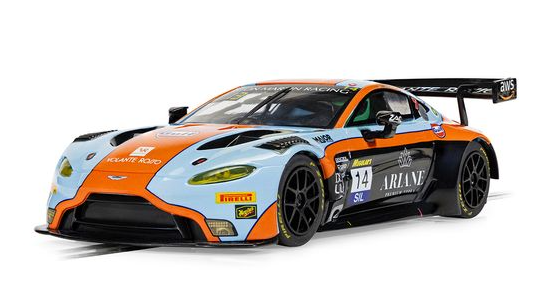
Image © Hornby Hobbies Ltd / Scalextric - used for editorial purposes.
The 1:32 scale model captures the aggression of the real car, splitter, diffuser, towering rear wing and finished in that unmistakable powder blue and orange combination that somehow manages to feel both historic and modern at the same time.
“For many, the first Aston Martin arrives in the palm of a hand.”
What I particularly enjoyed about this story is how it reached me. The release was highlighted by a fellow Aston Martin owner and regular reader of Fuel the Passion, who kindly pointed it out knowing it would resonate with our community. He’s also hoping to share his own ownership story with us in the coming weeks. And that, really, is what Fuel the Passion is about.
Not just reporting the headline stories, but sharing the details, the discoveries, the small releases, the moments, so that other enthusiasts don’t miss them. Sometimes it’s a new Aston Martin model variation, motorsport news and sometimes it’s a beautifully finished slot car that reconnects us to the racing programme in miniature form!
The model is priced at £49.99, part of the 2026 range, with availability expected in Spring 2026.
Full details can be found here:
👉 https://uk.scalextric.com/products/aston-martin-gt3-vantage-12hrs-bathurst-2025-gulf-edition-c4655
Because whether it’s full-scale GT3 machinery at Mount Panorama or 1:32 scale on a dining room table, the thread is the same. It’s Aston Martin!
Tabletop Aston Martin - Mattel’s 1:16 Vantage GT3
As well as the Scalextric Vantage, this week also saw Mattel unveil a 1:16 scale Aston Martin Vantage GT3 build set under its Hot Wheels Brick Shop line, a 793-piece construction model complete with display detailing and an included die-cast car. On one level, it’s a collectible. On another, it’s a physical, accessible entry point into Aston Martin’s racing world!
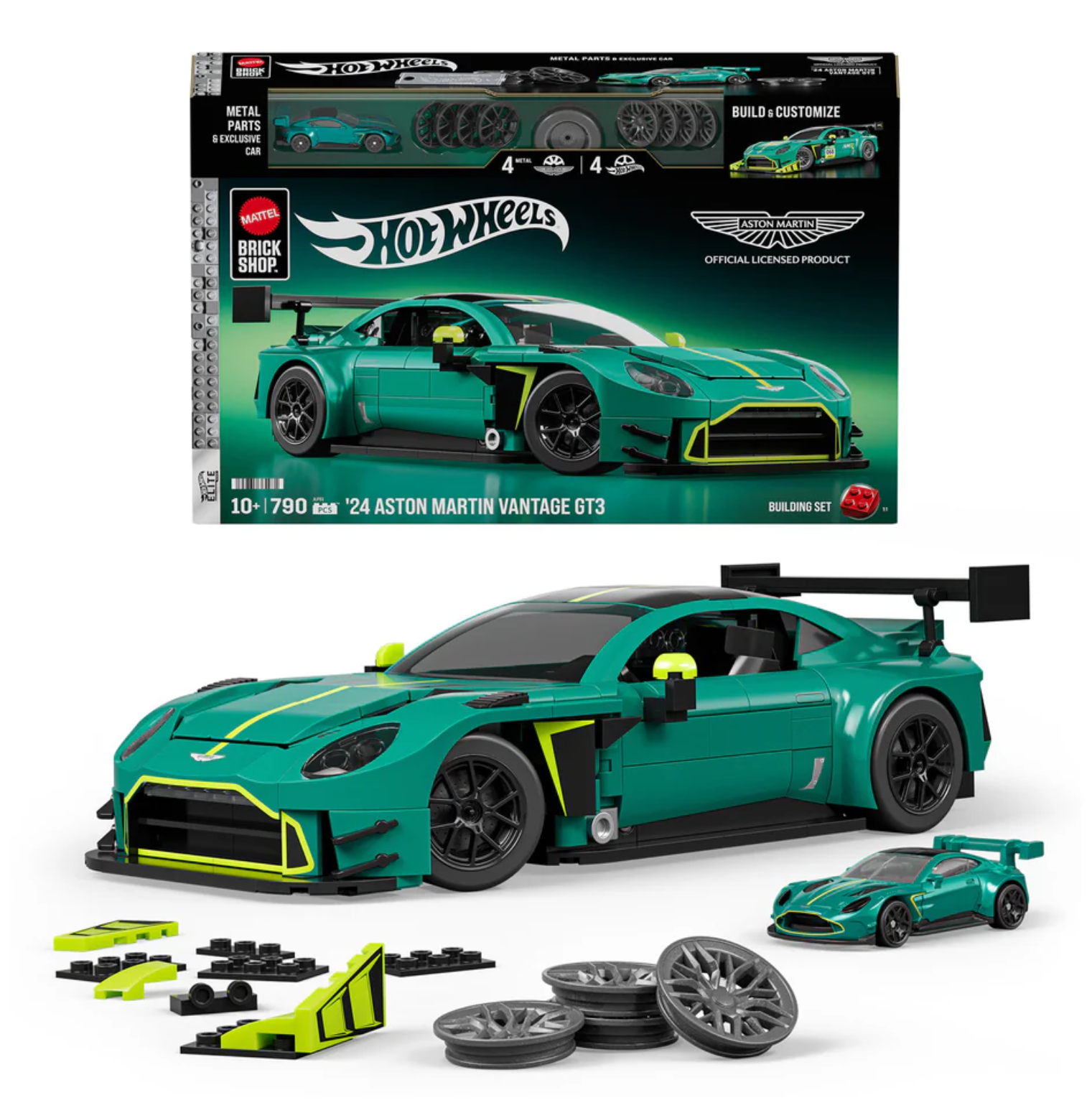
Image © Mattel, Inc. (Hot Wheels Brick Shop) – Editorial use only
The proportions capture the aggression of the GT3 car, wide stance, prominent rear wing, purposeful aero, but in a format that can sit on a desk, shelf or bedroom cabinet rather than a pit lane!
For many enthusiasts, the first Aston Martin they owned wasn’t a Vantage on finance, it was a model car. A buildable GT3 set bridges generations; it speaks to younger fans discovering the marque and to long-time supporters who still enjoy tangible reminders of racing machinery.
In a season where Aston Martin competes at the top of endurance racing and prepares for a transformative Formula 1 regulation shift, even a 793-piece brick model quietly reinforces the same message: this is a brand active in competition, visible, aspirational and accessible. I love it, now where’s that shelf space to fit just one more model in?!
Closing Thoughts - Perspective Matters
In Bahrain, the stopwatch has begun to speak. Testing rarely tells the whole story but it does hint at direction of travel. There are questions to answer, and that is no bad thing in February.
Image © Aston Martin Lagonda. Used for editorial purposes.
Elsewhere, Aston Martin machinery continues to prove its capability. Blackthorn Racing’s success in the Vantage GT3, is a timely reminder that performance still comes down to preparation, belief and execution. That momentum matters.
In the City, AML’s share price closed the week at 63.70p, recovering from its early-week dip and remaining within a five-week corridor between roughly 60p and 65p. The longer-term picture remains challenging, but short-term resilience suggests the market is watching carefully, not walking away.
There have been no further public updates regarding the redundancies consultation we reported on last week. Silence in situations like this can feel procedural on the outside, but it rarely is on the inside. Behind closed doors, conversations will be taking place that matter deeply to the individuals and families involved. It’s a reminder that corporate headlines always carry a human dimension.
It’s also worth mentioning that the Fuel the Passion YouTube channel has been quieter during these winter months. Like many of you, I tend to drive a little less at this time of year, which inevitably means fewer films. That will pick up as the season moves forward. I’ll still be sharing the journeys, the events and the honest ownership experiences, just not always to a rigid weekly schedule. There’s plenty to look forward to in 2026.
If there is a theme running through some of the stories featured this week, it is patience. 2026 is shaping up to be a defining year across road, race and corporate strategy. Foundations are being laid and adjustments will be made. Progress rarely moves in straight lines but direction matters, but I’m keen to hear your view.
What stood out to you most this week? Was it the signals from Bahrain? Blackthorn’s success? The share price movement? Or the wider strategic decisions being made away from the track? As always, Fuel the Passion works best when it’s a shared conversation. Drop your thoughts below, I read every message and try to respond to all of them.
And before you go, on a connected theme….
Owner & Enthusiast Guest Writers - Your Story Could Be Next
Fuel the Passion has always been about real-world Aston Martin ownership, the decisions, the upgrades, the lessons learned, the challenges overcome and the moments that stay with you long after the engine cools.
I’m pleased to say we already have one Guest Featured Article in the pipeline and it’s going to be a riveting read. An owner upgrading from the previous generation Vantage to the latest version, sharing the differences, the thoughts behind the decision, and what the experience has truly been like. Honest insight. Real comparison. Exactly what enthusiasts value.

But I want more!
It doesn’t have to be an upgrade story.
It could be your first track day.
An unforgettable road trip.
A restoration journey.
A respray experience, how it went and what it cost.
A mechanical challenge you faced and solved.
If it’s connected to the Aston Martin world, road, race or heritage, it’s probably worth while sharing!
I’m aiming to publish at least one FTP Featured Article each month. That means your story could feature in the very next one! Have you got something worth sharing, with some photographs to bring it to life? If so, drop me an email at fuelthepassion.dt@gmail.com and tell me a little about it.
“Passion, when shared thoughtfully, becomes something enduring.”
Let’s make this website sparkle with real owner experiences, the kind that future enthusiasts can learn from, relate to, and enjoy. Because the Aston Martin story isn’t just written in Gaydon. It’s written by the people who live with these cars every day! That’s more than likely you!
Thanks for being here, see you next Sunday at 6am!
— Dan
Fuel the Passion
