
Fuel the Passion (FTP) Weekly Roundup
Week Ending 1st March 2026
Editor’s Introduction - Dan, Fuel the Passion
There are weeks when Aston Martin feels like theatre, racing liveries under floodlights, concours lawns in late summer sun, the theatre of Goodwood and then there are weeks like this one. The numbers are serious, the language is serious, the mood, in places, is serious.
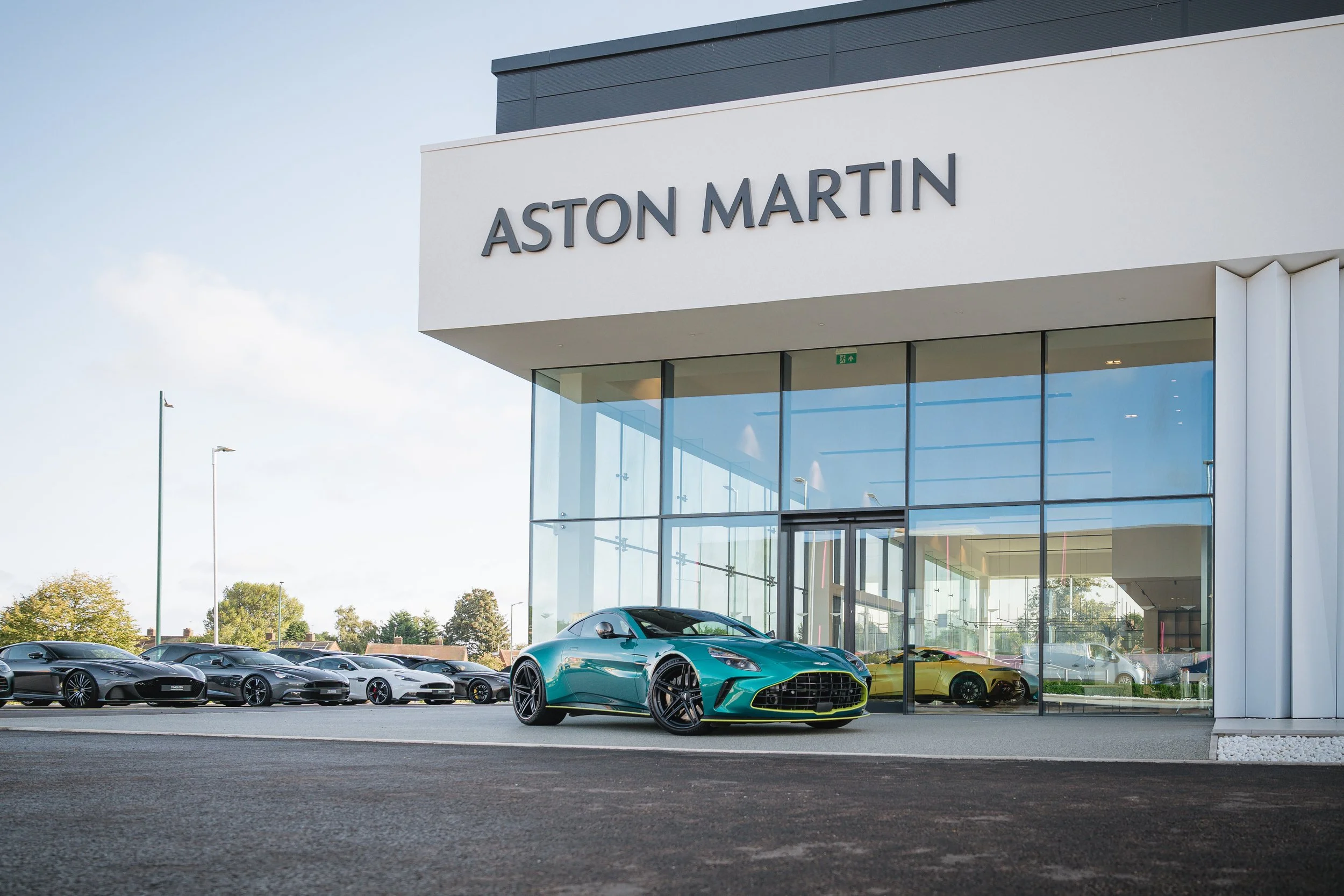
Image © Aston Martin Lagonda. Used for editorial purposes.
We’ve had widened losses, rising debt, workforce reductions and renewed scrutiny from financially focused observers. We’ve had reassurance from the CEO that Lawrence Stroll is not considering a sale, yet investor scepticism still simmers in comment sections. We’ve seen Formula 1 testing that suggests there is a lot of work to do.
On our own roads, the simple reality of unrepaired potholes continues to remind us that ownership is not just about romance, it’s about infrastructure and responsibility too. But all that isn’t the whole picture.
Alongside the financial headlines, a 1961 DB4 has returned to running condition at Haynes, for the first time, my eyes witnessed a sixty years of Volante special edition (that anniversary was last year), the Aston Martin Safety Car remains for sale - a tangible piece of recent motorsport history.
That duality, volatility and beauty, pressure and pride is all very Aston Martin. This week’s Roundup tries to reflect all of it. So let’s step through it carefully.
Corporate & Financial
FY2025 Results - pressure, structure and what comes next
Earlier this week I published a detailed FTP Featured Article breaking down Aston Martin’s FY2025 preliminary results into clear, digestible sections. Rather than repeat the full analysis here, this section tries to provide the essential summary and the wider context that has unfolded since. The first thing to say, is that the numbers are significant.

Image © Aston Martin Lagonda. Used for editorial purposes.
Revenue declined 21% year-on-year to £1.26 billion. Wholesale volumes fell 10% to 5,448 cars. Most notably, Aston Martin reported an adjusted EBIT loss of £189 million.
For clarity, EBIT stands for Earnings Before Interest and Tax. It is a measure of a company’s operating profitability, in simple terms, what the business makes (or loses) from its core activities before financing costs and taxation are applied. An adjusted EBIT loss of £189 million means that even before interest payments and tax, the core business operated at a substantial loss. Net debt increased to approximately £1.38 billion, a rise of around 19% year-on-year, tightening the margin for error in an already volatile market.
Alongside the financial report came confirmation of plans to reduce the global workforce by up to 20%, with targeted annual savings of around £40 million. These are not abstract figures.
“They represent highly skilled employees, many based in the UK, and the human implications are real.”
In weeks like this, it is important to acknowledge that behind every restructuring line sits personal impact and as I’ve said repeatedly, our thoughts are with all those and their families, affected.
Reaction Beyond the Balance Sheet
As you can imagine and have no doubt read yourself during this week, the financial story did not land in isolation.
On the latest episode of Chris Harris on Cars, the tone shifted noticeably when Aston Martin was discussed. The panel were clear: while it is easy to joke about corporate turbulence, the idea of job losses is “shattering”. There was also frank commentary around investor scepticism and whether management narratives sometimes lean too heavily on external pressures rather than internal accountability. That perspective may be opinion, but it reflects a wider mood.
Reader comments beneath the Financial Times coverage carried a similar undercurrent. Comparisons with Ferrari were inevitable. Questions were raised about long-term independence, historic bankruptcies, and whether Aston Martin can sustain itself as a standalone ultra-luxury manufacturer in a market that increasingly rewards scale and margin discipline. Comment sections are not financial modelling, but they are a barometer of confidence and confidence, in listed luxury brands, is a powerful force. This has undoubtedly led to a share price reaction earlier this week (which will be covered in more detail later), touching a new 52-week low following the results announcement, reinforcing that fragility.
A Personal Reflection
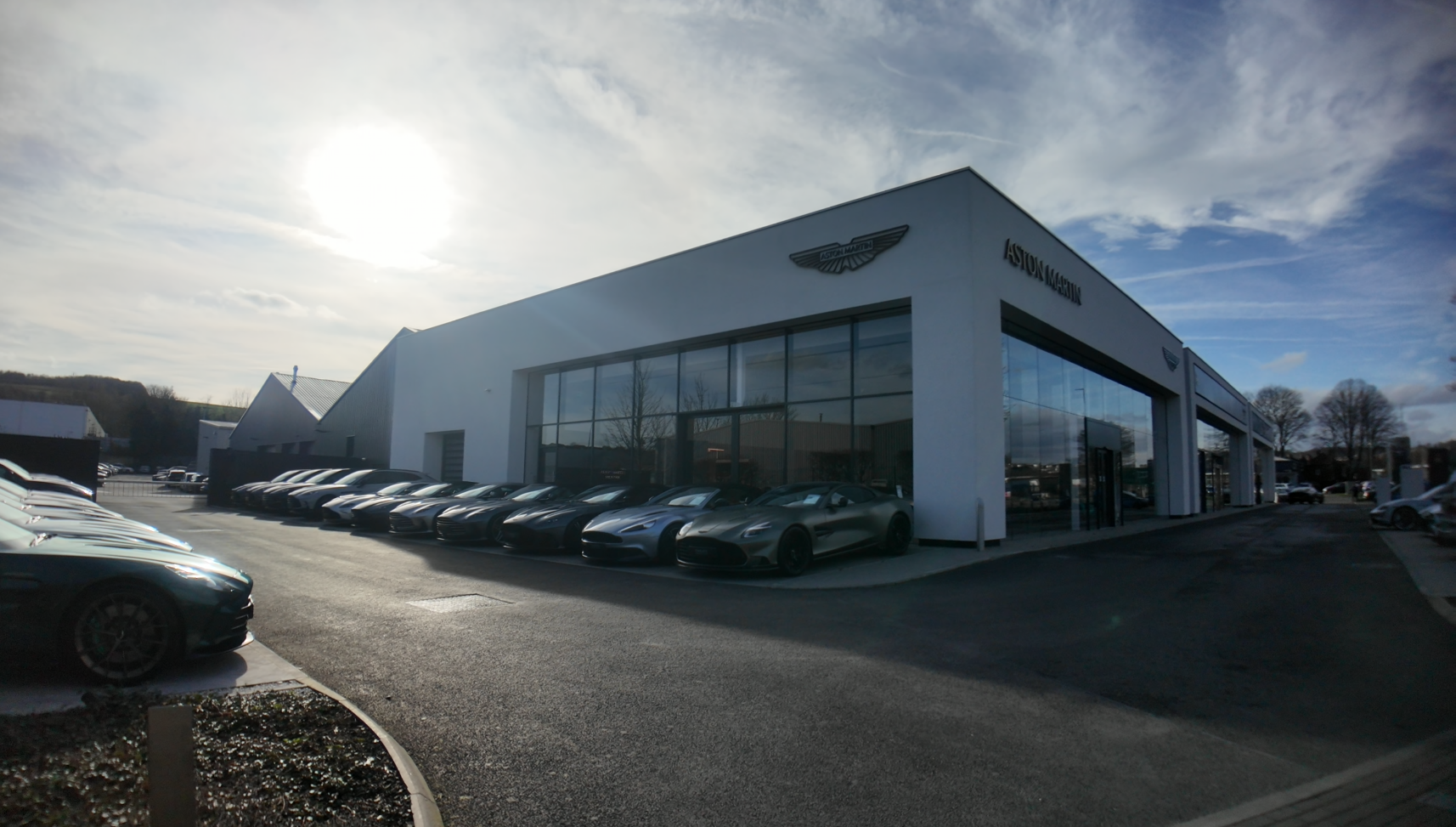
Image © Fuel the Passion
I would normally leave this until the conclusion of this weekly roundup, but I felt this needed inclusion here. As, like many of you reading this, as someone who owns and drives an Aston Martin, and who has built Fuel the Passion around the heritage and honesty of this marque, this week carries weight, a lot of weight. It is entirely possible to admire the cars and still confront the numbers. It is possible to celebrate craftsmanship while questioning operational stability. It is possible to want the brand to succeed without pretending the road ahead is straightforward.
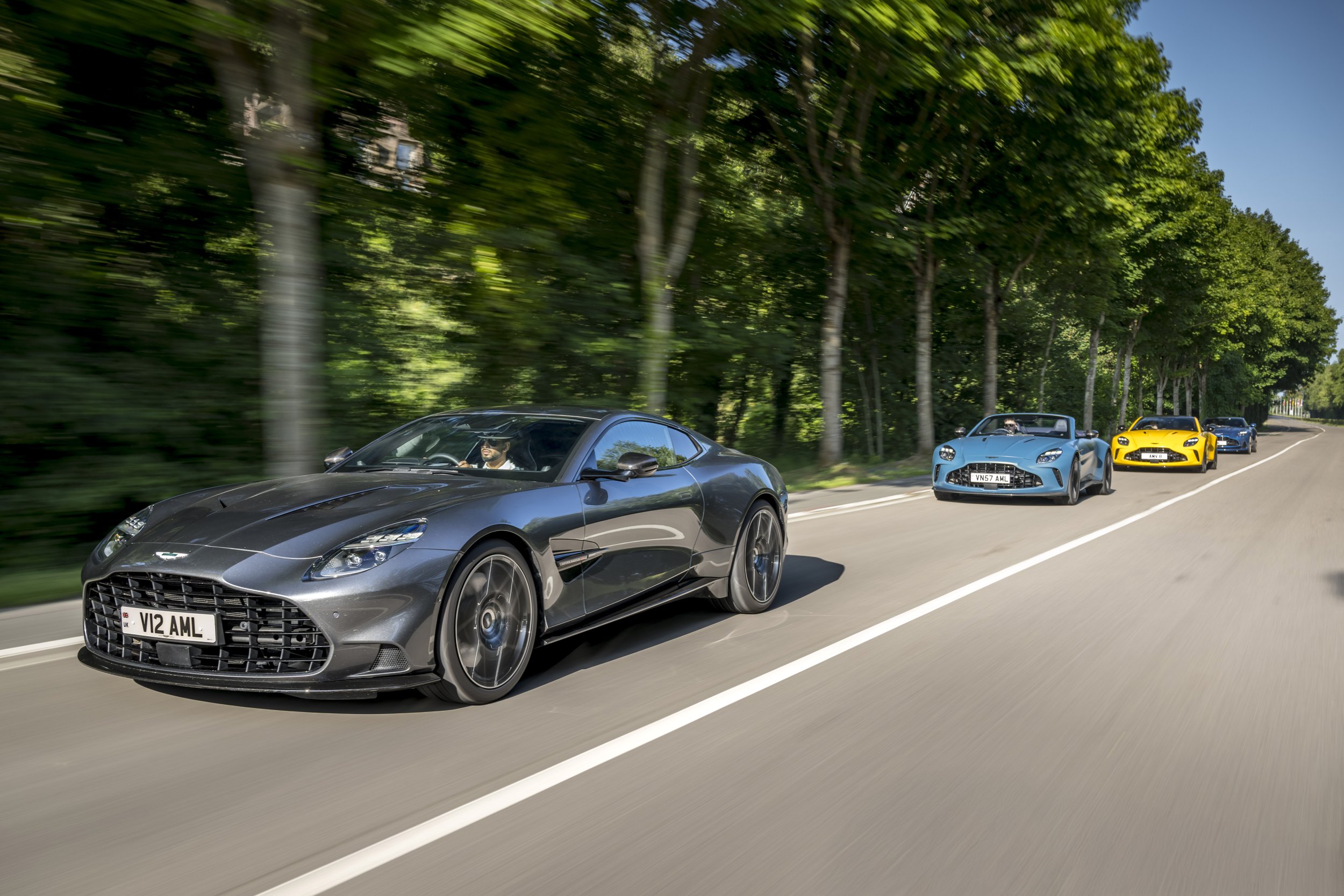
Image © Aston Martin Lagonda. Used for editorial purposes.
What I sense, from readers, from podcast discussion, from investor commentary, is not hostility toward Aston Martin. It is of deep concern, concern about sustainability, consistency and whether this time is finally different.
Aston Martin has survived extraordinary chapters before, seven bankruptcies sit in the history books, yet the cars endure and the name remains powerful. But survival alone is not a strategy, stability is. This moment feels less like drama and more like inflection. Not collapse, but a major crossroads.
Ownership Stability & the F1 Naming Rights Question
Against that financial backdrop, understandably, attention quickly shifted to ownership stability. This week, Financial Times reported comments from CEO Adrian Hallmark addressing speculation surrounding chairman Lawrence Stroll and the future of his investment.
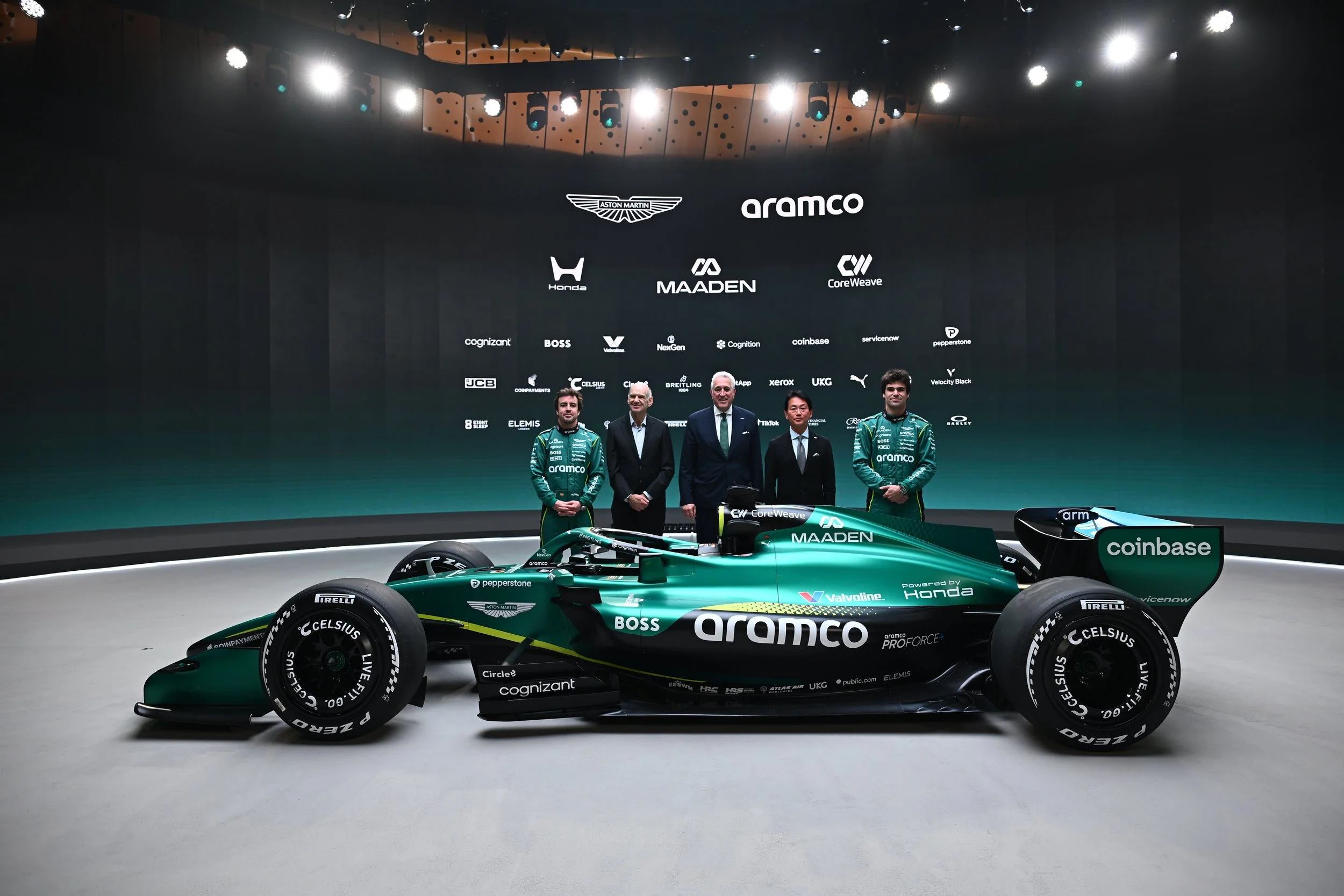
Image © Honda Motor Co., Ltd. Used for editorial purposes.
The focus stems from last week’s £50 million transaction involving the sale of Formula 1 naming rights to AMR GP Holdings, the structure indirectly controlled by Stroll. Under the agreement, AMR secures perpetual rights to use the Aston Martin name in Formula 1, extending beyond the existing long-term arrangement that already ran to 2055.
“For some investors, the permanence of that structure raised an obvious question: if the racing team now has secured naming rights, does that create optionality around the road car business?”
Hallmark’s response was unambiguous. From everything he has seen over the past 15 months, Stroll’s actions demonstrate commitment rather than preparation for exit. The transaction, he said, was “supportive and not an exit strategy at all.” The valuation, according to the company, was independently verified and structured to monetise an existing long-term commercial relationship. From a purely financial perspective, the deal converts a recurring sponsorship-style expense, previously around £20 million per year, into immediate liquidity. In the short term, that strengthens cash position, in the longer term, the interpretation depends on trust. And that is the critical word, because when a company is loss-making, highly leveraged, and restructuring its workforce, markets do not just analyse numbers, they analyse intent.
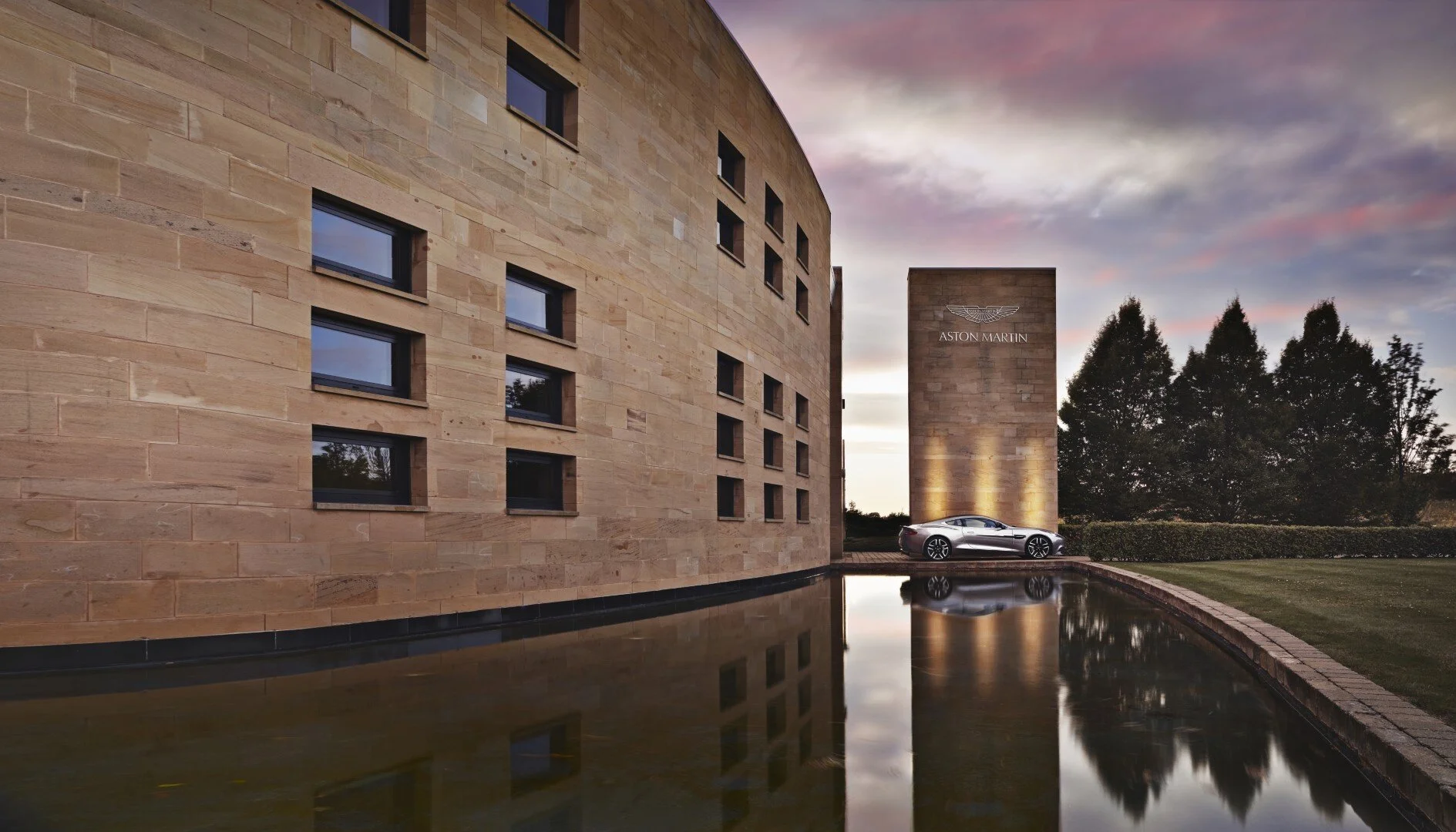
Image © Aston Martin Lagonda. Used for editorial purposes.
The scepticism seen in some Financial Times reader comments reflects that dynamic. The questions are not emotional, they are strategic. Can Aston Martin sustain itself independently? Is scale required? Would closer alignment with a larger industrial partner ultimately be inevitable? None of those questions are new, but they feel sharper in a week like this.
What is clear is that leadership is trying to draw a line under ownership speculation and whether that line holds will depend less on statements and more on operational delivery over the next 12–24 months.
2026 Outlook & Structural Realities
Looking ahead, the company has guided that wholesale volumes in 2026 are likely to remain broadly flat at around 5,450 vehicles. That is not growth-led language, it’s stability-led language. More important is margin.

Image © Aston Martin Lagonda. Used for editorial purposes.
Gross margin is projected to improve into the upper 30 per cent range, compared with 29 per cent last year. That shift is critical. Margin expansion, not raw volume, is where financial recovery must begin.
Higher-specification product mix and continued discipline around cost control will determine whether that target is achievable. There are also structural pressures that cannot be ignored.
From 2026 onwards, Aston Martin faces a £73 million cash liability relating to its technology agreement with Lucid. Tariff uncertainty under the UK-US quota system remains a variable outside management control. And with net debt sitting near £1.4 billion, interest costs remain a material factor in overall financial performance. Believe it or not, none of this points to crisis just yet, but it does point to constraint. This is not a season for expansionary exuberance, it is a period that will demand operational discipline, consistent delivery, and careful capital management.
“The coming twelve months will not be defined by drama, but by whether stability can finally be embedded.”
Formula 1 - A Difficult Start to a New Chapter
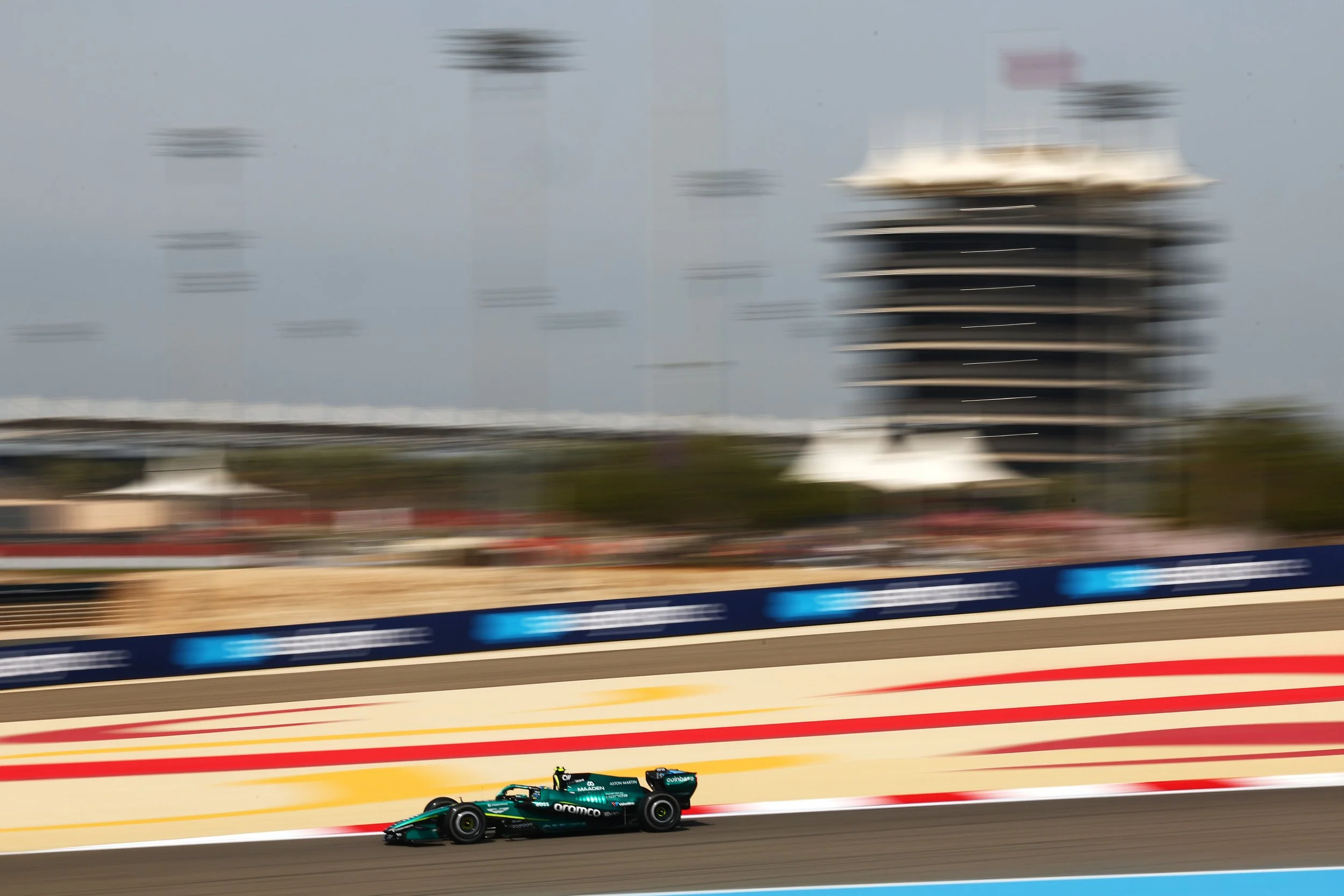
Image © Honda Motor Co., Ltd. Used for editorial purposes.
After a week dominated by financial strain, restructuring headlines and investor scrutiny, it would have felt reassuring if the racing side of the brand had delivered uncomplicated optimism. As we know, instead, Bahrain testing has concluded with more questions than answers.
The first race of the 2026 season in Melbourne is now rapidly approaching, the countdown clock on the FTP homepage ticking steadily towards lights out, but Aston Martin arrive in Australia knowing their pre-season preparation has been compromised. Multiple outlets, including Sky Sports F1 and analysis from Formula 1 correspondent Lawrence Barretto, have described the team’s Bahrain programme as deeply challenging. Aston Martin completed the least mileage of any team across testing, with persistent reliability issues centred on the new Honda power unit limiting meaningful track time.
“Mileage matters, especially in a regulation reset year.”
As with all the teams, this is not a simple evolutionary car. It is a fundamentally new architecture: for Aston Martin it’s not only a new chassis, new gearbox concept, it’s a revised suspension philosophy and, crucially, Aston Martin’s first season as a full works partner with Honda. Every lap carries learning, every installation run reveals something and Aston Martin simply did not accumulate enough of them.
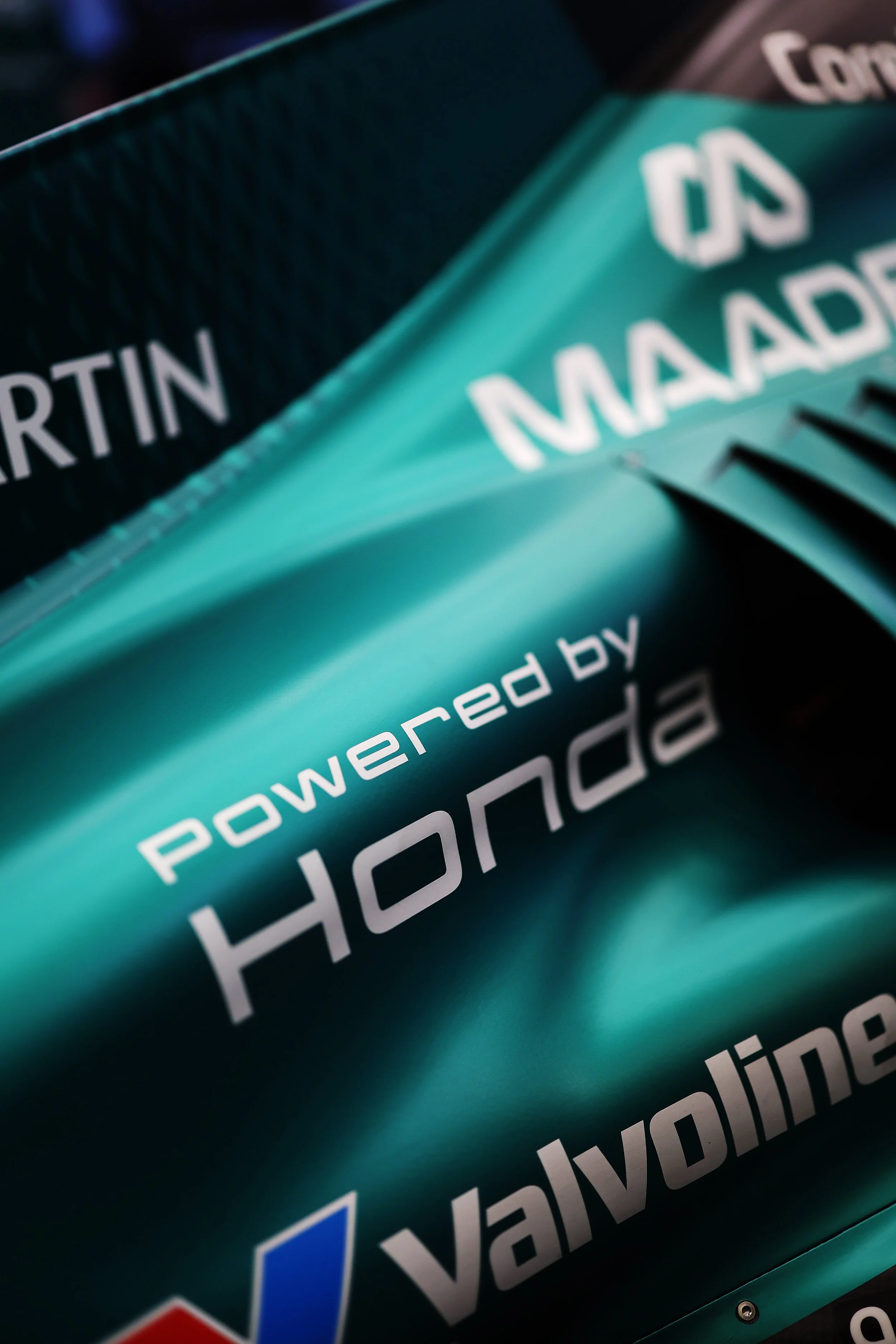
Image © Honda Motor Co., Ltd. Used for editorial purposes.
Trackside chief Mike Krack has already adopted a refreshingly realistic tone, openly acknowledging that the team is not yet where it needs to be. There has been no bravado, no masking of the challenge. There is also the Adrian Newey factor.
Adrian Newey’s first full development cycle with Aston Martin has clearly been ambitious. His reputation is built on pushing technical boundaries, sometimes right to the edge. That philosophy can unlock brilliance, but it also increases integration complexity, particularly when paired with a completely new power unit partnership.
Some media commentary has suggested that the aggressive design push and compressed timelines may have amplified early reliability pressures. Whether that proves accurate will only become clear once racing begins in earnest. For now, the reality is simple: Aston Martin appear to be starting 2026 on the back foot, and yet, perspective matters.
Honda has recovered from difficult starts before. The new Silverstone campus, wind tunnel and simulation infrastructure are genuine long-term assets. Andy Cowell’s expanded focus on the Honda relationship brings technical experience at precisely the moment it is required. But as we all know, recovery in modern Formula 1 is not instant.
For Fernando Alonso, now in the later stage of a remarkable career, patience cannot stretch indefinitely. For Lawrence Stroll, whose financial commitment to this project has been substantial, expectations are naturally high. Melbourne will not define the season, but it will begin to reveal whether Bahrain was simply teething pain, or something more structural.
The challenge is clear. Now the response matters!
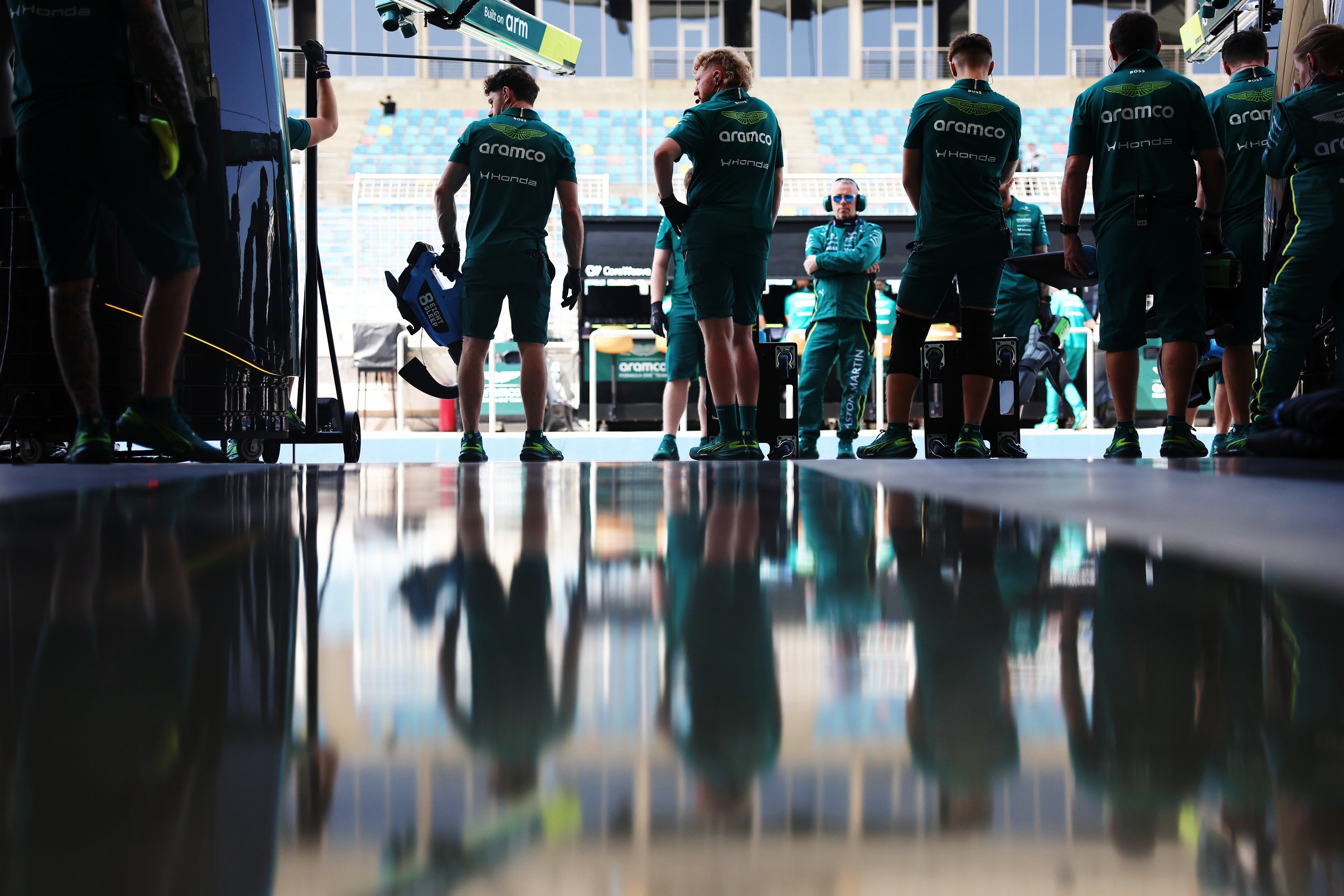
Image © Honda Motor Co., Ltd. Used for editorial purposes.
Update: Honda Identifies the Cause
Since drafting the above, Honda have shared further detail on the issues that limited Aston Martin’s Bahrain running. According to reporting from Autosport, excessive vibrations originating from the V6 combustion engine caused damage to the battery system, prompting the team to halt running on safety grounds.
Image © Honda Motor Co., Ltd. Used for editorial purposes.
Honda described the situation as “extremely challenging,” explaining that the vibration does not appear to stem from a single component but may involve multiple interacting systems.
In practical terms, this makes diagnosis and resolution more complex than a straightforward part replacement. The battery pack itself may not be inherently flawed; rather, it is being subjected to forces beyond expected tolerances.
Encouragingly, Honda have stated their determination to reduce vibration before Melbourne and aim to reach a more competitive state by Suzuka, the third race of the season. The tone from both Honda and Aston Martin remains calm and collaborative. The issue is serious, but it is now clearly identified. The next step is execution.
AML Share Watch - A Difficult Week in the Market
Aston Martin Lagonda shares closed on Friday 27 February 2026 at 47.00p, down 1.10p (-2.29%) on the day. During the session the stock fell to an intraday low of 44.46p, marking a new 52-week low and, notably, the lowest level recorded since the company’s IPO.
The five-week picture tells the story more clearly. On 22 January, shares traded as high as 64.60p. In little over a month, that value has contracted significantly. The February profit warning, followed by the full-year results confirming a 21% revenue decline and a £189 million adjusted operating loss (EBIT), accelerated downward pressure. By midweek the psychologically important 55p level had broken. By Friday, the stock briefly touched 44.46p before recovering slightly into the close. Market capitalisation now sits at approximately £476 million, with net debt reported at around £1.38–1.4 billion. That ratio inevitably attracts scrutiny.

Why has the share price moved so sharply?
Investors are reacting not to a single datapoint, but to a cluster of concerns: deepening operating losses, elevated debt levels, tariff exposure in key markets, weaker contribution from high-margin Special models, and full-year free cash outflow in excess of £400 million.
Workforce reductions, while aimed at delivering £40 million in annual savings, tend to reinforce caution rather than immediately inspire confidence. Although difficult, It is important, however, to avoid emotional language. Markets are forward-looking mechanisms. They price risk, sometimes aggressively.

Image © Aston Martin Lagonda. Used for editorial purposes.
The current valuation reflects scepticism about near-term recovery and the execution of the 2026 margin improvement guidance. It does not, in itself, determine the brand’s destiny.
Aston Martin has experienced cyclical volatility before. What matters now is whether operational discipline, product mix optimisation and cost control translate into measurable improvement over the next four quarters. For long-term observers, this is undoubtedly a sobering moment, for investors, it is a test of conviction.
“For the company, it is a period where delivery, not rhetoric, will matter most.”
World Endurance Championship - A Stronger Hand for 2026
Away from the turbulence of Formula 1 testing, there is quieter, but genuinely encouraging, news from Aston Martin’s GT racing programme. The Heart of Racing will field its strongest FIA World Endurance Championship effort to date in 2026, expanding to a two-car LMGT3 campaign with an impressively balanced driver line-up.
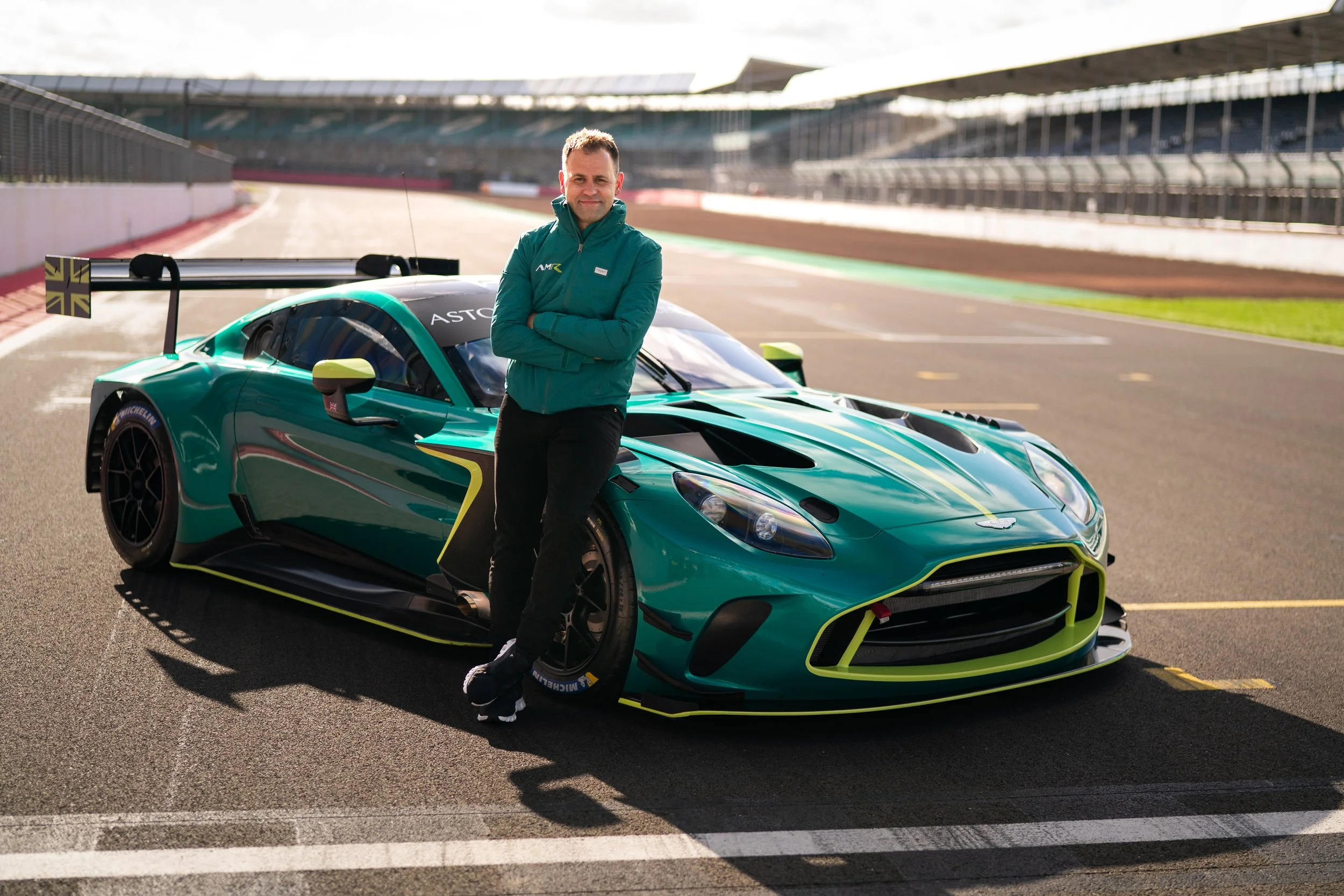
Image © Aston Martin Lagonda. Used for editorial purposes. Jonny Adam with the new Vantage.
In the #23 Vantage GT3, two-time Le Mans class winner Jonny Adam returns to WEC competition, joining Brazilian rising talent Dudu Barrichello and American rookie Gray Newell. Adam’s return carries weight. A veteran of 36 WEC starts and a central figure in Aston Martin’s GTE success era, his experience, particularly in endurance strategy and car development, will be invaluable in a category where consistency often matters more than outright headline pace.

Image © Aston Martin Lagonda. Used for editorial purposes. Barrichello, Sao Paulo.
Pairing that knowledge with Barrichello’s raw speed, demonstrated last season with pole positions and a podium at São Paulo, creates a line-up that feels both stable and ambitious.
Newell, stepping up to WEC level after success in SRO competition, benefits from precisely the sort of mentorship structure that can accelerate development in multi-class endurance racing. Alongside the #23 entry, the returning #27 Vantage will continue under the leadership of team principal and driver Ian James, supported by Zacharie Robichon and works driver Mattia Drudi, himself a recent Le Mans pole-sitter and Spa 24 Hours winner.
The LMGT3 category is competitive, tightly regulated and strategically demanding. But unlike the early-season challenges currently facing the F1 project, Aston Martin’s GT platform enters 2026 with maturity. The Vantage GT3 has been developed, raced and refined across multiple championships. Reliability and operational understanding are established.
In a week where much of the Aston Martin conversation has centred on pressure, it is worth recognising that the endurance racing arm of the brand looks composed and potentially capable of mounting a serious title challenge.
“Sometimes the strongest stories unfold not under the brightest spotlight, but over six hours, or twenty-four.”
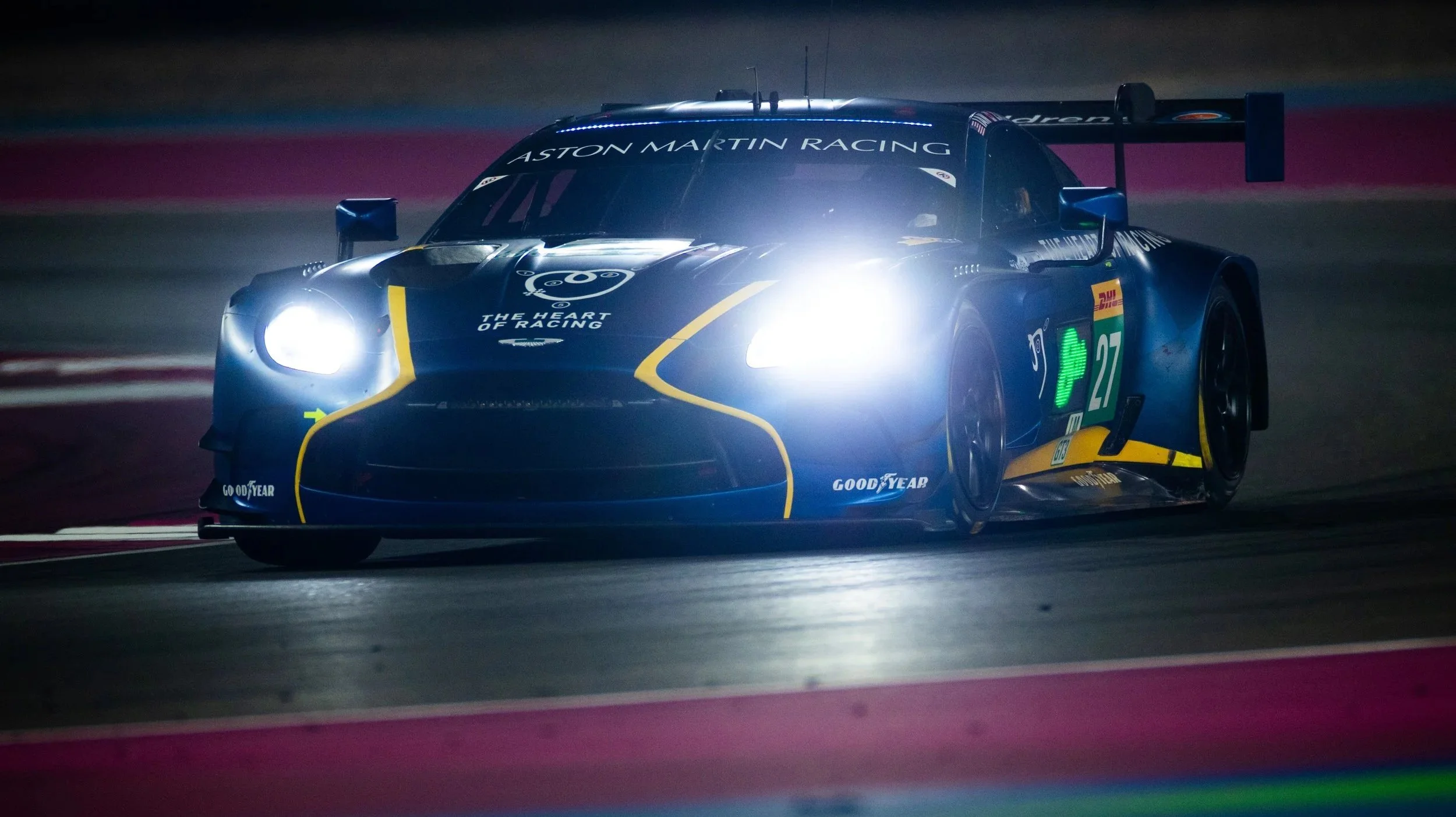
Image © Aston Martin Lagonda. Used for editorial purposes.
The FIA Vantage Safety Car - Still Available
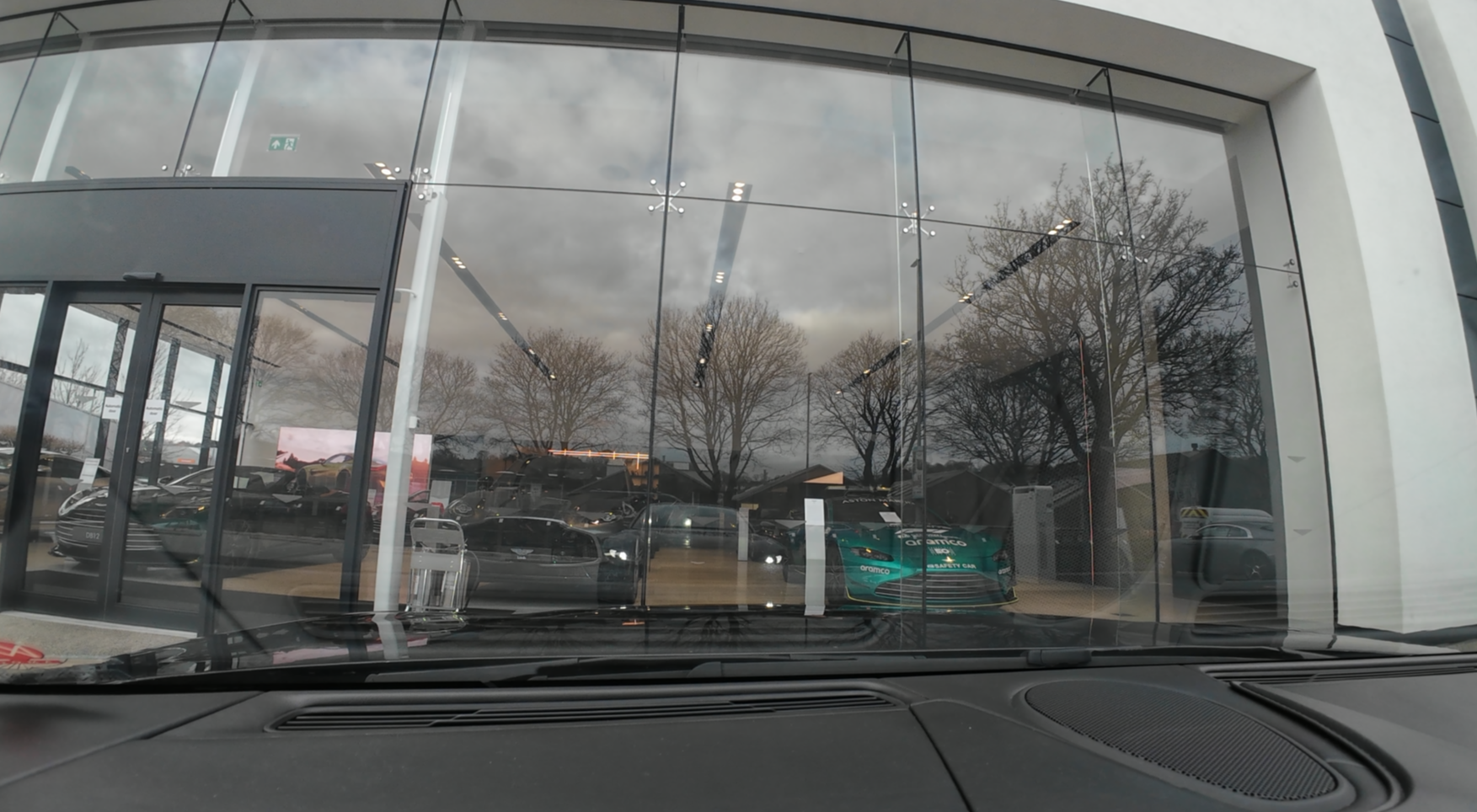
Image © Fuel the Passion
Regular readers will remember that I have covered this car before, both in previous FTP Weekly Roundups and in more detailed discussion around Aston Martin’s return to Formula 1 in 2021. But I think it deserves another mention.
This week, while visiting JCT600 Aston Martin Leeds for work on my own FTP Vantage (more on that shortly and in an upcoming YouTube video), I noticed that the FIA Aston Martin Vantage Safety Car is still available for sale.
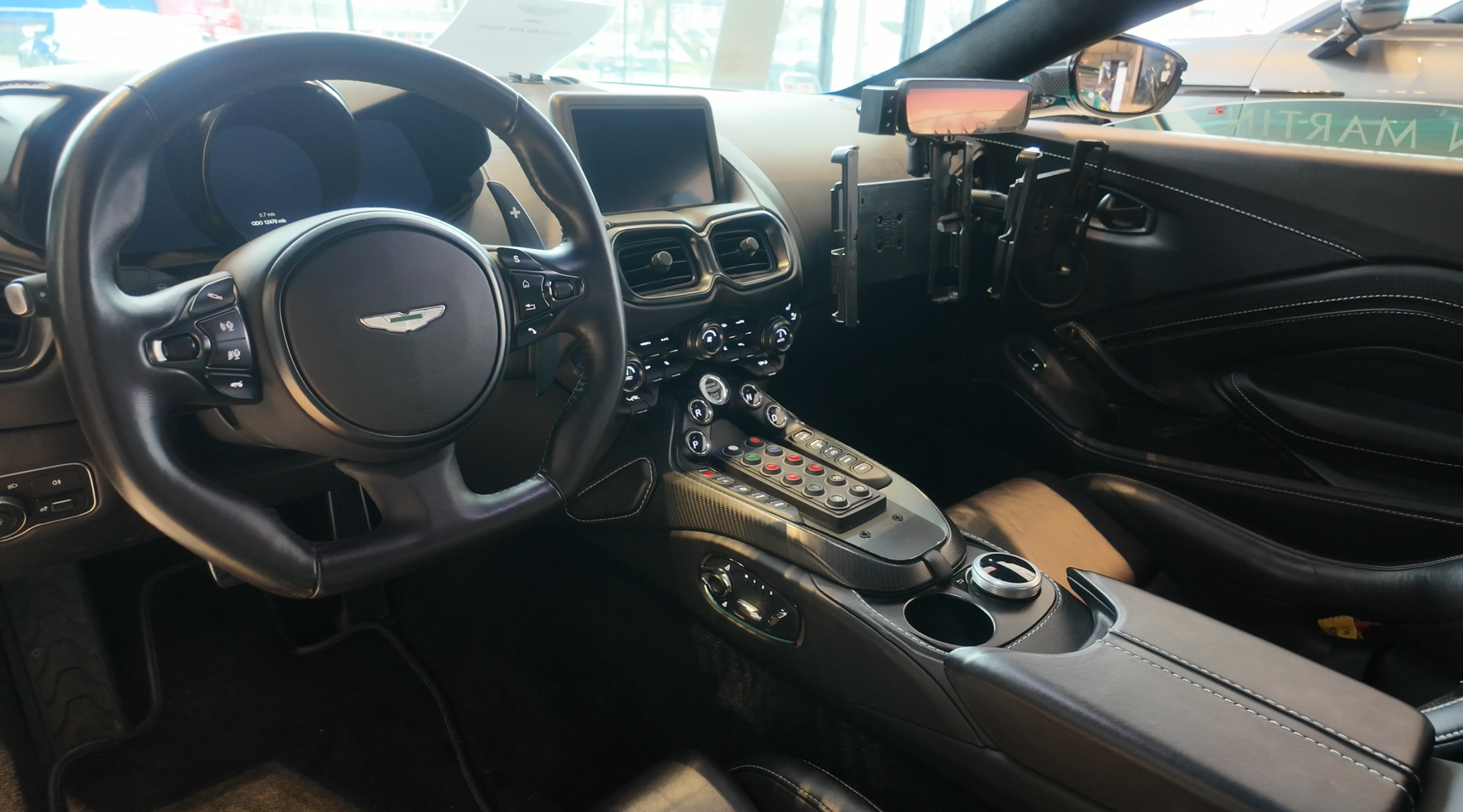
Image © Fuel the Passion
This is chassis “SC02” (VIN N00045), one of the official FIA-deployed Vantage Safety Cars used between 2021 and 2023.
During that period it appeared at 20 Grands Prix, covering over 4,280 kilometres in race deployments and testing.
It was driven by long-standing FIA Safety Car driver Bernd Mayländer and played its role in 34 race weekends across some of the most demanding circuits in the world. And yes, this is the car that was deployed during the controversial 2021 Abu Dhabi Grand Prix finale. History, whether debated or celebrated, rarely becomes privately available in such tangible form.
The car is priced at £599,990.

Image © Fuel the Passion
Signed by Aston Martin Aramco drivers Fernando Alonso and Lance Stroll, this particular Vantage represents a very specific chapter in the marque’s modern motorsport return. It marks the first time in over two decades that Aston Martin served as an official Safety Car provider in Formula 1.
Seeing it in the showroom again, in the flesh, is quite something. The stance, the presence, the subtle aggression of the light bar integrated into that familiar Vantage silhouette, it still looks purposeful. And we’ve heard a snippet of the amazing soundtrack it produced, often leading the field around circuits like Silverstone or Suzuka. For anyone who has ever wanted to own a genuine piece of contemporary Formula 1 history, this remains an extraordinary opportunity. Contact JCT600, Aston Martin, Leeds if interested. (And no, I’m not on any commission, just information I thought worthy of sharing).
And on the off chance that one of my wonderful Fuel the Passion readers or supporters ends up becoming the next custodian of this remarkable machine, may I respectfully place myself on the passenger list for its first proper outing?
To hear that thundering V8 exhaust note unleashed on circuit once more, to see the light bar illuminated as it storms down a straight in clear air, especially now that Aston Martin’s chapter as an official F1 Safety Car provider has drawn to a close, would be something truly special to document.
If that opportunity ever arises, I promise to bring cameras, gratitude, and a very large smile!😄
Roads & Reality - When the Weakest Link Isn’t the Car
Last week in the FTP Weekly Roundup I featured photographs of several potholes on a rural stretch of road, the kind of country road many of us actively seek out for an early morning drive. This week, I returned.

Image © Fuel the Passion
They’ve been repaired.
Within seven days of being reported by myself and, no doubt, others, the local authority responded and carried out patch repairs. The fresh tarmac stands out clearly against the worn surface around it, but more importantly, it removes the immediate hazard. That responsiveness deserves acknowledgement, because the wider issue remains serious.
This week the BBC reported on an Aston Martin owner whose front wheel was “ripped off” after striking a pothole on the A346 in Wiltshire. At approximately 40mph, the impact reportedly disabled the braking system and left the car zig-zagging before coming to a halt. Thankfully, no one was injured, but it could easily have ended very differently. The story resonated not because it involved an Aston Martin, but because it highlights something many enthusiasts quietly accept: modern performance cars are extraordinarily capable, but they remain vulnerable to poor infrastructure.
It’s a subject that also surfaced recently on the Chris Harris on Cars podcast. Harris and his co-hosts discussed the growing prevalence of pothole damage across the UK, cracked alloys, burst tyres, suspension failures and the particular irony that some of the finest engineered cars in the world are being compromised not by speed, but by neglected road surfaces. The conversation wasn’t melodramatic; it was resigned.
“The roads, in places, simply aren’t keeping pace with the machinery driving on them.”
That is the uncomfortable contrast. We celebrate 670hp Vantages and 1,000hp Safety Cars, we discuss wind tunnels and hybrid deployment strategies, yet the real-world risk to many owners comes from a hole in the asphalt. There’s no glamour in it, only impact forces and repair bills!

Image © Fuel the Passion. A road covered n potholes, North UK.
So while my local example this week shows that reporting can work and credit where it’s due for a swift repair, the broader picture remains uneven across the country. Some councils respond quickly. Others face stretched budgets and mounting backlogs.
As owners, we do our part (most of us do) by maintaining our cars meticulously. It feels reasonable to expect the same care for the roads they travel on, because sometimes the weakest link in the driving experience isn’t engineering, it’s infrastructure.
Heritage & Culture - Perspective Through History
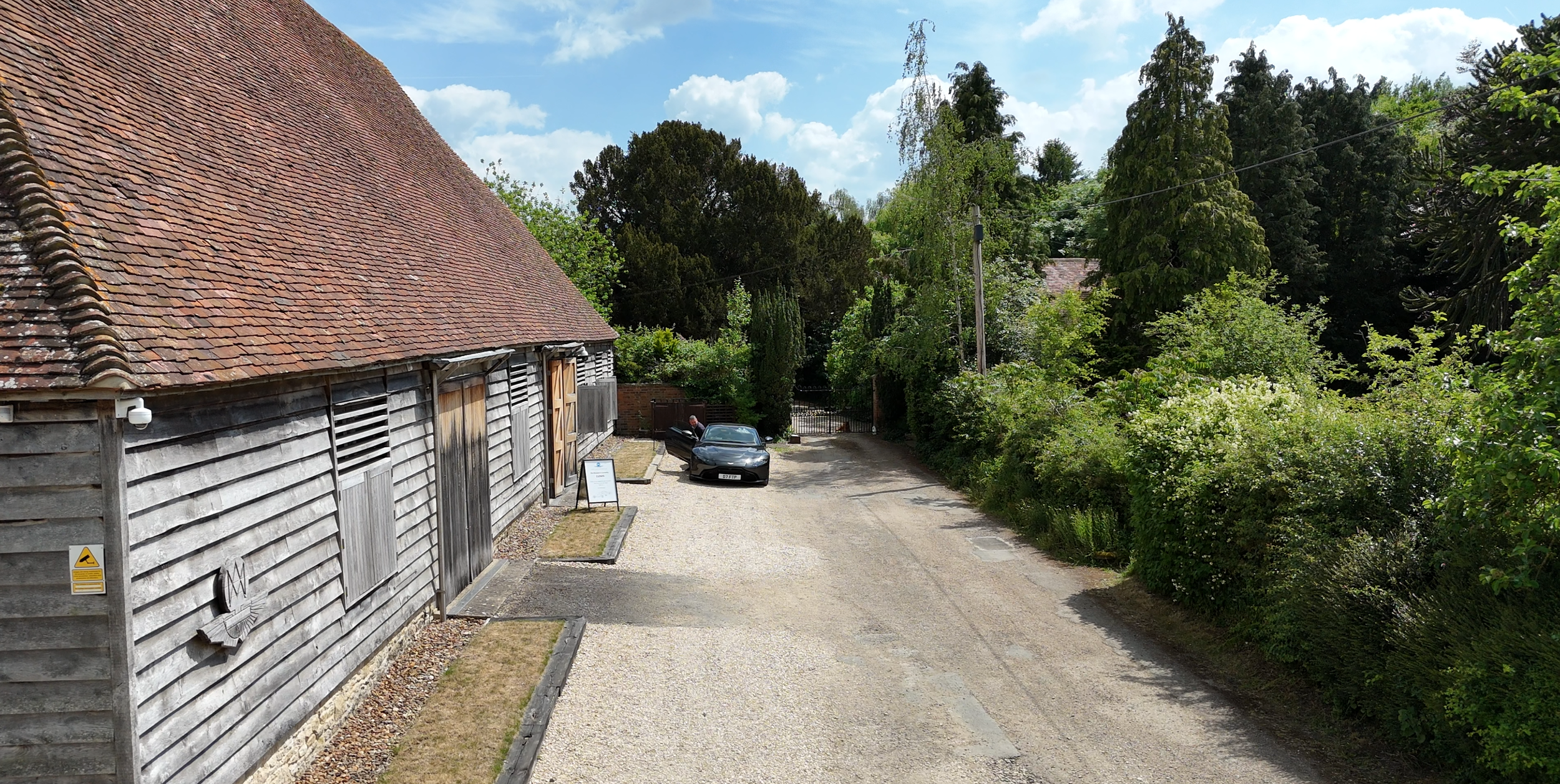
Image © Fuel the Passion. AMHT Museum, Oxfordshire. Picture taken during a summer visit in 2025.
After a week of hard numbers and harder headlines, it feels appropriate to step back, not away from reality, but towards perspective. Aston Martin has endured far greater storms than quarterly losses or difficult testing programmes. Its history is built on resilience.
1923 - Front Brakes and Forward Thinking
The Aston Martin Heritage Trust (AMHT) published a fascinating piece this week exploring the development of front brakes on early Aston Martins, referencing the marque’s 1923 competition efforts and testing at Brooklands.
It is easy to forget that in the early 1920s, front brakes were not universally adopted. Many manufacturers resisted them, concerned about instability or mechanical complexity. Aston Martin, by contrast, was experimenting, learning, adapting.
The Trust’s article references the famous A3, the oldest surviving Aston Martin, and the marque’s relentless early efforts to improve braking performance for competition use. Brooklands was not simply a racetrack; it was a proving ground, engineering evolution happened there at speed. What strikes me most about these early stories is the mindset, innovation under pressure, mechanical development driven by competition, measured progress rather than theatrical claims.
“In many ways, that spirit still defines the brand at its best.”
If you have not visited the AMHT website recently, it is well worth doing so. It remains one of the most important custodians of documented Aston Martin history and in weeks like this, history provides balance.
A DB4 Returns - Haynes Motor Museum
In equally welcome news, Haynes Motor Museum has returned its 1961 Aston Martin DB4 to display following extensive restoration work. More than 200 hours of careful metalwork were undertaken to preserve originality rather than over-restore, a distinction that matters deeply in historic car circles. The goal was sympathetic conservation, not cosmetic reinvention.
The DB4, of course, represents a pivotal shift in Aston Martin’s history; Touring of Milan bodywork, Superleggera construction. A clean break from the Feltham era and a confident step into Newport Pagnell’s future. To see one preserved properly, not exaggerated, not modernised, not “improved” beyond recognition, is reassuring. It reminds us that stewardship of heritage is as important as product launches.
Paul McCartney’s DB6 - Culture Beyond Cars
Forbes this week revisited one of the most charming intersections between Aston Martin and popular culture: Paul McCartney’s DB6. The story touches on how McCartney composed “Hey Jude” while driving the car, a romantic image that feels entirely fitting. An Aston Martin has always been more than transport, it has been part of Britain’s creative fabric.
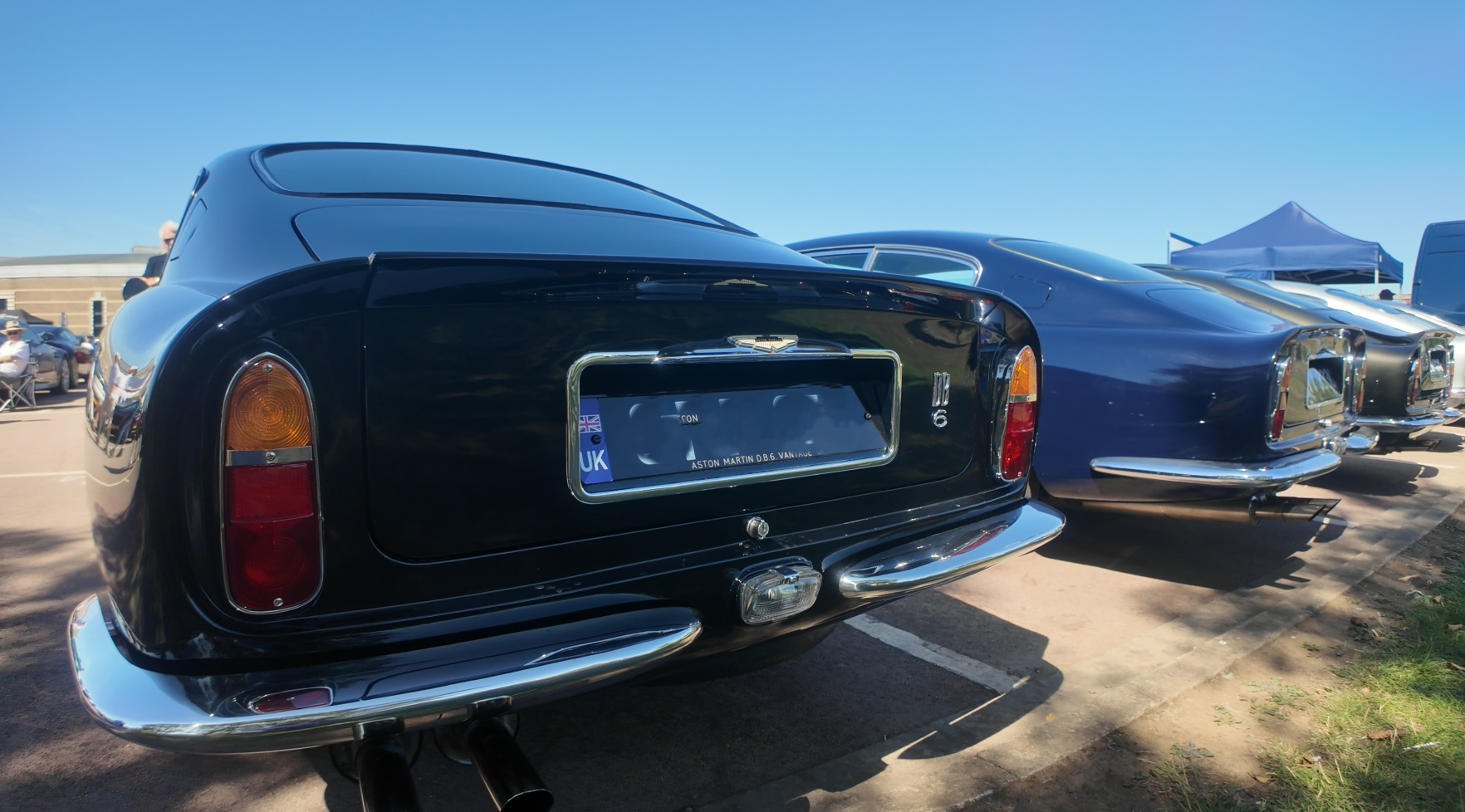
Image © Fuel the Passion. An Aston Martin DB6 photographed at British Motor Museum, Summer 2025.
The DB6 itself represents refinement rather than revolution; improved aerodynamics, greater practicality, a mature evolution of the DB5 silhouette. It is telling that one of the most influential musicians of the 20th century chose one. In difficult corporate weeks, stories like this serve as reminder:
“brands are not balance sheets alone, they are emotional objects, cultural artefacts, rolling chapters of national identity.”
Why This Matters
When investor sentiment feels fragile and racing form is uncertain, heritage is not a distraction, I think it’s important context. Aston Martin has been bankrupt multiple times. It has survived wars, ownership changes, engineering failures and market collapses, yet it still produces some of the most recognisable and emotionally resonant cars in the world. That endurance is not accidental; it’s built on engineering curiosity in 1923, on design confidence in 1961, on cultural relevance in the 1960s and on enthusiasts who care enough to preserve the record today.. …and that, ultimately, is why we continue to follow the story.
A Worthwhile Addition to the Library
On the subject of 1960s motoring and very timely given our DB4 and DB6 mentions this week, Mags Direct have just released a new Classic & Sports Car Presents: Ultimate Buyers Guide 1960s collector’s edition.

This is a thoughtfully curated collector’s edition celebrating one of the most defining decades in motoring history.
Featuring detailed buyer guidance, ownership insights and restoration considerations, it explores the craftsmanship and character of the era’s most desirable classics.
A timely companion for anyone drawn to the golden age of Aston Martin and British sports cars.
If your interest leans toward DB4s, DB5s, DB6s and the wider golden era of British sports cars, this looks like a thoughtfully curated guide covering values, restoration considerations and ownership insight. I haven’t yet had a physical copy in hand, but on paper it appears to be exactly the kind of measured, research-led publication that complements the historical tone of this week’s Roundup.
You can view it HERE.
As always, if you do purchase through FTP links, it helps support the platform at no extra cost to you.
Brand Diversification - Aston Martin Beyond the Road
Amid financial restructuring, Formula 1 uncertainty and cost discipline, it can feel almost jarring to read about Aston Martin launching a 45-storey residential tower in South America and yet, this too is part of the modern Aston Martin story.

Image © Aston Martin Lagonda. Used for editorial purposes.
This week saw further coverage of the Setai Residences by Aston Martin in Brazil, the marque’s first branded residential development in South America. Scheduled for completion in 2031, the project blends luxury apartments with interior design influence from Aston Martin’s in-house design team.

Image © Aston Martin Lagonda. Used for editorial purposes.
This is not car manufacturing, it’s brand licensing and design consultancy, a very different financial structure.
Aston Martin lends its aesthetic language, materials philosophy and brand cachet to high-end developments in return for partnership fees and royalties.
We have seen similar moves before. Miami. Tokyo. Now Brazil.
For some observers, these ventures can feel like distraction, especially in a week where the company has reported a £189 million adjusted EBIT loss and confirmed workforce reductions. But structurally, they are not the same activity. They do not consume manufacturing capacity, they do not increase vehicle production risk. In theory, they provide high-margin brand revenue without the capital intensity of automotive production. The wider question is one of balance.
The danger, of course, lies in dilution, stretching the brand so widely that its automotive core feels secondary. However, I think handled carefully, diversification can support stability. Handled carelessly, it risks perception drift.
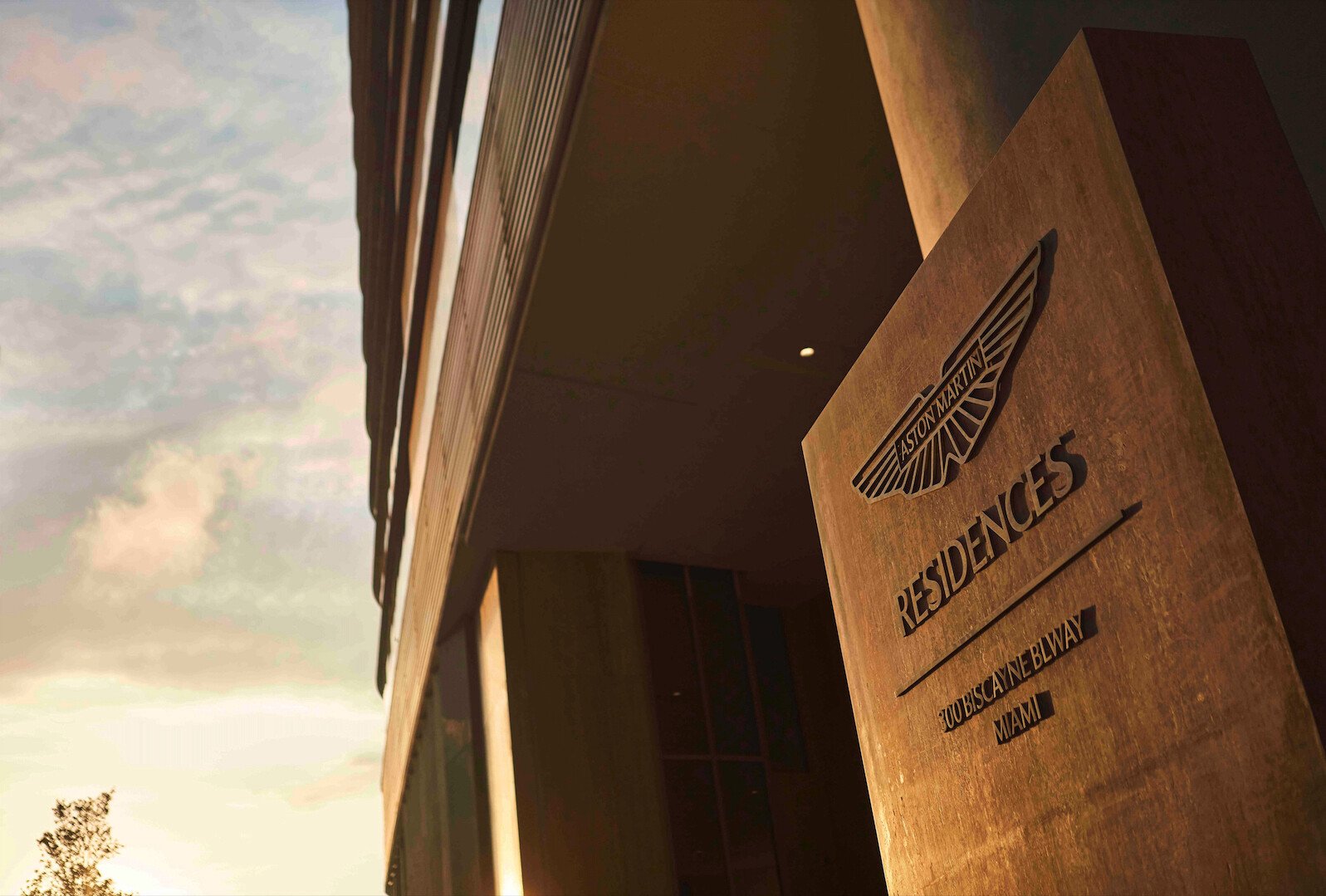
Image © Aston Martin Lagonda. Used for editorial purposes.
Aston Martin’s strength has always been emotional resonance. That resonance can translate into architecture and interiors just as convincingly as it does into bonnet lines and stitched leather dashboards.
In a week focused on operational discipline, this development serves as reminder that Aston Martin is attempting to monetise more than just horsepower. It is monetising identity. Whether that identity continues to feel authentic will depend on what happens at Gaydon and Silverstone just as much as what rises in Brazil by 2031.
60 Years of Volante - Seen in the Metal
Some cars deserve more than a press release mention. Last September, Aston Martin announced the 60th Anniversary of Volante Editions, a strictly limited run of 60 DB12 Volantes and 60 Vanquish Volantes, curated through Q by Aston Martin to celebrate six decades of open-top grand touring.
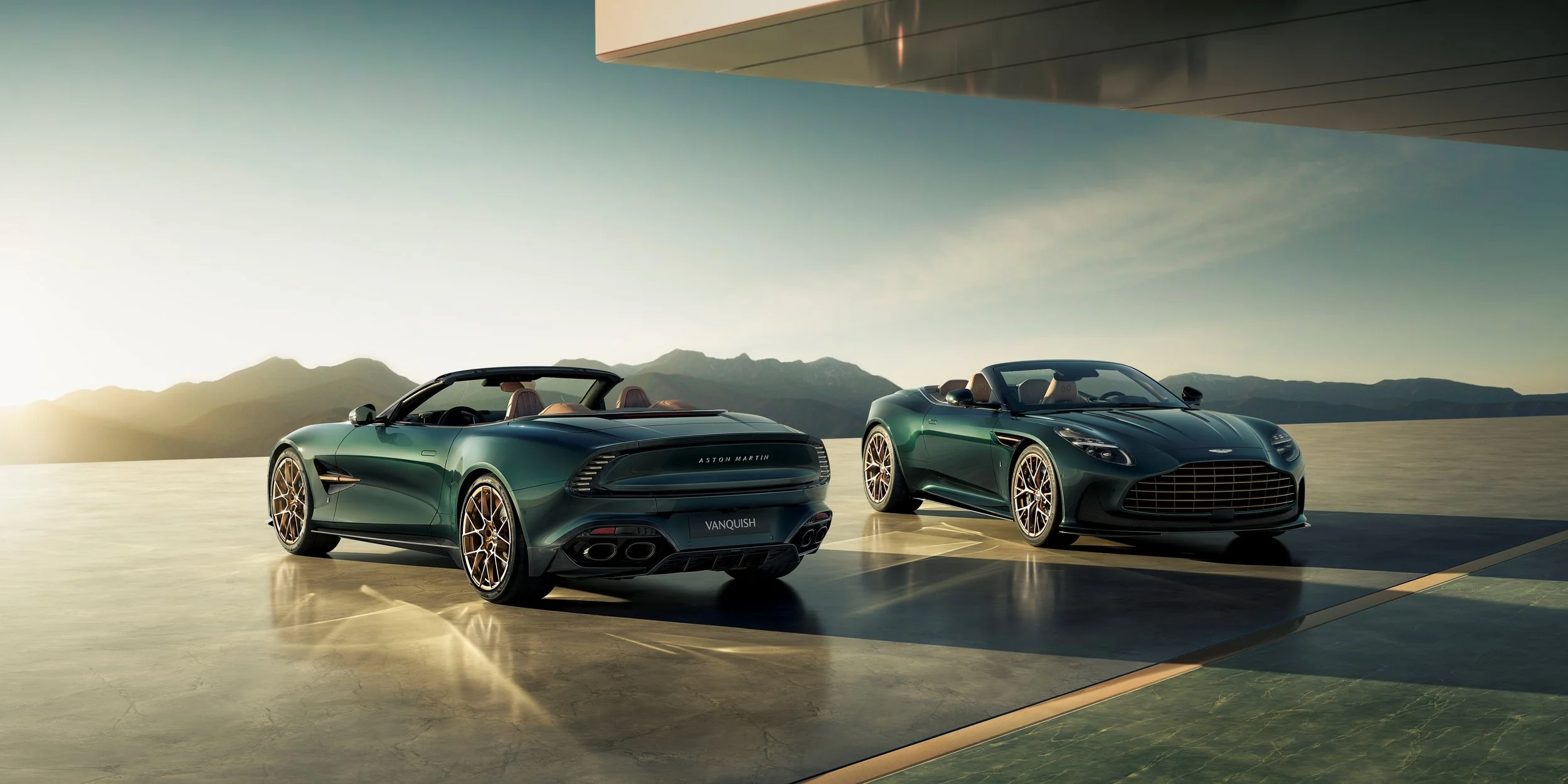
Image © Aston Martin Lagonda. Used for editorial purposes.
At the time, it was a well-executed heritage exercise, beautifully specified, thoughtful, appropriately restrained. But this week, while my own Vantage was in for its seventh service at JCT600 Aston Martin Leeds, I saw one in person for the first time and it stopped me.

Image © Fuel the Passion
Finished in Q Pentland Green with subtle bronze detailing and that Westminster Green hood, the car carries quiet authority rather than flamboyance. The anodised bronze grille treatment and side strakes feel purposeful, not decorative.
Inside, the tri-tone leather, Centenary Saddle Tan, Ivory and woven accents, has a richness that photographs simply do not convey. The embroidered “60” on the headrest is a small detail, but in person, it feels less like branding and more like punctuation. A marker in time.
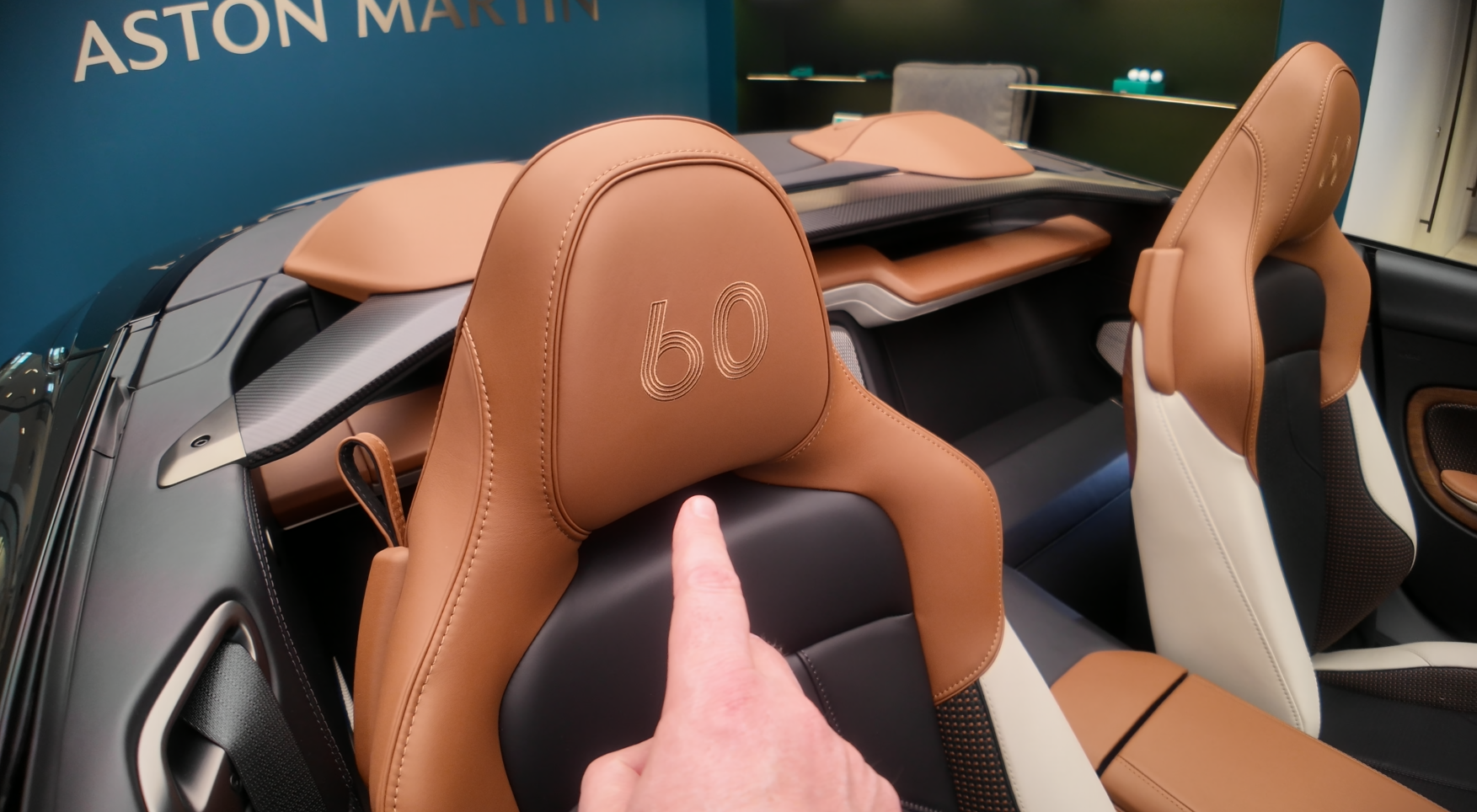
Image © Fuel the Passion
Volante, of course, dates back to 1965 and the short-chassis convertible that quietly began Aston Martin’s open-top lineage. Sixty years later, the name still carries weight. It suggests elegance first, aggression second, it suggests the long road rather than the lap time. To see one of these rare anniversary cars in a showroom, rather than on a configurator screen, was a reminder that Aston Martin still knows how to execute special editions with restraint.
I filmed the car while I was there, and I’ll be taking a closer look in an upcoming video on the Fuel the Passion YouTube channel. There is something fitting about celebrating Volante heritage at a time when the brand itself is navigating transition. Open-top Aston Martins have always been about optimism, about looking ahead, and this one, in the metal, is lovely.
The particular 60th Anniversary Volante I saw at JCT600 Aston Martin Leeds is currently advertised at £398,835.00.
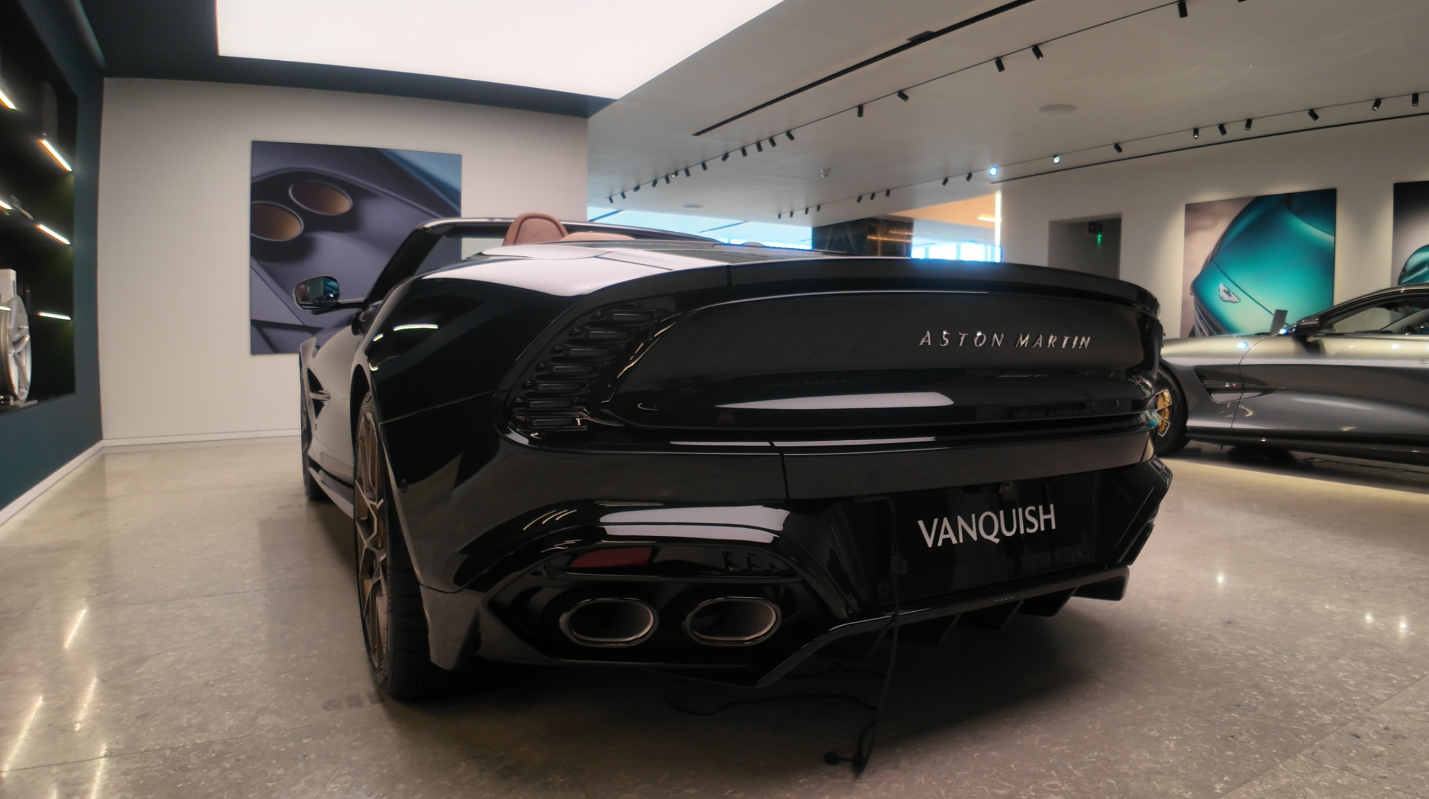
Image © Fuel the Passion
Given the strictly limited production, just 60 examples worldwide and the Q by Aston Martin specification, it represents one of the more considered modern special editions currently available on the market.
This is not a loud, attention-seeking limited run, it is subtle, understated and executed with intent. If you are in the market for something genuinely collectible and want to see the car in person, I would encourage contacting the team at JCT600 Aston Martin Leeds directly. They were, as ever, welcoming and knowledgeable during my visit this week. Again, I’m not on commission here, although if JCT600, Aston Martin were interested, let me know!
As my Car of the Week, this one stands out not because it shouts the loudest, but because it feels properly thought through. A milestone marked with quiet confidence.
Vantage S - Independent Voices, Consistent Conclusions
Regular readers will know that this is not the first time the current-generation Vantage has featured here at Fuel the Passion. I’ve covered early reviews of the new Vantage in previous Weekly Roundups, tracking how the model evolved from the 2018 redesign into something far more serious dynamically. So including another road test this week is not repetition for repetition’s sake, it’s about observing a pattern and that pattern is increasingly clear.

Image © Aston Martin Lagonda. Used for editorial purposes.
Robb Report’s recent drive of the Aston Martin Vantage S positions the 670hp coupe not as an emotional alternative to Porsche and AMG, but as a genuine performance rival and that matters.
The Vantage S extracts 670hp and 590 lb-ft from the Mercedes-AMG-sourced 4.0-litre twin-turbo V8, an increase of 14hp over the standard car, but more telling are the structural revisions: rigidly mounted rear subframe, recalibrated Bilstein dampers, sharper throttle mapping and transmission response. It has been tightened, intentionally.

Image © Aston Martin Lagonda. Used for editorial purposes.
Review impressions suggest a car that feels more “glued down,” more eager to turn, more precise under load. The optional carbon-ceramic brakes deliver repeatable stopping power. The steering, while still grand touring in character, now encourages rather than isolates.
There were criticisms too. Apple CarPlay integration proved temperamental during testing, and infotainment navigation drew mild frustration. In 2026, software competence matters as much as stitching quality, but here is why this review resonated particularly this week.

Image © Aston Martin Lagonda. Used for editorial purposes.
At the very same time as we published our first guest Featured Article here at Fuel the Passion, focusing on the new-generation Vantage and its evolution from the previous model, external reviewers are independently validating that this platform has matured into something genuinely competitive.
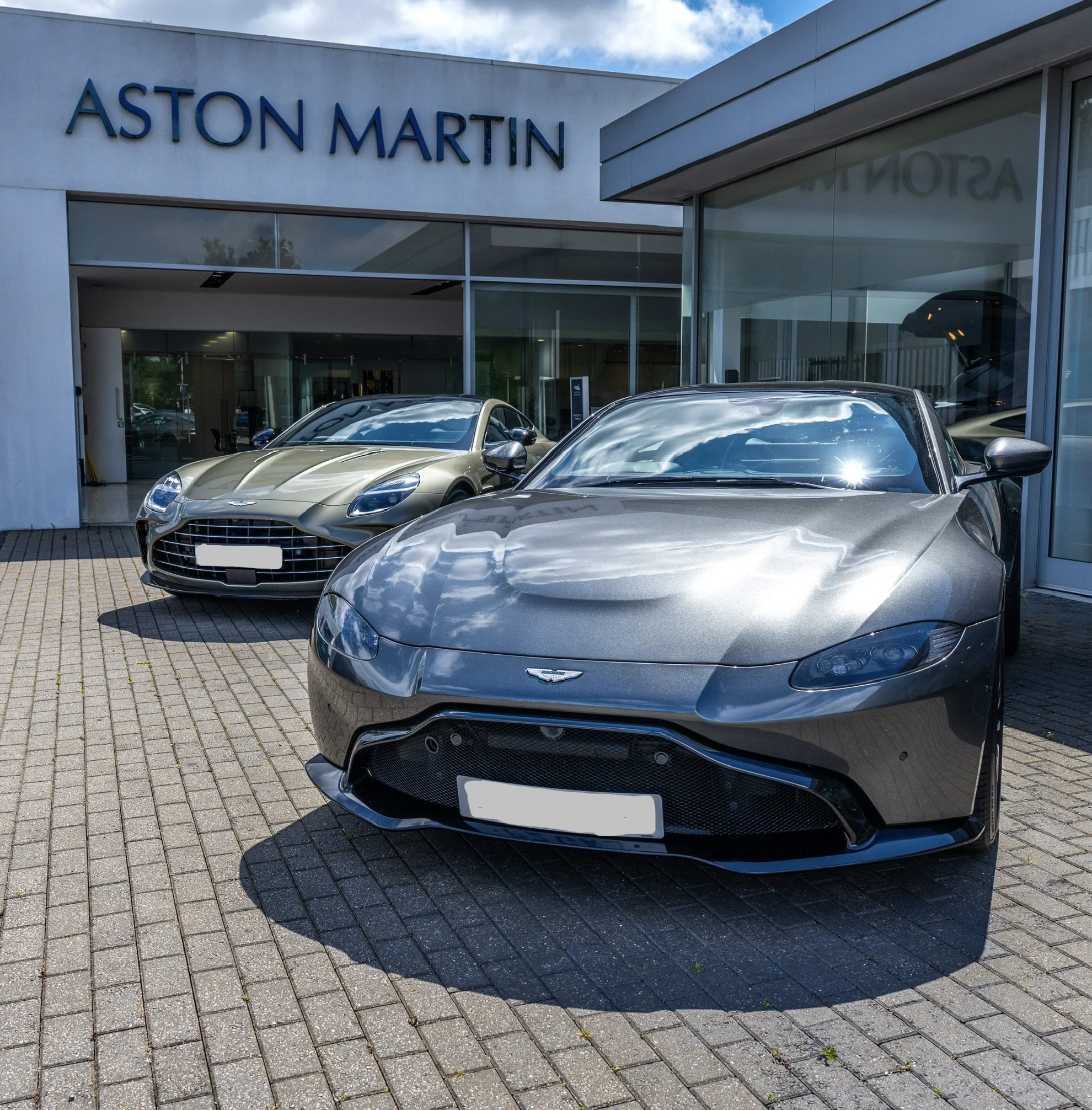
Image © George Johnson 2026. Reproduced with permission.
George’s piece looks at ownership and generational change from an enthusiast’s perspective. Robb Report looks at it from a performance and luxury benchmarking angle. Different lenses. Similar conclusions and in a week where the balance sheet has been scrutinised heavily, it is important to note: the product itself continues to earn respect.
For any automotive manufacturer, recovery begins with credibility in the metal and on that front, both the new Vantage and the Vantage S appear to be delivering.
Valhalla in the Wild - A Human Moment
Among the more light-hearted Aston Martin stories earlier this week, was footage of celebrity chef Gordon Ramsay taking his new Aston Martin Valhalla for a drive in London. The moment that caught attention? A brief struggle with the handle-less dihedral door, leading to the now widely quoted question: “Where’s the manual?” It was awkward, it was human and, in truth, entirely understandable.

Image © Aston Martin Lagonda. Used for editorial purposes.
The Valhalla is not a conventional grand tourer. It is Aston Martin’s first series-production mid-engined hybrid supercar, developed with input from Formula 1 design expertise and delivering a combined output of 1,064 horsepower from a twin-turbo V8 assisted by three electric motors. It reaches 0–60mph in around 2.5 seconds and carries a top speed north of 200mph. This is not a car you approach casually.
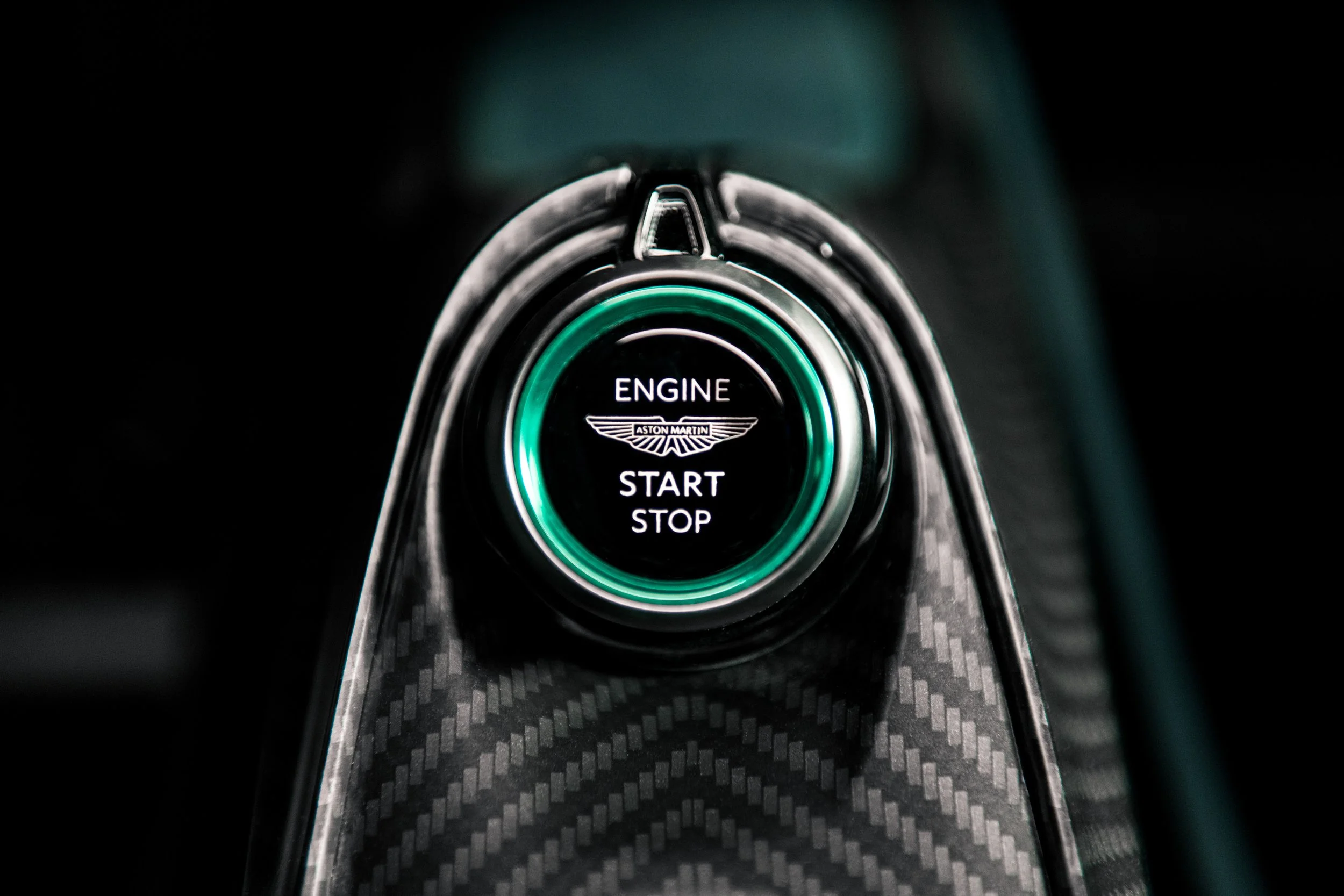
Image © Aston Martin Lagonda. Used for editorial purposes.
It is easy to focus on the door mishap. But the bigger story is that customer deliveries of Valhalla are now visibly happening. After delays and development extensions, cars are reaching owners and in the context of this week’s financial reporting, that matters.
The Valhalla is not just a halo car. It is part of the company’s higher-margin product mix strategy, the same strategy that supported Q4 improvement last year. Seeing one on London streets, even accompanied by a slightly puzzled owner, is evidence of that strategy moving from PowerPoint to pavement. Frankly, there is something refreshing about a moment that reminds us these cars are still, at heart, emotional purchases, not corporate spreadsheets, not investor presentations, just very fast, very dramatic machines that occasionally require the handbook!
This Week at Fuel the Passion
If Aston Martin has had a busy week, so too has Fuel the Passion. Earlier this week I published a detailed Featured Article breaking down Aston Martin’s FY2025 preliminary results into clear, digestible sections. The aim, as always, was to remove noise and focus on substance, explaining what adjusted EBIT actually means, what rising net debt implies, and where operational discipline now matters most. It’s not glamorous content, but it is important content.
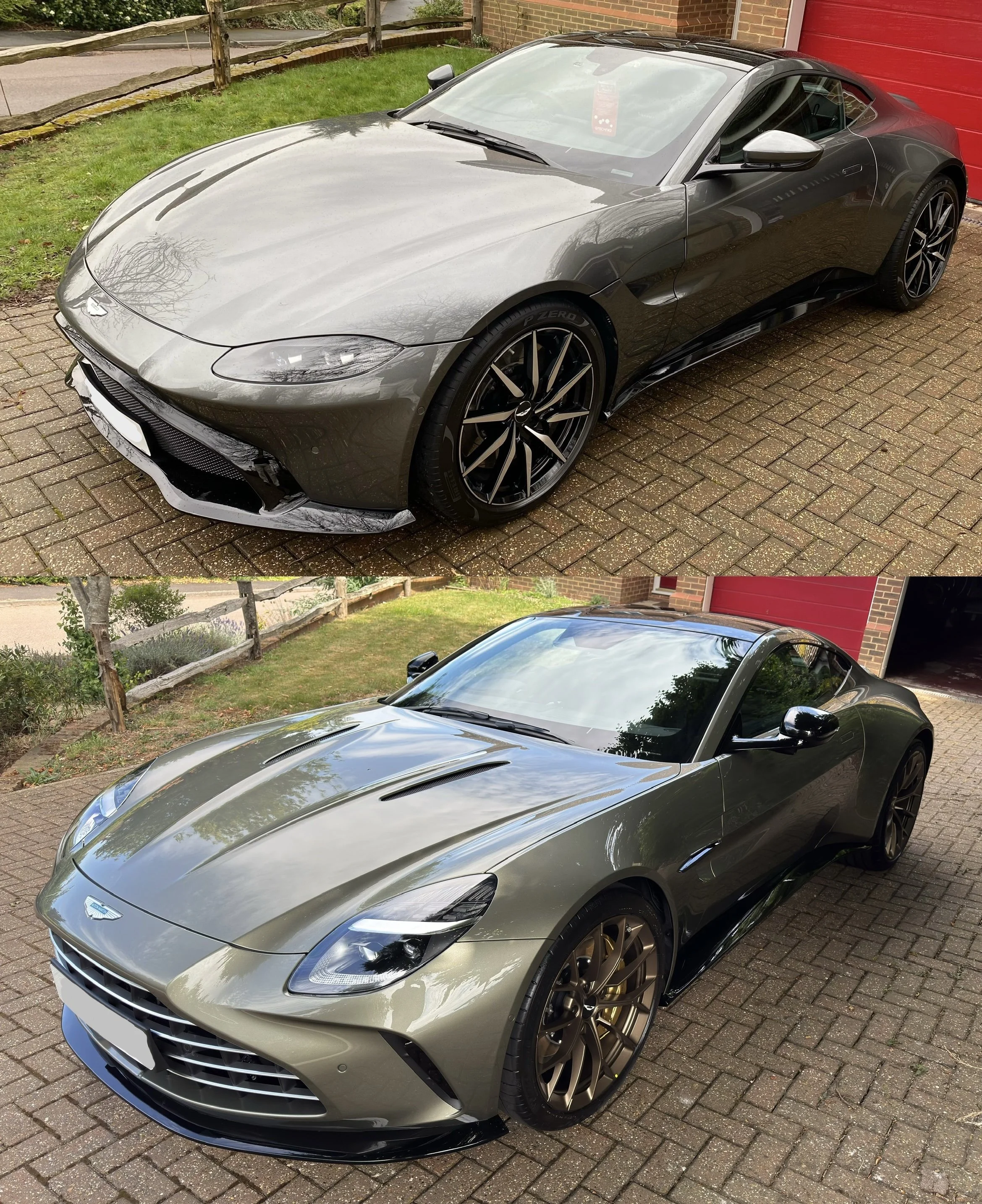
Image © George Johnson 2026. Reproduced with permission.
Alongside that, something rather special happened here at FTP: we published our first guest Featured Article at the same time as this weekly roundup went live.
George’s piece, focusing on his move into the new-generation Vantage, was thoughtful, balanced and genuinely helpful.
He gave his time freely, shared his ownership perspective openly and produced something that will assist other enthusiasts navigating similar decisions.
“George - if you’re reading this - thank you. Properly!”
This platform only works because people are willing to contribute honestly and constructively. Your article set the tone for what guest features here at Fuel the Passion can become: informed, experience-led and generous in spirit, and this is a genuine invitation to others; if you have your own Aston Martin story, a memorable drive, a recent purchase, a long-term ownership experience, a repair journey, an upgrade decision, even a financial lesson learned the hard way and you are willing to share it thoughtfully, please do get in touch. These stories matter.
They help prospective buyers make informed decisions, they help owners navigate servicing, warranty choices, modifications and repair costs. They remove mystery and replace it with shared experience and that, ultimately, is what this platform is about, protecting the record and supporting the community.
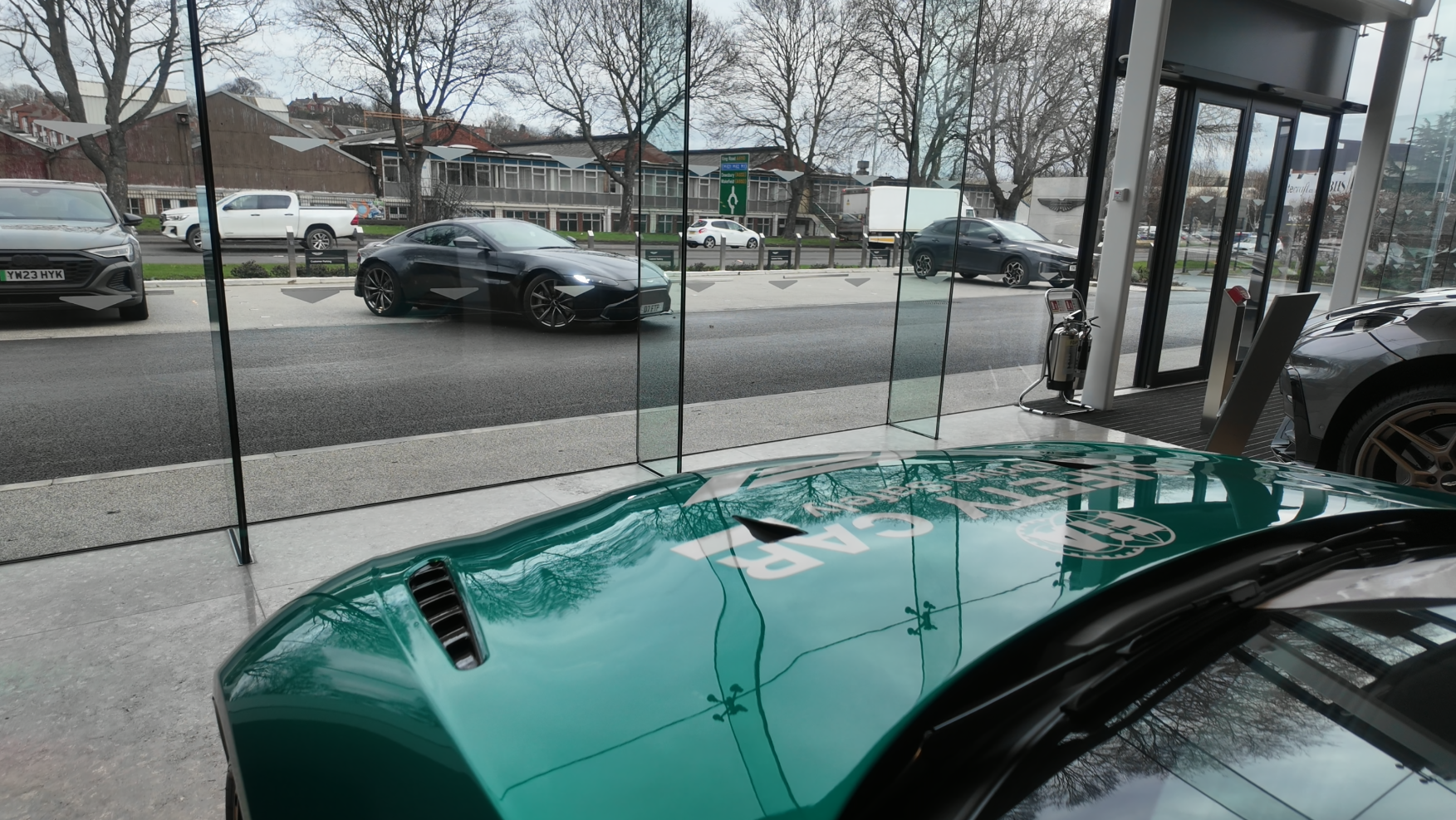
Image © Fuel the Passion
Away from the keyboard, as you now know, I spent time this week at JCT600 Aston Martin Leeds for the seventh service of my own 2019 Vantage. The team, as ever, were excellent. Something was fitted during this visit, more on that soon, and I filmed both the showroom and a particularly special car that you’ve already seen featured above.
There is something grounding about maintaining your own car during a week filled with corporate analysis. It reconnects you to the reason this brand exists in the first place, ownership is not theoretical, it is lived.
Between financial deep-dives, motorsport updates, heritage features and filming commitments, it has been a full week. I’m learning, steadily, that Fuel the Passion does not need to rush. It needs to remain measured, accurate and thoughtful.
Growth will follow discipline and that remains the aim.
Closing Reflection - Discipline Over Drama
It would be easy, after a week like this, to lean into drama. A near half-billion-pound statutory loss, rising net debt, workforce reductions, a difficult pre-season in Formula 1 and AML shares falling to their lowest level since IPO, a sobering milestone that underlines the seriousness of the moment. The noise writes itself.
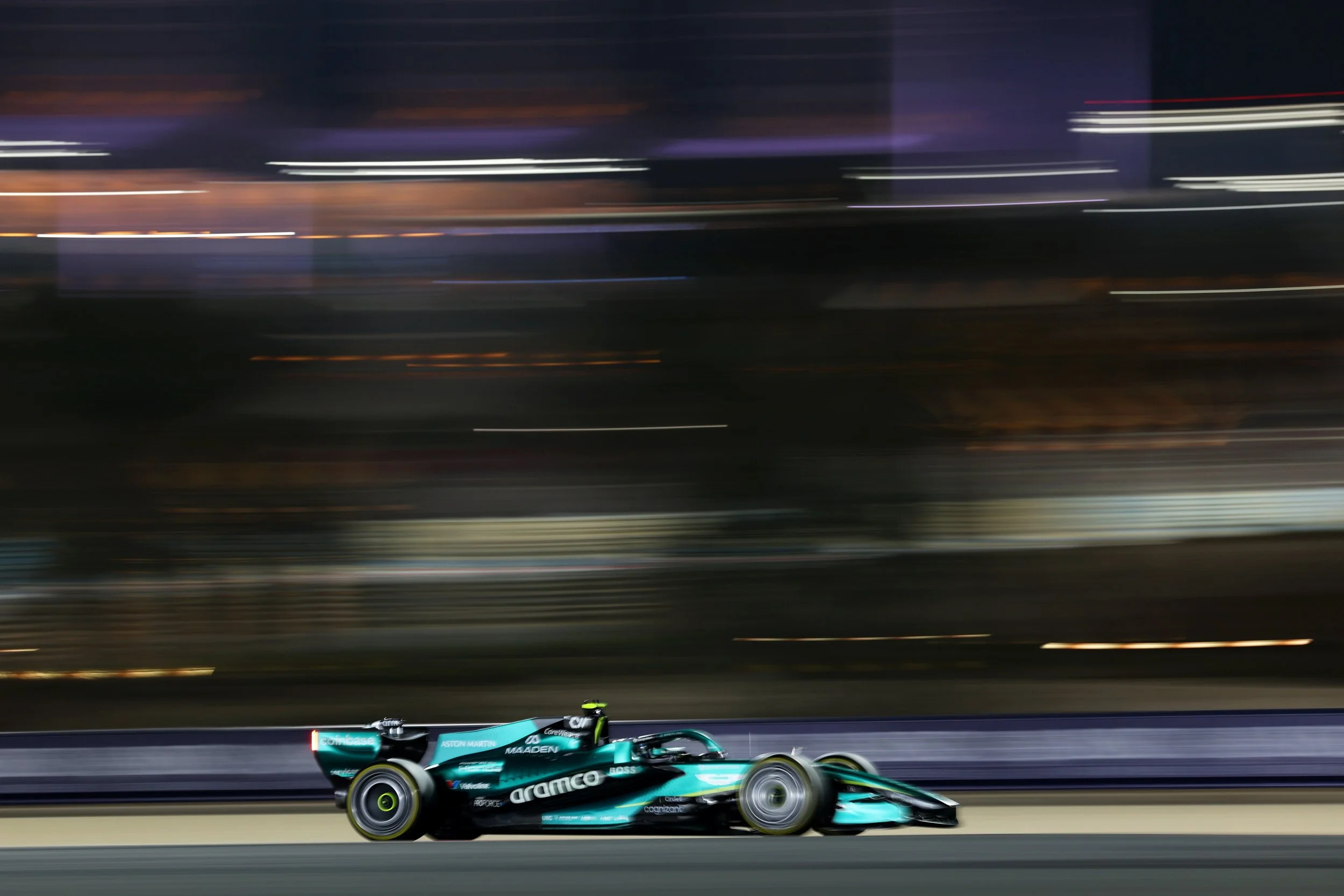
Image © Honda Motor Co., Ltd. Used for editorial purposes.
But Aston Martin has never been a brand built purely on quarterly numbers, nor should it be judged solely by them. That does not mean ignoring reality, quite the opposite. It means facing it clearly. This week has demanded realism. Financial discipline must replace volatility, operational stability must replace reactive cycles and in Formula 1, patience must sit alongside ambition. None of that is glamorous but all of it is necessary.
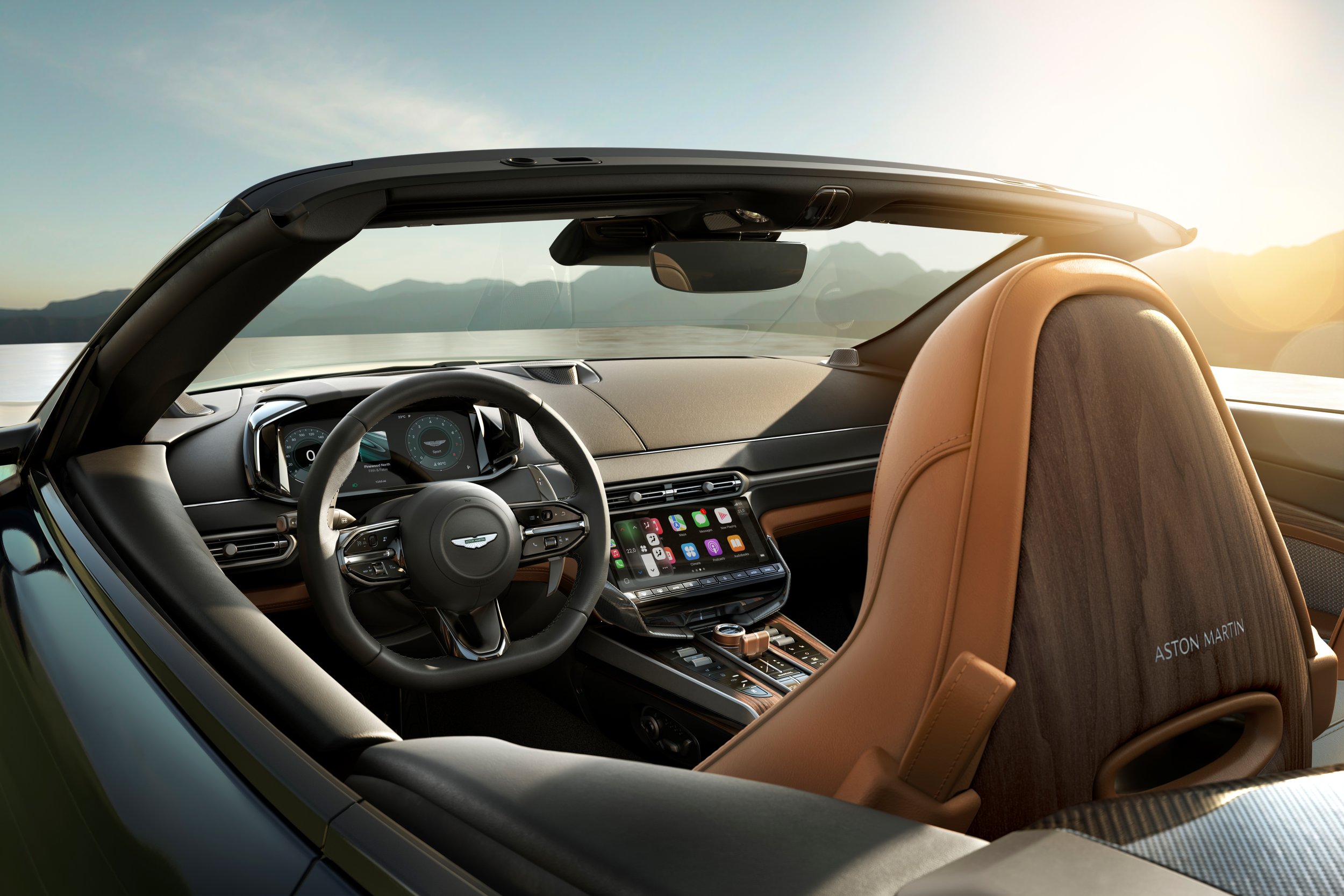
Image © Aston Martin Lagonda. Used for editorial purposes.
At the same time, the broader picture remains layered; A Volante celebrating 60 years of open-top Aston Martin heritage.
A DB4 brought back to life at Haynes, a 1923 braking test reminding us how far engineering has come, a Safety Car still sitting in a showroom waiting for its next custodian, a Valhalla reaching customers, a two-car WEC programme preparing to race properly. This is not a single-story week, it’s a complex one and perhaps that is the most important thing to remember.

Image © Fuel the Passion
Before I sign off - a reminder, if I may; A new Fuel the Passion YouTube film goes live at midday on 1st March. It’s my visit to Goodwood Revival 2025, not a race highlight reel (Goodwood themselves capture the racing far better than I ever could), but something more personal.
We step inside the paddock and parc fermé as the cars prepare to head out. We spend time with historic Aston Martins, we walk through Earls Court and before leaving, we wander through the public car park which, at the Revival, can be just as extraordinary as the machinery inside.
If you’re reading this before 12:00, set your alarm.
If you’re reading this after midday, the link is HERE
Whenever you choose to watch it, I hope you enjoy it.
Fuel the Passion exists to remove hysteria and replace it with perspective, to protect the record, to support owners, to welcome contributors, to encourage informed conversation rather than reactive comment sections. Before I close, I would genuinely value your feedback.
Are these Weekly Roundups useful to you? Do they help you make sense of what’s happening, financially, on track, in the showroom and in the wider culture? Should I continue investing this level of depth each week? Or would you prefer something shorter, sharper, different? Leave a comment below. Even a simple “keep going” or “refine this” helps more than you might realise. This platform only works if it serves you.
As ever, I welcome your thoughts, whether you’re an owner, an investor, an admirer from afar or simply someone who cares about the future of this extraordinary British marque.
Until next week, thank you
Dan
Fuel the Passion
Where every drive tells a story
