Issue 22 - Fuel the Passion (FTP) Weekly Roundup
Week Ending 3rd May 2026
Editor’s Introduction - Dan, Fuel the Passion
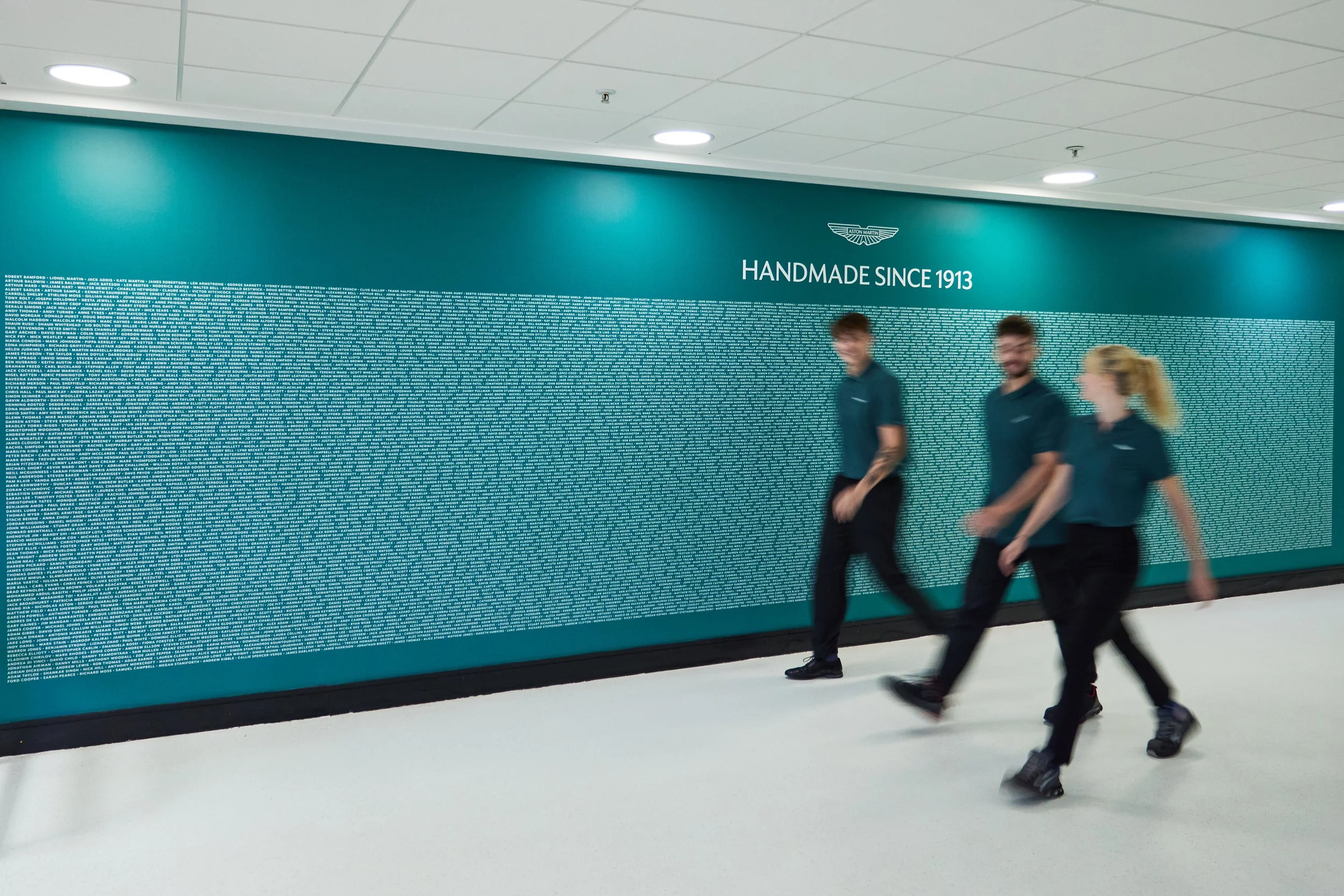
Image © Aston Martin Lagonda. Used for editorial purposes. AML HQ, Gaydon.
There are some weeks in the Aston Martin world where one story dominates everything else. This wasn’t really one of those weeks.
Instead, this felt like one of those broader Aston Martin weeks where several strands we’ve been following for some time all moved at once. Aston Martin Lagonda published its first-quarter results, giving us another marker in the company’s ongoing attempt to rebuild momentum. The Formula 1 team has arrived in Miami still searching for a way out of a very difficult start to its new Honda era. Valkyrie prepared for another important IMSA outing at Laguna Seca. The Vantage S continued to win hearts, even when the final verdicts from road tests didn’t always put it on top and in the background, the familiar Aston Martin themes were all still there: pressure, ambition, engineering complexity, emotional pull and the need to keep moving.
That’s often the reality of following this marque properly. It’s rarely simple, and it’s almost never one-dimensional. Aston Martin can give us beauty, frustration, racing promise, financial concern, wonderful heritage and a deeply loyal community all in the same week. That’s why, here at Fuel the Passion, we try to slow it all down, separate the confirmed facts from the noise, and look at what each development actually means.
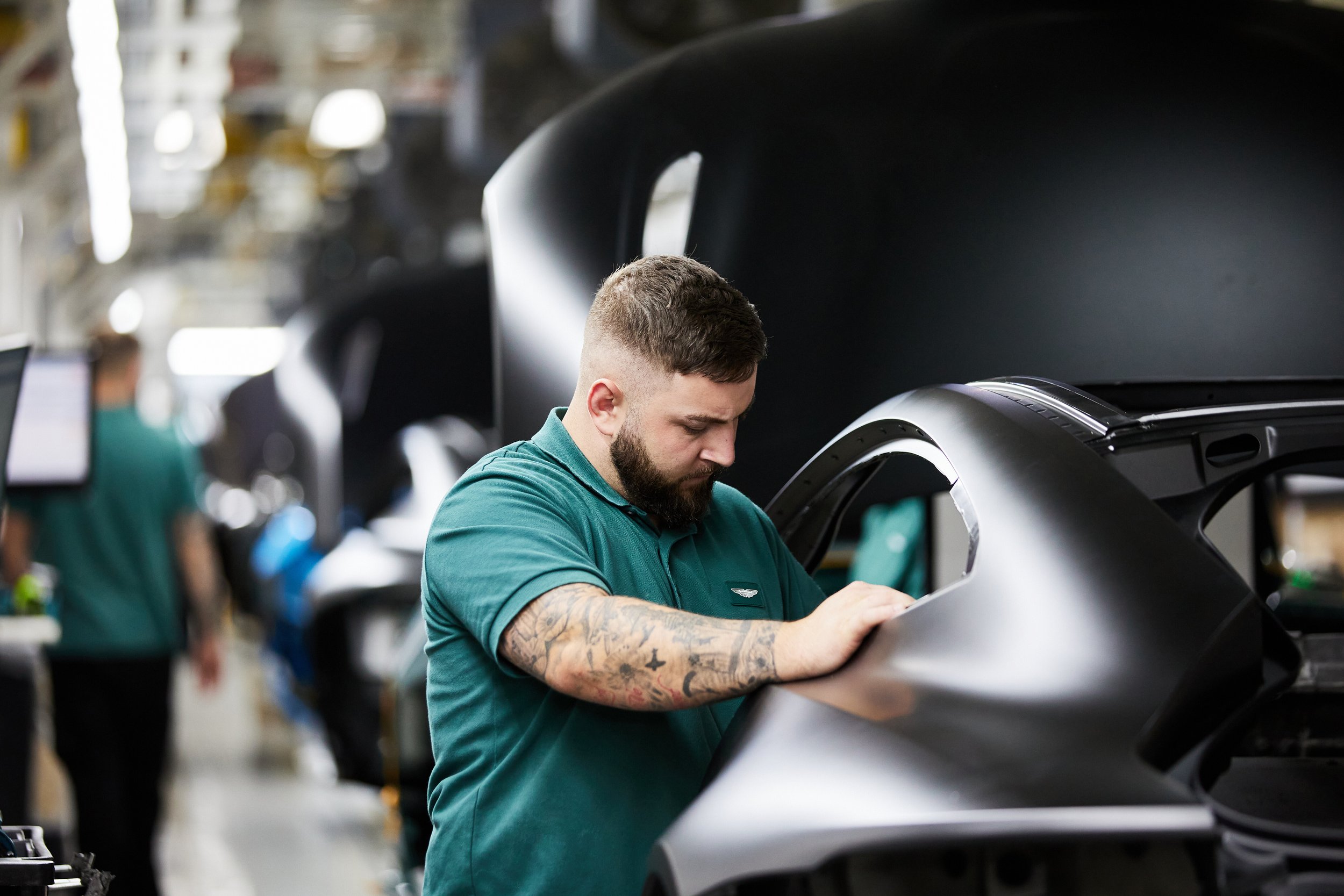
Image © Aston Martin Lagonda. Used for editorial purposes. AML Gaydon.
This week’s roundup is therefore a fairly substantial one. We have AML’s Q1 results, the latest on Aston Martin and Honda’s work before Miami, a wider look at the AMR26 and the human strain inside the team, Valkyrie’s return to IMSA, customer racing updates, the continuing rise of the modern “S” models, a very tempting DB11 AMR as our FTP Pick of the Week, and a proper heritage moment linking Jock Horsfall, the Aston Martin Heritage Trust and the deeper story of the marque.
Away from the news itself, it’s also been another busy Fuel the Passion week, with the Salon Privé London film going live, the May Featured Article ready for publication and is released at the same time as this roundup, and more behind-the-scenes work continuing on the wider FTP website and Motorsport Hub.
So, let’s start where the week itself really began: with Aston Martin Lagonda’s latest financial checkpoint.
AML Q1 2026: A First Checkpoint in the Year That Must Deliver
Back in February, when we looked at Aston Martin Lagonda’s preliminary results for the 2025 financial year, via an FTP Featured Article, I described 2026 as the year that had to move from ambition to execution. That remains the right way to frame it. After a very difficult 2025, Aston Martin’s challenge was not simply to talk about product mix, cost discipline, Valhalla deliveries and stronger margins, but to begin showing evidence that those things were actually working their way through the business. This week’s Q1 2026 results give us the first proper checkpoint.
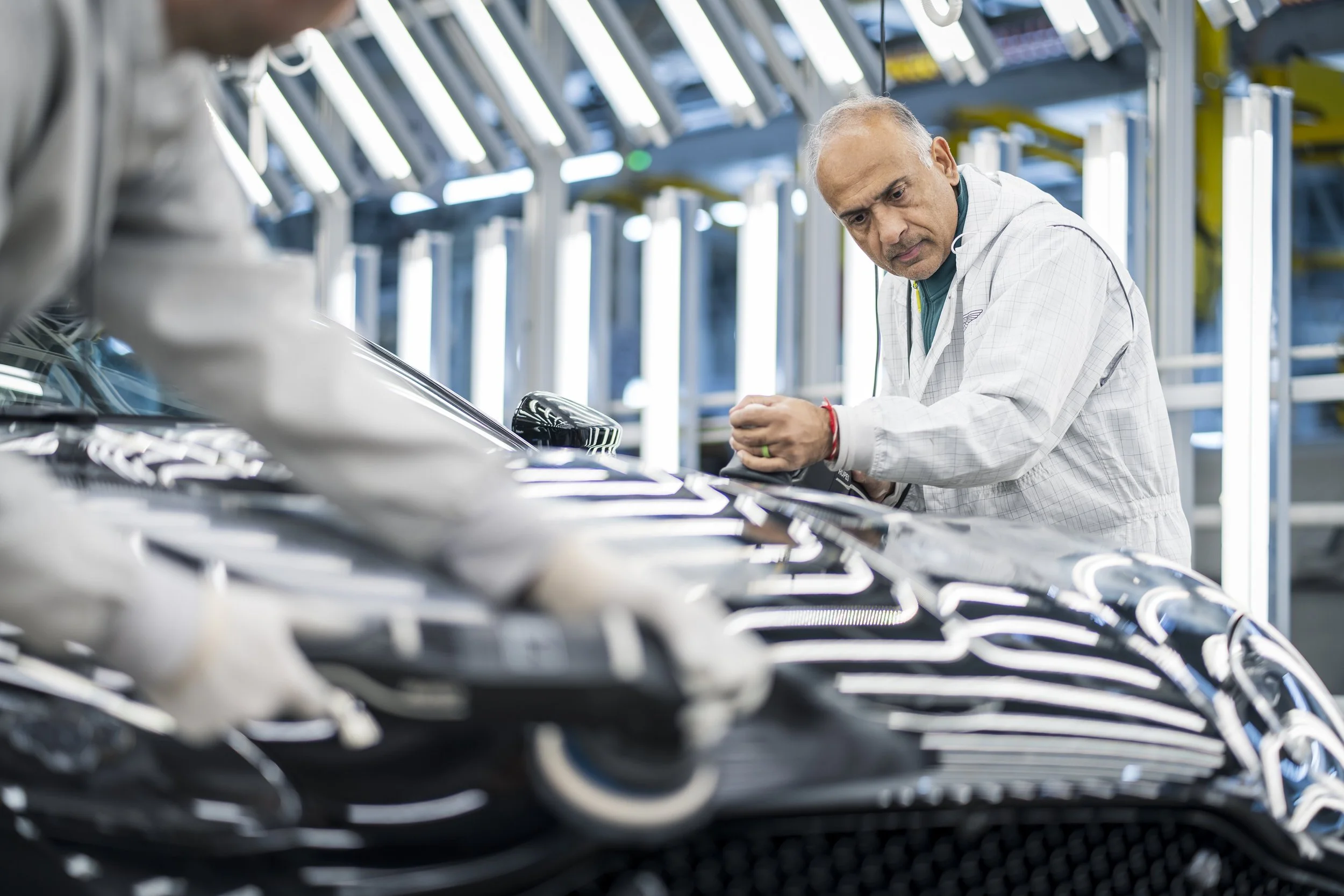
Image © Aston Martin Lagonda. Used for editorial purposes. AML Gaydon.
As ever, the answer isn’t simple enough to be reduced to either “good news” or “bad news”. There are genuine signs of improvement here.
Revenue increased to £270.4 million, gross margin improved to 34.7%, gross profit rose to £93.9 million, and adjusted EBITDA moved to a positive £23.2 million, compared with a negative figure in the same period last year.
Adjusted EBITDA is a measure of underlying operating performance before interest, tax, depreciation and amortisation are taken into account. Put simply, it helps show whether the business itself is moving in a better direction before the cost of debt and other accounting items are added back in. It’s not the same as profit, but it’s still a useful signpost.
Those are meaningful improvements, and they suggest that the stronger product mix Aston Martin has been talking about is beginning to appear in the numbers.
“But the company is still loss-making, still consuming cash, and still carrying a very heavy debt burden. That’s the part that cannot be ignored.”
Wholesale volumes were broadly flat, with 939 cars wholesaled in the quarter compared with 950 in Q1 last year. On the face of it, that looks relatively steady. But the more interesting detail is underneath the headline figure. Aston Martin says core retail volumes were more than 50% ahead of core wholesale volumes, which suggests customers were buying cars from the dealer network faster than Aston was wholesaling new cars into it. In plain English, that points to a more disciplined approach: clearing stock, reducing pressure in the dealer channel, and avoiding the old temptation of pushing volume simply to make the quarterly numbers look better.
That matters because one of Aston Martin’s recurring problems has been the tension between volume and exclusivity. It’s a low-volume luxury manufacturer. It cannot simply chase scale in the way a mainstream carmaker might. The recovery has to come from selling the right cars, at the right margins, to the right customers, while keeping stock under control. Valhalla is central to that.

Image © Aston Martin Lagonda. Used for editorial purposes.
In Q1, Aston Martin wholesaled 103 Specials, compared with only 14 in the same quarter last year. Of those, 102 were Valhallas. This is exactly why we’ve been saying for some time that Valhalla is more than a dramatic halo car.
It’s visually spectacular, yes, and it clearly matters to the image of modern Aston Martin, but financially it matters too. Higher-value cars such as Valhalla lift average selling price, improve product mix, and help margins in a way that normal core volume cannot do alone.
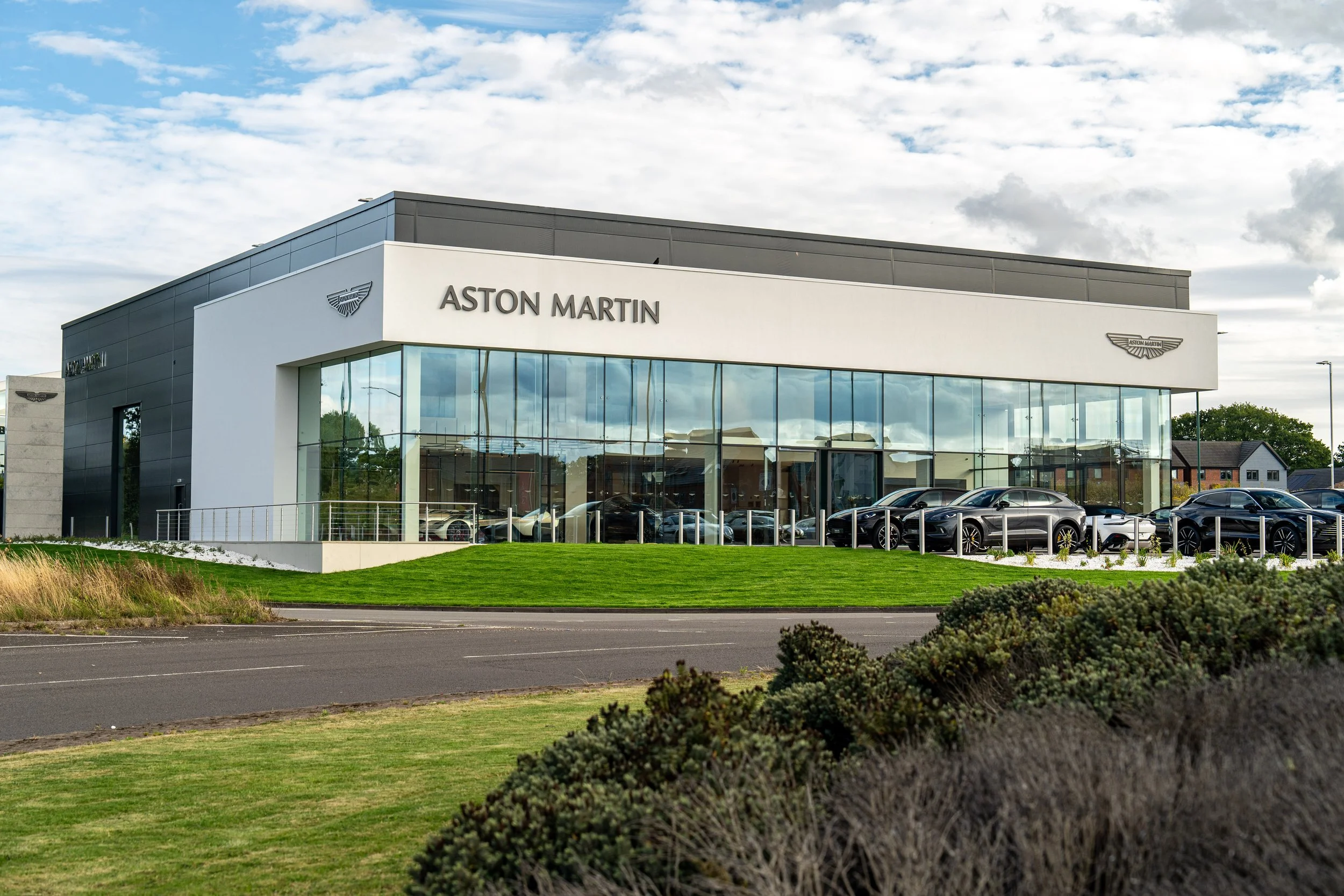
Image © Aston Martin Lagonda. Used for editorial purposes.
That’s the encouraging side of the report. Total average selling price rose to £252,000, up from £216,000 a year earlier. That reflects the impact of Specials and Valhalla in particular. But the core average selling price, excluding Specials, fell from £193,000 to £179,000.
Aston Martin explains that as the result of targeted dealer support to help reduce aged stock. That’s not necessarily a bad thing if it clears the system and creates a healthier base for the rest of the year, but it does remind us that the improvement in Q1 is not simply the core range suddenly carrying everything by itself.

Image © Aston Martin Lagonda. Used for editorial purposes.
This is why the “S” models matter. DBX S, Vantage S and DB12 S are not just enthusiast talking points; they’re part of the commercial story. Aston Martin needs derivatives that feel desirable enough to command stronger pricing, richer specification and better margins.

Image © Aston Martin Lagonda. Used for editorial purposes.
The ongoing media response to Vantage S and DBX S, some of which, we’ll come to later, suggests the product side of that strategy is at least beginning to make sense. The difficulty is that better margins don’t automatically mean the company is suddenly financially comfortable.
Aston Martin still reported a loss before tax of £65.5 million for the quarter. Free cash outflow was £116.8 million, only slightly better than the £120.3 million outflow in the same period last year. Net debt increased to £1.459 billion, up from £1.380 billion at the end of 2025.
“That number remains the one I find myself coming back to. It’s the heavy weight sitting behind every other improvement.”
There’s also the new £50 million committed facility from members of the Yew Tree Consortium, which helps lift pro forma liquidity to around £230 million. That gives Aston Martin more breathing space. It’s useful, and in the short term it matters, but breathing space is not the same as recovery. The bigger question is whether Aston Martin can generate enough cash internally, over time, to reduce its reliance on additional financing and gradually make the balance sheet less stretched.
This is where we have to be honest with ourselves as enthusiasts. Aston Martin cannot simply “save” its way to success. Cost control matters, and the company has already announced significant restructuring, including workforce reductions, but this isn’t a brand that can cut itself into health if the product loses desirability. It needs to earn its way forward through margin, mix, discipline, personalisation, careful production planning, reduced capital expenditure and, eventually, stronger cash generation.

Image © Aston Martin Lagonda. Used for editorial purposes.
The debt question remains particularly uncomfortable. At £1.459 billion, it’s not something that disappears quickly, even if the business starts improving. If Aston Martin were ever able to generate £100 million of truly surplus free cash a year, it would still take many years to make a meaningful dent in that figure.
At higher levels of cash generation, the timeline shortens, of course, but the point remains: this isn’t a balance sheet that can be transformed by one good quarter, one model launch, or even one strong year. The more realistic route is gradual improvement, refinancing where possible, better earnings, strategic support, and time.
That’s why the market reaction is worth watching carefully. Some reporting this week noted that Aston Martin shares rose following the update, but one day’s movement doesn’t settle the argument.

Image © Aston Martin Lagonda. Used for editorial purposes.
Investors will have seen the same mixed picture we are looking at here: better revenue, stronger gross margin, Valhalla beginning to contribute, unchanged full-year guidance, but also continuing cash outflow, high debt, and the need for further liquidity support.
The mainstream media reaction has been broadly consistent. Most coverage hasn’t treated this as a dramatic turnaround, but nor has it ignored the operational improvement. The general tone has been: Aston Martin is showing signs of progress, but remains loss-making and financially stretched. That feels fair.
“For me, the Q1 results are best understood as a cautious step in the right direction.”
They show that some of the levers Aston Martin has talked about; Valhalla, product mix, margin improvement and tighter wholesale discipline, are beginning to move. But they also show why 2026 still has so much to prove. The company has to turn better margins into better cash flow. It has to keep the core range desirable, it has to deliver Valhalla successfully, it has to manage debt, tariffs, China weakness, supply-chain uncertainty and the broader luxury market. So, is this a turning point? Not yet. But it may be the beginning of the period Aston Martin told the market to expect: a difficult first quarter, followed by improvement as Valhalla deliveries, S models, cost discipline and stronger mix begin to work through the year.
For now, the position remains watchful rather than comfortable. The cars are strong, the brand still matters. The product range is fresher than it has been for some time, but the financial burden is still heavy, and Aston Martin’s recovery story remains exactly that: a recovery story still in progress.

Affiliate note: If you buy through this link, it does not cost you anything extra, but Fuel the Passion may receive a small commission which helps support the website and future content. Thank you for your support.
Aston Martin F1: Miami, Honda Countermeasures and No Miracle Cure
From the financial pressure around Aston Martin Lagonda, we move to a very different part of the Aston Martin world, but one carrying a similar theme: ambition is one thing, delivery is another.
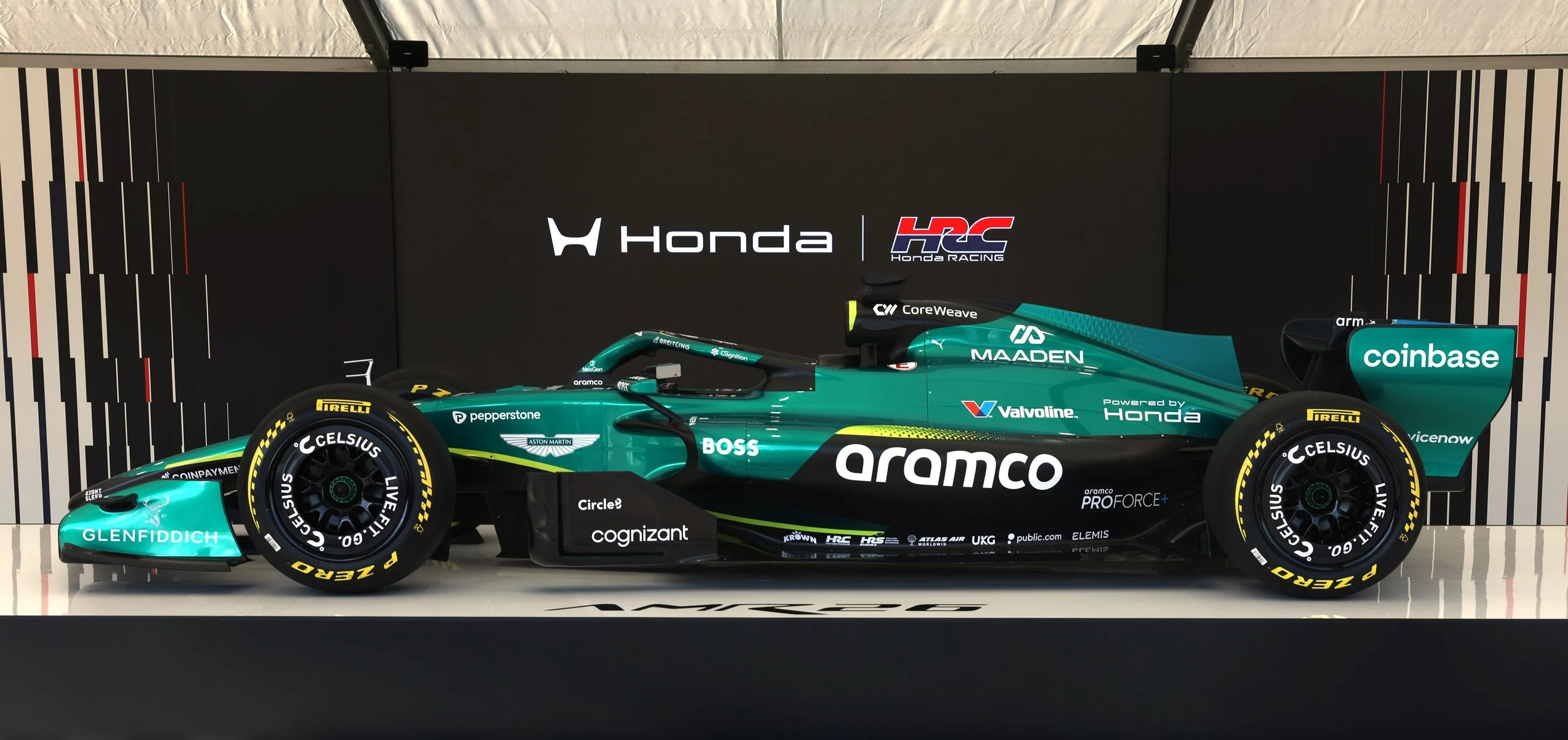
Image © Honda Motor Co. Ltd & Aston Martin Aramco. Used for editorial purposes.
The Aston Martin Aramco Formula One Team arrives in Miami after an unusually long gap in the 2026 season. As we know, that break wasn’t planned in the normal rhythm of the calendar, but for Aston Martin and Honda it may prove to have been useful time. After three very difficult opening rounds, the AMR26 needed more than ordinary between-race preparation. It needed investigation, mitigation and some evidence that the worst of the early problems could be brought under control.
The issue hasn’t simply been that Aston Martin has lacked pace. That would be concerning enough, but Formula One teams can usually work through a lack of performance if the car is fundamentally reliable and repeatable. The bigger concern has been the nature of the Honda-powered AMR26’s early problems: severe vibration, reliability limitations, battery-side concerns, driver discomfort and restricted mileage at precisely the point in a new regulation cycle when every lap matters. This week, the picture became a little clearer.
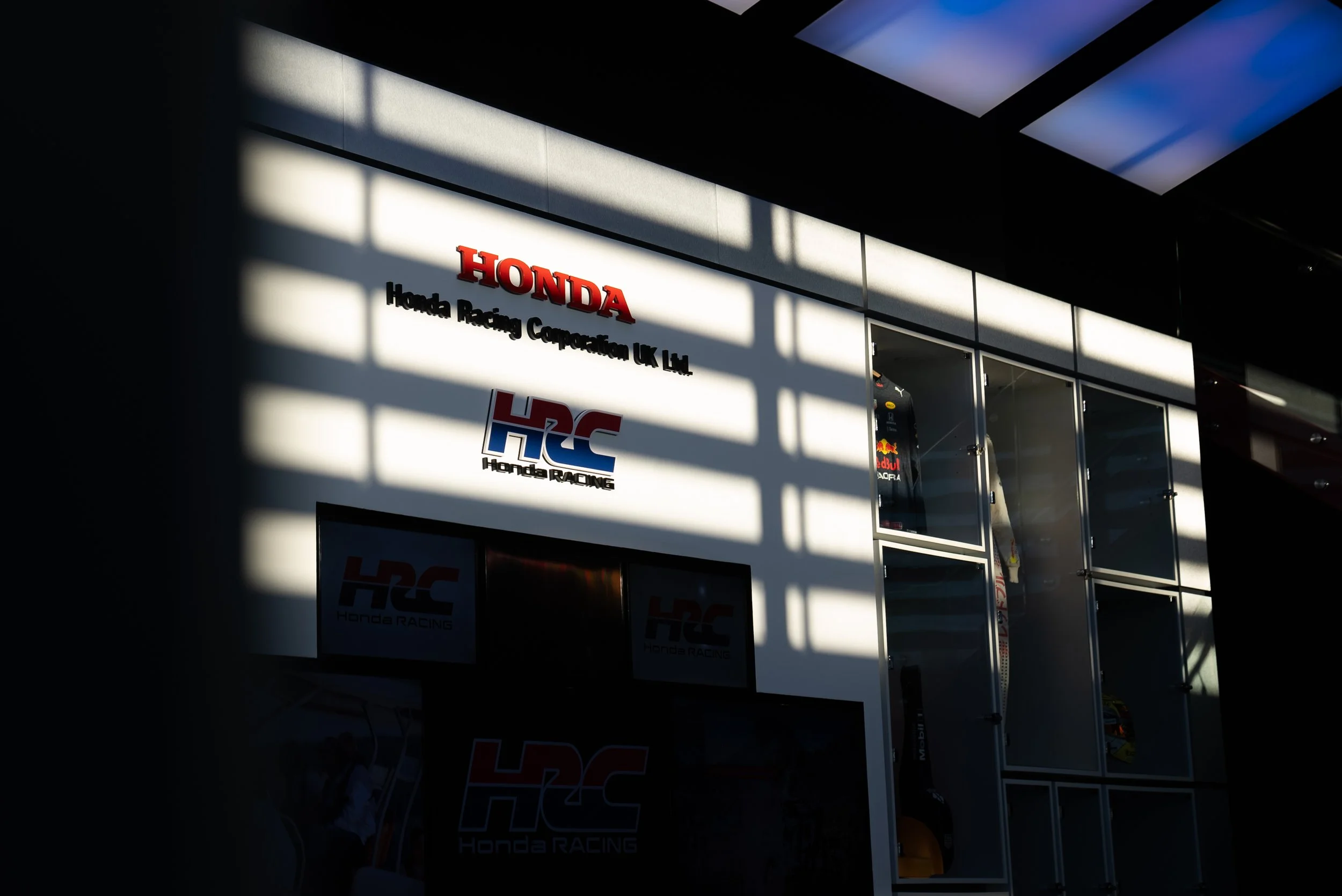
Image © Honda Motor Co., Ltd. Used for editorial purposes.
Honda has brought countermeasures to Miami after using the extended break to investigate the vibration issue more deeply. The most important detail is that one AMR26 was kept at Honda’s Sakura facility in Japan after Suzuka, allowing engineers to test the power unit while connected to the actual car and chassis. That matters because a Formula One power unit doesn’t operate in isolation; Installation, cooling, mounting, gearbox, battery, chassis behaviour and driver feel all interact. If the vibration only appears in the complete car, then testing the engine alone will never tell the whole story.
Honda’s Shintaro Orihara has been careful with his language. He’s said progress has been made, and that countermeasures are being introduced in Miami and later in the season, but he has also been realistic. He isn’t promising “big jumps”. In other words, the work appears to be about reliability, vibration reduction and making the car more usable before it becomes about unlocking a dramatic performance gain.
Aston Martin and Honda first have to stop the car hurting itself, and, more importantly, hurting its drivers. Only after that can the performance picture become clearer. Fernando Alonso and Lance Stroll have both had to deal with a car that, by several reports, has been physically uncomfortable to drive. Alonso’s comments after China, where he spoke about starting to lose feeling in his hands and feet, gave a very human edge to what can sometimes sound like a purely technical issue. This is why Miami should not be treated as a miracle weekend…
“…it’s better understood as the first public test of whether Aston Martin and Honda have begun to get control of the problem.”
Mike Krack has also indicated that Aston Martin’s own updates are coming race by race, with work focused not just on reliability, but also weight, driveability and external changes. That’s another important point. It would be too easy to make this purely a Honda story, the reality appears broader than that.
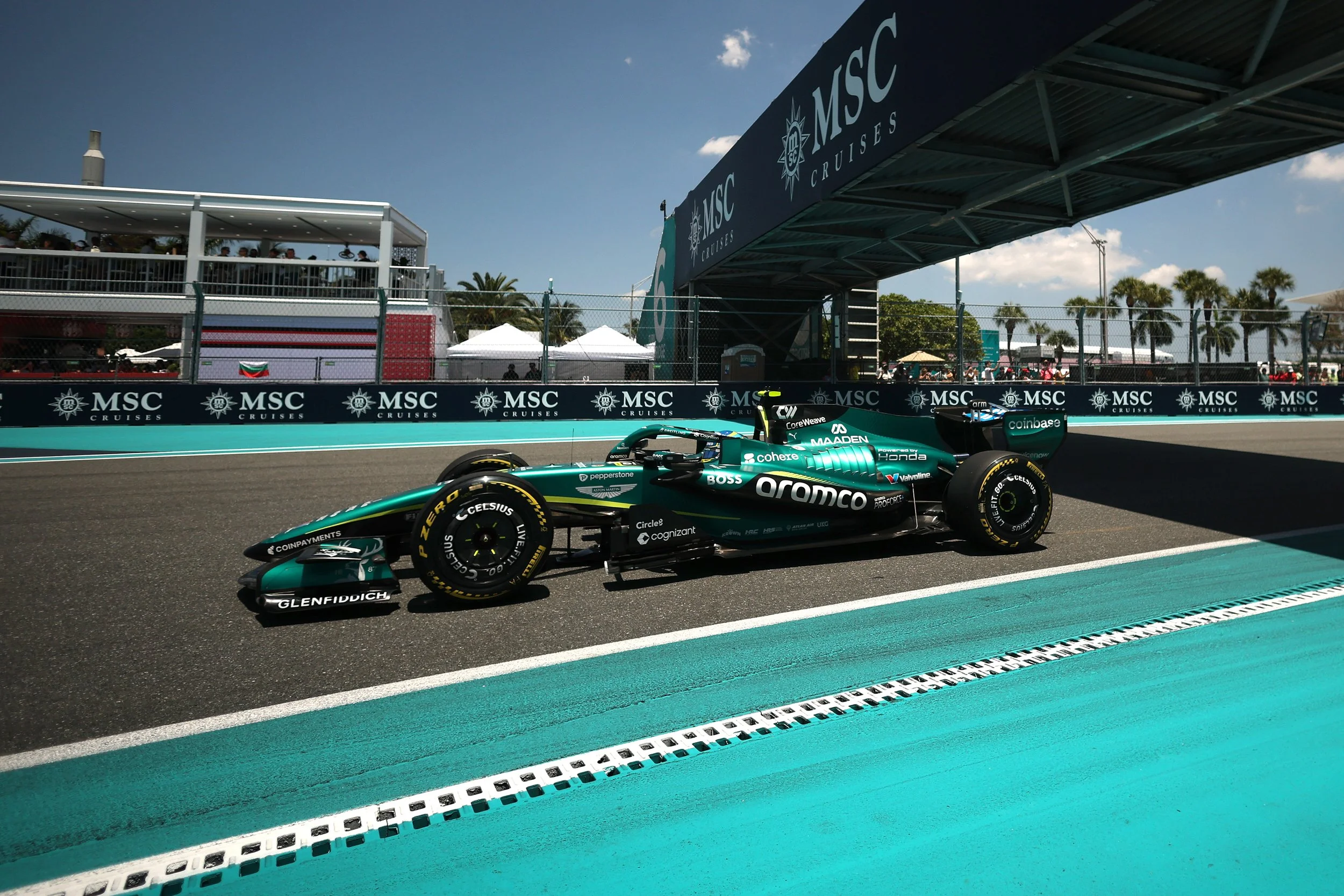
Image © Honda Motor Co., Ltd. Used for editorial purposes. Fernando Alonso Miami GP.
The AMR26 is a whole-car project, and the early weaknesses seem to involve integration as much as individual components. There are also reports that the car is still carrying a weight penalty, potentially at least ten kilograms above the new minimum. In Formula One terms, that matters. Weight costs lap time, affects tyre behaviour, influences braking and acceleration, and becomes even more painful when a team is already fighting reliability and driveability problems.
So even if Honda’s vibration countermeasures help, Aston Martin still has other performance layers to work through. Miami is also important because it’s the first race after Formula One’s own early-season rule adjustments.
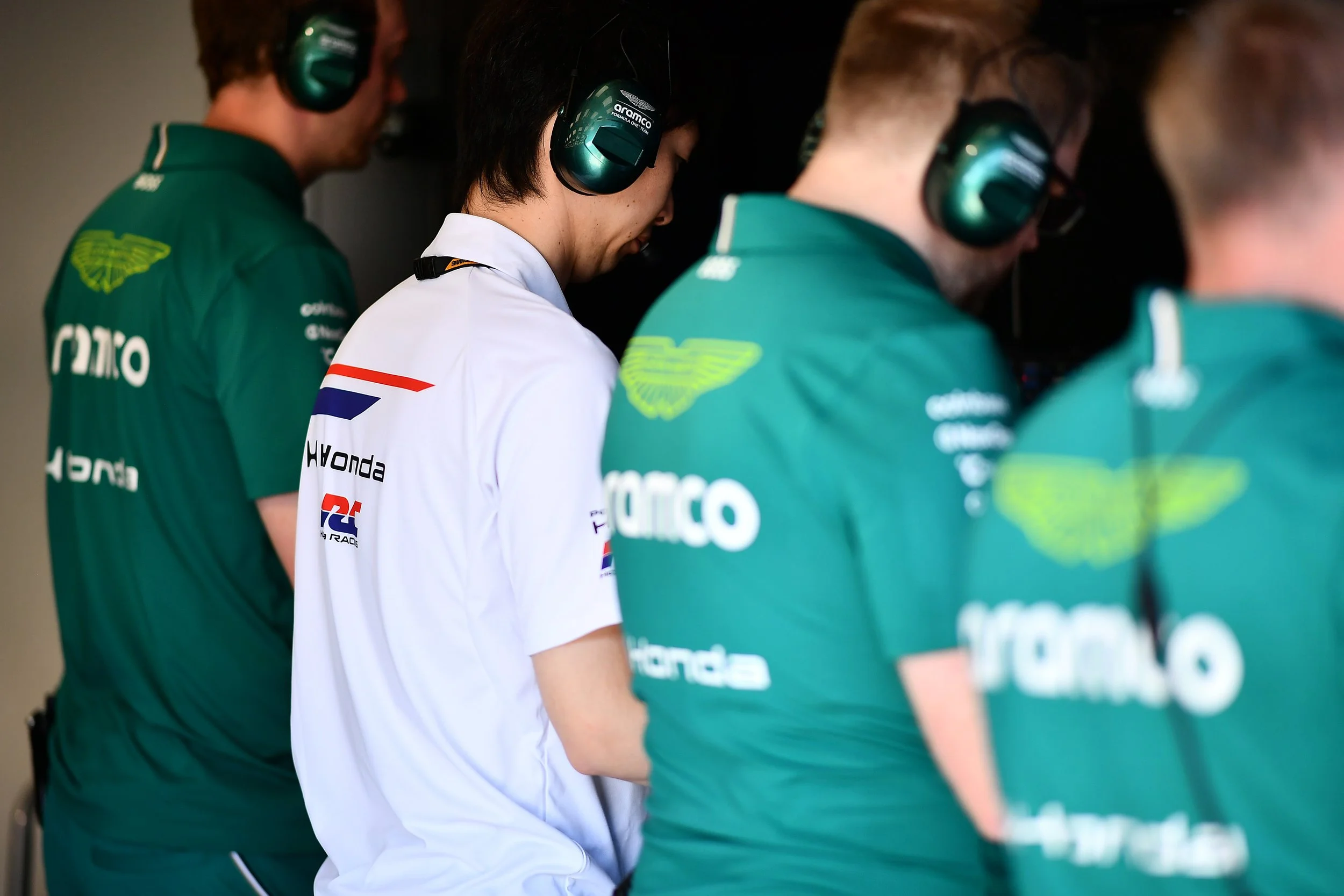
Image © Honda Motor Co., Ltd. Used for editorial purposes. Miami GP.
The 2026 regulations are new, complex and heavily shaped by the balance between combustion power and electrical deployment. In simple terms, these cars rely much more heavily on how energy is harvested, stored and released around a lap. After the opening rounds, there were concerns that the racing was becoming too affected by energy management, with drivers needing to lift and coast in unusual places, and cars sometimes slowing in ways that looked strange to viewers.
One of the key terms here is “super-clipping”. That sounds very technical, but the basic idea is this: the car can reach a point where it has to harvest energy even while the driver is still asking for full power.
To the viewer, it can look as though the car is unexpectedly slowing before the braking zone, even though the driver has not simply lifted in the normal way.
The FIA, Formula 1, the teams and the power-unit manufacturers have agreed refinements from Miami onwards. The aim is to make qualifying feel more natural, reduce some of the odd energy-management behaviour, and make racing safer by limiting sudden performance differences between cars in the wrong parts of the circuit. Energy recharge per qualifying lap has been reduced, peak super-clipping power has been increased to shorten the awkward harvesting phase, and race deployment has been adjusted to reduce closing-speed concerns. Will it make the racing better? Probably, but we need to see it properly before making a firm judgement.
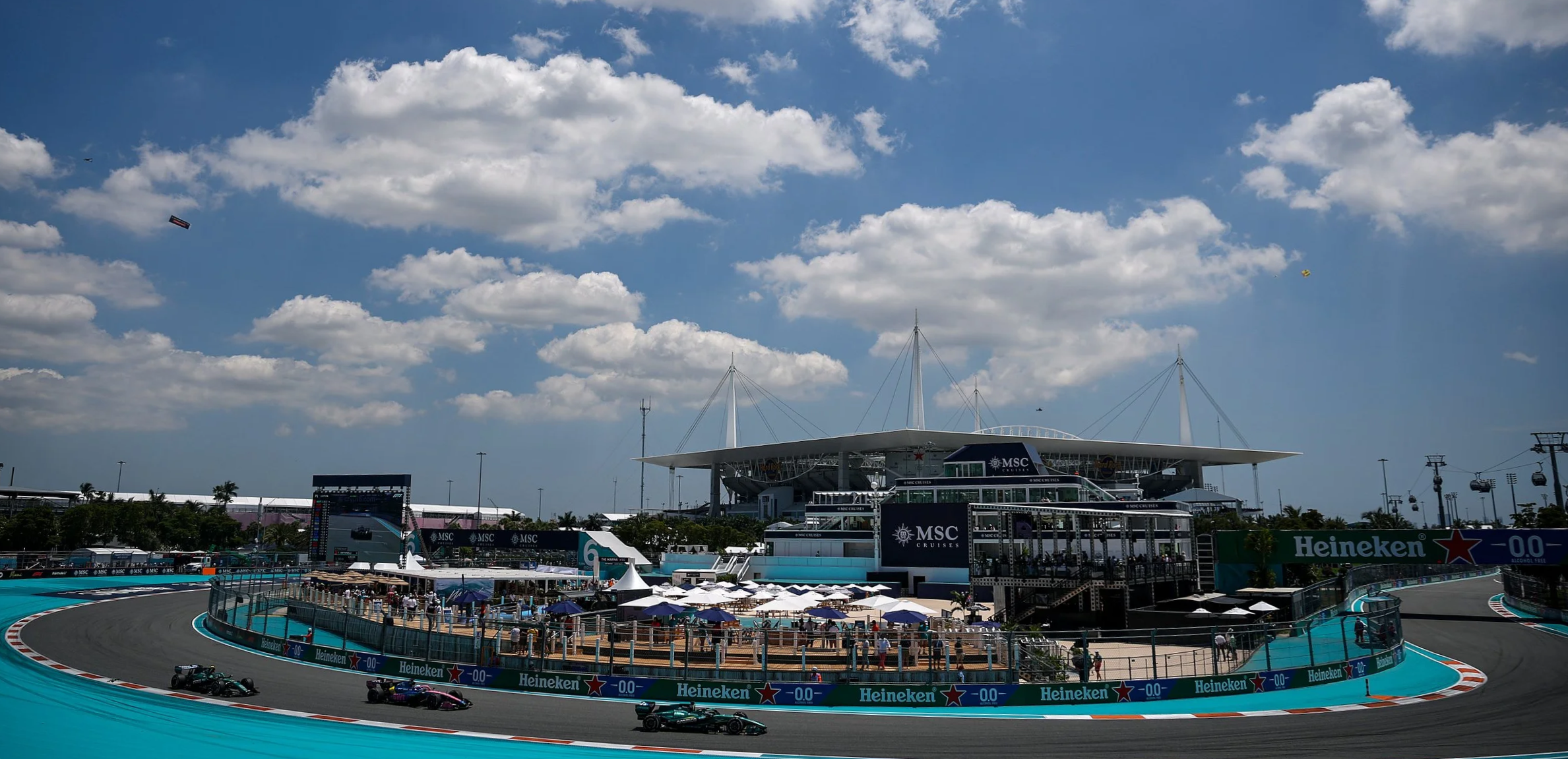
Image © Honda Motor Co. Ltd. Used for editorial purposes. The AMR26 in Miami.
The changes should help make the cars feel less artificial in certain phases of the lap. They should also reduce some of the strange speed drop-offs that were causing concern. But this is still a very new rules era, and teams are learning quickly. Some of what we see in Miami may be the result of regulation changes, some may be track-specific, and some may simply reflect who has adapted fastest during the break. For Aston Martin, the timing is awkward and useful at the same time. Useful because the team has had time to work with Honda, awkward because Miami is a Sprint weekend, meaning there’s very little practice before competitive running begins. The one practice session has been extended to 90 minutes, but even that doesn’t give teams much room for error. Add in warm conditions, cooling demands and the need to validate new countermeasures, and Aston Martin’s Friday running becomes especially important.
“So the sensible FTP view is this: Miami matters, but it shouldn’t be judged as an all-or-nothing weekend.”
If the car vibrates less, runs more reliably and gives Alonso and Stroll a more usable platform, that’s progress. It may not show up immediately as points, it may not even show up as a dramatic step in qualifying. But after the opening phase of the season, Aston Martin first needs a baseline, it needs laps and stability. It needs drivers who can push without physical discomfort and it needs Honda to understand what’s happening in the real car, not just on a dyno. Only then can the bigger question be asked: how fast can this package eventually become?
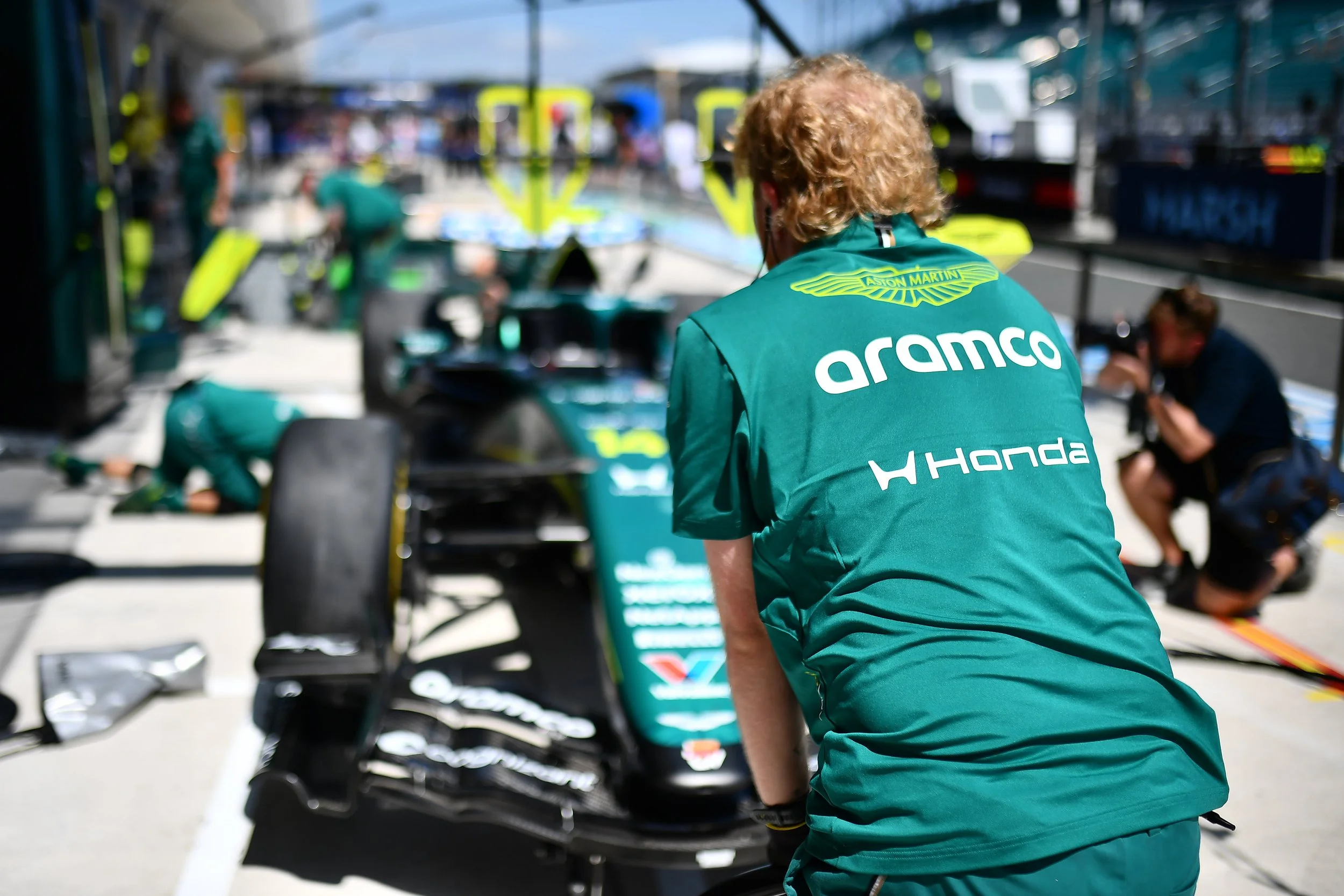
Image © Honda Motor Co. Ltd. Used for editorial purposes. Miami GP.
For now, the message from both Aston Martin and Honda feels measured. There’s work being done, but no one serious is promising a sudden transformation and perhaps that’s exactly the tone required. After such a difficult start, Aston Martin doesn’t need miracle language, it needs evidence, reliability and a car that starts to behave like a platform for development rather than a problem to be contained.
A quick timing note here: I first drafted this section on Friday, but I’m now updating it on Saturday afternoon, with the Miami Grand Prix weekend still very much in progress. Sprint Qualifying has already given us some early evidence, and unfortunately it was another difficult session for Aston Martin.
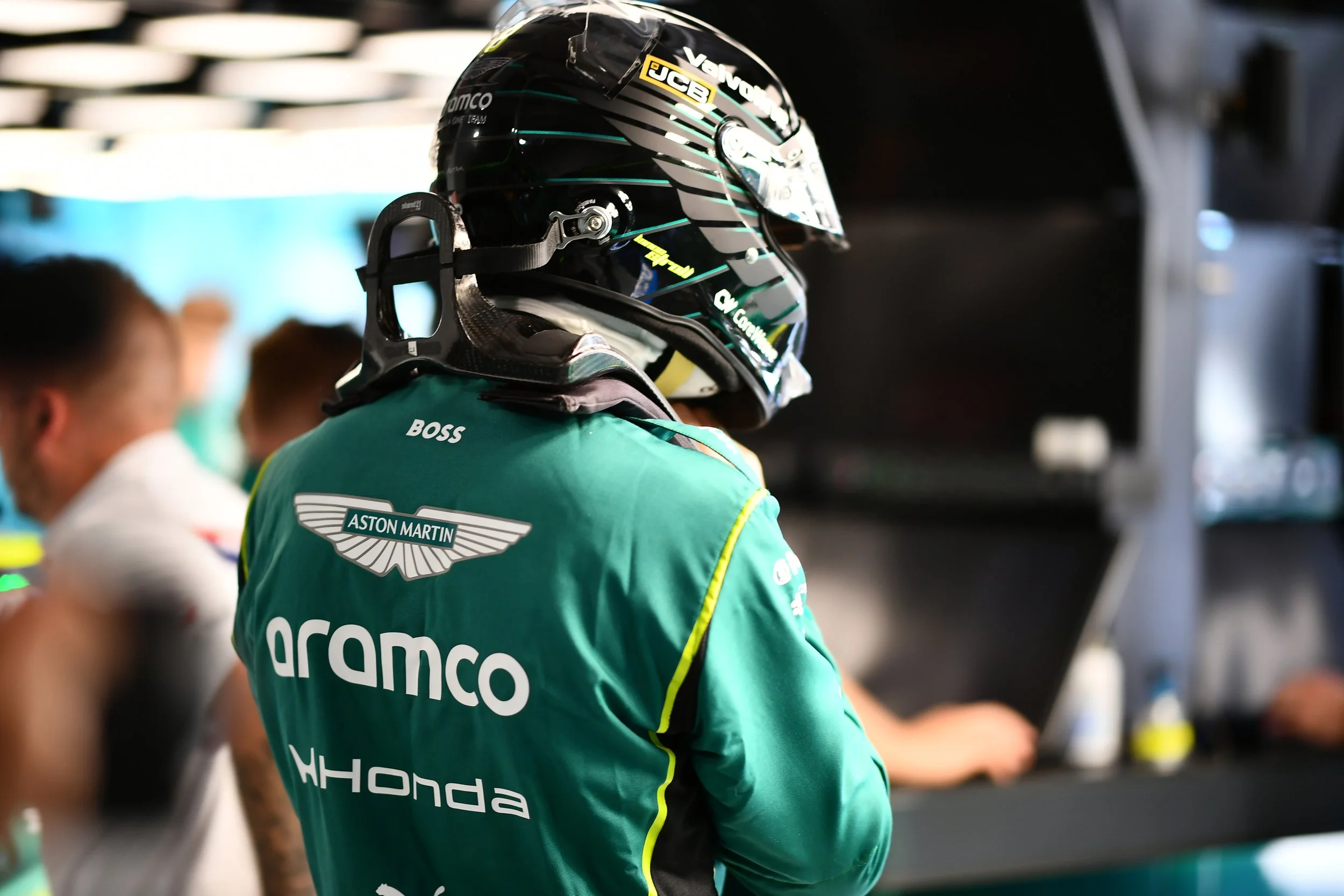
Image © Honda Motor Co. Ltd. Used for editorial purposes. Lance Stroll, Miami GP.
Both cars ended up on the final row for the Sprint. Fernando Alonso was classified 21st, while Lance Stroll didn’t set a time after suffering front-locking and running wide. Aston Martin’s own post-session comments were measured rather than dramatic, but still revealing.
Alonso said Honda had made some improvement on the vibration issue since the opening races, but also made clear that the car is still lacking pace. Stroll also pointed to front-locking issues, saying the team needed to understand why both cars were suffering from the problem.
That rather underlines the point we were already making. Miami may yet show small signs of progress in one area, particularly if the vibration problem has been reduced, but this is clearly not a sudden turnaround. The AMR26 still looks difficult, slow and not yet settled enough to give Alonso and Stroll the platform they need.
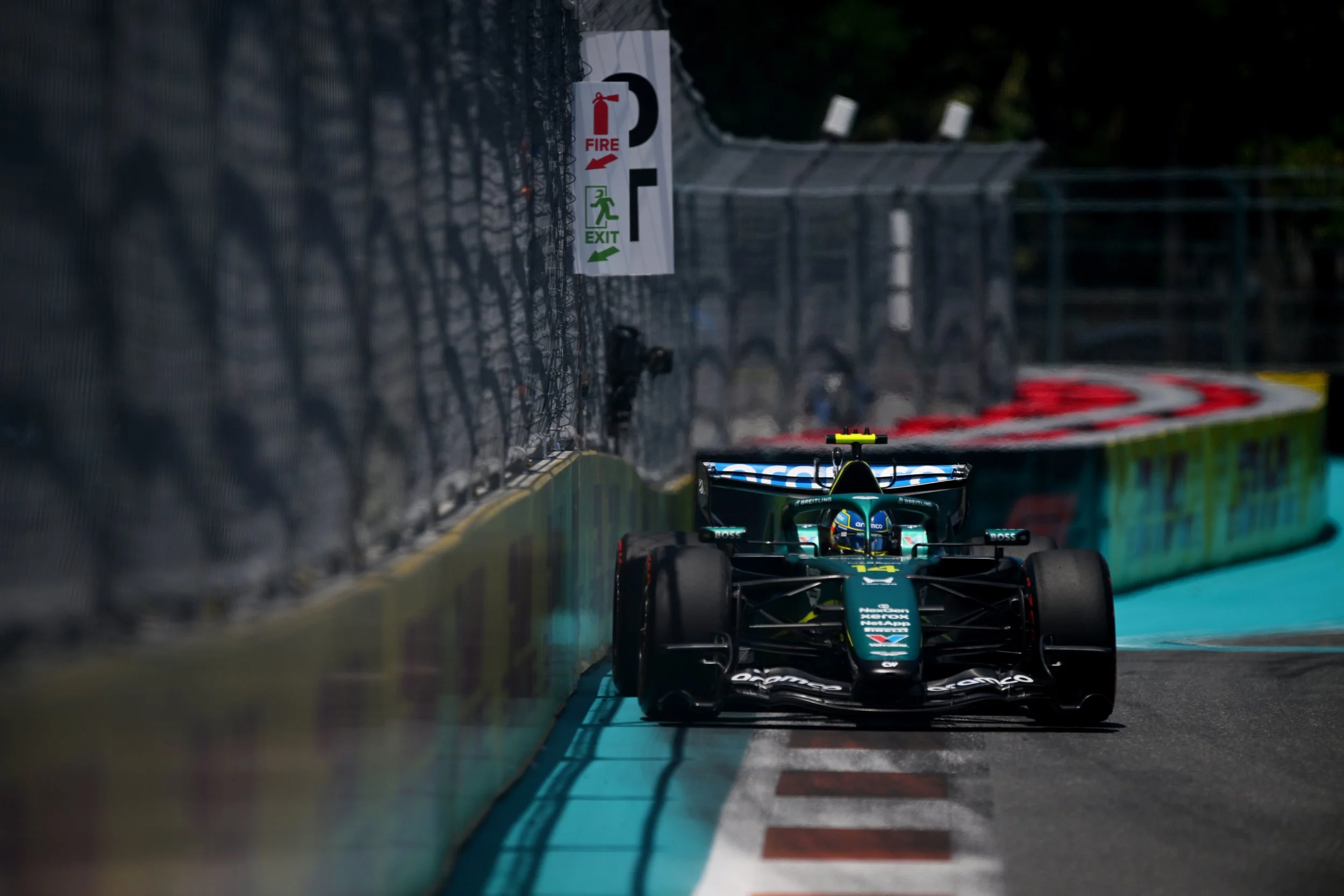
Image © Honda Motor Co. Ltd. Used for editorial purposes. Fernando Alonso, Miami GP.
We’ll return next week with the full Miami race picture once the Sprint, Grand Prix qualifying and the race itself have all played out. For now, the lesson is already clear enough: Aston Martin and Honda may be chipping away at one problem, but the wider recovery remains long, complicated and far from complete.
Even before the rest of Miami gives us more evidence, the AMR26 has already become one of the most talked-about cars of the early 2026 season. Not simply because it’s struggled, but because it sits at the centre of several bigger questions: how ambitious is the design, how deep are the integration problems, how much can Adrian Newey realistically change, and what effect does a difficult start have on the people inside the team?
That takes us neatly into the next part of the story.
AMR26, Alonso and Aston Martin F1 Beyond the Track
The wider AMR26 story is not simply one of poor results. It’s more complicated than that.
Formula1.com’s technical feature this week, with Mark Hughes and Giorgio Piola looking closely at the AMR26, was a useful reminder that this is not a cautious car. The suspension details, including the single-piece wishbone and multi-link thinking, suggest a design team willing to explore difficult ideas in search of aerodynamic and mechanical advantage. That’s exactly the sort of technical ambition many expected with Adrian Newey involved. But ambition on paper still has to work on track.
That’s where some of the commentary around Aston Martin has become more grounded. David Coulthard questioned whether putting Newey into a broader team-principal-style role was really the best use of his talents, while Jolyon Palmer made the simple but important point that Newey cannot solve everything alone. A brilliant designer can help the chassis direction, but he cannot, by himself, fix power unit vibration, reduce weight, cure reliability, perfect integration and turn a difficult car into a points scorer overnight.
Bernie Collins added another useful perspective. As a former Aston Martin strategist, her comments carry more weight than ordinary punditry. She suggested that the visible Honda issue is only part of the picture, with chassis, gearbox and integration also needing attention. Her observation that some of her former colleagues may be “worn down” felt particularly human. Aston Martin has been through years of investment, restructuring, new facilities, raised expectations and repeated resets. That inevitably takes a toll.
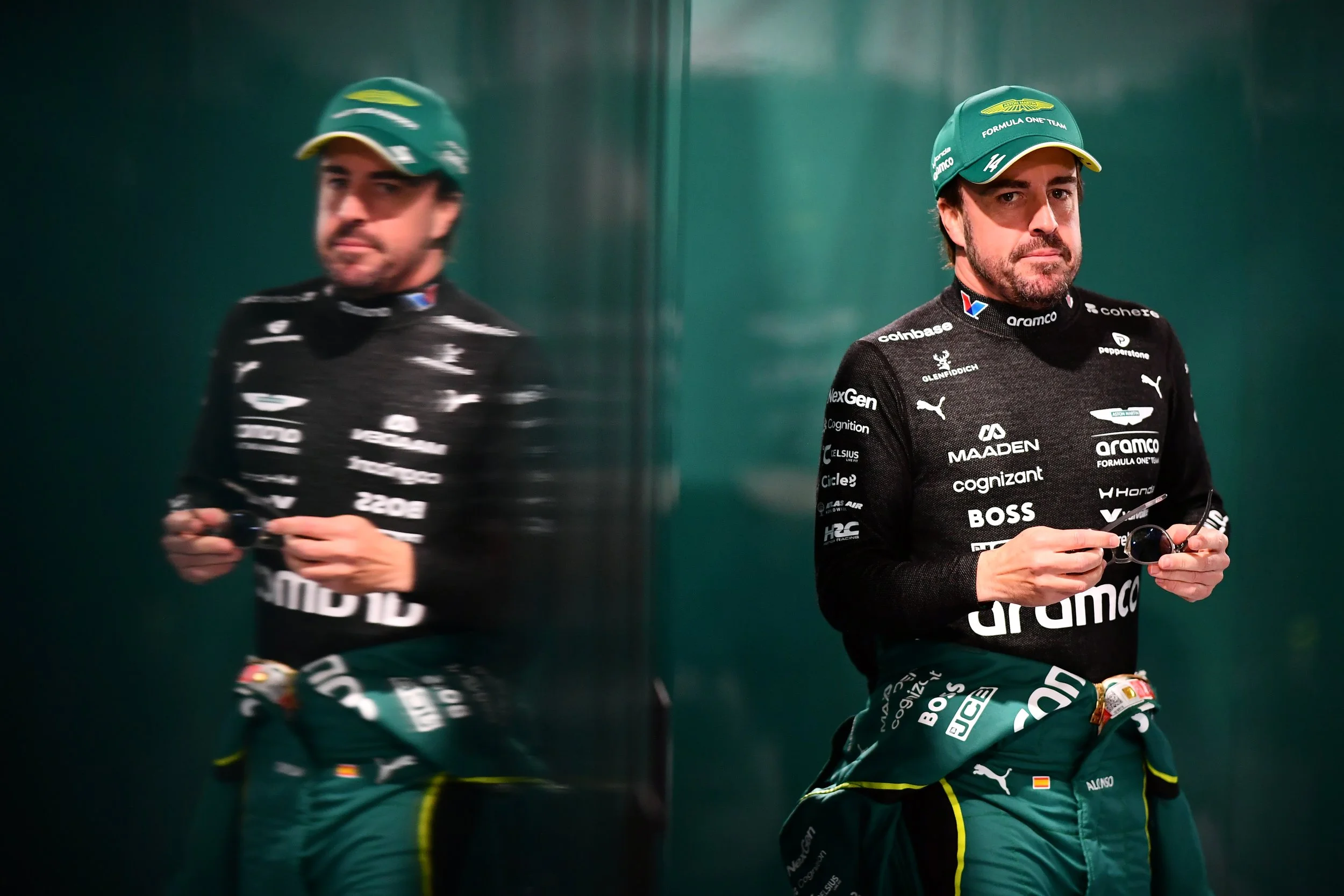
Image © Honda Motor Co. Ltd & Aston Martin Aramco. Used for editorial purposes.
Amid all of that, Fernando Alonso’s latest comments brought a different note. Speaking during the break, he said he still feels competitive, motivated and happy when he drives, and hopes 2026 is not his final season. Given Aston Martin’s difficult start, that matters.
The question is not whether Alonso still has the fire, he clearly does. The question is whether Aston Martin can give him a car that makes continuing feel worthwhile.
Away from the circuit itself, Aston Martin F1 also had two quieter but relevant brand and technology stories. The team’s I / AM Miami activity continued the push to make Aston Martin’s Formula 1 presence feel like a broader cultural and fan-facing platform, not just a race entry. Meanwhile, Cognizant was named Global AI Services Partner of the team. That’s not a brand-new relationship, Cognizant has been part of the Aston Martin F1 story since the 2021 rebrand era, but it does show the partnership being repositioned around AI, cloud, data and operational insight. None of that changes the immediate sporting reality; Aston Martin needs the AMR26 to become reliable, repeatable and less physically punishing before the bigger performance story can properly begin. But it does show the wider picture: this is a team still building its technical, commercial and cultural infrastructure even while the on-track start has been extremely difficult.
From Formula 1’s very public growing pains, we move to another Aston Martin racing programme still finding its way, but one that arrives this weekend with rather more cautious optimism. Valkyrie is back in IMSA action at Laguna Seca.
Valkyrie Heads to Laguna Seca: Opportunity, BoP and Cautious Optimism
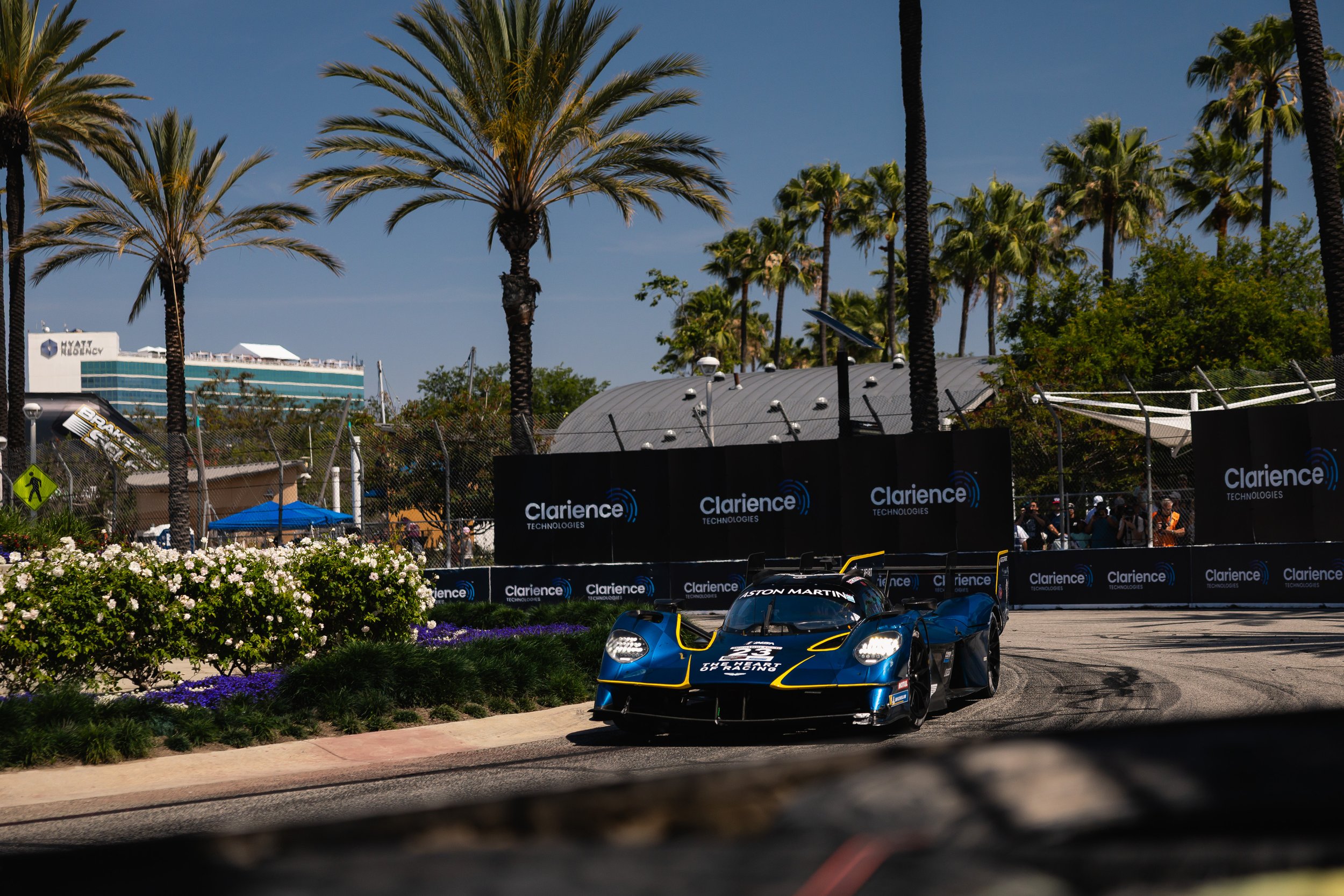
Image © Aston Martin Lagonda. Used for editorial purposes.
While Formula 1 has been wrestling with the painful early stages of a new technical era, Aston Martin’s Valkyrie programme heads back into IMSA action this weekend with a different kind of story: not yet finished, not yet fully proven, but increasingly credible.
The Aston Martin THOR Team returns to the IMSA WeatherTech SportsCar Championship at Laguna Seca with Ross Gunn and Roman De Angelis in the #23 Aston Martin Valkyrie. This is one of the more interesting outings of the season so far, because Laguna Seca should, in theory, suit the car rather better than the tight and bumpy streets of Long Beach.
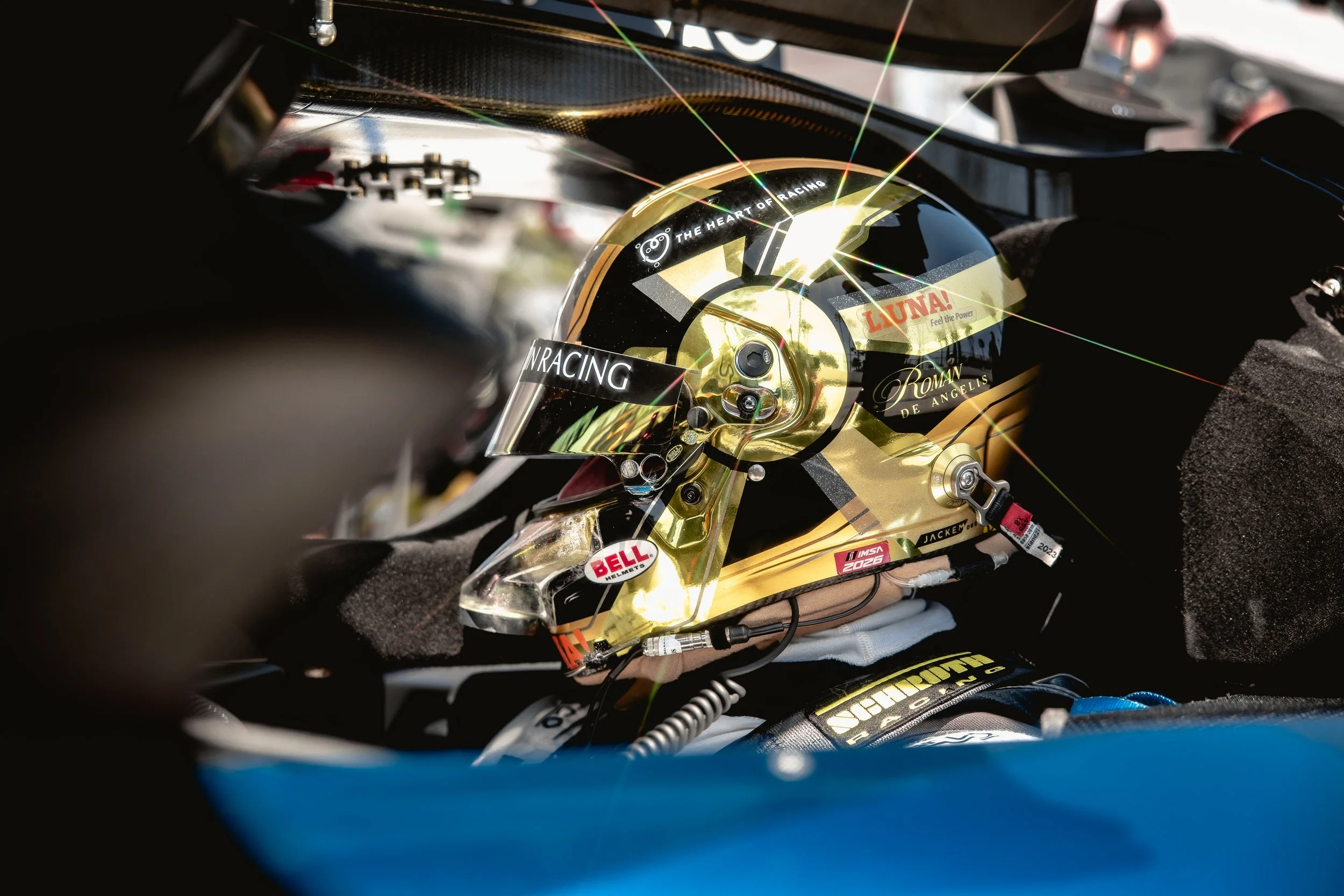
Image © Aston Martin Lagonda. Used for editorial purposes. Roman-De-Angelis in car
Aston Martin’s own preview struck a cautiously optimistic tone. Valkyrie has now recorded ten top-ten IMSA finishes from eleven starts, but that bare statistic doesn’t quite tell the whole story.
At Long Beach, the car had been running fourth on merit before contact with another competitor damaged what could’ve been a much stronger result. That matters, because it suggests the programme is moving beyond simple reliability-building and towards genuine competitive intent.
Laguna Seca gives Valkyrie a different opportunity. Its flowing rhythm, smoother surface and famous Corkscrew should allow the car to show more of its natural character than Long Beach did. That doesn’t mean a result is guaranteed, of course. IMSA’s GTP class remains fiercely competitive, and Balance of Performance will always shape the picture. But the fact that Valkyrie arrives with real data, better understanding and recent evidence of improved pace makes this a weekend worth watching.
The Balance of Performance (BoP) discussion is interesting, but it needs careful handling. Some analysis this week pointed out that rivals have received changes designed to bring the field closer together, while the Valkyrie appears to remain broadly where it was. That should not be read as either favouritism or punishment. BoP is not a prediction sheet, it’s a tool designed to keep different cars within a competitive window, and race results still depend on execution, tyres, strategy, traffic, reliability and, at Laguna Seca in particular, staying out of trouble.
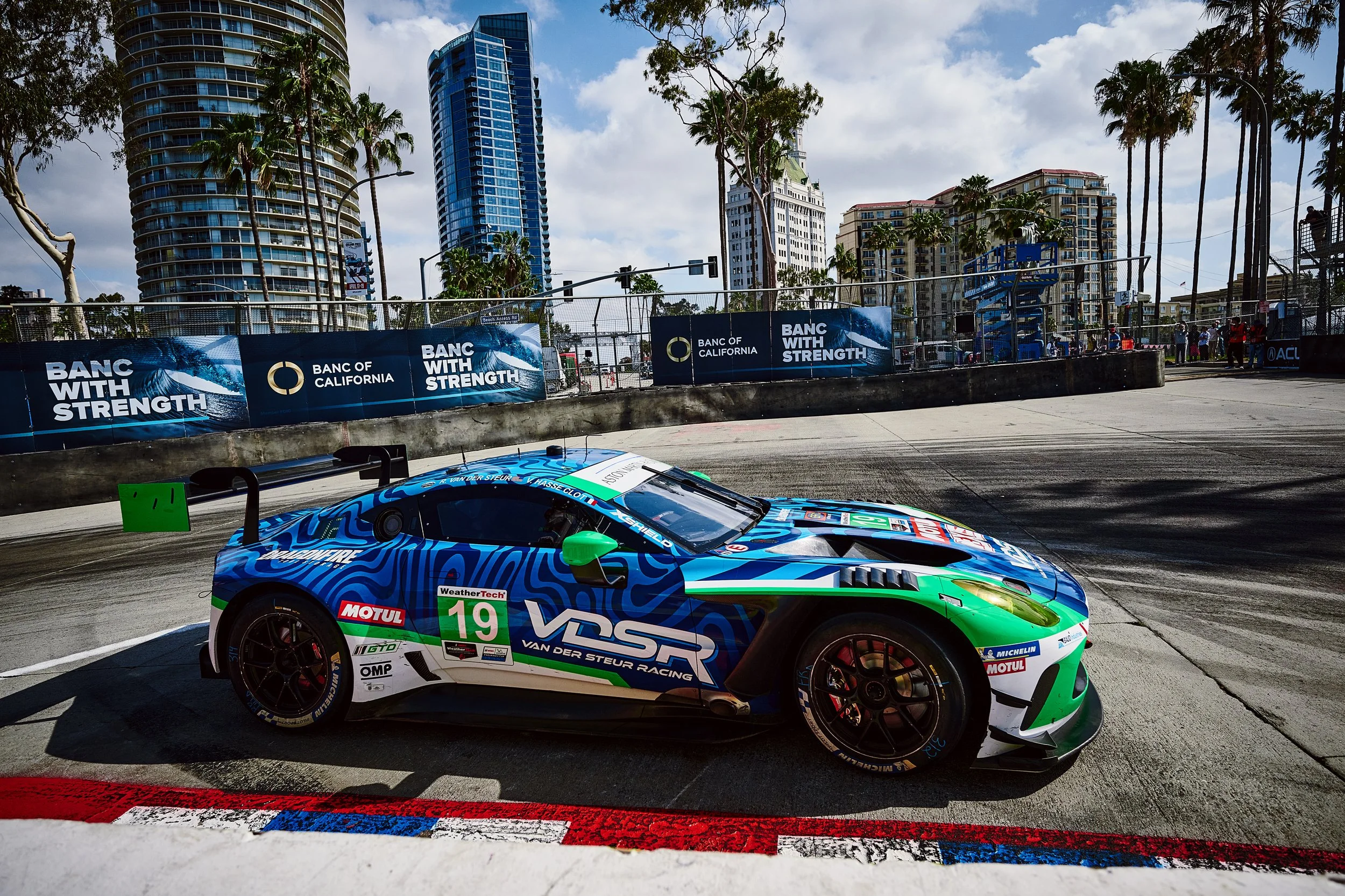
Image © Aston Martin Lagonda. Used for editorial purposes.
There’s also an important GTD story underneath the headline Valkyrie programme. Aston Martin’s Vantage GT3 continues in IMSA with both The Heart of Racing and Van Der Steur Racing. Dudu Barrichello arrives leading the GTD points, with Tom Gamble returning alongside him in the #27 THOR Aston Martin Vantage GT3. Van Der Steur Racing also returns with its Vantage GT3, with Scott Andrews stepping in for Valentin Hasse-Clot, whose on European Le Mans Series duty.
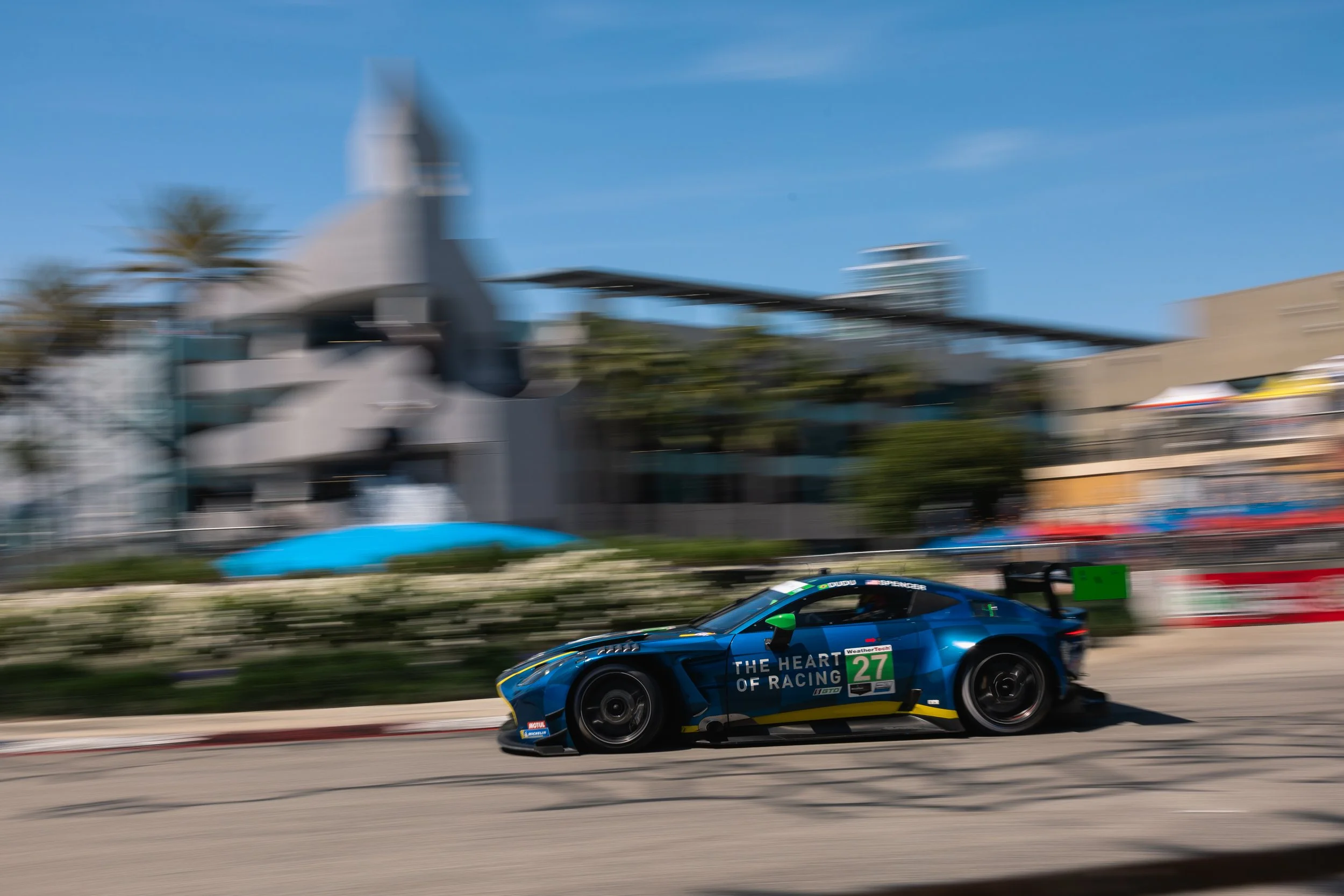
Image © Aston Martin Lagonda. Used for editorial purposes.
As mentioned earlier, as usual, I’m writing this edition on Friday, while the Laguna Seca weekend is still ahead of us, so this is very much the preview and context. Next week, we’ll return to what actually happened on track, whether Valkyrie’s promise translated into a stronger result, and whether the Vantage GT3 runners were able to turn their current momentum into something more substantial.
Earlier updates than next weeks roundup, will be available in the new FTP Motorsport Hub (more on that later).
For now, though, the Laguna Seca story feels quietly encouraging. Valkyrie is still learning, still developing, and still chasing the result that would properly underline its progress. But this no longer feels like a programme merely trying to exist in the category, it feels like one beginning to push.
That broader Aston Martin racing picture doesn’t stop with IMSA. Away from the headline factory-linked programmes, Aston Martin customer teams were busy across GT4, GT3 and DTM last weekend, and there were some worthwhile results to note.

Aston Martin Customer Racing: A Busy Weekend Across GT4, GT3 and DTM
Away from the headline Valkyrie and Formula 1 stories, Aston Martin’s customer racing world was also busy over the weekend of 25th - 26th April, with Vantage machinery appearing across several championships.
The standout result came in ADAC GT4 Germany, where the Aston Martin Vantage AMR GT4 Evo took a class victory with COSY Racing by ESM. These are exactly the sort of results that can easily get lost beneath the bigger Aston Martin headlines, but they matter. Customer racing is one of the clearest ways the Vantage name lives beyond the road car, and every strong GT4 result adds credibility to Aston Martin Racing’s wider platform.
There was also Aston Martin representation in British GT at the Silverstone 500. The important caveat here, as we’ve already noted in recent FTP Motorsport Hub work, is that Blackthorn Racing is not competing in British GT in 2026. But from an Aston Martin perspective, it was still a useful weekend to monitor, particularly with the Vantage GT4 continuing to show itself in the domestic racing landscape. We’ll be adding the British GT section to the Motorsport Hub later in the coming week.
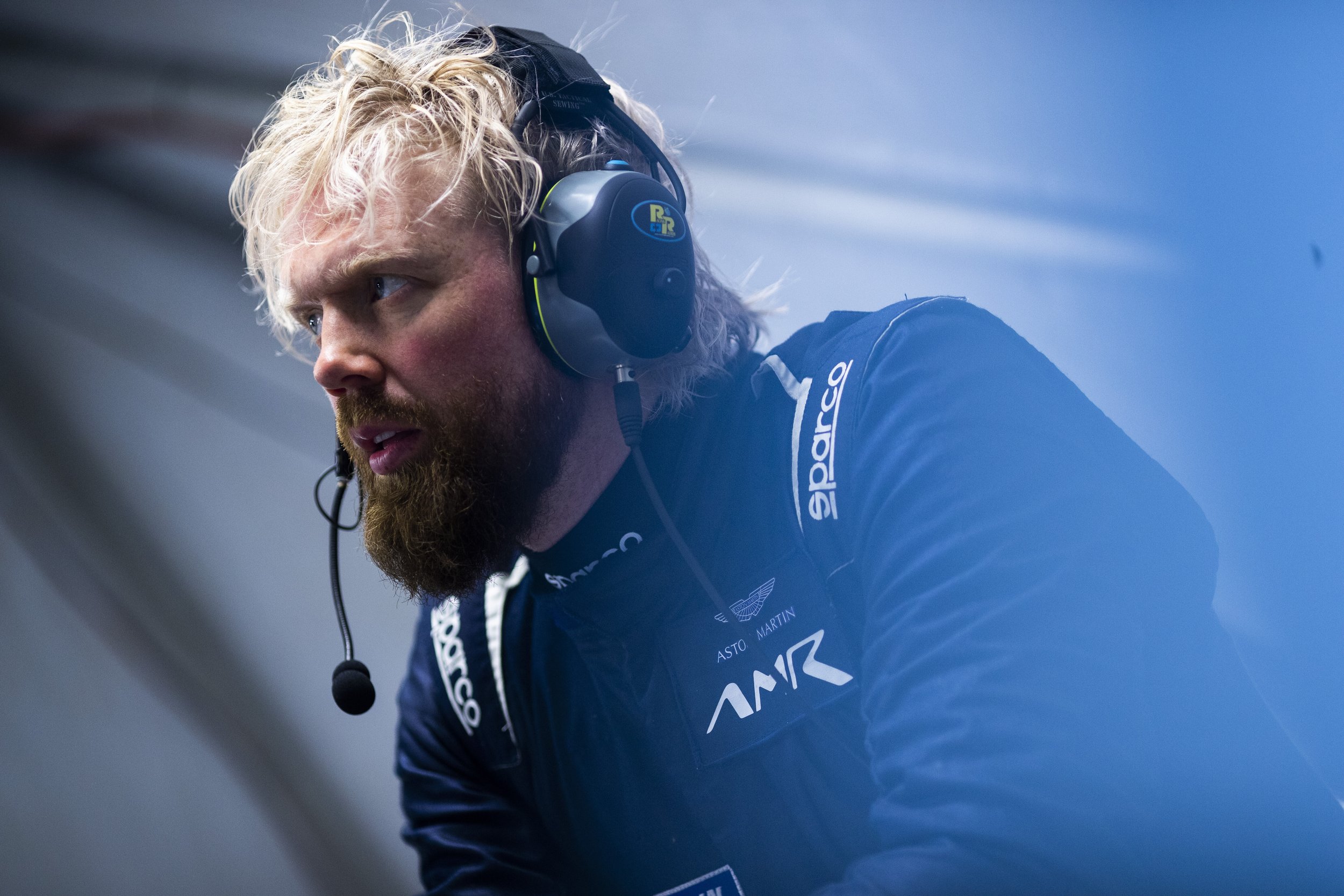
Image © Aston Martin Lagonda. Used for editorial purposes. Nicki Thiim
In DTM, Nicki Thiim delivered a top-five result in the Aston Martin Vantage GT3 Evo for Comtoyou Racing, another encouraging marker for the latest GT3 platform. DTM remains a particularly tough environment, and results there are rarely straightforward, so a top-five finish is a useful reminder that the Vantage GT3 Evo continues to have competitive reach across different series and formats.
There were also Aston Martin-related notes from ADAC GT Masters and SRO America, while the wider FTP monitoring list continues to include Blackthorn Racing, Good Speed Racing, The Heart of Racing and Aston Martin THOR Team activity across International GT Open, Michelin Le Mans Cup, GT World Challenge Europe, IMSA and WEC.
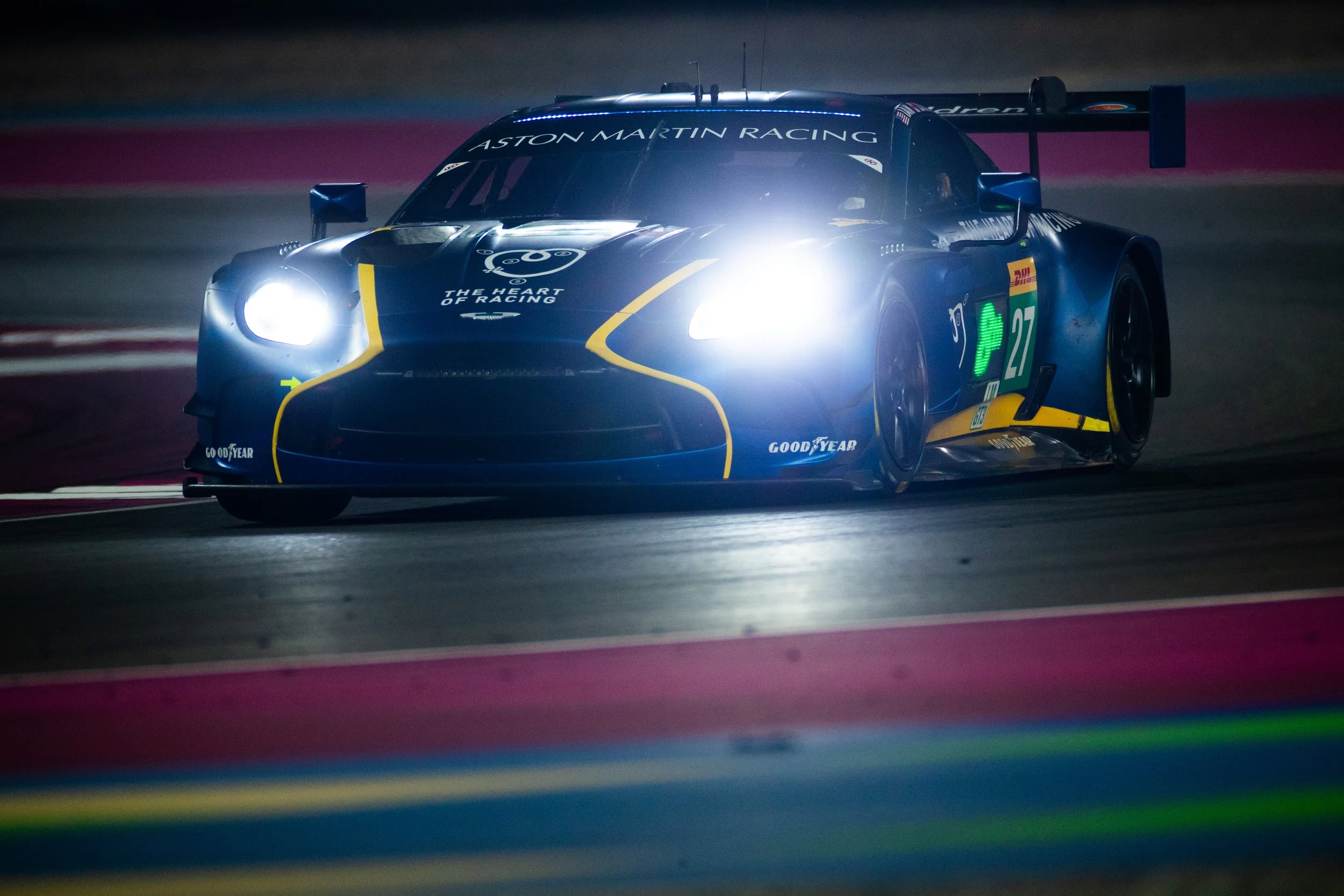
Image © Aston Martin Lagonda. Used for editorial purposes.
For now, the key point is simple: Aston Martin’s racing week was not limited to Formula 1 frustration or Valkyrie promise. Across GT3 and GT4, customer teams continue to put the Vantage name into competitive environments, and that wider racing footprint remains an important part of the modern Aston Martin story.
That’s exactly why the new FTP Motorsport Hub has become such an important part of the website. The Weekly Roundup will always bring the wider Aston Martin story together each Sunday, but the Motorsport Hub gives us a place to follow many of the racing series in more detail, with results, standings and Aston Martin-focused updates sitting in one clearer home. If you get the chance to have a look around it (by clicking on the advert above), please do let me know what you think in the comments below. I’m always happy to consider adjustments, improvements, or other series where Aston Martin is racing and should be followed more closely.
Vantage S and DBX S: Aston’s Performance Push Gathers Momentum
From racing cars wearing the Vantage name, we move quite naturally to the road car itself, because this week also brought more evidence that Aston Martin’s modern S strategy is beginning to land.

Image © Aston Martin Lagonda. Used for editorial purposes.
The most visible example came from CAR Magazine, which placed the new Aston Martin Vantage S against the Ferrari Amalfi and Porsche 911 Turbo S. On paper, that’s not an easy comparison for the Aston. The Porsche remains the devastatingly capable, all-weather, all-purpose choice. The Ferrari brought polish, finesse and that familiar Maranello pull. In CAR’s final verdict, it was the Amalfi that edged the test overall. But the Vantage S still came out of the comparison well.
In fact, what made the test interesting from an Aston Martin perspective was not that the Vantage S won outright, because it didn’t. It was that even in defeat, it seemed to do exactly what a modern Aston Martin should do;
“…it brought theatre, noise, muscularity, cabin appeal, looks and character.”
CAR praised its sense of occasion, its more focused chassis changes, its rich V8 delivery and the way the S package adds up on the road, especially when you remember that it costs only around £4,000 more than the standard Vantage. That point matters; the Vantage S is not being presented as a complete reinvention of the Vantage. It’s a sharpening of the formula: more response, more presence, more front-end bite, a little more power and a stronger sense that this is the version for those who want the car with its collar slightly loosened.
What made the video version (above) of the comparison especially useful was the viewer reaction underneath it. YouTube comments are not scientific evidence, of course, and we should treat them simply as enthusiast sentiment. But the pattern was hard to miss. Many viewers saw the Porsche as the rational choice: the brain’s answer, the car that does everything, every day, in all weathers. The Ferrari drew admiration too, although opinion seemed more divided on whether the Amalfi is as beautiful as the Roma before it.
“The Aston, though, generated a great deal of emotional support. Again and again, viewers talked about the Vantage S as the best-looking, best-sounding, most special-feeling car of the three.”
Several comments came back to the same basic idea: the Porsche may be the smartest choice, the Ferrari may have taken the verdict, but the Aston is the one they would look back at after parking. That’s not a trivial thing for Aston Martin. As we’ve said before at Fuel the Passion, this marque has never survived purely because of numbers on a spec sheet. It survives because people feel something. The Vantage S appears to be reminding people of that.

Image © Aston Martin Lagonda. Used for editorial purposes. DB12 S.
There were caveats too, and they’re worth saying; some commenters raised familiar concerns about depreciation, running costs and reliability perceptions. Others questioned whether the Vantage S is really the correct rival for a 911 Turbo S, given the Porsche’s price and performance. That’s fair, you could argue a DB12 S might be the more natural comparison in some respects, but the fact remains: the Vantage S is clearly generating the sort of emotional reaction Aston Martin needs.
The DBX S added to that same theme this week. Autoblog’s review of Aston’s latest flagship SUV was notably positive, framing it as a 717-horsepower, Valhalla-turbocharged halo SUV that keeps the everyday usability of the DBX while giving it more edge. The important detail is that this is not simply an S badge and some trim. With Valhalla-derived turbocharger technology, more power, chassis changes and lightweight options, Aston Martin is clearly trying to give the S models substance.

Image © Aston Martin Lagonda. Used for editorial purposes. DB12 S.
That brings us back to the business story we started with. Aston Martin needs higher-margin, higher-desirability derivatives. It needs cars that customers actively want to specify, personalise and pay more for. The S models are therefore not just enthusiast talking points; they’re part of the wider product and financial strategy. It has also made me think there will be a future Fuel the Passion Featured Article on this subject. Aston Martin now has enough modern S models in play, Vantage S, DBX S and DB12 S, to ask a proper question: what does the S badge mean in today’s Aston Martin range?
Is it simply extra power and sharper styling, or does it represent a more meaningful step in character, desirability and value over the standard cars? It’s a topic I would like to explore properly, not just as a product comparison, but as part of the wider Aston Martin story, so watch this space.
This week’s early answer is encouraging. The Ferrari may have won the CAR Magazine test, and the Porsche may remain the obvious rational choice, but the Vantage S seems to be winning a lot of hearts and in the Aston Martin world, that still counts for a great deal.
The other reason these reviews matter is that today’s road-test verdicts often become tomorrow’s used-market stories. The cars that capture attention when new are the ones enthusiasts continue to watch later, once depreciation, mileage and real-world ownership begin to reshape the conversation. That takes us neatly into this week’s market watch, where the DB11, an accessible V8 Vantage and a very rare Zagato all remind us how quickly the Aston Martin value story can change once a car starts to settle into its next chapter.
Aston Martin Market Watch: DB11 Value, V8 Vantage Bargains and Zagato Rarity

Image © Aston Martin Lagonda. Used for editorial purposes. DB11 AMR Marina Blue.
The most useful piece of timing this week came from Auto Express, which published a fresh used buyer’s guide to the Aston Martin DB11. That landed rather neatly, because we had already chosen a DB11 AMR as this week’s FTP Car of the Week. The Auto Express angle was broadly positive, presenting the DB11 as a compelling modern Aston Martin buy and, in today’s market, a serious amount of car for the money.
That feels right, the DB11 is now old enough to be judged with a little distance, but still modern enough to feel like a proper contemporary GT. It was a hugely important car for Aston Martin when it arrived in 2016, replacing the DB9 and introducing a new design language, new platform thinking and a new twin-turbo V12. At launch, reaction was generally positive, but not without caveats. Some admired the performance, refinement and ambition; others missed the simpler elegance of the DB9, or questioned a few of the interior and infotainment details.

Image © Aston Martin Lagonda. Used for editorial purposes. DB11 Volante.
The later DB11 AMR helped sharpen the V12 car, adding more power, more assertive character and a little more dynamic focus. Now, in 2026, the conversation has shifted again.
“Against the price of a new DB12, and against the general cost of modern performance cars, a used DB11 begins to look rather tempting.”
Not cheap, of course. No Aston Martin V12 GT is ever truly cheap to buy and run properly, but tempting, certainly.
The Auto Express guide also usefully reminds us that the DB11 needs to be bought with eyes open. Electronics, infotainment functions, air-conditioning performance, condenser or compressor issues, paint bubbling, corrosion checks, servicing, tyres, brakes and recall history all matter. That’s especially true as mileage rises. These cars can be wonderful long-distance machines, but they still need serious inspection, proper maintenance records and realistic ownership budgeting.
At the more accessible end of the modern Aston market, a 2009 V8 Vantage also caught the eye this week through ClassicCars.com’s Pick of the Day. It was a 4.7-litre V8 Vantage advertised in the United States at the equivalent of roughly mid-£20,000s, which is a reminder that early Gaydon-era cars are now sitting in a very interesting space. They’re not rare in the way a limited-edition Zagato is rare, but they carry a great deal of Aston Martin character for comparatively accessible money. As always, the purchase price is only the start of the story, but as enthusiast cars they remain hugely appealing.
Then, from accessible modern Aston to collector-grade rarity, Nicholas Mee & Company released a short film on a 1987 Aston Martin V8 Vantage Zagato ‘X-pack’. This is very much a dealer-presented car, so the market language should be treated accordingly, but the details are undeniably special: original Zagato-applied Cobalt Blue, navy hide, Alcantara trim, dark blue Wilton carpeting, one of only 32 right-hand-drive examples, just 8,800 miles from new, three owners and a very comprehensive history file.
The V8 Vantage Zagato has always been one of those Aston Martins that divides opinion. It’s not conventionally beautiful in the way a DB5, DB4 GT Zagato or Vanquish might be. It’s shorter, tougher, stranger and very much of its 1980s moment. But that’s also part of its appeal. It combines Newport Pagnell muscle with Italian coachbuilt drama, and as the years pass, its once-controversial shape seems to become more interesting rather than less.
So this week’s market mood is unusually broad. At one end, early V8 Vantages continue to look like a relatively accessible route into modern Aston ownership. In the middle, the DB11 is being reassessed as a serious used GT proposition. At the top, rare Zagato-bodied cars continue to remind us how deep and varied the Aston Martin collector world really is.
So it’s the DB11 that brings us directly to this week’s FTP Car of the Week, a car that caught my attention not because it’s the lowest-mileage example, but precisely because it’s not.
FTP Car of the Week: 2019 Aston Martin DB11 AMR - The Well-Travelled V12 GT

Image © Mantles BYD Royston. Used for editorial purposes.
This week’s FTP Car of the Week is a dark blue 2019 Aston Martin DB11 AMR advertised at £66,590, showing around 65,000 miles from Mantles, Royston. That near-match between price and mileage is what first made me stop and look at it properly. As we’ve already touched on in Market Watch, the DB11 is beginning to look increasingly interesting as a used Aston Martin proposition.
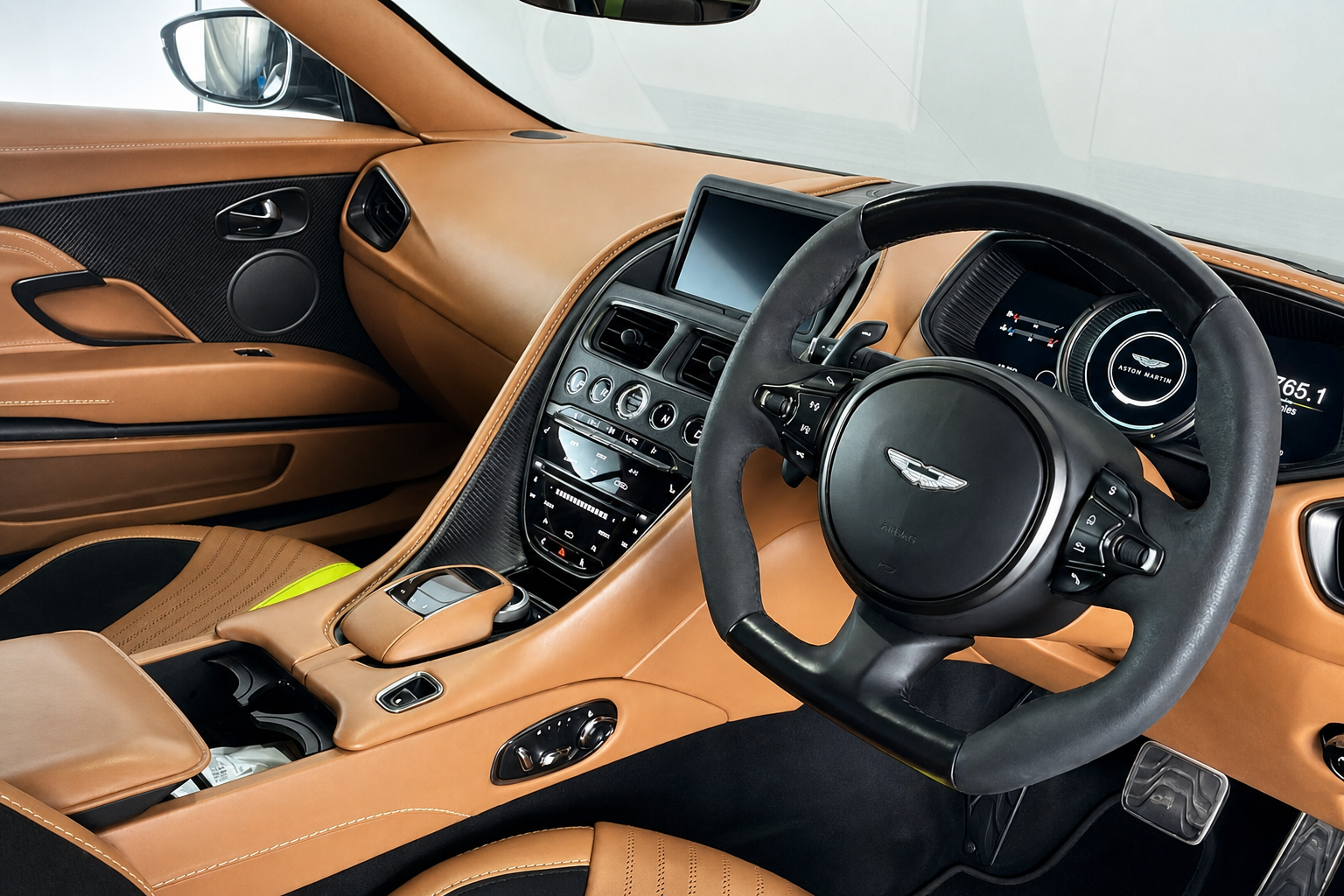
Image © Mantles BYD Royston. Used for editorial purposes.
As we’ve already mentioned, it was a hugely important car for the marque, and the later AMR version sharpened the original V12 formula with more power, more focus and a little more edge. But this particular example stands out for a different reason: it has clearly been used.
For many buyers, mileage of that kind on a modern Aston Martin will be enough to move them on to the next advert. I understand that, low-mileage cars are easier to explain, easier to sell, and often feel safer on paper. But there’s something rather appealing about a DB11 AMR that appears to have lived as a proper grand tourer rather than simply sitting as a static object.
“This is a well-travelled V12 Aston Martin, and that gives it a different sort of story.”
At just over £66,000, it sits in the territory of some very ordinary new premium cars, yet here’s a modern V12 Aston Martin GT with real presence, serious performance and long-distance ability. The market often punishes higher-mileage Aston Martins heavily, and that creates both risk and opportunity. The opportunity is obvious, for someone who wants to drive rather than preserve, this could be a huge amount of car for the money. The risk is equally obvious, a DB11 AMR may be temptingly priced, but it won’t have budget-car running costs simply because depreciation has done its work. This is still a complex V12 Aston Martin, and it needs to be approached with care.

Image © Mantles BYD Royston. Used for editorial purposes.
On a car like this, service history is absolutely central. I would want to see evidence of consistent Aston Martin or recognised specialist maintenance, with particular attention to what’s been done around the 60,000-mile point.
I would also want a careful check of brakes, tyres, suspension bushes, adaptive dampers, battery health, air-conditioning performance, infotainment functions, warning lights, recall history and general driveline behaviour.
The V12 should start cleanly from cold, idle properly and pull without hesitation or misfire. Any signs of coil-pack, plug, oxygen-sensor or emissions-related issues would need investigating properly.
The gearbox should shift smoothly, the differential and driveline should feel settled, and the cooling system should be checked carefully. On a higher-mileage car, little details also matter: interior wear, seat bolsters, switchgear, glass, paint condition, corrosion or bubbling around panels, and whether the car still feels tight and properly cared for. None of that is meant to put people off, quite the opposite. This is exactly the kind of Aston Martin that could make enormous sense for the right buyer, provided the inspection is thorough and the budget is realistic.
“A high-mileage DB11 AMR with excellent history may be a far better ownership proposition than a lower-mileage car that has sat unused, missed maintenance, or been prepared only for sale.”
That’s why I rather like it as a story. It challenges the idea that every Aston Martin should be judged only by low mileage. These cars were built to move, to cross countries, to cover distance, to make journeys feel special. A DB11 AMR with 65,000 miles has at least been allowed to do some of that. Would I buy it blind? Absolutely not. Would I want a proper inspection, warranty conversation, service review and careful look underneath? Without question. But as an enthusiast’s proposition, it’s fascinating: a modern V12 Aston Martin, priced partly because it has lived a life.
Perhaps that’s the wider point, whether it’s a modern DB11 AMR covering serious mileage, a Newport Pagnell Zagato preserved as a collector piece, or a pre-war racing Aston kept alive through archive work and museum loans, these cars all become more interesting when their stories are properly understood. That brings us neatly to this week’s heritage moment, where the Aston Martin Heritage Trust, Jock Horsfall and a new Dunwich Museum exhibition remind us why protecting the record matters just as much as celebrating the cars themselves.
Heritage Moment: AMHT, Jock Horsfall and the Deeper Aston Martin Story
After a week full of financial results, Formula 1 pressure, modern GT comparisons and marketplace movement, it feels right to pause for a moment and return to the deeper story beneath all of this.
The Aston Martin Heritage Trust has had two lovely items worth noting this week, and both speak to why heritage matters beyond simple nostalgia. The first is AMHT’s support for Dunwich Museum’s temporary exhibition on Jock Horsfall, with artefacts loaned from the Trust’s collection. Horsfall is one of those figures who sits right at the intersection of Aston Martin history, motor racing, wartime service and almost myth-like British motoring character. For those of us who care about protecting the record, these smaller exhibitions matter because they keep names like Horsfall alive in the public mind, not just as footnotes, but as people who genuinely shaped the story.
AMHT has also published an “Object in Focus” piece on a set of copper printing plates purchased from Bonhams in 2014. These plates were used for period brochure imagery and represent Aston Martin cars from the 1½-litre pre-war era through into the early David Brown period. It’s a wonderfully tactile reminder that Aston Martin history isn’t only preserved in complete cars, race results and famous chassis numbers. Sometimes it survives in the tools, artwork, printing methods and promotional material that helped present the marque to the world in the first place.
That thought linked neatly with a two-part Horsepower Heritage interview with author Russell Hayes, discussing his book Aston Martin: The Entire Story. Russell Hayes is a respected motoring writer and historian, and the author of the two-volume Aston Martin history, the first volume is now available through the FTP Book Library with the second volume on its way. It’s exactly the sort of work I like to highlight: properly researched, substantial, and useful for anyone who wants to understand the marque beyond the familiar headline cars. Across the conversation, the familiar themes came through very clearly: Aston Martin’s repeated financial fragility, its racing instinct, the influence of Lionel Martin, Bamford, Bertelli, David Brown, Newport Pagnell, Touring, Zagato, John Wyer, the Ford era, DB7, Vanquish, DBX, Valkyrie and the constant thread of survival through passion, reinvention and occasional rescue. For ease of reference, the conversation is below, just click on the image and listen in.
What struck me most was how contemporary parts of the conversation felt. Aston Martin being financially stretched, technically ambitious, emotionally powerful, racing-led and sometimes commercially fragile is not new. It’s almost woven into the company’s DNA. That, of course, doesn’t make today’s challenges any less serious, but it does give them context.
“This is a marque that has so often lived on the edge while still managing to create cars, stories and moments that outlast the immediate difficulty.”
So, if you have time this week, it’s worth visiting the Aston Martin Heritage Trust website and also looking up the Horsepower Heritage conversation with Russell Hayes. Together, they offer a useful reminder that the story we follow each week is part of something much longer.
From the carefully preserved record, we now move to the other end of the spectrum: the modern hypercar world, where official information, customer specials, racing technology and online rumour can sometimes become rather tangled.
Hypercar Watch: Valkyrie LM, McLaren and a Portimão Curiosity
From heritage, it feels natural to move back into the modern hypercar world, because Aston Martin’s current story isn’t only about remembering what came before, but also about where the marque is trying to place itself next.

Image © Aston Martin Lagonda. Used for editorial purposes. Aston Martin Valkyrie LMH Testing.
One small but interesting story this week came from outside Aston Martin directly, with reports that McLaren’s forthcoming MCL-HY World Endurance Championship car may eventually spawn a customer track version. If that does happen, it would follow a path now becoming familiar at the top end of endurance racing: Ferrari with the 499P Modificata, Aston Martin with the Valkyrie LM, and Porsche with its 963 RSP project.
It shows how the new Hypercar era isn’t just reshaping Le Mans and WEC, but also creating a new category of ultra-exclusive customer machinery for the very small number of people able to buy, store and use these cars.
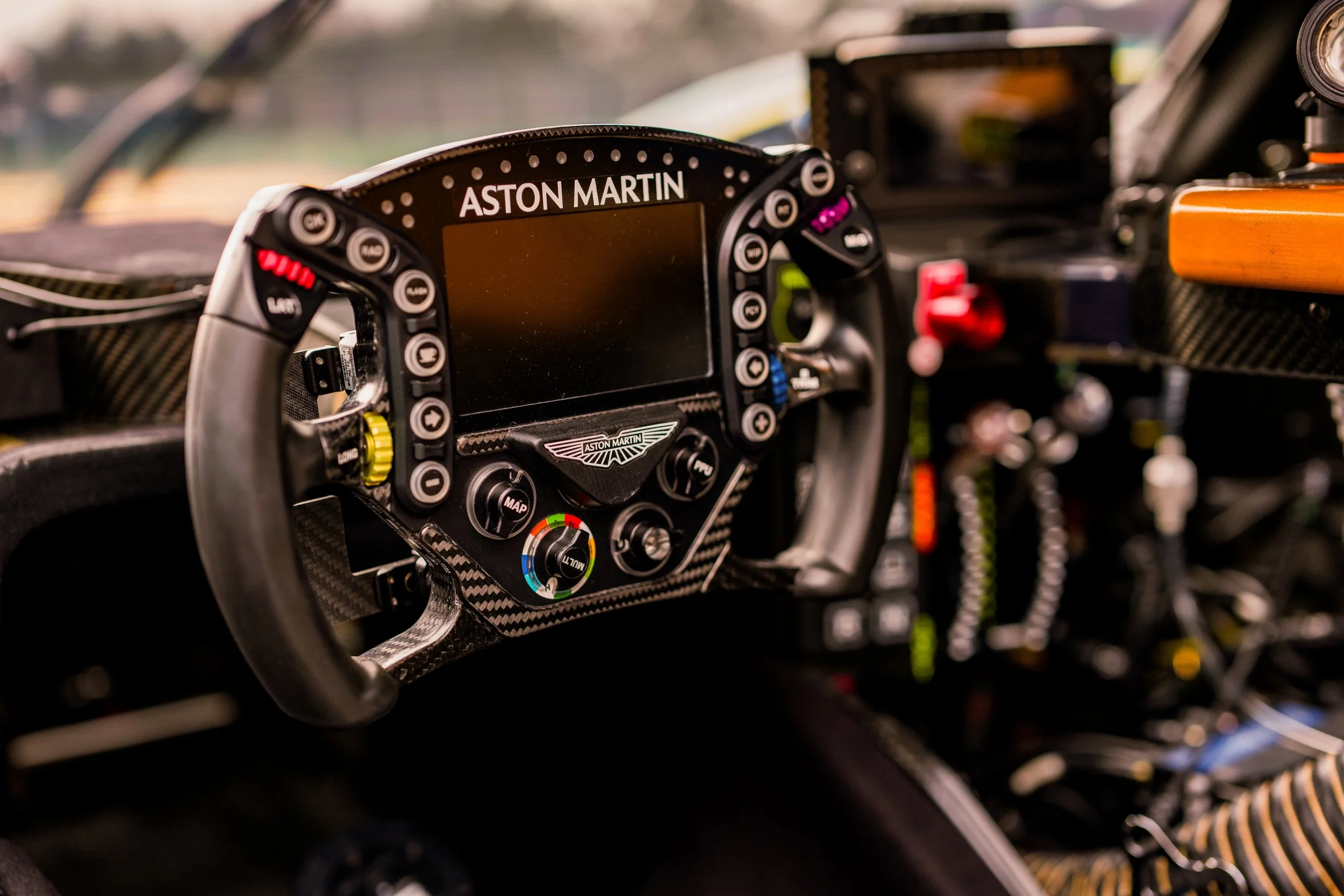
Image © Aston Martin Lagonda. Used for editorial purposes. Valkyrie LM Cockpit.
For Aston Martin, the Valkyrie LM sits right in the middle of that conversation. It takes the Valkyrie AMR-LMH idea and places it in the hands of customers, not as a road car and not quite as a racing programme, but as something in between: a track-only expression of the Valkyrie project and Aston Martin’s renewed commitment to endurance racing.
Whether that becomes a wider trend or remains a tiny corner of the collector world, it reinforces the sense that today’s hypercar programmes are creating stories beyond the race results themselves.
There was also a more speculative item circulating online this week, with footage from Portimão appearing to show a radical Aston Martin-linked prototype testing on circuit. I’ve seen and heard some of the rumours around this car, and there are certainly photos and clips doing the rounds, but at this stage I would treat it only as a watch-note. For ease of reference, I’ve placed the video which I came across below. Real, AI or a future concept out on track? I would love to hear your thoughts in the comments below.
There doesn’t appear to be any official Aston Martin confirmation, so I wouldn’t present claims around Adrian Newey involvement, lap times, or the car’s purpose as fact. For now, the most responsible way to describe it is simply this: unverified footage appears to show a dramatic Aston Martin-looking prototype testing at Portimão, and it’s one to keep an eye on. That feels like the right balance. It’s interesting enough to mention, especially in a week where Valkyrie, Le Mans-style customer cars and Aston Martin’s wider performance ambitions are already part of the conversation, but it’s not yet strong enough to carry any firm conclusion.
From the very highest end of the Aston Martin world, it’s worth briefly turning to something much more grounded: the wider industry pressures that sit behind the cars we see, the suppliers who support them, and the fragile ecosystem that keeps specialist manufacturing alive.
Wider Industry Note: The Fragile Network Behind Specialist Cars
Before we move into the monthly AML Share Watch and ownership-cost context, there was one wider industry story worth noting carefully. This week, reports emerged around Warwick Steel Structures entering administration. The company has been described in coverage as having supplied major British automotive names including Aston Martin, Jaguar Land Rover and Rolls-Royce. I’m mentioning it here cautiously, not because we have evidence of any immediate direct impact on Aston Martin production, but because it’s a reminder of something important; specialist car manufacturing doesn’t exist in isolation.
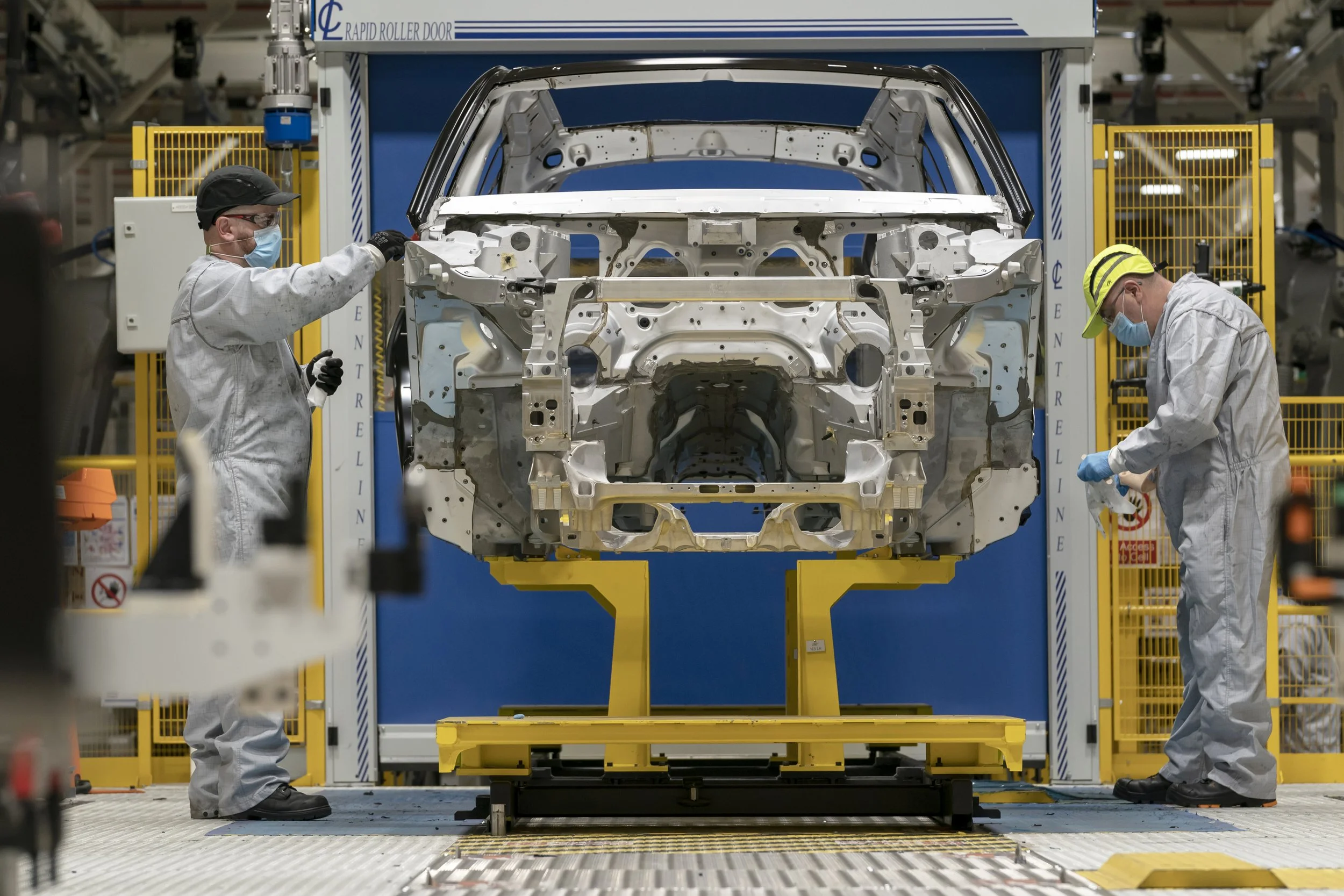
Image © Aston Martin Lagonda. Used for editorial purposes.
Behind every finished Aston Martin are layers of suppliers, fabricators, engineering firms, logistics partners, materials specialists and skilled people whose names rarely appear in the brochures. When we talk about luxury cars, it’s easy to focus only on the brand badge, the design studio, the factory and the finished product.
But the reality is a much wider ecosystem, and parts of that ecosystem can be fragile. That matters particularly in the current climate; higher costs, uncertain demand, energy pressure, geopolitical disruption, tariffs, and slower confidence in parts of the luxury market all create tension across the supply chain. Smaller and more specialised firms can feel those pressures very sharply.
So this isn’t a story to overstate. It’s not, from what I’ve seen, an Aston Martin production story. But it’s a useful wider reminder that the health of the British specialist automotive world depends not only on the manufacturers we follow most closely, but also on the quieter companies that support them.
That brings us back to the broader ownership and market context we monitor here now each month, rather than weekly: Aston Martin’s share movement, fuel prices, oil-price volatility and the wider economic conditions sitting behind both company performance and enthusiast confidence.
AML Share Watch and Oil / Petrol Context

As this is the first Sunday edition of the month, it’s time for our wider AML Share Watch and ownership-cost check-in. As regular readers will know, we moved this away from a weekly blow-by-blow update because short-term movement can become noisy and repetitive. The purpose of this monthly section is to step back, look across roughly the previous five weeks, and see whether any clearer pattern is emerging.
For Aston Martin Lagonda shares, the five-week picture is one of recovery, hesitation and renewed fragility. At the start of April, AML was sitting in the high-30p range, having been close to its late-March lows. It then recovered through the middle of April, with LSEG/Investors Chronicle data showing a mid-month close of 46.64p on 17th April, before drifting back again into the final week of the month.
“By Friday 1st May, the same data showed AML closing at 41.36p…”
…while other quote services showed late bid/offer prices around the high-39p to low-40p range. The exact quoted figure can vary slightly depending on whether a service is showing last trade, delayed close or bid/offer pricing, but the trend is clear enough: the share price remains above the late-March trough, but the mid-April recovery has lost momentum.
That feels consistent with the Q1 results we discussed earlier. The market saw improvement in revenue, gross margin and Valhalla contribution, but it also saw continued losses, cash outflow, high debt and the need for additional liquidity. The midweek Q1 update and £50m financing facility gave the shares a short-lived lift, but not enough to establish a convincing recovery. In simple terms, investors appear to be saying: there are signs of progress, but Aston Martin still has much to prove.
So the FTP view remains unchanged; the brand has strong cars, a fresher model range and a more focused product strategy, but the financial structure remains stretched. Until improved margins translate into sustained cash generation and a clearer path through the debt burden, market confidence is likely to remain fragile.
The oil and fuel picture also tells a useful five-week story. Brent crude has not moved in a straight line; it has been volatile throughout the period. Late March saw Brent already elevated, with daily spot data showing $121.47 per barrel on 27th March. During April, prices remained highly sensitive to geopolitical developments, including Middle East supply concerns, with Brent reportedly reaching above $126 per barrel before falling back sharply.
“By 1st May, Trading Economics showed Brent at around $108.24 per barrel…”
…down on the day and slightly lower across the month. That tells us something important. The pressure has not disappeared, but the direction has become less one-sided. Oil is still high enough to keep fuel costs uncomfortable, but the market has moved from a sharp fear-driven surge into a more unsettled, reactive phase. Any fresh disruption could push prices higher again, but equally, diplomatic signals or supply changes can pull them back quickly.
At the pumps, UK fuel remains noticeably expensive, even though there have been signs of slight easing. Fuel Finder’s UK index showed average E10 petrol at 153.8p per litre on 1st April, while more recent figures put average petrol around 157.1p per litre. RAC analysis also noted that petrol had reached 158.31p per litre on 15th April, before beginning to drop for the first time in 46 days, with petrol below 158p by 17th April.
So across the five-week period, the pattern is fairly clear: petrol rose sharply into mid-April, peaked around the 158p mark, and has since eased slightly, but not enough to feel cheap again. The latest figures we’ve been monitoring put standard unleaded around the 157p per litre area, with super unleaded still around the mid-170p per litre range.
For Aston Martin owners, super unleaded is the more relevant number. On a large tank, that difference quickly becomes noticeable. It doesn’t stop people using these cars, and nor should it, but it does affect touring costs, event travel and the simple psychology of filling up before a long drive.
The practical takeaway is not dramatic, but it’s real. Over the past five weeks, both AML shares and fuel prices have shown the same broad theme in different ways: volatility rather than stability. AML has recovered from its late-March low but remains under pressure; petrol has eased from its mid-April peak but remains expensive; oil has fallen back from recent highs but remains highly sensitive to global events.
As ever, the best approach is to keep perspective. These are not reasons to stop enjoying the cars, they’re simply part of the wider context around ownership, touring, company confidence and the market mood surrounding Aston Martin. Plan sensibly, avoid the most expensive forecourts where possible (like motorways), and keep using the cars in the way they were intended.
FTP Update
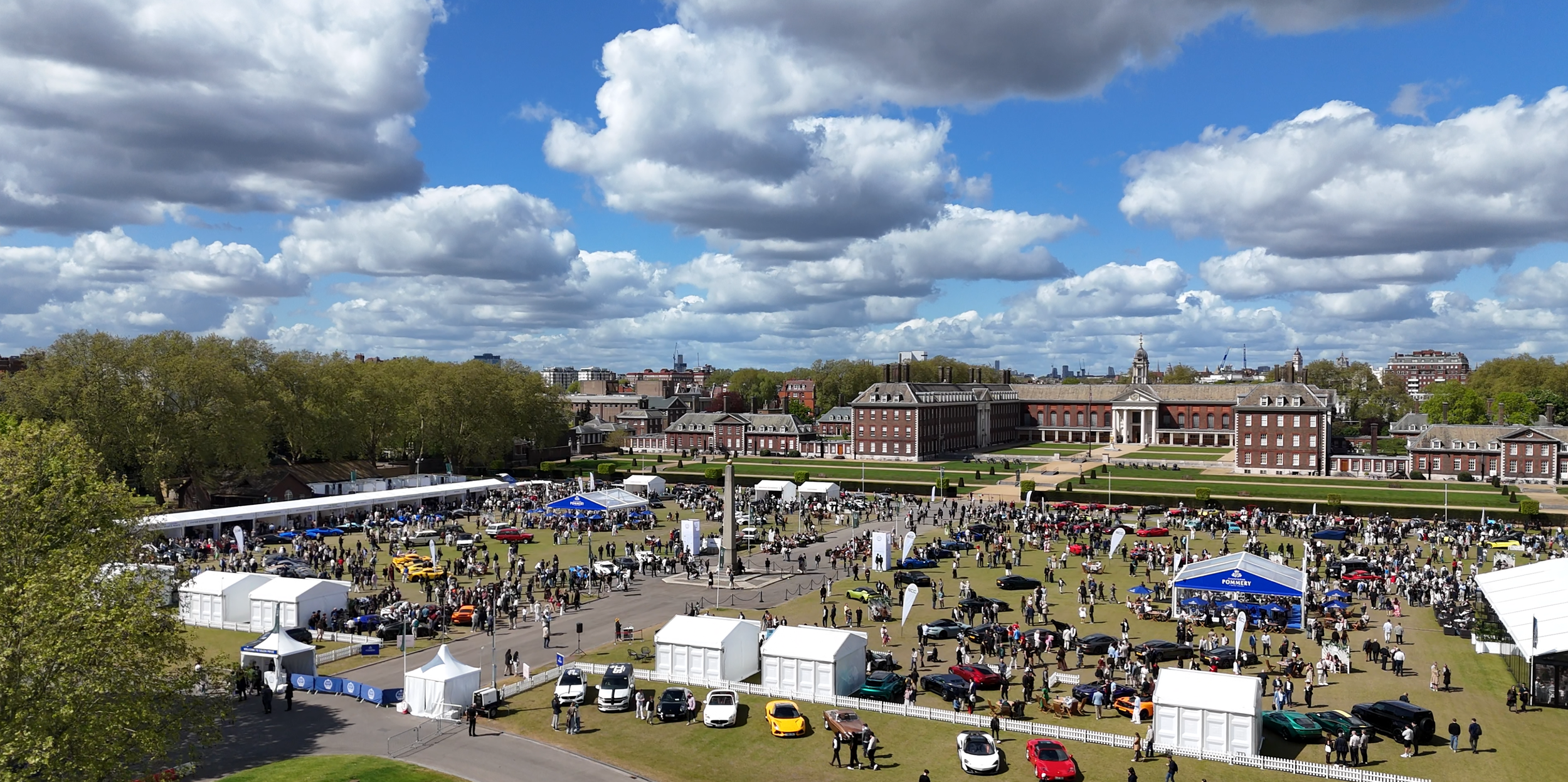
Image © Fuel the Passion. Salon Privé, London - Royal Hospital Chelsea.
It’s been another busy week behind the scenes at Fuel the Passion. By the time this Roundup goes live, the latest FTP YouTube film from Salon Privé London will also be live on the channel;
This was a lovely one to put together, bringing together the atmosphere of the event, the Aston Martin Valhalla, the Vanquish Zagato Volante, the One-77 and the wider spectacle of Aston Martins moving through such a distinctive London setting.
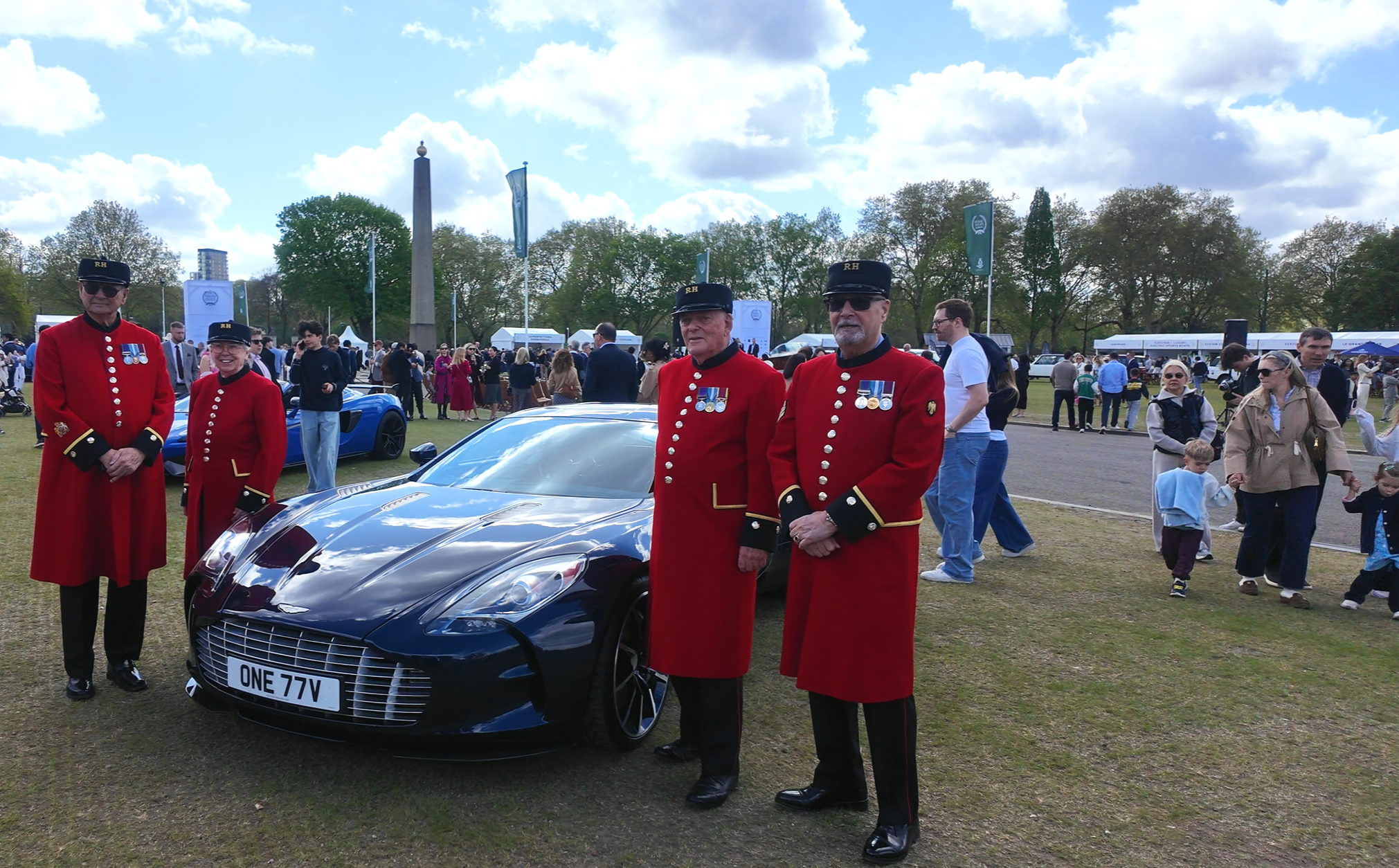
Image © Fuel the Passion. Aston Martin One-77 at Salon Privé, London - Royal Hospital Chelsea, with Chelsea Pensioners.
It also includes a chance to hear from the owner of an Aston Martin One-77, which is exactly the kind of opportunity I value deeply. With only 77 examples in the world, many people will never get close to one, so being able to record the car, speak to its owner and share that story feels very much in keeping with what FTP is trying to do: enjoy these cars, but also help protect the record around them.
The Vanquish 25th Anniversary films are with Aston Martin Lagonda for review and comment, and I’m hopeful they’ll be ready to share during May or June. These films have taken a long time to bring together, but that’s partly because the subject deserves care. When you’re dealing with Aston Martin Works, Newport Pagnell, the people who built and cared for these cars, and the history around Vanquish, the priority has to be accuracy and respect rather than speed.
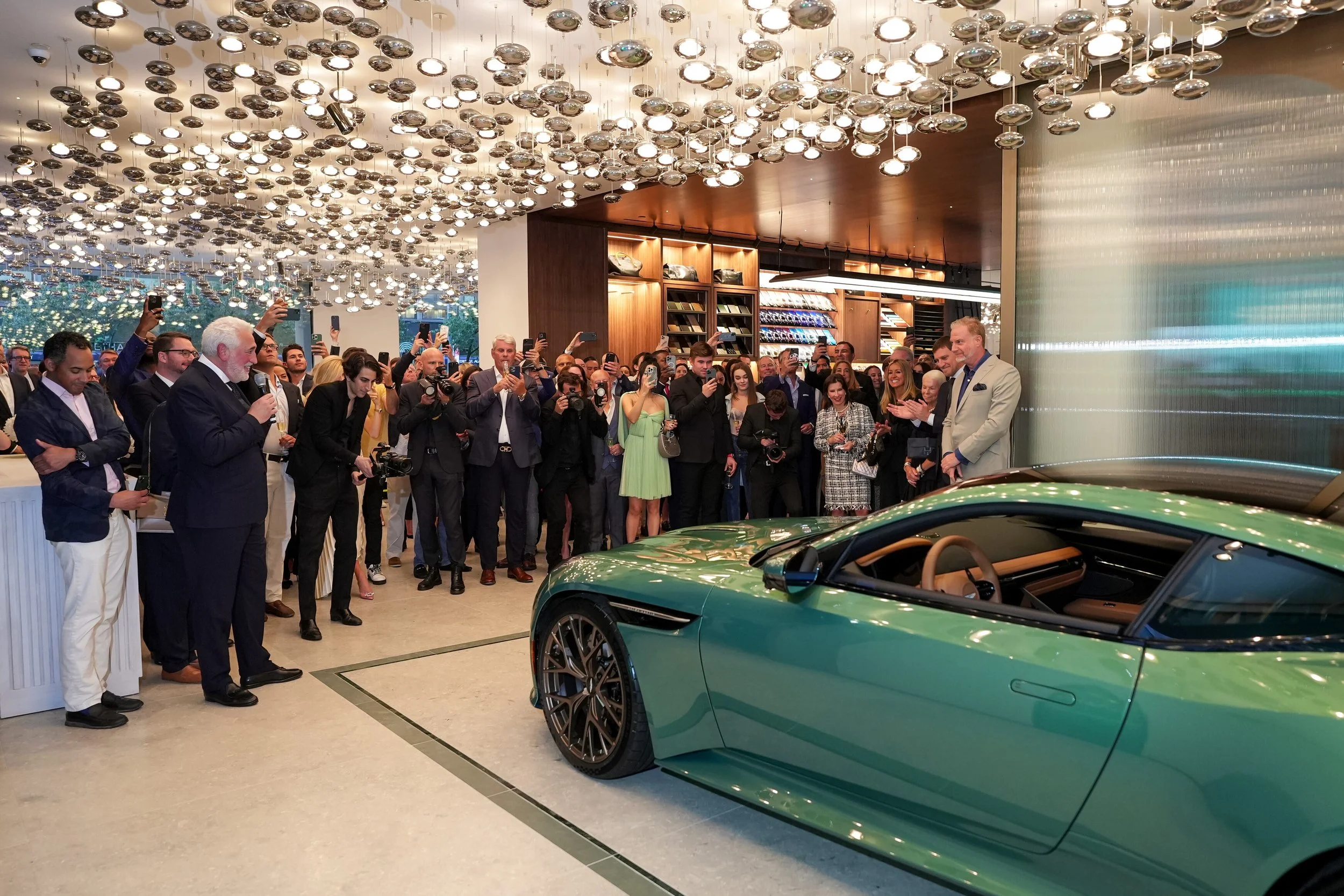
Image © Aston Martin Lagonda. Used for editorial purposes.
This weekend also sees the May Fuel the Passion Featured Article go live, looking at Aston Martin’s global dealer network. It’s a subject that’s become increasingly interesting to me, because dealers are such an important part of the ownership experience. They’re often the first real point of contact with the marque, the place where relationships are built, and sometimes where confidence is either strengthened or tested.
Some of the more recent AML dealers are absolutely stunning, as can be seen by the photograph teaser here, so take a look, as the photographs in this article are lovely.
As we’ve discussed before on FTP, the Aston Martin story is never just about the cars leaving the factory. It’s also about the people, places and relationships that support owners long after the initial handover.
Talking of the global dealer network, by the time you read this, I will also have visited Aston Martin Nottingham for the first time. I’m travelling down there with SC:UK, a car club that I’m a member of, for a cars and coffee event. I’ll be putting together a short video showing how the morning went, particularly as it’s always useful to see different Aston Martin dealer environments and how they connect with owners and enthusiasts, not to mention to check out the lovely cars, they’ll no doubt have on display.
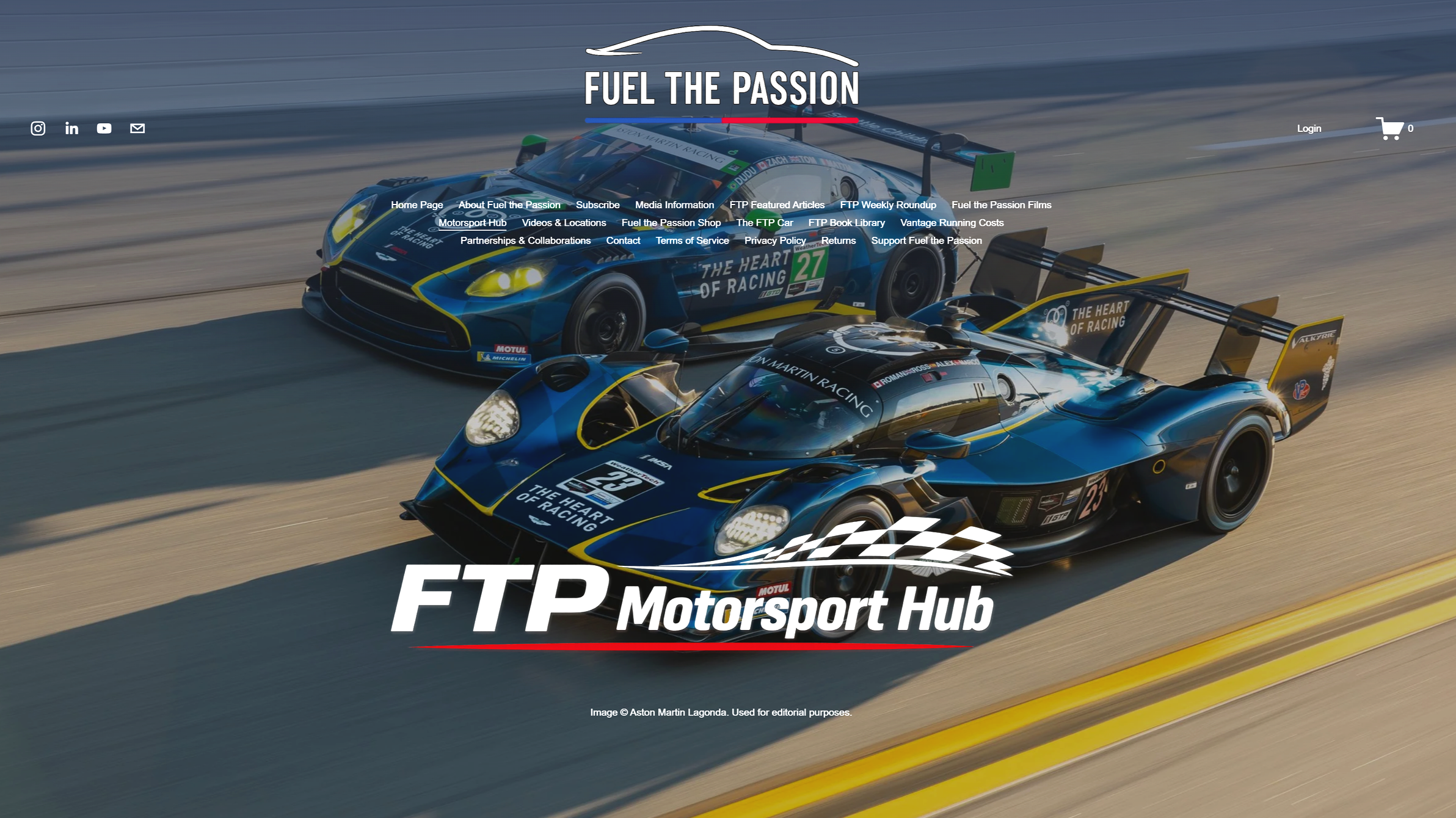
Image © Aston Martin Lagonda. Used for editorial purposes & © Fuel the Passion
Work has also continued on the new FTP Motorsport Hub, which I mentioned earlier in this edition.
The aim is to create a clearer home for Aston Martin-focused motorsport coverage, so race results, standings, team updates and championship context don’t have to wait for the Sunday Roundup. It’s still developing, but I hope it will become a useful part of the website, especially as Aston Martin activity now stretches across Formula 1, IMSA, WEC, GT World Challenge Europe, Michelin Le Mans Cup, International GT Open and customer racing. I don’t know about you, but I got easily confused as to what teams and what drivers were competing in which series and in which country in any given weekend! (Maybe it’s my age!?)
Behind the scenes, I’ve also been continuing work on the wider website structure, including the new Aston Martin Stories area, which is still under construction. The idea is to make the site easier to navigate, with clearer routes into the Weekly Roundup, Featured Articles, Motorsport Hub, stories and FTP Vantage ownership content. As the site grows, it needs to feel less like a collection of individual posts and more like a properly organised Aston Martin storytelling space. I admit, I’ve a lot to learn in this area, so please bear with me as Fuel the Passion’s evolution continues to progress.
As ever, thank you to everyone who continues to read, comment, subscribe, share the videos and support the site. Fuel the Passion is still small, but it’s starting to build real momentum among Aston Martin enthusiasts, and that’s hugely encouraging. The aim remains the same: to tell Aston Martin stories carefully, honestly and with enthusiasm, while keeping credibility at the centre of everything.
Closing Reflection
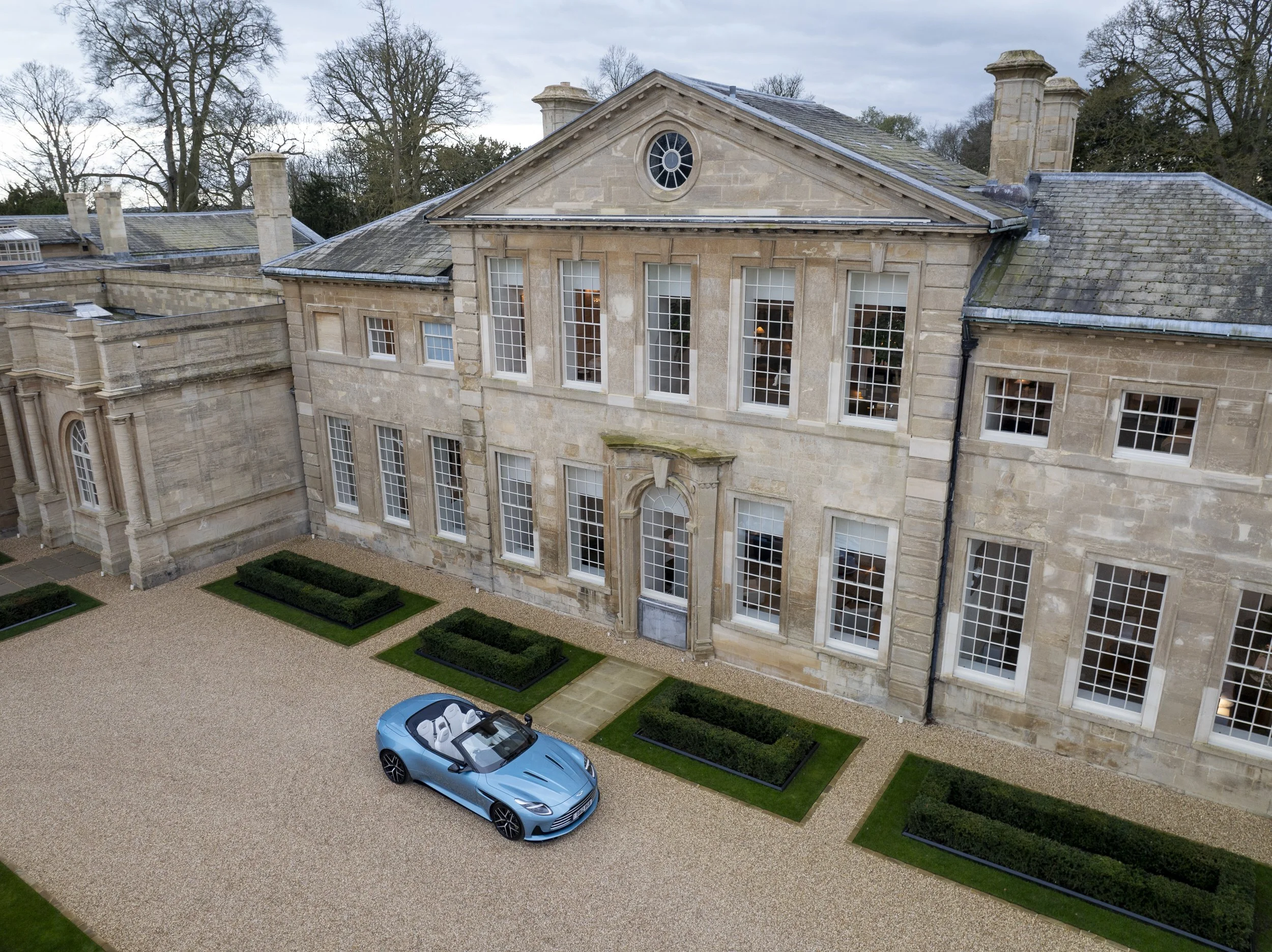
Image © Aston Martin Lagonda. Used for editorial purposes. DB12 Volante, Caribbean Pearl.
That brings us to the end of what’s been a rather full Aston Martin week. If there’s one thread running through this edition, it’s that Aston Martin remains a marque of contrasts.
The Q1 results showed signs of improvement, but also the weight of debt and the need for continued financial discipline. The Formula 1 team showed ambition, resource and technical thought, but also just how difficult it is to make a new works partnership and new regulation cycle work in the real world. Valkyrie heads to Laguna Seca with quiet promise, while customer Vantages continue to carry the wings into busy GT racing weekends. On the road-car side, the Vantage S and DBX S appear to be doing exactly what Aston Martin needs them to do: create desire, sharpen the range and remind people that character still matters.
“Then, as often happens with Aston Martin, the heritage brings everything back into perspective, such is the rich history of this legendary British marque.”
Whether we’re talking about Jock Horsfall, copper printing plates, Russell Hayes’ deep history of the marque, a 1980s V8 Vantage Zagato, or a modern DB11 AMR that has covered proper mileage, the same lesson keeps appearing; Aston Martins become more interesting when they’re understood properly. Not just as objects, not just as prices, not just as headlines, but as part of a much longer story of people, engineering, ambition, fragility, survival and emotion.
That’s why we follow it all. Not because every week is simple, or positive, or comfortable. In fact, some of the most important weeks are the ones that require a little more care. Aston Martin is not a brand that can be covered properly through hype or doom, it needs patience, context and honesty. The cars deserve that, the people around them deserve that and so do the readers (YOU!) who care enough to keep coming back.
Image © Aston Martin Lagonda. Used for editorial purposes.
Next week we’ll have the results from Miami, Laguna Seca, Brands Hatch and the other race activity playing out this weekend. We’ll also continue watching the AML financial picture, the ongoing reception to the latest S models, the Motorsport Hub as it develops, and, as ever, the wider Aston Martin stories that sit just beneath the headlines.
As always, I would really value your thoughts in the comments below 👇. What did you make of Aston Martin Lagonda’s Q1 results, cautious progress, ongoing concern, or a bit of both? On this week’s FTP Car of the Week, would you be tempted by a higher-mileage DB11 AMR if the history, inspection and price were right, or would the mileage put you off completely? I would also be interested to know what sort of cars you would like to see considered for future FTP Car of the Week features; rare specifications, affordable entry points, modern bargains, heritage cars, or simply cars with a good story behind them. The one thing they have to be to qualify, is be up for sale in the UK.
Thank you, as always, for reading, commenting and being part of Fuel the Passion.
Have a good week, enjoy the cars where you can, and I’ll see you at the next one👆. (If you’ve ever wondered why I end with a finger pointing up - as I’ve been asked by a few - its my strange signature piece at the end of nearly all videos. “See you on the next one” with me pointing a finger upwards. Don’t ask. I probably thought it looked good at the time, but it’s stayed ever since. I would miss it if I didn’t include it now! It’s a FTP signature - for those that now know!) 🙂 😂
Kind regards,
Dan
Fuel the Passion
If you don’t want to stop reading just yet, this month’s FTP Featured Article is now live. Click below to read the full feature, where we take a closer look at Aston Martin’s global dealer network - the showrooms, people and structure that help shape how these cars are sold, supported and experienced around the world.