
Fuel the Passion (FTP) Weekly Roundup
Week Ending 22nd February 2026
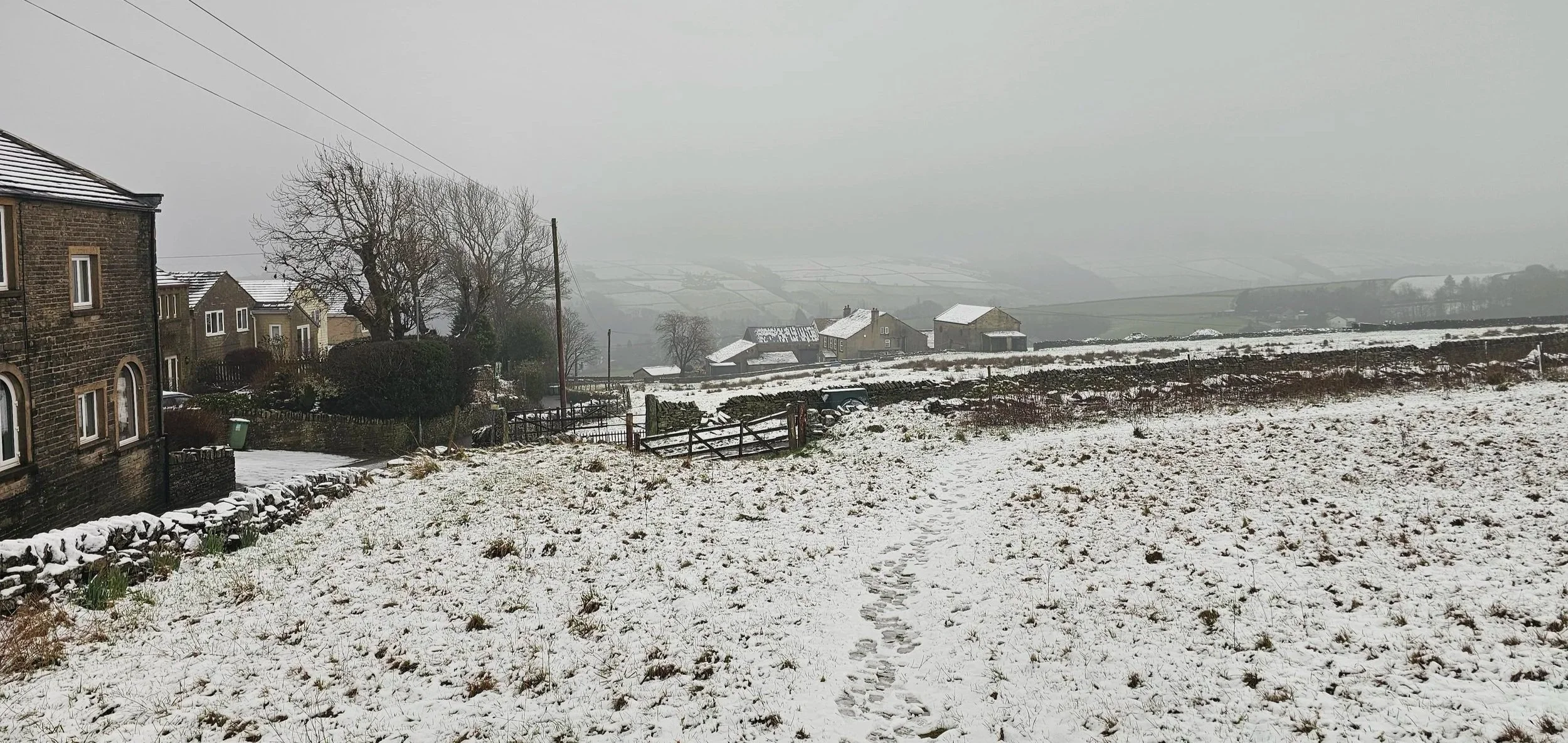
Image © Fuel the Passion, Day of FTP Vantage Service, here in Yorkshire. Service now postponed until next week.
Editor’s Introduction – Dan, Fuel the Passion
It hasn’t been a comfortable week for Aston Martin.
Some weeks pass with incremental updates and quiet optimism. This one has carried more weight. A profit warning from Aston Martin Lagonda. Share price pressure. A curtailed testing programme in Bahrain as reliability issues limited mileage. Each development is significant in its own right, and taken together they deserve careful attention rather than quick judgement.
Closer to home, my own Vantage was due in at JCT600 Aston Martin Leeds for its service. Cameras charged, filming ideas ready. Then Yorkshire reminded us it’s still February. Snow overnight, frozen roads by morning, and plans postponed. A minor inconvenience, but perhaps a fitting metaphor. Progress isn’t always smooth, sometimes you pause, sometimes you regroup. This week’s Roundup feels important. There’s context to provide, perspective to maintain and a longer-term story still unfolding beneath the headlines.
Let’s take it piece by piece.
Aston Martin Lagonda: Profit Warning and F1 Naming Rights Explained
There has been a flurry of reporting this week around Aston Martin Lagonda and it all centres on one core issue: finances.
Ahead of its full-year results next week, on 25th February, the company has warned that 2025 losses will be worse than previously expected. Analysts had already forecast a significant adjusted operating loss, somewhere between £139m and £184m, and management now expects performance to come in slightly below even that lower range. It marks the fifth profit warning since September 2024.
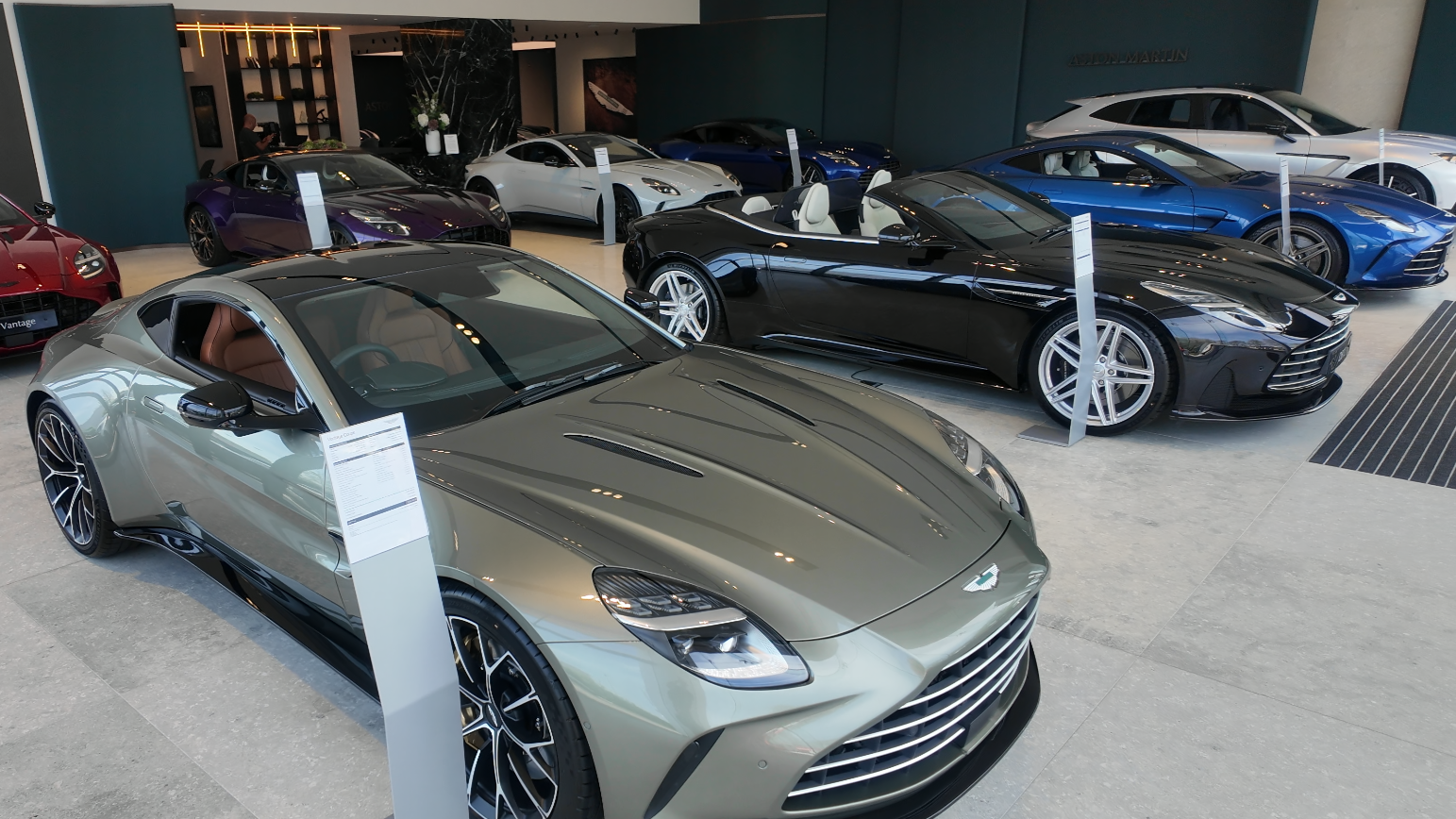
Image © Fuel the Passion
Deliveries fell nearly 10% year-on-year to 5,448 cars. The US, Aston Martin’s largest market, has been affected by tariff pressures, while softer demand in China and fewer high-margin special editions have also weighed on margins.
Cash reserves stand at around £250m, lower than at the start of 2025, and debt has increased materially since early 2024. Shares reacted negatively to the announcement and remain roughly half their level of a year ago.
“It would be disingenuous to pretend that a significant adjusted operating loss is anything other than concerning.”
Aston Martin is far more than a line on the stock exchange; it represents livelihoods, craftsmanship, suppliers, owners, and a heritage stretching back more than a century. When losses continue, sensible questions arise about resilience and how steadily the company can translate its strategy into sustainable results.
It also brings into sharper focus the conversations we’ve referenced in recent weeks around cost-cutting and potential redundancies. Behind every balance sheet figure are people; engineers, designers, factory staff, dealership teams, who will understandably be watching developments closely. These periods of financial strain are rarely abstract inside a business. Thoughts continue to go to the many AML employees who may be facing uncertain and concerning discussions at the moment.
Image © Fuel the Passion
Alongside the profit warning came a £50m transaction that raised eyebrows: Aston Martin Lagonda has agreed to sell the perpetual right to use the “Aston Martin” name in Formula One to AMR GP Holdings, the company that operates the Aston Martin F1 Team.
It may sound unusual at first, selling the name to itself, but as we explored in a recent FTP Featured Article examining how the finances of Aston Martin Lagonda and the Aston Martin F1 Team are structured, the two are separate legal entities. Aston Martin Lagonda is publicly listed. The Formula One team is privately owned and controlled by Lawrence Stroll. This transaction sits within that established structure and effectively injects £50m into the road car company, strengthening liquidity rather than representing an external sale of the brand.
This is not a sudden structural shift. AML previously sold its 4.6% stake in the F1 team in 2025 for £110m. It also continues to pay a long-term sponsorship fee, understood to be around £50m per season, under an agreement scheduled to run until 2040. The new deal formalises branding in perpetuity and requires shareholder approval as a related-party transaction, though more than half of shareholders have already committed support.
“Despite the financial headwinds, there remains a forward-looking element.”
Around 500 examples of the £850,000 Valhalla are expected to be delivered in 2026, with more than half of the 999 production run already sold, with many units expected to exceed £1 million due to customisation. In a low-volume, high-value business model, those deliveries are not insignificant.
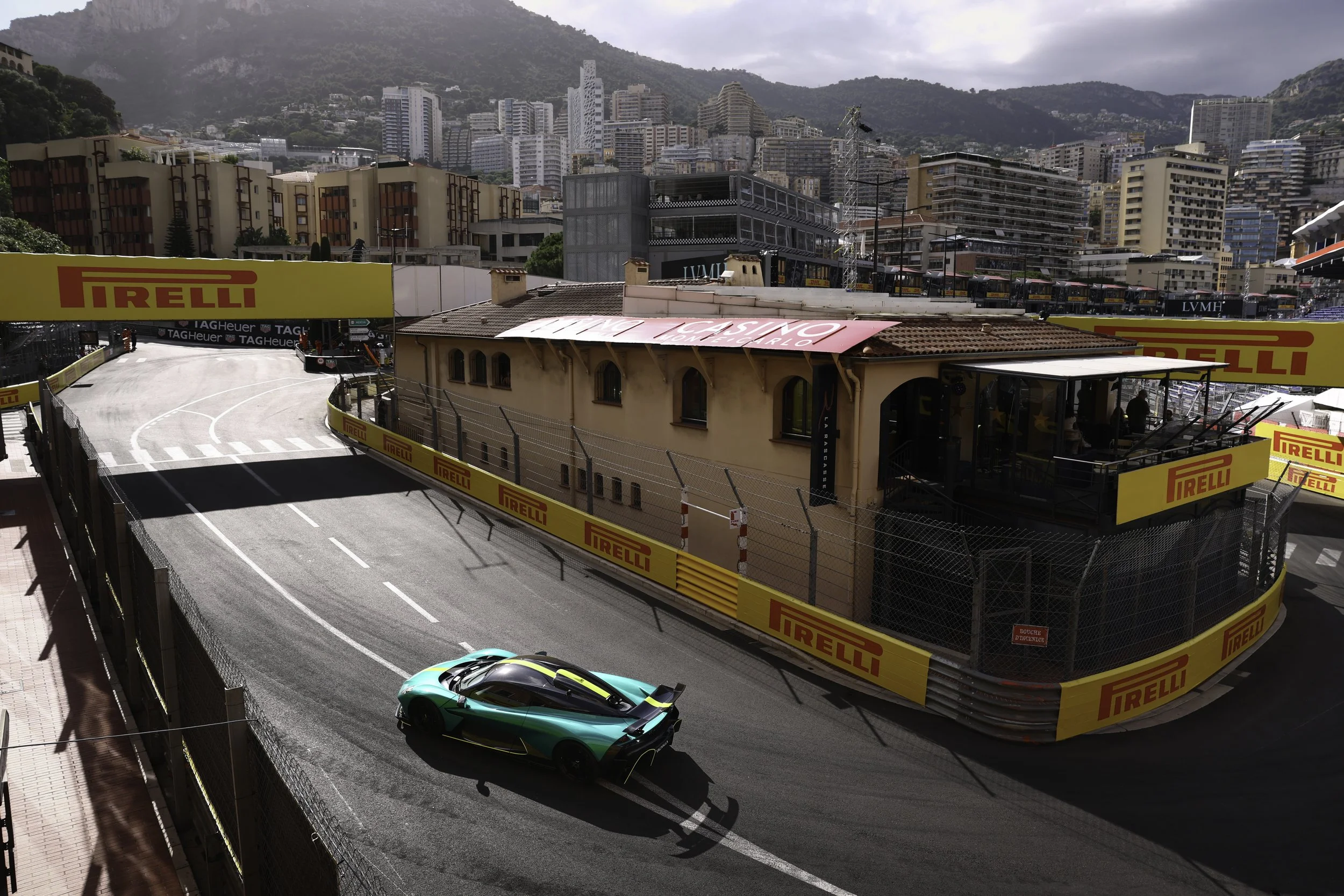
Image © Aston Martin Lagonda. Used for editorial purposes.
Like many of you, I want Aston Martin Lagonda to succeed and flourish. The brand’s heritage deserves it, and its current product line-up shows real promise. Fingers crossed that exclusive models continue to sell strongly, that margins stabilise, and that 2026 begins to reflect the improvement management is signalling. The situation is not catastrophic. Nor is it comfortable. It is a pivotal moment in a long turnaround journey.
For now, the emphasis is clear: stabilise, strengthen liquidity, and position for recovery.
Formula 1 - Bahrain Test Two: Innovation, Integration and Interrupted Mileage
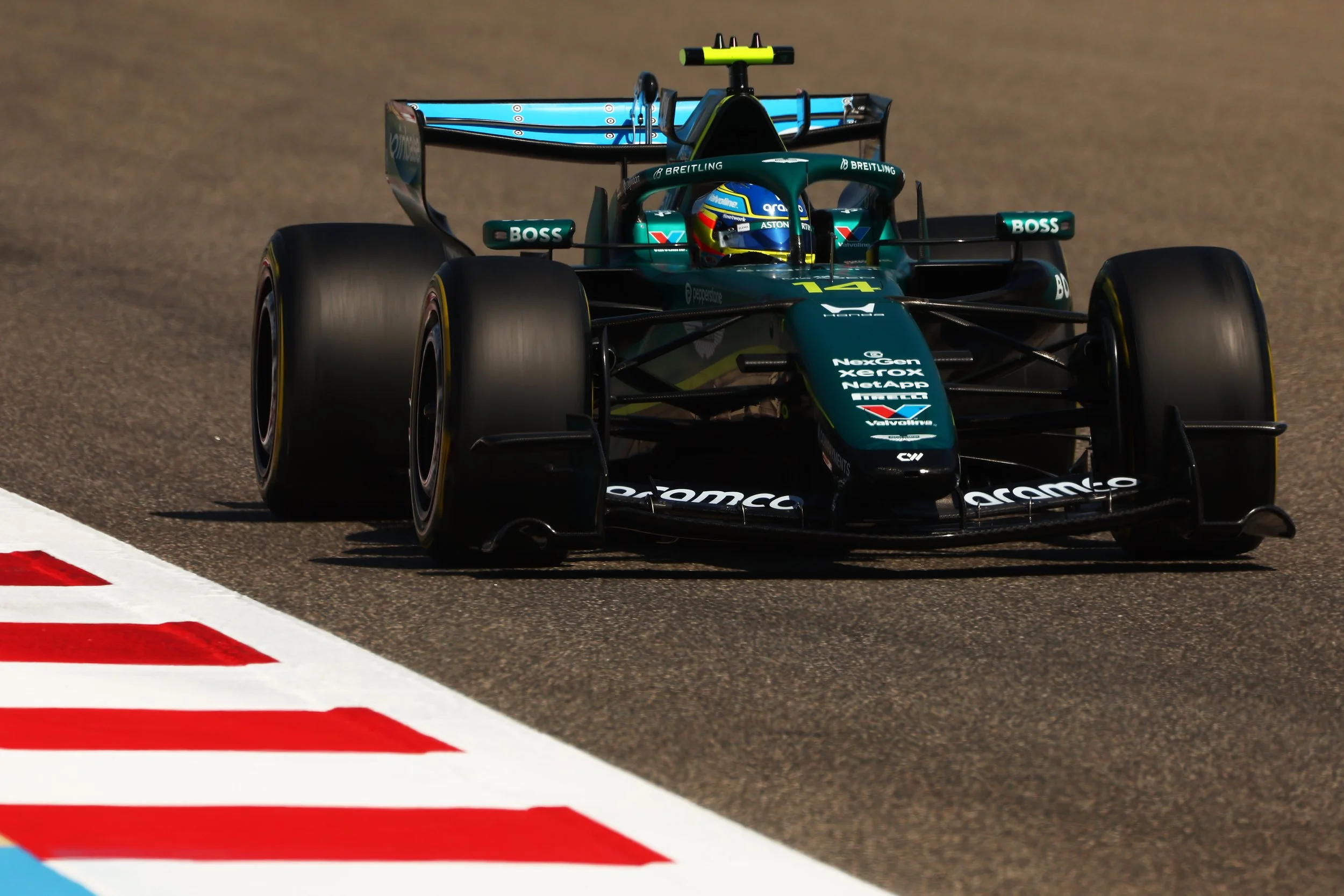
Image © Honda Motor Co., Ltd. Used for editorial purposes.
There has been no shortage of Formula 1 conversation this week, and much of it has centred on Bahrain.
In the wider paddock, attention was captured by Ferrari’s rotating rear wing concept, an inventive solution designed to shed drag more aggressively on the straights while retaining stability under braking. Whether it proves decisive remains to be seen, but it was a reminder that at the start of a new regulation cycle, creativity often surfaces quickly. Mercedes, meanwhile, found itself fielding questions over its power unit, with Toto Wolff dismissing concerns as a “storm in a teacup” amid discussions around compression monitoring and regulatory interpretation.
And then there was Aston Martins story.
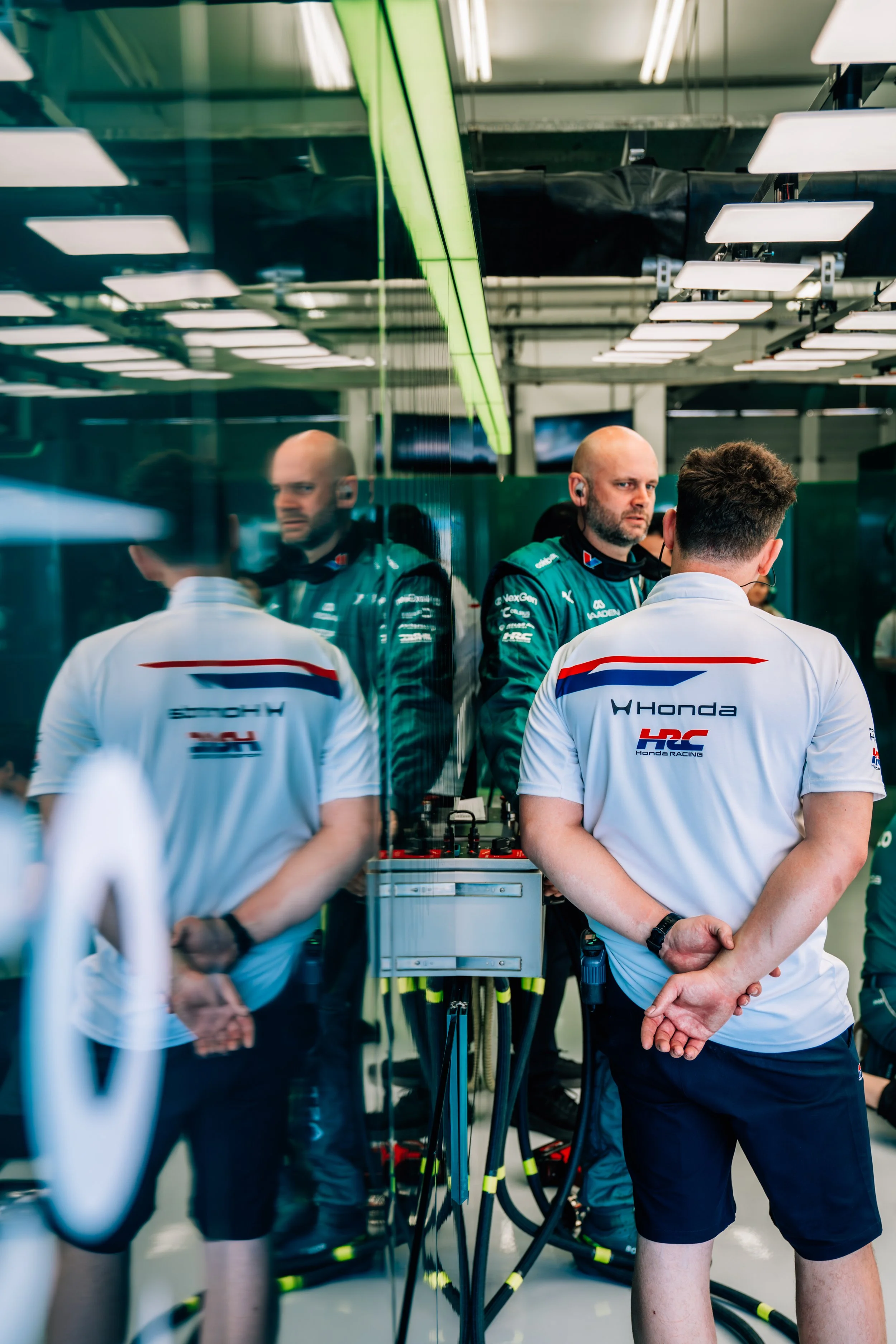
Image © Honda Motor Co., Ltd. Used for editorial purposes.
After a challenging opening test, the second Bahrain session did not provide the clean reset the team needed.
A battery-related issue interrupted Fernando Alonso’s running earlier in the week, with Honda confirming simulations were moved back to its Sakura facility in Japan.
The knock-on effect, combined with a shortage of available power unit parts, forced Aston Martin into a severely restricted final-day run plan.
Lance Stroll completed just six laps on Friday. Across the full test, the AMR26 managed 122 laps, the lowest of any team, compared with over 300 completed by some rivals by Thursday evening.
“In testing, outright lap times can flatter or mislead. Mileage rarely does.”
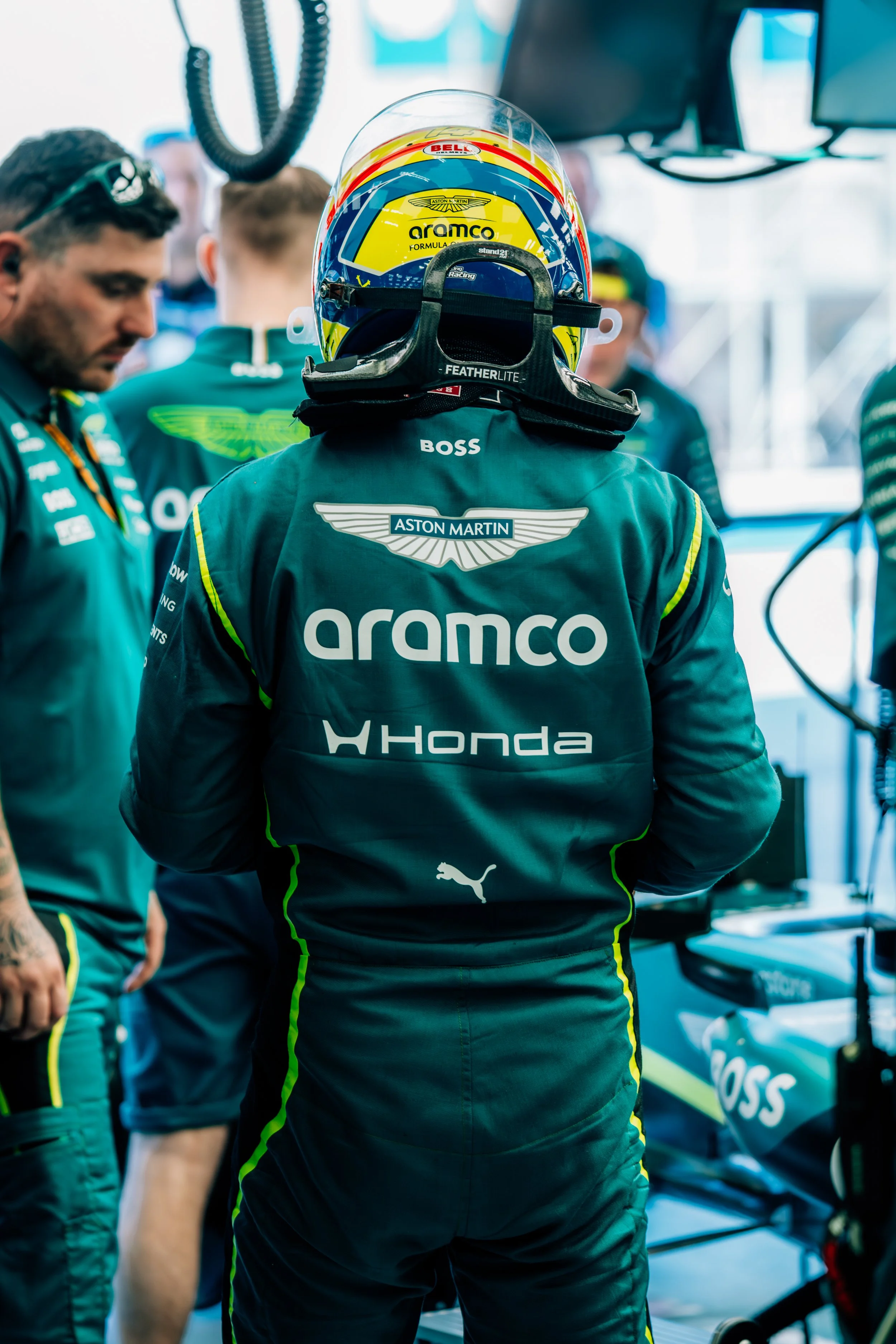
Image © Honda Motor Co., Ltd. Used for editorial purposes.
Pedro de la Rosa was refreshingly candid. The team is not where it wanted to be. There are “many things to fix.” But there is also clarity about direction.
Aston Martin is integrating a works Honda partnership for the first time in this new era, alongside a new gearbox, revised rear suspension architecture and the continued evolution of a campus designed to operate at the very sharp end of Formula 1.
That is an enormous amount of change to synchronise in public view.
So where does that leave the green cars as Melbourne approaches?
On outright pace, testing times remain notoriously opaque. Fuel loads, tyre compounds and differing programmes blur the true picture. But in terms of readiness, it would be fair to say Aston Martin is still working to stabilise and understand its package rather than extracting performance from it.
This has always been framed as a long-term project. The ambition is multi-year. The facilities are world-class, the investment substantial, and the calibre of personnel beyond question. Yet integration curves, particularly when new power units, gearboxes and structural philosophies converge, are rarely seamless.
“Even the most successful Honda partnerships of recent memory required patience before momentum followed.”
Honda Racing Corporation’s Trackside General Manager and Chief Engineer, Shintaro Orihara, was equally direct in his assessment from Sakhir. The primary objective of the week had been clear: accumulate mileage, validate reliability and gather meaningful data. While data was successfully collected, the targeted mileage was not achieved. An identified power unit issue on Thursday required joint overnight work between HRC Sakura, the AMR Technology Campus in Silverstone and trackside crews in Bahrain, with a limited run plan agreed due to parts shortages. Orihara admitted the team is “not happy with our performance and our reliability at the moment,” but emphasised that efforts across Japan and the UK are now focused squarely on solutions.
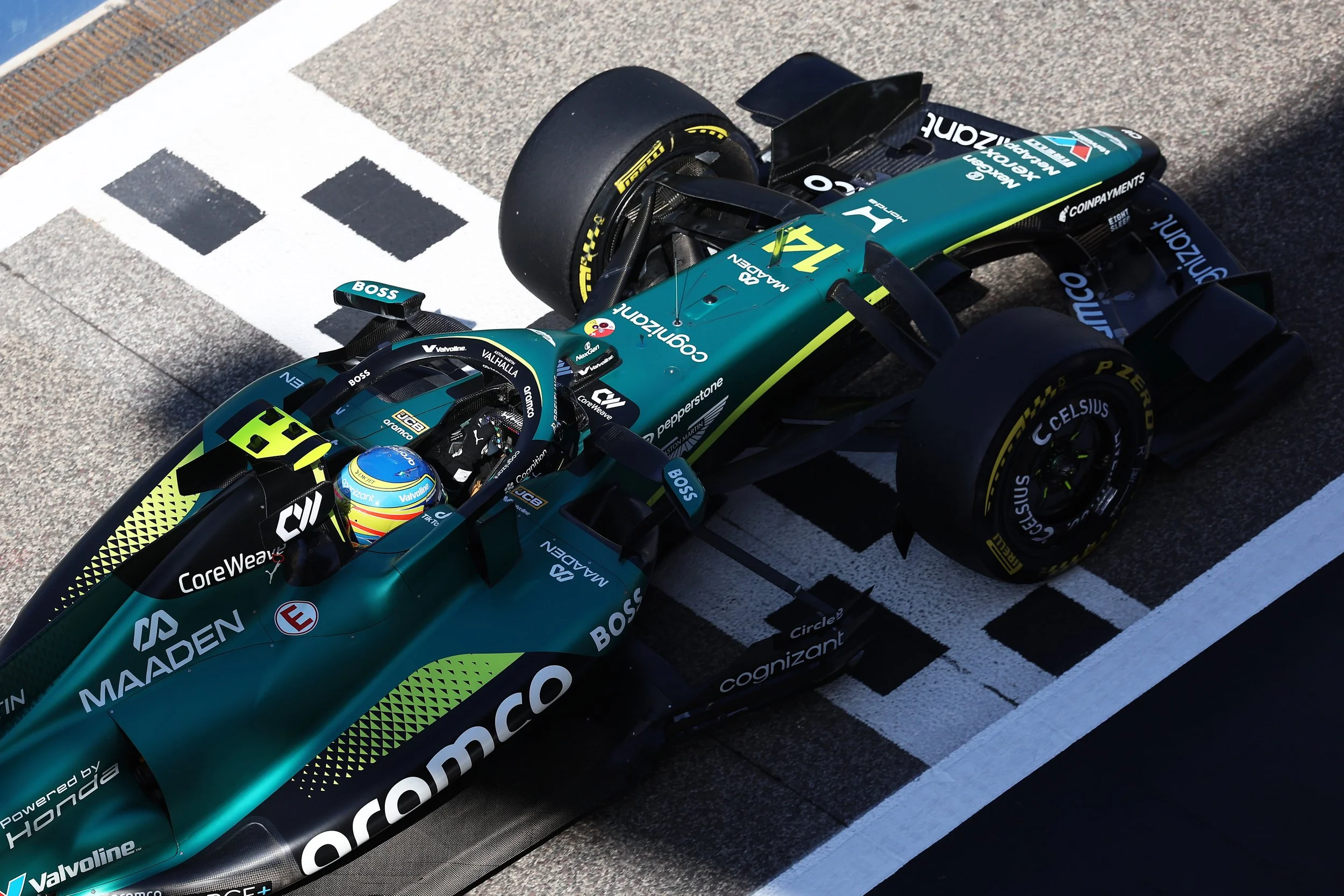
Image © Honda Motor Co., Ltd. Used for editorial purposes.
When a programme shifts from sustained long runs to short, separated stints, the objective changes. Instead of polishing pace, you are confirming systems. It is not the ideal way to close a test, but nor does it define a season. Australia now becomes the first true marker. It may be a challenging opening chapter, starting on the back foot usually is, but regulation eras are marathons, not sprints. The first race seldom tells the full story.
The countdown to Melbourne is on. Let’s see what the next phase of development brings when the lights go out down under.
Le Mans 2026 - Aston Martin’s Return Takes Shape
While Formula 1 continues its careful calibration in Bahrain, something far more definitive has quietly been confirmed in France. As we’ve touch on in previous Weekly Roundups, we already had an understanding of the Aston Martin teams that were going to feature in Le Mans, however, this week the official entry list was published.
The official entry list for the 94th running of the 24 Hours of Le Mans (10–14 June 2026) shows Aston Martin will line up with serious intent.
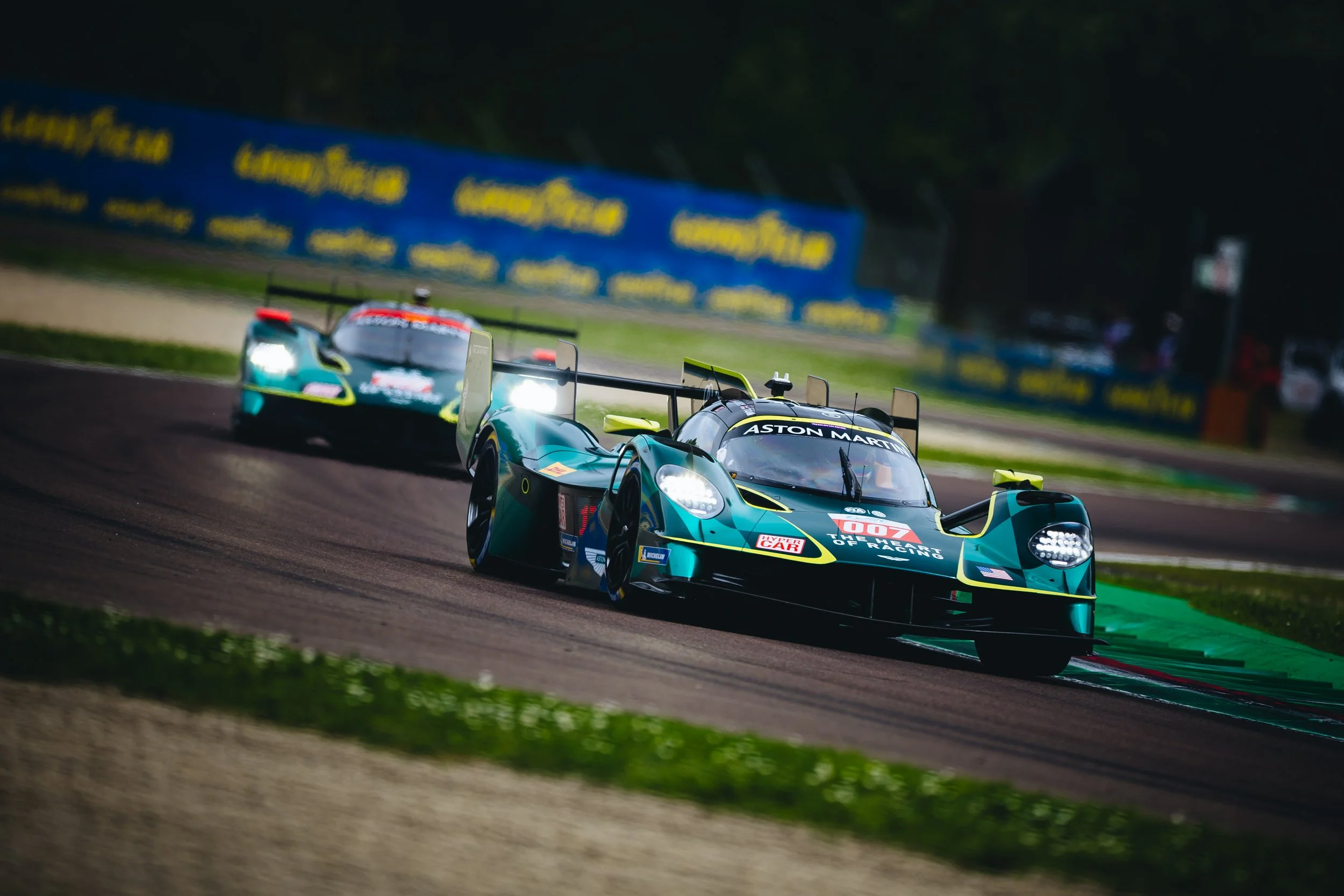
Image © Aston Martin Lagonda. Used for editorial purposes.
In Hypercar, the Aston Martin THOR Team will field two Valkyries. The #007 and #009 entries mark something deeply symbolic: Aston Martin competing outright once again at the sharpest end of endurance racing’s greatest stage.
Le Mans has always carried weight for Aston Martin. From the DBR1’s overall victory in 1959 to more recent GT class successes, the circuit is part of the brand’s competitive DNA. To see the Valkyrie, a road-derived hypercar in spirit and name, now fully embedded in the Hypercar field feels significant.
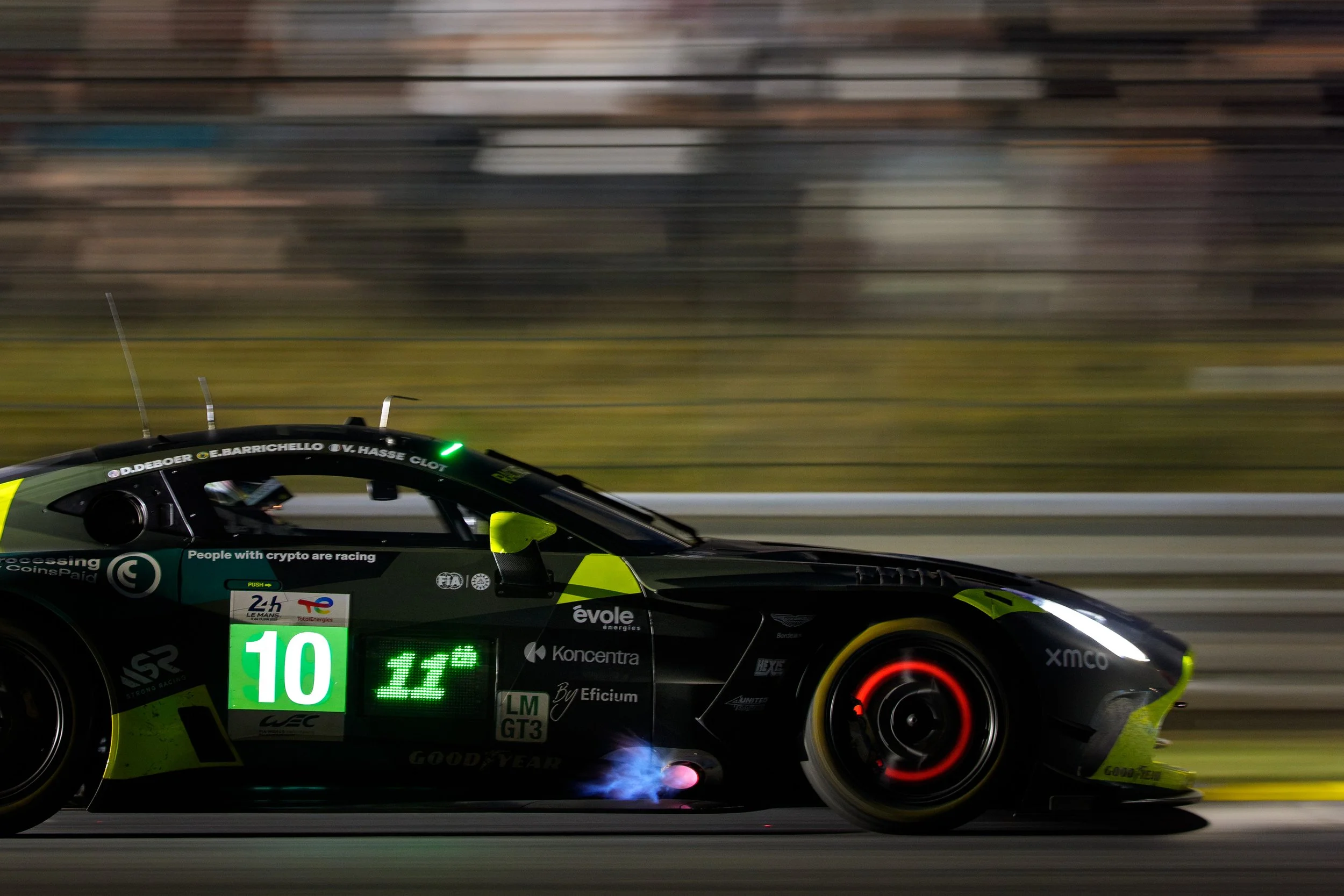
Image © Aston Martin Lagonda. Used for editorial purposes.
Alongside the headline Hypercar effort, Aston Martin’s GT presence remains strong. The Heart of Racing Team and Racing Spirit of Léman will campaign Vantage AMR LMGT3 entries, continuing the lineage of Vantage competition cars that have quietly built one of the most successful GT records in modern endurance racing.
(How good do these AML pictures look? - Awesome!)
Four Aston Martins. Two classes. One circuit that defines endurance. There is something reassuring about seeing the entry list in black and white. No speculation. No concept renderings. Just confirmed numbers and team names.
Aston Martin is back in the fight for overall honours at Le Mans. I’m so looking forward to what this years race brings!
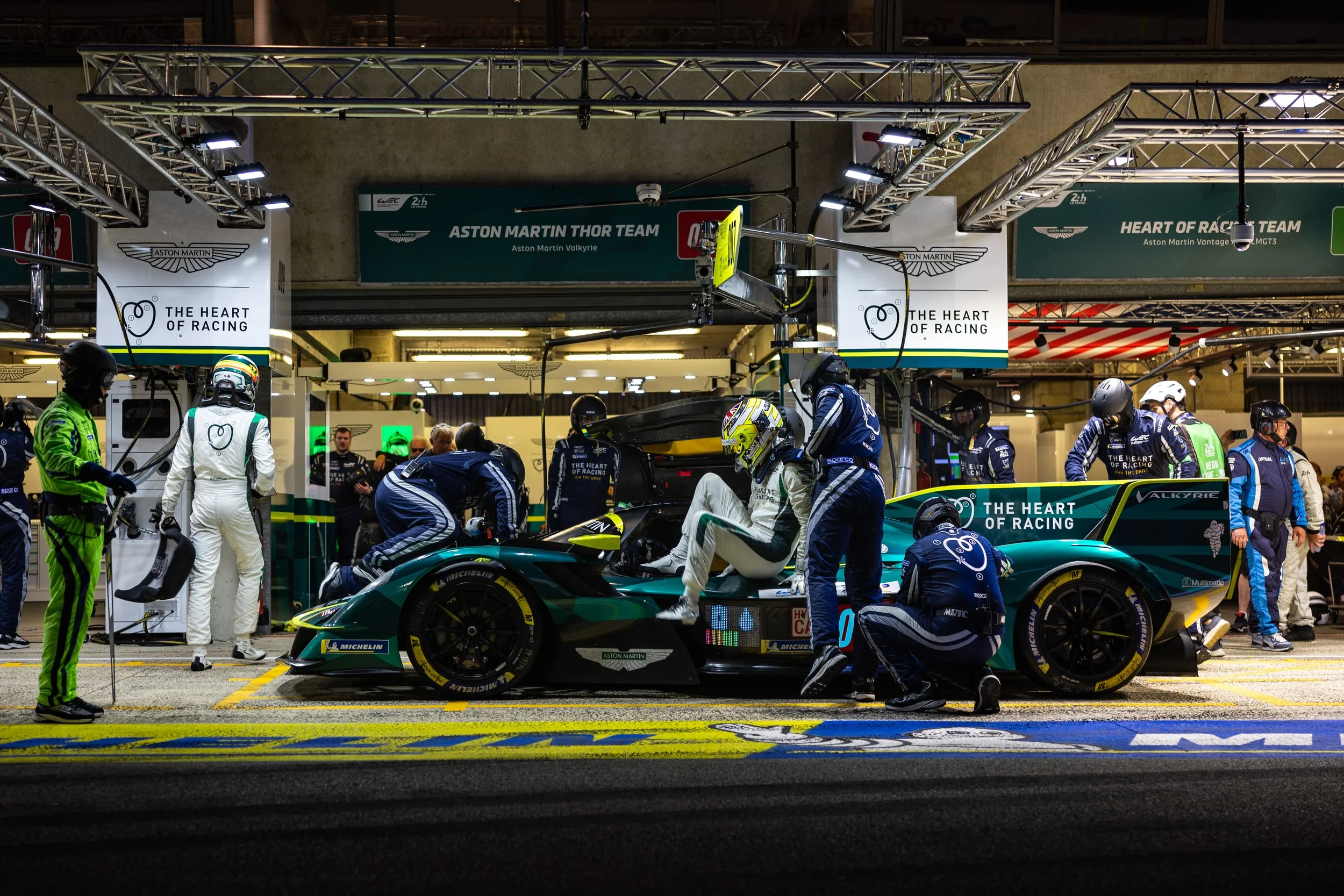
Image © Aston Martin Lagonda. Used for editorial purposes.
In last week’s Roundup, I shared a superb YouTube film called ‘Beyond the Track’ following the Valkyrie programme and spending time with both the driver and team management Ian James and his colleagues. That piece offered real insight into the human side of this return; the preparation, the expectation, and the weight of history attached to competing outright at Le Mans once again. If you haven’t watched it yet, I’ll link back to last week’s report HERE.
The Short Chassis Volante - Newport Pagnell’s Final Chapter
This week I listened to a wonderful conversation hosted by Nicholas Mee, featuring former Aston Martin main board director and Managing Director of Aston Martin Works, Kingsley Riding-Felce. The focus is the 2000 V8 Vantage Volante “Short Chassis” just eight cars built at the very end of the Newport Pagnell era. With no brochure, no motor show launch and no fanfare, the project emerged quietly as a fitting send-off to a lineage that stretched back to DB4. These were effectively the final hand-built V8 Astons from a factory that had defined the brand for decades.
What makes the Short Chassis Volante special is not just rarity, but intent. Developed as a joint effort between production and Works, the car combined the shorter V8 platform with structural strengthening derived from the long-wheelbase architecture, resulting in remarkable rigidity for a convertible. Many were later upgraded from 550bhp to 600bhp through Works, creating the ultimate expression of the supercharged V8.
“They were sold discreetly to trusted, passionate owners, and several remain with their first custodians to this day.”
In the Nicholas Mee interview, Kingsley reflects candidly on how the project came together, why only eight were approved, and why he considers it one of the proudest moments of his 38-year career at Aston Martin. It’s a beautifully told piece of Aston Martin history not loud, not dramatic, but deeply significant. I’ll link the full film below, and if you care about Newport Pagnell craftsmanship and how that chapter closed, it’s well worth your time.
The Auction Market - Context Matters
Reading about the Short Chassis Volante, eight cars built properly, sold quietly to the right owners, naturally leads to a broader question: how does the world ultimately value Aston Martin’s most significant cars?
Although published on 27th January 2026, I only came across Robb Report’s feature this week ranking the 25 most expensive cars ever sold at auction. It felt worth including, not because it’s breaking news, but because it provides perspective.
Of the Top 25 cars ever sold publicly, Ferrari dominates with fourteen entries. Mercedes-Benz appears three times. The remaining places are shared among a handful of historically important marques.
“Aston Martin features twice, and that is serious company to keep.”
One of those two is the 1956 Aston Martin DBR1/1, sold at RM Sotheby’s Monterey in August 2017 for $22.55 million. The DBR1 was the ultimate realisation of David Brown’s ambition, first voiced in 1949, to win Le Mans. Designed by Ted Cutting around a lightweight spaceframe chassis and powered by the 3.0-litre RB6 straight-six, the car combined precision handling with relentless development. It endured early fragility, gearbox failures and retirements were frequent, but its competitiveness was undeniable. In 1959, after years of near-misses, the DBR1 programme finally delivered overall victory at Le Mans and secured the World Sportscar Championship for Aston Martin. DBR1/1 itself played a crucial role in that campaign, including Stirling Moss’s extraordinary Nürburgring victory in 1959. It is widely regarded as the most important Aston Martin ever built, not simply for its value, but for what it achieved.
The second Aston Martin in the Top 25 is the 1963 DP215 Competition Prototype, which achieved $21.455 million at RM Sotheby’s in August 2018. The youngest of four one-off “Project Cars” created under David Brown’s leadership, the DP215 went from internal memo to Le Mans contender in roughly two months, an astonishing engineering achievement. Although it did not win the 1963 race, it became the first car to exceed 300 kph at Le Mans, reaching 319.6 kph (198.6 mph) on the Mulsanne Straight with Phil Hill and Lucien Bianchi. After Aston Martin closed its racing department later that year, the car’s journey continued through private ownership, separation from its original engine, and eventual reunion, restoring an important chapter of Aston Martin history.
Auction markets will fluctuate. Headlines will come and go. But when the very best Aston Martins come to market, they sit comfortably among the most historically valuable cars ever sold. That tells you something enduring about the marque and why protecting the record truly matters.
Pick of the Week - From Auction Rooms to Showrooms
Images © Auto100, used for editorial purposes.
From the theatre of the auction room to the quiet temptation of the showroom floor, the market continues to offer moments that make you pause.
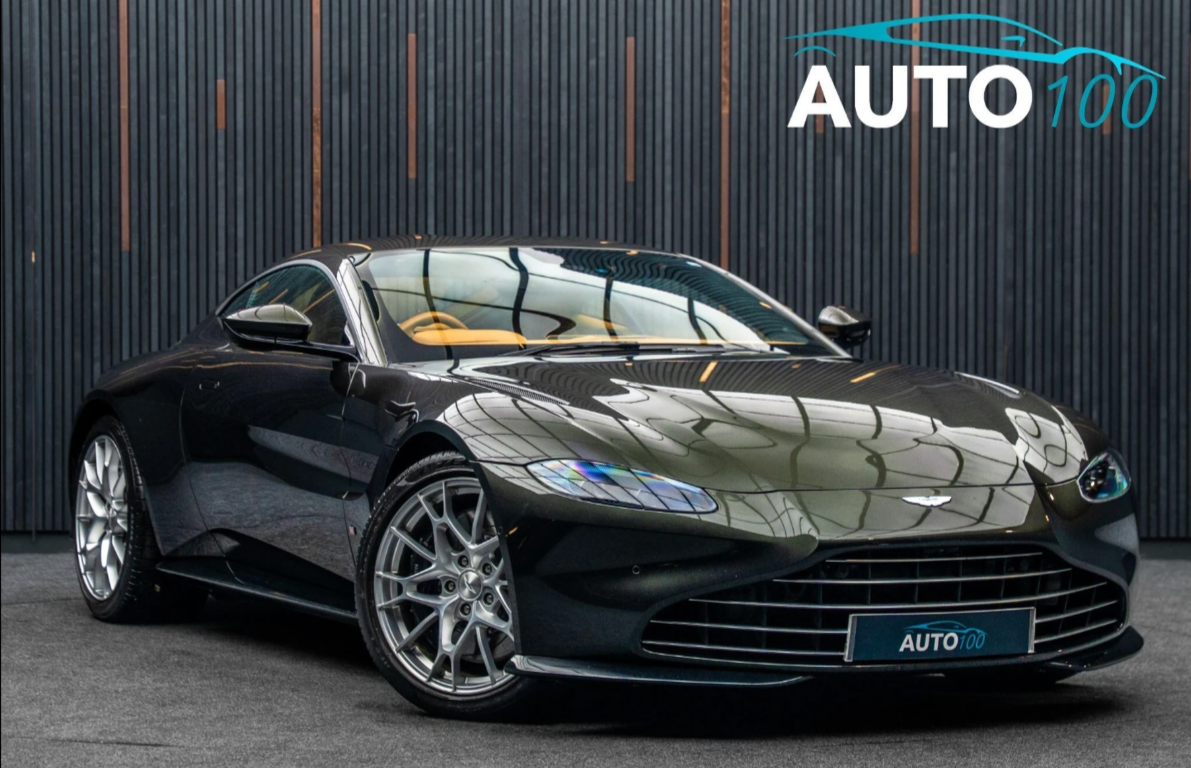
This week, that moment comes in the form of a 2018-generation Aston Martin Vantage V8, currently offered by Auto100.
Finished in Minotaur Green over Oxford Tan Contemporary Caithness leather, it brings together one of Aston Martin’s most dramatic modern paints with bright silver 20-inch AMR forged wheels. Regular readers will know this is, quite simply, my favourite contemporary colour combination.
“Minotaur Green has remarkable depth, almost black in low light, then alive with metallic green undertones when the light catches it.”
Against silver wheels, the effect is purposeful yet elegant, no theatrics, just confidence.
And confidence is what this shape wears best. The muscular rear haunches, the tight, modern tail, the low and assertive nose - darker metallics accentuate the surfacing without overwhelming it. In Minotaur, the Vantage looks every inch the contemporary British sports car it was intended to be.
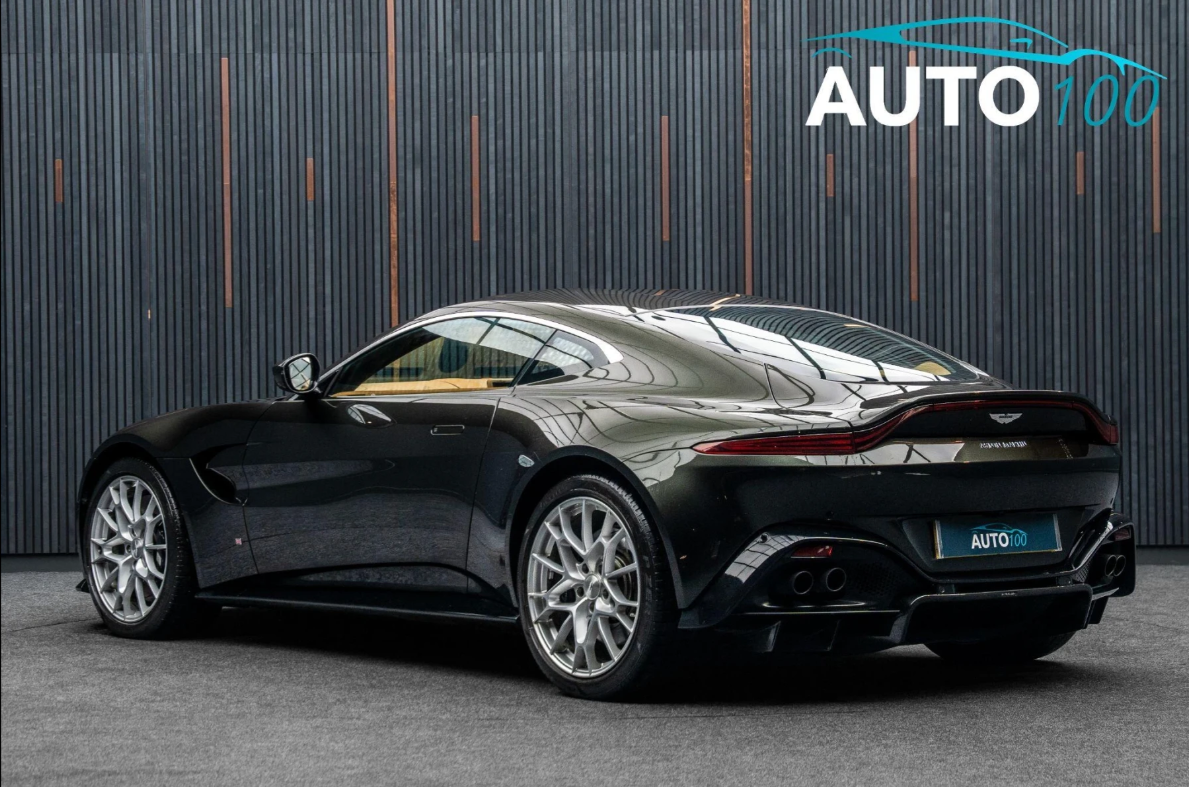
Images © Auto100, used for editorial purposes.
This example carries a full Aston Martin service history and a thoughtful specification: Sports Plus Pack with flat-bottom steering wheel, matte black quad exhaust finishers, vaned grille, gloss black lower pack, 2x2 carbon twill detailing, dark chrome interior jewellery and those lovely glass switches that elevate the cabin at night. The Comfort Pack brings 16-way heated seats, while blind spot assistance and the 360° camera add genuine everyday usability.
Inside, the Oxford Tan leather gives a classic warmth. Personally, I might have specified a darker upper dash to reduce potential windscreen reflections, a small but practical detail but that is preference rather than criticism. The cabin remains beautifully executed and unmistakably Aston Martin.
At £83,980, it sits in a compelling position in today’s Vantage market. Specification and colour matter enormously now; buyers are more discerning, and the right combination can make all the difference.
“I would be surprised if this one lingers.”
If it speaks to you, contact Auto100 directly for details. As always with this section, there is no commission or affiliate link — simply a car that stood out and felt worth sharing. From auction rooms to showroom floors, it’s still specification, colour and condition that tell the story. And this one tells it very well indeed.
AML Stock Watch

Aston Martin Lagonda shares closed on Friday 20 February at 58.65p, down 1.59% on the day following the company’s profit warning and confirmation of the £50m Formula One naming rights transaction. It has been a difficult week on the market. The stock opened on Monday at 64.35p and reached a weekly high of 64.57p before coming under sustained pressure. During Friday’s session it touched 57.00p, briefly approaching its 52-week low of 56.00p.
“From Monday’s open to Friday’s close, the shares declined by approximately 8%.”
The market reaction reflects the combination of wider-than-expected losses, tariff pressures in the US, softer demand in China and the broader narrative of a multi-year turnaround still very much in progress. The naming rights deal, while strengthening liquidity, appears to have been interpreted as part of a stabilisation effort rather than a growth signal.
As ever, short-term movements rarely tell the whole story, but they do reflect sentiment. As always, we’ll continue to track the trajectory week by week. It would feel disingenuous to gloss over it: this week has been unsettling on several fronts.
FTP Update - From Yorkshire Lanes to Bond Legends
After Le Mans entries and prototype racers, it was back to something far more familiar this week, Yorkshire in February.
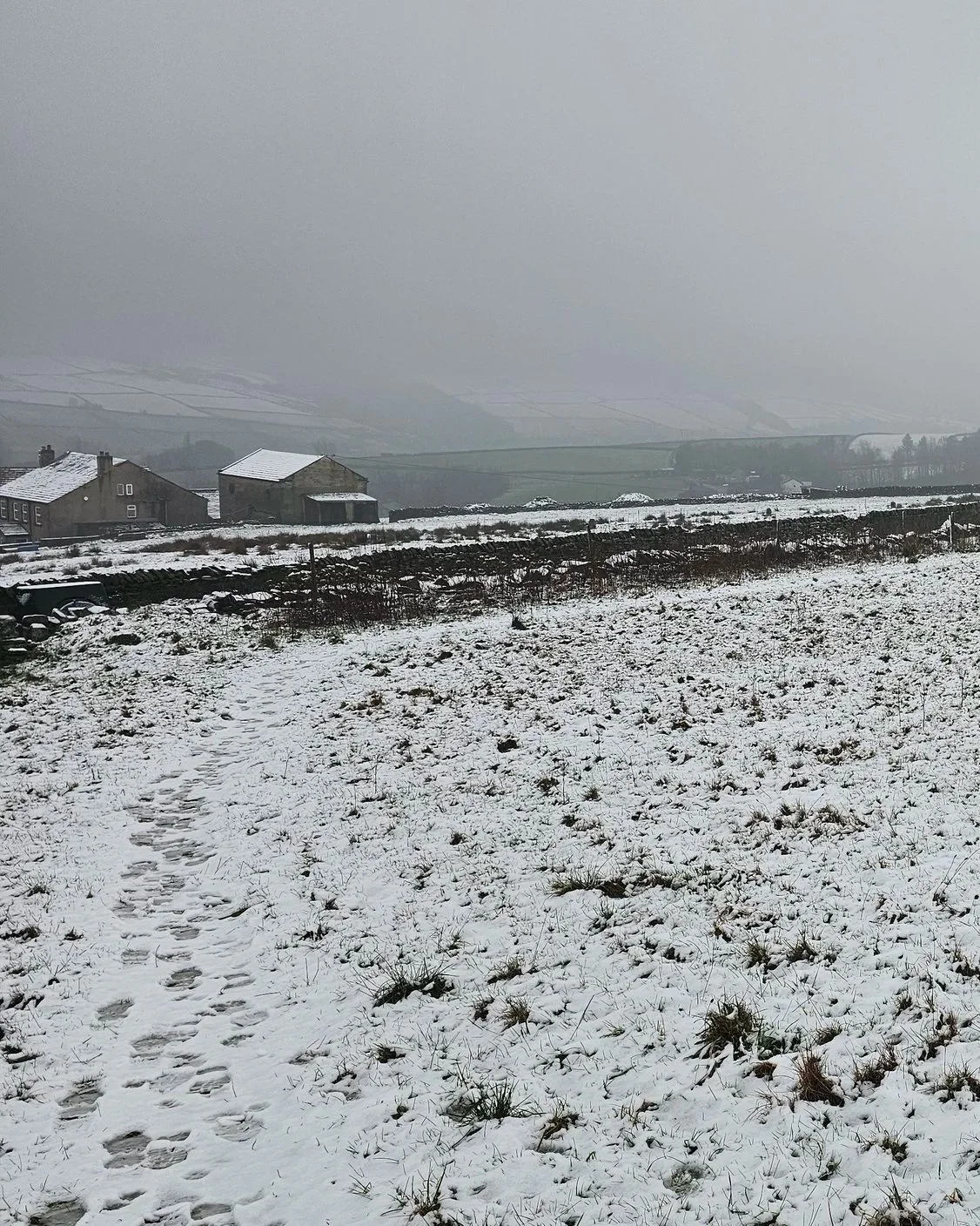
As I mentioned in the intro, the FTP Vantage was due in at JCT600 Aston Martin Leeds for its service.
Cameras charged, plans made, a good day lined up. Then winter had other ideas. There’s also a rare car there which I have permission to film, so I’m very much looking forward to visiting the team. We’ll head in next week when temperatures lift, so expect a YouTube film shortly afterwards.
That theme carried into a walk with my dog, later in the week. We wandered down a well used lane and came across what I can only describe as craters. Not minor surface wear. Not the usual winter scarring. Proper, deep potholes, positioned almost exactly where your tyres would naturally track. I reported them to the local authority and we’ll see how quickly they’re addressed.
“I stepped into one for scale and it swallowed most of my boot.”

I don’t want to get political here. Fuel the Passion isn’t about party lines or policy debates. But sometimes the condition of our roads becomes impossible to ignore because it directly affects how we use and protect the cars we care about.
Potholes have been covered in the national media for years, and clearly this isn’t confined to one county or one council. For those of us running performance cars, often on larger wheels and lower-profile (and very expensive) tyres, one unseen impact can mean significant damage.
“So as winter fades and cars come out of hibernation, just take care. The road you remember from October may not be the road waiting for you in February.”
You may also notice something new across the website this week. I’ve introduced the Fuel the Passion Book Library, along with carefully selected affiliate links within relevant stories. A number of you have kindly asked how you can support the platform while keeping it independent and free from intrusive advertising. This is a simple and transparent way to do exactly that.
If you choose to purchase through one of those links, it does not cost you anything more. The price remains the same. A small commission may come back to Fuel the Passion, helping fund research, filming, hosting and the time required to produce considered content. I’m still relatively new to affiliate partnerships, and I’ll only ever link products that genuinely align with what we discuss here. No random items or forced placements. Just relevant material that supports the heritage, engineering and culture we explore. The Book Library will expand over time, so if you have a great book you wish to recommend, let me know and I’ll see if I can find stock with relevant affiliate links.
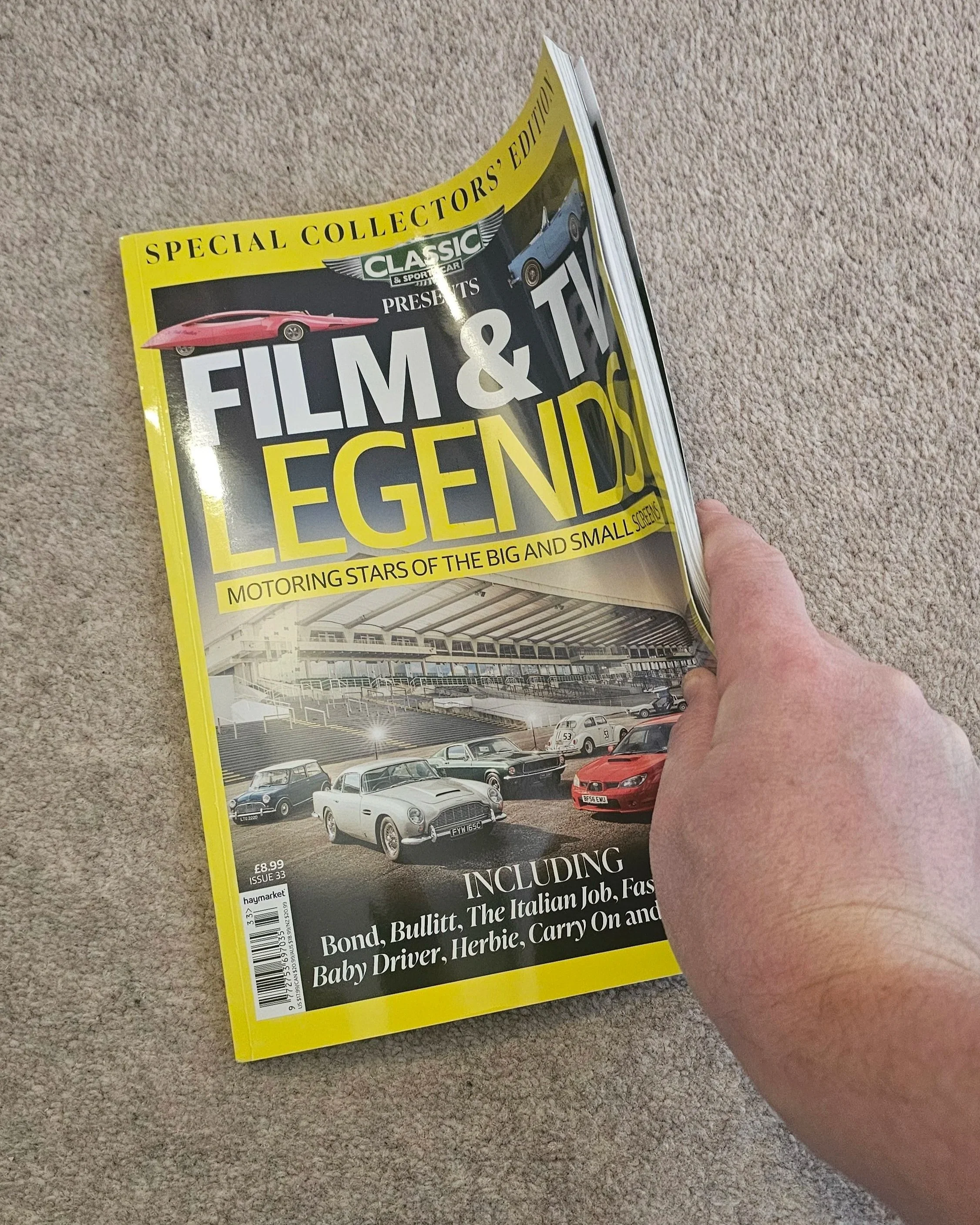
The first example is Film & TV Legends from Classic & Sports Car, a substantial 194-page special edition celebrating iconic screen cars.
Having spent some time going through it properly this week, there is far more Aston Martin content inside than I initially realised. Beyond the obvious DB5 and DBS features, there’s broader James Bond context, production history and insight into how Aston Martin became so deeply woven into cinematic mythology. It’s comprehensive rather than superficial, exactly the kind of publication many of us would have on the coffee table anyway.
If purchasing via Fuel the Passion helps support the platform at the same time, without costing you a penny extra, that feels like a rather sensible arrangement.
If you’re interested in purchasing a copy of the magazine feature click HERE.
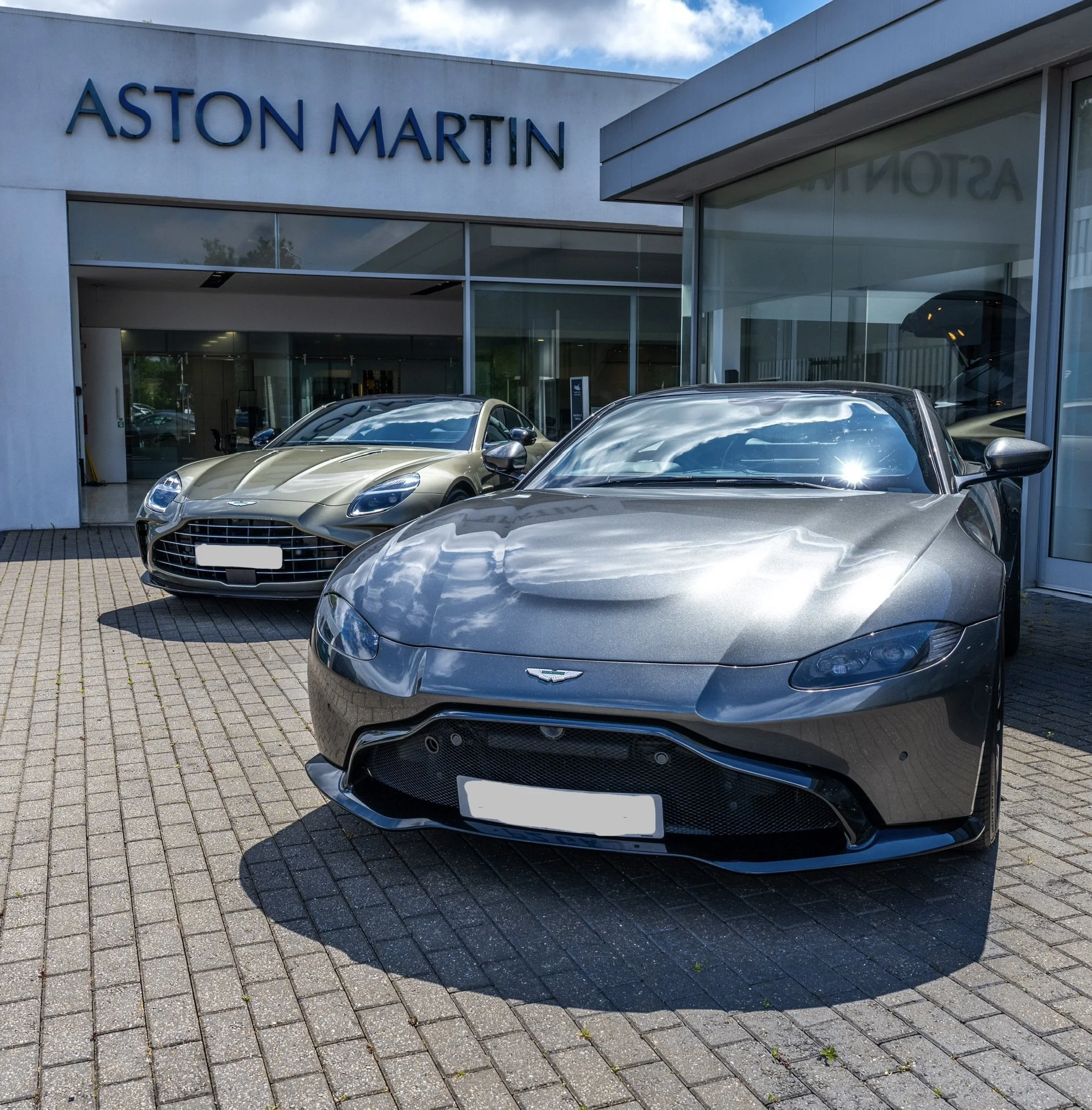
Image opposite © George Johnson 2026. Reproduced with permission.
On the subject of stories, I’m particularly pleased to confirm that Fuel the Passion’s first ever Guest Feature article goes live on 1st March 2026. Aston Martin Vantage: Previous Generation vs 2025, The Upgrade Question is written by an owner who has lived with both generations.
It’s thoughtful, balanced and rooted in real-world experience rather than brochure headlines. If you own a Vantage, or are considering one, it’s a conversation worth reading. And if you have a story to tell, do get in touch. Fuel the Passion is always strongest when knowledge and experience are shared.
Finally, I’ll briefly acknowledge something that has dominated national headlines it seems for an age, this week being no exception. It’s regarding the latest tranche of files connected to Jeffrey Epstein and Andrew Mountbatten-Windsor. The wider story has been extensively covered elsewhere, and I won’t attempt to rehearse it here.
However, Aston Martin has been mentioned within some of that reporting, so it’s worth clarifying the context for readers of Fuel the Passion. According to reports dated 15 February 2026, documents released by the US Department of Justice include reference to an email conversation in 2010 in which Mountbatten-Windsor, then serving as the UK’s trade envoy, apparently forwarded correspondence discussing Royal Bank of Scotland and Aston Martin. Within that exchange there is said to have been mention of “conflicts between internal parties” at Aston Martin. The reporting relates to the sharing of information by an individual while in a public role.
“There is no suggestion whatsoever of wrongdoing by Aston Martin Lagonda as a company.”
The brand appears in the story only as part of referenced correspondence between third parties. As with many established luxury manufacturers, its name can surface in wider political or legal reporting entirely unrelated to the conduct of the company itself.
I mention this simply because Aston Martin followers may have seen headlines and wondered what the link was. The manufacturer itself is not implicated.
DBX S in the Dolomites – A World Tour Continues
Only last week we were following the DBX S across Scotland, two dogs in the back, Highland roads, and a reminder that Aston Martin’s performance SUV can live a very real-world life. This week, it’s swapped damp tarmac for snow-lined Alpine passes in the Dolomites. The DBX S is certainly getting around!
By now, given the volume of coverage, you’re probably more than familiar with the headline figures, so I won’t labour them. Suffice to say, the 4.0-litre twin-turbo V8 (now using turbos shared with the forthcoming Valhalla) produces 717bhp, dispatches 0–62mph in 3.1 seconds and runs on to 193mph. There, briefly mentioned, I can’t resist!
But what’s becoming more interesting than the statistics is the consistency of the feedback. Across very different environments, practical Scotland one week, high-altitude Dolomites the next, the message is the same. This is not simply a fast SUV. It is a genuinely capable, well-resolved performance car in its own right.
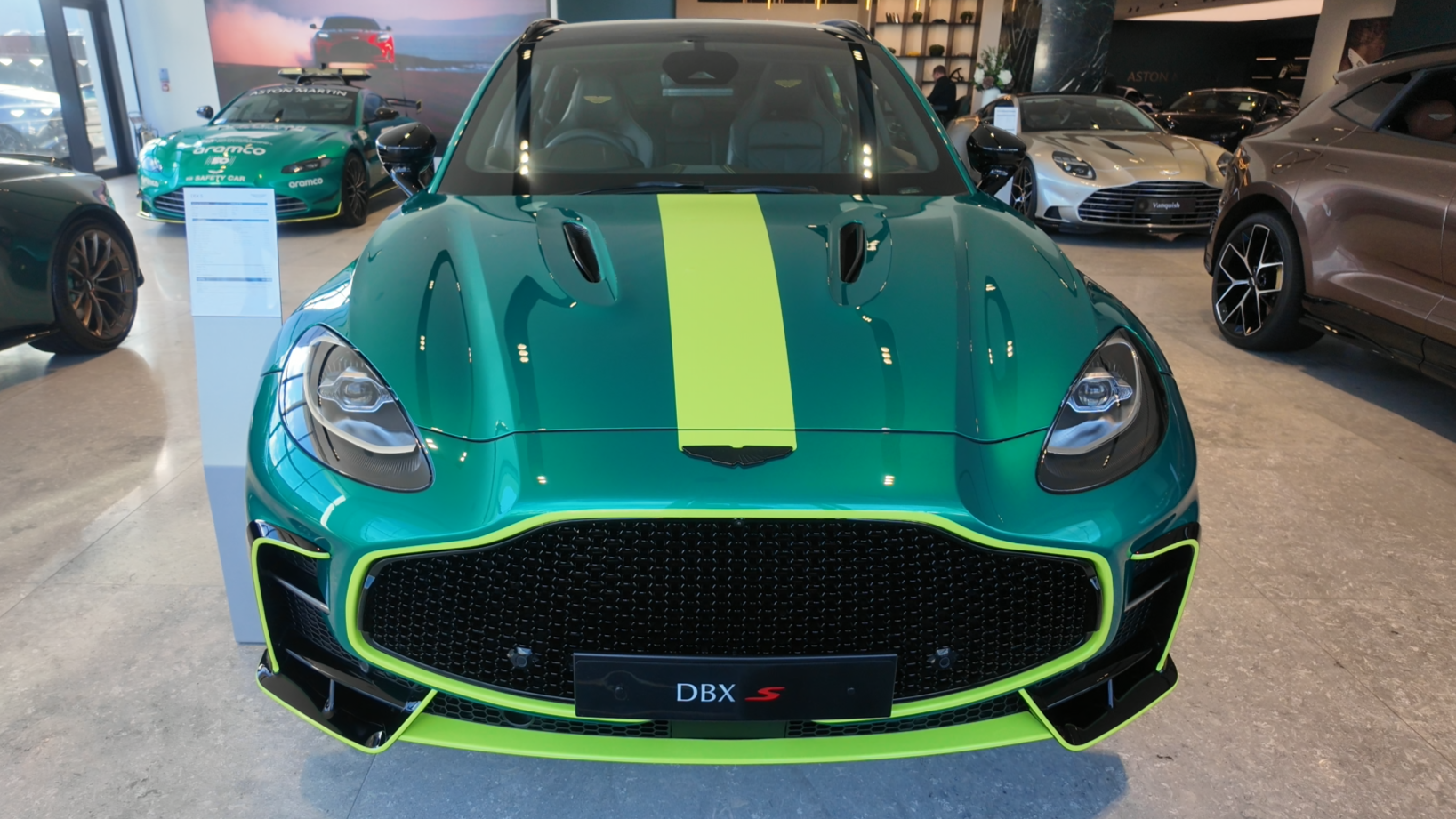
Image © Fuel the Passion
What’s striking isn’t just the pace. It’s positioning. The DBX S is described as more focused than anything in the Bentayga or Cayenne ranges, and even edging into Ferrari Purosangue territory. That’s confident company to keep. Interestingly, Aston Martin has said that around 25 per cent of its cars are now ordered in F1 Racing Green, a reminder that brand identity still matters deeply to buyers.
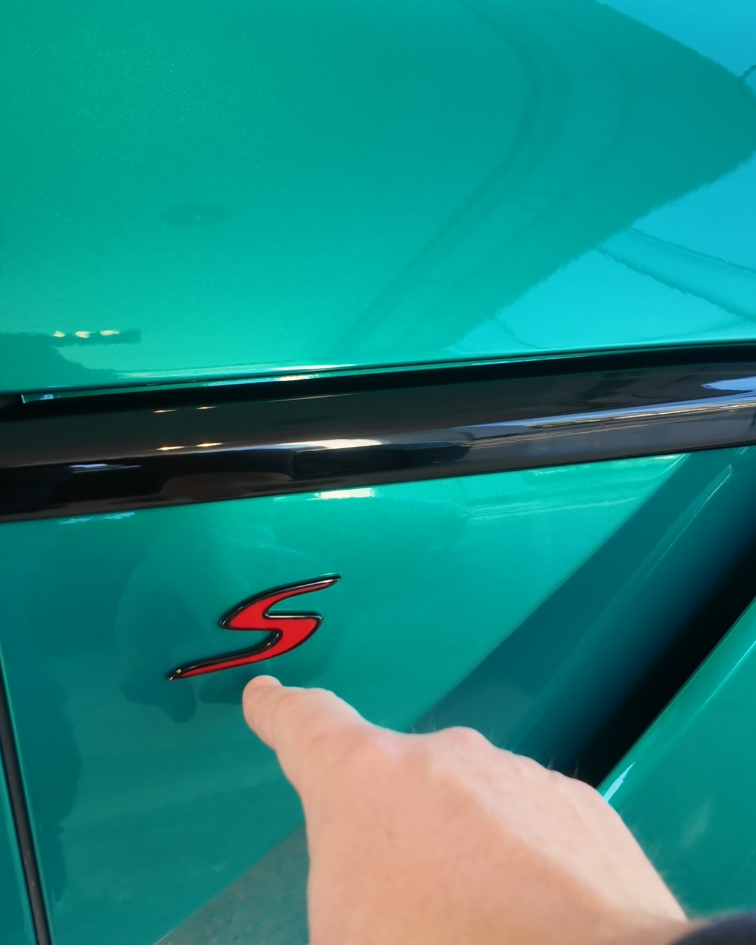
Image © Fuel the Passion
The DBX S now sits alongside the Vantage S and DB12 S as part of Aston Martin’s sharpened ‘S’ family.
Weight-saving options such as a carbon-fibre roof and magnesium wheels trim close to 40kg, while chassis refinements aim to enhance response without diluting usability.
Inside, Apple CarPlay Ultra makes its debut, a small but meaningful signal of the brand’s continuing interior evolution.
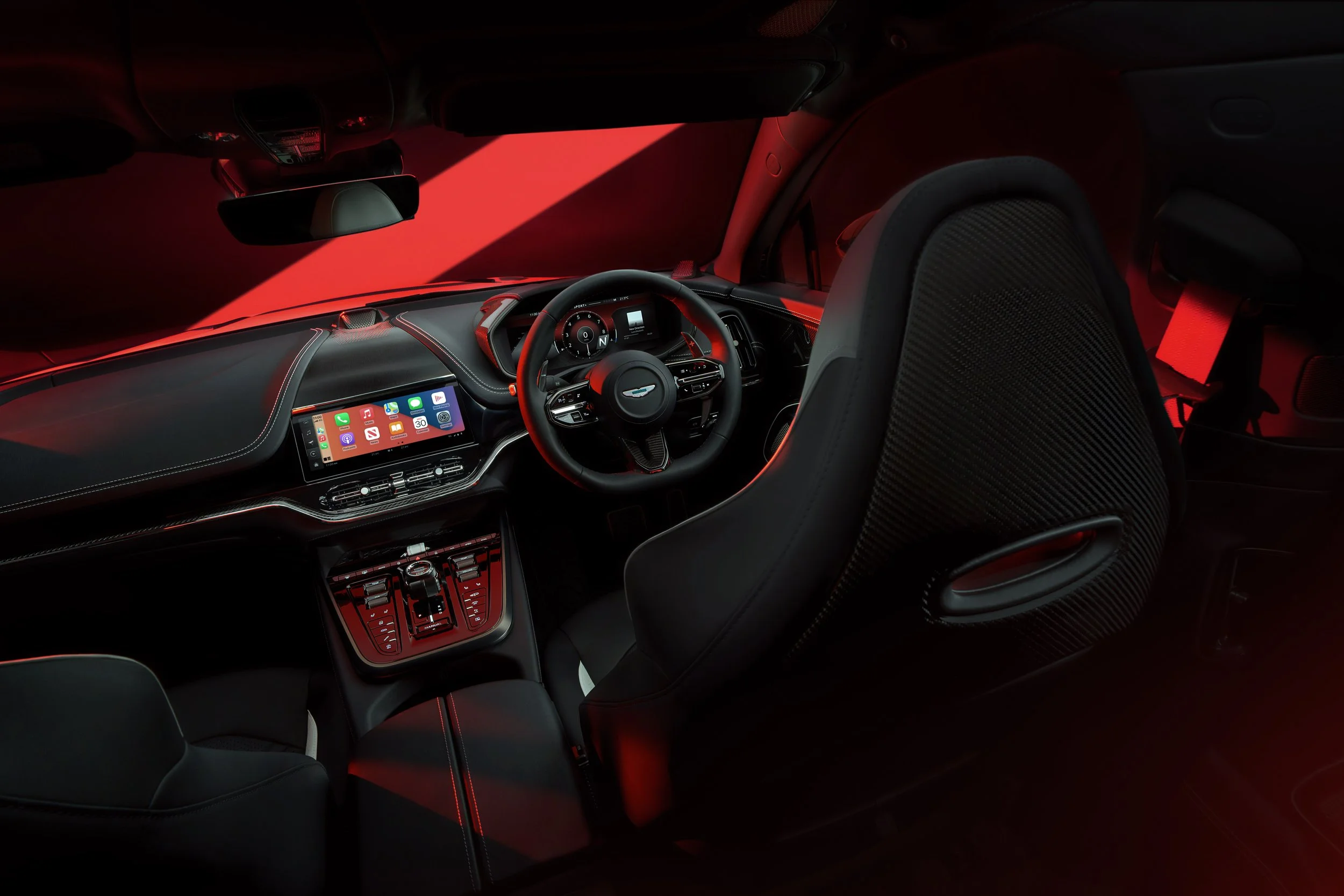
Image © Aston Martin Lagonda. Used for editorial purposes.
“From Labradors to mountain passes, the conclusion feels steady rather than sensational: the DBX S is being regarded as a very good car indeed!”
Editor’s Closing Thoughts - Dan, Fuel the Passion
This has been one of those weeks that reminds you just how wide the Aston Martin story really is.
On one end of the scale, we have corporate pressure. A profit warning. Share price movement that reflects market unease. The naming rights transaction designed to strengthen liquidity. These are serious developments, and they matter. For shareholders, for employees, and for the long-term stability of a brand many of us care deeply about.
On another front, Bahrain testing closed with more questions than answers. Limited mileage, curtailed running and an honest admission from both Aston Martin and Honda that reliability is not yet where it needs to be.
“Australia may prove challenging. But seasons are long, and integration projects rarely follow a straight line.”
And yet, that is only part of the picture.
In the same week we revisited the extraordinary engineering bravery of the DP215, breaking the 300kph barrier at Le Mans back in 1963. We reflected on the genius of DBR1/1 and its role in securing the 1959 World Sportscar Championship. We watched Nicholas Mee bring a short-chassis Volante to life, reminding us that craftsmanship and character are timeless qualities. We saw further strong reviews of the DBX S, now following last week’s snowy Scotland adventure, reinforcing that Aston Martin’s current product line is being taken seriously.

Image © Aston Martin Lagonda. Used for editorial purposes.
And while the corporate update carries weight, the Valhalla programme is already delivering customer cars, with more to come through 2026, representing tangible high-value revenue rather than distant promise.
Then there are the everyday realities. Walking Bella down a quiet lane and finding potholes sitting exactly where your tyres would track. Reporting them. Being reminded that loving these cars also means navigating the practical challenges of modern roads. Aston Martin exists at both extremes, from Le Mans prototypes to winter-ridden tarmac! That, perhaps, is the true thread of this week.
These are undeniably challenging times. Aston Martin’s financial history has rarely been smooth. From the David Brown years through multiple ownership changes and restructurings, this has long been a marque that has lived closer to the edge than most. That tension has often been uncomfortable, but it has also been part of its ambition.
Next week AML’s financial results are published, and we will go through them properly and calmly, as we always do. We already have a sense of the direction from this week’s updates, and I’m sorry it isn’t more positive right now. But the story is not finished. Valhalla customer cars are already being delivered. The product pipeline continues. The Formula 1 project remains long-term by design.
“A few weeks ago on the Chris Harris on Cars podcast, the question was posed: “Is Aston Martin an unkillable brand?” That line has stayed with me. I hope the answer proves to be yes.”
Because perhaps that is the real thread running through this week. Aston Martin has endured before, not because circumstances were easy, but because people refused to let it fade. Engineers, designers, factory teams, owners and supporters all play their part. This week obviously carries concern, but it also carries resolve and if history tells us anything, it is that resilience has always been part of the Aston Martin story.
Thanks for being here. See you on the next one!
— Dan
I’d genuinely value your perspective this week. Do you see this as a difficult chapter in a long story, or a more fundamental crossroads for the brand? Thoughtful discussion is always welcome here.
Share your thoughts below 👇
