
Aston Martin and Le Mans: The Long Road Back to Victory
Published: 5th July 2026
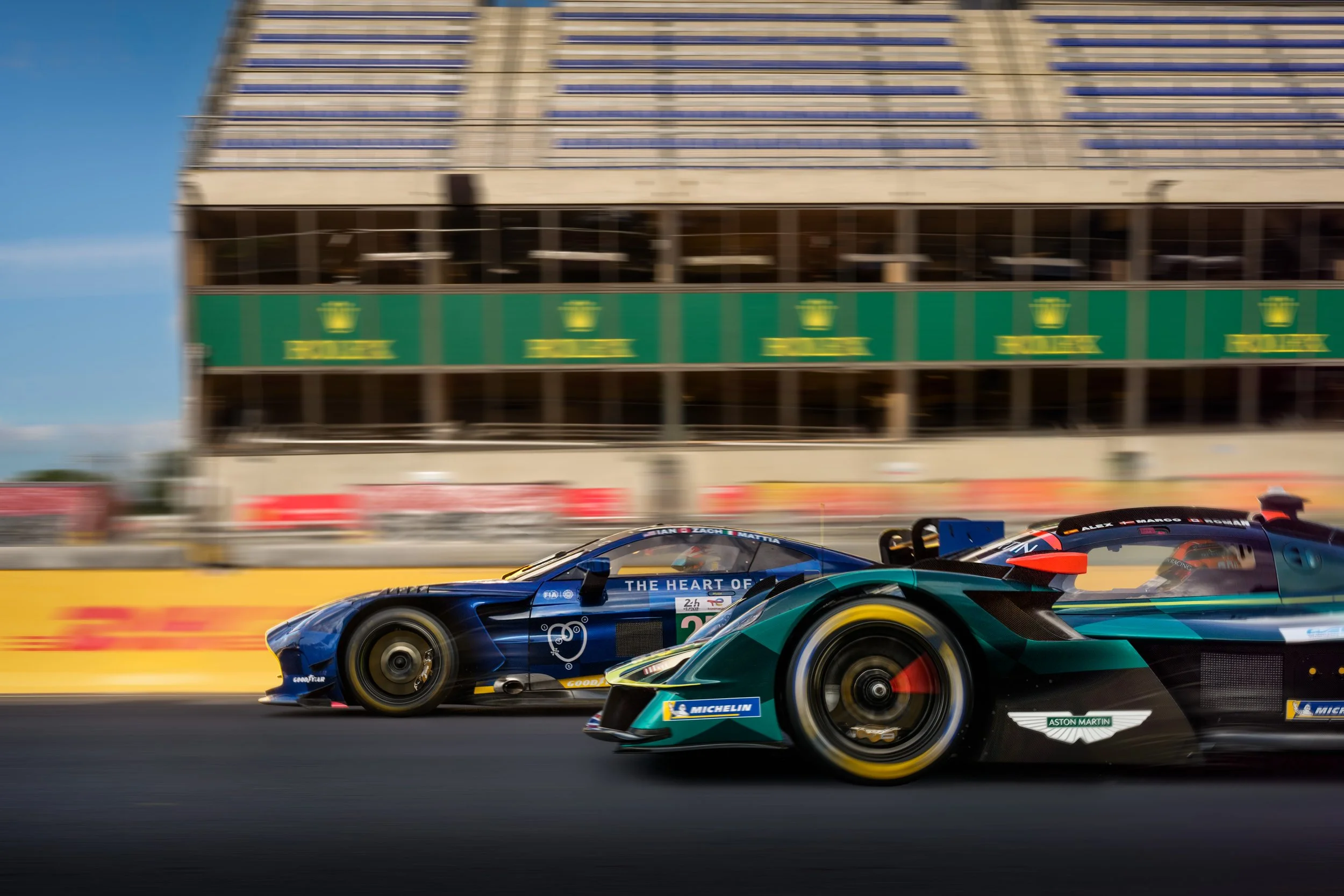
Image © Aston Martin Lagonda. Used for editorial purposes. Valkyrie & Vantage. Le Mans 2026.
The Victory That Still Defines the Dream
For Aston Martin, Le Mans isn’t just another race on the calendar. It’s the place where the marque achieved one of the greatest moments in its history, and the place where one question still lingers more than six decades later.
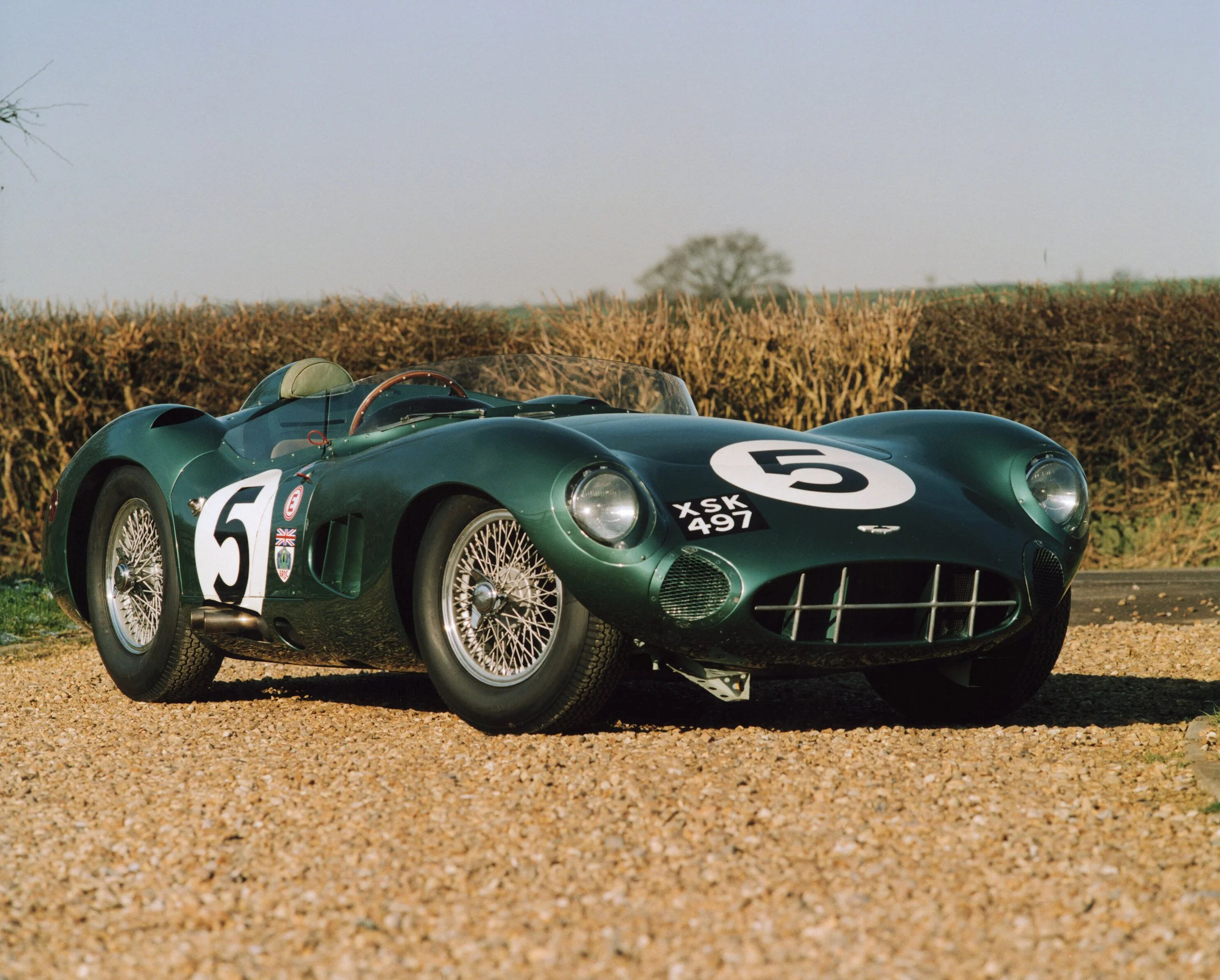
Image © Aston Martin Lagonda. Used for editorial purposes.
Can Aston Martin win it outright again? That question exists because of 1959: the DBR1, Roy Salvadori and Carroll Shelby in the #5 car, and Maurice Trintignant and Paul Frère bringing the sister DBR1 home in second.
On that June afternoon at the Circuit de la Sarthe, Aston Martin didn’t simply win a class or claim an honourable finish, it won the 24 Hours of Le Mans overall. That remains the summit.
It’s important to say that carefully, because Aston Martin’s Le Mans story is richer than one race. The marque has won classes, stood on podiums, produced great GT cars, delivered dramatic finishes and kept its name woven into the fabric of endurance racing long after the DBR1 crossed the line. The DBR9, the Vantage GTE and more recently the Vantage GT3 have all carried Aston Martin’s identity into different eras of the race.
But the overall victory has not returned.
That’s why 1959 still carries such weight. It isn’t simply a piece of archive film, a black-and-white photograph or a line in a record book. It’s the benchmark against which every serious Aston Martin Le Mans ambition is still measured. It represents the one occasion when Aston Martin reached the very top of the most demanding sports car race in the world, and it’s also why the modern Valkyrie programme feels so important.
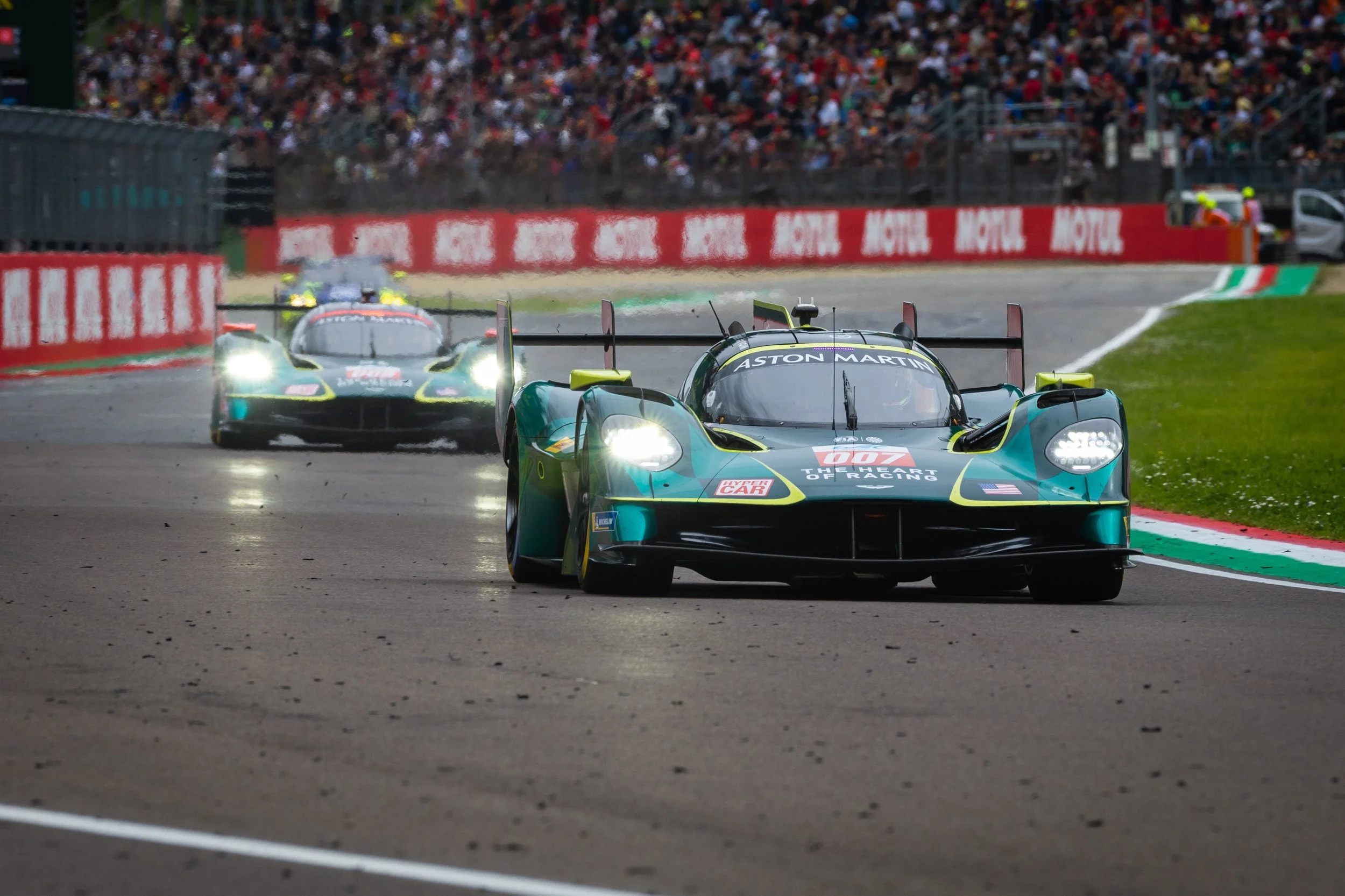
Image © Aston Martin Lagonda. Used for editorial purposes.
The Valkyrie has not completed Aston Martin’s journey back to Le Mans glory. The #007 car’s eighth-place finish in 2026 was not victory, and it shouldn’t be dressed up as such. But it was progress. It was evidence that Aston Martin’s return to the top class is more than a nostalgic gesture. After both Valkyries reached the finish in 2025, the 2026 result moved the story forward.
At Le Mans, progress has to be earned. The race has never rewarded badge value alone. It didn’t do so in 1959, and it doesn’t do so now. It rewards preparation, reliability, discipline, speed, strategy, pit work, driver judgement, technical development and the ability to keep functioning when the race begins to unravel around you.
That is the link between the DBR1 and the Valkyrie. They’re separated by time, technology, regulation and expectation. One belongs to the David Brown era, the other to the complex modern world of Hypercar racing, Balance of Performance, data systems and global manufacturer competition. But both sit on the same road. A road that demands patience before reward. A road where beauty and noise can inspire people, but can’t win 24 hours on their own.
Image © Aston Martin Lagonda. Used for editorial purposes.
The DBR1 reached the summit in 1959 because Aston Martin had spent years learning what Le Mans demanded. The Valkyrie is now learning those same lessons in a very different age. That makes the story worth telling properly. Not as a celebration of a comeback already completed, not as a claim that Aston Martin is suddenly ready to sweep aside Toyota, Ferrari, Cadillac, BMW, Porsche, Peugeot, Alpine, Genesis and others. Not as a piece of blind optimism wrapped in British Racing Green. But as the story of a marque that knows exactly what it’s chasing.
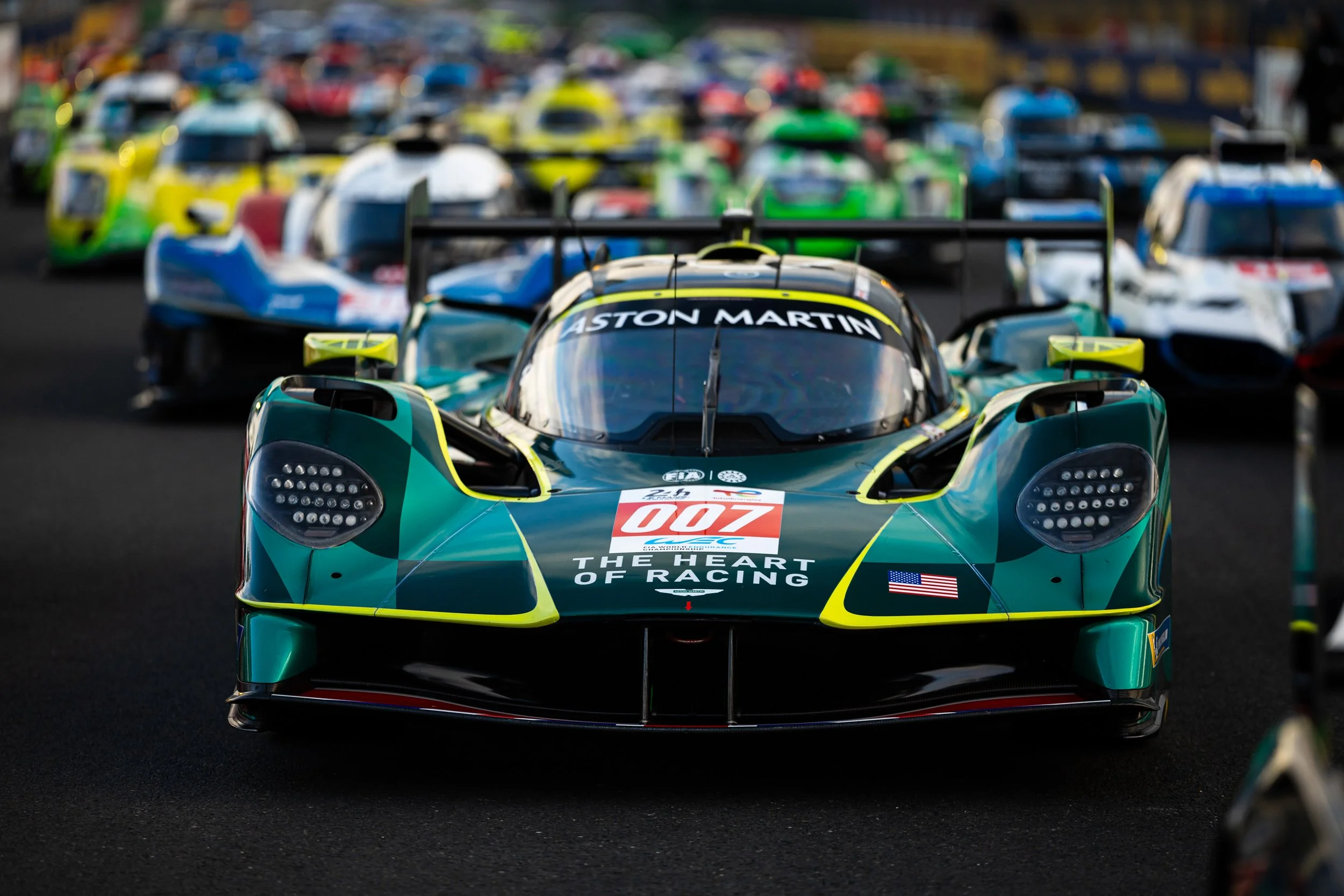
Image © Aston Martin Lagonda. Used for editorial purposes.
Aston Martin has not yet returned to the top step at Le Mans, the DBR1 still stands alone. But with Valkyrie, the long road back to victory feels real again.
Before 1959, Aston Martin Had to Learn Le Mans
The danger with great victories is that history can make them look inevitable. Aston Martin’s 1959 Le Mans win can easily be remembered as one perfect moment: the DBR1 in British Racing Green, Salvadori and Shelby on the top step, the sister car second, David Brown’s ambition finally rewarded. But Le Mans doesn’t work like that. It doesn’t usually hand out perfect moments. It tests, exposes and punishes before it rewards.
Aston Martin’s relationship with the race had been forming long before the DBR1 became the car everyone remembers. In the pre-war Bertelli era, Le Mans was already a proving ground for the marque, a place where endurance, durability and reputation counted as much as speed. Cars such as the LM series helped establish Aston Martin’s belief that competition could sharpen the road cars and strengthen the name. That idea carried into the David Brown years.
The Petrolicious film below helps bring that earlier chapter to life, reuniting Aston Martin LM8, LM9 and LM10, pre-war Bertelli-era cars that show how far back the marque’s Le Mans connection reaches.
Brown’s acquisition of Aston Martin in 1947 gave the company a new sense of direction, ambition and identity. The DB name that followed would become inseparable from the marque, but the route to Le Mans success was not immediate. Aston Martin had to build, race, lose, adapt and return. The DB2, DB3 and DB3S all played their part in that post-war climb, helping the company understand what was required to challenge seriously at the highest level of sports car racing.
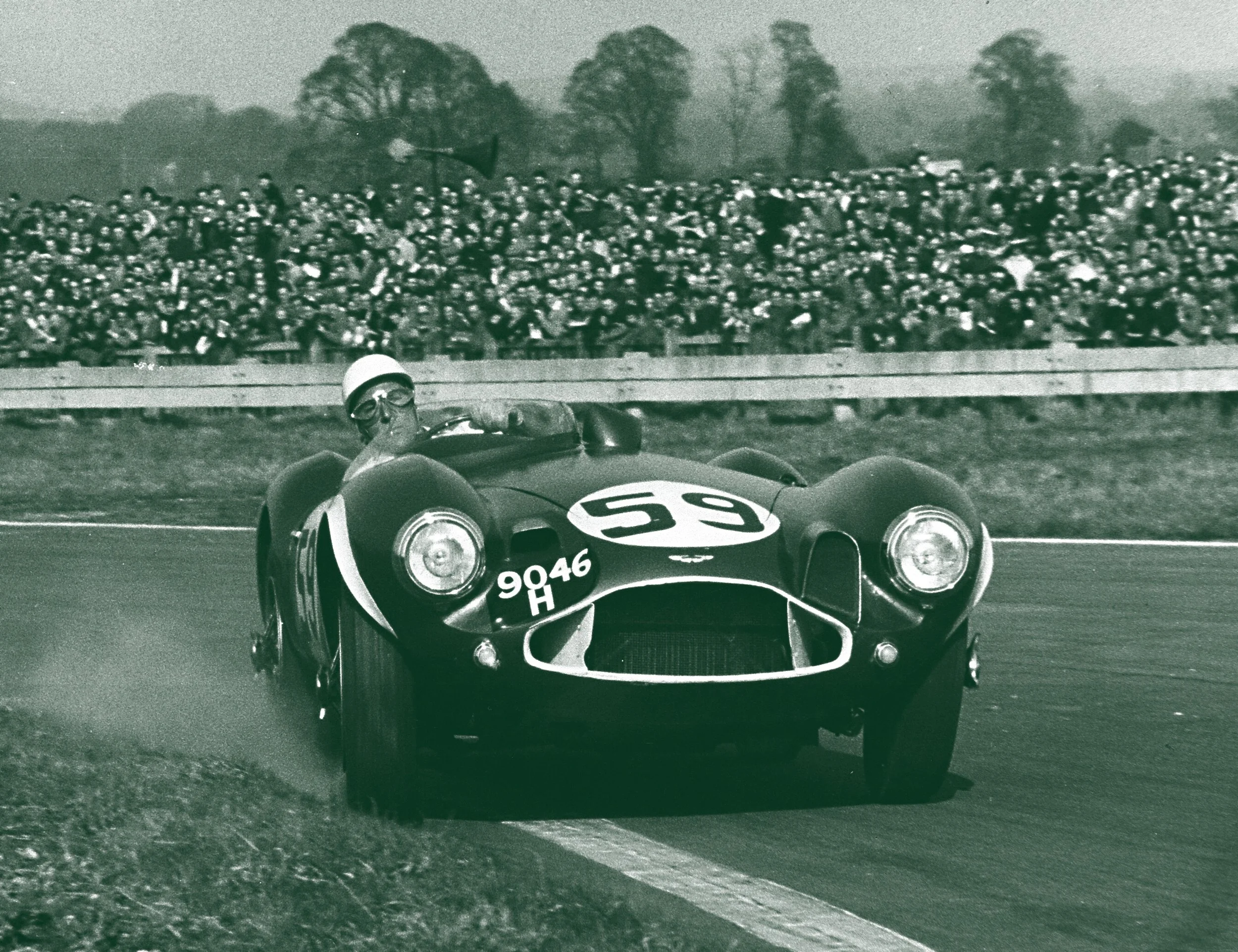
Image © Aston Martin Lagonda. Used for editorial purposes. DB3S with Stirling Moss behind the wheel.
The DB3S in particular gave Aston Martin credibility and competitiveness, but the overall Le Mans victory remained out of reach. That’s one of the reasons the DBR1 stands so tall. It was not simply another beautiful sports racing car. It was the next step in a long process of refinement, shaped by previous attempts and previous disappointments.
By the late 1950s, Aston Martin had speed, experience and organisation. It also had the right people: David Brown’s determination, Reg Parnell’s team management, the discipline of the works operation, and drivers capable of matching intelligence with pace. But Le Mans still had to be won on the road, over 24 hours, against stronger opposition and with no guarantee that the work would be rewarded.
The 1958 race showed how close Aston Martin could come and how cruel Le Mans could be. The pieces were nearly there, but not yet all in place. That’s the essential context for 1959. The victory that followed was not a sudden miracle, it was the result of years of learning what the race demanded.
What Le Mans demanded then is still recognisable now.
It demanded preparation before the flag fell: a car that could run quickly without destroying itself, drivers who understood that the fastest lap was not always the most important lap, pit crews who could work under pressure, engineers who could read the race, and a team prepared to keep believing through disappointment.
Aston Martin didn’t win Le Mans in 1959 simply because it wanted to. It won because, after years of trying, it finally arrived with the right car, the right strategy, the right discipline and the resilience to survive the race when others could not.
DBR1: The Day Everything Came Together
By the time Aston Martin arrived at Le Mans in June 1959, the ambition was no longer vague. The aim was not simply to compete respectably, hope for a class result, or be seen among the great names of European sports car racing. Aston Martin wanted to win the race outright. The opposition was formidable. Ferrari arrived with speed, strength and recent success. Le Mans was still a place where power counted, where the long straights punished weakness and where any technical fragility could be exposed hour after hour. Aston Martin knew it couldn’t simply chase the race on emotion, it had to manage it. That’s what makes the DBR1 victory so important.
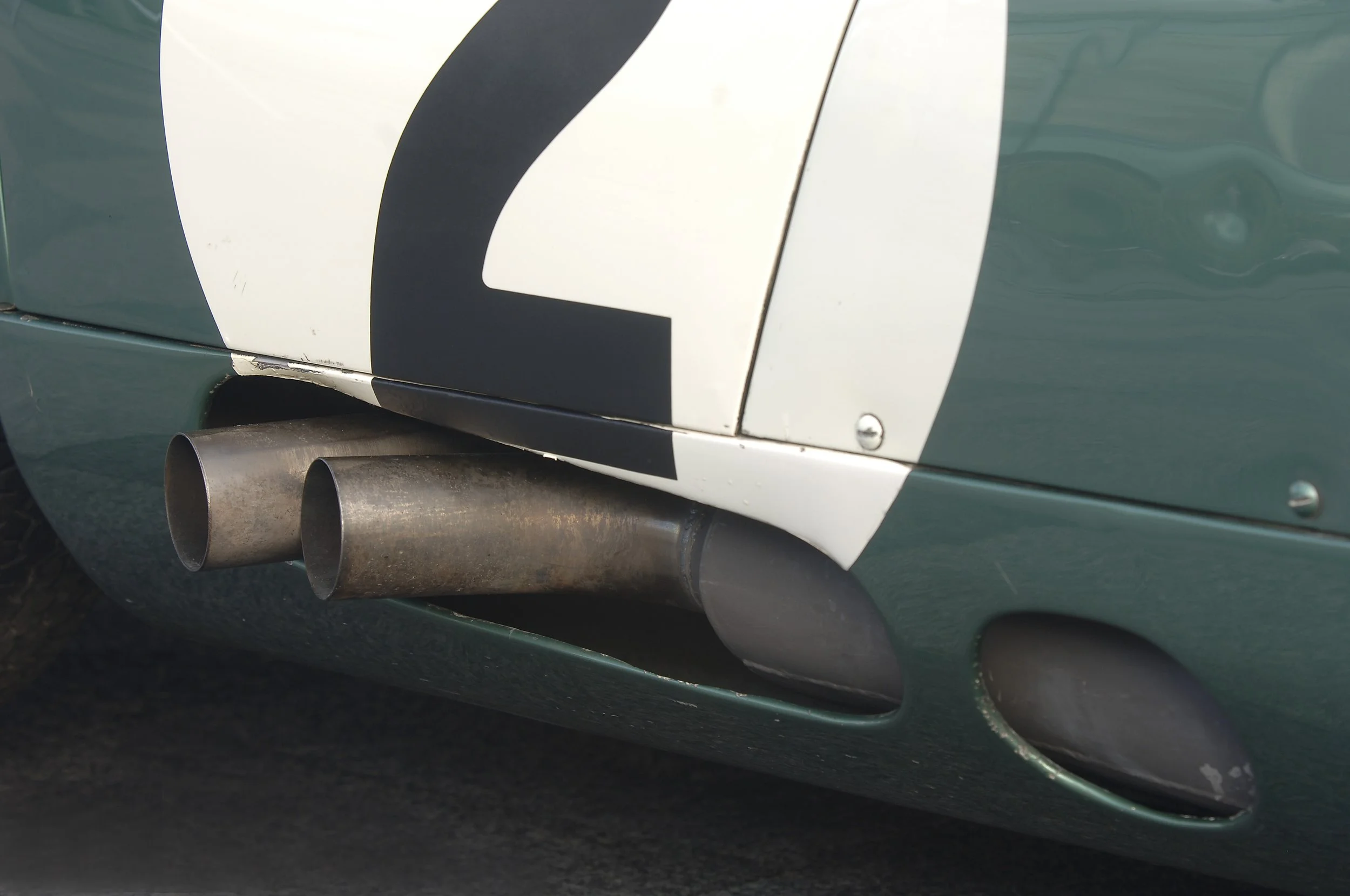
Image © Aston Martin Lagonda. Used for editorial purposes. DBR1 exhaust pipes.
The 1959 Aston Martin effort was not built around a single heroic drive or one dramatic moment. It was a team performance. Stirling Moss and Jack Fairman in the #4 DBR1 played their part by running hard in the early stages and helping to draw Ferrari into the fight. Their own car would not reach the finish, but the role it played was still significant.
Behind them, the #5 DBR1 of Roy Salvadori and Carroll Shelby and the #6 DBR1 of Maurice Trintignant and Paul Frère had to stay disciplined, fast enough to remain in contention, but measured enough to survive. That balance is the essence of Le Mans.
As the race moved from afternoon into evening, then through darkness and into the final hours, the familiar Le Mans pattern began to appear. Speed alone was not enough. Cars faltered, gaps changed, pit stops became decisive and mechanical sympathy counted for more with every passing hour. The race became less about who looked strongest at the beginning and more about who still had a car, a plan and composure when the pressure had stripped others away. Aston Martin did.
When Ferrari’s challenge faded, Aston Martin wasn’t simply lucky to inherit the race, it had put itself in the position to take it. The DBR1 had the pace to compete, but more importantly it had the reliability and discipline to remain alive when the race turned into a test of endurance in the truest sense. The result was historic: Salvadori and Shelby won overall in the #5 DBR1, with Trintignant and Frère completing an Aston Martin one-two in the sister #6 car. It remains one of the defining achievements in Aston Martin history.
The temptation is to view that victory through romance alone: the green cars, the old circuit, the famous names, the black-and-white footage, David Brown’s long pursuit finally rewarded. All of that belongs to the story. It’s part of why 1959 still carries such emotional force. But the deeper lesson is more useful.
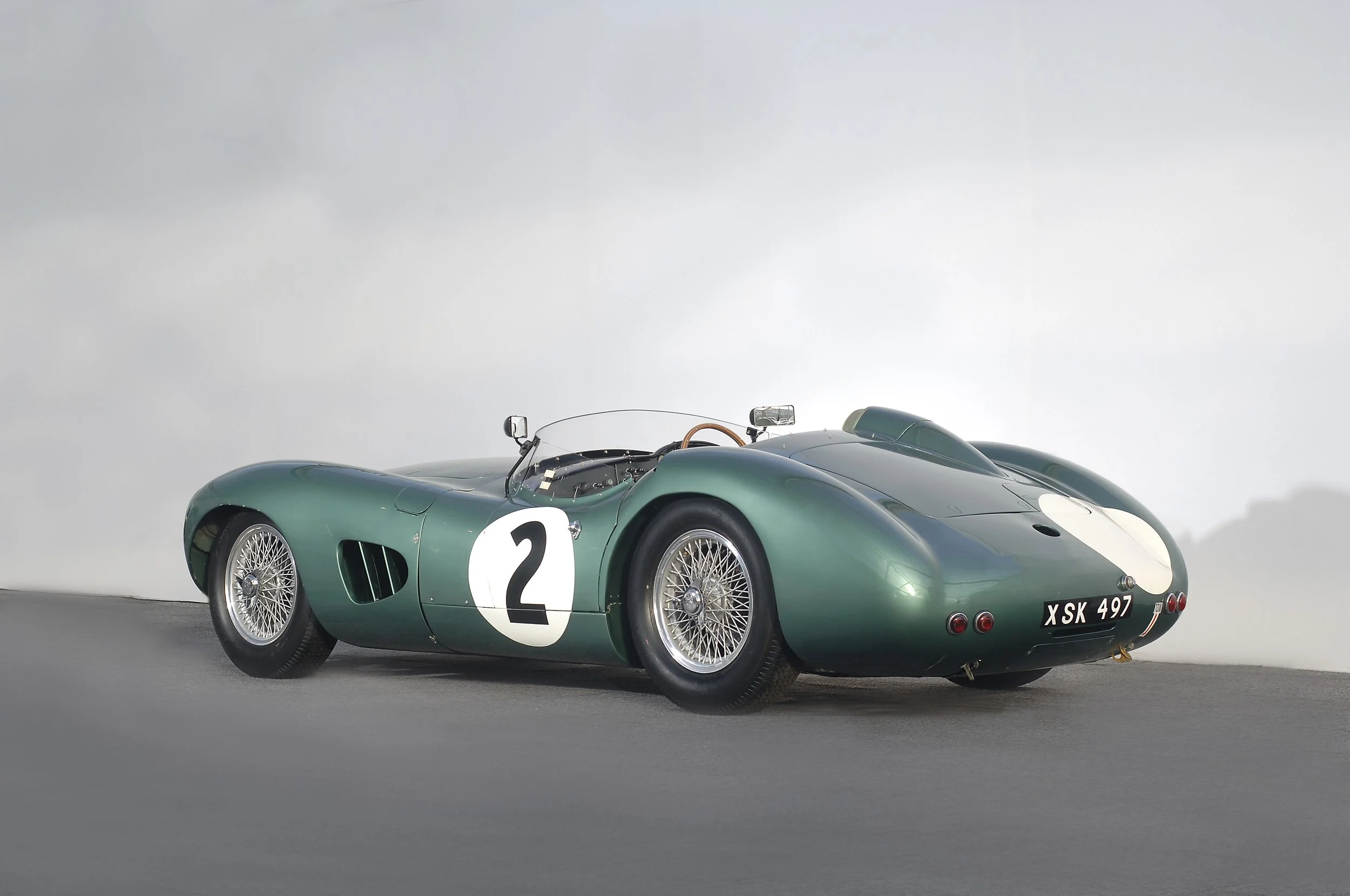
Image © Aston Martin Lagonda. Used for editorial purposes.
Aston Martin won Le Mans in 1959 because it did what Le Mans demands. It prepared properly, it raced intelligently, it used speed without being consumed by it. It survived the attrition, it turned years of disappointment into understanding, and understanding into execution. That’s why the DBR1 still stands so tall.
It was not only beautiful. It was not only fast. On that weekend, it was complete.
The 1959 victory is not just a line in Aston Martin’s history. It was a real moment, captured on film, with the DBR1s, the crowds, the pit lane, David Brown, Stirling Moss and the atmosphere of Le Mans all visible in period footage.
This short 1 minute 19 second British Pathé film helps bring that achievement to life. It shows Aston Martin’s historic overall victory at the 1959 24 Hours of Le Mans, when Roy Salvadori and Carroll Shelby won in the #5 DBR1, backed up by Maurice Trintignant and Paul Frère in the sister car. For this article, it’s important because it allows us to pause and look back at the moment that still defines the dream: Aston Martin standing at the very top of Le Mans.
The Long Wait After the Summit
The hardest part of a great victory is often what comes after it. For Aston Martin, 1959 was not only a Le Mans triumph. It was the year the marque reached the very top of world sports car racing. The DBR1 did not just win at the Circuit de la Sarthe; it helped define an era in which Aston Martin stood with the finest sports car manufacturers in the world. But Le Mans has a way of making even its greatest winners start again.
The overall victory that arrived in 1959 did not become the beginning of a long sequence of Aston Martin wins at Le Mans. It became something different: a summit that would stand alone. The marque’s relationship with the race continued, but the top step of the overall podium remained out of reach. That gives the modern Valkyrie programme its true weight. Aston Martin is not trying to add another respectable chapter to a routine racing history. It’s trying to return to something it has achieved only once.
The years after 1959 also remind us that Le Mans success has many forms. Overall victory is the ultimate prize, but the race is built from classes, categories and eras, each with their own battles and their own meaning. Aston Martin would continue to matter at Le Mans, not by repeating the DBR1’s outright win, but by fighting, evolving and winning in different forms and that distinction is vital.
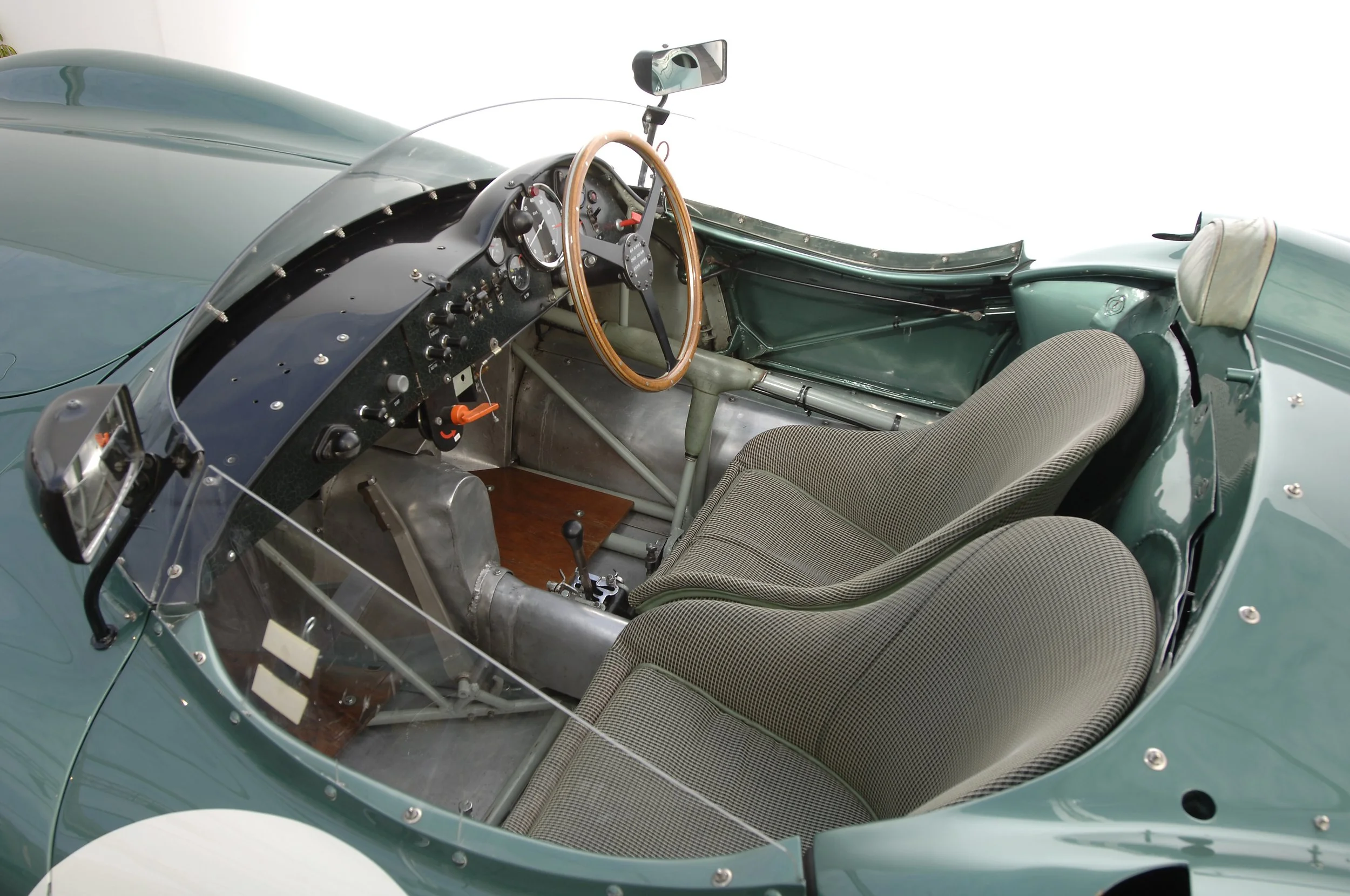
Image © Aston Martin Lagonda. Used for editorial purposes.
A class victory at Le Mans is not the same as an overall victory, and it should never be presented as such. But nor should it be dismissed. To win a class at Le Mans still means beating world-class opposition over 24 hours. It means surviving the same circuit, the same traffic, the same darkness, the same pressure and the same unforgiving rhythm of the race. That’s why Aston Martin’s post-1959 story is not a blank space between DBR1 and Valkyrie, rather it’s a story of persistence.
The overall summit remained untouched, but the marque kept returning to Le Mans through different cars, different regulations and different ambitions.
The DBR1 left a shadow that no later Aston Martin could easily escape, but it also left a standard. Every Aston Martin that followed at Le Mans carried a little of that weight, not because each was expected to repeat 1959, but because 1959 proved what the marque was capable of when ambition, engineering and execution aligned. The long wait after the summit didn’t weaken the meaning of that victory, if anything, it made it stronger. The longer Aston Martin went without another overall win, the clearer the challenge became. To return to the top at Le Mans would not be a matter of reputation. It would have to be earned all over again.
Class Wins, GT Glory and Keeping the Flame Alive
If 1959 remained the unreachable summit, Aston Martin’s Le Mans story still carried on.
It continued through changing regulations, changing cars and changing eras of endurance racing. The cars were no longer chasing the same kind of overall victory the DBR1 had claimed, but they were still carrying Aston Martin’s name into one of the toughest races in the world. Le Mans doesn’t only measure the outright winner, it measures every class, every crew and every car that has to survive the same 24 hours. This is where Aston Martin’s modern GT story becomes so important.
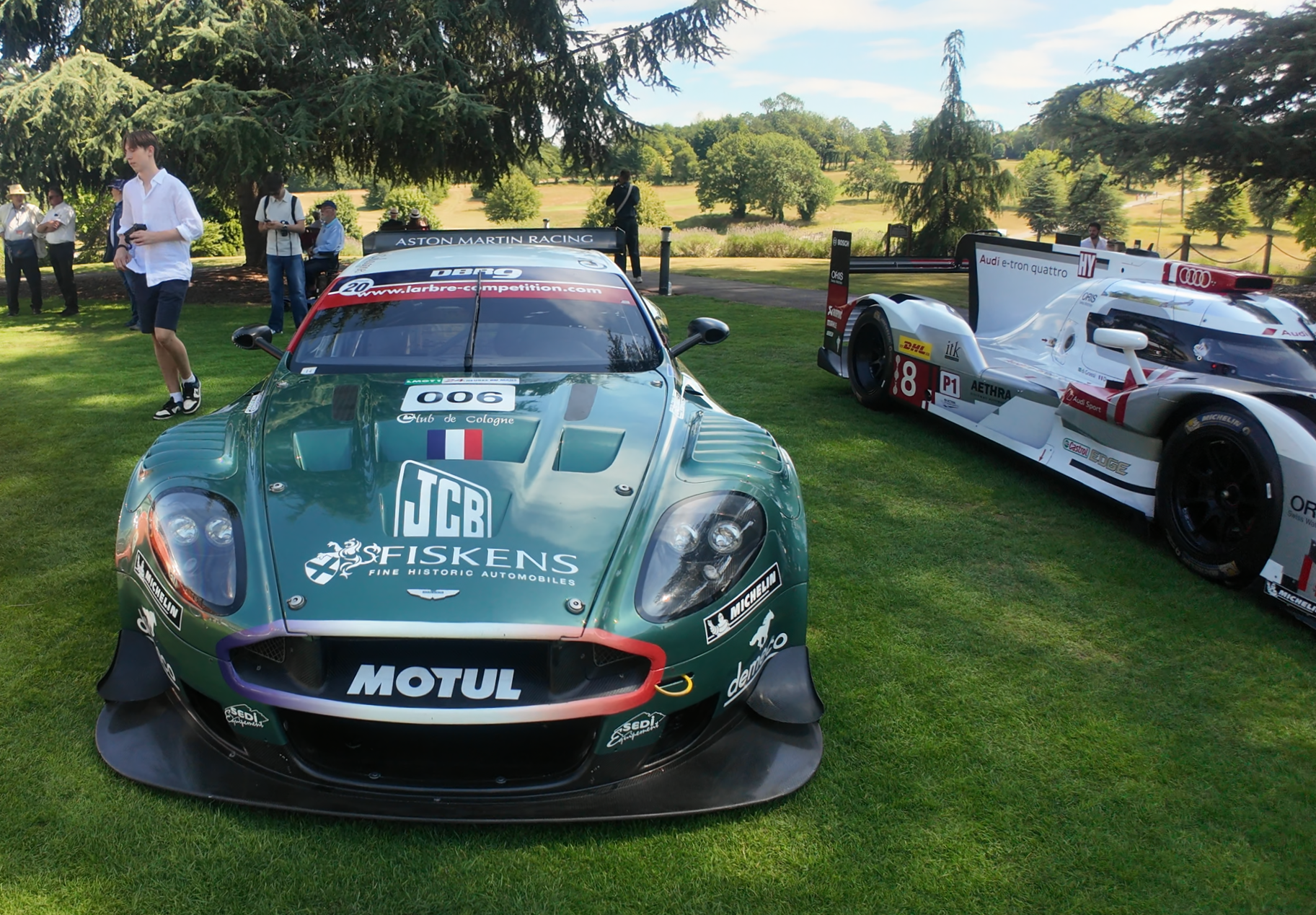
Image © Fuel the Passion, DBR9, RAC Concours Event, Epsom, Surrey, UK 2025
The DBR9 brought Aston Martin back to Le Mans with presence, noise and intent. Its GT1 class victories in 2007 and 2008 didn’t repeat the DBR1’s overall triumph, but they gave the marque genuine success at the Circuit de la Sarthe in a new era.
They also helped remind people that Aston Martin’s endurance identity was not locked away in the 1950s. It could still compete, still win, and still stir emotion on the Mulsanne.
Then came the Vantage years.
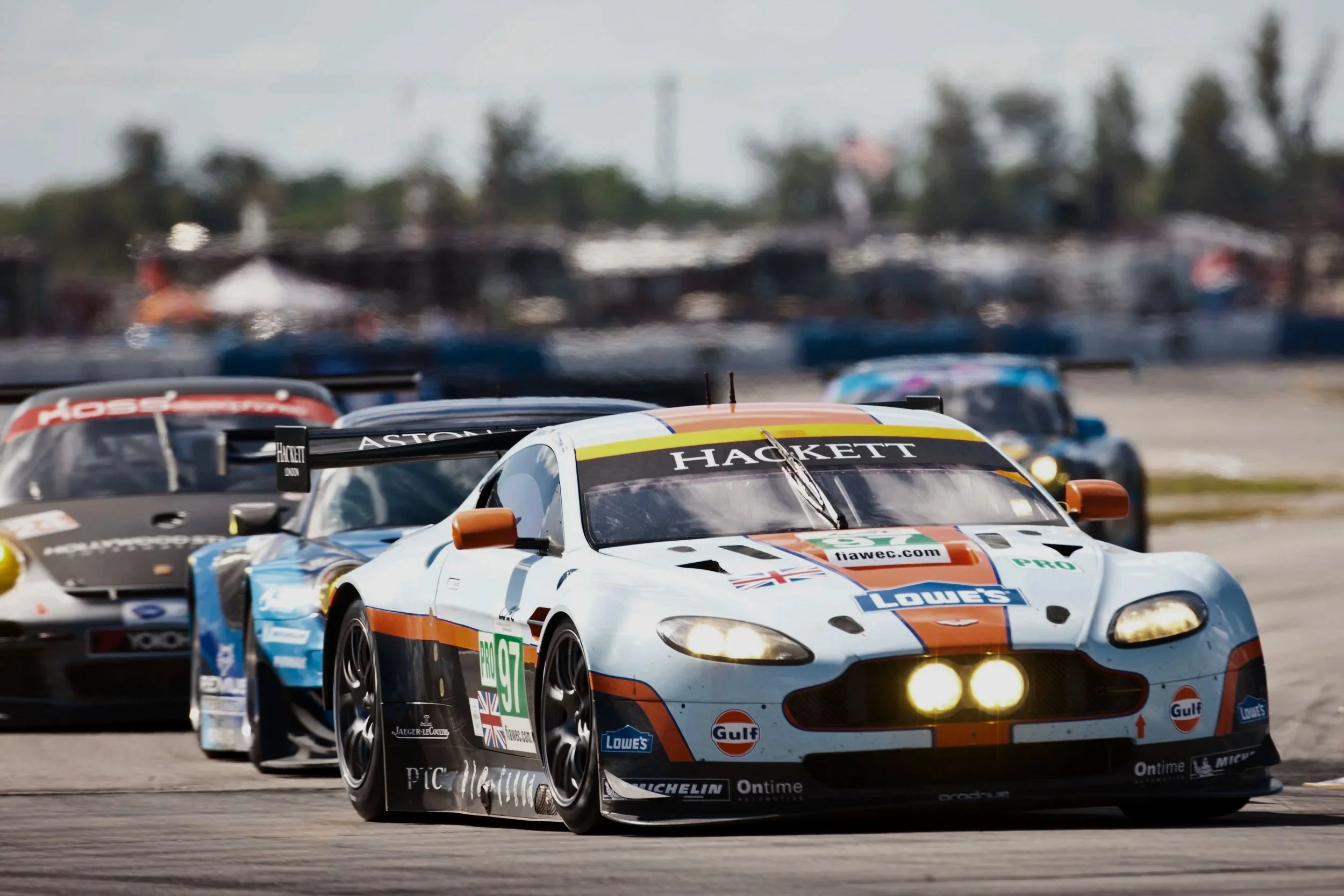
Image © Aston Martin Lagonda. Used for editorial purposes. Vantage V8 GTE debut in 2012.
The Vantage GTE became one of Aston Martin’s defining modern racing cars, not because it was chasing overall victory, but because it delivered in the battles it was built to fight. Its Le Mans class successes helped keep Aston Martin relevant at the sharp end of GT racing, and few moments captured that better than the 2017 GTE Pro victory.
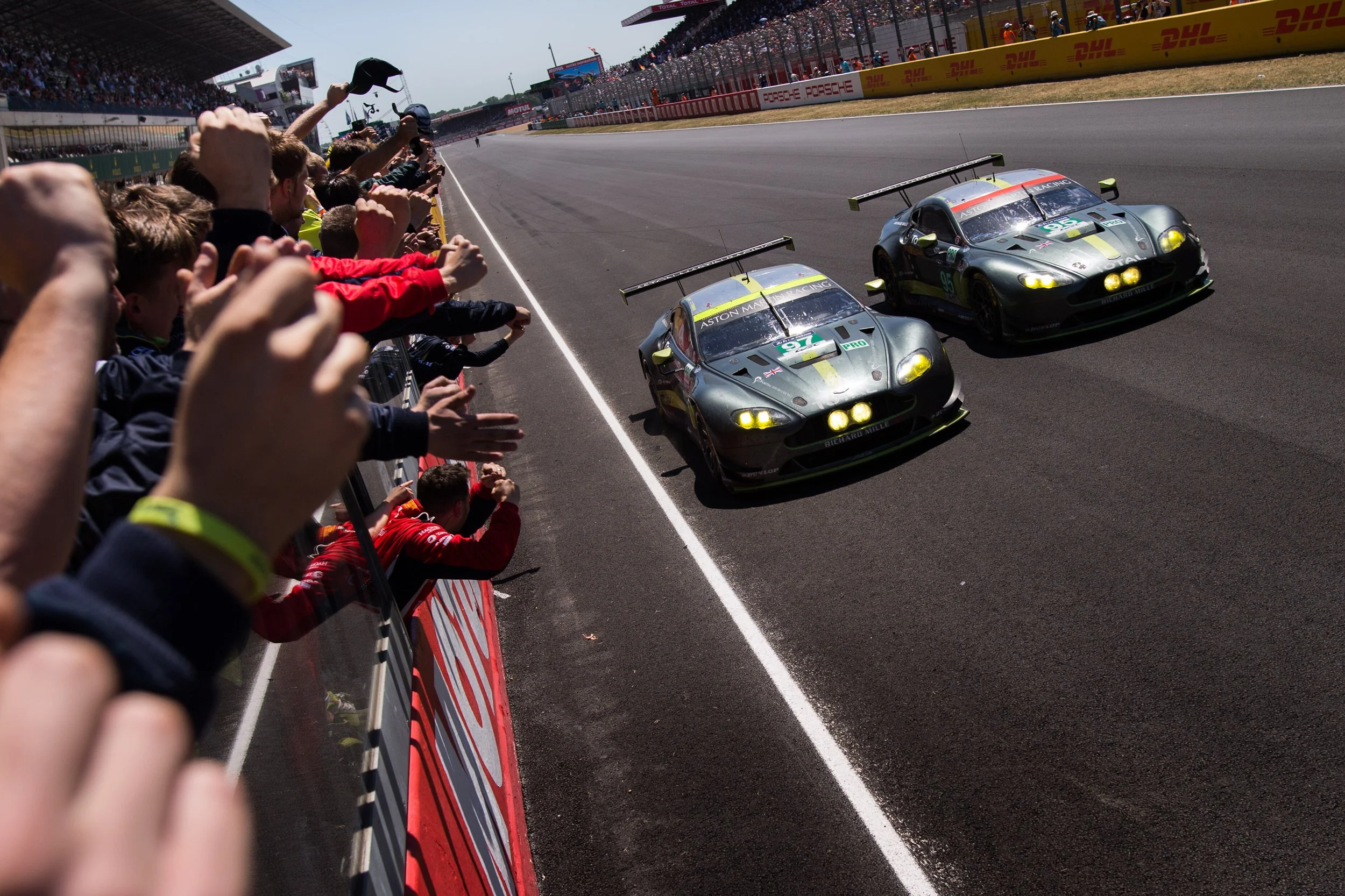
Image © Aston Martin Lagonda. Used for editorial purposes. 2017 Le Mans Victory.
That race was not an overall win, and it should never be described as one, but it was still one of Aston Martin’s great modern Le Mans moments.
The #97 Vantage GTE of Darren Turner, Jonny Adam and Daniel Serra fought to the end, with Adam’s late move on the Corvette becoming one of those class battles that Le Mans does so well: intense, dramatic and decided under the pressure of the final laps.
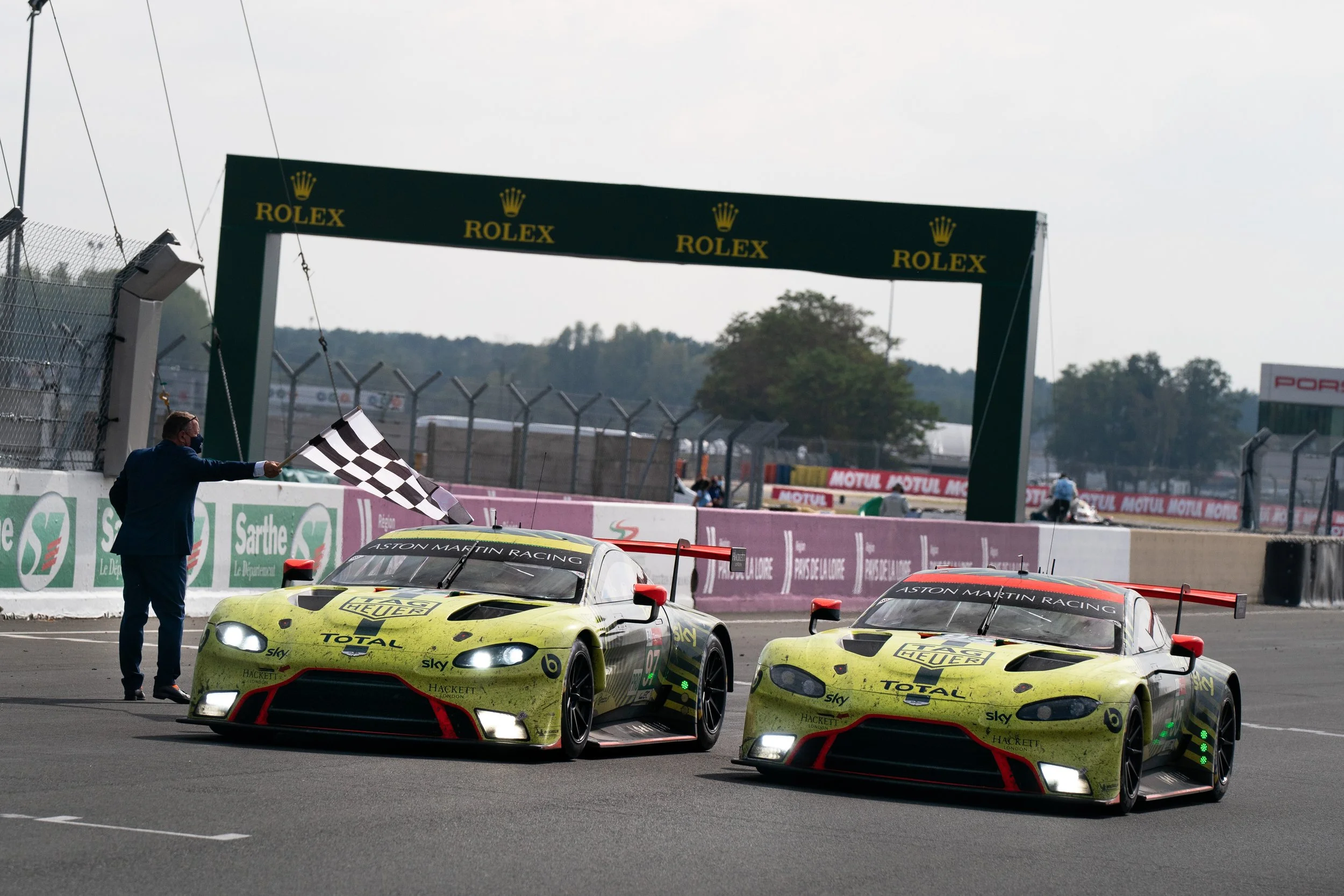
Image © Aston Martin Lagonda. Used for editorial purposes. Victory at Le Mans in 2020.
The 2020 race added another important chapter, with Aston Martin achieving success in both GTE Pro and GTE Am. Again, those were class victories, not outright victories. But they were not lesser achievements in any casual sense. At Le Mans, winning a class still means defeating serious opposition over a full day and night of racing. It means doing the job when fatigue, traffic, weather, pit stops and reliability all have a say.
That’s why the GT years deserve their place in this story. They didn’t answer the question left by 1959, they didn’t put Aston Martin back on the overall top step, but they kept the connection alive. They gave Aston Martin fans new Le Mans memories, new heroes and new reasons to believe that the marque still belonged in endurance racing.
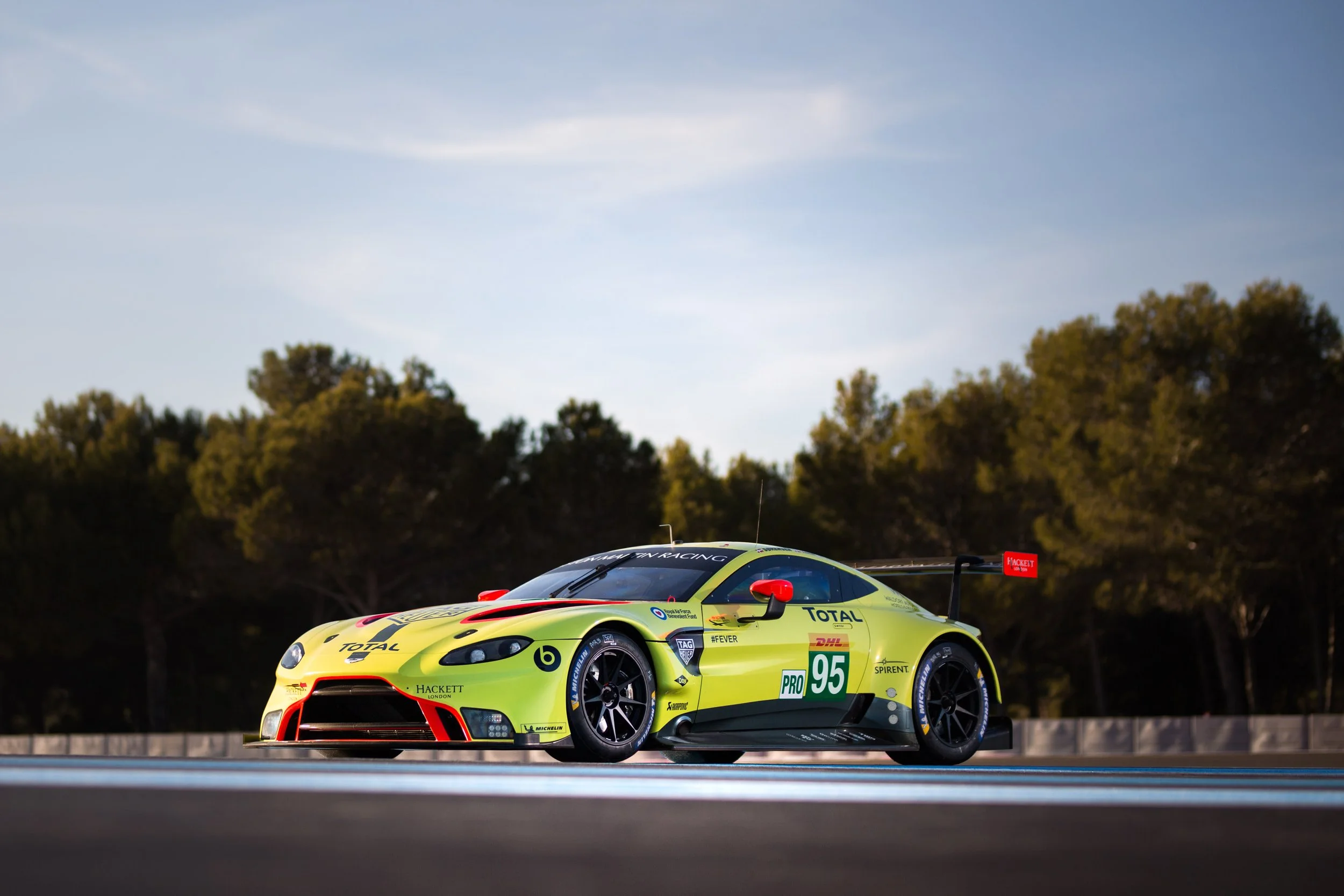
Image © Aston Martin Lagonda. Used for editorial purposes. Vantage GTE.
Without the DBR9 and Vantage chapters, the gap between DBR1 and Valkyrie would feel empty. But it was far from empty, it was filled with class victories, near misses, podiums, heartbreak, persistence and the hard-earned respect that only Le Mans can give.
The flame never went out, it simply waited for Aston Martin to find a way back to the fight for the biggest prize of all.
Valkyrie: A New Route Back to the Front
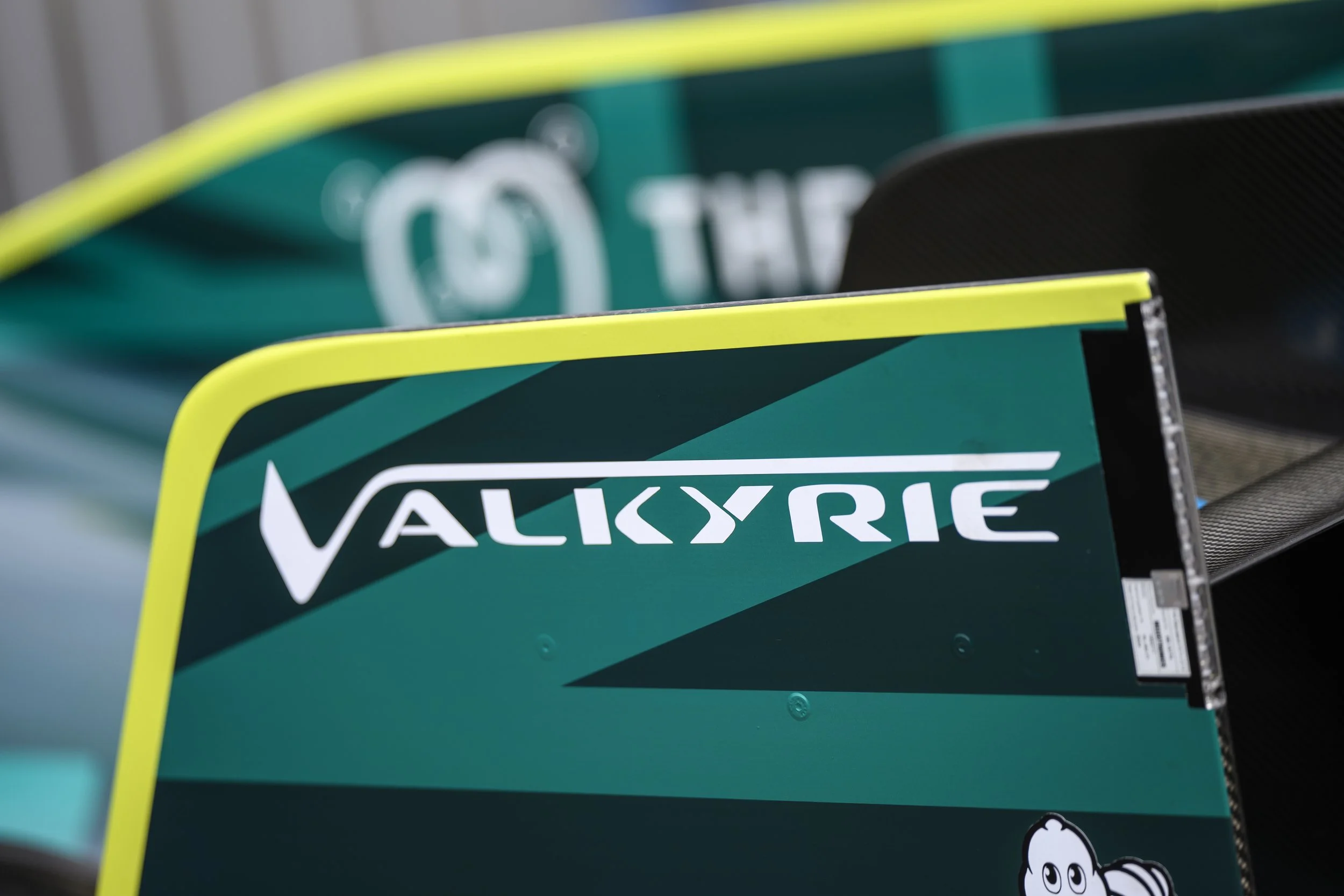
Image © Aston Martin Lagonda. Used for editorial purposes. Valkyrie Union Flag.
For Aston Martin, the Valkyrie programme changes the question. The GT years proved that Aston Martin could still win at Le Mans in class competition. They gave the marque modern success, drama and credibility. But Valkyrie represents something different. It’s not another GT car carrying Aston Martin’s name into a category battle, it’s Aston Martin’s route back into the top level of endurance racing, where the overall winner of Le Mans is decided.
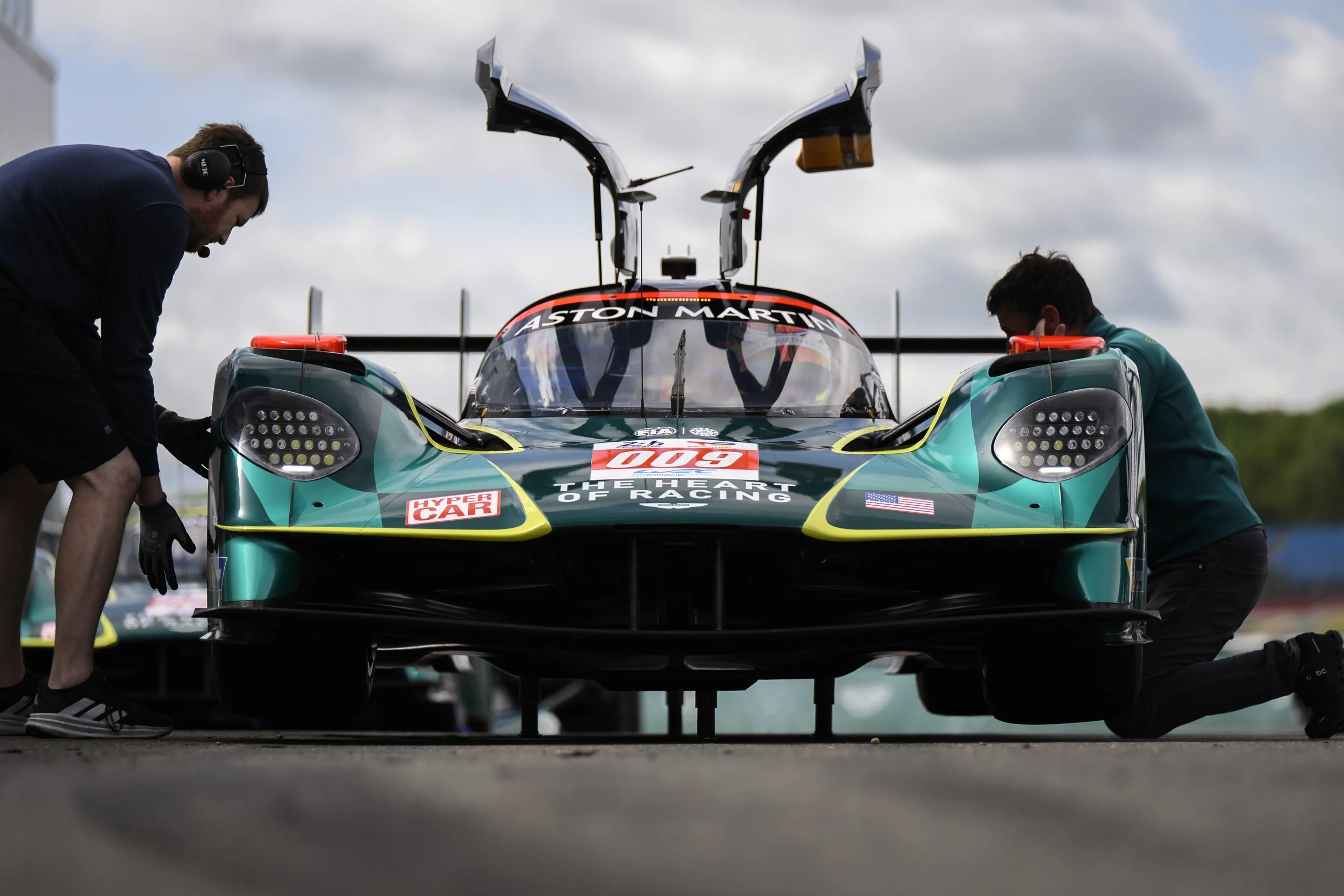
Image © Aston Martin Lagonda. Used for editorial purposes. Valkyrie.
That doesn’t make the task easier. If anything, it makes it harder.
Modern Hypercar racing is crowded with major manufacturers, deep resources and serious experience. Toyota, Ferrari, Cadillac, BMW, Porsche, Peugeot, Alpine, Genesis and others are not background players. They are the kind of opposition that makes Le Mans what it is. To enter that world with a new car, a new operating structure and a road-car-derived concept as distinctive as Valkyrie is not a small gesture.
It’s a statement of intent.
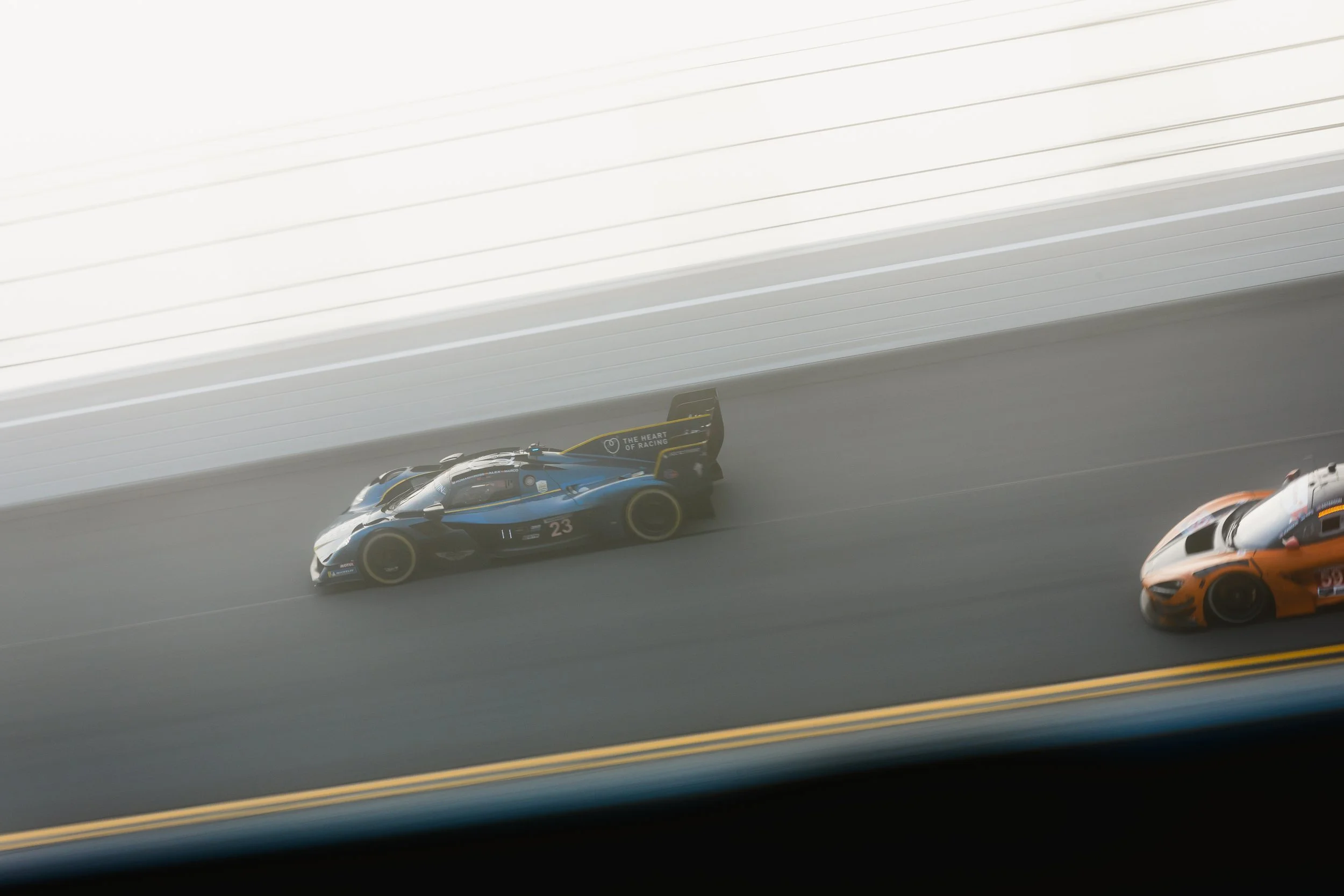
Image © Aston Martin Lagonda. Used for editorial purposes. Hazy morning, Valkyrie.
But it’s also a beginning. The Valkyrie is a very different kind of Aston Martin Le Mans car. Its link to the road-going hypercar gives it a character few modern prototypes can match.
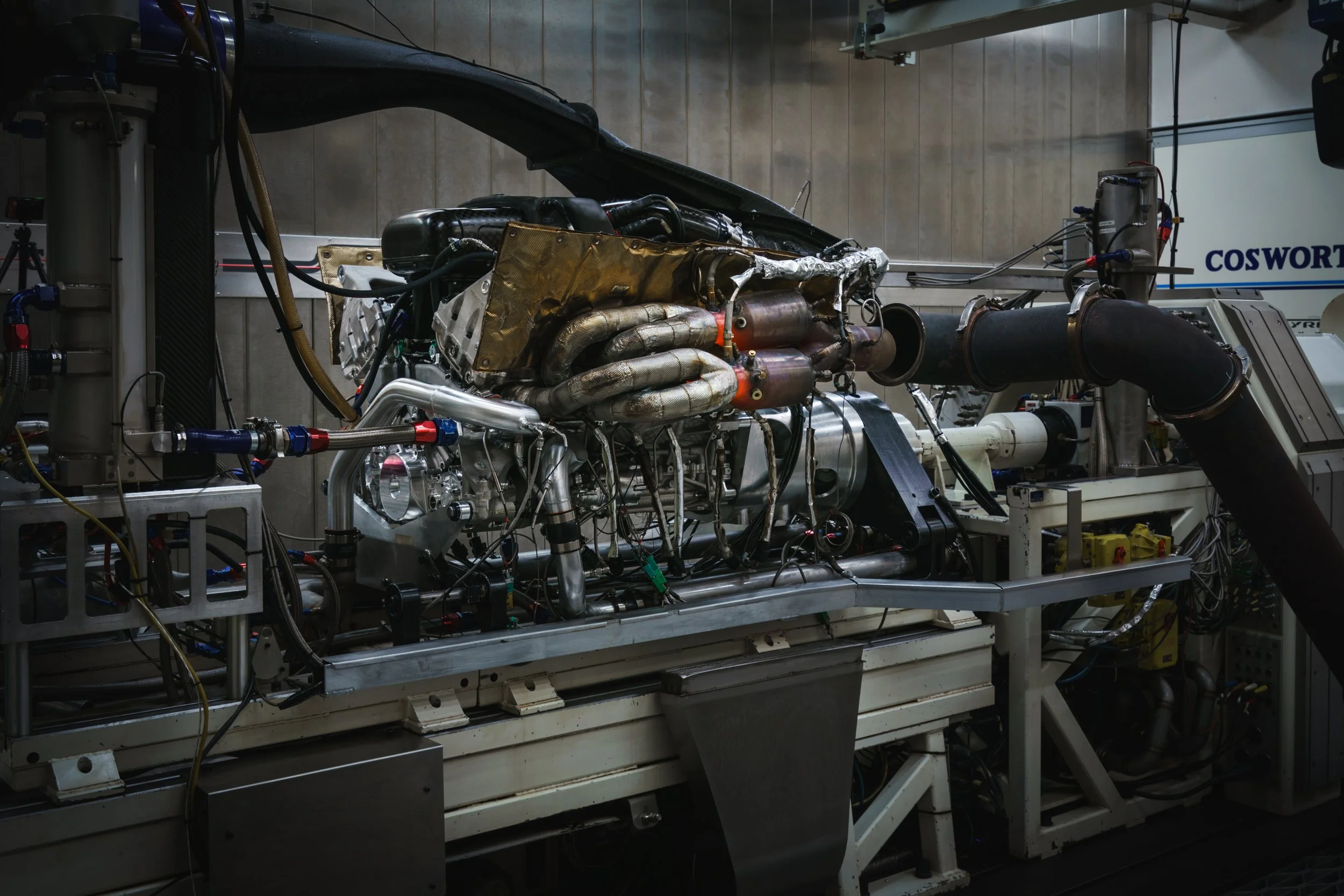
Image © Aston Martin Lagonda. Used for editorial purposes. Valkyrie V12 engine.
The naturally aspirated V12 gives it a sound and identity that instantly set it apart. In an era when racing cars can sometimes feel distant from the machines that first inspired them, Valkyrie brings something emotional back to the top class.
That counts for something with fans, it counts for something with Aston Martin. It gives the programme presence before the results have fully arrived.
But presence is not enough. Le Mans doesn’t care how beautiful a car is or how loudly it sings down the straight. It doesn’t care how powerful the story feels from the outside. The race only asks whether the car, the drivers and the team can keep delivering when the pressure builds and the hours stretch on. Valkyrie therefore has to be judged with both excitement and realism.
The car gives Aston Martin a bold route back towards the front, but it’s not a shortcut. The modern Hypercar class is shaped by regulation, homologation, Balance of Performance, tyre management, software, systems, strategy and operational precision. Development isn’t simply a matter of adding more power or changing major hardware whenever the team wishes. The gains often come from understanding: how the car uses its tyres, how it behaves in traffic, how its systems work together, how drivers extract confidence from it, and how the team responds when a race refuses to follow the plan. That’s where the Valkyrie story becomes genuinely interesting.
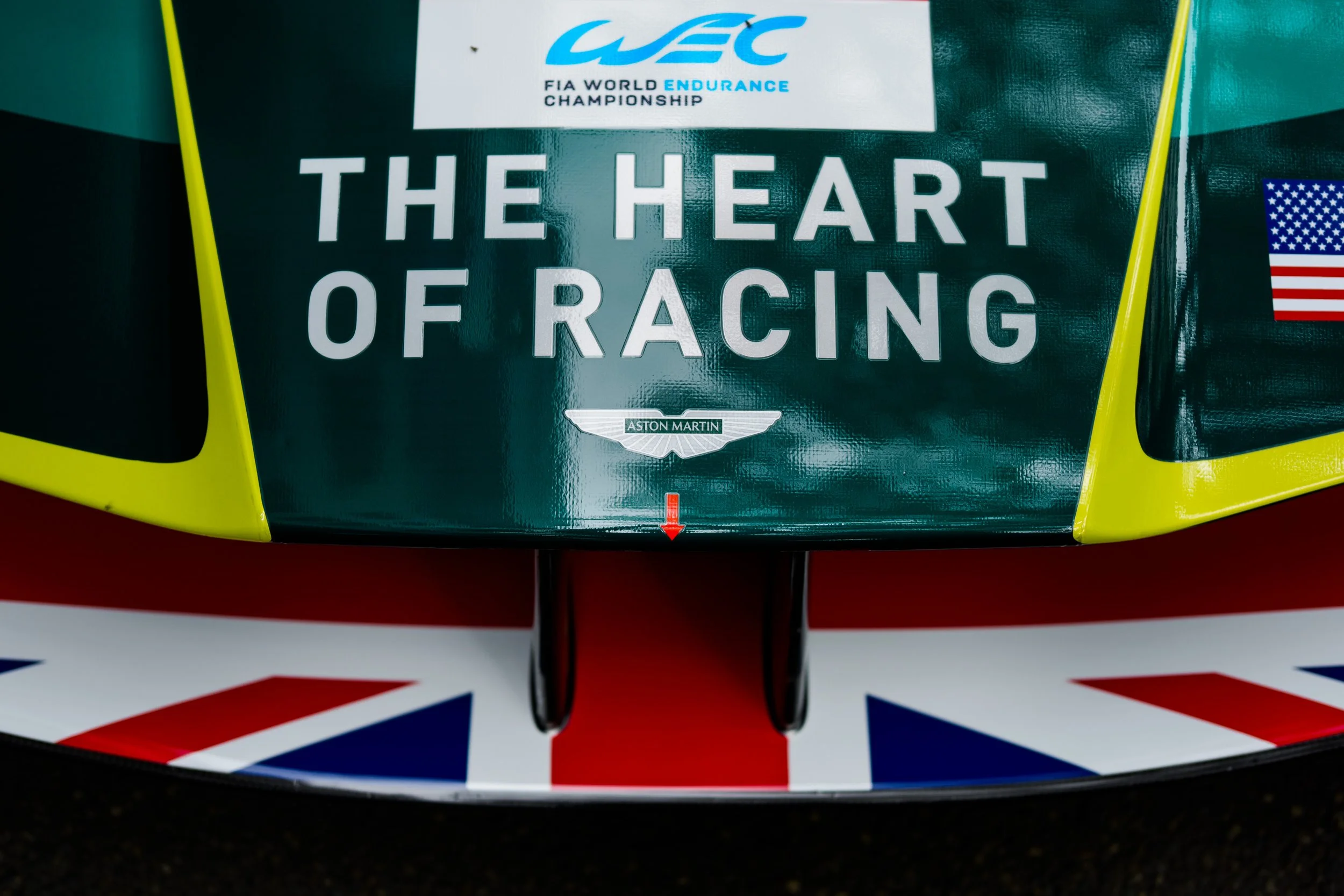
Image © Aston Martin Lagonda. Used for editorial purposes.
It’s easy to see the car as an emotional object: the V12, the road-car connection, the Union Flag liveries, the idea of Aston Martin “racing for Britain” and chasing the shadow of 1959. Those things are part of the appeal, but they’re only the visible part of the story.
Beneath them sits the harder work: building a team, learning the car, understanding the championship, sharing knowledge across WEC and IMSA, and turning a dramatic concept into a dependable endurance racing tool. That’s why the comparison with 1959 should be made carefully.
The DBR1 and the Valkyrie belong to completely different worlds. One emerged from the David Brown era; the other exists in a data-driven, regulation-heavy, global manufacturer battlefield. Yet the deeper truth is similar. Aston Martin cannot win Le Mans through beauty, heritage or ambition alone. It has to learn, adapt and execute. Valkyrie is the modern expression of that old lesson.
It has given Aston Martin a way back into the conversation that counts most: not simply whether the marque can win a class, but whether it can one day fight again for the overall victory at Le Mans. That’s why this programme deserves patience, not blind optimism, and not excuses, but patience, because the road back to the front was never going to be short.
2025: Finish, Learn, Build
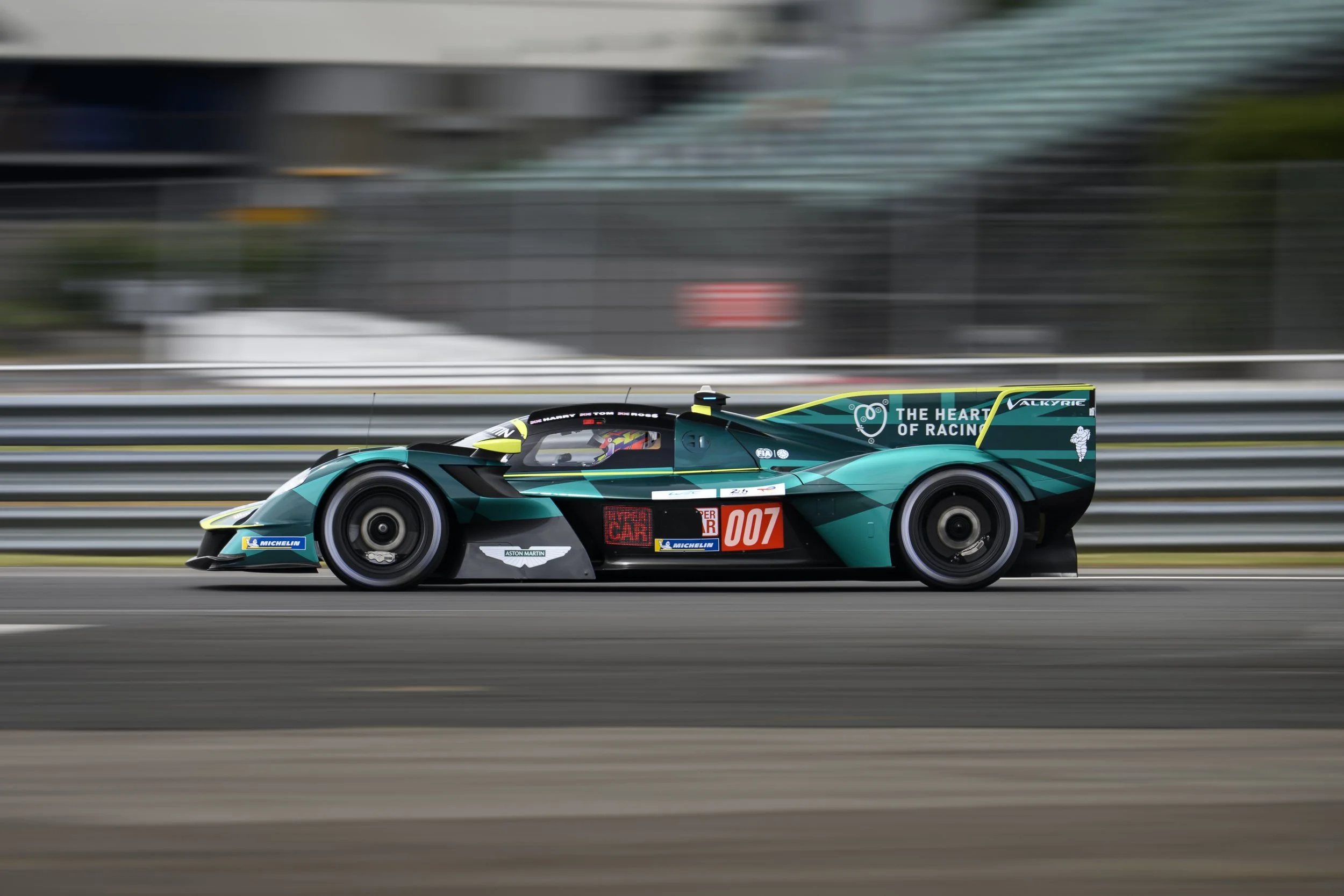
Image © Aston Martin Lagonda. Used for editorial purposes. Valkyrie 2025
Before Aston Martin could think seriously about winning Le Mans again, Valkyrie first had to prove it could survive it.
That was the reality of 2025. The car arrived with emotion already attached to it: the sound, the shape, the road-car connection, the weight of Aston Martin returning to the top category. But a first-year Hypercar programme cannot live on emotion. It has to operate, it has to complete laps, gather data, understand tyres, refine systems, build procedures and learn what the car needs when the race stops being a launch story and becomes a 24-hour examination.
In that sense, Valkyrie’s first Le Mans was important because both cars reached the finish.
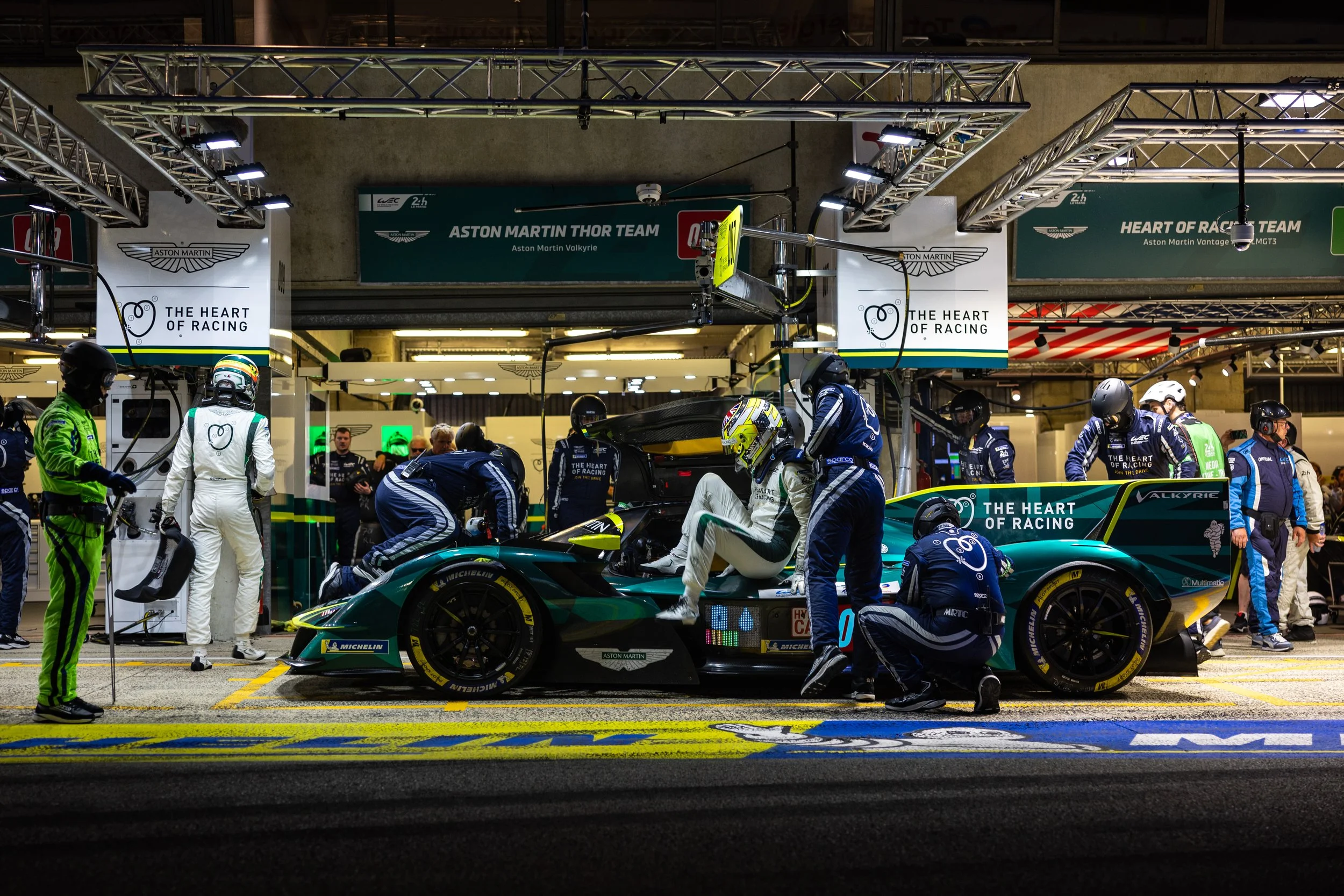
Image © Aston Martin Lagonda. Used for editorial purposes. Le Mans 2025.
The final classification; 12th and 14th, was not the kind of result that rewrites Aston Martin history. It was not a podium, not a victory, and not a claim that the programme had arrived at the front. But it was a necessary first step. At Le Mans, especially with a new top-class car, simply finishing can still mean something. It means the team has put the car through the race, discovered what survives, exposed what needs work and earned the right to build from experience rather than theory. That’s how the 2025 season should be understood.
The Road to Race films repeatedly framed the year as one of development. The priority was to move the programme forward. The team had to learn the car, sharpen its systems, improve drivability, understand setup direction and build the rhythm of a serious endurance programme. Those improvements were not always visible from the outside, and they didn’t always translate into the results people naturally wanted. But they were part of the foundation.
A Hypercar programme is not made credible by one dramatic lap or one encouraging session. It’s made credible by the accumulation of small gains: cleaner operations, better pit work, more consistent stints, clearer driver feedback, stronger understanding between engineers and drivers, and the ability to turn mistakes into knowledge before the next race.
That’s why the 2025 Le Mans finish deserves its place in the story. It was not the destination - it was the baseline.
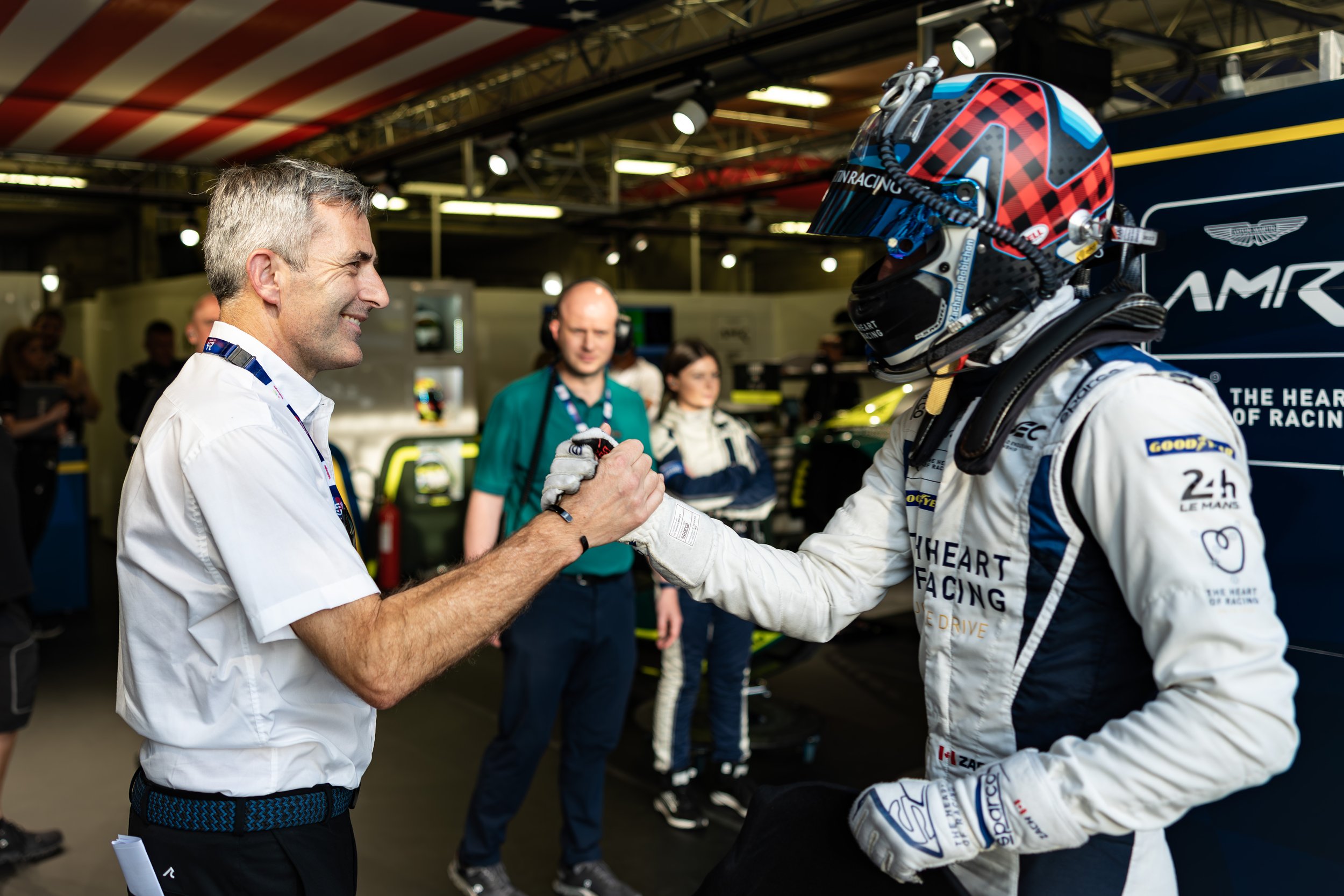
Image © Aston Martin Lagonda. Used for editorial purposes.
For Aston Martin, the wider year also carried another important lesson: patience; Racing drivers want to win, teams want results, fans want proof, but the first season of a programme like this forces everyone to redefine what progress looks like. Sometimes progress is not a trophy. Sometimes it’s both cars reaching the flag, sometimes it’s being closer in qualifying than before, sometimes it’s a car that feels more predictable, a pit crew that works more cleanly, or a set of systems that allows the drivers to push harder with more confidence. Those are not the things that make headlines, but they are the things that make future results possible.
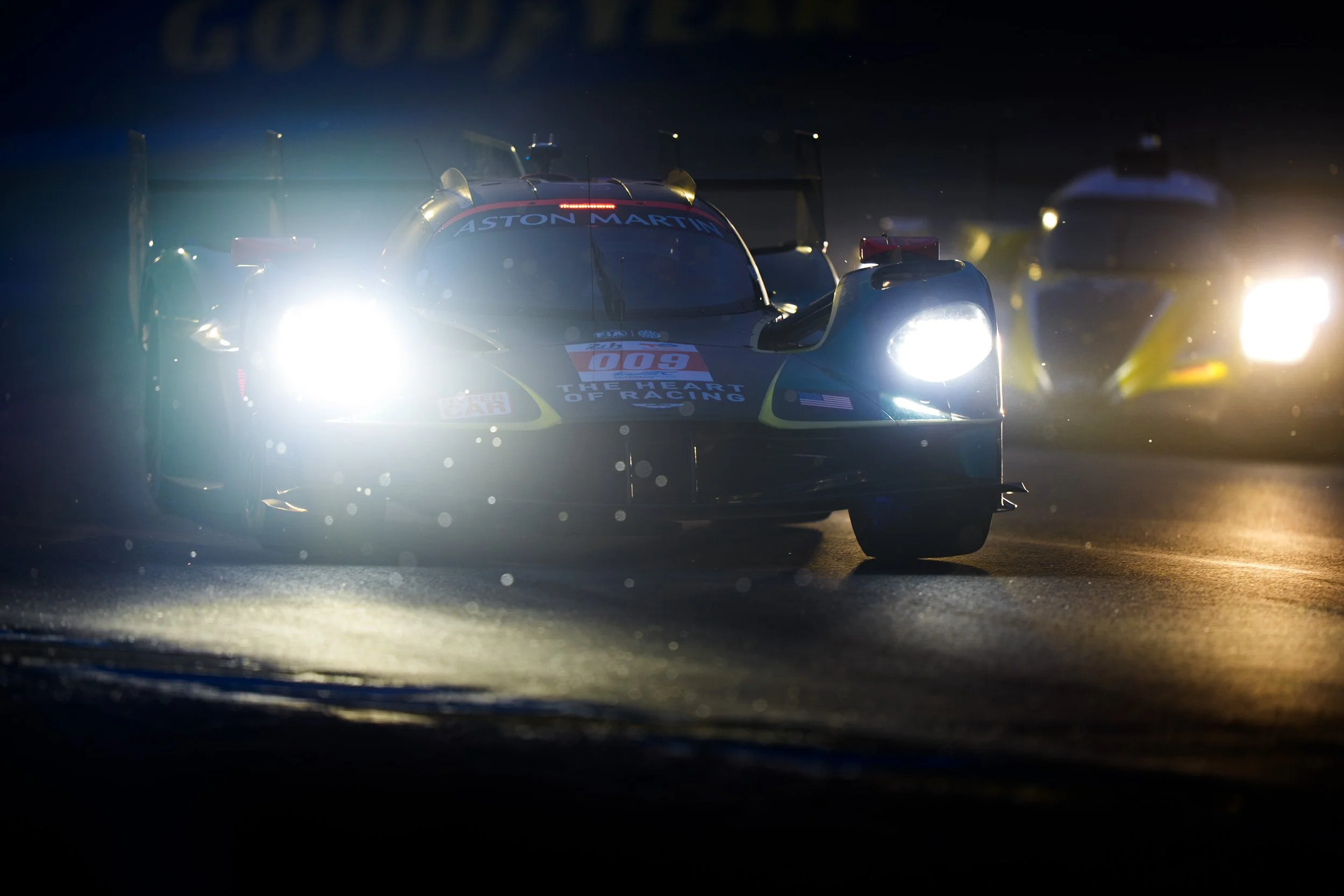
Image © Aston Martin Lagonda. Used for editorial purposes.
By the end of 2025, Valkyrie had moved beyond novelty. It was no longer just the spectacular Aston Martin with the V12 noise and the road-car bloodline. It was becoming a racing programme with evidence behind it: evidence of learning, evidence of development, and evidence that the team had started to understand how to unlock more of what the car might become.
That didn’t make Aston Martin ready to win Le Mans, but it did mean the first part of the climb had been completed. The car had reached the finish, the team had gathered the lessons and although the road ahead was long, it was no longer theoretical.
2026: A Step Forward, Not the Destination
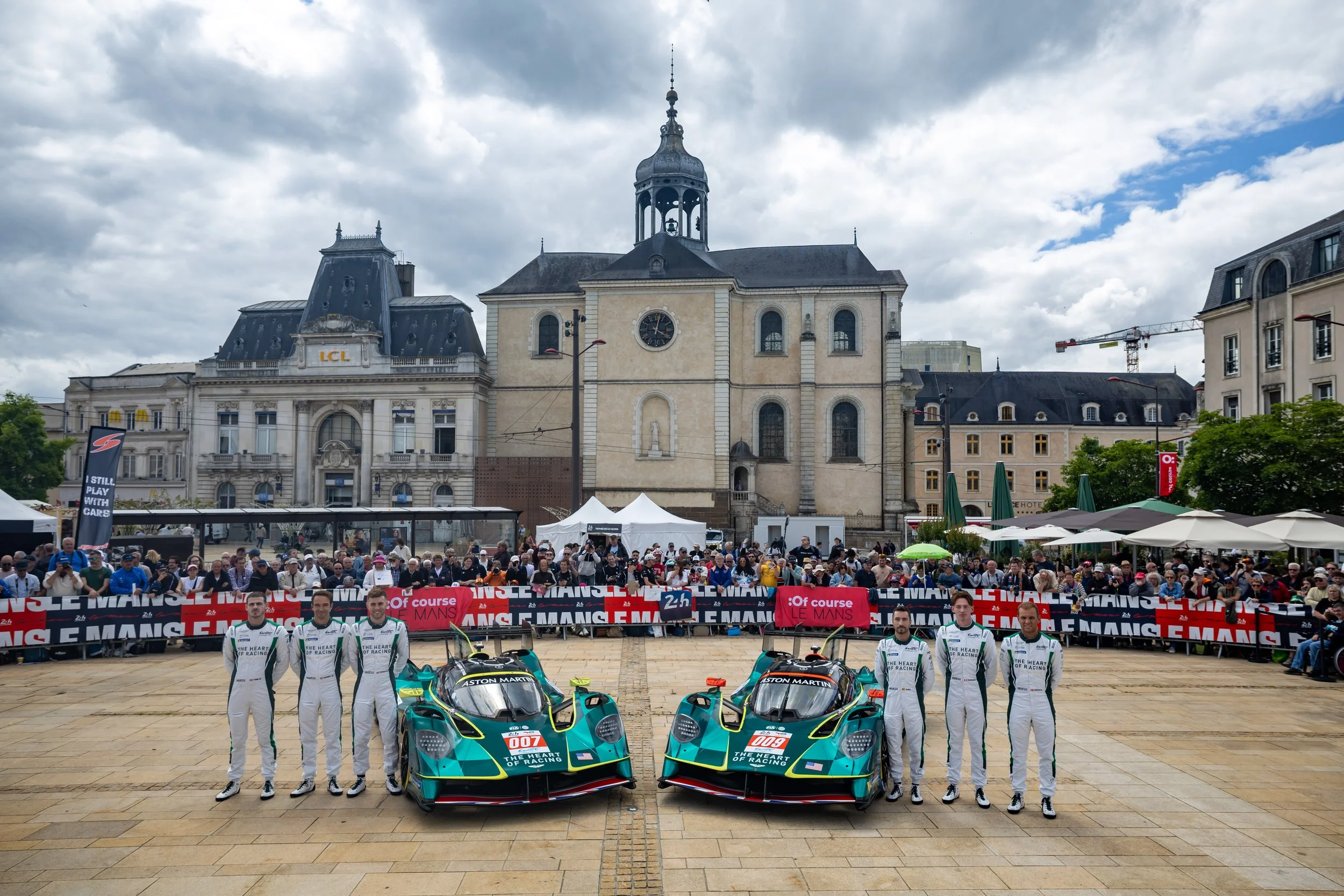
Image © Aston Martin Lagonda. Used for editorial purposes. Valkyrie Line-up, Le Mans 2026
If 2025 was about finishing, 2026 was about showing progress. That doesn’t mean Aston Martin arrived at Le Mans as a favourite for overall victory. The Hypercar field was too deep, too experienced and too competitive for that kind of claim. Toyota, Ferrari, Cadillac, BMW, Porsche, Peugeot, Alpine, Genesis and others all formed part of a modern manufacturer battle that leaves no room for sentiment. But the Valkyrie no longer looked like a car merely trying to survive the occasion.
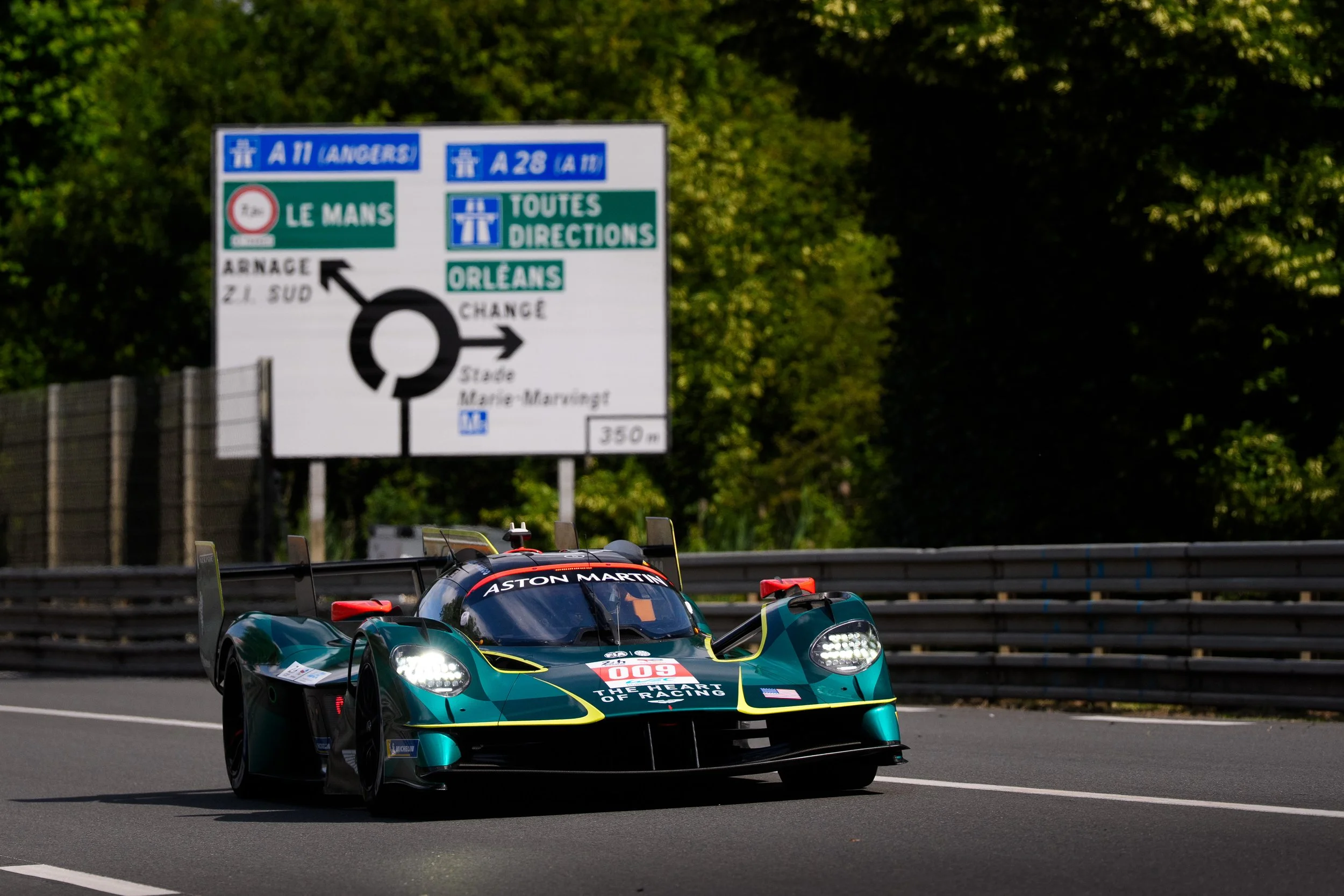
Image © Aston Martin Lagonda. Used for editorial purposes.
The early signs were encouraging. Both Valkyries reached Hyperpole, and the car showed flashes of pace that suggested the programme had moved forward from its first-year foundation. At Le Mans, qualifying and Test Day pace don’t win the race, but they can show whether a car has begun to belong in the conversation. The race itself gave Aston Martin something more valuable than hype: a measurable step.
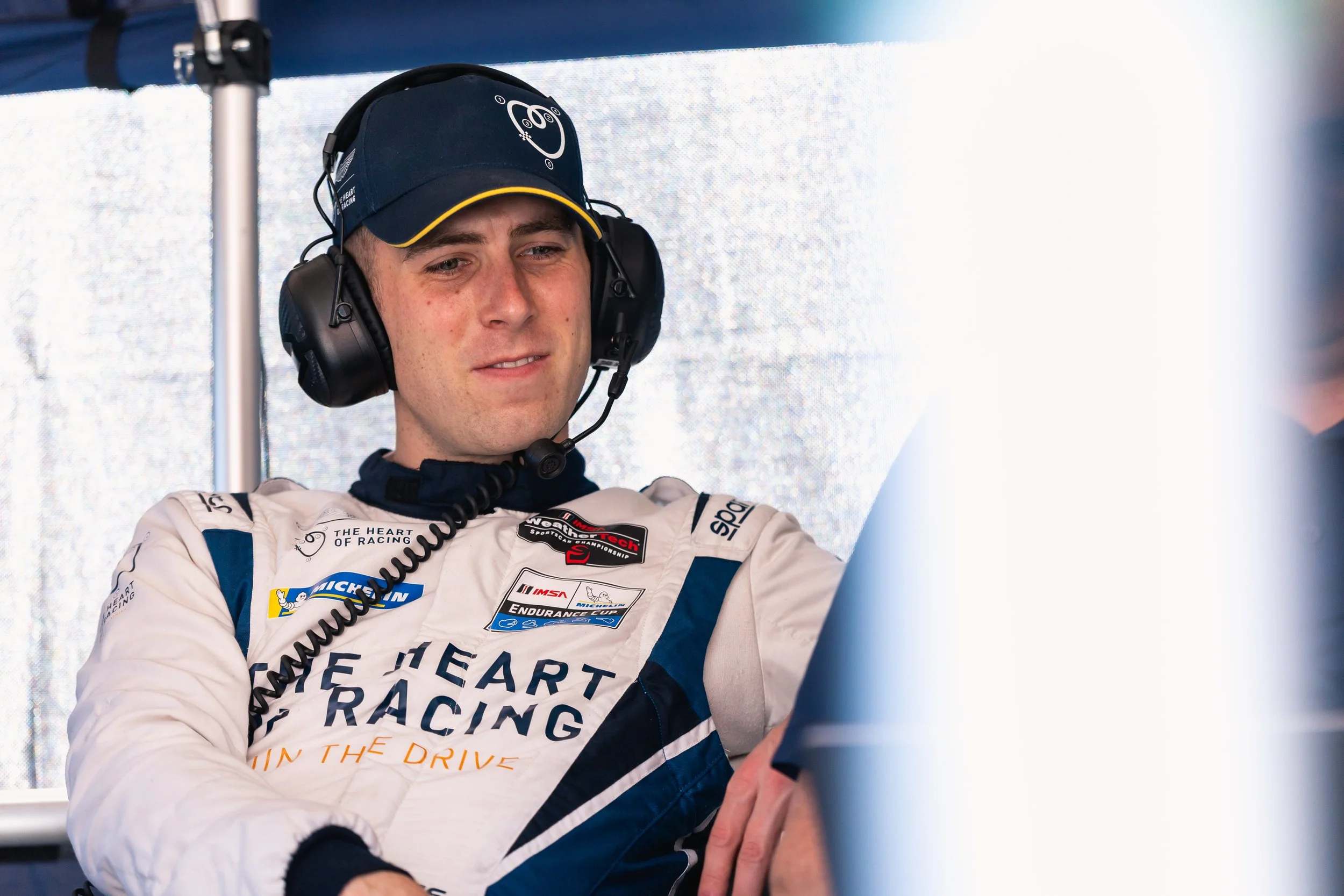
Image © Aston Martin Lagonda. Used for editorial purposes. Ross Gunn.
The #007 Valkyrie, driven by Tom Gamble, Ross Gunn and Harry Tincknell, finished eighth overall. In the context of Aston Martin’s modern return to the top class, that was significant. It was Valkyrie’s best Le Mans result so far and a clear improvement on the previous year. It was not a podium. It was not a victory. But it was a top-ten overall finish in one of the strongest Hypercar fields the race has seen.
That’s progress.
The #009 car also showed promise, but its race told the other side of the Le Mans story. It had been heading towards a stronger Hypercar class result before a late technical issue dropped it to 14th in the final order. That detail keeps the 2026 story honest, Aston Martin didn’t have a clean, complete weekend. The programme moved forward, but Le Mans still found a way to expose how difficult the journey remains.
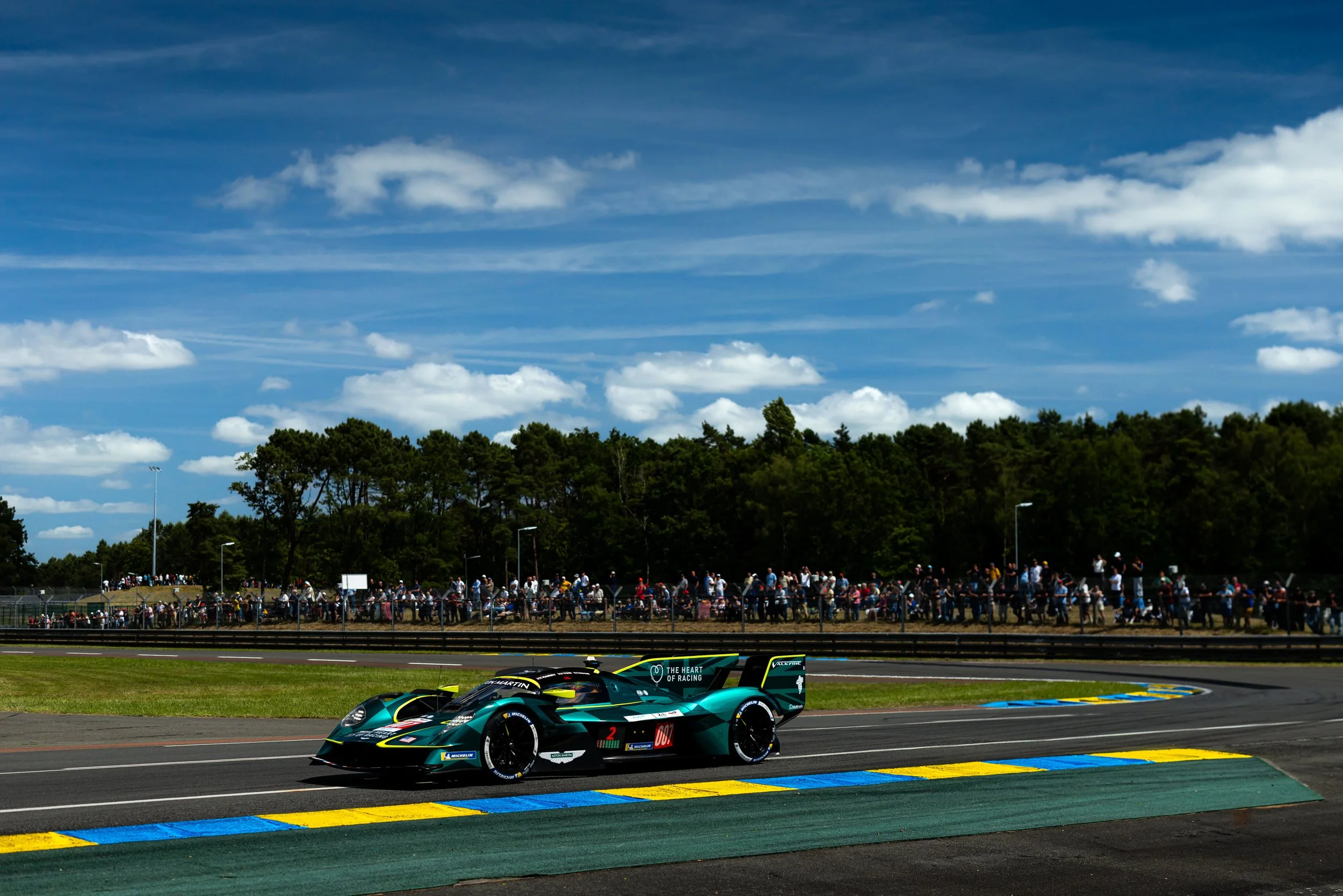
Image © Aston Martin Lagonda. Used for editorial purposes. Valkyrie at Le Mans 2026.
There was also a separate Aston Martin story in LMGT3.
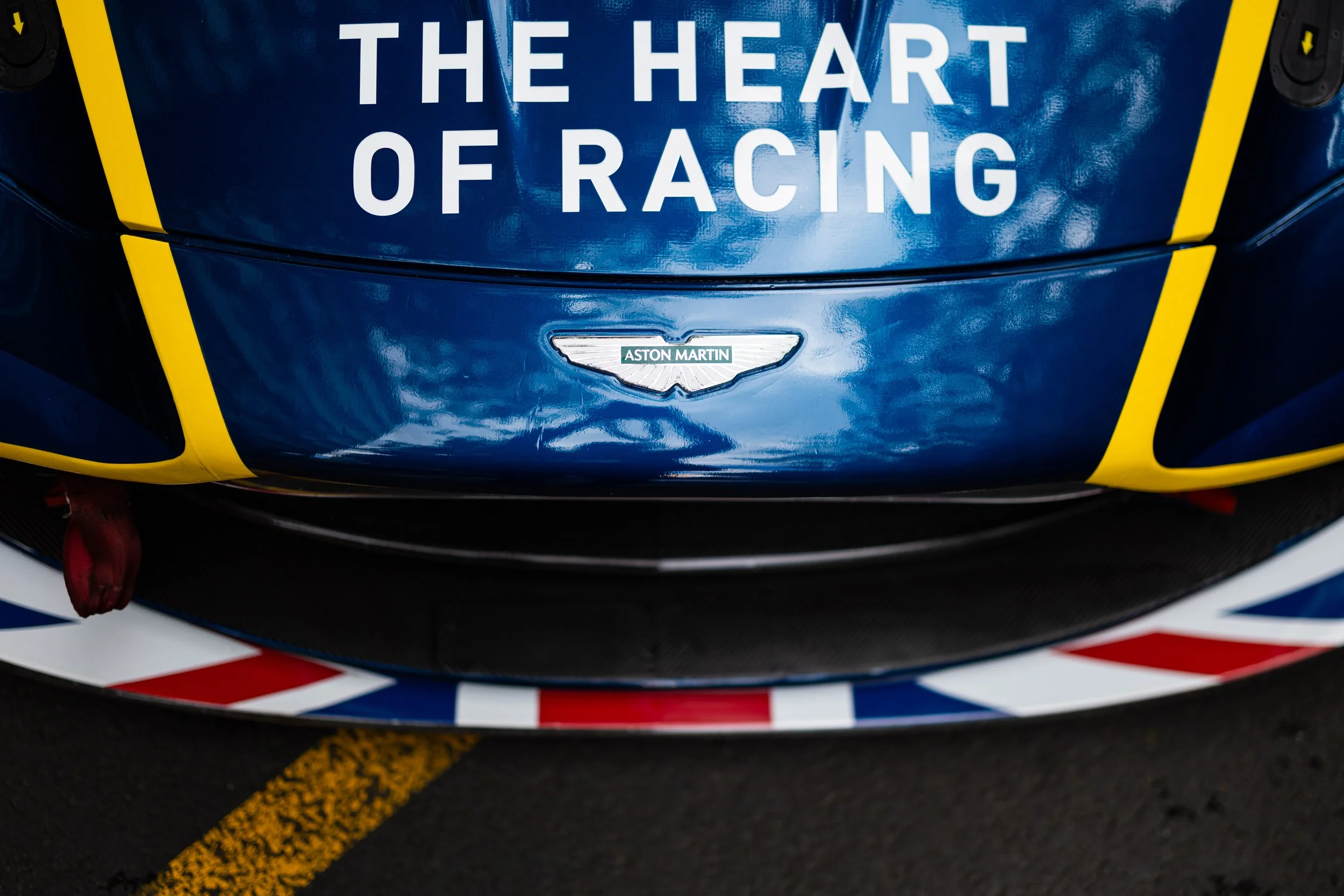
Image © Aston Martin Lagonda. Used for editorial purposes. Heart of Racing Vantage GT3. Le Mans 2026.
The #23 Heart of Racing Vantage GT3 finished third in class with Gray Newell, Dudu Barrichello and Jonny Adam.
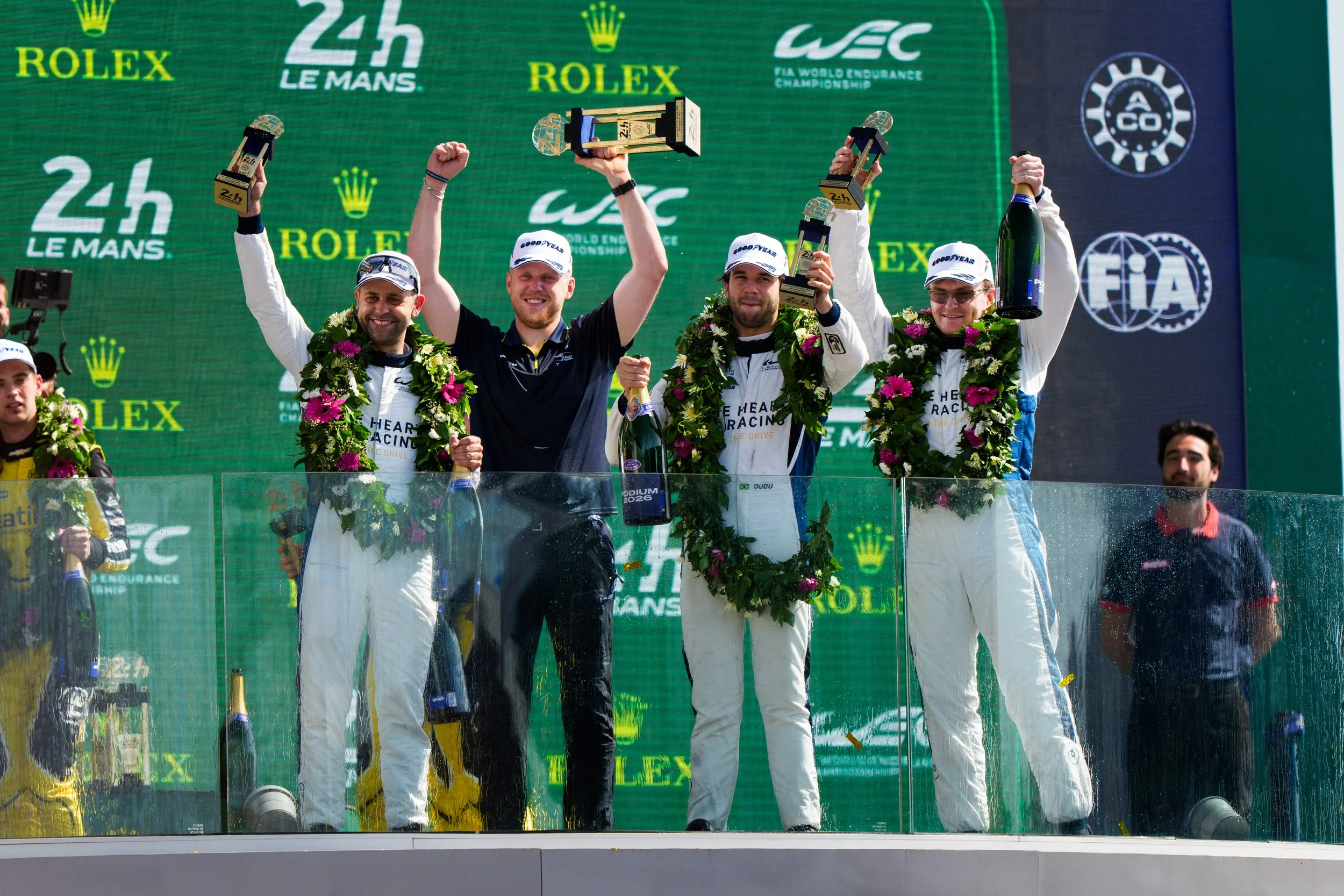
Image © Aston Martin Lagonda. Used for editorial purposes.
That was a genuine Le Mans podium, but it must be described correctly: an LMGT3 class podium, not an overall podium. It added another important Vantage chapter to Aston Martin’s Le Mans history and gave Heart of Racing its first podium at the Circuit de la Sarthe.
The #27 Vantage GT3 added its own mixture of pride and frustration. It took pole for the second consecutive year, with Mattia Drudi setting a new qualifying lap record, and led for several hours before late technical trouble ended its hopes of turning pace into class victory. Again, it was the kind of Le Mans story Aston Martin knows well: speed, promise, execution, then heartbreak. Taken together, the 2026 race gave Aston Martin a weekend of evidence.
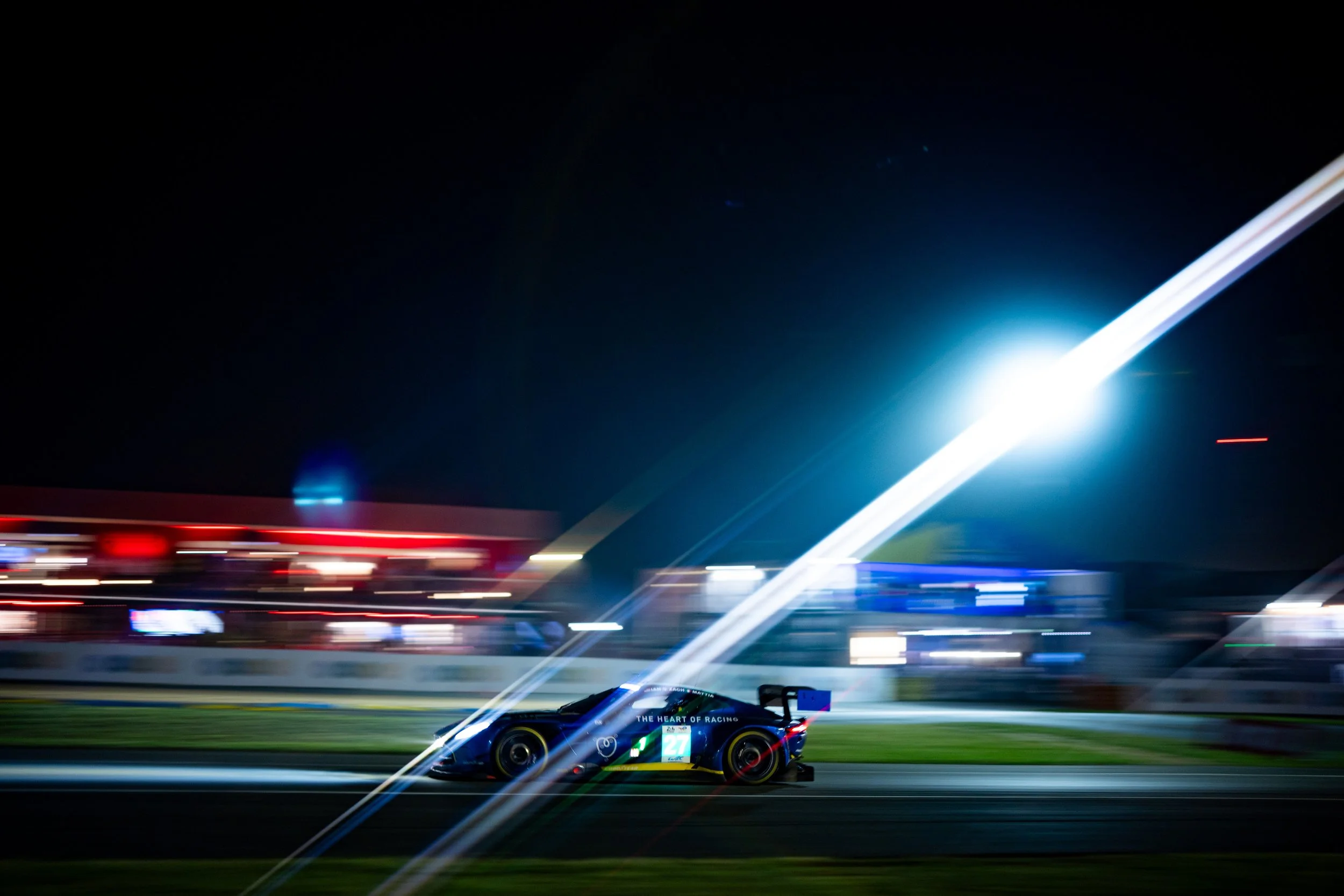
Image © Aston Martin Lagonda. Used for editorial purposes. #27 Vantage GT3 in action during the night. Le Mans 2026.
In Hypercar, Valkyrie showed that the programme had developed beyond survival. In LMGT3, Vantage reached the podium and again proved the strength of Aston Martin’s GT identity. But the overall victory fight still belonged elsewhere. That distinction is not a negative, it’s simply the truth, and the truth makes the progress more meaningful.
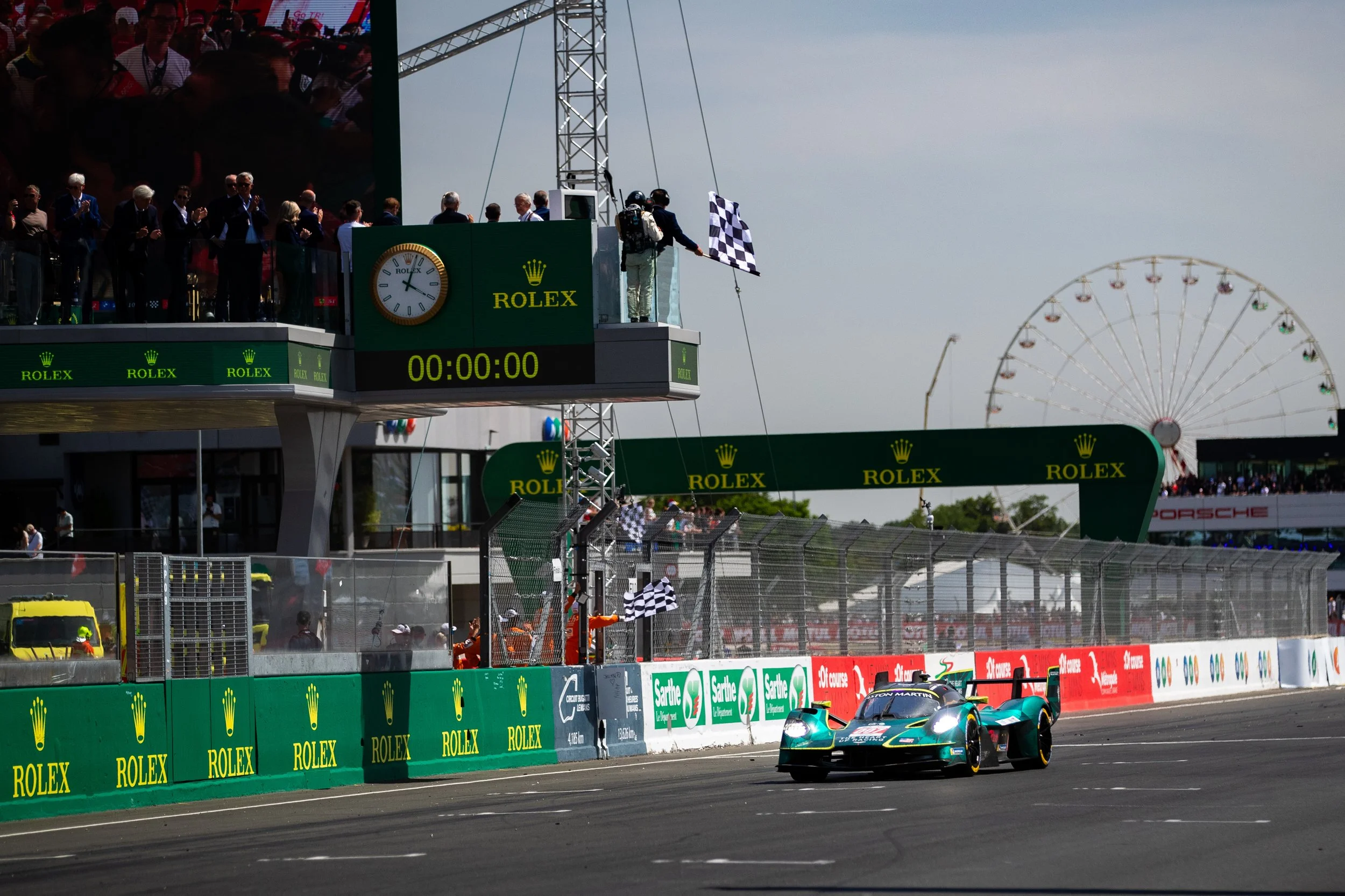
Image © Aston Martin Lagonda. Used for editorial purposes.
The danger would be to dress eighth place as something it was not. The better response is to recognise what it was: a step forward in a long project. Aston Martin had returned to Le Mans with Valkyrie, learned from its first year, put the #007 car into the overall top ten and left France with more evidence that the programme was moving in the right direction.
That’s not the end of the road. But it’s no longer just the beginning either.
What Le Mans Really Demands
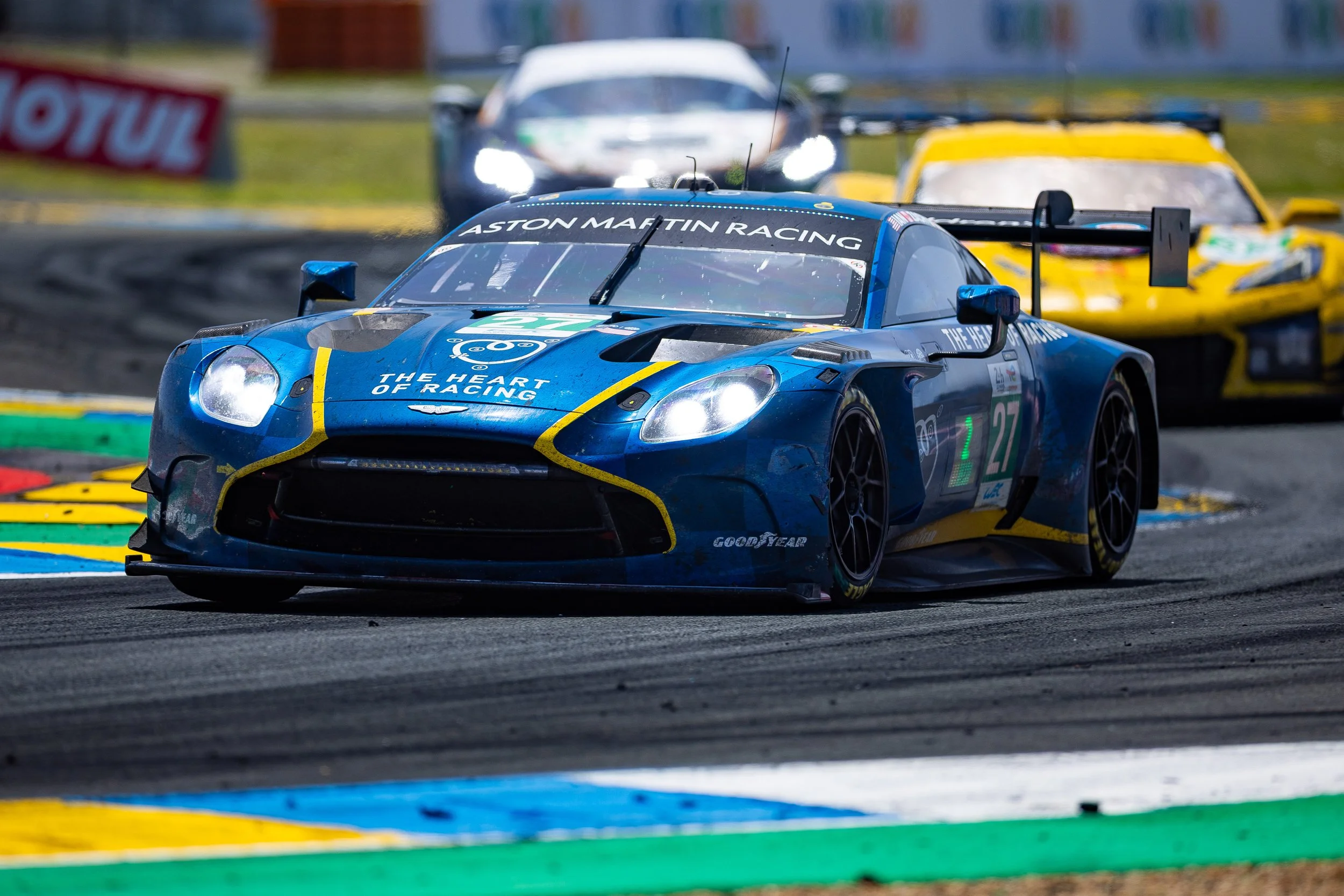
Image © Aston Martin Lagonda. Used for editorial purposes. #27 Vantage in action. Le Mans 2026.
It’s easy to talk about Le Mans in emotional language, the place almost invites it. The history, the names, the night running, the headlights through the trees, the long straights, the crowds, the rituals, the sense that a full day and night of racing can still come down to one mistake or one final chance. For a marque like Aston Martin, with 1959 sitting so prominently in the story, the emotion is unavoidable. But as we know, emotion doesn’t win Le Mans.
That was true in 1959, and it’s true now. The race may look very different, but the basic demand remains brutally simple: keep performing for 24 hours while the circuit, the traffic, the weather, the opposition and the race itself try to pull everything apart.
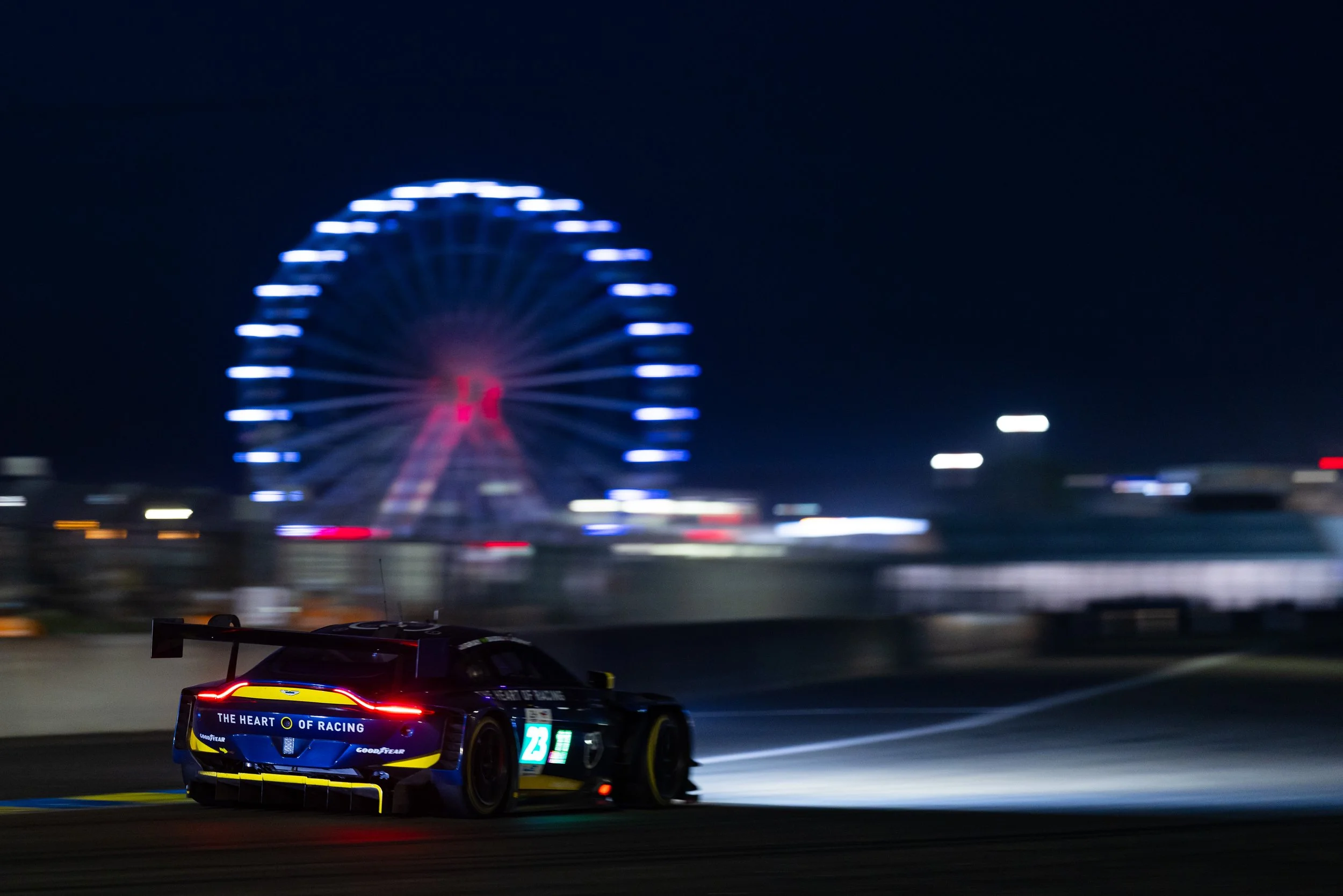
Image © Aston Martin Lagonda. Used for editorial purposes. #23 Vantage at night, Le Mans 2026.
Speed matters, but speed on its own is not enough. A successful Le Mans car has to be quick without consuming its tyres too aggressively, driveable in traffic, stable at night, predictable on worn rubber and reliable after hour upon hour of stress. Drivers have to be fast too, but also disciplined enough to know when to attack, when to protect the car, when to manage fuel, when to avoid risk and when a small loss now may prevent a much larger one later.
The team has to do the same.
Le Mans is won in the garage as much as on the circuit. Pit stops must be clean, driver changes must be calm, strategy must respond to safety cars, slow zones, full course yellows, changing track conditions and the timing of rivals. Engineers must read data, understand tyre behaviour, manage systems and give drivers information they can actually use. Mechanics must be ready for the planned stops and the unexpected ones. Every person has to do their part repeatedly, precisely and under pressure.
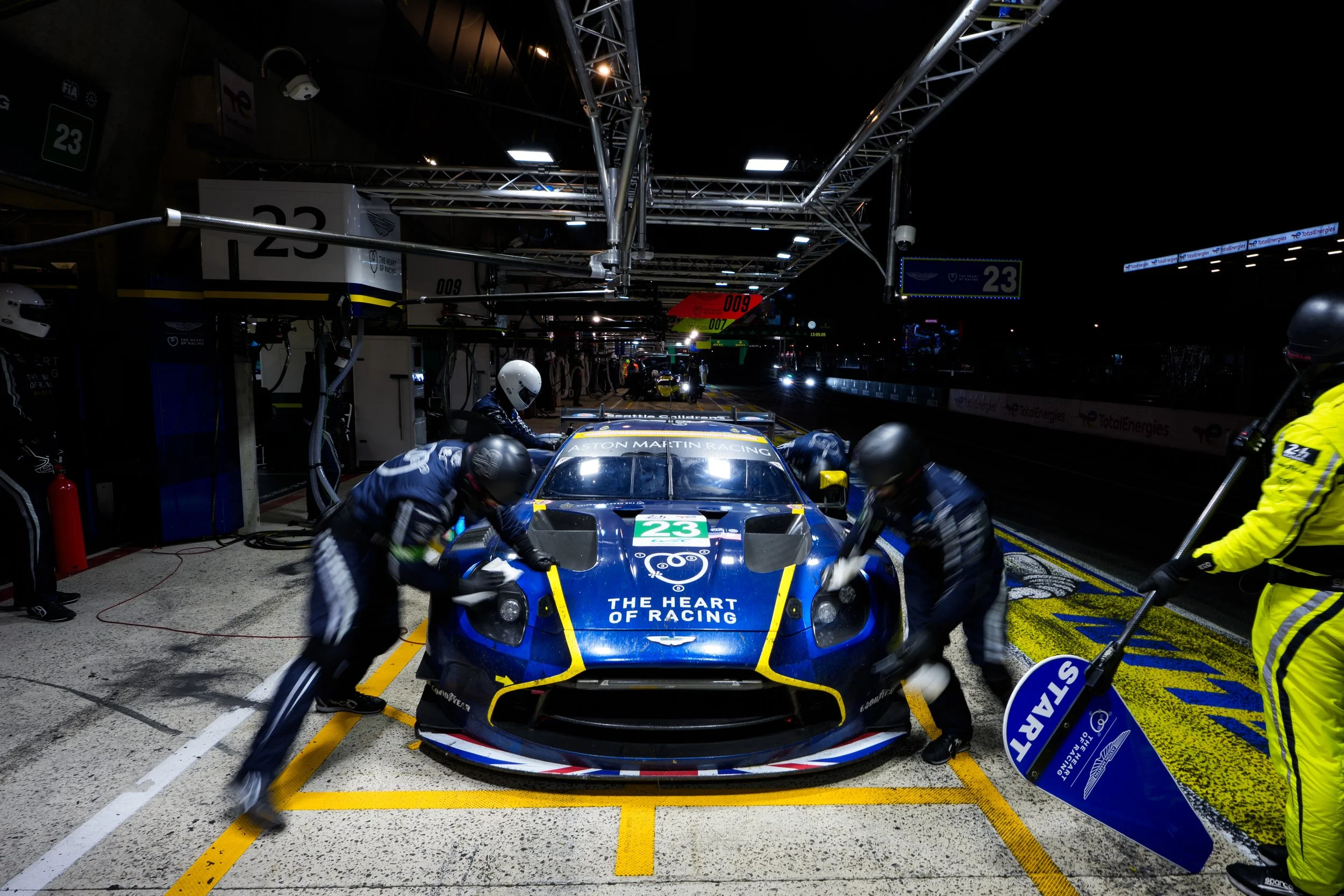
Image © Aston Martin Lagonda. Used for editorial purposes. #23 Vantage stops at night. Le mans 2026.
That’s why the modern Valkyrie story cannot be reduced to lap times alone. Aston Martin doesn’t simply require a spectacular car; it requires a complete endurance racing operation built around understanding, trust and execution. The car has to be understood in every condition, the drivers have to know what it will do beneath them. The systems, software, braking, differential settings, tyre use, fuel strategy, pit work and race execution - all have to work together rather than exist as separate strengths. That kind of confidence only comes through running, learning, making mistakes, correcting them and returning stronger.
In that sense, the modern challenge is not so different from the old one. The tools have changed beyond recognition; the DBR1 belonged to a world of stopwatches, pit boards and mechanical sympathy. Valkyrie belongs to a world of live data, complex systems, homologation rules, Balance of Performance, tyre windows and global manufacturer programmes. But Le Mans still asks the same deeper question: Can you keep everything together when the race becomes difficult?
That’s what Aston Martin managed in 1959. The DBR1 was not simply the car that looked right in the photographs. It was the car that remained in the fight when the race became a test of endurance, judgement and control. The famous victory was built on preparation and discipline before it became history.
A top-ten overall finish in 2026 suggests the Valkyrie programme is beginning to put more of those pieces together. But to win Le Mans outright, they have to align at a much higher level. Flashes of pace are not enough. The car must deliver race-long consistency, survive the pressure of fighting nearer the front, lose less time in traffic, manage its tyres effectively, respond cleanly to strategy calls and avoid the sort of late issues that can undo almost everything.
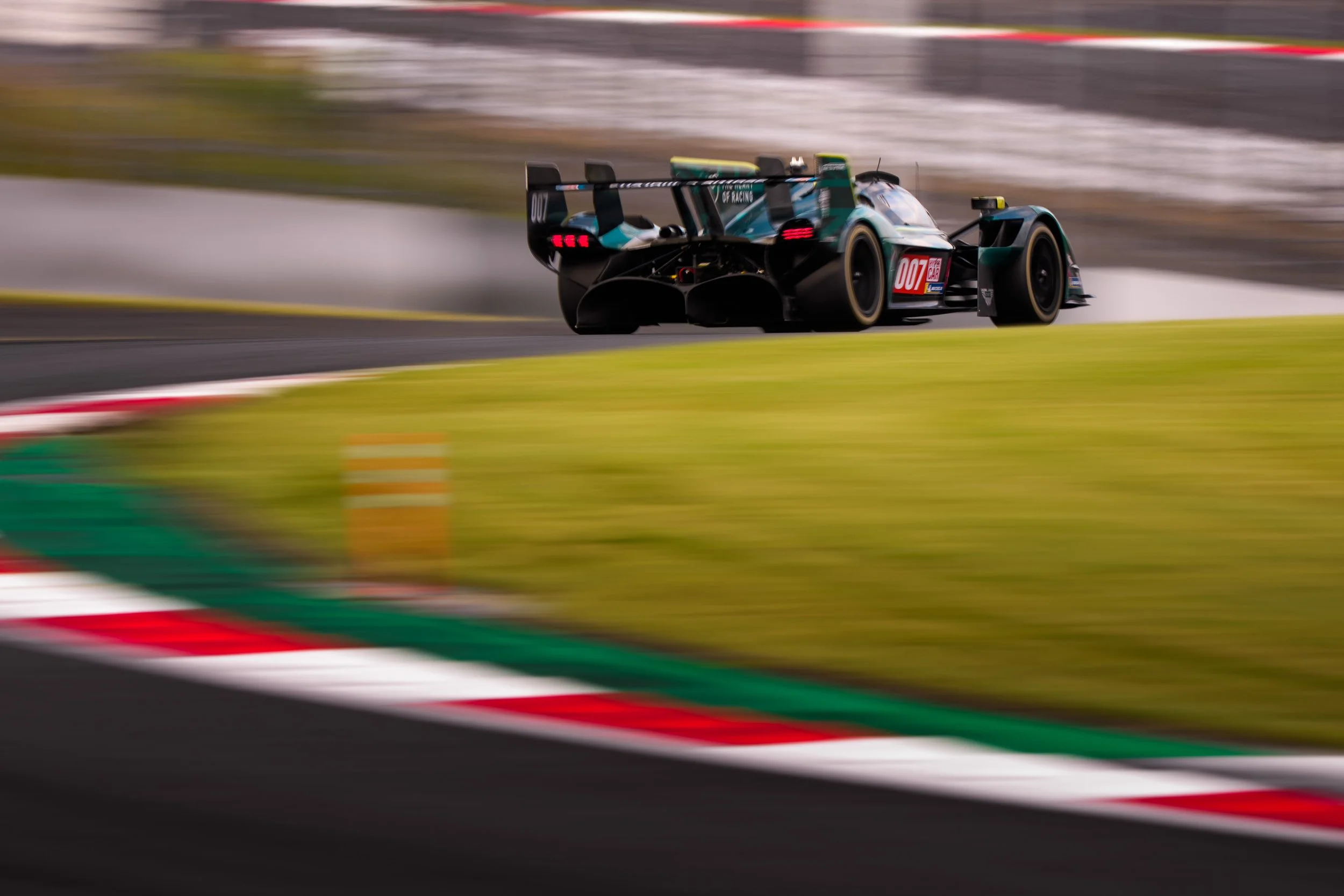
Image © Aston Martin Lagonda. Used for editorial purposes.
The romance of Valkyrie is undeniable. So is the appeal of that naturally aspirated V12, and the emotional pull of a British Aston Martin chasing Le Mans glory once again. Those things give the programme its character. They make people care, make the journey feel meaningful, and make the sight and sound of the car at Le Mans feel genuinely special.
But none of them can carry Valkyrie to victory on their own. That still has to be earned.
That’s perhaps the most important connection between 1959 and today. Aston Martin’s greatest Le Mans victory was not given by history. It was earned by preparation, patience and execution. If Valkyrie is to take Aston Martin back to the top step one day, it will have to earn it the same way.
The Road Back Remains Open
The DBR1 still stands alone.
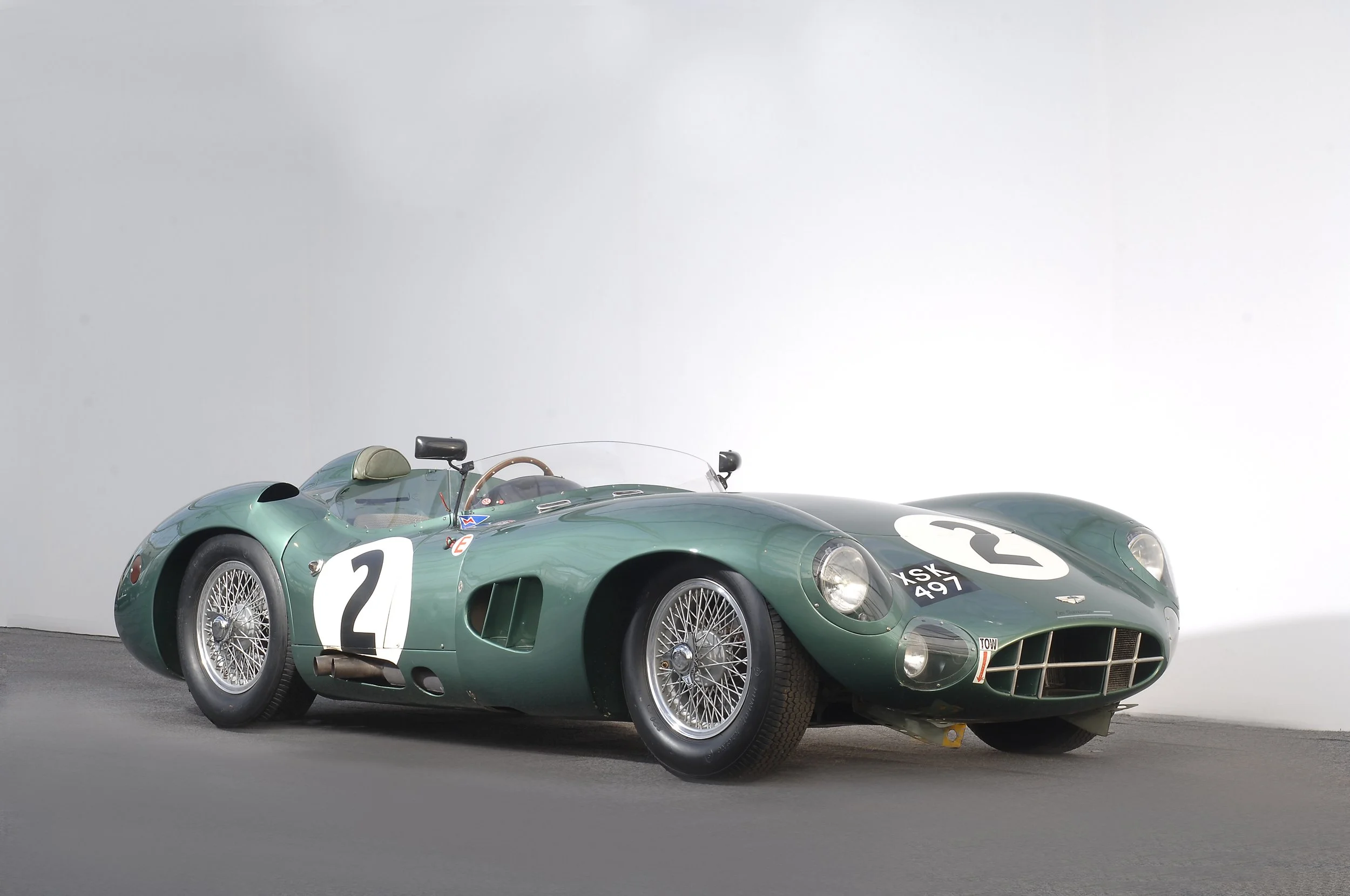
Image © Aston Martin Lagonda. Used for editorial purposes. Aston Martin DBR1.
That’s the truth at the heart of Aston Martin’s Le Mans story. More than six decades after Roy Salvadori and Carroll Shelby won overall in 1959, with Maurice Trintignant and Paul Frère completing the one-two, Aston Martin is still waiting for its second outright victory at the 24 Hours of Le Mans. That fact shouldn’t be softened, it’s what gives the story its weight.
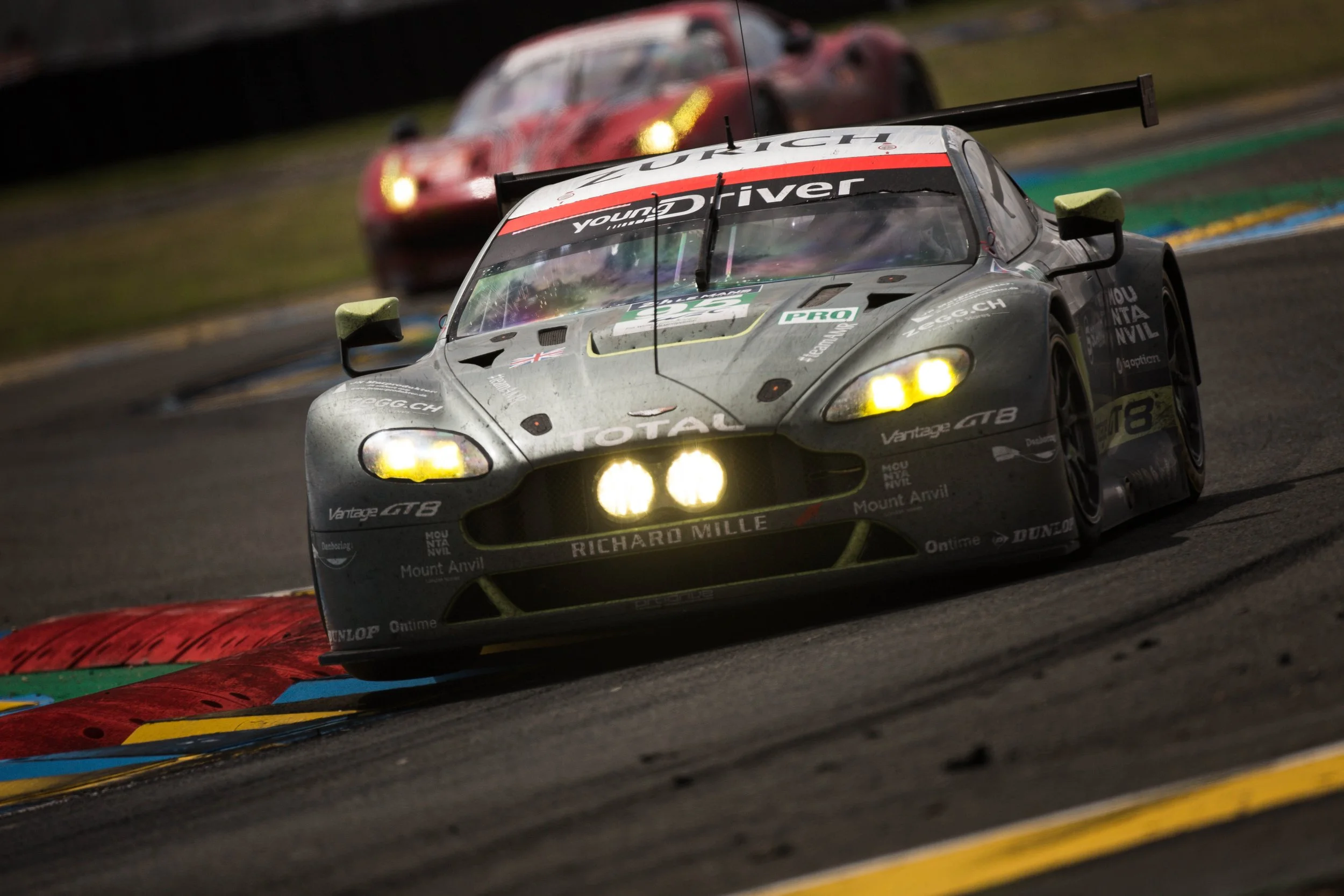
Image © Aston Martin Lagonda. Used for editorial purposes. GTE Pro-World Champions 2016.
But nor should the years since 1959 be treated as failure alone. Aston Martin has returned, fought, won classes, stood on podiums, built great GT cars and created moments that belong properly in the marque’s endurance racing history.
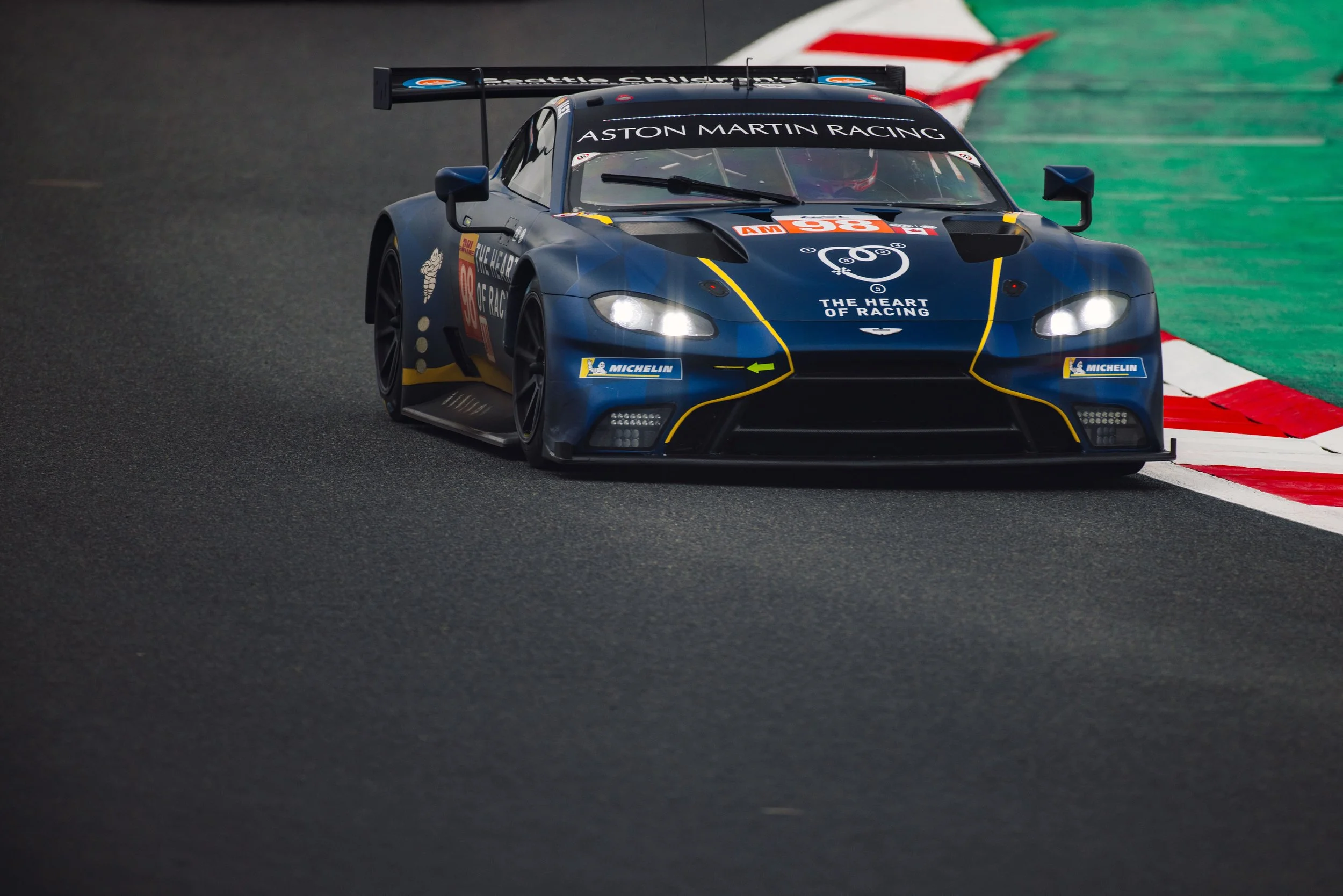
Image © Aston Martin Lagonda. Used for editorial purposes. Heart of Racing Vantage GT3.
The overall summit remained out of reach, but the name never disappeared from Le Mans.
Now Valkyrie has given that story a new direction. It has moved Aston Martin back into the category where the biggest prize is contested, which is important in itself. The car hasn’t yet restored the marque to the top step, nor has it fought for the overall win deep into Sunday afternoon. There are still technical questions to answer, and the most established Hypercar contenders remain ahead. But Aston Martin is no longer outside that fight looking in. With Valkyrie, it’s back on the road where outright Le Mans victories are pursued. That alone changes the meaning of the journey.
The 2025 Le Mans finish gave the programme a foundation; The 2026 eighth-place finish for the #007 car gave it evidence of progress, the LMGT3 podium for the #23 Vantage GT3 showed that Aston Martin’s class-racing story remains alive too. None of those achievements should be exaggerated, but they shouldn’t be dismissed either as Le Mans is built on steps like these.
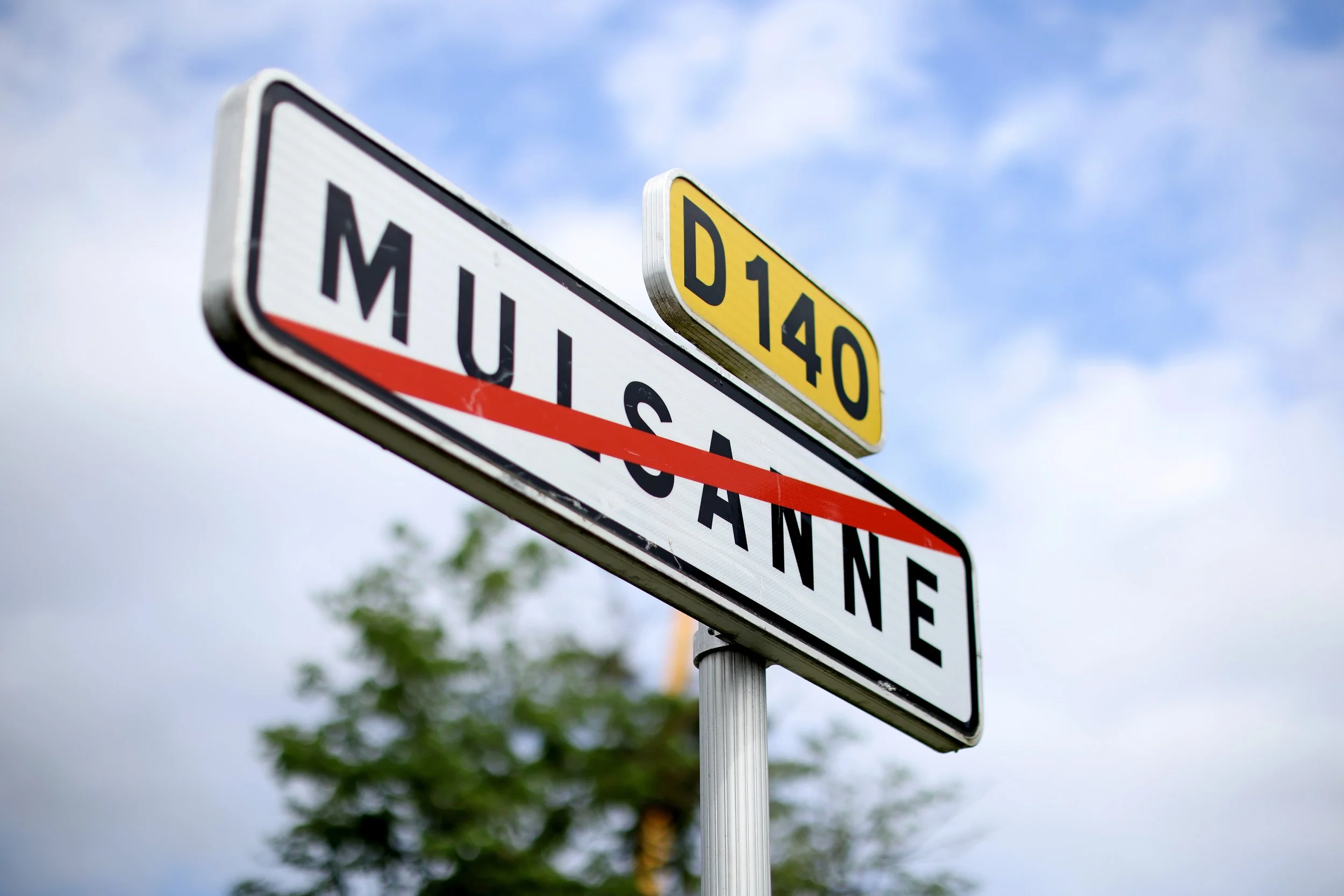
Image © Blackthorn Racing. Used for editorial purposes.
Le Mans has always demanded more than ambition.
It asked that of Aston Martin in the 1950s, and it asks the same of Valkyrie now. The lesson hasn’t changed: to win there, a car must be fast enough, reliable enough and manageable enough to remain competitive for a full day and night; the team around it must be calm, organised and precise; the drivers must be brave without becoming reckless; and every decision, from the first stint to the final hour, has to keep serving the race rather than the emotion of the moment.
That’s why Aston Martin’s road back is so compelling. This is not simply a marketing exercise, or a romantic attempt to place a famous badge back on a famous grid. It’s a pursuit of one of the hardest achievements in motor racing: an outright Le Mans victory in the modern era. For Valkyrie to reach that level, the programme will need more development, deeper understanding, cleaner execution and more race weekends where progress becomes stronger than promise.
There is, of course, no guarantee that it will happen. Le Mans doesn’t owe Aston Martin another victory because of what happened in 1959, just as it doesn’t owe Valkyrie success because the car sounds magnificent, looks extraordinary or carries one of the most evocative badges in British motoring.
The race will only reward the programme if the work becomes good enough. That’s what makes the pursuit worthwhile.
The DBR1’s legacy is not simply that Aston Martin once won Le Mans. It’s that Aston Martin proved, on the hardest stage of all, what could be achieved when belief was matched by preparation, discipline and execution. That’s the standard Valkyrie now has to chase.
Aston Martin has not yet returned to the top step at Le Mans, but it has returned to the road that leads there, and for the first time in a long while, that road feels real again.
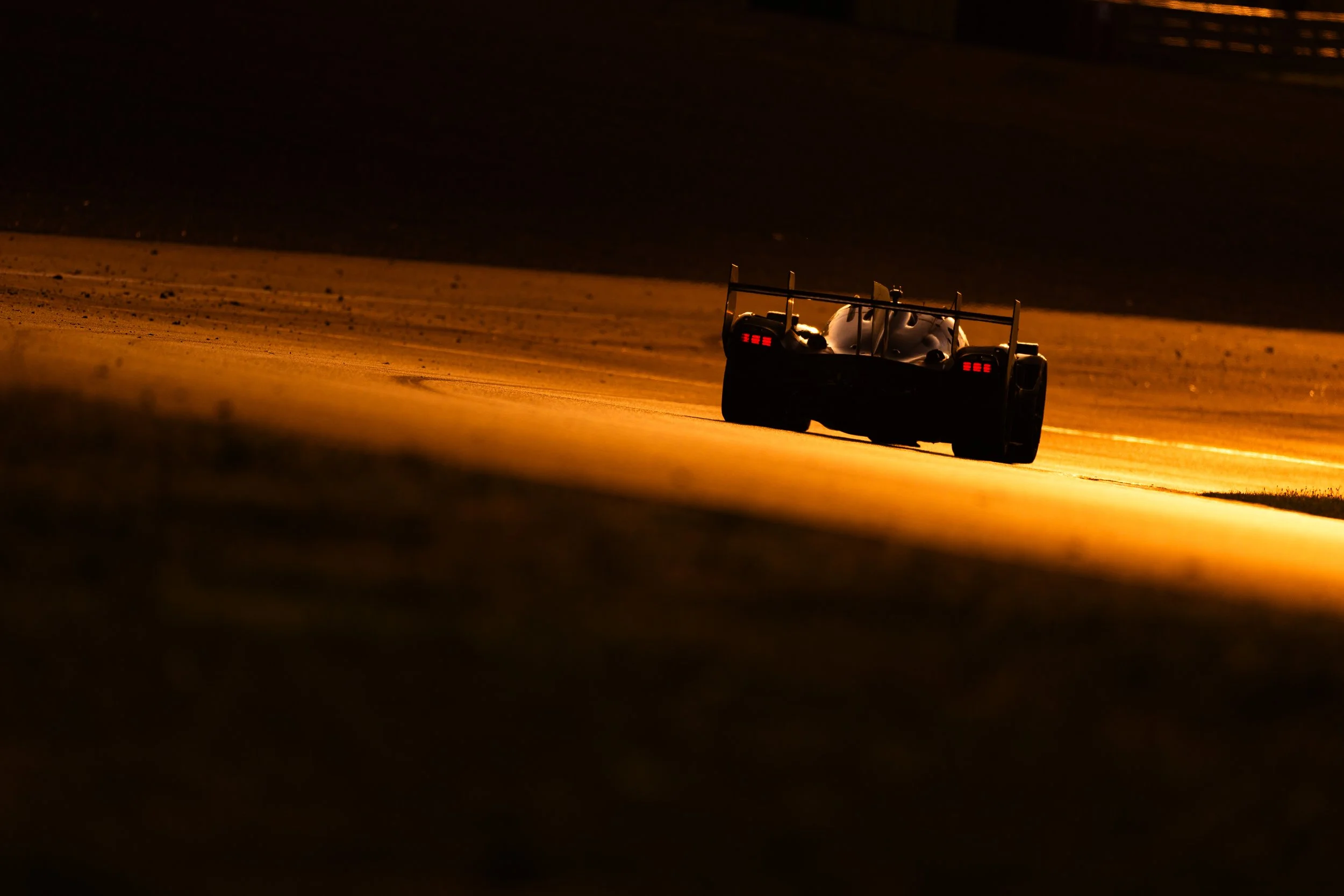
Image © Aston Martin Lagonda. Used for editorial purposes. Valkyrie. Le Mans 2026.
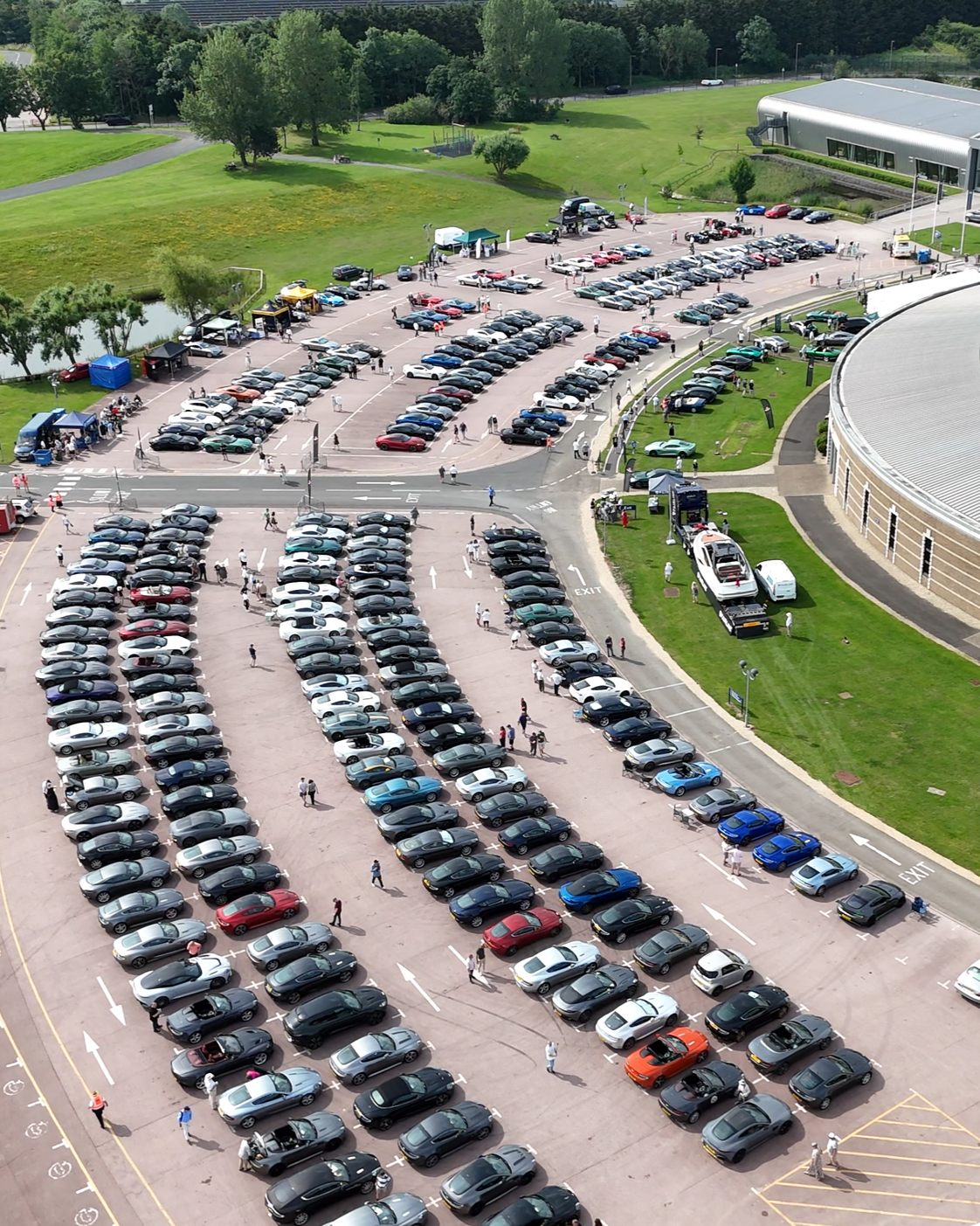
Image © Fuel the Passion. Aston Martin Owners Club Festival 2026.
Still Want to Read On?
If this article has sparked your interest in Aston Martin, Le Mans and the wider stories behind the marque, there’s plenty more to explore on Fuel the Passion.
You can browse our previous FTP Featured Articles, where we take a deeper look at Aston Martin history, models, people and stories beyond the weekly news cycle. You can also read the latest FTP Weekly Roundup, our regular look back at the Aston Martin stories, motorsport results, road car news and community highlights from past weeks.
If Le Mans is where your interest lies, the FTP Motorsport Hub is well worth a visit. It brings together Aston Martin’s racing activity across different championships, with a dedicated Le Mans section covering Valkyrie, Vantage and the marque’s return to the world’s greatest endurance race.
Use the links in this section to keep exploring.
