
Aston Martin Beyond the Debt: What Could the Future Hold?
An evidence-led look at what Aston Martin’s debt is costing, what the figures reveal about the business beneath it, and what greater financial freedom could mean for the marque, its people and the extraordinary cars still to come.
Article published 2nd August 2026
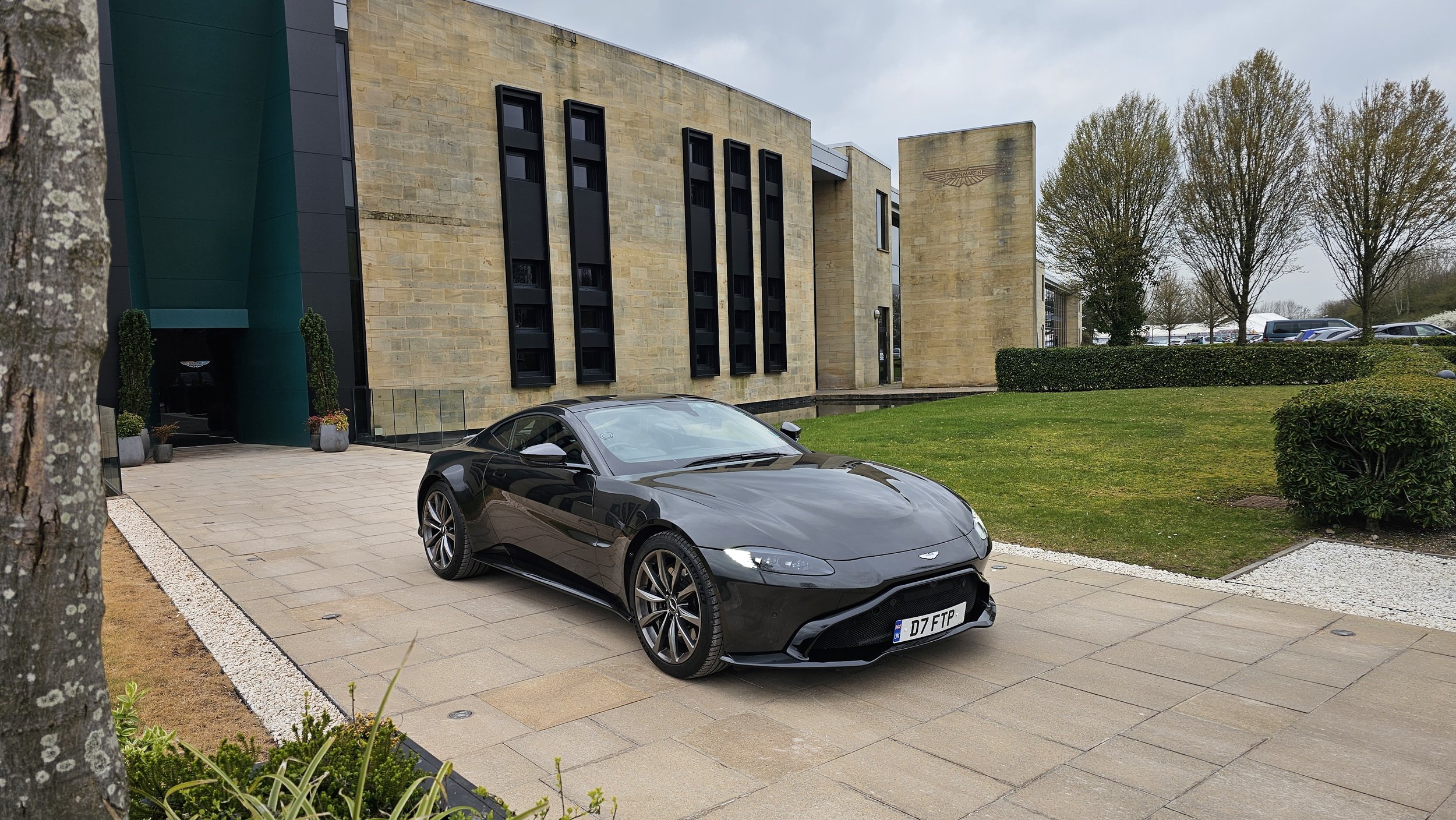
Image © Fuel the Passion. FTP Vantage outside AML HQ, Gaydon, 2026.
Dan, Editor’s Introduction
After reading Aston Martin Lagonda’s latest financial results, one question kept returning: how different might the company’s future look if so much of its money were not being absorbed by borrowing and interest?
Of course, Aston Martin would be financially stronger without such a substantial burden. Any company would be. Simply reaching that conclusion would tell us very little.
The more revealing question is what lies beneath the debt. If we separate out the interest payments, do the figures reveal a business approaching the point where it can support itself, or one that would still be consuming considerable amounts of cash through its operations, investment and wider commercial challenges?
Aston Martin’s financial reports contain a wealth of important information, but they’re also detailed, technical and filled with specialist terms that can make the wider picture difficult to see. My aim is to bring those figures together, explain them in clear, everyday language and examine what they reveal, while remaining accurate, balanced and honest about the conclusions they do, and do not, support.
Fuel the Passion approaches this subject with unwavering support for Aston Martin. We want the company to survive, thrive and flourish for generations.
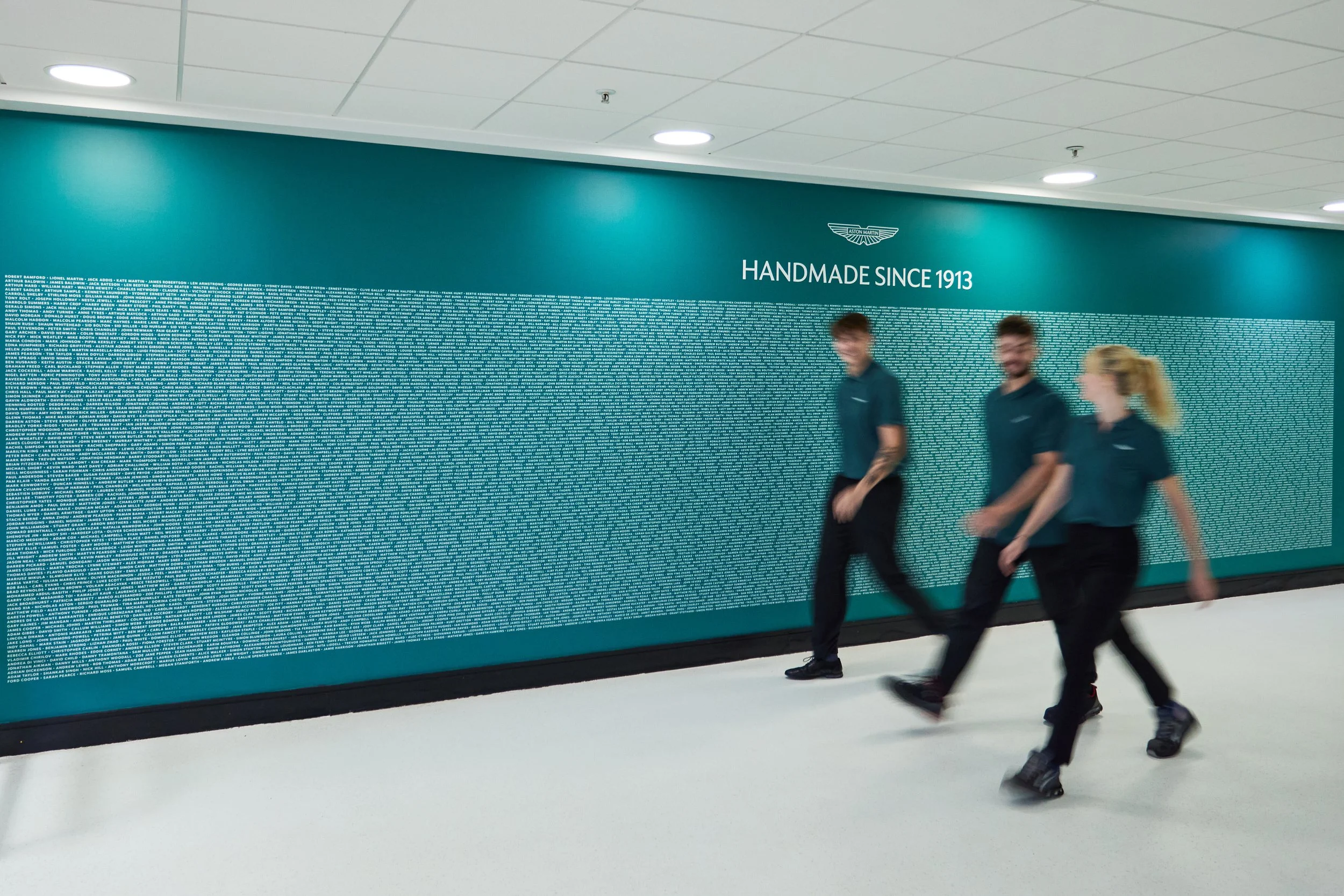
Image © Aston Martin Lagonda. Used for editorial purposes.
We see the emotional power of the marque, the extraordinary cars it continues to create and the remarkable skills of the people who design, engineer, build and support them.
Those people cannot be separated from the financial story. Workforce reductions may appear in company reports as percentages, savings and restructuring costs, but behind those figures are employees, families, careers and specialist knowledge developed over many years.
This is not an attack on Aston Martin, nor an attempt to predict failure or an imminent change of ownership. It’s an honest investigation from FTP, intended to understand how much the financing burden is restricting the company’s progress, how strong the underlying business really is and what would still need to change before Aston Martin could truly flourish.
The Position in Plain English
Aston Martin reported net debt of £1.545 billion at 30th June 2026. That’s a striking figure, but before drawing conclusions from it, we need to understand what it represents. Net debt is not the same as an annual loss, nor is it simply the total of every bill the company may have to pay. AML defines net debt as current and non-current borrowings, inventory financing or repurchase arrangements and lease liabilities, less cash and cash equivalents and cash held not available for short-term use.
Put simply, Aston Martin has substantial financial obligations, but it also holds cash. Net debt shows the remaining balance after that cash has been taken into account.
The Changing Debt Position
Cash, net debt and available liquidity from the end of 2023 to the first half of 2026.
| Reporting date | Cash balance | Reported net debt | Reported liquidity |
|---|---|---|---|
| 31 December 2023 | £392.4m | £814.3m | £392.8m |
| 31 December 2024 | £359.6m | £1,162.7m | £513.7m |
| 31 December 2025 | £249.9m | £1,380.3m | £250.3m |
| 30 June 2026 | £114.9m | £1,544.7m | £145.2m |
H1 2026 covers the first six months of the year. These are snapshots of AML’s position on each reporting date, rather than figures covering an entire period.
Between 31st December 2023 and 30th June 2026, reported net debt increased by £730.4 million, equivalent to almost 90%. Over the same period, gross debt rose from £1.207 billion to £1.661 billion, while the reported cash balance fell from £392.4 million to £114.9 million. AML’s June 2026 net-debt calculation also included £1.5 million of cash not available for short-term use.
The liquidity column requires a separate explanation. Liquidity means the money the company could access at that point, combining cash already held with unused borrowing facilities. It’s not profit, and it should not be regarded as spare money that could be spent without consequence.
That distinction explains why liquidity rose to £513.7 million at the end of 2024 even though net debt also increased. Aston Martin had completed a major refinancing and raised additional debt and equity, giving it access to more funds. Those arrangements also increased its borrowings. More money was available to support the business, yet the underlying debt position had grown.
By the end of 2025, liquidity had fallen to £250.3 million as the company continued to consume cash. At 30th June 2026, it stood at £145.2 million. On 22nd July 2026, AML completed a £550 million debt-financing package comprising a £450 million senior secured term loan and a separate £100 million delayed-draw term loan.

Image © Aston Martin Lagonda. Used for editorial purposes. DB12 Volante.
AML said the £450 million gross proceeds were used to repay its fully utilised £170 million revolving credit facility and the £20 million drawn under a facility provided by members of the Yew Tree Consortium, to pay transaction costs, with the balance available for general corporate purposes. The company said the financing would have increased pro forma liquidity at 30th June to approximately £340 million. That provides additional breathing room and resilience, but it represents further borrowing rather than the removal of debt.
The overall position is therefore more complicated than saying Aston Martin simply “owes £1.5 billion”.
Borrowing has helped finance the company through a period of substantial investment, transformation and repeated cash outflow. At the same time, those cash outflows have reduced the amount of cash available to offset its financial obligations. Net debt tells us the size of the burden at a particular moment. It doesn’t tell us how much that burden costs each year.
For that, we need to examine the interest payments.
What Is the Debt Actually Costing?
The clearest measure of the immediate cost is net cash interest. This is the interest Aston Martin actually paid during the period, after deducting interest received.
It’s different from the accounting figure described as net finance expense, which may contain currency movements, refinancing charges and other items that do not involve an equal amount of cash leaving the company at that moment. For this investigation, net cash interest provides the cleaner measure because it shows what Aston Martin actually paid.
What Is the Debt Actually Costing?
Net cash interest paid compared with Aston Martin’s reported free cash outflow.
| Reporting period | Net cash interest paid | Reported free cash outflow |
|---|---|---|
| FY 2023 | £109.0m | £360.0m |
| FY 2024 | £114.9m | £391.6m |
| FY 2025 | £143.0m | £409.9m |
| H1 2026 | £75.1m | £197.6m |
Aston Martin paid £366.9 million in net cash interest across the three completed financial years from 2023 to 2025.
Including the first six months of 2026 takes the total since the beginning of 2023 to £442 million. Once that money had been paid, it was no longer available for any other corporate purpose, including reducing borrowing, rebuilding cash reserves or funding investment. We cannot know how Aston Martin would’ve used the money in a different financial position. It would be wrong to imply that every pound saved would automatically have been directed towards a particular car, facility or part of the business.
What we can say is that the payments reduced the choices available to the company. The cost has also increased. Net cash interest rose from £109 million in 2023 to £143 million in 2025. For context, Aston Martin invested £341 million in products and technology during 2025. The £143 million of net cash interest paid that year was equivalent to more than two-fifths of that investment figure.
Those amounts are not directly interchangeable, but the comparison illustrates the scale of the financing cost alongside the sums required to develop Aston Martin’s future.
The figures establish that interest is absorbing a substantial amount of cash. They don’t yet tell us whether it’s the main reason Aston Martin remains cash-negative, or whether the business beneath it would still be consuming significant sums.
What Remains When Interest Is Removed?
To explore that question, we can remove the net cash interest payment from the reported free cash-flow figures and examine what remains. Free cash flow is AML’s measure of the cash generated or consumed after operating activities, investment and net cash interest. It does not include repayments of loan principal. A negative figure means those activities used more cash than they generated.
The following is an FTP calculation based on AML-reported figures. It doesn’t recreate a debt-free Aston Martin. A company with a different financial history might also have made different investment, production and operational decisions.
It simply presents reported free cash flow before the effect of reported net cash interest, with every other cash movement left unchanged.
What Remains When Interest Is Removed?
Reported free cash outflow compared with an illustrative figure before the effect of reported net cash interest.
| Reporting period | Reported free cash outflow | Net cash interest paid | Illustrative outflow before net cash interest |
|---|---|---|---|
| FY 2023 | £360.0m | £109.0m | £251.0m |
| FY 2024 | £391.6m | £114.9m | £276.7m |
| FY 2025 | £409.9m | £143.0m | £266.9m |
| H1 2026 | £197.6m | £75.1m | £122.5m |
Across the three completed financial years from 2023 to 2025, Aston Martin reported a combined free cash outflow of approximately £1.162 billion.
FTP calculation based on AML-reported figures: reported free cash flow before the effect of reported net cash interest, with every other reported cash movement left unchanged. H1 2026 covers six months rather than a complete financial year.
Net cash interest accounted for £366.9 million of the £1.162 billion combined free cash outflow, almost one-third. Without that payment, the illustrative outflow would still have been approximately £794.6 million. This is the first major answer produced by our investigation.
Interest has unquestionably made Aston Martin’s position much harder.
But removing it does not uncover a fully self-funding business hidden beneath the debt. Aston Martin would still have consumed substantial amounts of cash in every completed year examined. The clearest recent illustration came during the second quarter of 2026. AML reported a free cash outflow of £80.8 million, of which £72.5 million was net cash interest. Before that payment, the remaining illustrative outflow was just £8.3 million.
AML itself said that quarterly free cash flow approached break-even after adjusting for the half-yearly interest payment. That’s encouraging, but it requires perspective. The interest was a genuine obligation and had to be paid. Aston Martin’s largest interest payments are also concentrated in particular parts of the year, so one quarter cannot be treated as proof that lasting break-even has been achieved. What the quarter does show is that operational progress is becoming easier to see beneath the financing burden.
Debt Is Not the Whole Story

Image © Aston Martin Lagonda. Used for editorial purposes. Aston Martin’s current ‘S’ range.
If interest doesn’t explain all of Aston Martin’s cash outflow, what does? A major part of the answer is investment.
Developing a modern ultra-luxury car requires enormous expenditure long before the first customer takes delivery. Aston Martin invested approximately £397 million in 2023, £401 million in 2024 and £341 million in 2025, more than £1.1 billion across those three years.
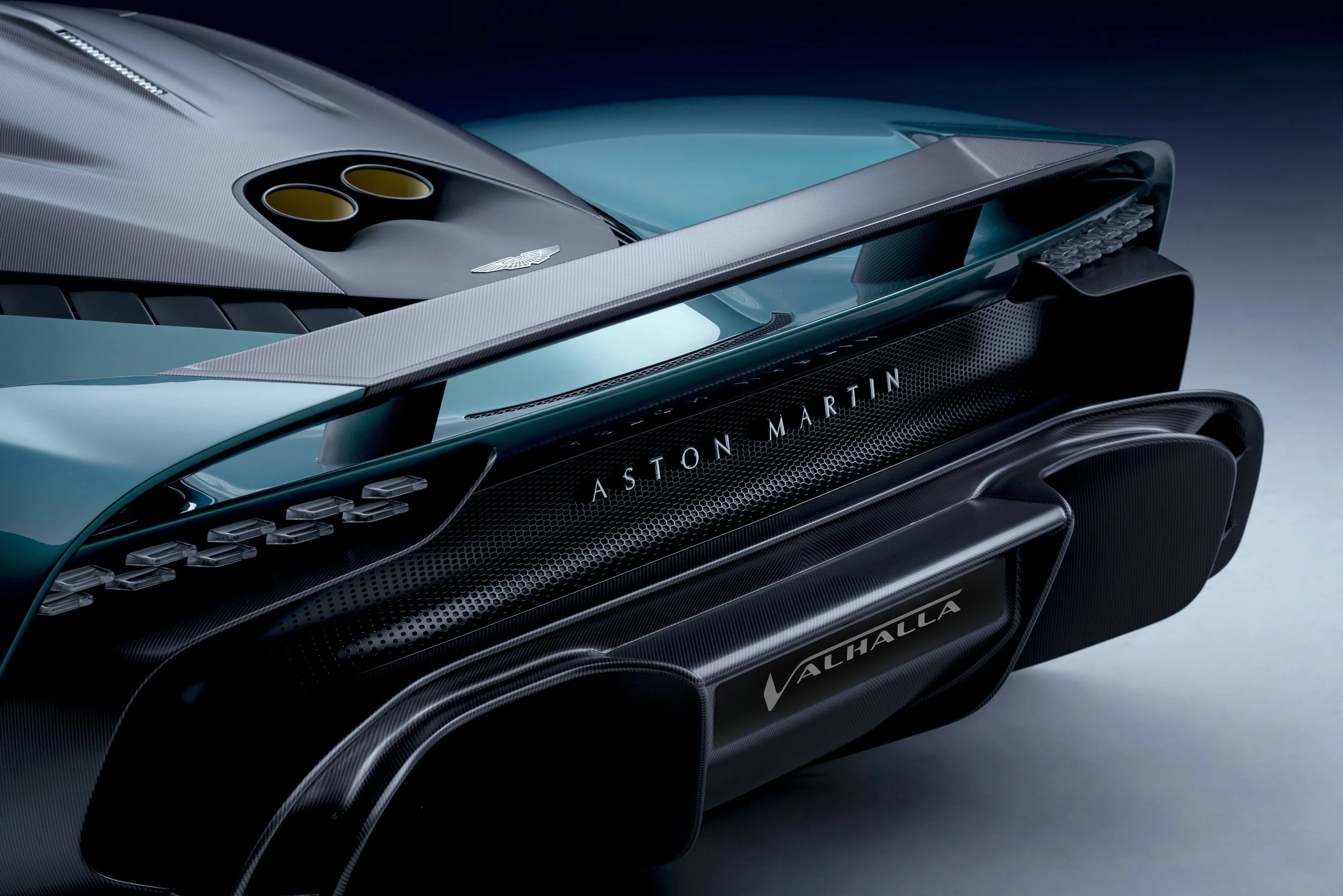
Image © Aston Martin Lagonda. Used for editorial purposes.
That money supported the replacement of the core model range, development of Valhalla, new electrical and infotainment systems, manufacturing improvements, technology partnerships and future vehicle programmes. That investment has delivered a substantially renewed product portfolio. AML describes its current range as one of the most modern and broadest in the ultra-luxury high-performance market.
The current generation of DB12, Vantage, Vanquish and DBX is supported by high-performance derivatives, Volante models, extensive personalisation and limited-production Specials. Valhalla has added an entirely new type of Aston Martin to that portfolio.
The difficulty is that the company must fund tomorrow’s cars while still trying to recover the investment made in today’s.
Cash flow is also heavily influenced by timing. Aston Martin may collect deposits before a Special is completed. Those deposits initially support cash flow, but they’re released when the finished car is delivered.
During 2024, the delivery of Specials contributed to a £178 million reduction in deposits held, forming a substantial part of that year’s working-capital outflow. Inventories, payments to suppliers, money owed by customers and the precise timing of vehicle deliveries can all produce significant movements between one reporting period and another.

Image © Aston Martin Lagonda. Used for editorial purposes. Q New York, Aston Martin’s flagship showroom.
The commercial performance of the cars remains equally important. Aston Martin benefits significantly from expensive personalisation and high-margin Specials, but the number delivered varies from year to year. In 2025, fewer Specials and lower overall wholesale volumes contributed to revenue falling by 21%, while gross profit declined by 37%.
AML said increased tariffs in the United States and China, additional warranty costs, dealer support and other investments in product quality also reduced performance. The combined year-on-year increase from warranty costs, dealer support and other quality investment was approximately £65 million.
Management has also spoken openly about areas requiring improvement. These include production efficiency, demand generation, stock held within the dealer network, product-launch discipline and maximising the value earned from every car sold. The company acknowledged in its 2024 results that earlier launch delays had disappointed customers and affected its financial performance. Better planning and execution were needed to avoid the unnecessary costs and inefficiencies created by delays and accelerated project timelines.
External pressures add another layer. Currency movements can reduce the sterling value of overseas sales, tariffs can alter the economics of important markets, supplier problems can delay production, while changes in customer confidence can quickly affect demand for very expensive discretionary purchases. These pressures are especially significant for a small-volume manufacturer. Aston Martin cannot spread the cost of engineering, technology, factories and regulation across millions of vehicles in the way a global mass-market group can.
The conclusion is not that debt is unimportant, it’s that debt sits on top of an underlying business that must still improve its margins, maintain demand, control costs, launch products reliably and generate enough cash to fund future cars.
Signs of Progress in H1 2026
Against that difficult background, Aston Martin’s latest results contain genuine signs of improvement. During the first half of 2026, wholesale volumes rose by 21% compared with the same period in 2025. In AML’s reporting, wholesale volume records vehicles supplied by the company. It’s distinct from a dealer’s retail sale to the final customer.

Image © Aston Martin Lagonda. Used for editorial purposes.
Revenue increased by 38% to £628.6 million, while gross profit rose by 68% to £212.5 million. Gross margin, the percentage of revenue remaining after cost of sales, improved from 27.9% to 33.8%. Valhalla made an important contribution. Aston Martin wholesaled 225 Specials during the period, almost entirely Valhallas, compared with just 18 Specials in H1 2025. Core-model volumes also increased, and every region recorded year-on-year wholesale growth.
Adjusted EBITDA moved from a £3 million loss to a positive £62.7 million. EBITDA stands for earnings before interest, tax, depreciation and amortisation. It offers one view of operating performance before several major costs are included. It’s not final profit, and it’s not the same as cash generation. Even so, the improvement suggests that stronger sales, Valhalla deliveries, product mix and lower manufacturing costs were beginning to have an effect.
The reported operating loss narrowed from £134.7 million to £56.5 million. However, the H1 2026 figure included £47.7 million of net other operating income arising from the sale of Aston Martin F1 naming and related branding rights, which AML treated as an adjusting item. On AML’s adjusted basis, EBIT improved more modestly, from a £121.5 million loss to a £108.9 million loss. Cash used by operating activities improved from an £81 million outflow to £2.3 million, while lower investment spending helped reduce the H1 free cash outflow from £321 million to £197.6 million. AML’s free-cash-flow measure excluded the proceeds from the naming-rights transaction.
There are important qualifications. The average selling price of Aston Martin’s core models fell by 5%, partly because the company provided targeted support to dealers to help reduce older stock. Adjusted operating expenses increased, and the loss before tax widened from £140.8 million to £154.2 million as net finance expense rose sharply, partly reflecting an adverse year-on-year movement in the revaluation of dollar-denominated borrowings as well as continuing financing costs.

Image © Aston Martin Lagonda. Used for editorial purposes. DB12 S.
Retail demand provided a more encouraging sign. AML said dealers’ retail sales of core models exceeded wholesales by more than 30%. In other words, dealers sold significantly more core cars to customers than the company supplied to them during the period. That helped reduce stock within the dealer network. The core order book remained stable, while existing Valhalla orders extended into the latter part of the fourth quarter of 2026.
H1 2026 doesn’t establish that Aston Martin has completed its turnaround. It does provide evidence that the underlying operation is beginning to move in a more positive direction. The difficulty is that financing costs continue to offset a substantial part of the operational improvement at the bottom line and in cash flow.
What Greater Financial Freedom Could Change
Greater financial freedom would not mean that Aston Martin suddenly had hundreds of millions of pounds available to spend as it wished. The first priority would probably be more basic: rebuilding cash reserves, reducing borrowing and creating a stronger buffer against unexpected problems.
Aston Martin operates in an industry where production delays, tariffs, supplier difficulties, currency movements and changing demand can quickly affect cash flow. With a stronger balance sheet, the company would have more capacity to absorb those pressures without immediately seeking further borrowing, reducing investment or depending upon additional shareholder support. That resilience could affect how decisions are made.

Image © Fuel the Passion. JCT600, Aston Martin Leeds showroom, July 2026.
Aston Martin must continue developing products and technologies even while recovering the expenditure made on its current range. Following a review in 2025, the company reduced its planned five-year capital programme from approximately £2 billion to £1.7 billion, largely by moving expenditure on a future electric-vehicle platform further into the future.
Rephasing investment is not automatically the wrong decision. Customer demand, technology and regulation are all changing, and Aston Martin must remain disciplined about where and when it spends. However, a financially stronger company would have more choice.
The timing of future products could be shaped primarily by customer demand, engineering readiness and long-term strategy, with less pressure from immediate liquidity requirements. Greater freedom could also support the continuing improvement of existing cars, software, manufacturing processes, personalisation and customer service. These may be less visible than an entirely new model, but they can protect the reputation of the marque and improve the value earned from every vehicle sold.
There is also a human dimension. Aston Martin announced an organisational programme in February 2025 that was initially expected to involve around 170 colleagues. Its later reporting said that the programme ultimately resulted in around 100 people leaving the company. In October 2025, AML announced a further consultation on proposals that could have reduced the workforce by up to 20%. By June 2026, the company said further assessments had allowed some employees to remain in restructured roles. It released £5.4 million of restructuring provision that was no longer expected to be required, although it did not disclose the final number leaving under the later programme. We cannot conclude that debt directly caused those decisions, or that lower interest payments would definitely have prevented them.
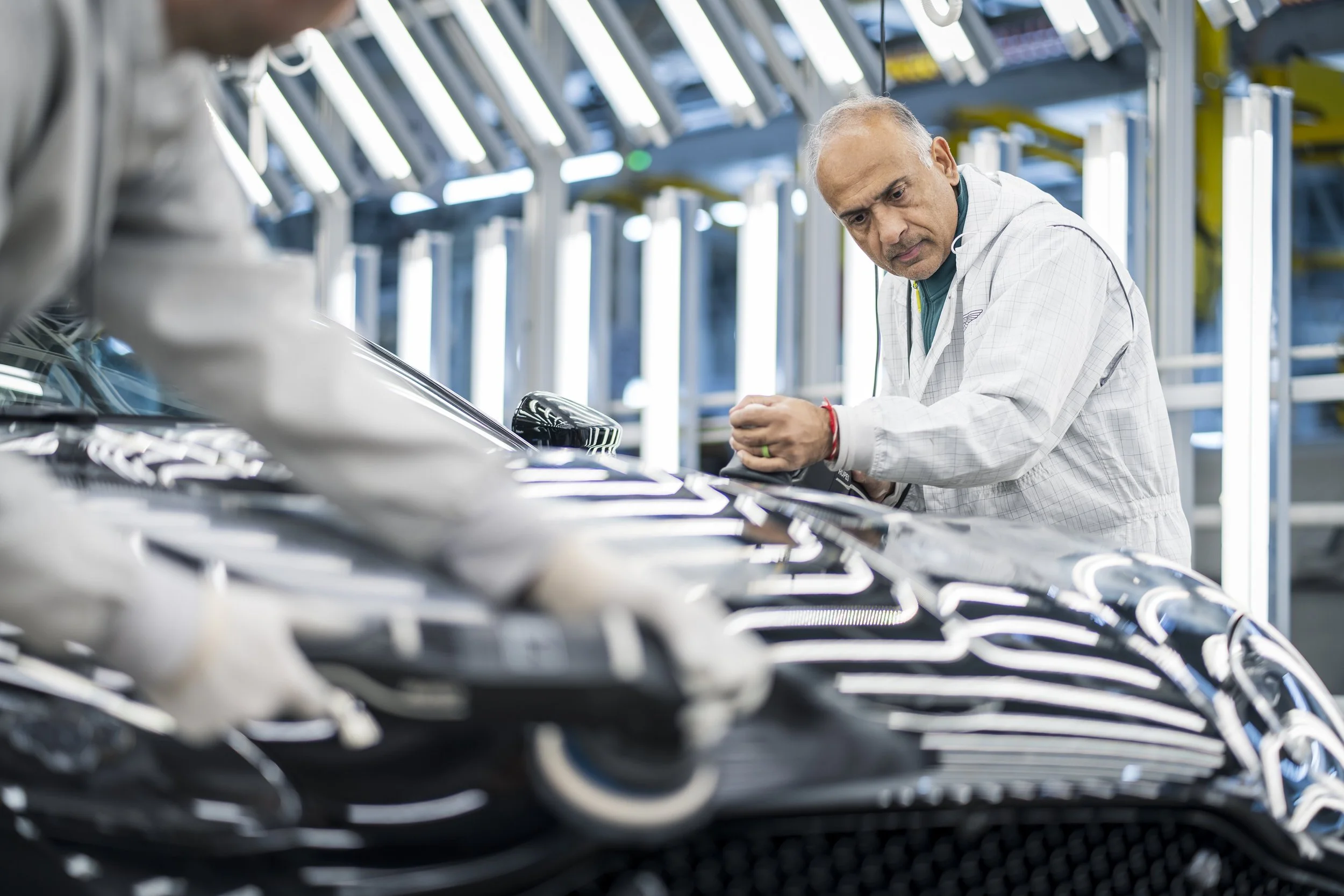
Image © Aston Martin Lagonda. Used for editorial purposes.
Aston Martin has also been restructuring to improve productivity, reduce costs and align its organisation with revised production and investment plans. Financial pressure does, however, shape the range of choices available to any company. With stronger reserves and a more manageable financing burden, Aston Martin could have greater flexibility when responding to difficult periods. That might provide more time to retrain or redeploy people, preserve specialist capabilities and plan organisational changes around long-term needs rather than immediate cash preservation. That’s a possibility, not a promise.
A financially stronger Aston Martin would still need to operate efficiently and maintain a workforce appropriate to its plans. Yet the knowledge held by its employees is one of its greatest assets. Designing, engineering and building low-volume luxury cars requires skills developed over years, sometimes across generations.
Aston Martin expressed that particularly well in its 2023 results:
“No one builds an Aston Martin on their own.”
That principle deserves to remain central to any discussion about the company’s financial future. The realistic ambition is not necessarily an Aston Martin with no borrowing at all. Many successful companies use debt. The more important objective is a level of borrowing that can be comfortably supported by the cash the business generates, at an interest cost that does not repeatedly restrict its future.
Could Stronger Long-Term Financial Backing Change the Equation?
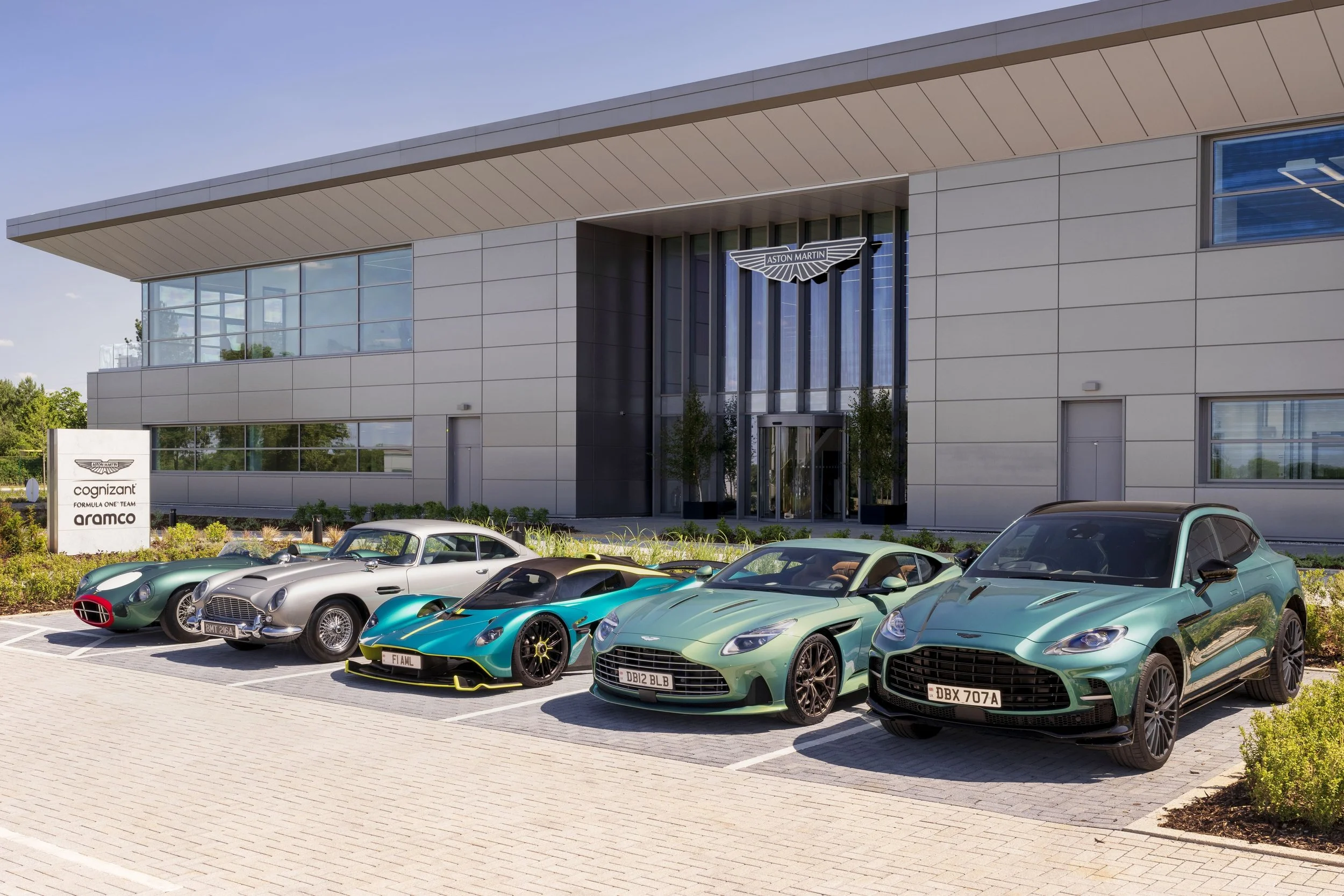
Image © Aston Martin Lagonda. Used for editorial purposes.
Aston Martin has already benefited from substantial support from its shareholders and strategic partners during an exceptionally demanding period. That backing has helped the company continue investing in its products, technology and wider transformation while dealing with repeated cash outflows and a substantial financing burden.
The question is therefore not whether existing support has mattered, it clearly has, but whether Aston Martin’s future financial structure could provide the company with greater stability and lower financing costs.
Additional long-term capital, refinancing on more favourable terms or deeper strategic partnerships could potentially reduce the pressure placed on Aston Martin’s cash reserves. Greater financial flexibility might also provide management with more time to complete the company’s operational transformation, support future vehicle programmes and create a clearer route towards reducing debt rather than repeatedly refinancing it.
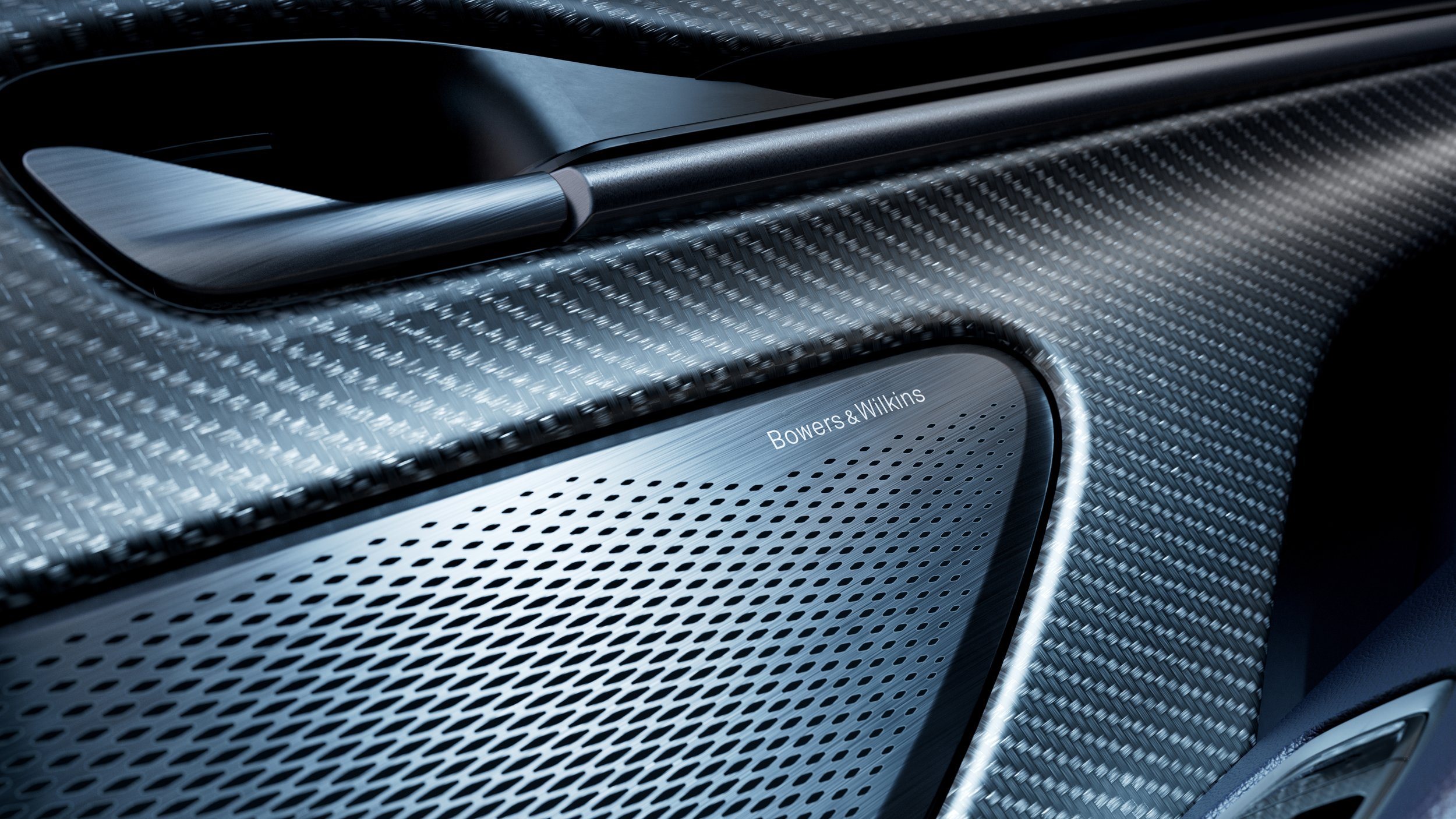
Image © Aston Martin Lagonda. Used for editorial purposes.
Aston Martin already benefits from strategic shareholders and technical relationships. Its published reports refer to access to technologies through partners including Mercedes-Benz and Lucid, alongside the continuing support of its shareholder base. These arrangements can reduce the need to develop every system internally and provide access to specialist expertise.
It’s important, however, to distinguish between shareholder support, technical cooperation and the direct reduction of company debt. Buying existing Aston Martin shares does not automatically place money into the business or repay its lenders. Any material improvement in the company’s financial position would require measures such as new capital being invested directly, borrowing being refinanced on better terms, debt being repaid or the underlying business generating stronger and more consistent cash flow.
The reports reviewed for this article do not announce a sale process or identify a prospective buyer. It would therefore be wrong to suggest that any change of control is imminent, inevitable or currently planned. The more useful question is what the right combination of patient capital, lower financing costs, strategic support and improved operating performance could achieve.
Such backing could give Aston Martin greater protection from temporary market shocks and more freedom to make long-term decisions.
It could also help protect what makes the company valuable: its identity, exclusivity, British heritage, design character and ability to create cars that remain distinct from those of much larger manufacturers.
Financial support can create the opportunity. Aston Martin’s products, people and underlying performance must ultimately sustain it.
Aston Martin Beyond the Debt

Image © Aston Martin Lagonda. Used for editorial purposes.
The question at the heart of this investigation was never whether Aston Martin would be stronger without its present debt and interest burden. That is self-evident. The more important question was what the published figures reveal about the business beneath it.
The answer is both encouraging and sobering.
Aston Martin is not simply a healthy, self-funding company whose only difficulty is its borrowing. Across the three completed years from 2023 to 2025, it reported a combined free cash outflow of approximately £1.162 billion. Net cash interest accounted for £366.9 million of that total. Even after removing it in our illustrative calculation, approximately £794.6 million of cash outflow remained. Debt has therefore made the challenge considerably harder, but it has not created every part of that challenge.
The company must also improve margins, maintain demand, manage production and dealer stock carefully, launch products reliably, control costs and continue funding future cars.
Yet the latest results show that this is not a business standing still. During the first half of 2026, volumes, revenue, gross profit and gross margin all improved substantially.
Adjusted EBITDA returned to positive territory, adjusted EBIT improved and reported operating loss narrowed, although the latter benefited from the F1 naming-rights transaction. Operating cash flow moved close to neutral and the free cash outflow fell markedly compared with the same period in 2025.
Valhalla is contributing, core retail volumes have run ahead of core wholesales, and AML has attributed part of the improvement to benefits from its transformation programme. None of those developments guarantees that the improvement will continue, but they provide firmer grounds for optimism than aspiration alone. The difficulty is that progress must take place beneath a substantial debt and interest burden.
At 30th June 2026, Aston Martin reported net debt of approximately £1.545 billion and liquidity of £145.2 million. The financing completed in July increased pro forma liquidity to approximately £340 million, providing additional time and resilience. But it was further debt financing, not freedom from the existing burden.

Image © Fuel the Passion. Valhalla, Aston Martin Works, 2026.
Greater financial freedom could make a profound difference. It could allow Aston Martin to retain more of the value created by its cars and employees, rebuild cash reserves, reduce its reliance on repeated refinancing and make long-term decisions with less pressure from immediate liquidity needs. It could provide more flexibility around product investment, quality improvement and the protection of specialist knowledge.
It would not remove the need for discipline, nor would it guarantee that every model succeeded, every launch ran smoothly or every difficult workforce decision could be avoided. Aston Martin would still need to become consistently profitable and capable of funding its future from the cash it generates.
Could stronger long-term ownership accelerate that process? Potentially. Patient capital, lower funding costs and greater resources could alter the equation considerably. But ownership alone would not remove the underlying operational work that remains.
The most sustainable future would combine two things:
A much stronger financial foundation and an Aston Martin business capable of consistently generating cash from the exceptional products it creates.

Image © Aston Martin Lagonda. Used for editorial purposes.
So, what lies beyond the debt? The evidence doesn’t reveal a completely flourishing company waiting to be uncovered merely by removing its interest payments. It reveals something more realistic: an iconic business with extraordinary products, valuable skills and genuine signs of operational improvement, but one whose progress is being restricted by expensive financing while it continues to confront significant commercial challenges.
Aston Martin would unquestionably be stronger with a more manageable debt burden. The latest figures suggest it may also be beginning to build a stronger business beneath it. The turnaround is not complete, but the foundations may now be forming from which Aston Martin can move beyond recurring financial pressure, and towards the lasting strength that everyone who values this remarkable marque hopes to see.
Editorial and Source Note
Fuel the Passion is an independent Aston Martin enthusiast publication. This article was not commissioned, approved or paid for by Aston Martin Lagonda Global Holdings plc. The analysis is based principally on Aston Martin Lagonda’s published results for FY 2023, FY 2024, FY 2025 and the six months ended 30th June 2026. The H1 2026 figures are unaudited interim financial information that was reviewed by Ernst & Young LLP.
Figures identified as FTP calculations are illustrative analyses using AML-reported data. The illustrative pre-interest figures show reported free cash flow before the effect of reported net cash interest, with all other reported cash movements left unchanged. They do not recreate a debt-free company or predict how AML would have operated under a different capital structure. H1 2026 covers six months and should not be compared directly with a complete financial year without that qualification.
Discussion of possible future financing, ownership structures or company outcomes represents FTP analysis and opinion. It’s not a report that any sale process, takeover approach or undisclosed refinancing is underway.
This article is provided for editorial and general information purposes only. It does not constitute investment advice or a recommendation to buy, sell or hold any security.
Primary sources: Aston Martin Lagonda FY 2023 Results; FY 2024 Results; FY 2025 Results; and H1 2026 Results. Source documents were last checked immediately before publication.
Corrections: FTP welcomes notification of any factual error and will review and correct significant inaccuracies promptly.
A Final Personal Note from FTP

Image © Aston Martin Lagonda. Used for editorial purposes. Global James Bond Day.
This article has examined some difficult figures, but it’s been written from a place of genuine support for Aston Martin and everything the marque represents.
I remain positive about its future. Having had the privilege of meeting a number of people who work for Aston Martin, and others closely involved with the company, I’ve seen something that cannot be measured in a financial report: the knowledge, dedication and passion of the people behind the cars.

Image © Aston Martin Lagonda. Used for editorial purposes. Global James Bond Day.
The right people can make an extraordinary difference. Aston Martin has remarkable products, an unrivalled heritage and a name that continues to inspire enthusiasts around the world. My sincere hope is that it can build the financial strength and stability needed to allow those people, products and ideas to flourish for generations to come.
The latest figures also show genuine signs of improvement in several areas. They don’t remove the challenges, but they do give us reason to look ahead with measured optimism.
This is a complex and important subject, and we welcome thoughtful, respectful discussion from readers who share our desire to see Aston Martin succeed. Please keep comments focused on the published information, the issues raised in the article and the future of the marque.
As always, FTP welcomes notification of any factual error and will review and correct significant inaccuracies promptly.
💬 What do you believe Aston Martin must now prioritise most to build on that progress and create a stronger, more sustainable future? Feel free to leave some thoughts and comments below. 👇
We would welcome calm, thoughtful and respectful comments from readers who, like us, want to see this remarkable marque succeed.
Long may Aston Martin continue to create, inspire and stir the soul.
Thanks as always for being here. See you on the next one! 👆
Kind regards, Dan 💚💛

Image © Aston Martin Lagonda. Used for editorial purposes.
Where next?
