
Sharper, Faster, More Expensive - But Is It Worth It?
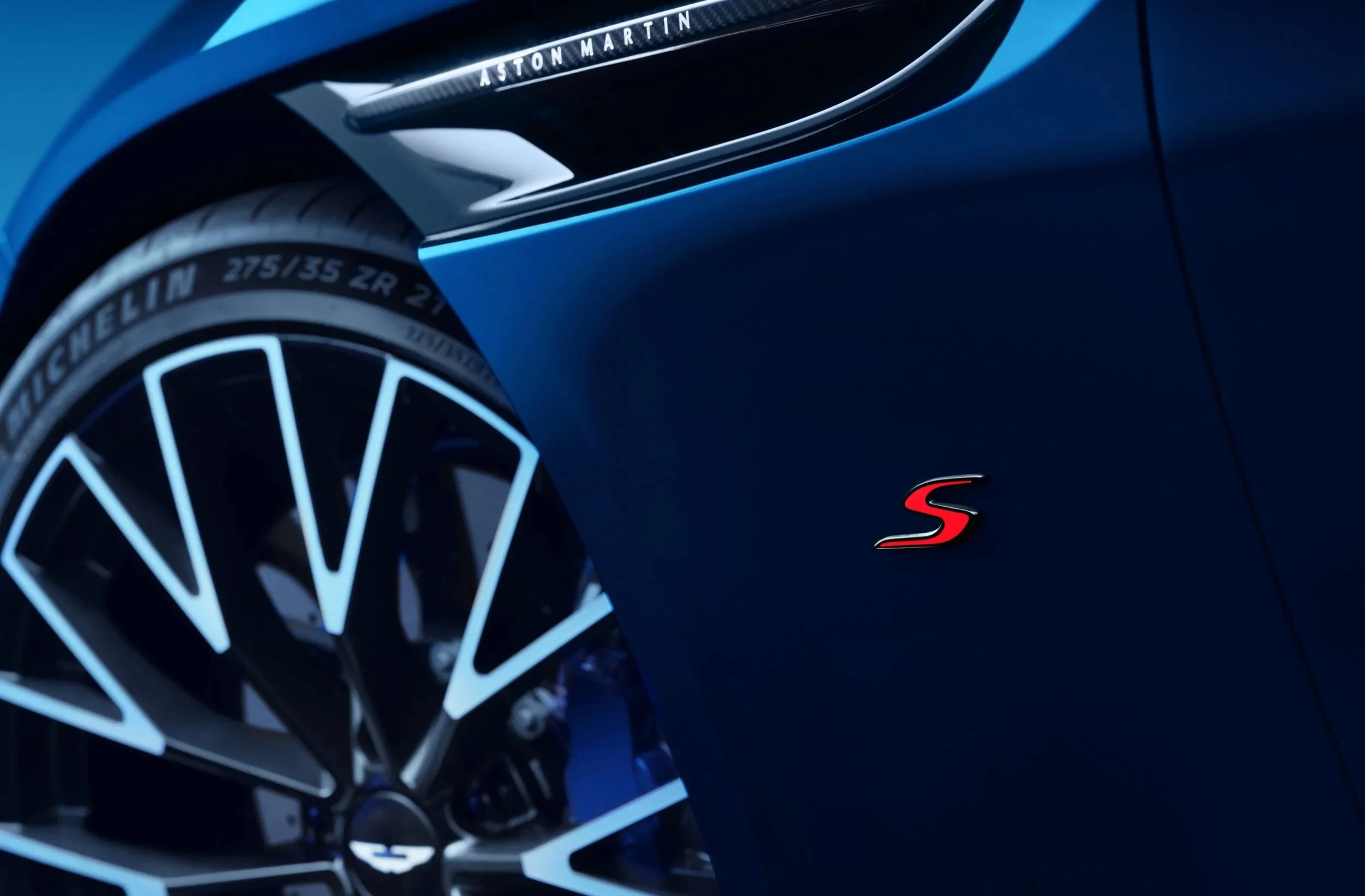
Image © Aston Martin Lagonda. Used for editorial purposes. DB12 S.
Editor’s Introduction - Dan, Fuel the Passion
There’s something pleasingly simple about the letter S. It sits neatly at the end of a model name and seems to tell you everything you need to know; sharper, sportier, special. Probably a little faster and almost certainly a little more expensive. But with Aston Martin, very little is ever quite that simple. Over the past year, the S badge has become a visible thread running through Aston Martin’s modern range. We now have Vantage S, DB12 S and DBX S, each taking an existing model and pushing it somewhere slightly more focused, more assertive and more desirable.
Through the Fuel the Passion Weekly Roundup, we’ve already been following this story as it developed: DBX S, Vantage S, the arrival of DB12 S, the first major review wave, and the wider question of how Aston Martin is shaping its modern road-car range. That’s why this Featured Article felt worth doing. The Weekly Roundup lets us follow the Aston Martin world week by week. A Featured Article gives us the chance to stand back and ask the bigger question.
What does S really mean for Aston Martin now?
Is it a badge with genuine substance? Is it a way of refreshing model lines and lifting desirability? Is it about measurable performance, emotional theatre, Q specification, residual value, or simply owning the version that sits at the top of the tree? Perhaps most importantly of all, in a world where modern performance cars are already outrageously fast, does the S badge still matter in the way it once did?
What Does the S Badge Mean at Aston Martin?
The best way to view Aston Martin’s S badge is not as a single rigid formula. It’s more like a promise. This should be the more focused, more potent, more distinctive version of the car beneath it.
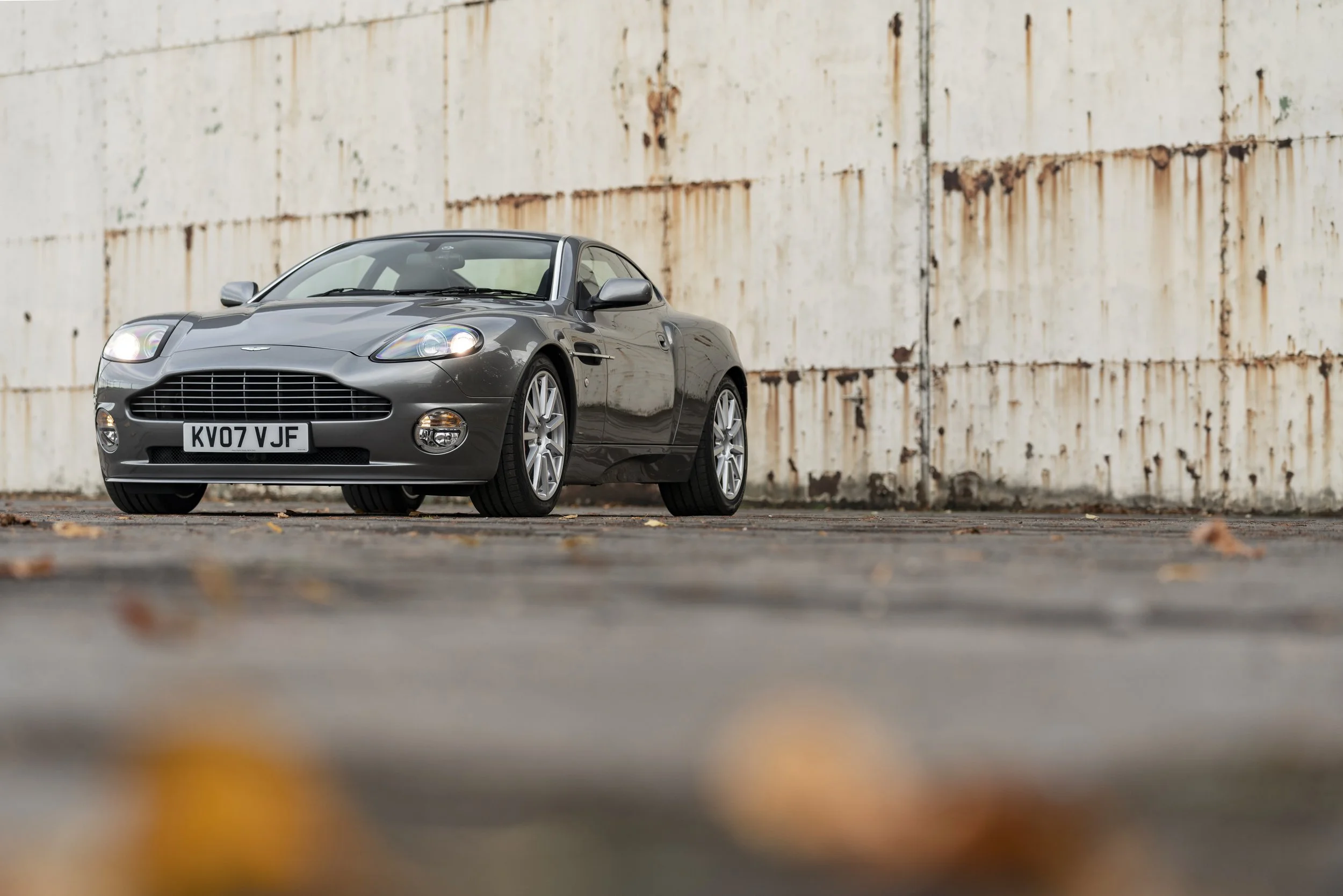
Image © Aston Martin Lagonda. Used for editorial purposes.
Aston Martin’s own Vantage S launch material describes the S suffix as part of a tradition of special, high-performance derivatives of core models, and says the modern convention began with Vanquish S, first shown publicly at the Paris Motor Show in 2004.
Aston Martin has used S across very different kinds of cars; A Vanquish S, a V8 Vantage S, a Rapide S, a DBX S and a DB12 S are not trying to do exactly the same job. But in modern road-car terms, the broad direction is clear: S should mean more intent.
More response, more sound, more presence, more driver focus, more sense of occasion.
That promise has to be earned. The S badge is at its strongest when it adds substance, not just status.
When the Badge Earned Its Place
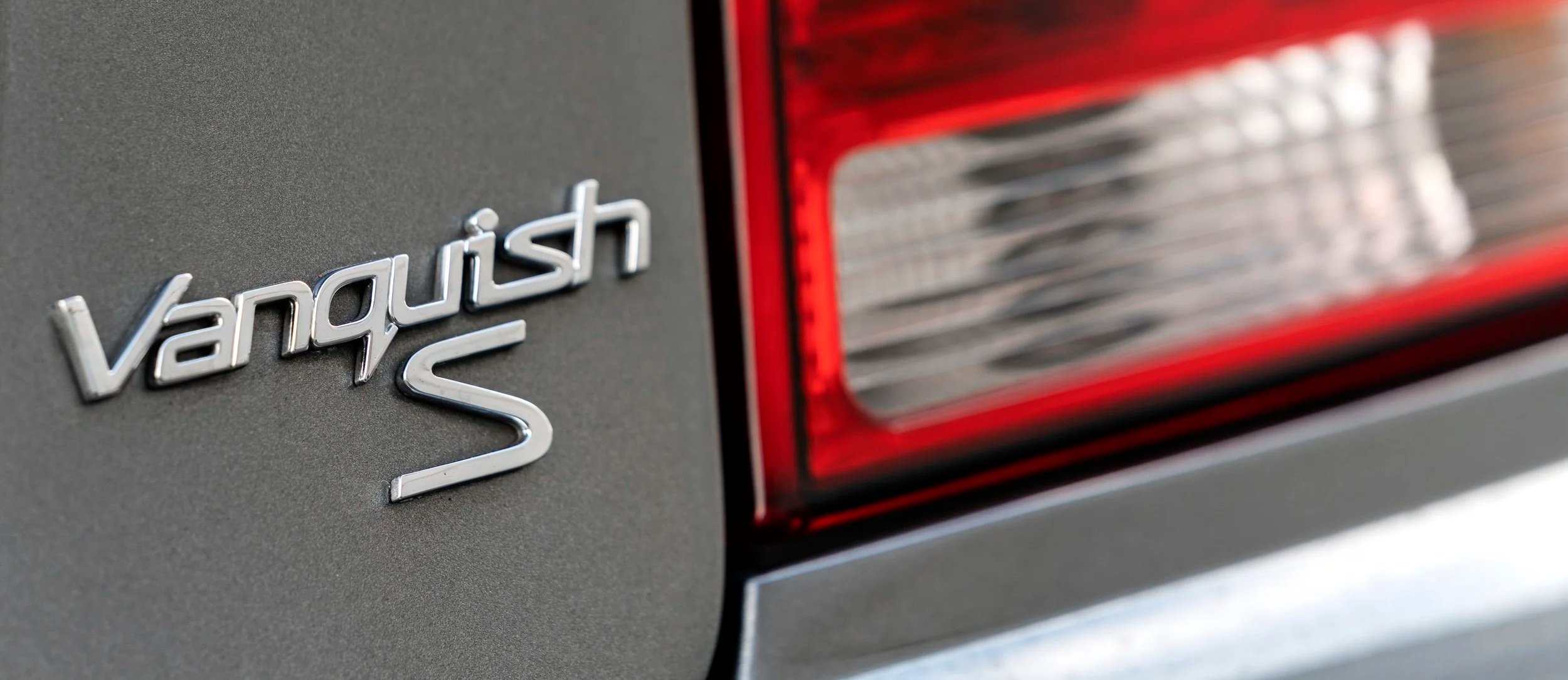
Image © Aston Martin Lagonda. Used for editorial purposes.
The original V12 Vanquish S is a good place to begin, because it shows the badge doing something tangible. Aston Martin records that Vanquish S increased power from 460bhp to 520bhp, used revised gear and back-axle ratios, and was quoted at more than 200mph, making it one of the fastest Aston Martin road cars built at Newport Pagnell.
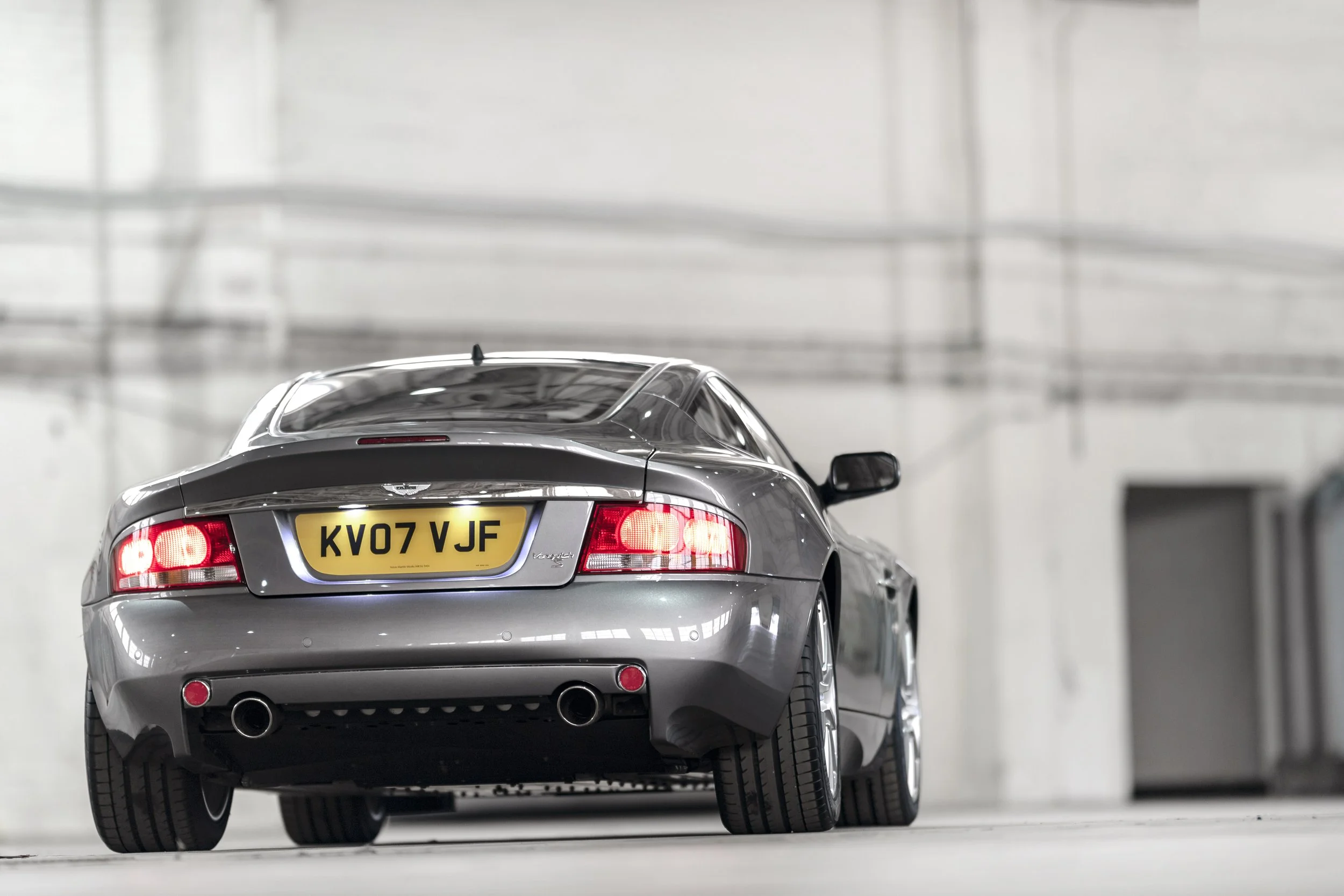
Image © Aston Martin Lagonda. Used for editorial purposes.
That was not just a badge and a bodykit. It gave the Vanquish a stronger claim to flagship performance. Of course, it didn’t remove every criticism of the original car. The transmission character remained part of the Vanquish debate, but the S version clearly sharpened the proposition.
The second-generation Vanquish S followed a similar path. It wasn’t a reinvention of the Vanquish, but a more assertive, more dramatic final expression of Aston Martin’s naturally aspirated V12 Super GT formula.
Then there’s the V8 Vantage S, which may be one of the strongest historical arguments for the S badge. The VH-era Vantage was already a deeply loved Aston Martin, but the S version sharpened the car’s steering, chassis, brakes, response and overall attitude. It’s one of those cars enthusiasts still talk about with real affection, because it felt as though Aston Martin had taken something already appealing and given it the extra focus it deserved.
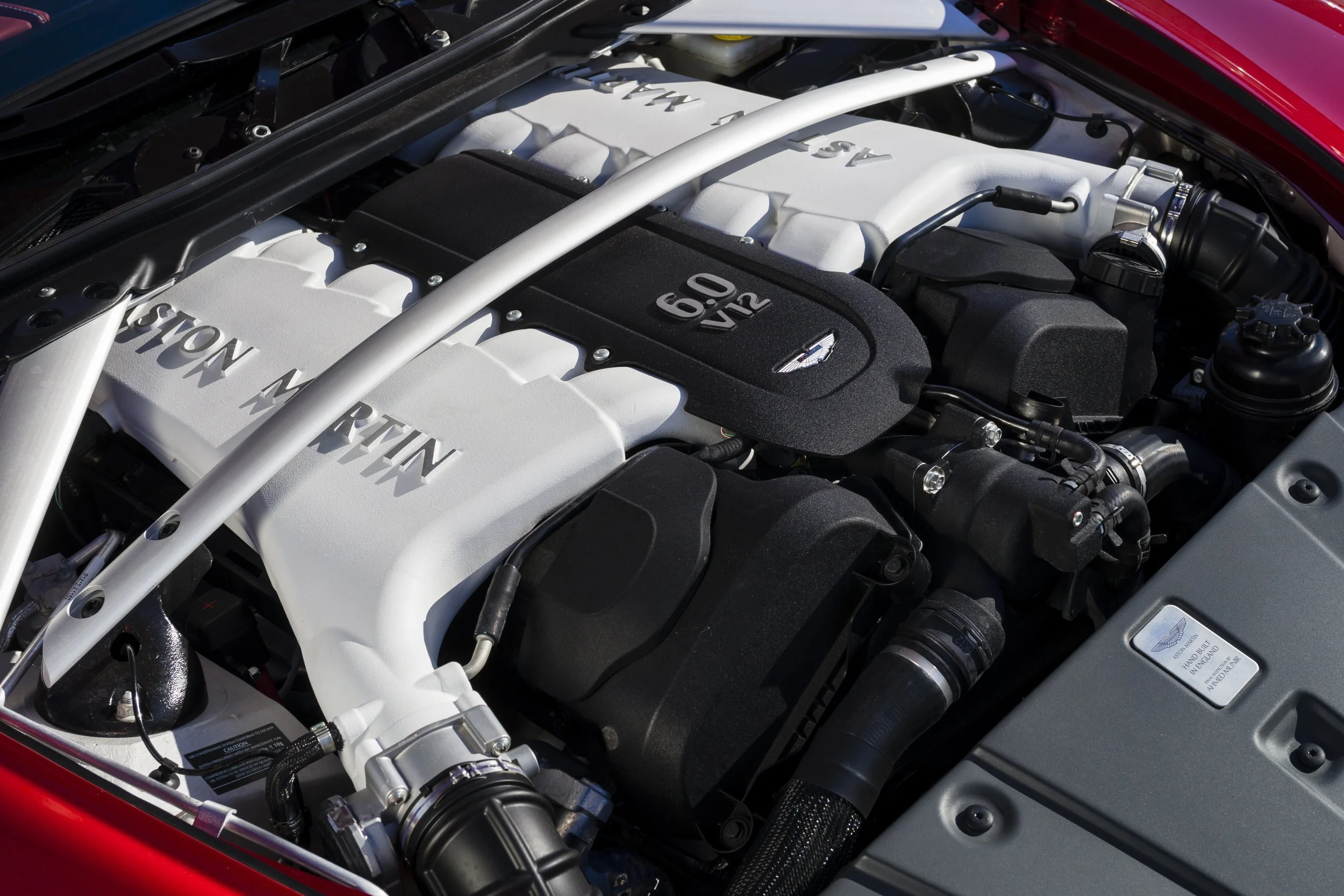
Image © Aston Martin Lagonda. Used for editorial purposes.
The V12 Vantage S is another fascinating case. Aston Martin lists it with a 573PS AM28 6.0-litre V12 and a 205mph top speed, which gave the smaller-bodied Vantage huge theatre and performance credibility. Yet again, the S badge did not remove every compromise, with the gearbox remaining part of the wider ownership and review debate.
Then there was Rapide S; Aston Martin lists Rapide S with a 552bhp V12 and a 203mph top speed. Was a four-door Aston Martin with a V12 engine ever going to be a rational answer to a mass-market question? Of course not, but Rapide S made the car more powerful, more assertive and more desirable.
That, I think, is the first important point. Historically, the best Aston Martin S models were not simply faster. They were more vivid.
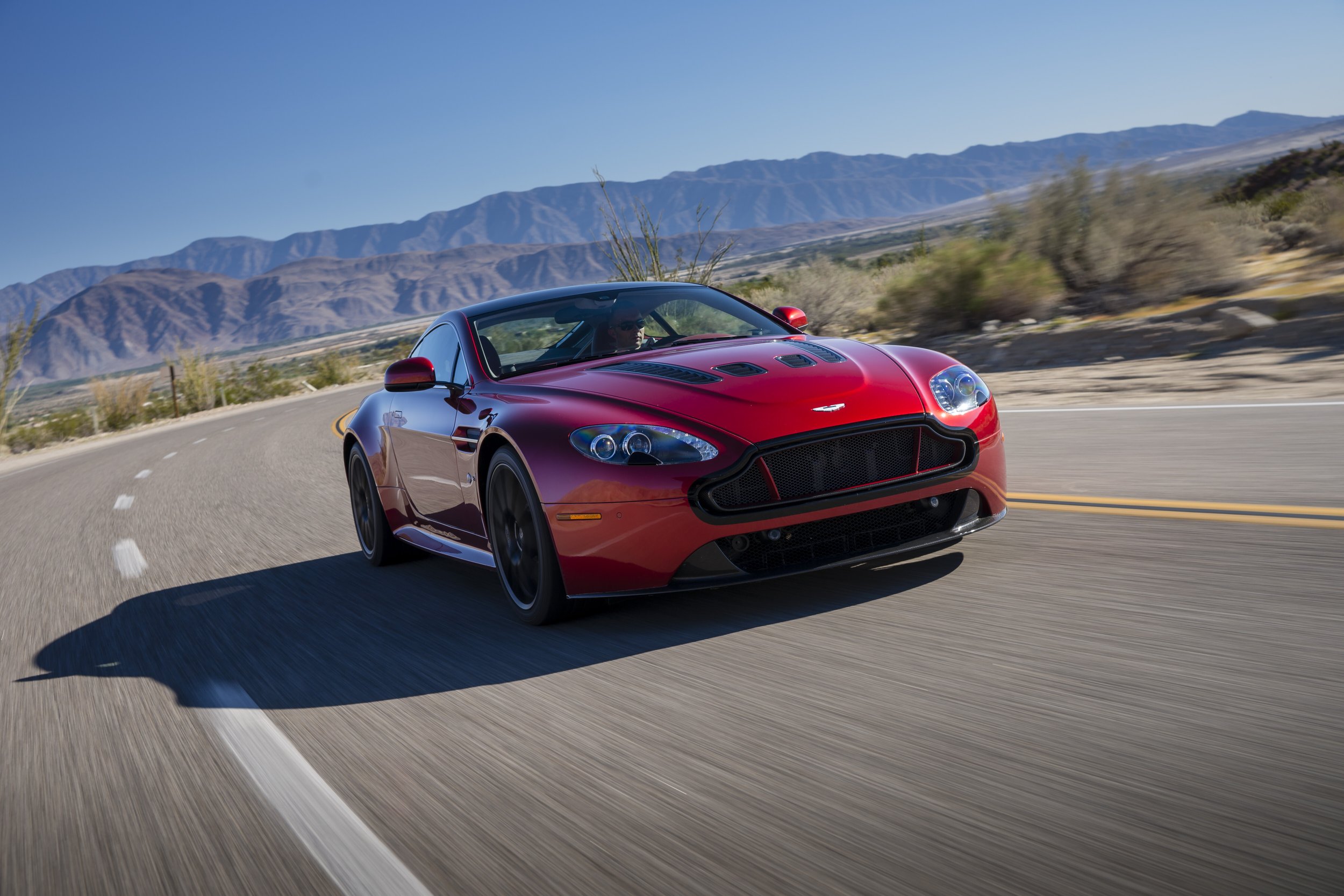
Image © Aston Martin Lagonda. Used for editorial purposes. Aston Martin Vantage V12 S.
The Current S Trio
The current S family gives us three very different case studies. Before we explore these further, by way of an introduction, consider watching the 40 second clip below, released on 2nd June 2026 by Aston Martin.
There’s Vantage S, probably the easiest of the current cars to understand emotionally. There’s DB12 S, now much clearer thanks to the first wave of proper road tests. Then there’s DBX S, the most commercially revealing of the three, because it asks whether an already extreme performance SUV needed an even sharper flagship version.
Vantage S: The Emotional Case
On paper, Vantage S needs careful handling. Aston Martin’s current official UK page for Vantage S lists the car at 680PS and 800Nm, with the company highlighting its solid-mounted subframe, lightweighting options and enhanced damper technology.

Image © Aston Martin Lagonda. Used for editorial purposes. Aston Martin Vantage S.
But here’s the accuracy point we mustn’t miss. Aston Martin’s current official UK page for the non-S Vantage Coupe also lists 680PS and 800Nm. When Vantage S was announced, Aston Martin described it as boasting 680PS and highlighted its S-specific throttle calibration and response. In the wider context of the original 2024 Vantage launch, that had been widely understood as an increase over the earlier 665PS launch specification.
So the safe way to describe Vantage S is this: compared with the original 2024 launch specification, it appeared to move the Vantage story to 680PS. But current UK model-page information now shows the non-S Vantage at the same headline power and torque. That means the Vantage S argument cannot simply be reduced to “more power than standard.” Perhaps that’s no bad thing.
The more interesting Vantage S story is about calibration, response, launch control, aero, chassis tuning and character. It receives the visual cues expected of an S model, including bonnet blades and a more assertive rear spoiler, but the heart of the car is not just the number. It’s the intention.

Image © Aston Martin Lagonda. Used for editorial purposes. Aston Martin Vantage S.
This is where Vantage S feels most convincing. The Vantage has always been the Aston Martin you buy with your heart and your hands. It’s not the grandest Aston, it’s not the most luxurious…
It’s the one that should make a Sunday morning drive feel alive.
If the S treatment makes it more immediate, more connected and more exciting, then the badge has a purpose even without a simple headline power advantage over the current non-S car. That might actually be the best version of the modern S argument: not more on the spec sheet, but more in the way the car talks to you.
evo’s June 2026 road test strengthens that point. Henry Catchpole describes the Vantage S as one of evo’s favourite Astons made sharper again, with tweaks to chassis, aero, power and attitude. He also frames the Vantage as perhaps the best-looking model in the current Aston Martin range, noting how the S changes; deeper bonnet vents, new blades, a small carbon lip on the ducktail and subtle aero additions, add aggression without spoiling the standard car’s form.
The road-test detail is useful because it keeps the S argument honest. evo notes the Vantage S is tauter, more impatient and more focused than a DB12, with Sport as its default mode, no Comfort or Normal setting, quick steering and a more alert character. It’s not presented as a hardcore track version, and Catchpole suggests a back-to-back drive with the standard Vantage would be needed to fully unpick the finer chassis differences. But the overall picture is clear: this is a car that comes alive when driven properly, becoming friendly, confidence-inspiring and genuinely exciting when loaded up and worked hard.
That fits the Vantage S case almost perfectly. It’s not simply about the extra power, it’s about eagerness, theatre, sound, confidence and the sense that the car rewards commitment.
DB12 S: The Super Tourer Sharpened
When we first started planning this article, DB12 S was the current S model that still needed proper road-test evidence. That’s recently changed. The first wave of DB12 S reviews has arrived, and the early picture is much clearer. The theme is not that DB12 S is a revolution. It’s something more interesting than that. The reviews suggest it’s a more complete, more confident, more vocal and more emotionally resolved DB12.
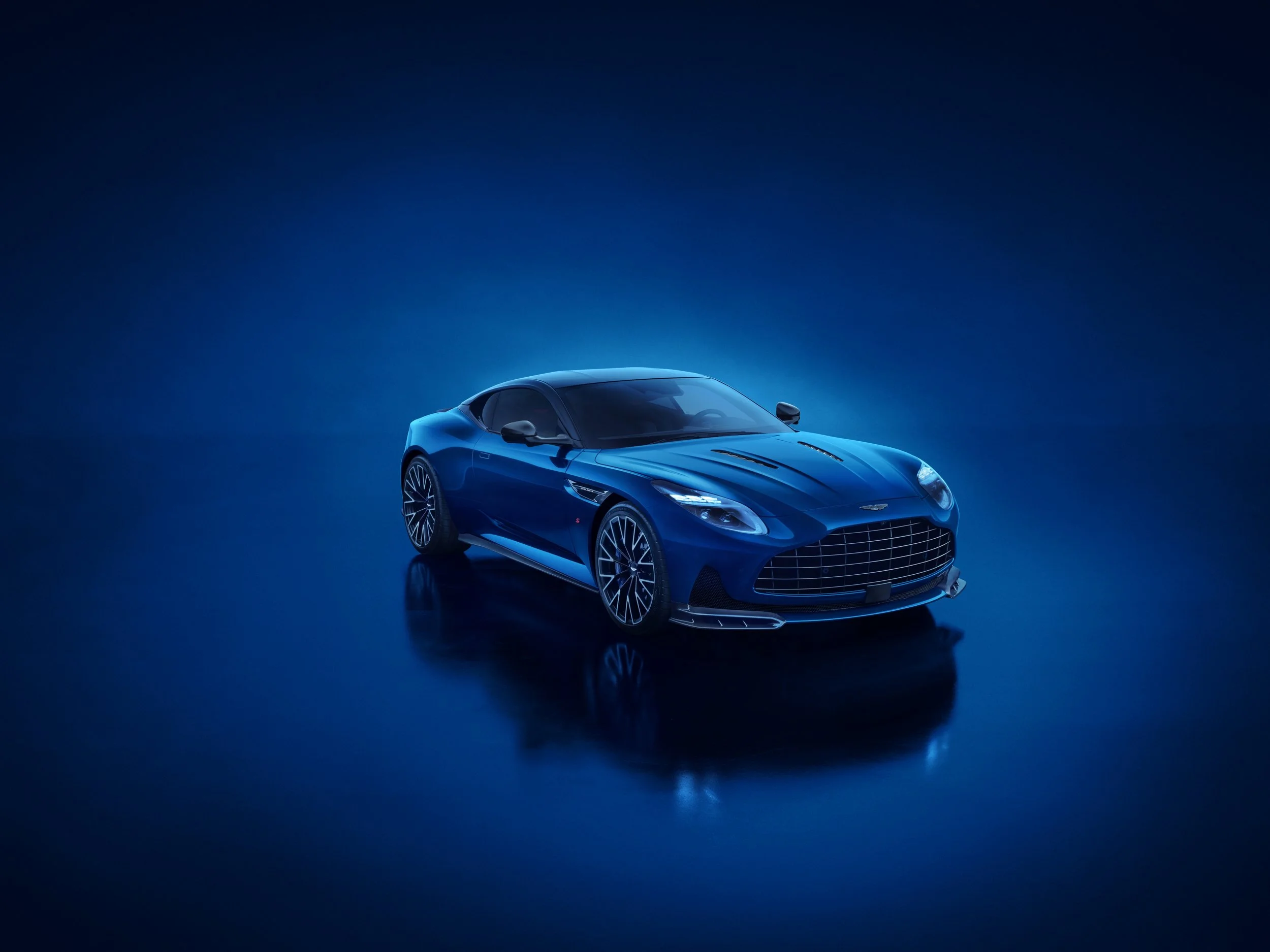
Image © Aston Martin Lagonda. Used for editorial purposes. Aston Martin DB12 S.
Aston Martin launched DB12 S with power increased to 700PS, broadly 690bhp, torque remaining at 800Nm, a quoted 0–60mph time of 3.4 seconds, standard carbon-ceramic brakes and a claimed 27kg reduction in unsprung weight from that braking system. The official material also highlights reduced gearshift speeds, new throttle pedal calibration and focused chassis enhancements.
Top Gear captured the mood neatly, framing the S as more power, more aggression, more noise and more intent. That phrase gets to the heart of what Aston Martin seems to be doing with the modern S badge. This isn’t simply about making a DB12 slightly faster, it’s about giving the car more edge and more identity without turning it into something it was never meant to be.
evo’s review is perhaps even more important for the bigger argument of this feature. It described the DB12 S upgrades as comprehensive, saying they make the car both a better GT and a better performance car.
Road & Track’s verdict was calmer but useful in a different way. It framed DB12 S as subtly better and the most compelling version of Aston’s V8-powered grand tourer. Car and Driver focused on greater driving engagement, noting the more progressive throttle tuning, deeper exhaust sound, firmer damper settings, recalibrated electronic differential and standard carbon-ceramic brakes.
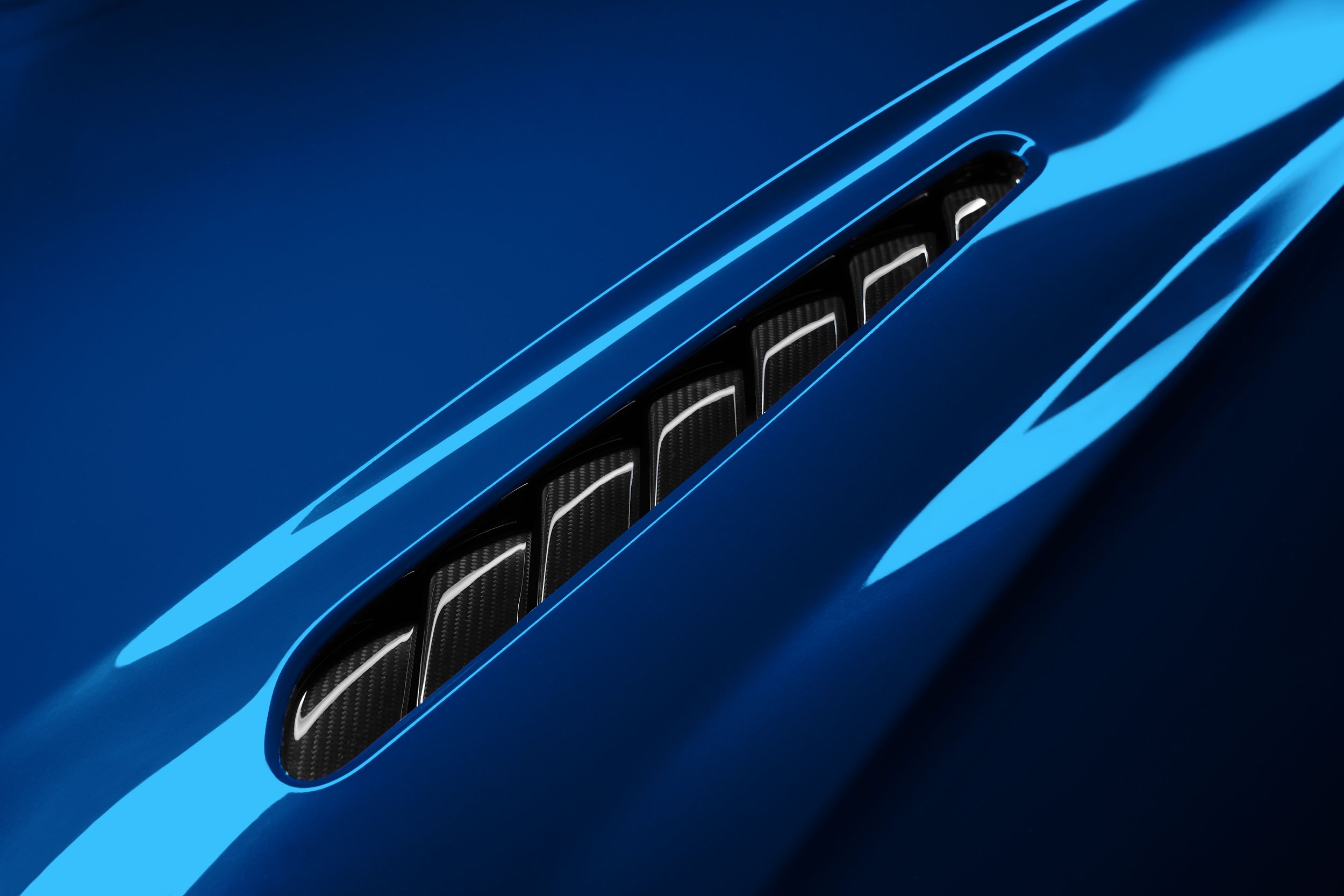
Image © Aston Martin Lagonda. Used for editorial purposes. Aston Martin DB12 S.
Magneto Magazine adds a particularly useful grand-touring perspective. Magneto is from the same publishing world as Octane, and that matters to me because it brings a slightly different lens to the car: not just how fast it goes, but whether it still feels like a proper Aston Martin GT.
Magneto frames the DB12 S as a halo model, but also suggests it’s closer to a sharpened, mid-life-facelift-style evolution than a revolution.
The Magneto review notes the modest extra power, quicker gearbox, standard carbon-ceramic brakes, optional Akrapovic titanium exhaust and more assertive design treatment: deeper front splitter, larger bonnet louvres, gloss black sills, red glass-enamel S badges, rear lip spoiler, new diffuser and vertically stacked quad tailpipes.
The more important point is how Magneto says it drives. In GT mode, the DB12 S remains long-striding, luxurious and pliant. In Sport Plus, it becomes far more aggressive and supercar-like. That dual character matters, because DB12 S could easily have drifted too far from Aston Martin’s Super Tourer brief. Instead, the review concludes that it builds on DB12’s strengths and makes the car more accomplished and desirable. That’s why DB12 S now feels central to this article, rather than a caveated side-note. It shows where Aston Martin’s modern S strategy is heading.
The S badge is not just about another 20PS. It’s about calibration, confidence, road composure, sound, identity and emotional clarity.
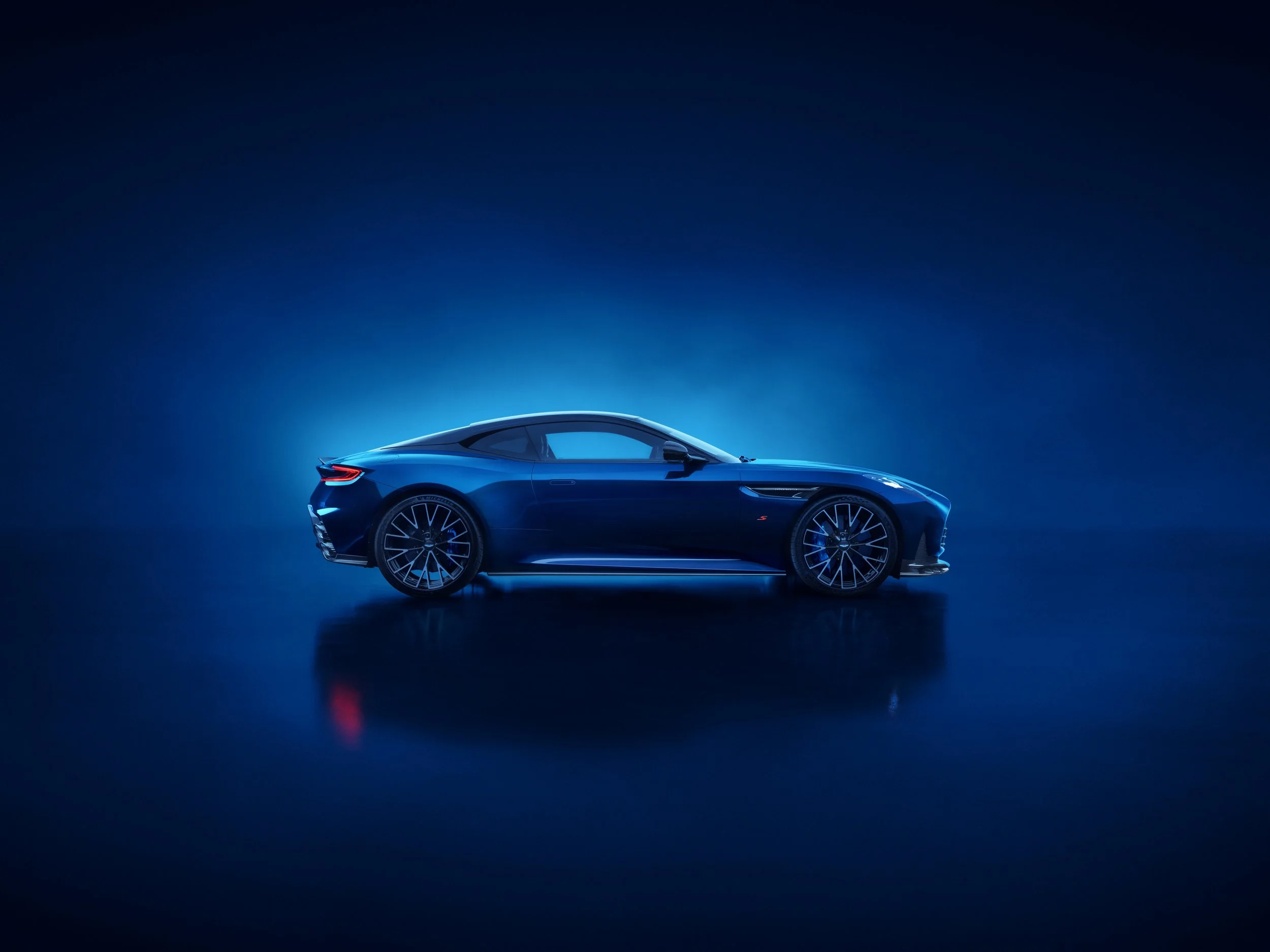
Image © Aston Martin Lagonda. Used for editorial purposes. Aston Martin DB12 S.
DBX S: The Commercially Fascinating One
DBX S might be the most interesting of the three, because it starts from such an extreme base. DBX707 was already a very high-performance SUV. DBX S takes that idea further, with Aston Martin raising output to 727PS and 900Nm, while also offering lightweight options that can reduce weight by up to 47kg over DBX707. Aston Martin’s launch material also highlights Valhalla-derived turbo technology, a new carbon-fibre roof, revised styling and a clearer S-specific identity.
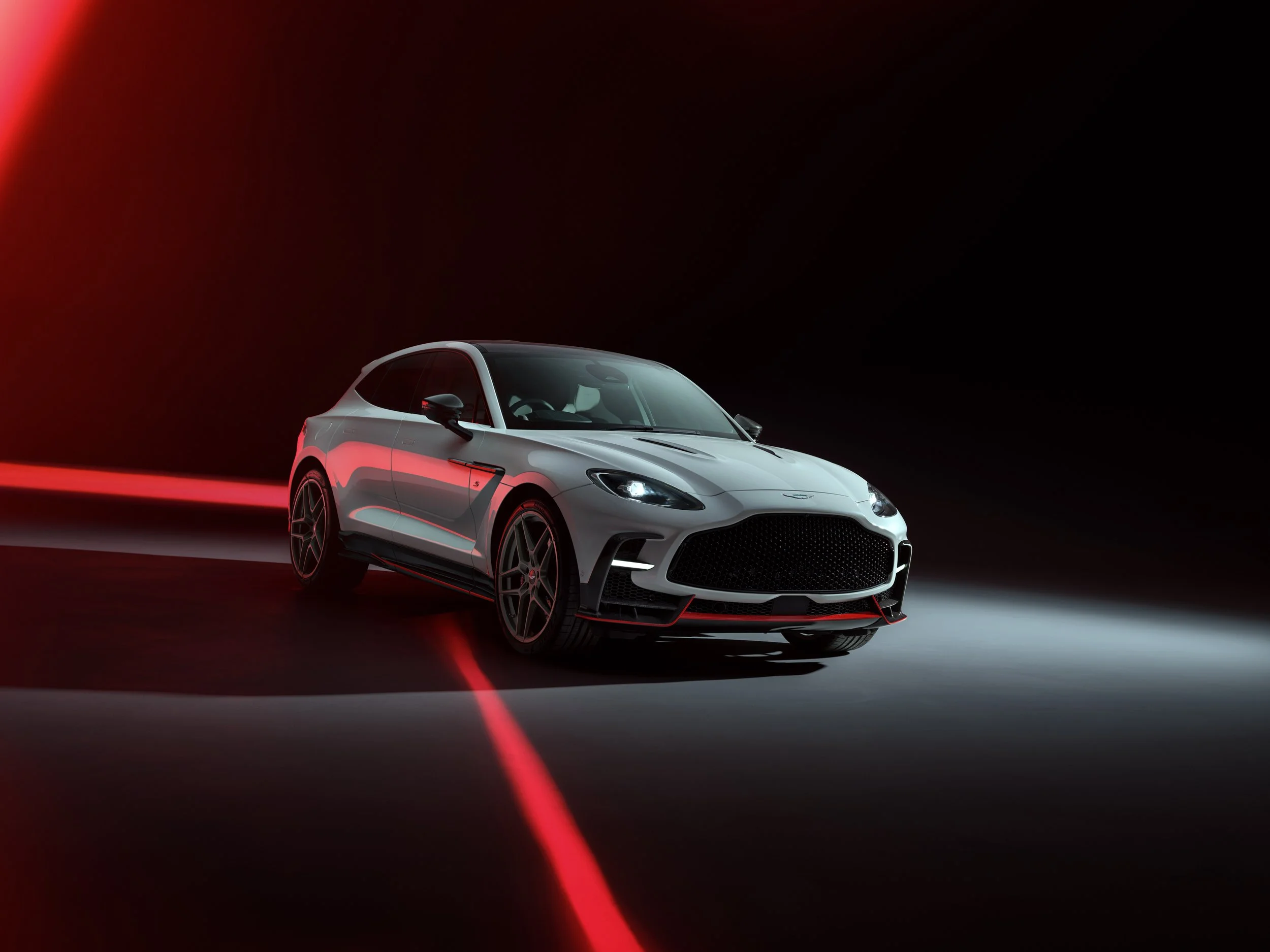
Image © Aston Martin Lagonda. Used for editorial purposes. Aston Martin DBX S.
But the headline figures only tell part of the story. The real S argument is not that DBX S suddenly makes DBX707 look slow. It is that it creates a more assertive, more dramatic, potentially lighter flagship version of the SUV line.
That raises a fair question; Did DBX707 need an S version?
From a purely rational perspective, perhaps not. DBX707 was already more than enough for almost any road, any family, any long journey and any legal speed limit. But Aston Martin doesn’t live by rationality alone. DBX S gives the customer a higher rung on the ladder, a stronger visual identity, more theatre, and the emotional comfort of owning the top version. That’s where the commercial logic begins to show.
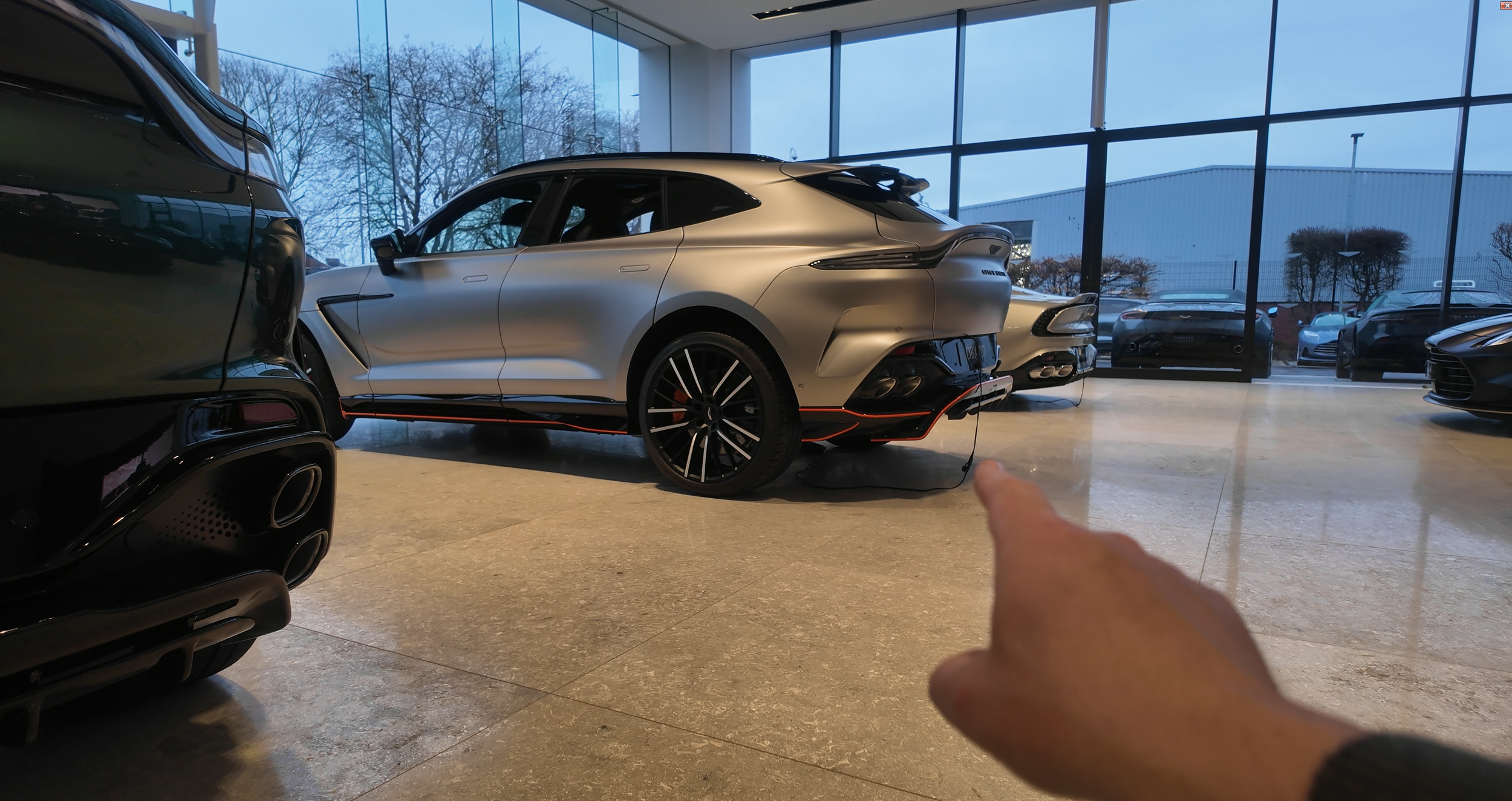
Image © Fuel the Passion The rear of the Aston Martin DBX S (closest to the camera with the stacked exhausts), whilst pointing at the DBX707 beside (with its twin side by side exhausts).
Current S Trio
Simple Comparison
Three modern Aston Martin S models, three different arguments: the emotional sports car, the sharpened Super Tourer and the flagship performance SUV.
| Model | Nearest comparison | Power | Torque | Main S distinction | Main caveat |
|---|---|---|---|---|---|
| Vantage S | Current Vantage Coupe | 680PS | 800Nm | Chassis, aero, calibration, launch control and character. | Current UK non-S Vantage page also lists 680PS / 800Nm. |
| DB12 S | DB12 | 700PS | 800Nm | Sharper calibration, carbon-ceramic brakes, stronger sound, chassis control and emotional clarity. | Not a revolution, but early reviews suggest a more complete DB12. |
| DBX S | DBX707 | 727PS | 900Nm | More power, weight-saving options and stronger flagship identity. | Not a dramatic headline acceleration leap. |
FTP note: the figures are deliberately presented with caveats. The Vantage S point is especially important, because the original 2024 Vantage launch specification and current UK model-page figures need to be handled carefully.
What the DB12 S Reviews Are Saying
The DB12 S review wave has become one of the most important strands in this article because it gives us a real-world test of Aston Martin’s current S strategy. The core message is remarkably consistent: DB12 S is better understood as a better-resolved DB12 than a reinvention. It appears sharper without becoming harsh, louder without losing its GT role, more assertive without becoming a track car, more focused without forgetting that DB12’s central job is still to be a Super Tourer.
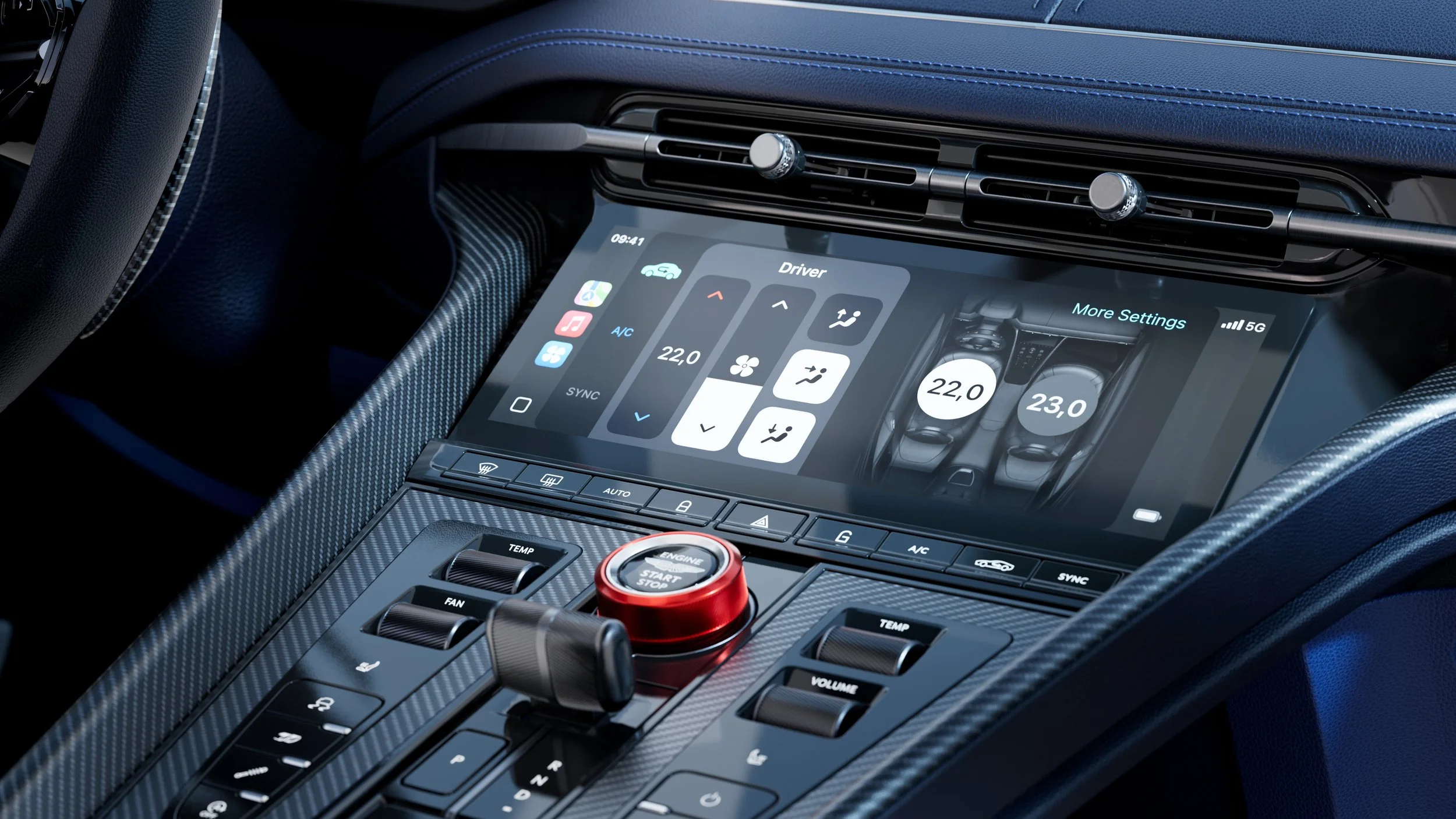
Image © Aston Martin Lagonda. Used for editorial purposes. Aston Martin DB12 S.
Top Gear’s review framed the car around more power, more aggression, more noise and more intent. Road & Track described the DB12 S as subtly better. Car and Driver focused on greater engagement, while evo said the dynamic upgrades make it both a better GT and a better performance car.
Magneto’s view fits neatly into that same pattern, while adding a warmer GT flavour. The review makes clear that DB12 S still works as a long-distance Aston Martin, not just a sharper specification exercise. The car remains comfortable and composed in GT mode, yet feels far more assertive when opened up on the right road. That’s exactly the sort of balance an Aston Martin S model should aim for.
That’s the sort of evidence the S badge needs, because if Aston Martin had simply given DB12 a small power increase and a louder exhaust, the question would remain awkward. But the early road tests suggest something more rounded: a car made sharper in the areas that matter, without spoiling the character that made DB12 appealing in the first place. This also gives the wider S story more credibility. Vantage S, DBX S and DB12 S are not identical cars. They don’t all make the same argument, but they increasingly appear to share a philosophy:
…more response, more sound, more visual intent, more emotional pull, and a clearer sense of identity.
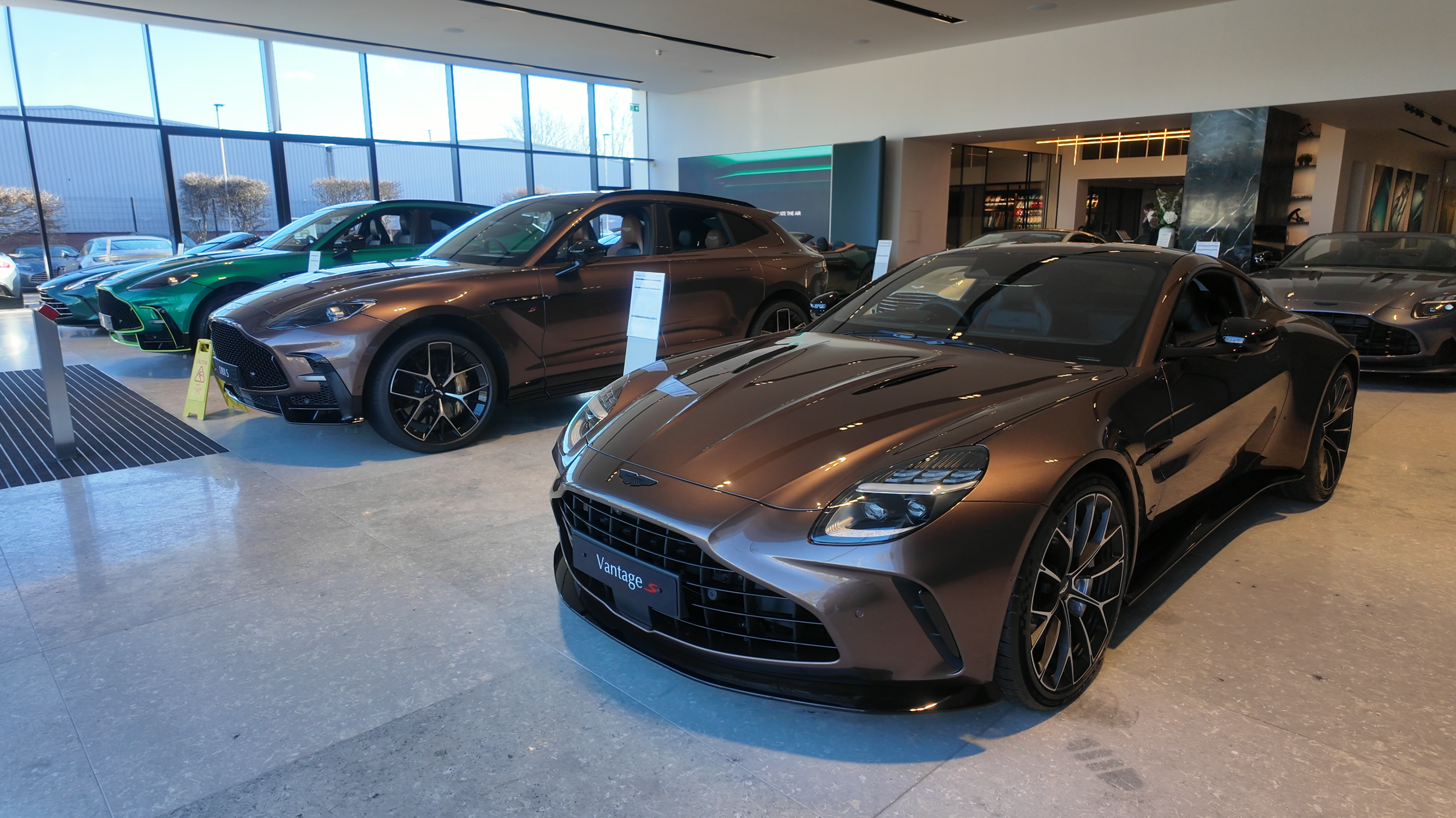
Image © Fuel the Passion. Aston Martin Vantage S, Aston Martin DBX S, JCT600 Aston Martin Leeds.
What Viewers Are Saying About the Modern S Cars
Professional reviews are only part of the story. For this article, I also looked at hundreds, and I do mean hundreds, of YouTube comments across selected DB12 S, DBX S and Vantage S reviews and walkarounds. This, of course, isn’t scientific polling. It’s better understood as an enthusiast temperature-check: useful, revealing, but not definitive.
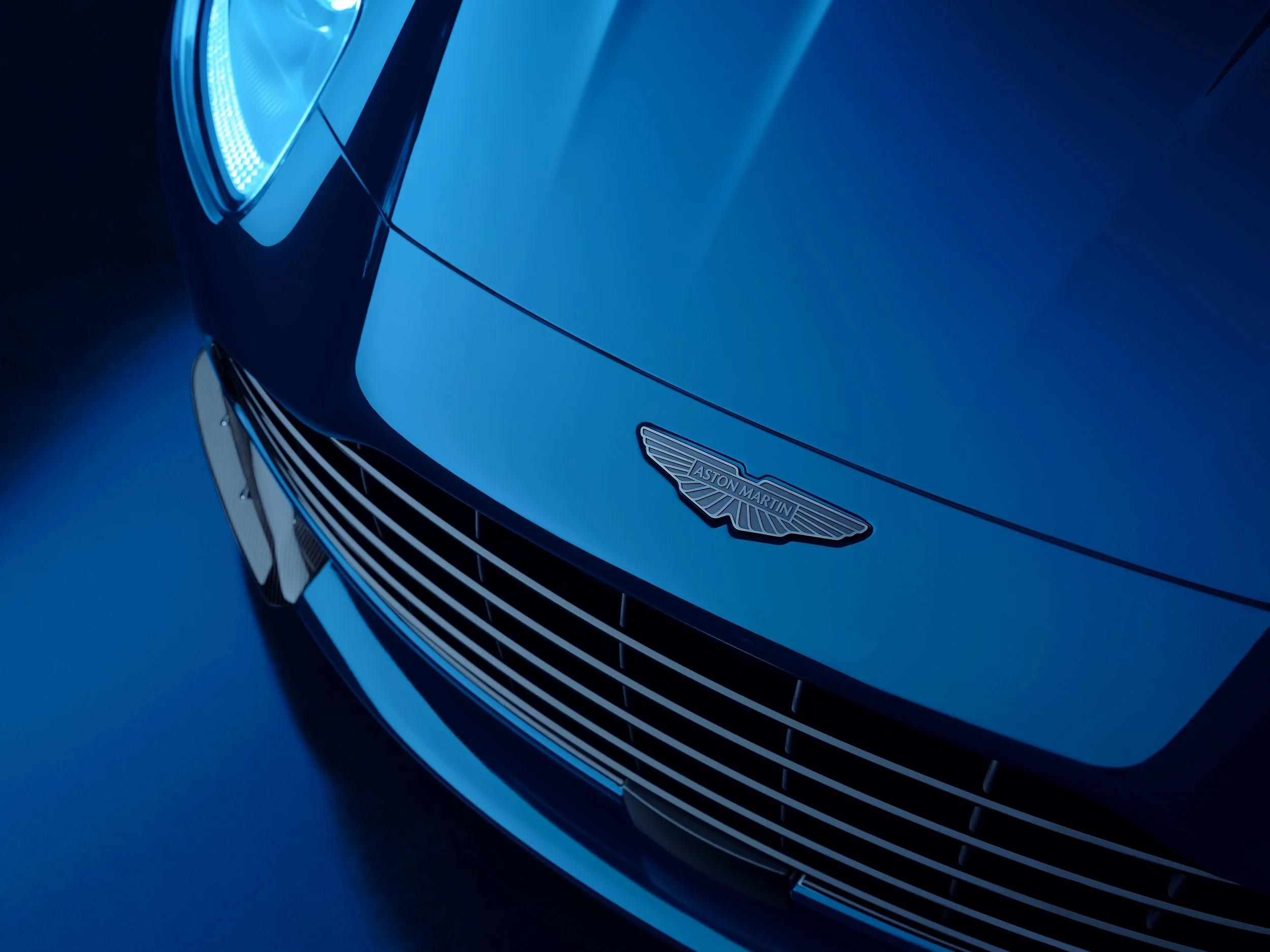
Image © Aston Martin Lagonda. Used for editorial purposes. Aston Martin DB12 S.
The strongest and freshest reaction is around DB12 S. Comments on recent DB12 S review videos show real warmth towards the design, GT character, sound, physical controls, interior improvements and Aston Martin’s current road-car momentum. Many viewers seem to like that DB12 S remains a proper grand tourer rather than trying to become an extreme track car.
The criticisms are familiar too: V12 nostalgia, AMG V8 concerns, depreciation worries and questions over whether the S is what the standard DB12 should’ve been from launch.
DBX S brings a more divided response. In comments around Autotrader’s DBX S review, many viewers praised the sound, physical controls, interior layout, luxury feel and alternative appeal against rivals such as Urus, Purosangue, Bentayga and Cayenne. Several comments framed it as one of the most desirable performance SUVs on sale, with particular appreciation for Aston Martin avoiding an over-screened cabin.
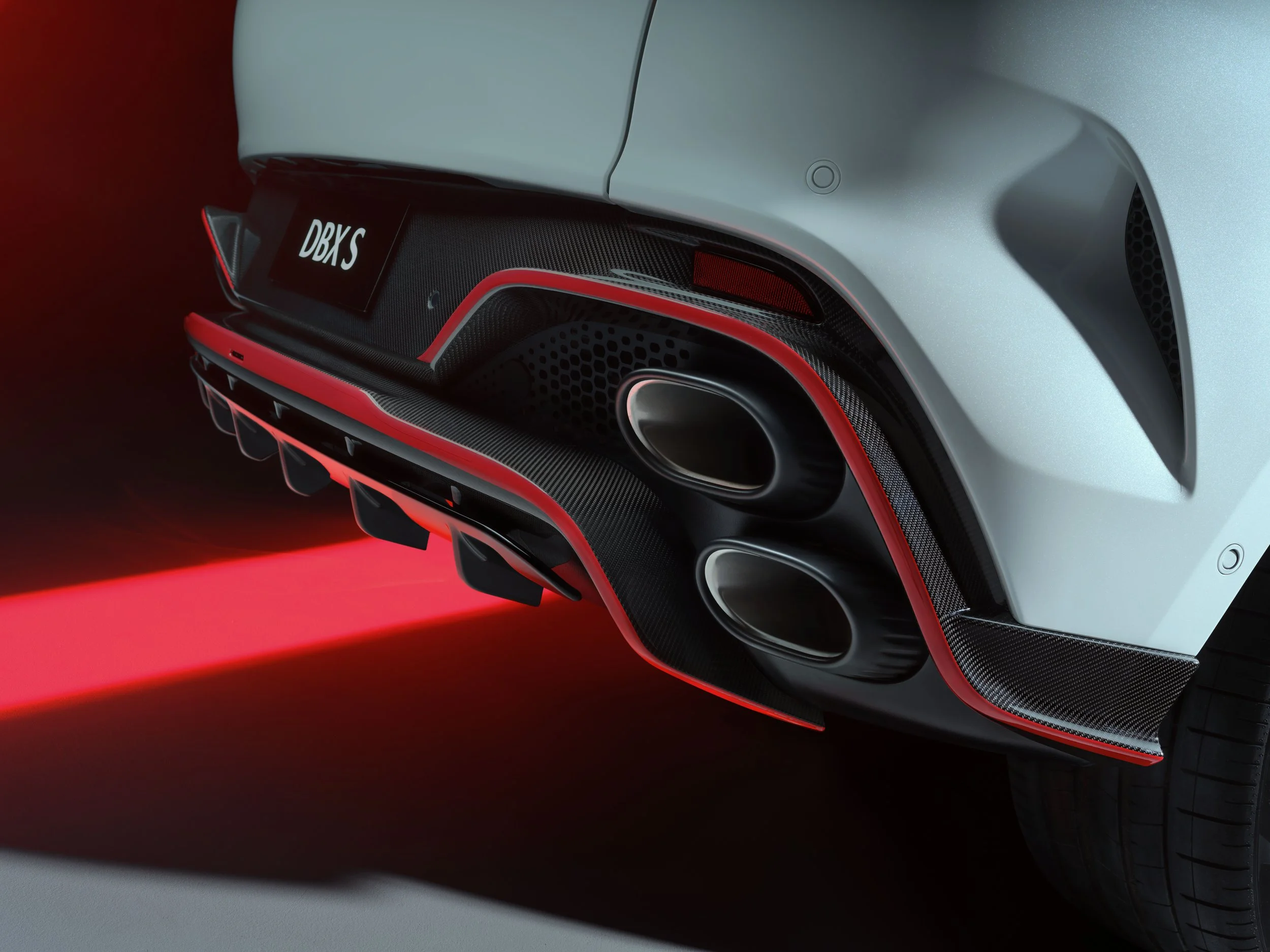
Image © Aston Martin Lagonda. Used for editorial purposes. Aston Martin DBX S.
But the doubts were just as revealing. Some questioned whether DBX S adds enough over DBX707, especially when the headline acceleration and top-speed figures don’t change dramatically. Others raised familiar concerns around depreciation, reliability, AMG engine identity, aftersales costs and whether a 727PS SUV makes sense at all.
Vantage S hasn’t generated quite the same concentrated big-publication YouTube review wave as DB12 S, but the public reaction we’ve seen still tells a useful story. Across videos from Driven by Shane, Raiti’s Rides, Karl Brauer Cars and Kelley Blue Book, viewers repeatedly responded to the car as an emotional object: beautiful, loud, dramatic, distinctive and deeply desirable. The comments focus on colour, stance, exhaust sound, Alcantara-rich interiors, rear-end drama, Bond-like presence and the sense that Aston Martin still builds cars with real elegance and occasion.
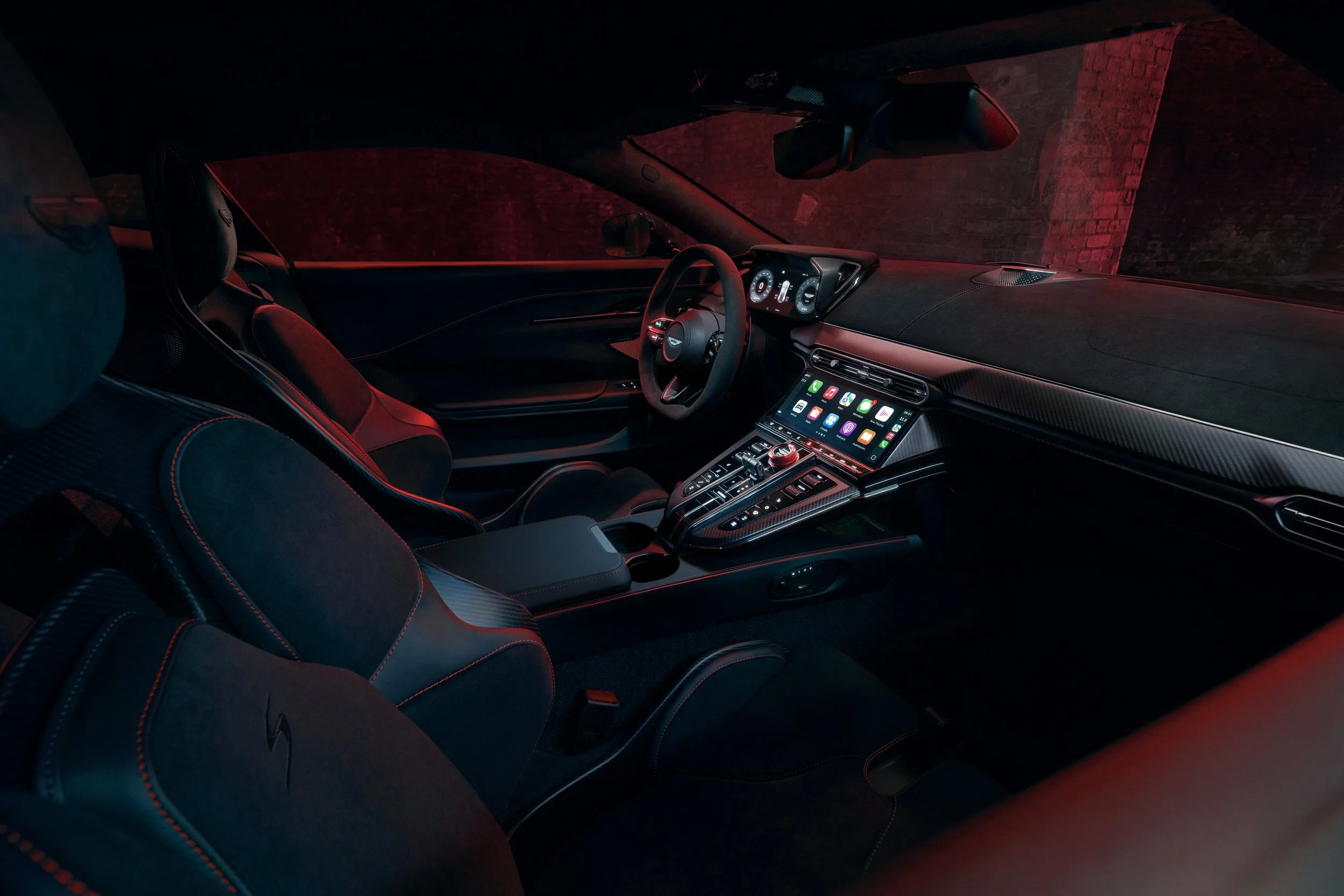
Image © Aston Martin Lagonda. Used for editorial purposes. Aston Martin Vantage S.
There’s also an understanding from some viewers that the S model should be sharper, firmer and more focused than the standard Vantage, because that’s the point of the badge.
That viewer sentiment now lines up neatly with evo’s professional verdict. The magazine’s road test also suggests the Vantage S is easy to fall for visually, but needs the right road and the right commitment to reveal its full depth. That’s a useful distinction: Vantage S isn’t just a prettier or louder badge exercise, it appears to be a car that asks more of the driver, but gives more back when used properly.
The caveats across the Vantage S comments are familiar too: some viewers still want a manual gearbox, some prefer the V12 Vantage or older Aston sound, some dislike the S badge design, grille, wheels or interior details, and others raise price, depreciation, reliability or value comparisons with Porsche, Lexus, Corvette and Mercedes-AMG. Taken together, the viewer reaction supports the same pattern seen in the professional reviews;
Vantage S wins hearts. DB12 S makes the strongest case for a more complete and better-resolved S model. DBX S creates desire, but also provokes the biggest question over need versus want.
Aston Martin’s Modern S Strategy
Taken together, the current S cars now give us a clearer picture of Aston Martin’s modern strategy;
Vantage S shows the emotional driver’s-car case. It’s about response, stance, attitude and the sense of a more focused sports car.
DBX S shows the commercial flagship case. It gives Aston Martin’s SUV line another rung above DBX707, even if the headline acceleration gain is not the main story.
DB12 S now shows the completeness case. The early reviews suggest the S badge can make a car feel more resolved, not merely more powerful.
That may be the most important point in the whole article. The modern S badge appears to mean more than extra power. It now seems to stand for sharper response, stronger identity, more sound, more visual intent and greater emotional pull. In the old world, an S model could often justify itself with bigger numbers. In the modern Aston Martin world, the better question is whether the S model feels more Aston Martin. DB12 S suggests that, when done properly, the answer can be yes.
Does S Improve the Car, or Fix the Car? - This may be the most important question in the whole article. A great S model should feel like an enhancement. It should take a good car and make it sharper, richer, more memorable and more complete. It shouldn’t feel like the version Aston Martin should’ve launched in the first place.
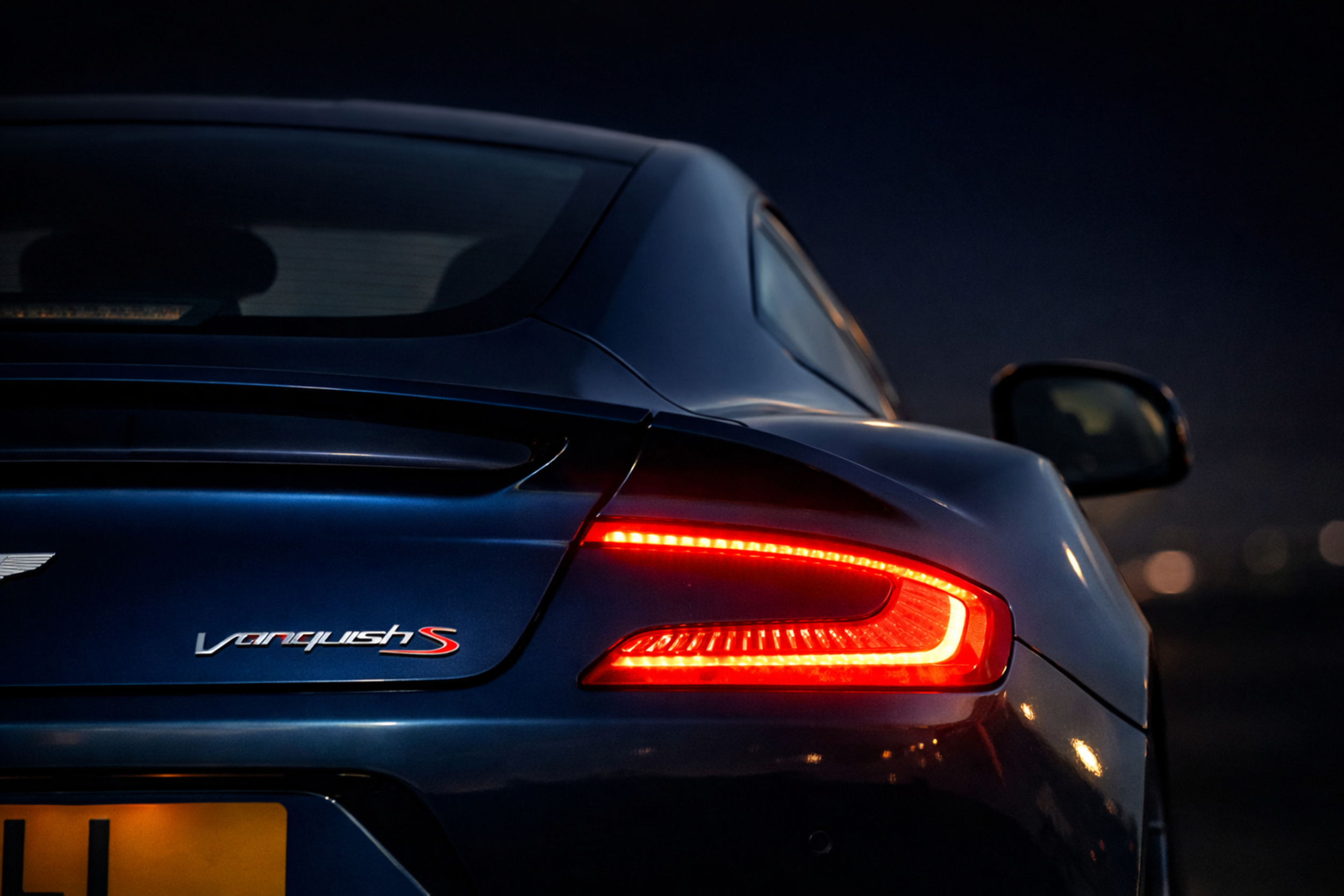
Image © Fuel the Passion, 2nd generation Aston Martin Vanquish S
The VH-era V8 Vantage S is remembered so fondly because it sharpened a car people already loved. It didn’t change the basic appeal of the Vantage; it focused it.
The original and second-generation Vanquish S models did something similar. They strengthened the flagship argument, gave the car more power and presence, and made the S version feel like a natural evolution.
With the current cars, that same question applies in different ways. Vantage S appears to build on a strong current Vantage. DBX S moves beyond an already extreme DBX707 and asks whether the customer wants more intensity and identity rather than more basic ability. DB12 S now looks like it’s done something particularly useful: taken a Super Tourer and given it more precision, more voice and more confidence, while still allowing it to be a Super Tourer. But the line is fine. If an S model feels essential because the standard car feels incomplete, that’s not quite the same as creating desire.
The best S models feel like the car turned up, not the original car corrected.
Are Any Aston Martins Truly Standard?
This is where the S question becomes properly Aston Martin.
Image © Aston Martin Lagonda. Used for editorial purposes.
In many mainstream cars, the difference between standard and sportier derivative is relatively clear. You have the base version, then the faster version, then perhaps the track version. But Aston Martin ownership doesn’t really work like that. The idea of a “standard” Aston Martin is already slippery; paint, wheels, leather, trim, carbon fibre, stitching, interior finishes and bespoke Q choices can alter the character and cost of the car dramatically.
Aston Martin’s Q1 2026 reporting says personalisation continued to contribute around 18% of core revenue. The same results confirm Q1 revenue of £270.4m, with the increase primarily linked to Specials volumes and 102 Valhalla deliveries rather than any disclosed S-model-specific sales split. So an S model is not simply a more expensive standard car. It sits within a broader world of personalisation, identity and emotional specification. For some buyers, the S badge will be about the driving. For others, it will be about owning the highest-status version. For others still, it will be the starting point for a deeply personal Q specification. That is very Aston Martin.
The Price Gap and the Options Question
The “is it worth it?” question cannot be answered only by comparing list prices.
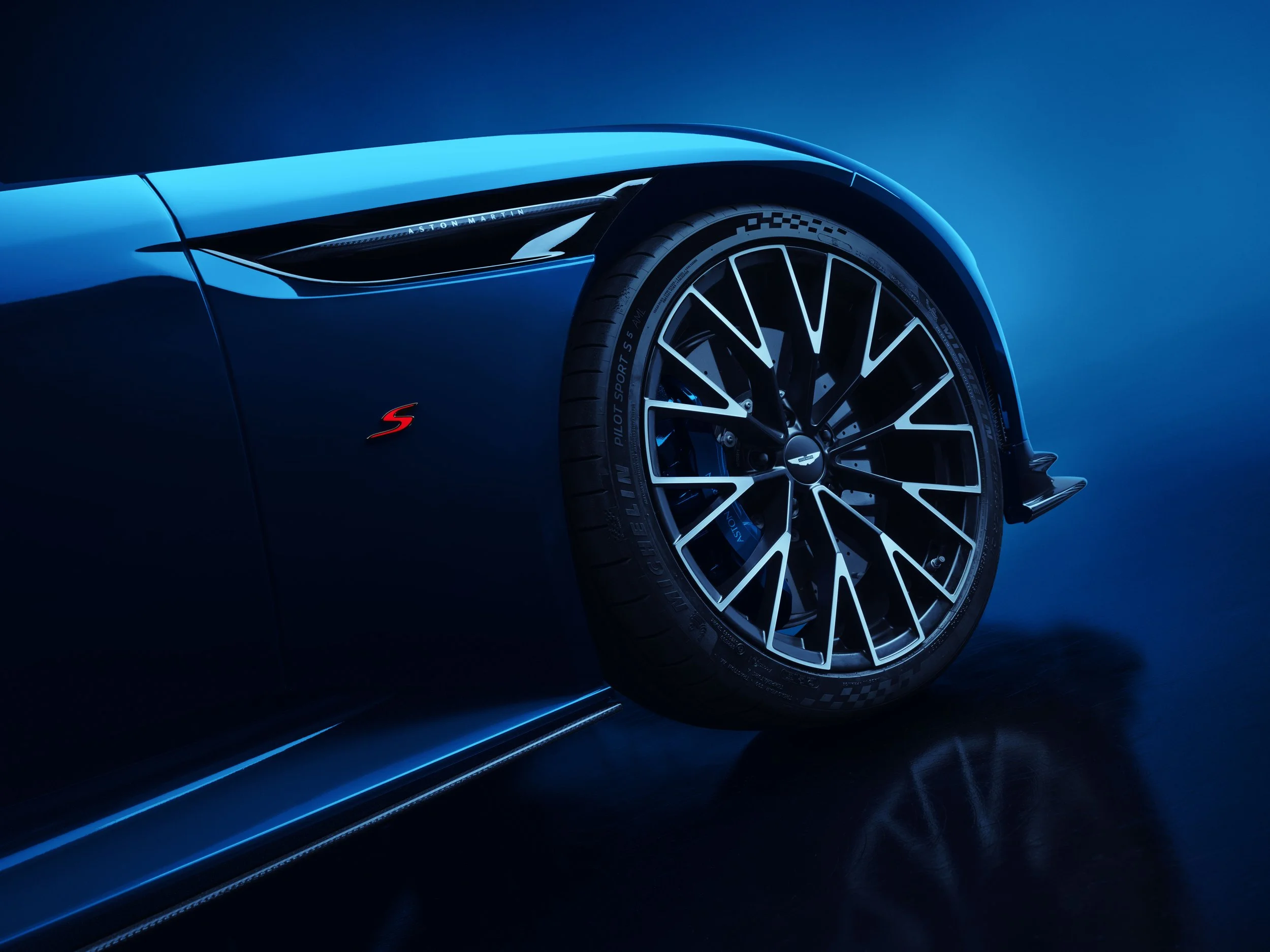
Image © Aston Martin Lagonda. Used for editorial purposes. Aston Martin DB12 S.
An S model may cost more, but it may also include equipment that some buyers would otherwise add anyway. DB12 S, for example, includes carbon-ceramic brakes as standard, and Aston Martin says that system reduces unsprung mass by 27kg.
DBX S also shows how complicated this can become. The car offers weight-saving options such as a carbon-fibre roof and magnesium wheels, with Aston Martin stating that lightweight options can reduce weight by up to 47kg over DBX707.
So the real question is not simply: “Is the S more expensive?” Of course it is. The better question is: “If you were already going to specify the car heavily, does the S model give you a more coherent, more desirable package from the factory?” Sometimes the answer may be yes. Sometimes the standard car, carefully specified, may be the better choice. That’s why the answer has to be personal rather than universal.
Values, Rarity and Residuals
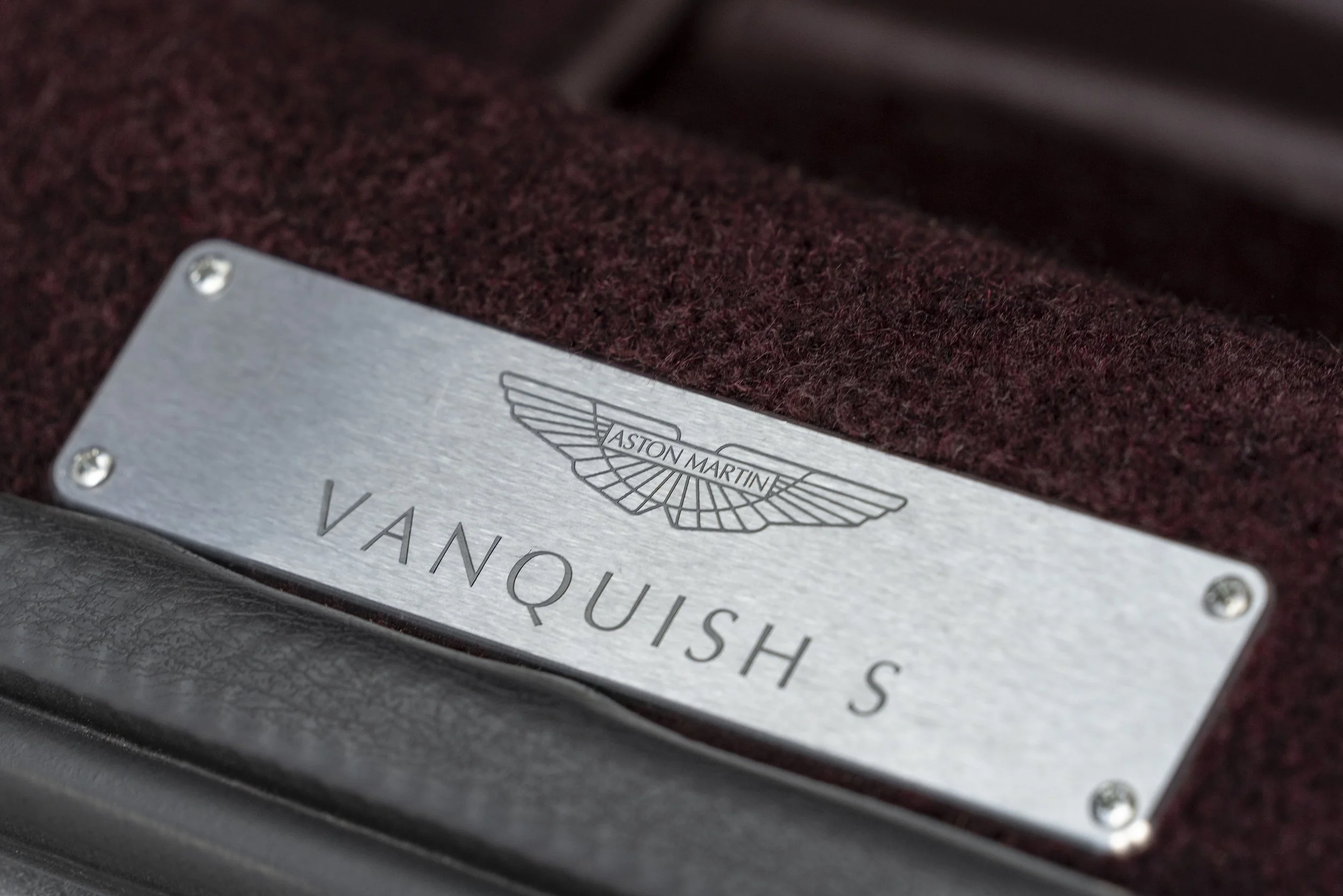
Image © Aston Martin Lagonda. Used for editorial purposes.
This is another area where we need to avoid easy claims. It’s tempting to say that S models hold their value better. In some cases, they do appear to command a premium. But the badge doesn’t work in isolation. An original Vanquish S, for example, may sit above a standard Vanquish in market terms, but mileage, condition, service history, manual conversion, colour, provenance and specification all matter. A V8 Vantage S may appeal more strongly to enthusiasts than some earlier V8 Vantages, but again the comparison is affected by age, gearbox, body style, mileage and condition.
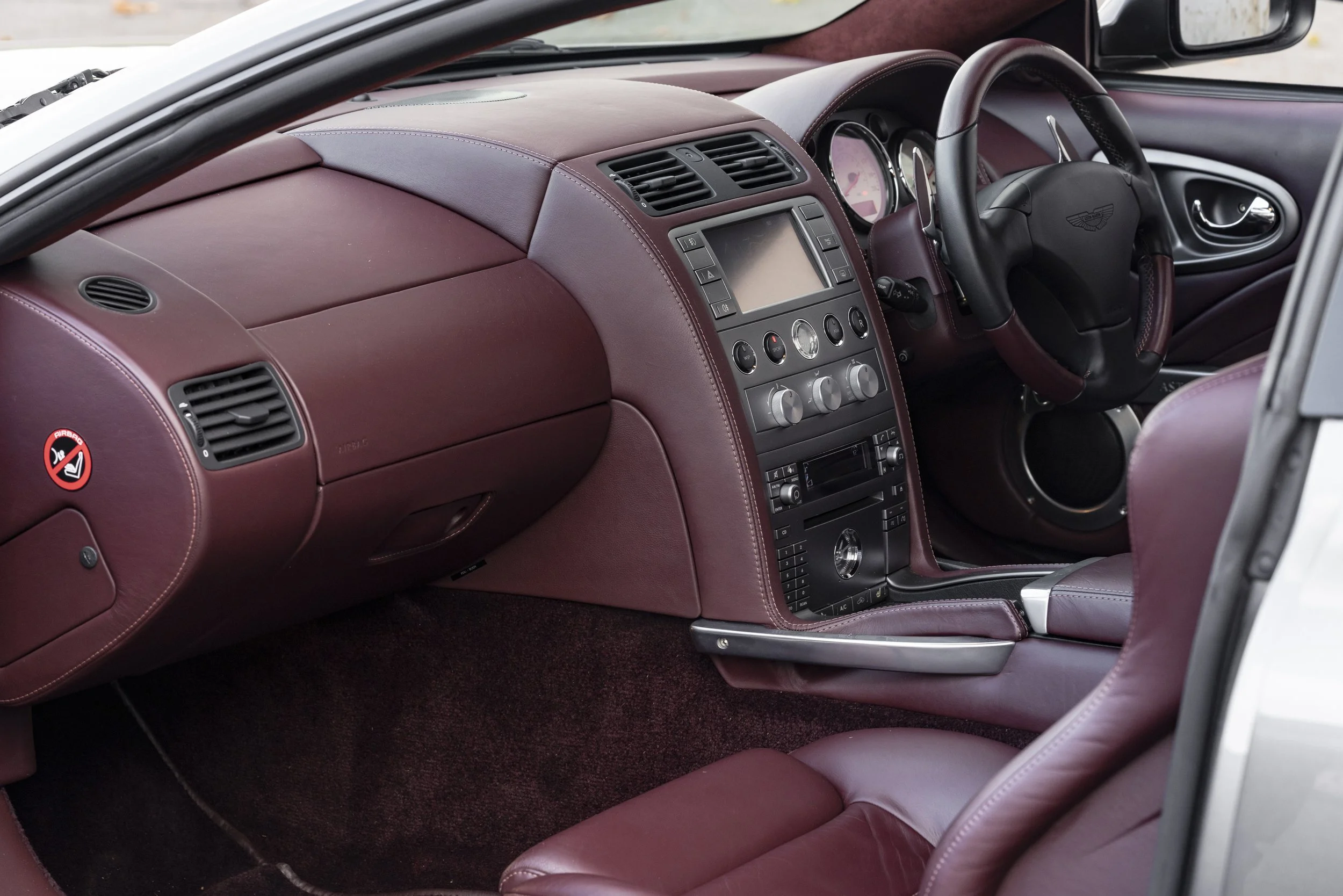
Image © Aston Martin Lagonda. Used for editorial purposes. Aston Martin first generation Vanquish S
Rapide S shows the caution perfectly. It’s more desirable than the earlier Rapide in many ways, but the broader market for four-door Aston Martins has traditionally been softer than the market for two-door sports and GT cars. The S badge helps, but it doesn’t rewrite the whole market.
So the safe conclusion is this: S models often appear to carry a desirability premium, but it would be too simple to say the S badge alone guarantees stronger value retention.
The value sits in the whole car. The badge is one part of that.
Are People Actually Buying Them?
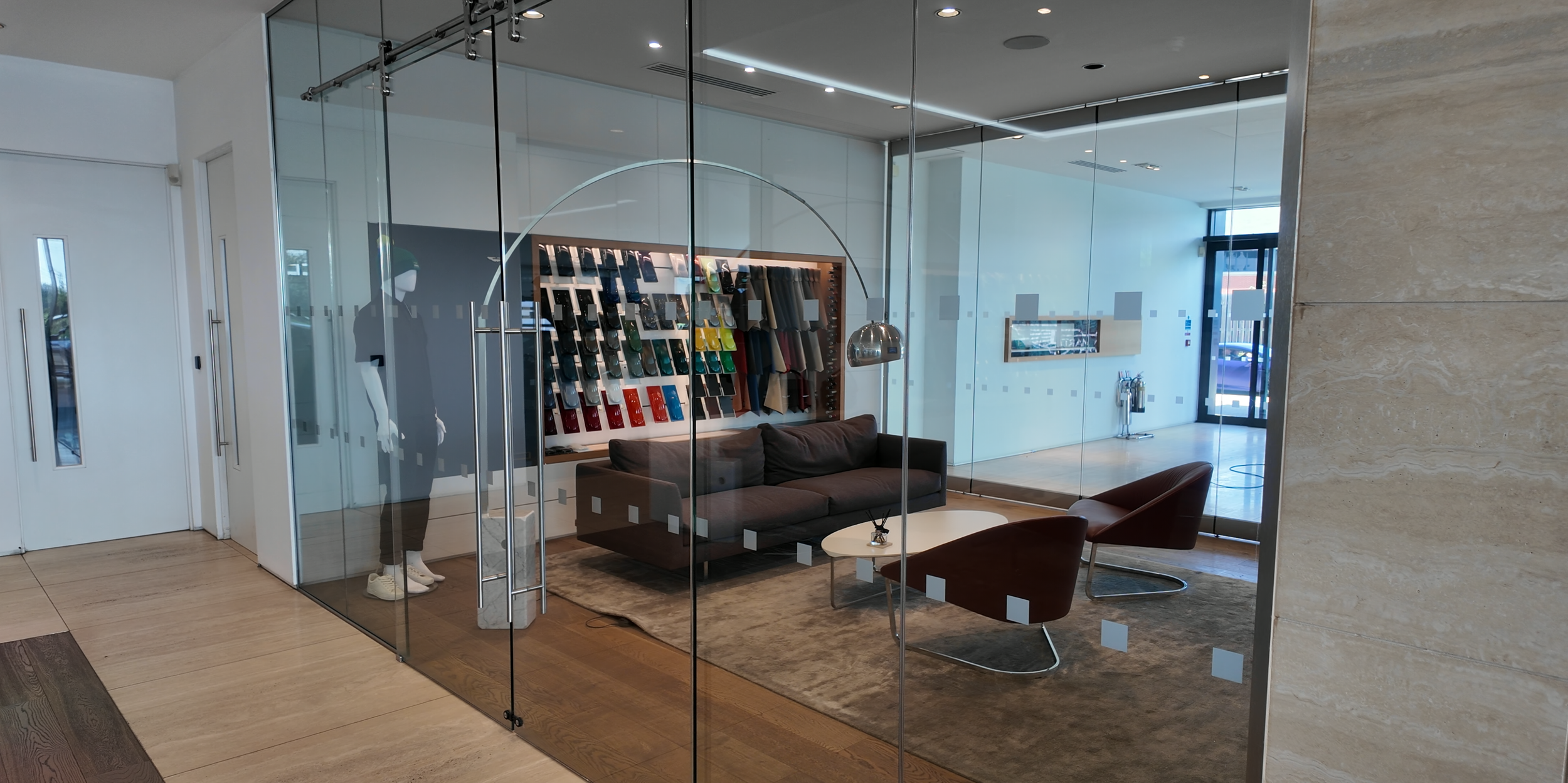
Image © Fuel the Passion, Aston Martin Nottingham
This is where Aston Martin’s financial reporting helps, but only up to a point. Aston Martin’s Q1 2026 results confirm that DBX S and Vantage S deliveries began in Q4 2025, and that DB12 S deliveries had recently commenced. The same report said the core orderbook remained stable, while Valhalla orders extended into Q4 2026. That tells us the S cars are in the delivery cycle. It doesn’t tell us how many of each Aston Martin has sold.
That distinction is important. Aston Martin doesn’t publicly break out derivative-level sales volumes for Vantage S, DB12 S and DBX S. So we cannot honestly say whether each individual S model is selling in the exact numbers Aston Martin wants or needs. What we can say is that the S models form part of a refreshed, richer core range strategy. In Q1 2026, Aston Martin reported revenue of £270.4m, total ASP rising primarily because of Specials volumes and 102 Valhalla deliveries, while core ASP decreased compared with the prior-year period.

Image © Aston Martin Lagonda. Used for editorial purposes. JCT600 Aston Martin, Leeds.
Magneto’s DB12 S review also adds one intriguing product-strategy detail. Tim Pitt quotes Neil Hughes, Aston Martin’s director of product strategy, as saying that with DBX and Vantage, S derivatives have taken more than 95% of sales. That’s important, but it needs to be handled carefully. It’s a reported comment in a review, not the same thing as Aston Martin publishing full derivative-level sales data in its formal financial reporting.
Even so, it suggests that the S strategy is not just a press-launch exercise. At least in those model lines, Aston Martin appears to see the S derivatives gaining real customer traction. That gives us the honest position.
The S models are part of the strategy. They’re not, based on public financial reporting, a standalone sales story we can isolate model by model. But there’s now some credible product-strategy commentary suggesting the S versions are proving highly attractive where they’re available.
The Commercial Logic Behind S
Even if Aston Martin doesn’t disclose full individual S-model volumes, the commercial logic is fairly easy to understand. An S model refreshes attention without requiring a completely new model. It gives dealers something new to talk about. It gives customers a higher rung on the ladder, it supports richer specification, it creates a sense of momentum, it helps make the range feel alive.
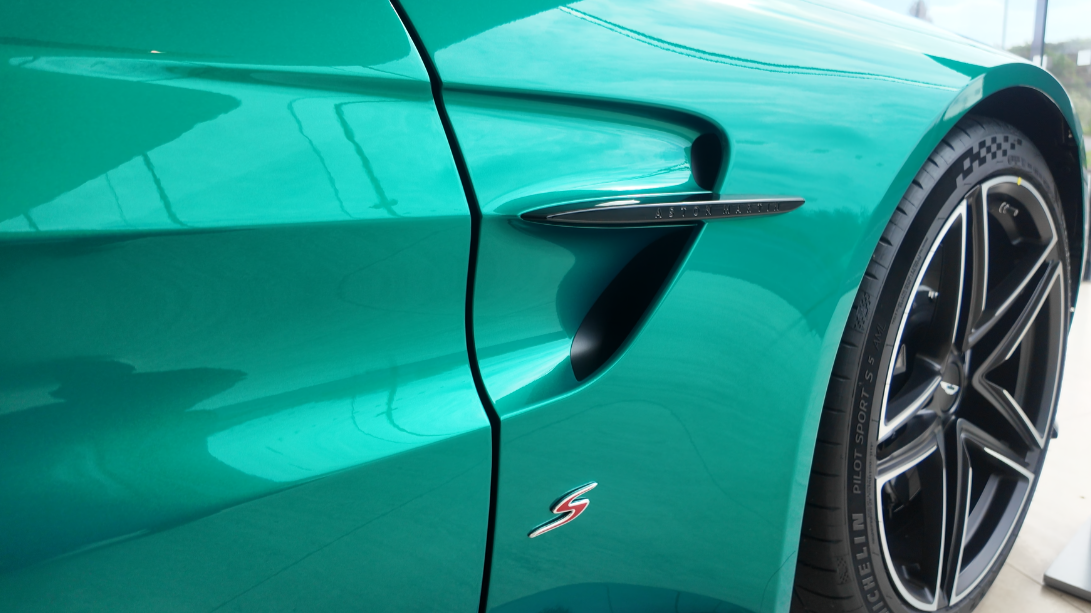
Image © Fuel the Passion. Aston Martin Vantage S, Aston Martin Nottingham
For a brand like Aston Martin, which is trying to balance lower volume, higher value, product desirability and ultra-luxury positioning, that matters. A sharper derivative can support margin, brand heat and customer excitement, even where the measurable performance gain looks modest.
This is where the S badge may be doing three jobs at once;
It’s a performance badge, it’s a specification and desirability badge and it’s a commercial tool.
That doesn’t make it cynical, it simply means the badge has to carry real substance if customers are going to believe in it.
S, AMR, 707 and the Badge Puzzle
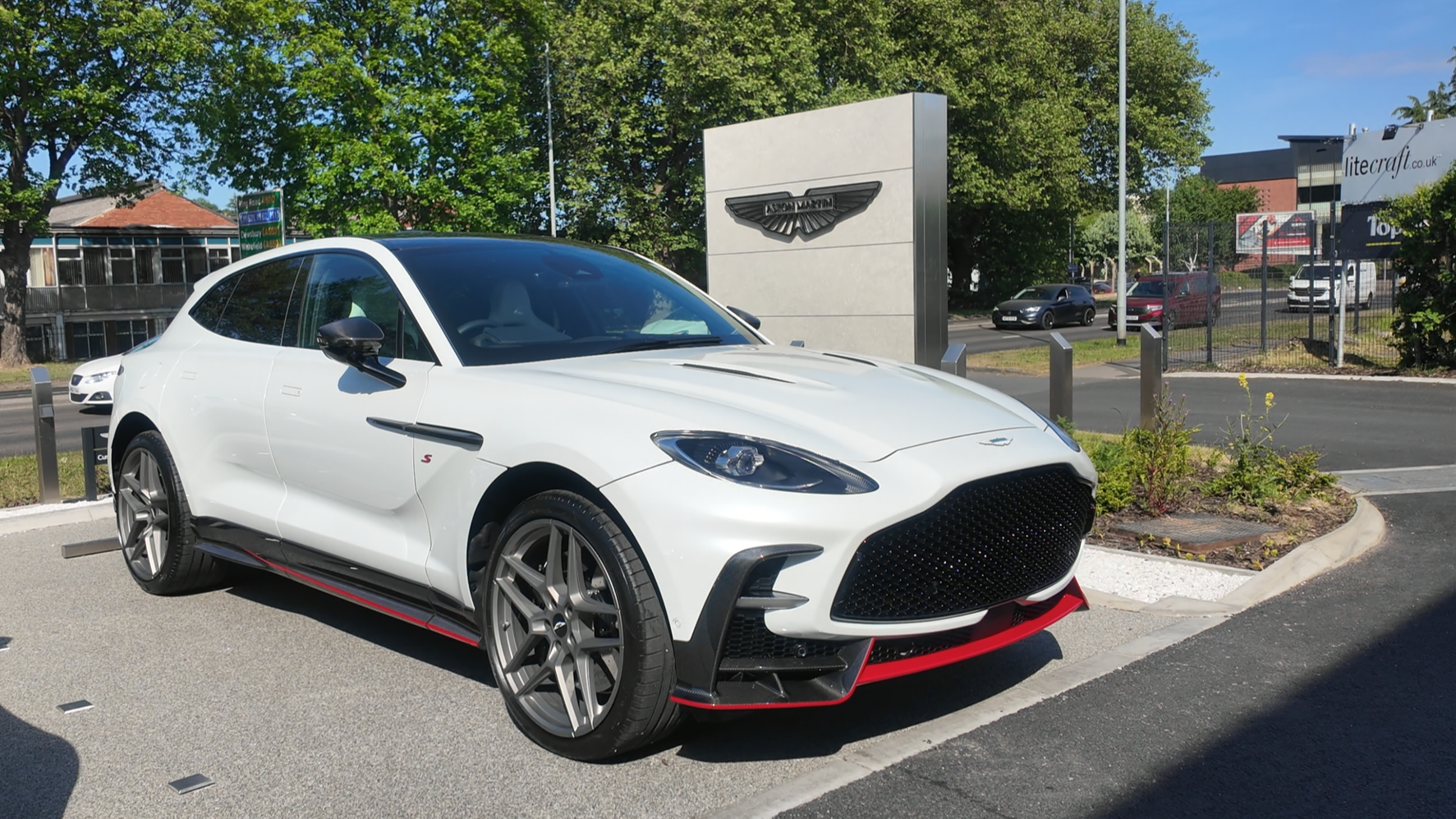
Image © Fuel the Passion, Aston Martin DBX S, JCT600 Aston Martin, Leeds
There’s one more complication - Aston Martin has not only used S. Over the years we’ve seen AMR, 707, limited editions, final editions, Q commissions, Zagato-bodied specials and various other forms of heightened Aston Martin identity. That can make the badge hierarchy feel a little crowded. DBX is the obvious example. DBX707 already sounded like the ultimate version, then came DBX S. That doesn’t make DBX S wrong, but it does mean Aston Martin has to be clear about what each badge is trying to say.
AMR has often carried a motorsport-flavoured, sharper-edged meaning. S now appears to be doing something slightly different: not necessarily track-special, not stripped-out, not hardcore in the Porsche GT or McLaren LT sense, but more focused, more powerful, more characterful and more desirable within the road-car range. That’s probably the right space for Aston Martin. An Aston Martin S model shouldn’t have to copy anyone else’s performance ladder. It should feel like a more intense Aston Martin, not a car trying to become something it’s not.
How Other Brands Do It
Aston Martin isn’t alone in creating sharper or richer derivatives above standard models. Bentley uses Speed as a high-performance luxury marker. The current Continental GT Speed uses an Ultra Performance Hybrid V8 producing 782PS and 1,000Nm, with 0–60mph in 3.1 seconds and a top speed of 208mph. Porsche has a more structured ladder, with names such as GTS, Turbo S and GT carrying different meanings. The latest 911 Turbo S shows how far performance cars have moved, with Porsche listing 711PS, 0–62mph in 2.5 seconds and a 200mph top speed.
Ferrari’s Assetto Fiorano approach is useful because it shows that sharper doesn’t always mean a new badge. Ferrari frames that package around three ideas: reducing overall weight, enhancing aerodynamic downforce and improving dynamic performance. McLaren’s Longtail philosophy is more extreme, but still relevant because it emphasises increased performance, reduced weight, sharper handling, enhanced aerodynamics and driver engagement.
The lesson is not that Aston Martin should copy Bentley, Porsche, Ferrari or McLaren. It’s that customers in this part of the market are used to hierarchies. They expect a more focused version, they expect special materials, sharper calibration, better brakes, more theatre and a clearer story. Aston Martin’s challenge is to do that in a way that still feels unmistakably Aston Martin.
Vanquish: The Missing S in the Current Series?
Then there’s Vanquish.
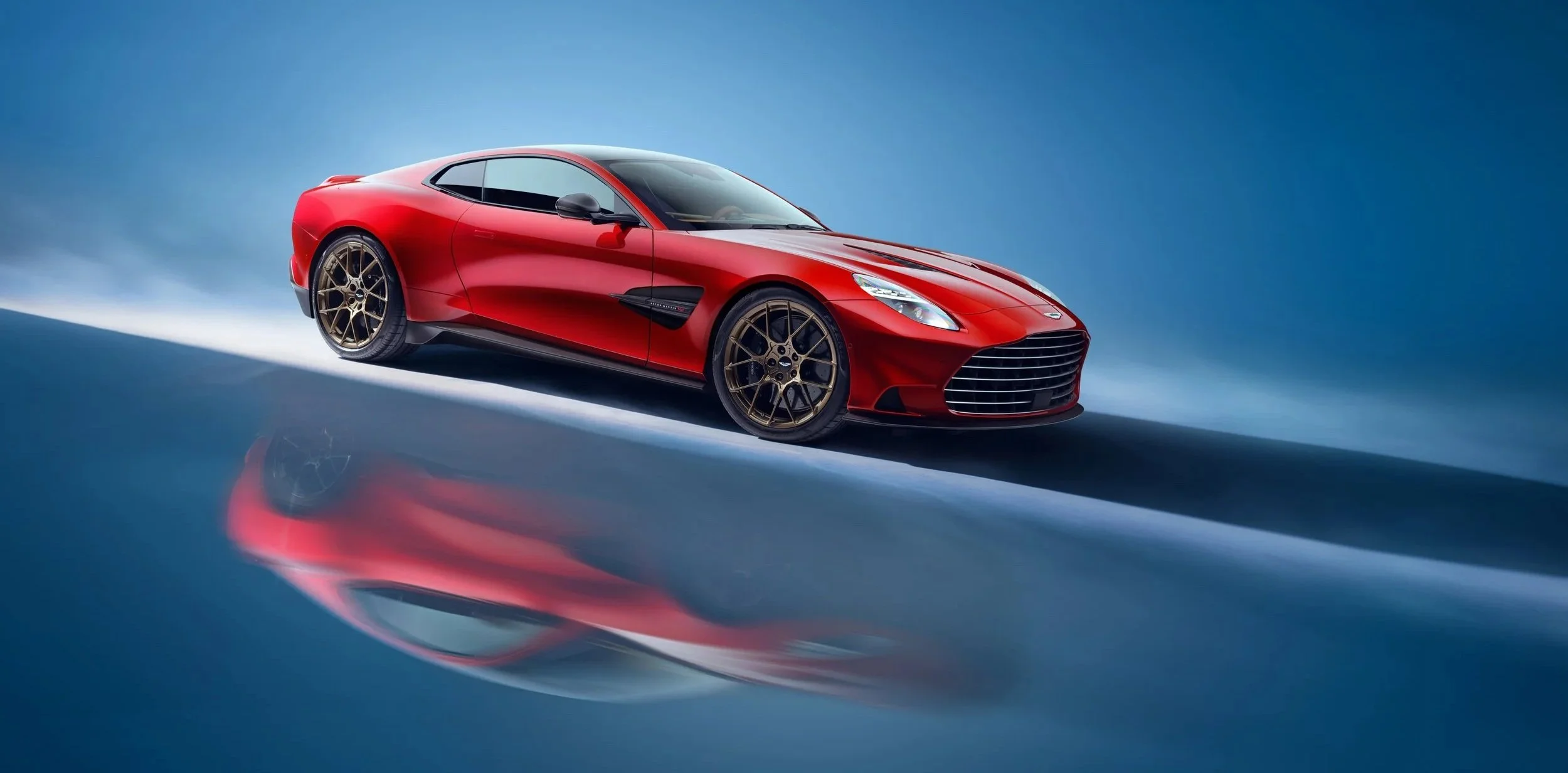
Image © Aston Martin Lagonda. Used for editorial purposes.
If there’s an obvious missing S in the current Aston Martin range, it’s surely Vanquish S. That doesn’t mean one is coming. I have seen no official confirmation from Aston Martin that a third-generation Vanquish S is planned, we must be very clear about that. But it’s a fair question to ask because history invites it. The first-generation Vanquish had a Vanquish S. The second-generation Vanquish had a Vanquish S. Both were meaningful developments of the standard car.
The difficulty now is that the current Vanquish already starts from an extraordinary place. Aston Martin launched the third-generation Vanquish with production limited to under 1,000 examples per year, while Aston Martin’s Vanquish-at-25 material records the current car’s 835PS, 1000Nm, 0–60mph in 3.3 seconds and 214mph top speed.
So if a new Vanquish S ever appears, it cannot simply rely on inevitability. It would need to add something meaningful, more power alone may not be enough. It might need sharper aero, a more focused chassis, a different sound, a special Q-led specification, a lighter package, or a clearer emotional purpose. That’s the real Vanquish S question, not “could Aston Martin do it?” Of course it could. The question is whether it could make it feel necessary.
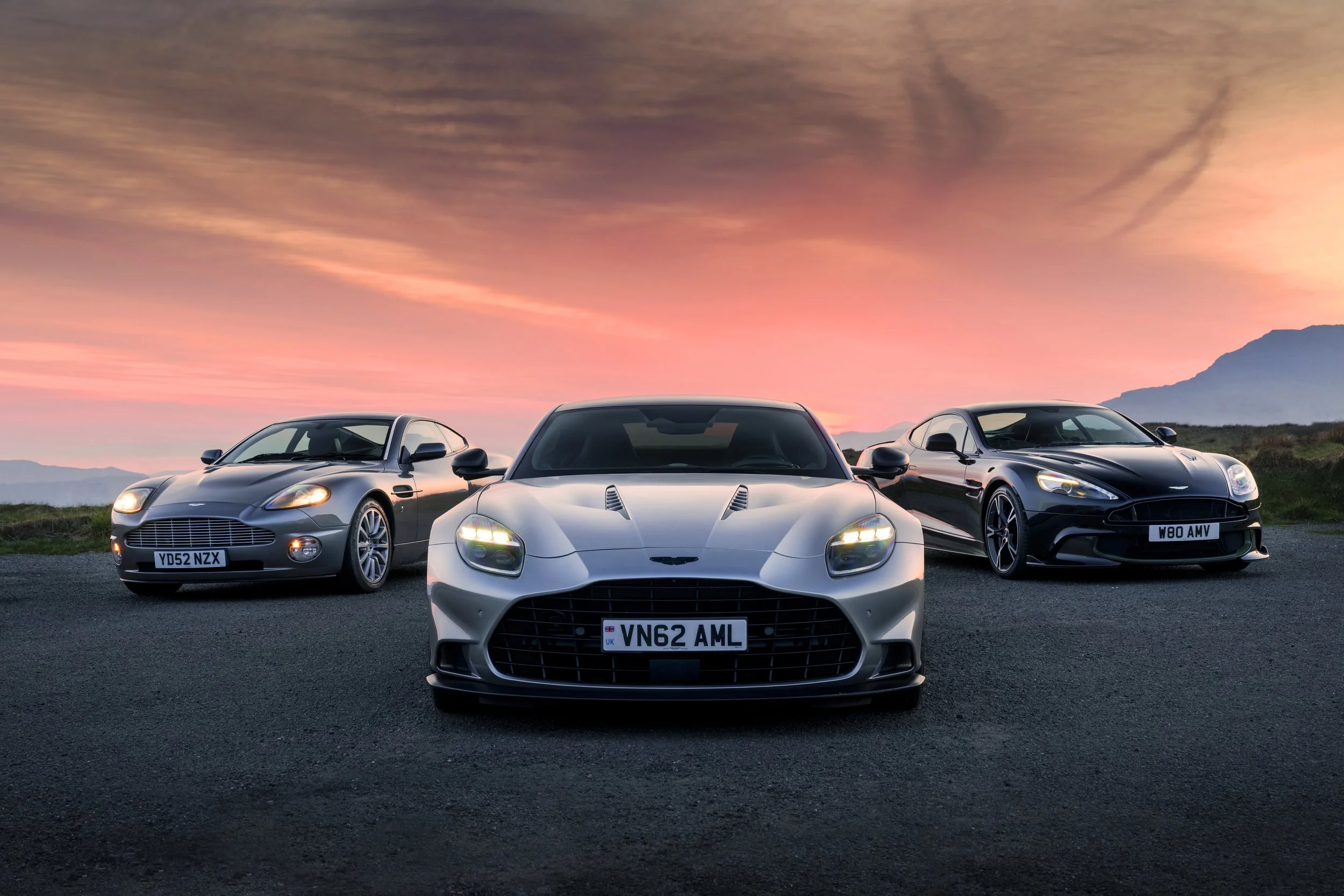
Image © Aston Martin Lagonda. Used for editorial purposes. The three generations of Vanquish.
When Faster Is No Longer Enough
This is where the S badge faces its biggest future challenge. In the past, the case for an S model was easier to explain, more power, more speed, better brakes, sharper suspension, a louder exhaust, maybe a higher top speed. That was enough.
But modern performance cars are already operating at a level that would once have seemed absurd.
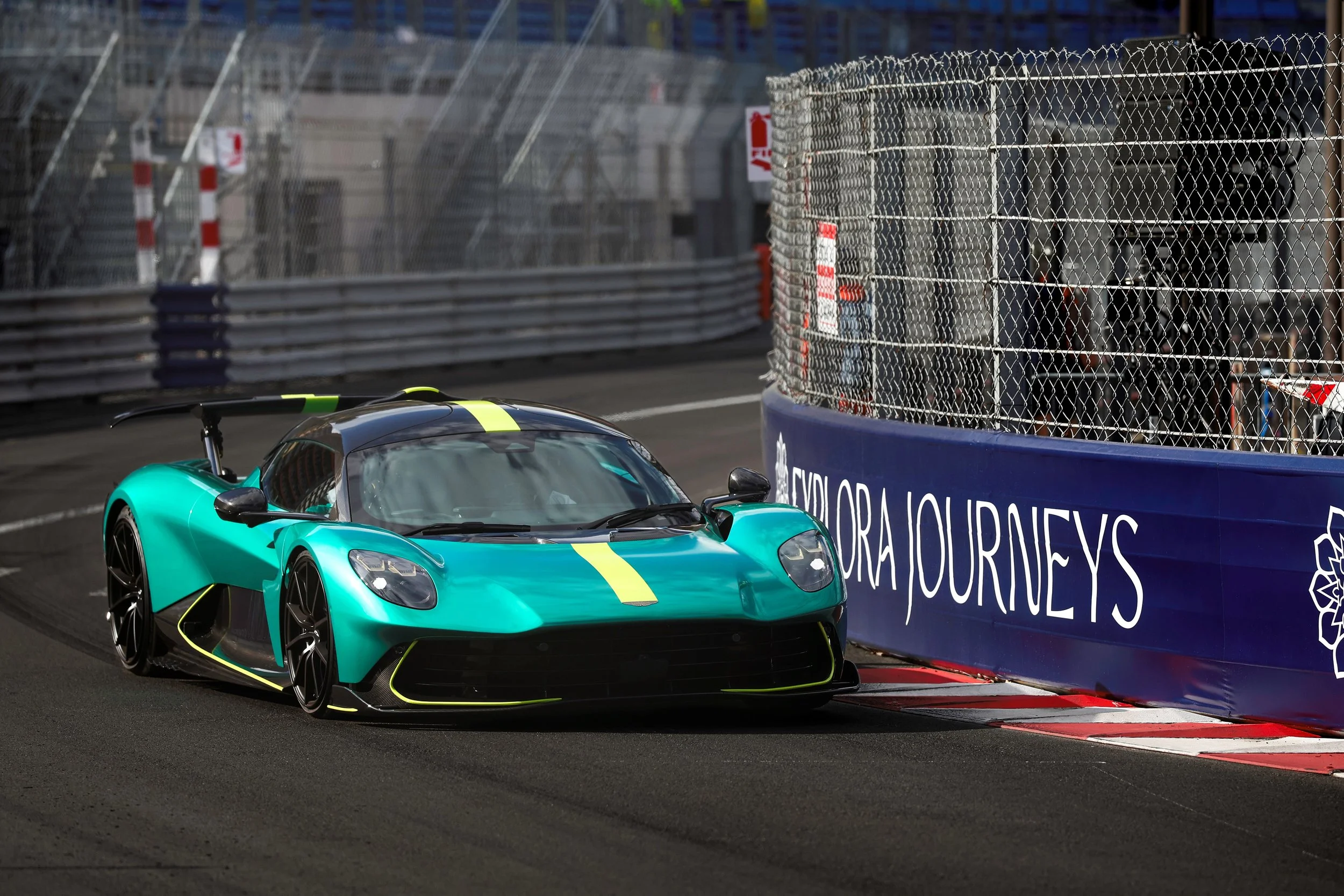
Image © Aston Martin Lagonda. Used for editorial purposes.
Aston Martin’s own Valhalla makes the point. It is limited to 999 units, produces 1079PS, reaches 0–62mph in 2.5 seconds, has a 217mph maximum speed and generates more than 600kg of downforce in race mode.
evo’s Valhalla review adds another useful layer to that future-facing question. James Taylor’s drive of the production car frames Valhalla not merely as a numbers car, but as Aston Martin’s first series-production mid-engined plug-in hybrid with genuine bandwidth: part racing car, part concept car, part hypercar, but still carrying traits of traditional Aston Martin sports cars. That’s relevant to the S question because it points towards where performance differentiation may go next.
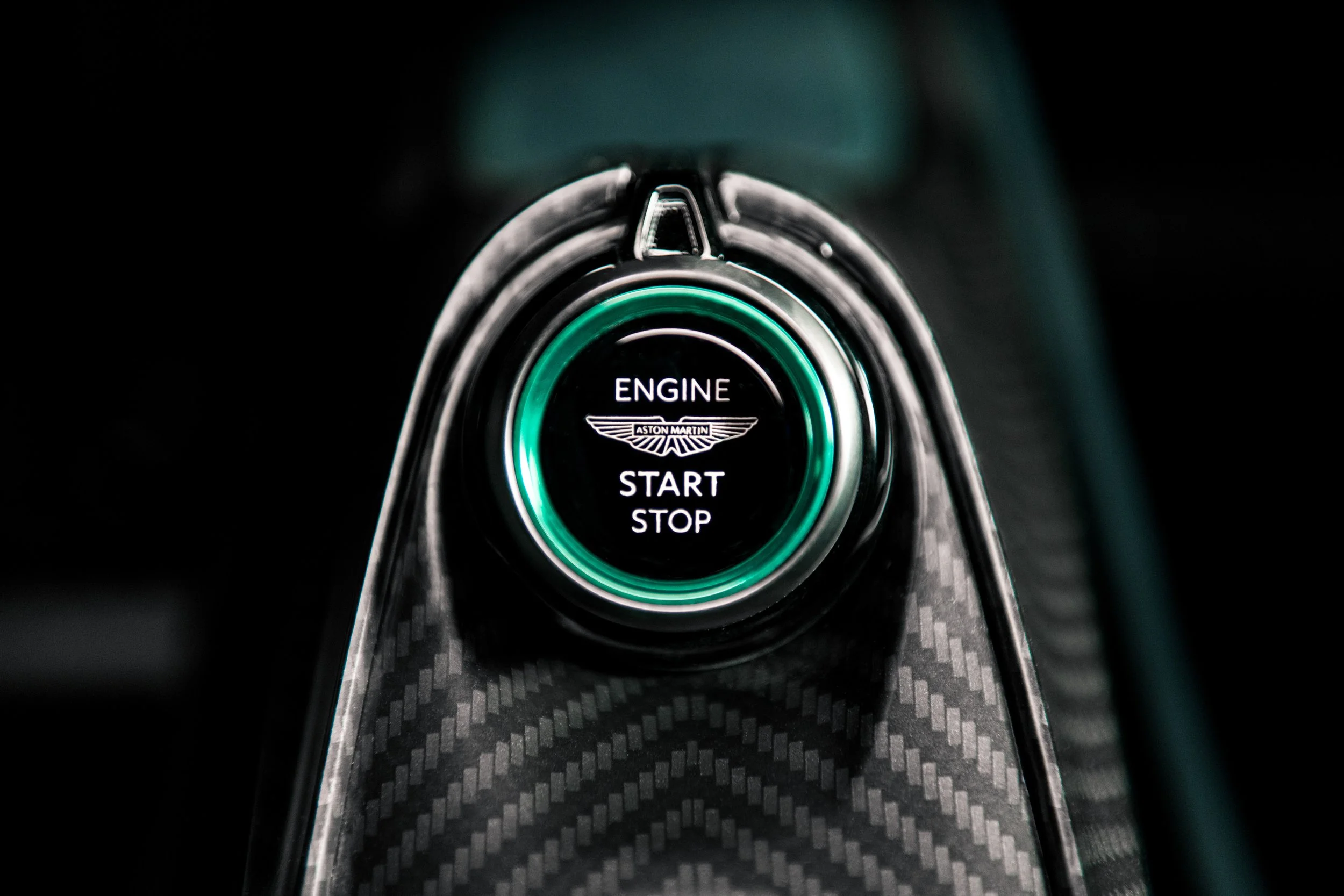
Image © Aston Martin Lagonda. Used for editorial purposes.
If Aston Martin can make a 1000bhp-plus hybrid machine feel progressive, usable and characterful, then future S models don’t have to be defined only by extra horsepower. The more interesting challenge may be calibration: how the steering feels, how the electronics intervene, how the car deploys its power, how it rides, how it sounds, and whether it still feels emotionally Aston Martin.
So when cars are already that fast, what does S mean? Does another small power increase matter? Does another tenth to 60mph change the emotional experience? Does a higher top speed matter when most owners will never go anywhere near it? Perhaps the ceiling is not speed. Perhaps the ceiling is connection. The future of S may not be about smashing through with another number. It may be about making the car feel more alive at real speeds, more precise in the hands, more emotional in the cabin, more memorable on the road and more special every time the owner opens the garage door.
That’s where Aston Martin should have an advantage. The brand has never been purely about numbers, it’s always been about beauty, sound, proportion, craft, theatre and the sense that a car can mean something beyond transport.
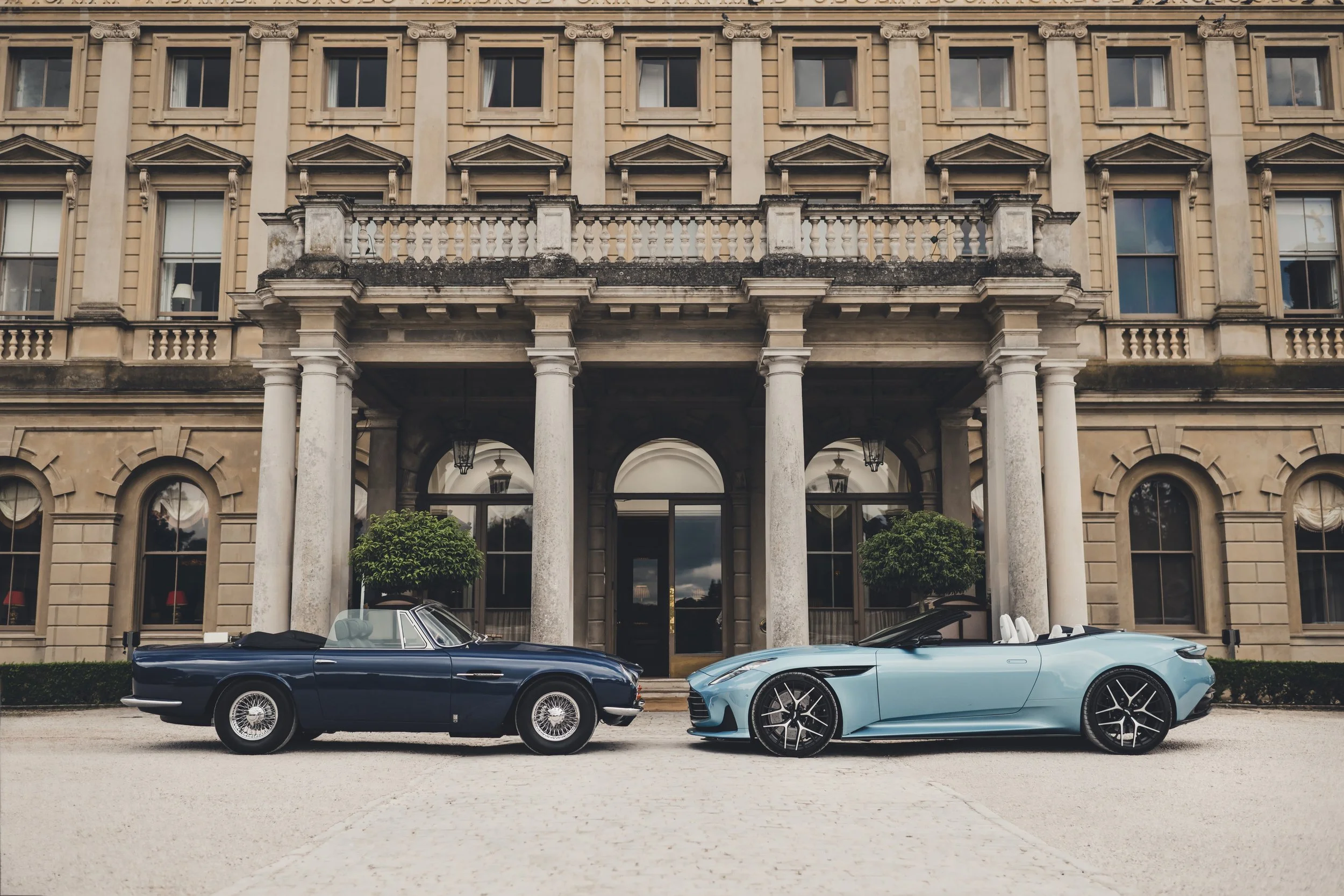
Image © Aston Martin Lagonda. Used for editorial purposes.
If the S badge can amplify that, it still has a future.
Perhaps the ceiling is not speed. Perhaps the ceiling is connection.
The Future of S in a Hybrid and Electric World
The hybrid and electric question only makes this more interesting. As powertrains change, the old performance hierarchy becomes less straightforward. Hybrid systems can deliver huge torque and remarkable acceleration. Electric motors can provide instant response, software can alter the way a car behaves from one mode to another. Chassis systems, aero, brake blending and battery management can all become part of the performance story.
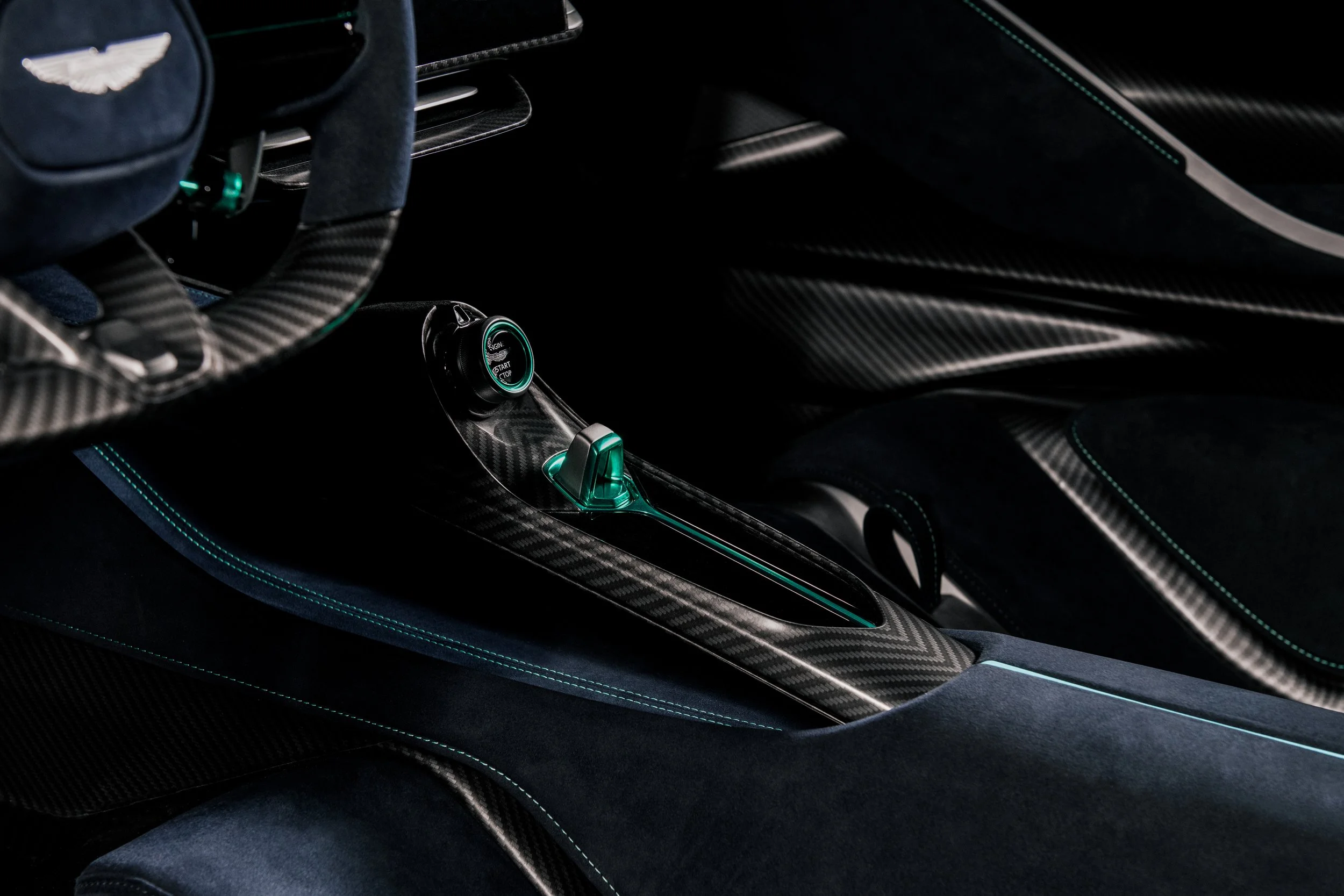
Image © Aston Martin Lagonda. Used for editorial purposes. Aston Martin Valhalla.
So yes, S models can still exist in a hybrid or electric future. But they may need to mean something more sophisticated than “more power”.
A future Aston Martin S model could be defined by calibration, not just output. It could have sharper brake feel, more natural throttle response, more repeatable performance, more carefully judged steering, lighter materials, more focused aero, better thermal resilience, richer sound design, a more beautiful interior, or a stronger Q-led identity.
In other words, S may have to move from being a performance increase to being a more complete expression of the car. That might actually suit Aston Martin very well.
The Cost Beyond the Badge
There’s also a practical side to all of this. The S badge may add desirability, but it can also add cost beyond the purchase price. Larger wheels, specialist tyres, carbon-ceramic brakes, lightweight materials, magnesium wheels, carbon-fibre trim and bespoke finishes all have financial consequences. Some owners will accept that as part of the experience, others may find the standard car, carefully specified, gives them most of what they want with less financial exposure.
This is not a criticism of S models. It’s simply part of telling the story properly. The more focused version of a car often asks more of the owner as well as the manufacturer. That’s especially true when the car lives in the real world: British roads, potholes, cold tyres, service bills, insurance, warranty considerations and the occasional sharp intake of breath when a carbon-fibre part gets too close to a kerb. Aston Martins are emotional cars, but they’re still cars.
So, Is the S Worth It? The answer depends on the model, and on the buyer.

Image © Aston Martin Lagonda. Used for editorial purposes.
Vantage S may be the easiest current S model to justify emotionally. Even with the important power-figure caveat, its appeal lies in response, character, stance and the sense of a more focused driver’s Aston. evo’s road test reinforces that point: the S doesn’t appear to turn Vantage into a track special, but it does make it tauter, more urgent and more rewarding when driven with commitment. If the standard Vantage is already excellent, Vantage S appears to turn up the volume rather than correct a flaw.
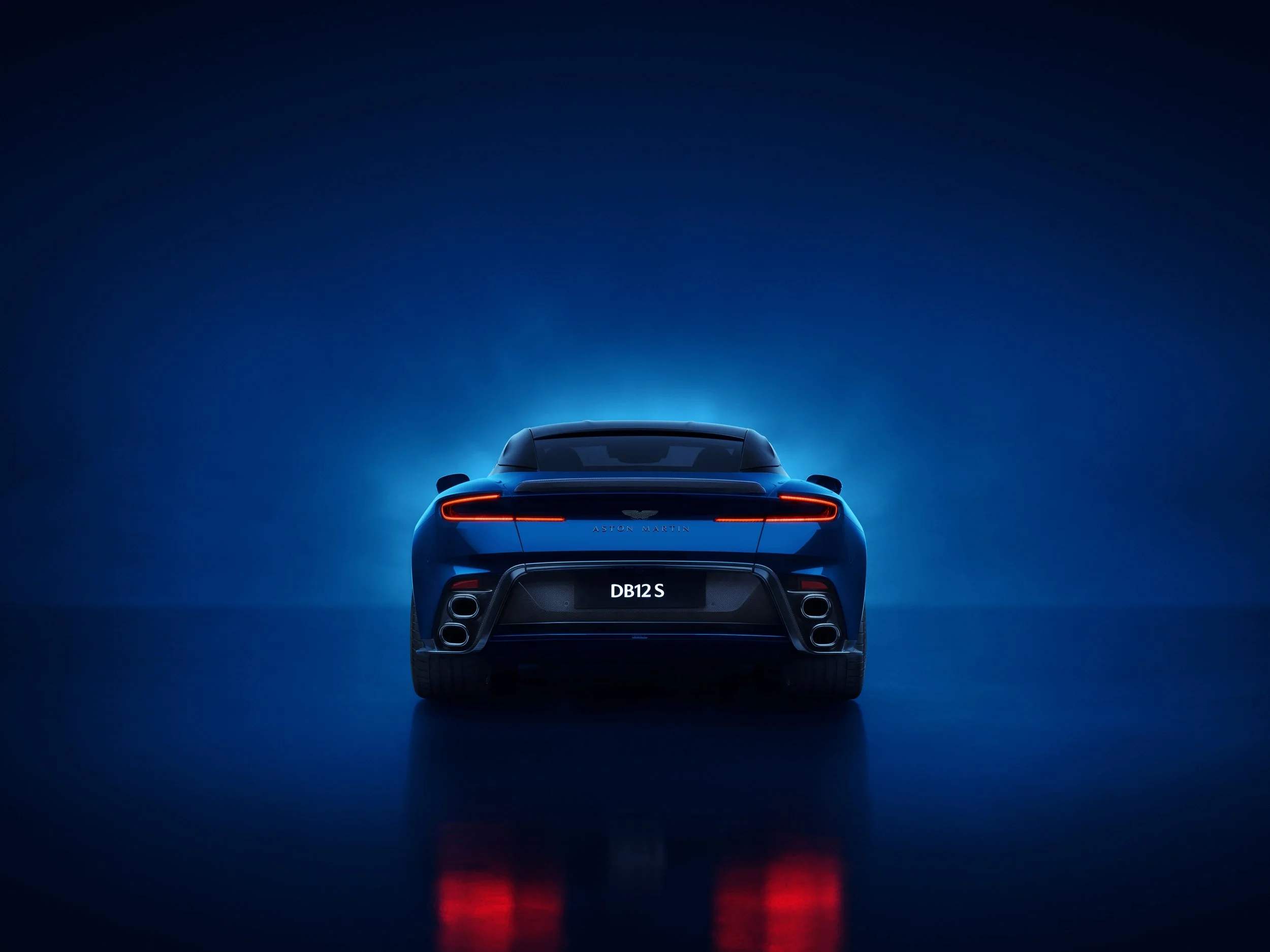
Image © Aston Martin Lagonda. Used for editorial purposes.
DB12 S is now much easier to judge than it was when this article was first planned. The early reviews suggest it is not a revolution, but it does appear to be a more complete, sharper, louder and more confident DB12. That matters. If the purpose of an S model is to make the existing car feel more resolved and more emotionally alive, DB12 S now looks like one of the strongest arguments for Aston Martin’s modern S strategy.
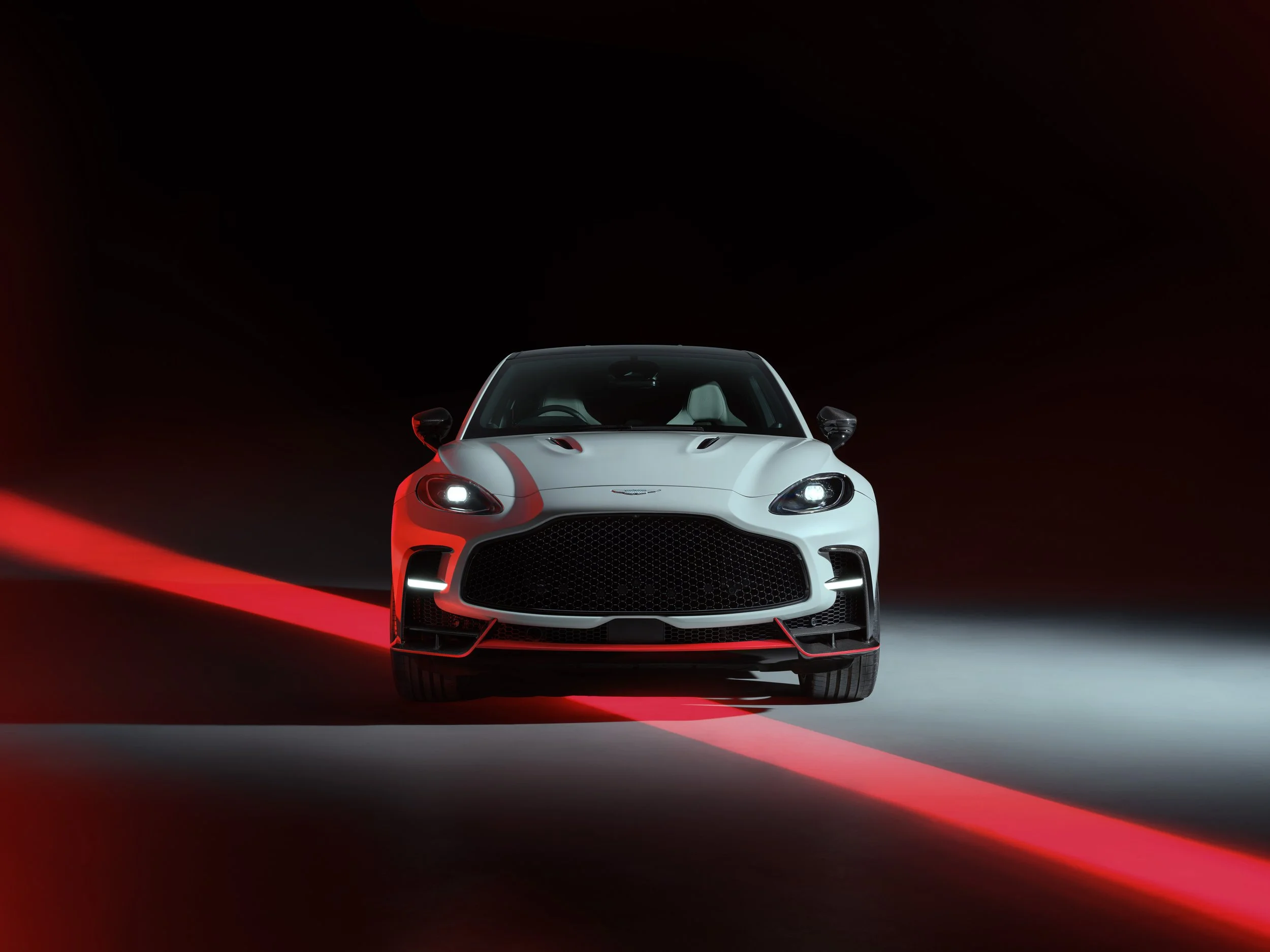
Image © Aston Martin Lagonda. Used for editorial purposes.
DBX S is commercially fascinating. It may not be dramatically quicker than DBX707 in the headline figures, and some reaction suggests it may be more intense rather than universally better. But it gives Aston Martin a stronger flagship SUV, more drama, more visual identity and another high-value rung in the product ladder. For some buyers, that will be precisely the point.
Vanquish S, if it ever comes, would need to be handled carefully. It makes historical sense, but the current Vanquish already starts so high that any S version would need to be more than a badge and a modest power increase.
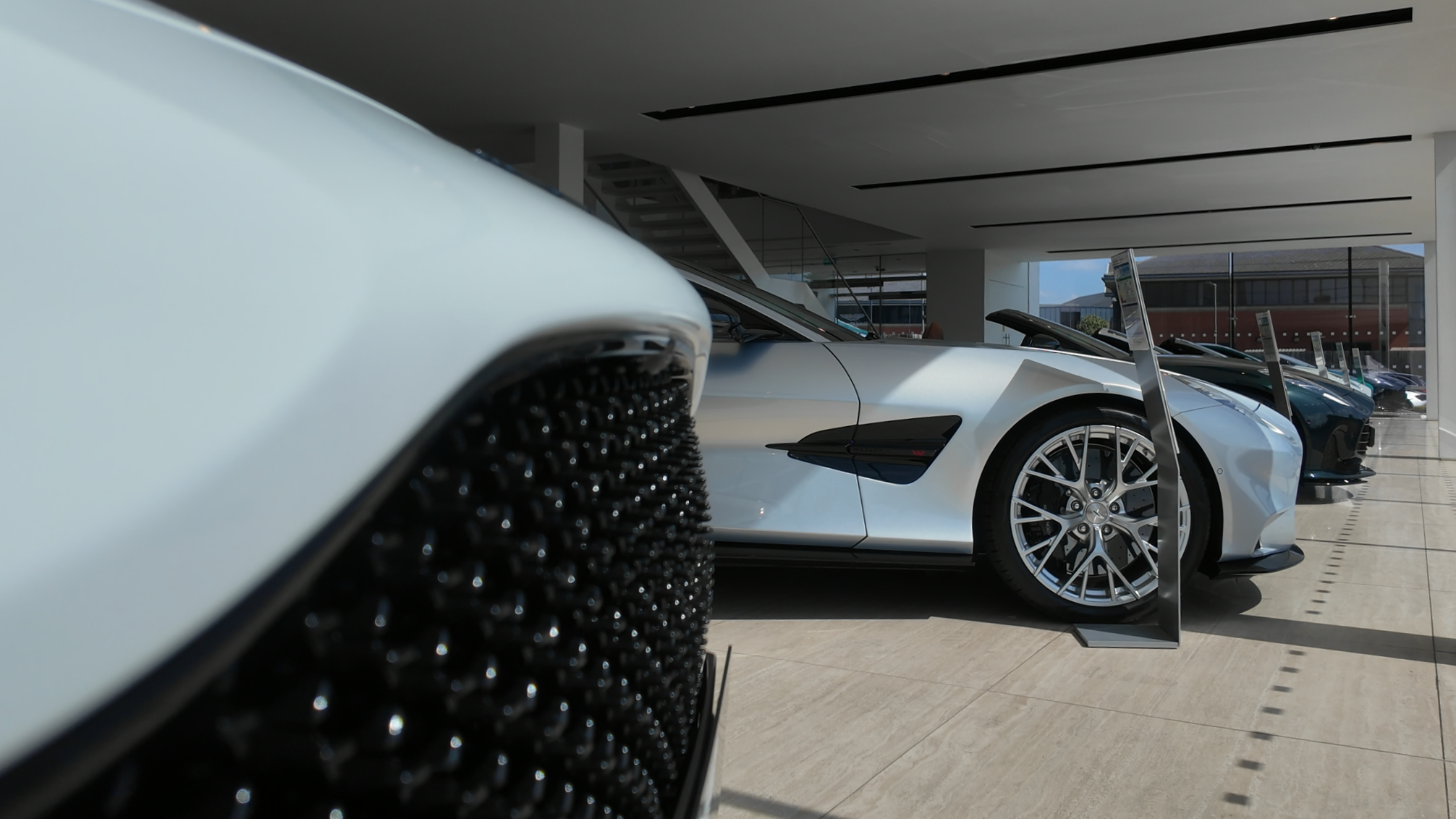
Image © Fuel the Passion. The Vanquish from the nose of the DBX S, Aston Martin Nottingham.
So is S worth it? It’s worth it when it adds substance. It’s harder to justify when it adds only status. But in Aston Martin terms, substance doesn’t always mean one thing. It’s not always the largest power increase, the quickest acceleration figure or the biggest rear spoiler. Sometimes it’s chassis tuning, it’s sound, it’s a sharper response, better body control, more confidence from the front end, or a car that feels more settled when you start to use it properly. Sometimes it’s the sense that the engineers have taken a car you already liked and found a little more clarity inside it.
That’s why the current S cars need to be judged individually. Vantage S makes its case emotionally, through attitude, urgency, stance and driver appeal. DB12 S now looks like the strongest proof point for the modern S strategy, because the early reviews suggest it makes the Super Tourer more complete rather than simply more aggressive. DBX S is the hardest to justify rationally, because DBX707 was already so extreme, yet it still has a clear role as the more dramatic flagship SUV for buyers who want the top rung.
So the answer is not simply yes or no. An S model is worth it when it makes the Aston Martin beneath it feel more Aston Martin. More resolved, more memorable, more desirable, more alive. It’s less convincing when it feels like a badge, a price increase and a few visual cues looking for a reason to exist. For me, that’s the real test, not whether the S is faster on paper, but whether it gives the car a stronger character. Whether it makes the owner feel they chose the version with the clearest sense of purpose, whether it creates that moment, after the drive is finished, when you turn back for one more look and feel that the car has given you something more than numbers. That may not be scientific, but it’s honest.
Closing Reflection
The S badge still matters, but it has to keep earning its place. Aston Martin’s best S models have never been about numbers alone. They’ve been about taking an existing car and making its personality stronger, more focused, more memorable, more desirable and more complete. That remains the challenge now.
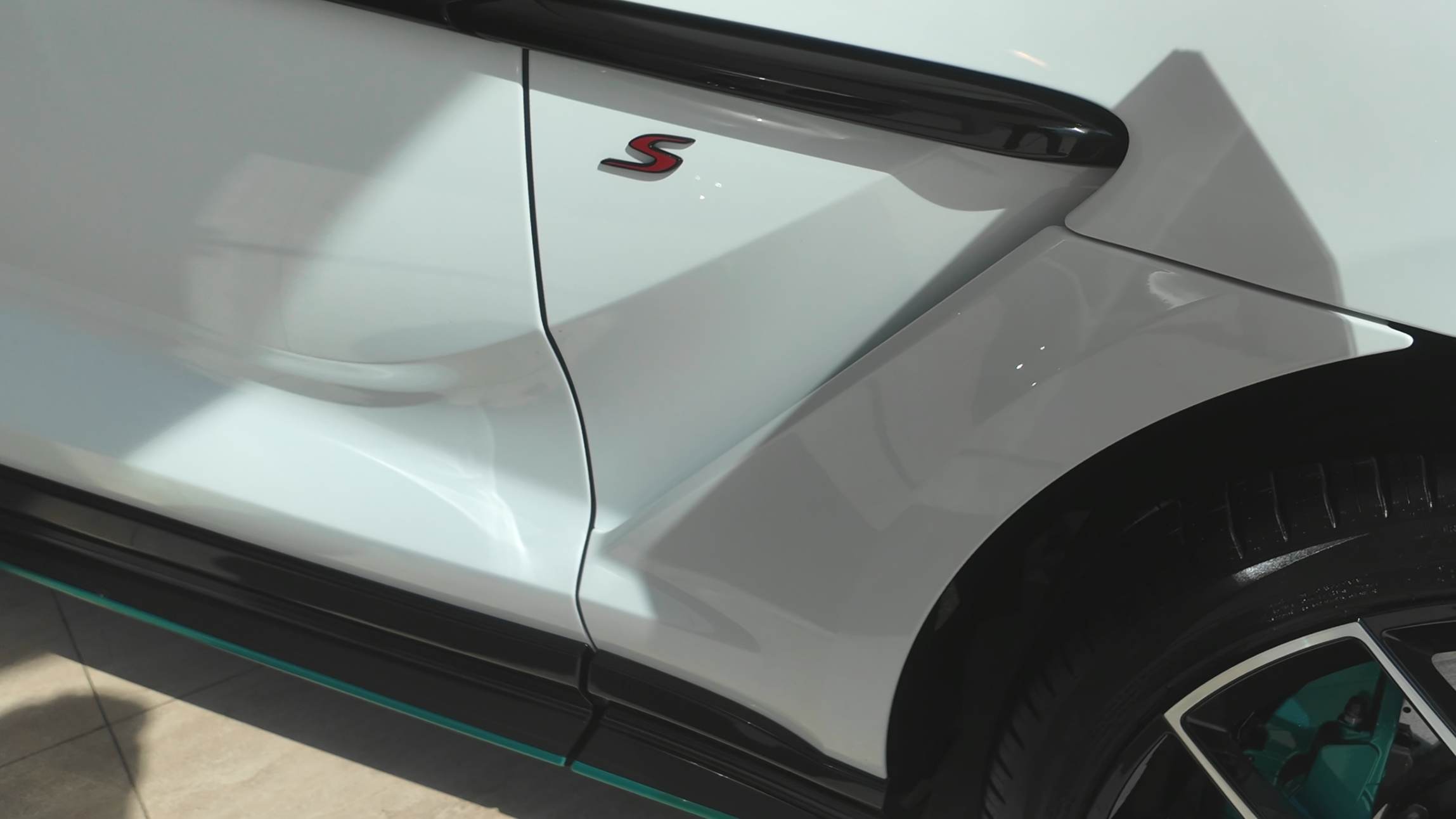
Image © Fuel the Passion. Aston Martin DBX S, Aston Martin Nottingham
As modern cars become faster, heavier, more electrified and more technically complex, the old performance ladder becomes harder to climb in a meaningful way. Another tenth to 60mph is impressive, but it may not be what customers remember. A slightly higher top speed may look good in a table, but it’s not what makes someone fall in love with a car.
At this level, speed is no longer rare. Character is. That’s where Aston Martin has to be careful, but also where it has a real opportunity.
The future of the S badge shouldn’t simply be about turning everything up. More power, more noise and more carbon fibre might help, but only if they serve the car beneath them. The better question is whether the S version gives the car a clearer voice. Whether it makes the steering feel more natural, the chassis more trustworthy, the sound more memorable, the design more resolved, and the experience more emotionally Aston Martin, because that’s what people remember. They remember the sound, the steering, the way the car sits on the road, the smell of the leather, the shape in the garage, the small details they chose. The moment they walk away, turn back, and feel that this particular Aston Martin tells the story they wanted it to tell.
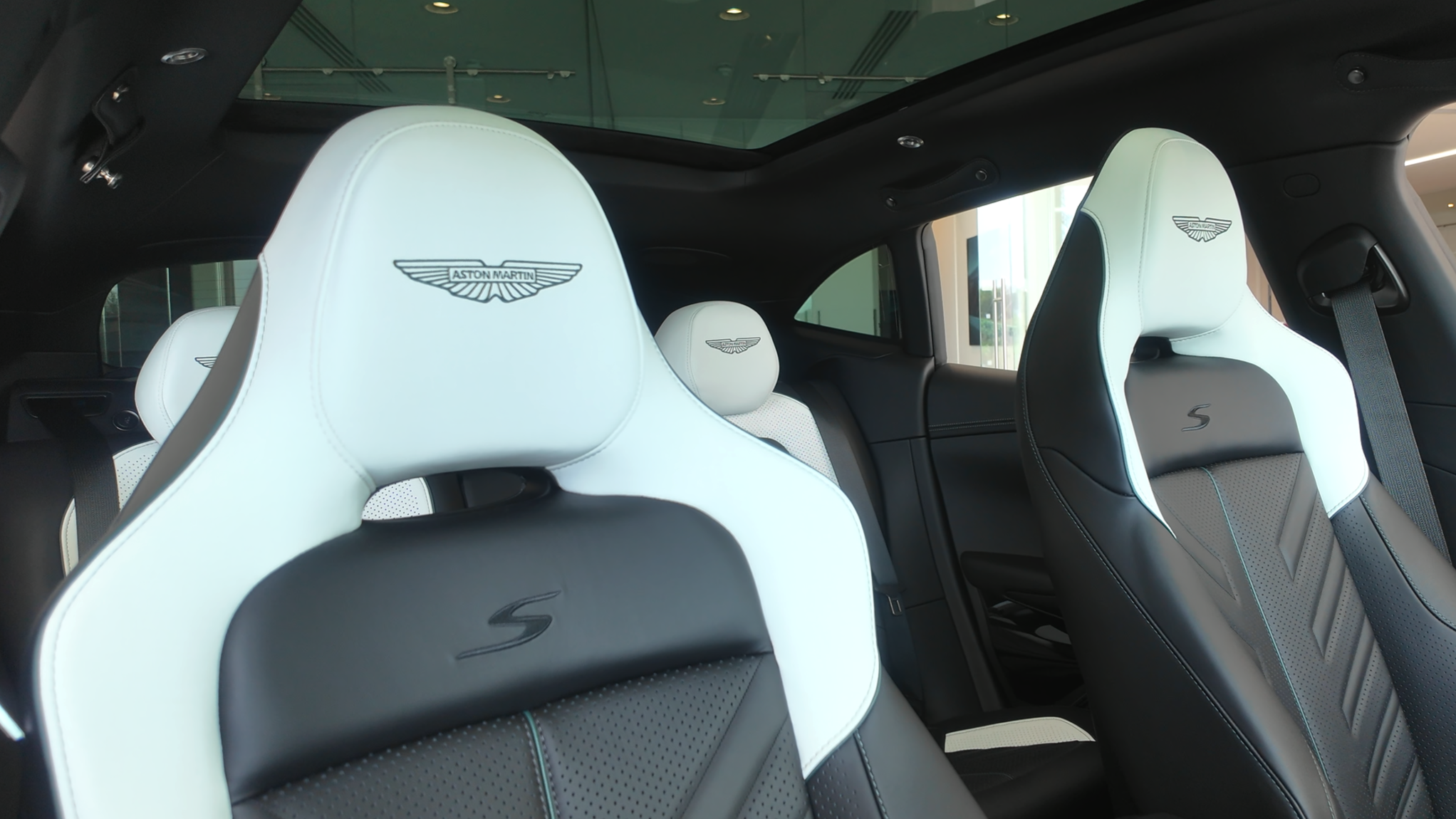
Image © Fuel the Passion. Aston Martin DBX S, Aston Martin Nottingham
So perhaps the real question is not simply: Is the S worth it? Perhaps the better question is: What do you want your Aston Martin to say?
For Aston Martin itself, the question may be even bigger: Can S remain meaningful when speed alone is no longer enough?
The answer will shape not only Vantage S, DB12 S and DBX S, but whatever comes next. A future Vanquish S, a future hybrid S model, or even an electric Aston Martin carrying that badge would all need to prove the same thing: that S still stands for substance, not just status. Because the future of S may not be about going faster, it may be about feeling more.

Do you want to keep reading? - FTP Weekly Roundup
For readers who enjoy this kind of deeper Aston Martin analysis, the Fuel the Passion Weekly Roundup is published every Sunday at 6am, bringing together the latest Aston Martin news, road cars, motorsport, heritage, ownership stories and market context in one place.
It’s where many of these stories first appear and where we continue to follow them as they develop.
Can I ask you a question: in a world where Aston Martins are already incredibly fast, does the S badge still matter, and what would make it worth paying extra for? More power, sharper handling, greater sound, rarity, Q personalisation, or simply a stronger sense of occasion? I would love to hear your thoughts 👇
