
Aston Martin DB11 - FTP Buyers Guide
What to Know Before Buying Aston Martin’s New-Era Grand Tourer
Fuel the Passion is independent and this guide is not produced in association with Aston Martin Lagonda. It’s intended as editorial buying guidance for enthusiasts and prospective owners.
Estimated Read Time
A detailed guide to the Aston Martin DB11, covering V8 and V12 models, Volante, AMR, known issues, ownership costs, market position and buying checks.

Image © Aston Martin Lagonda. Used for editorial purposes.
Editor’s Introduction - Dan, Fuel the Passion
The Aston Martin DB11 is one of those cars that makes more sense with a little distance. When it arrived in 2016, it had an enormous job to do. It was not simply replacing the DB9, it was carrying Aston Martin into a new era: new structure, new technology, new turbocharged engines, new design language and a very different ownership proposition from the naturally aspirated VH-era cars that so many enthusiasts still love.
That made the DB11 important, but also complicated.
Some praised the way it moved Aston Martin forward. Others found the styling, cabin technology or turbocharged character less instantly romantic than the DB9, DBS and Vanquish era. The original V12 was soon joined by the V8, then the Volante, then the sharper DB11 AMR. The range evolved quickly as Aston Martin refined what the DB11 should be.
Now, in the second half of the 2020’s, the DB11 is in one of the most interesting phases of its life.
It’s no longer Aston Martin’s latest grand tourer. The DB12 has taken that role, with a far newer interior, more power and a sharper “Super Tourer” identity. But the DB11 offers something very compelling: a much lower used-market entry point, a choice of V8 or V12 power, Coupe or Volante body styles, and the chance to buy a modern Aston Martin GT for a fraction of its original cost. That doesn’t make it cheap ownership.
A DB11 may now look tempting beside its original list price, but it still needs to be maintained like a high-end Aston Martin. A good one can be a superb modern GT: fast, elegant, usable, comfortable and genuinely special. A poor one can become expensive very quickly.
This guide is designed to help you separate the two.
Important Information
The FTP Aston Martin Buyers Guides are provided for general information and enthusiast guidance only. They are not a substitute for a professional inspection, specialist mechanical advice, legal advice, financial advice, insurance advice or independent valuation.
Quick Buyer Summary
Best all-round DB11: V8 Coupe
Best emotional DB11: V12 Coupe
Best V12 DB11: DB11 AMR
Best lifestyle DB11: V8 Volante
Best value opportunity: well-sorted early V12 or V8
Safest buying route: Aston Martin Timeless or respected marque specialist car
The DB11 is now a compelling used Aston Martin GT, but it’s not a car to buy casually. The strongest cars will have full annual service history, clear invoices, completed recall and campaign work, healthy battery behaviour, good tyres, clean diagnostics and a seller who welcomes proper inspection.
FTP headline advice:
Buy the car, not the advert. Choose the engine with your heart, but choose the individual car with your head.
Why the DB11 matters

Image © Aston Martin Lagonda. Used for editorial purposes.
The DB11 was Aston Martin’s replacement for the DB9 and the first major production model of the company’s Second Century plan. It sits between two Aston Martin worlds. On one side are the DB7, DB9, DBS, Vanquish and VH-era cars: elegant, analogue-feeling, naturally aspirated and emotionally powerful. On the other side are the current Aston Martins: DB12, new Vantage, DBX707, Vanquish and Valhalla-era machinery, with sharper dynamics, newer interiors, more aggressive positioning and more modern technology. The DB11 is the bridge.
It still has the long-bonnet Aston Martin GT shape, the rear-wheel-drive layout and the sense of occasion expected from the DB bloodline. But it also introduced the complexity of the modern era: turbocharging, Mercedes-linked electronics, more software, more modules, more diagnostic dependency and a different servicing picture from older Aston Martins.
You’re not buying an old-school DB9 with a newer body. You’re buying a modern, electronically complex, turbocharged Aston Martin GT. That can be a very good thing, but only if the car has been serviced, maintained and inspected correctly.
The DB11 range explained
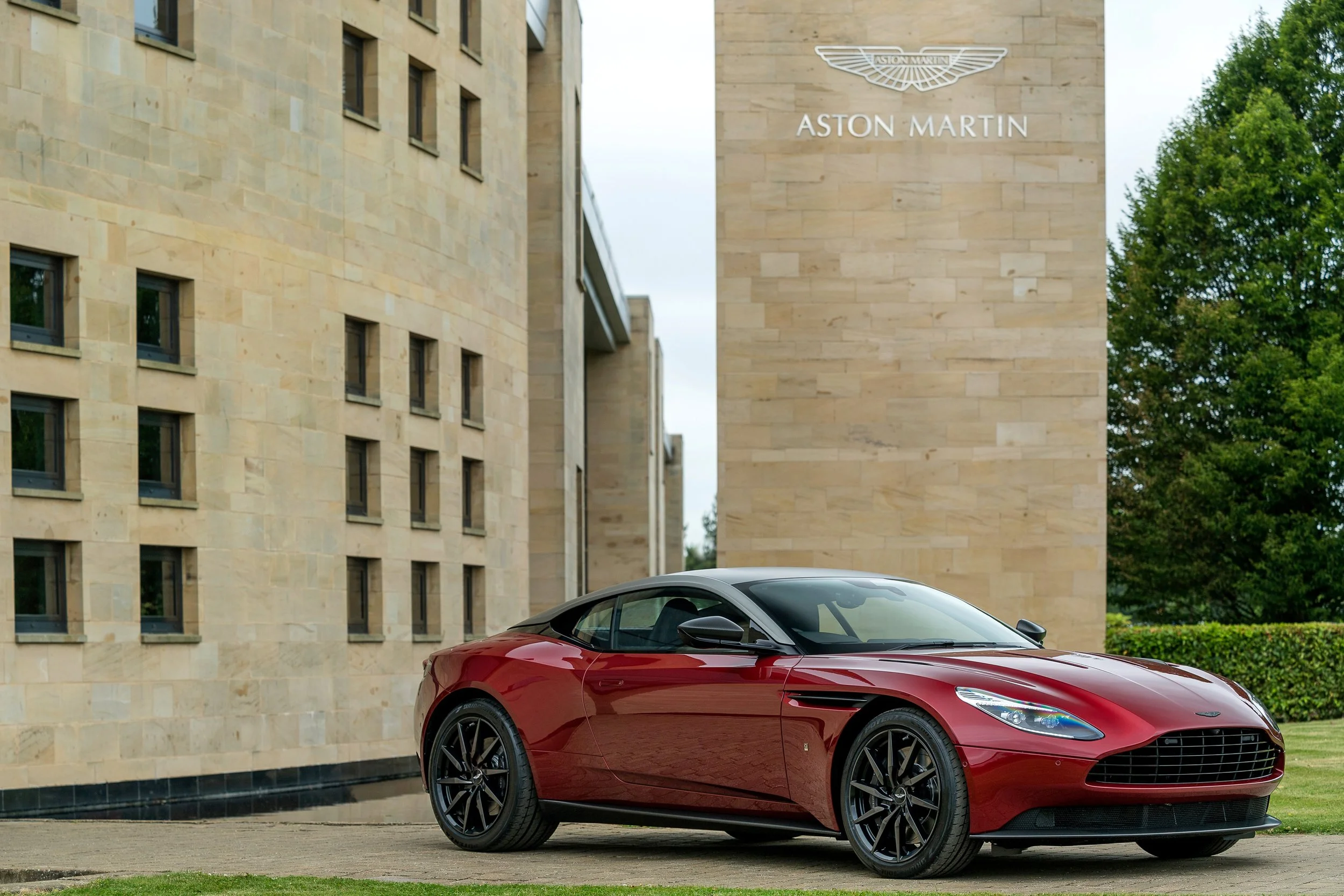
Image © Aston Martin Lagonda. Used for editorial purposes.
The DB11 range is more nuanced than it first appears. It was not launched as one car and left alone. Over its life, the DB11 evolved from the original V12 Coupe into a family that included the V8 Coupe, V8 Volante, DB11 AMR and later model-year updates. For buyers, that matters because the best DB11 is not automatically the newest, the cheapest or the one with the largest engine. Each version has a different character.
DB11 V12 Coupe: the original flagship
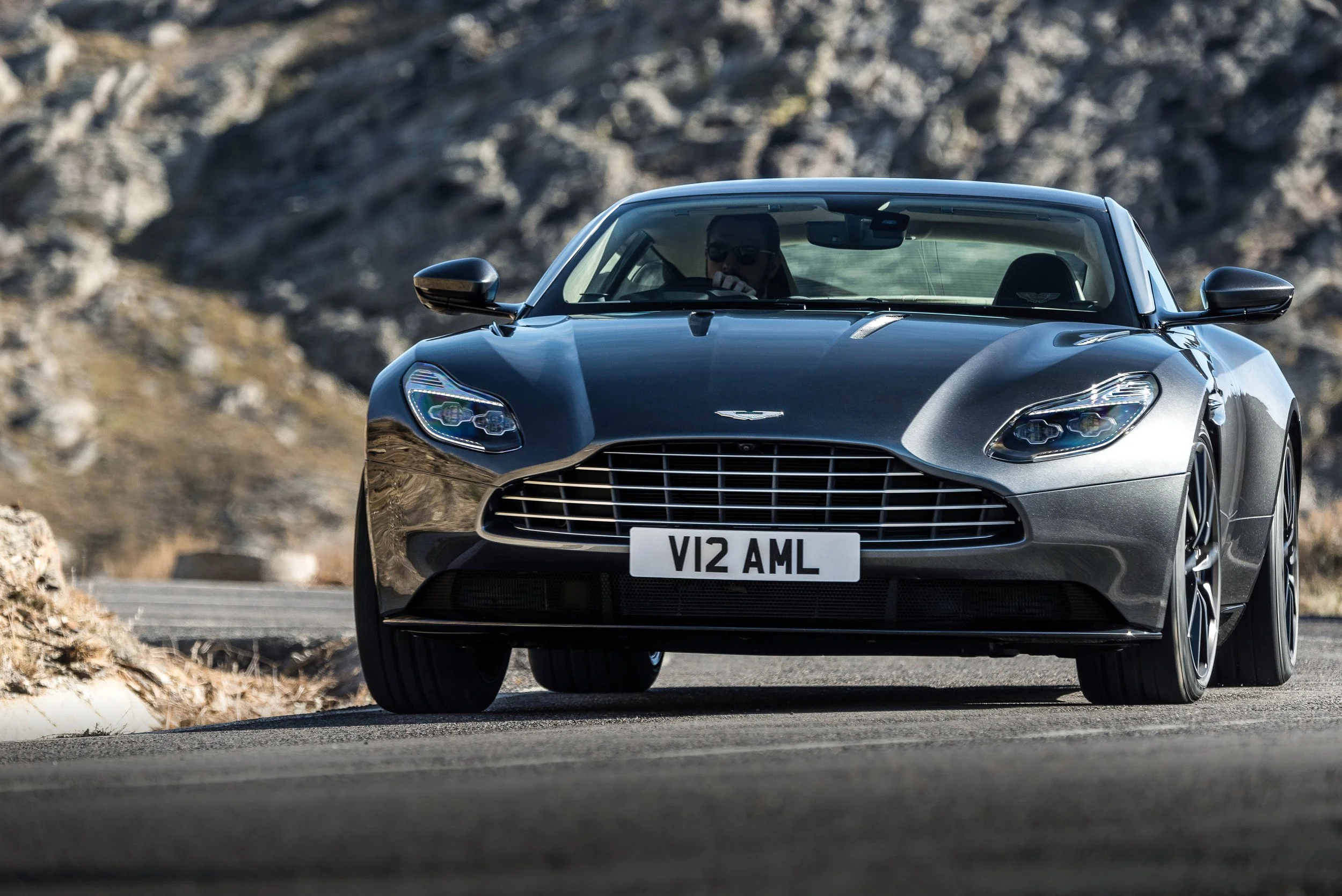
Image © Aston Martin Lagonda. Used for editorial purposes.
The original DB11 arrived as a V12 Coupe and carried huge significance for Aston Martin. It was the car that replaced the DB9 and began the company’s modern Second Century production era. Under the bonnet was Aston Martin’s own 5.2-litre twin-turbocharged V12. This gave the DB11 the performance and status expected of a flagship DB model, while moving away from the naturally aspirated character of the DB9, DBS and Vanquish era.
The early V12 Coupe is arguably the most historically important DB11 because it’s where the story begins. It gives you the full original concept: long bonnet, rear-wheel drive, twelve cylinders, turbocharged torque and a much more modern platform than the DB9. It’s also the version that needs the most careful buying approach. Early cars should be checked thoroughly for service history, recall completion, software and campaign work, battery health, warning-light history and any evidence of misfires or ignition-related issues.
On V12 cars, buyers should also ask whether the bonnet-vent water-shield service action or technical update has been completed, particularly if there’s any history of coil-pack replacement, spark-plug work, misfires or engine-management warnings.
FTP buyer view:
The early V12 is the emotional and historically significant DB11. It can now look very tempting used, but it should be bought on evidence, not romance.
DB11 V8 Coupe: possibly the sweet spot

Image © Aston Martin Lagonda. Used for editorial purposes.
The DB11 V8 changed the character of the car more than some buyers might expect.
Its 4.0-litre twin-turbocharged V8 is AMG-derived, but Aston Martin calibrated and packaged it for the DB11. This is not simply a Mercedes engine dropped into an Aston Martin. The engine response, exhaust character and chassis setup were all part of Aston Martin’s own DB11 V8 package.
The V8 is lighter than the V12, particularly over the nose, and that gives the car a different feel. Multiple reviewers found it sharper, more agile and more alert than the original V12. It still has the style, comfort and grand-touring character of the DB11, but with a more balanced and usable feel. For many buyers, this may be the best all-round DB11.
It will not have the same twelve-cylinder theatre as the V12, and for some buyers that will matter. But for regular use, country-road driving and a more rational ownership case, the V8 makes a very strong argument.
FTP buyer view:
The V8 is not the lesser DB11. It may be the most rounded version of the car.
DB11 Volante: the open-top GT
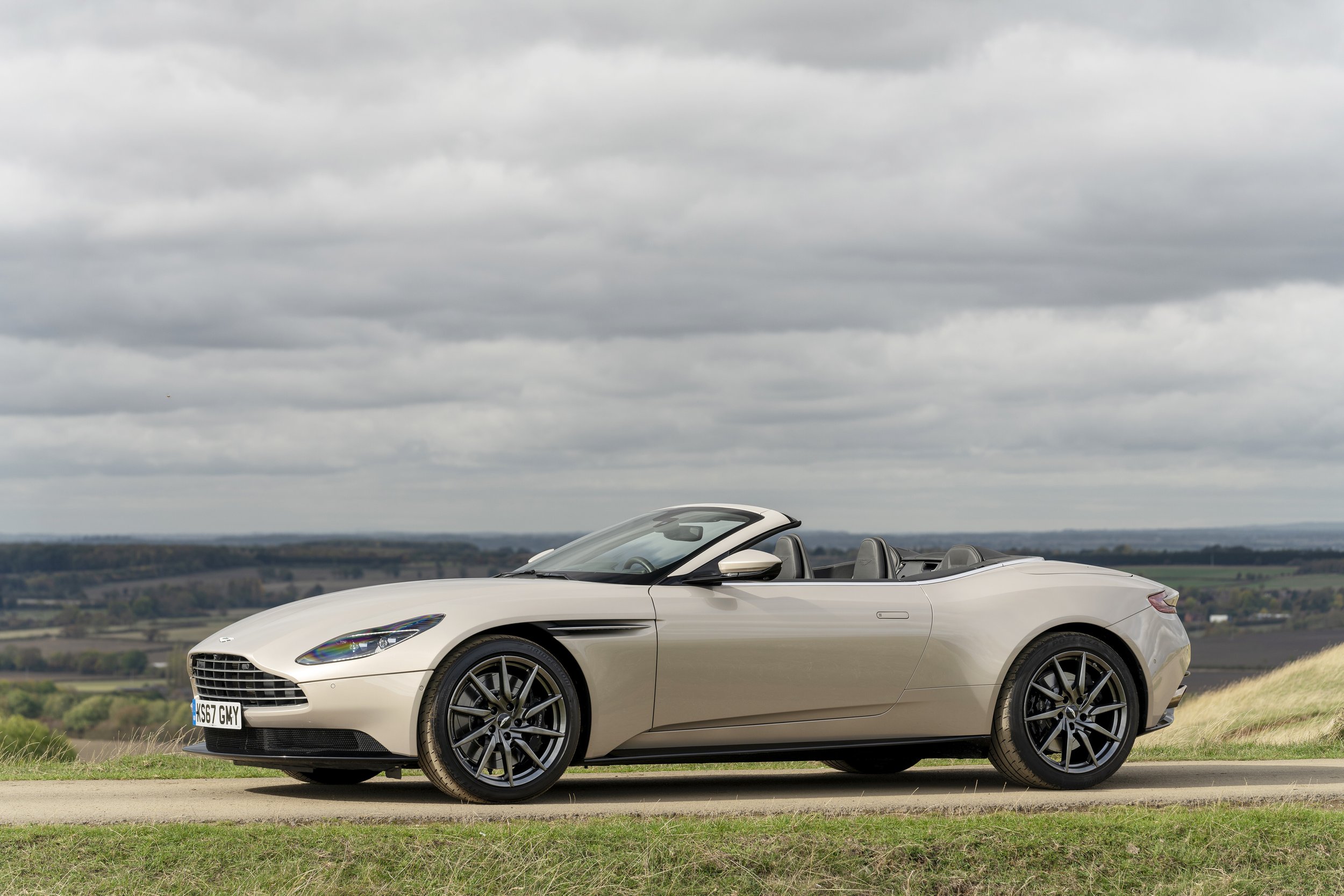
Image © Aston Martin Lagonda. Used for editorial purposes.
The DB11 Volante is the convertible version of the DB11 and was offered with the V8 engine.
It deserves to be treated as a distinct version of the car, not simply a Coupe with the roof removed. The Volante changes the DB11’s character. It adds open-top theatre, makes the exhaust note more accessible and gives the car a more relaxed, lifestyle-led feel.
It also changes the way the DB11 looks. The Coupe’s floating C-pillar and rear aero treatment divided opinion, but the Volante removes that feature and gives the car a more traditional Aston Martin profile. For some buyers, the Volante may actually be the prettier DB11. The Volante uses an eight-layer fabric roof, which Aston Martin stated could lower in 14 seconds and close in 16 seconds, including operation on the move up to 31mph. That sounds reassuring, but a convertible roof is still something to inspect properly, not simply admire.
A Volante needs all the usual DB11 checks, plus a careful roof and water-ingress inspection. The roof should open and close smoothly, the windows should index correctly, the seals should sit cleanly, and there should be no dampness in the carpets, boot or roof storage area.
FTP buyer view:
The Volante is the lifestyle DB11, but not a shallow choice. A good V8 Volante could be one of the most enjoyable DB11s to own.
DB11 AMR: the sharper V12

Image © Aston Martin Lagonda. Used for editorial purposes.
The DB11 AMR replaced the original V12 Coupe as the V12 flagship.
This matters because the AMR was not just a styling pack. It was Aston Martin’s sharper, more focused version of the V12 DB11. It brought 630bhp, a 208mph top speed, revised chassis character, a more vocal exhaust note, darker visual detailing and a stronger identity.
The AMR addressed some of the criticisms aimed at the original V12. It made the car feel more precise and better defined without turning it into a harsh or track-focused machine. It remained a grand tourer, but a more convincing and more dramatic one. For buyers who know they want a V12 DB11, the AMR is likely to be the benchmark.
That said, the badge should not override condition. A poorly maintained AMR is not a better buy than a superb V8 or early V12. Service history, tyre condition, diagnostics, recall status, warranty position and overall care still matter.
FTP buyer view:
The AMR is the most desirable regular-production V12 DB11, but it still has to earn its price through condition and history.
Shadow Edition, Q and special specifications
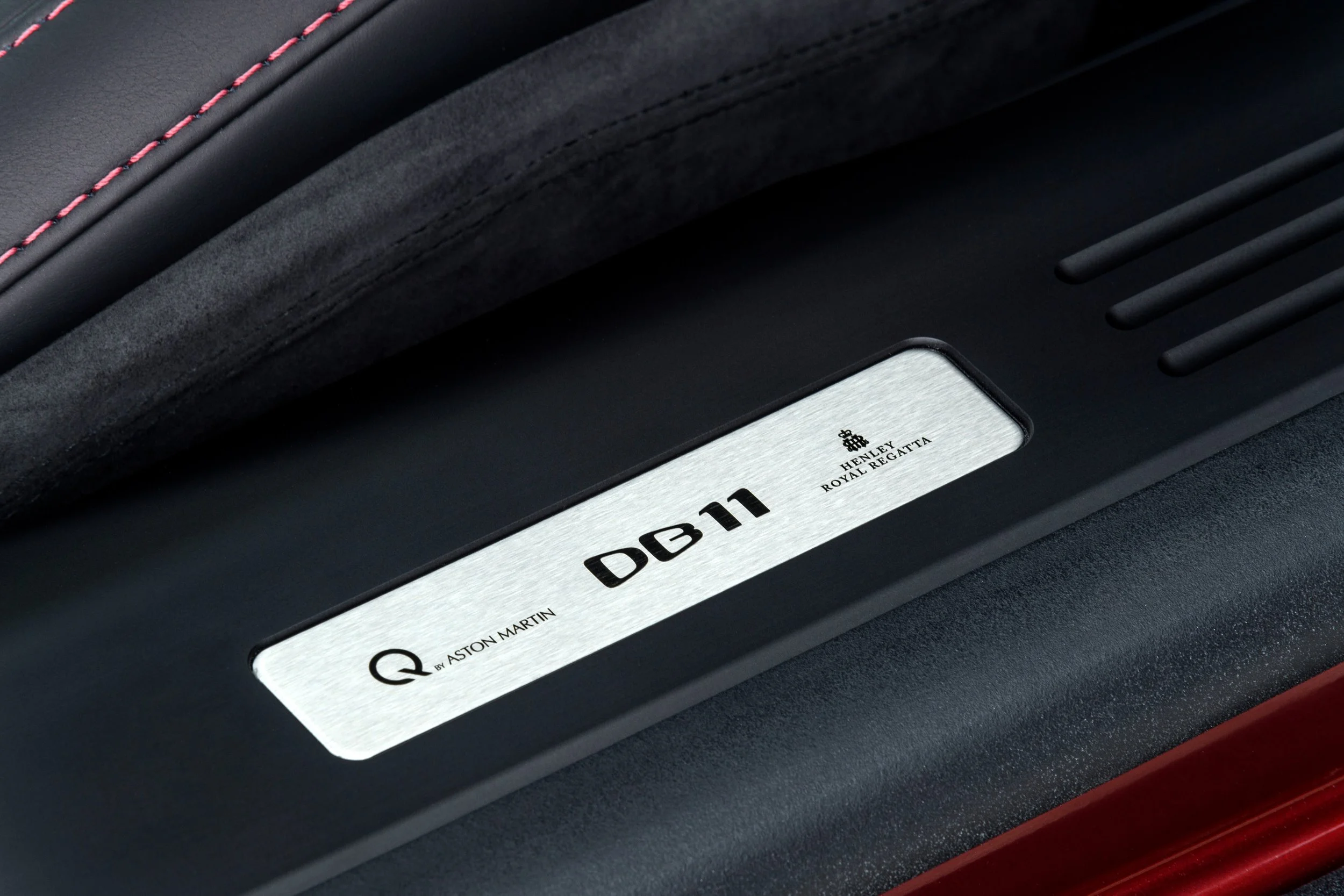
Image © Aston Martin Lagonda. Used for editorial purposes.
The DB11 was also offered in special visual specifications, including Shadow Edition models and various Q or highly optioned cars.
These can be very appealing, especially if the colour, trim, wheels and interior specification are right. Aston Martin buyers often care deeply about specification, and on a DB11 it can make a big difference to how special the car feels.
But visual desirability is not the same as mechanical significance. A Shadow Edition or unusual Q specification may be more desirable, but it doesn’t automatically make the car mechanically better than a standard DB11. A rare colour or special trim should be treated as a bonus, not a substitute for service history, condition, recall confirmation and inspection evidence.
FTP buyer view:
Special specifications can add appeal, but they should never distract from the fundamentals.
Late DB11 and 22MY (Model Year) cars
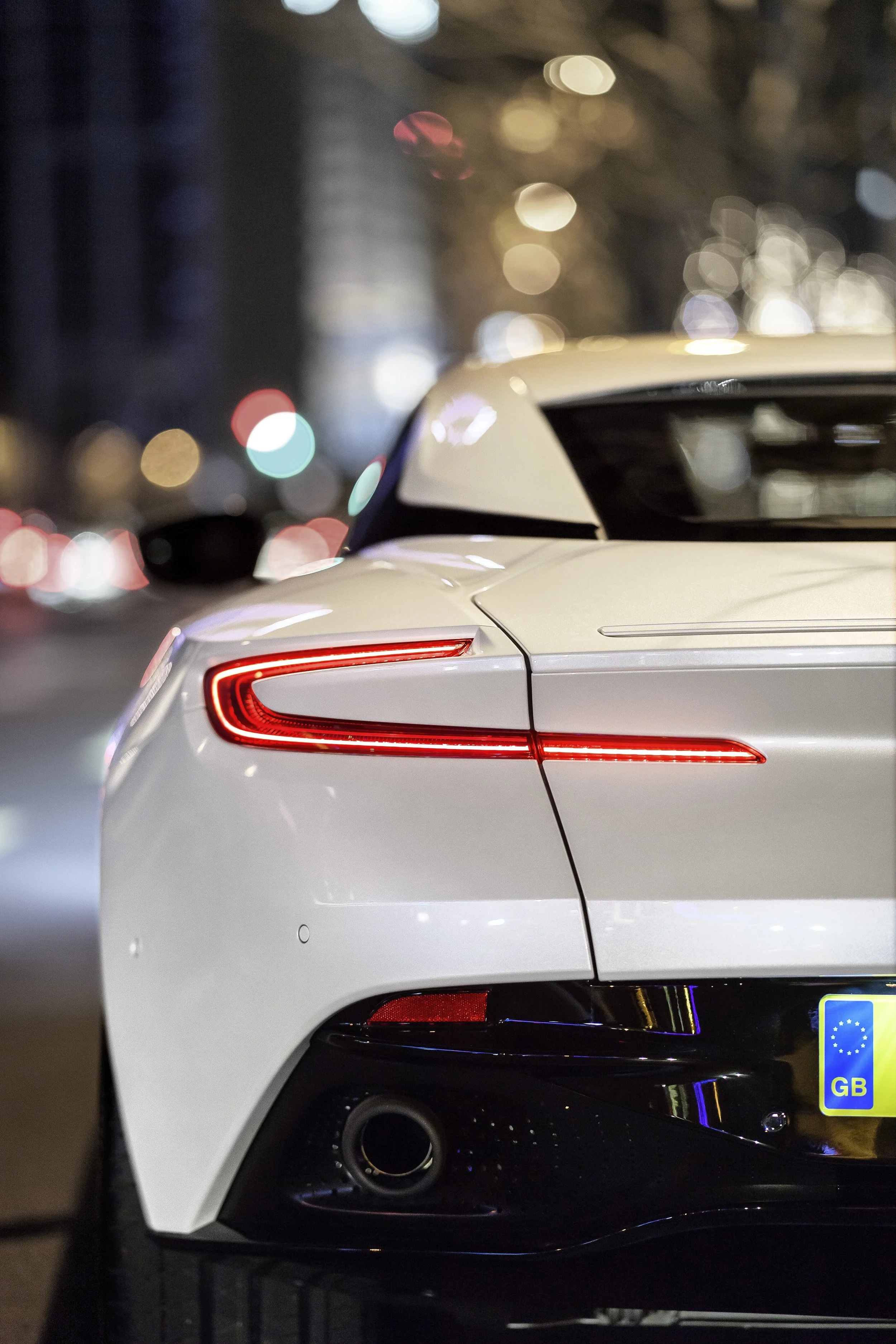
Image © Aston Martin Lagonda. Used for editorial purposes.
Later DB11s need careful explanation because the range changed as the model matured. For 22MY, the DB11 V8 Coupe and Volante rose to 535PS, or around 528bhp, while the V12 retained the higher-power AMR-era output and dynamic attributes but dropped the AMR badge as Aston Martin simplified naming.
This creates a simple buying rule: Do not rely on the badge alone. Check the model year, build data, factory specification and service records.
A late V8 Coupe or Volante can be a very appealing DB11 because it benefits from later updates while retaining the DB11’s softer grand-touring character. A late V12 can also be desirable, but buyers need to understand exactly what they’re looking at.
FTP buyer view:
Late DB11s can justify a premium, but only if the specification, condition and history support it.
Which DB11 is right for you?
The best DB11 depends less on the badge and more on how you plan to use the car. Here is the simple FTP buyer view.
Best all-round ownership
V8 Coupe
Lighter, sharper, still very fast and likely the most balanced DB11.
Maximum Aston Martin theatre
V12 Coupe
Twelve-cylinder character, flagship feel and emotional appeal.
Best V12 version
DB11 AMR
More powerful, sharper and better resolved than the original V12.
Open-top touring
V8 Volante
Style, sound and roof-down GT comfort.
Lower entry price
Early V12 or early V8
Potentially strong value if history, condition and inspection evidence are excellent.
Later, more developed car
22MY V8 or late DB11
Later updates, stronger specification appeal and useful model-year improvements.
Lower-anxiety purchase
Timeless / specialist car
Better preparation, warranty support or marque expertise.
Long-term keeper
Best-history car, not cheapest car
Provenance, invoices and condition matter more than bargain pricing.
DB11 V8 vs V12: which should you buy?

Image © Aston Martin Lagonda. Used for editorial purposes.
For many Aston Martin buyers, the instinctive answer will be the V12. That’s understandable. Aston Martin and V12 engines have a deep emotional connection. A twelve-cylinder DB car feels like the traditional flagship choice: long bonnet, effortless performance, grand touring theatre and that sense of occasion that makes an Aston feel different from almost anything else.
But the DB11 complicates that decision.

Image © Aston Martin Lagonda. Used for editorial purposes.
The V8 is not merely the cheaper DB11. It’s lighter, sharper and in many ways better balanced. Several reviewers found it more agile and more alert than the original V12, while still being fast enough, stylish enough and special enough to feel like a proper Aston Martin GT.
So this is not a question of “proper DB11” versus “entry-level DB11.” It’s a question of character.
The case for the V12
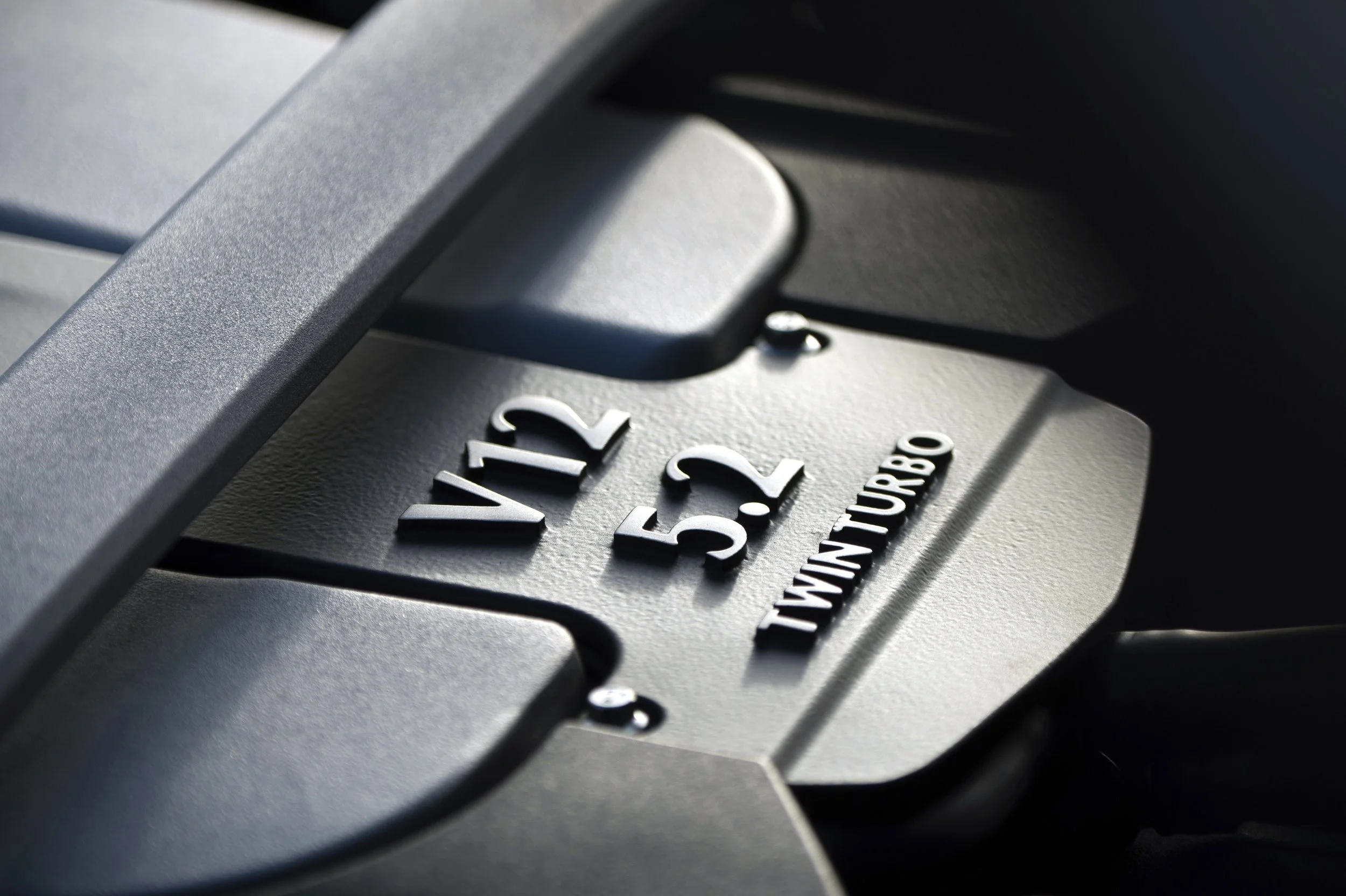
Image © Aston Martin Lagonda. Used for editorial purposes.
The V12 is the one to choose if the engine is central to the ownership experience. If part of the dream is opening the bonnet, seeing twelve cylinders, starting the car and knowing you have the big Aston Martin engine, the V8 may never quite scratch the same itch. The V12 suits the DB11’s GT character very well. It feels effortless, muscular and expensive. It’s the car for long-distance cruising, high-speed confidence and the traditional front-engined Aston Martin sense of occasion.
It also has long-term enthusiast appeal. As the car market moves further into hybridisation, downsizing and electrification, a twin-turbo V12 Aston Martin grand tourer is unlikely to become less interesting.
The caution is that the V12 brings greater inspection and running-cost exposure. Buyers should be especially careful around service history, recall and campaign completion, battery and electronics health, misfire history, ignition work, cooling-system condition, turbo-related concerns, exhaust-valve operation and warranty eligibility.
FTP view:
Buy the V12 if the engine is the point. It’s the emotional DB11, but it needs the most disciplined buying approach.
Early V12 or AMR?
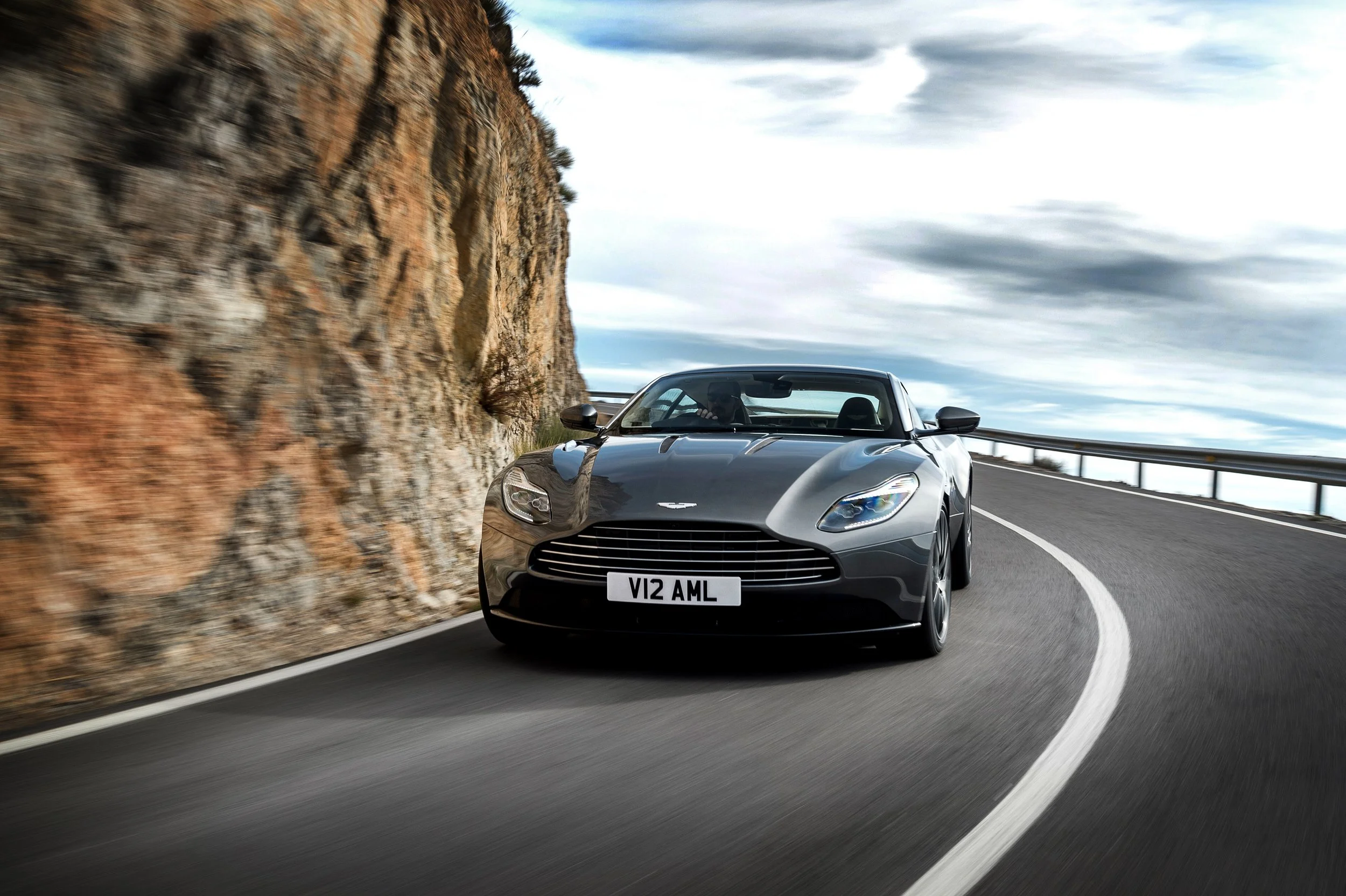
Image © Aston Martin Lagonda. Used for editorial purposes. Early V12 DB11.
If the V12 is the route you want, the next question is whether to buy an early V12 or stretch to the DB11 AMR.
The early V12 is the original DB11. It has significance and, in the current used market, can look like strong value. It gives you the twelve-cylinder experience at a price that can sometimes overlap with later or better-specified V8 cars.
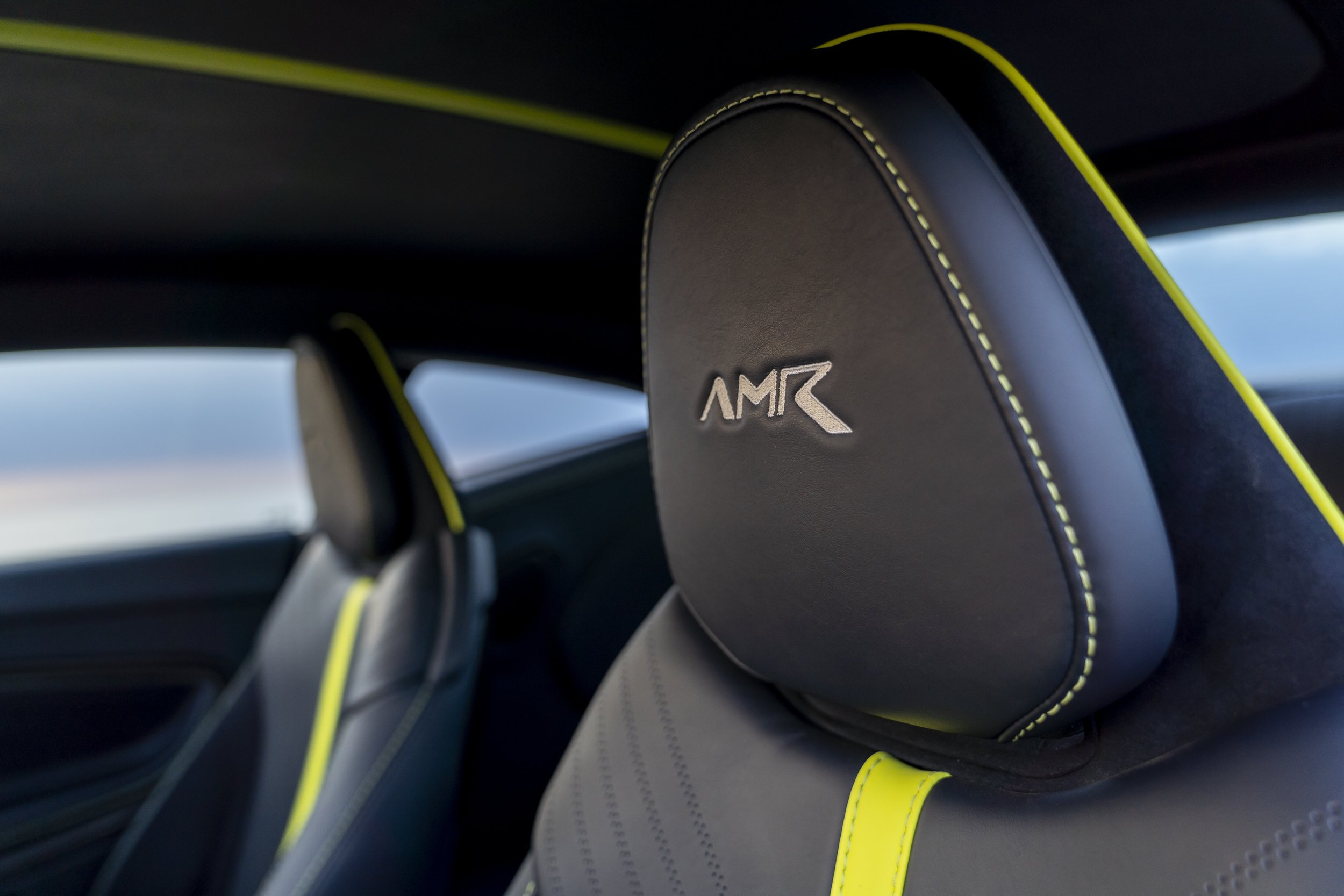
Image © Aston Martin Lagonda. Used for editorial purposes.
The DB11 AMR is the more resolved V12. It replaced the original V12 Coupe as the V12 flagship and brought more power, sharper response, a more vocal exhaust and a clearer identity.
The AMR didn’t turn the DB11 into a hardcore track car. It remained a GT, but a more focused and more convincing one.
FTP view:
The early V12 can be the value play. The AMR is the V12 benchmark, but condition still wins. A beautifully maintained early V12 may be a better buy than a tired AMR bought purely for the badge.
The case for the V8

Image © Aston Martin Lagonda. Used for editorial purposes. The V8 DB11.
The V8’s biggest advantage is balance. With less weight over the nose, the car feels more alert. It can be easier to place, more responsive on tighter roads and more confidence-inspiring for drivers who want the DB11 to feel agile rather than simply effortless. It’s also more rational from an ownership perspective. Servicing and some engine-related costs are generally less intimidating than the V12, and the AMG-derived engine family may be more familiar to specialists, though it still needs Aston Martin-level maintenance.
That doesn’t make the V8 more special in every way. It doesn’t have the same cylinder-count theatre or flagship status. But for many buyers, especially those who actually want to use the car regularly, the V8 may be the better all-round choice.
FTP view:
For many buyers, the DB11 V8 is the sweet spot. It’s not as theatrical as the V12, but it may be the better-balanced car to own and drive regularly.
The simplest V8 vs V12 answer
The V12 is the more emotional GT.
The V8 is the more agile GT.
Neither is wrong. They simply suit different buyers.
Choose the V12 if you want the most emotional DB11, value twelve-cylinder character and are prepared for higher running-cost exposure.
Choose the V8 if you want the best all-round DB11, value balance and agility, plan to use the car regularly and want a more rational ownership case.
The final decision shouldn’t be made from a spreadsheet. Drive both if you can.
Known issues and inspection areas
The Aston Martin DB11 is a modern, turbocharged, electronically complex grand tourer. That doesn’t make it a car to avoid, but it does mean a buyer should inspect it differently from an older DB9 or Vanquish.
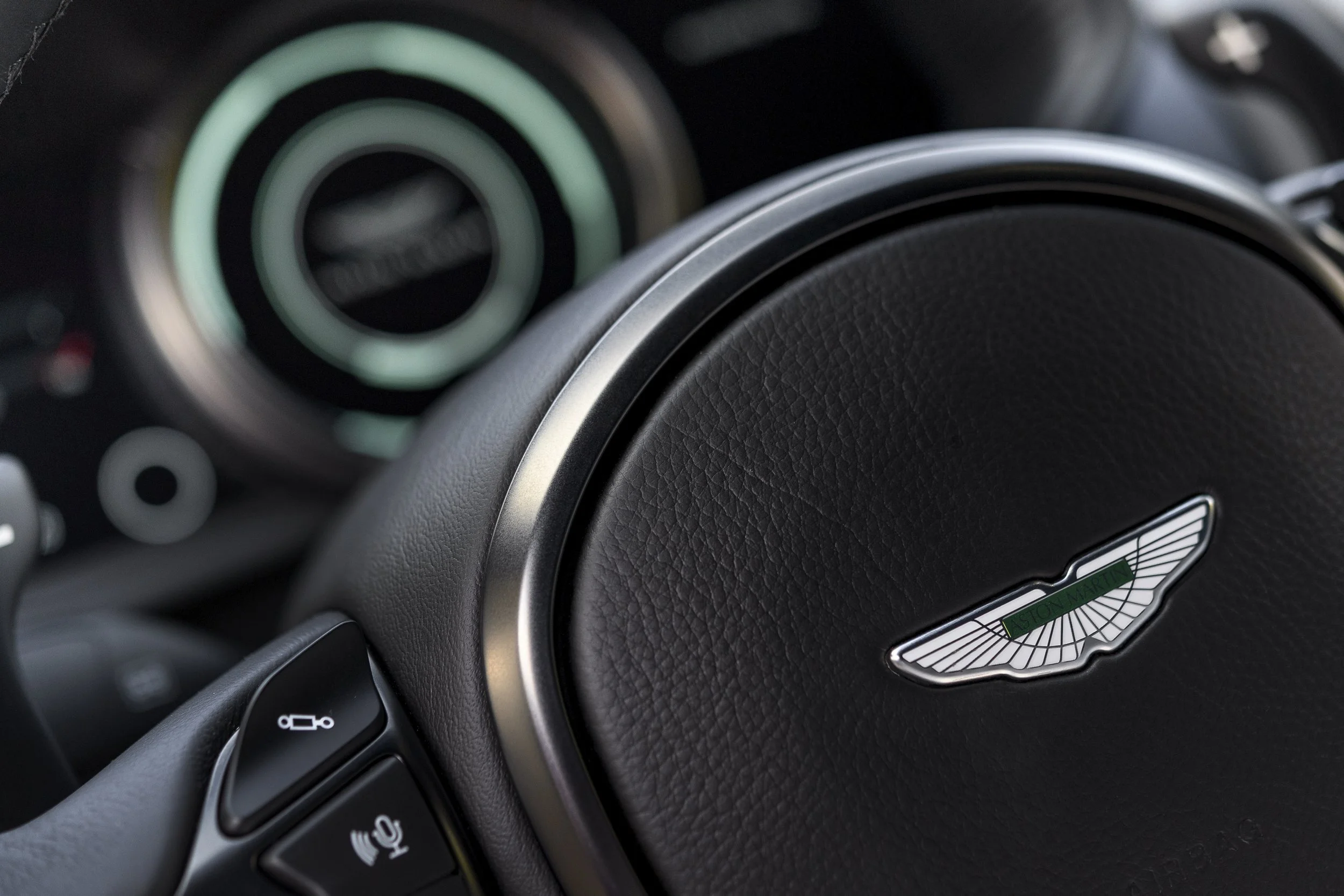
Image © Aston Martin Lagonda. Used for editorial purposes.
A good DB11 should feel smooth, fast, composed, expensive and properly sorted. Warning lights, vague history, weak battery behaviour, poor tyres, dampness or a seller who cannot answer basic questions should all make you pause.
The key is not to panic over internet lists. The key is to verify the individual car.
The five things that matter most
1. History
A DB11 needs annual servicing and detailed invoices, not just stamps.
2. Diagnostics
A proper Aston Martin diagnostic scan matters. A generic code reader is not enough.
3. Battery health
Low voltage can create confusing warning messages and electronic behaviour.
4. Tyres and brakes
The DB11 is powerful, heavy and sensitive to tyres, alignment and braking condition.
5. Variant-specific checks
V12 cars need water-shield and misfire checks. Volantes need roof, seal and dampness checks. AMRs still need condition and history to justify the premium.
Recall and campaign checks
Before buying any DB11, check whether all recall and safety campaign work has been completed. There are two useful places to start:
1. Aston Martin Safety Campaign Checker
Aston Martin provides its own VIN-based Safety Campaign Checker. You will need the car’s Vehicle Identification Number, usually referred to as the VIN.
Aston Martin Safety Campaign Checker:
https://www.astonmartin.com/en-gb/owners/safety-campaign-checker
2. GOV.UK Vehicle Recall Checker
You can also use the official GOV.UK vehicle recall checker to search for safety recalls by make, model and year.
GOV.UK Vehicle Recall Checker:
https://www.check-vehicle-recalls.service.gov.uk/
These checks are a useful starting point, but they should not replace proper dealer or specialist confirmation. Before purchase, ask the seller, Aston Martin main dealer or inspecting specialist to confirm the car’s VIN-specific recall and campaign status in writing.
This is especially important on earlier cars. Known recall areas have included tyre-pressure monitoring calibration and airbag-related items on certain vehicles. Recalls are VIN-specific, so the important thing is to check the individual car rather than assume every DB11 is affected.
Ask for the VIN, registration number, Aston Martin campaign check, dealer confirmation, service invoice notes and evidence of completed recall work.
FTP buying advice:
A DB11 with outstanding recall work is not necessarily a car to avoid, but the work should be completed before purchase, or clearly accounted for as part of the deal. If the seller cannot confirm recall status, treat that as a gap in the evidence.
V12 bonnet-vent water-shield service action
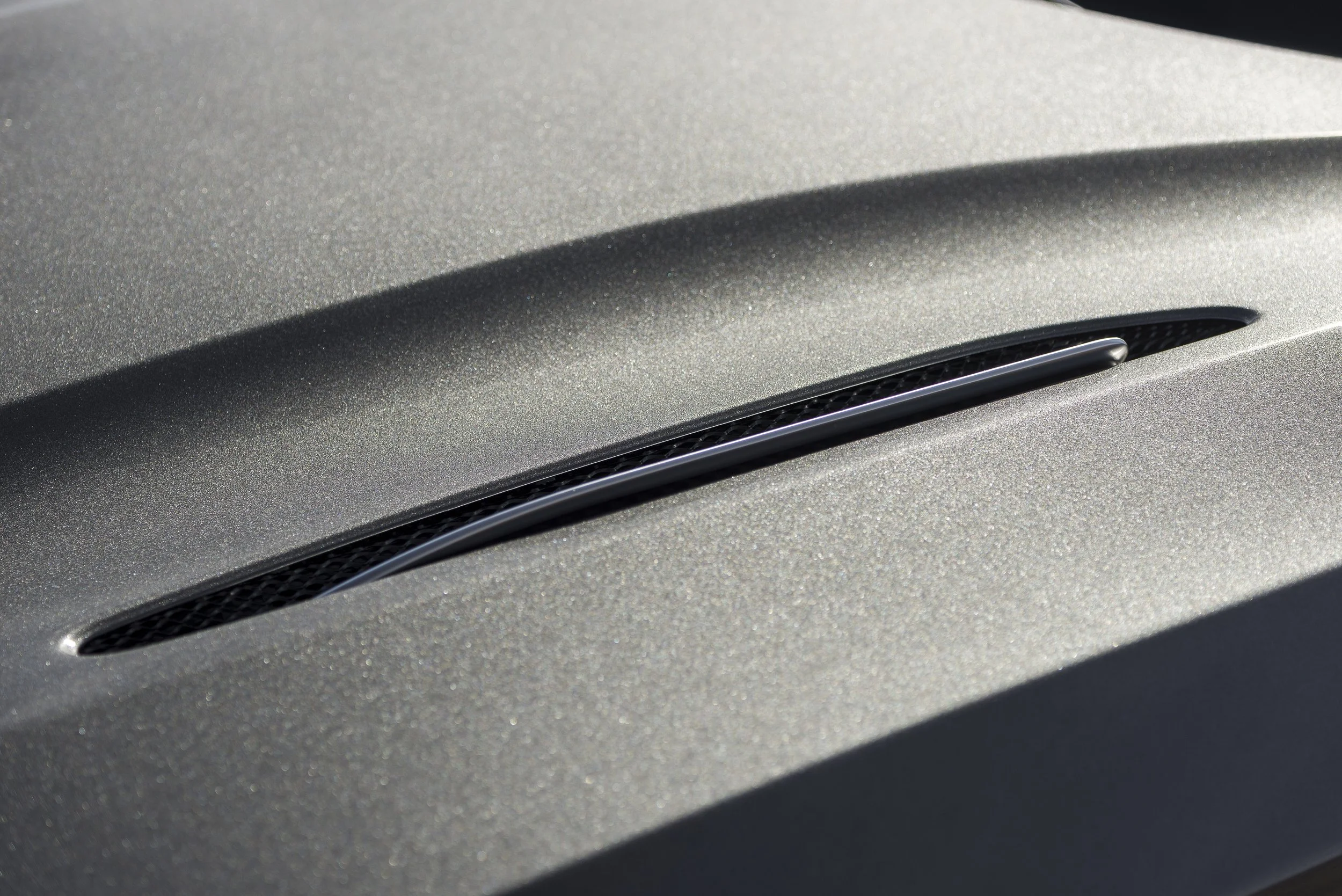
Image © Aston Martin Lagonda. Used for editorial purposes.
This is one of the most important DB11 V12 checks. Aston Martin issued technical guidance relating to water entering through the bonnet vents on V12 cars. In certain conditions, water could collect around the ignition area and contribute to misfires. The update involved water-shielding around the bonnet vent area.
For buyers, this doesn’t mean every V12 DB11 is a problem. It means the issue is important enough to check properly.
On a V12 car, ask whether the service action or technical update has been completed, whether there’s invoice or dealer evidence, whether the car has ever had misfires, whether coil packs or spark plugs have been replaced, and whether it has shown engine-management warnings.
FTP buying advice:
A V12 DB11 with clear evidence of the update and no misfire history is much more reassuring than one where the seller doesn’t know what you are asking about.
Misfires and engine-management lights
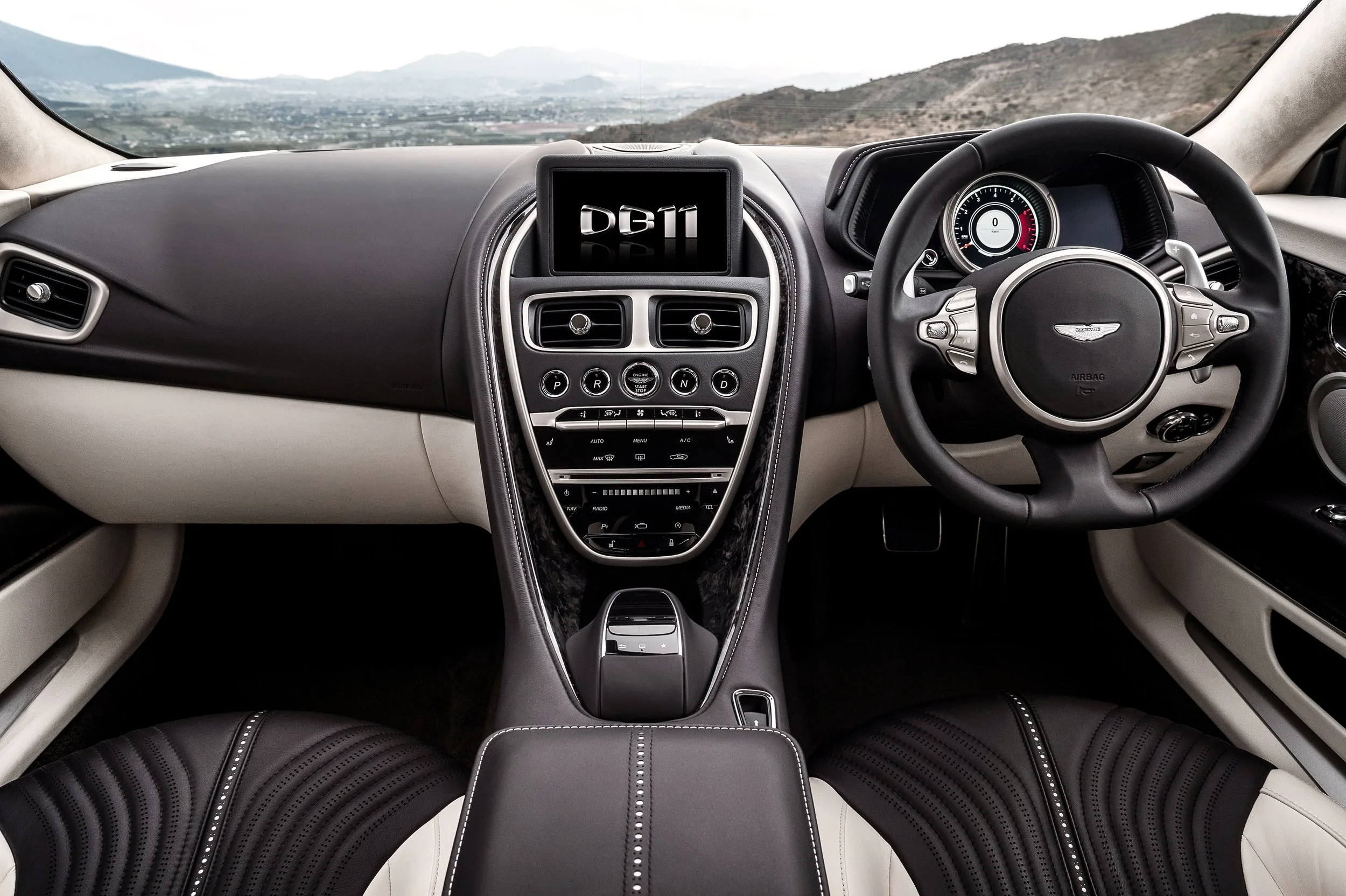
Image © Aston Martin Lagonda. Used for editorial purposes.
Misfires should be taken seriously on any DB11, but especially on a V12. A seller may describe a misfire as “just a coil” or “just a sensor”, but you need evidence. What caused it? Was it properly diagnosed? Was it repaired by an Aston Martin dealer or recognised specialist? Did it return?
Do not buy a DB11 with an unresolved engine-management light. If a fault has been fixed, the invoice trail should explain what happened and how it was resolved.
Exhaust valve operation
Exhaust-valve operation is an important inspection area on the DB11 and should be checked on both V8 and V12 cars.
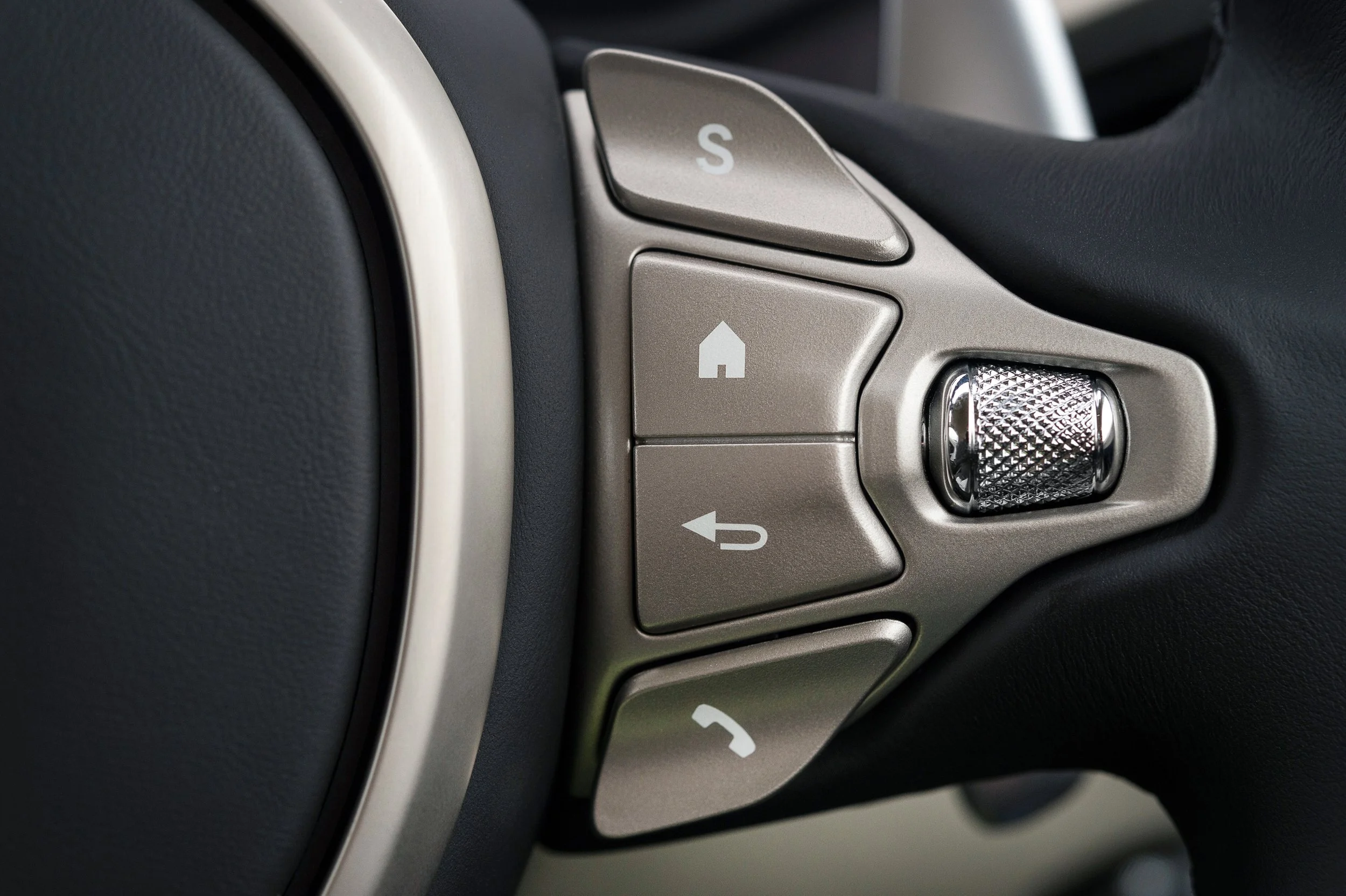
Image © Aston Martin Lagonda. Used for editorial purposes.
The DB11 should noticeably change character between GT, Sport and Sport Plus. If the exhaust note does not change properly, or if the car shows warning lights, reduced-performance messages or a failure to cycle through the driving modes correctly, investigate before buying.
This is not just a theoretical point. On my own 2019 Aston Martin Vantage - not a DB11, but from the same broad modern Aston Martin generation, I experienced an intermittent fault during a European road trip in 2024. An engine warning appeared on the dashboard, performance dropped into what felt like a soft limp mode, and the exhaust/engine modes stopped working. The fault disappeared, then returned several times.
Because the car was still covered by Aston Martin Timeless Warranty, Aston Martin Leeds carried out a full diagnostic and traced the issue to the rear exhaust box and exhaust pressure valve actuator, which was sticking intermittently and not responding consistently to commands. In simple terms, the car could not regulate the exhaust flow and back-pressure correctly, which affected the driving modes and triggered reduced-performance behaviour.
In that case, the full rear silencer assembly was replaced under warranty. The cost to me was £0, but a main-dealer replacement of that kind could easily have run into a few thousand pounds outside warranty. That experience is one reason I take exhaust-valve checks seriously on modern Aston Martins. Low-mileage cars can sometimes spring surprises, especially if active components have not been exercised regularly.
If you want to read more about my ownership, servicing, maintenance costs of the FTP Vantage, click HERE.
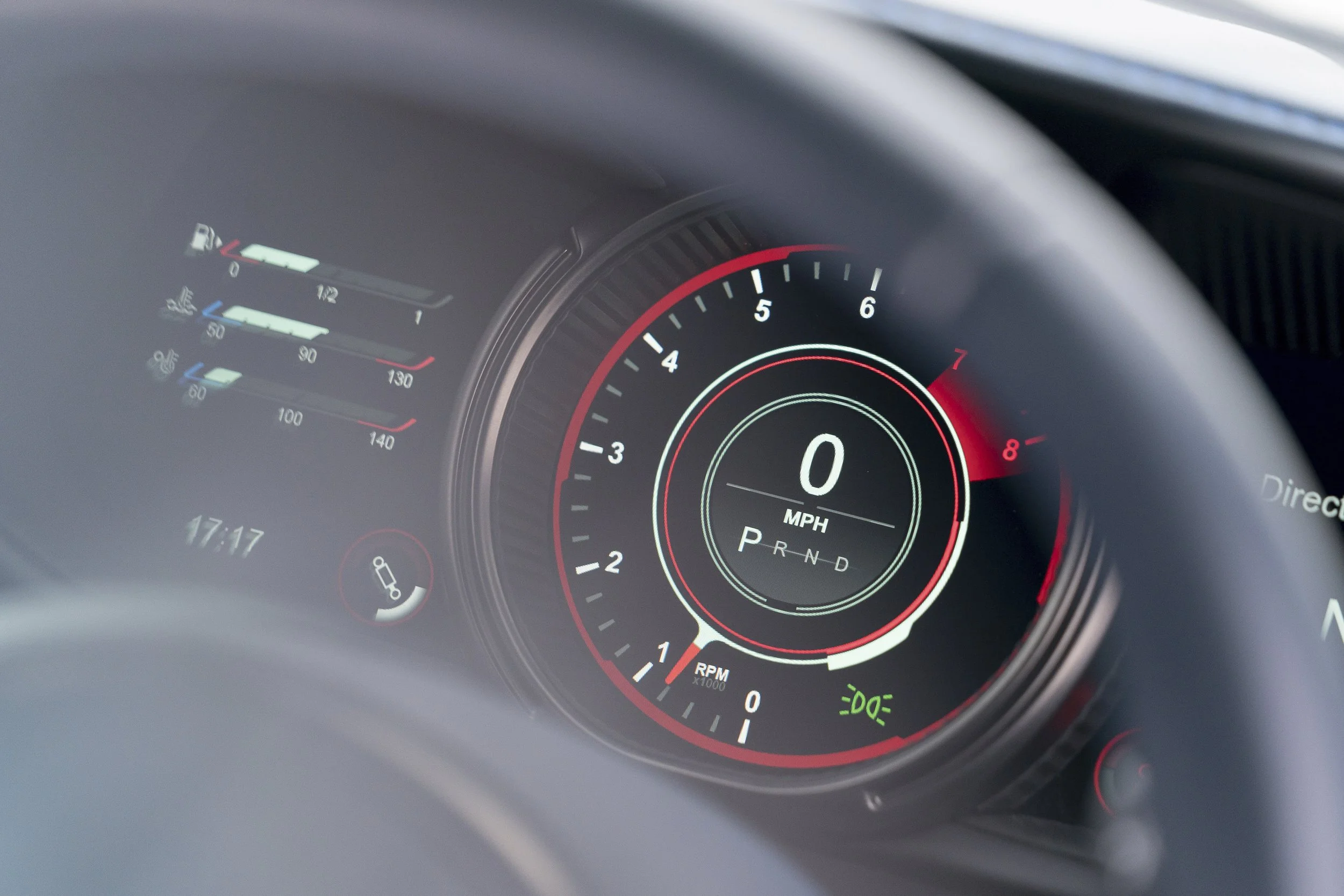
Image © Aston Martin Lagonda. Used for editorial purposes.
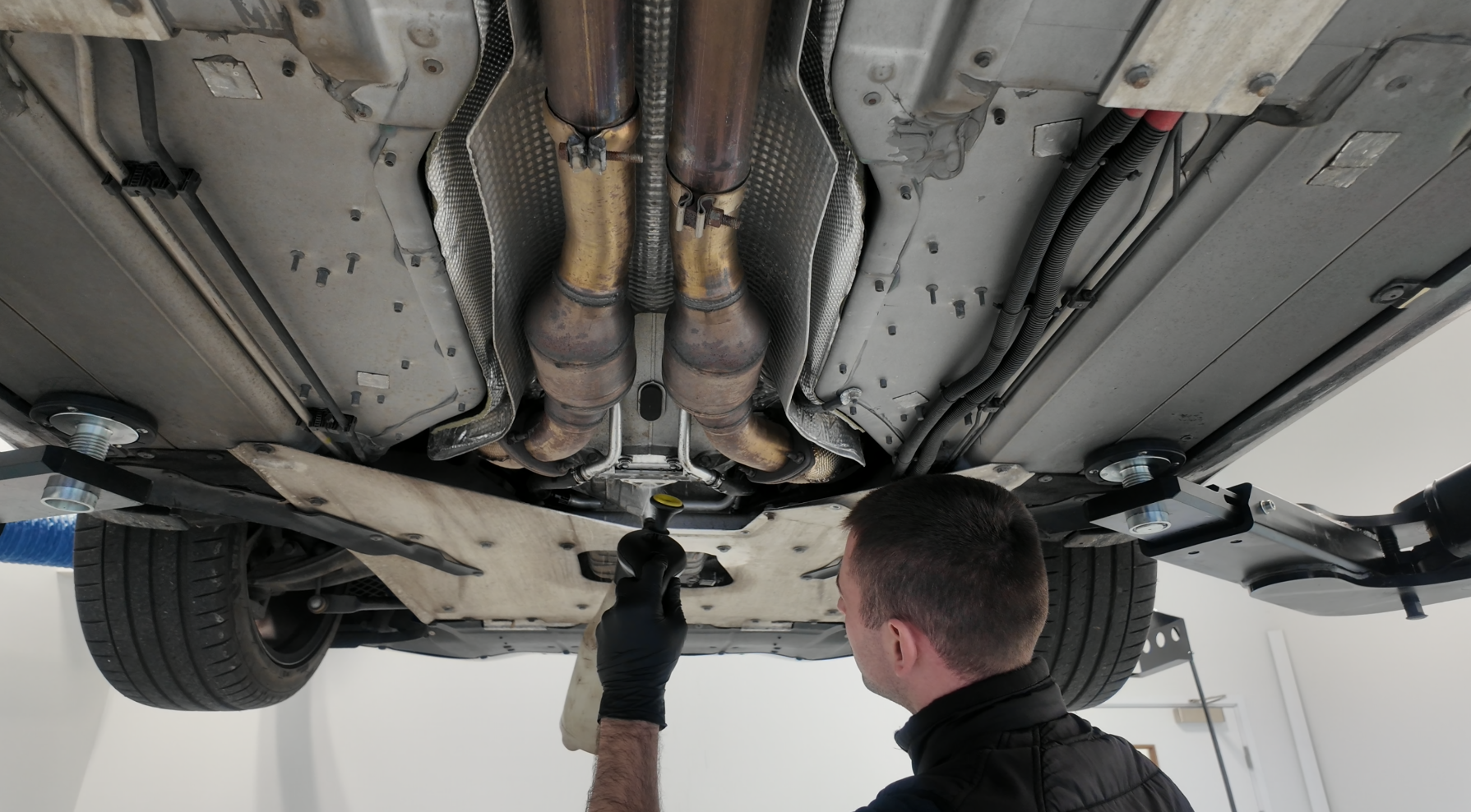
When viewing a DB11, check for a clear exhaust note change between GT, Sport and Sport Plus, no engine-management light, no reduced-performance message, no failure of the driving modes to operate correctly, no rattling or sticking from the rear exhaust area, and no suspicious aftermarket valve controller. Also look for invoices relating to exhaust valves, actuators, silencers or related diagnostic work.
If the car is outside warranty, it is worth speaking to a respected Aston Martin specialist before assuming a full rear back-box replacement is the only route. Some specialists may be able to offer repair-led solutions for certain exhaust-valve or actuator problems, depending on the exact fault and model.
FTP buying advice:
A DB11 should change character cleanly between its drive modes. If the exhaust valves do not respond properly, or if a warning light appears when the modes are used, do not dismiss it as a minor annoyance. Get the car properly diagnosed before purchase.
Battery, electronics and infotainment
Battery condition is a major DB11 ownership point. Like many modern Aston Martins, the DB11 can become unhappy if the battery is weak or the car has been left standing without proper conditioning. Low voltage can trigger warning messages, module faults, starting issues or confusing electronic behaviour.
Ask how old the battery is, whether the car is kept on a conditioner, whether it starts cleanly from cold, whether it restarts cleanly when hot, whether both keys work and whether there have been repeated low-voltage warnings.
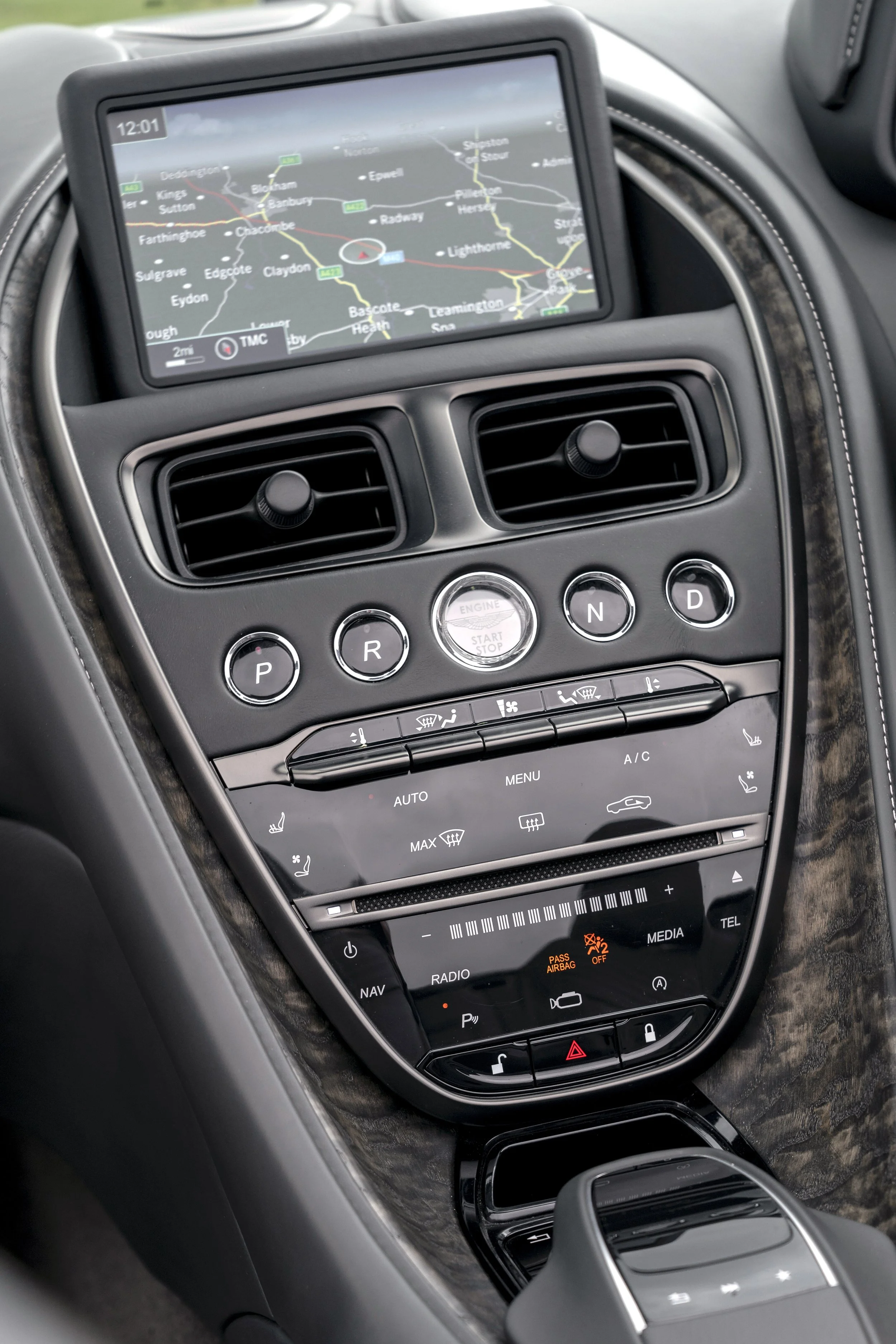
Image © Aston Martin Lagonda. Used for editorial purposes.
The DB11’s Mercedes-derived infotainment was a major step forward from older Aston Martins, but it now feels dated compared with the DB12 and newer Aston models. That’s not necessarily a reason to avoid the car, but everything should work.
Test the central screen, rotary controller, touchpad if fitted, digital instrument display, navigation, Bluetooth, media functions, parking sensors, reversing camera, 360-degree camera, alarm, keyless entry, seat controls, heated and ventilated seats, climate control, mirrors, windows, boot release and drive-mode displays.
FTP buying advice:
A battery conditioner is not a luxury extra for a lightly used DB11. It is part of sensible ownership. And do not assume a warning message is “just an Aston thing”; get it diagnosed properly.
Still with us? The practical DB11 checks continue here.
You are roughly halfway through the DB11 Buyers Guide. From here, the focus continues through air-conditioning, Volante roof checks, bodywork, tyres, brakes, suspension, gearbox behaviour, diagnostics, servicing, running costs and buying strategy.
Air-conditioning and comfort systems
Air-conditioning should be tested properly, not just switched on briefly. Some DB11 buyers report air-conditioning issues, and on any luxury GT this is an important comfort and repair-cost area. A DB11 with weak air-conditioning may need more than a simple re-gas. Price and investigate accordingly.
The same applies to heated seats, ventilated seats, seat motors, memory functions and infotainment. These may not sound as exciting as engine choice, but they matter on a luxury GT. The car should feel comfortable and expensive every time it is used.
Volante roof, seals and drains
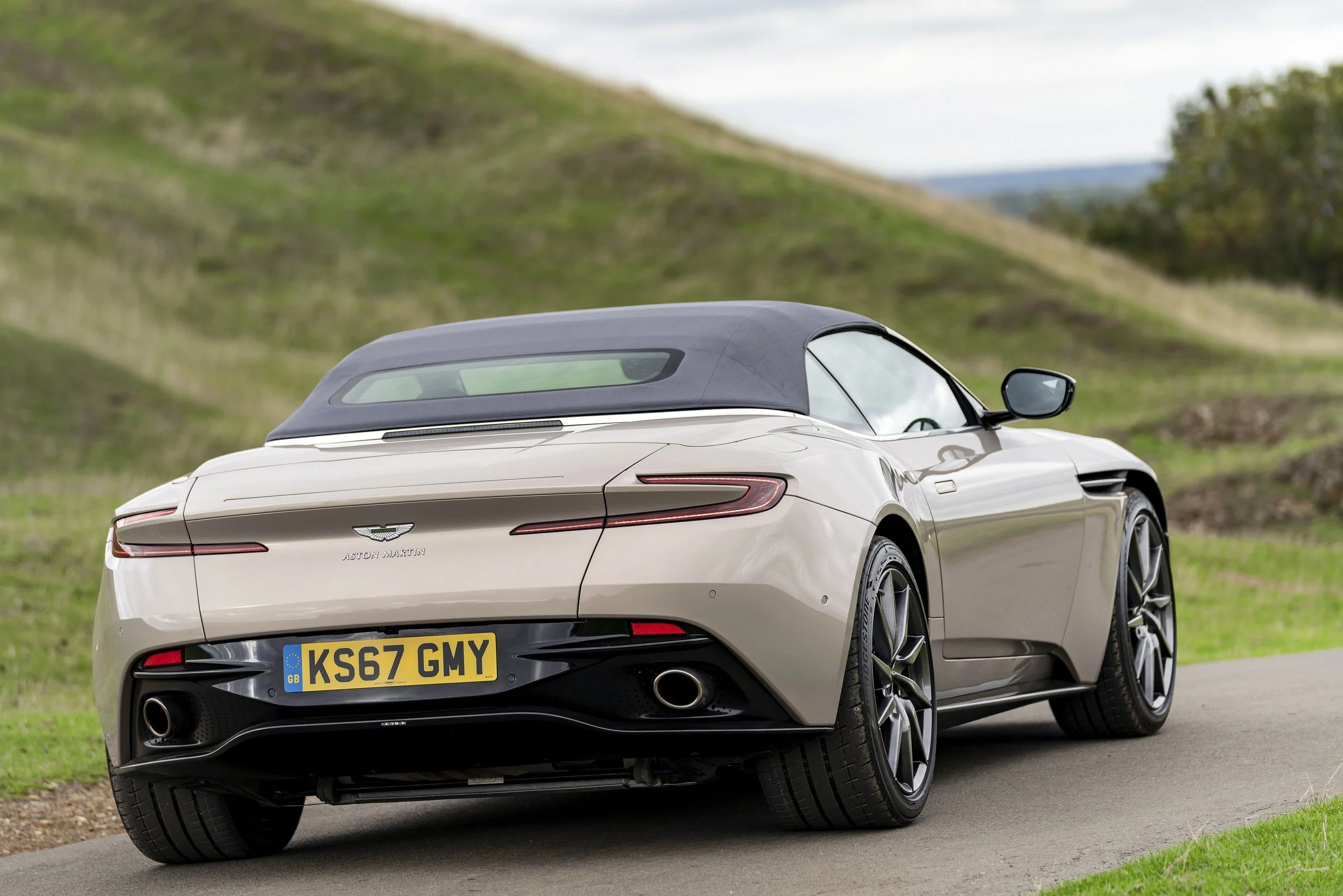
Image © Aston Martin Lagonda. Used for editorial purposes.
The DB11 Volante needs a slower inspection than the Coupe. The roof is central to the car’s appeal, so it must be demonstrated fully. Do not let the seller rush this part of the viewing.
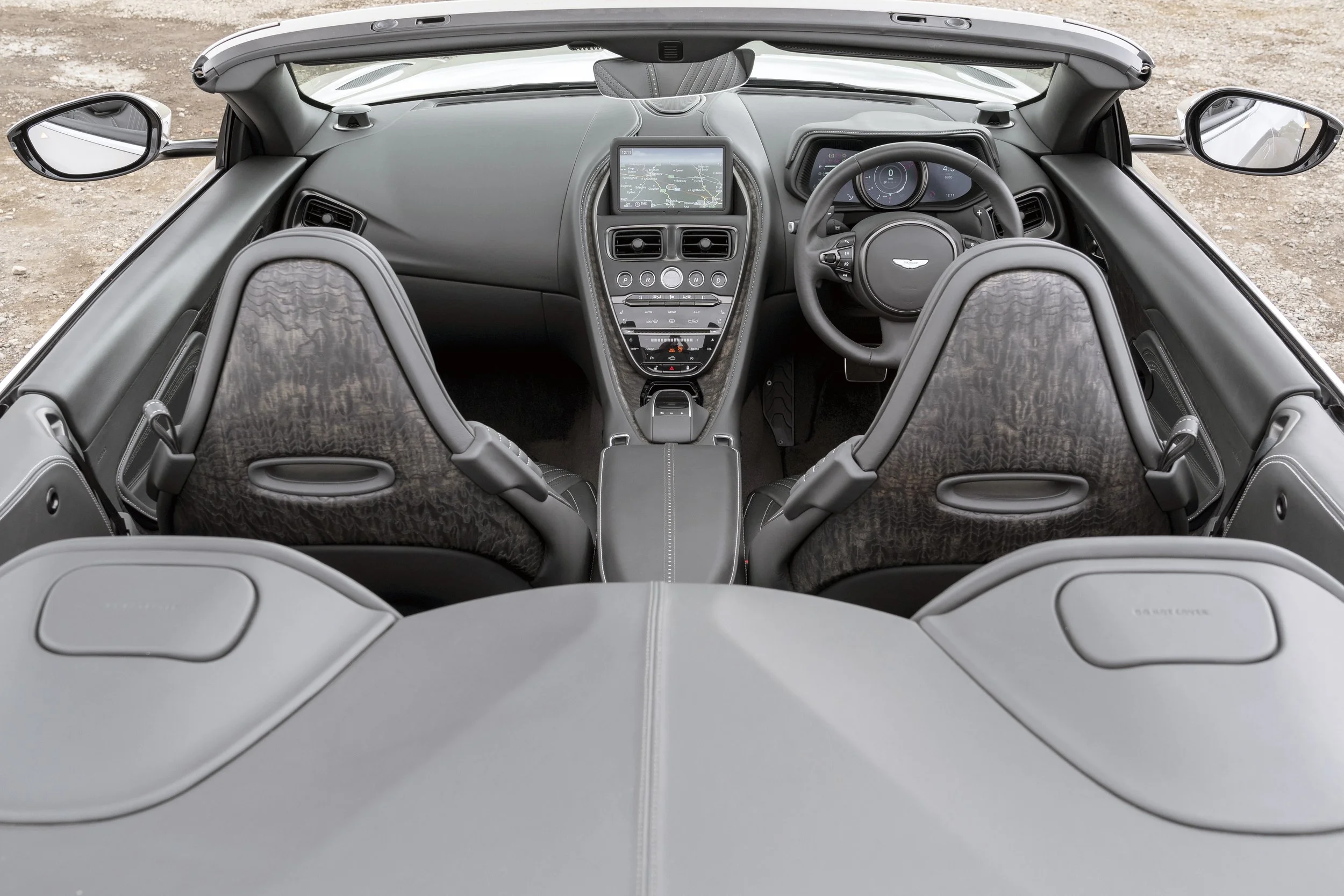
Image © Aston Martin Lagonda. Used for editorial purposes.
Check that the roof opens and closes fully, that operation is smooth and symmetrical, that there are no roof warning messages, that the fabric and rear glass are in good condition, that the seals sit correctly, that the windows index properly and that there is no dampness in the boot, carpets or roof storage area.
FTP buying advice:
A good Volante should feel properly sealed and engineered. Dampness, wind noise, poor glass fit or a roof that is not demonstrated properly should make you cautious.
Bodywork, tyres, brakes and suspension
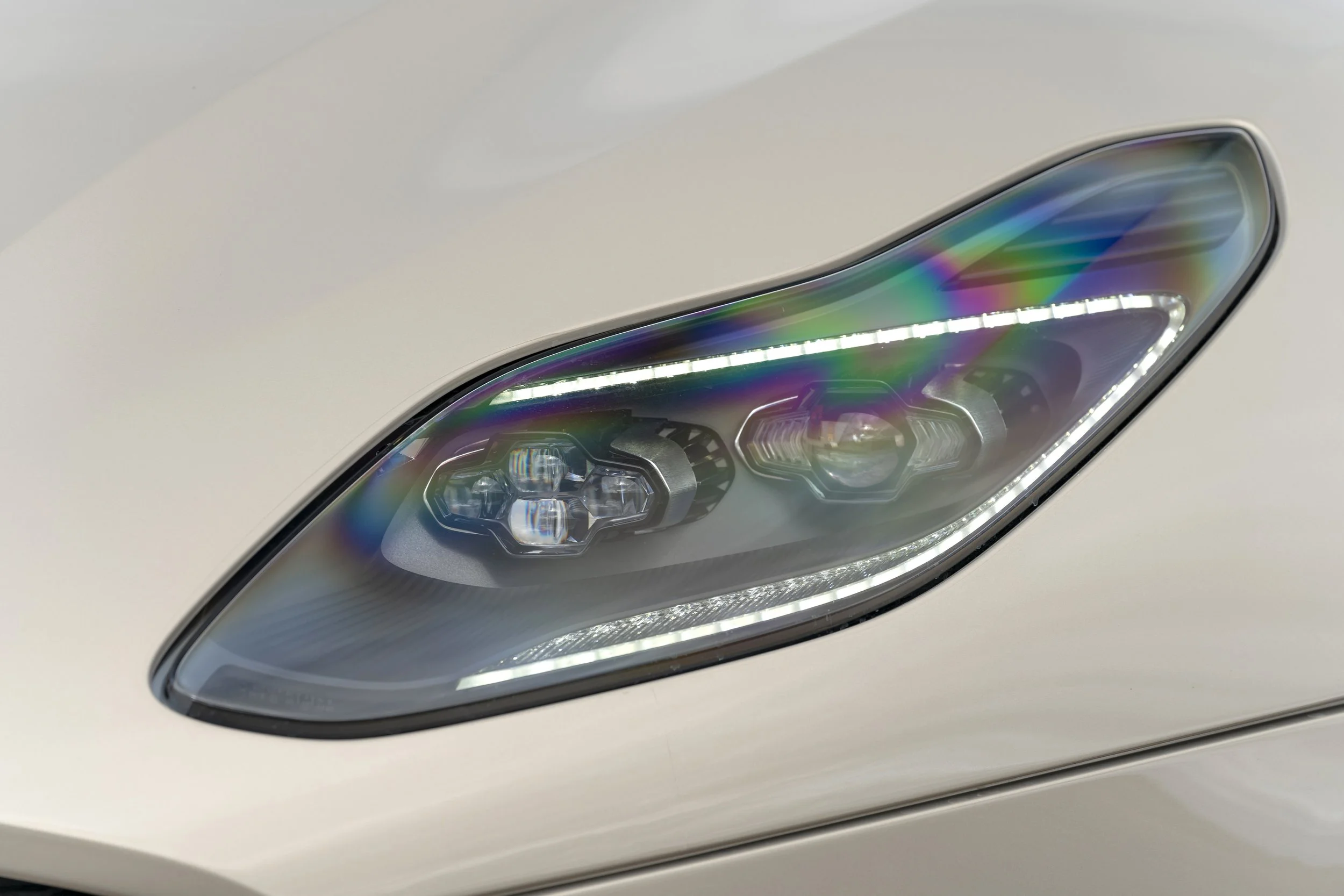
Image © Aston Martin Lagonda. Used for editorial purposes.
The DB11’s bodywork should be inspected carefully. Paint and panel repairs on a high-end Aston Martin can be expensive, and poor repairs may affect value significantly.
Inspect the bonnet leading edge, clamshell bonnet alignment, front bumper underside, splitter, side strakes, Curlicue vent areas, door edges, wheel arches, rear lights, rear bumper, rear diffuser, boot lid, paint bubbling, stone chips, mismatched paint and wheel refurbishment quality.
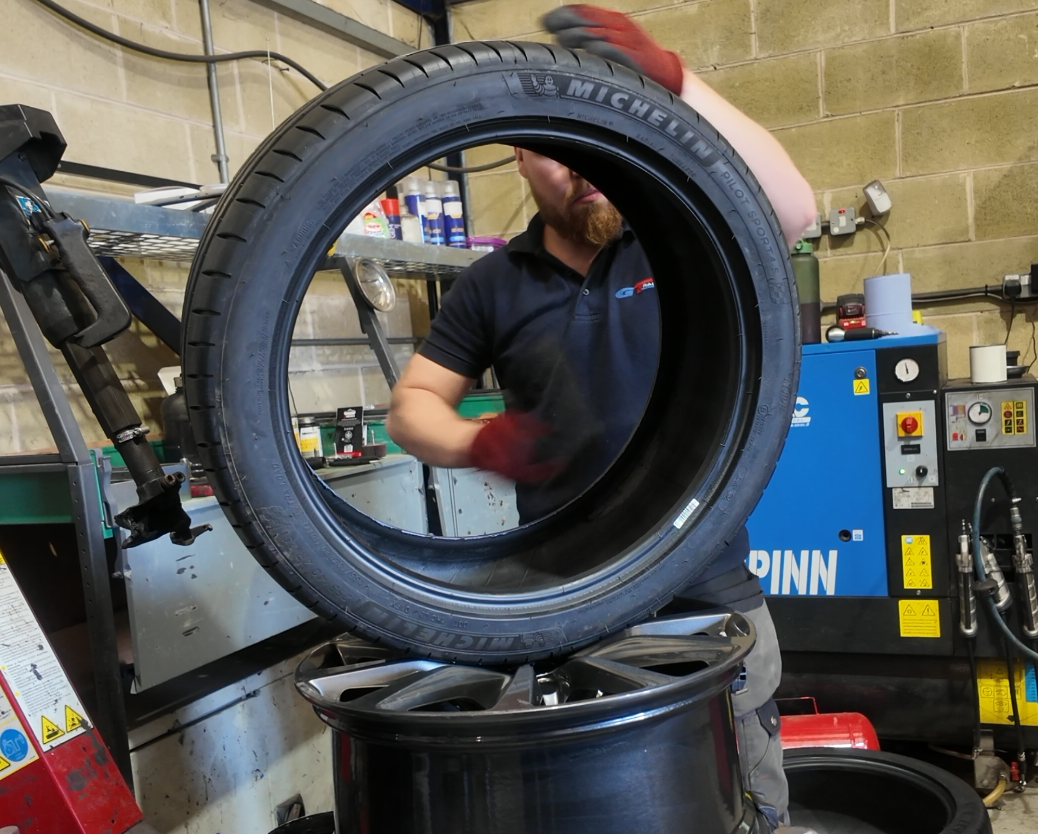
Image © Fuel the Passion
Tyres have a huge effect on how a DB11 drives. A car on old, cheap, mismatched or worn tyres can feel far worse than it really is. Check tyre brand, correct sizes, matching tyres across axle pairs, tyre age, tread depth, shoulder wear, sidewall condition and wheel alignment evidence.
Brakes and suspension also need careful inspection. Look for brake disc lips, corrosion, pad life, vibration under braking, damper leaks, knocks, uneven ride height and alignment issues.
FTP buying advice:
Do not judge a DB11’s steering, grip or ride until you have checked the tyres and alignment, and if the bodywork tells a story the paperwork does not, get expert help.
Gearbox and driveline behaviour
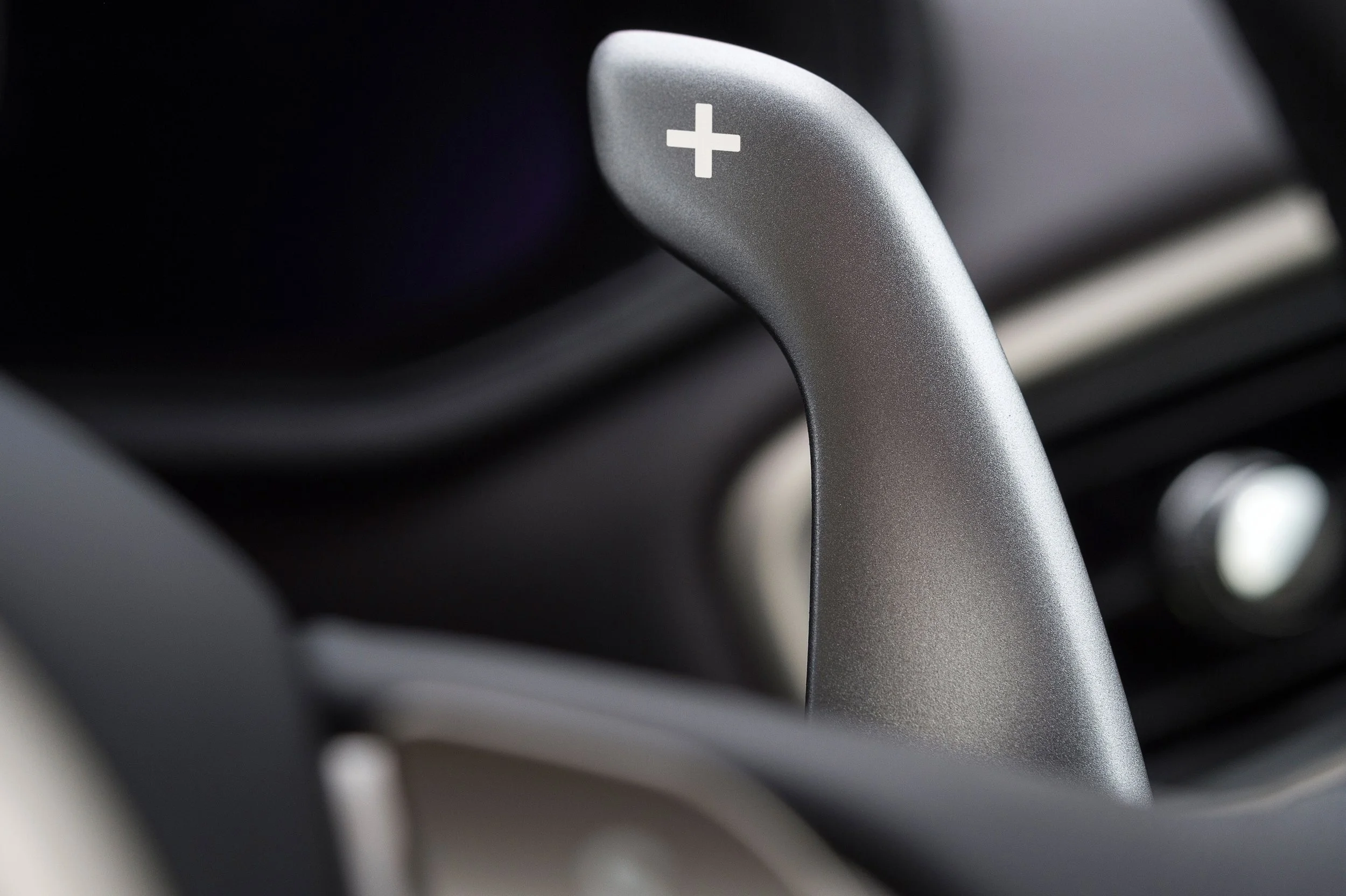
Image © Aston Martin Lagonda. Used for editorial purposes.
The DB11 uses a ZF 8-speed automatic gearbox, and reviewers generally praised how well it suits the car’s GT character. It should be smooth, decisive and refined. There is no strong evidence to describe the gearbox as a major DB11 weak point, but it should still be tested carefully. A healthy DB11 should not feel confused or clunky. If the gearbox or driveline behaviour feels odd, get it diagnosed before purchase.
Diagnostic capability
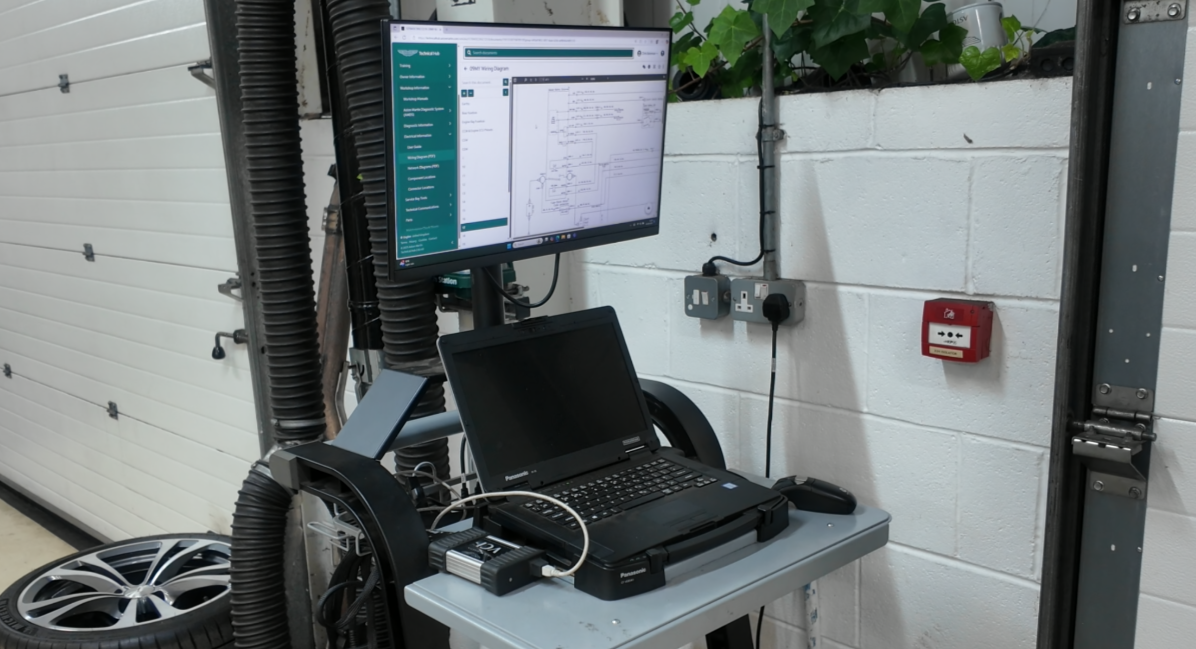
Image © Fuel the Passion
A DB11 should be inspected by someone with proper Aston Martin diagnostic capability.
This is not an older Aston where a basic code reader and a good mechanical eye are enough. The DB11 belongs to a more software-dependent era. Modules, battery voltage, software updates and diagnostic history all matter.
Not every older-Aston specialist will automatically be equipped or willing to work on DB11-era cars, so confirm the workshop and diagnostic route before purchase.
FTP buying advice:
A generic fault-code scan is not the same as a proper Aston Martin inspection.
Servicing, running costs and warranty
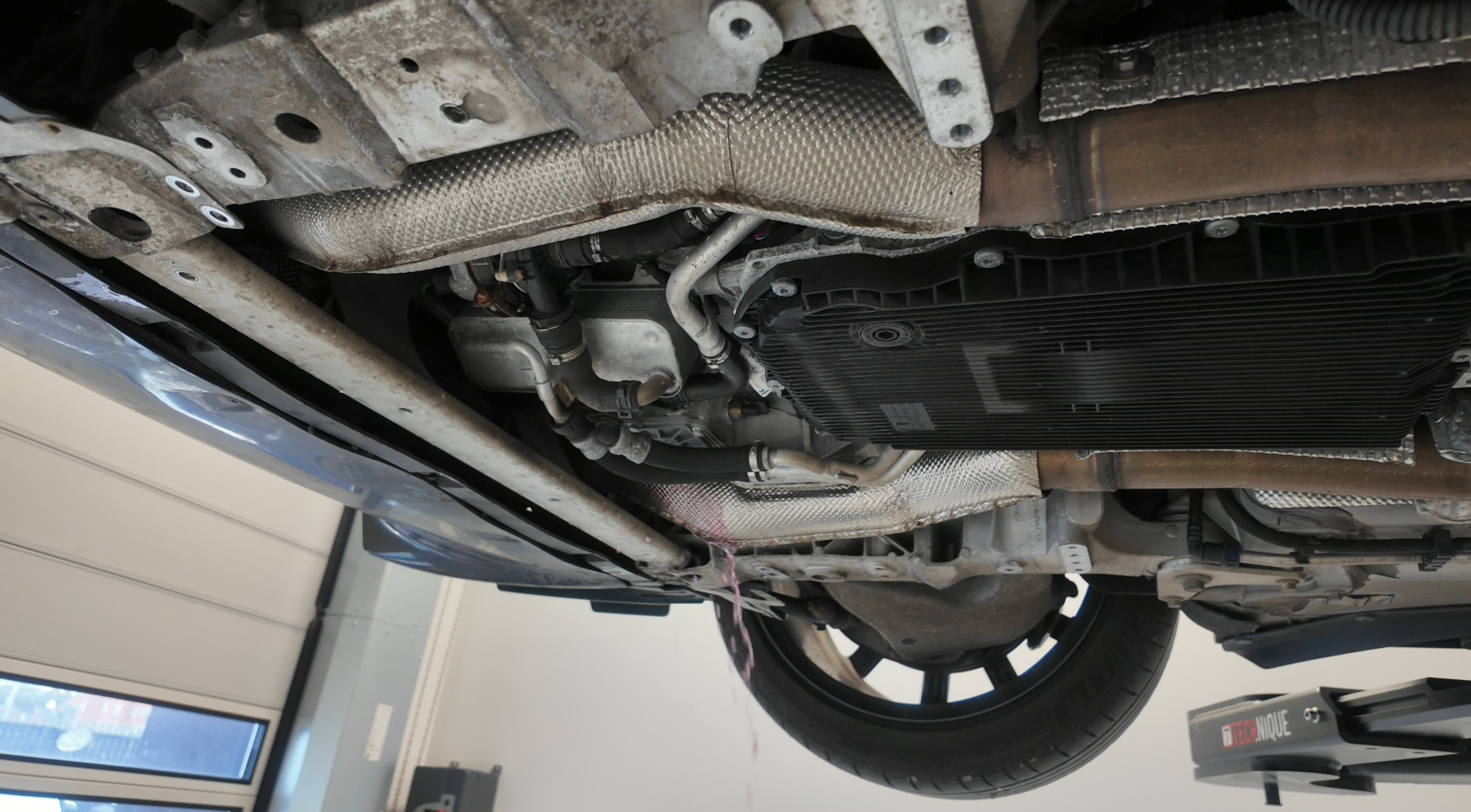
Image © Fuel the Passion
The DB11 is now old enough to be a serious used Aston Martin proposition. That is part of its appeal. Early cars can look very tempting against their original list price, and even strong V8, Volante and AMR examples can sit far below equivalent new DB12 money. But the running-cost picture needs to be understood properly.
This is a modern Aston Martin with turbocharged engines, adaptive dampers, complex electronics, software dependency, expensive tyres, high-value bodywork and a cabin full of systems that need to work. A DB11 with poor history can quickly become far more expensive than a better car bought for more money.
The first rule is simple: Don’t spend every penny on the purchase price. Keep money back for servicing, tyres, battery, diagnostics, insurance, road tax and unexpected repairs.
Service history and invoices
The DB11 should be treated as an annual-service car. Low mileage should not be used as an excuse for shallow maintenance.
A good DB11 should have annual service history and clear invoices showing what was actually done. Do not judge a DB11 history file by stamps alone.
Look for oil services, brake-fluid changes, filters, spark plugs where due, air-conditioning work, battery replacement, tyres, brakes, warranty work and recall or campaign notes.
FTP buying advice:
A low-mileage DB11 with gaps in annual servicing is not automatically better than a higher-mileage car with clean, consistent invoices.
Main dealer or specialist?
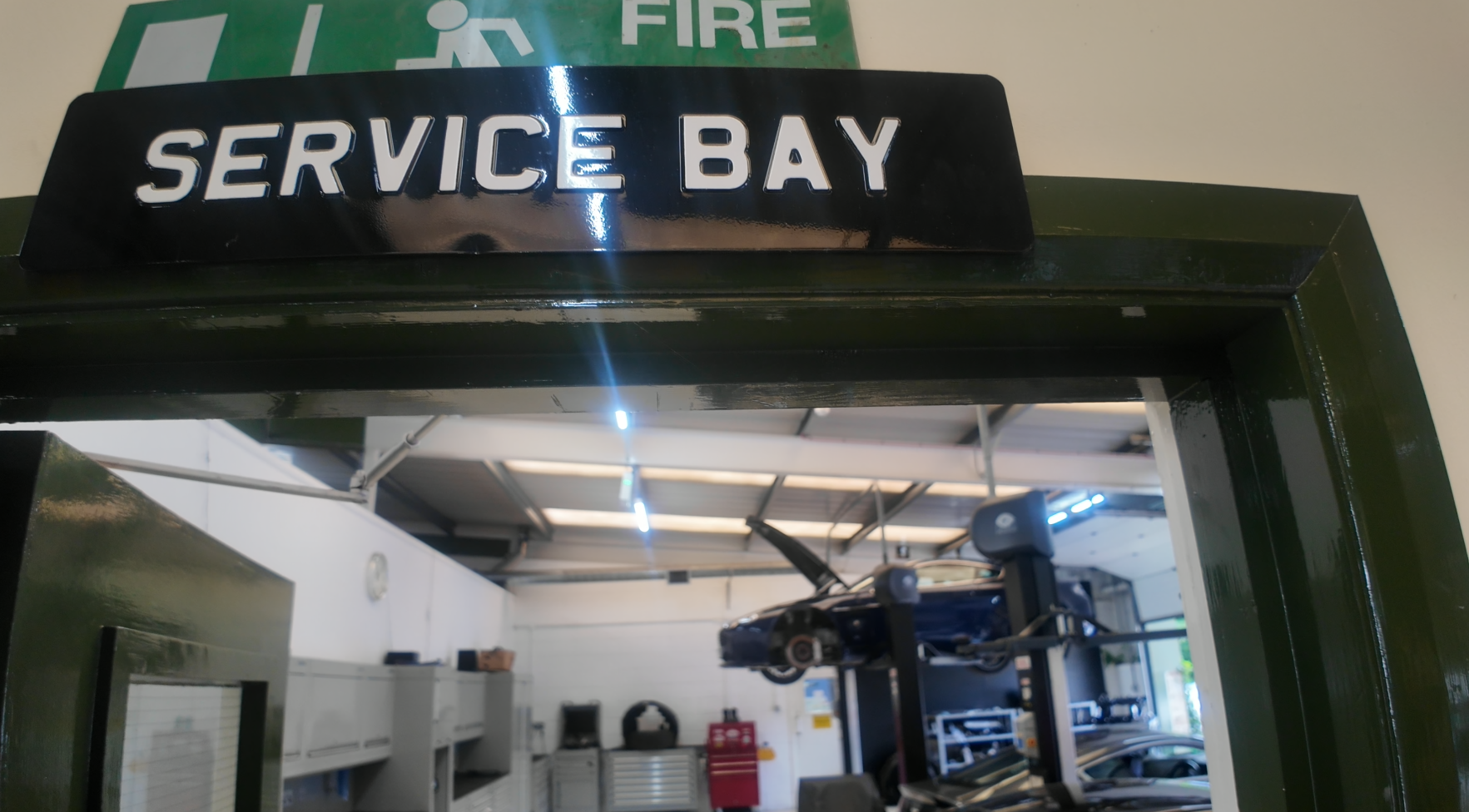
Image © Fuel the Passion
There is no single answer. It depends on the car, warranty position, age, mileage, owner preference and the quality of the workshop.
A main dealer route can be valuable for newer DB11s, Timeless cars, warranty continuity, software and campaign checks and official history.
A specialist route can be equally valid where the workshop genuinely understands DB11-era cars, has proper diagnostics and produces detailed inspection reports. The important point is to decide this before buying the car. I’ve had amazing experiences with Independent Specialists, which often have ex-AML Technicians and the latest diagnostic equipment.
FTP buying advice:
Before buying a DB11, speak to the workshop you intend to use. Confirm they are willing and properly equipped to maintain that exact model.
Warranty and Timeless approved used cars
Aston Martin Timeless or extended warranty cover can be worth serious consideration, especially for first-time Aston Martin buyers, V12 buyers, AMR buyers or anyone who wants peace of mind.
My own FTP Vantage experience is a good reminder of why warranty cover can matter on modern Aston Martins. A sticking exhaust pressure valve actuator resulted in warning messages, reduced performance and full rear exhaust assembly replacement under Timeless Warranty. Without warranty, that would have been a very different ownership moment.
Warranty is not a magic shield. Terms, exclusions, inspection requirements, age limits, mileage limits and transferability all need checking. Wear items and cosmetic items may also be excluded. But on a complex modern Aston Martin, warranty cover can be part of a sensible ownership plan.
FTP buying advice:
Do not assume you can buy a car privately and simply add warranty later. Check eligibility before purchase.
DB11 V8 vs V12 running costs
Both versions need proper Aston Martin maintenance, but the ownership profile is different. The V8 is usually the more rational route, while the V12 brings more theatre and greater inspection discipline.
The V8 is likely to be the more rational DB11 to run. That doesn’t make it cheap. It still needs annual servicing, premium tyres, healthy battery care, correct diagnostics and proper Aston Martin maintenance.
The V12 has the greater emotional pull, but it generally carries higher exposure around servicing, fuel, spark plugs, ignition components, cooling, turbo-related issues and warranty desirability.
Road tax, insurance and fuel
UK road tax depends on the individual car’s registration date, CO₂ figure and original list price. Check the exact car using its registration number before purchase.
Insurance should also be checked before placing a deposit. Use the exact registration number, not just “Aston Martin DB11”. Premiums will vary heavily by driver, location, garaging, mileage, use and insurer.
Fuel economy should not be a surprise with a DB11. This is a powerful petrol grand tourer. The V8 is usually the more rational choice, but neither engine should be bought with economy as the priority.
Market snapshot and what to pay

Image © Fuel the Passion
The DB11 is now in one of the most interesting periods of its life. It’s no longer Aston Martin’s latest grand tourer. The DB12 has taken that role. But the DB11 now offers something very compelling: modern Aston Martin GT style, V8 or V12 power, Coupe or Volante body styles and a much lower used-market entry point.
Prices below were captured from visible UK advertised examples in May 2026. They are asking prices, not confirmed transaction prices, and should not be treated as a formal valuation guide.
May 2026 advertised-price guide
These figures are a snapshot of visible UK advertised DB11 asking prices in May 2026. They are not confirmed sale prices or a formal valuation guide, but they help show where each version of the DB11 appeared to sit in the used market.
The lower end of the market is where the DB11 starts to look especially tempting. That’s also where discipline matters most. A cheaper DB11 is not automatically a bad DB11, but it needs to prove itself.
What drives DB11 values?
Image © Aston Martin Lagonda. Used for editorial purposes.
The DB11 market is sensitive to more than year and mileage. The key value drivers are variant, engine, mileage, service history, warranty, specification, colour combination, tyres, brakes, dealer route, condition and recall or campaign evidence. A cheap DB11 is only a bargain if the evidence supports it.
A more expensive DB11 may be the better buy if it has better service history, lower or more sensible mileage, warranty, official dealer preparation, better tyres and brakes, better specification, more desirable colour, no warning lights, completed recalls and campaigns and a clean diagnostic report.
The right question is not: Which DB11 is cheapest? It’s: Which DB11 is least likely to surprise me badly after purchase?
DB11 versus DB12

Image © Aston Martin Lagonda. Used for editorial purposes. Aston Martin DB12.
The DB12 changes the DB11’s market position. The DB12 is newer, more powerful, sharper and much improved inside. It exposes the DB11’s weakest area: infotainment and cabin technology. But it also makes the DB11 more interesting because the used-price gap can be significant.
The DB12 is the better modern car. The DB11 may be the better used Aston Martin opportunity.
Final DB11 buyer checklist

Image © Aston Martin Lagonda. Used for editorial purposes.
The DB11 is a car to buy with your heart and your head. It should feel special, but the paperwork, inspection and test drive need to support the emotion.
Before viewing
Ask for:
registration number
VIN
exact model year
exact variant
number of owners
MOT history
HPI / history check
factory specification or build sheet, if available
both keys
service book or digital service record
service invoices
warranty status
recall and campaign confirmation
tyre age and brand
brake condition
battery age
whether the car is kept on a conditioner
any warning-light or fault-code history
FTP advice:
A good DB11 should have a clear story before you even see it.
At the viewing
Check:
bodywork and paint
clamshell bonnet alignment
front bumper and splitter
side strakes and vent areas
wheel arches
rear diffuser
tyres
wheels
brakes
interior leather
seat functions
infotainment
cameras
sensors
air-conditioning
windows
battery evidence
boot and carpets for dampness
both keys
On a V12, ask specifically about the bonnet-vent water-shield update and any misfire history.
On a Volante, fully test the roof.
On the test drive
Try to see the car from cold.
Check:
clean start
no excessive cranking
no warning-light cascade
no rough idle
no smoke
no misfire
smooth pull-away
clean Drive and Reverse engagement
smooth gearbox shifts
no clunks or vibration
straight tracking
stable braking
no suspension knocks
GT, Sport and Sport Plus modes
clear exhaust note change between modes
no reduced-performance message
parking sensors and cameras
air-conditioning
hot restart
FTP advice:
A healthy DB11 should feel smooth, composed, fast and expensive.
Before payment
Arrange a proper inspection by an Aston Martin main dealer or recognised specialist with the right diagnostic equipment.
Ask for:
full diagnostic scan
battery health test
recall/campaign confirmation
underbody inspection
tyre and brake measurements
suspension check
exhaust-valve check
air-conditioning test
bodywork inspection
Volante roof inspection, if applicable
warranty eligibility check
written report
A clean MOT is not the same as a DB11 pre-purchase inspection.
V12 and Volante mini checklists
DB11 V12 checks
Before buying a V12, confirm:
full annual service history
recall/campaign status
bonnet-vent water-shield service action evidence
no unexplained misfire history
no unresolved engine-management light
coil-pack or spark-plug invoices if relevant
cooling-system condition
turbo-related warning history
exhaust-valve operation
battery condition
warranty eligibility
FTP advice:
The V12 is the emotional DB11, but it’s the one that deserves the most disciplined inspection.
DB11 Volante checks
Before buying a Volante, check:
roof opens fully
roof closes fully
no hesitation, clicking or grinding
no roof warning messages
roof fabric condition
rear glass bonding
header rail seal
side-window alignment
window indexing
boot dampness
carpet dampness
drain channels
wind noise on test drive
roof operation from key, if applicable
FTP advice:
Never buy a Volante without seeing the roof fully operated.
Walk-away checklist

Image © Fuel the Passion
Walking away from the wrong DB11 is not failure. It’s good buying discipline.
Pause seriously, or walk away, if:
the service history is vague
invoices are missing
recall status cannot be confirmed
there are unresolved warning lights
repeated faults are blamed vaguely on “just the battery”
a V12 has unexplained misfire history
the driving modes or exhaust valves do not work correctly
the car shows reduced-performance behaviour
the air-conditioning does not work
the Volante roof is not demonstrated fully
there is dampness in the cabin or boot
tyres are cheap, old, mismatched or cracked
the bodywork tells a story the paperwork does not
the seller refuses an independent inspection
FTP advice:
Walking away from the wrong DB11 is not failure. It’s good buying discipline.
Green, amber and red DB11s

Green-light DB11
A strong candidate will usually have:
full annual service history
clear invoices
completed recalls and campaigns
clean diagnostic scan
healthy battery
evidence of conditioner use
good tyres
good brakes
working exhaust valves
working air-conditioning
dry cabin and boot
correct specification
both keys
warranty or warranty eligibility
seller welcomes inspection

Amber-light DB11
Proceed carefully if it has:
minor service timing gaps
tyres due soon
brakes wearing but not urgent
weak battery but no deeper fault found
minor paint defects
small interior wear
air-conditioning needing investigation
no warranty but excellent inspection report
higher mileage but strong invoices

Red-light DB11
Be prepared to walk away if it has:
missing service history
no invoices
unresolved warning lights
outstanding recall work
unexplained V12 misfire history
no V12 water-shield evidence where relevant
roof fault on a Volante
damp carpets or boot
flood-damage suspicion
poor accident repair
cheap tyres
repeated electronic issues
seller avoids questions
inspection refused
Which DB11 should you buy?
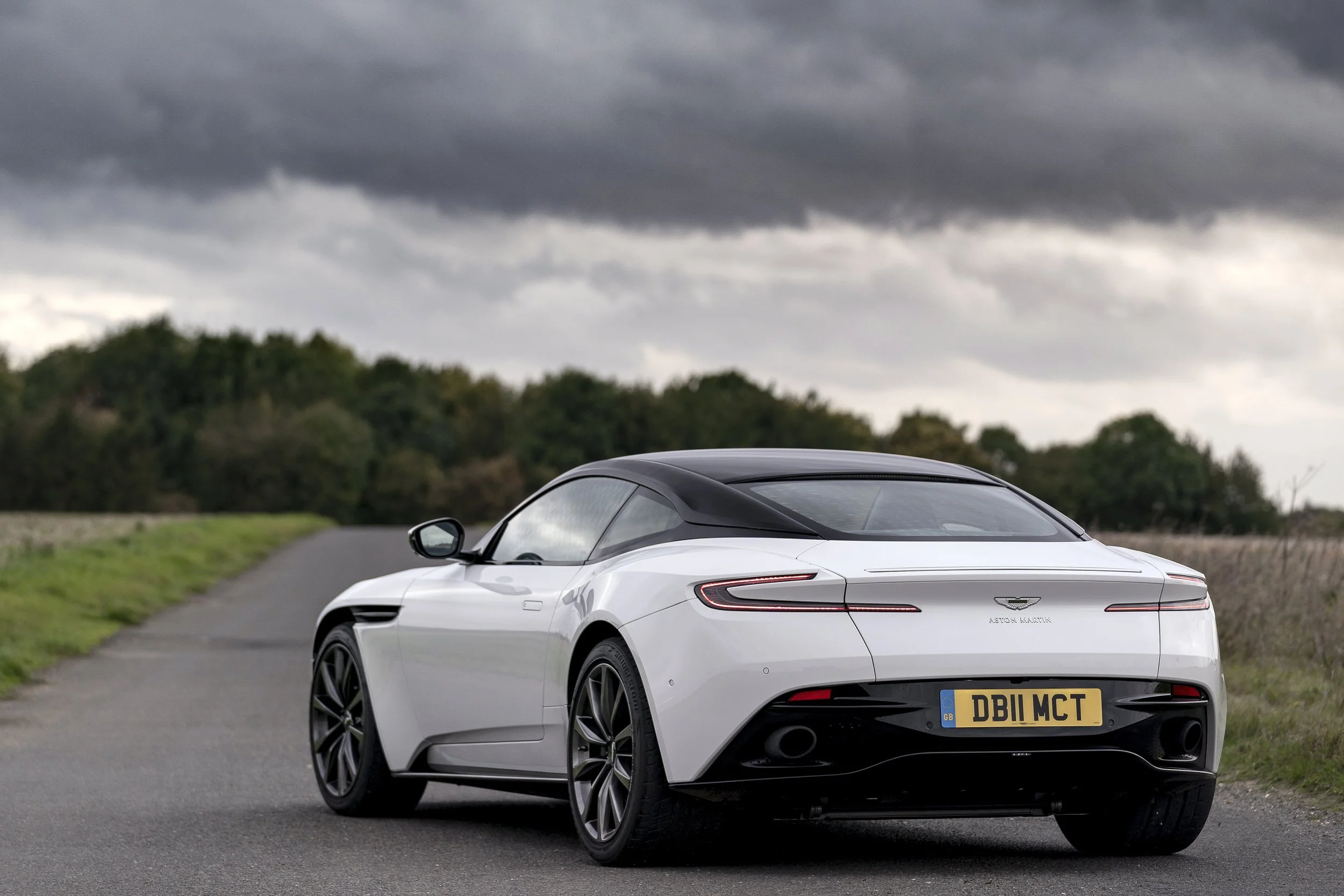
Image © Aston Martin Lagonda. Used for editorial purposes.
There’s no single correct answer, but there are clear buyer profiles. Best all-round DB11: V8 Coupe. For many buyers, the V8 Coupe is the sweet spot.
It’s lighter than the V12, sharper to drive, still very fast and usually more rational to run. It keeps the DB11’s style and GT comfort, but may feel more agile and usable more of the time.
FTP verdict:
The V8 Coupe is probably the DB11 most buyers should consider first.
Best emotional DB11: V12 Coupe

Image © Aston Martin Lagonda. Used for editorial purposes.
The V12 is the heart-led choice. It gives the DB11 its original flagship identity and the full twelve-cylinder Aston Martin experience. It may not be the sharpest version, but for some buyers the V12 is the reason to buy the car.
FTP verdict:
Buy the V12 if the engine is the dream, but only with excellent history and inspection evidence.
Best V12 DB11: AMR

Image © Aston Martin Lagonda. Used for editorial purposes.
The AMR is the more resolved V12 flagship. It has more power, more focus, a stronger exhaust character and a clearer identity than the early V12. It remains a GT, but a sharper and more convincing one.
FTP verdict:
If the budget allows, the AMR is the V12 DB11 to aim for.
Best lifestyle DB11: Volante
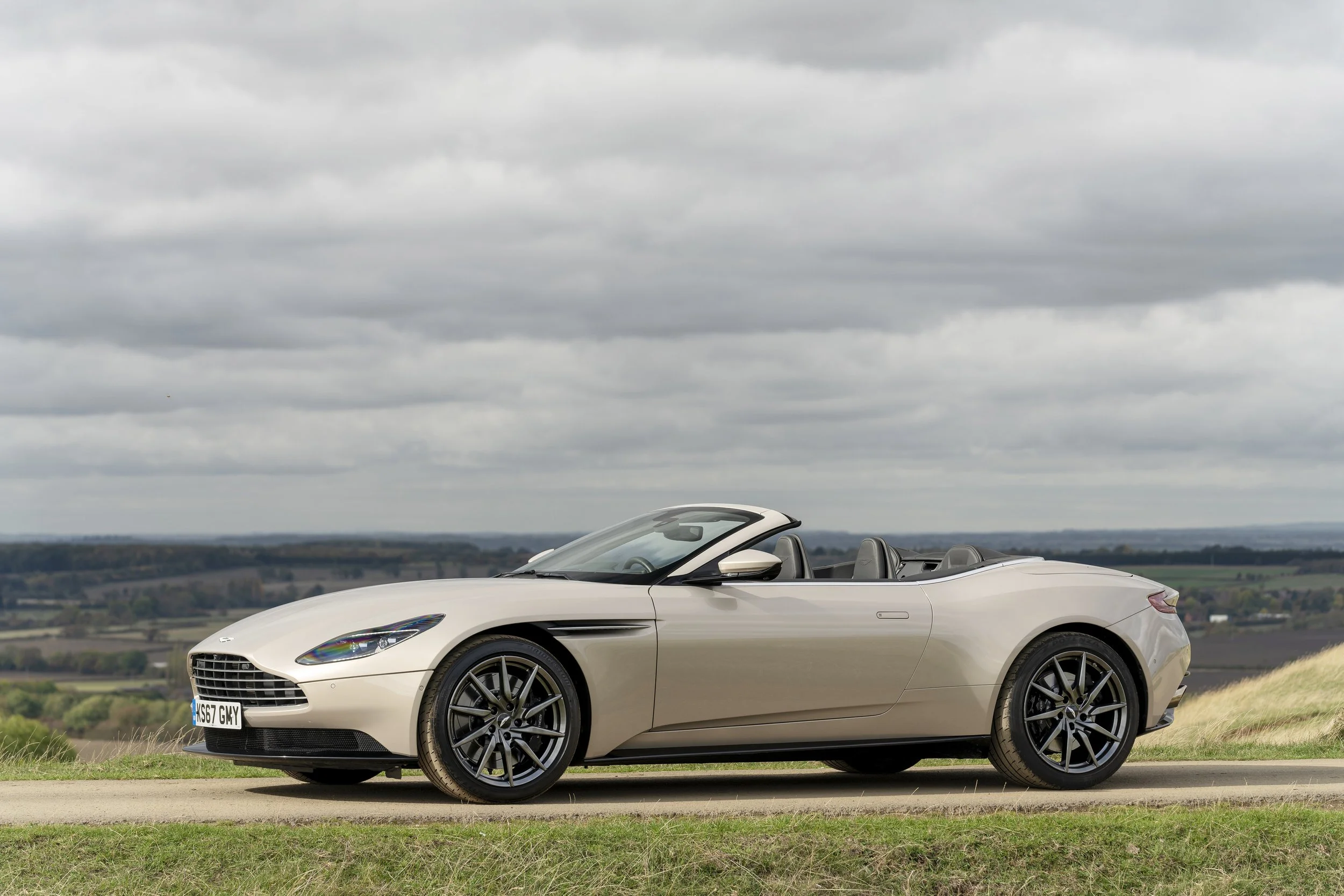
Image © Aston Martin Lagonda. Used for editorial purposes.
The Volante adds roof-down theatre and a more traditional Aston profile. It suits the V8 engine, feels elegant and relaxed, and may be one of the easiest DB11s to fall in love with. But the roof, seals, drains and windows must be checked carefully.
FTP verdict:
The Volante is the DB11 for buyers who want sound, style and open-top touring.
Best value opportunity: well-sorted early V12 or V8
The early cars can offer the most tempting entry point. But value only exists if the car is properly maintained. A cheap DB11 with poor history is not a bargain.
FTP verdict:
A well-sorted early car can be excellent value. A neglected one can be expensive very quickly.
Safest route: Timeless or respected specialist car
For first-time Aston Martin buyers, an official Aston Martin Timeless car or a car from a respected marque specialist may be the most reassuring route. You may pay more, but you may also gain better preparation, clearer provenance, warranty support and less anxiety.
FTP verdict:
Paying more for the right car can be cheaper than buying the wrong car cheaply.
Final FTP verdict
The DB11 is one of the most interesting used Aston Martins on the market. When new, it had a difficult job. It had to replace the DB9, move Aston Martin into a new technical era and persuade buyers that turbocharging, Mercedes-linked electronics and a bolder design language were the future of the DB bloodline. Not everyone was convinced immediately.

Image © Aston Martin Lagonda. Used for editorial purposes.
But as a used car, the DB11 now makes much more sense. It offers modern Aston Martin performance, genuine GT comfort, V8 or V12 choice, Coupe or Volante body styles, and a level of style and occasion that still feels special.
It’s not perfect. The infotainment feels dated beside newer Astons. The rear seats are limited. The car is large. Early examples need careful checking. V12 cars need particular inspection discipline. Volantes need roof and water-management checks. Running costs remain high-end Aston Martin running costs.
But none of that makes the DB11 a car to avoid. It makes it a car to buy properly.

Image © Aston Martin Lagonda. Used for editorial purposes.
For many buyers, the V8 Coupe will be the best all-round choice. For those who want the full emotional pull, the V12 or preferably the AMR will be the car to aim for. For open-top touring, the Volante has a very strong case.
The right answer depends on how the buyer wants to use the car. The DB11 is not simply a cheaper DB12, and it’s not just a newer DB9. It’s its own thing: Aston Martin’s bridge between eras.

Image © Aston Martin Lagonda. Used for editorial purposes.
Buy a good one, and it could be a magnificent modern grand tourer.
Buy the wrong one, and it could become expensive quickly.
So the final FTP advice is simple:
Buy the car, not the advert. Buy on history, condition, diagnostics and inspection evidence. Choose the engine with your heart, but choose the individual car with your head.
Independence Note
Fuel the Passion is independent and this Buyers Guide is not produced in association with Aston Martin Lagonda. It’s based on publicly available information, specialist commentary, market research, owner experience and editorial judgement.
This guide is intended to help prospective buyers ask better questions. It’s not a substitute for a professional inspection, legal advice, financial advice or warranty assessment. Always check the individual car, its VIN-specific recall status, service history, MOT history, warranty eligibility and mechanical condition before purchase.
Source Note
This guide has been prepared using a mix of Aston Martin official material, publicly available recall and service information, UK market listings, specialist servicing guidance, long-form video reviews, owner reports and Fuel the Passion’s own modern Aston Martin ownership experience.
Where possible, technical claims have been checked against official Aston Martin material or specialist evidence. Reviewer opinions and owner experiences have been treated as supporting context rather than definitive proof.
Before You Buy
Take your time. Drive more than one DB11 if possible. Compare V8, V12, Volante and AMR properly. Check the paperwork before falling in love with the colour. Budget for proper maintenance and never be afraid to walk away.
A good DB11 should make you more confident the more you inspect it.

Image © Aston Martin Lagonda. Used for editorial purposes.
If you are genuinely on the hunt for a lovely DB11, I wish you the very best of luck. Personally, I think they are stunning-looking cars. The DB11 may have divided opinion when it was new, and some early reviews were certainly mixed, but with time I think its design has settled beautifully.
To my eyes, it still looks classically Aston Martin: long bonnet, elegant proportions, real presence and that unmistakable grand tourer stance. Buy carefully, buy patiently, and the right DB11 could be a very special car to own.
I would also love to hear from you if this guide has helped with your search. If you have bought a DB11 after reading this, was it useful? Did it help you ask better questions, spot anything important or choose the right car? Leave some comments in the box below. 👇
If you already own a DB11, please share your real-world ownership experience in the comments below. What has been brilliant? What should future buyers look out for? Have you had any issues, surprises, running-cost lessons or ownership tips that could help someone else? Leave some comments in the box below. 👇
These guides only get better with real owner contributions. The more knowledge we can share, the more we can help future buyers enjoy this great Aston Martin with their eyes open. Thank you.
Disclaimer
This guide is provided for general information, editorial commentary and enthusiast guidance only. It is intended to help prospective buyers ask better questions and make more informed decisions, but it should not be relied upon as a complete mechanical, legal, financial or valuation assessment of any individual car.
Fuel the Passion is an independent enthusiast publication. This guide is not produced by, endorsed by, approved by, sponsored by or affiliated with Aston Martin Lagonda, Aston Martin Works, Aston Martin Aramco Formula One Team, any authorised Aston Martin retailer, or any associated Aston Martin company.
I am an Aston Martin enthusiast, owner and researcher, not a qualified mechanic or technician. Always arrange a professional pre-purchase inspection by a suitably qualified Aston Martin specialist or authorised Aston Martin dealer before buying any car. Always check the individual vehicle’s service history, MOT history, VIN-specific recall status, warranty eligibility, finance status, accident history and mechanical condition before purchase.
Market values, running costs, insurance, road tax, servicing prices and parts availability can change over time. Any figures or market observations included in this guide should be treated as a snapshot at the time of writing, not as guaranteed future values or fixed ownership costs.
