
Aston Martin DBS 2007-2012 - FTP Buyers Guide
The sharper V12 flagship that brought carbon-ceramic brakes, Bond-era theatre and grand touring beauty to the VH generation. Beautiful, dramatic and increasingly collectible, the Aston Martin DBS remains one of the great modern V12 Astons . But buying the right one means looking beyond Bond appeal, colour and mileage.
Fuel the Passion is independent and this guide is not produced in association with Aston Martin Lagonda. It’s intended as editorial buying guidance for enthusiasts and prospective owners.
A proper deep dive, not a quick skim
This is a detailed Fuel the Passion Buyers Guide covering the Aston Martin DBS 2007–2012, including model history, Coupe and Volante choices, manual and Touchtronic 2 cars, known issues, ownership costs, market position and what to check before buying.
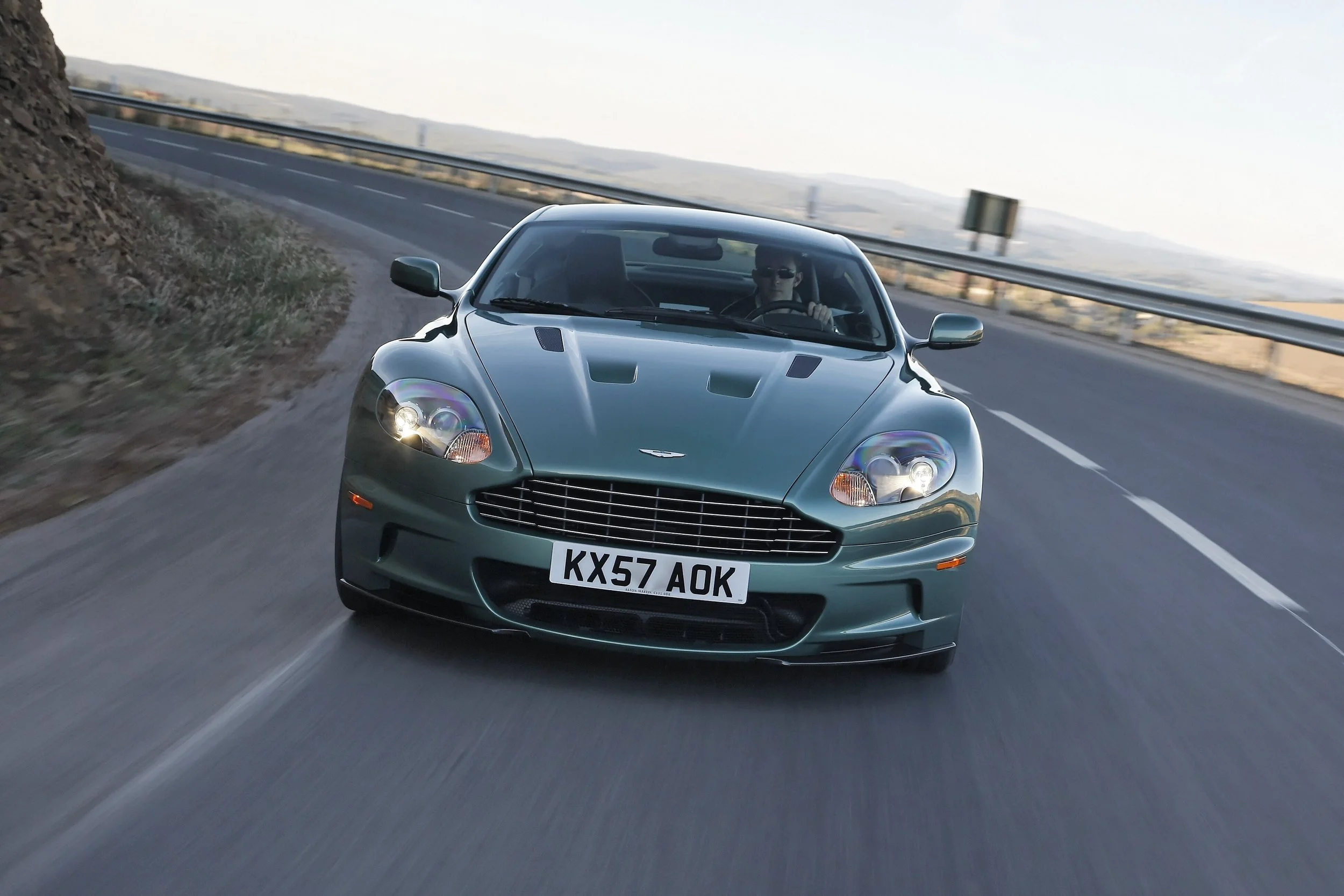
Image © Aston Martin Lagonda. Used for editorial purposes. Aston Martin DBS.
Some Aston Martins become significant because of numbers. Others become significant because of how they make people feel. The Aston Martin DBS belongs firmly in the second category. Yes, it has the right figures: a 5935cc naturally aspirated V12, carbon-ceramic brakes, rear-wheel drive, a six-speed manual gearbox as standard at launch, later Touchtronic 2 automatic availability, 0–62mph in 4.3 seconds and a top speed officially listed at around 190mph.
But the DBS has never been purely about numbers. It’s about shape, sound, presence and theatre. It’s about the moment the glass key slots into the dashboard, the V12 fires, the bonnet vents shimmer ahead of you, and suddenly even an ordinary journey feels a little less ordinary.
The DBS also has one of the strongest modern Aston Martin identities of its era. Before entering production, it appeared as James Bond’s car of choice in Casino Royale, Daniel Craig’s debut as Bond, and returned in the opening sequence of Quantum of Solace. That Bond connection matters, but it shouldn’t be the whole reason to buy one. A DBS still needs to stand on condition, history, mechanical health and whether it genuinely suits the buyer.
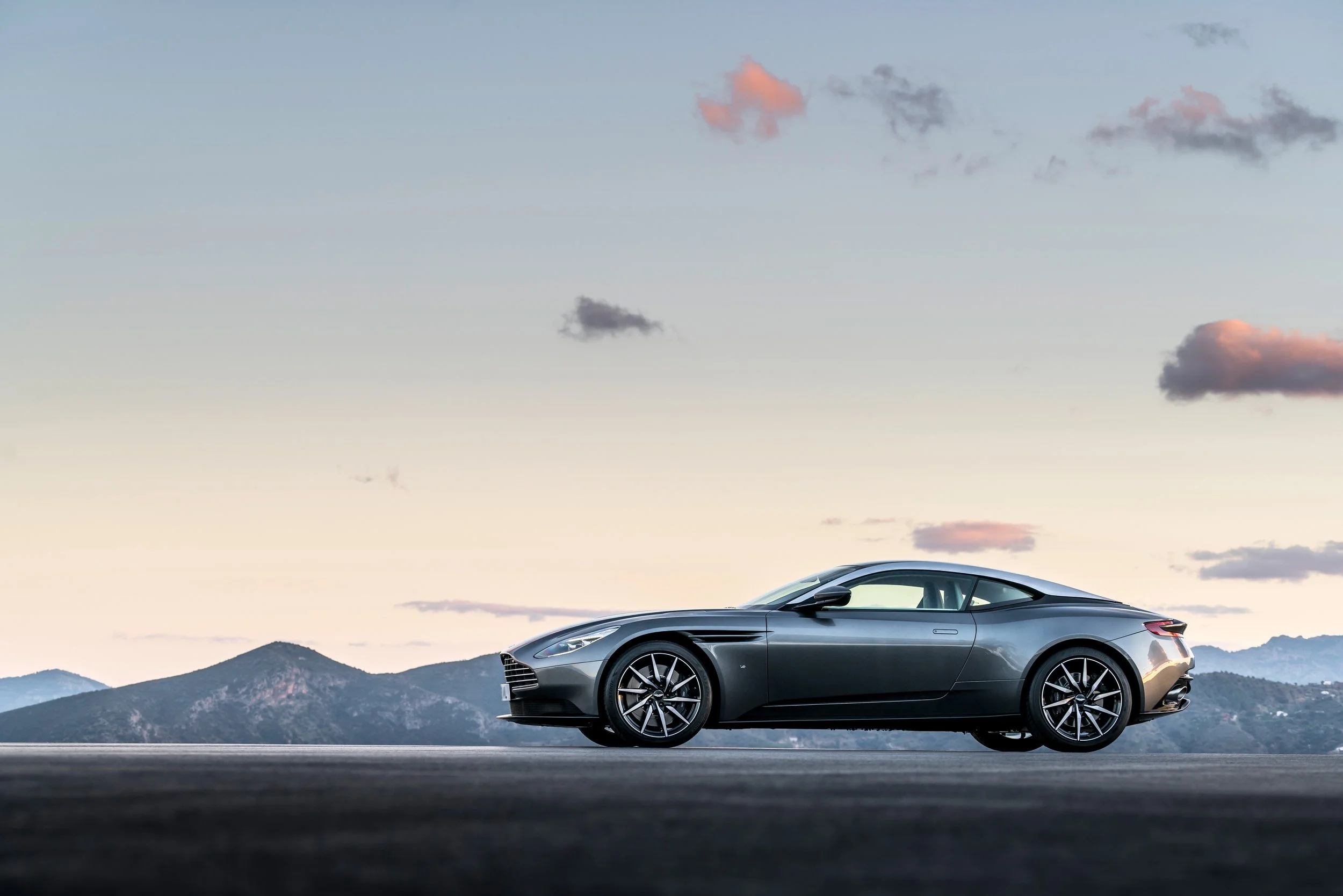
Image © Aston Martin Lagonda. Used for editorial purposes. Aston Martin DB11.
That matters because the DBS is not always the most rational Aston Martin choice. A DB9 can offer much of the naturally aspirated V12 grand touring experience for less money. A V12 Vantage is smaller and more intense. A later Vanquish is newer and more powerful. A DB11 is more modern and easier to live with. A DBS Superleggera will feel vastly quicker, and yet, for many buyers, the Gaydon-era DBS remains the car they keep coming back to.
Why? Because it sits in a very special place.
The DBS takes the elegance of the DB9 and gives it more edge. It bridges the old-school drama of the first-generation Vanquish and the more polished modernity of the second-generation Vanquish. It offers a naturally aspirated V12 at a time when that kind of engine is becoming increasingly rare. It can be a relaxed grand tourer, a serious driver’s car, a collector piece, or simply one of the most beautiful modern Aston Martins ever made.
But it must be bought properly.
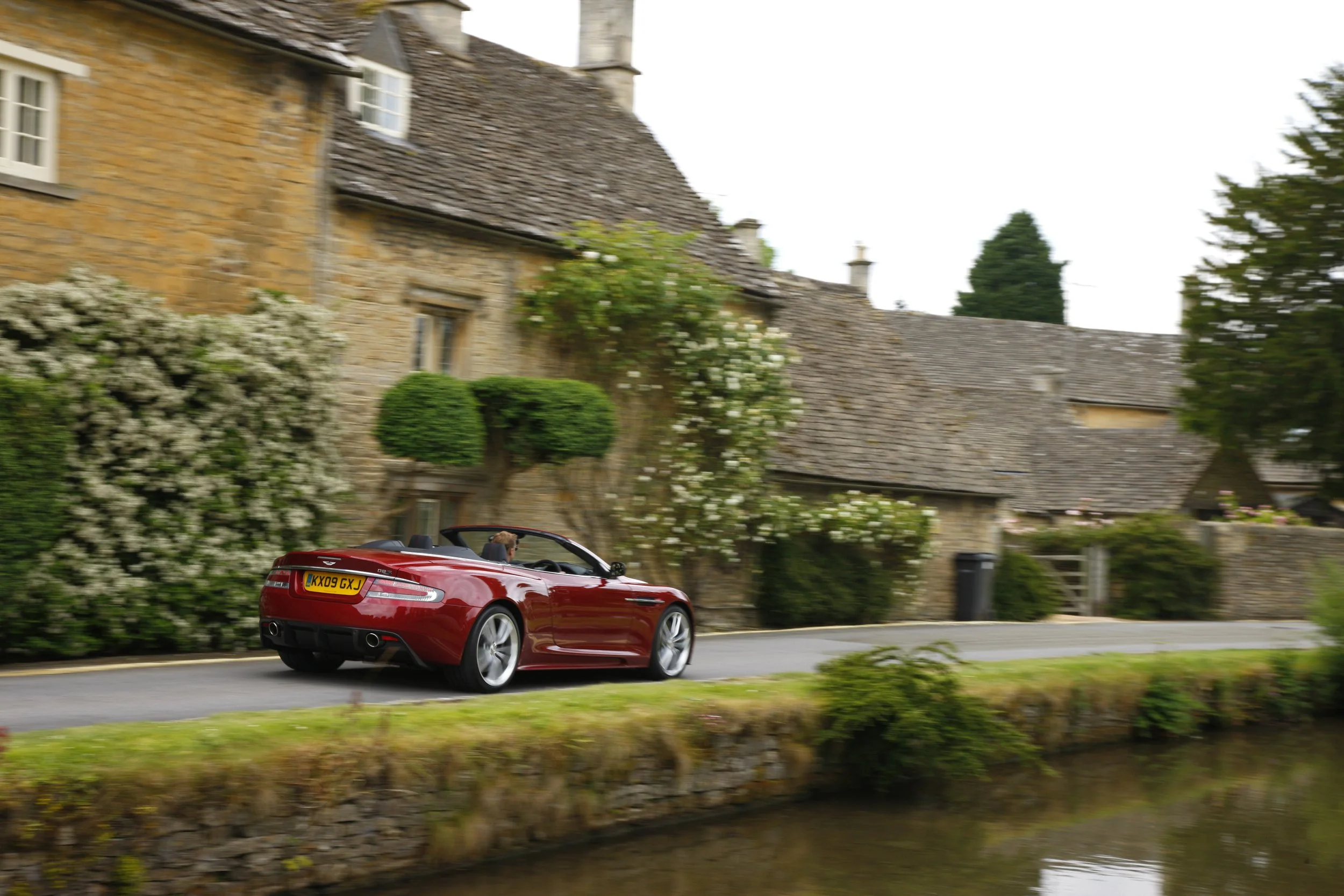
Image © Aston Martin Lagonda. Used for editorial purposes. Aston Martin DBS Volante.
A DBS is a low-volume V12 flagship. The best cars are not simply the lowest-mileage cars, the rarest colours, or the ones with the most dramatic advert descriptions. The best cars are the ones with clear history, proper servicing, healthy carbon-ceramic brakes, sound bodywork, good tyres, a strong V12, a gearbox that suits the buyer, and evidence of careful ownership.
Buy the right one and the DBS can feel like one of the defining Aston Martins of the modern era. Buy the wrong one and the carbon brakes, clutch, paintwork, dampers, body repairs and deferred maintenance can quickly remind you that this was once Aston Martin’s flagship.
This guide is here to help you separate the two.
Important Information
The FTP Aston Martin Buyers Guides are provided for general information and enthusiast guidance only. They are not a substitute for a professional inspection, specialist mechanical advice, legal advice, financial advice, insurance advice or independent valuation.
What is the Aston Martin DBS?
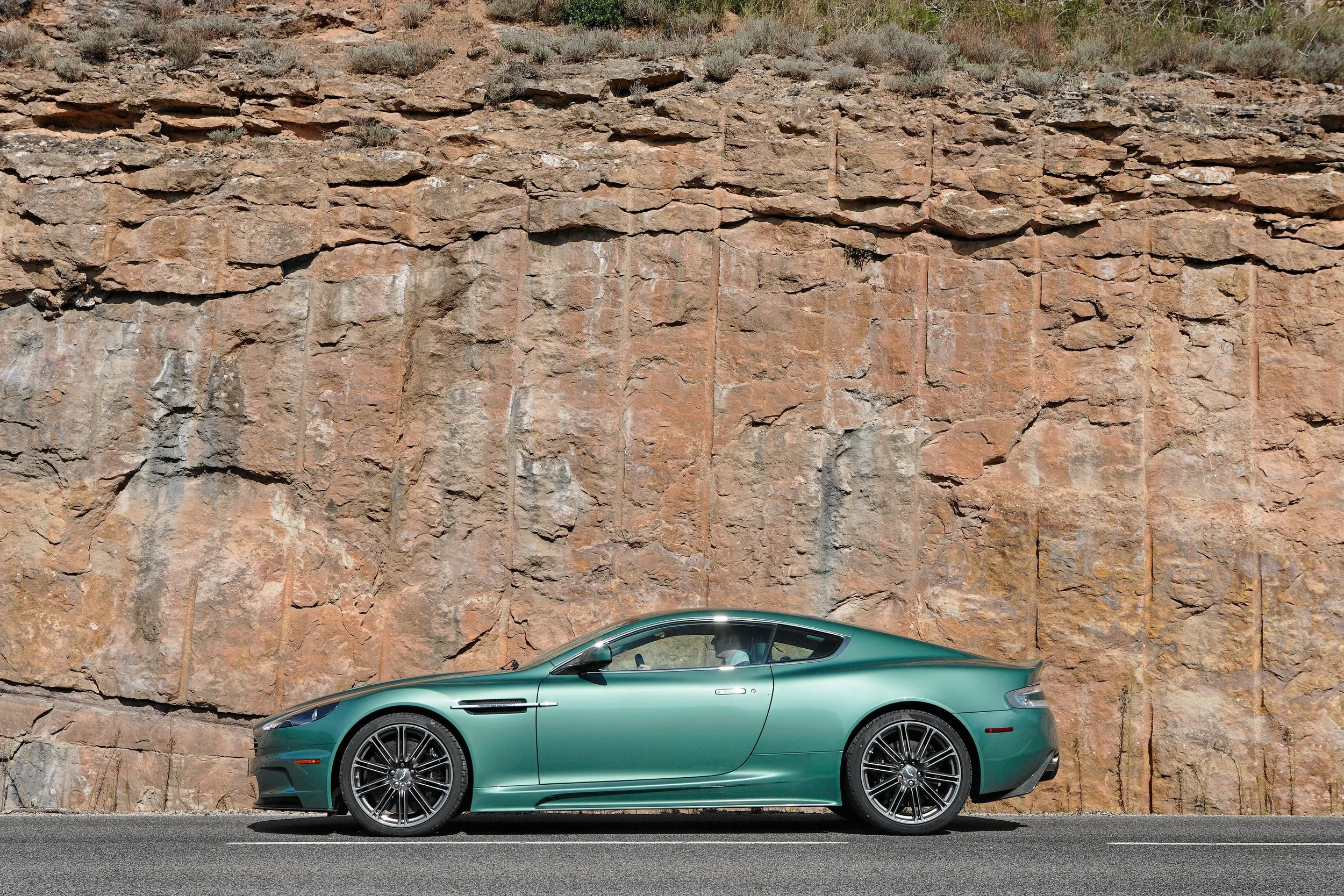
Image © Aston Martin Lagonda. Used for editorial purposes.
The modern Aston Martin DBS was revealed in 2007 and remained in production until 2012. It was launched first as a Coupe, with the Volante convertible following in 2009. The DBS was built during Aston Martin’s VH era. VH stands for “Vertical/Horizontal”, Aston Martin’s bonded aluminium architecture used across several Gaydon-era models. That doesn’t mean every VH-era Aston Martin is the same underneath. The architecture evolved, and different models had their own bodywork, tuning, suspension, proportions and character. The DBS was closely related to the DB9, but it wasn’t merely a DB9 trim level.
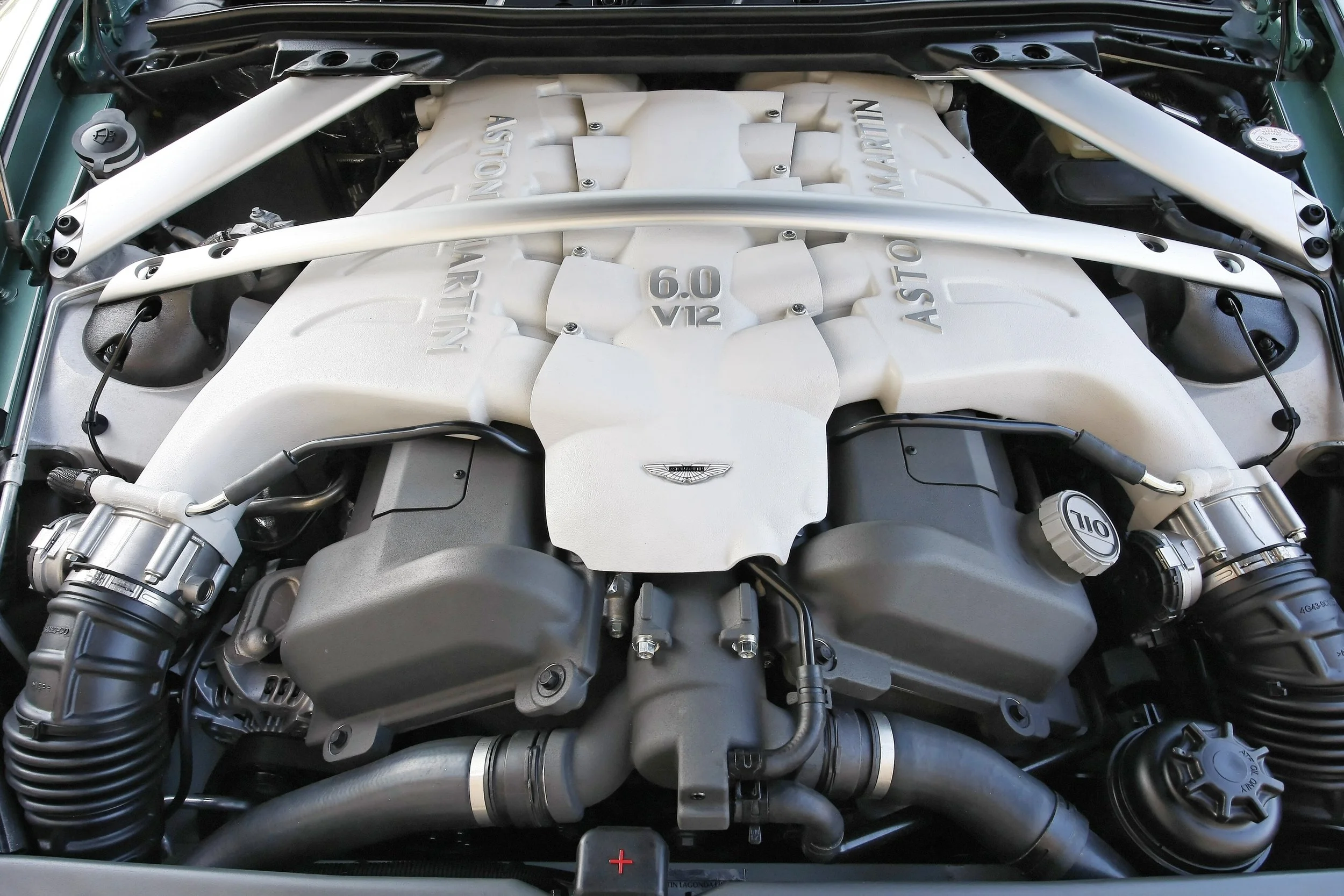
Image © Aston Martin Lagonda. Used for editorial purposes.
Under the bonnet sits Aston Martin’s 5935cc all-alloy V12, with quad overhead camshafts and 48 valves. Officially, the DBS produced 510bhp and 570Nm of torque, driving the rear wheels through either a six-speed manual gearbox or Touchtronic 2, a six-speed automatic gearbox with paddle-shift control.
That gearbox distinction matters. Touchtronic 2 is not Aston Martin’s Sportshift automated manual used in some other models. It’s a traditional torque-converter automatic, smoother and more relaxed, and well suited to the DBS’s grand touring side. The manual, meanwhile, gives the car its most analogue and collectible character.
The DBS also introduced carbon-ceramic brakes as standard equipment for an Aston Martin road car. The system used 398mm front discs with six-piston calipers and 360mm rear discs with four-piston calipers. These brakes are central to the DBS identity. They were not just a technical headline; they’re part of what helped give the DBS its sharper, more serious feel. Today, however, they’re also one of the most important inspection points because replacement or major remedial work can be expensive.
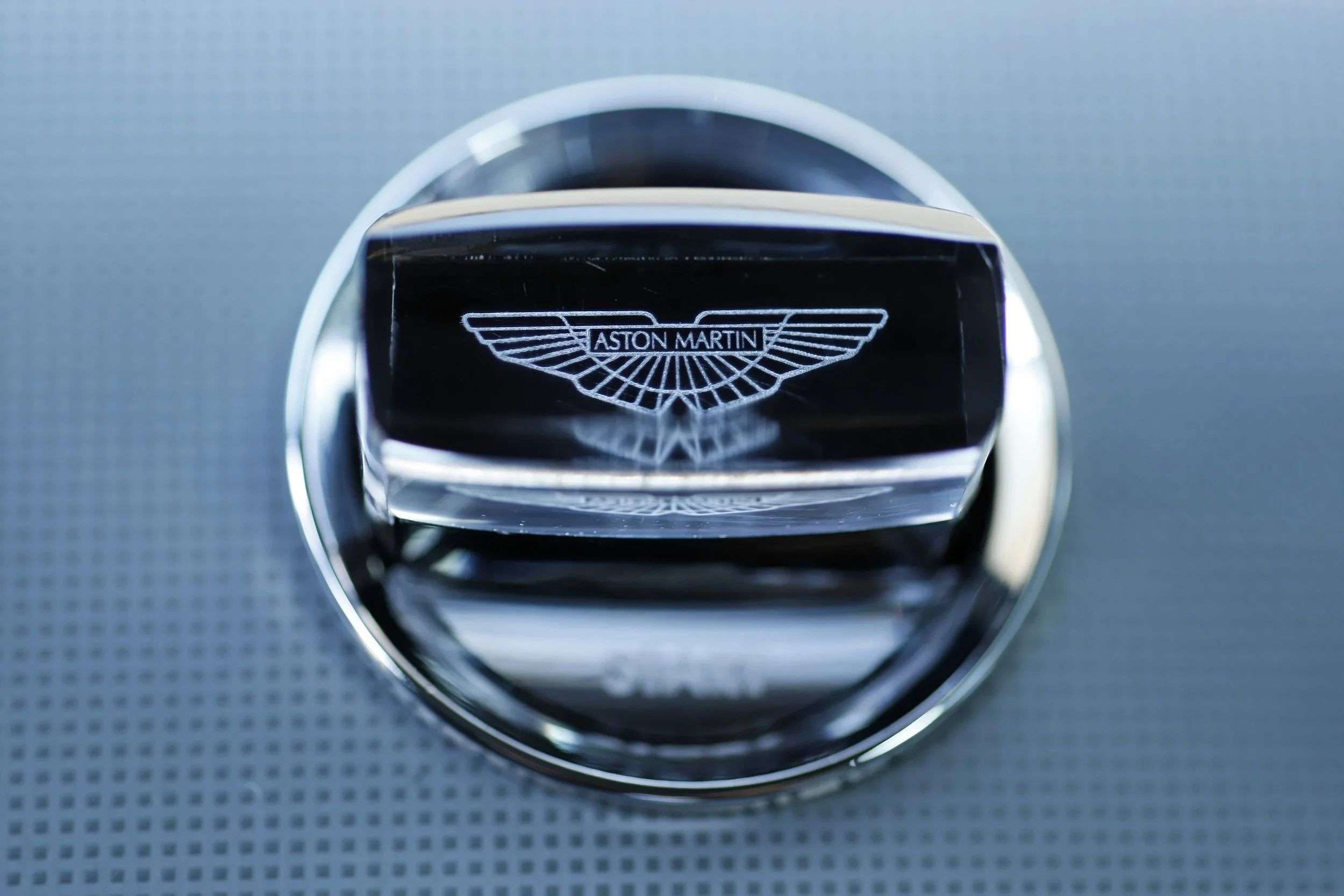
Image © Aston Martin Lagonda. Used for editorial purposes.
Inside, the DBS mixes late-2000s Aston Martin theatre with the quirks of the era. The glass key, known by Aston Martin as the Emotional Control Unit, is part of the ritual. So are the sculpted centre console, leather, Alcantara, carbon-fibre trim, analogue instruments, optional lightweight seats and, on many examples, the Bang & Olufsen audio system with rising dashboard tweeters.
The best way to understand the DBS is not as a Ferrari rival, a track-day special, or a DB9 with a more dramatic body. It’s a sporting Aston Martin grand tourer: faster, sharper and more focused than a DB9, more usable and polished than a first-generation Vanquish, and more analogue than many of the Aston Martins that followed.
Is the DBS just a DB9 with a body kit?
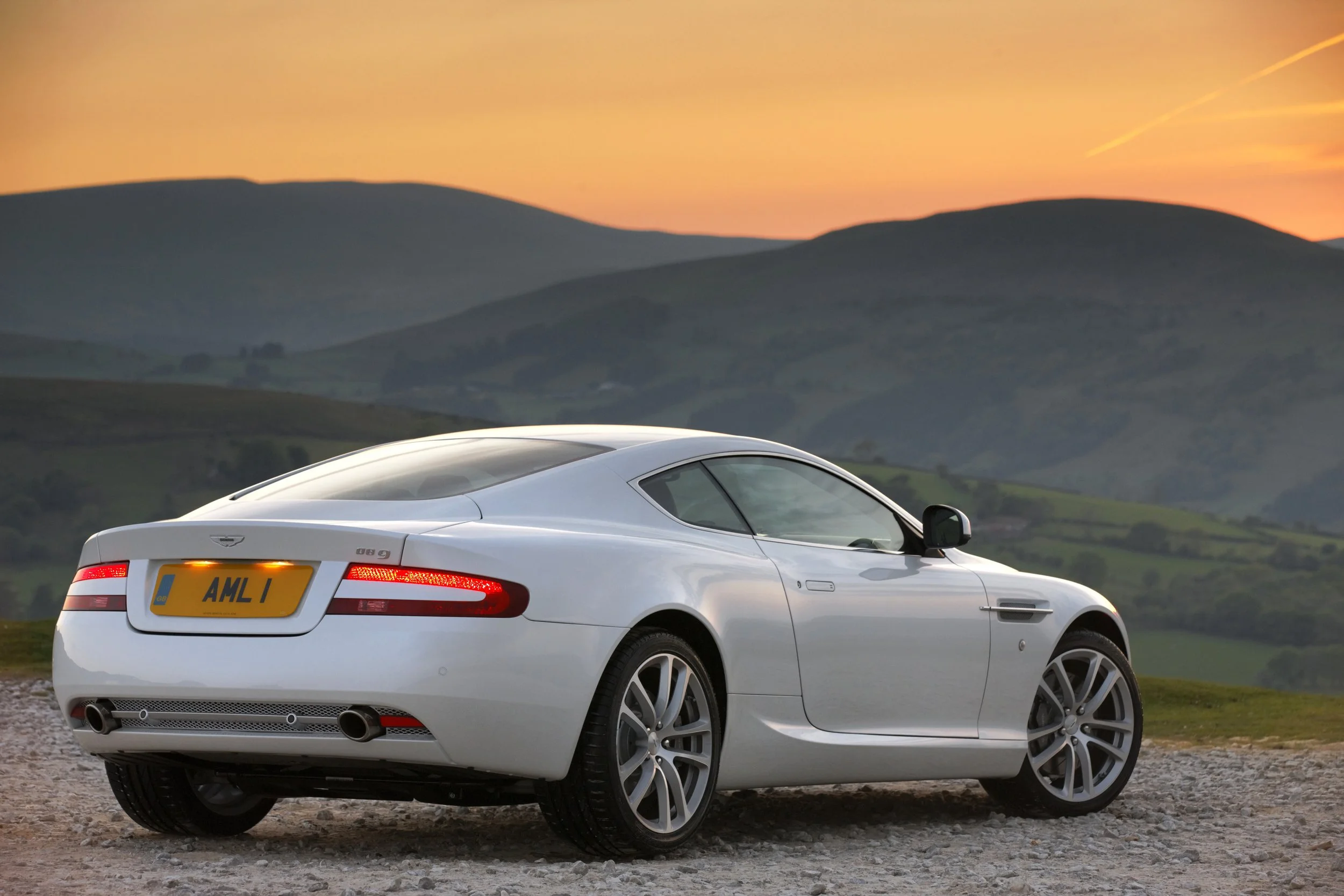
Image © Aston Martin Lagonda. Used for editorial purposes. Aston Martin DB9.
No - but it’s easy to understand why the question exists.
The DBS has always lived with the DB9 comparison. From some angles, especially to the untrained eye, the family resemblance is obvious. Both cars are beautiful front-engined V12 Aston Martins from the Gaydon era, and both share the broad VH-platform foundation. But calling the DBS a DB9 with a body kit is too lazy.
The differences are cumulative. The DBS brought more power, revised breathing, carbon-fibre bodywork details, carbon-ceramic brakes, adaptive damping, specific chassis tuning, a wider and more assertive stance, more aggressive aerodynamic detailing, a more focused interior atmosphere and flagship positioning.
That’s why the DBS can be slightly misunderstood. If a buyer expects it to feel dramatically faster than a DB9 at low speeds, they may wonder what the fuss is about. The real difference appears as the road opens up, the V12 moves into its stronger upper range, the brakes and damping begin to show their quality, and the car feels more serious, more precise and more special than a standard DB9.
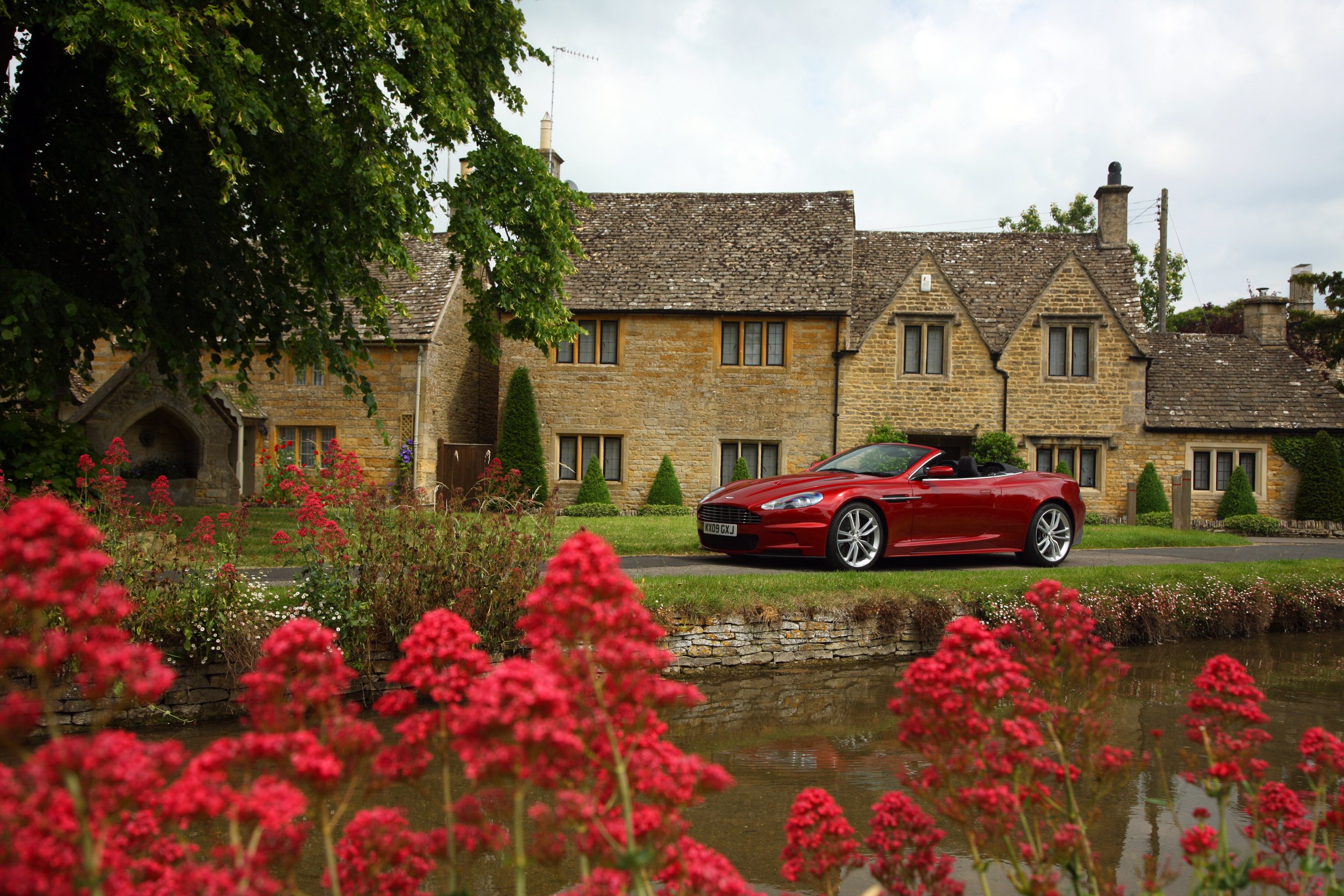
Image © Aston Martin Lagonda. Used for editorial purposes. Aston Martin DBS Volante.
The DB9 remains the more rational choice for many buyers. It’s elegant, charismatic, V12-powered and often better value. But the DBS adds the final layer of drama: the stance, the carbon-fibre detail, the sharper chassis, the brakes, the Bond-era presence and the feeling that this was Aston Martin’s flagship expression of the DB9 idea.
A DB9 may satisfy the head. The DBS is for the buyer whose heart keeps asking for more.
Model history and timeline
The modern DBS story begins before customers could actually buy one. The car made its public cultural entrance in Casino Royale, where Daniel Craig’s James Bond introduced the world to a much more muscular Aston Martin than the DB9. The road car followed shortly afterwards, and by the time the DBS appeared in showrooms, it already had an identity that most new cars could only dream of.
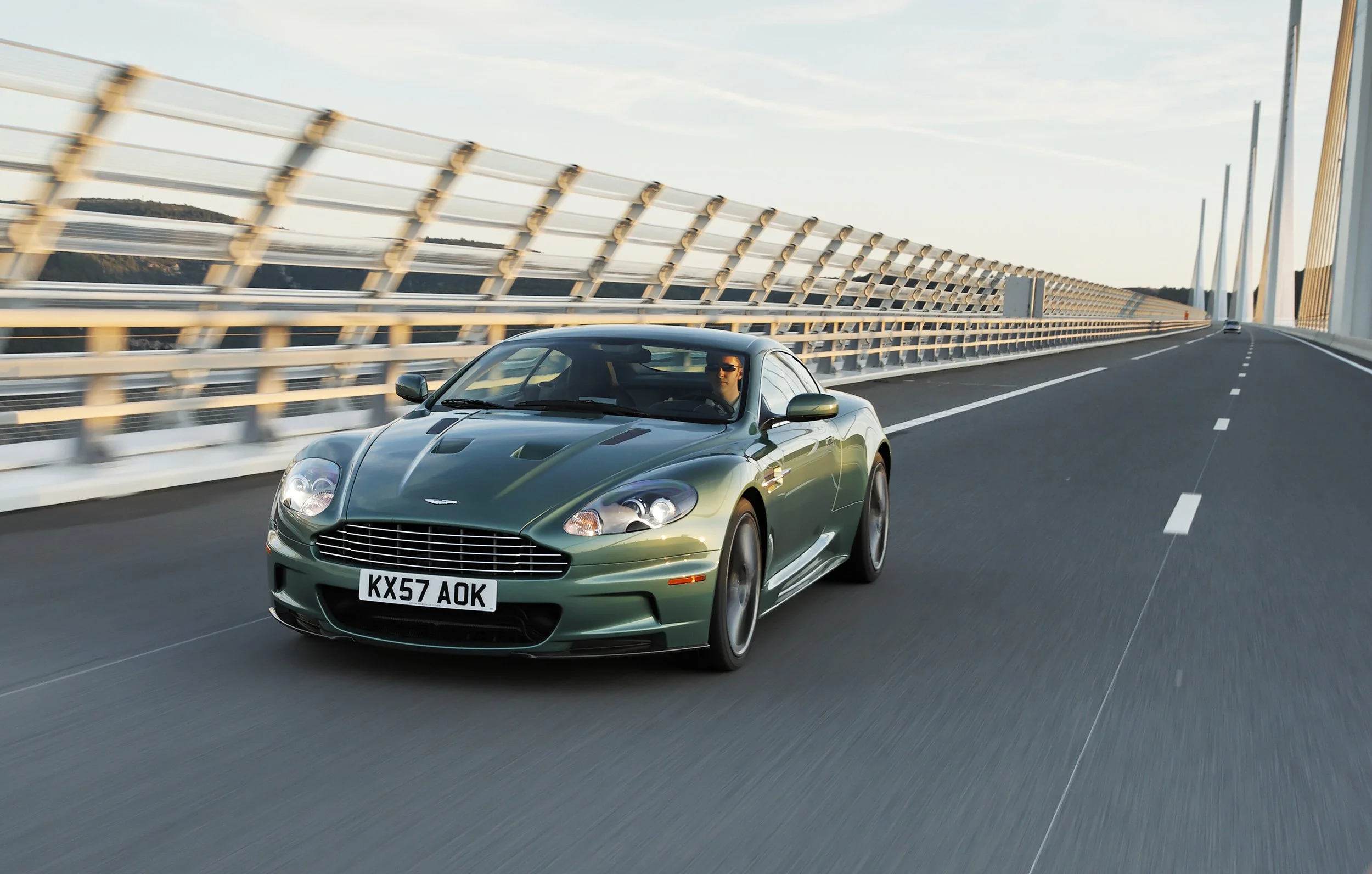
Image © Aston Martin Lagonda. Used for editorial purposes.
The Coupe came first. At launch, the DBS was closely associated with the six-speed manual gearbox and a more focused 2+0 layout, just as featured in Casino Royale. Touchtronic 2 arrived during the 2009 model year and 2+2 seating also became part of the DBS story.
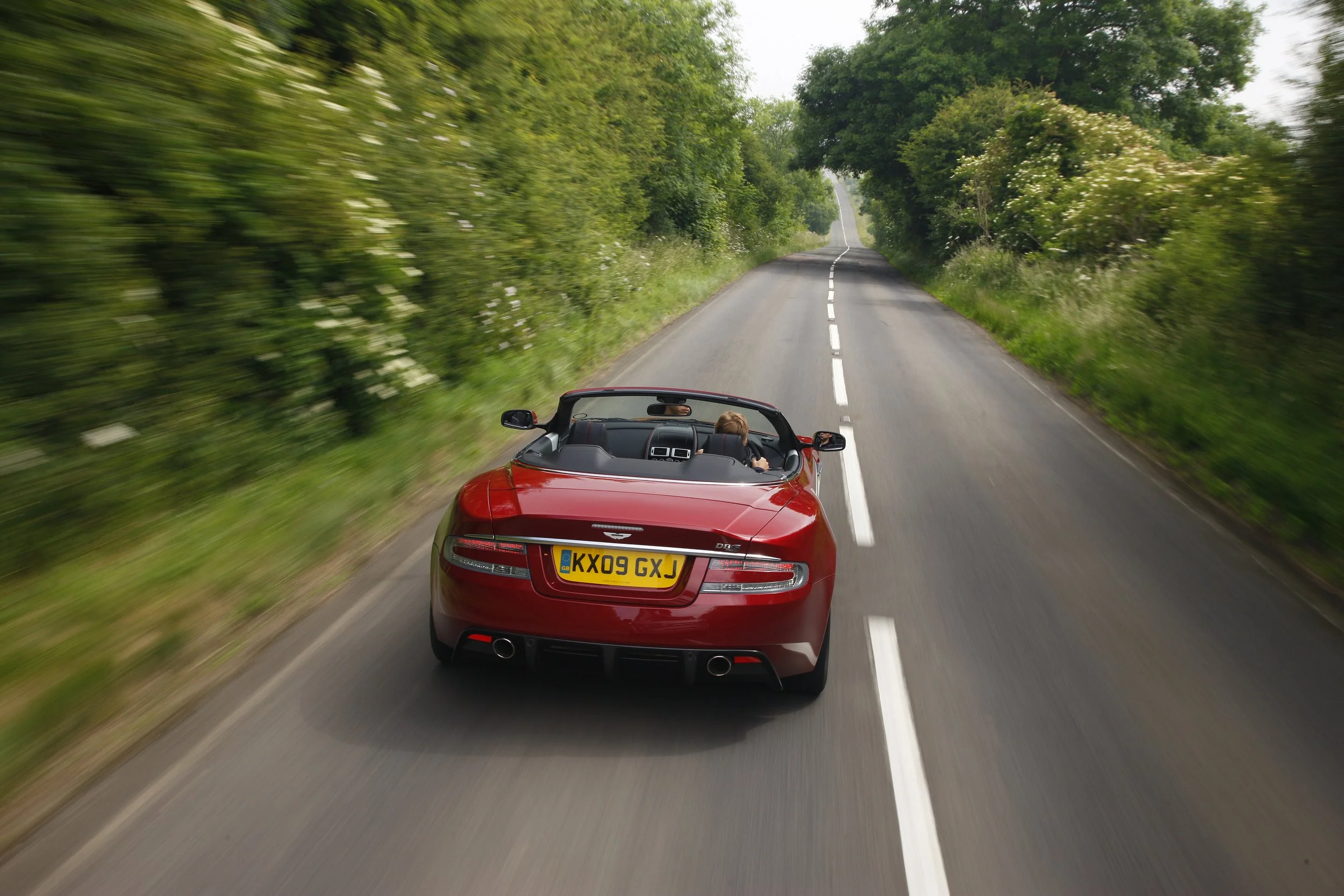
Image © Aston Martin Lagonda. Used for editorial purposes.
The Volante followed in 2009, adding open-air V12 theatre to the same basic formula.
A simple timeline looks like this:
Model History Timeline
From its Bond-era introduction to the arrival of the Volante, Touchtronic 2 and final-year special editions, the DBS evolved from a focused V12 flagship into one of the most charismatic modern Aston Martins of the Gaydon era.
DBS appears in Casino Royale before full customer production.
DBS revealed as Aston Martin’s new V12 flagship.
Coupe production and customer deliveries gather pace.
Touchtronic 2 automatic gearbox becomes available.
DBS Volante joins the range, adding open-air V12 grand touring theatre.
DBS appears again in Quantum of Solace.
Carbon Black and UB-2010 editions appear within the DBS story.
Carbon Edition and final-year cars add further collector interest.
DBS production ends following the launch of the second-generation Vanquish.
Throughout its life, the DBS was never a high-volume car. Production is generally recorded at around 3,400 cars in total, with roughly 2,500 Coupes and around 845 Volantes. Manual cars are significantly rarer than Touchtronic examples, and manual Volantes are especially scarce.
For buyers, the timeline matters because early, late, manual, Touchtronic, Coupe, Volante and special-edition cars can all appeal for different reasons. A late Touchtronic Volante is a very different proposition from an early manual 2+0 Coupe, even though both are DBS models.
Coupe or Volante?
The DBS Coupe and DBS Volante share the same basic identity, but they offer different flavours of Aston Martin.
The Coupe is the sharper and more focused car. It’s lighter, stiffer and more obviously driver-led. For many enthusiasts, the ideal DBS is a manual Coupe: naturally aspirated V12, rear-wheel drive, carbon-ceramic brakes and a traditional six-speed gearbox. It’s the version most likely to appeal to keen drivers and collectors who want the purest DBS experience.
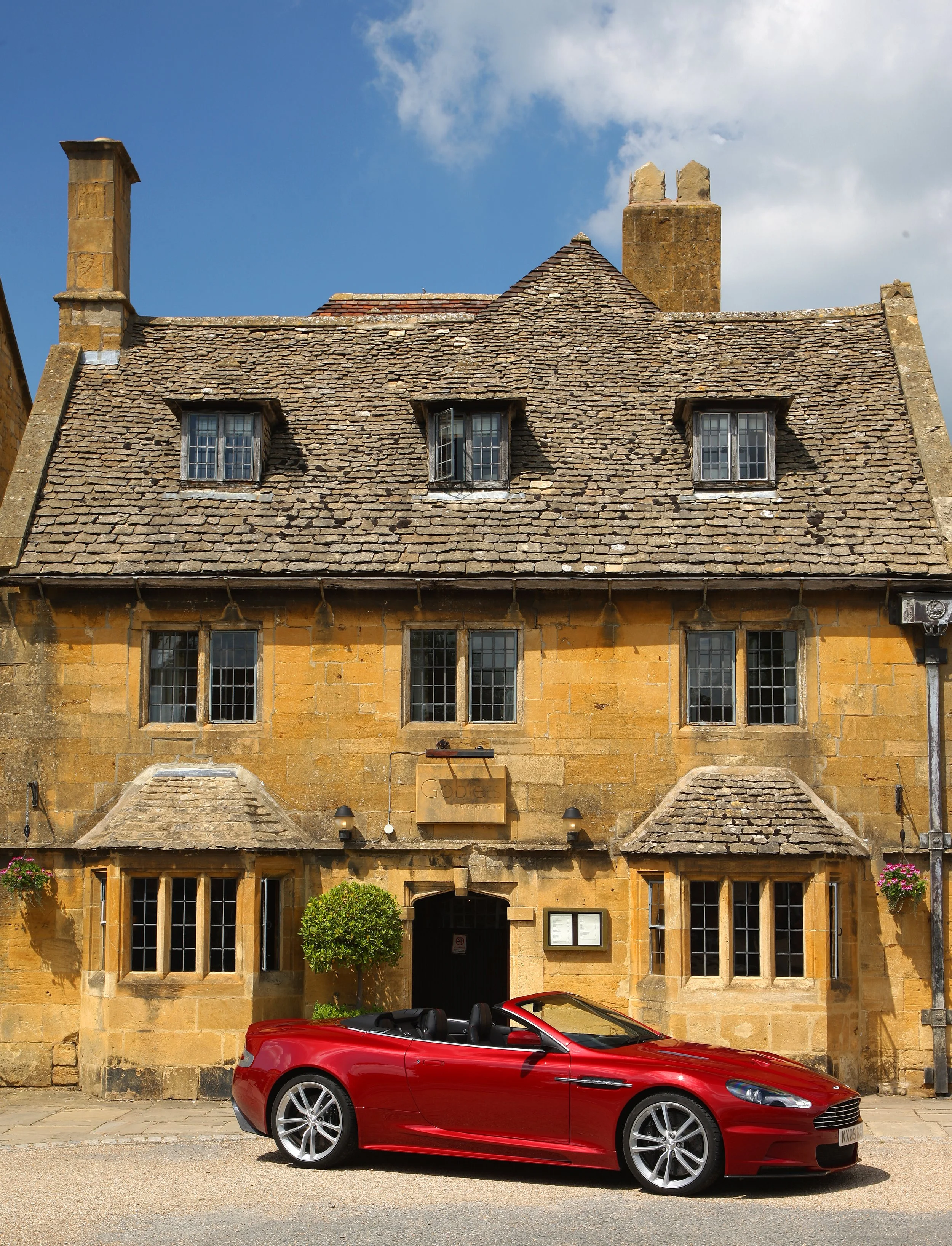
Image © Aston Martin Lagonda. Used for editorial purposes.
The Volante is different. It carries more weight and cannot quite match the Coupe for agility or structural sharpness, but it adds something the Coupe cannot offer: open-air V12 theatre. Roof down, the DBS becomes less about ultimate precision and more about sound, elegance and occasion. It’s the romantic choice.
That doesn’t make the Volante the soft option in a negative sense. A good DBS Volante still has balance, pace and a proper sense of occasion. It simply shifts the emphasis. The Coupe asks you to drive. The Volante asks you to enjoy the journey.
Manual Volantes are especially scarce, with production generally understood to be only a few dozen cars worldwide. That rarity makes them particularly interesting to collectors, but it doesn’t remove the need for the same careful inspection as any other DBS. For buyers, the decision should be honest.
If you want the most involving DBS, start with the Coupe. If you want the most relaxed and glamorous DBS, the Volante may suit you better. If you want collector rarity, a manual Volante is extremely interesting, but finding one and buying it well will be a very different process from choosing a Touchtronic Coupe.
On a Volante, the roof must be inspected properly. It should operate smoothly, latch cleanly, seal well and show no signs of water ingress. Check the hood fabric, rear screen area, drains, carpets, boot floor and any signs of damp smell or staining. The Volante is a beautiful thing, but roof and water issues can quickly change the buying equation.
Choosing the Right DBS
The DBS Coupe and Volante share the same V12 heart, but they suit different buyers. The right choice depends on whether you value driver focus, open-air theatre, long-distance ease or collector rarity.
DBS Coupe Manual
The most analogue and driver-focused DBS, pairing the naturally aspirated V12 with a traditional six-speed manual gearbox.
DBS Coupe Touchtronic
A strong sporting GT choice for many buyers, offering the DBS look, V12 theatre and flagship feel with more relaxed usability.
DBS Volante Touchtronic
Elegant, relaxed and theatrical, this is the DBS for roof-down V12 touring rather than maximum driver focus.
DBS Volante Manual
Very rare and highly interesting to collectors, but condition, history, roof health and brake condition still come first.
The Coupe is the DBS for the keen driver. The Volante is the DBS for the romantic. Neither is wrong, but one may be much more right for you.
Special editions and final-year cars
The DBS range included several special editions and specification-led variants, including Carbon Black, Carbon Edition, UB-2010, Dragon 88 and Ultimate Edition cars. These models add interest, rarity and desirability, but buyers should approach them carefully.
The key point is that most DBS special editions are not mechanically transformed versions of the car. Their appeal usually lies in colour, trim, carbon-fibre detailing, interior treatment, final-year status, rarity and provenance. A neglected special edition is still a neglected DBS. A superb standard car may be a much better purchase than a tired limited-edition car with poor history, damaged carbon, weak brakes or questionable paintwork.
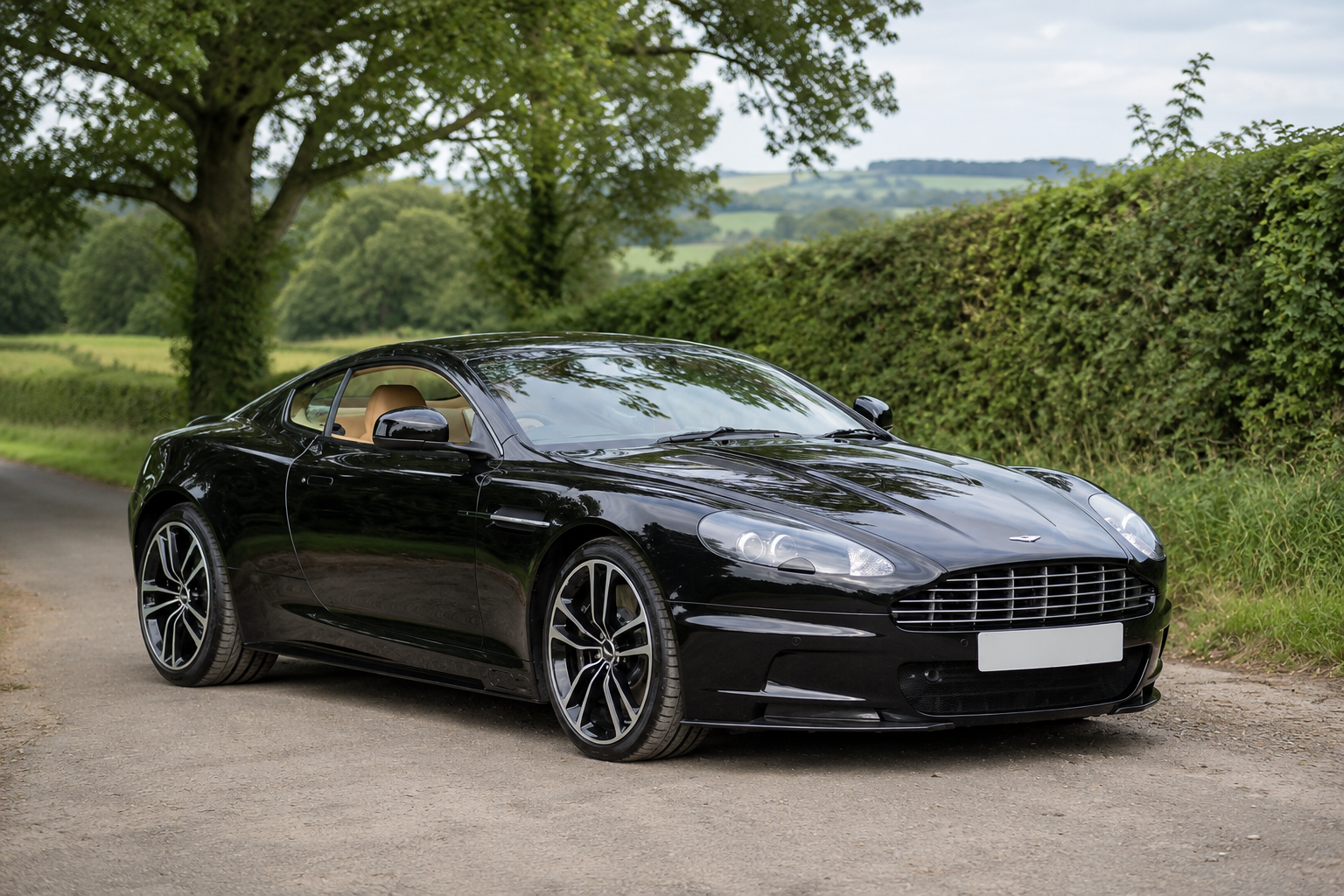
Image © Fuel the Passion. Aston Martin DBS Carbon Black Edition.
Carbon Black and Carbon Edition cars appeal because they intensify the DBS’s already dramatic visual character. They often bring darker, more purposeful finishes, additional carbon-fibre details and a more special cabin atmosphere. Carbon Edition added further colour and trim interest, with Carbon Black, Flame Orange and Ceramic Grey often associated with the edition.

Image © Fuel the Passion. Aston Martin DBS UB-2010 Edition, AMOC Festival 2026.
The UB-2010 cars deserve a little extra context. “UB” refers to Dr Ulrich Bez, Aston Martin’s then Chief Executive Officer, and the edition was created to mark his tenth year at the head of the company. Rather than being a mechanical upgrade, the UB-2010 was a highly personal specification associated with Dr Bez’s own taste.
In the photograph opposite is Dr Ulrich Bez is being reunited with an UB-2010 during the AMOC Festival, British Motor Museum 2026.
The cars are generally linked with Azurite Black paintwork, metallic bronze leather with woven leather seat inserts, Cryptic Titan fascia trim, unique sill and engine plaques, Dr Bez signature embroidery and a matching luggage set. They are rare, distinctive and historically interesting because of that direct connection to one of the most important Aston Martin leaders of the modern era.
Ultimate Edition cars have final-run appeal and will naturally interest collectors. Dragon 88 cars are more niche again: a China-market “Year of the Dragon” special-edition programme announced at the 2012 Beijing Motor Show across DBS, Virage and V8 Vantage S models. For the DBS, Dragon 88 appears to have been extremely limited, with only a small number of Coupe examples and a single known Volante show car recorded by specialist production sources.
Before paying a premium for any special edition, verify the car properly. Look for factory build records, original specification, plaques where applicable, service history, invoices, ownership file, original parts, paint confirmation and whether the car still matches its advertised description. Badges, advert wording and online rarity claims are not enough.
Special editions should add to the appeal of the right DBS. They should not be used to excuse the wrong one.
The buying rule is simple: buy the best DBS you can verify, not simply the rarest one you can find.
Manual or Touchtronic 2?
Few DBS buying decisions matter more than gearbox choice. The DBS was available with a six-speed manual gearbox and Touchtronic 2, a six-speed torque-converter automatic with paddle-shift control. Both suit the car, but they create very different ownership experiences.
The manual is the version enthusiasts tend to talk about most. It gives the DBS its most analogue character: naturally aspirated V12, rear-wheel drive, carbon-ceramic brakes and a traditional gear lever. In a world where modern grand tourers are increasingly automatic, turbocharged and digital, a manual DBS feels increasingly special.
For the keen driver, a good manual DBS Coupe is probably the purest version of the car. It’s the one that most clearly separates the DBS from being simply a beautiful V12 grand tourer and turns it into something more involving. The act of choosing the gear yourself, working with the clutch, listening to the V12 build through the revs and feeling the car through your hands and feet is central to the appeal.
But don’t romanticise the manual blindly. A DBS manual needs to be driven before purchase. The clutch can feel heavier than a modern car, the bite point may not suit everyone, and low-speed manoeuvring is an important test. Check for clutch slip, judder, smell, drag, poor engagement, difficult reverse selection and any reluctance when hot. A clutch replacement is not a small job, so invoice evidence matters.
Touchtronic 2 deserves a fair hearing. It’s important to understand what Touchtronic is, and what it’s not. It’s not Aston Martin’s Sportshift automated manual system. Touchtronic 2 is a conventional six-speed torque-converter automatic, which means it is smoother, more relaxed and generally better suited to town driving, traffic and long-distance grand touring.
In a DBS Coupe, Touchtronic creates a more relaxed sporting GT. In a DBS Volante, it arguably makes even more sense, because the open-top car is naturally more about sound, elegance and effortless touring than maximum driver involvement.
A good Touchtronic DBS should engage smoothly, pull away cleanly, shift without harshness and respond properly to its paddles. Sport mode should sharpen the gearbox response and throttle behaviour without making the car feel confused or crude. Any delayed engagement, thumps, warning messages, slipping sensation or poor paddle response should be investigated before purchase.
The manual is the heart-led choice. Touchtronic is the grand touring choice. Both can be right.
What should a good DBS feel like?
The DBS is a sporting grand tourer, not a stripped-out sports car. That distinction matters. Buyers sometimes approach the DBS expecting it to feel like a Ferrari rival, a track-day weapon, or a much louder, harder DB9. That’s not really what the car is. A good DBS should feel fast, composed, beautifully balanced and more focused than a DB9, but it should still feel like an Aston Martin built to cover distance.
At low speeds, especially in Touchtronic form, the DBS can feel surprisingly civilised. The cabin is comfortable, the V12 can be quiet when you’re not pressing on, and the car is capable of feeling more relaxed than its dramatic appearance suggests. Some buyers will love that. Others may expect more constant theatre. The key is to understand the DBS on the right road.
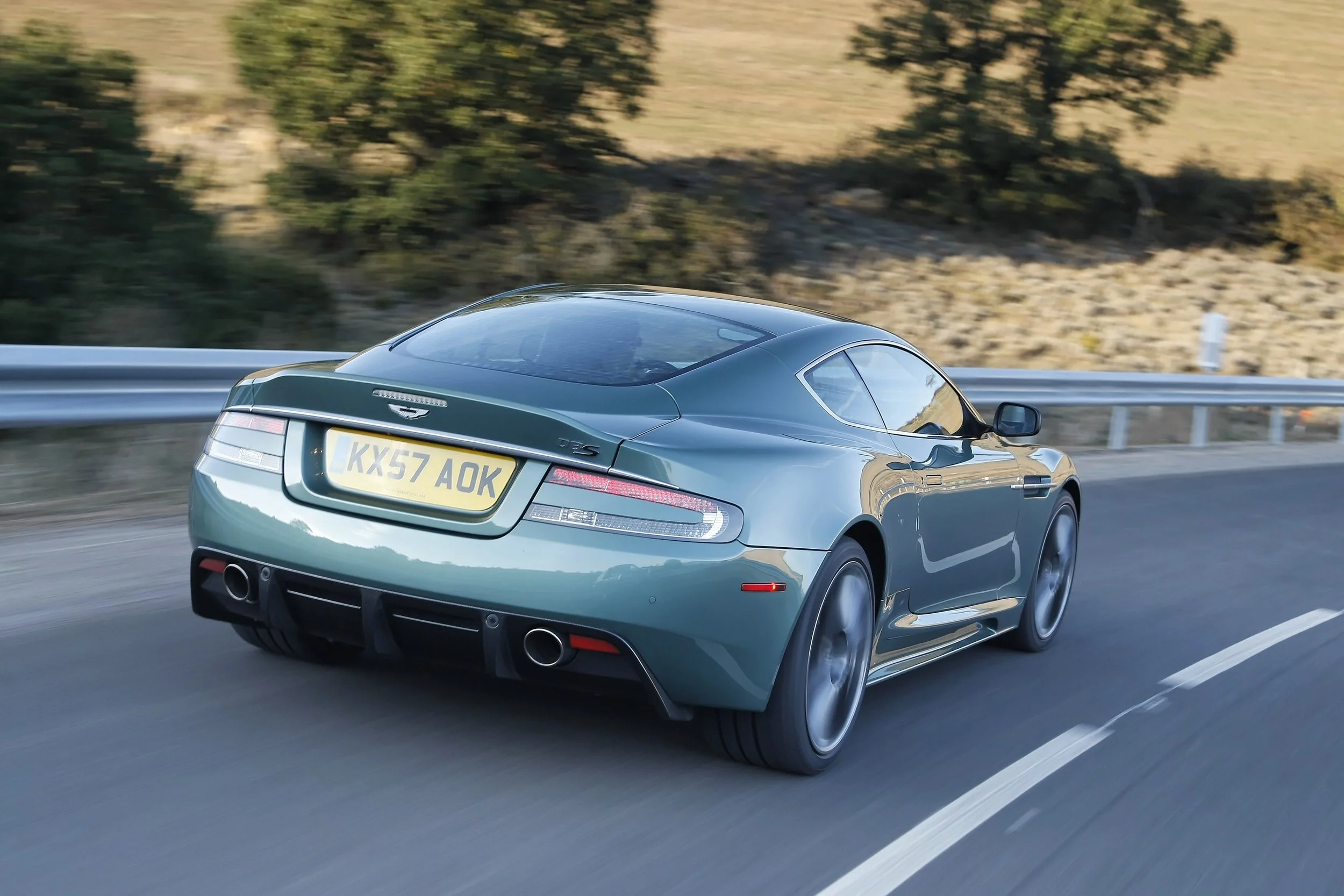
Image © Aston Martin Lagonda. Used for editorial purposes.
When the road opens up, the DBS starts to make more sense. The V12 is naturally aspirated, so it doesn’t deliver its performance like a modern turbocharged engine. It builds, it breathes, it rewards revs. The DBS feels more special as the engine moves into its stronger upper range and the chassis, brakes and damping begin to work properly.
A healthy DBS should feel stable and accurate. The steering should feel natural, not loose or vague. The car should turn in cleanly, hold a line well and give the driver confidence. It’s not a small car, and it will never feel like a Vantage on a narrow lane, but it shouldn’t feel clumsy.
The ride should be firm but controlled. At low speed, it may feel busy, particularly on poor surfaces, but as speed builds it should begin to flow. If a DBS feels crashy, nervous, floaty or unsettled, look carefully at tyres, pressures, dampers, bushes, alignment and suspension wear.
The adaptive damping is an important part of the DBS character. In its softer setting, the car should feel composed and capable of long journeys. In its firmer setting, it should become sharper and more responsive. If there’s little difference between modes, or if the car feels wrong in either setting, investigate further.
The carbon-ceramic brakes are also central to how a DBS should feel. When healthy, they provide strong stopping power and contribute to the car’s serious, flagship character. They should not be treated only as a potential bill, they’re part of what makes the car special. But they must be inspected properly, because disc condition, pad life, chips, cracks, judder, contamination or poor diagnosis can materially change the buying decision.
The DBS is capable of being driven hard, but it’s not a track car. A careful Nürburgring lap or fast European road trip is one thing, repeated circuit use is another. Weight, heat, tyres and brakes all matter. If a car has been used on track, ask for evidence of maintenance afterwards and inspect the brakes, tyres, suspension and underside with extra care.
At its best, the DBS is not about lap times. It’s about the way it combines speed, beauty, sound, feel and distance. It should make a long road feel shorter and an ordinary journey feel memorable.
That is the DBS at its best: a grand tourer with a harder edge, not a racing car with leather seats.
DBS versus DB9
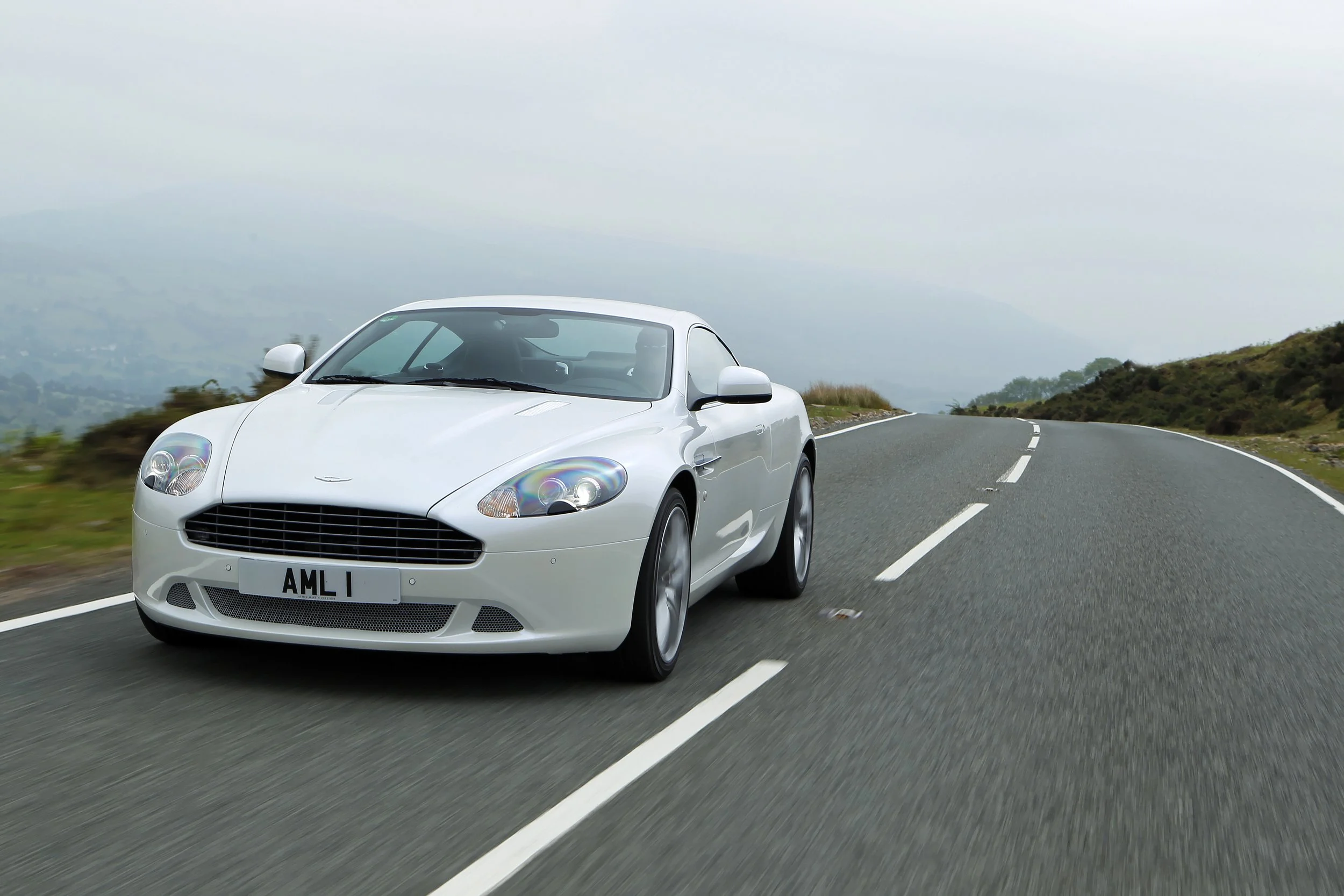
Image © Aston Martin Lagonda. Used for editorial purposes. Aston Martin DB9.
The DB9 is the car every DBS buyer has to consider. That’s not an insult to the DBS, it’s is a compliment to the DB9. The DB9 is one of the great modern Aston Martin grand tourers: elegant, V12-powered, usable and often significantly less expensive to buy than a DBS. If what you really want is a beautiful naturally aspirated V12 Aston Martin, the DB9 may be the more rational choice.
The later DB9, particularly the 2013-onward cars often referred to as DB9.2, makes the question even harder. These cars gained more power, a more modern feel, updated styling and many of the broad qualities people associate with the DBS experience. For some buyers, a late DB9 will make more sense than an early or average DBS.
Image © Aston Martin Lagonda. Used for editorial purposes.
But the DBS still has a distinct pull. The DBS is rarer, more aggressive, more focused and more dramatic. It has carbon-fibre bodywork details, standard carbon-ceramic brakes, a sharper chassis, a more muscular stance and stronger flagship identity. It also has the Bond-era connection that gives it a cultural presence few modern Aston Martins can match.
The DB9 is the sensible voice in the room. The DBS is the one your heart keeps looking at.
If you want the best-value V12 Aston Martin GT, buy a DB9. If you want the more focused, rarer and more emotionally charged version of the DB9 idea, buy the DBS, but only if the car’s condition and history justify the premium.
DBS versus other Aston Martins
The DBS doesn’t exist in isolation. That’s both its challenge and its strength.
There are more rational choices, there are faster choices, there are cheaper choices, there are newer choices. But few Aston Martins combine beauty, rarity, Bond-era identity, naturally aspirated V12 power, manual availability, carbon-ceramic brakes and grand touring usability in quite the same way.
Which Aston Martin Should You Consider?
The DBS does not exist in isolation. A DB9, Vanquish, V12 Vantage, DB11 or DBS Superleggera may suit some buyers better. The question is what kind of Aston Martin experience you really want.
DB9
The rational V12 Aston Martin GT choice, offering beauty, character and grand touring appeal for less money than a DBS.
DB9.2
A more modern-feeling DB9 with strong V12 appeal, updated styling and excellent usability for buyers who value refinement.
V12 Vantage
The sharper, smaller and more aggressive VH-era V12 choice for buyers who want maximum driver focus.
First-generation Vanquish
More traditional, more hand-built and more old-world in character, with a different kind of Aston Martin drama.
Second-generation Vanquish
Newer, more powerful and more refined, especially in later eight-speed form, but less analogue than the DBS.
DB11
The easier modern grand tourer, with more refinement, technology and everyday usability than the Gaydon-era DBS.
DBS Superleggera
Far faster, newer and more aggressive, but from a different Aston Martin era with twin-turbocharged V12 performance.
DBS
The emotional choice: naturally aspirated V12 power, carbon-ceramic brakes, manual availability, Bond-era presence and one of Aston Martin’s most dramatic modern shapes.
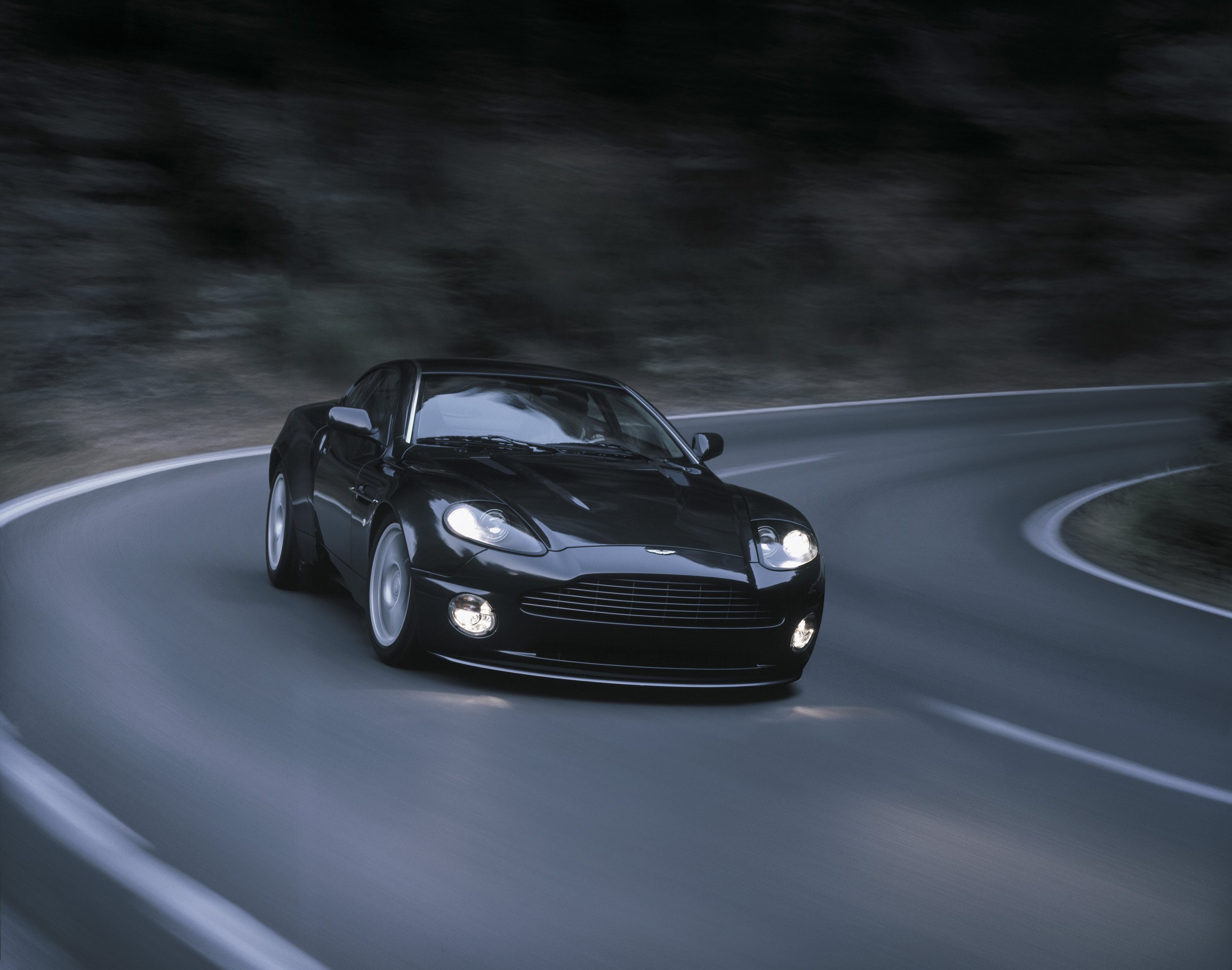
Image © Aston Martin Lagonda. Used for editorial purposes. First-generation Vanquish.
The first-generation Vanquish is the more old-school car. It has Newport Pagnell drama, hand-built mythology and a stronger sense of being from an earlier Aston Martin era. It can feel more exotic, more mechanical and more theatrical in the traditional sense. The DBS is more polished, more usable and more modern in construction.
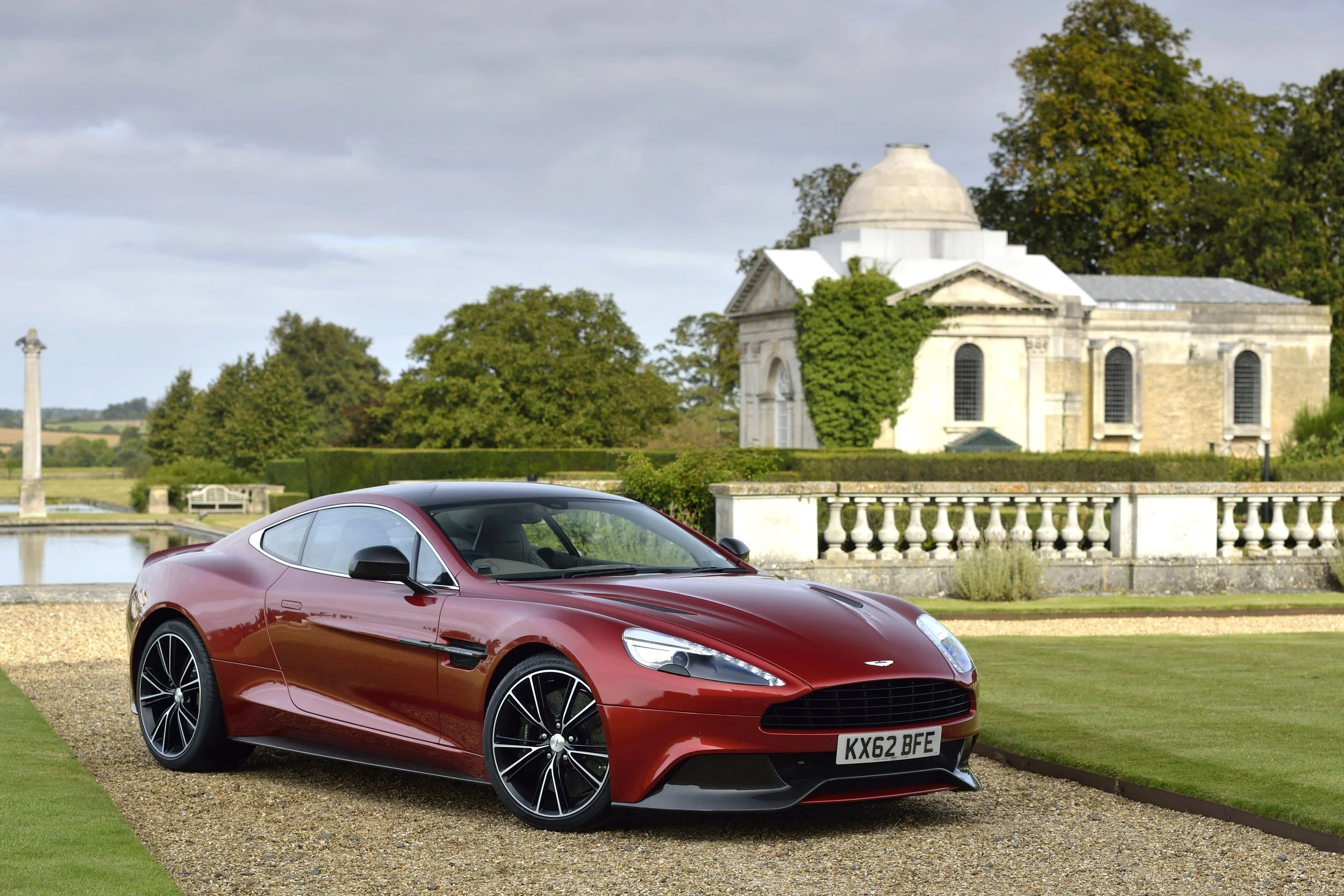
Image © Aston Martin Lagonda. Used for editorial purposes. Second-generation Vanquish.
The second-generation Vanquish is newer, more powerful and more polished. Later eight-speed Vanquish models in particular feel quicker, smoother and more contemporary. The DBS counters with manual availability, earlier VH-era charm, a cleaner Casino Royale connection and a slightly more analogue feel.
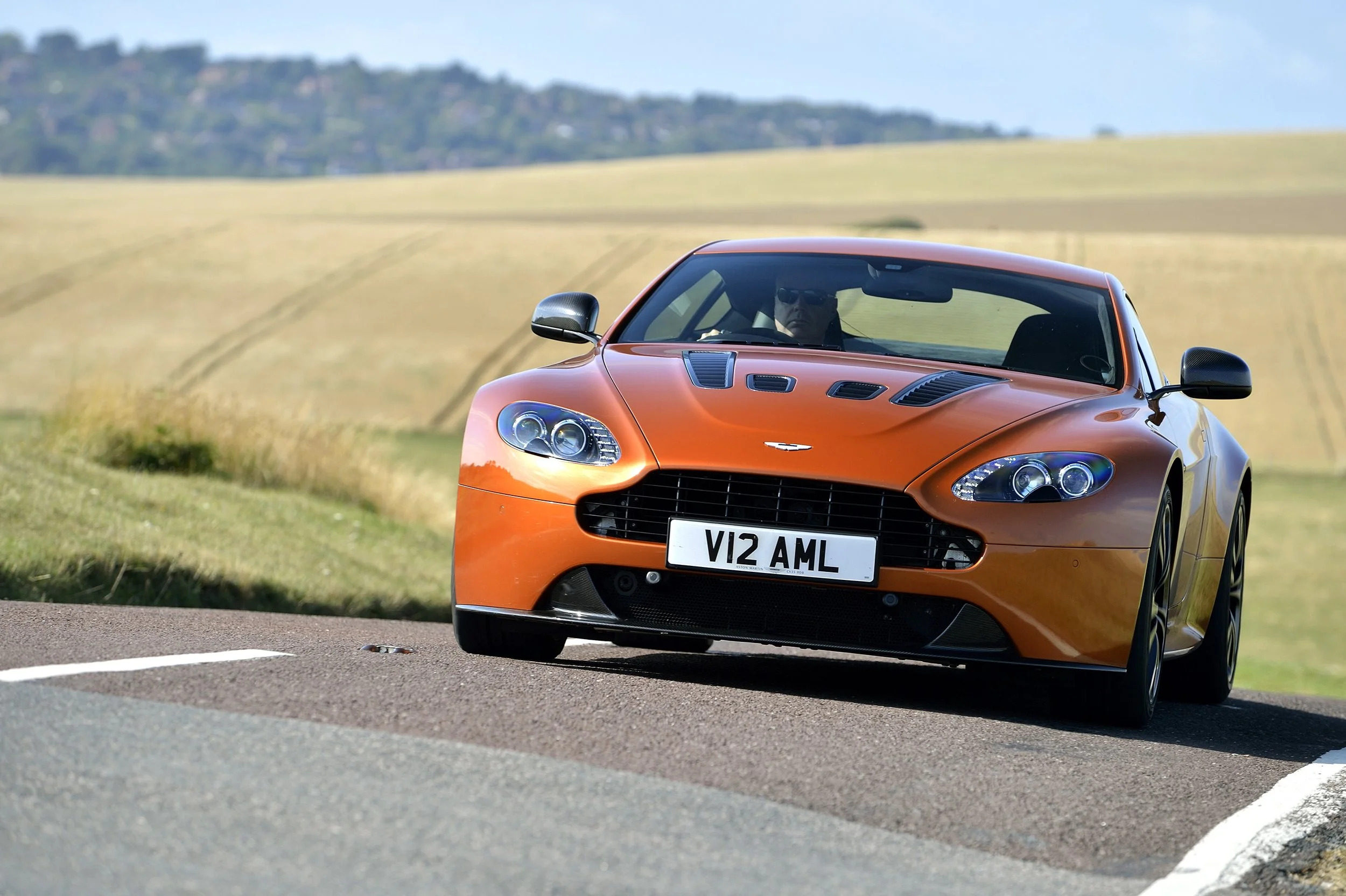
Image © Aston Martin Lagonda. Used for editorial purposes. Vantage V12.
The V12 Vantage is the more compact and intense Aston Martin. It’s the sharper choice if you want a smaller, more aggressive, more focused V12 sports car. The DBS is broader, more elegant and more grand touring.
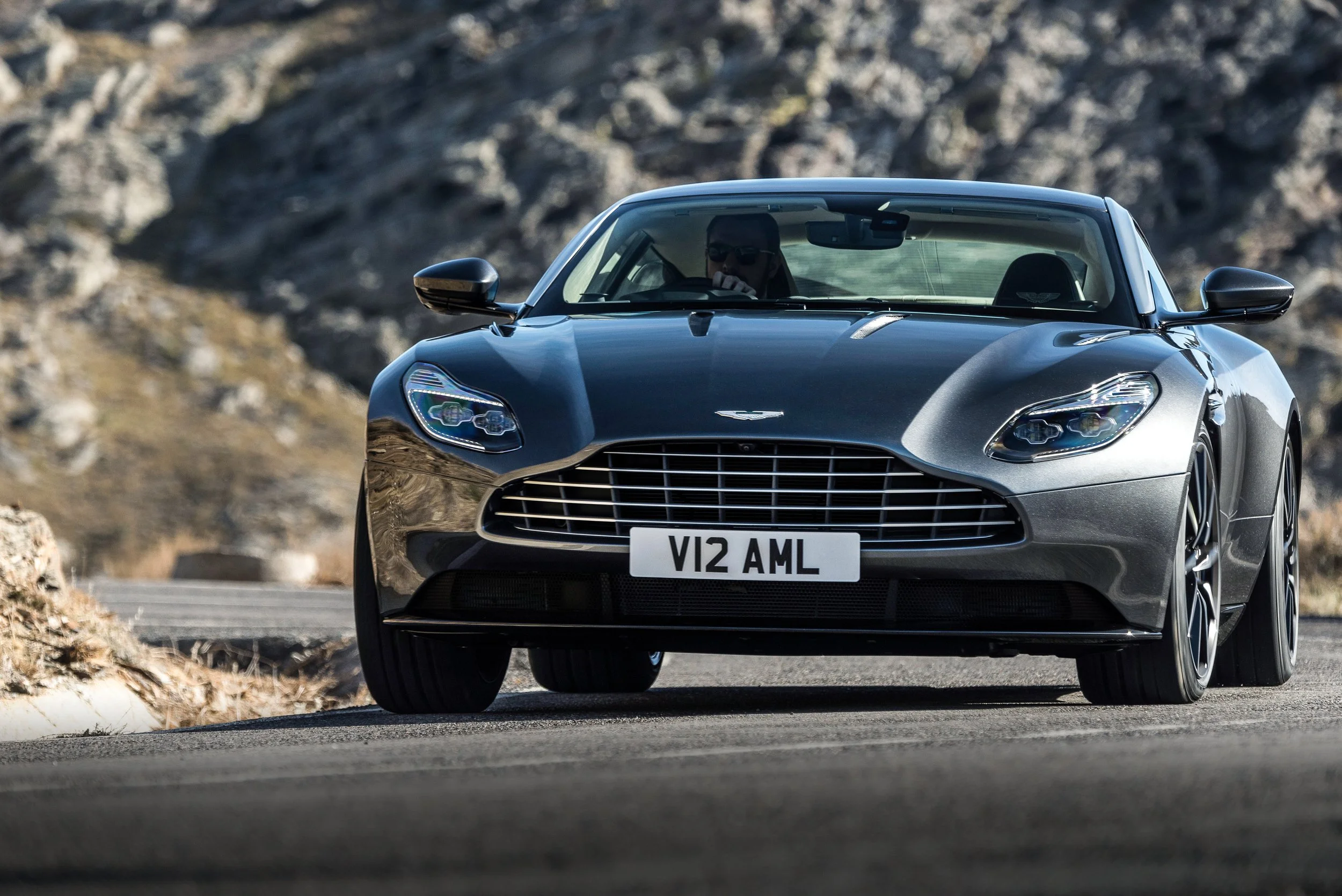
Image © Aston Martin Lagonda. Used for editorial purposes. DB11 V12.
The DB11 is the better modern GT. It’s newer, more refined, more spacious and easier to use every day. The DBS is older, more analogue and more intimate, with naturally aspirated V12 character and modern-classic charm.
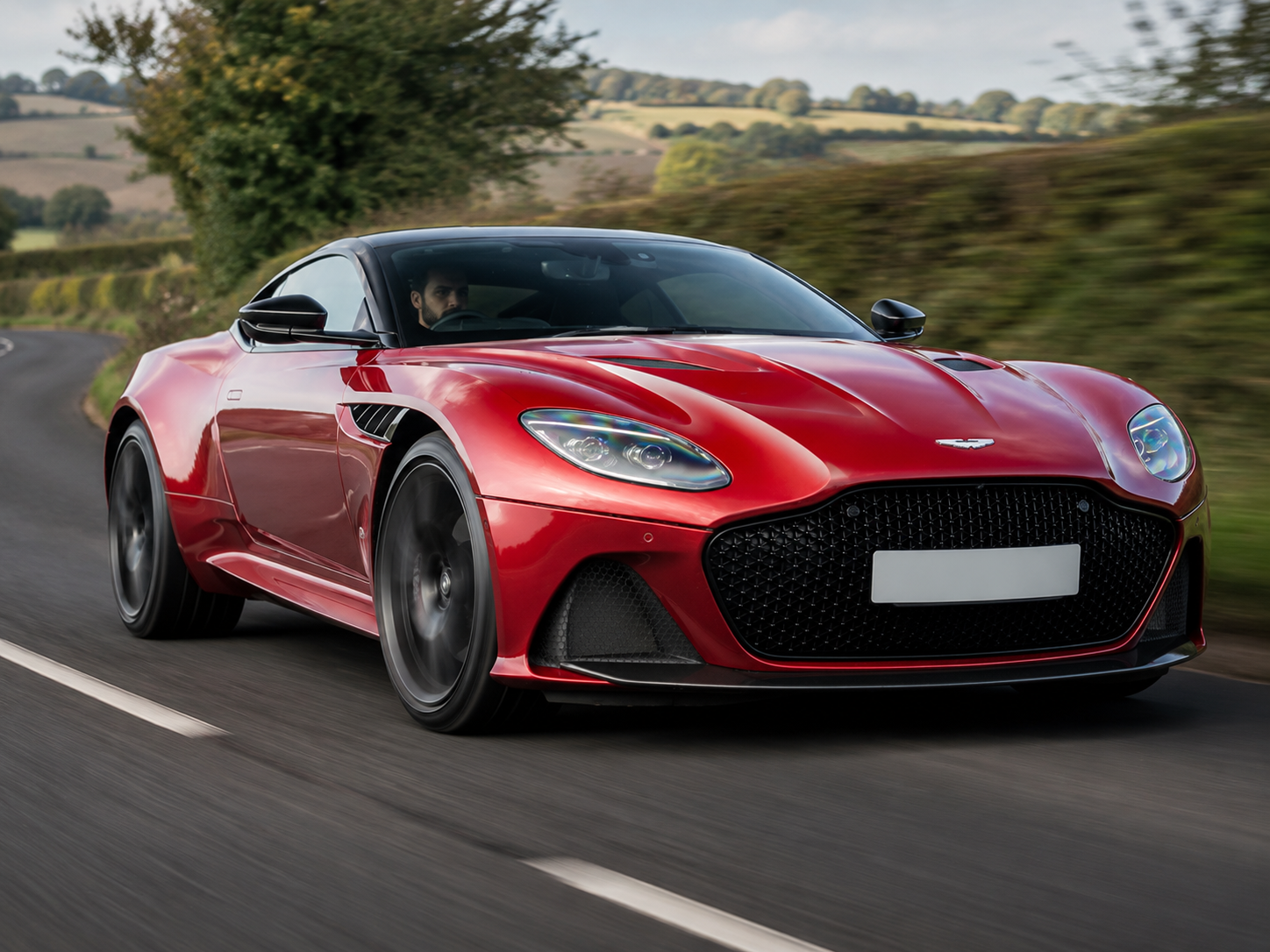
Image © Fuel the Passion. DBS Superleggera.
The DBS Superleggera is far faster, newer and more aggressive. But the Gaydon-era DBS is not simply a slower version of that car. It belongs to a different Aston Martin moment: less digital, less turbocharged and more graceful.
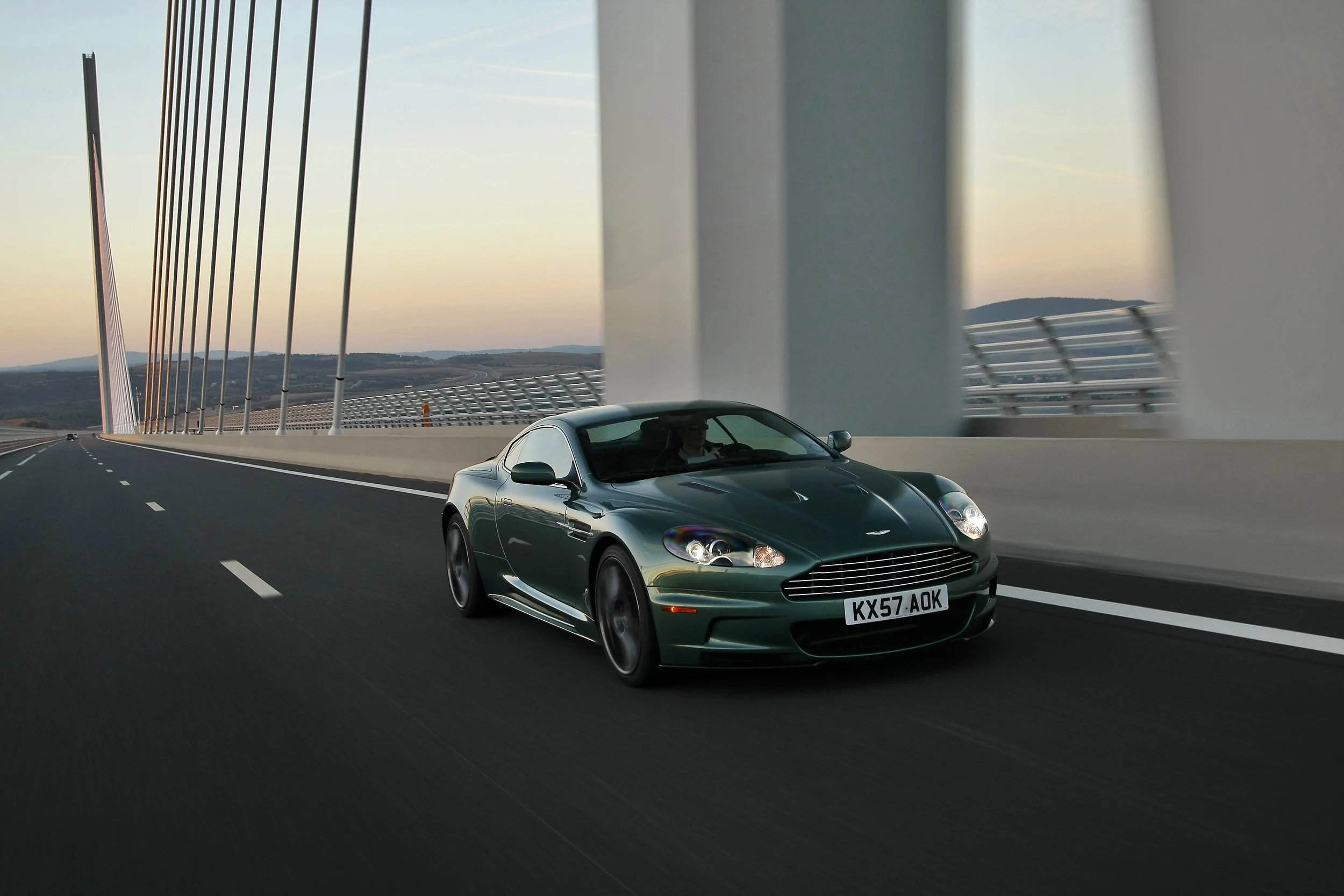
Image © Aston Martin Lagonda. Used for editorial purposes. DBS.
The DBS is not always the sensible answer. But for the right buyer, it may be the most compelling one.
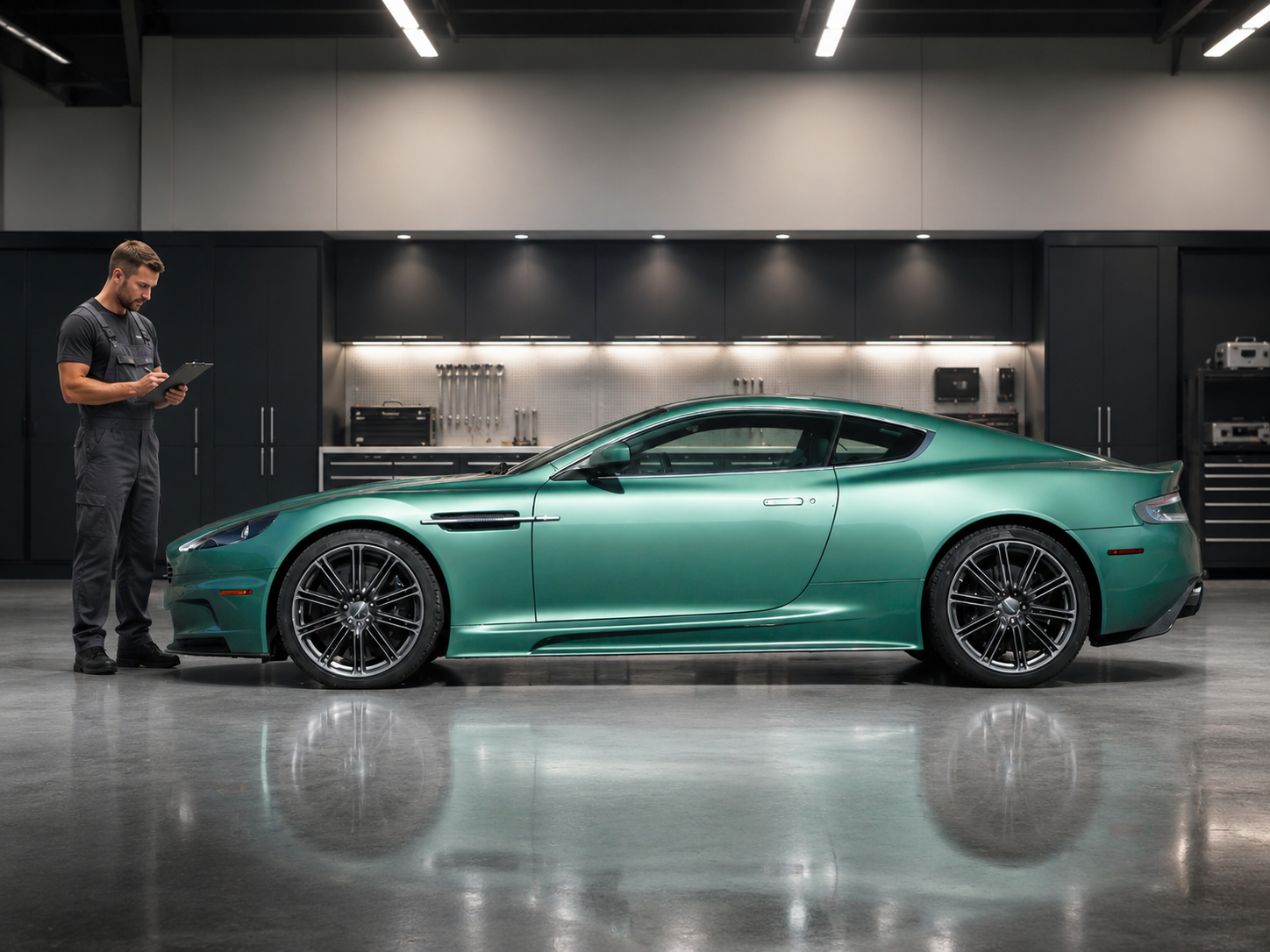
Image © Fuel the Passion
Known issues and what to check before buying an Aston Martin DBS
The Aston Martin DBS shouldn’t be approached as a fragile car. Its naturally aspirated V12 and VH-era foundations have a strong reputation when maintained properly. But this was Aston Martin’s V12 flagship. It’s now an ageing, low-volume, carbon-braked grand tourer with expensive materials, complex systems and a level of craftsmanship that needs proper care.
The danger is rarely that the DBS is inherently weak. The danger is buying one with deferred maintenance, tired brakes, questionable paintwork, a worn clutch, unresolved warning lights, poor history or hidden body repairs. A DBS should be bought with evidence, not hope.
The right car should have a clear service file, proper invoices, correct tyres, healthy carbon-ceramic brakes, smooth engine behaviour, good bodywork, working electronics and a pre-purchase inspection carried out by someone who understands the model. A cheap-looking DBS can become expensive very quickly if the wrong areas have been ignored.
Service history and documentation
Start with the paperwork.
A DBS should have a clear, consistent service history from an Aston Martin main dealer, Aston Martin Works, or a recognised Aston Martin specialist. Stamps are useful, but invoices are far more revealing. They show what was actually done, which parts were replaced, how the car was maintained and whether previous owners dealt with problems properly or simply prepared the car for sale.
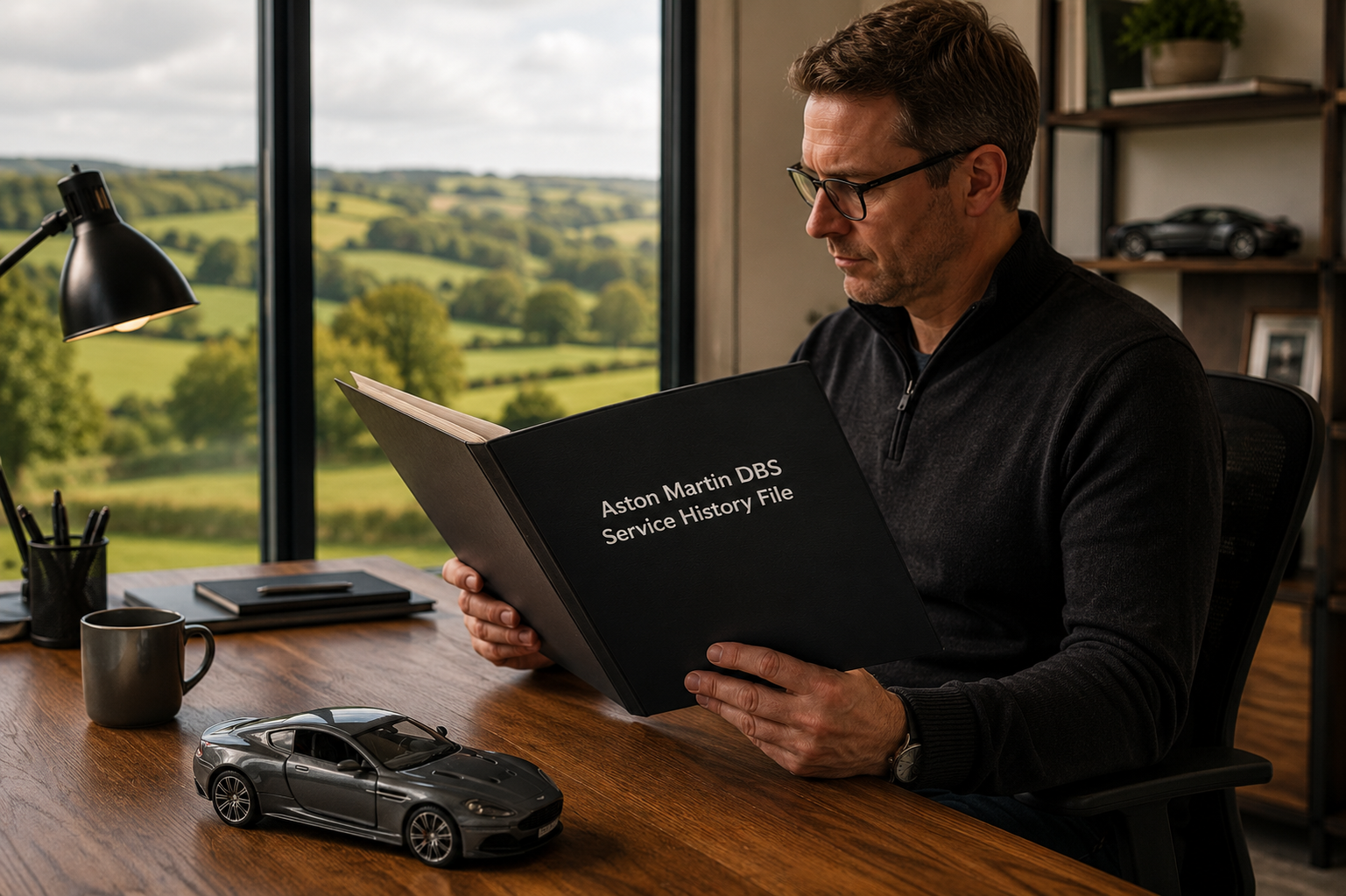
Image © Fuel the Passion
Look for evidence of regular annual servicing, brake fluid changes, differential oil changes, spark plug and coil pack work, tyre replacement with correct premium tyres, carbon-ceramic brake checks or replacement, manual clutch replacement where applicable, adaptive damper or suspension work, battery replacement and conditioner use, paintwork or body repairs, recall and service campaign completion, specialist inspection reports, original build specification and special-edition documentation where relevant.
Do not be blinded by low mileage. A low-mileage DBS with gaps in its history, old tyres, weak battery, tired fluids and no major maintenance evidence is not automatically better than a higher-mileage car that has been used and maintained properly.
A DBS wants a story. The clearer that story, the safer the buying decision.
Engine and V12 health
The DBS uses Aston Martin’s 5.9-litre naturally aspirated V12 in 510bhp form. This engine has a strong reputation and should not be feared, but it still needs a proper assessment.
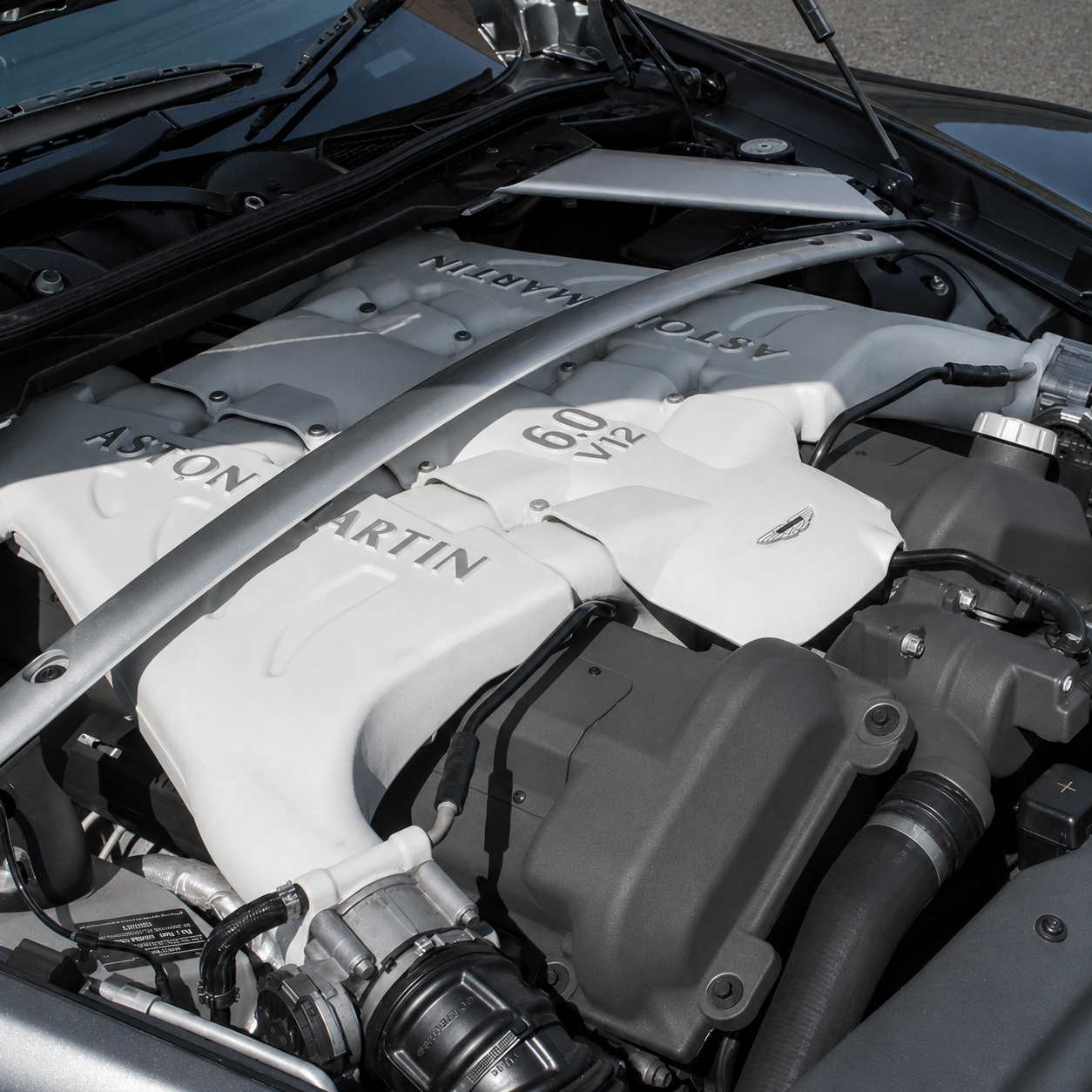
Image © Fuel the Passion
On start-up, the engine should fire cleanly, settle smoothly and show no warning lights. Listen cold, warm and after a proper drive. A healthy V12 should feel smooth, responsive and consistent. It should not misfire, hesitate, stumble at low revs, smoke excessively, idle roughly or display engine-management warnings. Important checks include cold-start behaviour, warm idle, hot restart, misfires, hesitation or low-rev stumble, warning lights, oil leaks, coolant condition, oil level history, coil pack and spark plug history, breather system condition, catalyst health, diagnostic fault codes and live misfire data where available.
Coil packs and spark plugs are worth particular attention because access on the V12 is labour-intensive. If the intake manifolds have to come off, many specialists will replace related items at the same time because the labour overlap makes sense. Evidence of preventative maintenance is a good sign.
Do not dismiss rough running as “just an Aston thing”. A misfire or ignition fault can create secondary problems if ignored. Equally, don’t panic at every mechanical noise. These engines can have normal V12 mechanical sound, and that’s why a marque-aware inspection matters.
If you hear a sharp, regular metallic tick that becomes more obvious when the engine is fully hot, (see next section for more detail) especially from underneath the car, stop and seek specialist advice before proceeding. The DBS V12 should be respected, not feared.
The early DB9 “engine tick” question
Buyers sometimes hear about the so-called Aston Martin V12 “engine tick”, particularly in relation to early DB9s. This needs careful handling, because it’s a real issue on some early cars, but it should not be turned into a DBS scare story.
The well-known “tick” concern is most strongly associated with earlier 450bhp DB9 engines, not the later 510bhp DBS engine. It should not be lazily applied to every V12 Aston Martin, and it should not be presented as a common DBS problem. However, understanding what people mean by “engine tick” is still useful, because it teaches an important lesson: a V12 Aston Martin should be checked properly, hot as well as cold.
In simple terms, the “tick” is a sharp, repetitive metallic ticking noise from the engine. It’s not just the normal mechanical rustle, injector noise or valvetrain sound you may hear from a large V12. The concerning sound is more distinct: a regular tick-tick-tick that rises and falls with engine speed. It can be easier to hear from underneath the car, around the front wheel area, than from above the open bonnet, because normal valvetrain noise can mask it when listening from the top of the engine.
Importantly, it may not be obvious immediately from cold. On an early-stage example, the engine may sound perfectly normal when first started. It may still sound normal after a few minutes of idle. The tick may only appear once the engine is fully warm and properly heat-soaked, such as after a sustained drive. I’ve seen during a demonstration, the car sounded normal at cold start and after an initial warm-up, but the tick became clear after a deeper heat soak, when the engine speed was allowed to drop back to idle. More advanced cases may tick more readily, including from cold, but an early case may need the right conditions before it reveals itself.
The underlying concern is usually discussed around piston-to-liner fit, liner ovality, piston slap and small-end bush or piston-pin wear. In simple buyer terms, the noise suggests that something inside the engine has moved outside its intended tolerance. That unwanted movement creates the metallic ticking sound.
That doesn’t mean instant catastrophic failure. Specialist evidence suggests this issue is not usually a sudden “engine explodes tomorrow” situation. But it’s still serious, because the longer it’s ignored, the greater the risk that the repair becomes larger and more expensive. An early repair may involve engine removal, strip-down, small-end bush work, piston pins and related components. If liner wear has developed, the repair can become more involved again. Either way, this is specialist engine work and should be treated as a major cost, not a minor noise.
So, should you walk away?
On a DBS, if a genuine abnormal metallic tick is heard, the sensible answer for most buyers is yes, unless the car is being bought knowingly, at the right price, with a written specialist diagnosis and a realistic repair budget. Don’t accept “they all sound like that” as reassurance. These engines can have normal mechanical character, but a distinct hot metallic tick needs proper investigation.
The safest approach is to have the engine assessed by an Aston Martin main dealer, Aston Martin Works, or a recognised Aston Martin specialist. A proper inspection should include listening to the engine from cold, once fully warm, after a proper drive, from above and from underneath, along with diagnostic checks where appropriate. Oil analysis may also be useful as part of deeper long-term engine monitoring, because internal wear can sometimes show up in the oil before a noise is obvious.
The key message is simple: do not turn early DB9 folklore into a DBS scare story, but do make sure the V12 is checked properly. A cold start and a quick listen are not enough. A healthy DBS V12 should sound smooth, consistent and mechanically normal when hot as well as cold.
You’re now into the serious inspection detail
The DBS story, model choices and V12 health sections are now behind you. From here, the guide moves deeper into the practical buying checks: manual clutch, Touchtronic 2, carbon-ceramic brakes, suspension, bodywork, Volante roof condition, electrics, market position and the final buyer checklist.
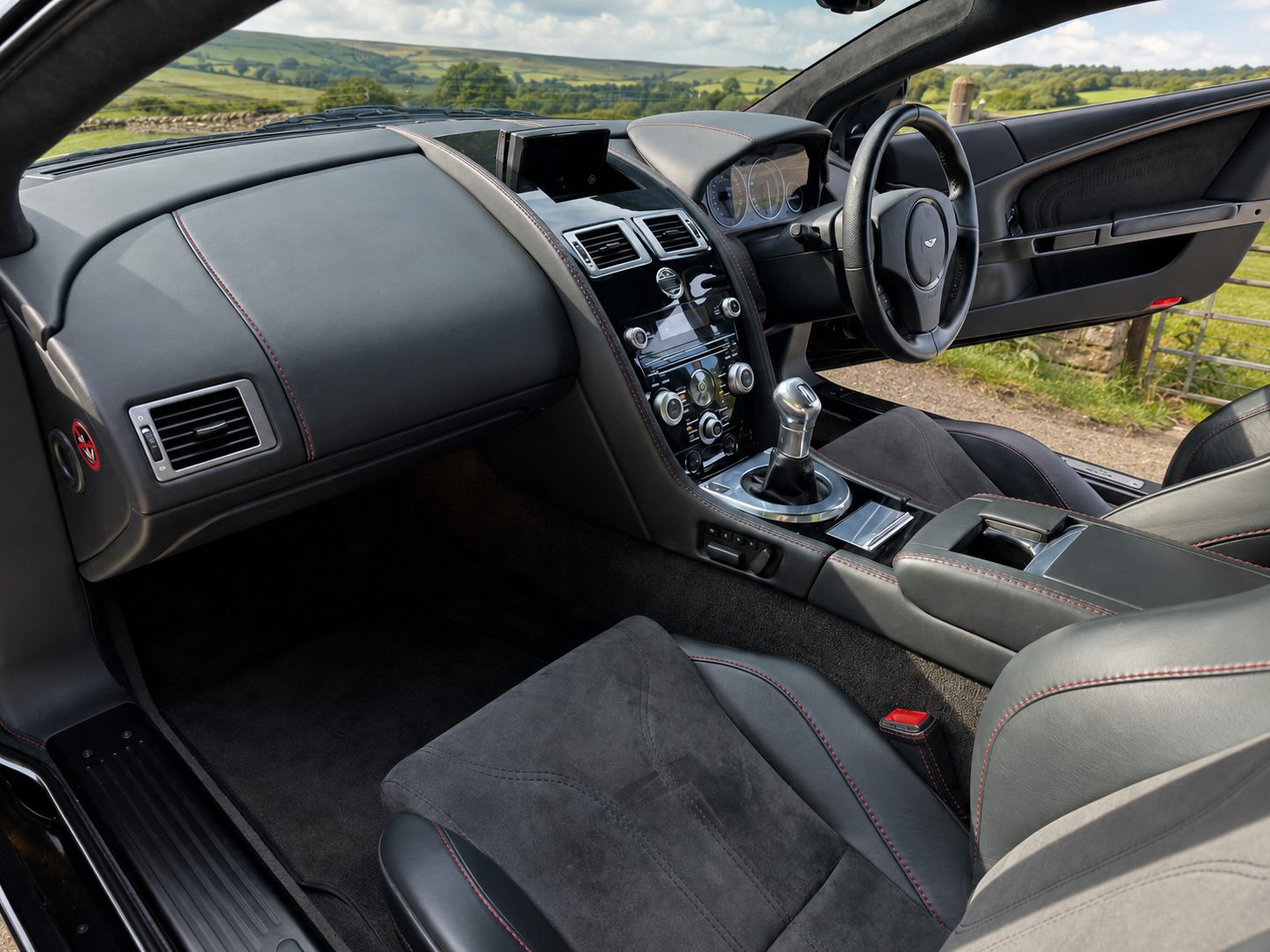
Image © Fuel the Passion
Manual clutch and gearbox checks
The manual DBS is the enthusiast favourite, but the gearbox and clutch must be inspected carefully. A good manual DBS should feel mechanical, positive and satisfying. The shift should be clean, the clutch should take up progressively and the car should be manageable at low speed. It should not feel vague, obstructive, slipping or unpleasantly difficult to manoeuvre.
Check for high or inconsistent bite point, clutch slip under load, judder when pulling away, burning clutch smell, difficulty selecting reverse, poor hot shifting, heavy or uneven pedal feel, gearlever vibration, evidence of clutch replacement and evidence of flywheel replacement where applicable. Low-speed manoeuvring matters. Reverse the car, try hill starts where possible, move it in traffic and make sure the clutch suits you. The manual is desirable, but it’s only desirable if you enjoy driving that particular car.
A clutch replacement is a significant job. If a manual DBS is being sold with vague comments such as “clutch feels fine” but no invoice history, proceed carefully. Condition matters more than romance.
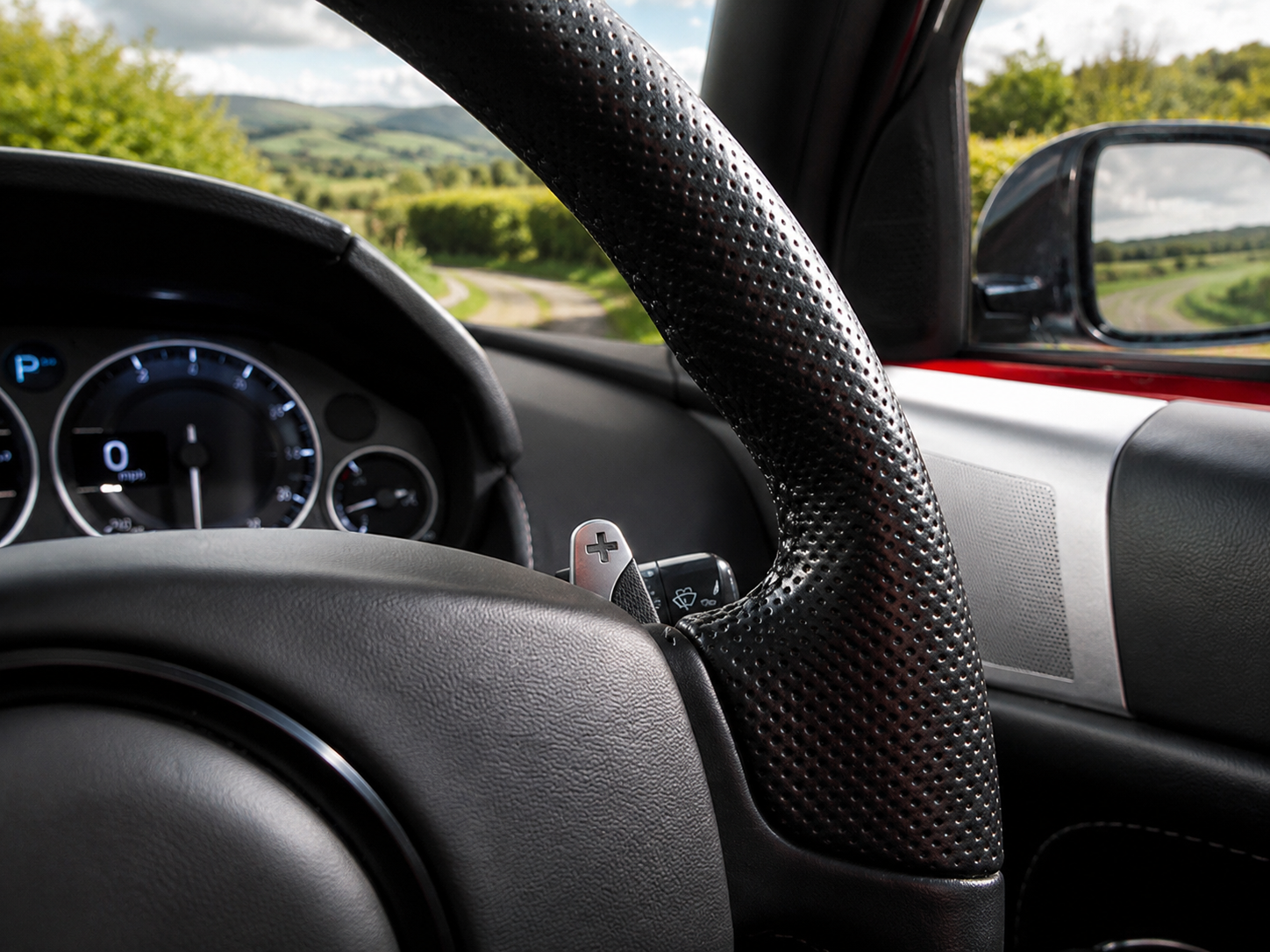
Image © Fuel the Passion
Touchtronic 2 automatic checks
Touchtronic 2 shouldn’t be dismissed. It’s a six-speed torque-converter automatic, not Aston Martin’s Sportshift automated manual, and it suits the DBS as a relaxed grand tourer. A good Touchtronic DBS should feel smooth, clean and predictable. It should engage Drive and Reverse without delay or thump, shift smoothly in automatic mode and respond properly to the paddles. Sport mode should sharpen the behaviour without making the car feel confused.
Check engagement from Park to Drive, engagement from Park to Reverse, smoothness when cold, smoothness when warm, paddle response, Sport mode operation, kickdown behaviour, low-speed crawling, hesitation, thumps, warning lights or gearbox messages. The Touchtronic will not feel like a modern dual-clutch gearbox. It’s an older, smoother, grand touring automatic. Judge it for what it’s supposed to be, not against a modern supercar transmission.
A Touchtronic DBS can be one of the best-value routes into DBS ownership, but only if the gearbox behaves correctly and the rest of the car is strong.
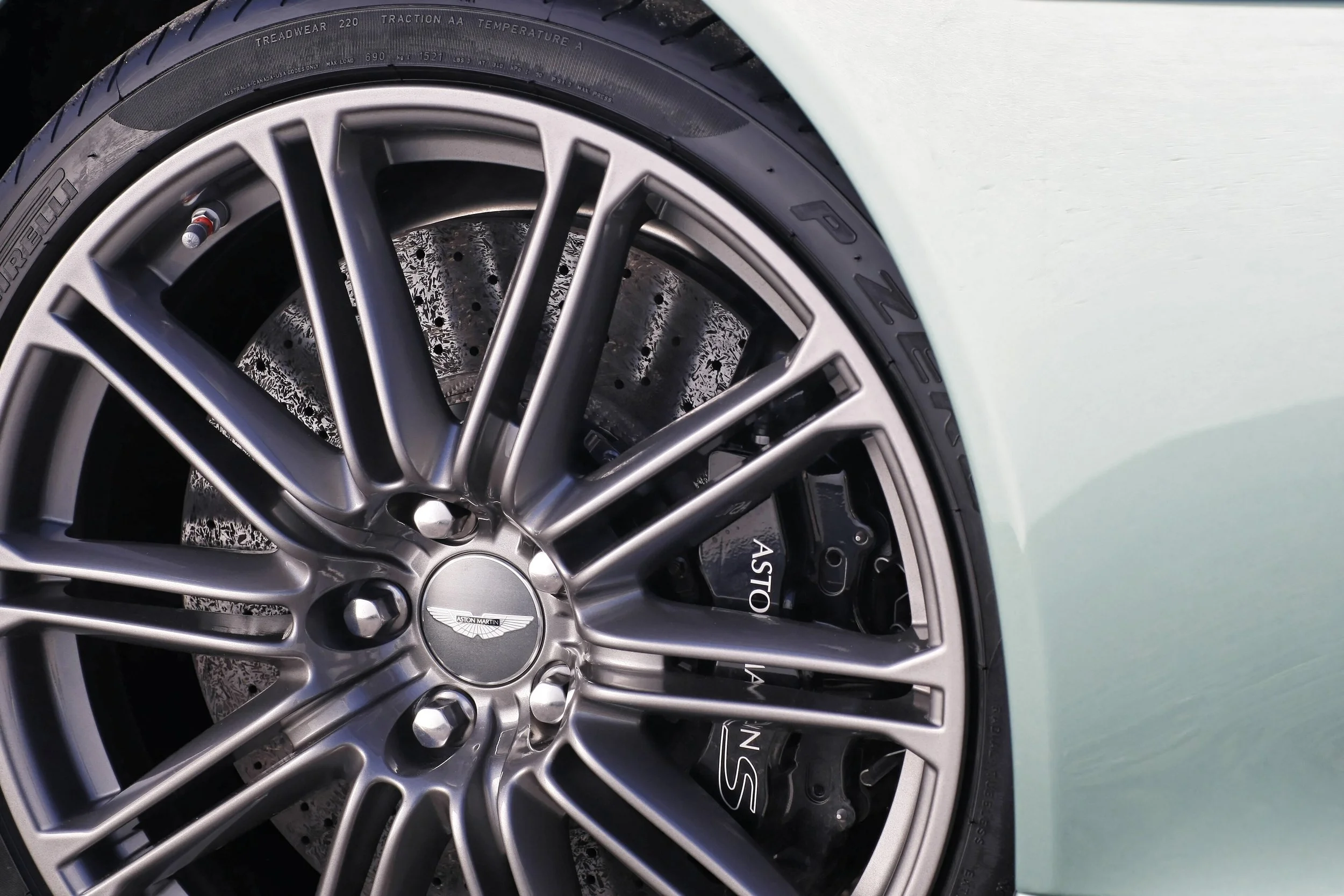
Image © Aston Martin Lagonda. Used for editorial purposes.
Carbon-ceramic brakes
The carbon-ceramic brakes are one of the DBS’s defining features. They were standard on the DBS and are central to the way the car feels. The DBS used 398mm ventilated carbon-ceramic front discs with six-piston calipers and 360mm rear discs with four-piston calipers.
These brakes are not merely an expensive maintenance risk; they’re part of what makes the DBS special. But they’re also one of the most important inspection points on the car. Check disc surface condition, chips or edge damage, cracks, pad life, brake judder, uneven braking, noise, vibration, disc wear measurements, brake warning lights, caliper condition, evidence of correct cleaning products and specialist assessment of disc health.
Do not rely on a casual glance through the wheel. Carbon-ceramic brakes need to be assessed by someone who understands them. A car that looks fairly priced can become very expensive if the brakes require major work. Ask whether the car has seen track use, repeated hard mountain-road driving or heavy European road-trip use. None of those things automatically rule a car out, but they make brake inspection even more important.
On a DBS, brake condition can change the buying decision.
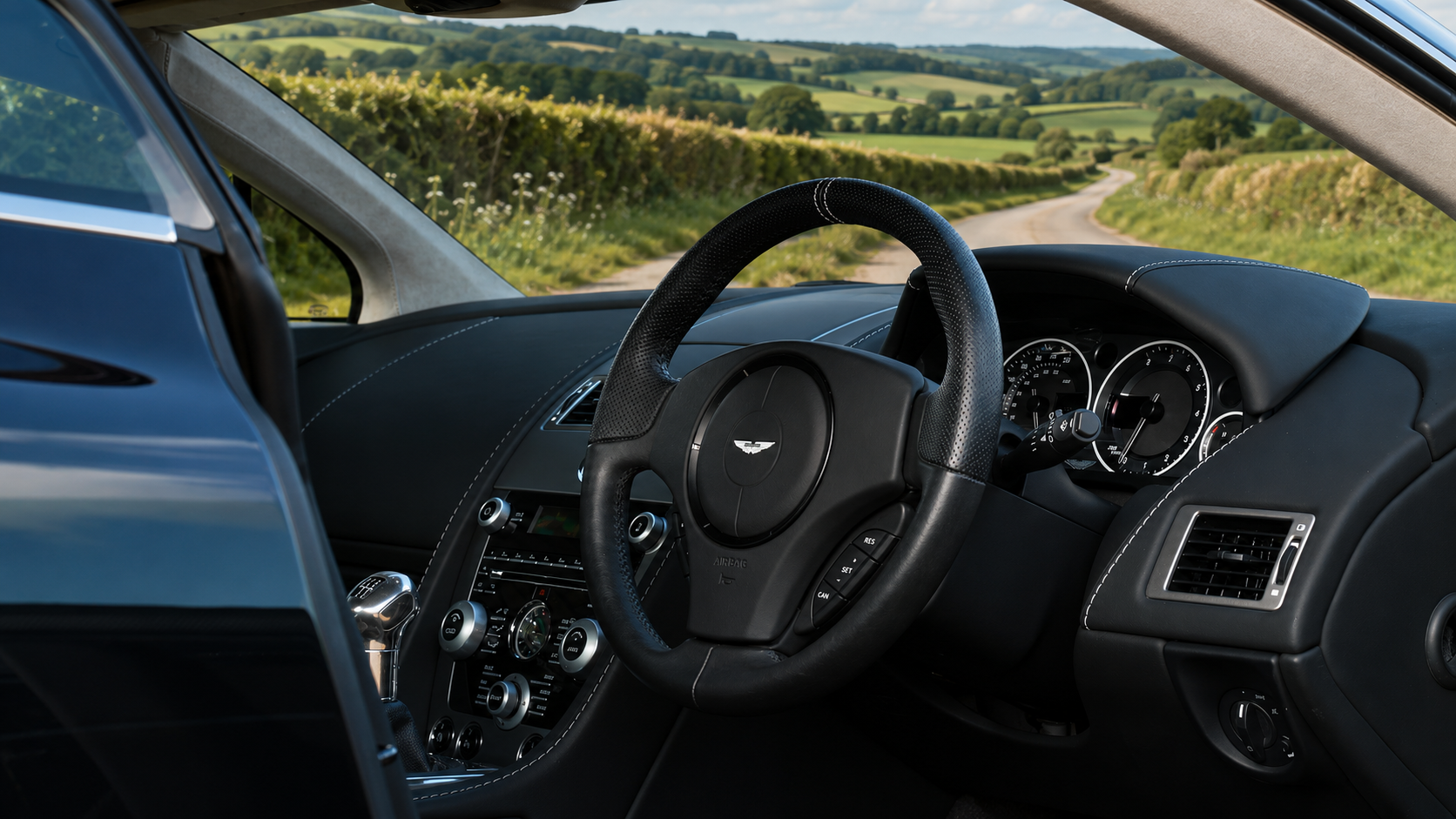
Image © Fuel the Passion
Suspension, adaptive dampers and steering
A healthy DBS should feel firm but controlled. It’s not a soft luxury car, but it shouldn’t feel crashy, nervous, loose or unsettled. The adaptive damping system is important. In its softer setting, the car should feel composed and capable of long journeys. In its firmer setting, it should become sharper and more responsive. There should be a noticeable difference between modes.
Check damper leaks, suspension knocks, uneven ride height, warning lights, difference between damper modes, steering vibration, pulling to one side, uneven tyre wear, bush wear, ball joints, anti-roll bar links and alignment.
Tyres make a huge difference. Check brand, size, age, tread depth and wear pattern. Old, mismatched or budget tyres have no place on a DBS. They can ruin the way the car drives and may hide or exaggerate suspension issues. A DBS on poor tyres is not a DBS showing its true character.
Underside, subframe and corrosion checks
The DBS is not a traditional steel-bodied classic, but that doesn’t mean the underside can be ignored. Inspect the underside carefully, especially if the car has been used in all weathers or stored for long periods. Pay attention to the rear subframe, suspension arms, fixings, anti-roll bar links, brackets, undertrays and exposed hardware.
Check for rear subframe corrosion, corroded suspension links, perished bushes, damaged undertrays, missing fixings, poor previous repairs, oil leaks, coolant leaks, exhaust corrosion, evidence of grounding and jacking damage.
Corrosion caught early may be treatable. Corrosion ignored for years can become far more expensive. The same applies to suspension hardware. If links, bolts or brackets look heavily corroded, factor that into the buying decision.
Do not assume a shiny upper body means a clean underside.
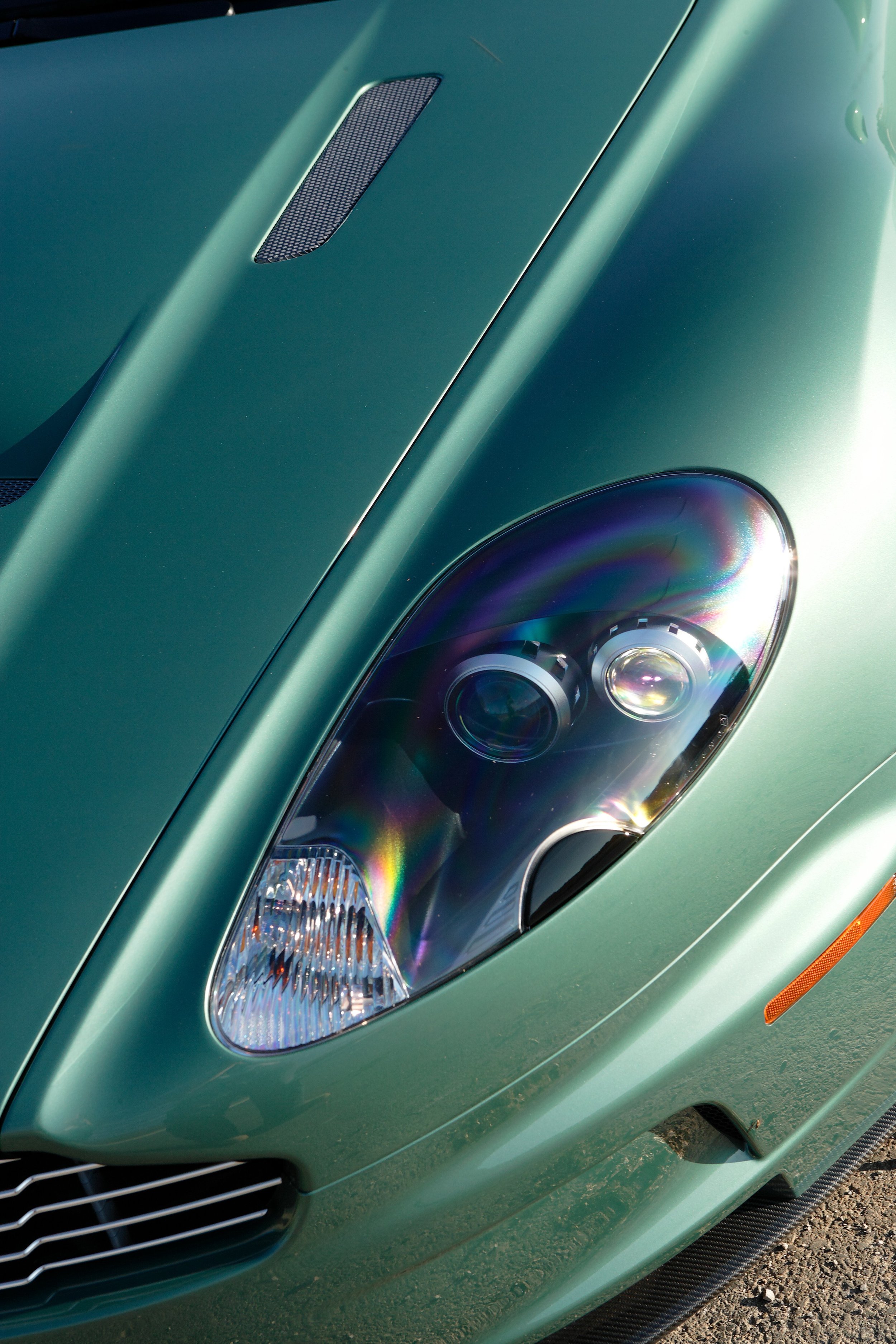
Image © Aston Martin Lagonda. Used for editorial purposes.
Paint blistering and bodywork
Paint blistering is a known Gaydon-era Aston Martin issue and should be checked carefully on any DBS. This is usually more of a paint and bodywork concern than a structural corrosion issue, but repairs can become expensive, especially if multiple panels are affected. The key is to look closely and use your fingertips as well as your eyes.
Check door handles, door edges, top edges of doors, roof edges, boot lid, bonnet edges, the underside lip of the bonnet, rear-quarter glass area, panel edges and areas around badges and trim. Early blistering can sometimes be felt before it’s obvious. Lightly run your fingers around the edges of the panels. Lift the bonnet and inspect the underside lip. Look closely around the handles and boot lid.
A small amount of blistering on one panel may be manageable. Blistering across multiple panels can become a much bigger paintwork exercise. If repairs have already been carried out, look for invoices and inspect the finish carefully. Poor paint match, lacquer lines, overspray or recurring blistering should all affect the price.
Paint blistering doesn’t automatically rule out a DBS, but it should never be ignored.
Carbon-fibre panels, splitter and previous repairs
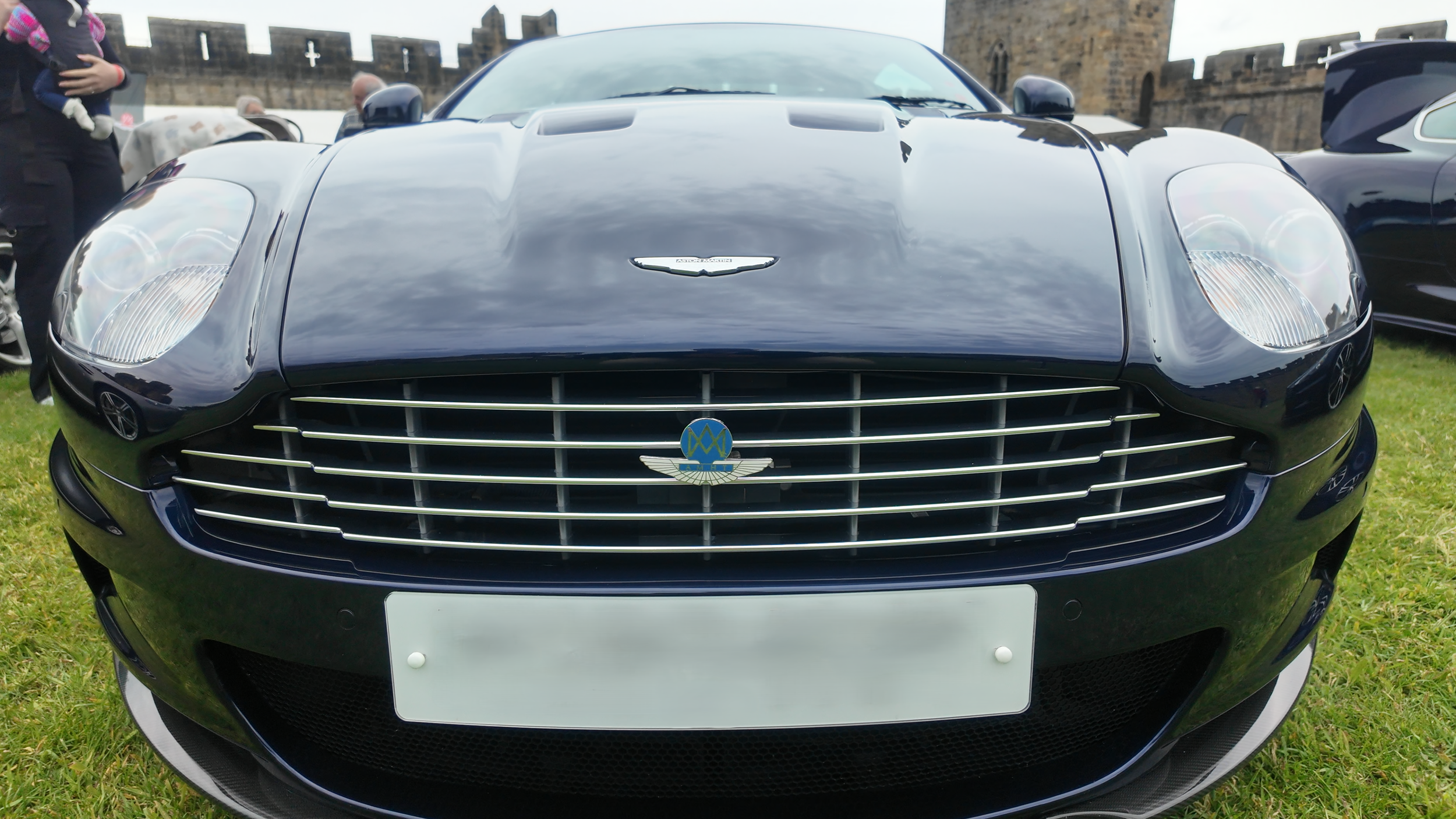
Image © Fuel the Passion. Aston Martin DBS. AMOC Spring Concours Alnwick Castle 2026.
The DBS uses carbon-fibre bodywork and trim in several important areas. That’s part of its appeal, but it also raises the stakes when repairs are needed. Inspect the front splitter, bonnet, front wings, diffuser, boot lid, mirror areas and carbon interior trim carefully. Look for cracks, chips, scuffs, poor repairs, missing clips, incorrect fixings or uneven panel gaps.
The front end deserves special attention. Many DBS cars have stone chips, splitter marks, old number-plate holes, paint protection film, bumper repairs or evidence of grounding. None of this is unusual on a car that has been driven, but quality matters.
Check front splitter damage, lower bumper scuffs, stone chips, old number-plate holes, bumper alignment, bonnet alignment, diffuser condition, carbon-fibre cracks, missing fixings, poor paint match, paint protection film condition and evidence of previous accident repair.
Paint protection film can be a very good thing on a DBS, especially across the nose and vulnerable carbon areas. But old, yellowed, lifting or badly fitted film can create its own issues. Also remember that film protects what is underneath; it does not correct poor paint. If stone chips or poor repairs were present before the film was fitted, they may still be there underneath.
A DBS can hide expensive bodywork problems behind a beautiful shape. Take your time.
Volante roof and water ingress
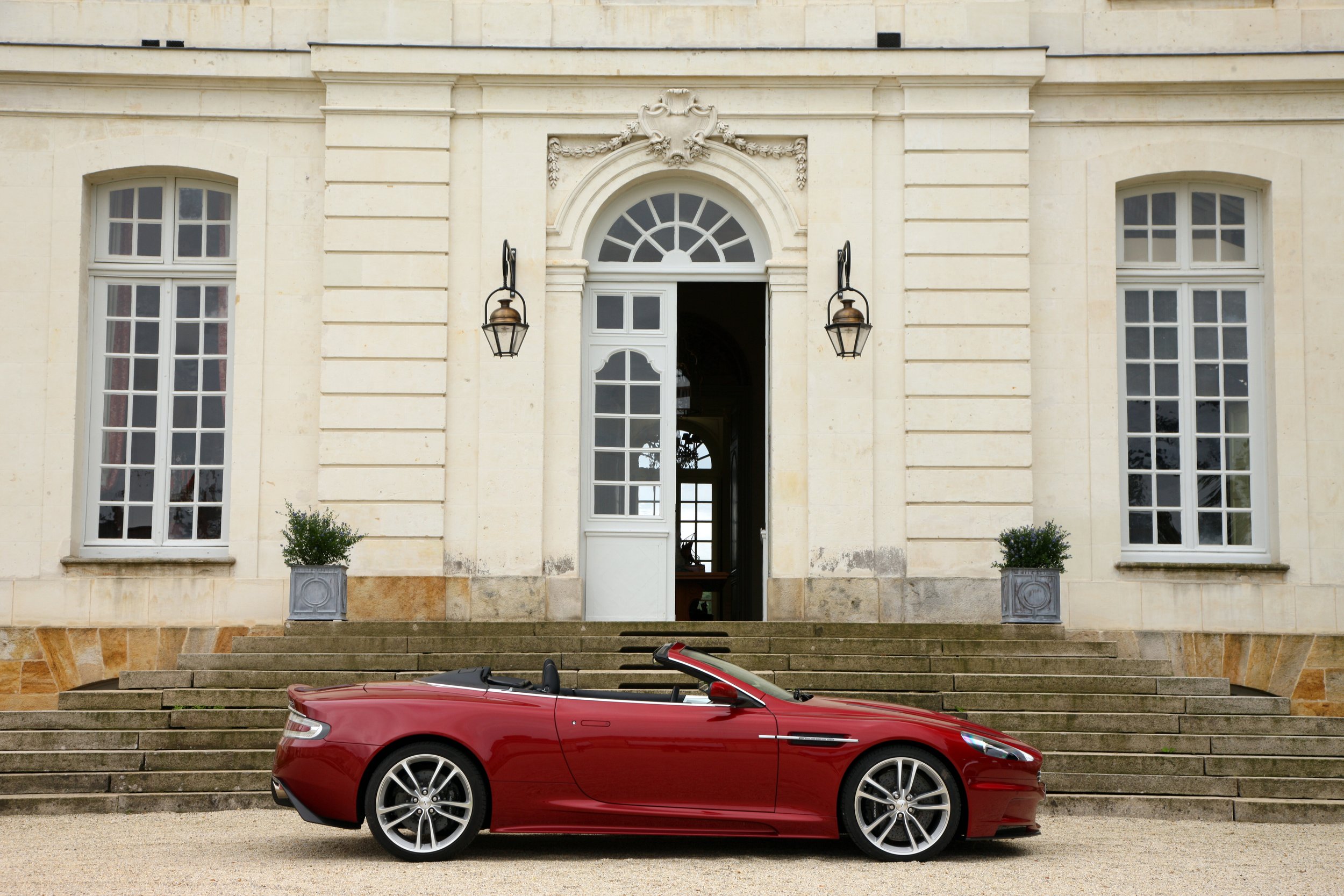
Image © Aston Martin Lagonda. Used for editorial purposes.
The DBS Volante adds open-air V12 theatre, but the roof system and water sealing must be checked properly. The hood should operate smoothly, latch correctly and sit evenly. It shouldn’t hesitate, twist, grind, stop halfway or require assistance. Check operation more than once, ideally with the engine running and the battery in good condition.
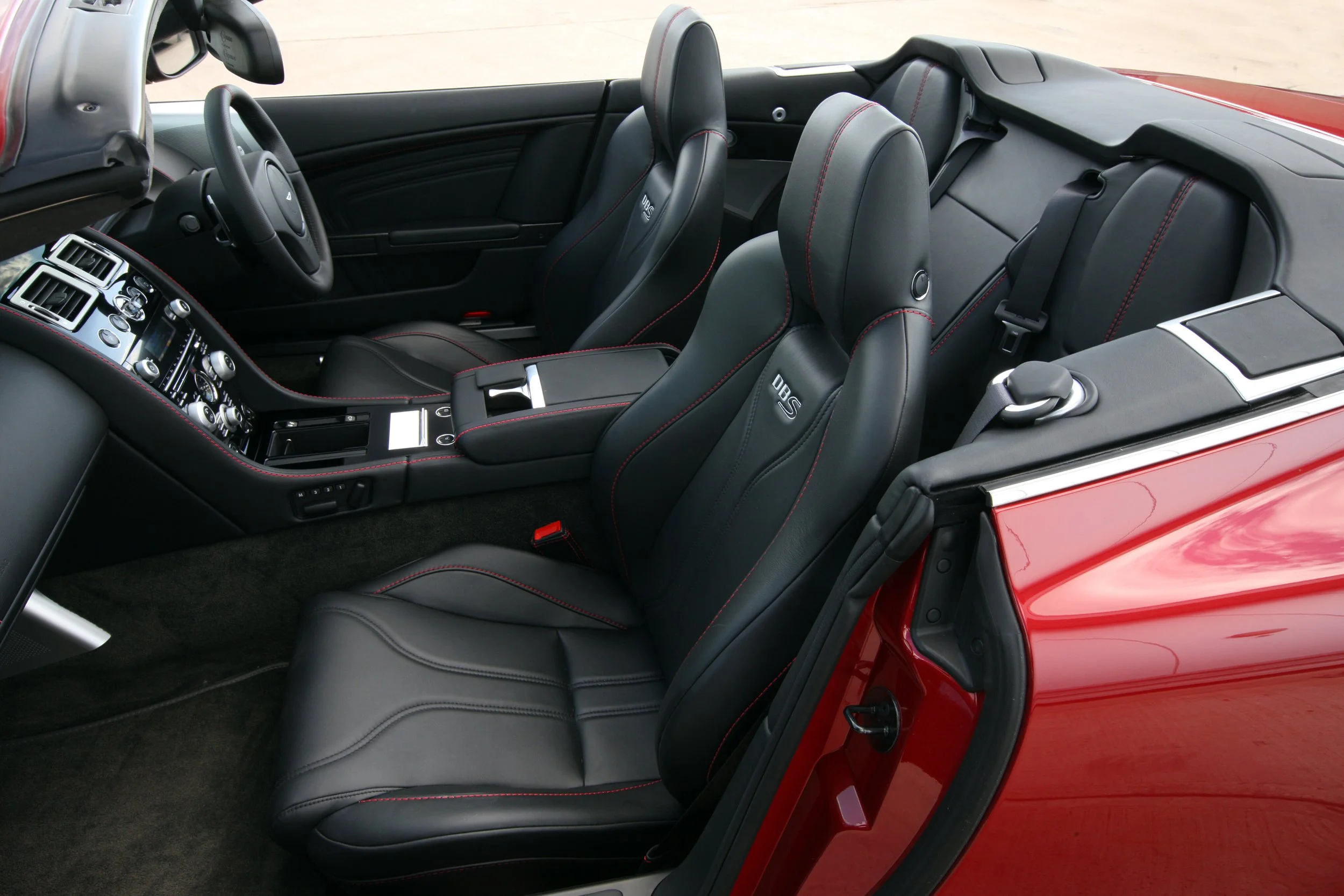
Image © Aston Martin Lagonda. Used for editorial purposes.
Inspect the hood fabric, rear screen area, roof seals, latches, drain channels, boot floor, carpets, seatbelt areas, rear trim, damp smells, water staining and wind noise on the test drive. Water ingress can be irritating and expensive. A Volante that smells damp, has misted windows, wet carpets or boot-floor moisture needs investigation before purchase.
The Volante is a wonderful DBS, but roof condition is central to whether it’s a good one.
Interior, trim and electronics
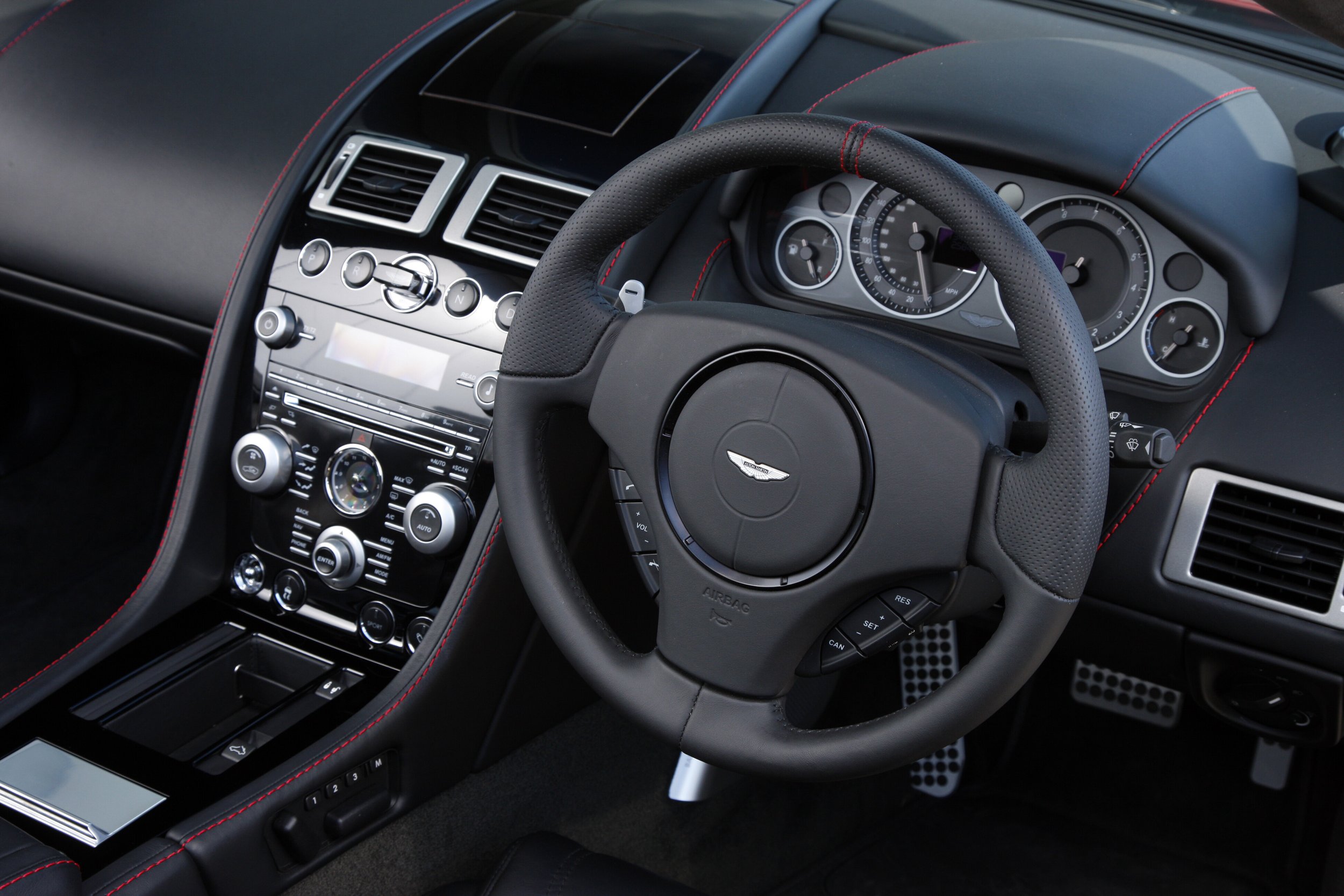
Image © Aston Martin Lagonda. Used for editorial purposes.
The DBS interior is full of theatre, but it’s still a late-2000s Aston Martin cabin. The materials can be beautiful, but the electronics, switchgear and trim need checking carefully.
Inspect the glass key, spare key, key operation, Bang & Olufsen tweeters where fitted, audio system, navigation screen, Bluetooth or phone connection, climate control, seat motors, heated seats, window operation, door locks, fuel flap release, mirror adjustment, parking sensors, dashboard leather, seat bolsters, Alcantara wear, carbon trim, sticky or worn switches and warning messages.
The glass key is part of the ownership experience, but it can be damaged. Check that it’s present, works correctly and is not chipped or cracked. Also check for the spare key.
The Bang & Olufsen system is part of the DBS theatre, especially the rising dashboard tweeters. Make sure they rise, retract and play correctly if fitted. These details may not stop the car from driving, but they form part of what makes a DBS feel special.
Dashboard leather, seat bolsters and Alcantara can also show age. Shrinking, lifting, pulling, scuffing or poor retrim work should be priced accordingly.
The DBS cabin should feel special. If too many little things are broken, tired or missing, the car may have been neglected more widely.
Battery, tracker and low-use issues
Many DBS examples now lead occasional lives. That’s not a problem if the car has been stored and maintained correctly. A battery conditioner is a good sign, not a concern. What matters is whether the battery is healthy, whether warning lights appear, whether the car starts cleanly and whether low-use issues have been allowed to develop.
Check battery age, battery-conditioner connection, warning lights after start-up, tracker status, alarm behaviour, central locking, window drop, key recognition, charging voltage and service history despite low mileage. Low mileage doesn’t remove the need for maintenance. Cars that sit can develop tyre flat spots, weak batteries, sticky brakes, damp issues, old fluids and electrical irritations.
A DBS should be used enough to stay healthy and maintained enough to justify its mileage.
Recalls, campaigns and VIN checks
Before buying, check the vehicle identification number, usually shortened to VIN, with Aston Martin or a recognised specialist to confirm whether any recalls or service campaigns apply. Do not rely only on the seller saying “all up to date”. Ask for written confirmation where possible.
For UK cars, use the official GOV.UK recall checker to see whether the vehicle, part or accessory has an outstanding safety recall: https://www.gov.uk/check-vehicle-recall. It’s also worth using Aston Martin’s own Safety Campaign Checker, which allows you to enter the car’s Vehicle Identification Number, usually shortened to VIN, and check whether any Aston Martin safety campaigns apply: https://www.astonmartin.com/en/owners/safety-campaign-checker.
Also check MOT history, mileage consistency, ownership history, accident history, finance status, factory build specification, special-edition provenance and import or export status if relevant.
A clean history report is useful, but it doesn’t prove the car has never had paintwork or damage. Physical inspection still matters.
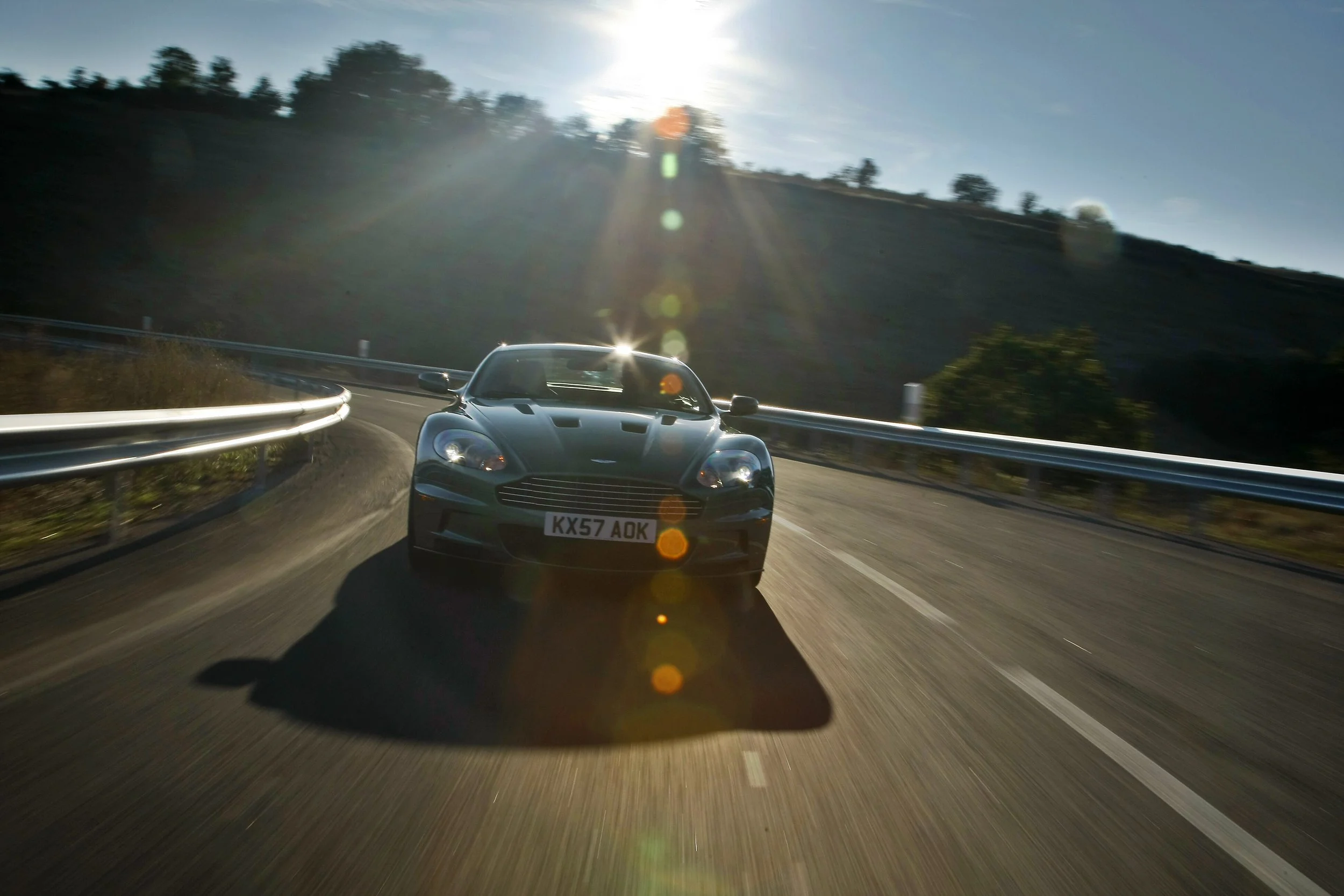
Image © Aston Martin Lagonda. Used for editorial purposes.
The test drive
A DBS should be driven properly before purchase, unless it’s being bought as a collector-grade car under very specific circumstances and inspected accordingly.
During the test drive, check cold start, smooth idle, throttle response, engine temperature, gearbox behaviour, clutch behaviour if manual, brake feel, brake judder, steering feel, straight-line stability, suspension noise, damper mode changes, tyre noise, cabin rattles, wind noise, warning lights and hot restart.
The car should feel special, but also fundamentally right. It should not feel like a collection of excuses.
If the seller will not allow a proper test drive or specialist inspection, be prepared to walk away.
Pre-purchase inspection
A pre-purchase inspection, often shortened to PPI, is essential on a DBS. This should be carried out by an Aston Martin main dealer, Aston Martin Works, or a recognised Aston Martin specialist with proper knowledge of VH-era V12 cars. A generic inspection is better than nothing, but it may not properly assess carbon-ceramic brakes, paint blistering, DBS-specific bodywork, adaptive dampers, gearbox behaviour or V12 diagnostic data.
A good DBS inspection should include a full diagnostic scan, engine health check, misfire data, fluid-leak inspection, cooling-system check, brake disc and pad assessment, suspension and damper check, underside inspection, tyre inspection, paint and bodywork assessment, carbon-fibre condition, roof check on Volante cars, interior electrical check, service history review, recall and campaign check and road test.
The inspection may cost money, but it can save far more. On a DBS, one missed issue can change the entire purchase.
Ownership costs and maintenance expectations
The Aston Martin DBS should be viewed as a usable modern classic, not a fragile ornament. But it must also be viewed honestly: this was Aston Martin’s V12 flagship, and it still needs flagship-level care.
A well-maintained DBS can be robust, rewarding and surprisingly easy to enjoy. But a DBS is not a car to service only when it’s covered enough miles. Time matters as much as mileage: fluids age, batteries weaken, tyres harden, dampers leak, paint issues develop, and cars that sit unused can create their own problems.
A sensible buyer should budget for annual servicing, brake fluid, differential oil, premium tyres, battery replacement or maintenance, coil packs and spark plugs, suspension wear, adaptive damper issues, paint and bodywork, carbon-ceramic brake assessment, manual clutch work if applicable and Volante roof maintenance if applicable.
A routine service is one thing. A DBS needing tyres, coils, plugs, brakes, dampers, paintwork or clutch work is another. The best ownership experiences come when the buyer keeps a maintenance reserve rather than stretching to the purchase price and hoping for the best.
A DBS should not be bought with every last pound spent on acquiring the car.
Market position and buying strategy
The DBS has moved beyond being simply a depreciated used Aston Martin. It now sits in modern-classic territory, with the market split heavily by gearbox, body style, mileage, condition, colour and edition. Touchtronic cars generally remain the more accessible route into DBS ownership, while manual Coupes and especially manual Volantes sit in a more collector-led space.
Asking prices will move over time, so this guide should not be treated as a fixed valuation tool. Instead, buyers should understand the structure of the market:
How the DBS Market Splits
The DBS market is shaped by gearbox, body style, mileage, condition, colour and provenance. Touchtronic cars usually offer the most accessible route into ownership, while manual Coupes, manual Volantes and the best special-edition cars sit in a more collector-led space.
Touchtronic Coupe
Usually the most accessible route into DBS ownership, offering the V12, carbon-ceramic brakes and flagship presence with relaxed GT usability.
Touchtronic Volante
Often comparatively attainable, with open-air V12 theatre and elegant grand touring appeal.
Manual Coupe
The enthusiast favourite, combining the naturally aspirated V12 with the analogue appeal of a traditional six-speed manual gearbox.
Manual Volante
Very rare and strongly collector-led, but condition, roof health, brake condition and history still matter more than rarity alone.
Carbon Black / Carbon Edition
Specification-led cars can command additional interest if the factory specification, condition and provenance are properly documented.
Ultimate Edition
Final-year collector appeal, especially when originality, documentation and condition support the premium.
Exceptional Low-Mile Cars
Collector pricing can vary significantly depending on mileage, colour, history, originality, brake condition and overall presentation.
The manual premium is real, but it should not be paid blindly. A manual DBS is worth more only if the car underneath is strong.
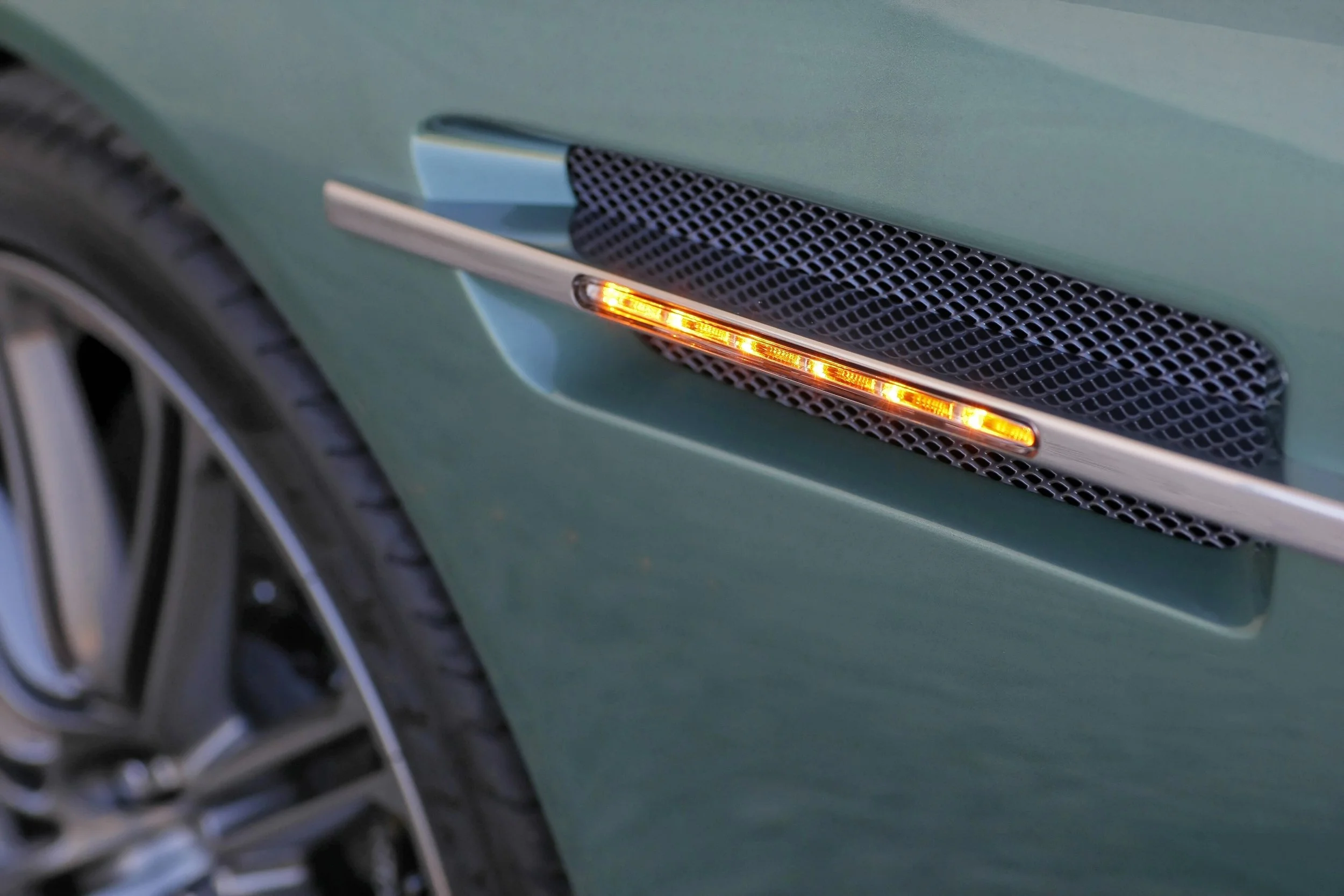
Image © Aston Martin Lagonda. Used for editorial purposes.
Asking price versus true cost
The cheapest DBS is rarely the cheapest DBS to own. A low asking price may hide carbon-ceramic brake wear, clutch wear, paint blistering, poor body repairs, old tyres, weak battery, missed servicing, suspension wear, roof issues on Volante cars, interior electrical faults or missing keys and accessories. Equally, the most expensive DBS is not automatically the best. Some sellers may ask a premium for colour, mileage, Bond association or special-edition language without the condition to support it.
The real question is not “what’s the asking price?”
The real question is: “What will this DBS cost to buy properly, inspect properly and bring to the standard I expect?”
That number is often more important than the advert price.
Best buys
There’s no single best DBS. There’s only the best DBS for the buyer.
Which DBS Is the Best Fit?
There is no single best DBS. The right car depends on whether you value driver involvement, open-air theatre, rarity, long-distance usability or future collectability. Condition and history still matter more than the label.
Manual Coupe
The purist’s DBS: naturally aspirated V12, rear-wheel drive, carbon-ceramic brakes and a traditional six-speed manual gearbox.
Touchtronic Coupe
Often the smartest route into DBS ownership, combining the full V12 flagship experience with more relaxed GT usability.
Touchtronic Volante
Elegant and relaxed, with roof-down V12 drama and a character that suits long-distance summer touring.
Manual Volante
Very rare and collector-led, but roof condition, service history, brake health and provenance still come first.
Low-mile Manual Coupe or Manual Volante
The cars most likely to attract collector attention, especially when mileage, originality, colour and documentation all align.
Carbon Edition / Carbon Black / Ultimate Edition
Specification-led appeal, but only worth a premium when factory records, condition and provenance support the story.
Touchtronic Coupe or Volante
The relaxed GT choice, ideal for buyers who want V12 theatre without needing the involvement of a manual gearbox.
Best-Condition, Best-Documented Car
The safest long-term choice is not always the rarest car. It is the DBS with the clearest history, healthiest brakes and strongest condition.
That may not be the rarest car, it may not be the cheapest car, it may not even be the first colour you wanted. But it will probably be the car you enjoy owning most.
What to avoid
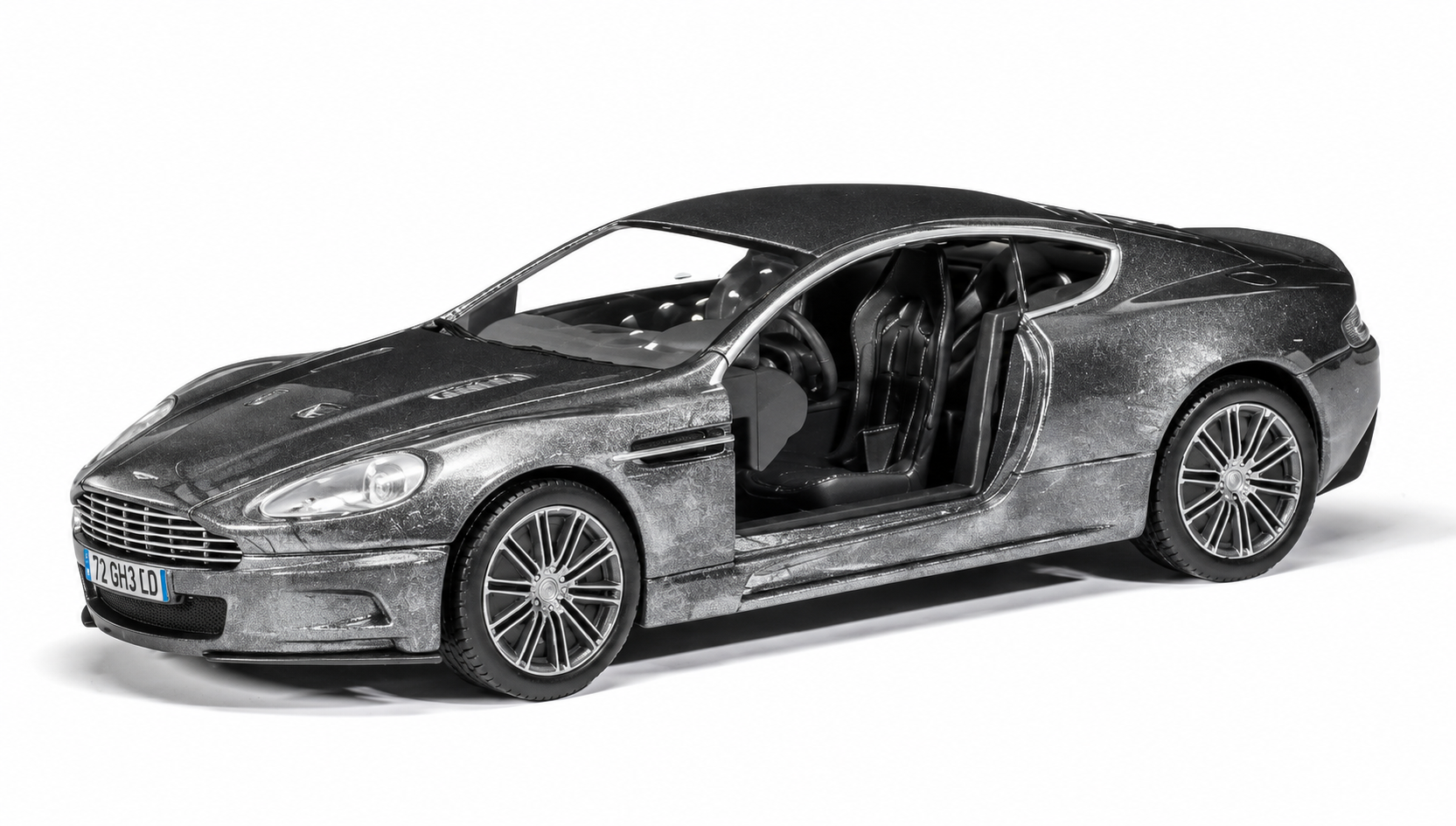
Image © Fuel the Passion. Corgi 1/36 Scale James Bond 007 Aston Martin DBS - Quantum of Solace Model.
Avoid a DBS that is cheap for reasons the advert does not explain. Be cautious of missing service history, long service gaps, no invoices, vague clutch comments, uninspected carbon-ceramic brakes, old tyres, multiple warning lights, rough running, paint blistering across several panels, poor carbon-fibre repairs, damp Volante interiors, non-working roof mechanisms, missing glass key, a seller refusing inspection, rare claims without documentation, or cars priced as collector examples but maintained like ordinary used cars.
A DBS is too special to buy badly.
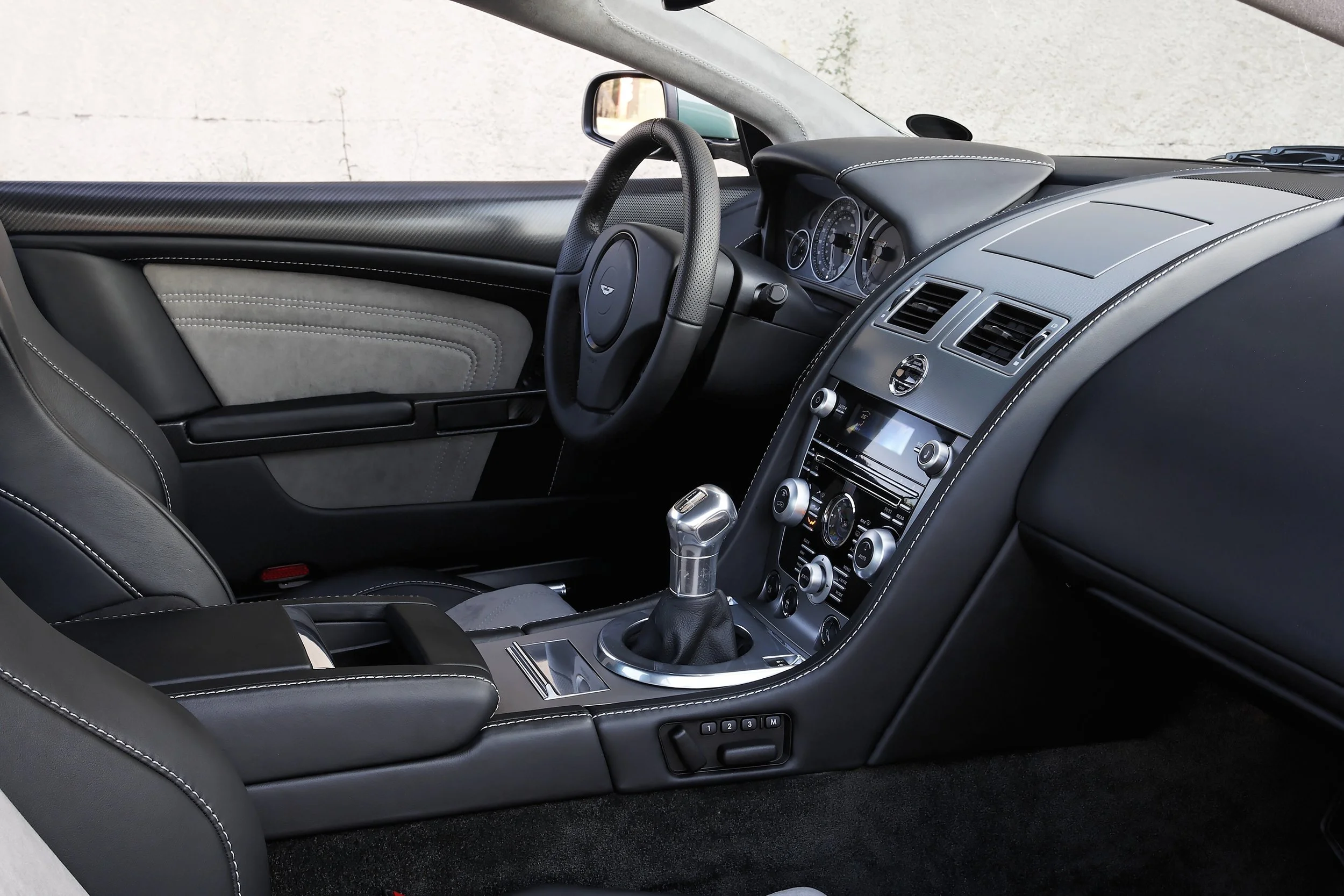
Image © Aston Martin Lagonda. Used for editorial purposes.
What to pay more for
It’s worth paying more for full annual service history, proper Aston Martin specialist invoices, healthy carbon-ceramic brakes, recent premium tyres, evidence of clutch replacement on manual cars, smooth Touchtronic operation, clean paintwork, minimal blistering, strong underside condition, working interior electronics, complete key set, battery conditioner, original books and accessories, factory specification record, documented special-edition provenance and a seller who welcomes inspection.
The best DBS examples are the ones that feel cared for before you even drive them.
The DBS Buyer Checklist
Before buying, confirm as much of the following as possible. A DBS does not need to be perfect, but it does need to be honest, properly inspected and supported by evidence.
Documentation
Full service history, invoices, MOT history, factory build specification, recall checks, books and complete key set.
Engine
Cold start, hot idle, misfires, warning lights, oil leaks, coil and plug history, breather health and diagnostic checks.
Manual Gearbox
Clutch bite, slip, judder, reverse selection, hot shifting, clutch invoices and flywheel evidence where applicable.
Touchtronic 2
Smooth engagement, paddle response, Sport mode, clean low-speed behaviour and no thumps or warning messages.
Carbon-Ceramic Brakes
Disc condition, pad life, chips, cracks, judder, vibration, caliper condition and proper specialist assessment.
Suspension
Adaptive damping, leaks, knocks, alignment, bushes, suspension links, steering feel and tyre wear patterns.
Tyres
Premium brand, correct size, matching set, recent date codes, even wear and correct pressures.
Bodywork
Paint blistering, panel edges, bonnet lip, boot lid, door handles, paint match, panel gaps and evidence of previous repairs.
Carbon Fibre
Front splitter, rear diffuser, bonnet, front wings, mirror caps, cracks, missing fixings and poor repairs.
Volante Roof
Smooth operation, seals, drains, damp carpets, boot water, staining, wind noise and hood fabric condition.
Interior
Glass key, Bang & Olufsen tweeters where fitted, navigation, climate, seats, windows, leather and carbon trim.
Electrics
Battery, tracker, central locking, warning messages, fuel flap, parking sensors, window drop and key recognition.
Underside
Subframe, suspension links, corrosion, undertrays, fluid leaks, exhaust condition, grounding damage and jacking points.
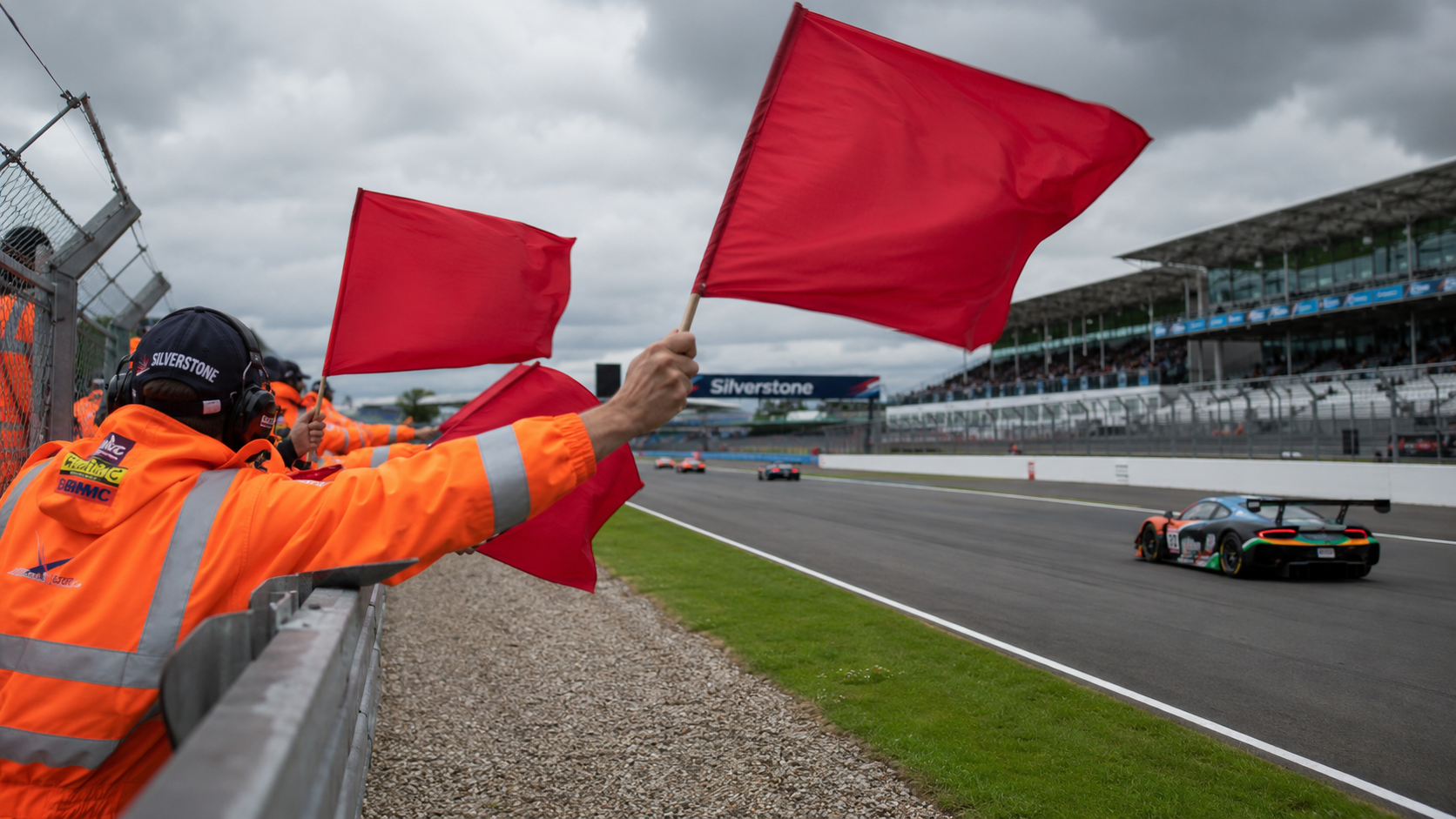
Image © Fuel the Passion
Red flags
Walk away, or proceed only with extreme caution, if you find missing service history, long service gaps, no invoices for major work, warning lights, rough running, misfires, poor hot idle, uninspected carbon-ceramic brakes, brake judder, vague clutch history, slipping or juddering clutch, poor Touchtronic engagement, old or mismatched tyres, heavy paint blistering, poor carbon-fibre repairs, damp Volante interior, roof faults, missing glass key, multiple non-working interior features, heavy underside corrosion, seller unwilling to allow inspection, or rare-spec claims without proof.
One fault may be manageable. A pattern of neglect is different.
A DBS with several unresolved issues is rarely a bargain.
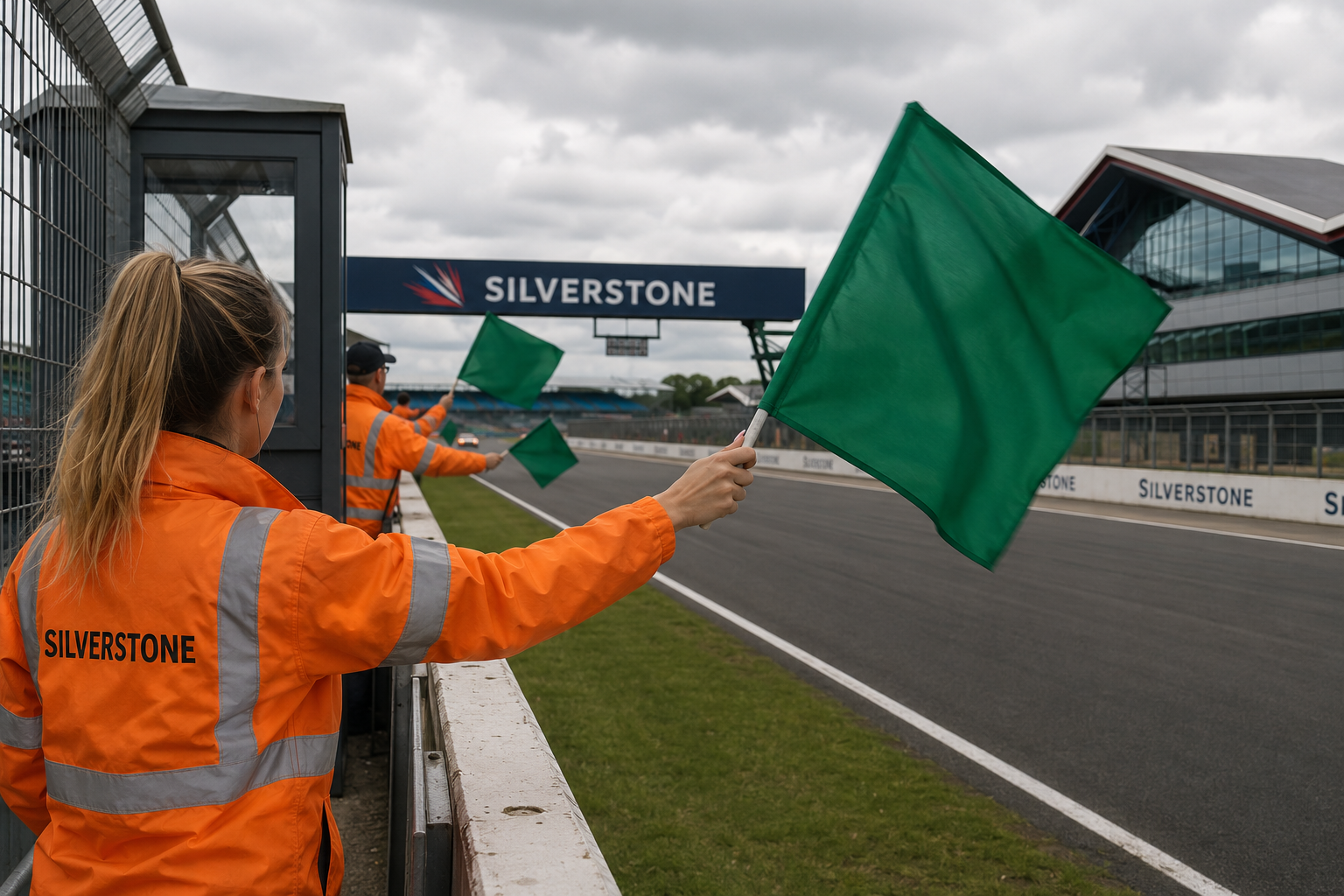
Image © Fuel the Passion
Green flags
A strong DBS will usually show clear annual service history, detailed invoices, main dealer or recognised specialist care, healthy carbon-ceramic brakes, recent premium tyres, smooth V12 behaviour, no warning lights, strong clutch evidence on manual cars, smooth Touchtronic behaviour on automatic cars, working adaptive damping, clean underside, good paint, minimal or no blistering, well-preserved carbon-fibre parts, working Bang & Olufsen system where fitted, complete keys, original books, battery conditioner, factory specification record, honest seller and independent inspection welcomed.
These are the cars worth stretching for.
Not because they’re perfect, but because they’ve been cared for in a way that matches what the DBS is.
Buy on condition, not mythology
The DBS has plenty of mythology around it. Bond, Casino Royale, Carbon fibre, V12, Manual gearbox, Carbon-ceramic brakes, Special editions, Final-year cars, Rare colours, Low mileage, Limited production. All of that can matter. But none of it matters more than condition.
A manual DBS with poor clutch history, tired brakes and paint issues is not automatically better than a superb Touchtronic car. A rare colour does not fix blistering. A special edition does not excuse deferred maintenance. Low mileage does not guarantee health. A Bond-like specification does not remove the need for a proper inspection.
The DBS should be bought like a modern classic, not like an ordinary used car. That means patience, research, inspection and discipline.
The right car may not be the cheapest. It may not even be the first one you fall for. But when the right DBS appears, the evidence should support the emotion.
Image © Aston Martin Lagonda. Used for editorial purposes.
Should you buy an Aston Martin DBS?
If you want the most rational route into naturally aspirated V12 Aston Martin ownership, the DBS may not be the obvious answer. A DB9 will usually cost less. A later DB9.2 may feel more modern. A V12 Vantage may be sharper. A second-generation Vanquish may be newer and more powerful. A DB11 may be easier to live with every day. A DBS Superleggera will feel vastly quicker, and yet the Gaydon-era DBS has something all of its own.
It’s one of those Aston Martins that appeals beyond logic. The shape, the stance, the bonnet vents, the carbon-fibre details, the glass key, the V12 start-up, the Bond-era connection and the sense of occasion all combine to create a car that feels deeply special before it’s even moved.
That doesn’t mean it’s perfect. The DBS can feel firm, dated, expensive to maintain and less dramatic at low speeds than some buyers expect. Touchtronic cars can feel refined to the point of being almost too easy-going. Manual cars are more involving, but clutch condition and ergonomics matter. Volantes bring open-air theatre but add roof and water-ingress checks. Carbon-ceramic brakes are a core part of the car’s identity, but they’re also one of its biggest buying risks.
The DBS is therefore not a car to buy casually. It’s a car to buy carefully, knowingly and with the right budget behind it.
For the right owner, the DBS is one of the great modern Aston Martins: rare enough to feel special, modern enough to use, analogue enough to engage, beautiful enough to admire and charismatic enough to make even ordinary journeys feel memorable.
For the wrong buyer, it may feel too expensive, too compromised, too old-fashioned or too costly to maintain properly.
The question is not simply: “Can I afford to buy one?”
The better question is: “Can I afford to buy the right one, inspect it properly, maintain it properly and enjoy it without fear?”
If the answer is yes, the DBS deserves to be very high on the list.
Final verdict
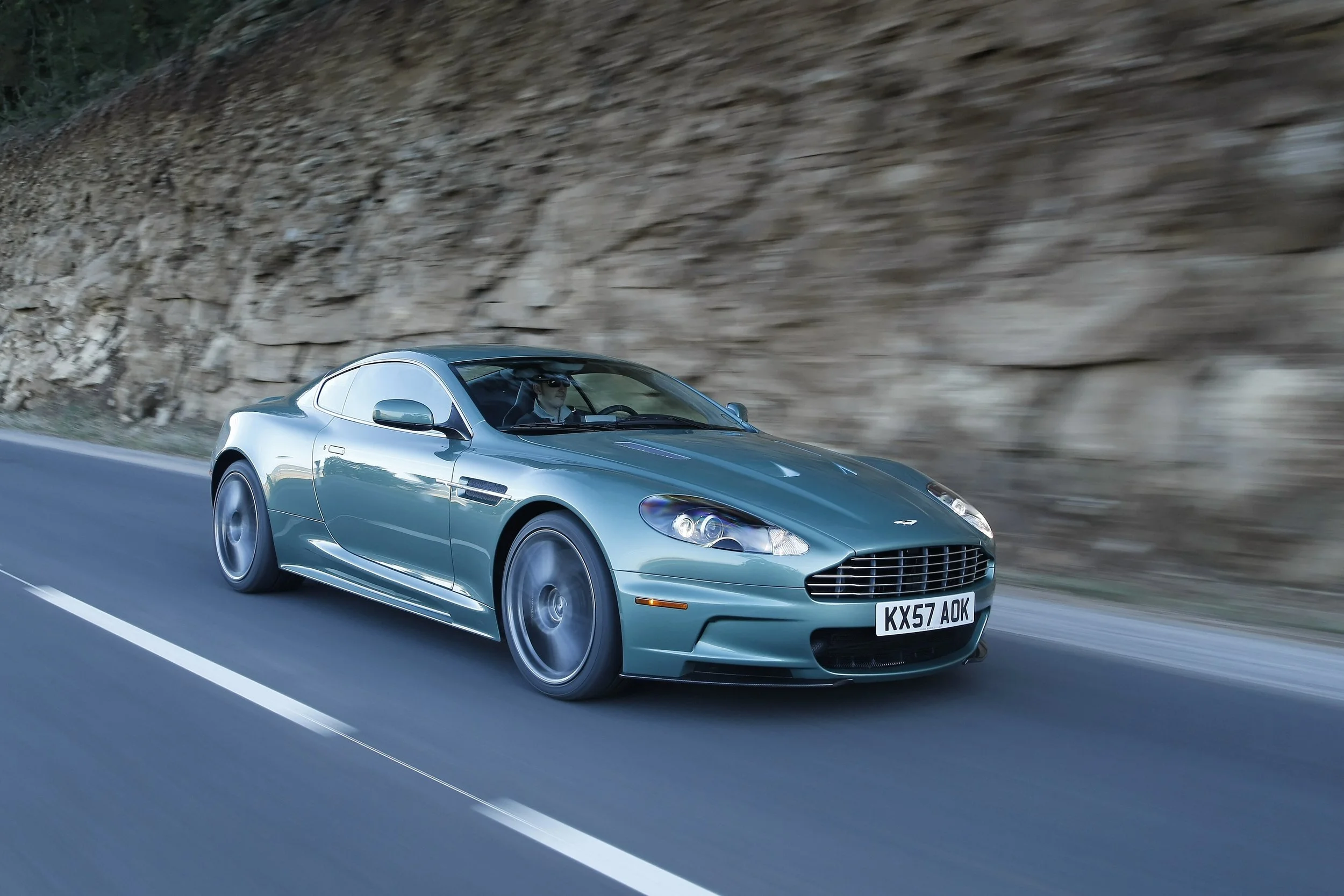
Image © Aston Martin Lagonda. Used for editorial purposes.
The Aston Martin DBS is one of the defining modern Aston Martins of the Gaydon era. As we’ve said numerous times, it’s not perfect. It’s not the most rational Aston Martin to buy. It’s not the cheapest way into a V12. It’s not a track car. It’s not simply a DB9 with a body kit and it’s not a car that should be bought without proper inspection and a realistic maintenance reserve.
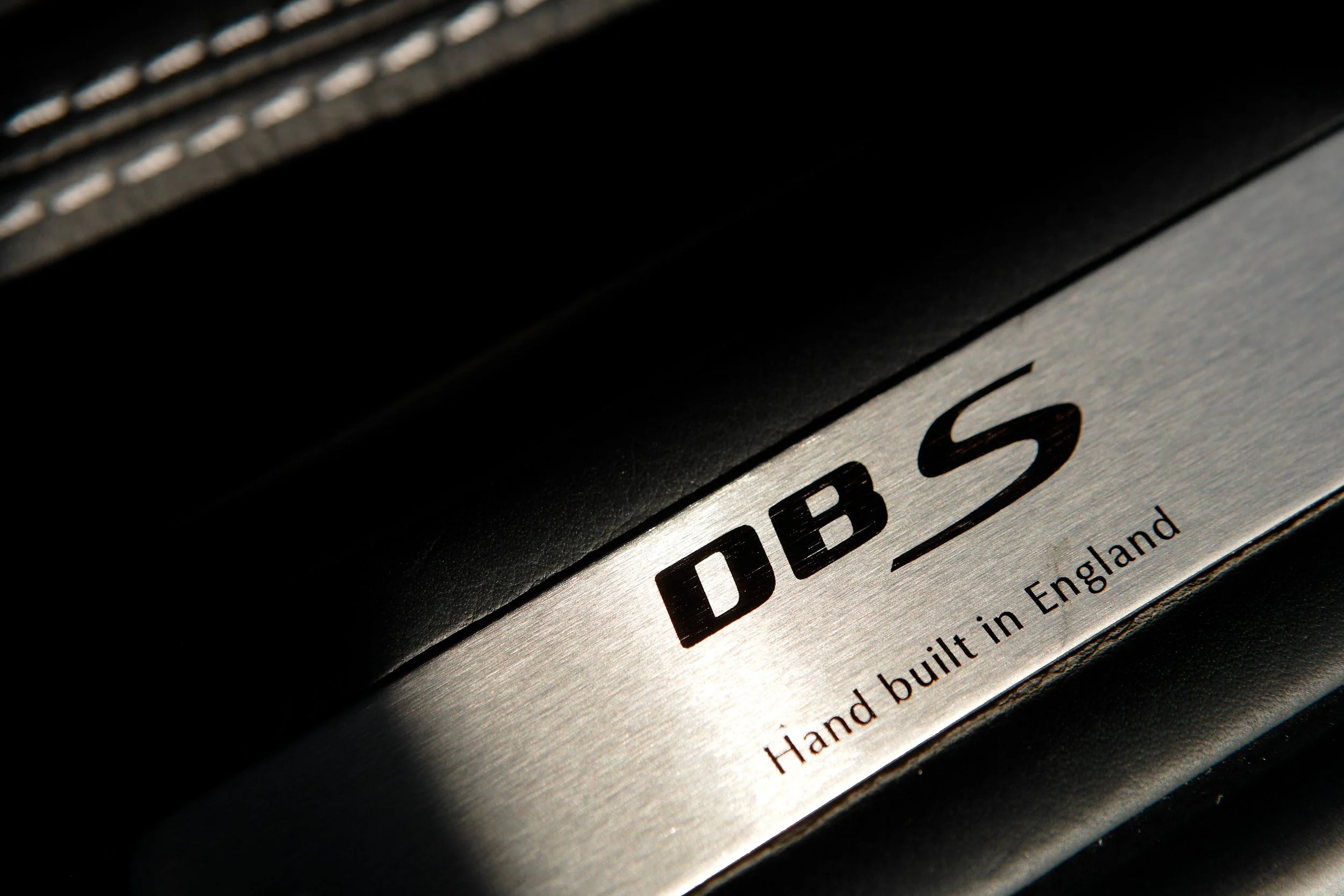
Image © Aston Martin Lagonda. Used for editorial purposes.
But it is special.
The DBS captures a moment in Aston Martin history when the marque still offered naturally aspirated V12 power, manual gearbox availability, hand-finished cabin theatre, carbon-fibre bodywork, carbon-ceramic brakes and some of the most beautiful proportions of the modern era. It carries Bond-era cultural presence without needing to rely on it. It has enough usability to be driven, enough rarity to feel significant, and enough emotional pull to keep people looking back after they park it.
The best examples should be cherished, but not hidden away. This is a car built for journeys: early starts, empty roads, European trips, roof-down evenings, V12 sound, petrol-station conversations and that quiet pause after switching it off.
A well-bought DBS is not just an Aston Martin you own. It’s one you remember.
Buy the best car you can verify. Keep enough in reserve to maintain it properly. Choose the gearbox and body style that suit how you will actually use it. Then enjoy one of the great naturally aspirated V12 grand tourers of the modern Aston Martin era.
The DBS is not the sensible choice. It’s the one that makes sense after you’ve walked away, looked back, and realised you’re still smiling.
Independence Note, Disclaimer and Owner Contribution Request
Fuel the Passion is an independent Aston Martin enthusiast website and YouTube channel. This guide has been written to help prospective buyers and enthusiasts understand the Aston Martin DBS 2007–2012 more clearly, using publicly available information, specialist insight, owner experience, period reviews and FTP’s own Aston Martin content.
This article is not produced in association with Aston Martin Lagonda and is not paid promotion. It is provided for general editorial information and enthusiast guidance only.
Nothing in this guide should be treated as mechanical, technical, legal, financial, insurance, taxation, valuation, investment or safety advice. It is not a substitute for a professional inspection, specialist diagnosis, independent valuation, legal advice or your own due diligence.
Every Aston Martin DBS is different. Condition, history, mileage, market, specification, maintenance quality, storage, usage, repair history, accident history, gearbox condition, brake condition, roof condition on Volante models, parts availability and future costs can vary significantly from car to car.
Before buying any DBS, you should arrange a proper pre-purchase inspection with an Aston Martin main dealer, Aston Martin Works, or a recognised Aston Martin specialist with appropriate VH-era V12 experience. You should also independently verify the car’s Vehicle Identification Number, original specification, service history, MOT history, recall or safety campaign status, ownership record, finance status, import or export history, accident or insurance write-off history, mileage, repair records and current parts availability for any known faults.
Any market observations in this guide are intended as broad context only. They are not valuation advice, investment guidance or a guarantee of future value. Asking prices, sale prices, demand, parts costs and maintenance costs can all change.
Links, videos, third-party comments, specialist references and owner experiences are included to help inform readers, but they should not be treated as a guarantee of accuracy, condition or outcome. Buyers should make their own enquiries and take professional advice where appropriate.
A Final Word from Fuel the Passion
The Aston Martin DBS is one of those cars that rewards patience, understanding and care. It’s not simply a DB9 with a more dramatic suit, and it’s not a car to buy on Bond appeal alone. It’s a rare, naturally aspirated V12 Aston Martin flagship with carbon-ceramic brakes, carbon-fibre detail, grand touring ability and a sense of occasion that still feels deeply special today.
That’s why this guide exists. Not to frighten anyone away from buying a DBS, but to help enthusiasts approach the car with clearer eyes, better questions and a deeper appreciation of what makes it so important.
A well-bought DBS can be a wonderful thing: beautiful, usable, dramatic and memorable. It’s a car for early starts, long roads, V12 sound, careful ownership and that familiar look back after you have parked it. But it’s also a car that deserves proper inspection, proper maintenance and a buyer who understands what they are taking on.
If you already own a DBS, your experience can help make this guide even better. Real-world ownership stories, maintenance experiences, manual and Touchtronic observations, Volante roof advice, carbon-ceramic brake experiences, inspection tips and buying advice are incredibly useful for future owners, so please feel free to share your thoughts in the comments below.
If you buy a DBS after reading this guide, I would genuinely love to hear from you. Did the guide help? Was there anything you wish you had known earlier? The more real-world knowledge owners and buyers share, the more useful these guides become for the wider Aston Martin community.
Thanks for reading, and as always, thank you for supporting Fuel the Passion.
Where Every Drive Tells a Story.
