
Issue 16 - Fuel the Passion (FTP) Weekly Roundup
Week Ending 22nd March 2026
Editor’s Introduction - Dan, Fuel the Passion
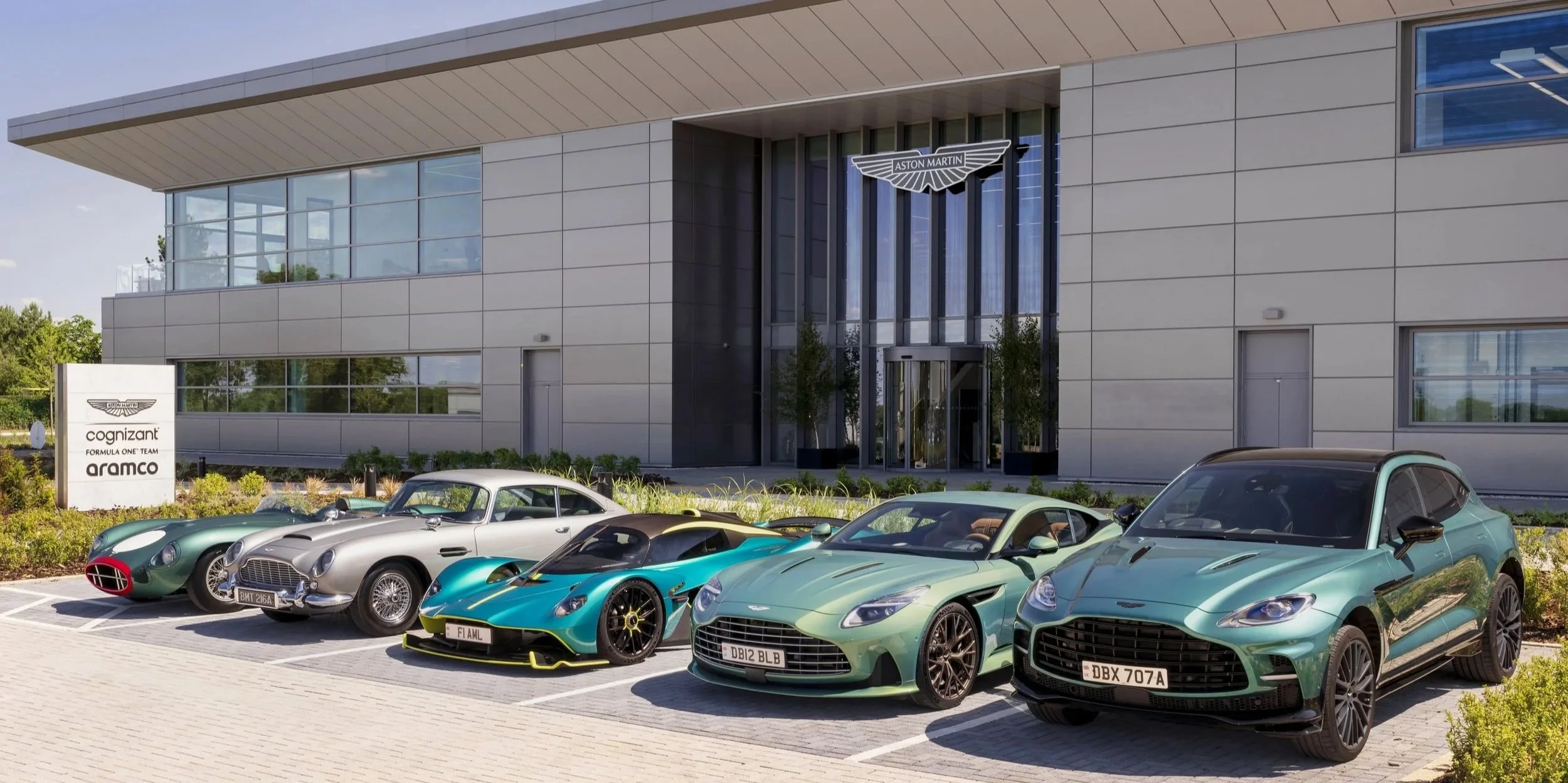
Image © Aston Martin Lagonda. Used for editorial purposes.
There are some weeks in the Aston Martin world where the stories seem to arrive from every direction at once, and this feels very much like one of them. Formula 1 remains under the spotlight, of course, with plenty to talk through after a difficult start to the season, but beyond that there is also movement across Aston Martin’s wider motorsport presence, continuing attention on AML’s share price, rising oil prices that matter to owners in the real world, and some much more encouraging signs when it comes to the road cars themselves.
That contrast has really shaped this week’s roundup. On one side, there are very obvious pressures, competitive, financial and geopolitical. On the other, there are reminders that Aston Martin’s story is always broader than a single result or headline, whether that is the latest praise for the new Vantage, strong recognition for Aston Martin Bristol, the continuing depth of the marque’s heritage scene, or the sheer breadth of racing activity now stretching from Formula 1 to Sebring and beyond.
So, as always, we will begin where the noise is loudest: on the motorsport side. From there, we’ll widen the lens to the wider business backdrop, road cars, club life, heritage and a few Fuel the Passion updates of my own. So let’s dig in…
Aston Martin F1
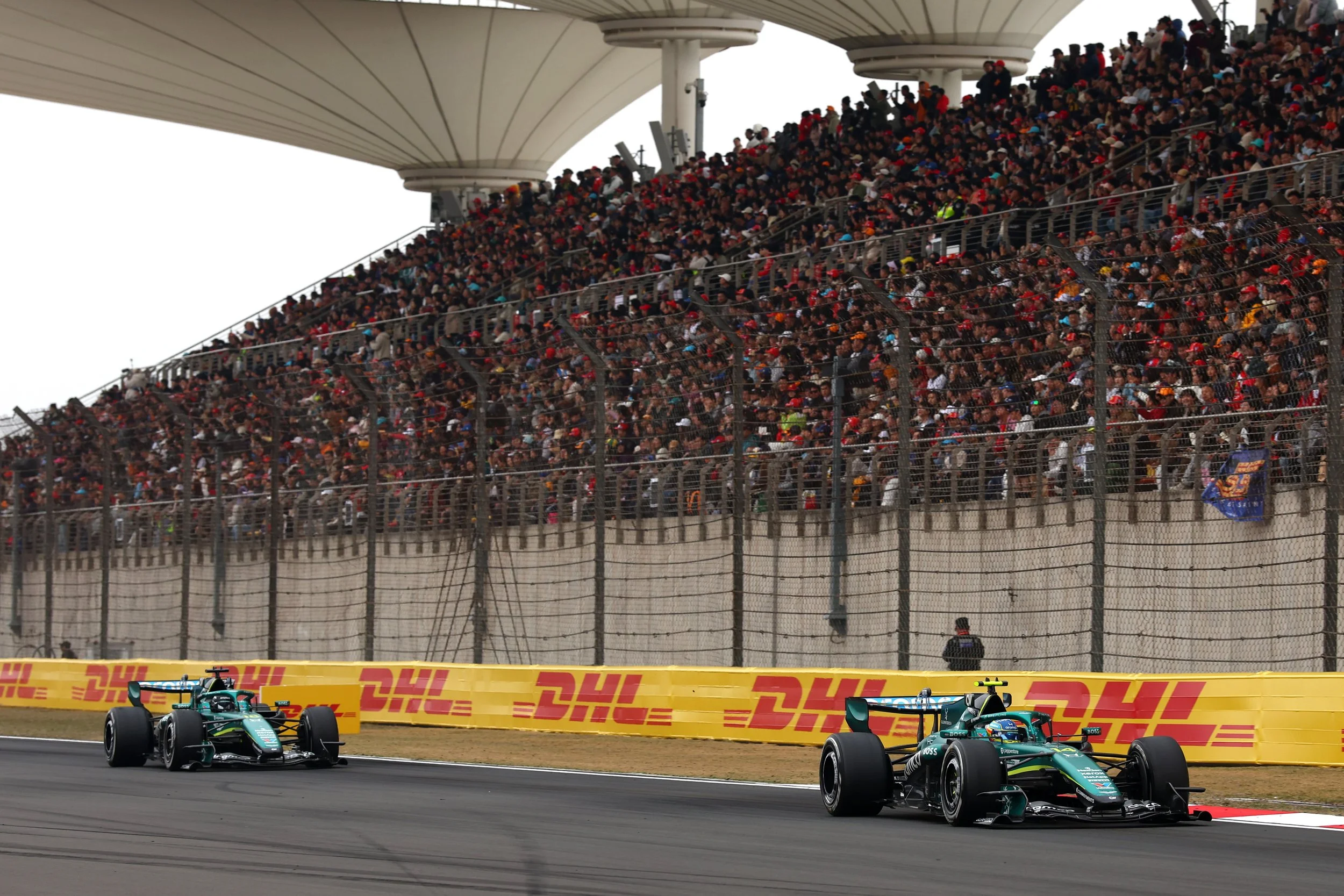
Image © Honda Motor Co. Ltd & Aston Martin Aramco. Used for editorial purposes.
If last week’s edition captured the sense that Aston Martin’s new Formula 1 era had begun awkwardly, this week’s picture is sharper and more uncomfortable. China did not introduce a fresh problem so much as confirm that the team’s early-season difficulties are running deeper than a bad weekend or two. After another race in which neither car saw the chequered flag, the story is no longer simply about a slow start. It is now about reliability, driver confidence, Honda integration, internal structure, and how quickly Aston Martin can steady the project before the scrutiny hardens further.
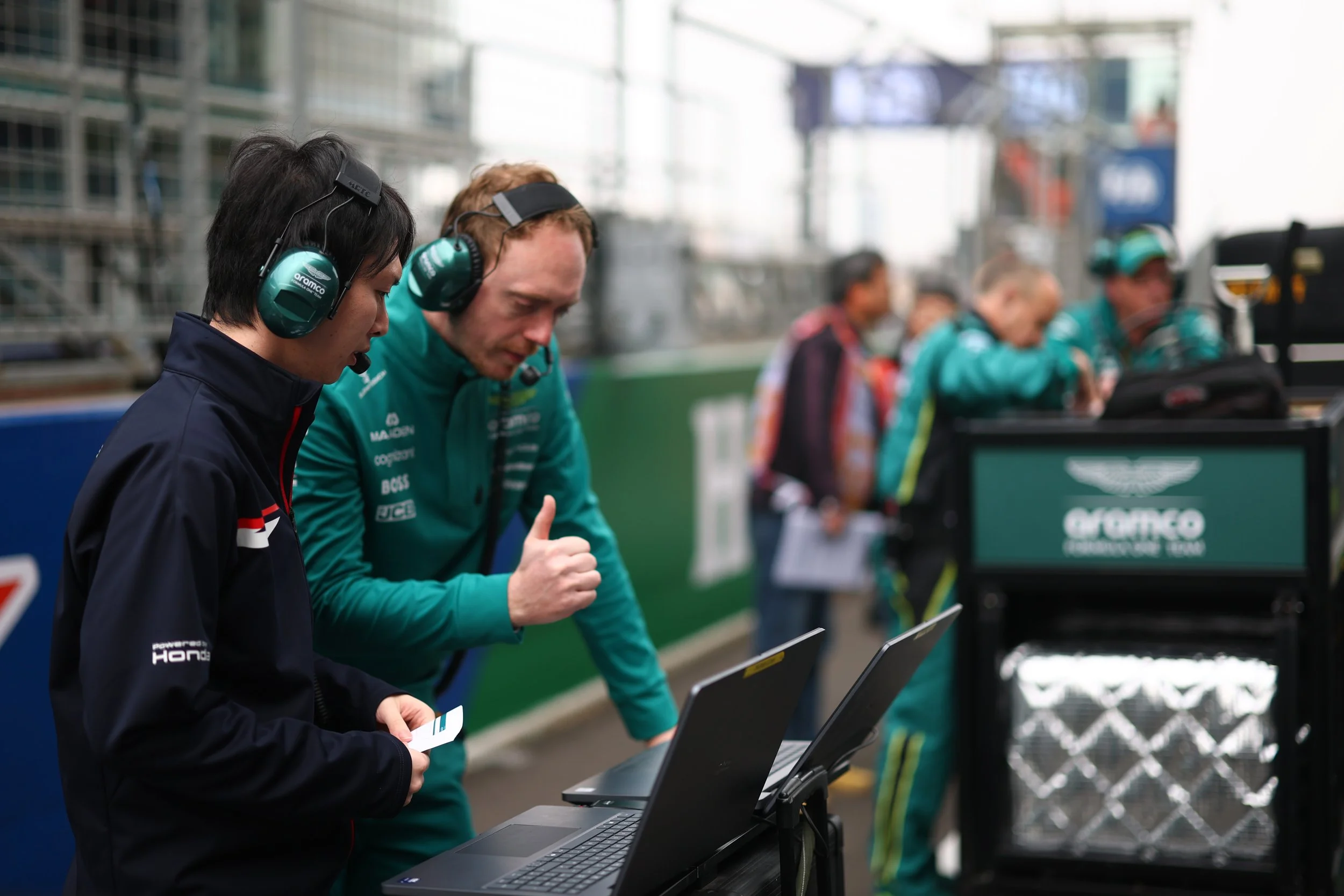
Image © Honda Motor Co. Ltd & Aston Martin Aramco. Used for editorial purposes.
The immediate facts from Shanghai were difficult enough. Lance Stroll’s race ended almost as soon as it had begun, the Canadian reporting that the car “just switched off” on the approach to Turn 1, with Aston Martin suspecting a battery-related failure.
Fernando Alonso lasted longer, but not by much in the broader context of a Grand Prix, ultimately pulling in after the vibration levels became too much to ignore. Alonso said the problem felt worse than at any other point during the weekend, while wider footage and reporting made clear just how physical the issue had become, with the Spaniard later admitting he had begun to lose feeling in his hands and feet.
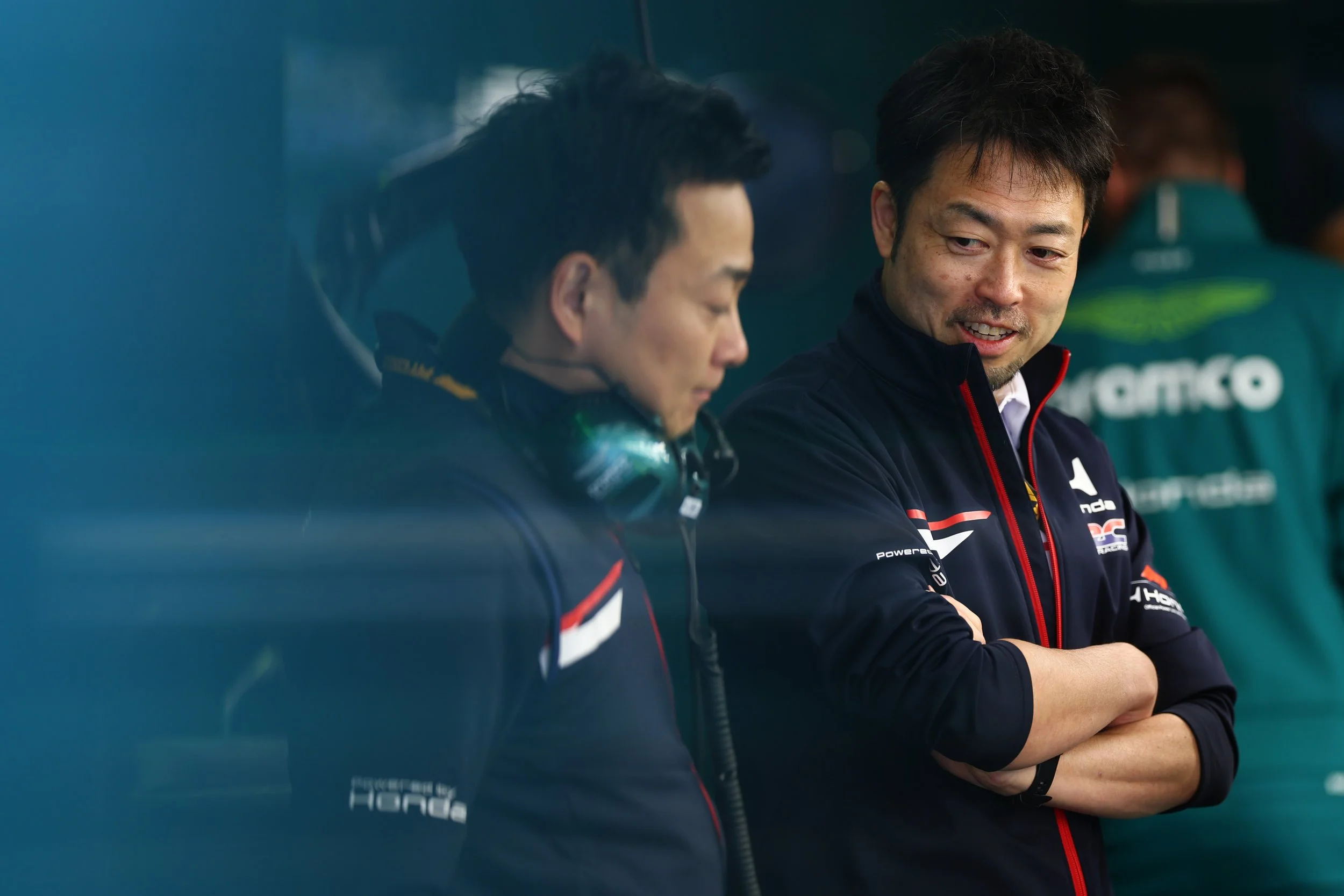
Image © Honda Motor Co. Ltd & Aston Martin Aramco. Used for editorial purposes.
Yet, in public at least, Aston Martin and Honda are still trying to frame the weekend as one that carried some value. Mike Krack’s line has been that mileage still matters, particularly in a season shaped by new regulations and a very different technical environment. Stroll made a similar point himself, saying the team had completed more laps, collected more data and learned more about both the car and engine in China than it had in Melbourne. Honda’s official response followed the same path: not satisfied with the double retirement, clearly, but keen to stress that reliability improved across the sprint weekend and that the extra running remains useful as the team tries to work through its problems. That does not mean the internal mood is entirely bleak. One of the more encouraging notes to surface this week came from Pedro de la Rosa,
“…who suggested that the AMR26 may actually be a better car than current results make it appear.”
His argument, in essence, was that once the present power-unit handicap is stripped away, there are more positives in the underlying package than many outside the team realise. He has also urged calm and unity around the Aston Martin-Honda relationship, which feels particularly important at a moment when outside commentary is becoming increasingly noisy. It is an argument worth holding onto, because if de la Rosa is right, then Aston Martin’s real problem is not that it has built a hopeless car, but that it has not yet created the platform for that car to show its hand.
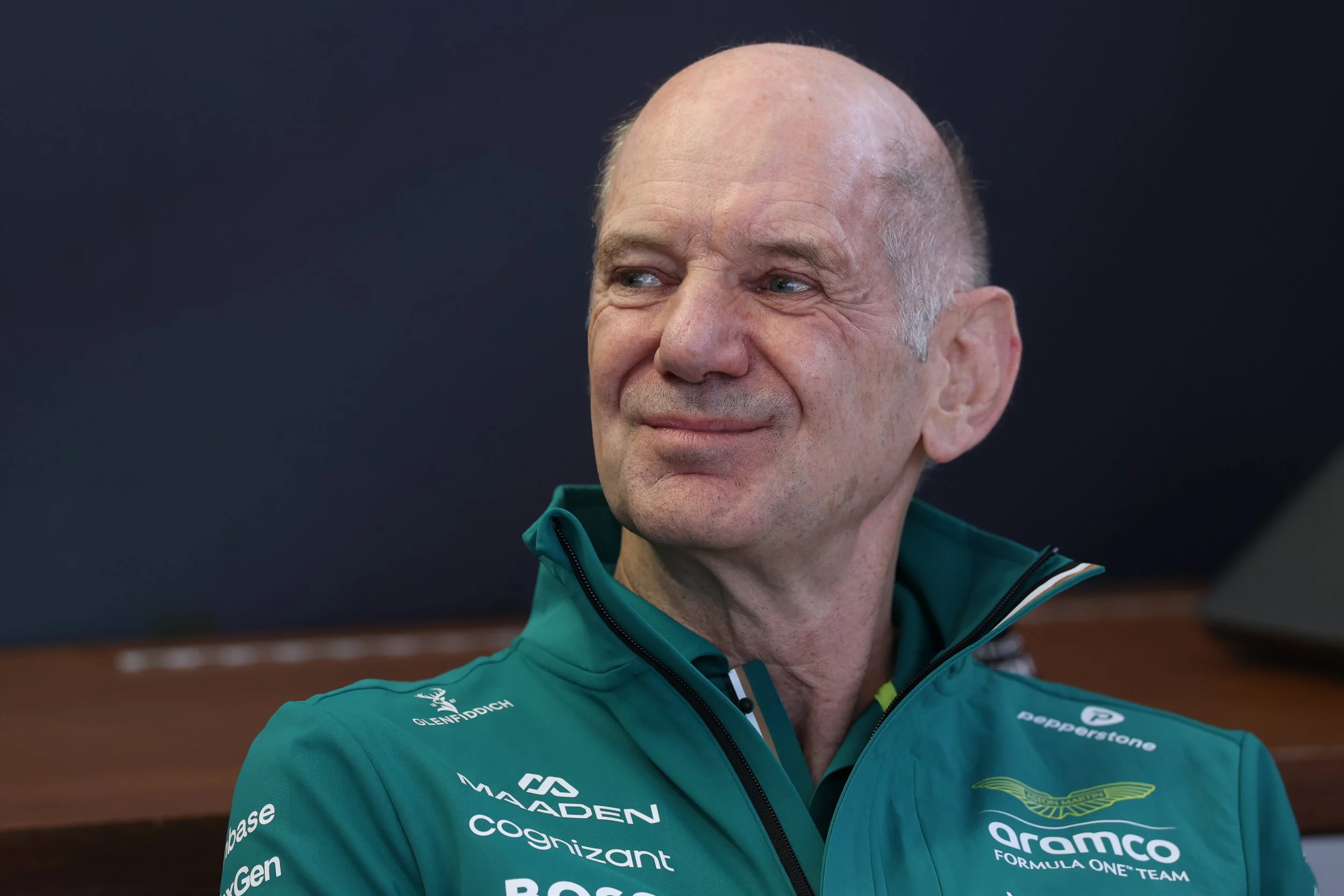
Image © Honda Motor Co. Ltd & Aston Martin Aramco. Used for editorial purposes.
That noise has centred increasingly on Adrian Newey and the shape of Aston Martin’s leadership structure.
The team itself moved to cool one part of that discussion this week, with Mike Krack clarifying that Newey’s absence from the Chinese Grand Prix was not some last-minute withdrawal or sign of internal drama, but simply part of a plan in which he would not attend every race.
Even so, multiple outlets have now reported that Aston Martin is exploring the appointment of a dedicated Team Principal to work alongside Newey, with names such as Jonathan Wheatley and Andreas Seidl being linked in the media. At the time I’m writing this weeks roundup, at this stage that remains reporting rather than confirmed fact, but the broader point feels credible enough: the team’s early-season struggles are now prompting wider questions about whether Newey’s greatest value is best deployed in a technical capacity rather than in a broader public-facing leadership role.
Late in the week, Aston Martin sought to push back directly against the growing speculation, publishing an official statement from Lawrence Stroll on 20th March. In it, Stroll said he wanted to “set the record straight” over Adrian Newey’s role, describing Newey as both his partner and an important shareholder, and reaffirming that the design of Aston Martin’s leadership structure is intentional rather than accidental.
Most notably, Stroll said the team does not currently adopt the traditional Team Principal model seen elsewhere in Formula 1, and that this is “by design”.
That is an important intervention, because it gives the clearest signal yet from the top that Aston Martin does not see Newey’s position in the same terms as many of the outside reports now circulating. Stroll’s emphasis was that Newey’s primary value lies in strategic and technical leadership, supported by a wider senior leadership team across both the campus and trackside operation. In other words, Aston Martin is effectively arguing that what appears unusual from the outside is, from its own perspective, a deliberate structure built around Newey’s strengths rather than evidence of immediate internal retreat.
Of course, official statements do not end scrutiny on their own, especially while performance remains poor and speculation is moving quickly. But it does mean this story now has a more important counterweight. The rumours may continue, but Aston Martin has now made its position clear: Adrian Newey remains central to the project, and the absence of a conventional Team Principal model is being presented not as a weakness, but as a conscious choice.
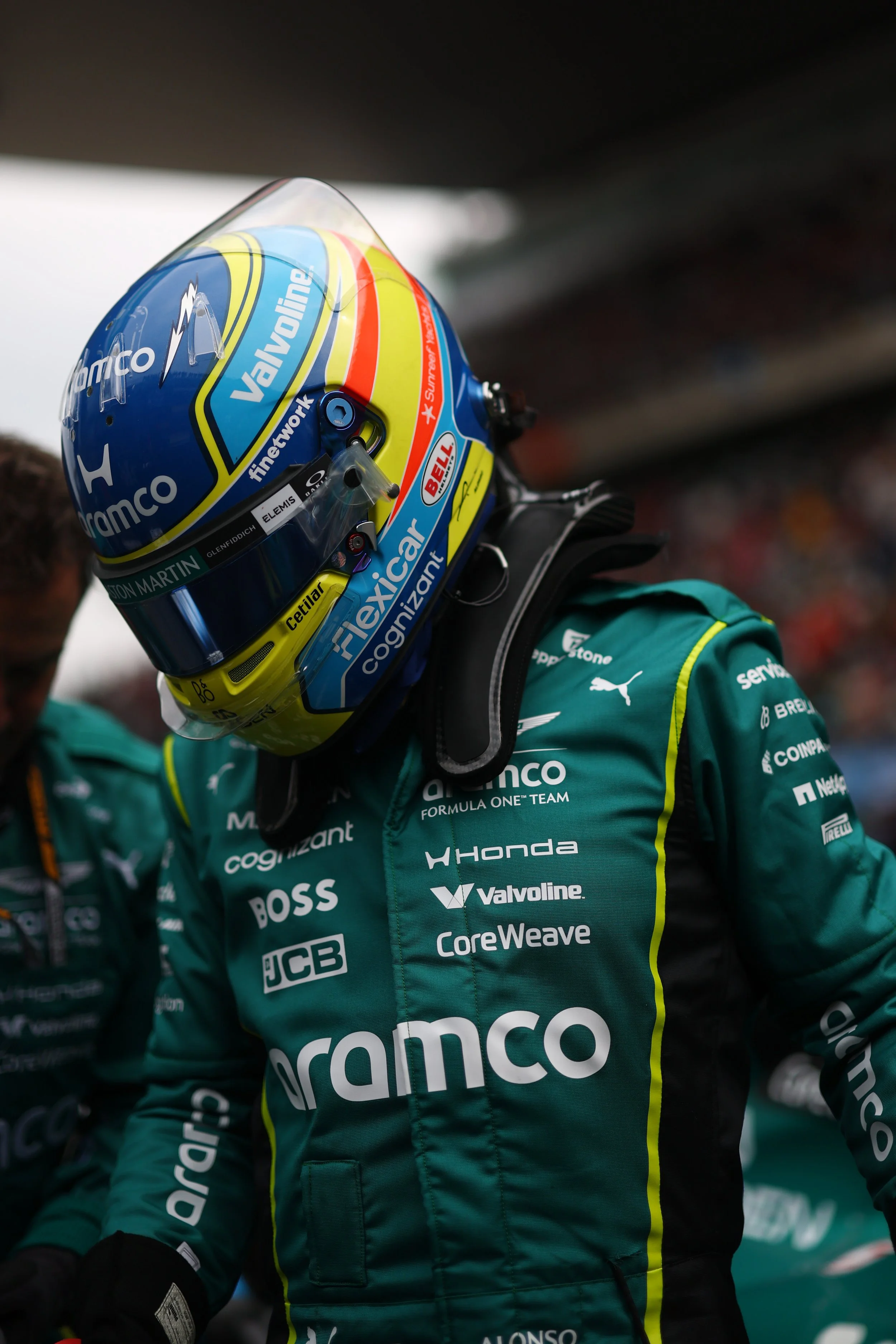
Image © Honda Motor Co. Ltd & Aston Martin Aramco. Used for editorial purposes.
Some of the surrounding commentary has gone further still, and this is where care is needed. A number of opinion-led pieces this week have questioned whether Aston Martin overloaded Newey from the outset, whether the structure around Lawrence Stroll is sufficiently robust, and whether the Honda integration should have been managed differently.
Other reports have even suggested Honda may be diverting additional internal resource from elsewhere in its motorsport activities to help accelerate a solution. None of that has been confirmed publicly in a way that justifies stating it as hard fact, but its emergence is revealing in itself.
When a Formula 1 project begins badly, the conversation rarely stays with lap times for long…
“…it spreads quickly to leadership, organisation and whether the foundations were truly as settled as they first appeared.”
There was, however, one genuinely confirmed development this week that changes the shape of Aston Martin’s short-term season. Formula 1 announced on 14th March that the Bahrain and Saudi Arabian Grands Prix will not take place in April because of the ongoing situation in the Middle East, and that no replacement events will be added. That reduces the 2026 calendar from 24 races to 22 and, crucially, creates a five-week gap between Suzuka on 27-29th March and Miami on 1st-3rd May. For Aston Martin and Honda, that unexpected breathing space could yet become one of the most important strategic opportunities of the early season.
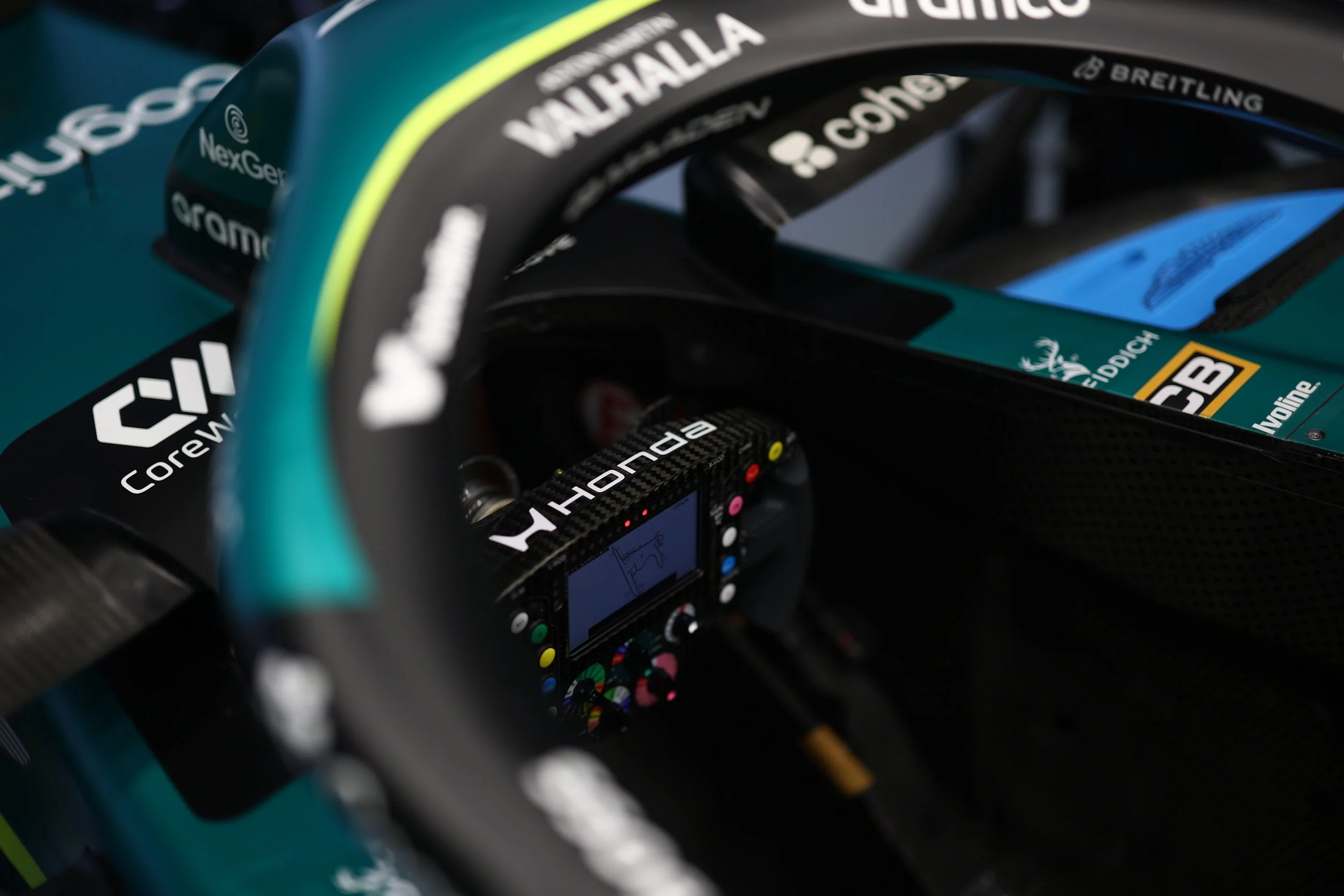
Image © Honda Motor Co. Ltd & Aston Martin Aramco. Used for editorial purposes.
“A team that looked in urgent need of time has suddenly been given rather more of it.”
If all of that was the hard-edged side of Aston Martin’s Formula 1 week, Jenson Button’s new Jenson’s Journal offered a softer and rather more human counterweight.
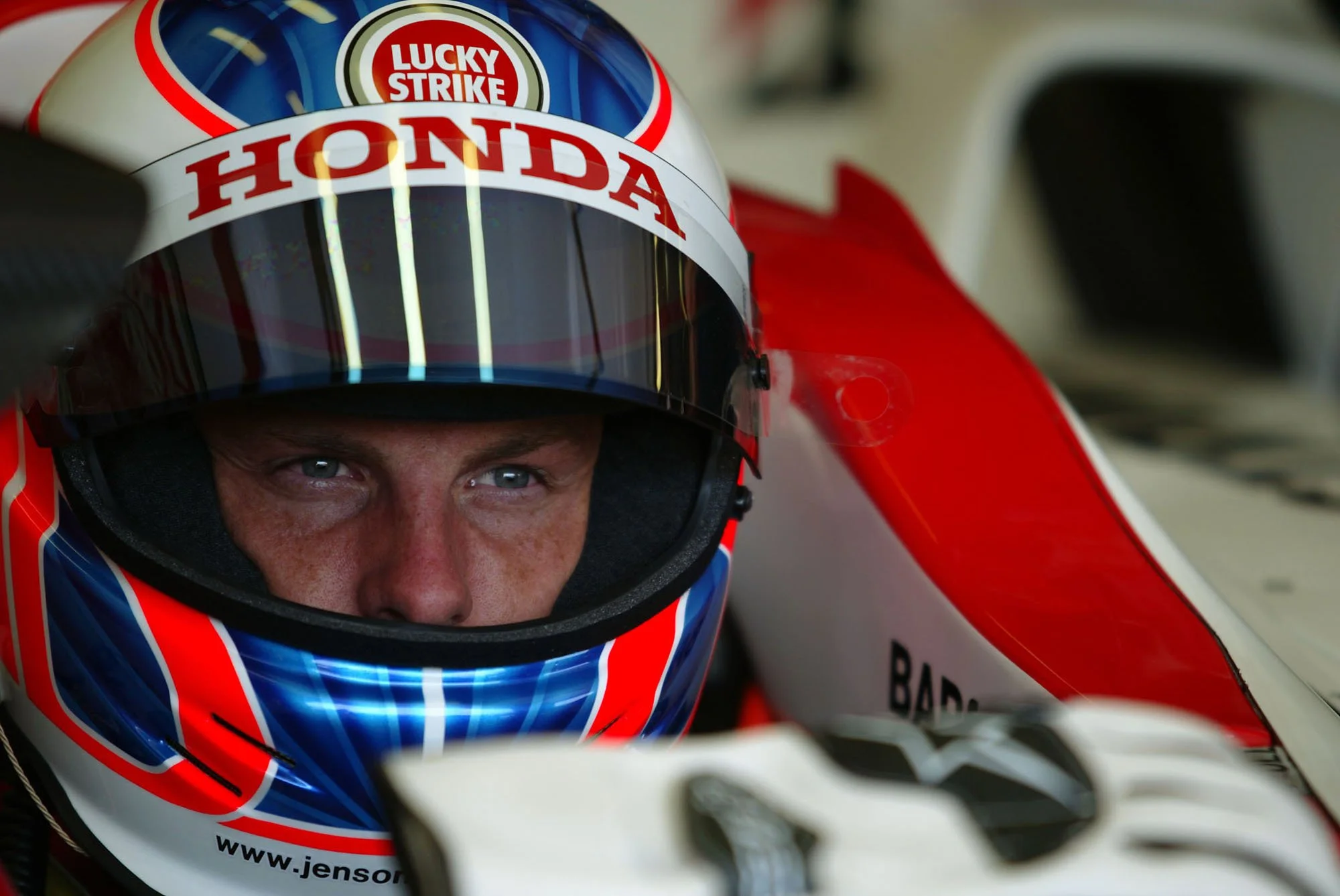
Image © Honda Motor Co., Ltd. Used for editorial purposes. Jenson Button, BAR Honda, 2003
Writing in his new role as Aston Martin Aramco’s Team Ambassador, Button reflected on why the Aston Martin name still carries such emotional pull for him, describing a marque he has admired since childhood and one he still associates with beauty, style and a kind of timeless appeal.
He also wrote warmly about the people inside the team, making the point that even amid a difficult start to the season there remains a real belief internally about where the project is heading.
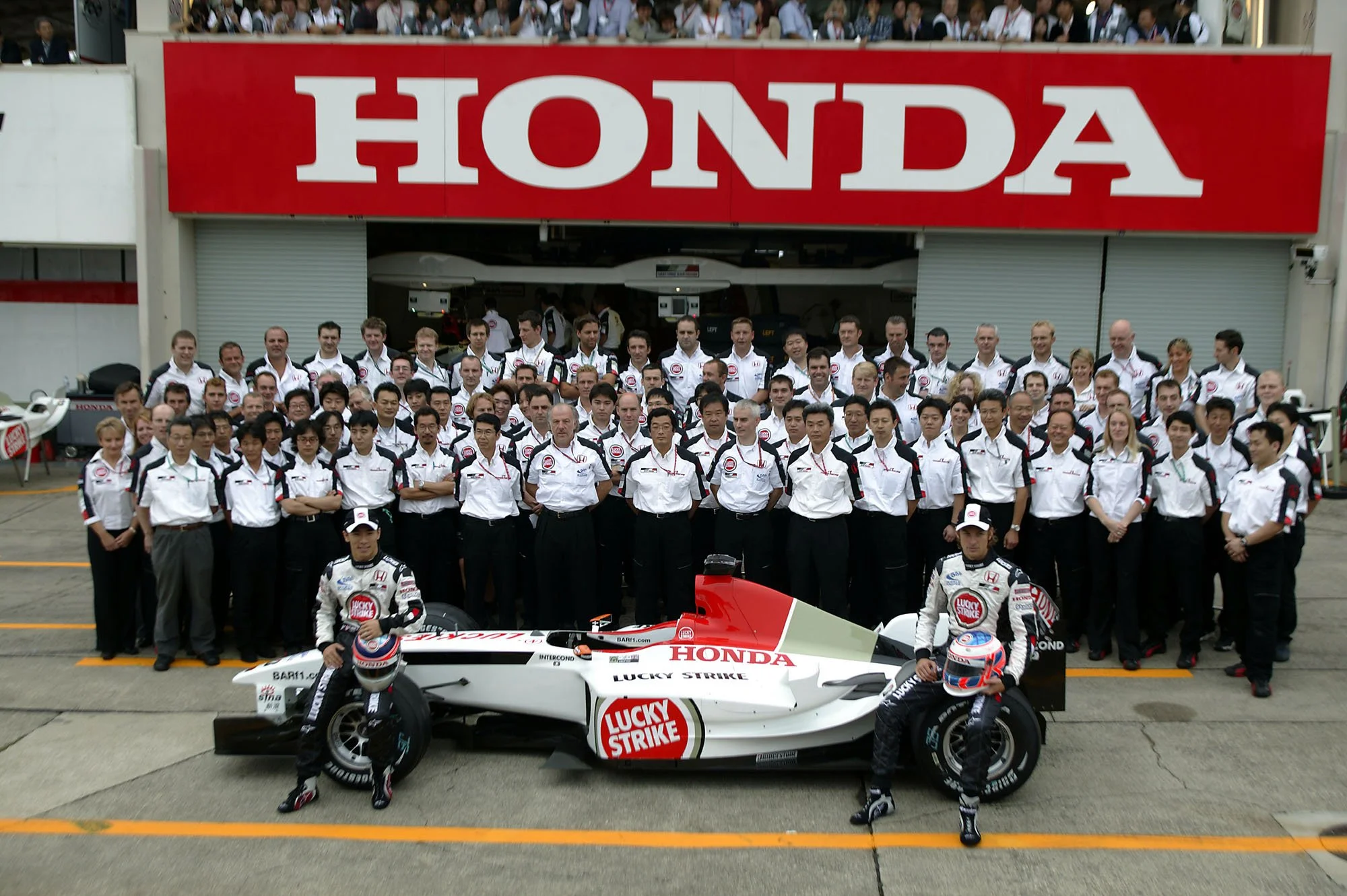
Image © Honda Motor Co., Ltd. Used for editorial purposes. BAR Honda, 2003
The piece works especially well because it brings together several threads at once. There is his fascination with Adrian Newey’s old-school brilliance, notebook in hand and still sketching ideas the traditional way; his long affection for Japan and Honda, with all the memories that relationship carries from his own career (see image above); and his respect for Fernando Alonso, whom he still clearly sees as one of the sharpest benchmarks in the sport. There is even a slightly more personal touch in the way he links himself and Alonso through their Japanese-inspired tattoos, the kind of detail that makes the piece feel more reflective than promotional.
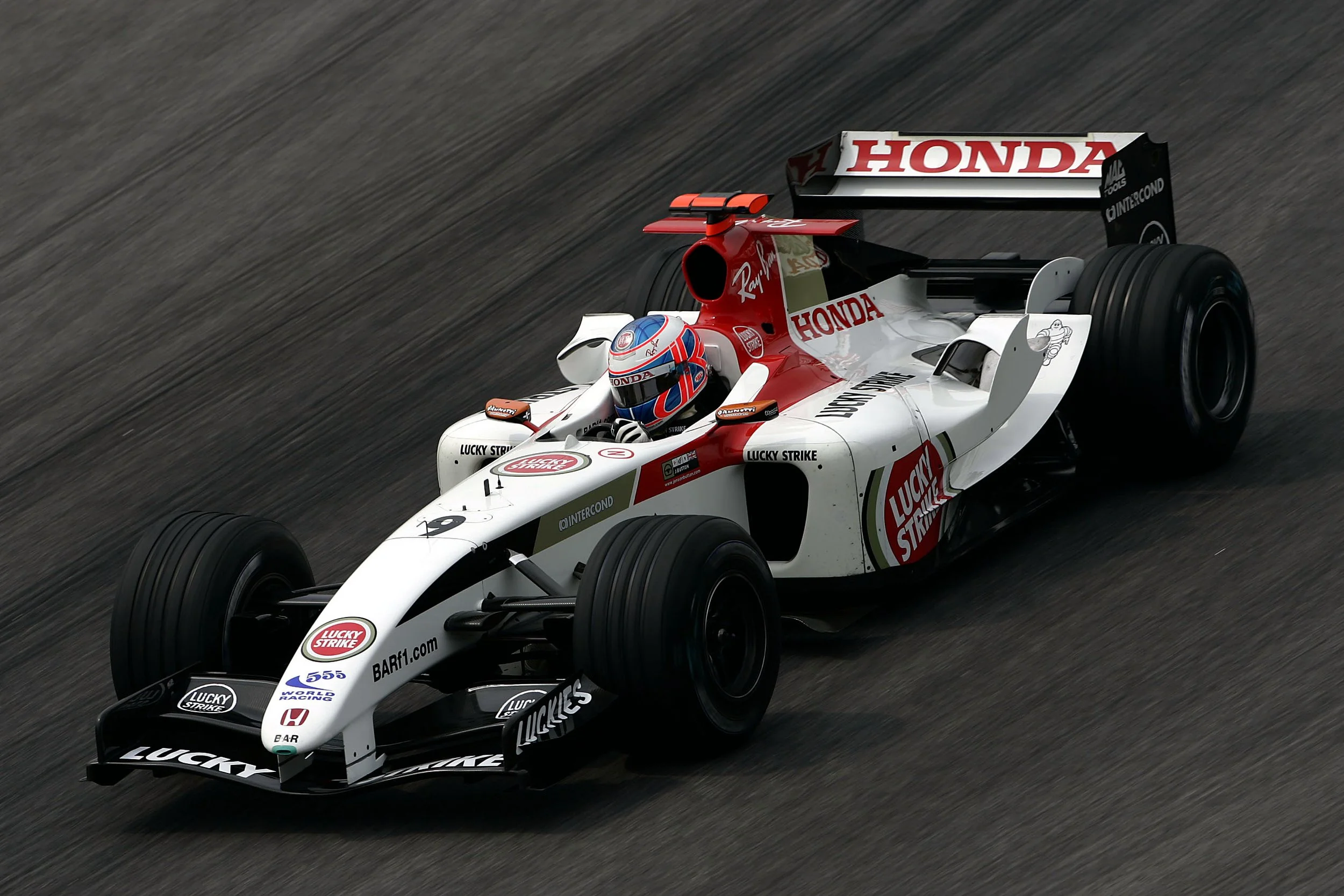
Image © Honda Motor Co., Ltd. Used for editorial purposes.
More than that, though, Button’s journal quietly reinforces a truth worth remembering amid the current turbulence: meaningful progress in Formula 1 is rarely instant.
His message is not naïve, and nor does it try to pretend the start to the year has been easy.
Rather, it suggests that Aston Martin still has people around it who understand both the scale of the challenge and the importance of patience. In a week dominated by vibration issues, calendar disruption and questions around structure, that quieter perspective is actually rather welcome.
From there, Aston Martin’s wider motorsport story becomes a little easier on the nerves, because beyond Formula 1 the marque’s racing presence this week is rather broader and, in places, rather more encouraging too.
Aston Martin Motorsport: Sebring, GTD Pole and Valkyrie Progress
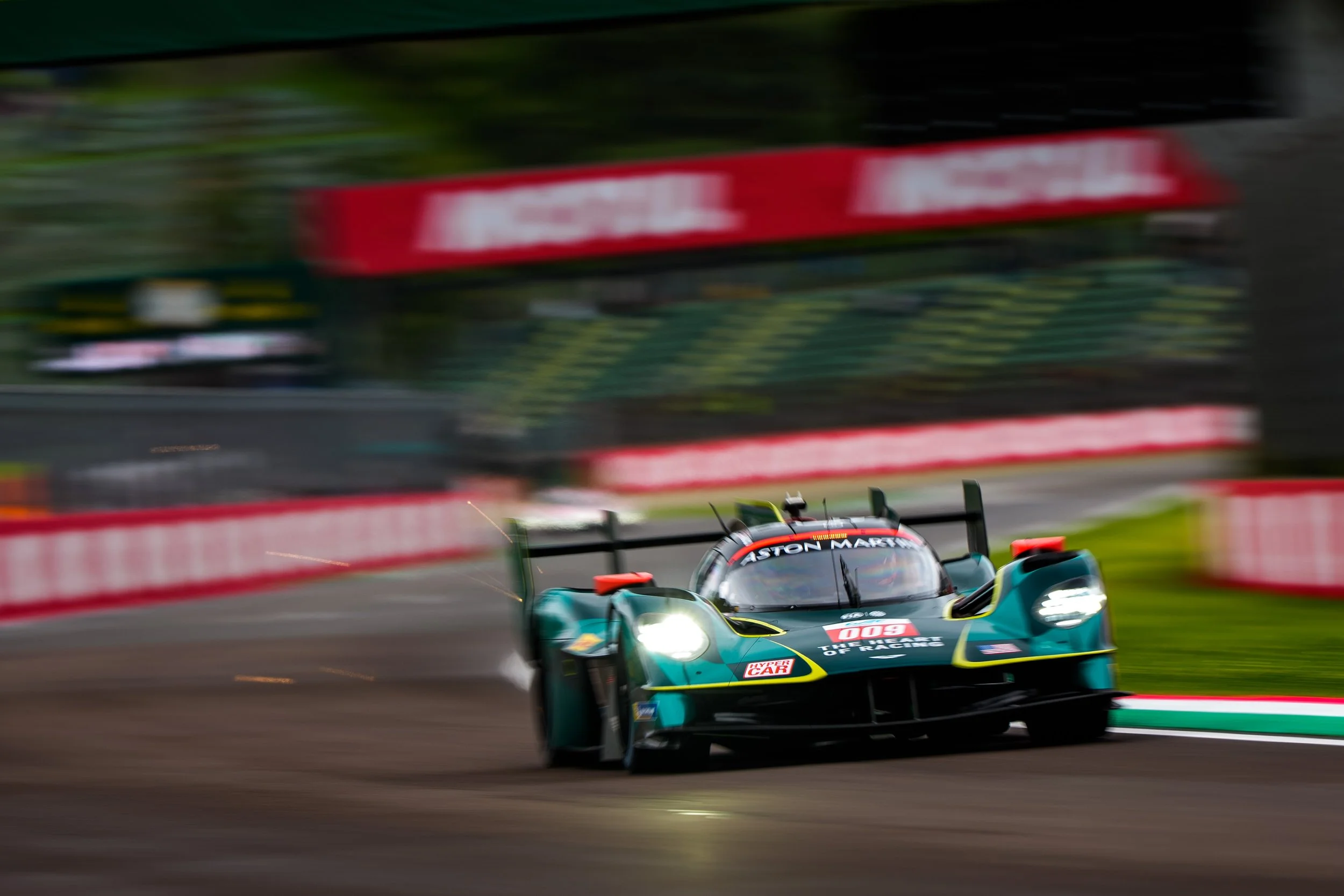
Image © Aston Martin Lagonda. Used for editorial purposes.
Beyond Formula 1, Aston Martin’s wider racing story takes in one of endurance racing’s great landmarks this weekend, with the Aston Martin THOR Team Valkyrie entered for the 74th Mobil 1 Twelve Hours of Sebring in Florida. For readers who do not spend their lives buried in sportscar calendars, this is worth setting out clearly: Sebring is one of the major long-distance races on the international calendar, and this event forms round two of the 2026 IMSA WeatherTech SportsCar Championship in the United States. The race meeting runs across 18th-21st March, with the twelve-hour race itself scheduled to begin on Saturday at 10:10am local time. So as this Weekly Roundup comes out on Sunday, the race by now would’ve concluded. We’ll cover this and how the team did, next week.
Aston Martin’s entry comes in the headline GTP class, the top category in the championship, and the #23 Valkyrie will be driven by Ross Gunn, Roman De Angelis and Alex Riberas. That is a strong line-up in its own right, blending Aston Martin familiarity with serious endurance-racing experience, and it underlines that this is not merely a symbolic appearance for the Valkyrie programme. The Heart of Racing’s event preview also notes that the team arrives at Sebring sitting 10th in the championship, giving the weekend a clear competitive context as well as a promotional one.
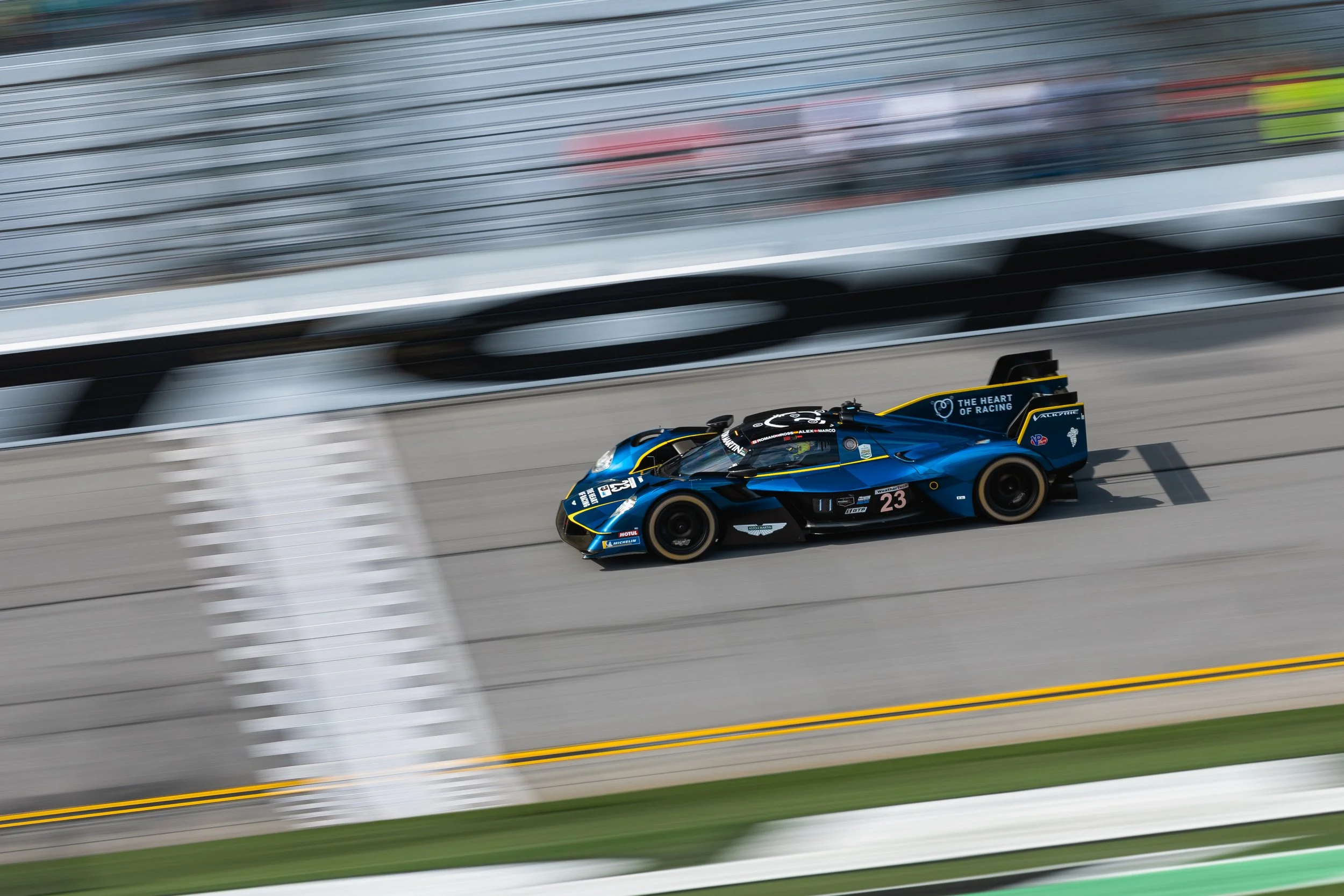
Image © Honda Motor Co., Ltd. Used for editorial purposes.
At the time of writing this, the qualifying results are in; In the headline GTP class, the No. 23 Heart of Racing / Aston Martin THOR Team Valkyrie AMR-LMH qualified 10th overall for the 2026 Mobil 1 Twelve Hours of Sebring, with Ross Gunn recording a best lap of 1:47.363. That placed the V12-powered hypercar on the fifth row of the grid and, while it was not a front-row challenge, it still kept the car within a tightly packed GTP field covered by little more than a second from first to last. Given the team arrived at Sebring looking to kickstart the season after a difficult Daytona, there is at least some encouragement in seeing Valkyrie back in the competitive mix, even if this remains very much a data-gathering and development phase.
“Alongside that, Aston Martin enjoyed a more outright qualifying success in the GTD class, where Heart of Racing’s No. 27 Aston Martin Vantage GT3 Evo claimed pole in IMSA’s pro-am GT3 category.”
Image © Aston Martin Lagonda. Used for editorial purposes.
Eduardo “Dudu” Barrichello, son of former Formula 1 driver Rubens Barrichello, became the first driver in the 19-car field to break the two-minute barrier and ultimately secured top spot with a lap of 1:58.856, just 0.124 seconds clear of the nearest Mercedes-AMG. It means Heart of Racing has now taken GTD pole at both opening rounds of the 2026 season, following the team’s earlier success at Daytona.
Taken together, it paints a more rounded and rather encouraging picture for Aston Martin at Sebring.
Valkyrie remains on its steep endurance-racing learning curve in the top class, qualifying 10th in a tightly packed GTP field and continuing the hard work of development at the sharpest end of international sports-car racing. But alongside that, the Vantage GT3 Evo gave Aston Martin a result worth properly celebrating, with Heart of Racing’s No. 27 car taking GTD pole thanks to Eduardo “Dudu” Barrichello’s superb lap.
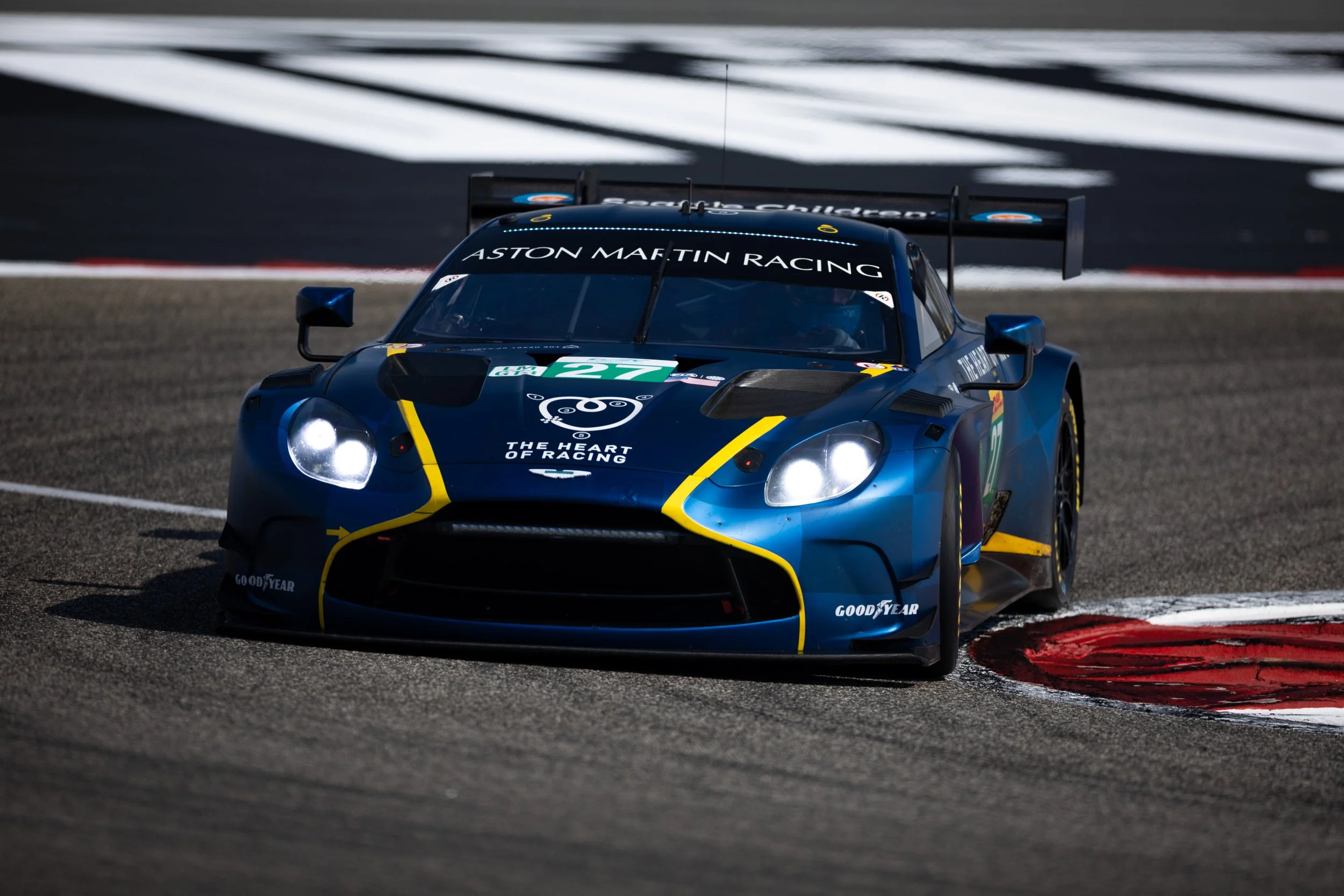
Image © Aston Martin Lagonda. Used for editorial purposes.
In other words, while one Aston Martin programme is still building experience, another is already delivering the sort of front-running performance that reminds everyone just how effective the Vantage GT3 platform has become.
There is also a neat sense of continuity about Aston Martin’s presence here. DailySportscar’s race preview points out that this Sebring appearance comes on the one-year anniversary of Valkyrie’s IMSA debut at the same circuit, which gives the story more texture than a simple entry-list note. Sebring is therefore not just another date on the calendar, but another marker in the development of Aston Martin’s modern top-flight endurance-racing effort. At the same time, the GTD pole shows that Aston Martin is not arriving merely to participate elsewhere on the grid, it is arriving with machinery capable of leading from the front in GT competition.
That matters for the bigger Aston Martin picture this week. So much of the conversation around the marque at present is understandably dominated by Formula 1 and the immediate problems facing the AMR26. But Sebring is a useful reminder that Aston Martin’s motorsport identity is broader than one paddock. Valkyrie continues to push forward in the premier prototype class, while the Vantage GT3 Evo is still doing what Aston Martin GT cars have long done best: turning up, qualifying strongly and giving the marque a proper competitive foothold.
Saturday Race update and brief overview; Encouragement and Heartbreak for THOR at Sebring
Just after the final edit of this week’s FTP Weekly Roundup, Sebring delivered a late story worth noting, even if only briefly for now. We’ll return to The Heart of Racing’s weekend in more detail in next week’s edition, because there is clearly more to unpack from both the Vantage GT3 Evo’s near-miss and the Valkyrie’s continuing development run.
At Sebring, The Heart of Racing delivered one of those weekends that felt both encouraging and frustrating in equal measure. On the GT side, the No. 27 Vantage GT3 Evo looked like the class benchmark for much of the 12 Hours, with Eduardo Barrichello taking a record GTD pole and the crew of Barrichello, Tom Gamble and Zacharie Robichon controlling the race for long periods, only for victory to slip away on the final lap after a small mistake at Turn 10 left them second behind AF Corse.
In the GTP class, the Valkyrie continued its hard early development path with a clean and promising run until a pit-stop re-fire issue after around eight hours cost the car significant time, but getting back out and reaching the finish was still a meaningful step forward for the new V12 programme on one of endurance racing’s toughest tests.
So while the final results only tell part of the story, the wider picture was still meaningful. For Aston Martin, Sebring offered both a reminder of how strong the Vantage remains in GT racing and why patience will be needed as the Valkyrie programme continues to build. If Formula 1 currently feels like the noisiest part of Aston Martin’s racing world, GT racing is telling a rather different story and few programmes illustrate that better than Blackthorn Racing’s increasingly ambitious 2026 campaign.
GT Racing Focus - Blackthorn Racing’s Expanding 2026 Campaign
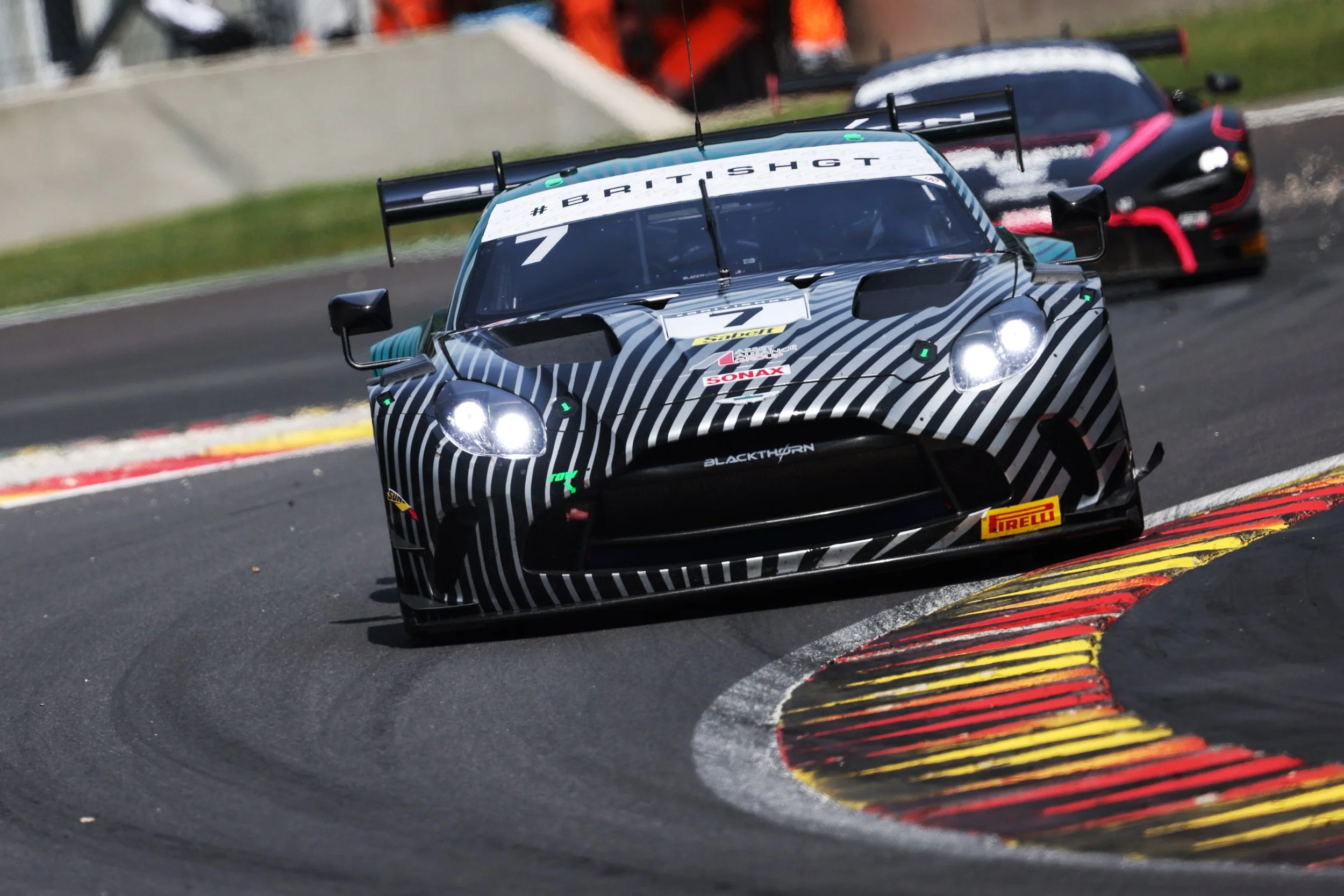
Image © Aston Martin Lagonda. Used for editorial purposes.
If Sebring shows the breadth of Aston Martin’s global motorsport footprint, Blackthorn Racing offers a reminder that the marque’s GT story is building momentum much closer to home as well.
More significant than any single driver announcement is the overall shape of Blackthorn’s 2026 season. This is not a token campaign or a one-series effort built around a handful of appearances. Instead, it is an ambitious three-pronged programme taking in GT World Challenge Europe, Michelin Le Mans Cup, and International GT Open, a spread that gives Aston Martin meaningful visibility across some of the most relevant GT platforms in Europe.
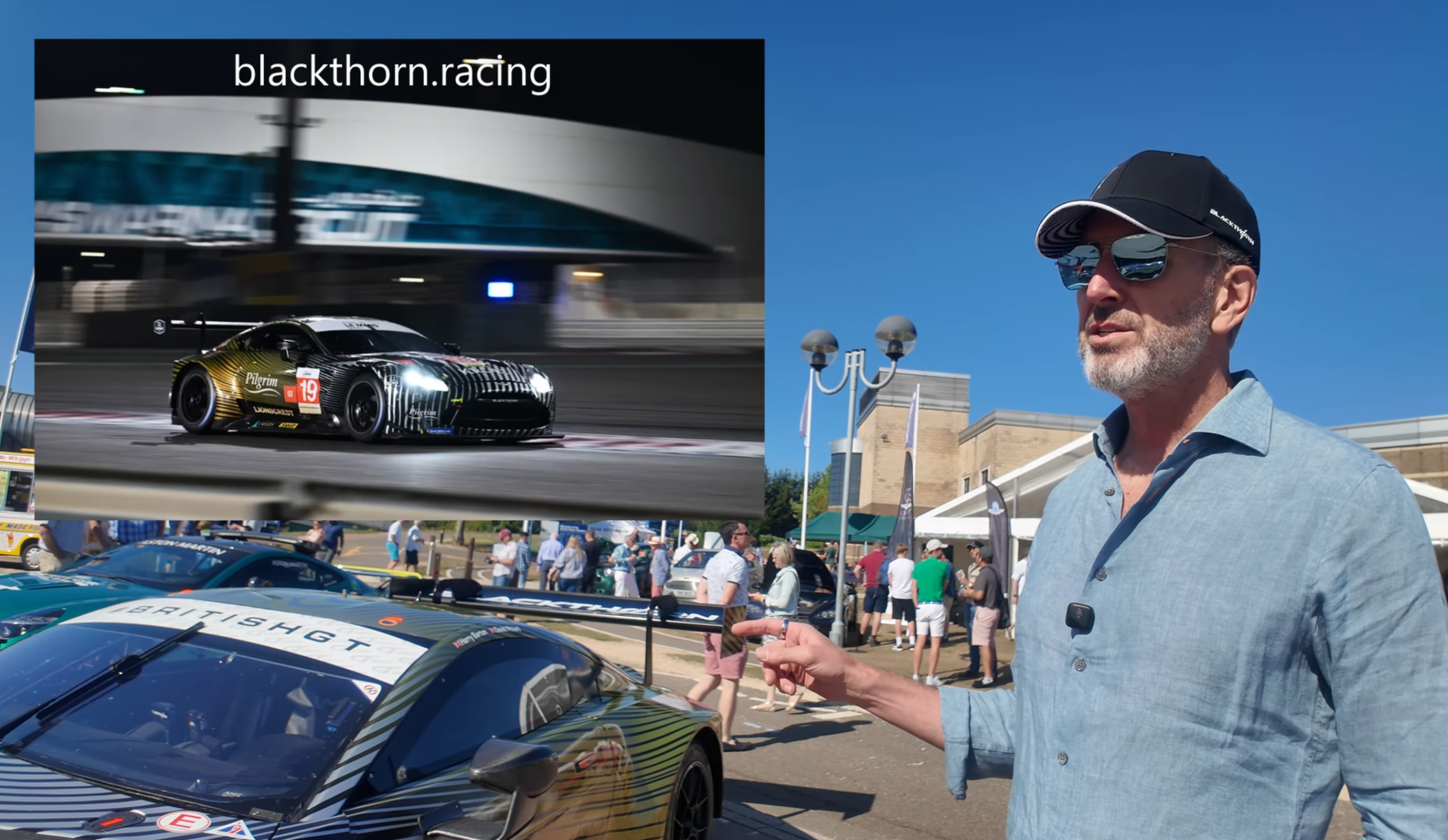
Image © Fuel the Passion & Blackthorn Racing
Publicly confirmed entries this spring have placed Blackthorn in International GT Open with its Aston Martin Vantage GT3 in Pro-Am, in GT World Challenge Europe Endurance Cup Bronze with the Écurie Écosse Blackthorn Aston Martin Vantage GT3 Evo, and back in Michelin Le Mans Cup with an Aston Martin GT3 programme led by Claude Bovet.
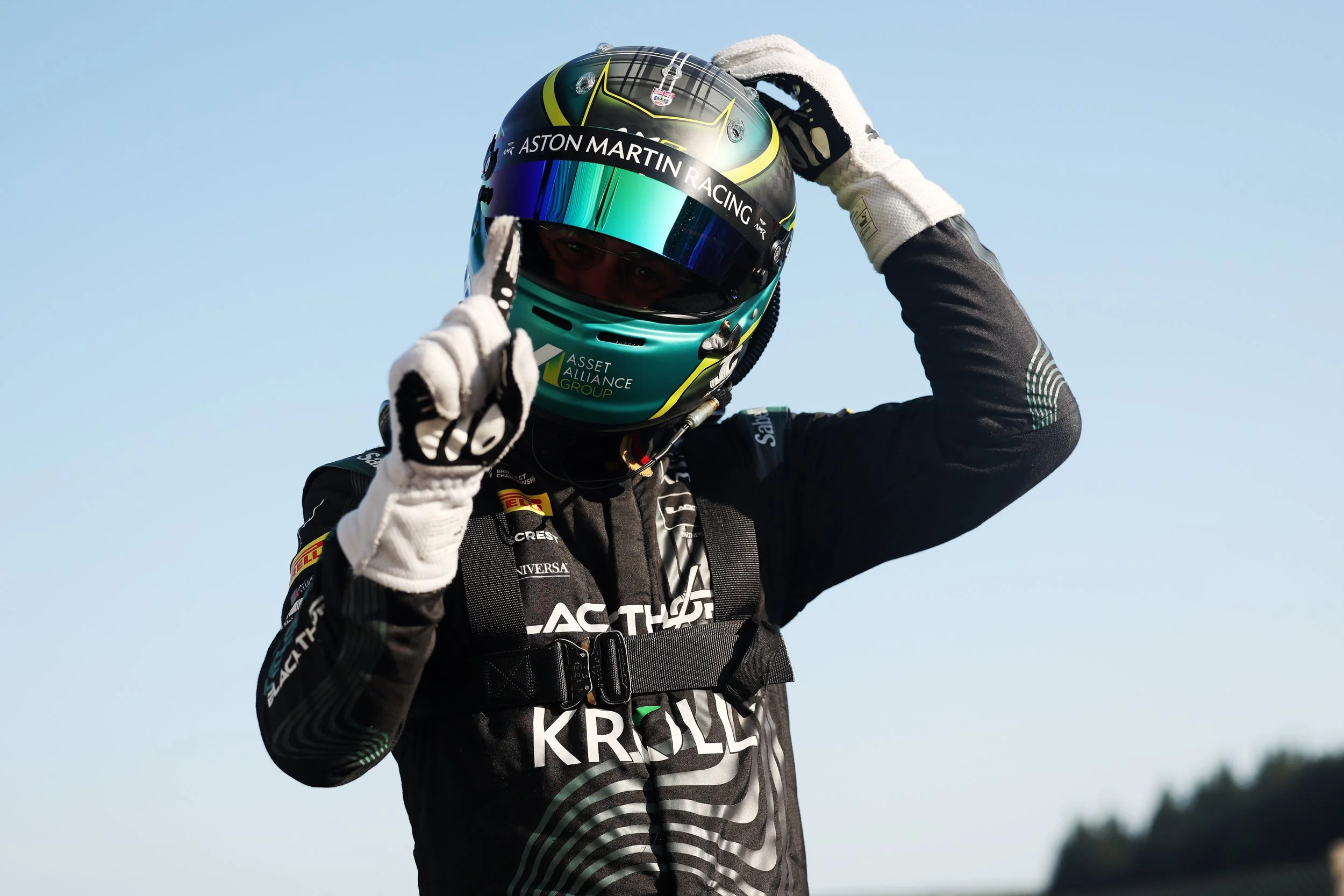
Image © Aston Martin Lagonda. Used for editorial purposes, Jonny Adam, Blackthorn
That matters, because it changes the way the team should be viewed. Jonny Adam’s return is still an important marker of intent, of course, and it tells you immediately that this is a serious programme.
But equally as bigger story, is the calendar itself.
In International GT Open, Blackthorn has built a season around Charles Bateman, with Jonny Adam featuring prominently and Henrique Chaves stepping in where schedules require. In Michelin Le Mans Cup, Claude Bovet anchors a parallel campaign that adds another layer to the team’s year and in GT World Challenge Europe, the Écurie Écosse Blackthorn strand places Aston Martin on a high-profile endurance stage against one of the strongest GT3 fields anywhere in the sport. That is a considerable undertaking for a team still very much in growth mode.
There is also something pleasingly coherent about the way the season now looks from a Fuel the Passion point of view. Thanks to the new countdown timer now live on the front page of this website, readers and myself, can now follow the campaign in proper calendar order as it unfolds, from Paul Ricard and Barcelona in April, through the spring and summer peaks of Brands Hatch, Spa, Monza and Road to Le Mans, and on into the autumn run toward Silverstone, Zandvoort, Portimão and Barcelona once again. It makes the programme feel real, tangible, and easy to follow, which is important because one of the biggest barriers to GT racing is often simply understanding where a team is racing, in which championship, and why it matters.
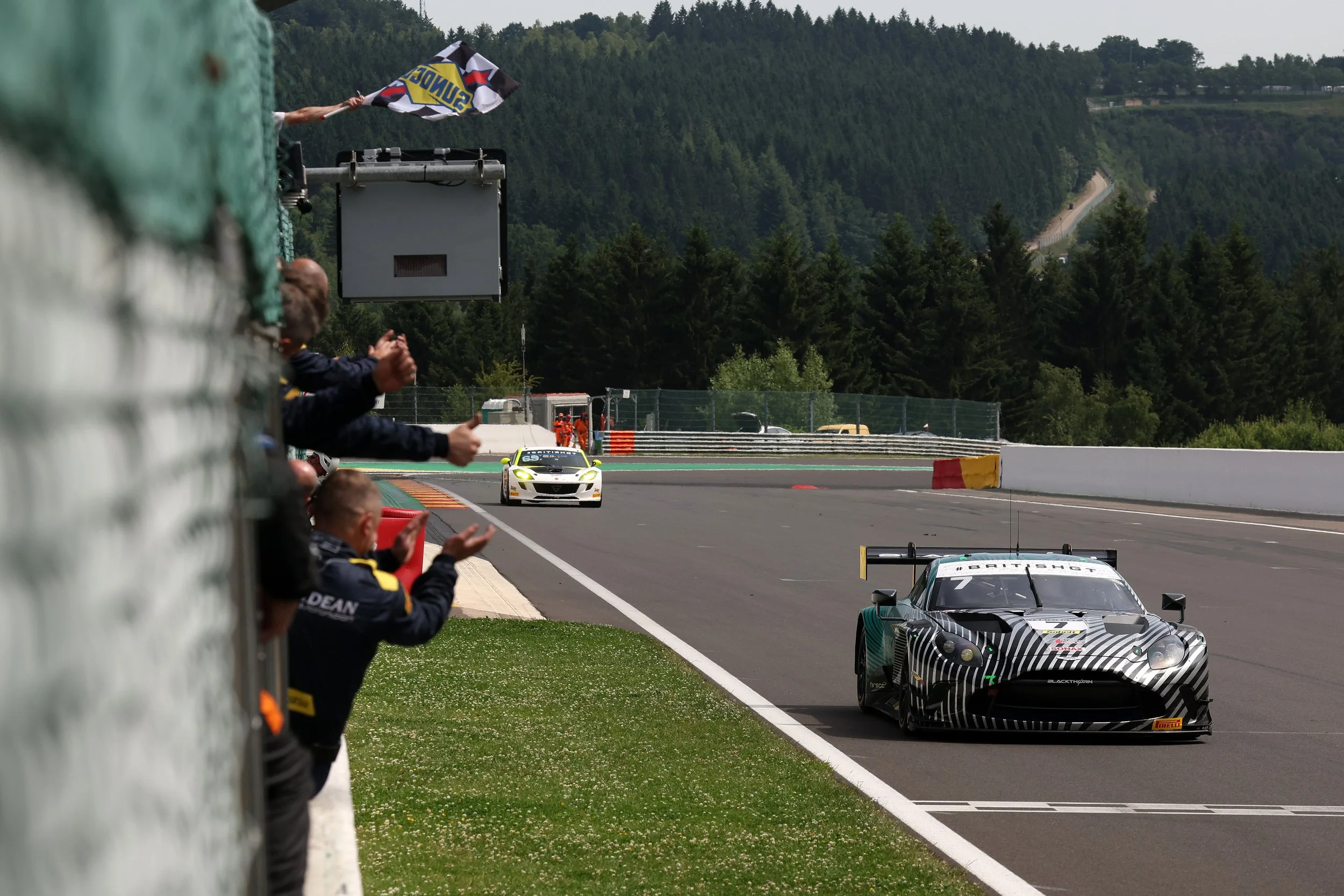
Image © Aston Martin Lagonda. Used for editorial purposes, Blackthorn wins at Spa
That clarity helps reveal the true shape of what Blackthorn is trying to do and why I’m trying to follow it more closely. This is a season built across sprint and endurance formats, across blue-riband events and supporting series, and across multiple Aston Martin customer-racing environments. In a year when Formula 1 has so far generated most of the noise, Blackthorn’s campaign offers a rather different Aston Martin motorsport story, one built less on pressure and speculation, and more on expansion, planning and visible ambition.
Blackthorn is not the only Aston Martin presence in the GT paddock either, because the wider customer-racing picture still has a little more to say.
GT Open / Good Speed Racing
Blackthorn’s programme is the headline Aston Martin GT story from a Fuel the Passion point of view, but it is not the only sign of life in the paddock. Alongside the stunningly liveried Blackthorn entry already discussed earlier in this roundup and, indeed, referenced in previous FTP Weekly Roundups when Jonny Adam’s return first came into view, Aston Martin will also be represented in the 2026 International GT Open by Good Speed Racing, which has committed to the full season in the Am class with the latest-generation Vantage AMR GT3 Evo. The GT Open calendar this year runs to eight rounds, beginning at Portimão in April and concluding in Barcelona in October, giving the team a proper season-long platform rather than a one-off appearance.
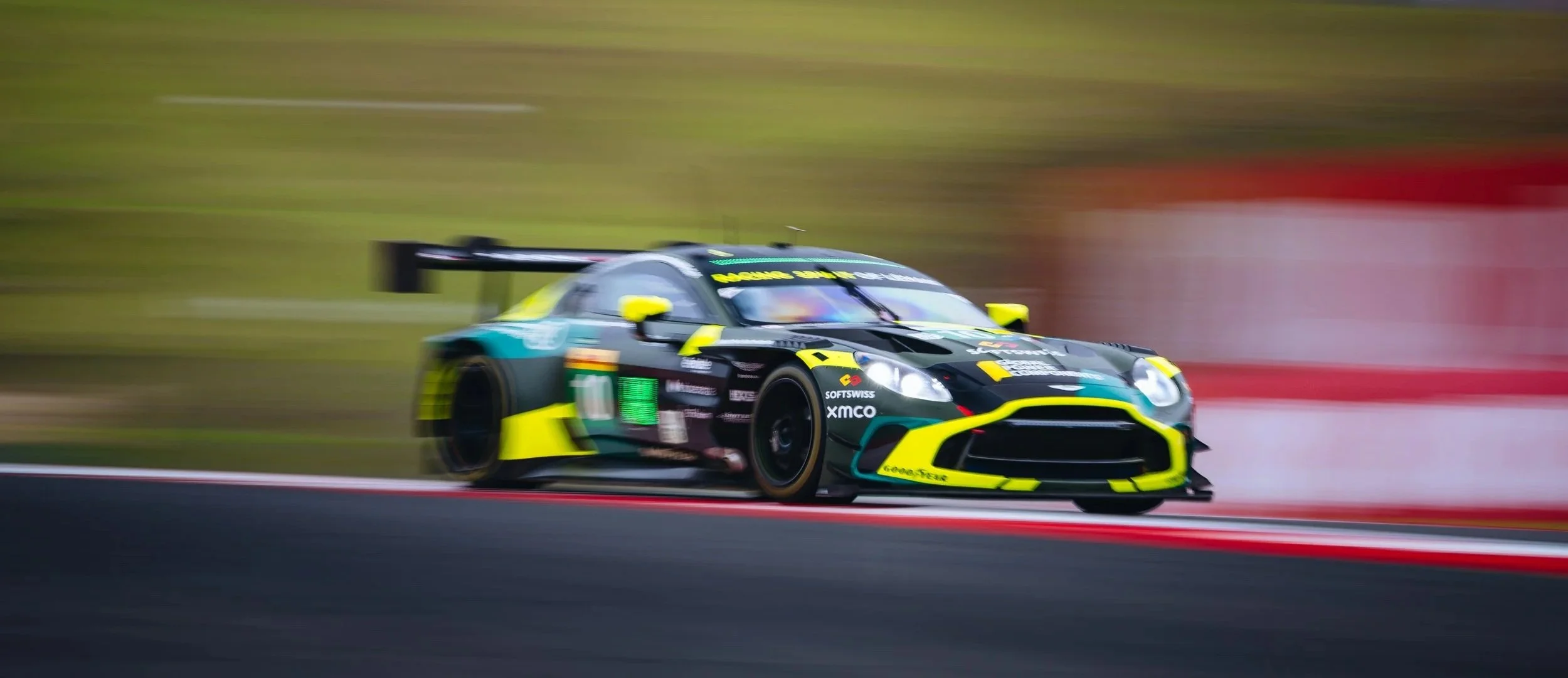
Image © Aston Martin Lagonda. Used for editorial purposes.
Good Speed’s driver pairing is Piotr Wira and Tomasz Magdziarz, both Bronze-rated, which places the programme firmly within the customer-racing side of Aston Martin’s competition world. That may sound like a smaller note compared with Blackthorn’s broader multi-series campaign, but it is still worth recognising because it reinforces a useful wider point: Aston Martin’s GT presence this season is not resting on one team, one championship or one storyline alone. Across the GT Open field, the marque continues to appear through multiple customer teams and at different levels of competition, which is exactly the sort of depth that helps keep Aston Martin visible and relevant beyond Formula 1.
From a Fuel the Passion perspective, that means Good Speed is a team worth keeping in view, even if Blackthorn remains the more direct storyline for us this season. Rather than trying to cover every GT Open round in exhaustive detail, we will keep tabs on Good Speed’s progress and report back through the year on any notable results, podiums, wins or standout incidents. That feels the right balance: enough to reflect Aston Martin’s wider customer-racing footprint, without losing sight of the bigger GT programme that Blackthorn is building across 2026.
From there, the story widens again, because while motorsport remains a major part of Aston Martin’s identity, the company’s weekly reality is also being shaped by the markets and by the broader economic pressures that owners feel just as much as investors do.
AML Stock Watch and Market Context

From the race paddock, attention then shifts back to the market and this remains a familiar strand of the Weekly Roundup rather than a fresh alarm bell. Aston Martin Lagonda’s share price has been under pressure for a long time now, so the purpose here is not to pretend each difficult week is some dramatic new revelation, but simply to keep track of how the picture is evolving and what that might mean in context.
This week, the mood around AML has again remained subdued. Market commentary continues to focus on the company’s long-running challenges: weak investor confidence, the burden of sustained losses, and the sense that Aston Martin is still some distance away from proving that its latest product and strategy reset can translate into the sort of financial consistency the market wants to see. That is hardly a new story, but it does remain the backdrop against which every fresh wobble in the share price is judged.
One of the more striking illustrations circulating this week came via outside investor commentary suggesting that a hypothetical £7,500 investment made only a few weeks ago would now be worth closer to £5,000. The example was deliberately blunt, but the maths behind it broadly holds up as a simple way of showing the scale and speed of the recent decline. Used carefully, it does make the point rather well: sentiment around Aston Martin remains fragile, and the market is still quick to punish any sense of under-delivery or additional uncertainty.
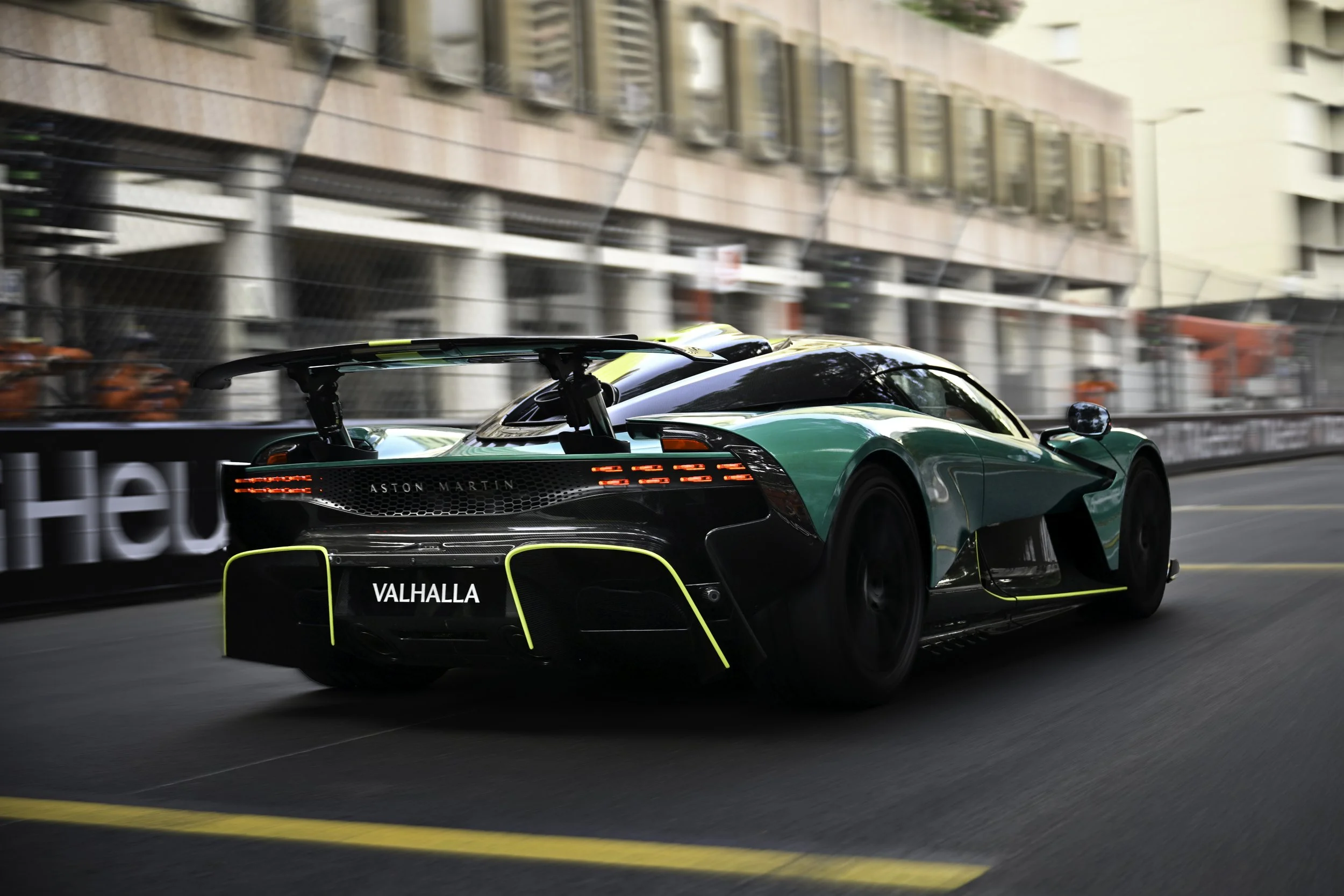
Image © Aston Martin Lagonda. Used for editorial purposes.
At the same time, it is important not to let the share price become the only lens through which Aston Martin is viewed. A weak valuation can tell you a great deal about sentiment, but it does not, by itself, tell the whole story of the business or the brand.
Importantly, as we’ve said numerous times before, Aston Martin still has product appeal, global recognition, a loyal enthusiast base, and a range of future hopes pinned to the renewed model line-up and the long-awaited arrival and now deliveries of Valhalla.
The problem, as ever, is that the market has heard versions of the recovery story before. What investors appear to want now is not promise, but proof. Aston Martin Lagonda closed at 38.50p on Friday 20th March, leaving the shares still stuck below the 40p threshold and only marginally above the 37.70p intraday low touched this week. That does not make this a fresh shock so much as another chapter in a longer-running trend. On the weekly closes we have been tracking, AML stood at 63.30p five Fridays ago. It now ends this week at 38.50p. In other words, the decline has not been a one-day wobble but a sustained slide, and that is exactly why this remains such an important monitoring strand in the roundup.
“The share price is best treated here as a weekly barometer of confidence, not as the only measure of Aston Martin’s worth.”
It tells us a great deal about sentiment around the business. It tells us far less about why people still care about the marque, the cars, or the community that surrounds them and that distinction matters, especially in a week when wider global forces are beginning to shape the mood as well. That wider backdrop matters too, because the war in the Middle East is not only moving markets, it’s also driving oil-price volatility, with consequences that can quickly work their way into the real-world running costs of Aston Martin ownership.
Oil Prices and the Wider Market Backdrop

Image © Fuel the Passion
This week, wider global pressures have started to intrude more visibly into the picture, not least through the sharp moves in oil markets caused by the escalating war in the Middle East. Brent crude surged above $119 a barrel on 19th March before easing back, while Reuters also reported earlier in the week that Brent had already moved through the $103 level as attacks on regional energy infrastructure intensified.
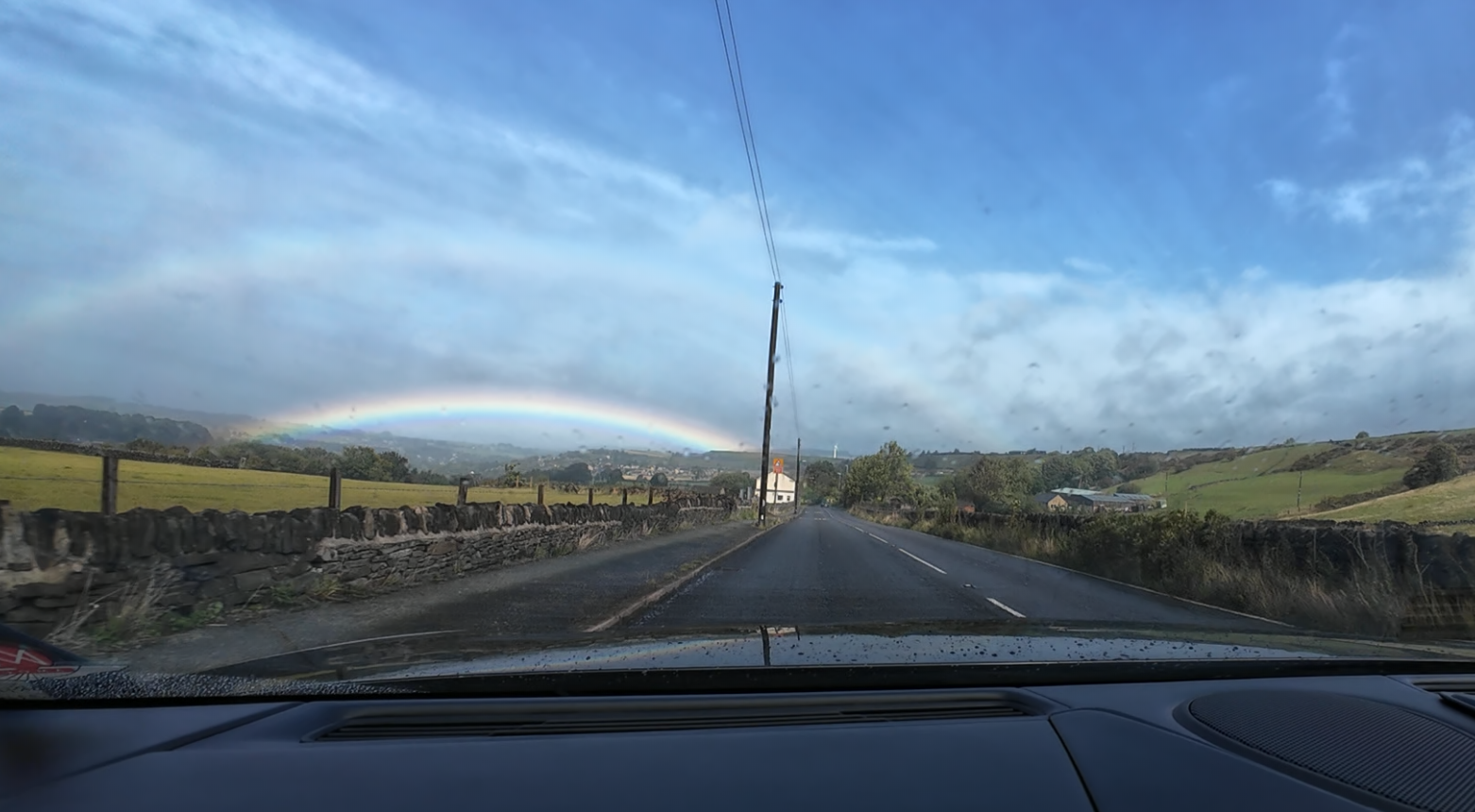
Image © Fuel the Passion
For Aston Martin owners, that matters in a very practical way. When oil rises sharply, it rarely stays as an abstract market headline for long. It works its way through to fuel prices at the pump, and that in turn affects the real-world cost of using these cars, whether that is a weekend drive, a longer touring trip, or simply keeping mileage flowing through a car that is meant to be enjoyed properly rather than parked up as a static ornament.
That does not suddenly make Aston Martin ownership impossible, of course, but it does alter the feel of things at the margins, especially when combined with the wider cost-of-living and inflationary pressures already sitting in the background.
There is also a broader Aston Martin angle here. Sustained high energy prices do not just affect owners filling up their tanks; they feed into the wider economic mood as well. Reuters and the Financial Times both noted this week that the latest energy shock is stoking inflation concerns and unsettling markets, with central banks and investors once again having to think about the risk of higher prices lingering for longer.
“For a luxury marque like Aston Martin, that kind of backdrop matters because sentiment at the top end of the market is rarely insulated completely from what is happening in the wider world.”
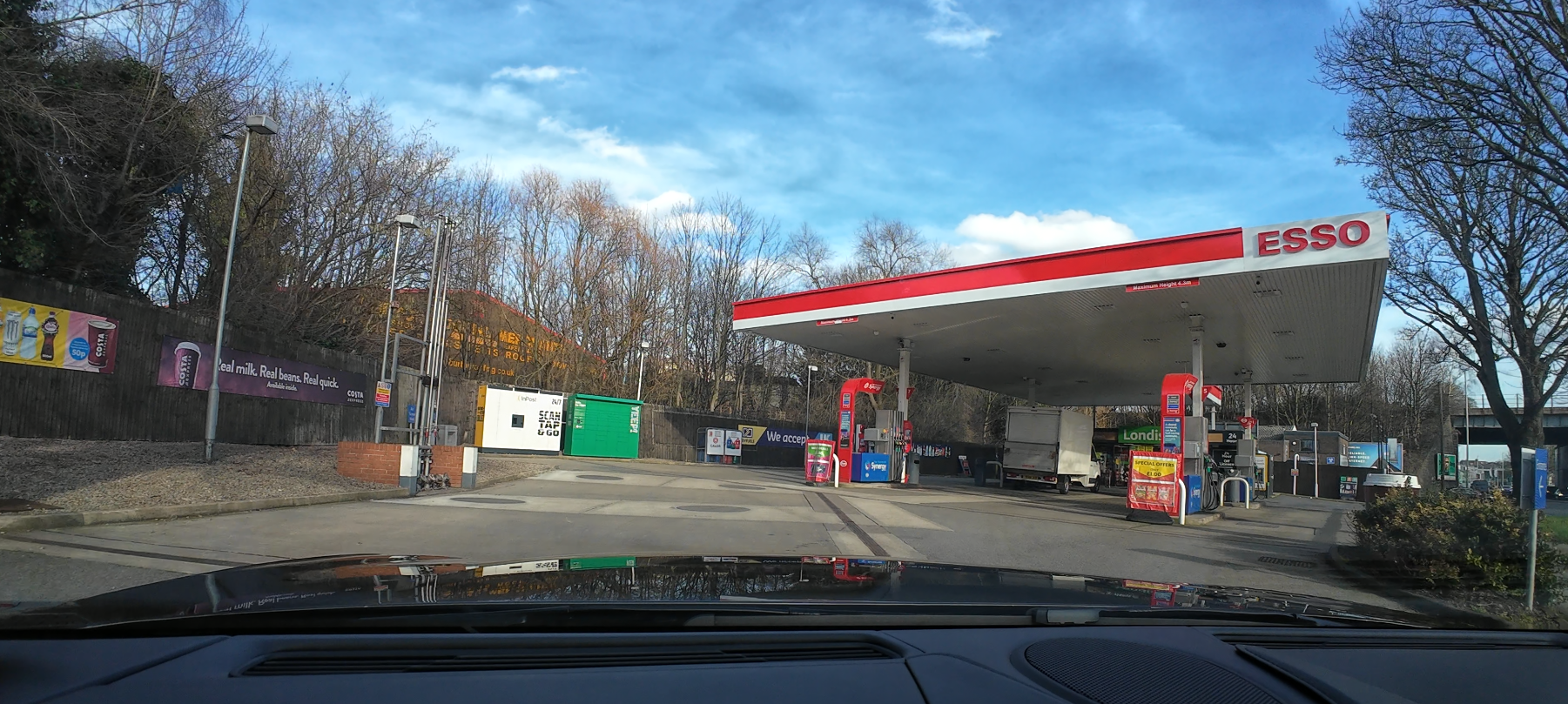
Image © Fuel the Passion
So while this is not a story about Aston Martin directly, it is still very much part of the environment the company and its owners are now operating in. We will keep monitoring it as weeks tick on, because if oil remains elevated, the knock-on effect on pump prices and running costs will become harder to ignore.
That, in turn, is another reminder that Aston Martin ownership never exists in isolation from the world beyond the showroom or the paddock.
For all that, the Aston Martin story this week is not defined only by pressure and cost. On the road-car side, there has also been a rather welcome reminder that the cars themselves are still earning the sort of praise that helps explain why the marque continues to matter so much.
Road Car Review - The New Aston Martin Vantage Through evo’s Eyes
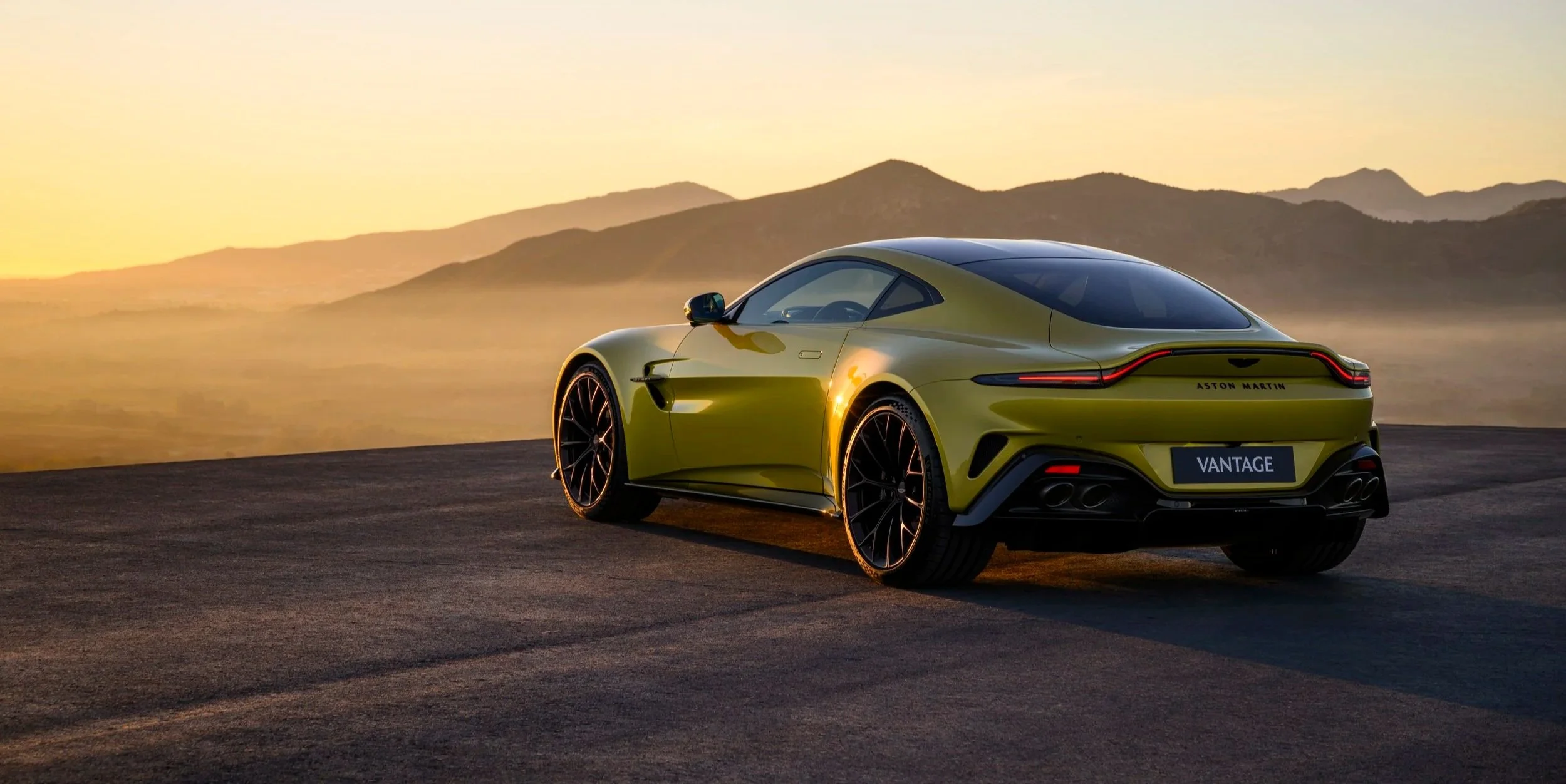
Image © Aston Martin Lagonda. Used for editorial purposes.
For all the noise surrounding Formula 1, the markets and the wider economic picture, it is worth pausing this week to recognise something rather more encouraging: the road cars themselves continue to earn serious praise.
That point was reinforced by evo this week in a detailed review of the latest Aston Martin Vantage, and what stood out was not simply that they liked the car, but why. Their verdict was that Aston Martin has managed something genuinely difficult here: a car capable of playing three roles at once; grand tourer, sports car and near-supercar, without feeling half-committed in any of them.
“In a market full of very fast machinery, that is no small compliment.”
The headline numbers, of course, are there to grab attention and are ones we are probably, by now, very familiar. With 656bhp, 590lb ft, a 0–62mph time of 3.5 seconds and a 202mph top speed, the latest Vantage has clearly been repositioned into more serious company. evo was quite clear about that. This is no longer a car to be judged against the softer end of the Porsche 911 range, but something intended to trouble the thinking around the 911 Turbo, Mercedes-AMG GT, and even cars from McLaren and Maserati.

Image © Aston Martin Lagonda. Used for editorial purposes.
Yet the review’s real enthusiasm was not for the numbers alone. It was for the way the Vantage apparently delivers them, through balance, feel, communication and a chassis that invites the driver in rather than simply overwhelming them.
That is a particularly important distinction. evo’s writers came away impressed by the front-end response, the consistency of the steering, the strength of the brake feel and the way the car carries its power without becoming intimidating. They described it as transparent, adjustable and even malleable at the limit, which is high praise for a front-engined V8 producing this much force. What seems to have pleased them most is that Aston Martin has not merely chased a bigger power figure, but gone back through the car in a much more fundamental way, structure, suspension, steering, electronics, brakes and overall feel, to create something more complete than the outgoing version.
It also ties in rather neatly with George Johnson’s recent FTP Guest Featured Article, which was the very first guest feature ever published on Fuel the Passion and, it is fair to say, George did a fantastic job.
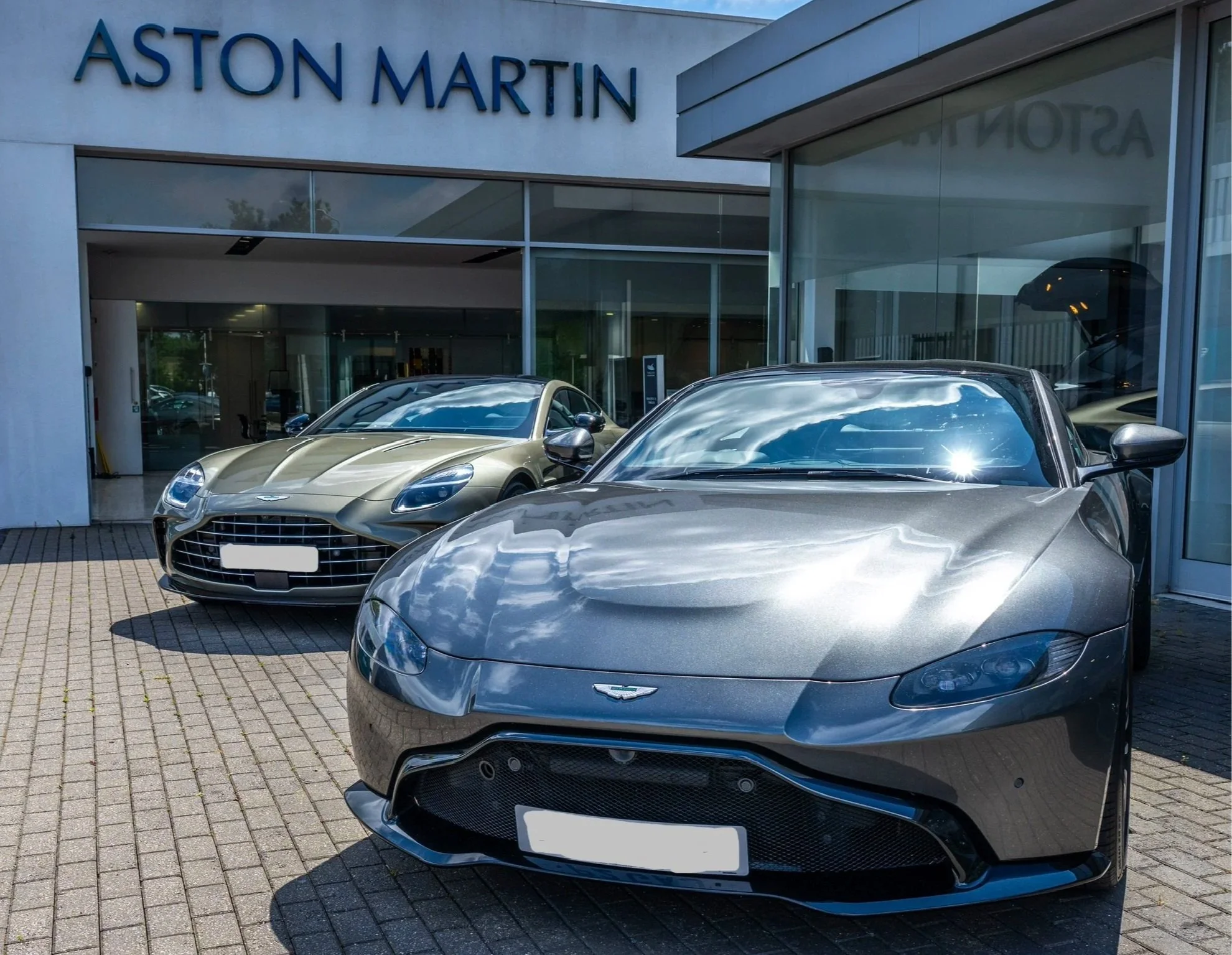
Image © George Johnson 2026. Reproduced with permission.
His piece explored whether stepping up from the previous-generation Vantage to the latest model was genuinely worth doing, and his conclusion was that, yes, it is. He has no buyer’s remorse over the change, and the longer he has lived with the car, the more he has appreciated the improvements in the 2025 model. That gives this week’s evo verdict some useful real-world support, because it suggests the enthusiastic press reaction is not simply launch-day excitement, but something that can also stand up to ownership experience.
If you have not yet had the chance to read George’s article, or you may be reading the FTP Weekly Roundup for the first time, in which case, welcome by the way, you can read it HERE.
What George adds, of course, is the layer a magazine road test cannot fully provide. His own experience has not been fault-free. There have been software glitches, warning lights, a few physical warranty snags, some vibrations and the sort of early niggles that can creep into any complex modern performance car. Yet his broader view remains positive, helped in no small part by supportive dealer involvement and factory-backed updates. That nuance matters. It means we can say, with some confidence, that the latest Vantage appears to be a meaningful step forward, while still being honest that the ownership experience may depend partly on how well the inevitable early issues are handled.
That balanced picture is reflected in evo’s own criticisms too. Their view was not unreservedly glowing. Two areas stood out in particular: the ride quality, which they felt could be brittle on coarser roads and a little too firm at lower speeds, and the touchscreen interface, which, while improved over older Aston Martin systems, still sounded fiddly in places.
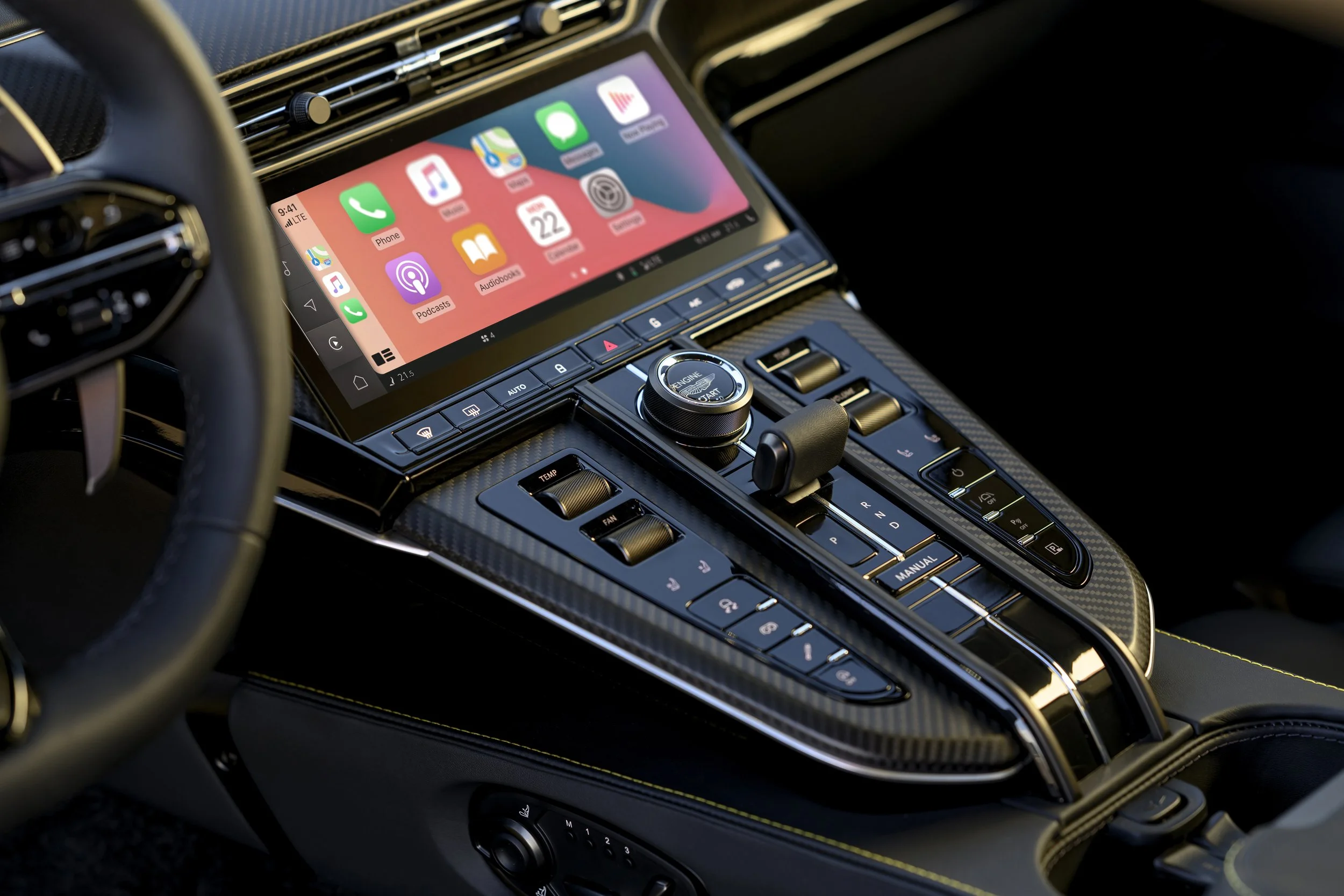
Image © Aston Martin Lagonda. Used for editorial purposes.
Again, that actually lines up quite well with George’s observations about building up “muscle memory” with the controls and learning the new car over time. In both cases, the message is similar: this is a better, more capable Vantage, but it asks a little more of the driver in return.
Even so, the overall takeaway is strongly encouraging. In evo’s eyes, Aston Martin has produced a car with real breadth, one that combines GT comfort, sports-car adjustability and near-supercar theatre in a way that very few rivals manage convincingly. In recent weeks where so much Aston Martin coverage has centred on Formula 1 trouble and ongoing financial pressure, that is worth dwelling on for a moment.

Image © Aston Martin Lagonda. Used for editorial purposes.
“Whatever the wider noise may be, the people building the road cars still seem to know how to create something very special.”
That also makes this week’s Car of the Week feel like a natural continuation of the story, because if the latest Vantage is helping to remind people what Aston Martin can still do so well, the next car takes that drama in a rather more emotional direction.
Car of the Week - V12 Vantage Roadster at HWM
If the latest Vantage shows where Aston Martin is taking its modern sports car, this week’s Car of the Week is a reminder that the marque still knows how to wrap drama, rarity and elegance into one very special package.

Image © HWM Aston Martin. Used for editorial purposes.
The car in question comes from HWM Aston Martin in Walton-on-Thames: a 2023 Aston Martin V12 Vantage Roadster, showing 2,362 miles and offered at £189,950. On rarity alone it deserves attention.
Only 249 V12 Vantage Roadsters were built worldwide, which already places it firmly in modern collectible territory. But what makes this particular example especially interesting is not just the production number. It is the way it has been specified.
Finished in Arden Green, this is a V12 Vantage Roadster that takes a slightly more restrained path than many examples of the breed. Most notably, it is a non-aeropack car, meaning it does without the prominent rear wing that has become such a defining part of the model’s more aggressive look. The result is a cleaner, more elegant silhouette, and to my eye, one that suits the Roadster especially well. It still has all the theatre you would expect from a limited-run V12 Aston Martin, but with a little more of the marque’s traditional grand touring grace left intact.
That restraint only makes the detail work more effective. The exposed carbon-fibre lower body package, picked out with a fine accent line, gives the car real intent without overwhelming it. The stance remains serious, with lightweight wheels, carbon ceramic brakes and all the visual confidence expected of a V12 Vantage. But because the specification has not been pushed too far, in my opinion, the whole car feels more resolved and, in some ways, rather more special.
Inside, the same approach continues. The green and ivory interior lifts the cabin away from the darker, more familiar performance-car formula and gives it a more tailored, almost bespoke feel. It is a useful reminder that Aston Martin’s greatest strength has often lived in this very balance, power and sophistication, muscle and elegance, occasion and comfort.
That is probably the real charm of this particular car. The V12 Vantage is often seen as the most extrovert version of the modern Vantage idea: loud, fast, dramatic and unapologetically assertive. But this Roadster reveals another side to it. The same ingredients are all still here, the rarity, the performance, the sense of occasion, but arranged with a little more maturity.
To help bring that specification to life, I’ve included HWM’s own walkaround video of this exact car below. Simply click the image to watch. It is well worth doing, because the video gives a far better sense of the colour, the finish and the overall character of the car than photographs alone ever can.
In short, this is not just an interesting V12 Vantage Roadster because it is rare. It is interesting because it shows how much difference the right specification can make. The result is a car that still feels dramatic, but not overstated, and that feels, in its own way, unmistakably Aston Martin. If you’re interested in this specific car, call HWM Aston Martin on 01932 506959. I have a feeling this won’t be available for long.
In a week where the wider Aston Martin story has often leaned towards pressure and uncertainty, cars like this are a useful reminder of why the marque continues to hold such appeal in the first place.
Dealer and Retailer News
If this week’s Car of the Week reminds us how special the cars themselves can be, the next part of the Aston Martin story is about the people representing the brand day to day. There was some genuinely encouraging news on that front this week, with Aston Martin Bristol being named Dealer of the Year at the global Wings Awards, while also contributing to the UK & South Africa Sales Team of the Year recognition.
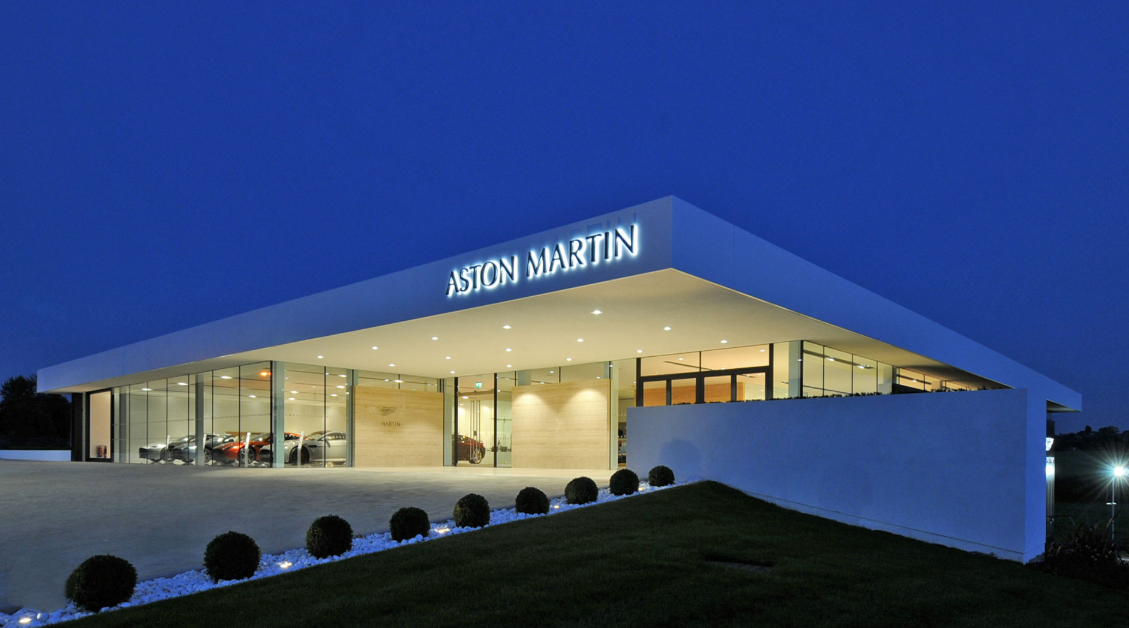
Image © Fuel the Passion
That is no small achievement. These awards are judged across Aston Martin’s wider retail network and reflect far more than simple sales performance alone, taking in areas such as customer service, aftersales support, marketing and team development.
That matters because, for most owners, the dealership experience is the Aston Martin brand in real life. Long before the share price, Formula 1 strategy or corporate headlines enter the picture, it is the local dealer who shapes how the marque feels to live with. A good dealership can make ownership easier, warmer and more reassuring; a poor one can do the opposite very quickly.
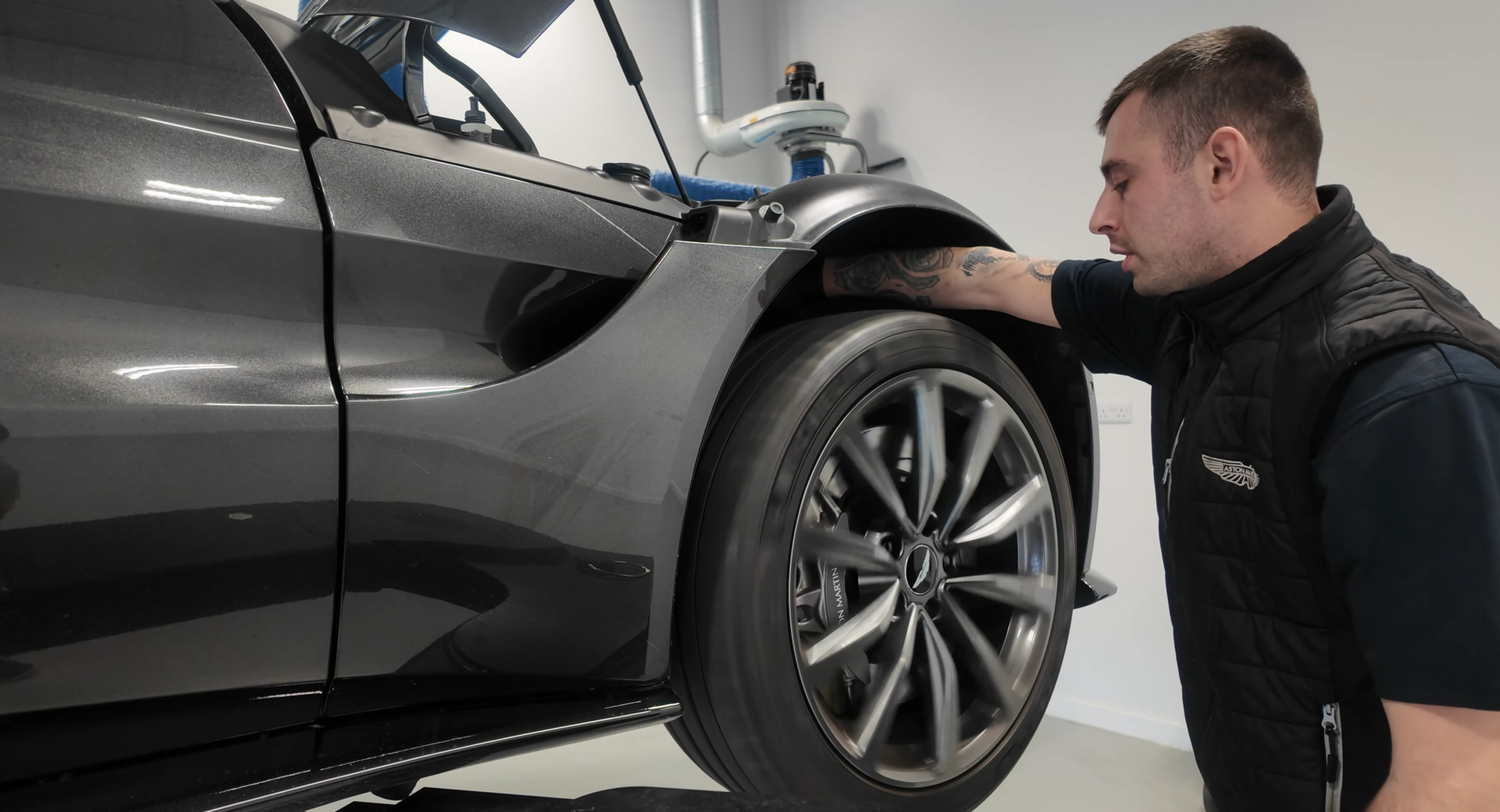
Image © Fuel the Passion
That point matters to me personally too, and it is one of the reasons I have gone back to JCT600 Aston Martin Leeds.
The team there are always friendly and welcoming, and Brendan now feels like someone who genuinely knows the FTP Vantage inside out, which is hugely important when it is your own car and you care about the details.
That familiarity, trust and continuity make a real difference.
So while the Bristol award may not command the same attention as some of the bigger stories elsewhere in this week’s roundup, it is still worth pausing on. It suggests that, beneath the pressure and noise currently surrounding Aston Martin in some areas, there are still so many parts of the business performing at a very high level. That, in many ways, is one of the recurring themes of this week’s edition. The Aston Martin world is rarely moving in just one direction at once. While Formula 1 wrestles with a difficult start and the market continues to ask tough questions, the strength of the dealer network offers a quieter but important reminder that excellence at ground level still matters and still exists.
From there, it feels natural to move into the deeper historical side of the marque, because beyond the showroom and the race circuit, Aston Martin’s heritage remains one of the richest parts of the whole story.
Heritage and Reading Corner
If the dealer network represents Aston Martin in the present tense, heritage is where the marque continues to draw so much of its long-term strength. It is one of the reasons the brand can absorb difficult periods and still retain such emotional pull: the story is simply too rich, too varied and too deeply rooted to be reduced to a single quarter, a single race result or a single headline.
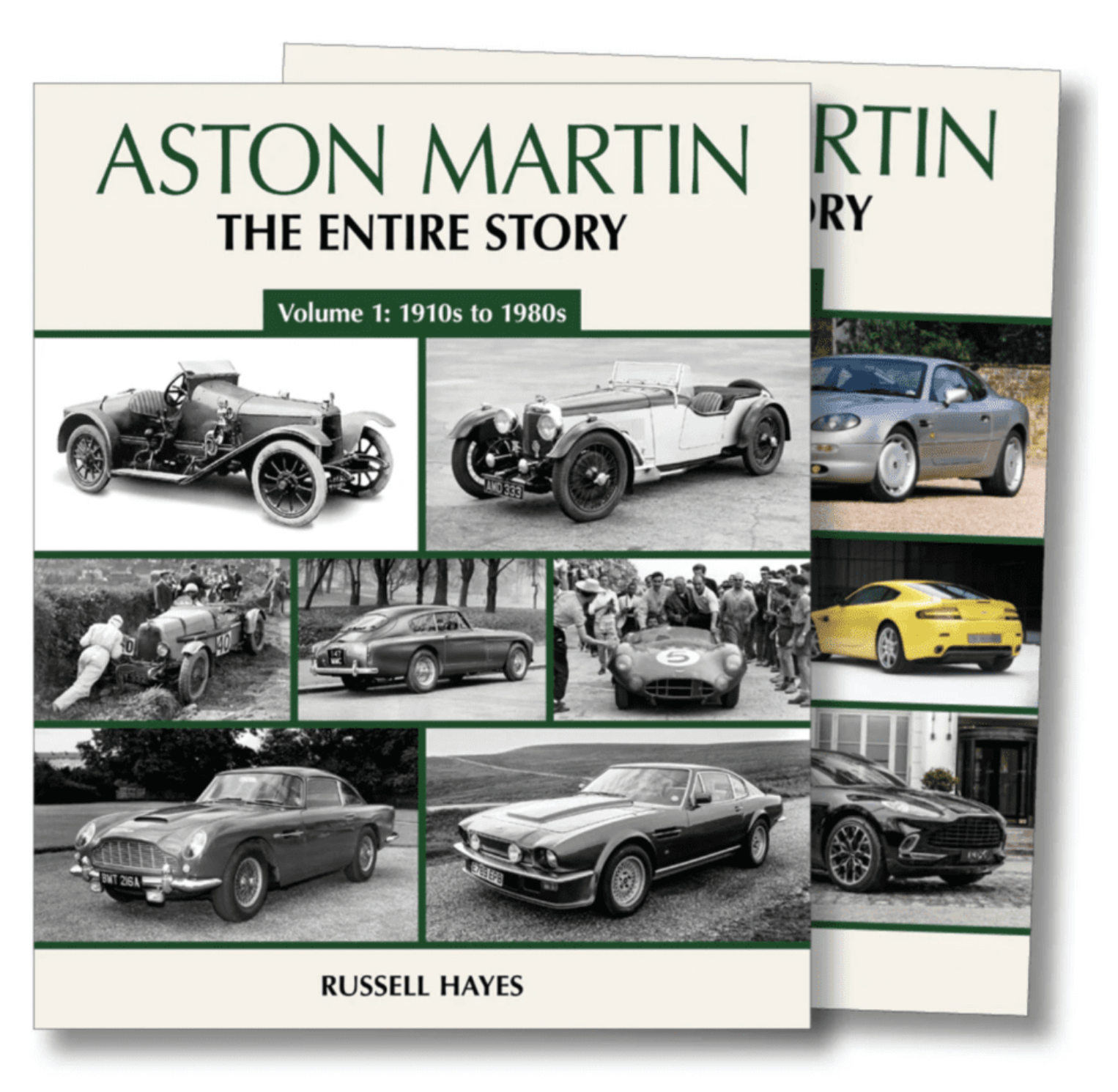
Image © Aston Martin Heritage Trust, editorial use
There was a good example of that this week through the Aston Martin Heritage Trust, which has released a new podcast episode featuring Russell Hayes discussing his new two-volume work, Aston Martin – The Entire Story.
That title alone tells you the scale of the ambition, and it sounds exactly the sort of project likely to appeal to readers who enjoy the deeper, better-documented side of Aston Martin history rather than the shorthand version. With Garry Taylor hosting, the episode promises a thoughtful conversation around the people, turning points and archival threads that help define the marque across the decades.
For Fuel the Passion readers, that also creates a very natural link back into the wider FTP world, because Russell Hayes’ book is already featured in the FTP Book Library. In other words, this is not just a passing podcast recommendation, but part of a broader invitation to spend time with Aston Martin’s story properly, through books, archive material and the sort of slower reading that helps place today’s headlines in context. If you have not yet explored that side of the site, this is a good excuse to do so. If interested in finding out more, just click on the book above. Purchases made via this link may provide a small contribution to Fuel the Passion, at no extra cost to you, supporting the ongoing creation of independent content and research.
There was also a more sobering heritage-related note this week, with the news that Classic Motor Cars has entered liquidation. What makes Classic Motor Cars notable is that the Bridgnorth premises were not simply a showroom with a few old cars parked outside. The business, founded in 1993, built its reputation around classic-car restoration, servicing, repairs, storage and sales, with a particular historic strength in Jaguar restoration while also taking on significant non-Jaguar projects. I’m not familiar with the business myself, but listings and company descriptions tied to the firm describe a large modern facility at Building 9, Stanmore Business Park, Bridgnorth, with specialist areas including servicing bays, a machine shop, electrical workshop, body shop, trim shop, paint shop, final assembly area, storage facilities and a showroom for cars offered for sale.
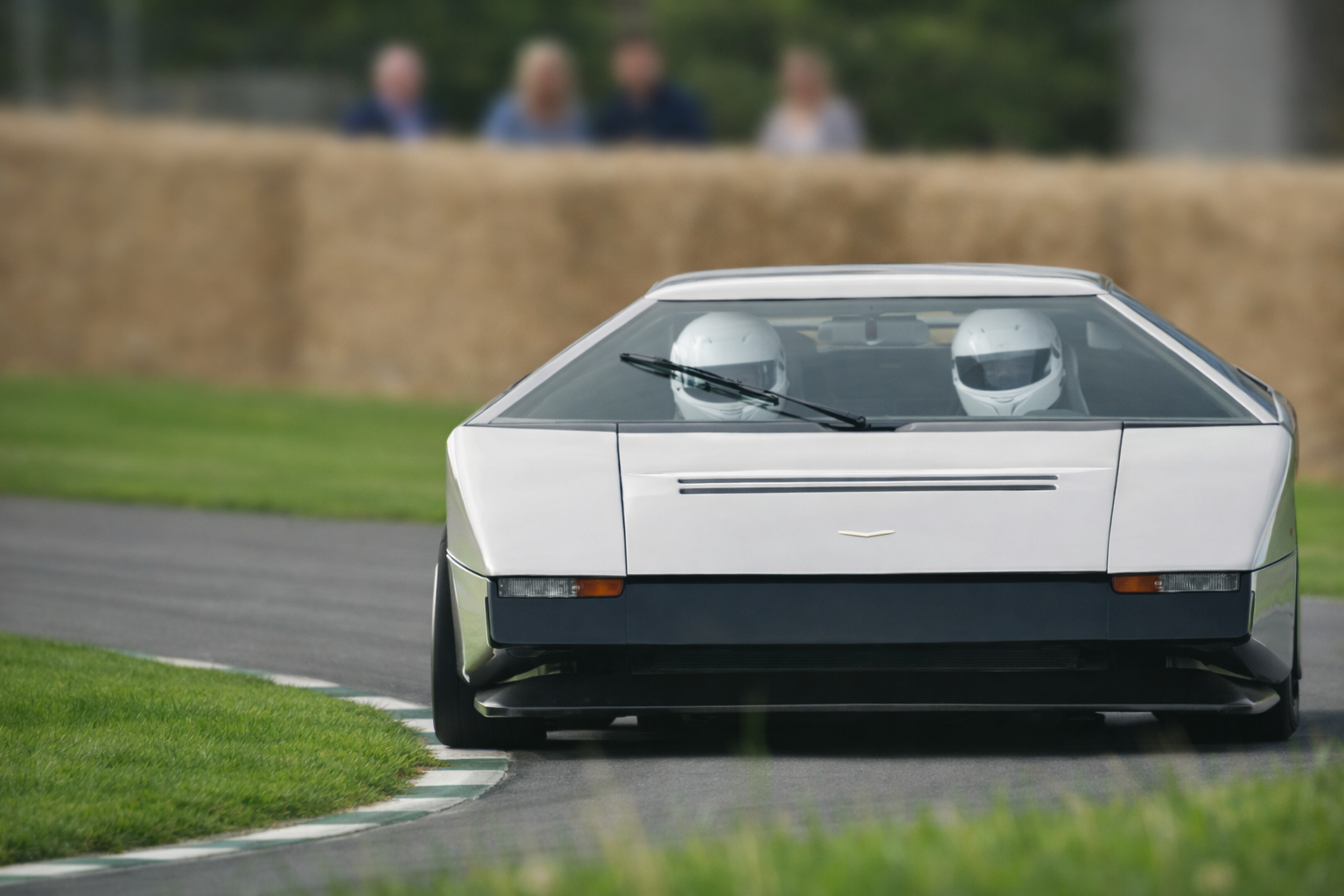
Image © Fuel the Passion, Aston Martin Bulldog at Goodwood Festival of Speed
That context makes the closure feel more significant. This was the sort of place where a car could be dismantled, repaired, retrimmed, refinished, reassembled and prepared for sale under one roof, not just a dealer, but a specialist classic-car operation with broad in-house capability.
That breadth of capability is part of what made the company’s Aston Martin connection so striking. In 2023, CMC attracted international attention after completing the long and painstaking restoration of the unique Aston Martin Bulldog, a project involving more than 7,000 hours of work and a successful high-speed test in Scotland that finally saw the car break the 200mph barrier it had never officially achieved in period. For many enthusiasts, that was the moment Classic Motor Cars stepped out of being a respected specialist and into becoming a much more visible name.
The company has now formally entered creditors’ voluntary liquidation, with notices in The Gazette confirming the appointment of a liquidator and identifying the nature of the business as classic car restoration.
“What makes this story land a little harder is that it reminds us how much of the classic-car world depends on highly skilled specialist businesses operating in the background.”
We tend to see the finished cars, the concours lawns, the record-breaking restorations and the celebratory headlines. Less visible are the workshops, the craftsmen, the trim rooms, the paint booths and the engineering knowledge that make those outcomes possible. When a company like this disappears, the loss is not just commercial. It is part of the specialist ecosystem around historic motoring becoming a little thinner. It is a reminder that behind every concours lawn, historic feature and revival story sit real businesses, specialist skills and dedicated people and that those worlds can be fragile, even when the finished work appears glamorous from the outside.
From one restoration story ending, to another just beginning
If the closure of Classic Motor Cars is a reminder of how fragile the specialist restoration world can be, the story of Crossley Motorsport’s Aston Martin DB4 shows the other side of that world, the passion, curiosity and determination needed to keep historic cars alive for the future.
The car in question is a 1960 Aston Martin DB4, bought by Julian Crossley and the Crossley Motorsport team after it emerged from more than 40 years hidden away in a collapsed garage. Spotted by many through Bangers and Cash, the Aston was eventually purchased at auction for £145,000, before becoming the focus of a long-term restoration project that is now being shared publicly through a growing video series.
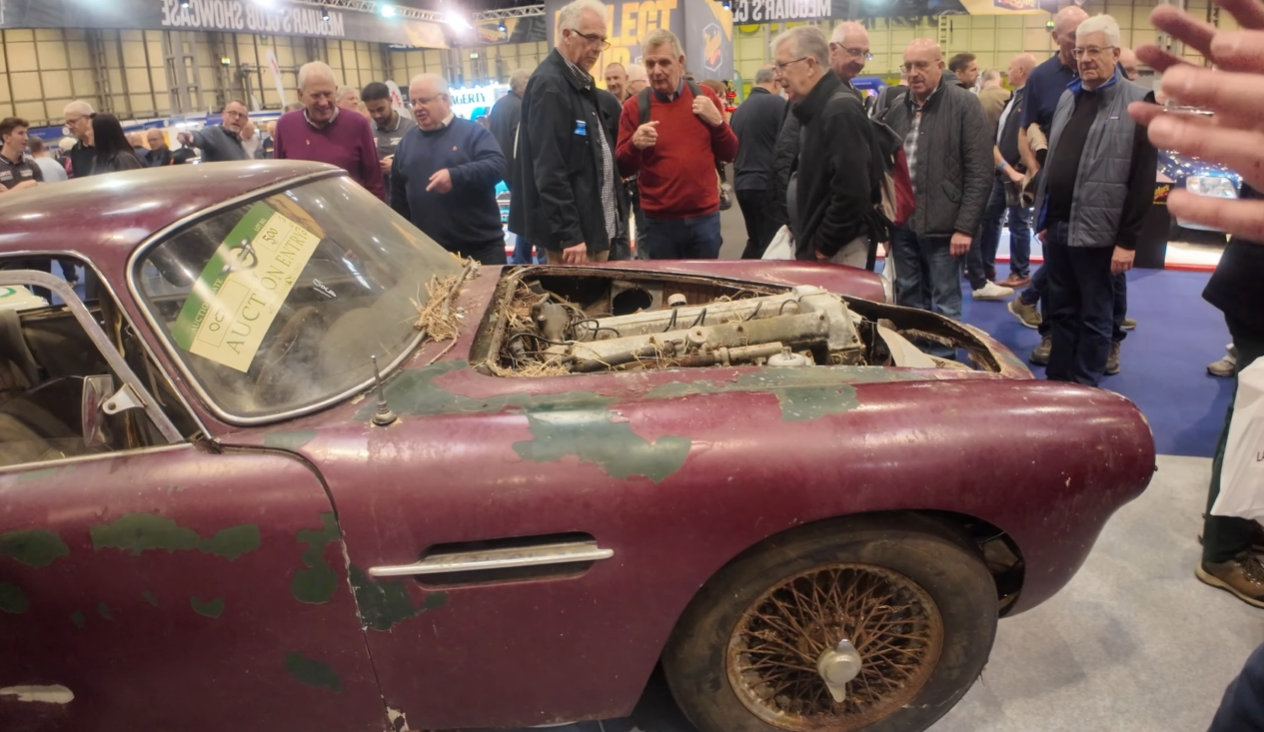
Image © Fuel the Passion
I first came across the project at the NEC Classic Motor Show last year, where the car was being displayed and discussed as one of the show’s most intriguing restoration stories.
It was exactly the sort of project that stops people in their tracks, not because it was polished or glamorous, but because it carried that rare mix of history, damage, possibility and sheer ambition.
Some of you who have been following Fuel the Passion for a while, may remember that I also filmed a brief interview whilst at the NEC, with Julian Crossley so if you did not see that video at the time and would like to, you can watch by clicking on the video below and it’ll take you straight to the interview;
What makes the project especially interesting is that this is not just a workshop quietly rebuilding a valuable Aston Martin behind closed doors. Crossley Motorsport has chosen to document the process, and in doing so is showing just how much patience, detective work and craftsmanship sit behind the phrase “full restoration”.
In episode one, the team begins with the most basic but essential task of all: understanding exactly what they have bought. The interior, boot and engine bay are cleared of decades of debris, with all the odd little discoveries that come with a long-forgotten car, from old parts and handwritten trim markings to a period tax disc that helps date when the DB4 last saw the road. There is something almost archaeological about it. As the dust, rust and filler are gradually stripped away, the picture becomes clearer: some areas are surprisingly solid, particularly the floors and central structure, while the front end looks every bit as bad as feared. In other words, it is not a hopeless case, but neither is it a simple one.
By episode two, the project has moved from assessment into true disassembly. Windscreens, doors, trim, fuel tank and engine-bay components begin to come away, each removal offering new insight into how these cars were originally built and how carefully they now need to be handled. What comes through strongly is the team’s determination to preserve whatever can be saved, whether that is rare screen trim, original fittings or details such as an early heated rear screen fitted in period. At the same time, the work also reveals just how deep some of the challenges run, with corrosion, seized fixings, blocked cooling passages and decades of neglect all demanding attention before the real rebuilding can even begin.
There is also something rather heartening in the spirit of the project itself. Edward Crossley, a young Formula 1 engineer from Kineton, is not tackling the DB4 alone, but alongside a group of students and younger enthusiasts who are learning as they go. That gives the whole thing a slightly different feel from the usual high-end restoration story. It is not only about bringing one Aston Martin back to life, but about passing on skills, judgement and confidence to the next generation of engineers and restorers too.
The above films are well worth a look, not simply because the car is an Aston Martin, but because they capture that fascinating early phase of a restoration where every removed panel, every discovered part and every cleaned surface shifts the car from mystery toward understanding.
Taken together, these stories tell quite a revealing tale of their own. On one side, there is the careful preservation and retelling of Aston Martin history through books, podcasts and archives. On another, there is the harsher reality that maintaining and restoring historic cars depends on specialist firms operating in a tough modern environment, as the closure of Classic Motor Cars so clearly illustrates. But there is also a more hopeful thread running alongside that: the fact that new restoration stories are still beginning, and that younger engineers and enthusiasts are continuing to take on the responsibility of preserving these cars for the future.
“Heritage, in other words, is not just something to admire from a distance. It has to be actively documented, protected, supported and, where necessary, painstakingly rebuilt.”
That is why projects such as Crossley Motorsport’s Aston Martin DB4 restoration matter so much. They show that the historic-car world is not only about looking backwards, but also about passing on the skills, knowledge and passion needed to keep these cars alive for the next generation.
That thought connects quite neatly with the club world too, because one of the ways Aston Martin history continues to live in practical terms is through owners, enthusiasts and organisations like the Aston Martin Owners Club (AMOC), who still give the cars and the community around them, somewhere to gather, be seen and be appreciated.
Aston Martin Owners Club (AMOC) Update
If heritage helps keep Aston Martin’s past alive, the AMOC remains one of the places where that history is still being lived in the present tense, through books, events, concours lawns and the simple pleasure of getting owners and enthusiasts together around the cars. There are a few useful club notes worth flagging this week.
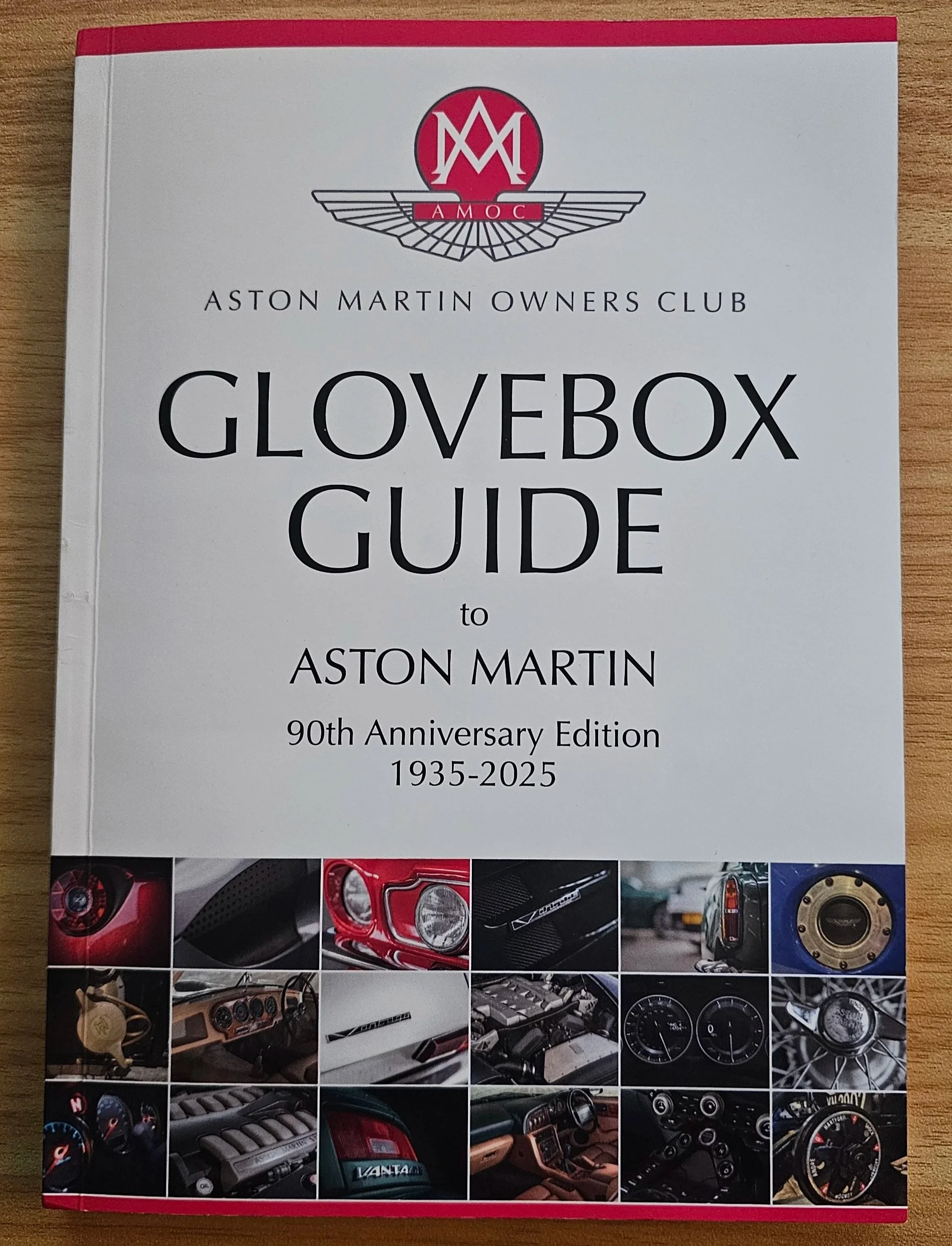
Image © Fuel the Passion / Aston Martin Owners Club
First, the updated hardback edition of the Glovebox Guide to Aston Martin is now available to pre-order.
AMOC says the guide runs to 200 pages, covering Aston Martin models from the pre-war years through to the present day, and that the new hardback version has been refreshed following member feedback with even more specification detail included. It sounds exactly the sort of practical little reference book that belongs either on the shelf in the study or tucked close to hand in the garage.

Image © Fuel the Passion, Alnwick Castle
Looking ahead to early summer, the Spring Weekend at Alnwick Castle on 6–7th June is now fully outlined on the AMOC website, giving members the chance to read through the programme properly and decide which parts of the weekend they would like to join.
It has the makings of a very attractive club gathering, with the castle setting alone enough to catch the imagination before you even get to the drive-out, dinner and concours elements of the weekend itself. I actually paid Alnwick Castle a visit last year as part of a road trip through Northumberland, so it’s great to be heading back there. If you haven’t seen that video, you can watch it by clicking on the image below.
On a personal note, after entering both the Spring Concours and the International Concours last year, I’ve decided to take a year out from entering this time round and leave space for others to have a go!
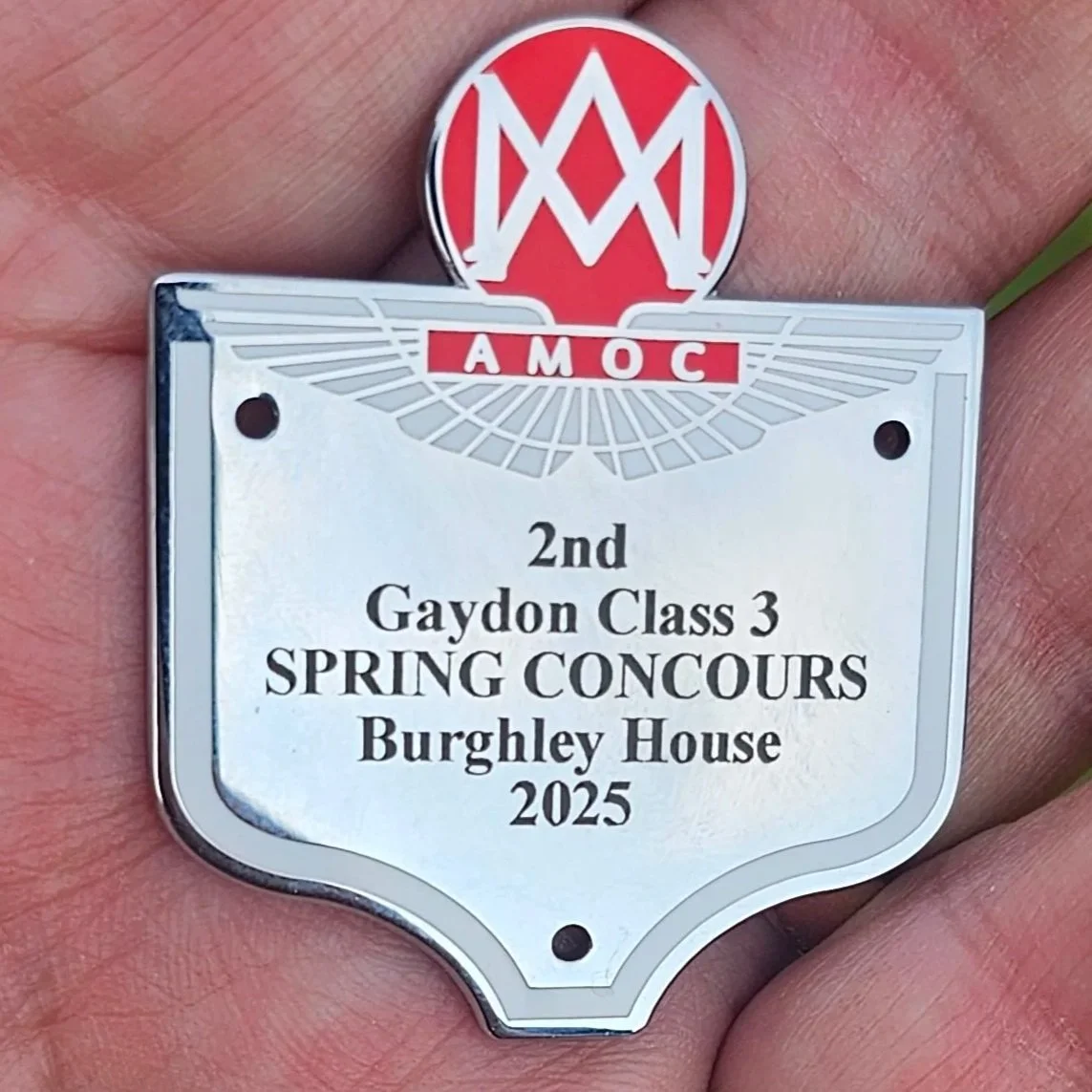
Image © Fuel the Passion
Two second-place finishes already feels more than enough for me to be proud of, especially given the way the FTP Vantage is actually used, driven properly, in all weathers, and very much not kept as a fair-weather garage ornament.
That feels entirely the right balance for me this year.
Members also have another event worth noting, with the BRDC Classic at Silverstone now highlighted by the club. AMOC says it has secured a 2-for-1 Car Club Display discount, giving members two adult admission tickets for the price of one together with a display pass, whether attending for a day or for the full weekend. For anyone with a soft spot for historic competition machinery, that looks a very tempting option.
If this week’s roundup has tempted anyone to get a little closer to the Aston Martin community, it is also worth remembering that AMOC membership is open to enthusiasts as well as owners. In other words, you do not need to have a car in the garage to become part of it. If joining is something you have been thinking about, I’ll include the link in this week’s roundup so you can explore the options for yourself, click HERE.
From there, it feels natural to bring things a little closer to home, because while the wider Aston Martin world has been busy enough this week, there have also been a few Fuel the Passion developments of my own quietly taking shape in the background.
FTP Updates This Week
From the wider Aston Martin world, it now feels right to bring things a little closer to home.
The main Fuel the Passion update this week came on Friday evening, with a new film going live at 6pm: Season Starts Now. Filmed at Elvington Airfield, it captures that first-event-of-the-year feeling many of us know so well, the season beginning to stir, engines returning, familiar faces reappearing, and the simple pleasure of being back around cars again after the quieter winter months.
In the video, I take the FTP Vantage along to one of the first gatherings of the year and spend a little time around a varied mix of machinery. There is a freshly re-sprayed orange 2020 Aston Martin Vantage, similar in shape and spirit to my own, the rare Aston Martin GT8, and then a broader cast of drag cars, performance machines and a few genuinely unusual builds that give the event its own slightly raw, runway-side character. It is only a short film, but that almost suits the occasion. The real point is not to overcomplicate it, but simply to capture that early-season feeling, the sound of engines returning and the atmosphere of things beginning again. If you’ve yet to view it, just click on the image below and we’ll take you straight there;👇
Away from the published pieces, there has also been plenty happening quietly in the background. I have been putting the finishing touches to a trip down south for a meeting at Aston Martin HQ on Monday, which I hope I may be able to say more about in due course.
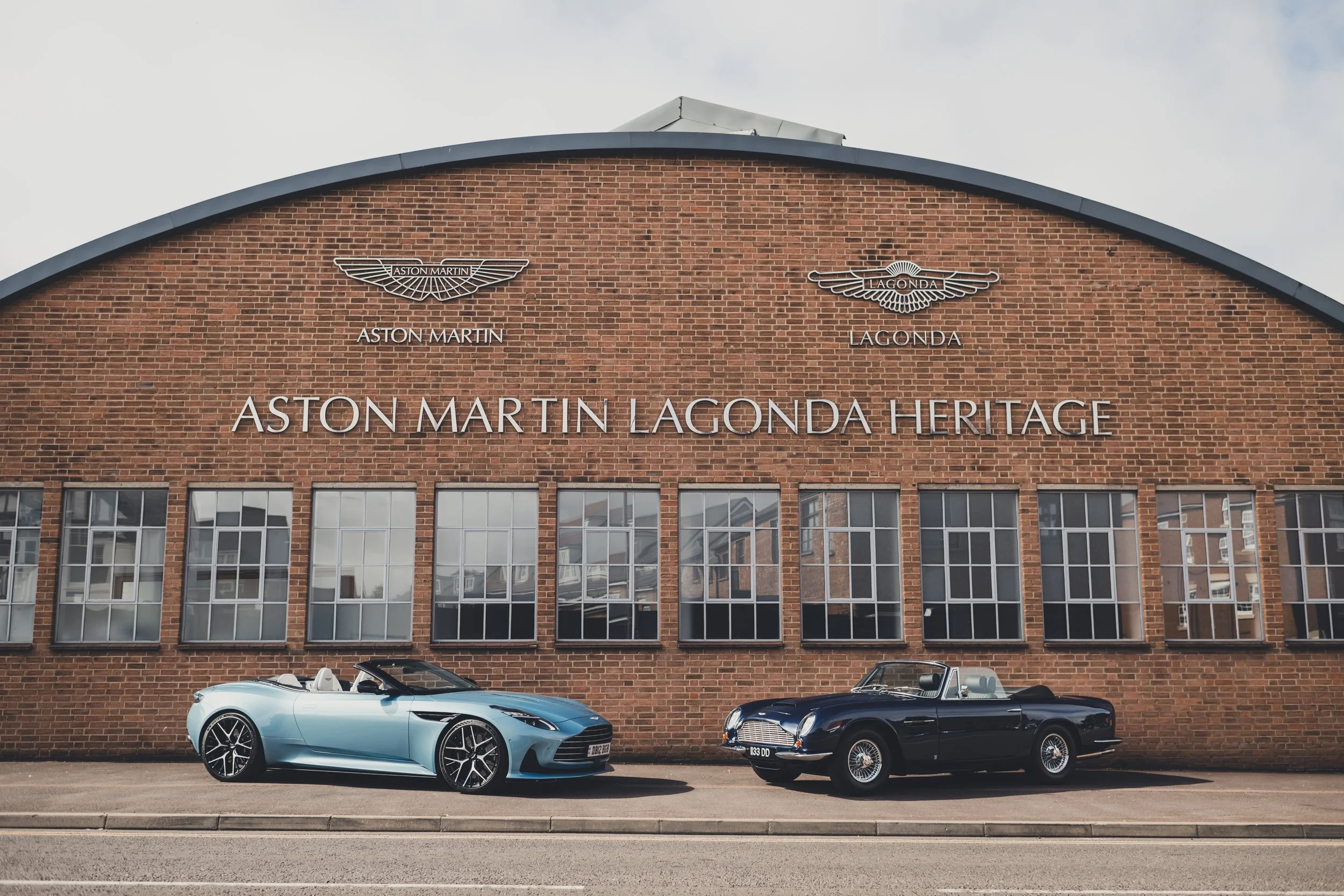
Image © Aston Martin Lagonda. Used for editorial purposes.
Then, on Tuesday, I will be filming at Aston Martin Works on something linked to the 25th Anniversary of the Vanquish and that is about as much as I can sensibly say for now, other than that it should be a very special visit.
I’ve never been to either Aston Martin HQ or Aston Martin Works before, so to spend time at two places so important to the marque I care so deeply about will be a genuine privilege. There is something rather humbling about that. These are not just buildings; they are part of Aston Martin’s living story, and to be invited in at all is something I do not take lightly.
So, before any filming begins, I want to say a sincere thank you to Aston Martin for the invitation. I know I will not be able to film everything, and quite rightly so, but I will do my best to capture at least some sense of the visit and put together a behind-the-scenes piece of some sort to share with you in the coming weeks. Even a small glimpse into those parts of the Aston Martin world will, I think, be something rather special.
It is probably also worth saying, and I hope readers will understand the spirit in which I mean this, that Fuel the Passion is still very much just me. There is no large production team sitting behind it all, which means that when I am away on trips like these, time becomes tighter and the balance between filming, travel, editing, writing and keeping everything moving can become a little more delicate. That may well be the case next week, with visits down south at both the beginning and end of it. I will still do my best to produce content for the next FTP Weekly Roundup, because I genuinely love doing this, and I love the mix of storytelling, filming and sharing the Aston Martin world with you…
“…but do bear with me if next week’s edition ends up feeling a little more condensed than on quieter weeks.”
That is simply the reality of how Fuel the Passion works. The written pieces, the videos, the road trips, the research, the interviews and the behind-the-scenes visits all form part of the same ecosystem, and at their best they complement one another beautifully. But in the busier months, especially when I am out filming and travelling, there are moments when that balance has to be managed carefully. Thank you, as always, for your understanding.
So while some of this week’s stories have understandably focused on pressure, uncertainty and the wider market mood, there is also a more positive truth running alongside them: things are beginning to pick up again. The season is moving, the diary is filling, and there is a real sense that Fuel the Passion is entering another busy and rather exciting stretch and that, perhaps, is the right place from which to step back and draw the whole week together.
Closing Thoughts
Taken together, this has been one of those weeks that reminds you just how many different stories Aston Martin can be living through at the same time.
On one side, there is no escaping the pressure. Formula 1 remains difficult, the AML share price continues to sit under the weekly spotlight, and wider global instability is beginning to creep into the picture through oil prices, running costs and the broader economic mood. Even with Lawrence Stroll now stepping in publicly to set out Aston Martin’s position on Adrian Newey and the team’s leadership structure, the fact remains that the Formula 1 project has started this new era under a harsh and very public glare. None of that should be dismissed, and none of it really needs dressing up. These are serious headwinds, and they are shaping the Aston Martin story in very real ways and yet, as ever with Aston Martin, that is never the whole picture.
Alongside the harder news, there are still clear signs of quality, ambition and substance elsewhere. The latest Vantage is winning serious praise. The Heart of Racing Aston Martin Vantage GT3 Evo taking pole at Sebring was a genuinely uplifting reminder of what Aston Martin machinery can still do when everything comes together. Blackthorn Racing is building a programme of real scale. The Crossley Motorsport DB4 restoration shows that the next generation is still willing to take on the long, difficult work of preserving these cars properly. Aston Martin Bristol’s award is a reminder that excellence still exists at ground level. The AMHT podcast and the AMOC updates show that the heritage and club side of the marque remain alive and well, and on the Fuel the Passion side, there is that familiar sense that things are beginning to stir again, with new films out, important visits ahead, and a few interesting stories quietly gathering in the background.
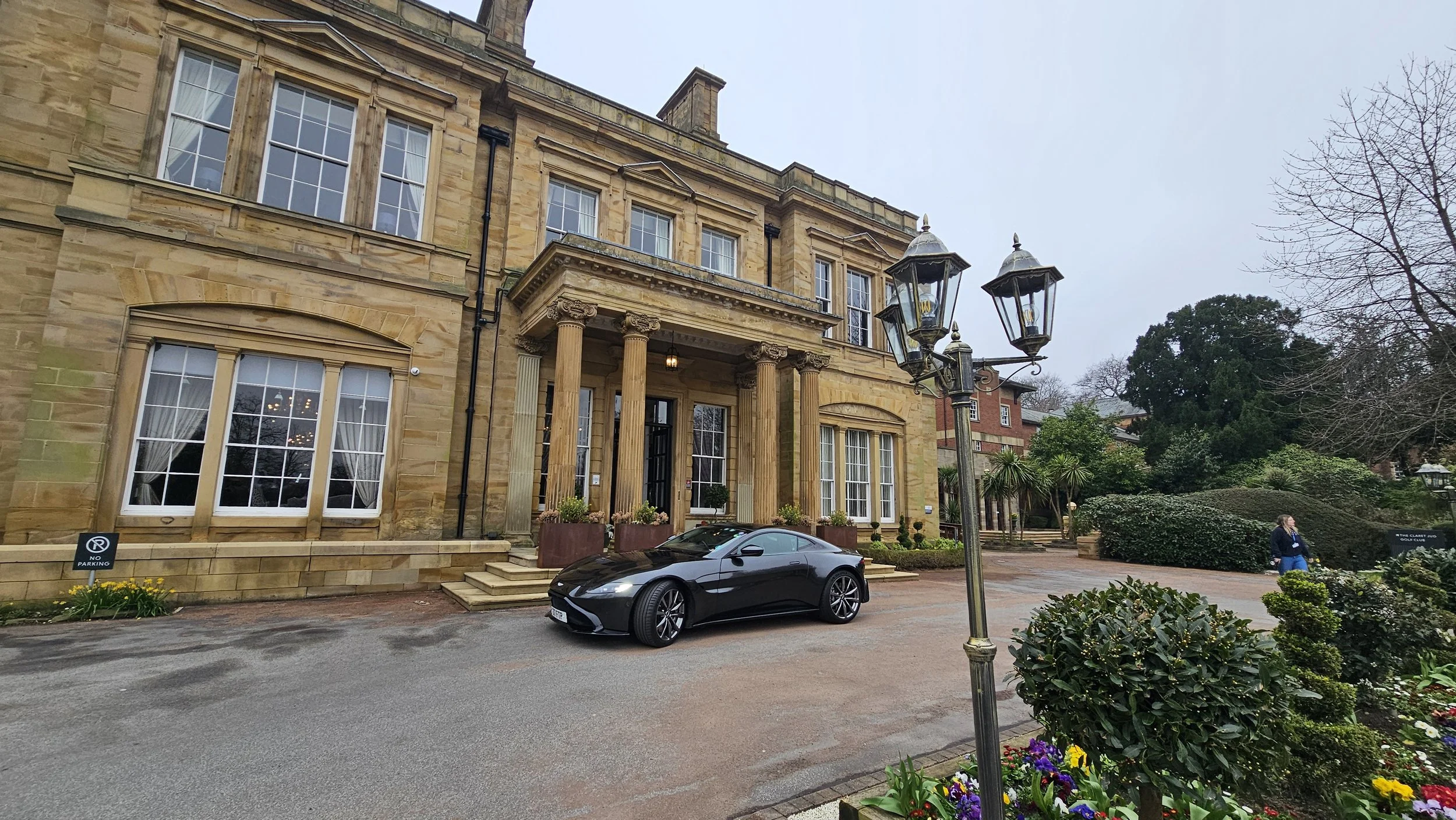
Image © Fuel the Passion
That sense of momentum has not only been felt in the diary, but out on the road too. With the weather finally improving a little this week, I took the FTP Vantage out for a drive and stopped for a spot of lunch with Mrs T at the beautiful Oulton Hall in Rothwell.
The trip itself was actually tied to something on my wife’s side of work rather than Fuel the Passion, but I could not resist taking a moment to enjoy the setting, and perhaps it is just me, but an Aston Martin always seems to look especially at home beside a grand old building like this.
Perhaps that is the most honest way to leave it this week. Aston Martin does not feel like a brand moving in one neat direction at the moment. It feels pulled in several at once, pressured here, promising there, frustrating in one area, deeply impressive in another. But maybe that complexity is part of why it continues to hold such fascination. There is always more than one story worth following.
A quick note before I sign off: as mentioned, next week’s FTP Weekly Roundup may be a little more condensed than usual. I will still do my best to bring you the key stories, as always. Thanks for reading and just being here!
As ever, I would love to know which part of this week’s roundup stood out most to you. Was it Formula 1, Sebring, the new Vantage, the Crossley DB4 restoration, the Blackthorn programme, the AMOC updates, or perhaps that rather lovely V12 Vantage Roadster from HWM? Do leave a comment below and let me know. 👇
Have a great week, see you on the next one! ☝️
If you want to keep reading and if you haven’t yet had the chance to read it, I’ve published a detailed breakdown of Aston Martin’s FY2025 financial results, looking beyond the headlines to understand what the numbers really mean, and what 2026 now needs to deliver. A considered, honest assessment for those who care about the future of this marque. Just click on the link below and we’ll take you straight there; 👇
