
Issue 19 - Fuel the Passion (FTP) Weekly Roundup
Week Ending 12th April 2026
Editor’s Introduction - Dan, Fuel the Passion
There are some weeks where Aston Martin seems to split into two very different worlds at once. This has felt like one of them. On one side sits the familiar discomfort: Formula 1 still searching for direction, the share-price story still fragile, and the wider sense that not everything around the brand is as settled as it needs to be. On the other sits a much more upbeat and immediate picture, because this weekend Aston Martin heads into major GT racing action with real scale, real visibility and no shortage of reasons to pay attention.
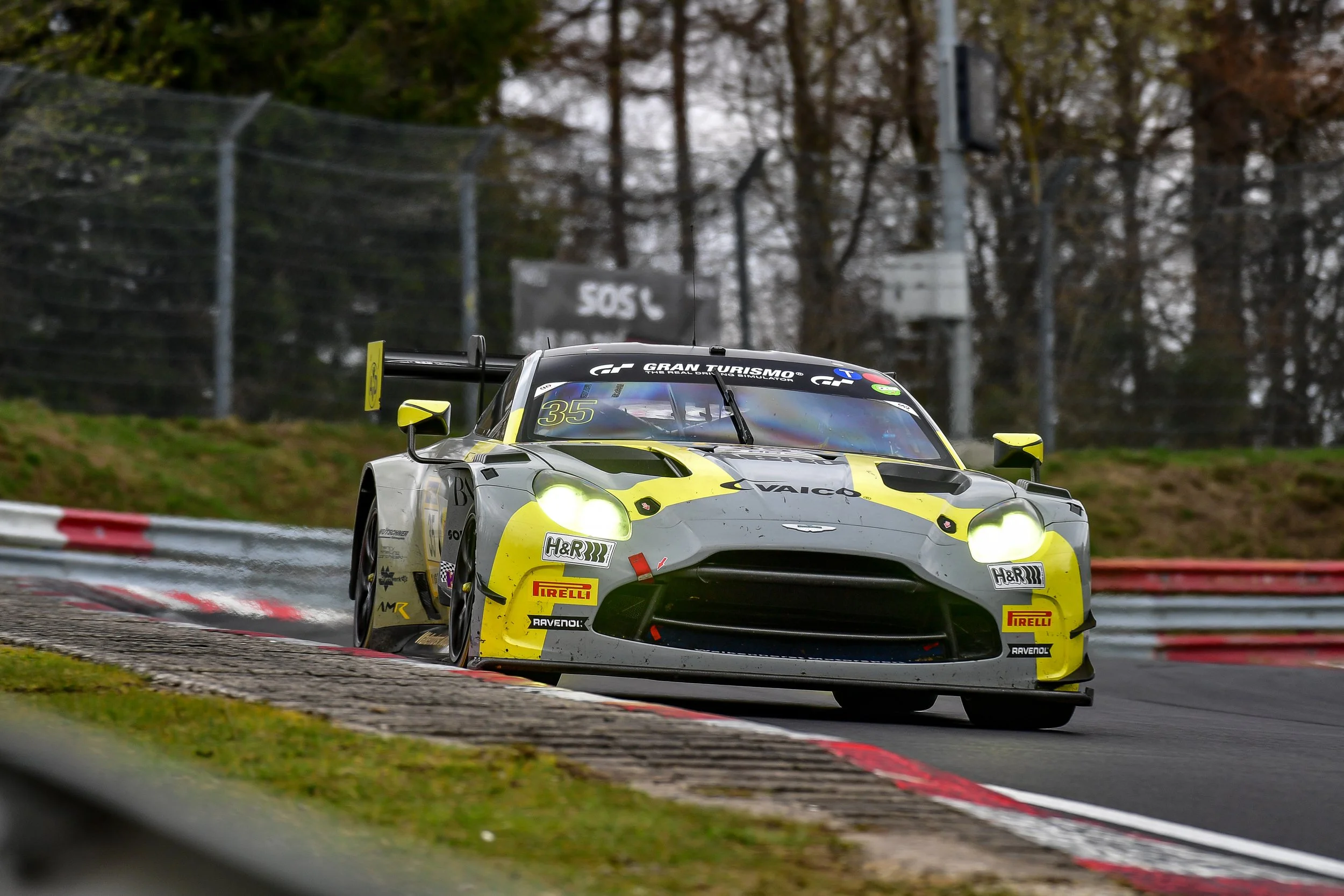
Image © Aston Martin Lagonda. Used for editorial purposes.
That shift in emphasis feels important. For the past few editions, Formula 1 has naturally dominated much of the conversation, partly because the problems have been hard to ignore and partly because the unusual interruption to the early-season calendar has left plenty of room for reflection. This week, though, the spotlight moves a little. The seven Vantage GT3s racing at Paul Ricard, Blackthorn’s growing presence across several programmes, and Lance Stroll’s temporary step into GT machinery during the F1 pause all give Aston Martin’s wider motorsport story a welcome sense of movement.
There’s a pleasing road-car thread running alongside that as well. The Vanquish continues to attract serious praise from outside voices at exactly the moment its 25th anniversary is becoming a more personal Fuel the Passion theme for me, with so much recent filming and editing work tied to Aston Martin Works, AMOC, the AMHT and Steve Waddingham. Add in some encouraging reaction to the Vantage S, and this has been one of those weeks where Aston Martin’s product strength has again offered a useful reminder of what the marque still does so well.
So this roundup feels a little different in tone. Not lighter, exactly, because the harder-edged stories haven’t gone away, but broader, perhaps. At times like that, it’s often the broader Aston Martin picture that becomes the more interesting one, so let’s dig in.
Aston Martin Racing Beyond Formula 1 - a big GT weekend, and an early setback
If Formula 1 has spent the past few weeks asking Aston Martin followers for patience, the marque’s wider racing world has at least offered something much more immediate this weekend: proper action, meaningful scale, and several reasons to keep a close eye on events beyond the grand prix paddock.
At Paul Ricard, this is the opening round of the 2026 GT World Challenge Europe Endurance Cup, a four-race championship within the wider GT World Challenge Europe structure, and Aston Martin arrived exactly as billed: in force. The official pre-event framing was justified. Seven Vantage GT3s on the grid really did make this Aston Martin’s biggest representation at the start of the series, accounting for more than ten per cent of the field…
“…and by qualifying the brand had already put genuine substance behind that scale.”
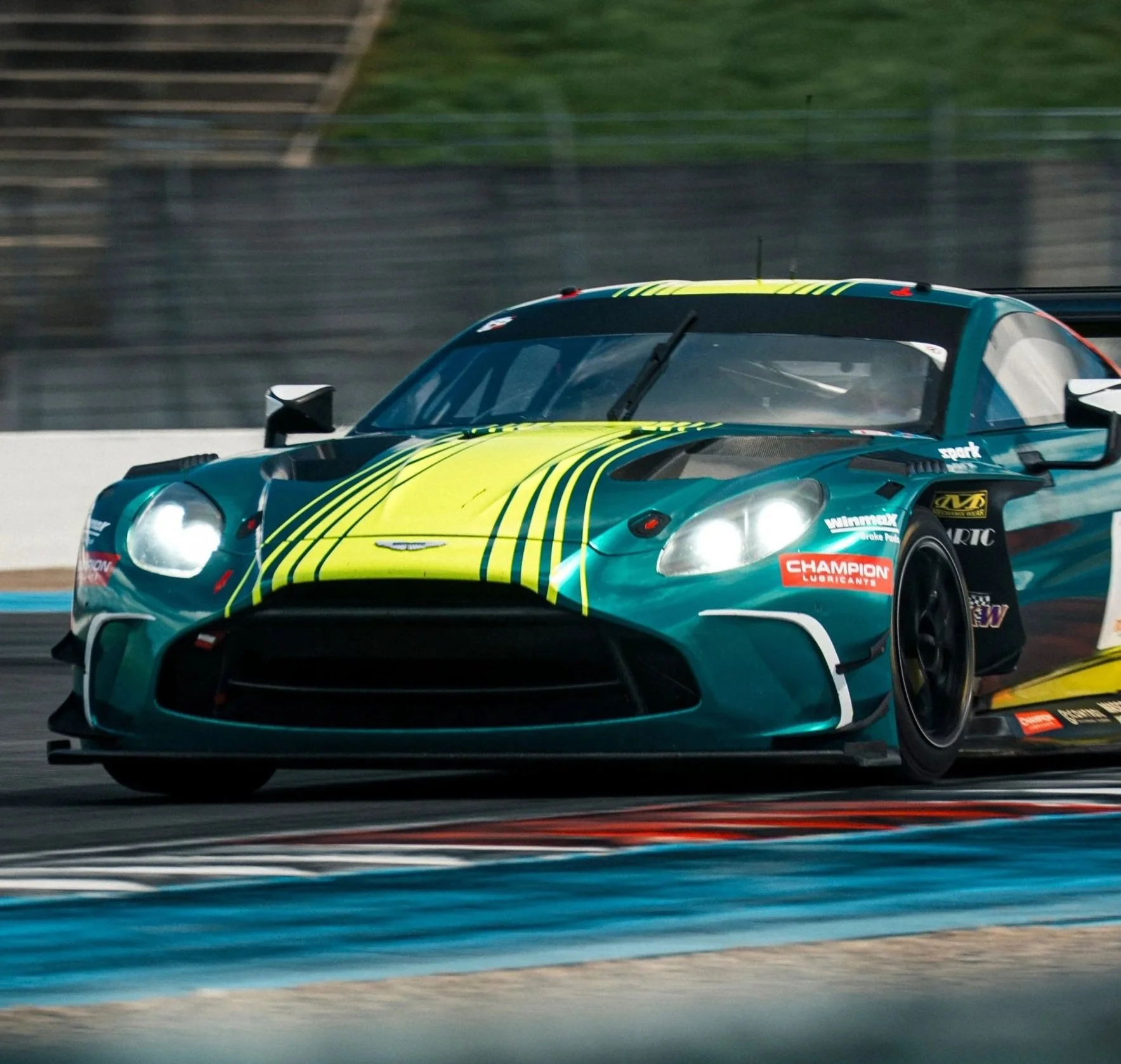
Image © Aston Martin Lagonda. Used for editorial purposes.
Most encouragingly, Aston Martin is not relying on one isolated entry to carry the story alone. The #7 Comtoyou Racing Vantage AMR GT3 Evo qualified strongly enough to put itself right into the overall conversation near the front, while the #21 Comtoyou Aston Martin secured Silver Cup pole and will start 13th overall.
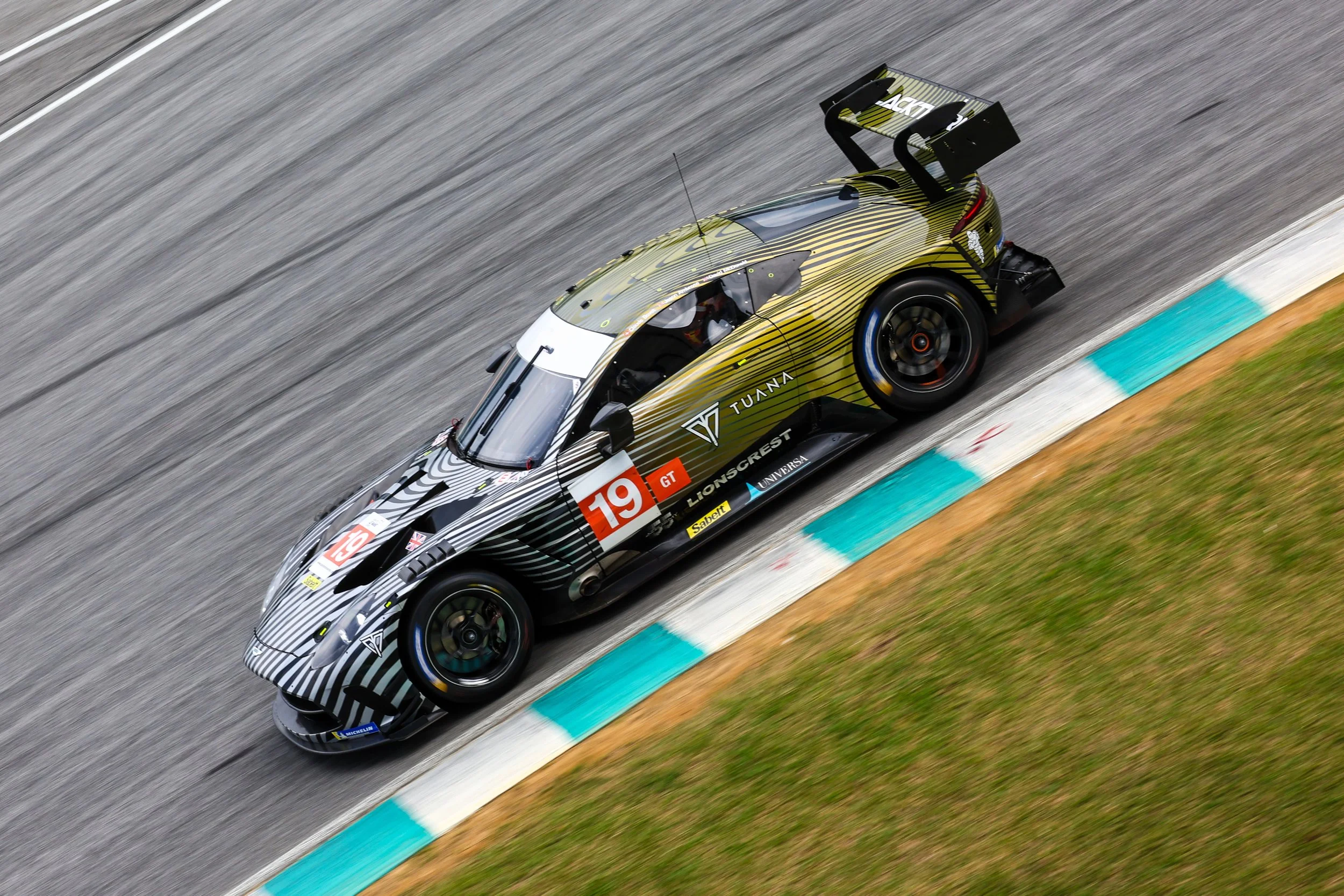
Image © Aston Martin Lagonda. Used for editorial purposes.
Further back, but still relevant for us, the #56 Ecurie Ecosse Blackthorn Aston Martin qualified fifth in the Bronze Cup and 37th overall, which is a respectable place from which to begin a six-hour opener in a class that is never short on traffic, attrition and opportunity.
The Paul Ricard race starts at 18:00 CEST, 17:00 UK time, so by the time readers see this weekend’s Roundup the grid will already have given Aston Martin supporters reason to feel that the GT3 side of the marque remains very much alive and competitive.
Blackthorn remains the most natural focal point for FTP, because theirs is the kind of programme that rewards steady attention rather than occasional glances. The Paul Ricard Bronze Cup Aston Martin is only one part of a wider effort that now stretches across multiple series, and that broader shape matters. This team no longer feels like a name to mention in passing. It feels like a serious Aston Martin customer-racing project with continuity, direction and growing ambition. That’s why the second half of this weekend matters too, because while Paul Ricard brings the scale of GT World Challenge Europe, Barcelona was supposed to show Blackthorn’s Michelin Le Mans Cup campaign beginning in parallel.
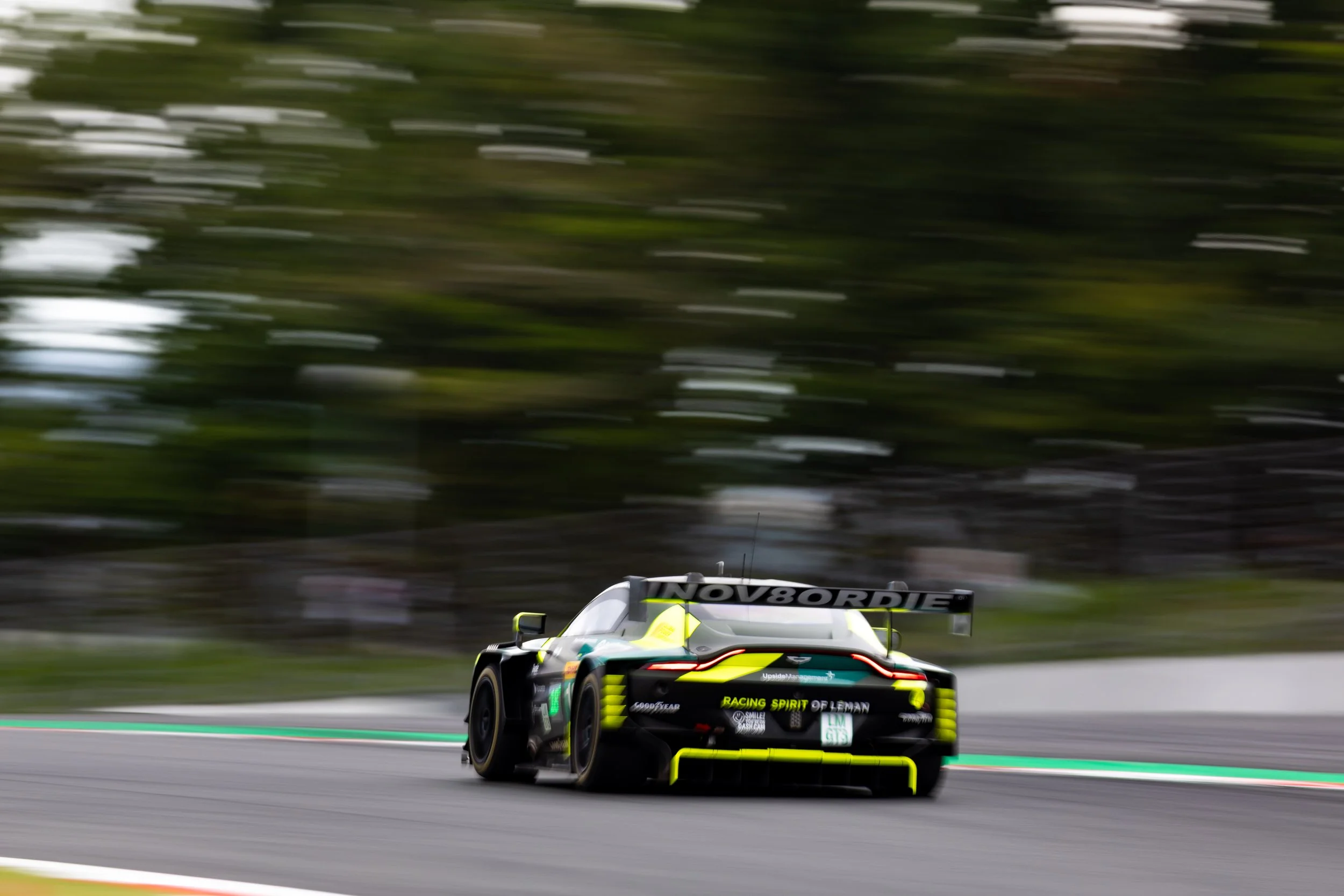
Image © Aston Martin Lagonda. Used for editorial purposes. Racing Spirit of Léman Aston Martin Vantage GT3.
Unfortunately that’s where the tone changes. Barcelona is the opening round of the 2026 Michelin Le Mans Cup season, which runs to six races, and on Aston Martin pace alone there was every reason to expect a promising start. The #10 Racing Spirit of Léman Aston Martin topped GT3 in both Friday practice sessions, and then the #11 Code Racing Development Aston Martin went on to claim GT3 pole position in qualifying. But Blackthorn’s own weekend took an unfortunate turn before it could properly begin.
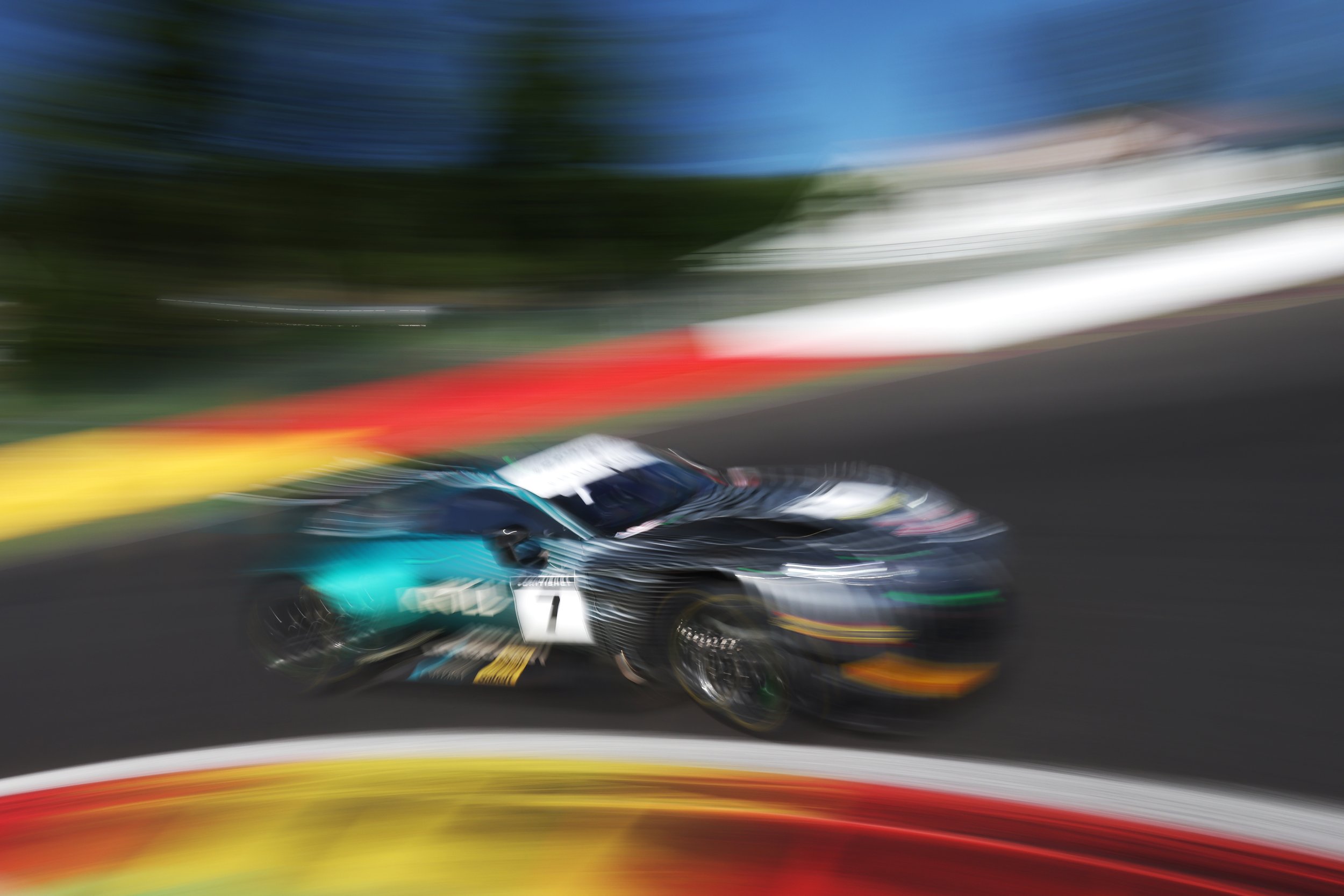
Image © Aston Martin Lagonda. Used for editorial purposes.
DailySportscar reports that Claude Bovet was involved in an accident during Friday’s Bronze Driver Collective Test, and that the incident forced the withdrawal of the #91 Blackthorn Aston Martin Vantage AMR GT3 Evo before qualifying, ending what should have been the team’s Michelin Le Mans Cup opener with Tom Canning before the race itself.
There is a quiet frustration in that, because the underlying Aston Martin story in Barcelona was actually quite strong. One Vantage was on GT3 pole, another had shown class-leading speed in practice, and yet…
“…the Aston Martin crew many FTP readers would probably have watched most closely was gone before qualifying had even begun.”
At the time of writing, I haven’t managed to find a full official explanation of Claude Bovet’s accident, nor a reliable, properly sourced public image of the incident itself. So the sensible approach for this week is to report the withdrawal, acknowledge the disappointment, and leave the deeper race consequences for next Sunday when the full weekend picture is clearer. The official Michelin Le Mans Cup calendar lists Barcelona as the opening round, and the timetable shows the race starting at 18:20 CEST, 17:20 UK time.
As we covered in last weeks roundup, Lance Stroll debut in this weekends GT World Challenge, certainly added interest to Paul Ricard, and the official championship preview made clear that he was approaching it seriously rather than as a novelty outing.
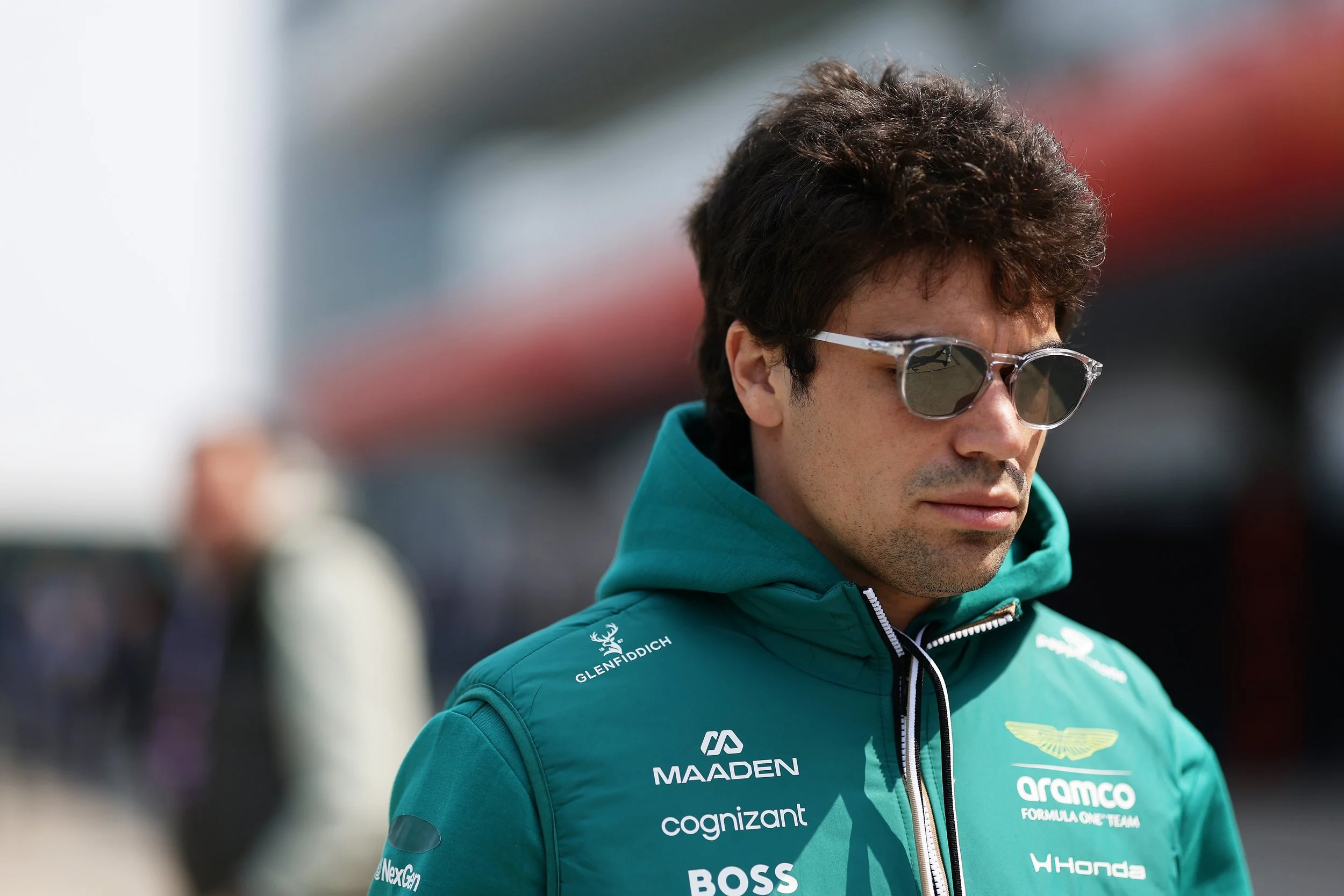
Image © Honda Motor Co., Ltd. Used for editorial purposes.
But on the evidence available so far, this was not one of the standout Aston Martin qualifying stories of the weekend.
Lance Stroll’s #18 Comtoyou Racing Aston Martin qualified 15th overall for the six-hour race at Paul Ricard.
Sportscar365 also reports that Stroll was 17th fastest in his qualifying segment on his GT3 debut, which fed into that combined result for the car he shares with Roberto Merhi and Mari Boya.
The Aston Martins that genuinely caught the eye were the front-running #7 Comtoyou car and the #21 Silver Cup pole car. My honest reading is that Strolls contribution was respectable in context, but not the defining Aston Martin performance of the session. It felt more like useful competitive mileage during Formula 1’s break than a dramatic instant statement.
So this has become a weekend of two very different Aston Martin stories: at Paul Ricard, scale and genuine qualifying promise; in Barcelona, clear GT3 pace but an early and unfortunate setback for Blackthorn after Claude Bovet’s accident.
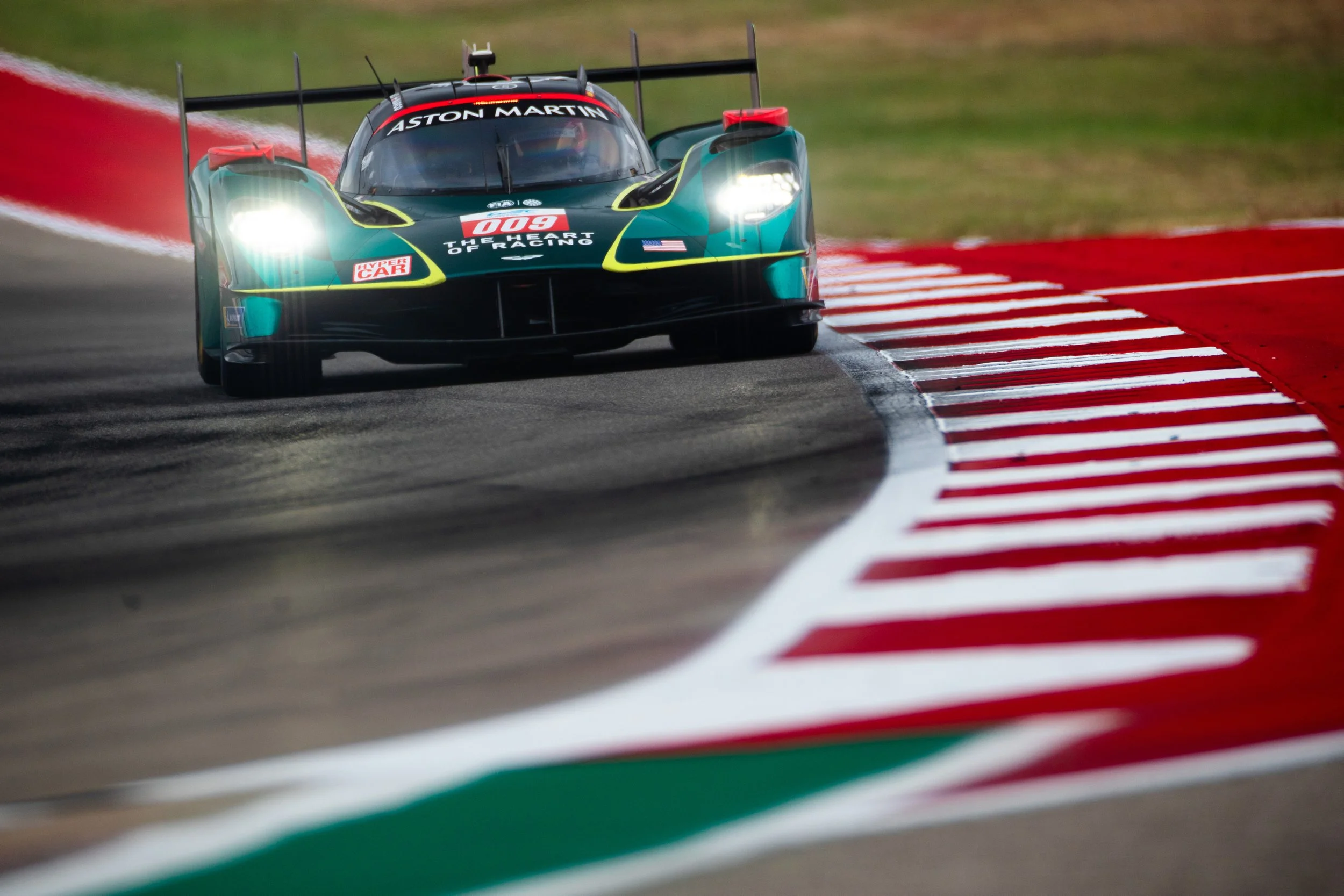
Image © Aston Martin Lagonda. Used for editorial purposes.
A little further up the endurance ladder, Aston Martin’s wider programme continues to gather shape in a quieter but still meaningful way.
FIA WEC’s Imola entry information has now confirmed the next step for the Aston Martin THOR Team Valkyrie programme, while the Heart of Racing story has gained another useful strand through Kobe Pauwels, who is set to make his FIA World Endurance Championship debut at Imola on Sunday 19th April 2026.
That may not carry quite the same immediate noise as seven Vantage GT3s arriving at Paul Ricard, but it does underline something important about Aston Martin’s current competition picture. Hypercar development, LMGT3 opportunity and academy progression are beginning to connect in a way that feels broader, more deliberate and more layered than before.
So if there’s a single point worth drawing from all this, it may simply be that Aston Martin’s racing story this week feels far bigger than Formula 1 alone. At Paul Ricard there was scale and genuine qualifying promise. In Barcelona there was obvious Aston Martin pace, but also an early and unfortunate setback for Blackthorn after Claude Bovet’s accident.
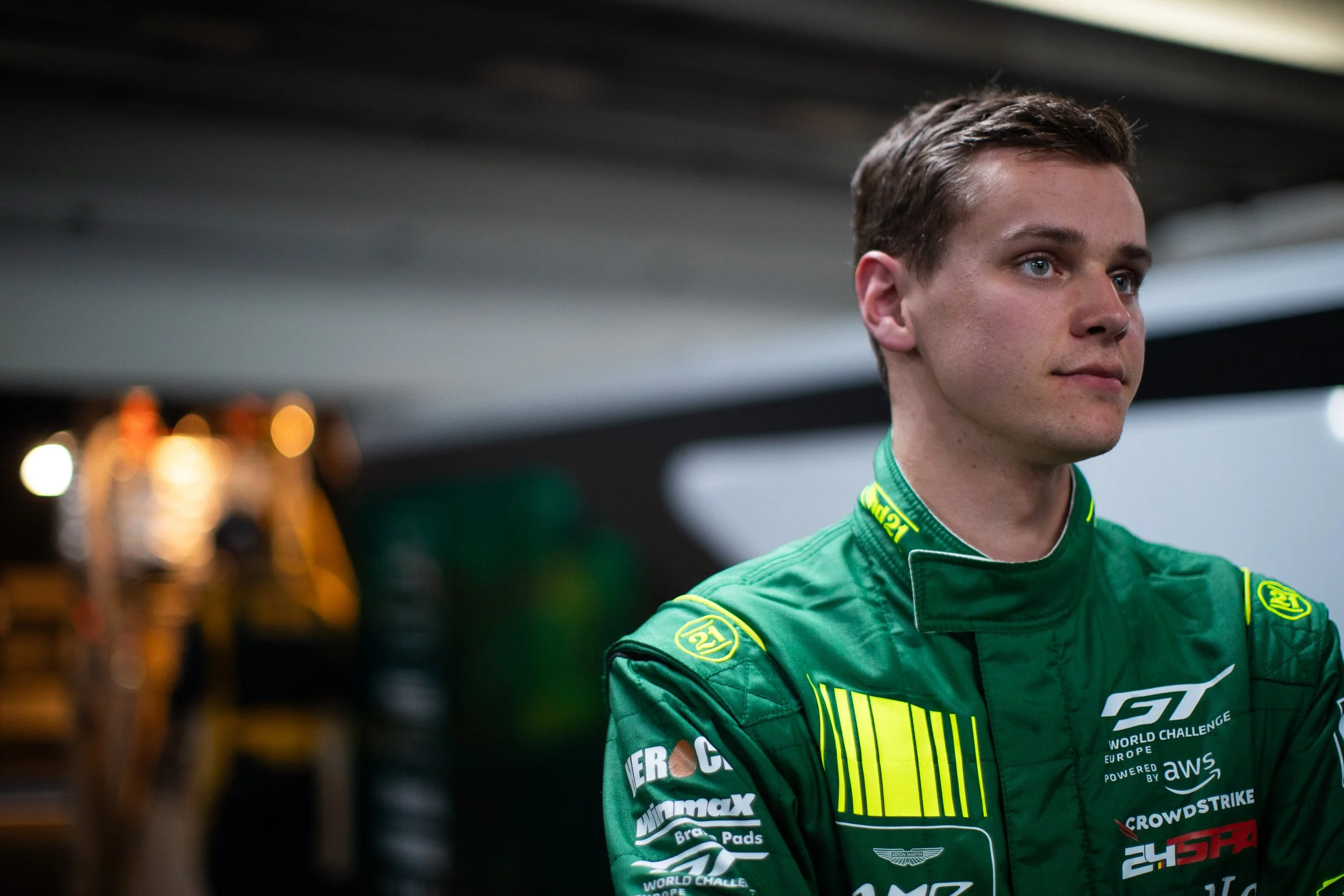
Image © Aston Martin Lagonda. Used for editorial purposes. Kobe Pauwels.
In the background, the wider endurance story continues to build through Valkyrie, Heart of Racing and Kobe Pauwels’ step up to WEC at Imola next weekend.
We will return to both Paul Ricard and Barcelona in next week’s FTP Weekly Roundup, once the racing itself has had chance to tell the rest of the story.
Aston Martin Formula 1 - the break offers time, but not yet comfort
While Aston Martin’s GT and endurance programmes head into the weekend full of movement and anticipation, the Formula 1 story remains paused, and uneasy with it. The racing may have stopped for a moment, but the questions around Aston Martin’s start to 2026 certainly have not.
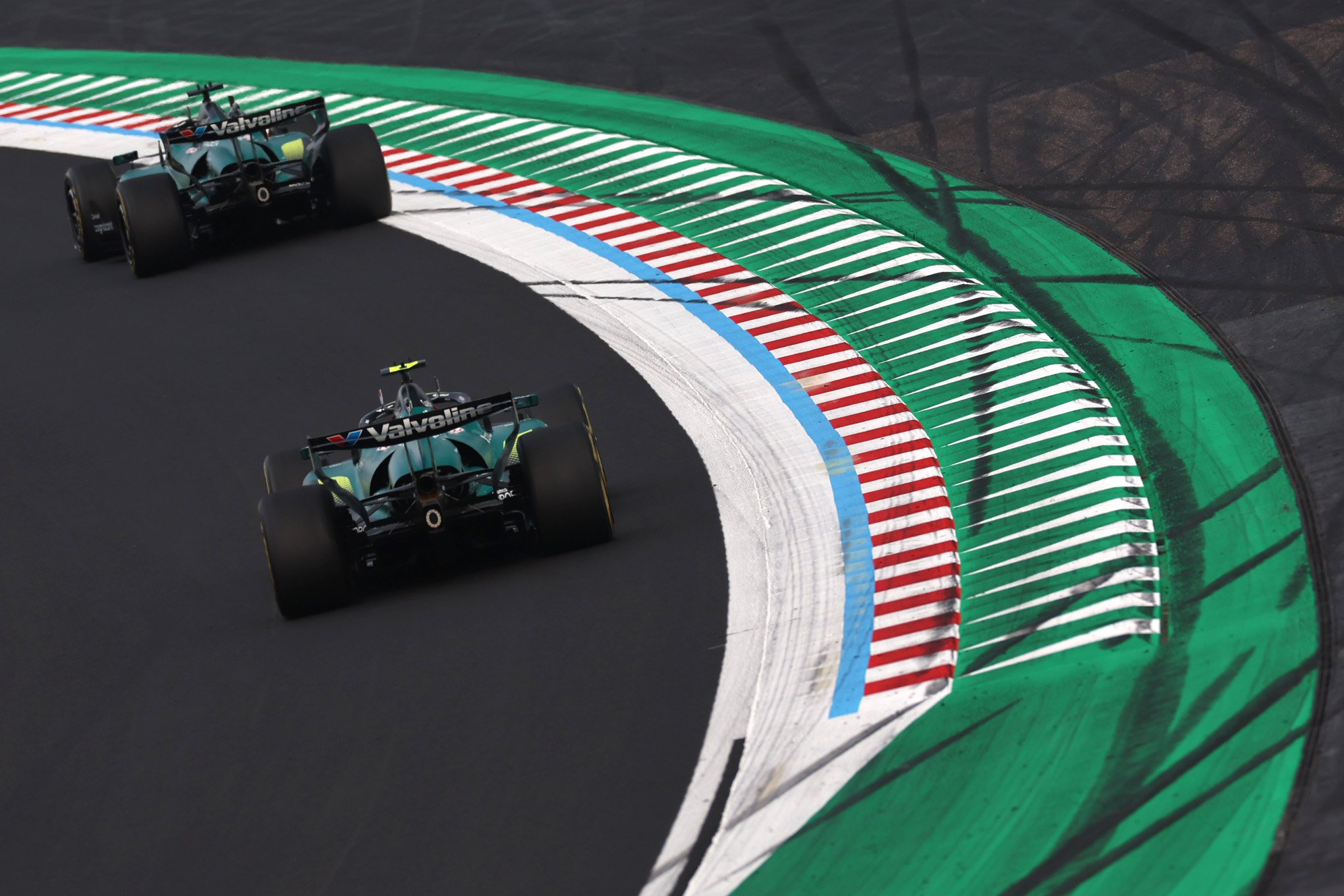
Image © Honda Motor Co. Ltd & Aston Martin Aramco. Used for editorial purposes.
That pause, of course, hasn’t come through choice. With the Bahrain and Saudi Arabian Grands Prix now absent from the April calendar because of the continuing conflict in the Middle East, Formula 1 has dropped into an unusual gap at a point in the season where Aston Martin would probably prefer to be doing one of two things: either racing immediately again in search of a response, or hiding away long enough for the whole problem to look rather different by the time the paddock reconvenes.
The reality sits somewhere between the two. The break brings breathing space, but not relief.
“It gives time to work, but not yet any guarantee that the work will be enough.”
The official numbers still paint a sobering picture. Aston Martin remains without a point after the opening three rounds of the 2026 season, and while Suzuka at least brought the team its first completed Grand Prix distance of the year, it didn’t bring anything close to competitive comfort. Fernando Alonso’s classified finish in Japan mattered as a basic step of stability, particularly after the chaos of the opening races, but there’s still a considerable distance between stabilising a car and turning it into one that can meaningfully compete. That distinction matters, because it is easy in difficult seasons to overpraise the first signs of survival as though they amount to progress of a larger kind. At the moment, Aston Martin still needs to prove that genuine progress is actually being made.
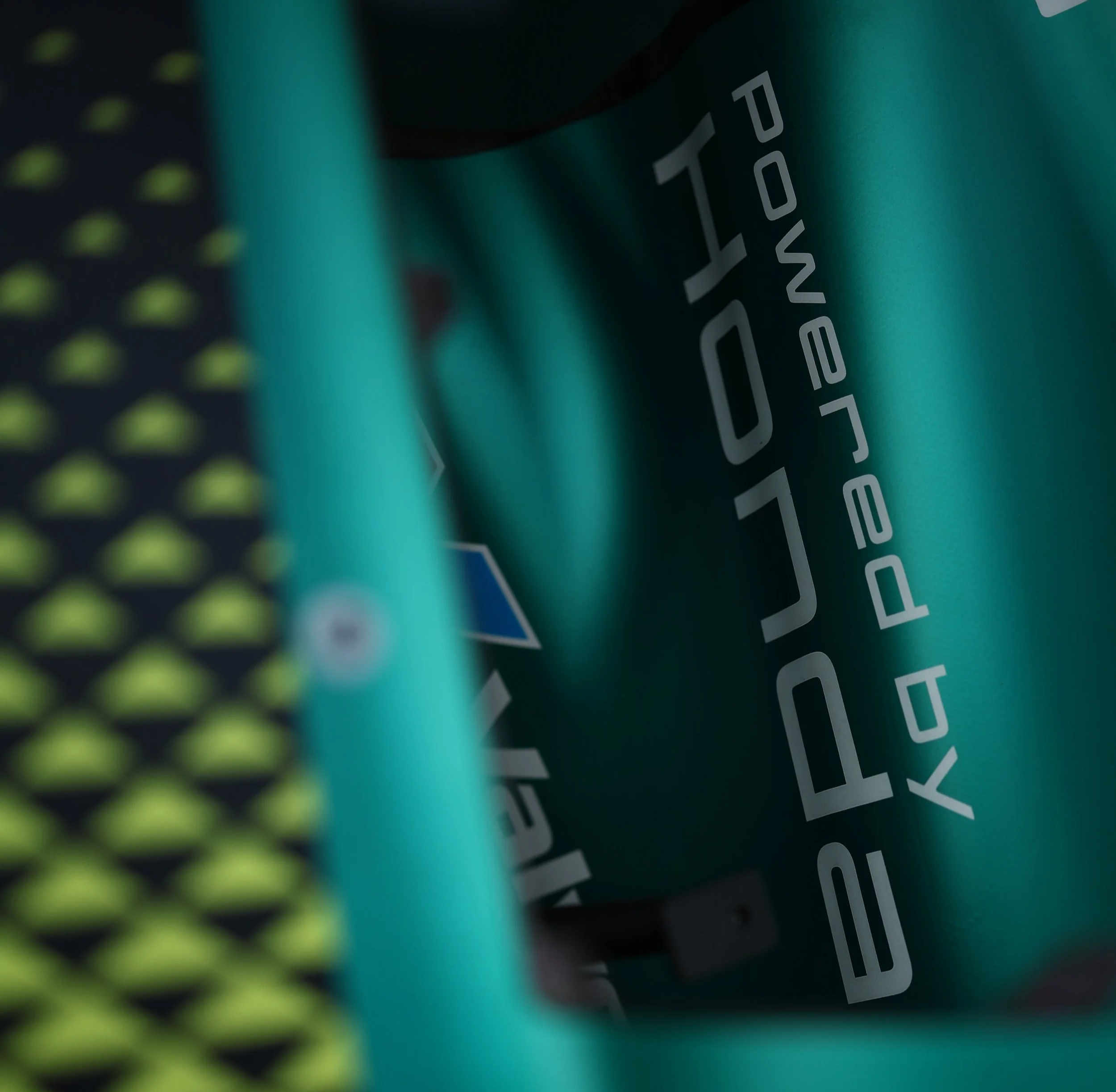
Image © Honda Motor Co. Ltd & Aston Martin Aramco. Used for editorial purposes.
The more useful commentary this week has also helped reinforce that the current weakness is broader than a simple “Honda problem” headline.
We’ve already been following the vibration and reliability concerns around the new works partnership, but one of the more grounded outside readings now suggests that a significant share of Aston Martin’s deficit sits on the chassis side as well.
That feels important, because it helps rebalance the conversation. The temptation in the early part of this season has been to imagine the power unit as the obvious villain, partly because the symptoms have looked so dramatic and partly because new manufacturer partnerships naturally attract scrutiny. But if the AMR26 itself is also underperforming in more fundamental ways, then the challenge facing Aston Martin during this April pause is more complicated than calming one subsystem. It means the team may be trying to solve several related problems at once.
That in turn helps explain why the leadership and structure conversation keeps refusing to go away. We’ve touched on this in previous editions, and there’s no need to repeat the whole sequence from the beginning. But it remains worth stating that Aston Martin’s recent history at the top has been restless enough to make any fresh management noise feel louder than it otherwise might.
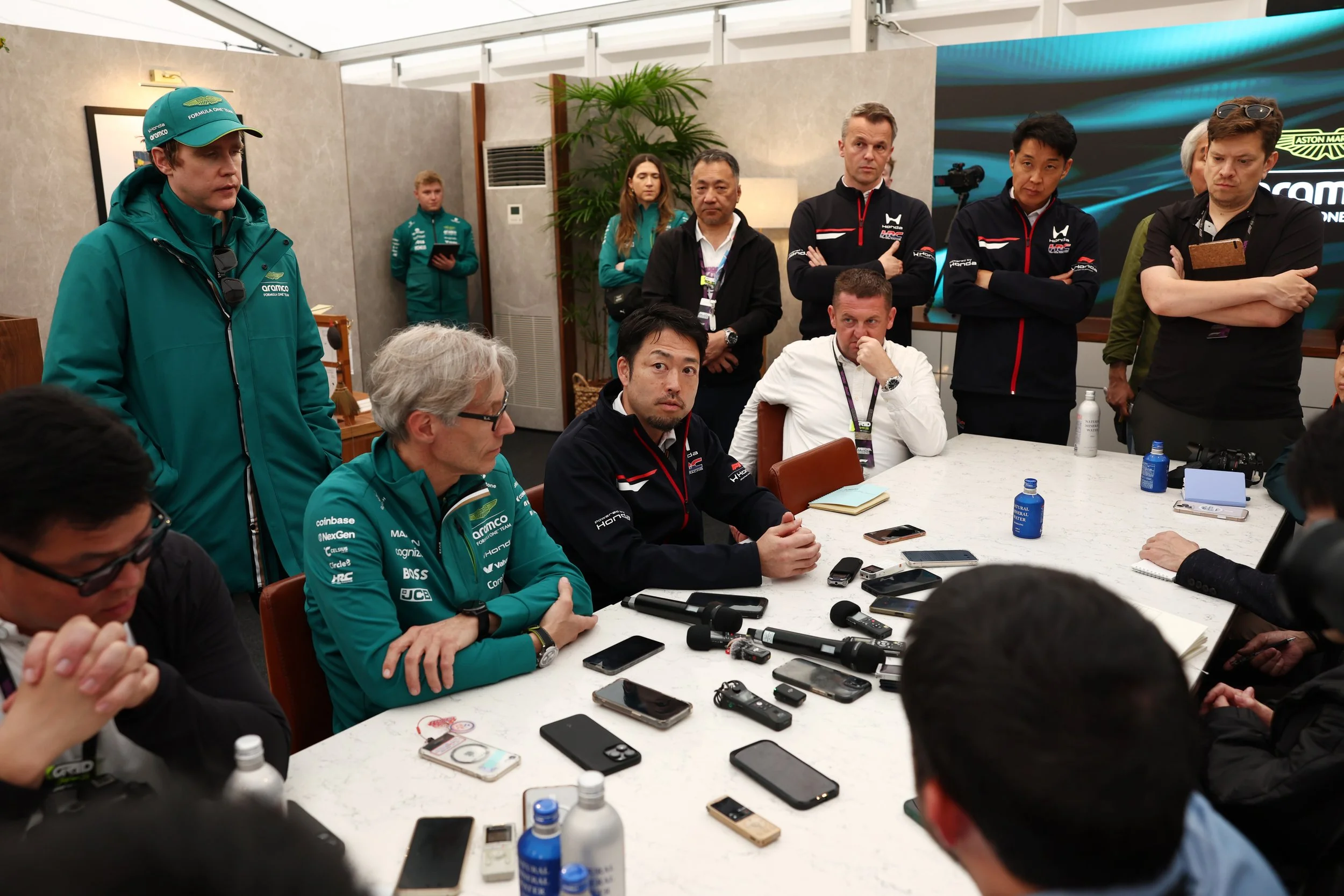
Image © Honda Motor Co., Ltd. Used for editorial purposes.
The continued discussion around Adrian Newey, Jonathan Wheatley and how Aston Martin wants its senior F1 structure to settle has therefore not come from nowhere.
Even allowing for some degree of paddock over-analysis, there’s still a wider truth underneath it: Formula 1 teams rarely thrive when the shape of their leadership and working structure still appears to be settling into place.
That said, this is precisely where calm is needed. Some of the louder outside headlines this week have drifted a little too easily toward the idea that Aston Martin’s season is already somehow being abandoned, or that the project itself is sliding into something close to farce. That feels excessive. Poorly begun, yes. Uncomfortable, certainly. But this is still a team with serious investment behind it, a deepening technical structure, and people of genuine calibre trying to pull it into shape. Former world champion Damon Hill’s comments this week were useful in that respect. He acknowledged the messiness of the current moment, but still leaned toward the view that;
“Adrian Newey’s instincts are worth trusting even when the route looks awkward.”
That feels about right. Newey has always represented the sort of thinking that lives close to the line between brilliance and trouble. Aston Martin’s task now is to make sure that brilliance is given the right environment in which to emerge, rather than being smothered by noise, politics or the sheer volume of immediate repair work.
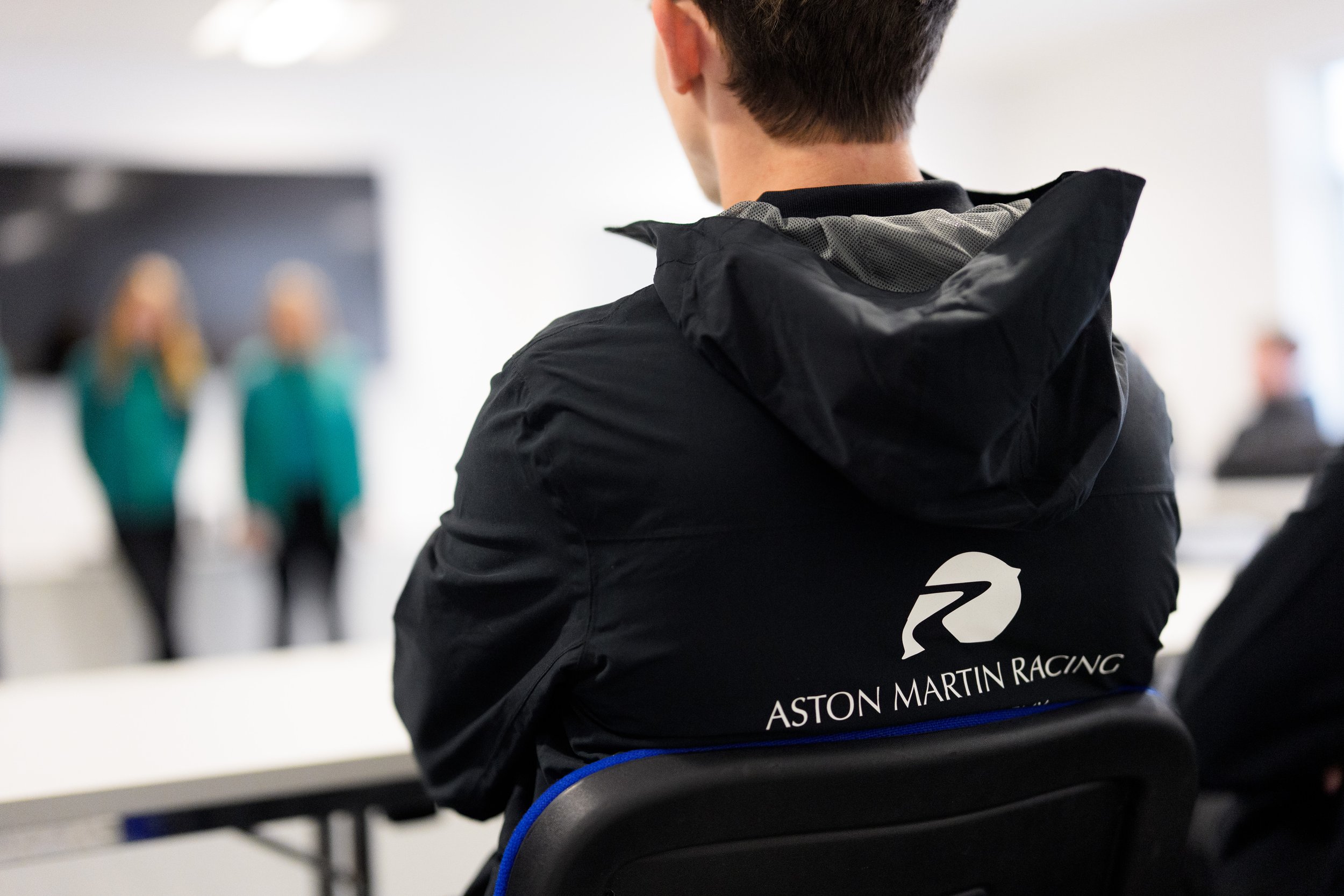
Image © Aston Martin Lagonda. Used for editorial purposes.
If there’s a more encouraging note to be found this week, it may lie not in the current car but in the signs that Aston Martin is still trying to think beyond its present problems. The expansion of the Aston Martin Driver Academy, with the addition of Ava Lawrence and Roland Nagy, is not the sort of story that should be overplayed, but it’s still a worthwhile one.
It says something useful about intent. Even in the middle of a troubled senior campaign, the team is still investing in the earlier stages of the ladder and still trying to shape what comes next rather than only firefight what’s already going wrong.
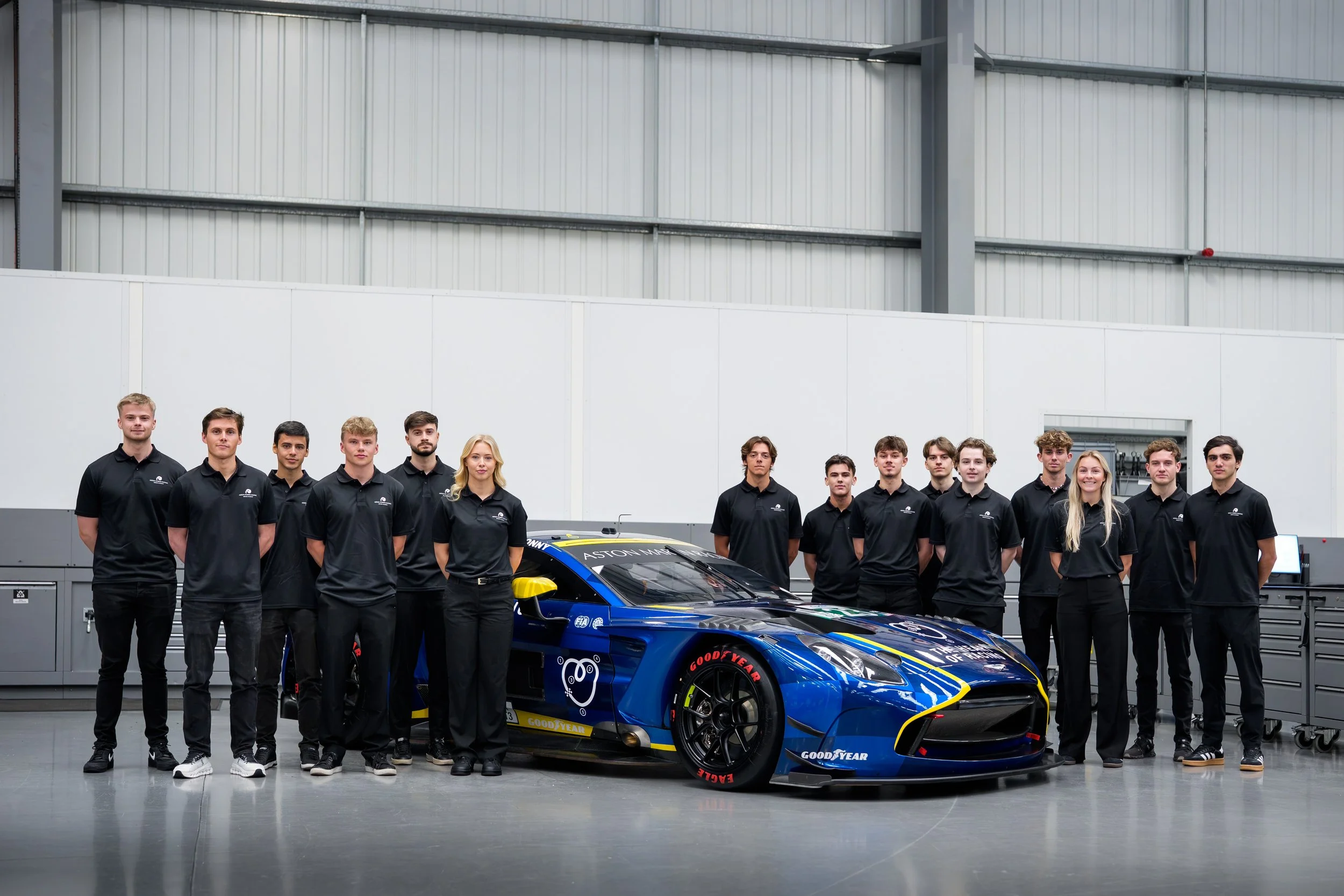
Image © Aston Martin Lagonda. Used for editorial purposes. The AMR Class of 2026.
So where does that leave the Formula 1 story this week? Probably in a place that’s difficult to romanticise, but not impossible to understand. Aston Martin has begun 2026 in a far weaker position than anyone at Silverstone or Sakura would have wanted.
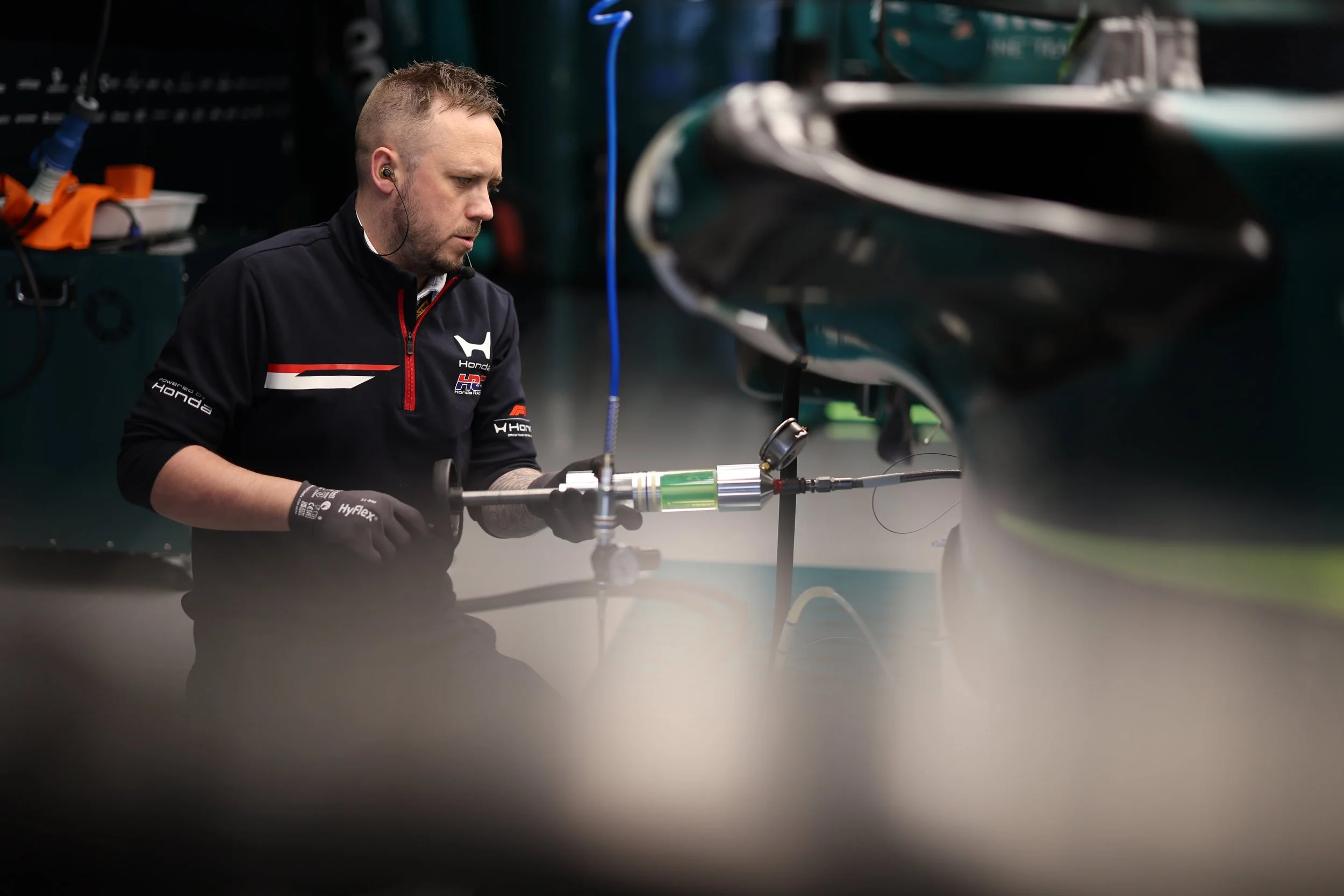
Image © Honda Motor Co., Ltd. Used for editorial purposes.
The break in the calendar gives the team time to work, to diagnose and to settle the atmosphere a little. What it doesn’t yet give is reassurance.
For now, the most honest reading remains the simplest one: Aston Martin has not solved its problems, but it has at least been handed a little time in which to try.
For all the discomfort around Formula 1, one of the more striking Aston Martin truths at the moment is that the road-car story feels markedly healthier, and this week, a pair of strong outside verdicts on the Vanquish and Vantage S only reinforced that impression.

Affiliate note: If you buy through this link, it does not cost you anything extra, but Fuel the Passion may receive a small commission which helps support the website and future content. Thank you for your support.
Aston Martin Road Cars - outside voices keep the momentum going
For all the discomfort around Formula 1, one of the more striking Aston Martin truths at the moment is that the road-car story feels markedly healthier, and this week, a pair of strong outside verdicts on the Vanquish and Vantage S only reinforced that impression.
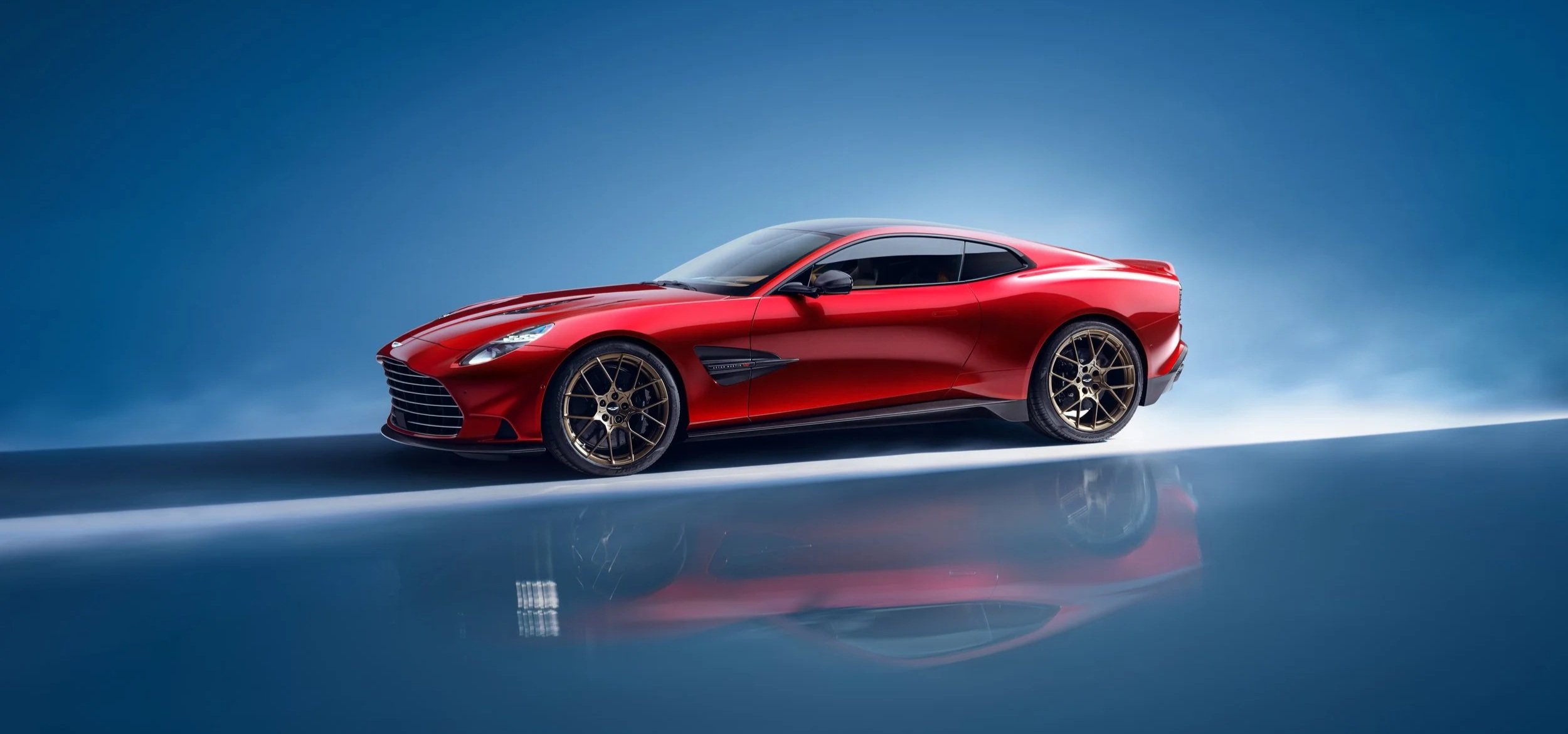
Image © Aston Martin Lagonda. Used for editorial purposes. The Aston Martin Vanquish.
The more substantial of the two came through Autocar’s full review of the new Vanquish, written by Richard Lane and originally published on 7th April 2025. That piece was not simply positive in a general, polite sort of way.
“It was glowingly positive, awarding the car 9/10…”
…and describing Aston Martin’s latest V12 flagship as a “devastatingly effective super-GT”. What made the review especially interesting, though, was not just the praise itself, but the tension sitting underneath it. Lane openly acknowledged the uncomfortable corporate backdrop around Aston Martin, the debt, the workforce reduction, the share-price anxiety and then posed the obvious question: how can a company capable of producing something this compelling still look so strained elsewhere? In FTP terms, that felt like a very sharp and rather fair observation.
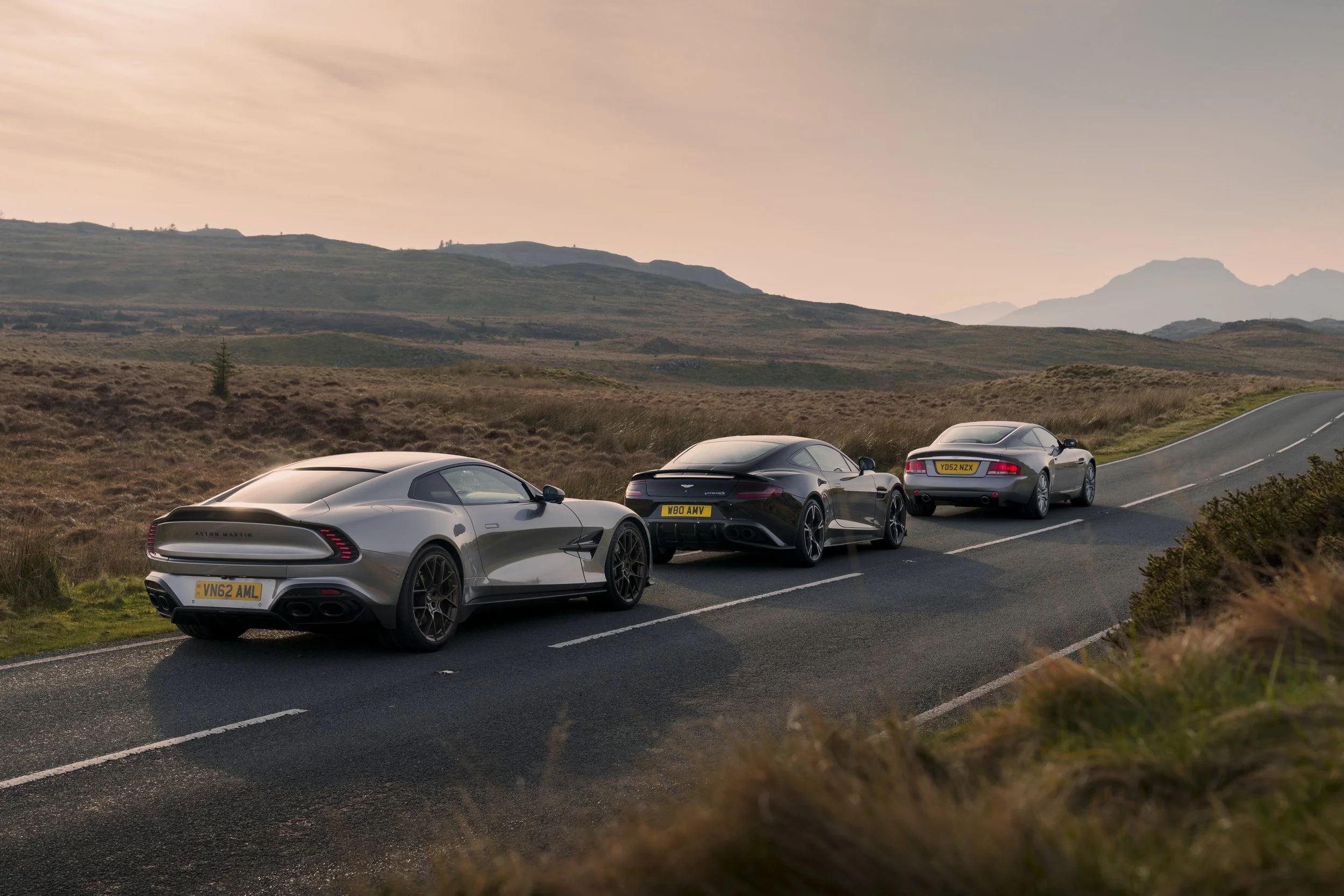
Image © Aston Martin Lagonda. Used for editorial purposes.
It also lands at exactly the right moment. This is, of course, the 25th anniversary year of the Vanquish, and that gives any strong modern verdict on the current car a little more resonance than it might otherwise have had.
The Vanquish name has never really been just another model badge. It’s always carried a sense of flagship ambition with it, a sense that Aston Martin is stretching itself that little bit further in design, engineering and theatre. To see the latest version earning such warm praise from a respected outside voice feels meaningful in that context, because it suggests the name still carries substance as well as memory.
That has felt especially personal to me in recent weeks too. So much of my own time lately has been spent working with AMOC, the AMHT and Steve Waddingham, Aston Martin Lagonda historian, on filming and editing material linked to the Vanquish anniversary, that the road-test praise this week seemed to chime rather neatly with what I’ve been seeing and hearing around the car more broadly. There’s still something about Vanquish, as an idea as much as a machine, that seems to stop people and hold attention.
That sense of Vanquish momentum was not confined to the current car either. Over on YouTube this week, Doug DeMuro revisited a 2003 Aston Martin Vanquish, describing it as “beautiful and underrated,” and in truth it was hard not to see the appeal of that argument. What came through most strongly was not simply nostalgia, but genuine admiration for what the original Vanquish still represents: a muscular, charismatic and unmistakably special Aston Martin from a period when the marque was beginning to rediscover its confidence. Doug was particularly taken by the car’s shape, arguing that even among Aston Martin’s many beautiful cars of the period, the Vanquish stood apart for its broader-shouldered, more aggressive stance and its sense of presence. He also made the fair point that, for all the old complaints about the early single-clutch transmission, there’s still something deeply appealing about the car’s naturally aspirated V12, its rarity, and the sheer sense of occasion it creates. To view this video, click on the image below and we’ll take you straight there;
In the context of this 25th anniversary year, that felt especially well timed. While the newest Vanquish is now earning serious praise as Aston Martin’s latest flagship, the original seems to be enjoying a fresh wave of appreciation too, not simply as a former Bond car or a handsome relic, but as a genuinely important and still deeply desirable chapter in the Vanquish bloodline.
The Vantage S brought a different sort of endorsement, but a useful one all the same. In episode #1103 of The Smoking Tire Podcast, published on YouTube on 7th April 2026 and recorded on 2nd April, Matt Farah and Zack Klapman spoke about the car in very warm terms indeed. Farah’s description of it as “just a delight” was telling enough, but perhaps more revealing was his suggestion that…
“…the “S” now feels less like a trim level and more like shorthand for “sorted.”

Image © Aston Martin Lagonda. Used for editorial purposes.
That feels like a very interesting way of putting it, because it gets to the heart of what Aston Martin seems to have been doing with the current Vantage over time: not reinventing it dramatically from one moment to the next, but refining, tightening and improving until the whole thing begins to feel more cohesive than it once did.

Image © Aston Martin Lagonda. Used for editorial purposes.
That was really the core of their praise. Not just that the Vantage S is fast, which of course it is, but that the steering, damping, braking, throttle response and overall cohesion now seem to work together with a maturity that perhaps wasn’t always present in earlier versions of the car.
The interesting comparison they kept circling around was Porsche. Their argument, broadly speaking, was that the logical head may still point you toward Stuttgart, but the emotional pull of Gaydon has become a very serious proposition indeed. That’s not a trivial compliment. It means Aston Martin is no longer being admired simply as the more beautiful alternative, but as something much closer to a fully convincing rival on dynamic grounds as well.
Taken together, the two reviews make for quite an encouraging road-car week. They don’t pretend Aston Martin is perfect, and nor should they. The Vanquish was still questioned on luggage space, on a few elements of cabin differentiation, and on whether its enormous remit asks for even more technology than it currently carries. The Vantage S discussion was not blind to packaging compromises either. But the tone of both was strikingly similar in one crucial respect: they treated these cars as serious, desirable, emotionally engaging machines built by a company that, on the road-car side at least, currently seems to know very well what it wants its products to be.
That matters because it gives Aston Martin’s broader story a shape that is more nuanced than the harsher headlines often allow. Formula 1 may be uncomfortable, the market may still look wary, and the business questions have certainly not vanished. But if you look at the cars themselves, and particularly at how knowledgeable outside voices are responding to them, there is still plenty of evidence that Aston Martin can produce something genuinely world-class when the brief, the design and the execution come together properly.
Strong cars, then, are not the problem. But the tension Aston Martin keeps returning to, is that excellence in product doesn’t always translate neatly into calm confidence in the market.

Before we move on, a quick thank you.
Fuel the Passion has now passed 3,000 subscribers on YouTube, which I genuinely do not take for granted, especially in such a niche space focused on a single marque. What began as a simple idea has grown into a wonderful community of people who share a love for these cars and their stories.
The next milestone is 5,000 subscribers by 1st January 2027. Whether we get there or not, it feels a challenge worth aiming for. If you haven’t yet subscribed and would like to, I’d genuinely love you to. Simply click on the link below, which will take you to the Fuel the Passion YouTube channel, then look for the subscribe button. It’s completely free to do, and it really does help boost the channel and everything Fuel the Passion is trying to build. Thank you for being part of the journey.
Market Watch - a little recovery, but not yet real comfort

After the more bruising pressure of recent rounds, Aston Martin Lagonda closed on Friday 10th April at 42.10p, up 1.90p on the day from Thursday’s 40.20p close. Intraday, the stock traded between 40.44p and 43.52p, which at the very least suggests a little more life than the market had shown at the late-March lows.
“In simple terms, there has been a bounce. The difficulty is that the bounce still sits within a much longer and more uncomfortable stretch of fragility.”
That is the key point to keep hold of. It would be too negative to pretend this week’s move means nothing at all, because it clearly does tell us something. Shares do not recover by accident, and a Friday close above 42p suggests that the market has not entirely given up on Aston Martin’s immediate prospects. But it would be equally unwise to present that recovery as though it marks a clean turn in sentiment. The broader pattern still looks far more like a partial rebound from very depressed territory than a decisive vote of renewed confidence.
That’s also why the story feels so familiar to regular FTP readers now. We’ve been following this pressure for several weeks, so there’s no sense in writing this as though a fragile share price has suddenly appeared from nowhere. The more honest reading is that this week adds another chapter to the same running theme: Aston Martin remains a company capable of producing deeply attractive, highly praised road cars, while investors continue to wait for stronger evidence that the wider business can convert that product strength into a more convincing financial direction. The market, in other words, still appears to want more proof.

Image © Aston Martin Lagonda. Used for editorial purposes.
There is also a psychological element to this now. Once a stock falls to new lows and begins to trade at these levels, every modest recovery is naturally examined for signs of meaning. Is this the beginning of something firmer? Is it only technical relief after too sharp a sell-off? Has anything fundamental actually changed?
At the moment, this week’s finish does not answer those questions decisively. What it does do is improve the tone slightly; Aston Martin now sits roughly 19 per cent above the recent 52-week low of 35.40p, but the shares are still down by around 32 per cent over the past twelve months. That helps explain why even a respectable weekly recovery still needs to be read with caution.
The next real checkpoint is not far away either. As mentioned in previous weeks, Aston Martin’s own investor calendar shows the group is due to report its Q1 2026 results on Wednesday 29th April 2026, which now feels like the more meaningful date to watch. That update should give a clearer indication of whether this latest share-price recovery has anything firmer underneath it, or whether the market is still trading more on hope than evidence. We will, of course, cover those results in more detail when they’re published.
So the most sensible FTP reading this week is probably this: a better finish than looked likely a day earlier, a useful recovery from the worst of the recent pressure, but not yet the sort of move that changes the wider Aston Martin story in the market’s eyes. The cars continue to earn admiration; the stock, for now, is still being asked to earn trust.
Oil and Ownership Context - some relief, but not yet a return to calm

If the market remains one measure of confidence, the forecourt is another, and for Aston Martin owners, the practical cost of using these cars has still been shaped by a fuel story that, while less frantic than it looked earlier in the week, has not entirely settled down.
The headline move in oil has actually been downward. By early Friday afternoon, Brent crude had eased to around $95.56 a barrel, with WTI sitting near $98.02, leaving oil on course for its largest weekly fall in around ten months. That sounds reassuring at first glance, especially after the far sharper spike seen earlier in the week, but the wider context matters. Reuters still described prices as elevated near $100 because concerns over Saudi supply disruption and the limited recovery of flows through the Strait of Hormuz have not gone away.
That’s really the key point for owners. This is not a story of everything suddenly calming down, it’s a story of markets stepping back from panic, while the underlying reasons for anxiety remain very much alive. Earlier Reuters reporting noted that oil had dropped below $100 on hopes of a ceasefire, but also made clear that the Strait of Hormuz was still not fully normalised and that the broader regional situation remained fragile. In other words, the immediate fear has eased, but the energy backdrop still feels unstable enough that confidence has not fully returned.
Premium petrol remains expensive, diesel remains worse still, and the wider sentiment around spring and summer touring has undeniably been affected by the sense that fuel costs are being driven as much by geopolitics as by anything happening at the local forecourt. FTP has been following that pressure for several weeks now, so it would be wrong to present this as a fresh shock. What has changed is tone rather than direction. The pressure is no longer intensifying in the same dramatic way, but neither has it properly disappeared.
So the fairest reading this week is probably this: some welcome relief from the sharpest oil-price spike, but not yet the sort of calm that would allow owners to stop thinking about it. For now, the cost of using these cars still sits in a world where energy markets remain one bad headline away from renewed tension.
Aston Martin in Brief
A few other Aston Martin stories also deserve a place this week, even if they sit more naturally as supporting notes than as major standalone sections.
One of the lighter Aston Martin notes this week came through SSAFA, the Armed Forces charity, following its “Greatest Car Manufacturer Debate” fundraiser held in London as part of A Driving Force for SSAFA 2026. The format was simple enough: guests at the event were invited to back their chosen marque, with votes effectively bought as part of the fundraising effort, meaning support for a favourite manufacturer also helped raise money for the charity.
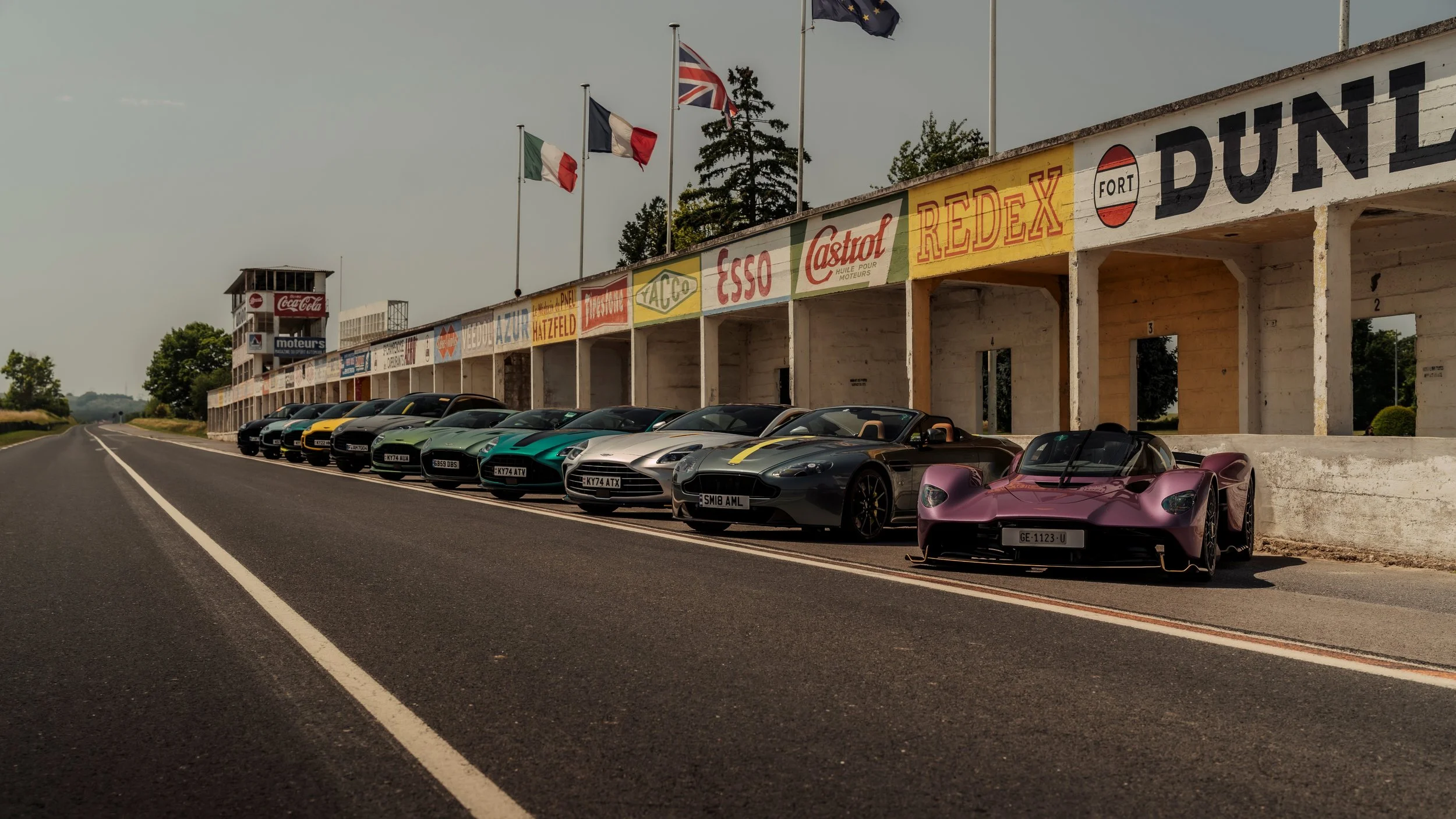
Image © Aston Martin Lagonda. Used for editorial purposes.
On that measure, Aston Martin topped the public vote by number of votes cast, while McLaren ultimately finished ahead on the total amount of money raised and was therefore declared the overall winner on the night.
In all, the event raised just over £18,000 for SSAFA. It’s not a major Aston Martin story in the usual sense, of course, but it is a pleasant reminder that the marque still commands a good deal of warmth and loyalty when enthusiasts are invited to rally behind it for a good cause.
There was also an interesting Bond-related aside this week from outside the Aston Martin world, with a feature asking whether James Bond ought really still to be driving a Bentley, given Ian Fleming’s original literary affection for the marque. In one sense, that’s simply an entertaining piece of cultural provocation. In another, it does offer a fair reminder that Aston Martin didn’t own Bond from the beginning in quite the way the cinema years have since encouraged us to imagine. Even so, it also underlines just how thoroughly Aston Martin has come to define Bond on screen.

Image © Aston Martin Lagonda. Used for editorial purposes.
In FTP terms, that felt quite timely, not least because it links rather neatly to last weekend’s Featured Article on the Aston Martin DB10, a car that itself showed how the Bond relationship has continued to shape Aston Martin’s design imagination deep into the modern era.
It’s one thing for Fleming’s Bond to have once favoured Bentley…
“…it’s quite another to imagine the cinematic Bond story without Aston Martin now at its centre.”
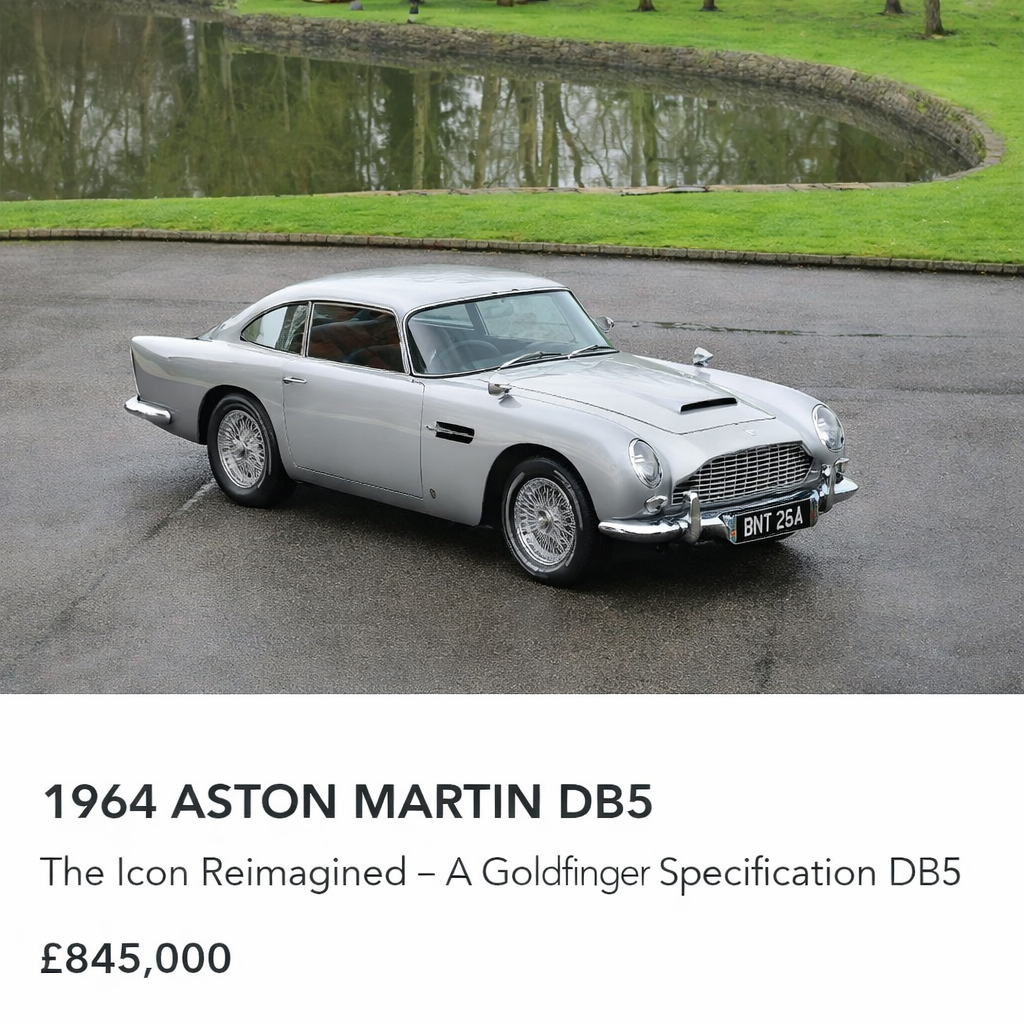
Image © Tom Hartley Jnr. Used for editorial purposes.
Almost by chance, there’s a neat little link this week between the latest Fuel the Passion video and the wider Aston Martin market. In Taking My Vantage Home, I briefly take a closer look at the remarkable DB5 Goldfinger Continuation at Aston Martin Works, one of the 25 cars created to celebrate perhaps the most famous Aston Martin of them all. This week I noticed a 1964 Aston Martin DB5 appearing for sale at Tom Hartley Jnr in unmistakable Goldfinger specification guise, as you can see opposite, with an asking price of £845,000.
It’s not one of the official continuation cars, but it’s still a fascinating reminder of just how powerful the DB5-Bond connection remains. In a world where the official continuation cars were launched at vastly higher figures, this one feels, relatively speaking, almost like the more attainable way into the fantasy. If you want to find out more, simply click on the image above and we’ll take you straight there.
That DB10 thread also sat rather nicely alongside a welcome reminder from evo that some older Aston Martins are beginning to look ever more appealing through modern eyes. Its feature on the 2005–2017 V8 Vantage treated the so-called “baby Aston” not as some lesser compromise, but as a genuinely tempting used proposition: handsome, increasingly pure-feeling, and rather refreshing in an era where so many sports cars have become heavier, more filtered and more digitally insulated. There was nothing especially surprising in that verdict for long-time Aston Martin enthusiasts, but it was still encouraging to see such a clear appreciation of the first-generation V8 Vantage’s enduring appeal. In many ways it supports a broader truth that has run quietly through several recent FTP conversations: some Aston Martins age not by fading away, but by becoming more understandable and more desirable with distance.
That idea was given a rather likeable real-world echo this week on YouTube, where William Wade, a lifestyle and fashion content creator, documented collecting his first Aston Martin, a Vantage N430, in a video that runs to just ten minutes but carries a good deal of genuine warmth. Admittedly it’s not a major news story, of course, but it is a quietly useful reminder of why Aston Martin still matters as more than simply a car manufacturer. In a sense, the video is almost a small demonstration of the marque’s continuing power as an aspirational brand: a company whose cars still feel like dream objects to people, and whose ownership still carries a sense of occasion, pride and emotional pull that many rivals would love to command. Wade’s tone throughout is unmistakably positive, full of gratitude, excitement and that slightly dazed disbelief that comes with finally bringing home a car he had clearly admired for a long time. Plenty of Aston Martin owners, I suspect, will recognise that feeling immediately. You can watch the 10 minute video below;
The Valhalla story, meanwhile, continues to ripple on in smaller ways even after last week’s flood of first-drive verdicts. We’ve already covered the big picture in last weeks roundup, so there’s no need to repeat the entire debate. But it’s worth noting that the car still seems to be generating useful follow-on conversation, not only about its technical ambition and strategic importance to Aston Martin, but also about the odd little engineering curiosities and practical compromises that give halo cars their character.
One worthwhile addition this week came from Autocar, whose fresh road-and-circuit video in Spain again landed in broadly encouraging territory. What stood out most there was not simply the performance, which is obviously immense, but the repeated emphasis on how approachable Aston Martin has tried to make the car. Even with more than 1,000 horsepower, active aerodynamics and a deeply complex hybrid system, the impression was of a car that still feels readable, flattering and surprisingly usable rather than intimidating for the sake of it. That feels a very Aston Martin instinct, and an important one. In that sense, Valhalla still feels very much present in the Aston Martin conversation, even if the initial review wave has begun to settle. You can see the Autocar review below;
As you can see above, Autocar’s latest video arrived under the bold thumbnail line “Best Aston Ever?” - an interesting question to ponder, not least because it’s such a subjective one. On pure technology, outright performance and complexity, there is clearly a case to be made, and from everything seen and read so far, the Valhalla is certainly scoring highly.
But with only 999 examples planned in this form, the truth is that only a very small number of people will ever experience one properly for themselves. I’ll come back to this element with a question or two, in the closing thoughts section below, because it feels exactly the sort of debate worth putting to FTP readers this week.
Back in the racing world, there’s one smaller but worthwhile note to add on Blackthorn Racing.
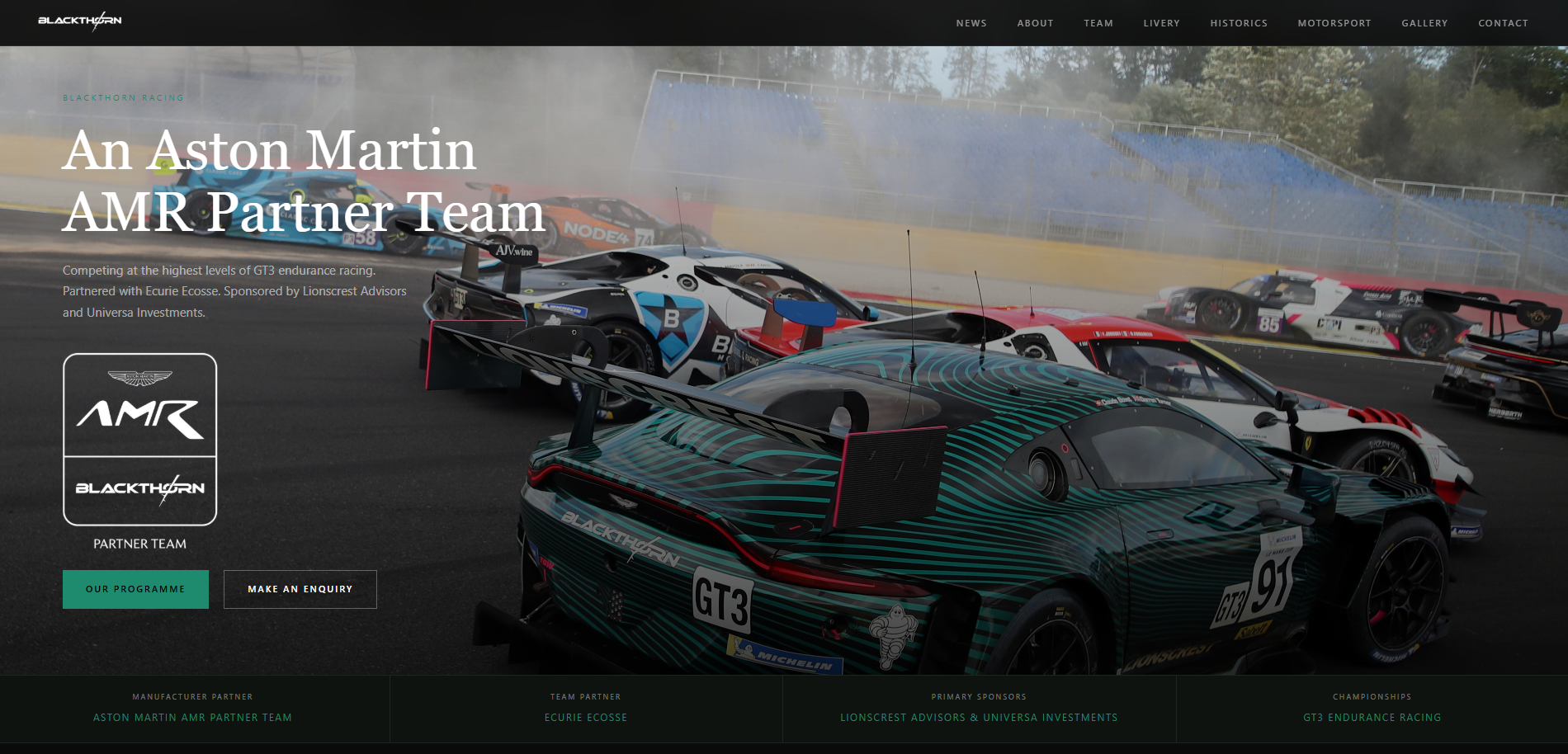
Image © Blackthorn Racing. Used for editorial purposes.
Quite apart from the team’s very busy run of events, Blackthorn has also refreshed its website, giving the programme a cleaner and more polished digital front door at exactly the right moment. That may sound like a modest point, but it matters more than it first appears.
Teams building momentum need to look the part off the circuit as well as on it, and for readers wanting to follow the Blackthorn story more closely this season, the updated site now feels like a much better place to do so. To take a closer look, just click on the Blackthorn website screenshot above and we’ll take you straight there.
None of these stories, individually, demanded the front of the roundup, but taken together they do help round out the week rather nicely. They remind us that the Aston Martin world is never shaped only by the loudest headlines. Sometimes it’s the smaller notes, a charity result, an old V8 Vantage quietly winning admiration, Bond culture resurfacing from a different angle, or a racing team sharpening how it presents itself that give the fuller picture a little more texture.
On the subject of older Astons continuing to cast a strong spell, this week’s FTP Car of the Week feels like a very fitting one indeed, muscular, scarce and very difficult to ignore.
FTP Car of the Week - 1999 Aston Martin V8 Vantage V600
This week’s FTP Car of the Week feels like one of those Aston Martins that doesn’t so much ask for your attention as simply take it. Offered through Aston Martin Bristol, this 1999 Aston Martin V8 Vantage V600 is exactly the sort of car that stops you in your tracks, not merely because it’s rare, and not merely because it’s fast, this was the marque’s late-Newport Pagnell flagship thinking at full stretch: supercharged, hand-built, heavy-shouldered and delivered with a sort of bruising confidence that feels utterly distinctive to its time. The advert lists this Aston Martin V8 Vantage V600 Coupe at £239,990, with 29,600 miles on the clock.
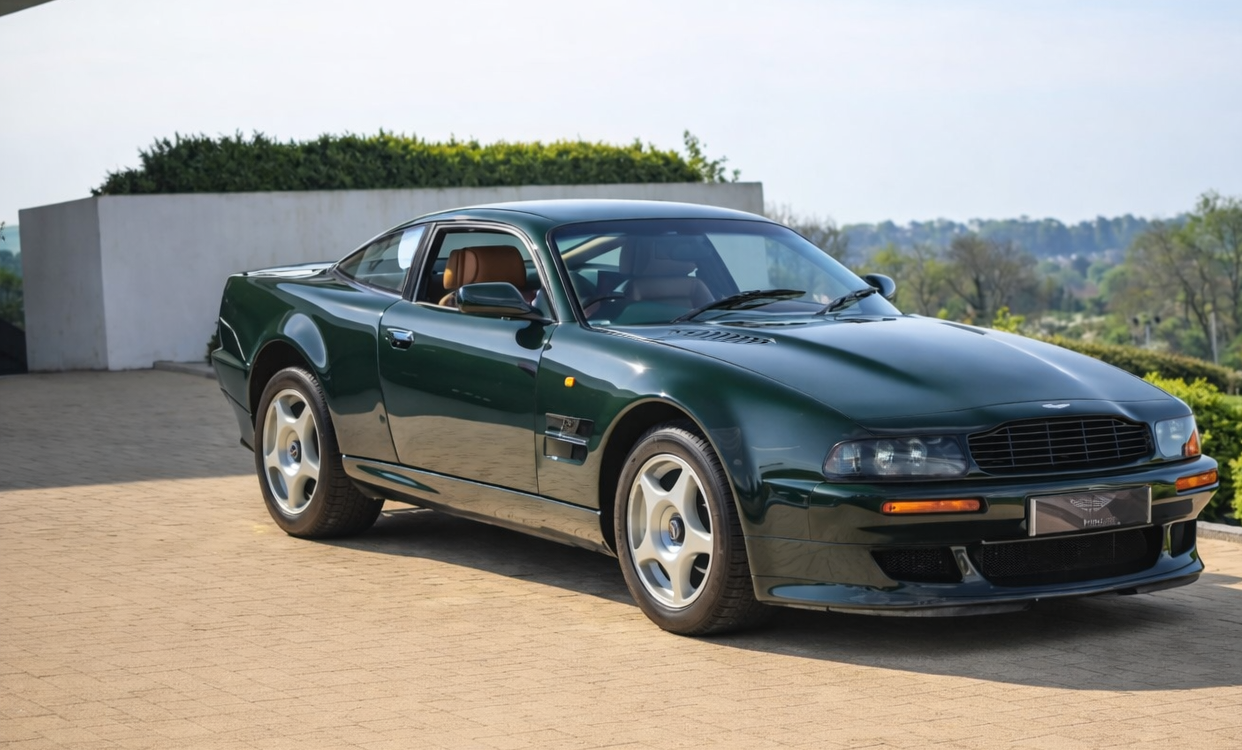
Image © Aston Martin Lagonda. Used for editorial purposes.
There’s something wonderfully muscular about a V600. Even by the standards of late-1990s Aston Martin design, it has real presence. The proportions are broad, heavy-shouldered and unapologetically assertive, with the sort of bonnet, grille treatment and stance that make modern performance cars look almost a little too tidy by comparison.
Where some Astons charm you through elegance alone, the V600 adds something more forceful. It’s handsome, certainly, but also imposing in a way that feels entirely deliberate. This is not a discreet GT for slipping quietly through the background. It’s a car that looks every inch the range-topping statement it was meant to be.
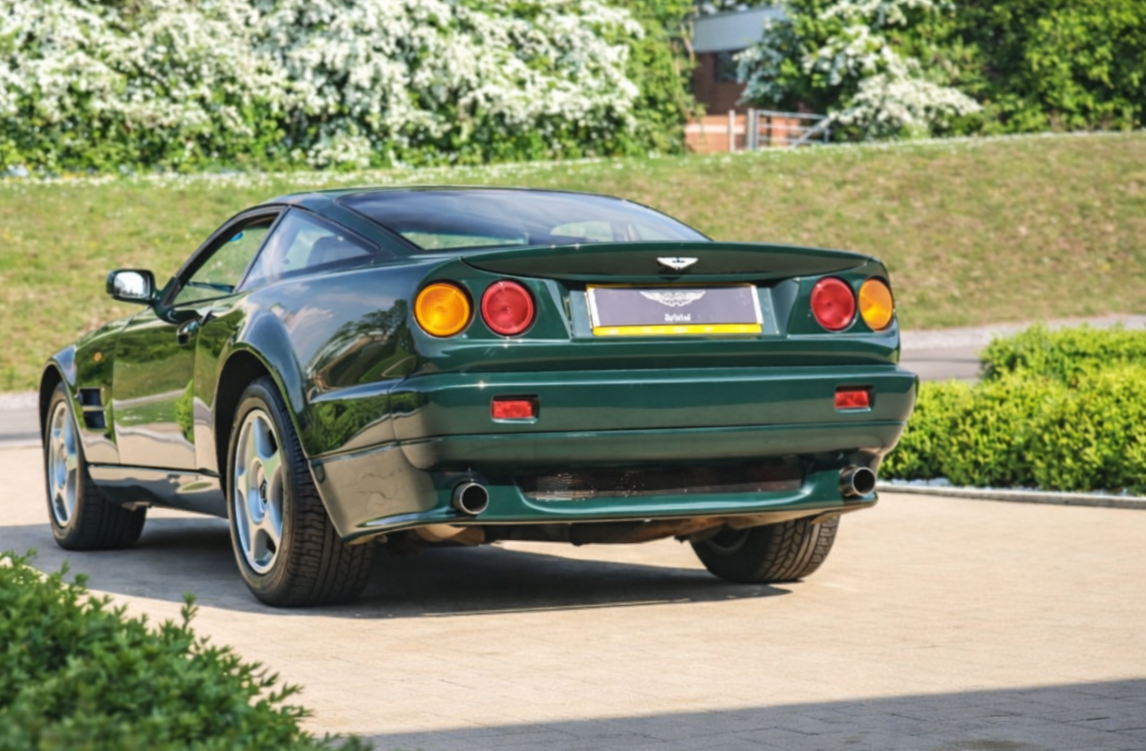
Image © Aston Martin Lagonda. Used for editorial purposes.
That matters because the V600 badge still carries real weight among Aston Martin enthusiasts. Introduced as the ultimate evolution of the supercharged V8 Vantage, the V600 was Aston Martin at full late-Victor Gauntlett / Newport Pagnell excess: more power, more torque, more visual aggression, and a sense that subtlety had perhaps been left outside the factory gates for the afternoon.
Period output was famously quoted at around 600bhp, a scarcely believable figure for the time, and enough to place the car among the most powerful road-going machines of its era. Even now, that remains a headline number with proper drama attached to it. But the appeal of a V600 is not only in the numbers. It’s also in what the car represents. This was Aston Martin before Gaydon, before the more unified modern design language, and before the company’s model range became easier to map in neat contemporary terms. Cars like this came from a period when Aston Martin’s flagships still felt deeply hand-built, slightly intimidating and just a little wild around the edges.
“That’s part of the charm, the V600 was not trying to be clinically perfect. It was trying to be magnificent.”
That’s why this particular example feels such a fitting pick. It’s not simply a rare old Aston Martin for sale, though it is certainly that. It’s a reminder of a time when Aston Martin’s idea of a flagship was big, blown, dramatic and unmistakably British in that slightly unhinged, deeply lovable way the marque could sometimes manage better than almost anyone. In a week where the newer Vanquish has been attracting praise, it also makes for a rather lovely contrast: a reminder that Aston Martin has long known how to build a halo car with real theatre.
If this one has caught your eye, it’s being offered through Aston Martin Bristol, Vantage Point, Cribbs Causeway, Bristol, South Gloucestershire, BS10 7TU, and the dealership can be contacted on +44 (0)117 321 1858.
FTP Update
Away from the wider Aston Martin headlines, it’s been a rather quieter week in the FTP Vantage itself, at least in mileage terms. Easter family time and a busy editing schedule meant there were not many extra miles added, but that doesn’t mean the week has felt idle. In truth, a good deal of it has simply unfolded behind the screen rather than behind the wheel.
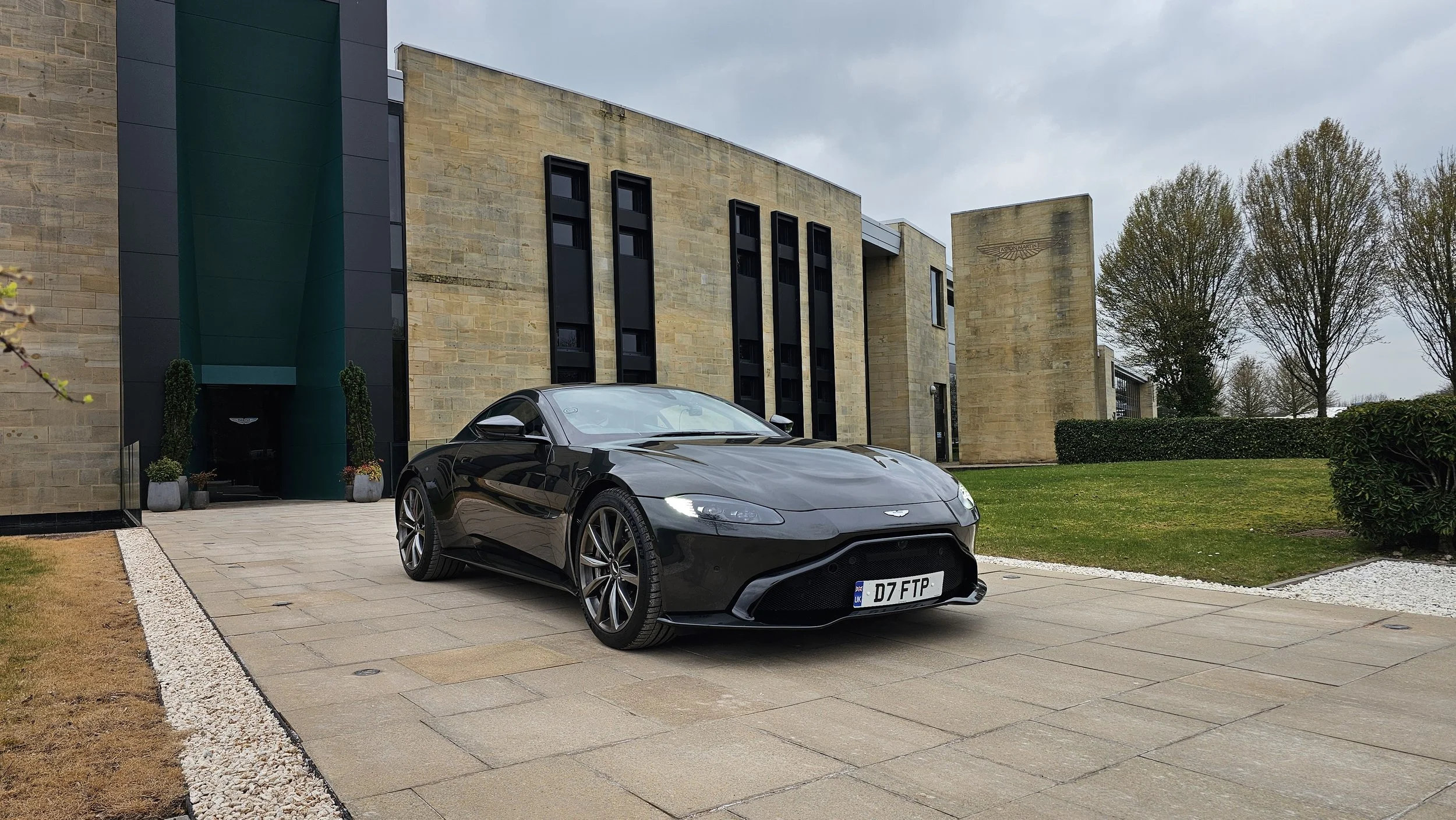
Image © Fuel the Passion
Much of that effort has gone into the latest Fuel the Passion film, “Taking my Vantage Home,” which went live on the Fuel the Passion YouTube channel on Friday evening at 6pm.
So by the time you’re reading this roundup, it will already have been out for a day or so, and if you haven’t yet seen it, it’s there waiting for you. It’s one of those videos that links the car, the place and the wider Aston Martin story in quite a personal way, which always tends to make the process of pulling it together feel a little more satisfying.
Alongside that, I’m also in the middle of editing another video that will support the 25th Anniversary of the Vanquish, built around my recent visit to Aston Martin Works. That material is progressing, but it’s one of those projects that has to move carefully rather than quickly. While I can show the broader trip itself, the interview content cannot be published just yet. Once the edit is complete, it will need to go through Aston Martin Lagonda’s press department, as well as AMHT and AMOC, to make sure everyone involved is happy before anything is released. With luck, all of that will come together in time for May, which feels about right.
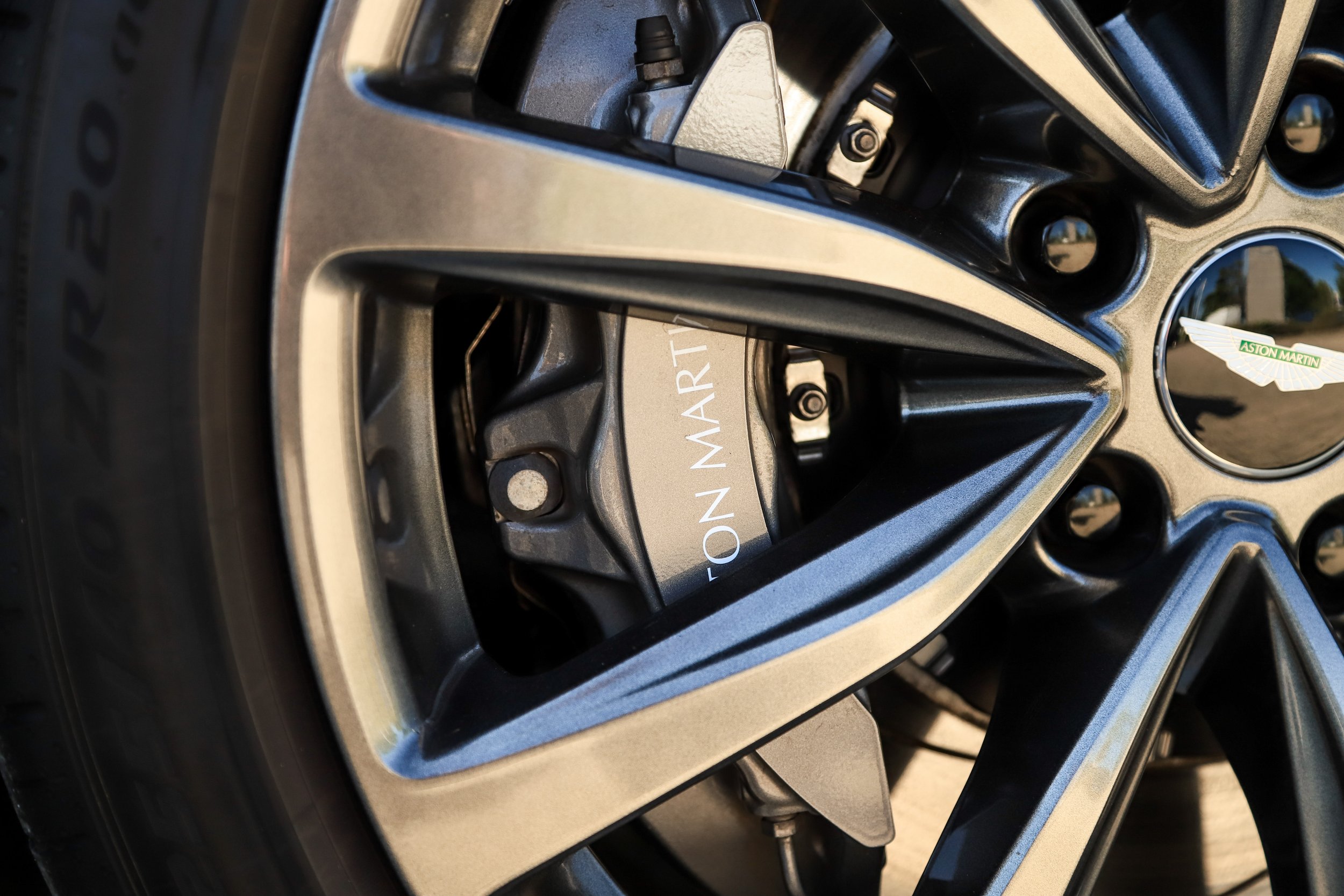
Image © Fuel the Passion
The FTP Vantage did at least get a little attention of a different kind this week, because I managed to wash it during a few welcome spells of dry and warmer weather. That was no bad thing. One part of ownership I never particularly enjoy is leaving too much brake dust sitting on the wheels.
After even fairly ordinary use it doesn’t take long for the lovely finish on the wheels to disappear under a layer of grime, and I’m always conscious that the longer it’s left, the more stubborn it can become. I much prefer leaving the car clean, settled and ready for the next outing if I can.
So while this has not been one of those weeks defined by a big trip or a burst of mileage, it’s still felt productive in a very Fuel the Passion sort of way: editing, shaping, preparing, and quietly keeping things moving forward behind the scenes.
Closing Reflection
Perhaps that’s quite a fitting place to leave things this week, because Aston Martin still feels like a marque living several stories at once.
There’s still discomfort there, certainly. Formula 1 remains unresolved, the market hasn’t suddenly found peace, and the wider ownership backdrop still sits in a world where fuel costs and confidence can shift rather too quickly for comfort. None of that has disappeared. But this week has also been a useful reminder that Aston Martin’s picture is rarely as narrow as the loudest headline makes it seem. While Formula 1 pauses, the marque’s wider racing world has offered genuine interest and encouragement, the road cars continue to attract serious praise, and even the supporting stories have carried more momentum than drift.
In truth, that may be the real character of Aston Martin at the moment. Not settled, not simple, and not easily reduced to one neat conclusion, but still full of beauty, ambition, interest and enough variety to keep you paying attention. This week, more than most, has felt like a reminder that if one part of the Aston Martin story is proving frustrating, another part is usually doing something rather compelling.
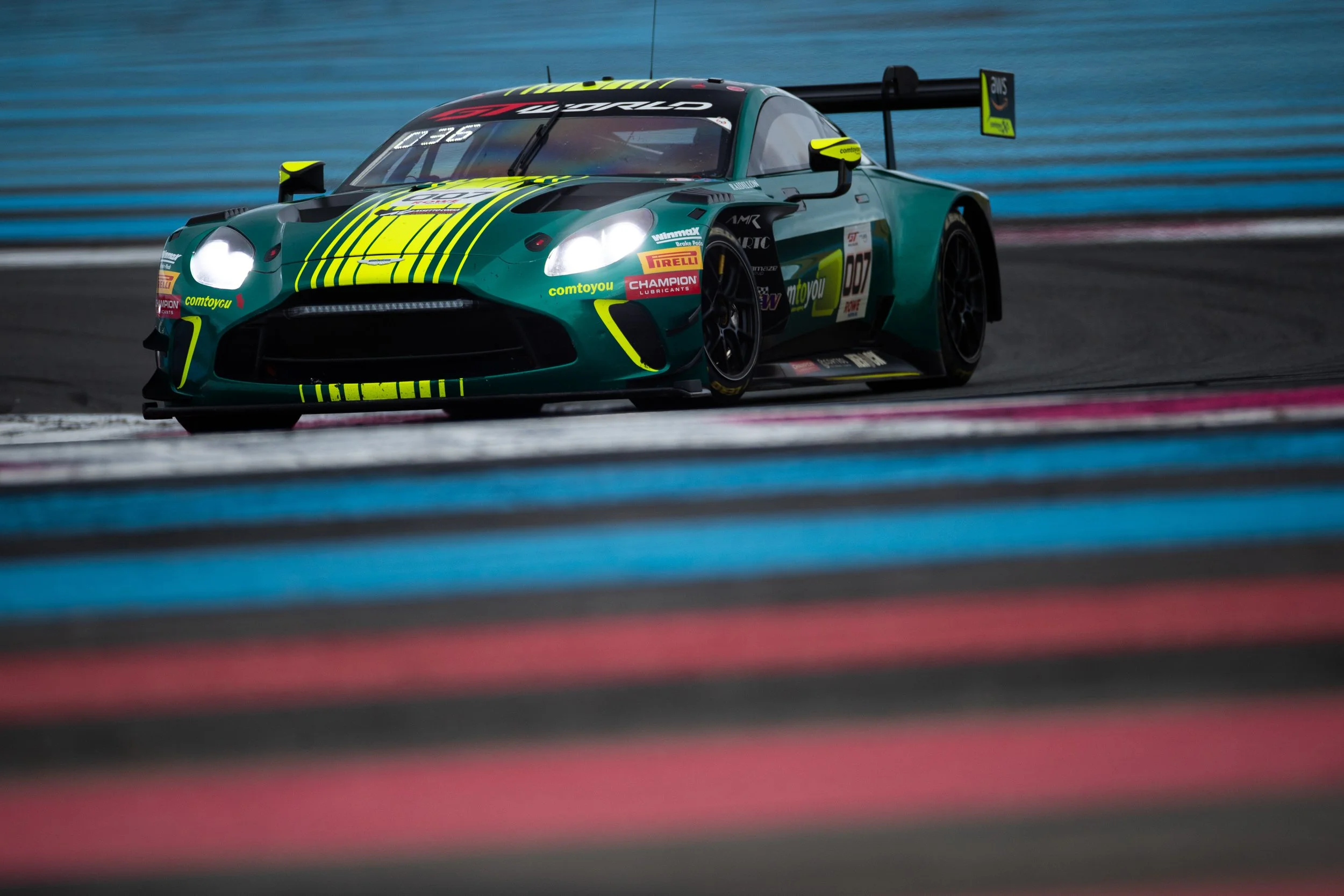
Image © Aston Martin Lagonda. Used for editorial purposes.
Over the coming days, I’ll be watching closely to see how that big GT weekend ultimately unfolds for Aston Martin at Paul Ricard and Barcelona, particularly after such an encouraging qualifying showing in one place and such an unfortunate early setback for Blackthorn in the other. I’ll also be keeping an eye on the next steps for Valkyrie, Heart of Racing and Kobe Pauwels’ forthcoming WEC debut at Imola, as Aston Martin’s broader endurance story continues to gather shape in the background.
Closer to home, as already mentioned, there’s also the new “Taking my Vantage Home” film now out on the Fuel the Passion YouTube channel, and the Vanquish anniversary edit continuing to take shape behind the scenes. If you haven’t yet had the chance to watch the latest Fuel the Passion video, it’s below, just click on the image and we’ll take you right there;
I would love to hear what you make of this week’s themes in the comments section below. Looking at everything Aston Martin has had going on lately, do you think the Valhalla really has the makings of one of the most important road cars the company has ever produced?
Bold though it may sound, is there a case for calling it one of the best Aston Martins ever made from a technological and engineering point of view, even if only a very small number of people will ever experience one properly?
Beyond the car itself, could Valhalla genuinely help change Aston Martin’s wider fortunes, both financially and in the way the brand is now perceived, or is that expecting too much from even a halo car of this significance?
Do leave a comment below 👇, I genuinely enjoy reading them, and they always add something to the conversation.
Until next week, thank you, as always, for reading Fuel the Passion, see you on the next one! 👆
Kind regards, Dan
