
Issue 24 - Fuel the Passion (FTP) Weekly Roundup
Week Ending 17th May 2026
Editor’s Introduction - Dan, Fuel the Passion
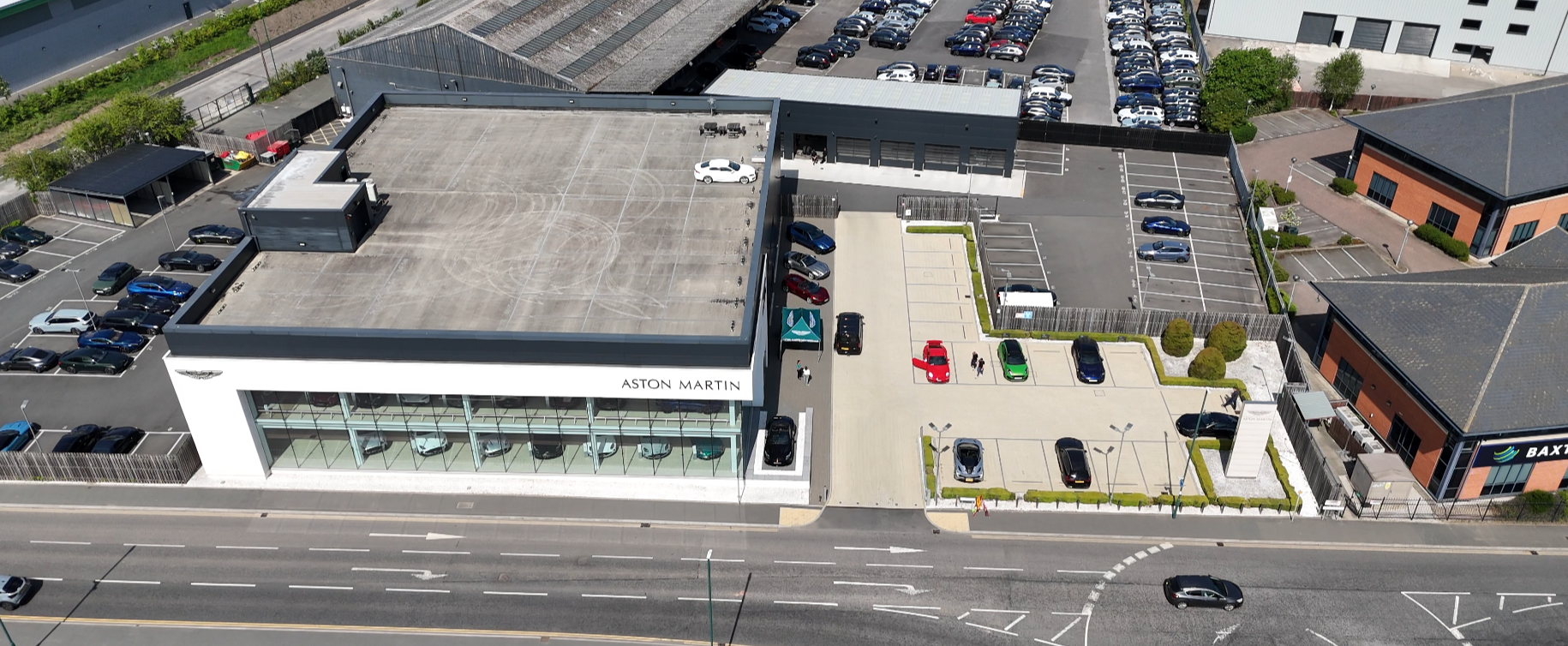
Image © Fuel the Passion. Aston Martin Nottingham
On the surface, there are some properly encouraging headlines: Valkyrie taking its best WEC Hypercar result so far at Spa, Heart of Racing putting a Vantage on the LMGT3 podium, and another wave of strong reviews suggesting Aston Martin’s current road-car range is in a very good place indeed.
But, as ever with Aston Martin, the full picture is more complicated than the headline. Formula 1 remains difficult, even if the early reliability concerns around the Aston Martin-Honda project appear to be easing. The wider business story continues to attract scrutiny, especially around funding, debt and future ownership speculation. Meanwhile, in the ownership world, the DBX707 has given us another honest reminder that modern main-range Aston Martins can be deeply desirable cars and still face very real depreciation once they enter the used market.
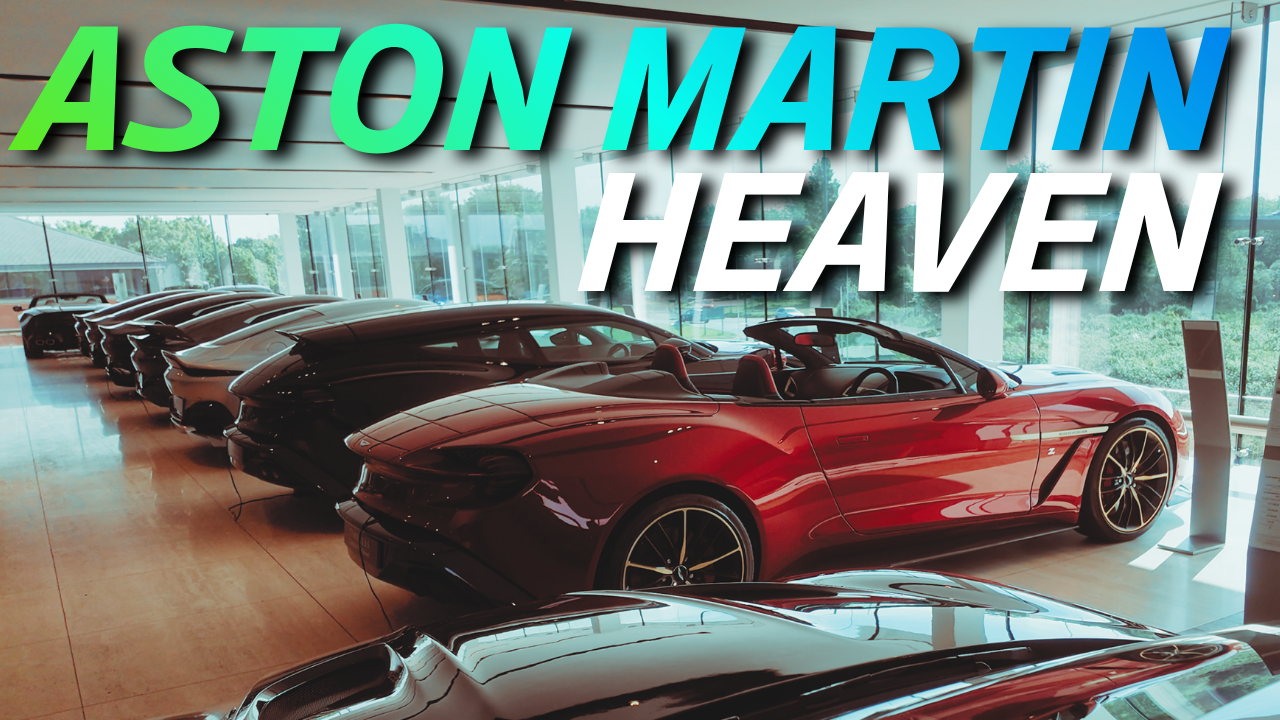
Image © Fuel the Passion. FTP Video Thumbnail
Closer to home, there’s also a new Fuel the Passion video live this weekend: Aston Martin Heaven. It follows my first visit to Aston Martin Nottingham for a Cars & Coffee morning organised with SC:UK / Supercar Owner, with a showroom full of Aston Martin stories, from Vanquish and Vantage S to DBX S, DBX707, Zagato cars and more.
It feels like a good reminder that, alongside the big corporate stories and race results, so much of the Aston Martin world is still about people, places, shared mornings, and the simple joy of being around these cars. That contrast is really the thread running through this week’s Roundup. Aston Martin looks full of promise in some places, under pressure in others, and fascinating almost everywhere you look. There are signs of momentum, signs of strain, and more than a few reminders that this marque is at its best when it combines beauty, engineering, competition and emotion in ways very few manufacturers can match.
So let’s start where the week felt strongest: at Spa, where the Aston Martin Valkyrie took another significant step towards Le Mans.
Valkyrie Finds Its Strongest WEC Weekend Yet at Spa
If there was one Aston Martin story this week that deserved to sit at the front of the Roundup, it was the result at Spa. The #007 Aston Martin THOR Team Valkyrie, driven by Harry Tincknell and Tom Gamble, finished fourth overall in the FIA World Endurance Championship, giving the Valkyrie programme its best Hypercar result so far.
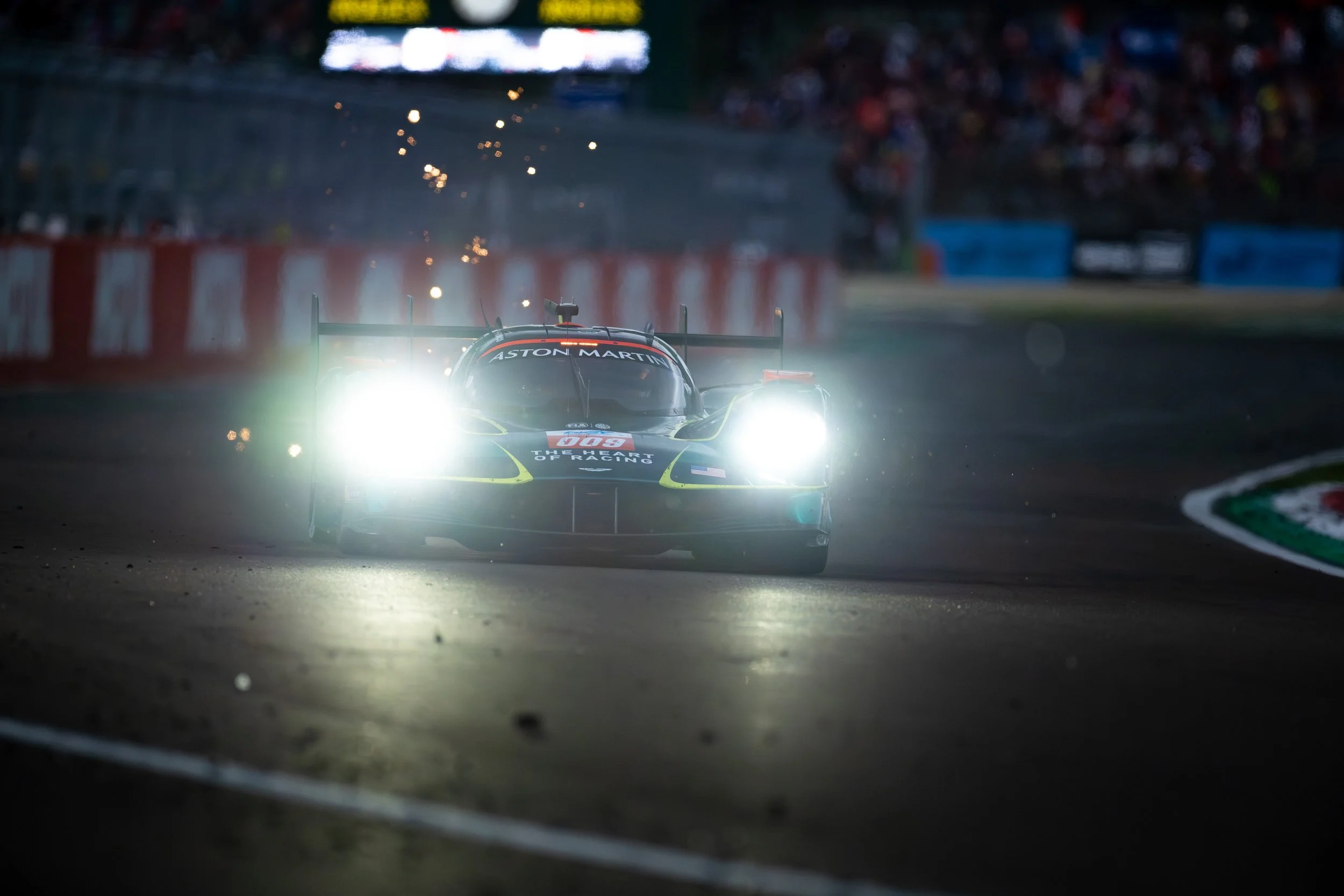
Image © Aston Martin Lagonda. Used for editorial purposes.
That feels significant because it wasn’t a lucky finish buried deep in the order. At Spa, the Valkyrie looked increasingly like a car beginning to belong in the fight. The #007 came home behind the two BMW M Team WRT cars and the #50 Ferrari, only a few seconds from the winner, and ahead of plenty of established Hypercar machinery.
For a programme that is still building experience, understanding tyres, systems, strategy and race execution, fourth place at Spa was a proper step forward.
It also changes the tone as Le Mans approaches. A podium at the 24 Hours is still a very big ask, and Spa shouldn’t be treated as a guarantee of anything at La Sarthe. But it does make the idea of Aston Martin being properly involved feel more realistic than it did a few months ago. The Valkyrie is no longer simply the fascinating new arrival in the Hypercar field; it’s beginning to produce results that demand attention.
This is also exactly why I’ve been building the Fuel the Passion Motorsport Hub. The Hub is intended to be a dedicated place on the website for Aston Martin motorsport followers, bringing together race calendars, countdowns, latest results, standings and race reports across the main championships where Aston Martin cars and teams are competing. That includes Formula 1, FIA WEC, IMSA, GT World Challenge Europe, Michelin Le Mans Cup, International GT Open and selected Aston Martin customer racing stories. If the Weekly Roundup is the weekly story, the Motorsport Hub is designed to be the reference point you can keep returning to as the season develops.
There was, however, a hard edge to the Spa weekend too. The #009 Valkyrie had shown strong pace and looked set for a very good result of its own before Alex Riberas was involved in a late incident with António Félix da Costa’s #35 Alpine on the Kemmel Straight. I’ve included coverage of this crash via a short YouTube video below;
The stewards later decided that neither driver was wholly or predominantly responsible, which feels like the fairest way to treat it. At more than 300km/h, with cars moving, closing and committing in tiny windows of time, Spa once again showed how brutal endurance racing margins can be. Thankfully, Riberas was unhurt, but the #009’s result was gone.
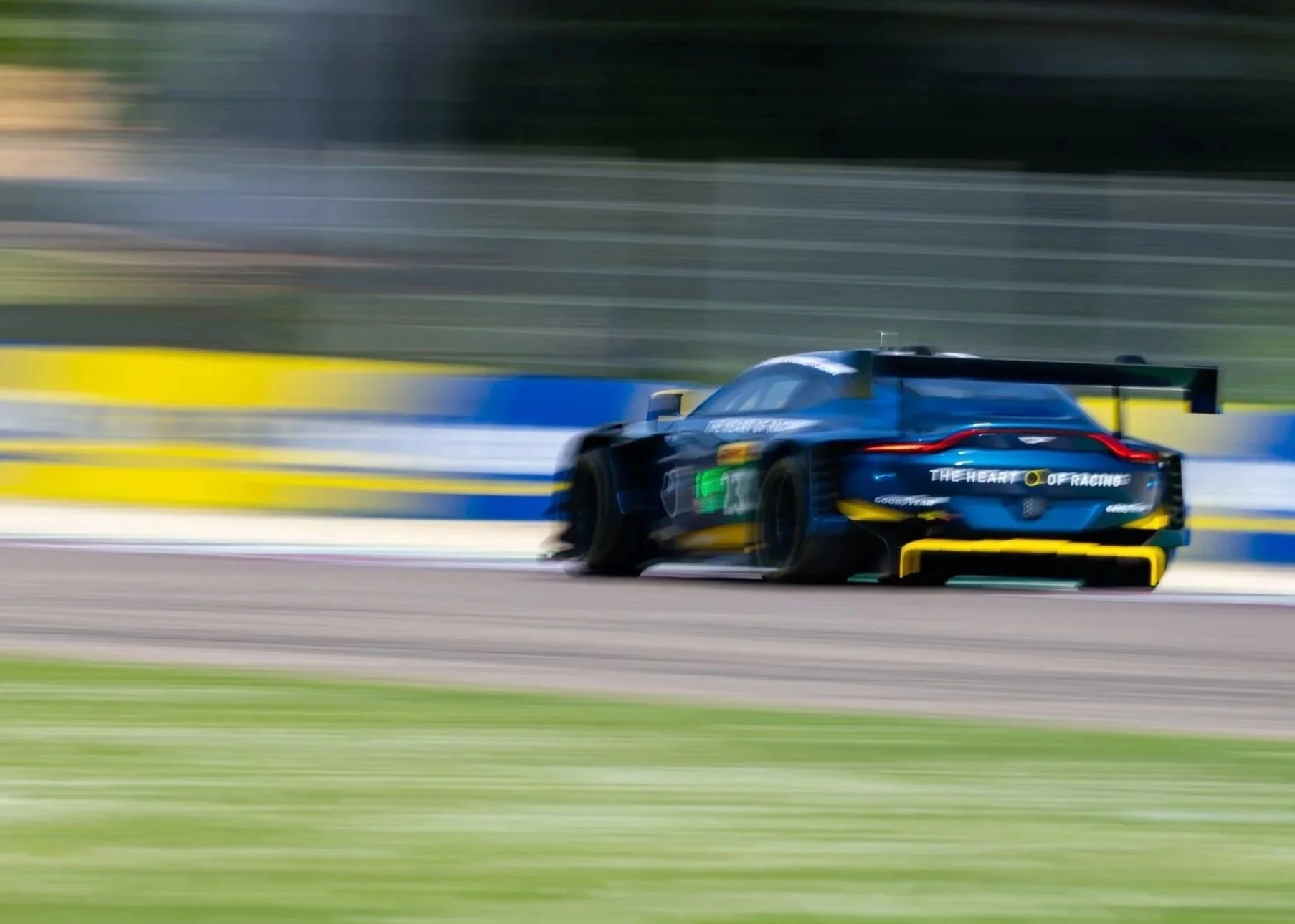
Image © Aston Martin Lagonda. Used for editorial purposes.
The Aston Martin story at Spa was not limited to Hypercar either. In LMGT3, the #27 Heart of Racing Aston Martin Vantage AMR LMGT3 finished second in class, giving Aston Martin another podium on a weekend when the Vantage again showed its strength as a modern GT platform.
The #23 Heart of Racing Vantage finished further down the order, but the headline remains a strong one:
Aston Martin left Spa with its best Valkyrie result so far and an LMGT3 podium.
For Fuel the Passion, this now becomes part of the Le Mans build-up. The countdown is very much on, and I’ve added a dedicated Le Mans countdown clock to the front page of the Fuel the Passion website so we can follow the build towards one of the most important Aston Martin racing weekends of the year.
Spa didn’t give Aston Martin a fairytale win. What it did give us was something perhaps more useful at this stage: evidence. Evidence that the Valkyrie is moving forward, evidence that the programme has pace, evidence that Aston Martin’s return to the top class of endurance racing is starting to look more than symbolic.
Formula 1 - Honda, Reliability Progress and the Long Road Back for the AMR26
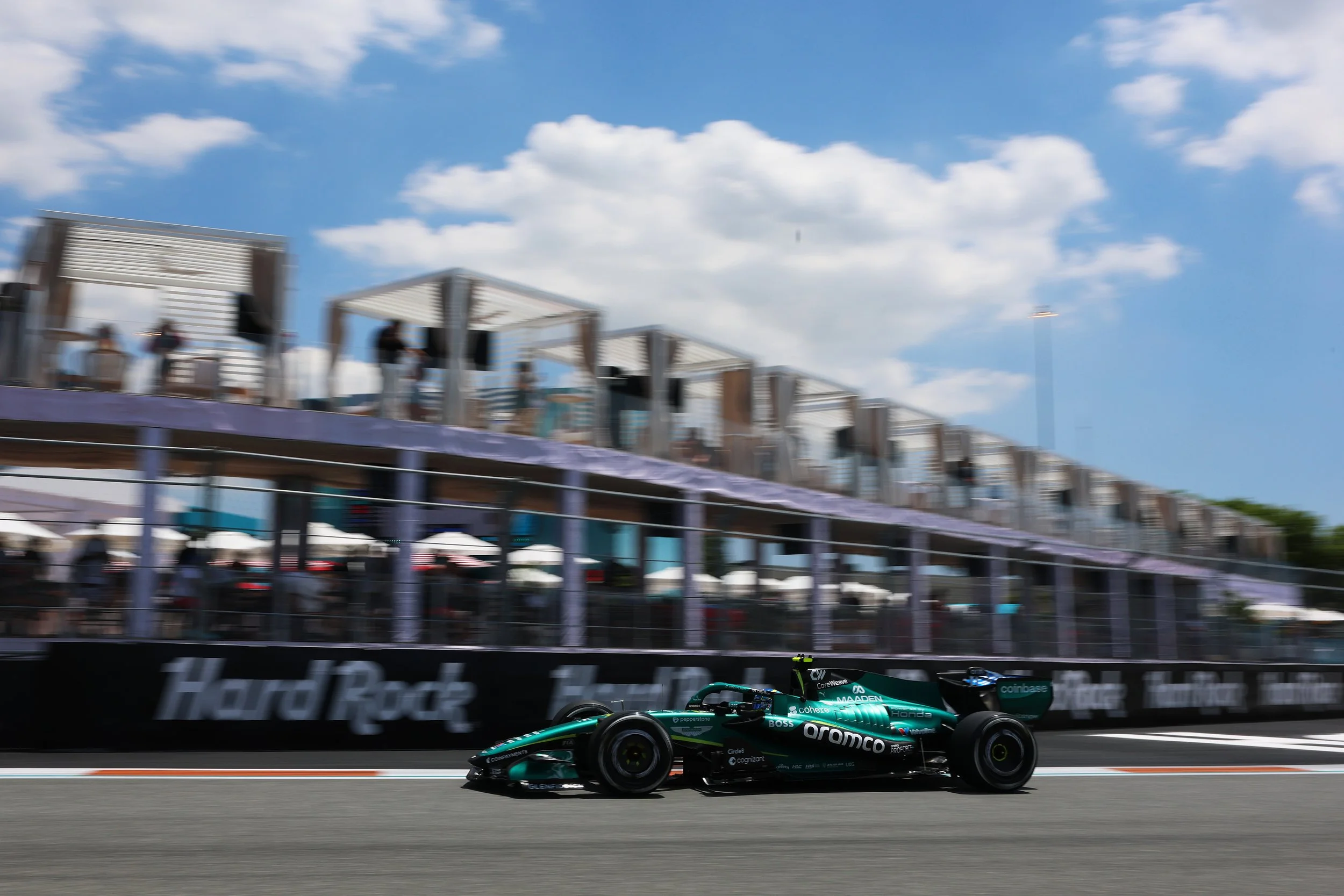
Image © Honda Motor Co. Ltd & Aston Martin Aramco. Used for editorial purposes. Fernando Alonso of Spain driving the (14) Aston Martin F1 Team AMR26 Honda on track in Miami.
If Spa gave Aston Martin its most encouraging motorsport story of the week, Formula 1 remained a more difficult and complicated picture. The Aston Martin-Honda project is still in the early part of its first season together, and the opening races have been far harder than anyone at Silverstone, Sakura or Gaydon would’ve wanted.
The most substantial development came through the Reuters report that Honda could be allowed additional power-unit development headroom under Formula 1’s ADUO system; Additional Development and Upgrade Opportunities. In simple terms, this is the mechanism designed to give a struggling power-unit manufacturer extra scope to improve if it’s judged to be sufficiently behind the benchmark.
The headline figure being discussed is up to $19 million of additional development allowance, but it’s important to be precise. This isn’t a cash grant, and it’s certainly not a magic fix. It’s potential cost-cap relief and development opportunity, subject to the FIA process. For Aston Martin, though, it still matters because it gives the Honda recovery story a credible regulatory pathway rather than simply relying on hope. As we know, the early Aston Martin-Honda works-team era has been affected by vibration issues, reliability concerns and a clear lack of performance. Miami brought some progress because both cars finally reached the flag, but Fernando Alonso finishing 15th and Lance Stroll 17th was not a competitive result. It was stability, not speed.
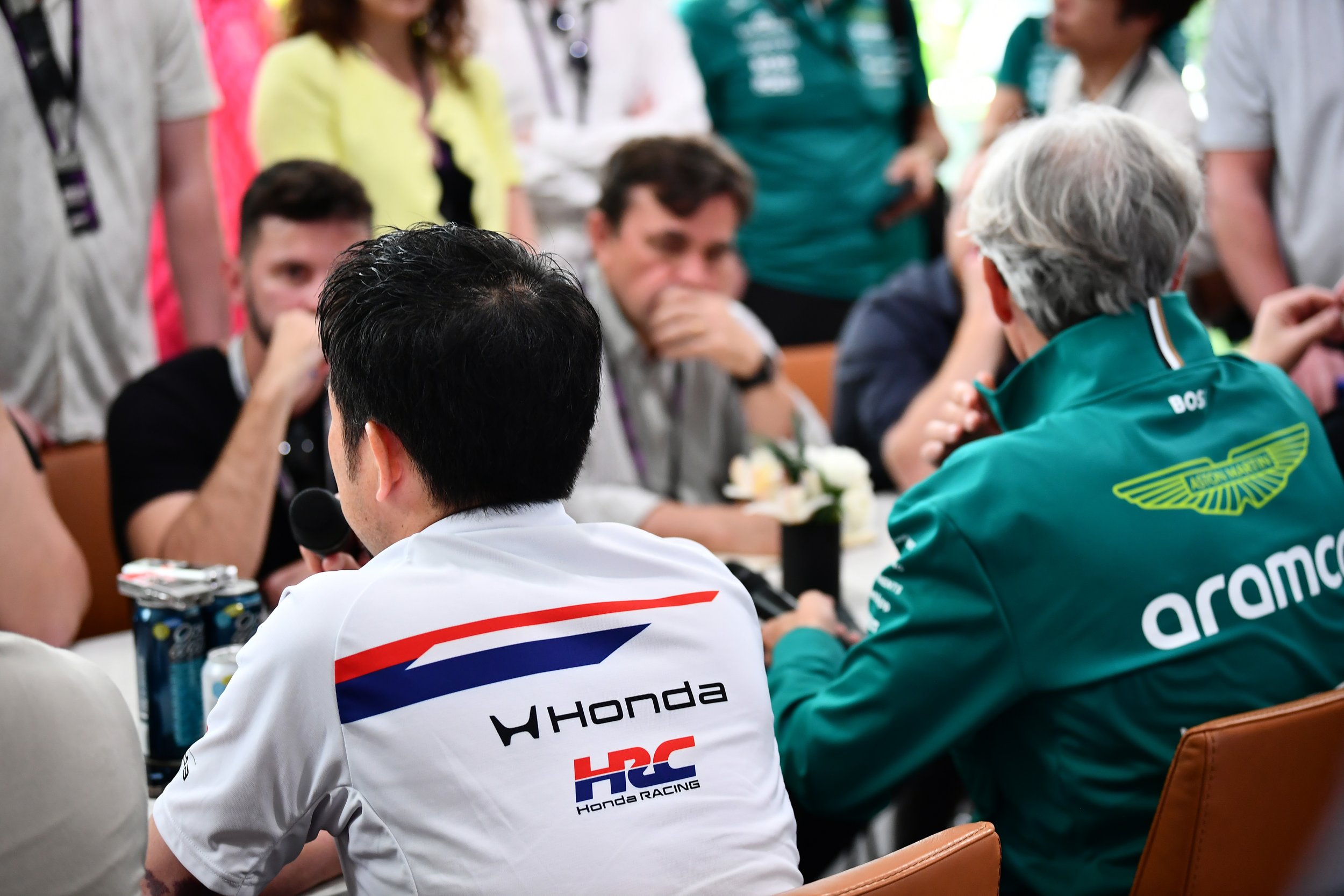
Image © Honda Motor Co., Ltd. Used for editorial purposes. Mike Krack, Chief Trackside Officer of Aston Martin F1 Team and Shintaro Orihara, Trackside General Manager and Chief Engineer of Honda Racing Corporation speak to the media during previews ahead of the F1 Grand Prix of Miami
That distinction is important. Aston Martin and Honda appear to have moved the AMR26 away from the worst of its early reliability anxiety, but the car still needs a meaningful step in performance before this season can become anything more than a recovery exercise.
Mike Krack’s comments last week reflected that reality. Aston Martin didn’t arrive in Miami with a headline aerodynamic package, while several rivals brought new parts. The team’s position seems to be that it must understand and stabilise the current package before spending budget-cap resource on upgrades that may not move the needle far enough.
That’s sensible in theory, but uncomfortable in practice. Aston Martin is not supposed to be simply surviving races. This is a works project with Honda, a major technical reset, a new era for the team, and a platform on which future ambitions have been built. If the first phase of 2026 is about diagnosis and damage limitation, the second phase needs to show that the team can turn those lessons into lap time.
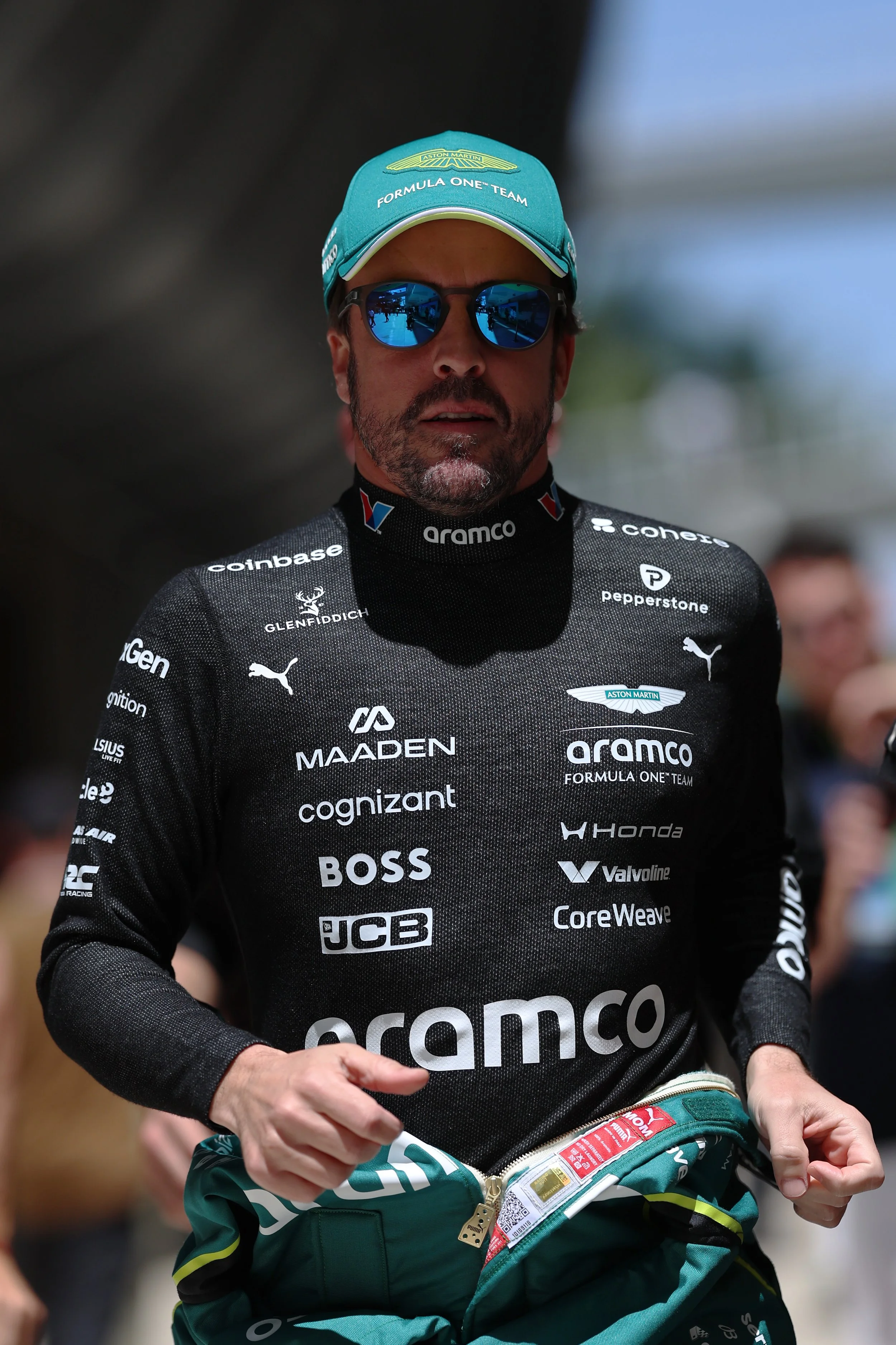
Image © Honda Motor Co. Ltd & Aston Martin Aramco. Used for editorial purposes. Fernando Alonso, Miami.
Fernando Alonso, interestingly, continues to sound committed to the longer-term idea. He’s spoken about making a decision on his Formula 1 future after the summer break, but his tone around Aston Martin remains more thoughtful than detached. He appears to be judging not only whether he still wants to race, but whether the Aston Martin-Honda project is moving in the right direction.
His belief that year two should be better than year one is encouraging, but it also sets a clear expectation. Patience only works if progress follows.
His comments about recently driving the Aston Martin Valkyrie prototype, and the possibility of Le Mans “one day again”, also added a lovely endurance-racing thread to what could otherwise have been a fairly standard contract story. That shouldn’t be treated as a programme announcement, but it does remind us how closely Aston Martin’s F1, Hypercar and wider racing worlds now sit beside one another.
There’s also been more speculative reporting around a possible mid-season AMR26 overhaul, with some F1 media suggesting Aston Martin may be targeting a larger reset later in the summer. That may prove true, but until it’s confirmed by the team or supported by stronger reporting, it needs to stay in the “reported rather than established” category. The safer conclusion is that Aston Martin knows the AMR26 needs more than small polishing work. The timing, scale and effectiveness of any solution remain open questions.
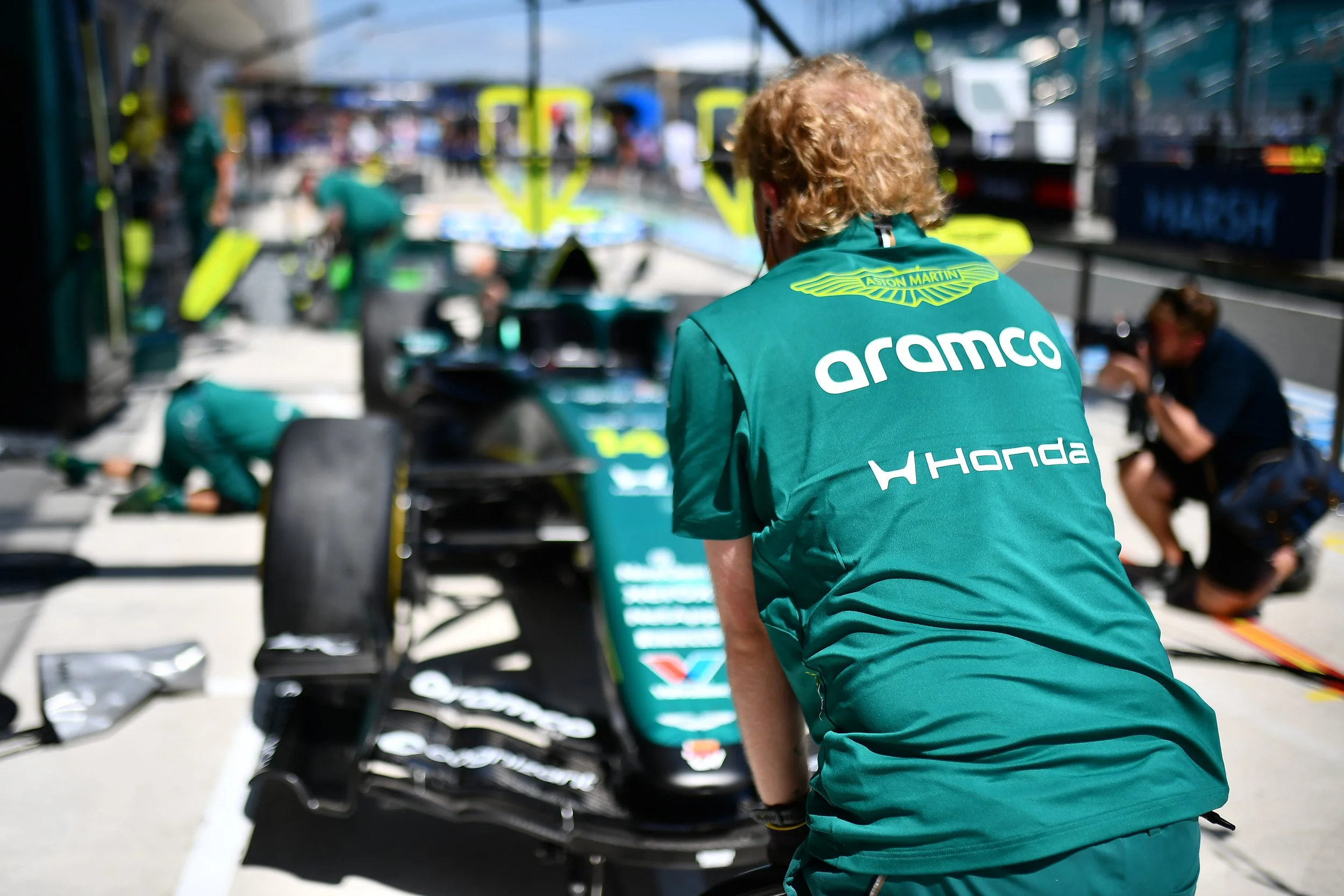
Image © Honda Motor Co. Ltd & Aston Martin Aramco. Used for editorial purposes.
For now, Miami was a small step away from the crisis feeling of the opening races. Reuters’ ADUO reporting gives Honda’s recovery effort something more substantial to work around, and Alonso’s comments suggest belief has not vanished inside the driver’s side of the garage. But the stopwatch remains blunt. Reliability progress is welcome; performance is what will decide whether this first Aston Martin-Honda season becomes a painful foundation year or a warning sign.
From Formula 1’s difficult search for answers, it’s worth moving back into the customer-racing world, where Aston Martin’s GT programmes continue to provide some of the most interesting and quietly encouraging stories of the season.
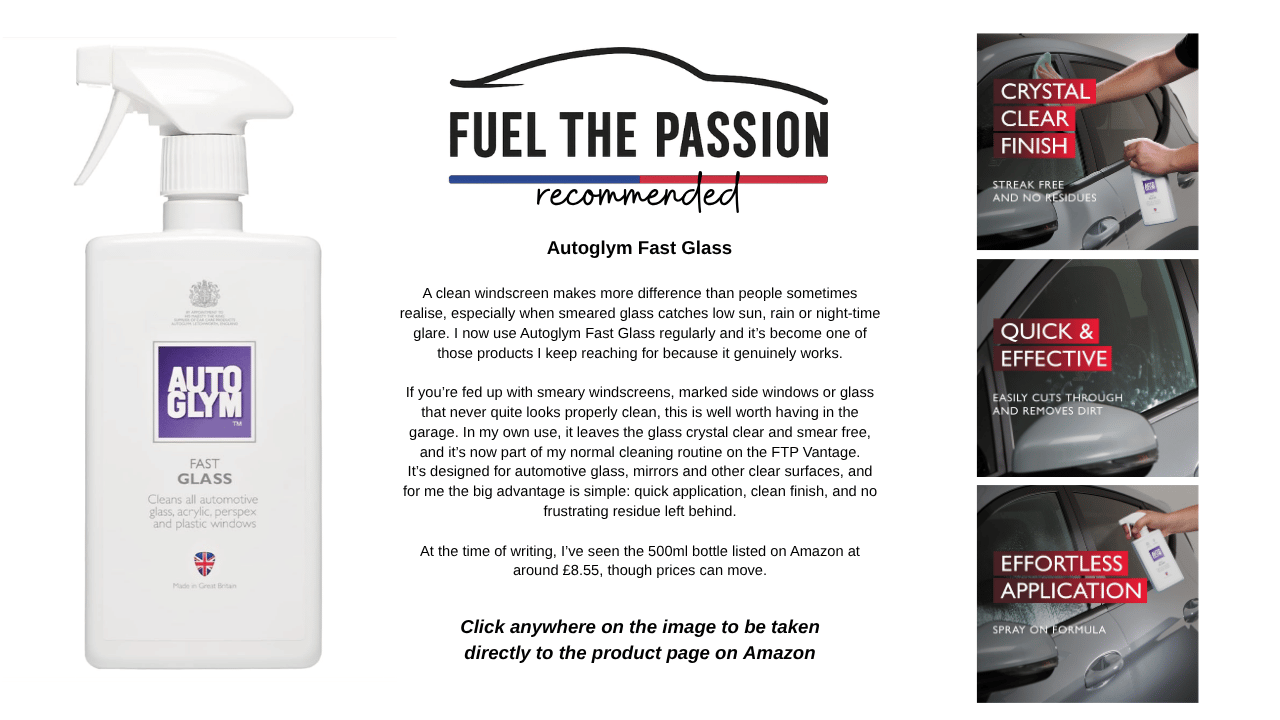
If you choose to purchase through this affiliate link, it won’t cost you anything extra, but Fuel the Passion may earn a small commission which helps support the website, videos and future content. Thank you.
Customer GT Racing - Blackthorn Racing, GT Open and the Wider Aston Martin GT Watch
From Formula 1’s difficult search for answers, it’s worth moving back into the customer-racing world, where Aston Martin’s GT programmes continue to provide some of the most interesting and quietly encouraging stories of the season.
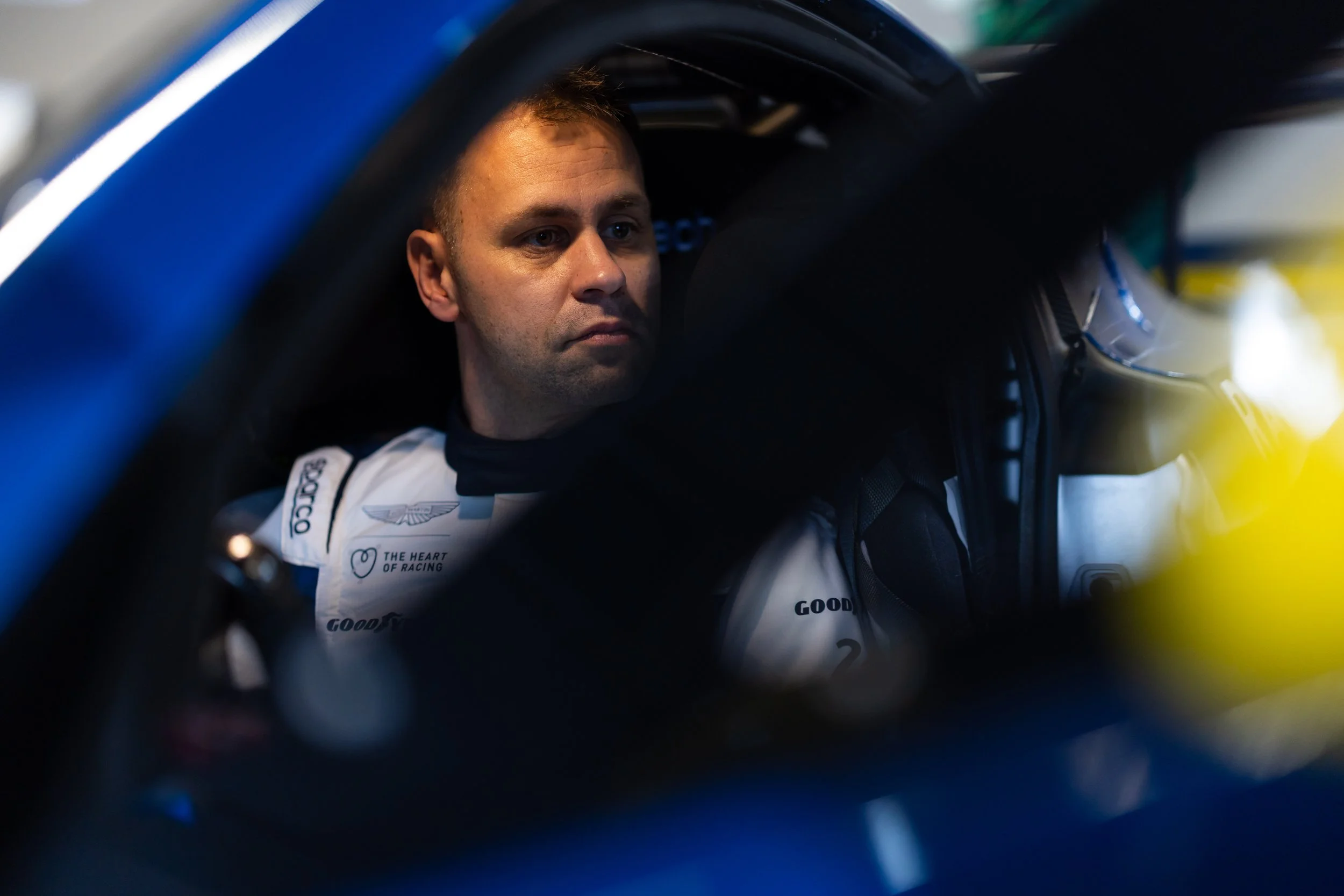
Image © Aston Martin Lagonda. Used for editorial purposes. Jonny Adam.
One of the teams we’ve been following particularly closely this year is Blackthorn Racing, and there’s another useful update this week as the International GT Open heads to Spa for the Spa 500. Blackthorn arrives as the Pro-Am points leader, with Charlie Bateman joined by Aston Martin works driver Jonny Adam in the team’s Vantage GT3.
That feels like another important little marker in Blackthorn’s growing Aston Martin story. This is not a one-off appearance or a casual customer-racing effort; it’s a multi-series campaign, run with serious intent, and it continues to give Aston Martin a visible presence across some of the key GT championships FTP follows. We’ve already seen Blackthorn and Ecurie Ecosse make headlines in Asian Le Mans Series form, and the International GT Open campaign now gives us another thread to follow through the European season.
Spa is also a fitting place for that story to develop. It’s one of the great GT racing circuits, and the Spa 500 format gives the weekend a slightly different feel from a conventional sprint-style round. For Blackthorn, arriving as Pro-Am leader brings opportunity, but also pressure. With Jonny Adam alongside Charlie Bateman, there’s no shortage of Aston Martin experience in the car.
There’s more Aston Martin interest in the same GT Open field too, with Good Speed Racing listed for Spa with its Aston Martin entry in the Am class. That gives us another customer team to watch, and it’s exactly the sort of detail I want the FTP Motorsport Hub to capture as the season unfolds. Not every weekend produces a headline result, but when you step back and look across GT Open, GT World Challenge Europe, Michelin Le Mans Cup, British GT, IMSA and WEC, you start to see how wide Aston Martin’s modern racing footprint really is.
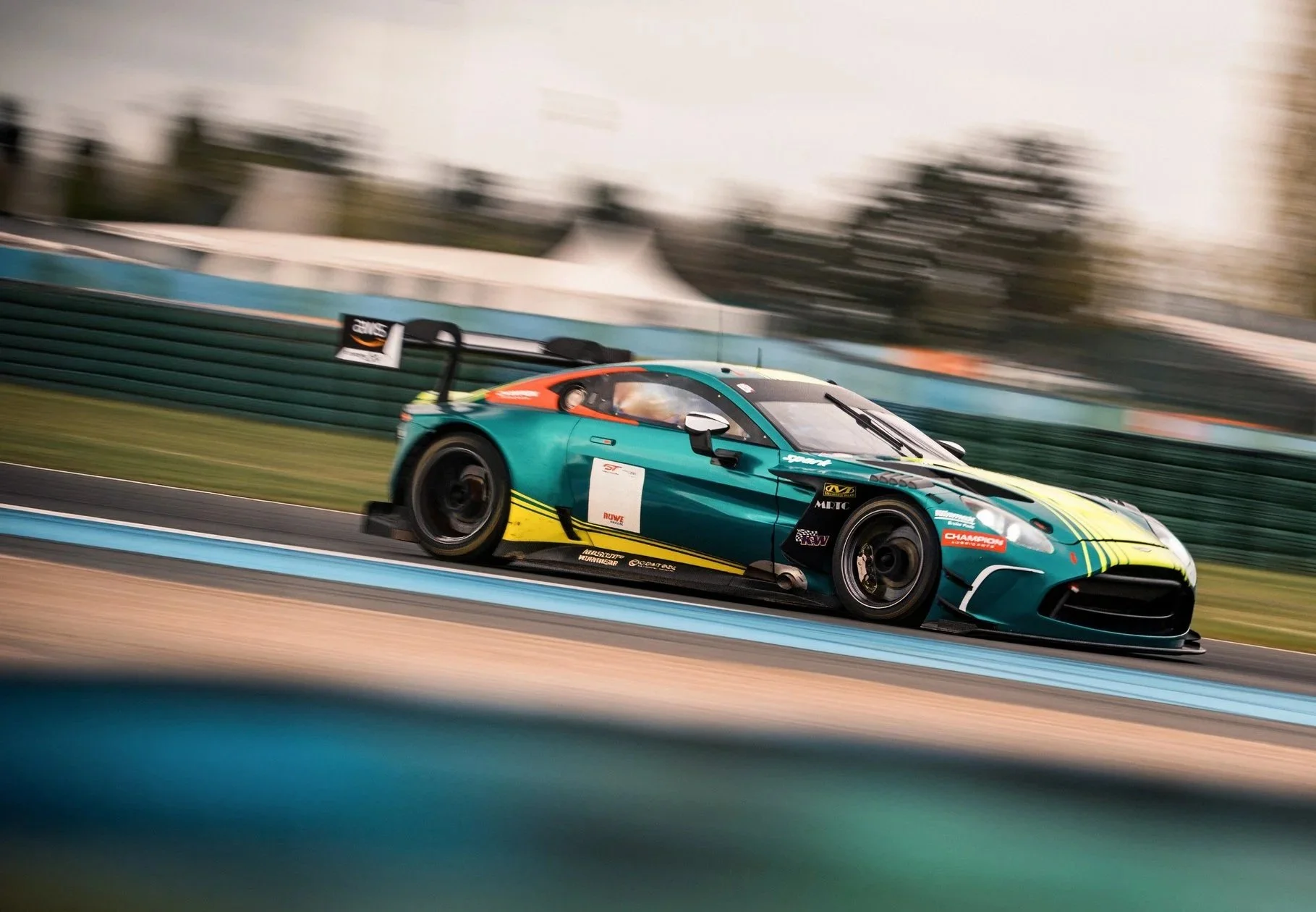
Image © Aston Martin Lagonda. Used for editorial purposes.
Elsewhere in GT racing, there was no single Aston Martin customer result this week that deserved to push past Spa or the F1/Honda story, but the wider picture remains active.
GT World Challenge Europe has already given Aston Martin one of its strongest customer-racing moments of the season through Comtoyou Racing’s earlier Paul Ricard success, while British GT remains worth monitoring for its Aston Martin Vantage GT3 and GT4 entries.
In Michelin Le Mans Cup, the Blackthorn / Ecurie Ecosse Aston Martin programme remains part of the wider season watch, even if there wasn’t a major new result this week to pull into the main body of the Roundup.
The important point is continuity. These customer programmes are not background noise to the bigger factory efforts; they’re part of the marque’s racing identity. The Valkyrie may naturally draw attention as Aston Martin returns to the top class at Le Mans, but the Vantage GT3 and GT4 programmes are where many of the marque’s competitive miles are being fought every weekend. They connect Aston Martin to private teams, young drivers, amateur racers, professional GT specialists and the kind of real-world motorsport community that has always suited the brand.
As this Roundup goes together, the Spa 500 is one to watch closely. If Blackthorn can convert its Pro-Am position into another strong result, it will add yet another chapter to what’s becoming one of the most interesting Aston Martin customer-racing campaigns of the year.
From the race circuits, the story now moves back to the road, and this week, the road-car side of Aston Martin brought a very different kind of encouragement and much of it centred on the new DB12 S.
Road Cars - DB12 S, S-Model Momentum and a Very Strong Week for the Road-Car Range

Image © Aston Martin Lagonda. Used for editorial purposes. Aston Martin DB12 S.
The ongoing talk and reviews about the ‘S’ range of cars lands at a useful moment for Fuel the Passion, because our next FTP Featured Article; The Aston Martin S Question: Sharper, Faster, More Expensive, But Is It Worth It? - goes live at 6am on Sunday 7th June. That article looks more deeply at what the S badge now means across cars such as DBX S, Vantage S and DB12 S, and this week’s review coverage adds some timely real-world context.
The useful thing about the latest DB12 S reviews is that they help explain what the S badge appears to mean in the current Aston Martin era. It’s not simply about adding a little more power, changing the badges and asking for more money. At its best, it seems to be about sharpening the whole character of the car: steering, damping, sound, response, body control and identity.

Image © Aston Martin Lagonda. Used for editorial purposes. Aston Martin DB12 S.
The evo review by Stuart Gallagher was particularly strong. The key point was not that the DB12 S has more power, although it does. The more interesting finding was that evo judged the S to be a more resolved car than the standard DB12: calmer, more composed, more linear and better able to work both as a proper grand tourer and as a serious performance car. That’s exactly the sort of improvement Aston Martin needs from an S derivative. It should feel like a more complete expression of the model, not just the louder or faster one.
There was useful technical substance behind the praise too. The DB12 S has revised Bilstein DTX damper calibration, steering changes, rear roll-stiffness work, e-diff tuning, engine mapping changes and a more controlled throttle feel. Those are the sorts of details that suggest Aston Martin’s engineers have been working on the underlying behaviour of the car rather than simply leaning on headline numbers.
In FTP terms, that’s the interesting bit; Anyone can quote horsepower, the harder thing is making a large, powerful GT feel calmer, more natural and more confidence-inspiring on real roads.
City AM’s review by Tim Pitt carried a similar sense of positivity. He described the DB12 S as a hedonistic grand tourer, but the detail again pointed to balance rather than excess. The car has 700hp, a 202mph top speed and the sort of sound that still gives a front-engined Aston Martin its sense of theatre, especially with the optional titanium exhaust. Yet the praise was also for its steering, braking, body control, long-legged comfort and ability to feel more polished than the regular DB12 without losing the grand-touring character that defines the model.
There was also an interesting strategic line from Neil Hughes, Aston Martin’s director of product strategy. He said the S derivatives of DBX and Vantage have been taking more than 95 per cent of sales. If DB12 S follows the same direction, the standard DB12 may become a shorter-lived part of the model’s story than originally expected. That gives the modern S badge a commercial significance as well as an engineering one. It appears to be becoming the version many customers actually want.

Image © Aston Martin Lagonda. Used for editorial purposes. Aston Martin Valhalla.
The wider road-car picture was helped by another evo feature this week, which updated its list of the best Aston Martins. These lists are always subjective, of course, and part of the fun is disagreeing with them, but the tone was striking.
evo framed Aston Martin as a marque that has often traded more on emotion than cold spec-sheet dominance, while also arguing that the current range is now one of the strongest in the company’s history.
What made the piece useful for this week’s Roundup was the blend of old and new. Recent cars such as DB12 S, Vantage S, Vanquish, Valhalla and DBX S sat alongside established modern icons including Valkyrie, One-77, V12 Vantage, Vantage GT8, DBS 770 Ultimate, Victor, Valour, Vanquish S and the early VH V8 Vantage.
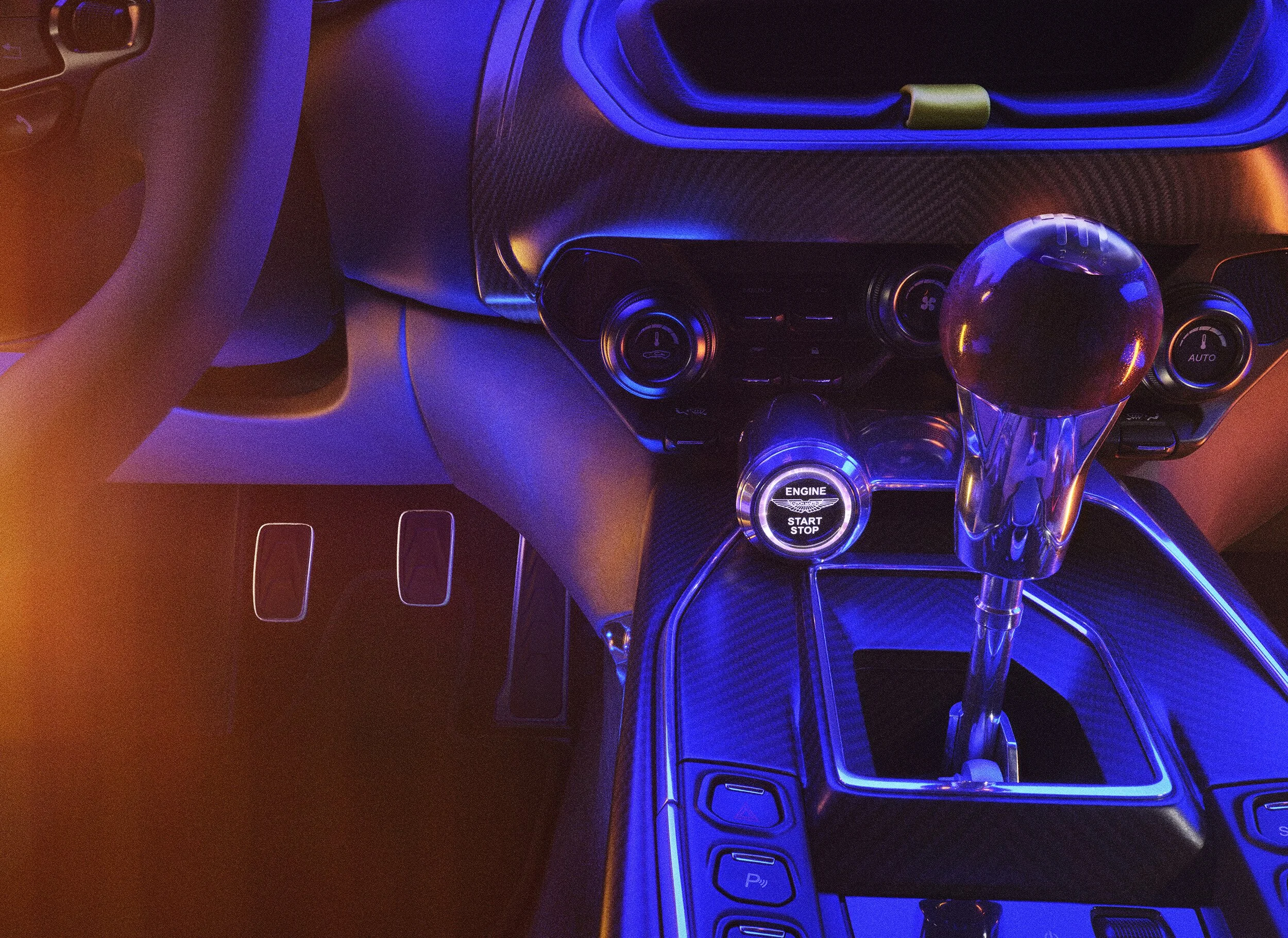
Image © Aston Martin Lagonda. Used for editorial purposes. Aston Martin Valour interior shot.
The individual summaries were not blind praise either; evo acknowledged the usual Aston Martin compromises around gearboxes, cabin noise, infotainment, practicality and cost.
But the overall message was clear: Aston Martin’s best cars have always had a way of making their flaws feel secondary to character, beauty, sound and occasion.
For Fuel the Passion, the most encouraging point was that the latest generation is not being included merely out of politeness or nostalgia. Cars such as DB12 S, Vantage S, Vanquish, Valhalla and DBX S are being placed in the company of Aston Martin’s modern greats because serious enthusiast media believe they have earned that place.
That’s a useful reminder in a week where Aston Martin’s business and Formula 1 stories have attracted plenty of scrutiny. The company’s challenges are real, and they should not be brushed aside, but the product story is far from weak. In fact, judged purely by the cars, Aston Martin appears to be in one of its strongest modern periods.
The current range is being taken seriously by the enthusiast press, not because of nostalgia, but because the cars themselves are earning it.
That balance feels important. Aston Martin can be under financial pressure and still be making excellent cars. The F1 team can be struggling while the road-car engineers are producing some of the most convincing modern Astons in years. Both things can be true at the same time, and this week’s DB12 S coverage showed exactly why we need to keep the full picture in view.
Of course, strong reviews are only one side of the ownership story. Once these cars leave the launch roads, press events and showroom lights, they enter the real world of running costs, values, mileage and long-term use. That brings us neatly to the DBX707, and a more sobering but equally important ownership note from this week.
Ownership Reality - DBX707, Long-Term Testing and the Reality of Depreciation

Image © Aston Martin Lagonda. Used for editorial purposes. Aston Martin DBX707.
evo’s long-term DBX707 update was a useful reminder that an Aston Martin can be deeply impressive and still imperfect in everyday use. Stuart Gallagher’s running report made clear that the DBX707 remains a rare, desirable and dynamically very capable car. It’s still one of those machines that gets noticed, starts conversations and shows just how far Aston Martin pushed the original DBX platform.
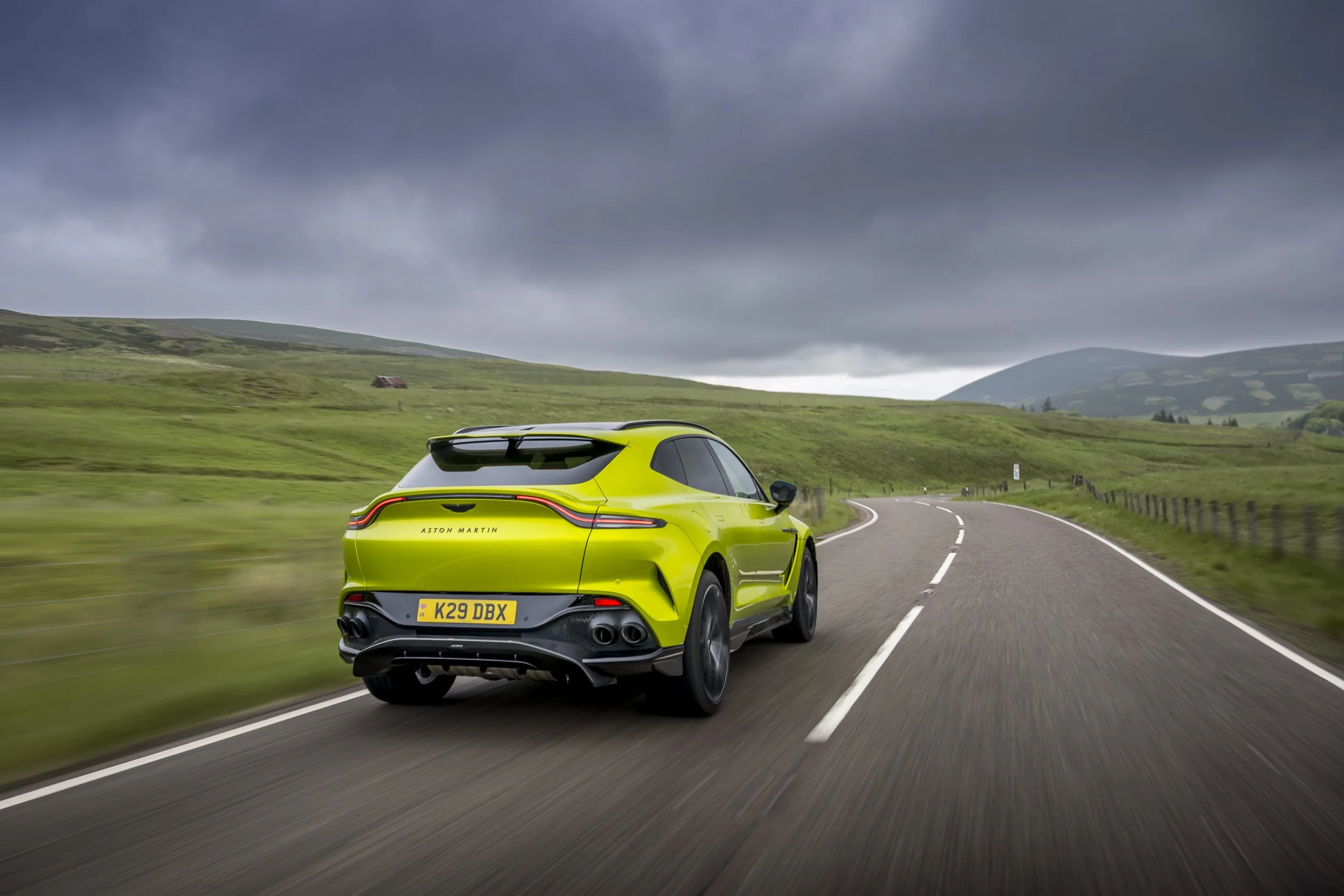
Image © Aston Martin Lagonda. Used for editorial purposes. Aston Martin DBX707.
But the same report also raised some of the details that owners notice once the initial excitement has settled. There were comments about trim gaps around some of the aero and extended side-sill parts, a tailgate water issue that can deliver an unwanted shower after rain, and frustration with the older Mercedes-supplied infotainment system. None of that turns the DBX707 into a bad car, it simply moves the conversation from launch-test glamour into real ownership territory.
The depreciation point was harder to ignore. evo’s long-term test table listed a purchase price of £223,000 and an estimated current value of around £120,000.
That’s a painful figure to read, especially for anyone who loves the car and wants Aston Martin products to be seen as desirable, special and properly valued in the market.
To sense-check that, I also looked at the UK market midweek. One 2023 Aston Martin DBX707 listed by Phantom Motor Company was advertised at £123,990, with 23,140 miles, Plasma Blue paint and a seller-stated original list price of around £230,000. At the time of that search, there were 12 other DBX707s advertised for less than that example. I appreciate, asking prices are not sale prices, and specification, mileage, colour, condition, provenance, service history and dealer position all make a difference. But it does support evo’s broader point. Early DBX707 depreciation is not theoretical, it’s there in the current asking-price landscape.
This is not only a DBX707 issue either, for buyers of new main-range Aston Martins, cars such as Vantage, DB12, Vanquish and DBX, rather than limited-run halo projects such as Valkyrie, Valhalla, Valour or Valiant, depreciation remains one of the most significant ownership costs. The emotional pull of the badge is real. The beauty, performance and sense of occasion are real. But so is the financial reality once a car is registered, used and placed back into the market.

Image © Aston Martin Lagonda. Used for editorial purposes. Aston Martin DBX707.
We also checked the current DBX position carefully. DBX S may now be the newer, more powerful and more prominent flagship, but Aston Martin’s own current model pages still show DBX707 as part of the DBX range.
So it would be wrong to say DBX707 has simply disappeared from new-car availability unless Aston Martin or a dealer confirms that directly. The safer wording is that DBX S now sits above DBX707 and carries the latest S-model momentum, while DBX707 remains the car that transformed the DBX from impressive SUV into a genuinely serious performance Aston.
For Fuel the Passion, this is the sort of ownership honesty that counts. We can admire the DBX707 enormously and still acknowledge that buying a modern main-range Aston Martin new can involve serious depreciation. A car can be wonderful, desirable, beautifully engineered and emotionally compelling, while still being expensive to own in ways that go far beyond fuel, servicing and tyres. The important balance in evo’s long-term report is that, despite the niggles and value reality, the DBX707 still comes across as a deeply capable and charismatic Aston Martin, rare enough to feel special, fast enough to feel properly serious, and rounded enough to work as an everyday performance car.
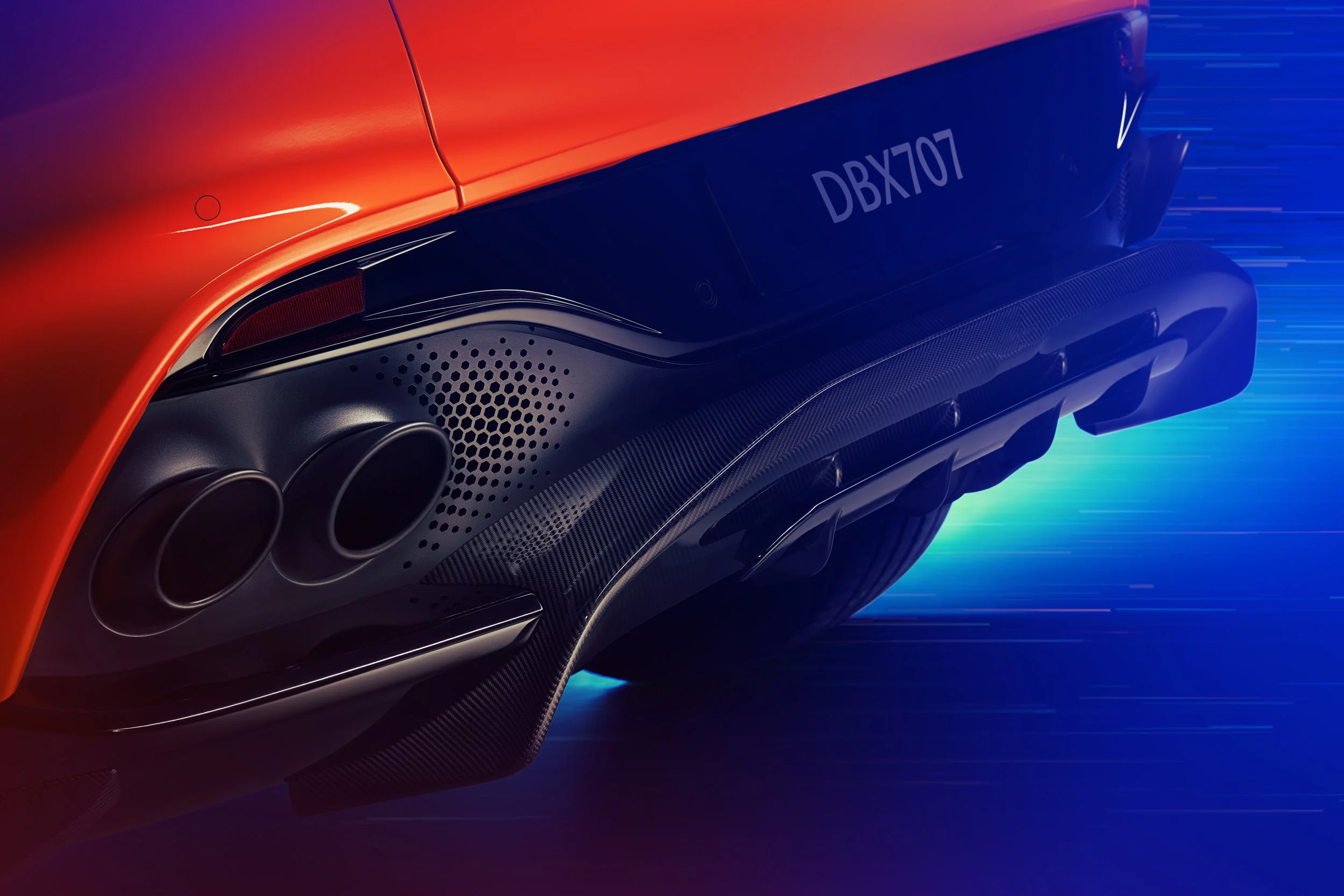
Image © Aston Martin Lagonda. Used for editorial purposes. Aston Martin DBX707.
That’s probably the fairest ownership verdict: not perfect, not cheap to absorb financially, but still a car with real Aston Martin presence and ability.
From DBX707’s used-market reality, the next story takes us to the other end of Aston Martin’s modern range: Valhalla, where the first signs of secondary-market movement are beginning to appear almost as soon as customer cars are arriving.

If you choose to purchase through this affiliate link, it won’t cost you anything extra, but Fuel the Passion may earn a small commission which helps support the website, videos and future content. Thank you.
Valhalla Watch - Early Resale Signals as Aston Martin’s Hybrid Halo Car Reaches the Real World

Image © Aston Martin Lagonda. Used for editorial purposes. Aston Martin Valhalla.
This week brought two useful Valhalla market notes. The first came through TheSupercarBlog, which reported that Tom Hartley Cars had sold what it described as the first Aston Martin Valhalla to change hands in the UK. The car was said to have sold within four hours of being announced, although the sale price was not disclosed.
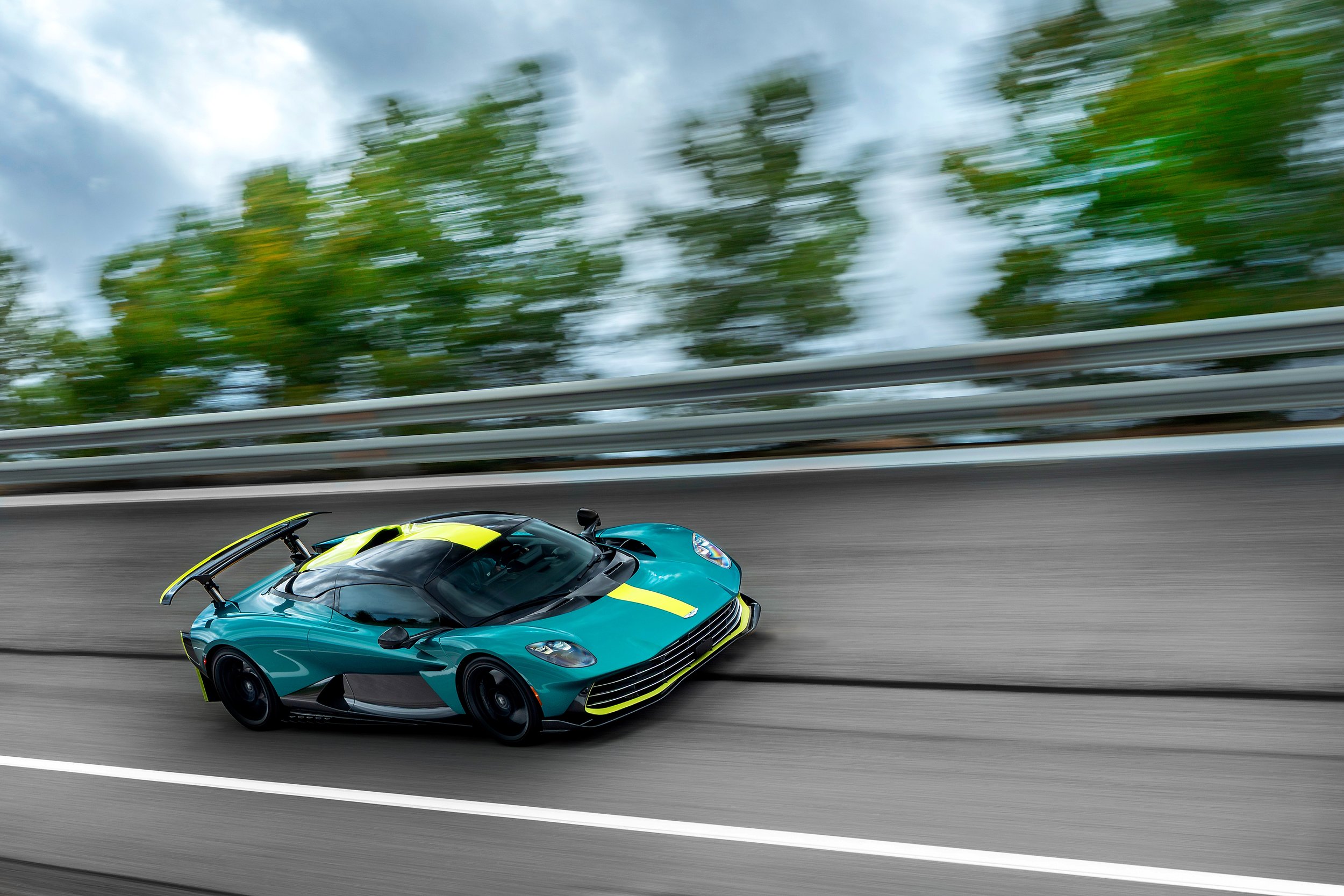
Image © Aston Martin Lagonda. Used for editorial purposes. Aston Martin Valhalla.
The reported specification was suitably dramatic: Podium Green Metallic, gloss carbon fibre, forged aluminium wheels in matt black, textured titanium grey tailpipes, carbon ceramic brakes with AMR Lime calipers, full-body PPF and a heavily specified interior including Bowers & Wilkins audio, satin carbon fibre seats and Q detailing. It wasn’t the Valhalla pictured here, but not far from it.
For a car that has spent years as a prototype, a promise and a talking point, seeing real customer examples being delivered, photographed, traded and discussed feels like a significant shift.

Image © Fuel the Passion. Andromeda Red Aston Martin Valhalla.
A second story added another layer to that. Carscoops highlighted a highly optioned Andromeda Red Valhalla heading to auction in the United States, reportedly carrying more than $360,000 in options. The most eye-catching detail was the paint itself, described as a six-figure option with a colour-shifting effect between orange, purple, pink and red depending on the light. Inside, the car was no less bold, with Deep Purple semi-aniline leather, exposed carbon fibre and gold detailing.
This sounds like a very similar spec to the Valhalla I filmed whilst displaying the FTP Vantage at Salon Privé London, see picture opposite.
Taken together, these stories don’t prove where Valhalla values are heading. They shouldn’t be treated as valuation evidence, and certainly not as a sign of a settled market. One car reportedly sold quickly with no disclosed price; another is heading to auction and still needs the market to speak. Asking prices, auction estimates and social-media excitement are not the same as completed sale prices. But they do tell us something useful. Valhalla is no longer only a future Aston Martin, it’s now entering the real world of customer cars, dealer presentation, auction visibility, personalisation choices and early secondary-market behaviour.
That’s a big moment for the model. Valhalla has had one of the longest and most scrutinised development stories of any modern Aston Martin, and we’ve already covered several reviews as journalists finally began judging it as a finished car rather than an idea. Those reviews suggested something important: despite its mid-engined layout, hybrid system and AMG-derived V8, Valhalla still appears to have been tuned with Aston Martin character in mind. It’s not a traditional front-engined GT, but nor is it simply a technical exercise wearing the wings.
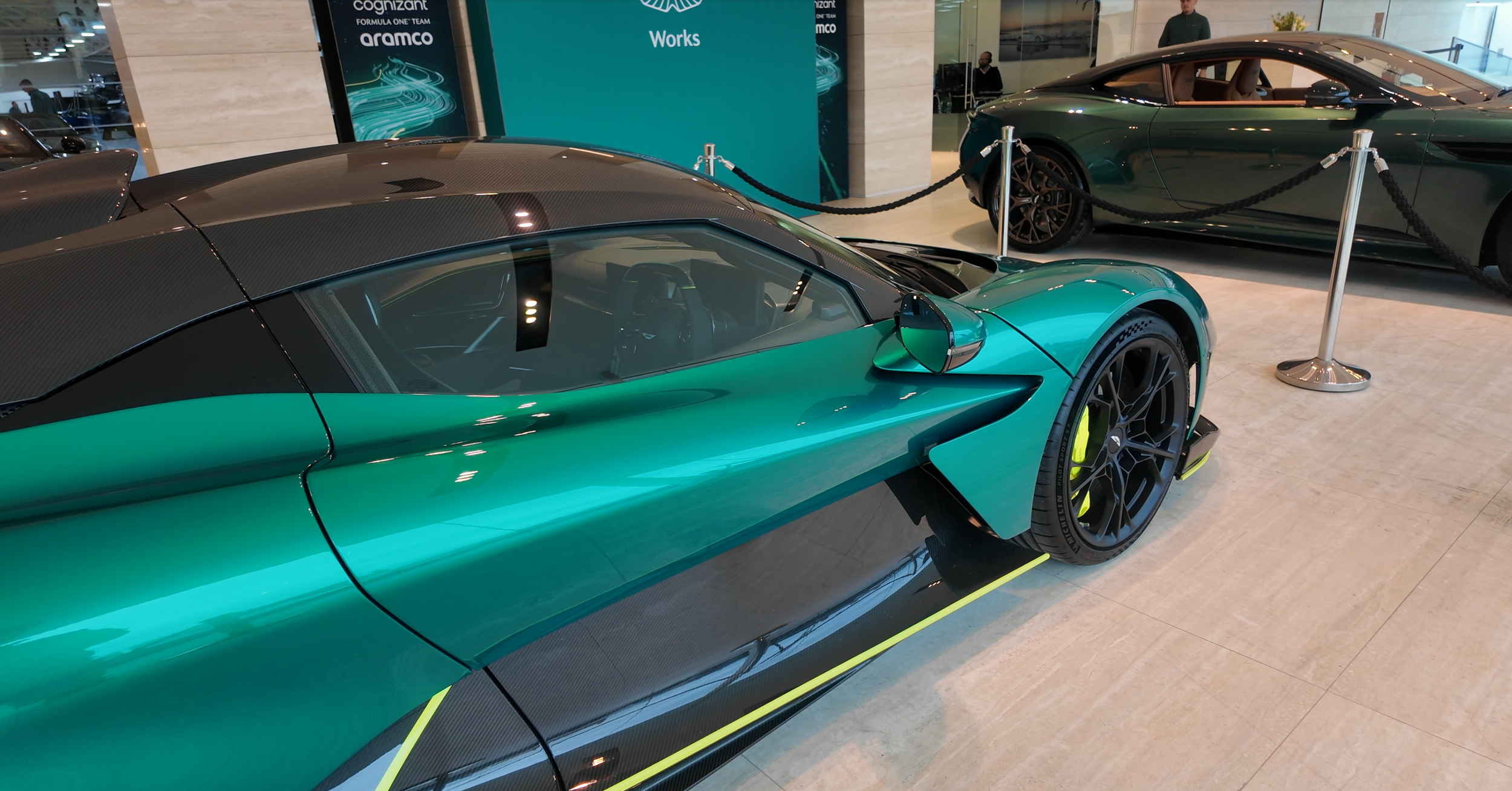
Image © Fuel the Passion. Aston Martin Valhalla, Aston Martin Works.
The early resale stories therefore sit somewhere between market curiosity and brand milestone. They show interest, attention and the extreme level of personalisation some buyers have chosen. They also remind us that limited-production halo cars quickly become part of a very different ownership ecosystem from main-range cars such as DBX, Vantage, DB12 and Vanquish.
With only 999 examples planned, Valhalla will likely be watched by collectors, dealers and enthusiasts from the moment the first cars reach the road.
For Fuel the Passion, the key is to keep the tone measured. This is not a “flipping scandal” story, and it isn’t proof of instant appreciation either, it’s simply the next stage of the Valhalla journey. After years of waiting, Aston Martin’s first series-production mid-engined hybrid supercar is now being reviewed, delivered, specified in extraordinary ways and, almost immediately, traded.
From Valhalla’s arrival into the customer and collector world, the wider Aston Martin story turns back towards something less glamorous but equally important: the company’s financial pressure, funding needs and the continuing question of who shapes the marque’s future.
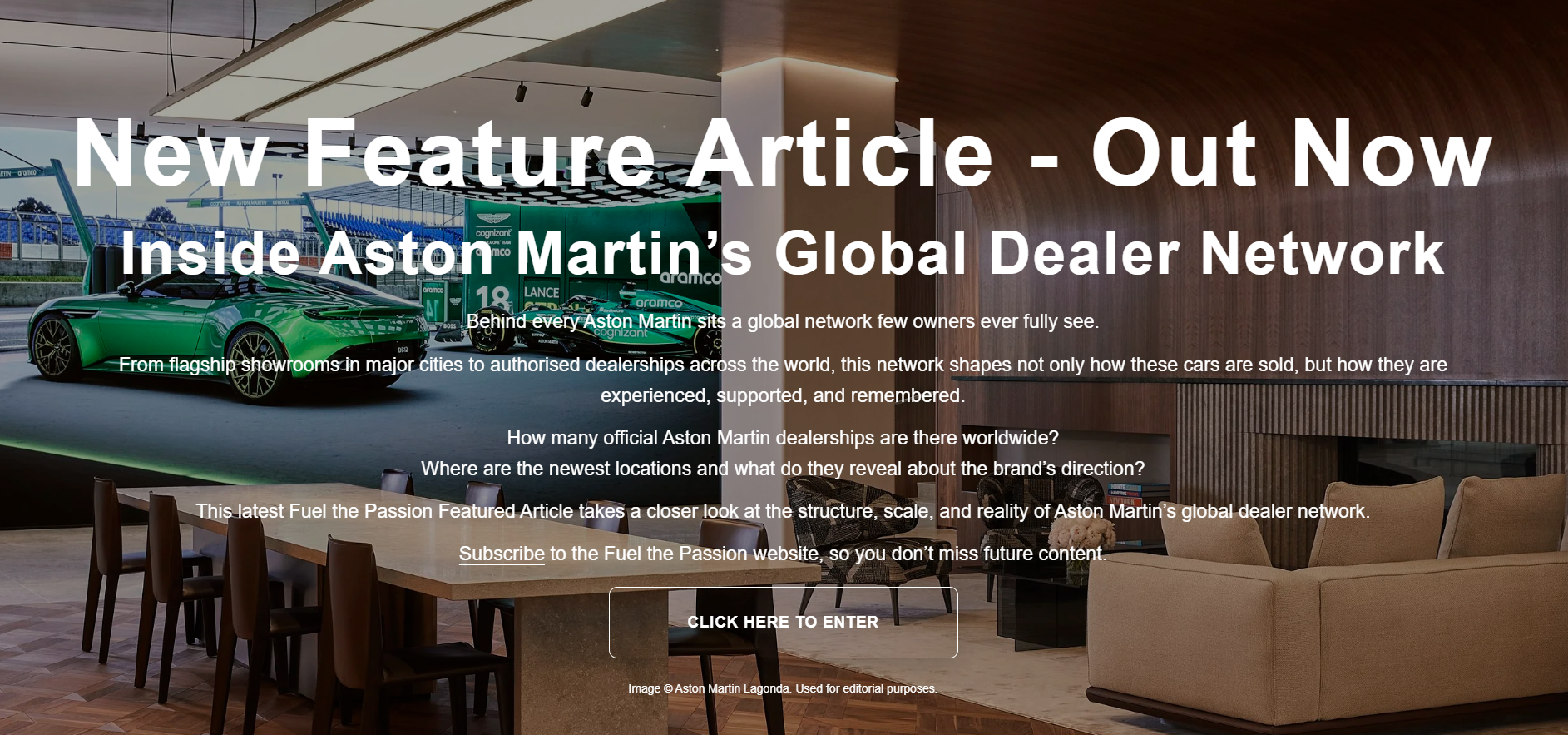
Business and Brand Identity - Funding Pressure, Geely Speculation and the Bigger Question of Aston Martin’s Future
This week brought another wave of coverage around Aston Martin Lagonda’s finances, the recent £50 million funding injection led by Lawrence Stroll’s Yew Tree consortium, and the possibility that Geely could become a more significant player if the ownership picture ever changes. The important word there is possibility. This is not confirmed takeover news, and it should not be understood as though a change of control is already underway.
Image © Aston Martin Lagonda. Used for editorial purposes.
The Telegraph piece by Ben Marlow was the main trigger for much of the discussion, and several other outlets then picked up the same theme. Carscoops, for example, framed the issue around Aston Martin’s repeated need for fresh funding since its stock-market listing, the decline in market value since the 2018 IPO, and Geely’s position as a significant shareholder. It also brought in the Lotus comparison, which is worth noting carefully.
Geely’s ownership of Volvo is often held up as a success story, but Lotus has had a much more difficult recent time, including job cuts and heavy losses. So any suggestion that Geely involvement would automatically solve Aston Martin’s problems is far too simple.
For Fuel the Passion, the safest and fairest reading is this: Aston Martin’s balance-sheet pressure is real, its need for capital has been a recurring issue, and Geely’s presence on the shareholder register gives the story an obvious direction for commentators. But phrases such as “could swoop in”, “Chinese takeover” or “production moving to China” are media framing and speculation unless Aston Martin, Geely or the relevant parties confirm something more substantial.
Image © Aston Martin Lagonda. Used for editorial purposes.
There was also a more measured note from Proactive Investors, reporting on Citi’s view after hosting Aston Martin CFO Doug Lafferty. That was useful because it stopped the business story becoming one-sided. Citi appeared to recognise tangible operational progress: better execution, more conservative wholesale and inventory management, cost and capex reductions, and the potential benefit of Valhalla deliveries ramping up. But the same note still described Aston Martin’s elevated debt as the key concern.
That chimed with our own reading at Fuel the Passion when we covered AML’s Q1 results back in Issue 22 of the Weekly Roundup. We saw reasons for cautious encouragement in the product cycle and operational improvement, but the debt position was the issue that sat above everything else. Unfortunately, it remains the part of the Aston Martin story that cannot be wished away by strong reviews, halo cars or better execution alone.
That feels closer to the proper FTP balance. Aston Martin can be improving operationally and still be financially stretched. Valhalla, Specials and the renewed core range can support revenue and brand desirability, but sadly, they don’t make debt disappear overnight. A stronger product cycle is essential, but it has to be matched by disciplined execution, cash generation, consistent demand and confidence from owners, customers, dealers and investors.
The business coverage also overlapped with a more philosophical brand question. Jing Daily published a deliberately sharp opinion piece arguing that Aston Martin relies too heavily on what it described as “borrowed” equity: James Bond, Mercedes-AMG engines, lifestyle licensing and Formula 1 visibility. I wouldn’t go as far as that article. Aston Martin’s identity is not simply Bond plus bought-in engines and sponsorship assets.
There is real depth here: Newport Pagnell, Gaydon, Le Mans, the DB bloodline, British design, hand-finished craftsmanship, grand touring character and the emotional pull owners feel when they look back at their cars.

Image © Aston Martin Lagonda. Used for editorial purposes.
But the challenge underneath the provocation is still useful. Aston Martin does need to keep explaining what makes it distinct in 2026. Not just Britishness, not just Bond, not just F1 exposure. Not just limited editions or luxury partnerships. The cars themselves have to carry the story, and the ownership experience has to reinforce it. That’s why the strong road-car reviews this week are so important, they show the product has credibility. The next challenge is making sure the company around those cars has the stability, confidence and clarity to match.
There was also plenty of F1-media noise around Lawrence Stroll’s management style, investor confidence and whether pressure is building around the Aston Martin project. Some of that may reflect real paddock conversation, but much of it remains commentary rather than confirmed internal fact. It’s worth acknowledging only because it shows how Aston Martin’s financial story, Formula 1 performance and ownership speculation are now being discussed together. Still, FTP should not turn paddock rumour into certainty. The credible story is already serious enough without adding drama it doesn’t need.

Image © Aston Martin Lagonda. Used for editorial purposes.
This is where the wider Aston Martin question becomes bigger than who owns what percentage of shares. Aston Martin doesn’t simply need to survive as a balance-sheet entity. It needs to survive as Aston Martin: distinctive, desirable, emotionally powerful, technically credible and rooted enough in its own identity that outside investment strengthens the marque rather than dilutes it.
From questions of identity, ownership and brand confidence, there is one cultural thread we cannot quite ignore this week, because whenever the next James Bond begins to move, Aston Martin followers inevitably look up.
Bond Watch - The Next 007 Begins to Move

Image © Aston Martin Lagonda. Used for editorial purposes.
ScreenRant, citing Variety, reported this week that Amazon MGM Studios has officially begun the process of auditioning actors for the next James Bond, with casting director Nina Gold involved in the search. The studio has confirmed that the search is underway, while also making clear that it will not be commenting on the specific details of the casting process for now.
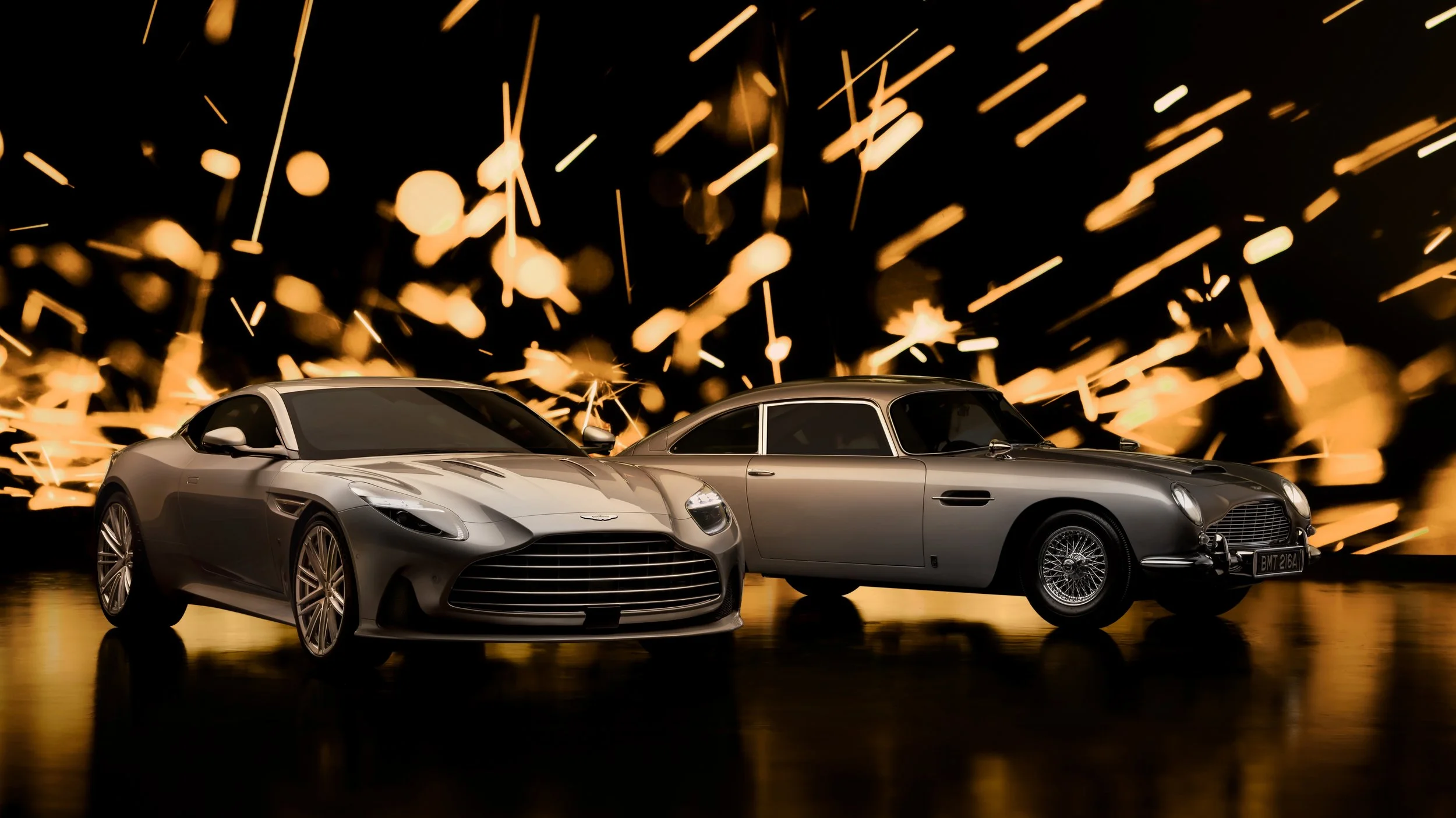
Image © Aston Martin Lagonda. Used for editorial purposes.
For Aston Martin, this is not a news story in the direct sense. There’s no confirmation in the article that Aston Martin will appear in the next Bond film, no mention of which cars might be used, and no official link to the marque beyond the long-standing cultural association we all know so well. So this is Bond news, not Aston Martin news.
But it’s still worth noting. Aston Martin and James Bond have been connected in the public imagination for decades, and that association remains one of the most powerful pieces of cultural visibility any car maker could have. The DB5, in particular, is more than a film prop; it has become part of how millions of people around the world first understand Aston Martin.
At the same time, this sits neatly alongside the wider brand conversation from earlier in the Roundup. Bond has been a gift to Aston Martin, but it cannot be the whole story. The marque cannot rely solely on nostalgia, silver birch paintwork and cinema heritage to explain why it matters in 2026. The cars, the engineering, the ownership experience, the racing programme and the company’s own identity all have to carry weight too.

Image © Aston Martin Lagonda. Used for editorial purposes.
So for now, this is simply one to watch. The next Bond era is beginning to take shape, and if Aston Martin becomes part of that story again, (I for one, really do hope it does!) it will almost certainly matter for the brand’s wider visibility.
But until that’s confirmed, the more grounded point is this: Aston Martin’s Bond connection remains important, but the marque’s future has to be built on much more than waiting for 007 to call.
From the world of cinema and cultural association, let’s bring things back to something much more tangible: this week’s FTP Pick of the Week, and a car that looks as though it has driven straight out of Aston Martin’s GT racing imagination and onto the road.
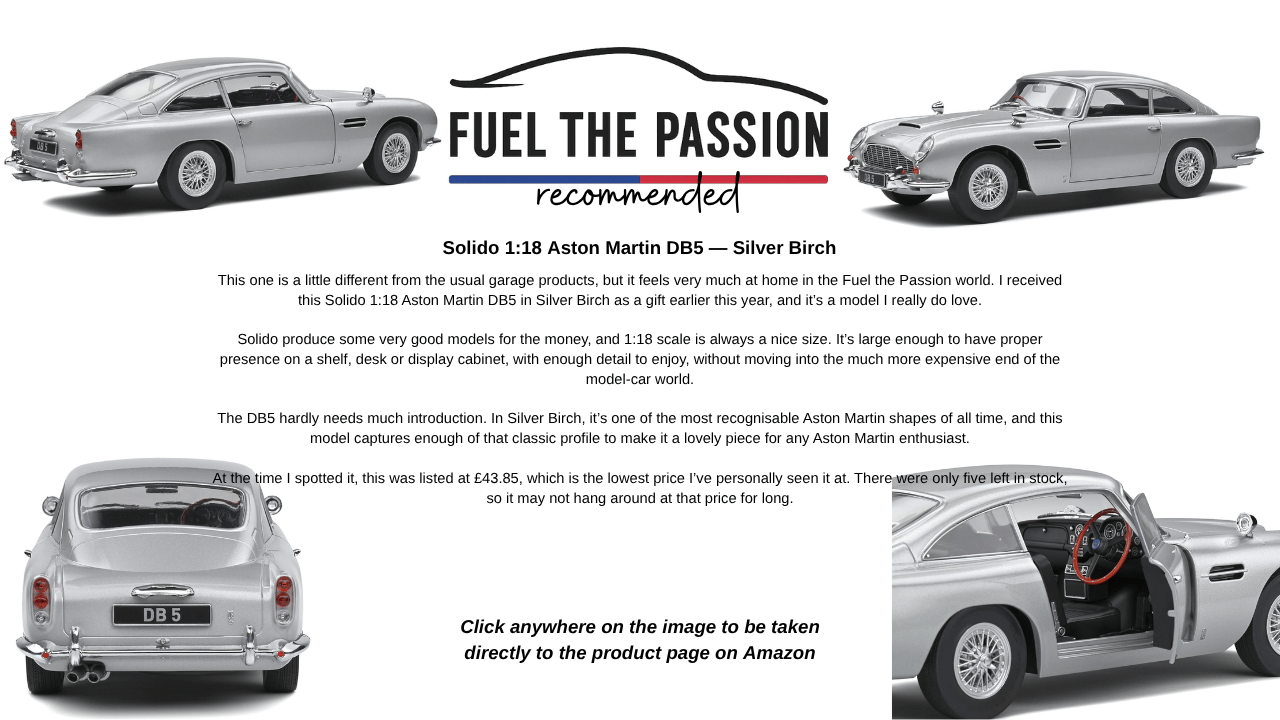
If you choose to purchase through this affiliate link, it won’t cost you anything extra, but Fuel the Passion may earn a small commission which helps support the website, videos and future content. Thank you.
2017 Aston Martin Vantage AMR Pro - The Track Car That Escaped Onto the Road

Image © SuperVettura. Used for editorial purposes.
This week’s choice is the 2017 Aston Martin Vantage AMR Pro listed by SuperVettura. Even by Aston Martin special-edition standards, this is an extraordinary thing. SuperVettura describes it as one of seven produced and, crucially, as the only example converted for road use. The car is listed at £800,000, showing just 150 miles, finished in Stirling Green with Lime Green highlights, and presented with the sort of specification that makes it feel far closer to Aston Martin Racing than to a conventional road-going Vantage. (Did I say something much more tangible just now??)
The AMR Pro was never meant to be a softly sharpened showroom special. It was conceived as a track-focused, motorsport-derived celebration of the VH-era Vantage at its most extreme. The SuperVettura listing states that this car was built in celebration of Aston Martin’s 2017 Le Mans victory in the Vantage GTE, and that link feels important. This is not just a rare Aston Martin wearing bold paint and a wing. It’s a car that deliberately reaches across from road car to GT racing. To see one in motion, I’ve added a Carfection YouTube Video link below, it’s only 8 minutes 34 seconds long and is a very enjoyable watch;
The mechanical specification tells that story beautifully. Power comes from a GT4-derived 4.7-litre naturally aspirated V8, producing a quoted 509bhp, paired with a seven-speed Sportshift II gearbox from the GT4 programme. There’s a titanium race exhaust, bespoke rose-jointed suspension, 19-inch centre-lock wheels in Satin Black, carbon fibre lightweight seats, carbon fibre inlays, Pure Black Alcantara and Lime Green stitching. Even the concessions to road use, climate control and a reversing camera, feel slightly surreal when set against the rest of the car.
The road-conversion detail is what makes this particular example such a story. SuperVettura states that the conversion was carried out by RML Group, with the car UK registered in 2021. So what we appear to have here is not simply a rare track Aston Martin, but a barely used AMR Pro that has somehow been made usable on the road.
It’s the sort of car that makes no rational sense at all and is all the better for it.
There’s also a useful background article on the HWM Aston Martin Walton-on-Thames blog by Guy Jenner, which appears to cover this same car, or at the very least the same specification and story. The HWM piece gives some wonderful context around just how extreme the Vantage AMR Pro was. It describes the dramatic aero, the carbon bonnet with cooling openings, the GTE-style front wings, the V12 GT3-derived splitter and the enormous rear wing. It also highlights the titanium exhaust, rose-jointed suspension, adjustable dampers, very low ride height and all the lovely Q-detailing inside.
That makes the car feel like a final, wild flourish for the VH Vantage family. In many ways, the AMR Pro sits in the same emotional universe as the GT8, GT12 and later track specials: loud, focused, visually unapologetic, and rooted in Aston Martin’s racing character. But the seven-car production run and the road-conversion element push this one into truly rare territory.
There’s a neat link here with this week’s wider Roundup too. We’ve talked about Valkyrie at Spa, Le Mans momentum, Aston Martin’s modern GT programmes and the importance of racing to the marque’s identity. This Vantage AMR Pro pulls many of those threads into one car. It connects the road-car world to Aston Martin Racing, the VH Vantage era to Le Mans, and collector rarity to genuine motorsport influence.
SuperVettura has also produced a very short YouTube video featuring this actual car, which I’ve included below, so you can see all the design features up close;
For Fuel the Passion, this is exactly what Car of the Week should be: not just an expensive Aston Martin, but one with a story. This time, a car with a clear link to racing, rarity, engineering character and Aston Martin theatre. It’s certainly not subtle, and it was never meant to be. It’s a track car with number plates, a Le Mans-tinged Vantage special, and one of the most dramatic final expressions of the VH era. That’s yet another line on my Lottery entry!
Closing Reflection
This week has shown Aston Martin in one of its most revealing moods: under pressure in some places, gathering momentum in others, and still capable of reminding us why the marque holds such a particular pull. On one hand, there’s the hard reality: a now very familiar and difficult Formula 1 season, serious questions around Honda’s early power-unit performance, continued scrutiny around Aston Martin Lagonda’s finances, and the sobering ownership context that comes with modern high-value cars such as the DBX707. Those are not comfortable subjects, but they are part of the honest picture.
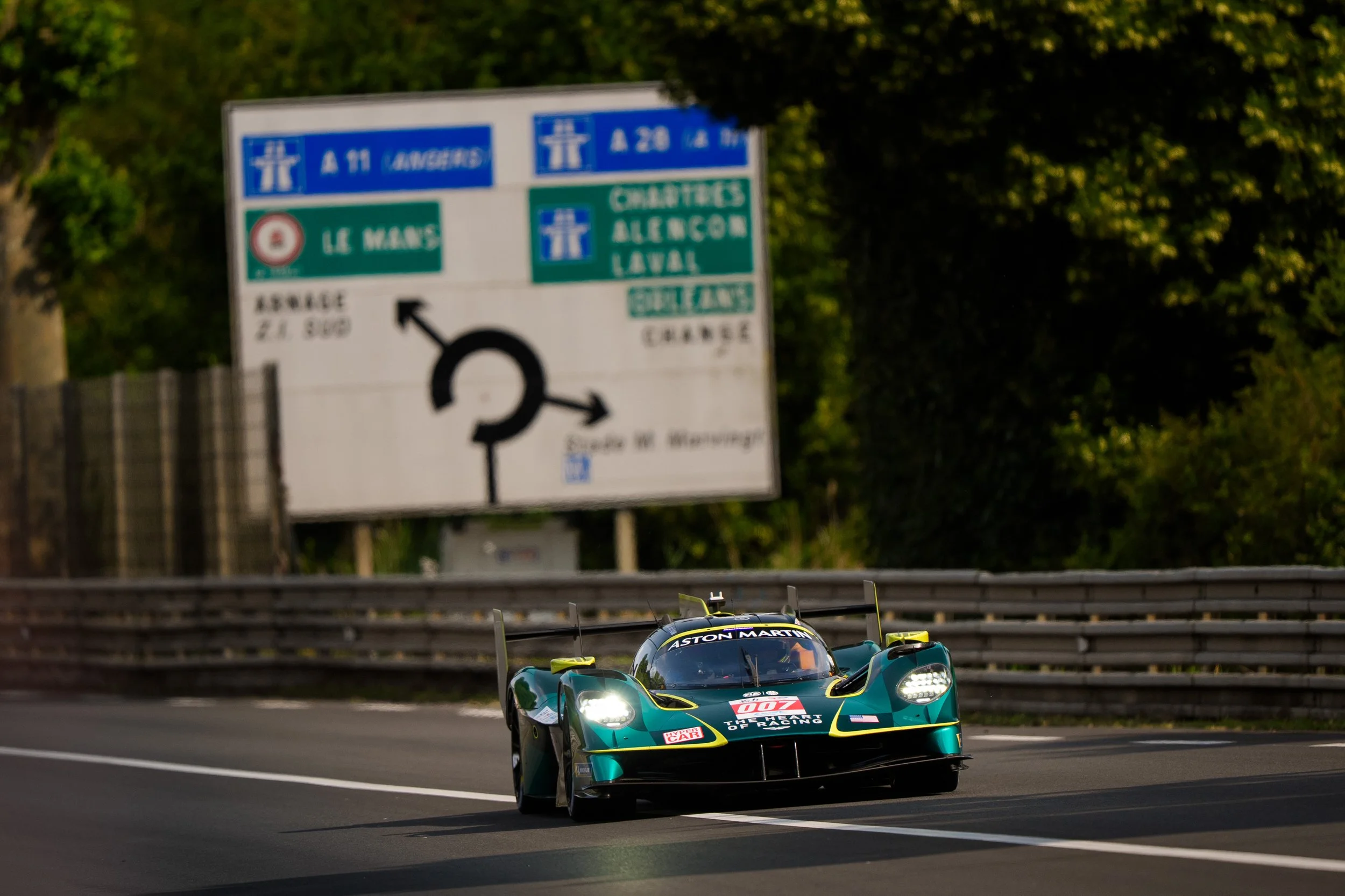
Image © Aston Martin Lagonda. Used for editorial purposes.
On the other hand, there’s still so much energy around the marque. The Valkyrie’s progress in WEC gives Le Mans a genuine sense of anticipation. The road-car reviews for DB12 S, Vantage S, DBX S, Vanquish and Valhalla continue to suggest that Aston Martin’s current product line-up is gaining real critical momentum.
Then, at the more emotional end of the spectrum, a car like this week’s Vantage AMR Pro reminds us why Aston Martin still has the ability to stop people in their tracks.
That balance is probably the story of Aston Martin at the moment: pressure and promise, concern and excitement, risk and romance, all happening at the same time.
Here at Fuel the Passion, the new Aston Martin Heaven video feels like a timely reminder of why this all matters beyond the headlines. A Cars & Coffee morning, a first visit to Aston Martin Nottingham, a showroom full of remarkable cars, and a group of enthusiasts taking time to enjoy them properly, that’s still the heart of it. Real cars, real places, real conversations and the community around the wings.
Next week, we’ll keep watching the Le Mans build-up, the Valkyrie programme, Aston Martin’s F1 recovery efforts and the continuing response to the latest S models. If you’re counting down to Le Mans with us, don’t forget the special countdown clock is now live on the front page of the Fuel the Passion website and check out the FTP Motorsport Hub for more information on that and a number of other racing series.
Until next week, thanks as always for reading, watching and supporting Fuel the Passion. See you on the next one! ☝️
A couple of questions for you this week:👇
The DBX707 still comes across as a deeply impressive Aston Martin, but the depreciation picture is hard to ignore. So where do you sit on this? Would heavy early depreciation push you towards buying nearly-new or used, or is it simply part of the cost of enjoying a special car from new? Let me know what you think, because this feels like one of those honest ownership topics many of us think about, even if we don’t always say it out loud.👇
This week’s Car of the Week is a road-converted Aston Martin Vantage AMR Pro, a car born from the track, but now wearing number plates. Would you rather see a car like this preserved exactly as a track-only piece of Aston Martin history, or do you like the idea of something so extreme being made road legal and occasionally used? I’d love to know where you stand.👇
Where next?
