
Week Ending 10th May 2026
Editor’s Introduction - Dan, Fuel the Passion
Welcome back to the Fuel the Passion Weekly Roundup. Some weeks in the Aston Martin world arrive with one clear headline, others are more layered, and this has definitely been one of those weeks. On the road-car side, Aston Martin’s current product momentum felt very real, with the new DB12 S receiving a wave of strong reviews and prompting exactly the kind of discussion that tells you people are paying attention. It’s not just about another S badge or a little more power; the bigger story is how Aston seems to be sharpening its cars without losing the character that makes them feel special in the first place.
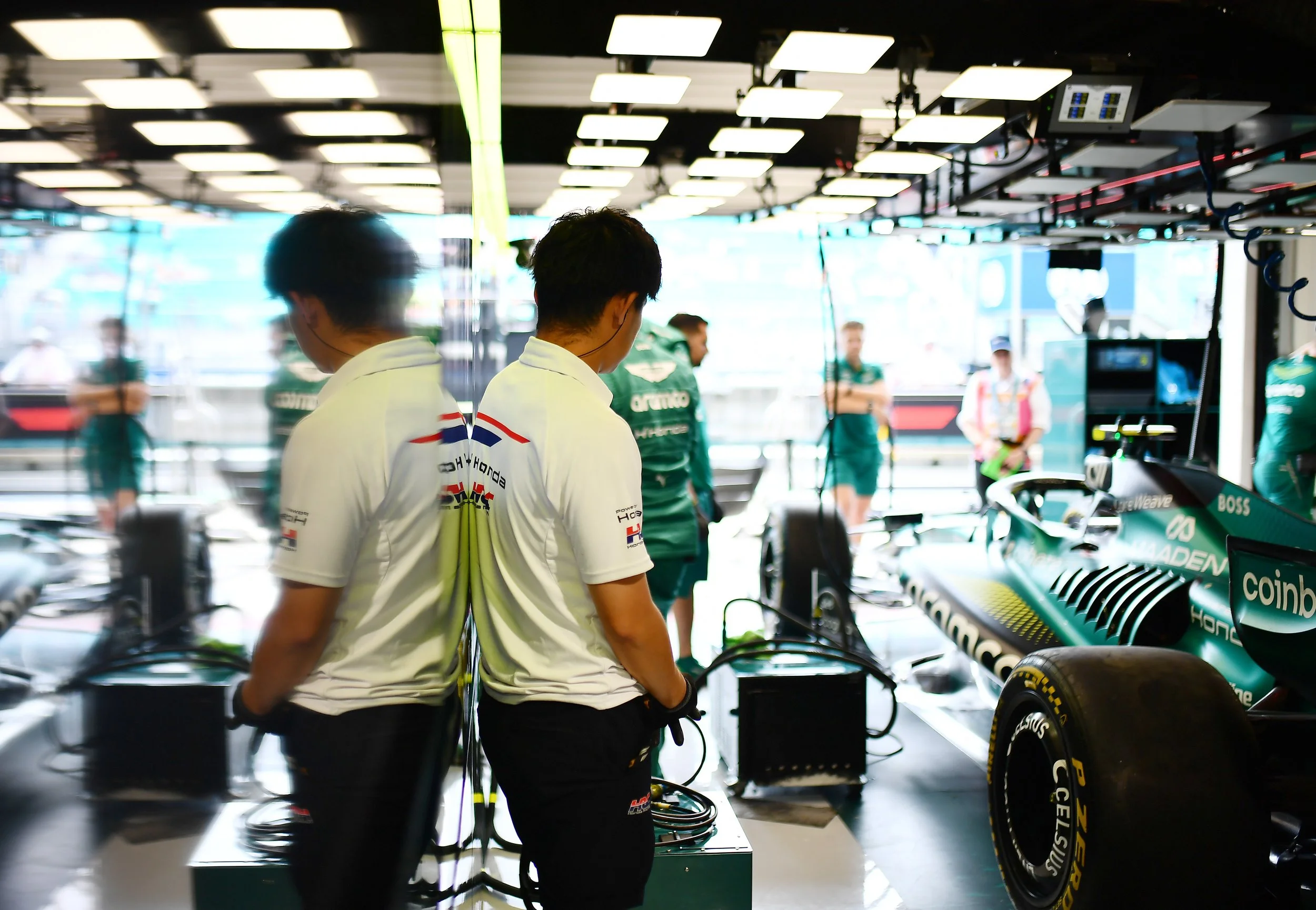
Image © Honda Motor Co., Ltd. Used for editorial purposes.
At the same time, Formula 1 remains the now familiar, much harder read. Miami brought some much-needed reliability progress for Aston Martin Aramco, with both cars finally reaching the chequered flag, but there’s no pretending the team is where it wants to be.
The message from Fernando Alonso, Mike Krack and the wider paddock remains clear enough: the vibration problem appears to have improved, but performance is still some way off, and the bigger upgrades are expected later in the season rather than immediately.
Thankfully, Aston Martin’s motorsport story is much broader than Formula 1. As Valkyrie continues its build-up towards Le Mans, and the Vantage GT3 keeps delivering strong results in IMSA and encouraging pace in WEC, there’s still plenty to admire on the racing side of the marque. One struggling championship campaign shouldn’t be allowed to flatten the whole picture.
There’s also a lovely community and heritage thread running through this week’s edition. My Spring 2026 AM Quarterly and May AM Monthly (Aston Martin Owners Club publications) arrived through the letterbox, and inside were exactly the sort of stories that remind me why this marque is so endlessly fascinating. A feature on Belgium’s pioneering Aston Martin dealer arrived just days after I published the latest FTP Featured Article on Aston Martin’s global dealer network, which felt wonderfully timely. It’s another reminder that Fuel the Passion is not just about reacting to the latest headline; it’s about gradually helping to protect the record, one story at a time.
So this week we have road cars, racing, Formula 1 reality, endurance optimism, community updates, heritage discoveries, and a few careful watch-notes for what might be coming next.
As always, I’m so pleased you’re here, let’s get into it.
Aston Martin Motorsport - Formula 1, WEC, IMSA and GT racing
Formula 1: Miami brings reliability progress, but not performance relief
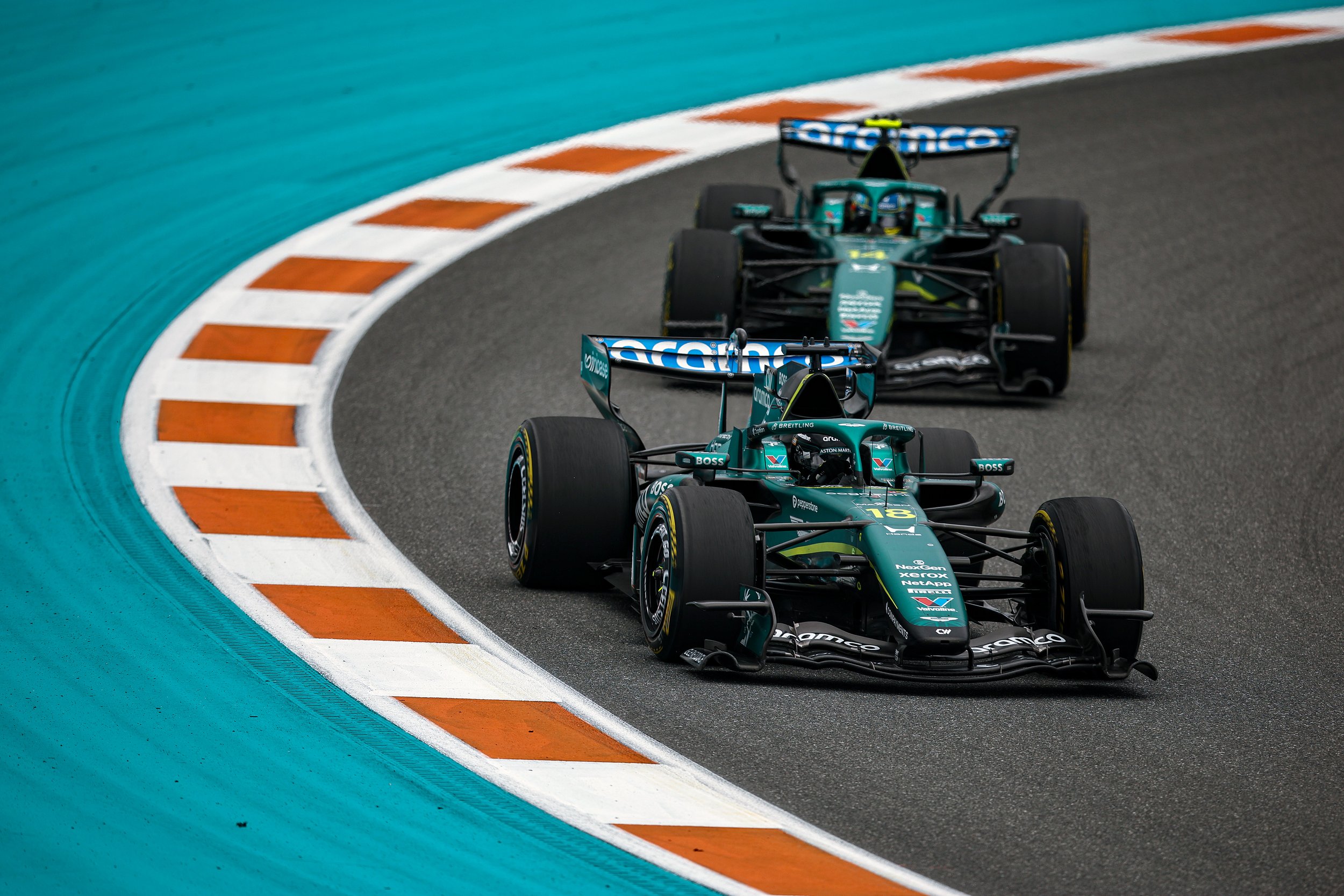
Image © Honda Motor Co. Ltd & Aston Martin Aramco. Used for editorial purposes.
We begin this week with Formula 1, and with Aston Martin Aramco in a place that probably sums up the early part of its 2026 season: some genuine progress, but still nowhere near where the team wants to be. The Miami Grand Prix at least gave Aston Martin something solid to record. For the first time this season, both cars reached the chequered flag in a Grand Prix. Fernando Alonso finished 15th, with Lance Stroll 17th, and although those positions underline the scale of the performance deficit, simply getting both AMR26s to the end mattered after such a difficult opening phase of the year. This has been the story of Aston Martin’s F1 season so far, the headline may be poor pace, but the first job has been survival. As we know, the team’s early races were dominated by Honda power-unit vibration, reliability issues, drivability problems and the physical consequences of those vibrations being transmitted through the car. That meant the long break before Miami was not used primarily to chase aerodynamic performance. Instead, Aston Martin and Honda focused on countermeasures, including work carried out with an AMR26 retained at Honda’s Sakura facility after Suzuka.
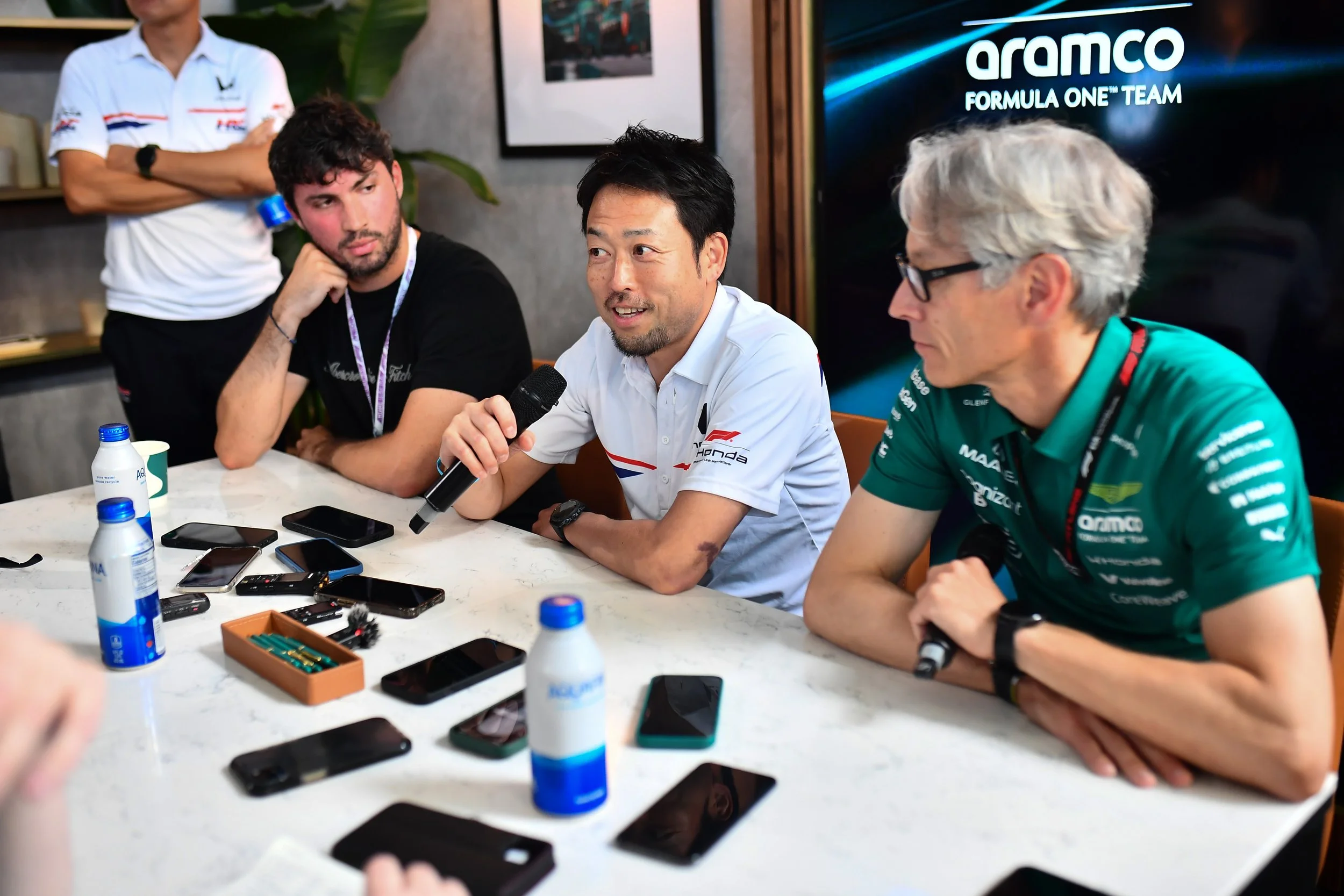
Image © Honda Motor Co. Ltd & Aston Martin Aramco. Used for editorial purposes.
By Miami, that work appeared to have moved the team forward. Honda’s Shintaro Orihara said the weekend had ticked several boxes, with both cars completing the Sprint and Grand Prix distances without major power-unit reliability issues. Alonso also sounded more relieved than celebratory, noting that finishing both cars was the main positive and that the vibration issue now appeared far more under control.
The team may now be moving from the emergency stage into the development stage.
The performance picture remains hard to dress up. Aston Martin didn’t bring a major visible aerodynamic upgrade package to Miami, while several rivals arrived with substantial developments. Mike Krack acknowledged that the team had made significant steps on reliability, vibration reduction and drivability, but also admitted there’s still a “big gap to close” and that the recovery won’t be the work of a week. That feels like the fairest reading of Aston Martin’s F1 position, that Miami was not a breakthrough, but it wasn’t a false dawn either. It was the first clear sign that the worst of the reliability issues may be easing, giving the team a platform from which to start chasing performance rather than simply trying to get to the finish.
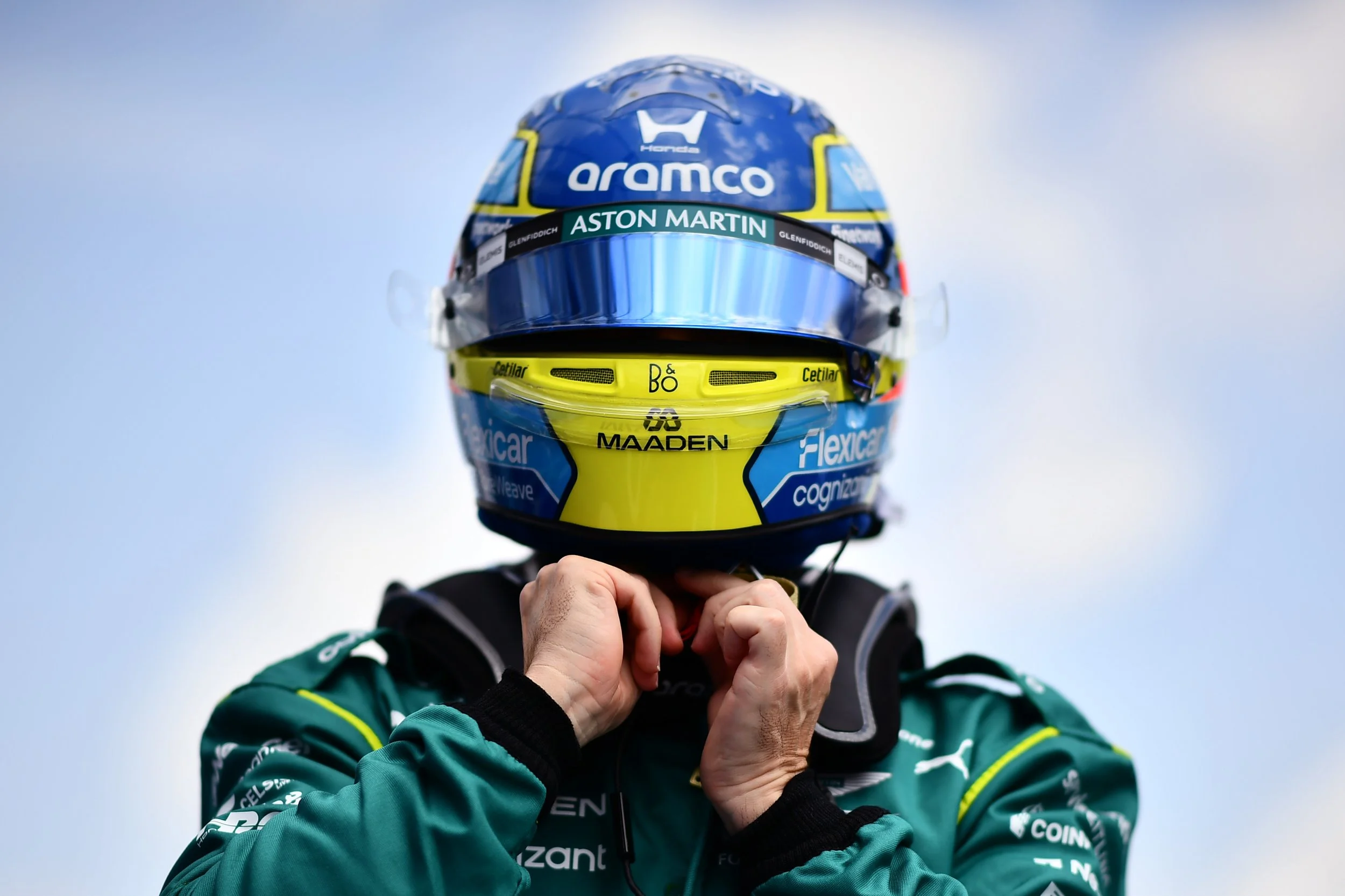
Image © Honda Motor Co. Ltd & Aston Martin Aramco. Used for editorial purposes.
Alonso’s own message was typically direct. He expects the next few races to feel repetitive, with Aston Martin likely to remain near the back until a larger upgrade package arrives after the summer break. That may be frustrating for everyone involved, but there’s also a certain logic to it. If the car is too far away from the midfield, small upgrades may not change the competitive picture. Spending cost-cap resource on minor steps that don’t alter the result may be less useful than waiting for something more meaningful.
There was one further technical concern to note, Alonso also flagged a gearbox or electronics-related drivability issue in Miami, particularly around downshifts and upshifts. With Canada approaching, and Montreal placing heavy demands on braking, traction and drivetrain behaviour, that will be another area to watch.
The outside commentary has inevitably reflected the difficulty of the situation. Karun Chandhok described the atmosphere around Aston Martin as deflated, while Nigel Mansell added his voice to concerns about the scale of the challenge facing Aston Martin and Honda. Those comments should be treated as paddock and pundit colour rather than the full picture, but they do capture the wider mood; Expectations were high, reality has been painful.
There was also sensitive reporting this week around Adrian Newey’s absence from recent race weekends, with several outlets reporting that he’s been working remotely following illness. Aston Martin’s position was simple: the team doesn’t comment on personal matters relating to team members, and Adrian is working and was recently on campus.
For now, the Formula 1 story is one of foundations. Aston Martin has to make the AMR26 reliable, driveable and stable before it can become properly competitive.
Miami suggested the first part of that work may be moving in the right direction. The harder part, finding real pace, still lies ahead.
From Miami to Spa: Valkyrie’s Le Mans build-up gathers importance
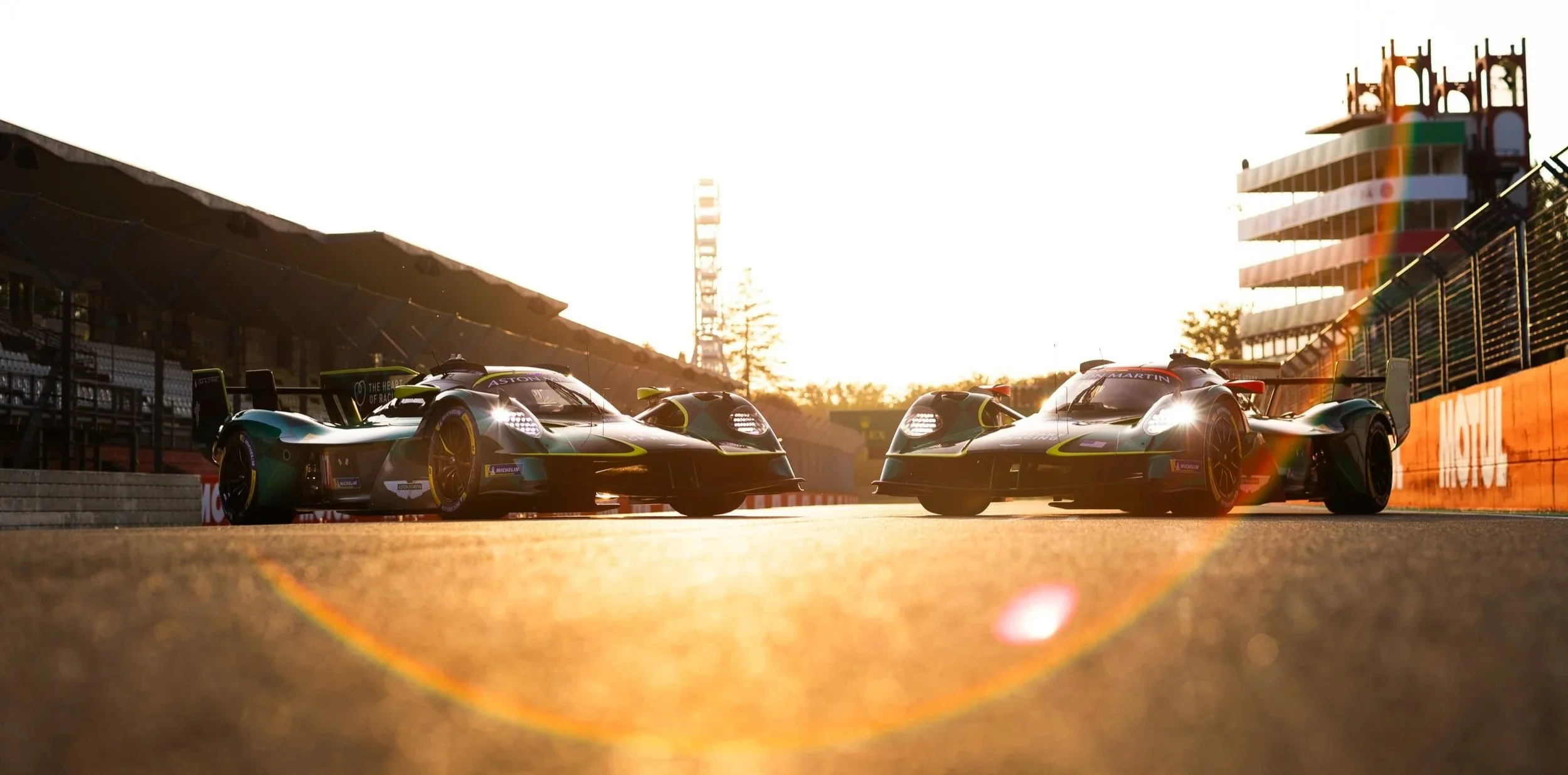
Image © Aston Martin Lagonda. Used for editorial purposes. Aston Martin Valkyries #007 & #009 WEC Team 2026.
If Formula 1 remains Aston Martin’s most difficult racing story, endurance racing offers a more encouraging and more distinctive counterpoint. This weekend, the FIA World Endurance Championship heads to Spa-Francorchamps, and for Aston Martin the timing matters. Spa isn’t just another round, it’s the final major WEC stop before the 24 Hours of Le Mans, which gives every lap added significance for the Aston Martin THOR Team and the Valkyrie Hypercar programme.
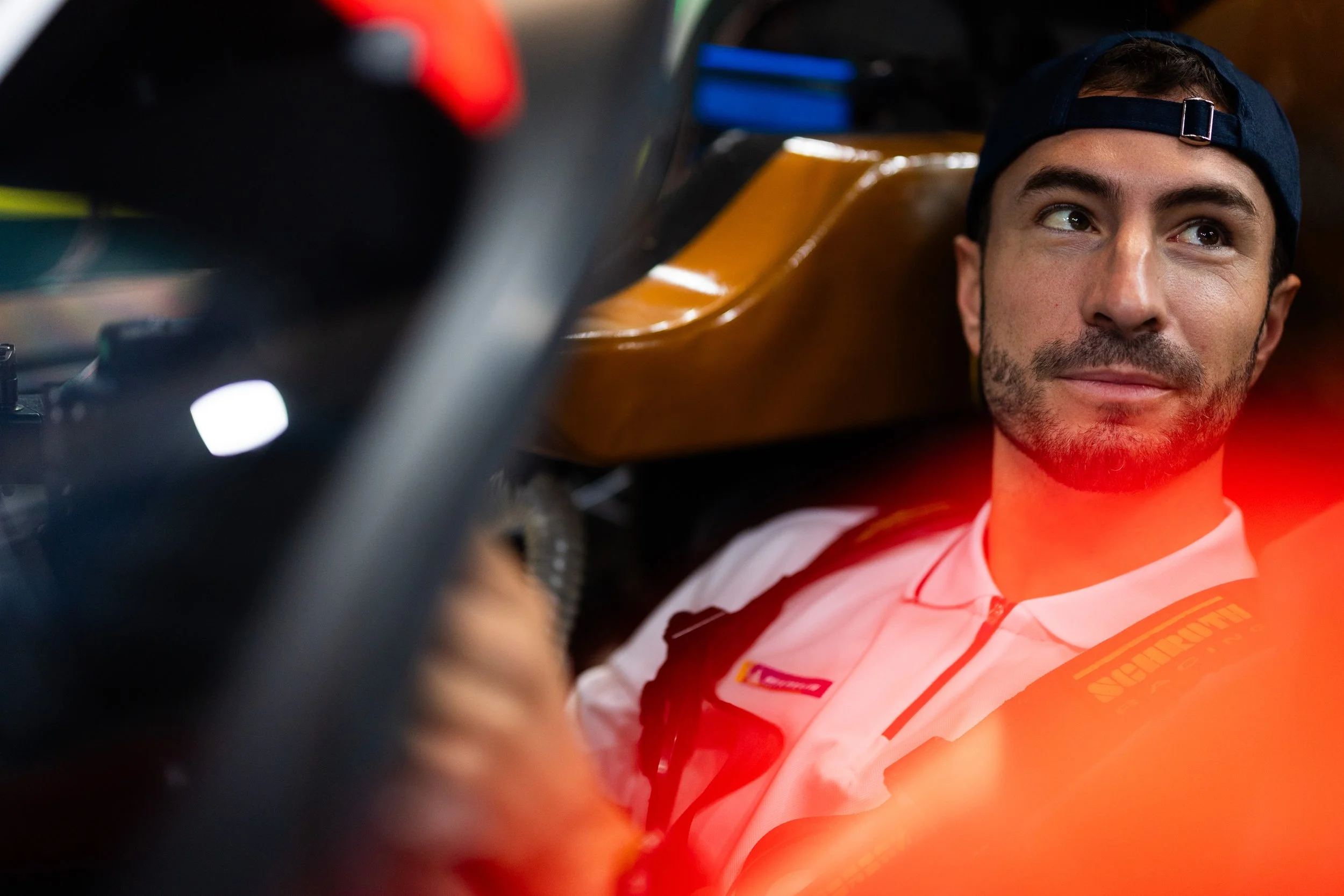
Image © Aston Martin Lagonda. Used for editorial purposes. Alex Riberas.
The official Aston Martin preview framed Spa as a chance to build on the opening-round points finish at Imola, where the #007 Valkyrie of Harry Tincknell and Tom Gamble came home ninth. Their team-mates, Alex Riberas and Marco Sørensen in the #009 Valkyrie, are looking for a cleaner and stronger weekend after finishing 14th at Imola.
Spa should, at least in theory, offer a more suitable environment for Valkyrie than Imola. Its long, fast, flowing layout should play to the car’s natural high-speed character, although Spa is never a circuit where anything can be taken for granted. Weather, traffic, strategy and execution all matter, especially in a WEC field of this depth. One thing worth reminding readers is just how unusual the Valkyrie project remains;
In a Hypercar field dominated by hybrid machinery, the Aston Martin Valkyrie stands apart as a non-hybrid, naturally aspirated V12 contender.
That doesn’t make the task easier, if anything, it underlines the scale of the challenge. But it does make the project feel very Aston Martin: ambitious, distinctive, slightly defiant, and built around an engine character that belongs deeply to the marque’s modern mythology.
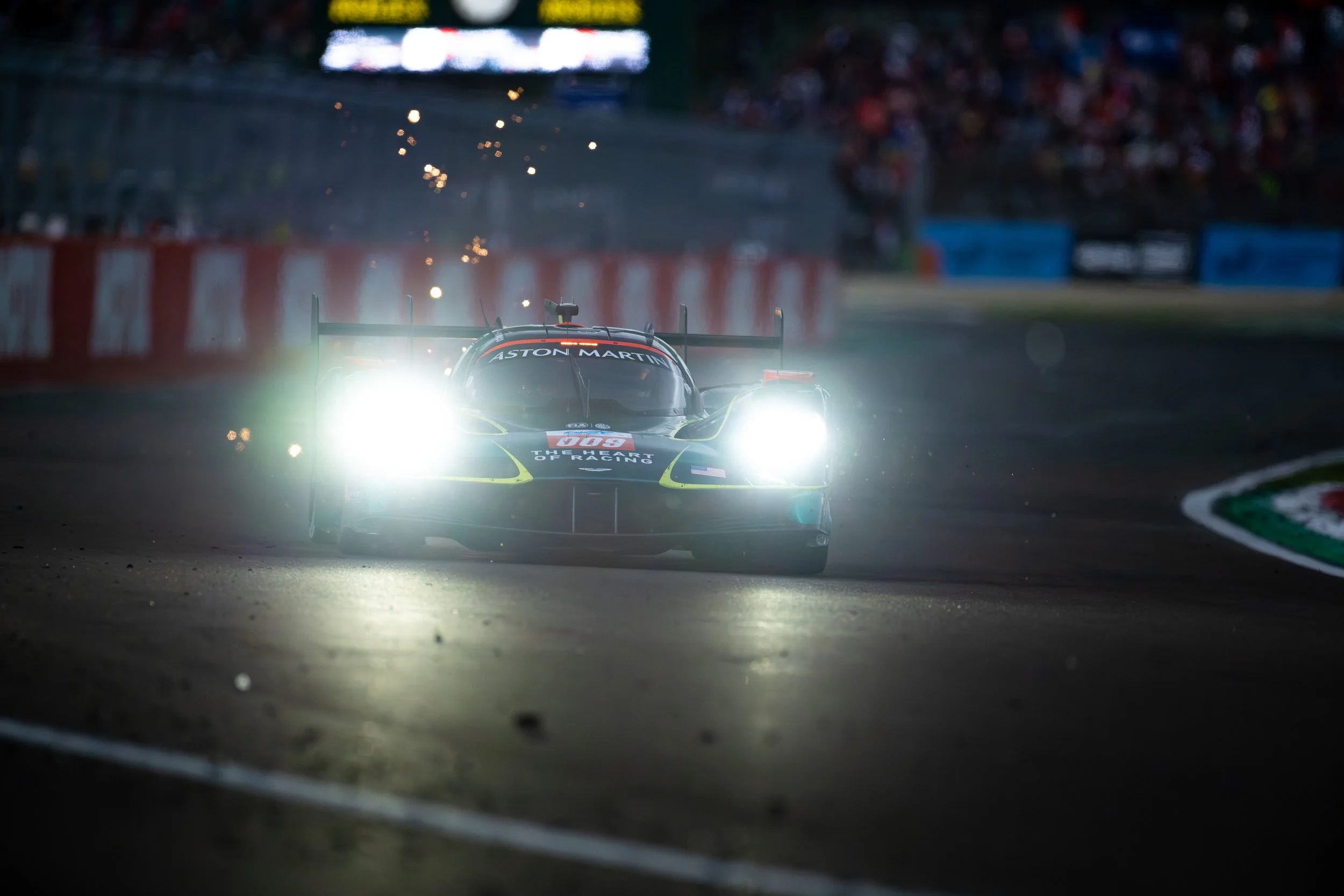
Image © Aston Martin Lagonda. Used for editorial purposes.
The race version of Valkyrie is, of course, a very different machine from the road car, but the connection still matters. Aston Martin continues to describe Valkyrie as the only road-derived hypercar contesting both WEC and IMSA, and that gives the programme a particular identity. It’s not simply a badge placed on a prototype. It’s an Aston Martin idea being tested in the harshest possible company.
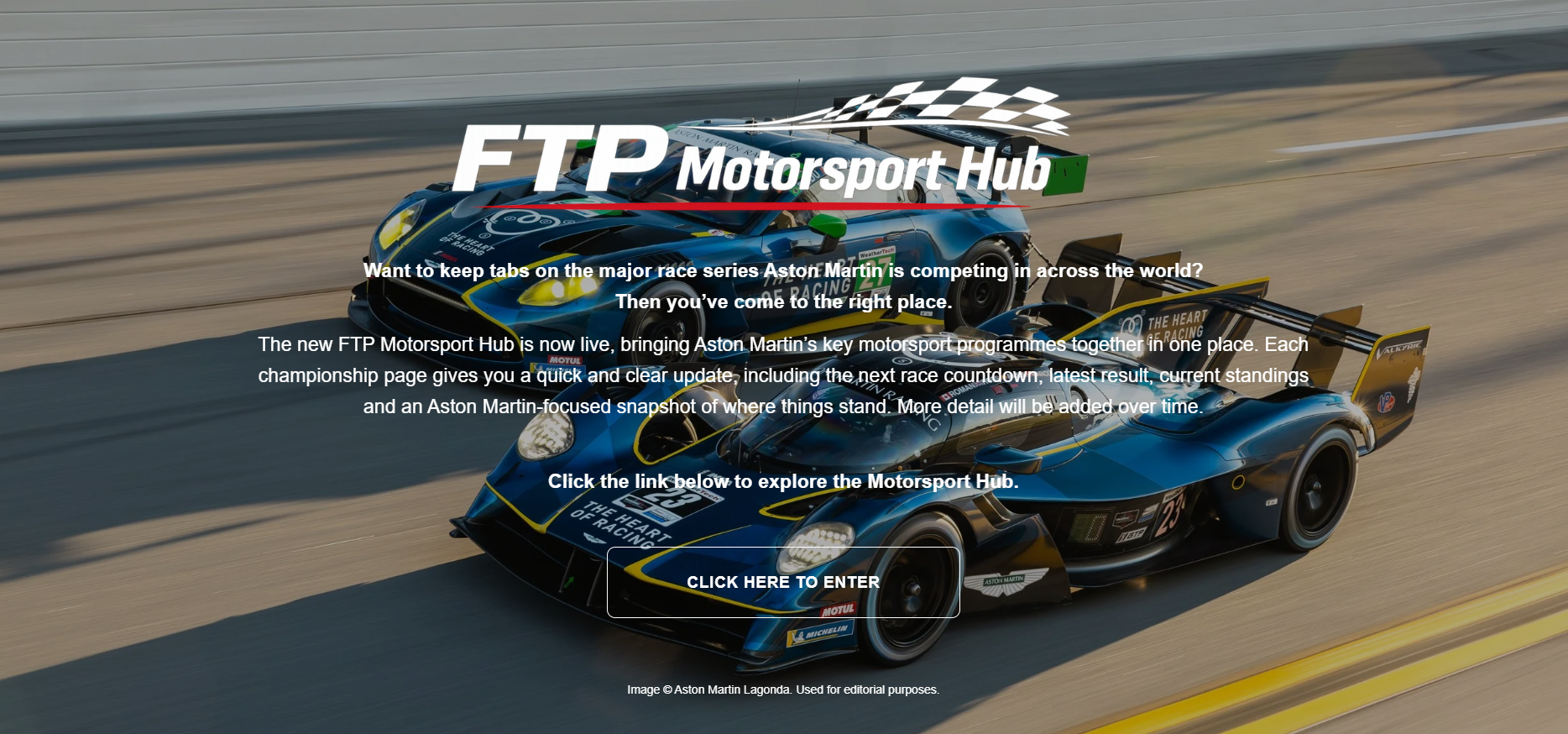
As this Roundup is being prepared ahead of the race itself, we’ll be updating the WEC section in the FTP Motorsport Hub early next week and we’ll report back on the results in next weeks Roundup. Even before the lights go out, the direction of travel is clear; Spa is about pace, yes, but also about Le Mans preparation: clean running, data, execution, tyre behaviour, driver rhythm and understanding where Valkyrie now sits against the established Hypercar field.
That’s exactly the sort of strand we’ll continue to track as Le Mans draws closer.
Vantage GT3: the positive thread running through Aston Martin racing
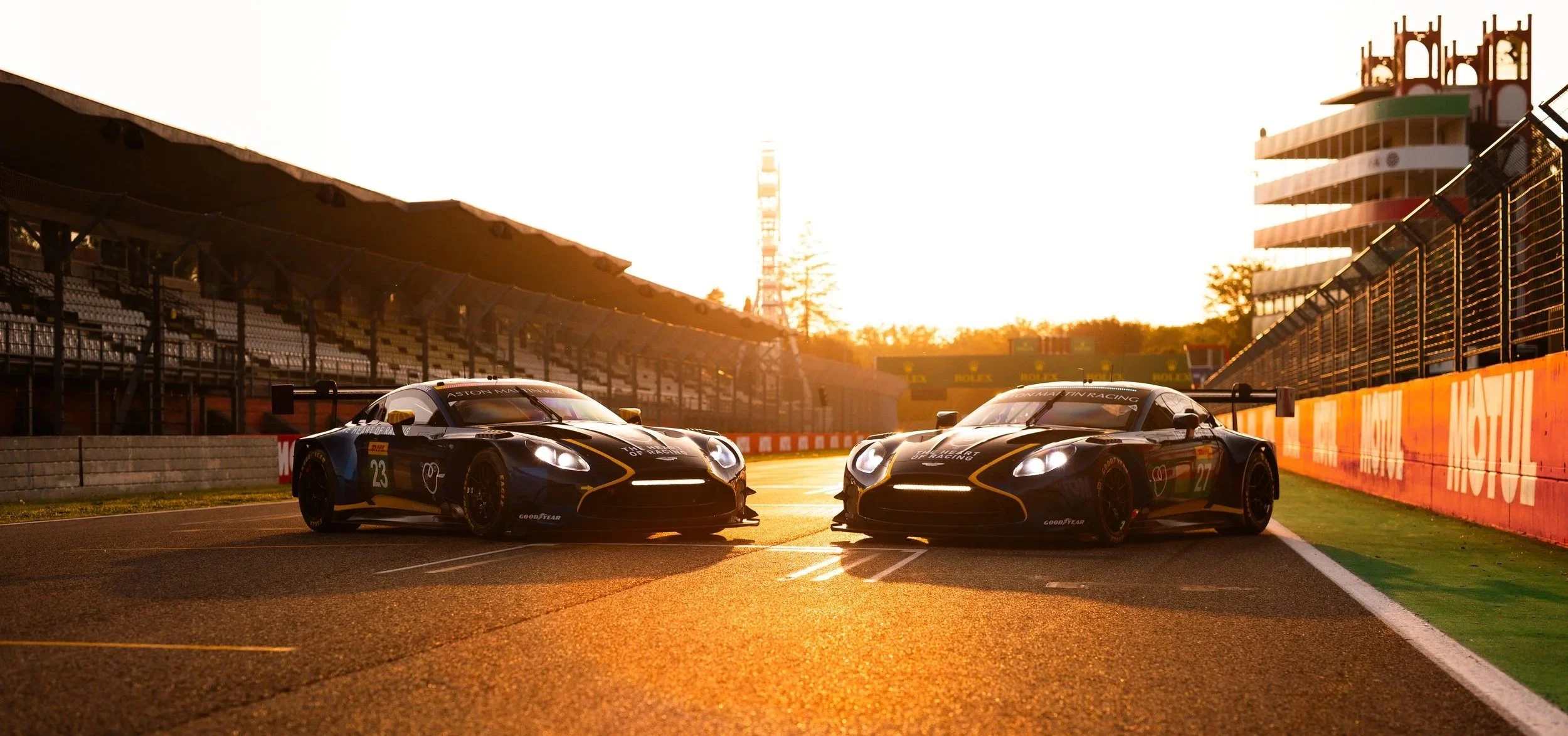
Image © Aston Martin Lagonda. Used for editorial purposes. Aston Martin Vantages WEC Team 2026.
Alongside Valkyrie, the Aston Martin Vantage GT3 continues to provide one of the strongest racing stories of Aston Martin’s year.
In IMSA, the Vantage achieved another significant result at Laguna Seca, with Dudu Barrichello and Aston Martin works driver Tom Gamble finishing second in the GTD class for The Heart of Racing Team. Barrichello qualified third, the car ran inside the top three throughout, and the result increased his lead in the GTD Drivers’ Championship while also strengthening The Heart of Racing’s position in the Teams’ standings.
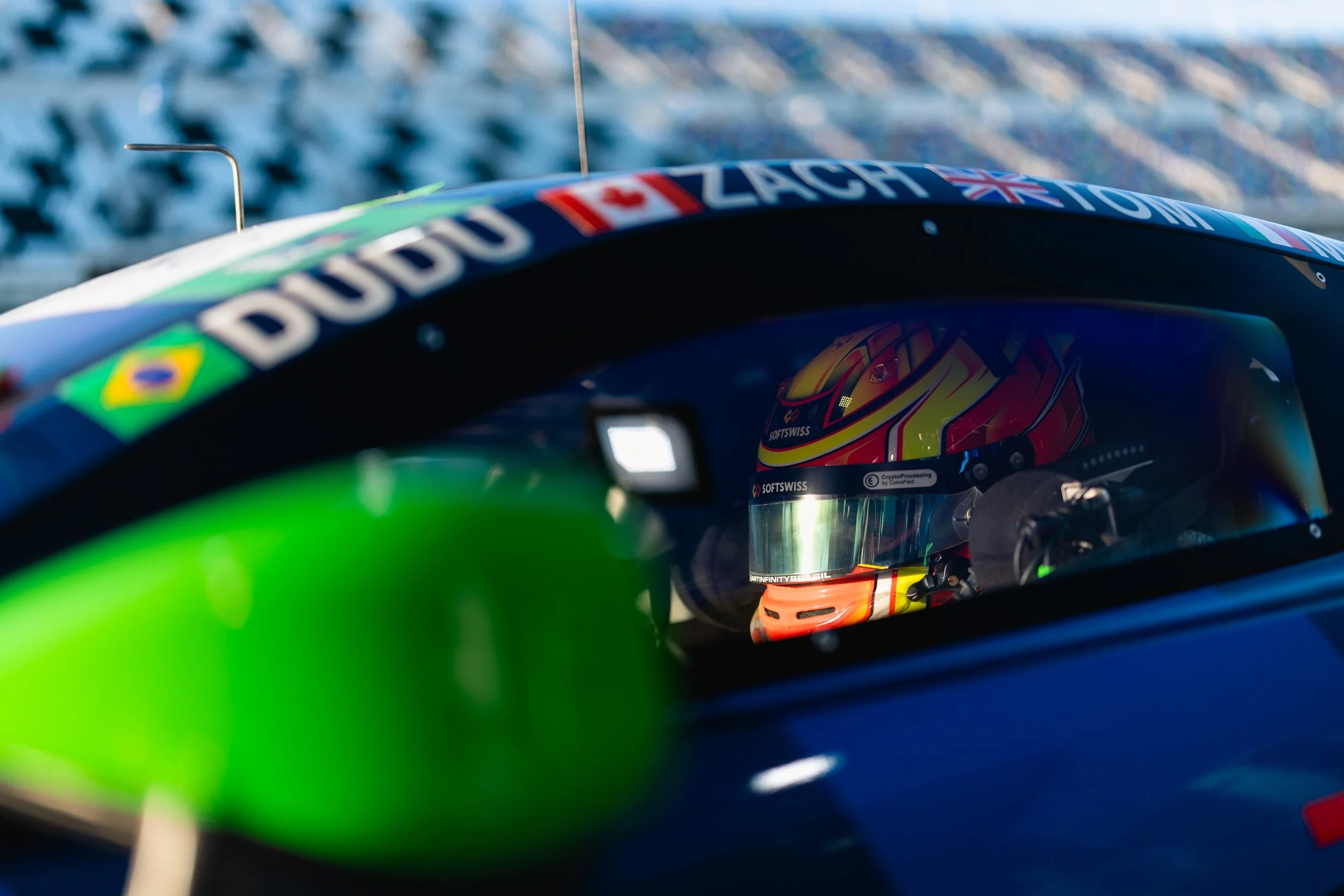
Image © Aston Martin Lagonda. Used for editorial purposes. Barrichello in THOR Vantage.
That’s a genuinely impressive start to the season. Aston Martin’s official release noted that Vantage has now achieved a GTD podium in each of the first four IMSA rounds of 2026.
That includes the season-opening Rolex 24 Hours at Daytona, where Magnus Racing finished second, and now another strong result for The Heart of Racing at Laguna Seca.
It’s particularly pleasing to see Barrichello settling so quickly into his debut IMSA season. Three GTD podiums already, plus class pole at the Sebring 12 Hours, is a very strong early record. The name naturally catches attention, but the results now stand on their own.
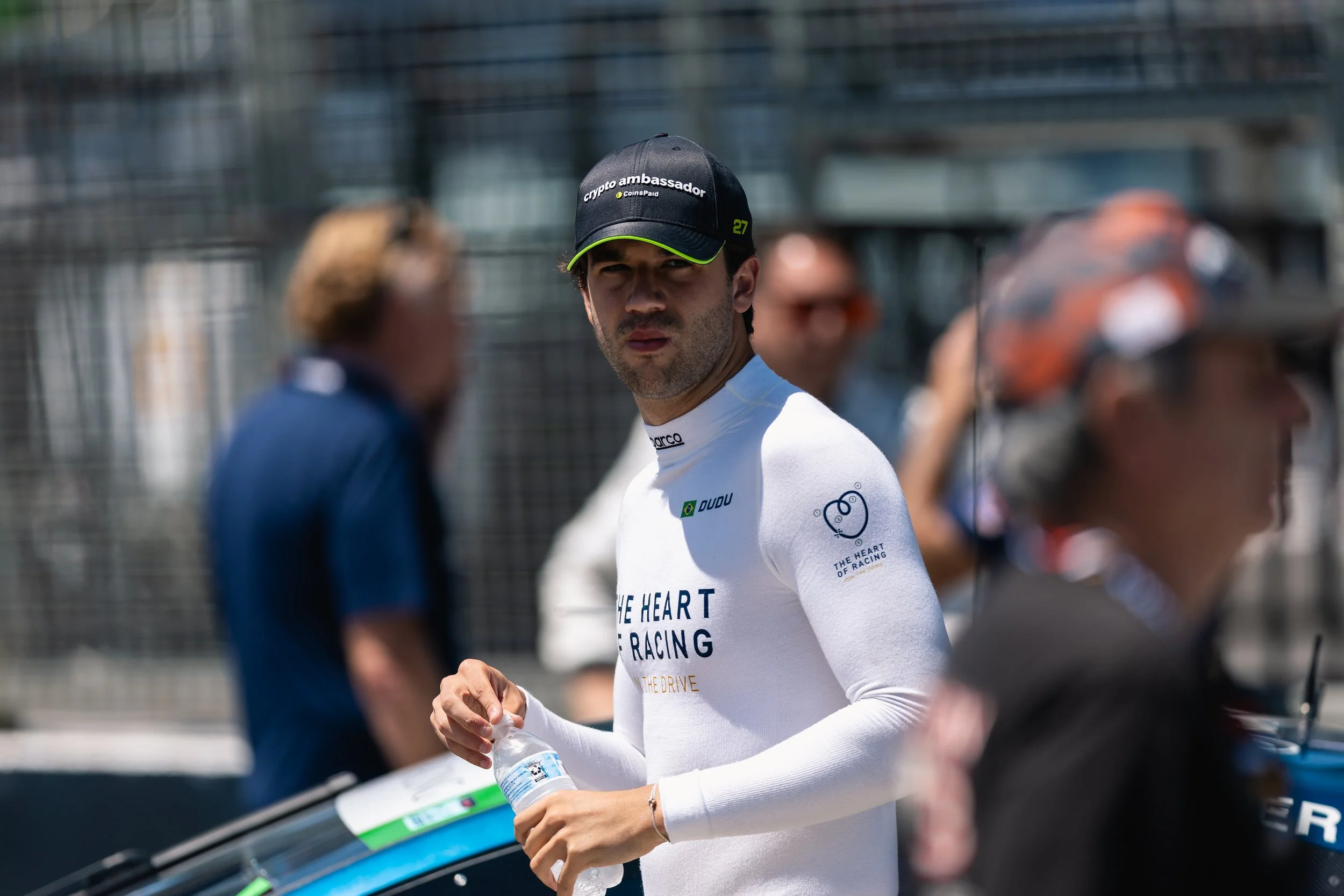
Image © Aston Martin Lagonda. Used for editorial purposes. Barrichello claiming a pole position.
Van der Steur Racing also deserves a mention from Laguna Seca. Rory van Der Steur qualified the #19 Vantage sixth in GTD, with Scott Andrews standing in alongside him while Valentin Hasse-Clot was on European Le Mans Series duty.
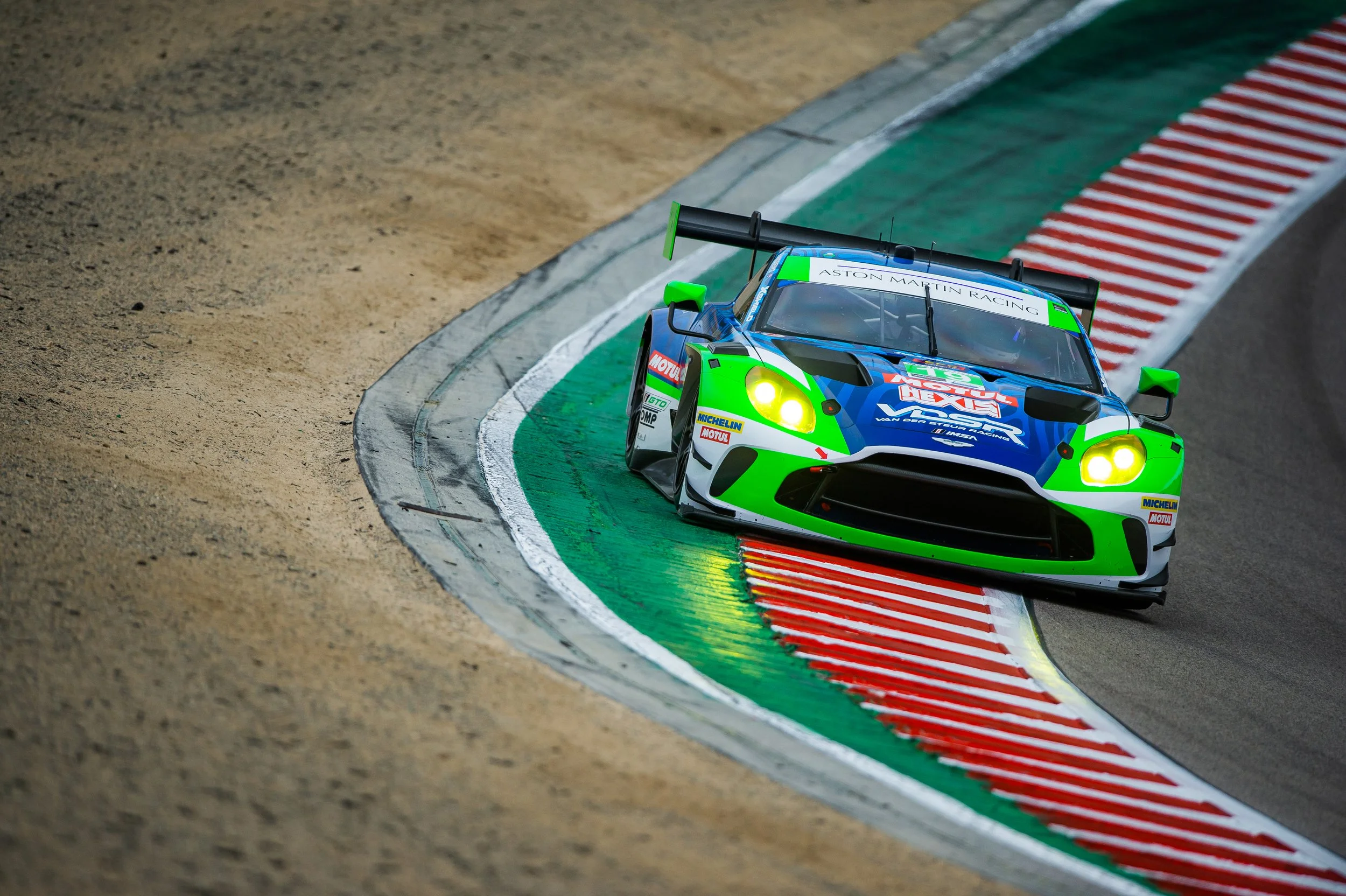
Image © Aston Martin Lagonda. Used for editorial purposes. VDSR Vantage on the limit.
Early damage forced an unscheduled stop, but the team recovered well, regained the lead lap and used an alternative fuel strategy to run as high as second before a late splash-and-dash left them 10th at the finish.
That kind of result won’t grab the same attention as a podium, but it still tells you something about the competitiveness and resilience of the package.
So, the Vantage story continues into WEC at Spa, where The Heart of Racing returns in LMGT3 with two Aston Martin Vantage GT3s. The #27 car features Ian James, Mattia Drudi and Zach Robichon, while the #23 includes Dudu Barrichello, Gray Newell and two-time Le Mans GT class winner Jonny Adam.
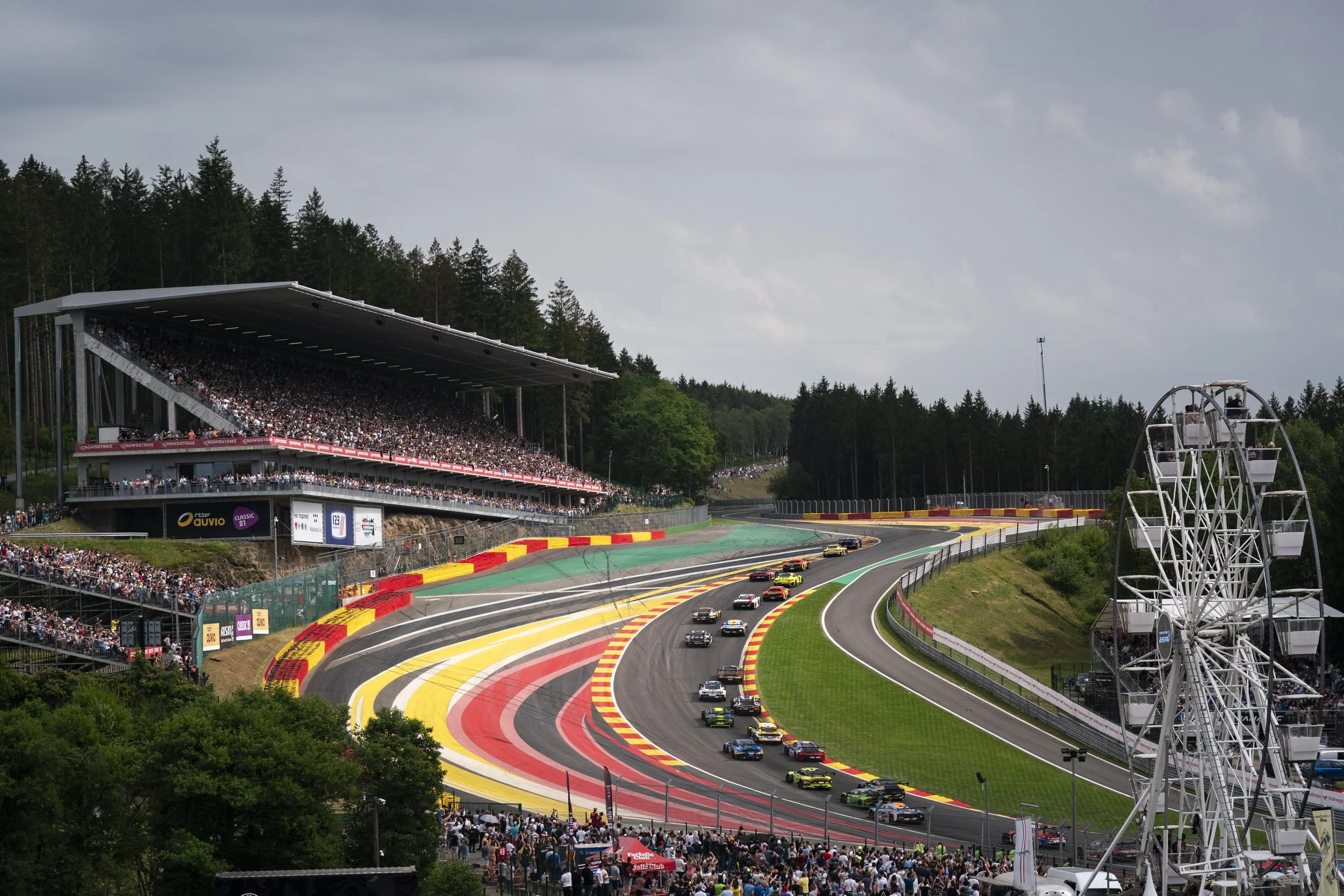
Image © Aston Martin Lagonda. Used for editorial purposes. Start at Spa 2024.
Aston Martin’s GT history at Spa gives this part of the weekend extra weight. Vantage has won WEC class races there before, taken multiple podiums and pole positions, and, of course, won the Spa 24 Hours outright in 2024. That pedigree doesn’t guarantee anything this weekend, but it does show why Vantage at Spa feels like a natural fit.
In a week where Formula 1 still looks bruising, the Vantage GT3 programme offers an important reminder: Aston Martin’s racing identity is bigger than one championship table. Across IMSA and WEC, the Vantage continues to do exactly what a customer racing Aston should do; compete hard, score points, build confidence and carry the road-car name into serious international competition.
Spa Update: Valkyrie Takes Its Biggest WEC Step Yet (updated 10th May 2026)
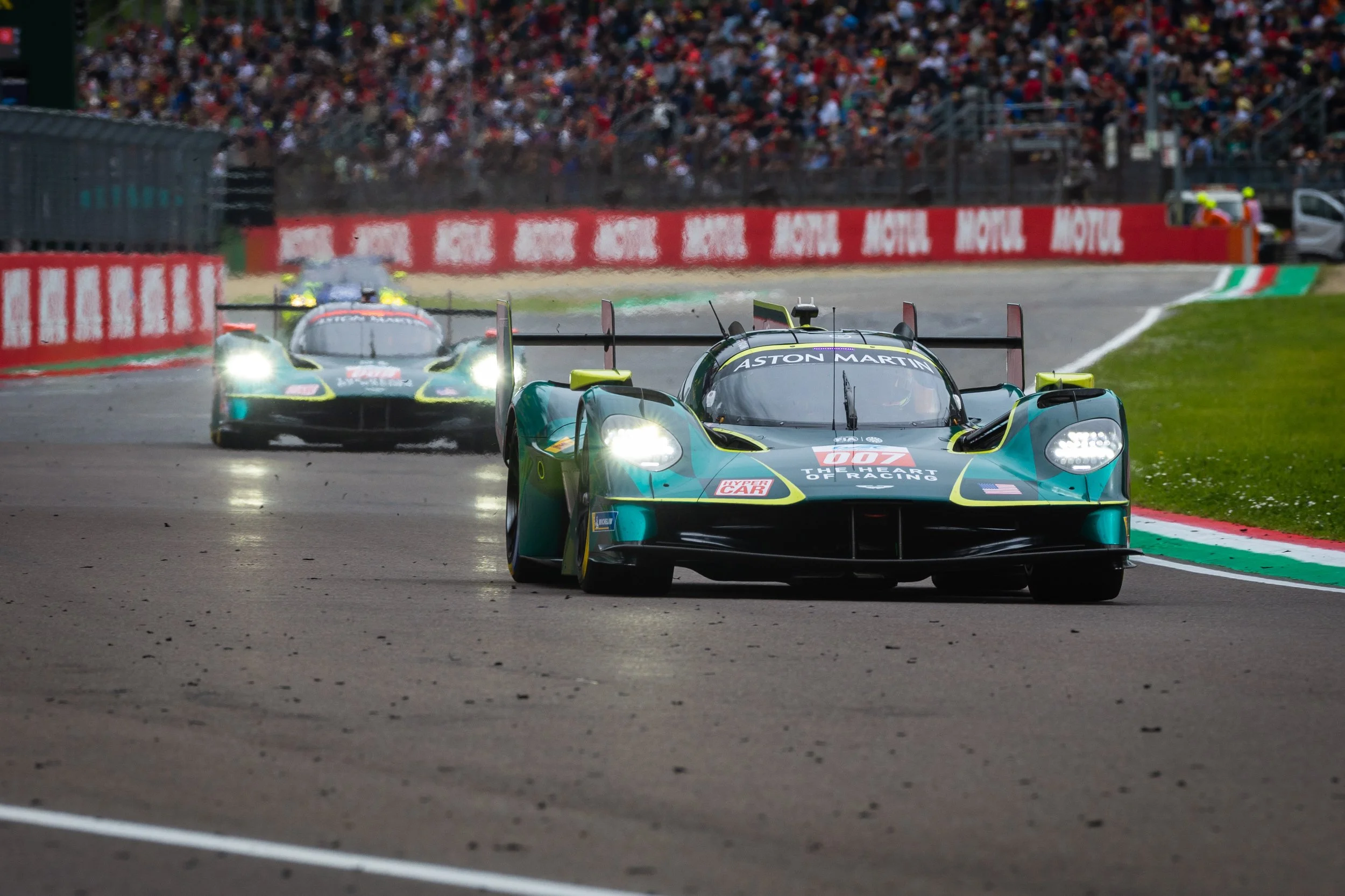
Image © Aston Martin Lagonda. Used for editorial purposes.
Since drafting this week’s Roundup, the 6 Hours of Spa-Francorchamps has now taken place and it turned into a significant weekend for Aston Martin in the FIA World Endurance Championship.
The headline result was the #007 Aston Martin THOR Team Valkyrie of Harry Tincknell and Tom Gamble finishing fourth overall, the Valkyrie’s best FIA WEC result to date and a major step forward before Le Mans. In LMGT3, The Heart of Racing Team’s #27 Aston Martin Vantage AMR LMGT3 also delivered a strong result, finishing second in class after a late post-race penalty reshaped the podium.
It wasn’t a perfect weekend, the #009 Valkyrie wasn’t classified after a late incident, and the #23 Vantage finished 13th in LMGT3, but Spa still feels like one of the most encouraging Aston Martin WEC weekends so far: a best-yet Hypercar result, another Vantage podium, and valuable momentum before the biggest race of the year.
The FTP Motorsport Hub has now been fully updated with the Spa result snapshot, Aston Martin summary, and full race report.
Wider customer racing: keeping the Aston Martin map alive
Beyond WEC and IMSA, Aston Martin’s customer racing map remains busy, and this is where the FTP Motorsport Hub becomes increasingly useful. Not every series produces a major Aston headline every week, and it would be easy to either ignore the smaller strands or overfill the Roundup with entry-list detail. The better approach is to keep the wider picture alive and then let the Motorsport Hub carry the deeper tracking.
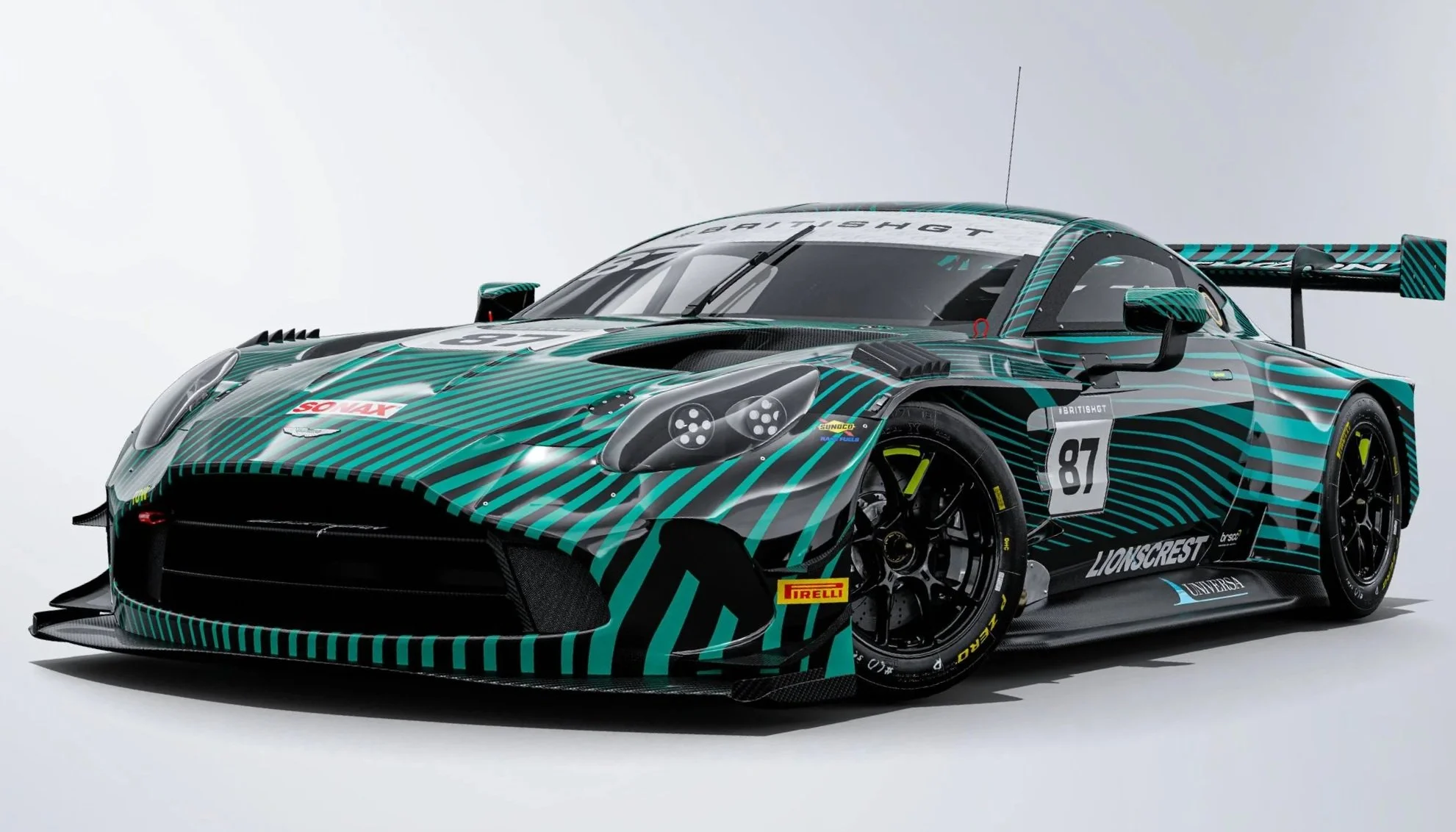
Image © Aston Martin Lagonda. Used for editorial purposes.
In the Michelin Le Mans Cup, Aston Martin interest continues through entries including Ecurie Ecosse Blackthorn and Racing Spirit of Léman. Blackthorn remains an important team for FTP to follow, particularly because of its wider Aston Martin programme across multiple GT categories.
International GT Open is another strand to keep watching. Good Speed Racing has returned for a full-season Aston Martin Vantage GT3 programme, while Blackthorn’s GT Open activity also gives us another Aston thread beyond the factory and headline championships.
In GT World Challenge Europe, Ecurie Ecosse Blackthorn remains part of the Aston Martin picture, and although Brands Hatch didn’t appear to produce a major Aston headline this week, the presence of Aston entries across the European GT landscape is important in itself.
British GT is quieter this week in terms of headline Aston Martin news, but it remains a core FTP monitoring series. That matters because British GT is often where the connection between national racing, customer teams, amateur drivers, professional talent and Aston Martin machinery feels particularly close to home.
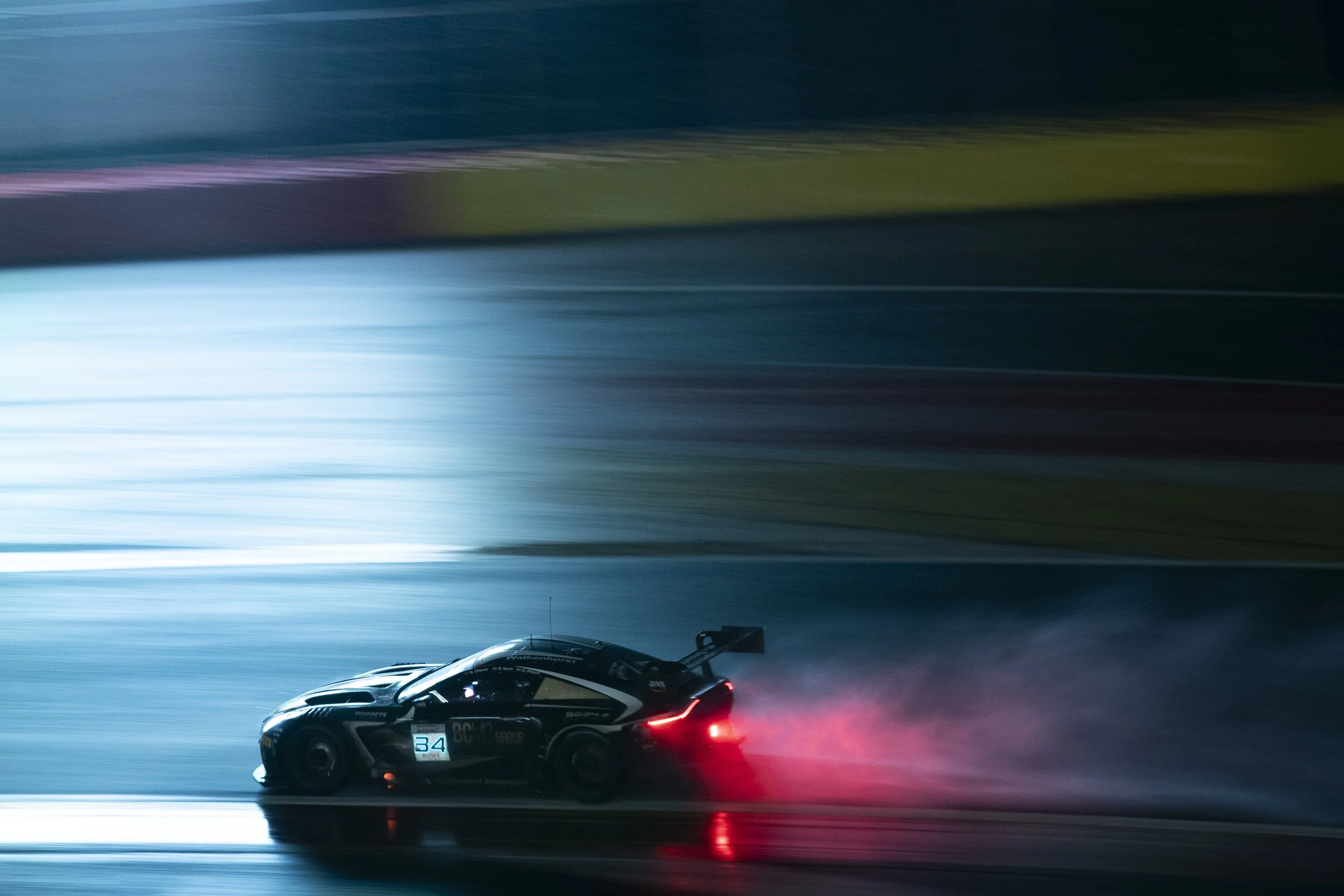
Image © Aston Martin Lagonda. Used for editorial purposes.
This weekend, though, the centre of gravity is clear: Spa for Valkyrie and Vantage, IMSA momentum for The Heart of Racing, and the steady build towards Le Mans.
Aston Martin Road Cars - DB12 S, the S badge and what enthusiasts are saying
DB12 S: the reviews arrive, and Aston’s modern S strategy comes into focus
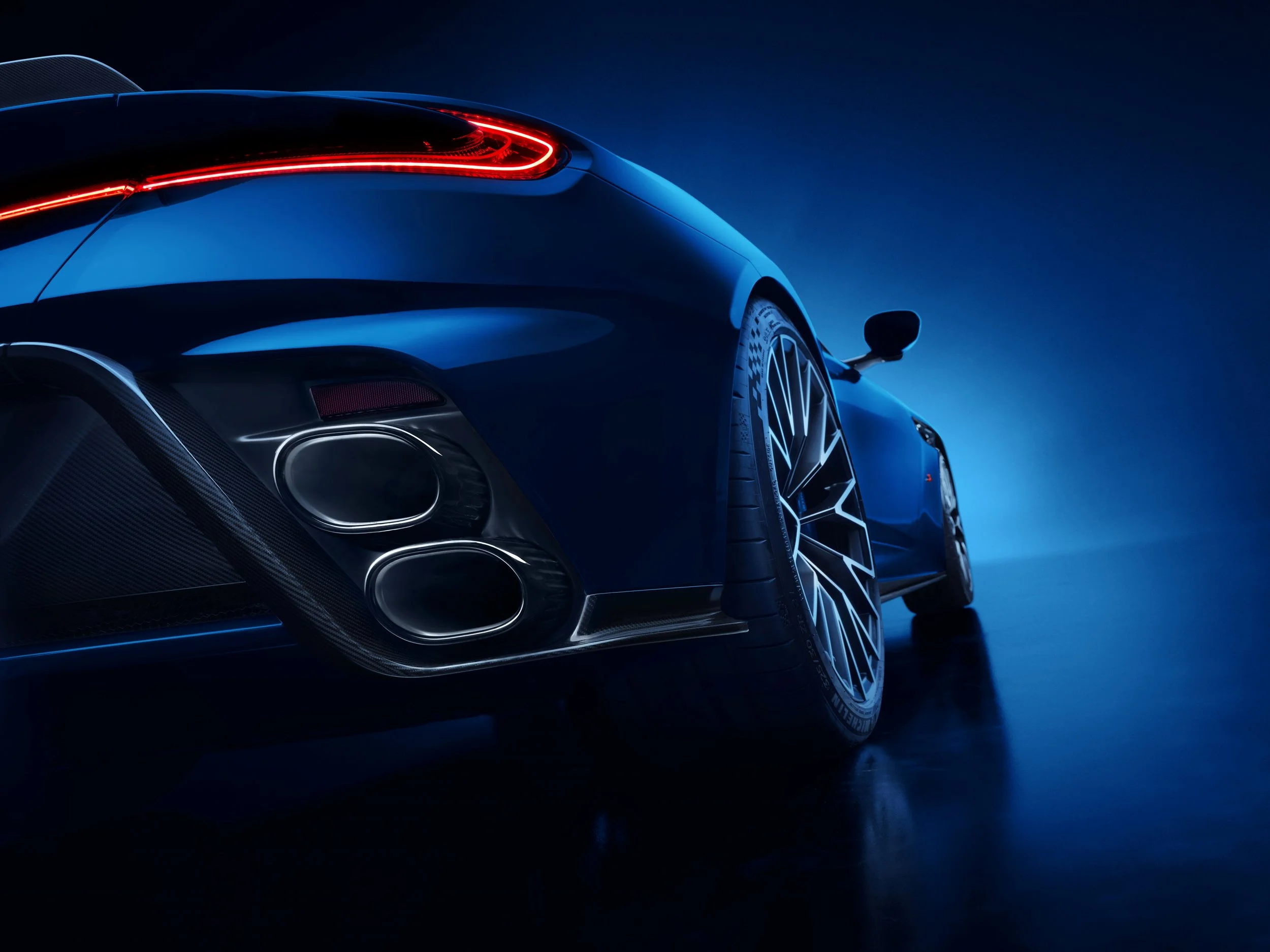
Image © Aston Martin Lagonda. Used for editorial purposes. Aston Martin DB12 S.
The biggest Aston Martin road-car story this week was undoubtedly the arrival of the DB12 S review wave. This wasn’t simply another derivative being pushed through the media cycle. What stood out was the consistency of the response. Across the professional reviews, the same themes kept appearing: more precision, more confidence, more noise, sharper response, and crucially, no obvious loss of the long-distance GT character that sits at the heart of the DB bloodline.
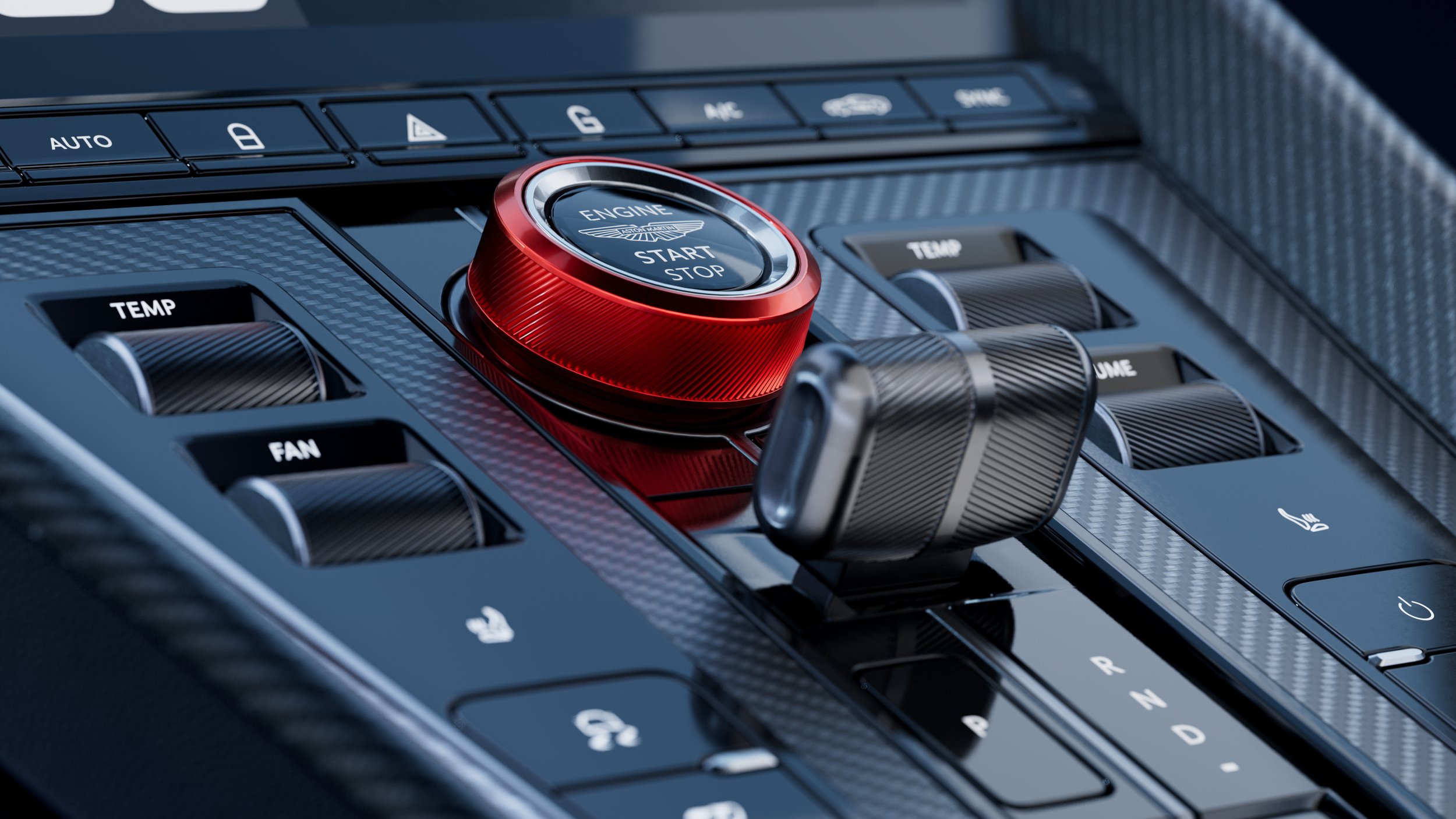
Image © Aston Martin Lagonda. Used for editorial purposes. Aston Martin DB12 S.
Aston Martin’s current S strategy certainly looks like a clear product pattern rather than a one-off badge exercise. We’ve already seen DBX S and Vantage S, and now the DB12 S gives us another example of Aston using the S badge not merely for extra power, but for calibration, feel and completeness.
The numbers are useful, but they’re not really the story. The DB12 S gains around 20bhp, taking the AMG-derived 4.0-litre twin-turbo V8 to about 690bhp / 700PS, with torque remaining at 590lb ft / 800Nm. It also brings quicker gearbox calibration, standard carbon-ceramic brakes, revised dampers, steering and e-differential settings, altered geometry, a stiffer rear anti-roll bar and a more assertive aero and exhaust package. On paper, that could sound like a familiar mid-life sharpening exercise. But the better reviews this week suggested something more meaningful than that.
The DB12 S appears to be less about headline power and more about making the DB12 feel more settled, more decisive and more natural when driven quickly.
That was particularly clear in evo’s review, which was one of the strongest pieces of evidence for what Aston is trying to do with these modern S models. evo’s view was that the DB12 S doesn’t merely add more aggression; it helps resolve the tension in the standard DB12 by making the car calmer as a GT and more satisfying as a performance car. That’s a very Aston Martin kind of improvement: not simply faster, but more confident in its own brief.
CAR Magazine reached a similar place from a slightly different angle, framing the DB12 S as effectively a “DB12 version 2.0”. Their view was that the S brings more speed, sound, agility and subtle styling, while keeping the comfort and charm intact. They also noted the familiar Aston trade-off: the gearbox still doesn’t have the crispness of a Porsche PDK or Ferrari dual-clutch system, and the car’s mass hasn’t disappeared, but the overall conclusion was warm and positive.
Autotrader’s review (video link provided below), was one of the more openly enthusiastic responses, with the headline describing the DB12 S as a car that “shouldn’t be this good”. That sounds dramatic, but the substance of the review fitted the wider pattern: the DB12 S was praised not simply for extra performance, but for the way its sharper responses, stronger visual presence, more characterful soundtrack and physical cabin controls combine into a more convincing modern Aston Martin GT.
It was another sign that the S treatment is being received as more than a badge-and-power exercise. At the same time, FTP should still keep a little perspective, the standard DB12 shouldn’t suddenly be written off as irrelevant; for some owners, its softer-edged GT balance may still be exactly the point.
Autocar was a little more cautious, and that’s useful. Matt Saunders found plenty to like in the extra presence, sharper handling and more sporting feel, but also noted that the firmer ride still needs to be judged properly on UK roads. That kind of nuance matters, the DB12 S may well be the sharper, more desirable car for many buyers, but the standard DB12 should not suddenly be written off as irrelevant. For some owners, its softer-edged GT balance may still be exactly the point.
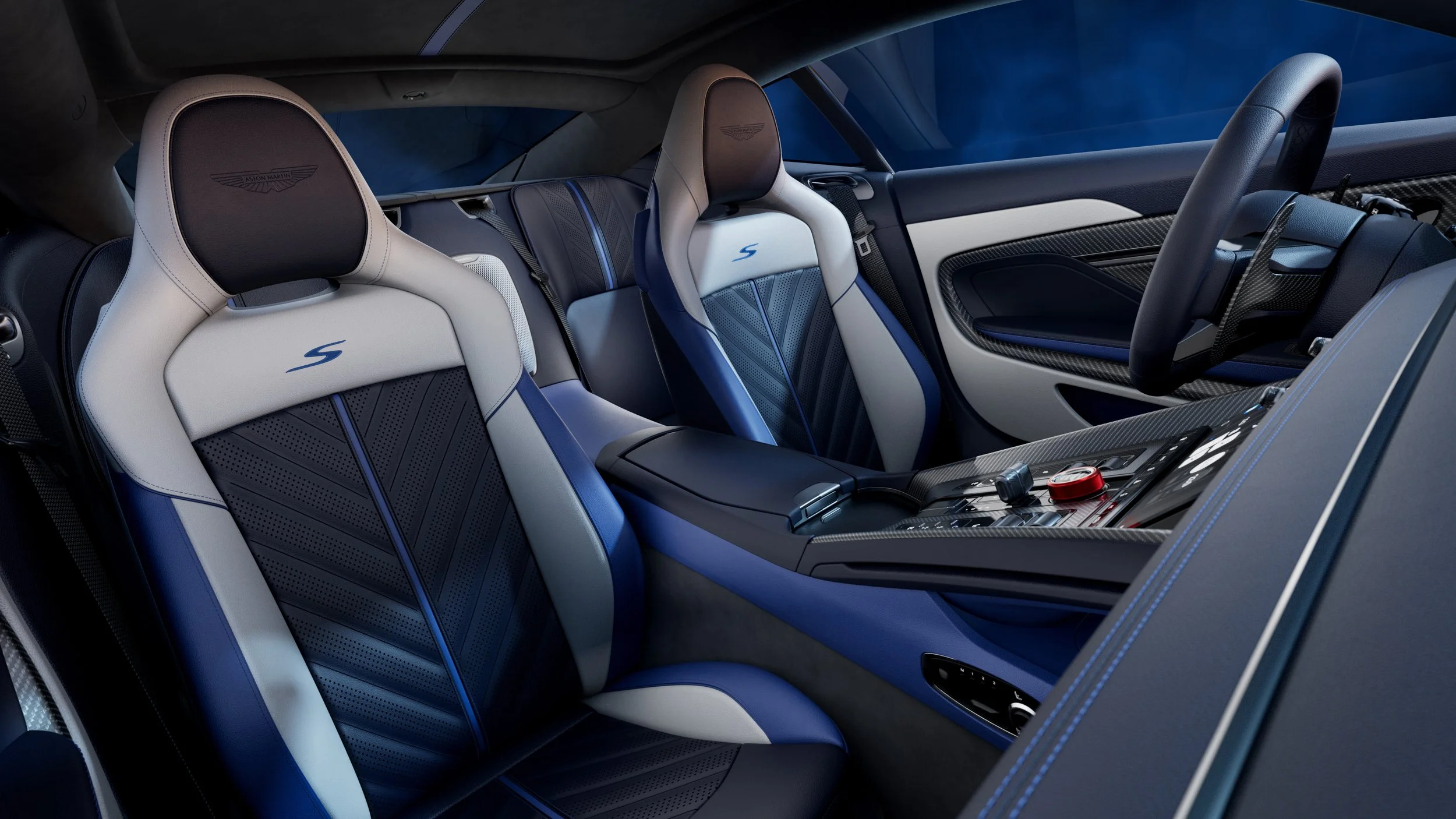
Image © Aston Martin Lagonda. Used for editorial purposes. Aston Martin DB12 S.
The more recent Magneto review added another valuable voice. I’ve a soft spot for Magneto, not least because it comes from the same publishing world as Octane, which I subscribe to. Their review had exactly the sort of mature GT perspective that suits this car. The telling line was not really about the numbers, but the idea that after a long day in the south of France, the DB12 S was the sort of car the reviewer would happily have driven all the way back to London. That’s the essence of a proper Aston Martin GT.
Magneto also reported Neil Hughes, Aston Martin’s Director of Product Strategy, saying that S derivatives have taken more than 95 percent of sales in DBX and Vantage. If that figure is reflected more widely, it tells us something important about customer appetite. Buyers are not merely responding to a badge, they appear to be responding to the version of the car that feels more resolved, more distinctive and more complete.
There were also interesting contributions from PistonHeads, Road & Track, Jalopnik, GTspirit, Autotrader and the YouTube review world. The tone varied, but the broad direction was consistent: the DB12 S feels like a more compelling version of the DB12, and one that sits more naturally between the comfort-led Bentley Continental GT and the sharper Ferrari Amalfi. That positioning may be the key to understanding the car. The DB12 S doesn’t need to out-Ferrari Ferrari or out-Bentley Bentley.
Its job is to occupy the space only Aston Martin can really own: beautiful, front-engined, dramatic, comfortable enough to cross countries, but still alive enough to make the road matter.
What the viewers said: Aston wins hearts, but old concerns remain
One of the things I wanted to do, as we’ve done before, was to look not just at the professional reviews, but at the public reaction beneath them. I find this a very interesting thing to examine. Now this isn’t scientific polling, and it shouldn’t be treated as such. YouTube comments are a mood board, not a dataset, but they can still tell us something useful about how enthusiasts are responding to Aston Martin’s current direction.
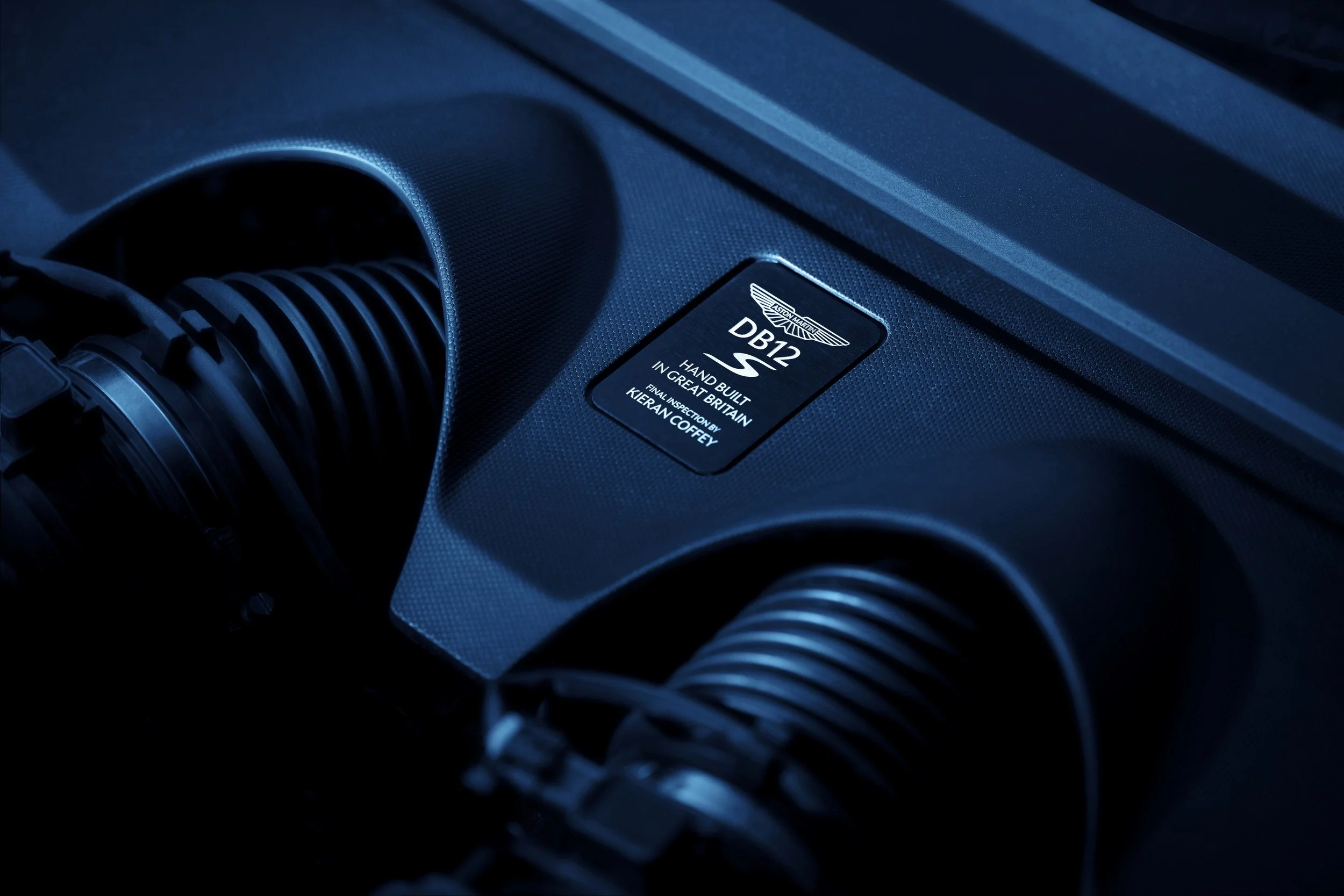
Image © Aston Martin Lagonda. Used for editorial purposes. Aston Martin DB12 S.
Looking across comments on the Mr JWW, CAR Magazine and Autotrader DB12 S videos, the overall reaction was strikingly warm. Many viewers repeatedly described the car as beautiful, classy, special and desirable. There was particular praise for the rear-end treatment, the stacked exhaust outlets, the improved interior and the sense that Aston’s current road-car range is gaining real momentum.
The Autotrader comments were especially positive. A large number of viewers seemed to respond to the old-school ingredients: a proper engine, physical buttons, strong design and no obvious rush towards electrification for its own sake.
Several people openly said they would take the Aston over the Ferrari Amalfi, Porsche 911 Turbo S or other rivals because the Aston simply looked and felt more special to them.
That’s the kind of emotional advantage Aston Martin has always depended on. It’s not always the most rational choice, it’s not always the fastest, sharpest or safest place to put your money, but when the car is right, people feel something. At the same time, the comments also showed the familiar shadows. Depreciation came up repeatedly, so did running costs, long-term reliability perceptions, Aston’s financial position, and the continuing debate about AMG-derived V8s versus a true Aston Martin V12. Quite a few people also questioned the DB12 name without a V12 under the bonnet, which is clearly still a sticking point for some traditionalists.
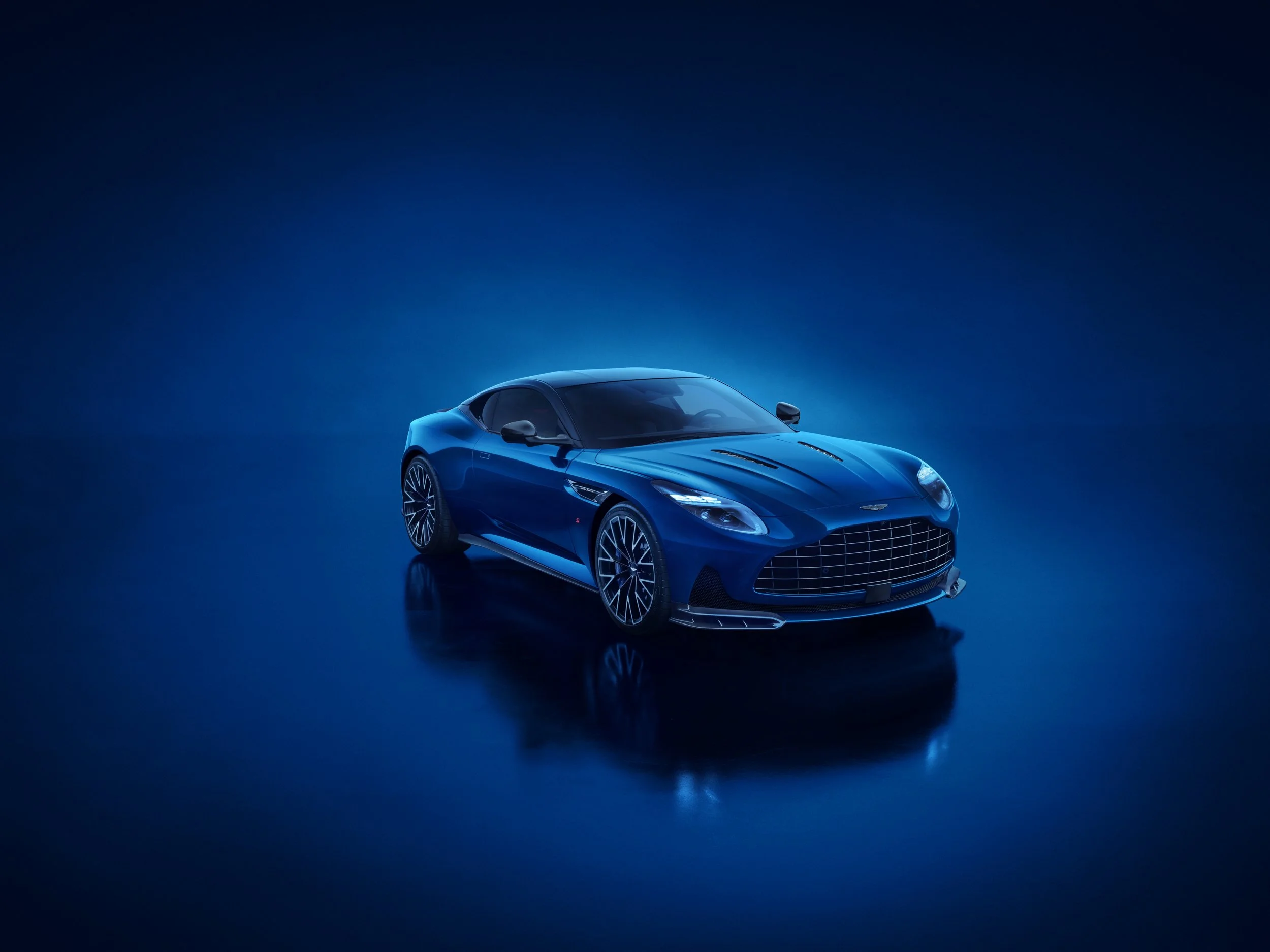
Image © Aston Martin Lagonda. Used for editorial purposes. Aston Martin DB12 S.
There was also some confusion about positioning. Several viewers asked whether the DB12 S should really be compared with a Ferrari Amalfi, a Porsche 911 Turbo S, a Bentley Continental GT, or whether the Vanquish is the more natural Ferrari 12Cilindri rival. That tells us Aston may have a product range that is emotionally strong, but still needs careful explanation to a wider audience.
Even so, the broader viewer mood was encouraging. The DB12 S seems to have landed as an Aston Martin people want to like, and that’s not a small thing.
From an FTP perspective, this gives us a very useful bridge into June’s Featured Article: The Aston Martin S Question. The DB12 S reviews have given us exactly the live material we needed to explore what the modern S badge now means, not just more power, but confidence, calibration, character and completeness. That article will land on 7th June 2026. It’s been really interesting researching this one!
evo Adds More Weight to Aston Martin’s 2026 Product Momentum
evo’s latest issue, gives Aston Martin a strong enthusiast-media moment, placing the Valhalla and Vantage S together under a bold “Ferrari Hunters” cover line. For Fuel the Passion, the significance is not that Valhalla is being reviewed for the first time, we’ve already covered several major Valhalla verdicts in previous editions of the Weekly Roundup, but that evo’s assessment adds another respected driver-focused voice to the wider picture now forming around Aston Martin’s current product range.
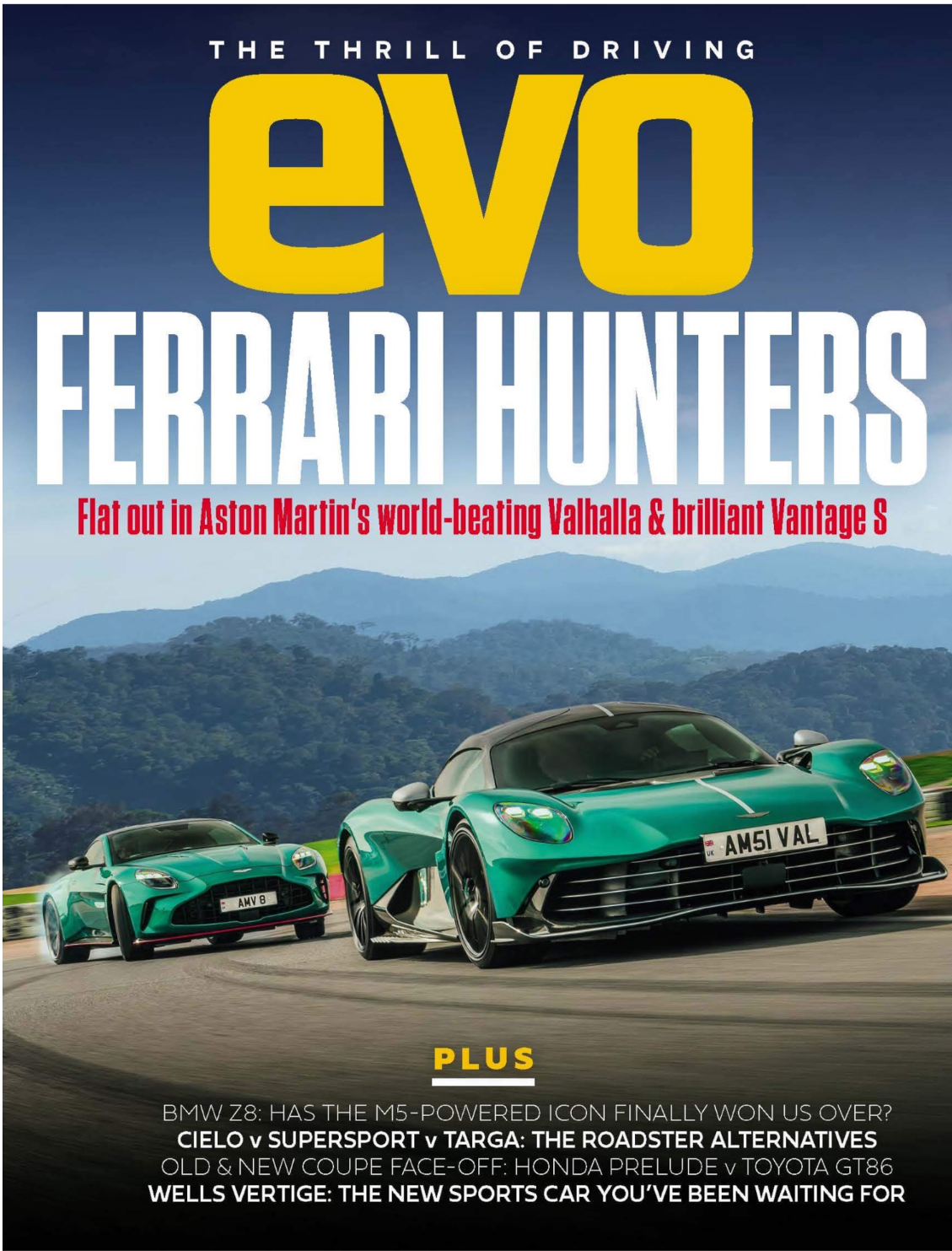
Image © evo Magazine. Used for editorial purposes. evo magazine cover
The Vantage S review is another, especially useful context for our already mentioned, feature article that’s in the planning for June on “The Aston Martin S Question.” Henry Catchpole doesn’t present the S as a radical reinvention or a track-special version of the Vantage. Instead, evo sees it as a sharper, more aggressive and more physical evolution of an already highly rated car: modestly more powerful, more focused in attitude, subtly altered in its aero and chassis detail, but still genuinely usable, while describing the car as ferociously quick but not stripped of everyday appeal.
evo also notes that the Vantage S can feel taut, impatient and at its best when driven hard on the right road. That makes the review more credible and more helpful for FTP: the S badge is not being portrayed as a simple horsepower badge, but as a calibration and character exercise.
Alongside that, James Taylor’s Valhalla review reinforces the sense that Aston Martin’s recent product story is gaining depth. After earlier reviews we’ve already covered, evo’s verdict adds further weight to the idea that Valhalla is not merely a numbers-led hypercar, but a usable, technically advanced and surprisingly communicative Aston Martin with a broad operating window.
Taken together, it’s becoming a familiar review picture for Aston Martin in 2026: the headline figures still attract attention, but the strongest praise is increasingly centred on feel, balance, usability and character. The Valhalla is being judged as a serious new entry in the hybrid supercar space, while the Vantage S adds another layer to the growing story around Aston’s modern S models. For Fuel the Passion, the useful thread is clear: Aston Martin’s latest performance cars are not simply chasing numbers. At their best, they’re being recognised for the emotional qualities that have always made the marque distinctive; theatre, beauty, driver engagement and a sense of occasion.
Vanquish watch: test mules, exhausts and the need for caution
Staying with road cars, there was also more movement around the Vanquish this week, with several outlets picking up images of a test car at the Nürburgring. Some coverage framed the car as a possible Vanquish S, while other reporting was more cautious and suggested the car may simply be testing a new exhaust layout.
The most useful version of the story came from outlets reporting that Aston Martin is assessing a new exhaust system inspired by the Valhalla, rather than necessarily confirming a new Vanquish S derivative. The test car was seen with unusual rear treatment and additional exhaust exits, but there’s no confirmation that this exact arrangement will reach production. That said, it’s still worth watching. Aston now has a visible S strategy across DBX, Vantage and DB12, so it would hardly be surprising if a sharper Vanquish derivative appeared in time.
The standard Vanquish is already Aston Martin’s V12 flagship and natural Ferrari 12Cilindri rival. If an S version does come, it’ll need to offer more than a dramatic exhaust. It will need to sharpen the car while preserving the very thing that makes Vanquish special: that sense of big-hearted, front-engined V12 occasion. For now, this remains one to watch rather than one to declare.
Valhalla Watch: positive coverage and public visibility

Image © Fuel the Passion. Aston Martin Valhalla photographed at Salon Prive, London 2026.
The Valhalla also stayed in the public eye this week, although this was more about visibility and sentiment than a major new product development. The first useful marker was GQ’s positive Valhalla coverage, which helped place Aston Martin’s first series-production mid-engined supercar in front of a broader lifestyle audience, rather than only the usual specialist road-test readership. That matters because, as we reported in our review of Aston Martins Q1 2026/27 financial results in Weekly Roundup Issue 22, Valhalla is not just a technical statement for Aston Martin, it’s also a halo car, and halo cars need to feel visible, desirable and culturally alive.
There was also a lighter public-interest moment around Jeremy Clarkson being seen with a Valhalla in London, testing the car for an upcoming review, expected to be featured in the Sunday Times. Clarkson teased on social media that he was in the process of reviewing it. It was also picked up by TheSupercarBlog and the Oxford Mail. Clarkson and Aston Martin in the same sentence definitely attracts attention, and in a week where DB12 S reviews were also gathering momentum, it added to the sense that Aston Martin’s road-car range is generating conversation well beyond the company’s own press channels.
Wider Aston Martin Watch: Geely Logo Dispute Returns to the Spotlight
In Issue 21 of the Weekly Roundup, we reported on Aston Martin’s logo dispute with Geely, and this week it’s worth returning to the story because more detail has emerged around the appeal and the timeline behind it.
The dispute centres on winged logo designs connected to Zhejiang Geely Holding Group, the Chinese automotive group that’s also a significant Aston Martin shareholder. According to RacingNews365, Geely attempted to register a logo and brand design in August 2022, with Aston Martin Lagonda opposing the move in January 2023 on the basis that it believed the design infringed on the Aston Martin wings. A hearing followed in September 2025, and the decision went against Aston Martin on 16th March 2026.
The latest development is that Aston Martin has now taken the matter to appeal. RacingNews365 reports that the appeal was lodged on 13th April 2026 in the Chancery Appeals Division of London’s High Court. That explains why the story has resurfaced now: the underlying dispute is not new, but the appeal has given it fresh relevance. Creative Bloq also picked up the story from a design and branding angle, highlighting the unusual nature of Aston Martin being in a logo dispute with a company that’s also one of its shareholders. It framed the issue around Geely-linked winged designs and Aston Martin’s desire to protect a core part of its visual identity.
This is an ongoing legal process, and FTP is not taking a view on the legal merits of either side’s case. Aston Martin’s own position, as reported by RacingNews365, is that it doesn’t comment on ongoing legal proceedings, but that protecting its brand and intellectual property remains a priority.
As we mentioned last week, from an Aston Martin perspective, the story is interesting because the wings are not just a badge. They’re one of the most recognisable pieces of British automotive identity. They sit on the nose of road cars, race cars, heritage models, dealer signage, merchandise and decades of brand memory. So while this may appear at first glance to be a legal footnote, it also touches something much more emotional: how Aston Martin protects the symbols that carry its history. We’ll see how this appeal develops in future editions.
Car of the Week: 2020 Aston Martin Rapide AMR - the four-door V12 outsider
That Valhalla and Clarkson public sighting also says something broader about Aston Martin’s appeal. Whether it’s a new Valhalla drawing attention in London, a DB12 S winning over reviewers in the south of France, or a well-kept modern classic appearing on the used market, Aston Martins still have that rare ability to stop people looking at their phones and start asking questions, which brings us neatly to this week’s Car of the Week, because away from the launch cars, prototypes and headline-grabbing hypercars, there’s always another Aston Martin story waiting in the classifieds.

Image © SuperVettura/Koenigsegg UK. Used for editorial purposes. The 2020 Aston Martin Rapide AMR for sale.
This week’s pick is a 2020 Aston Martin Rapide AMR, advertised by SuperVettura / Koenigsegg UK at £119,950. Finished in Scintilla Silver over Obsidian Black leather, showing 32,000 miles, and described by the seller as one of 47 UK examples, it’s exactly the kind of Aston that deserves a second look.
It also gives us a neat continuation from last week. In the previous Roundup, the Car of the Week was a DB11 AMR, a modern V12 GT that showed how Aston Martin used the AMR name to bring sharper character and more presence to an existing model. This week’s Rapide AMR carries that thread into a very different part of the Aston Martin range: not a two-door GT, not a supercar, not a track special, but a four-door, four-seat, V12 Aston Martin with real theatre.
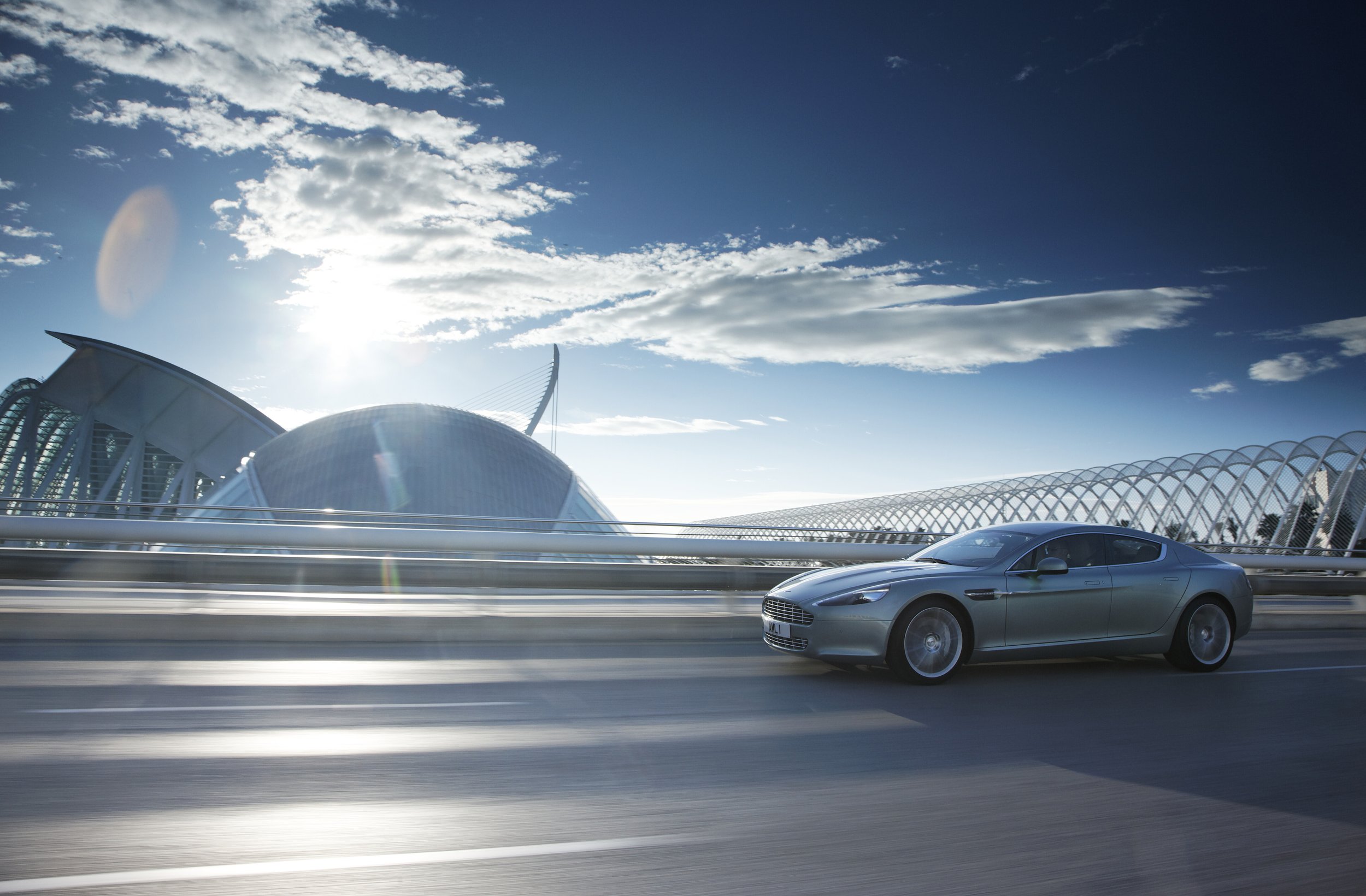
Image © Aston Martin Lagonda. Used for editorial purposes. Aston Martin Rapide press pictures at time of sale, not the Car of the Week car.
The Rapide has always been a slightly unusual Aston Martin. It was elegant, dramatic and beautifully proportioned, but never easy to categorise. It wasn’t quite a traditional saloon, not quite a GT, and not quite a practical family car in the normal sense. But that’s also part of its charm. It took the Aston Martin shape and stretched it into something more usable without turning it into something ordinary.
The AMR treatment made that formula more assertive. Under the bonnet sits Aston Martin’s naturally aspirated 6.0-litre V12, paired with the Touchtronic III eight-speed automatic gearbox. By 2020, that powertrain already felt like something from another era, not because it was outdated in the wrong way, but because the world around it was changing so quickly. Turbocharging, hybrid assistance and downsizing were becoming normal across the industry.
A four-door Aston Martin with a naturally aspirated V12 was already starting to feel like a final flourish.
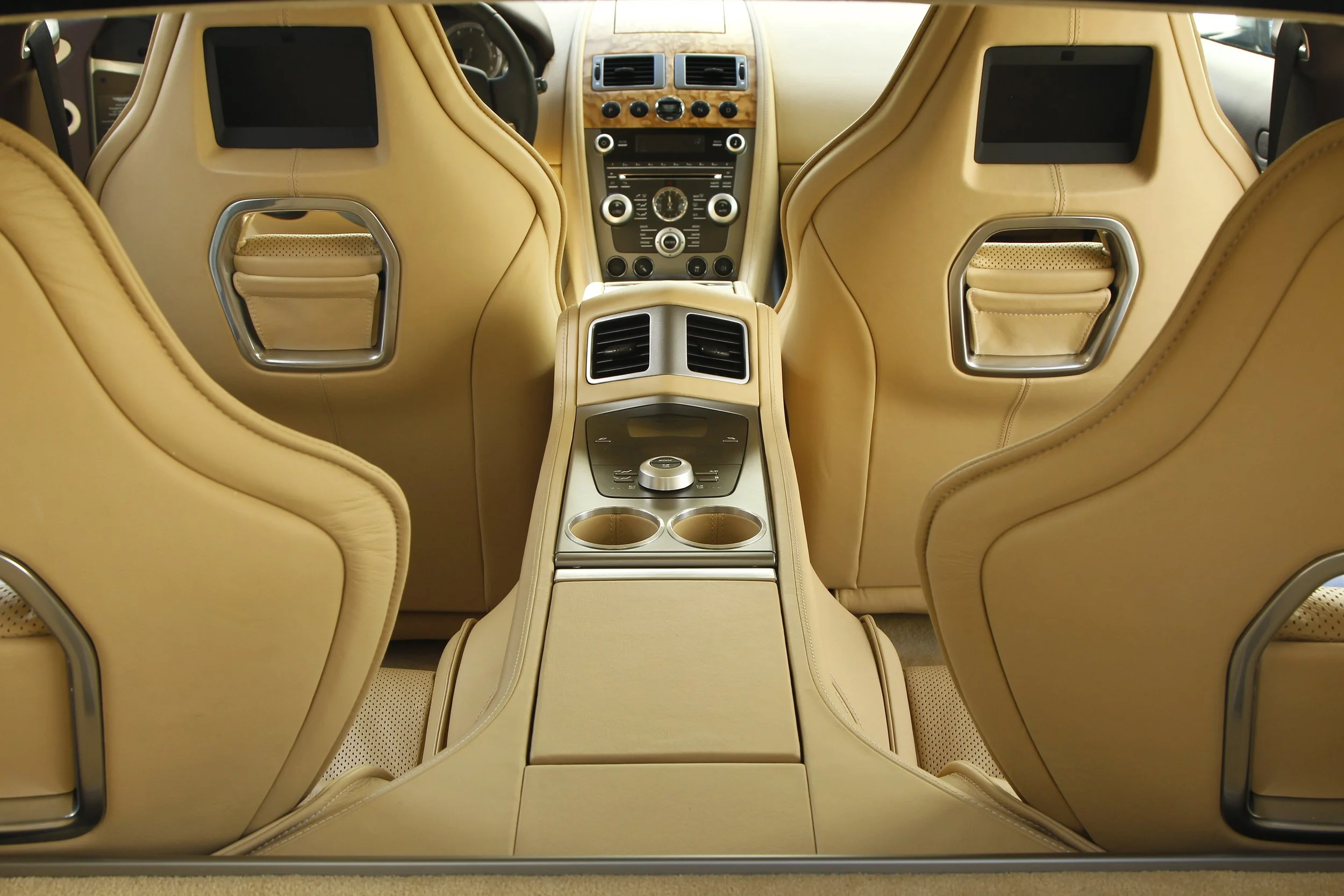
Image © Aston Martin Lagonda. Used for editorial purposes. Aston Martin Rapide (not the one for sale featured in this Car of the Week).
New, these were roughly in the £190,000–£200,000 region before options, depending on market, specification and final configuration. That makes the current advertised price interesting, but as always with FTP’s Car of the Week, this is not buying advice or a valuation claim. Asking prices are not sale prices, condition and history matter enormously, and any car like this needs proper independent checks.
What makes this particular car stand out is the specification. The listing notes an Aston Martin warranty until August 2027, service history with Aston Martin, Aston Martin Mayfair and Aston Martin Manchester, carbon fibre splitter, diffuser and sills, Bang & Olufsen BeoSound, Q Aston Martin machined carbon fibre wings and script, an exterior carbon pack, AMR Silhouette Pack, black brake calipers, black exhaust finishers, privacy glass and the One-77-style leather and Alcantara steering wheel. That’s a serious specification for a car that already had presence. To have a look at the car in all its glory, take a closer look here.
There’s also something very distinctive about the front of this era of Rapide. The wide grille, low nose and circular lower lamps give it an almost Zagato-like quality from certain angles. To be clear, this is not a Zagato model, and shouldn’t be described as one. But visually, there’s a hint of that same low, wide, slightly exotic Aston Martin language, particularly in the way the lower lamps give the car a more unique expression.
The Rapide AMR is special partly because it feels like an ending. It belongs to the final chapter of naturally aspirated V12 Aston Martins being used in a more unusual body style. It’s rare, it’s dramatic, and…
…it’s probably far more interesting now than it was when new, because the market has had time to understand just how unlikely this combination is to be repeated.

Image © SuperVettura/Koenigsegg UK. Used for editorial purposes. The 2020 Aston Martin Rapide AMR for sale.
A four-door Aston Martin V12 with AMR attitude, carbon detailing, a proper service history and long warranty cover is not something you see every week and that’s exactly why it’s this week’s Fuel the Passion Car of the Week.
AMOC, AMHT and the value of protecting the record
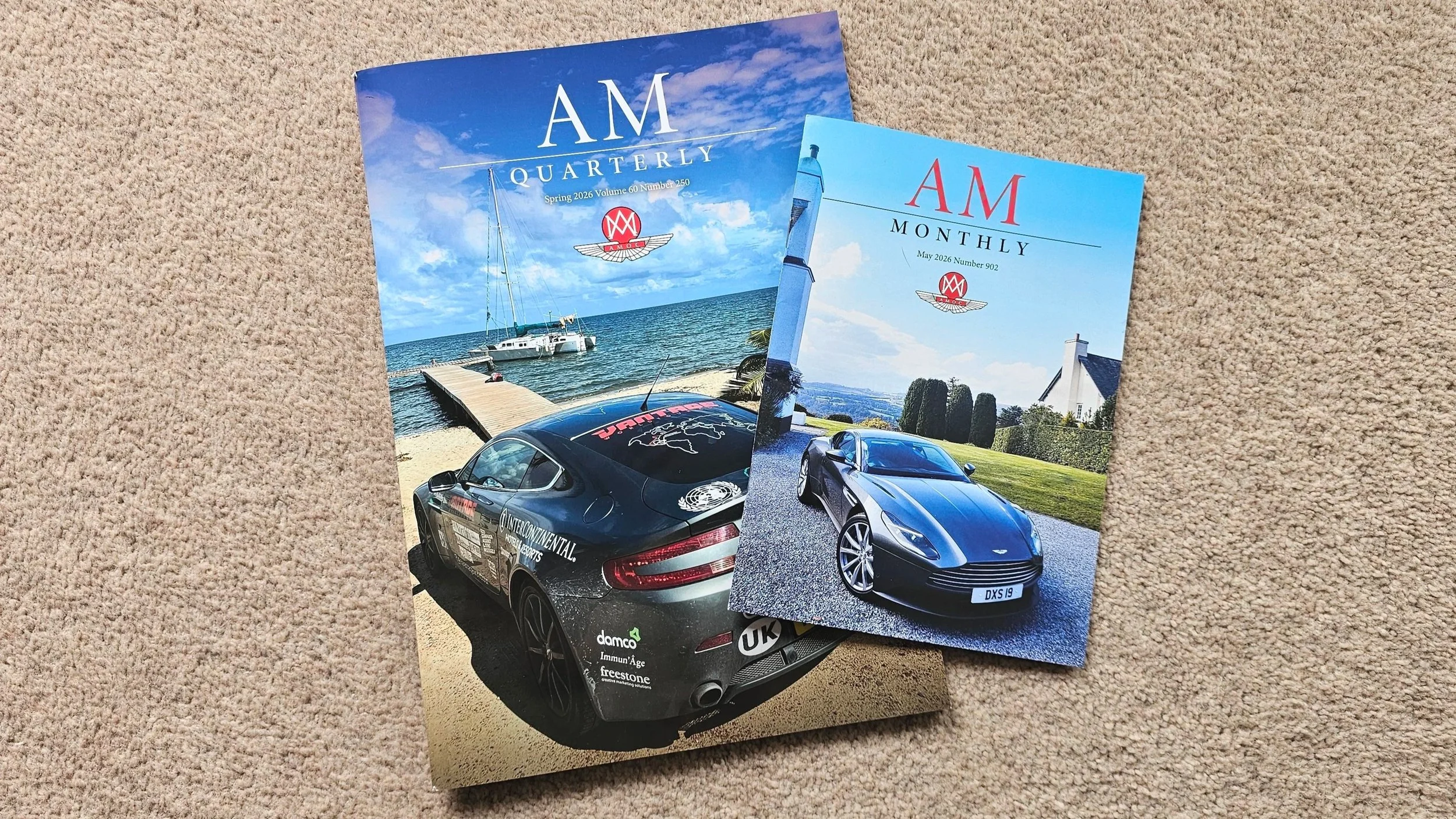
One of the nicest Aston Martin arrivals of the week came through the letterbox rather than the news feed. The Spring 2026 edition of AM Quarterly, Volume 60, Number 250, arrived alongside the latest AM Monthly, and between them they were a reminder of something that matters deeply to Fuel the Passion: the Aston Martin story is not held in one place. It lives in factory archives, club magazines, owner memories, dealer histories, museum collections, race paddocks, YouTube films, old photographs and, increasingly, independent platforms.
That’s why these publications matter. In his editor’s note, David Thornton reflects on AMOC reaching the 250th edition of AM Quarterly, while AM Monthly reached its 900th edition in March earlier this year, as reported in Issue 14 of the FTP Weekly Roundup. Those numbers are not just publishing milestones, they represent decades of member journeys, technical information, event reports, historical research and ownership stories being recorded before they’re lost.
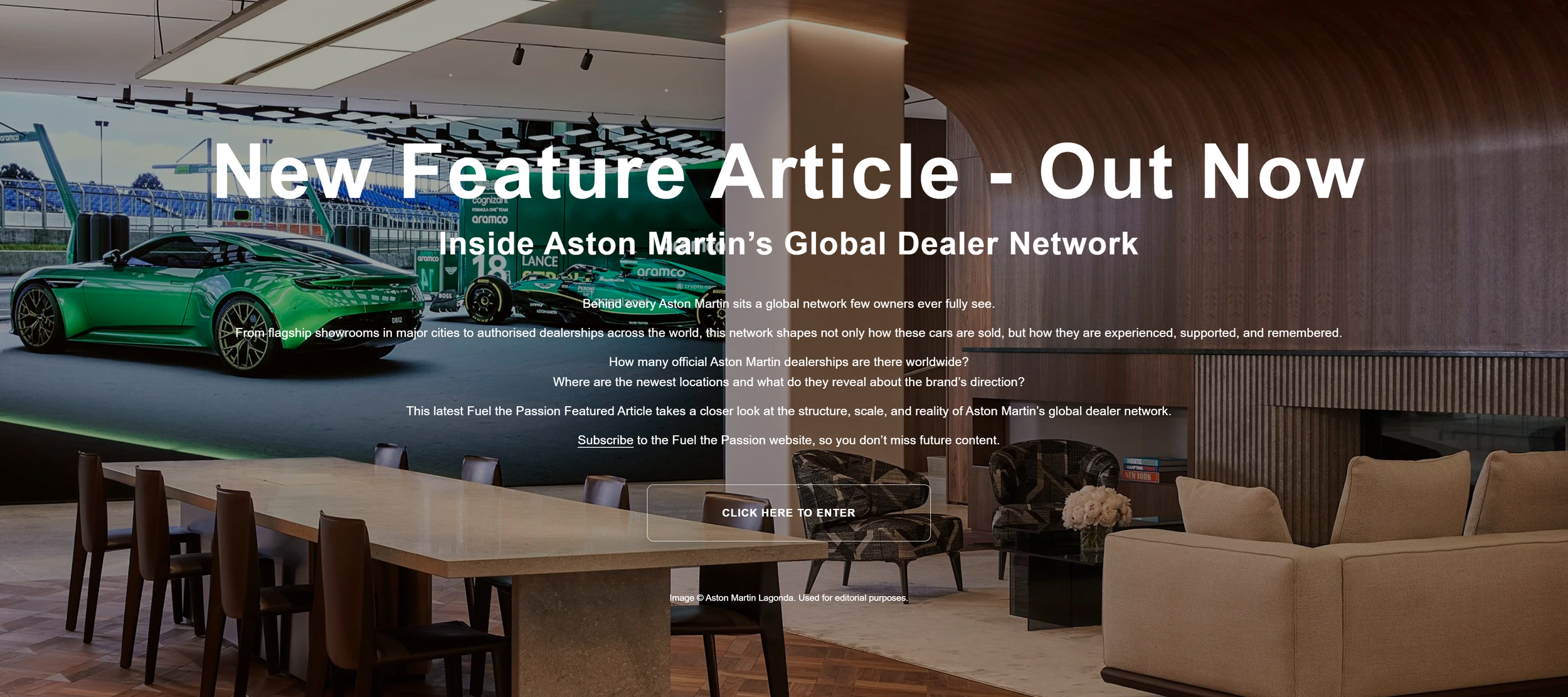
There was also a beautifully timed link to last week’s FTP Featured Article, Inside Aston Martin’s Global Dealer Network, as advertised above this section. That article explored the modern dealer network, the role of showrooms, global representation and the way Aston Martin’s retail presence has evolved. What I didn’t know at the time, and therefore didn’t include, was the story of Aston Martin’s first overseas dealer. AM Quarterly has filled that gap. On pages 78 to 80, Pascal Quirynen’s article Établissement Rémy Mannès - The First Overseas Aston Martin Dealer points readers towards Belgium and the story of Rémy Mannès. It’s exactly the sort of detail that shows why the Aston Martin record is always developing. A feature can be published, new information can appear, and the story can then be linked back into the wider archive. It was a lovely read.
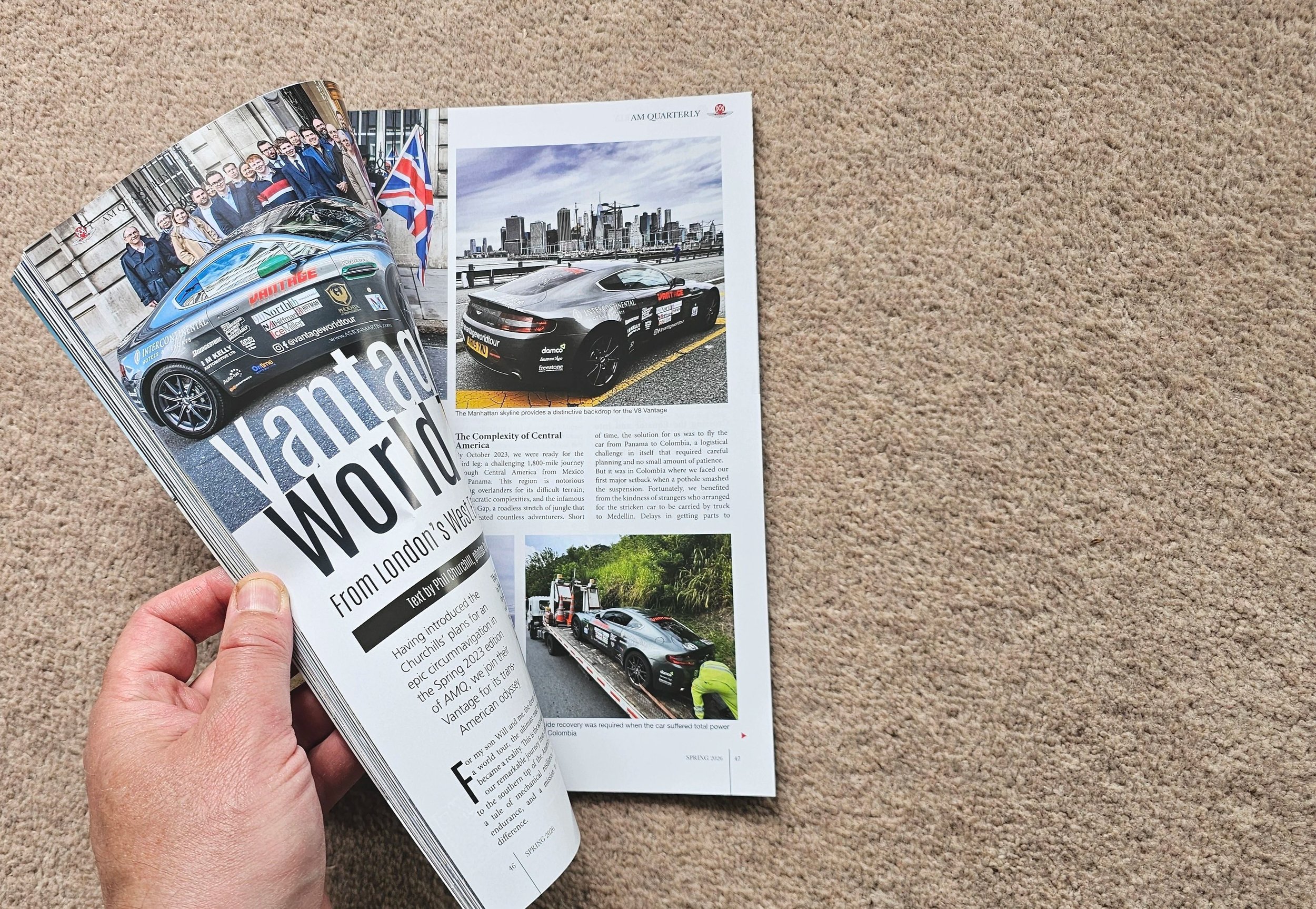
The same issue also includes the first part of Phil and Will Churchill’s Vantage World Tour, following their 2005 V8 Vantage from London’s West End towards the end of the Americas.
It’s a proper Aston Martin ownership adventure: New York, the United States, Mexico, Central America, Ecuador, the Andes, Colombia, the logistical shadow of the Darién Gap and, eventually, the push south towards Punta Arenas. By June 2025, the car had covered more than 16,000 miles across 14 countries, raising money and awareness for CALM, the Campaign Against Living Miserably.
Stories like that are important because they show Aston Martin ownership at its most human. Yes, these cars can be beautiful, valuable and technically fascinating, but they’re also machines that people build memories around. A V8 Vantage crossing continents for a cause says as much about the spirit of the marque as any launch film or concours lawn ever could.
I was lucky to hear Phil and Will speak at the AMOC Awards a few months ago, where amongst many other aspects of their adventures, they mentioned just how amazing the public reaction to seeing an Aston Martin was, in every country they visited.
AM Monthly carried the same sense of community energy. Anthony Oade’s editorial reflects on AMOC as a distinguished single-marque organisation officially recognised by Aston Martin Lagonda, but also as a club with active Areas, international participation, major events, concours, competitions and a growing younger membership initiative. The Club’s 2025 International Historic Motoring Awards Club of the Year recognition is also part of that wider picture: AMOC is not simply preserving history, it’s still creating it.
AM Monthly also carried useful overseas Area updates. Italy reported activity around Portofino, Venice and the Prosecco valleys, with Switzerland and a James Bond route next on the calendar. New Zealand’s update included a gathering for the Churchill Vantage World Tour at Avid Group, support from Aston Martin Auckland with Vanquish and DBX S demonstration cars, and even a Vantage F1 Edition taking part in a Warbirds over Wanaka airshow moment.
It’s easy, in a week dominated by Formula 1, DB12 S reviews and financial headlines, to forget this quieter side of the marque. But the Club world is part of the reason Aston Martin still has such depth. The cars travel, the stories travel, and the enthusiasm is very clearly not confined to the UK.
A quick note from me: joining the AMOC
As many of you will know, I’m a proud member of the Aston Martin Owners Club, and if you haven’t yet joined, I’d genuinely recommend taking a look.
You don’t need to own an Aston Martin to become a member. What matters is a shared interest in the marque, its cars, its history and the people who keep that passion alive.
AMOC membership opens the door to local, national and international events, Club publications, technical knowledge, concours gatherings, dinners, motorsport, area meetings and a wider community of Aston Martin owners and enthusiasts. It’s also the only official worldwide club licensed by Aston Martin Lagonda, with more than 8,000 members across over 50 countries.
For me, the Club has been a huge part of the Fuel the Passion journey. It’s led to friendships, events, stories, filming opportunities and a deeper connection with the Aston Martin world. If you’re reading FTP because you care about Aston Martin, the AMOC is well worth exploring. Just click on the image opposite to find out more.
There were also several useful AMHT updates. The forthcoming David Brown Memorial Dinner at the British Motor Museum on 20th June will mark the 25th anniversary of the Aston Martin Vanquish, with Ian Minards as guest speaker. As touched on last week, AMHT’s latest Object in Focus looks at twelve copper printing plates acquired from Bonhams in 2014, covering Aston Martin imagery from the pre-war 1½-litre era through to the early David Brown years and importantly for readers who followed last week’s Russell Hayes mention, AMHT Podcast Episode 55 features Hayes discussing Aston Martin - The Entire Story.
That gives this week a pleasing sense of continuity. Last week, FTP was pointing readers towards one Russell Hayes conversation, this week, AMHT has provided another. The deeper you look into Aston Martin, the more these strands begin to connect: books, podcasts, club magazines, dealer histories, owner stories and museum work all feeding into the same wider narrative.
For Fuel the Passion, that’s exactly the point, the Weekly Roundup is not just about chasing the newest headline, it’s about keeping the thread intact.
Heritage Moment: A 1961 Aston Martin DB4 Returns to Life at Haynes
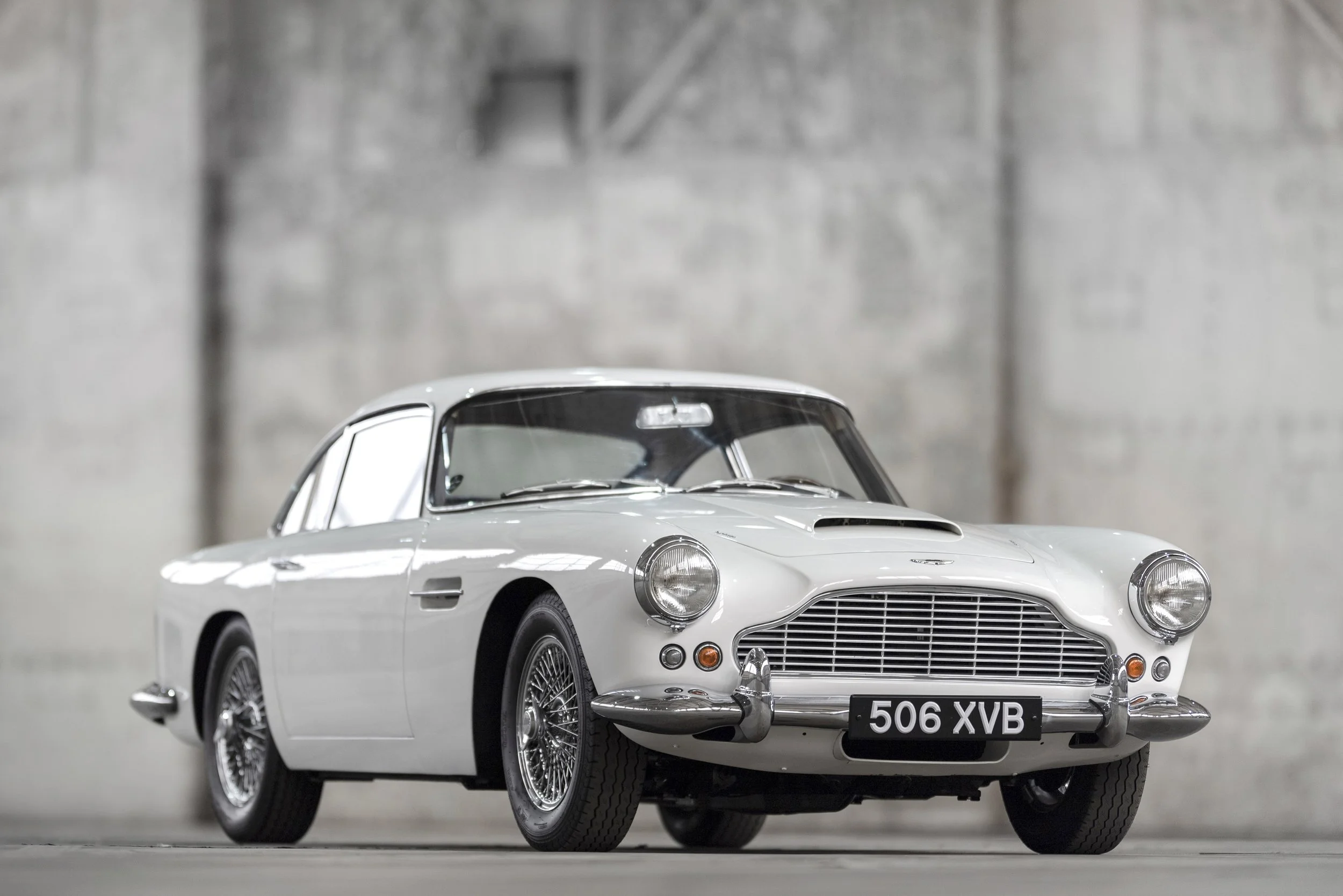
Image © Aston Martin Lagonda. Used for editorial purposes. Aston Martin DB4.
There was a beautiful Aston Martin heritage story this week, and it deserves more than a passing mention. It’s worth noting that the DB4 images accompanying this section are representative of the model and are not the specific 1961 car restored by Haynes Heritage Engineering.
BBC Points West presenter David Garmston visited Haynes Motor Museum in Somerset to see a 1961 Aston Martin DB4 that has been brought back to full running condition by Haynes Heritage Engineering, the specialist classic car workshop based at the museum. The car had spent more than 20 years as a static exhibit before the restoration, but it’s now running again and remains part of the Haynes Motor Museum collection for visitors to see. If you want to see the actual car being started and driven away, click HERE for a short clip shown as a YouTube short. Haynes also covered part of the restoration in a YouTube video approximately 1 year ago. I’ve included this below;
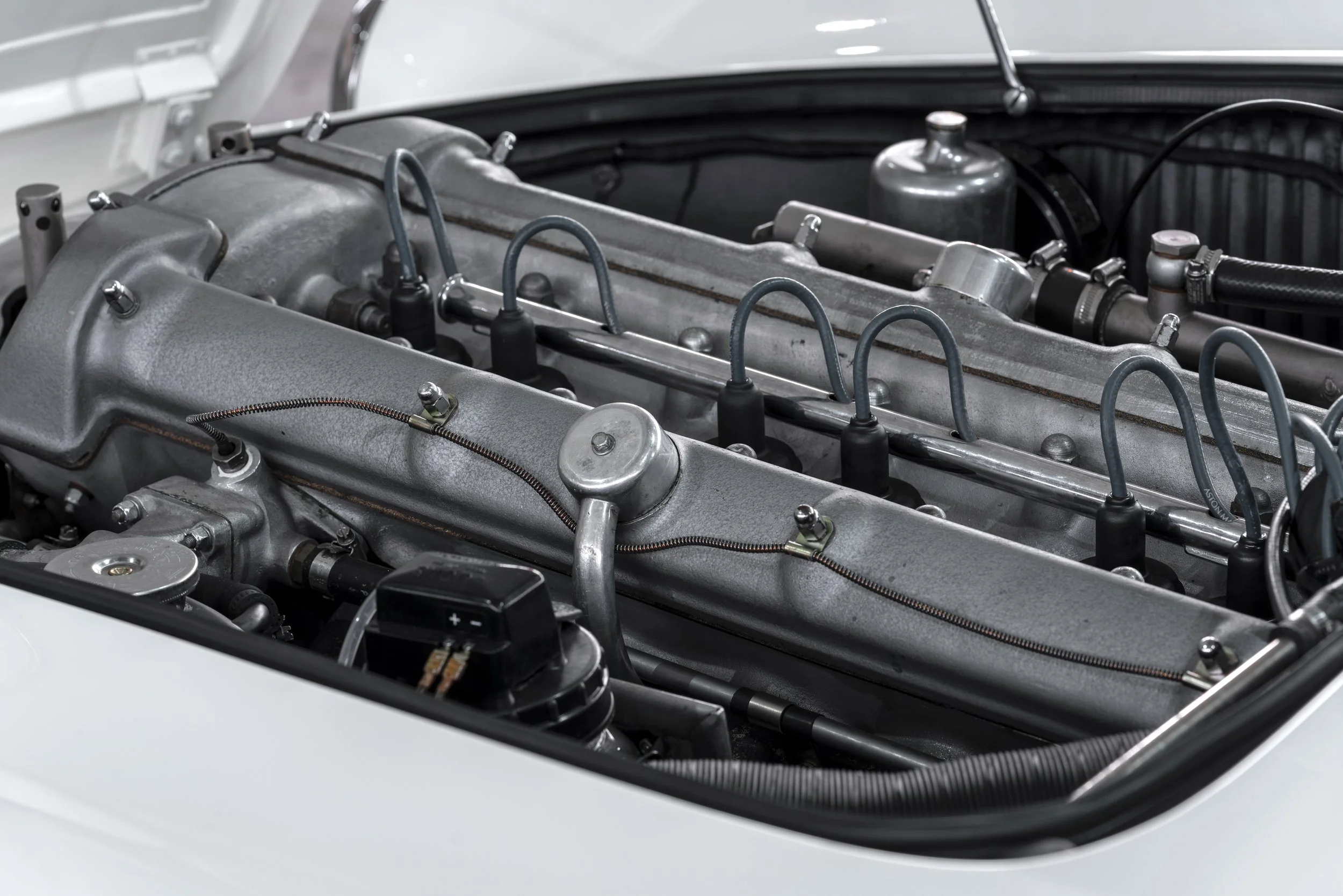
Image © Aston Martin Lagonda. Used for editorial purposes. Aston Martin DB4.
The DB4 is one of those cars that sits close to the centre of the Aston Martin story. It was not simply the model before the DB5; it helped establish the shape, feel and grand touring identity that so many people still associate with Aston Martin today.
Haynes describes the DB4 as combining Italian-influenced Superleggera design, a straight-six engine and effortless high-speed touring ability, effectively laying the foundations for later Aston Martin GTs.
This particular car has a story of its own. It was originally bought at auction and donated to the museum by John Haynes OBE and his wife Annette, helping to grow the museum’s collection. Before that, however, it had suffered a difficult early life. Haynes says the car was written off in its first year of use and later involved in a number of smaller incidents, which meant the restoration needed significant structural repair work, including careful reconstruction of the front section and correction of earlier repairs. That’s what makes this more than just a nice museum story. The restoration was not simply a cosmetic freshen-up. Haynes Heritage Engineering returned the car to its original Dubonnet Red paintwork, reinstated its original Fawn leather interior, carried out a full engine rebuild, and completed more than 200 hours of hand metalwork and around 300 hours in the paintshop.
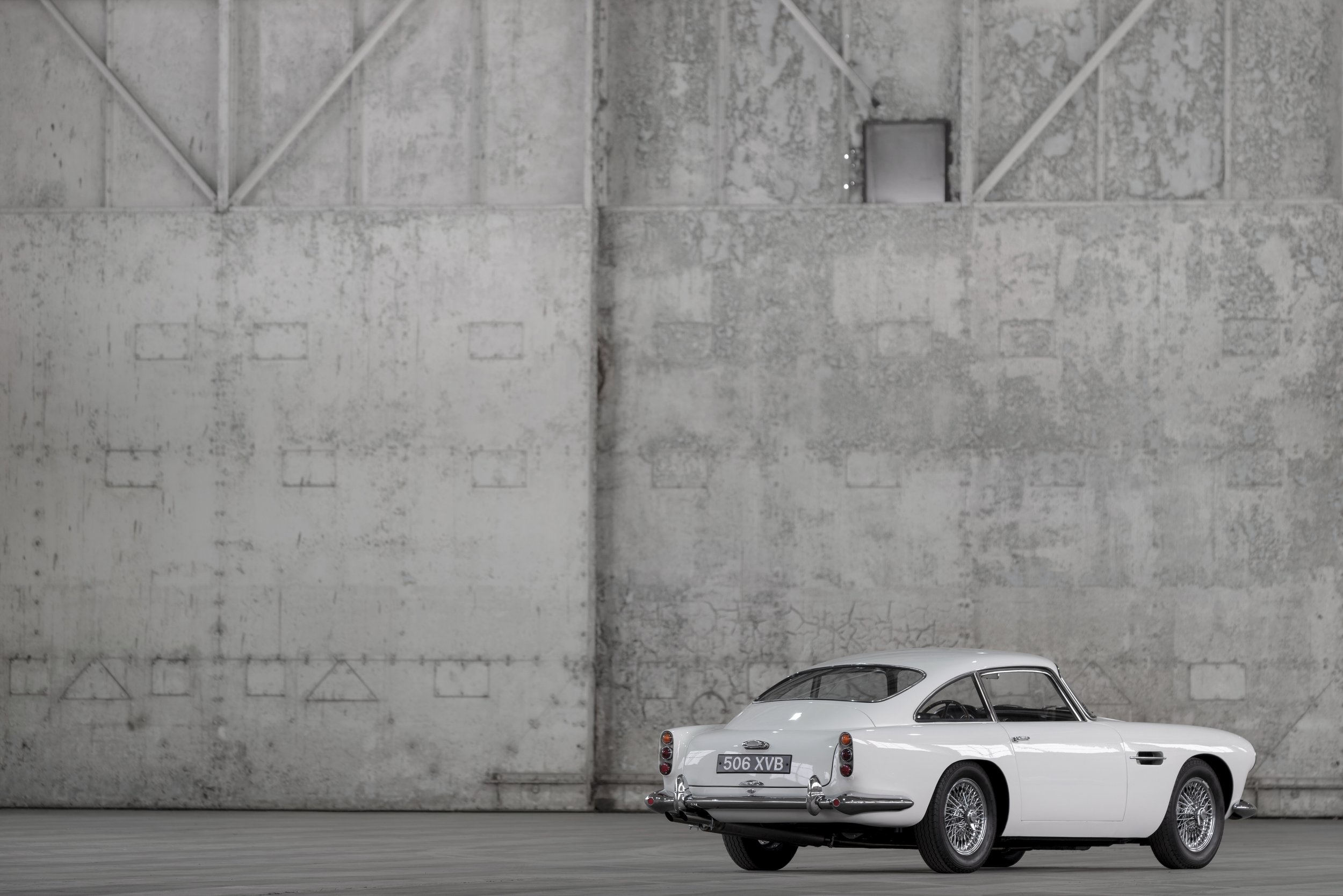
Image © Aston Martin Lagonda. Used for editorial purposes. Aston Martin DB4.
For Fuel the Passion, this is exactly the kind of heritage story worth pausing for. Aston Martin history is not only preserved in famous race wins, auction results or concours lawns. It’s also preserved in workshop hours, in patient craftsmanship, in the decision to retain original materials where possible, and in the quiet satisfaction of seeing a once-static DB4 return to life.
There’s something especially fitting about this happening at Haynes. John Haynes built a name around helping people understand cars, repair them and keep them alive. Seeing a 1961 DB4 restored within the museum’s own heritage engineering operation feels entirely in keeping with that spirit: a piece of British motoring history being cared for not as a silent object, but as a machine with a story still capable of moving. The result is a reminder of why these cars continue to matter. The DB4 may have been born more than six decades ago, but when one is returned to running condition with this level of care, it’s not just the car that comes back to life, a small part of the Aston Martin story does too. I’ve not had the chance to visit the Haynes Museum - it’s definitely on my ‘to do’ list!
Another DB4 story: Crossley Motorsport’s barn-find restoration continues
Staying with the DB4, there was also a new update this week from Crossley Motorsport, who have released Episode 3 of their restoration series on the 1960 Aston Martin DB4 barn find previously seen on Bangers & Cash. This is a very different kind of restoration story from the Haynes Motor Museum car we’ve just covered. The Haynes DB4 is already back in a finished, display-worthy state. The Crossley Motorsport DB4 is still at the beginning of a long and probably very challenging journey.
In this latest episode, the team set about removing the engine and gearbox, which proved exactly as involved as you would expect on a car that’s been standing for decades. The workshop manual came out, lifting angles were discussed, a new engine tackle was modified to suit the cylinder head studs, and the team gradually worked through seized components, corroded fasteners, awkward brackets and the kind of hand-built Aston Martin packaging that makes restoration both fascinating and deeply testing.
One of the more significant moments came once the engine was out and cleaned. The team were able to read the engine stamping and match it with Aston Martin Works documentation, confirming that the engine number corresponds with the unit fitted to the car when it originally left the factory. For a car like this, that’s a hugely important discovery. There’s a very long road ahead, but finding that kind of original identity still present gives the project a stronger historical foundation.
The episode also showed some of the less glamorous reality. Draining the sump revealed a mixture of oil and water, raising obvious questions about what condition the engine internals may be in. Several viewers with mechanical and restoration experience pointed towards the DB4 engine’s wet-liner construction, liner seals and possible block corrosion as areas that will need very careful professional assessment. Others offered practical advice on seized fasteners, penetrating oils, protecting the bodywork, cataloguing original hardware and photographing every route and fixing before dismantling goes further.
The viewer reaction was interesting in itself. A lot of people are clearly enjoying the series and responding to the team’s enthusiasm, honesty and willingness to show the struggle rather than present a polished restoration fantasy. At the same time, there were also some very fair concerns in the comments. Several viewers questioned whether a rare and valuable DB4 of this importance really needs deeper specialist input, especially when angle grinders, seized fixings and fragile original components are involved. That’s probably the right tension to acknowledge. The appeal of the series is that it feels real, human and accessible, but the responsibility is also real. A DB4 is not just an old car. It’s an important Aston Martin, and every original part, stamping, bracket, panel and fastener has value in telling its story.
From an FTP point of view, this is exactly the kind of restoration worth following, not to criticise from the sidelines, and not to pretend it’ll be easy, but because it shows the difficult middle ground between rescue, preservation, restoration and responsibility. It’s also genuinely encouraging to see young, eager mechanics getting stuck into a car built more than 60 years ago, learning the skills, facing the problems and discovering the realities of proper old-car restoration as they go. The Haynes DB4 reminds us what the finished result can look like, the Crossley Motorsport DB4 reminds us just how much work, judgement, patience and care it can take to get there. I’ve added the video below, what do you think?
The Petrol Station Look-Back Test
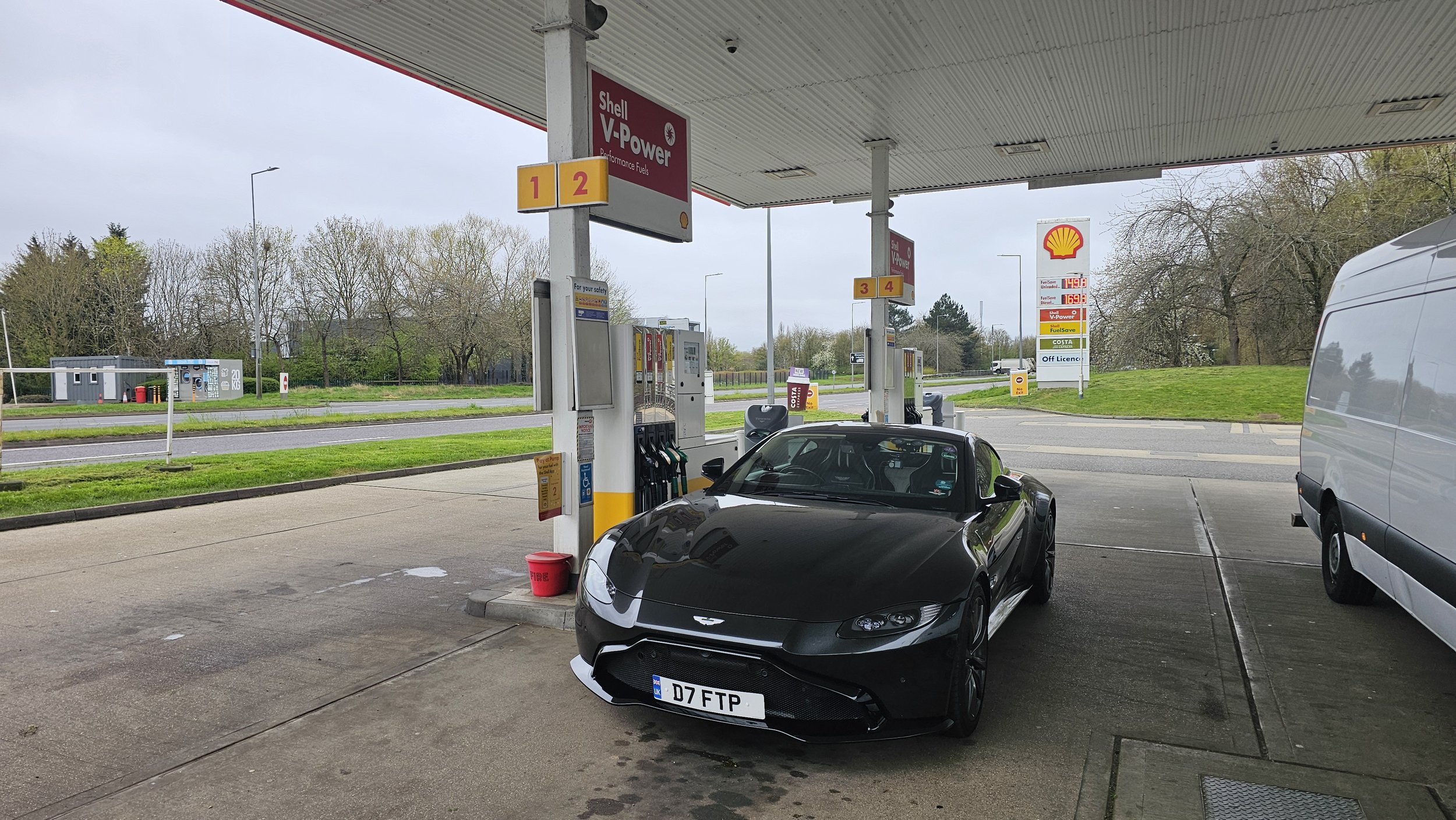
Image © Fuel the Passion. Looking back at the FTP Vantage (every time) I fill up with petrol! Do you?!
One of my favourite little discussions this week came from the latest Chris Harris on Cars podcast, where Chris Harris, Neil Clifford, Chris Cooper and Manish Pandey touched on something many car people will understand immediately: the petrol station look-back.
You know the moment. You fill the car, walk towards the kiosk, and turn around for one more glance.
It’s not really about whether the car is the fastest, newest, most expensive or most technically perfect thing on the road. It’s about whether it still makes you feel something, whether you still catch yourself looking back at it when no one has asked you to. Whether, even after the bills, the quirks, the stone chips, the worry and the occasional frustration, it still feels special.
I do this with the FTP Vantage every time. Not occasionally, every time! There’s still a little pause after filling up, where I look back and think: yes, that still looks right. Maybe that’s one of the simplest tests of enthusiast ownership. When I stop looking back, is that the time to change and sell the FTP Vantage? 🤔(I cannot imagine that ever happening, but who knows!)
So here’s the question: when you fill your car up and walk away, do you still look back? 👇Please let me know in the comments below 👇
Closing Reflection
This week’s Aston Martin story has been less about one headline and more about contrast. On the Formula 1 side, the picture remains difficult, but it’s also beginning to look a little more structured. Reliability has improved, the vibration issue appears to have moved in the right direction, and the team is now being more open about the size of the gap still to close. It’s not the kind of progress anyone dreams about, but it’s progress of a sort.
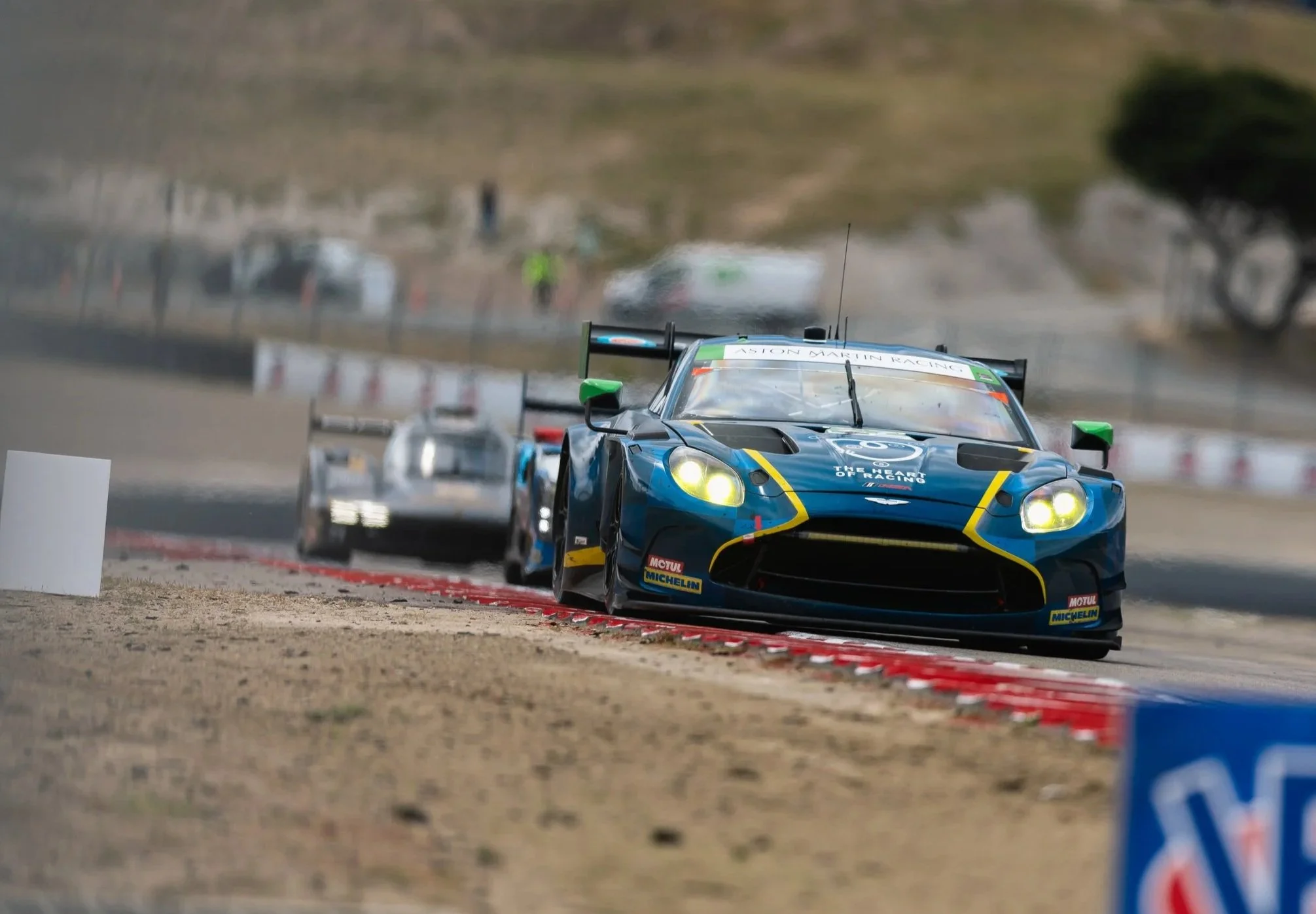
Image © Aston Martin Lagonda. Used for editorial purposes.
Away from F1, the contrast is striking. Valkyrie continues to build its story in endurance racing, Vantage remains highly competitive in GT hands, and Aston Martin’s road-car range is generating some of the strongest critical and public enthusiasm the marque has seen for some time. The DB12 S reviews, in particular, have shown just how much goodwill there is when Aston Martin gets the balance of design, sound, feel and character right.
Then there’s the heritage and community side, which is often where Aston Martin feels most complete. The AMOC and AMHT updates this week were a reminder that the marque is not just defined by launch events, lap times or share-price movements. It’s also held together by clubs, archives, historians, owners, volunteers, events and stories passed carefully from one generation to the next. That’s why this week’s Roundup has ranged from a struggling Formula 1 team to a beautifully judged DB12 S, from a rare four-door V12 Rapide to the first overseas Aston Martin dealer, from Valkyrie at Spa to AMOC members around the world. It’s all part of the same wider picture.
Aston Martin is rarely simple, that’s always been part of the fascination. The company can be under pressure and still produce cars that stop people in their tracks. It can frustrate on one weekend and inspire on the next. It can look fragile as a business, yet feel remarkably strong as a story.
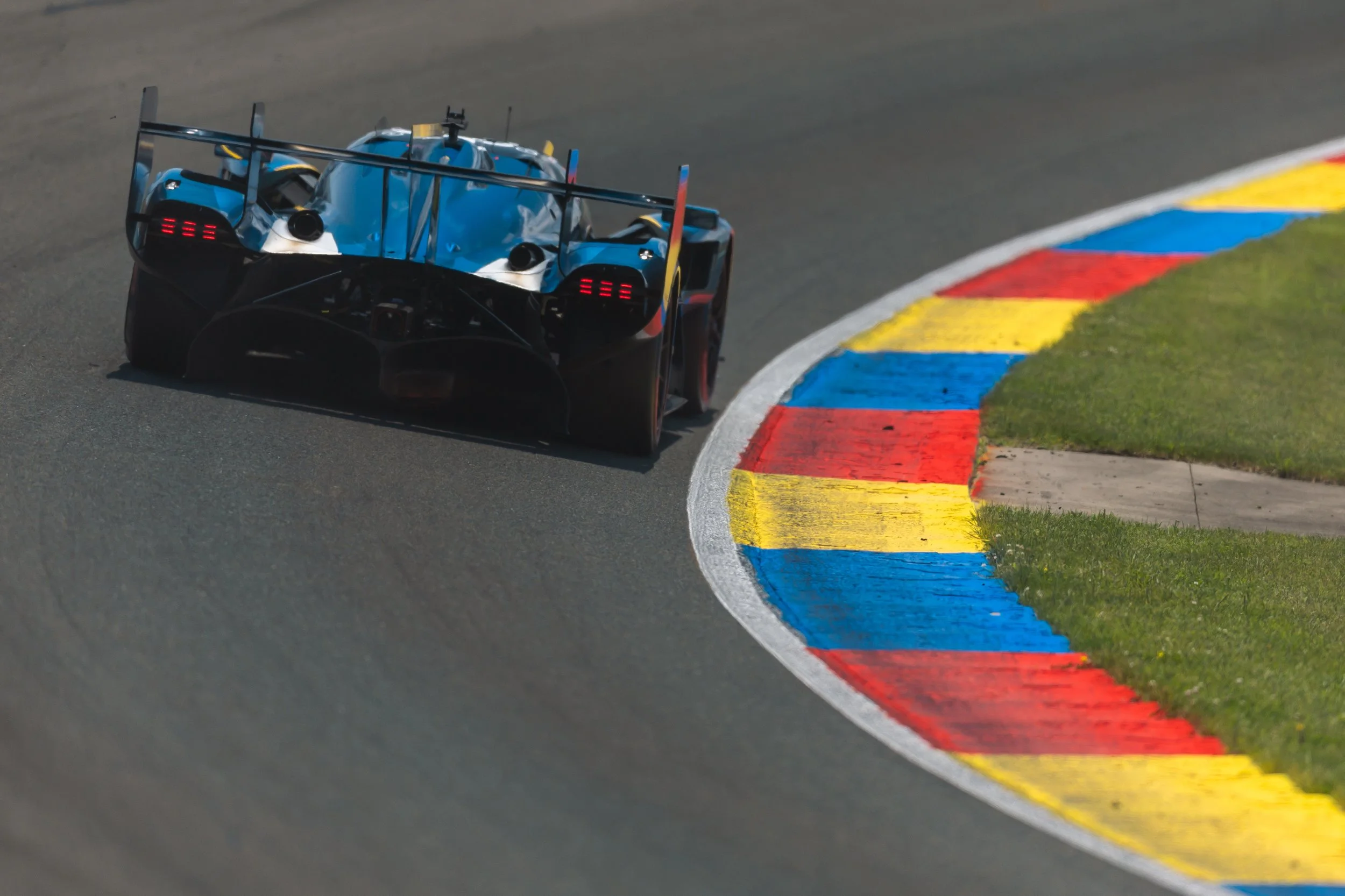
Image © Aston Martin Lagonda. Used for editorial purposes.
As ever, Fuel the Passion will keep following that story carefully, celebrating the good, questioning the difficult, and doing its best to protect the record along the way.
Thank you, as always, for reading this week’s Fuel the Passion Weekly Roundup. I’d love to know what stood out for you this week.
What do you think of the Rapide AMR as Car of the Week? Is it one of Aston Martin’s most underrated modern cars, or still a niche choice?
Will you also be keeping an eye on The Heart of Racing Team, the Valkyries and the Vantages as they continue their racing programmes this weekend?
Have you had a chance to take a look around the FTP Motorsport Hub yet - is it useful?
Finally, the Petrol Station Look-Back Test. What car do you own, do you do it? …and what does it mean if you don’t do it? 🤔
Let me know what you think about these or any other Aston Martin related ‘things’ in the comments 👇, and thank you again for being part of Fuel the Passion.
See you on the next one! 👆
Kind regards,
Dan
