
Week Ending 26th July 2026
Editor’s Introduction - Dan, Fuel the Passion
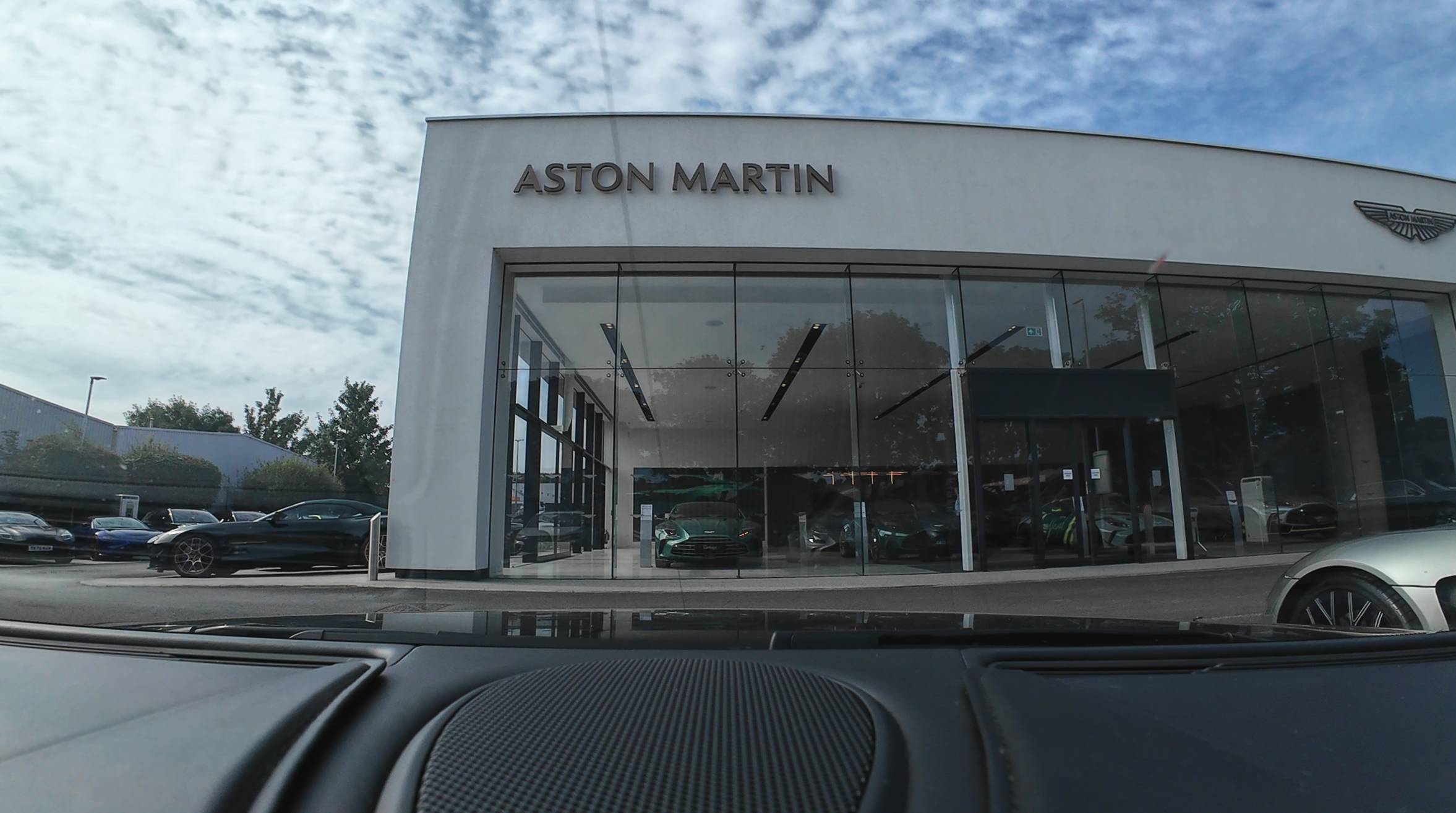
Image © Fuel the Passion, JCT600 Aston Martin, Leeds (FTP Vantage MOT Test day!)
It’s been another busy week across the Aston Martin world, with plenty happening both on the road and on the circuit. The latest Fuel the Passion film, Aston Martin Heaven: Unleashed, went live at 6pm on Friday evening. Filmed during the FTP Vantage’s visit to JCT600 Aston Martin Leeds for its MOT, the video takes a closer look at an extraordinary Aston Martin Vantage GT4 offered through the Unleashed programme, along with several other remarkable cars around the showroom. I’ll share a little more about that later in the Roundup.
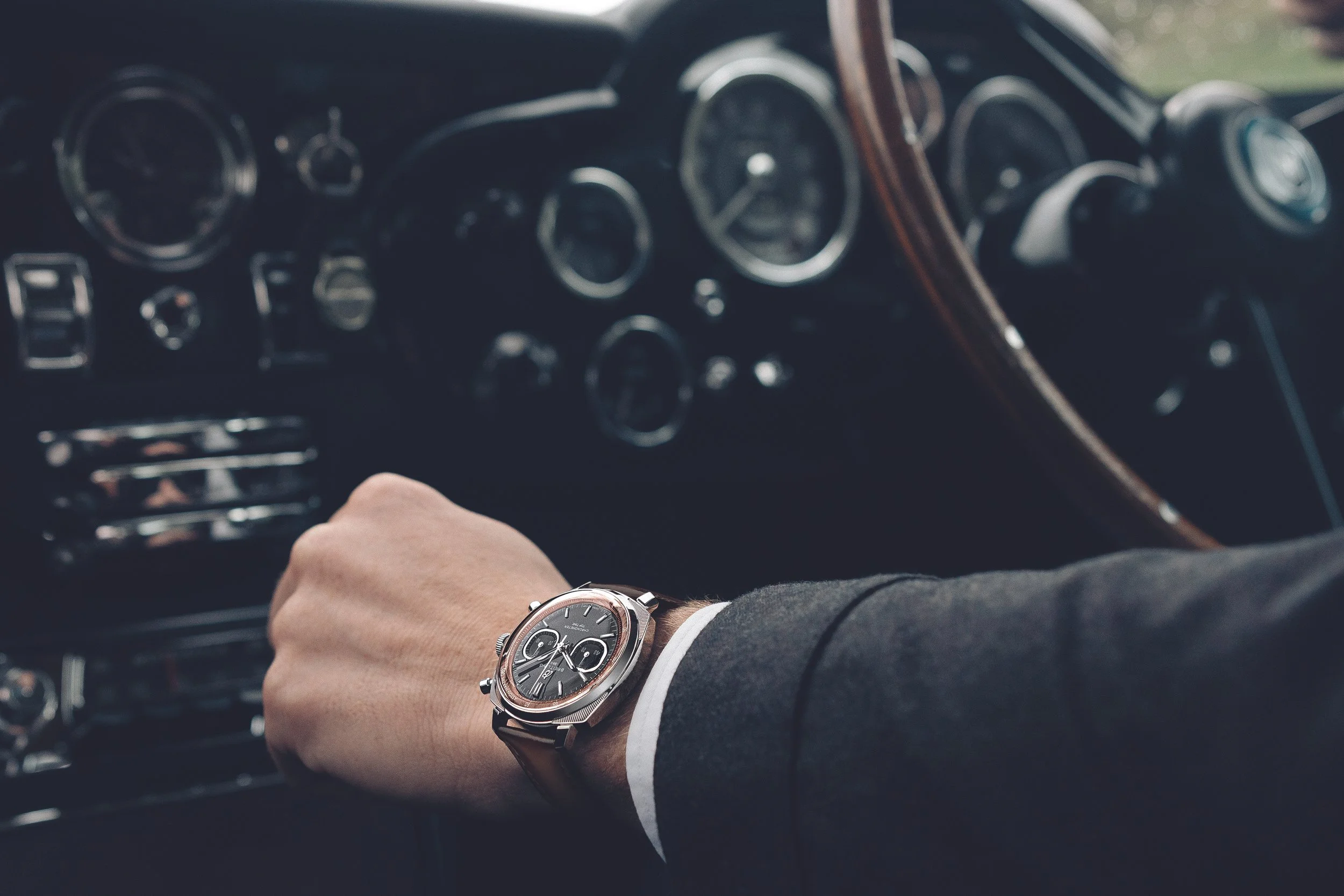
Image © Aston Martin Lagonda. Used for editorial purposes.
Beyond FTP, Aston Martin has unveiled a new celebration of the Vanquish name, strengthened its relationship with Breitling through a DB5-inspired collection, and secured a substantial new financing package that deserves rather more explanation than the usual corporate language provides.
There’s also been plenty to follow in motorsport. Last weekend brought notable success for Blackthorn Racing, further progress for Aston Martin’s wider GT and endurance programmes, and another difficult Formula One outing at Spa. That result provided a particularly stark reminder of why Aston Martin’s long-awaited Hungarian Grand Prix upgrade has attracted so much attention this weekend.
So before we look at what the revised AMR26 might mean for the months ahead, let’s begin with the Aston Martin race results already safely in the books.
Last Weekend in Aston Martin Motorsport
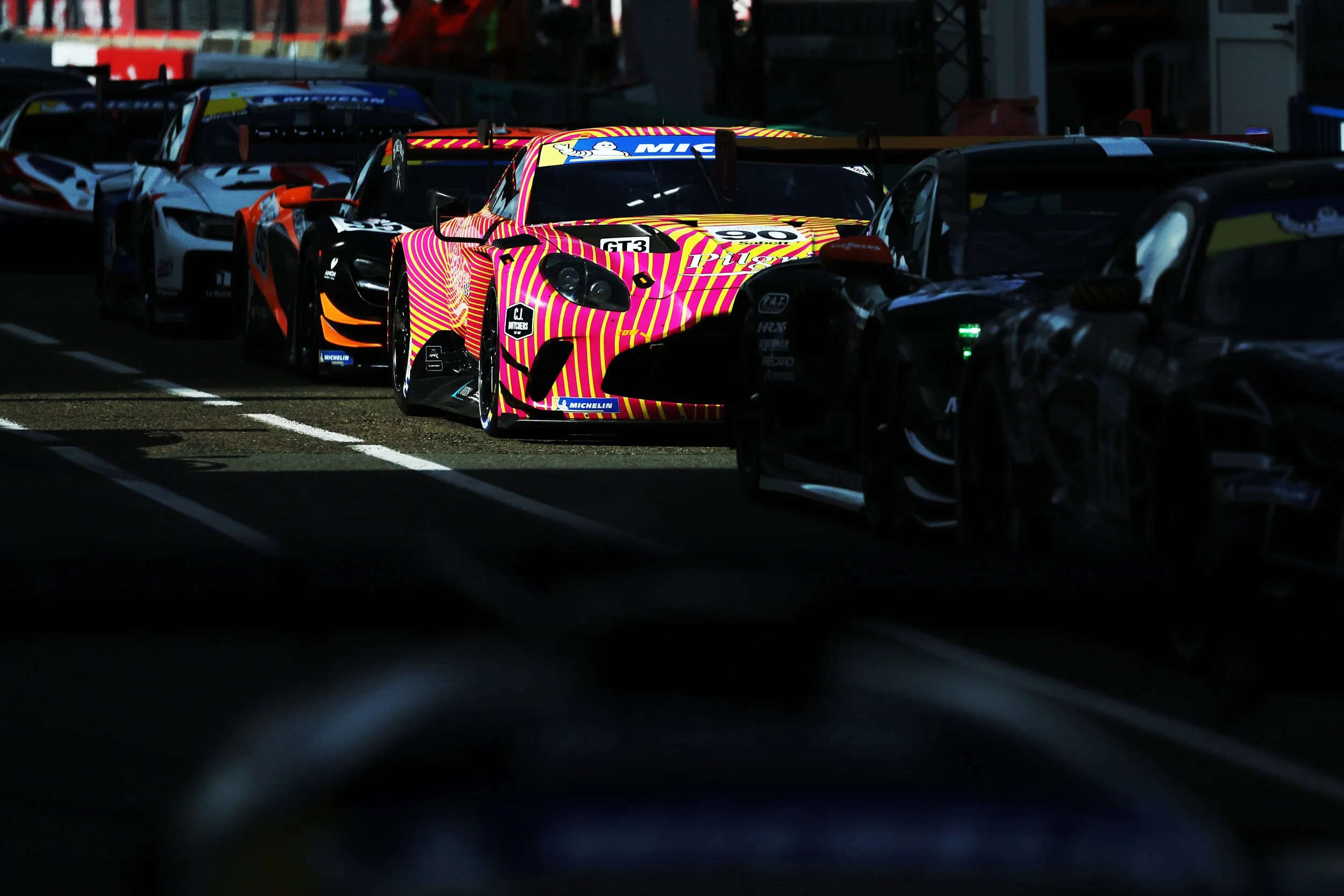
Image © Blackthorn Racing. Used for editorial purposes.
The results from last weekend provided a reminder of just how wide Aston Martin’s competition programme has become, with Vantages racing across Europe while the Formula One team faced another difficult examination at Spa-Francorchamps.
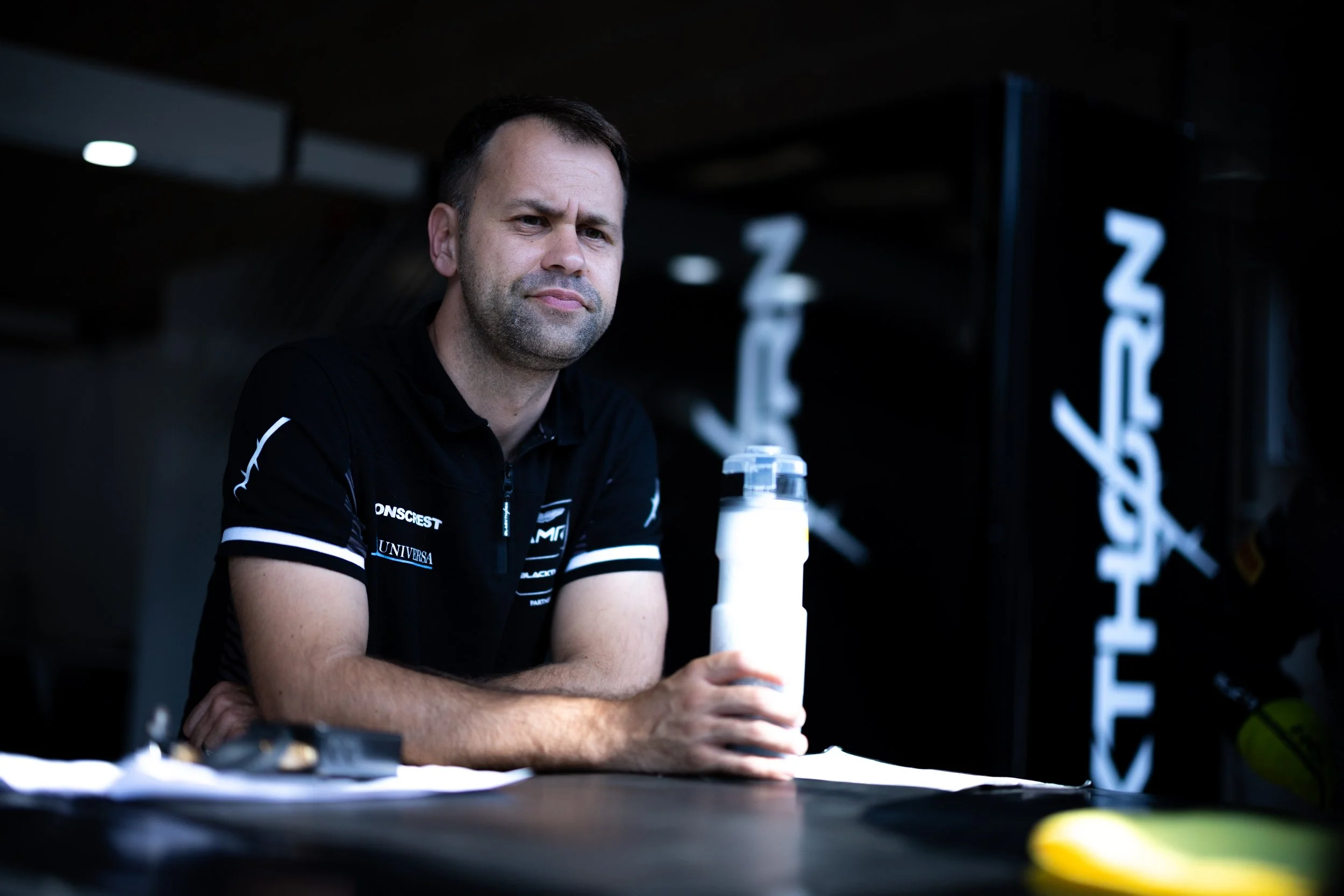
Image © Blackthorn Racing. Used for editorial purposes. Jonny Adam.
The clearest success came at Circuit Paul Ricard, where Blackthorn Racing produced one of its strongest International GT Open weekends so far. Aston Martin works driver Jonny Adam placed the No. 97 Vantage GT3 Evo on overall pole, Blackthorn’s first in the championship, before sharing the car with Charles Bateman in both races.
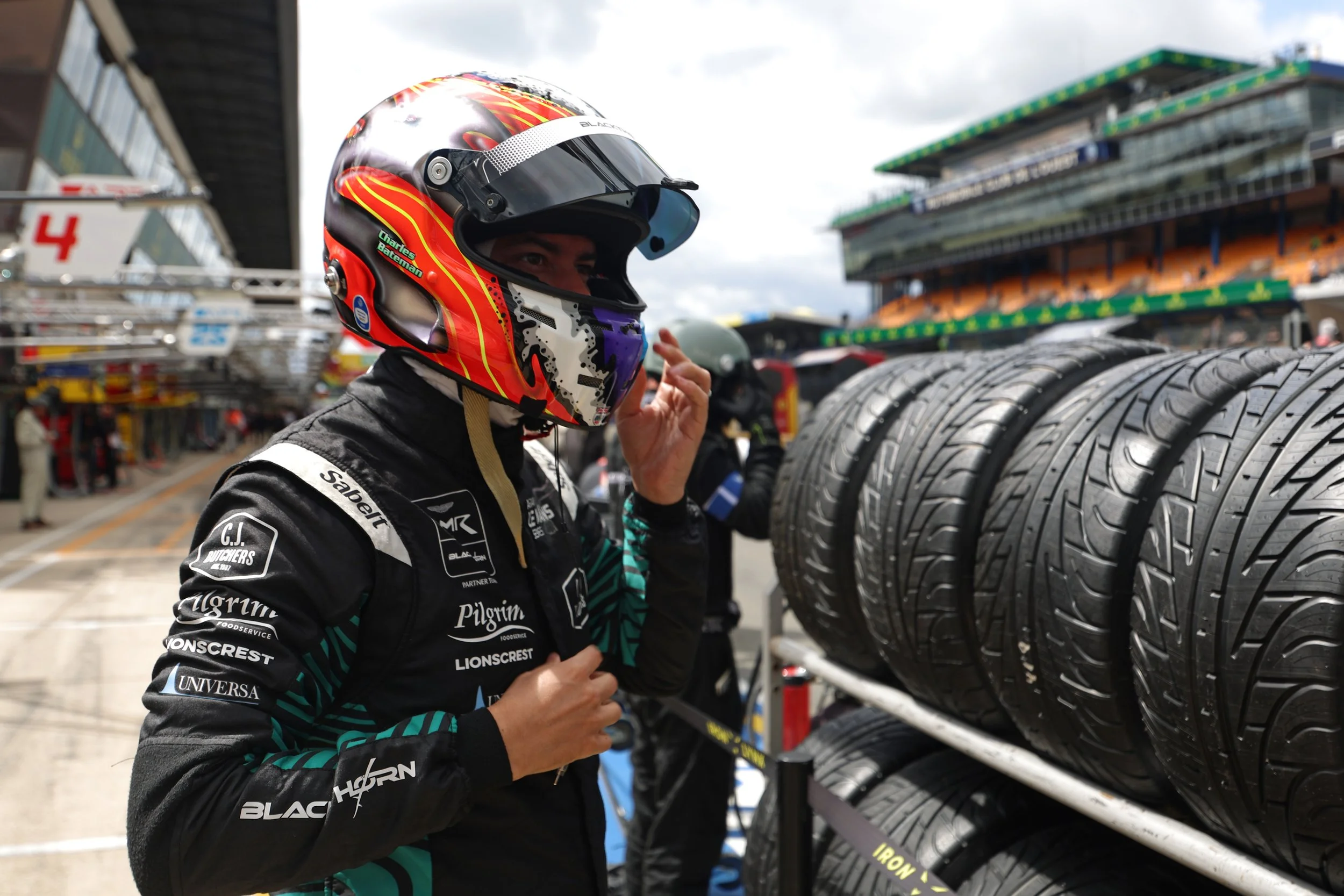
Image © Blackthorn Racing. Used for editorial purposes. Charles Bateman.
Bateman held his own among the professional drivers during Saturday’s opening stint, allowing Adam to complete the job after the pit stop. The Aston Martin finished seventh overall and won the Pro-Am category. Sunday brought an even more dramatic conclusion: Adam worked his way into the leading class battle and passed for the Pro-Am victory at the final corner, completing a richly deserved double for the team. It was Blackthorn’s third class win of the season and further evidence that the pace shown throughout the campaign is now being converted into consistent results.
There was more Aston Martin activity at Misano, although without the same headline reward. In the GT4 European Series, Pedro Garcia and Clément Seyler brought the No. 74 Racing Spirit of Léman Vantage home fifth overall in Sunday’s second race, while Florent Grizaud and David Kullmann finished second in Pro-Am aboard the sister No. 72 car.
The GT World Challenge Europe Sprint Cup proved more difficult. Jamie Day and Mateo Villagomez recorded the best Aston Martin finishes with 14th in the opening race and 16th on Sunday, while Nicki Thiim and Kobe Pauwels were 16th in Race 1 before retiring from the second encounter. It was a quieter weekend for the Vantage GT3s in one of Europe’s most competitive sprint championships, and a useful contrast to Blackthorn’s success in France.
That contrast became sharper still when attention turned to Formula One.
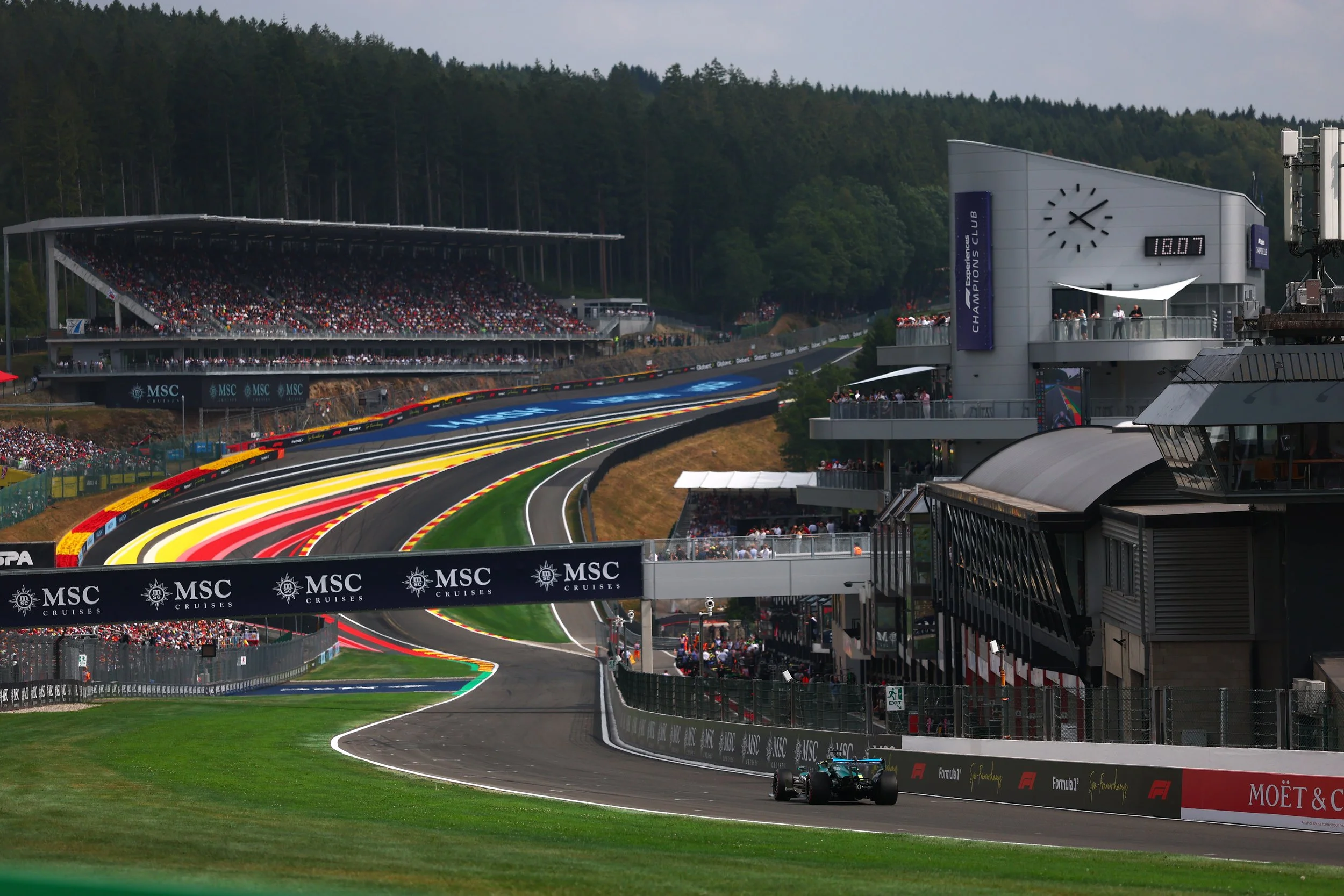
Image © Honda Motor Co. Ltd & Aston Martin Aramco. Used for editorial purposes. AMR26, Spa 2026.
Spa delivered another painful weekend for Aston Martin Aramco. Fernando Alonso finished 19th, two laps behind the winner, while Lance Stroll retired after completing 25 laps. Neither car came close to the points, and the result extended a run in which the AMR26 had fallen progressively further away from the midfield as rival teams continued developing their cars.
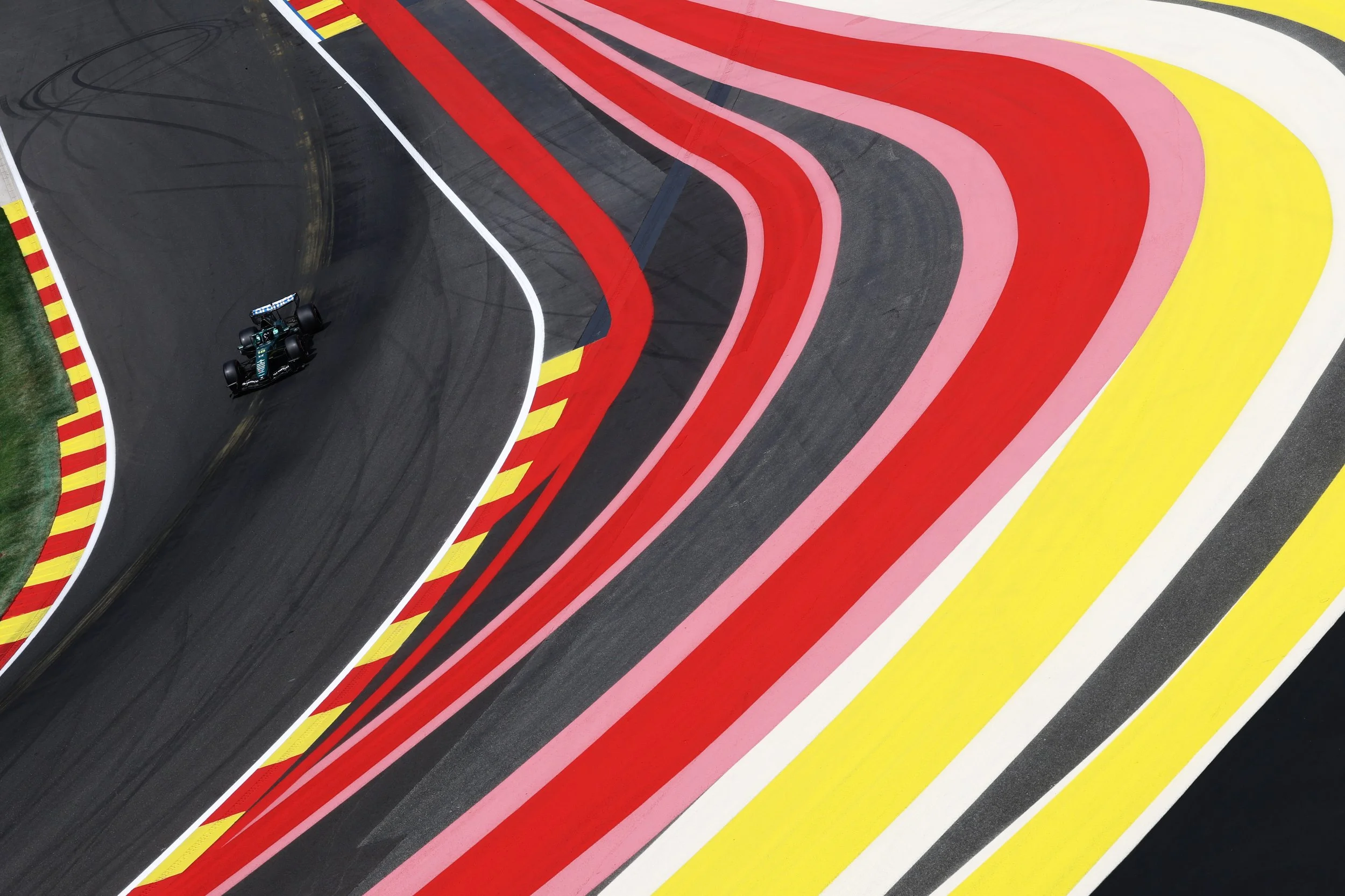
Image © Honda Motor Co. Ltd & Aston Martin Aramco. Used for editorial purposes. AMR26, Spa 2026.
Full reports from Paul Ricard, Misano and the Belgian Grand Prix can be found, as always, in the FTP Motorsport Hub, where we follow Aston Martin’s major competition programmes throughout the season.
From Spa to Hungary: Aston Martin’s Recovery Begins
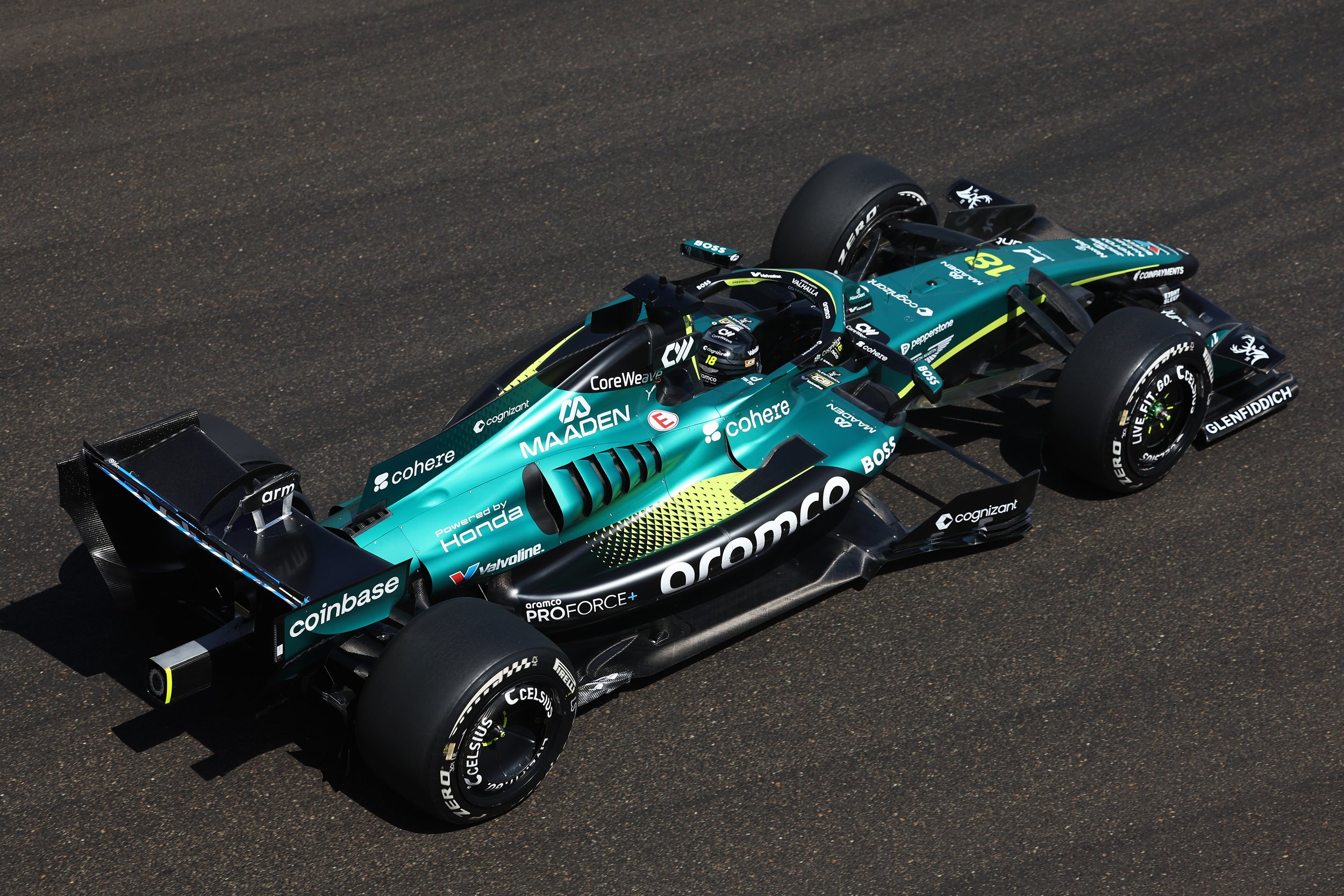
Image © Honda Motor Co. Ltd & Aston Martin Aramco. Used for editorial purposes. Stroll in his AMR26 revised Edition - Hungaroring 2026.
The Belgian Grand Prix supplied a particularly stark final reference point for the original version of the AMR26. Just five days later, Aston Martin arrived at the Hungaroring with the first substantial attempt to change its direction.
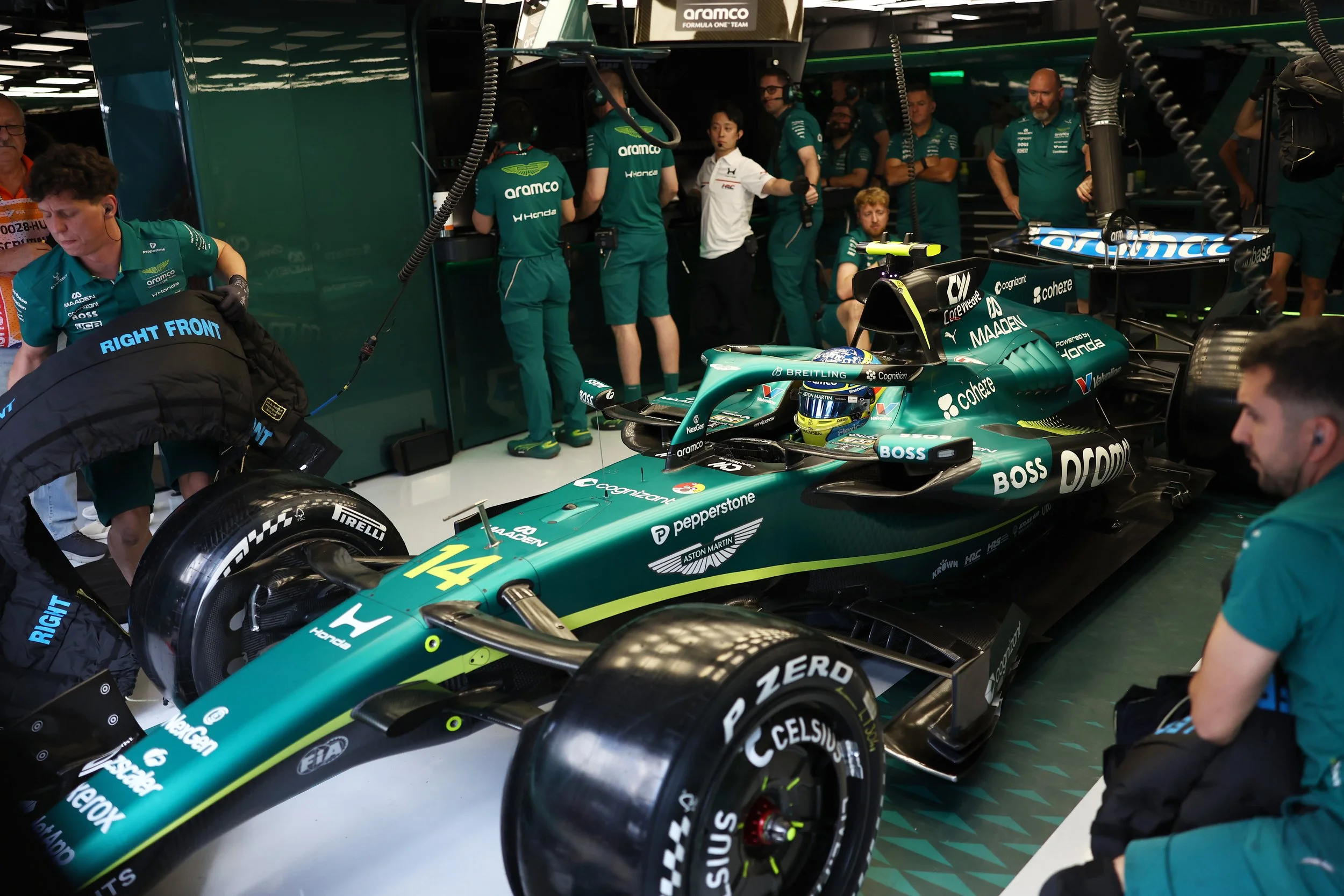
Image © Honda Motor Co. Ltd & Aston Martin Aramco. Used for editorial purposes. Alonso in his AMR26 revised Edition - Hungaroring 2026.
The scale of the package is considerable. Aston Martin declared 16 updates in its pre-event submission, covering the front wing, nose and endplates, front brake ducts, floor, bodywork, cooling arrangement, rear suspension, rear brake ducts and rear wing.
The intention is to improve the airflow from the very front of the car through the floor and towards the rear, while further weight-saving work continues behind the scenes.
Despite some descriptions of this as a “B-spec” car, Adrian Newey has been careful not to present it as an entirely new AMR26.
The basic chassis layout and front suspension remain unchanged, making this an extensive aerodynamic evolution rather than a clean-sheet replacement. It’s also only the opening stage of a wider programme: further steps are planned for Zandvoort, Monza and Baku, with Honda’s first significant power-unit update expected at the Dutch Grand Prix after the summer break.
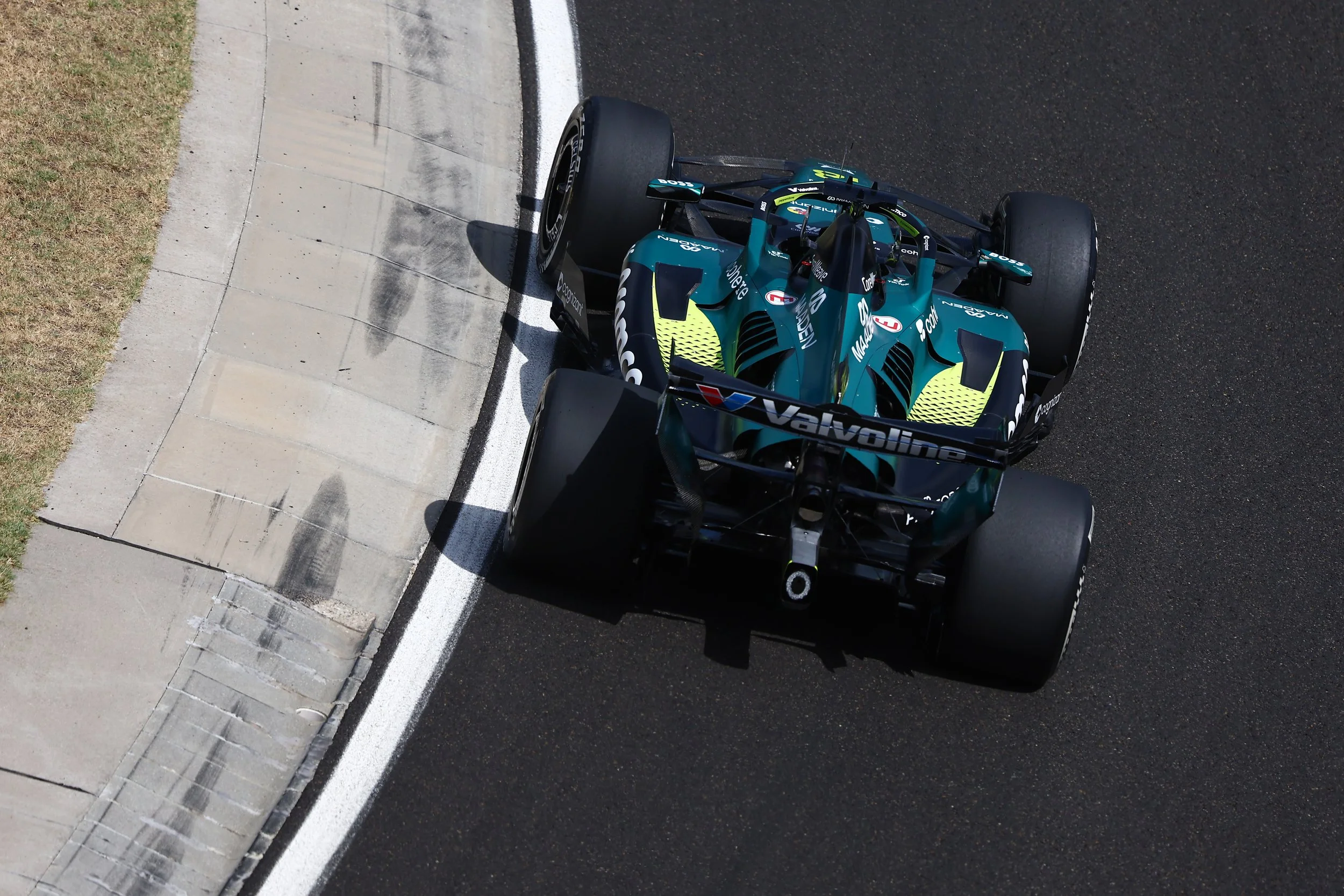
Image © Honda Motor Co. Ltd & Aston Martin Aramco. Used for editorial purposes. Stroll in his AMR26 revised Edition - Hungaroring 2026.
That context is important because expectations around Hungary have inevitably grown as Aston Martin’s season has deteriorated.
Fernando Alonso warned before the weekend that “no package in the world” could recover the entire deficit seen at Spa in one step.
His priority was more fundamental: to discover whether the revised car placed Aston Martin on a better development path and whether its performance on the circuit matched what the engineers had predicted.
Friday’s first running brought encouragement, but also an immediate reminder of how much work remains. Alonso completed 20 laps in FP1 and finished 13th, while Lance Stroll’s session ended after 11 laps when a failure at the left-rear corner pitched his car into a spin. Aston Martin couldn’t repair it in time for the second session, leaving Alonso to carry the afternoon programme alone while the team worked to ensure Stroll could return for FP3. Newey described the failure as unexpected because the principal area involved hadn’t been changed by the upgrade.
Alonso went on to complete 24 laps in FP2. His official position of 19th was less important than the information gathered, particularly because his quickest lap was deleted for exceeding track limits. His immediate assessment was that the car felt better and performed broadly as expected, a significant early indication that Aston Martin’s simulations and real-world data are beginning to agree.
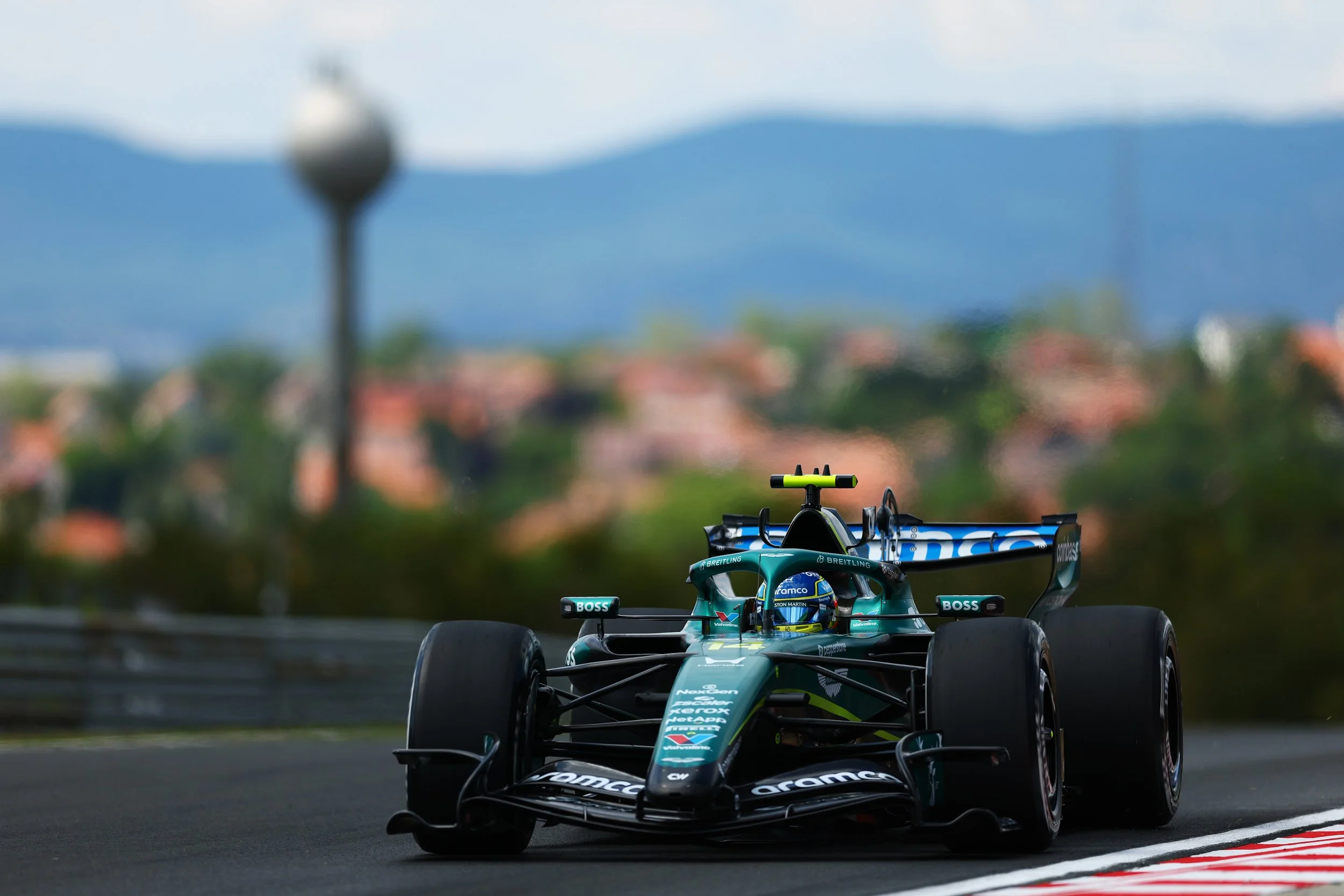
Image © Honda Motor Co. Ltd & Aston Martin Aramco. Used for editorial purposes. Alonso in his AMR26 revised Edition - Hungaroring 2026.
The initial signs through the corners were also encouraging. Alonso felt the AMR26 was no longer displaying the same obvious deficit to the main midfield group, although he stressed that further work is required from both the chassis and power-unit sides. The upgraded car must now be understood, adapted and optimised, with Aston Martin’s simulator continuing to support the trackside team throughout the weekend.
Newey’s own verdict was characteristically restrained.
He described the provisional findings as “promising”, but defined Aston Martin’s immediate ambition simply as returning to “a point of respectability”. After a first half of the season spent largely detached from the meaningful midfield contest, that’s a far more useful benchmark than suggestions of an instant leap towards the front.
The Hungarian Grand Prix weekend is therefore less about declaring the upgrade a success or failure after a few practice sessions, and more about establishing whether Aston Martin has finally found a reliable foundation on which to build. Friday offered the first credible evidence of progress, but FP3 and qualifying will provide a much clearer indication of whether that improvement is substantial enough to change the team’s competitive position.
Qualifying has now provided the first clearer competitive measure of Aston Martin’s new package. Fernando Alonso progressed into Q2 and qualified 16th, while Lance Stroll was eliminated in Q1 and finished the session 20th. Stroll’s preparation had been compromised by Friday’s suspension failure and the loss of FP2, but the overall result still shows the scale of the task ahead.
Alonso’s progress into the second part of qualifying offers a modest sign of encouragement, particularly after Aston Martin’s recent difficulties, but this wasn’t yet the substantial move into the midfield that the team ultimately needs. The revised AMR26 appears to have provided a more workable foundation; whether it can produce stronger race pace and become more competitive as the package is developed remains the more important question.
We’ll review the complete Hungarian Grand Prix weekend early next week, as always, in the FTP Motorsport Hub, and return to the wider implications of the upgrade in next week’s Roundup.
While Aston Martin’s Formula One recovery takes its first tentative steps in Budapest, another important weekend is unfolding in Germany, where Nicki Thiim arrives at Oschersleben carrying the momentum, and the championship lead from his remarkable Norisring double.
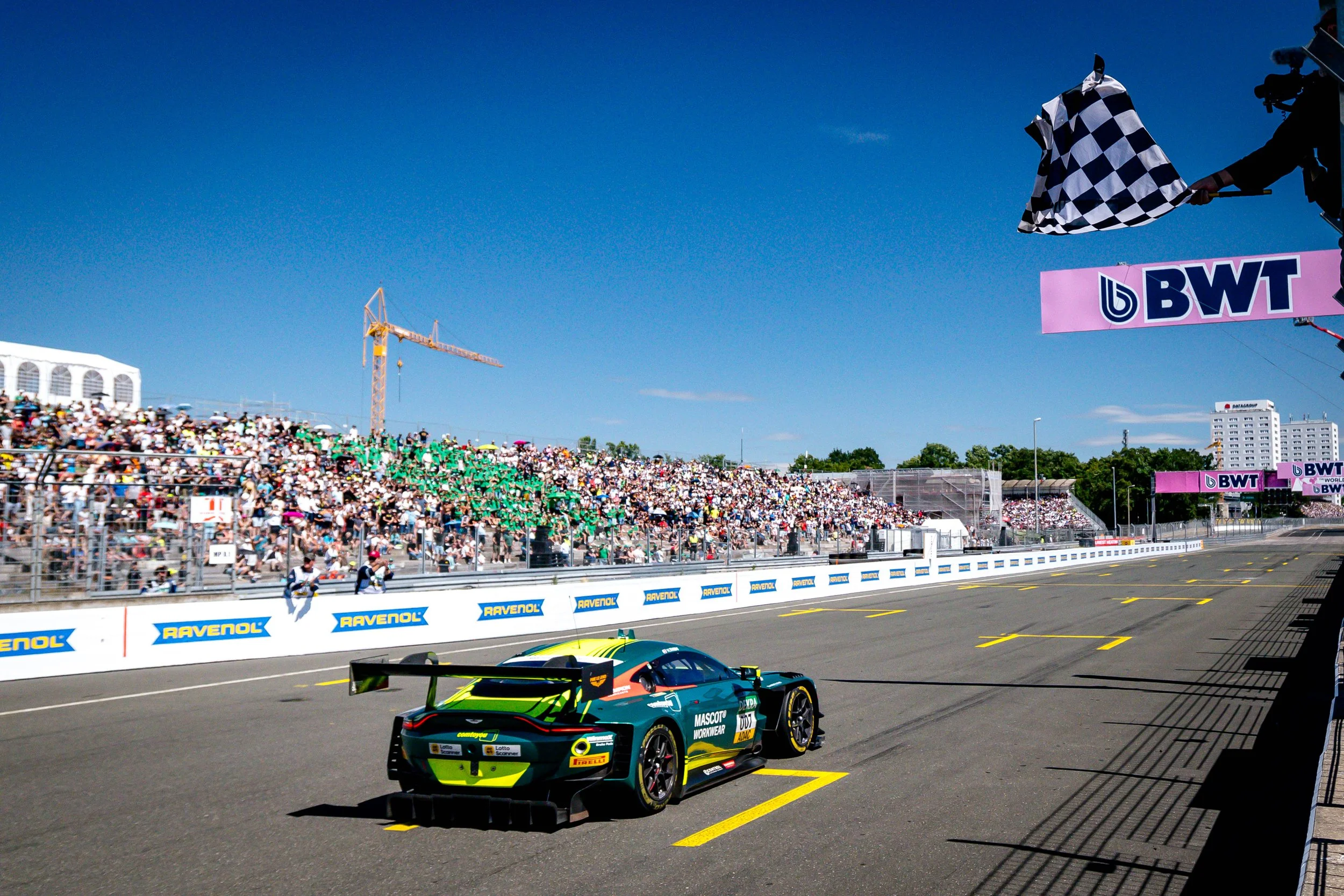
Image © Aston Martin Lagonda. Used for editorial purposes. Vantage wins in DTM.
This Weekend’s Aston Martin Motorsport Watch
While the revised AMR26 faces its first meaningful competitive test in Hungary, the other major Aston Martin story of the weekend is unfolding at Motorsport Arena Oschersleben.
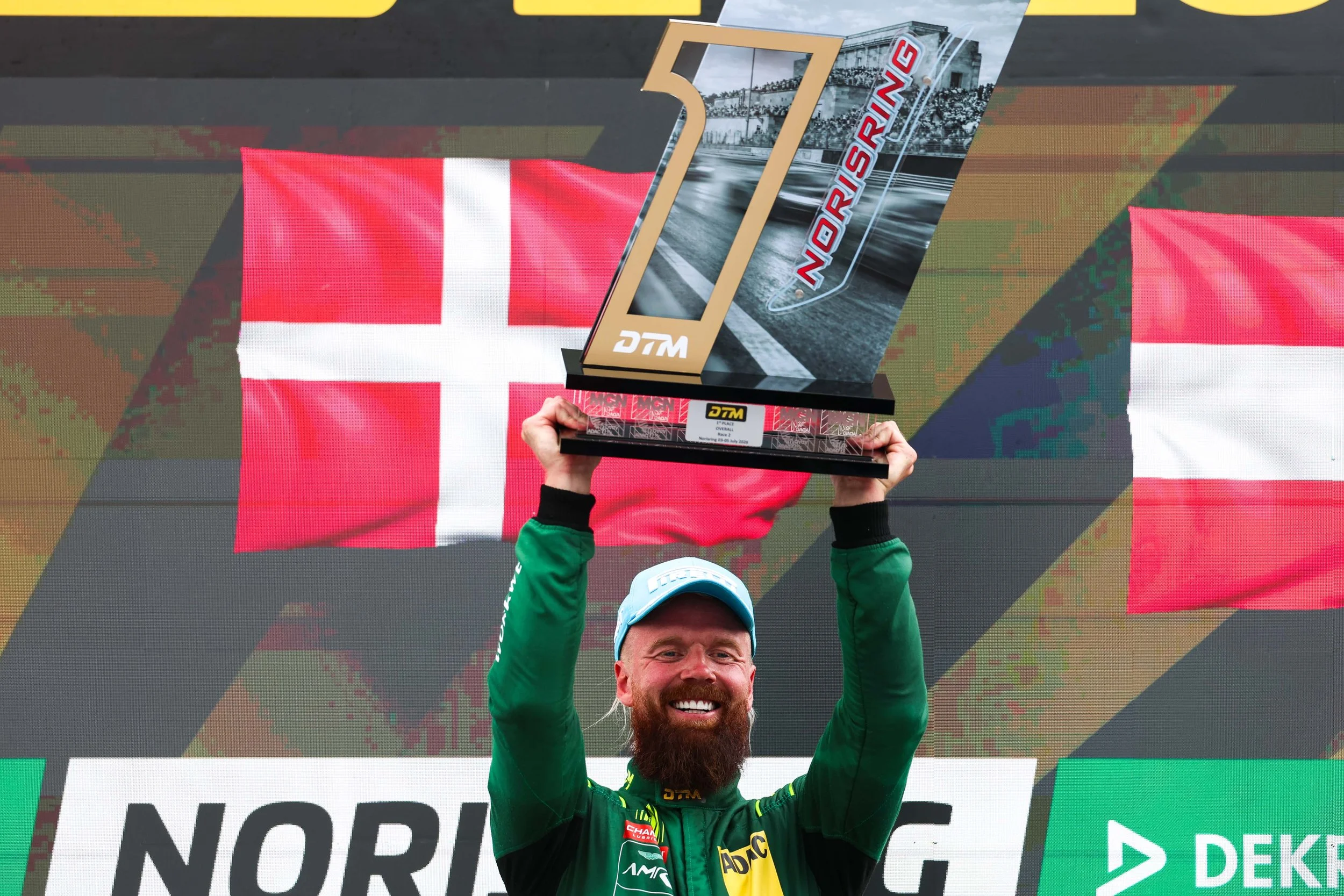
Image © Aston Martin Lagonda. Used for editorial purposes. Thiim celebrates win.
Nicki Thiim arrived in Germany at the top of the DTM Drivers’ Championship after an extraordinary Norisring weekend in which he claimed both pole positions and won both races. It was a landmark result for Comtoyou Racing and Aston Martin, delivering the Vantage GT3’s first two DTM victories and earning Thiim the maximum 56 points available.
Repeating that performance at Oschersleben already looks a considerably greater challenge. Thiim could manage only 16th during Friday practice, 0.820 seconds from the fastest time, while team-mate Nicolas Baert finished at the bottom of the order after struggling to keep the second Vantage on the circuit. Porsche set the pace in both sessions, suggesting the balance of competitiveness may look very different from the streets of Nuremberg.
That doesn’t remove the interest from the weekend.
Thiim has taken three pole positions and two victories across the last four DTM races…
…and Oschersleben will show whether Comtoyou can adapt quickly enough to protect his championship lead when the Vantage isn’t beginning from an obvious position of strength.
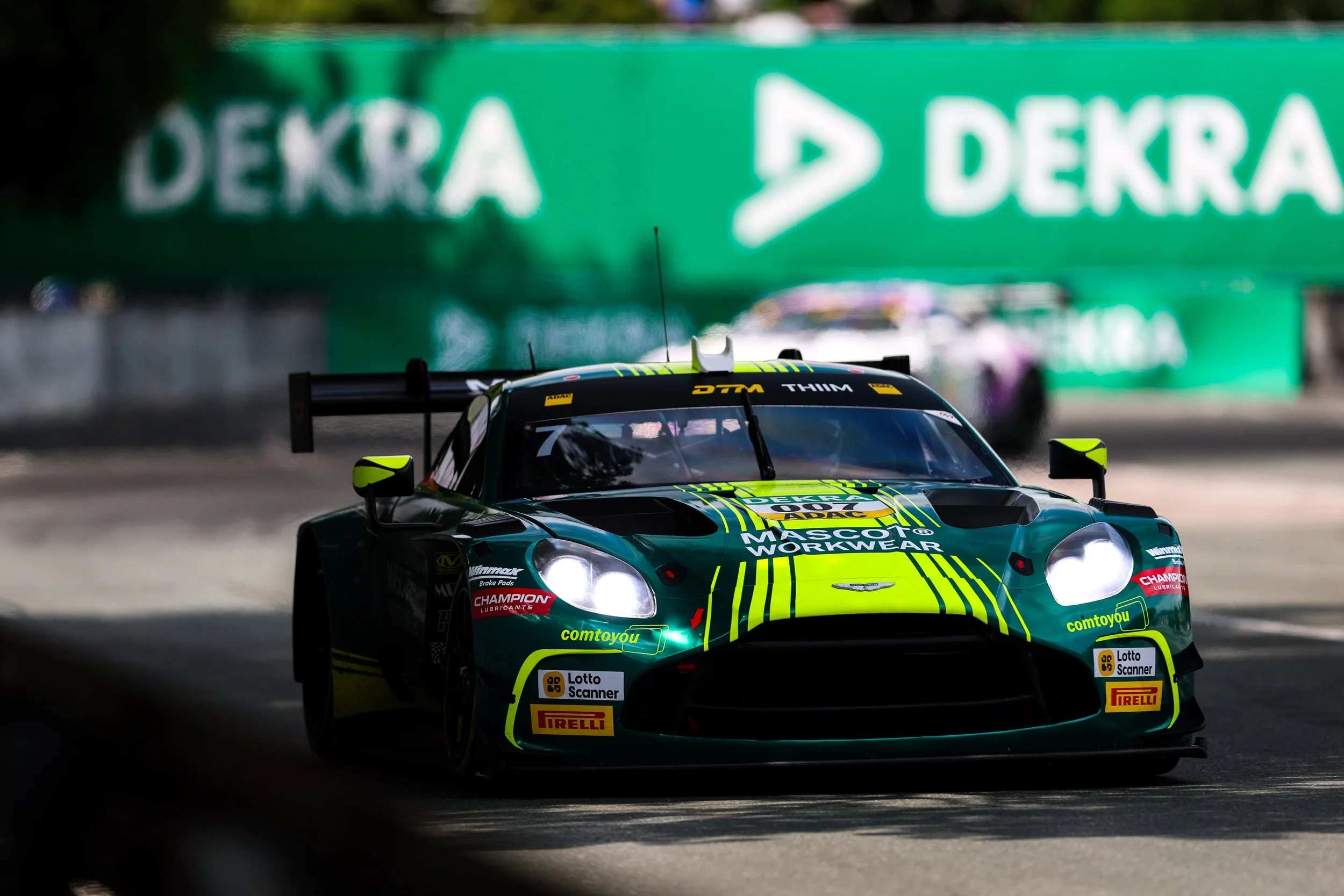
Image © Aston Martin Lagonda. Used for editorial purposes. Vantage racing in DTM.
The DTM’s familiar double-header format gives him two qualifying sessions and two hour-long races in which to respond. Rather than expecting another clean sweep, the more realistic measure may be how many points Thiim can salvage if the Aston Martin continues to find the tight and technical circuit difficult. Races nine and ten of the 16-race season take place across Saturday and Sunday.
Back in Budapest, qualifying provided a mixed first verdict on Aston Martin’s revised car. Alonso reached Q2 and qualified 16th, while Stroll was eliminated in Q1 in 20th. The focus now moves to whether the package offers stronger race pace and gives either driver an opportunity to move forward during Sunday’s Grand Prix.
At the time of writing, both the Hungarian Grand Prix and the Oschersleben DTM meeting remain in progress. Full reports will follow early next week in the FTP Motorsport Hub, where we’ll assess the complete race weekends and what they mean for Aston Martin’s Formula One and DTM campaigns.
Once those chequered flags have fallen, attention will turn back to Aston Martin’s road-car world, where the latest chapter in this year’s continuing Vanquish anniversary story has now arrived.
Affiliate link note: Some links may be affiliate links, which means Fuel the Passion may earn a small commission if you purchase through them, at no extra cost to you. Thank you for your support.
Vanquish 25: The Anniversary Story Gains Its Most Exclusive Chapter
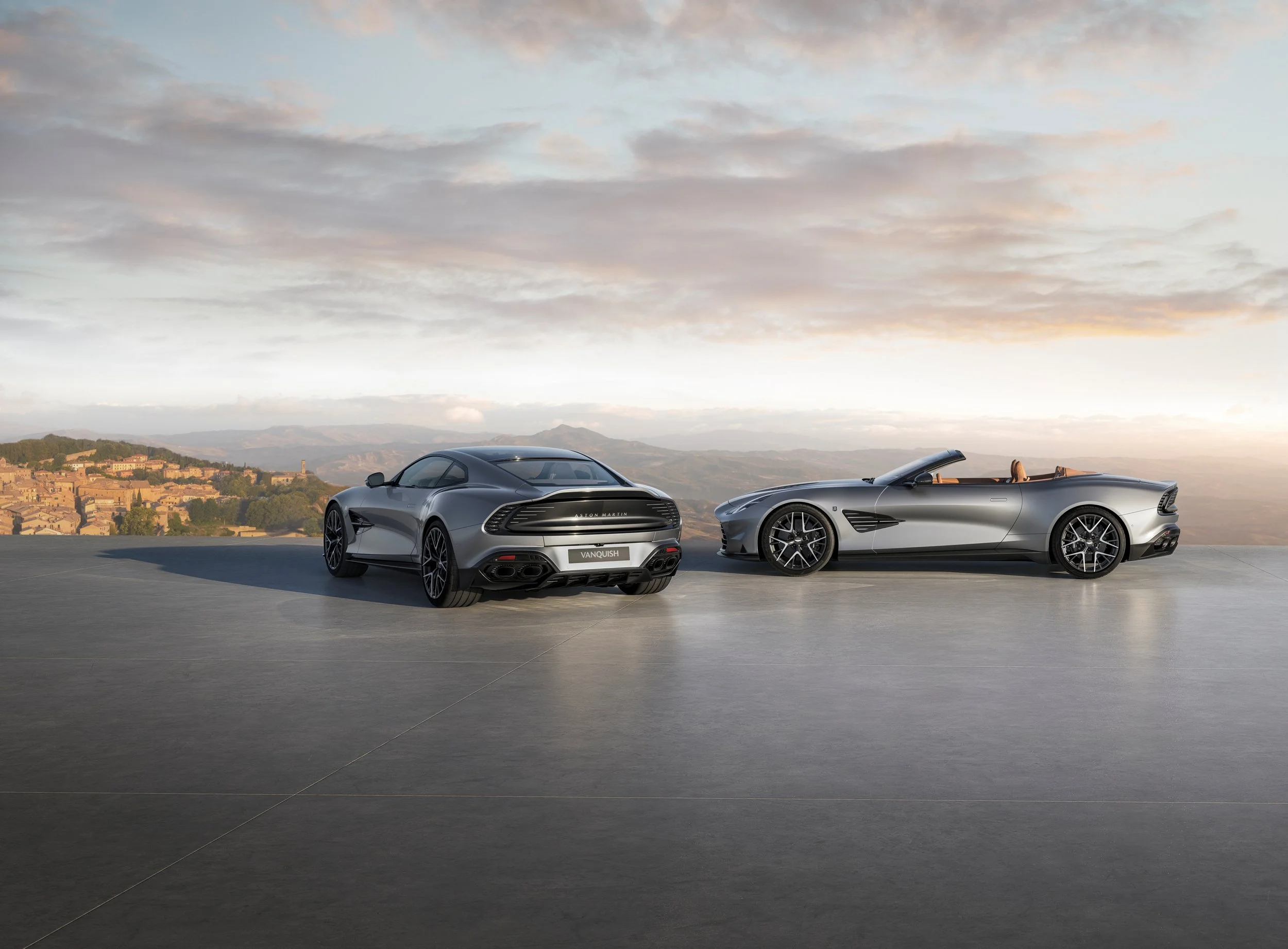
Image © Aston Martin Lagonda. Used for editorial purposes.
As regular readers will know, Aston Martin has been marking 25 years of Vanquish throughout 2026, looking back across the three generations that have carried one of the most evocative names in the company’s modern history. This week, that continuing celebration produced its most exclusive chapter yet.
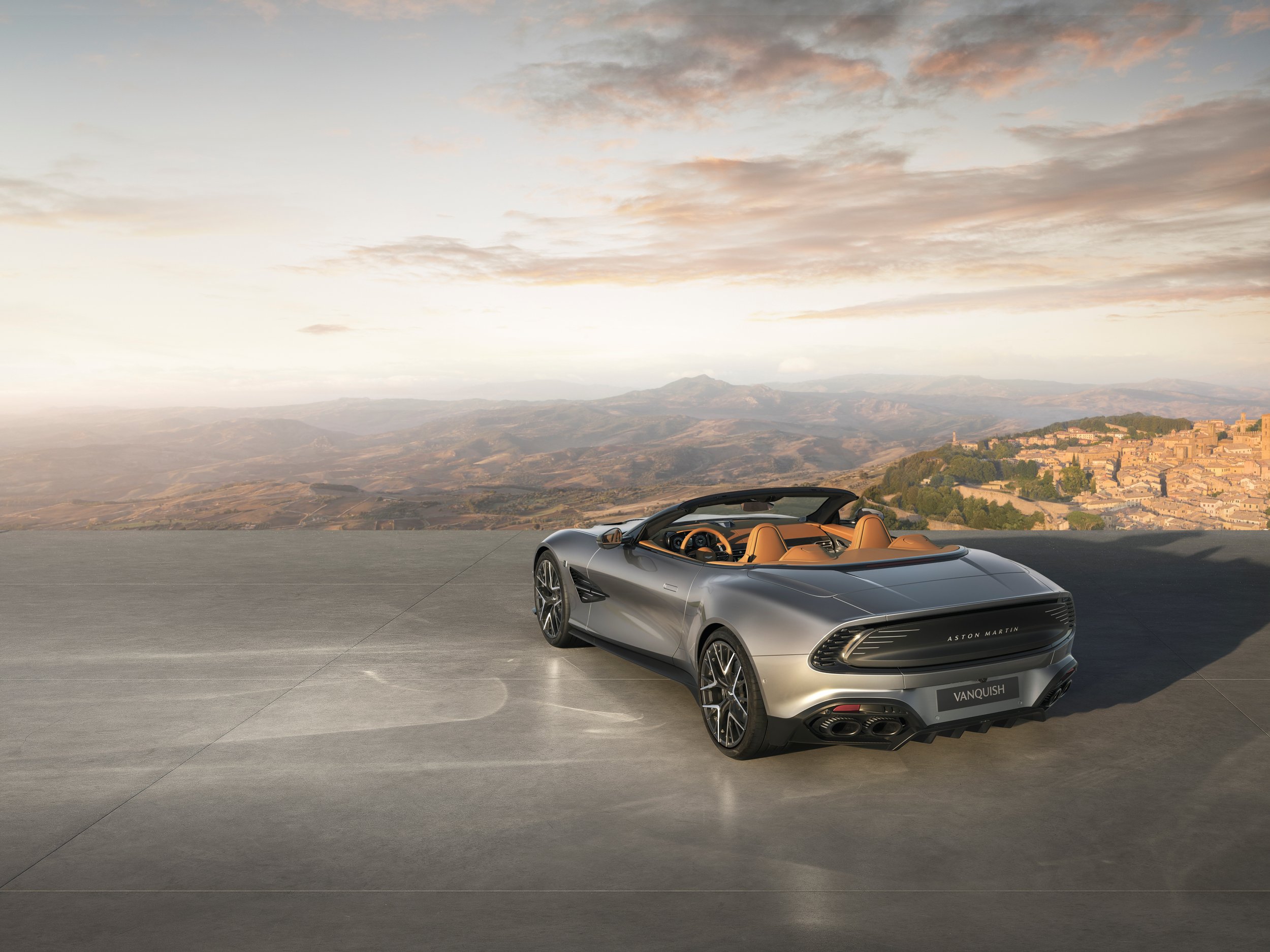
Image © Aston Martin Lagonda. Used for editorial purposes.
Created through Q by Aston Martin, the new Vanquish 25 is limited to just 50 examples worldwide, divided equally between 25 Coupés and 25 Volantes.
Customers can also choose between 2+0 and 2+2 seating configurations, allowing the anniversary treatment to be applied to either the most focused or more accommodating version of the current flagship.
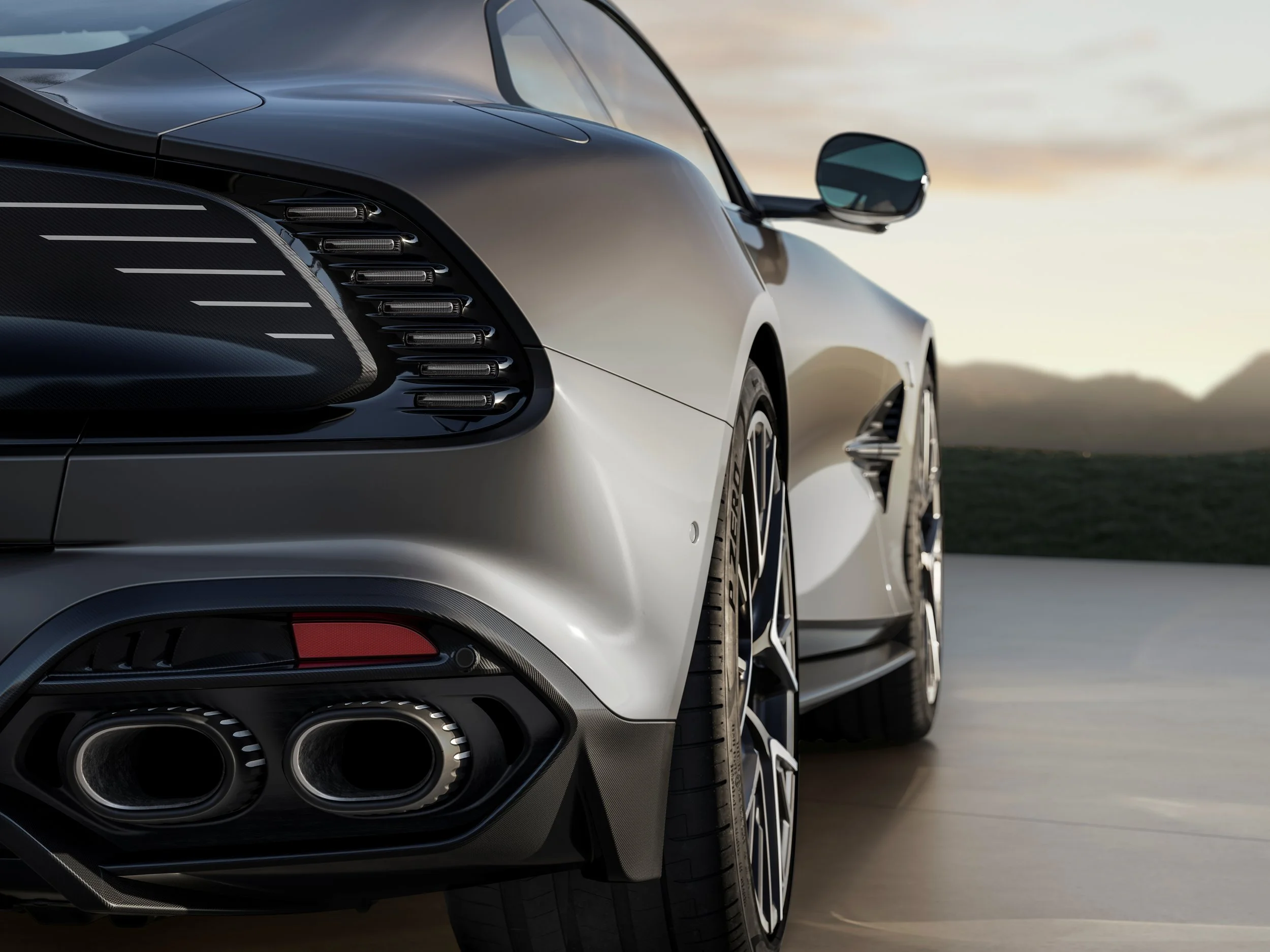
Image © Aston Martin Lagonda. Used for editorial purposes.
The starting point is the third-generation Vanquish introduced in 2024, but the details reach back to the original car unveiled at the Geneva Motor Show in 2001. Its exclusive Q Skye Silver paintwork recalls the first-generation launch specification, while stainless-steel side strakes, metal-foil detailing, special exhaust finishers and subtle ‘V’ highlights within the 21-inch forged wheels distinguish it from the standard model.
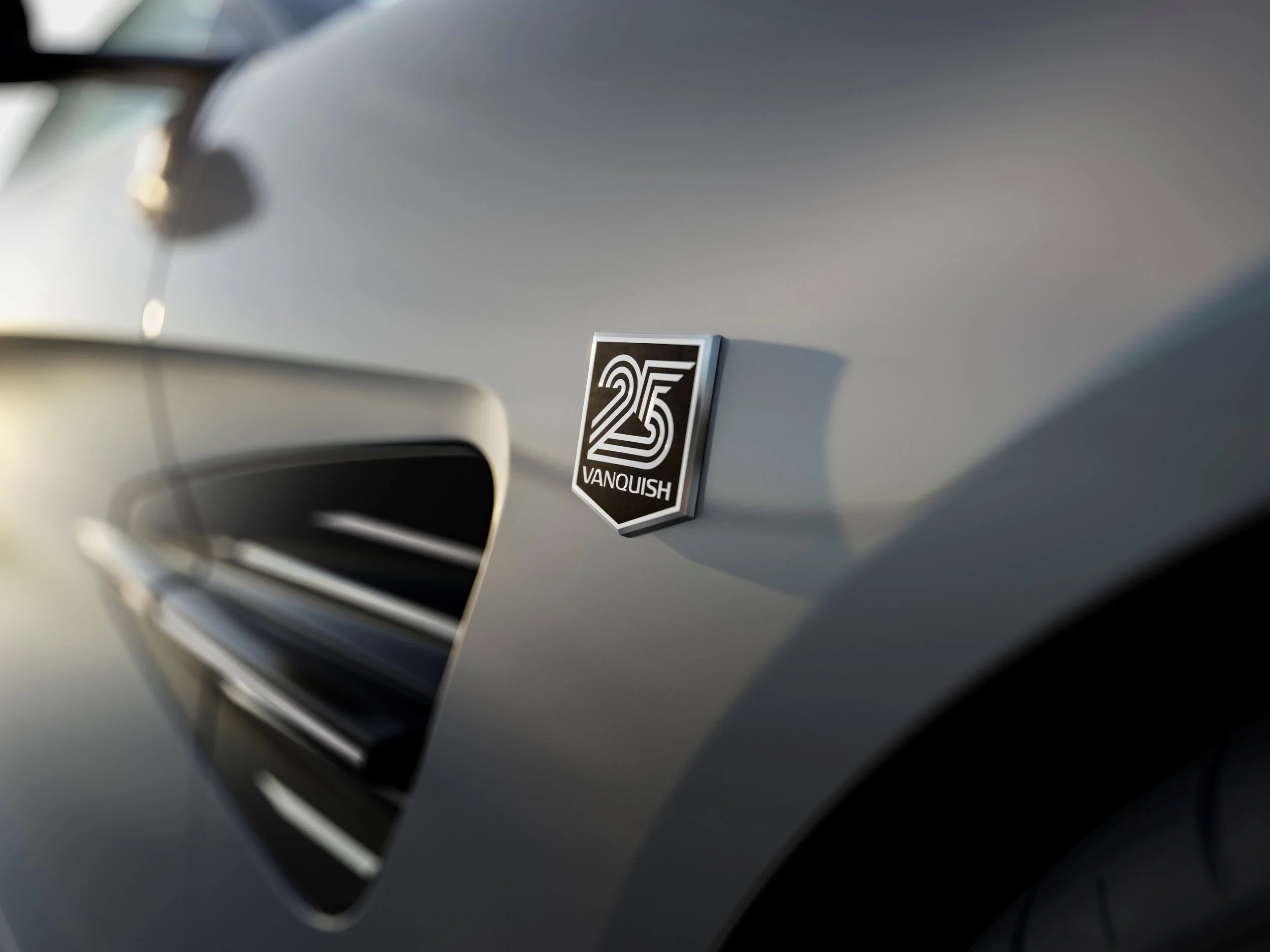
Image © Aston Martin Lagonda. Used for editorial purposes.
Unique Vanquish 25 badging completes an exterior treatment that’s deliberately restrained rather than theatrical.
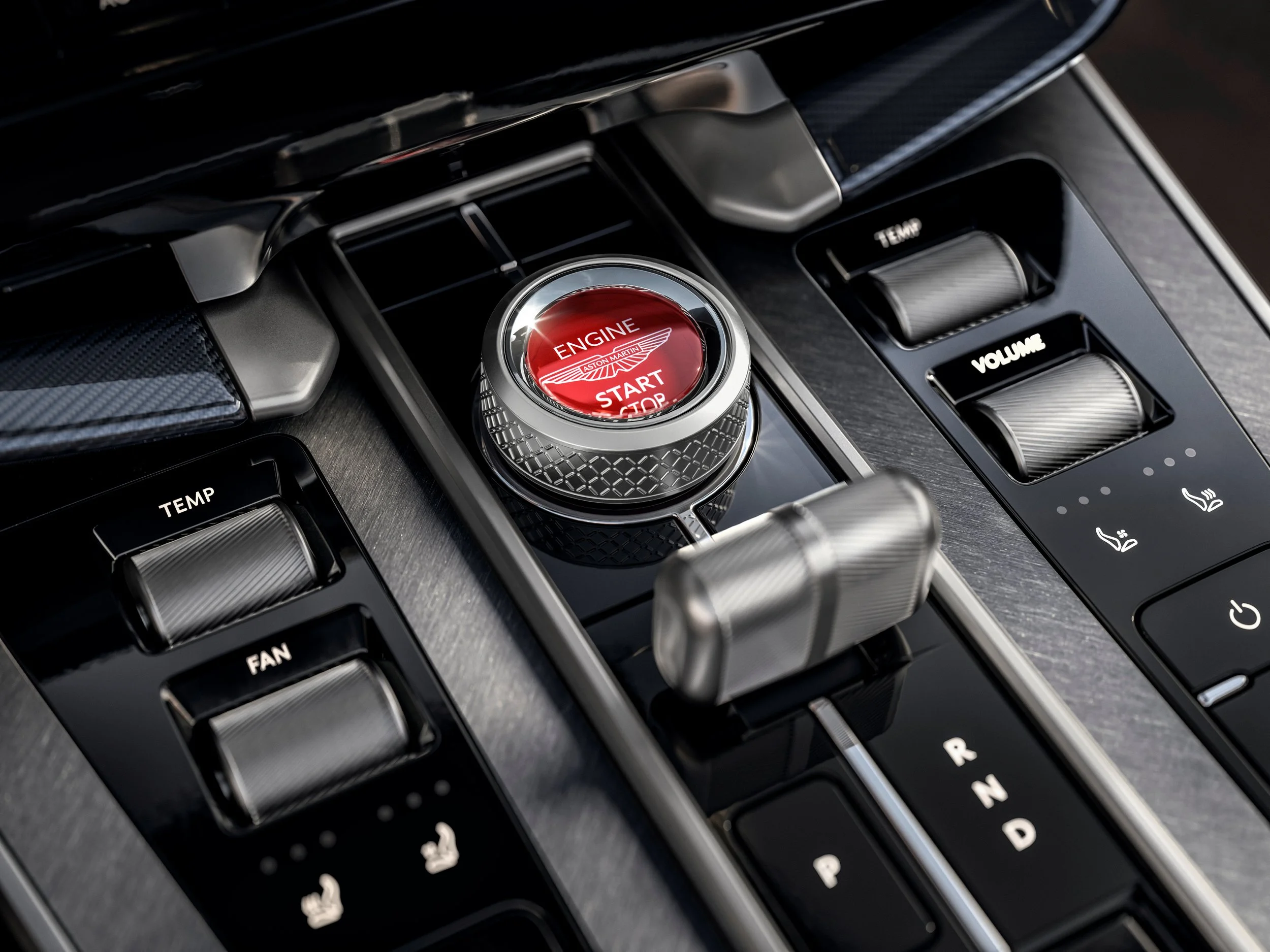
Image © Aston Martin Lagonda. Used for editorial purposes.
Inside, Q has added anniversary-specific perforation patterns and trim divisions, embroidered seatbacks, laser-etched Aston Martin inlays and a bright red engine start button surrounded by bespoke rotary detailing.
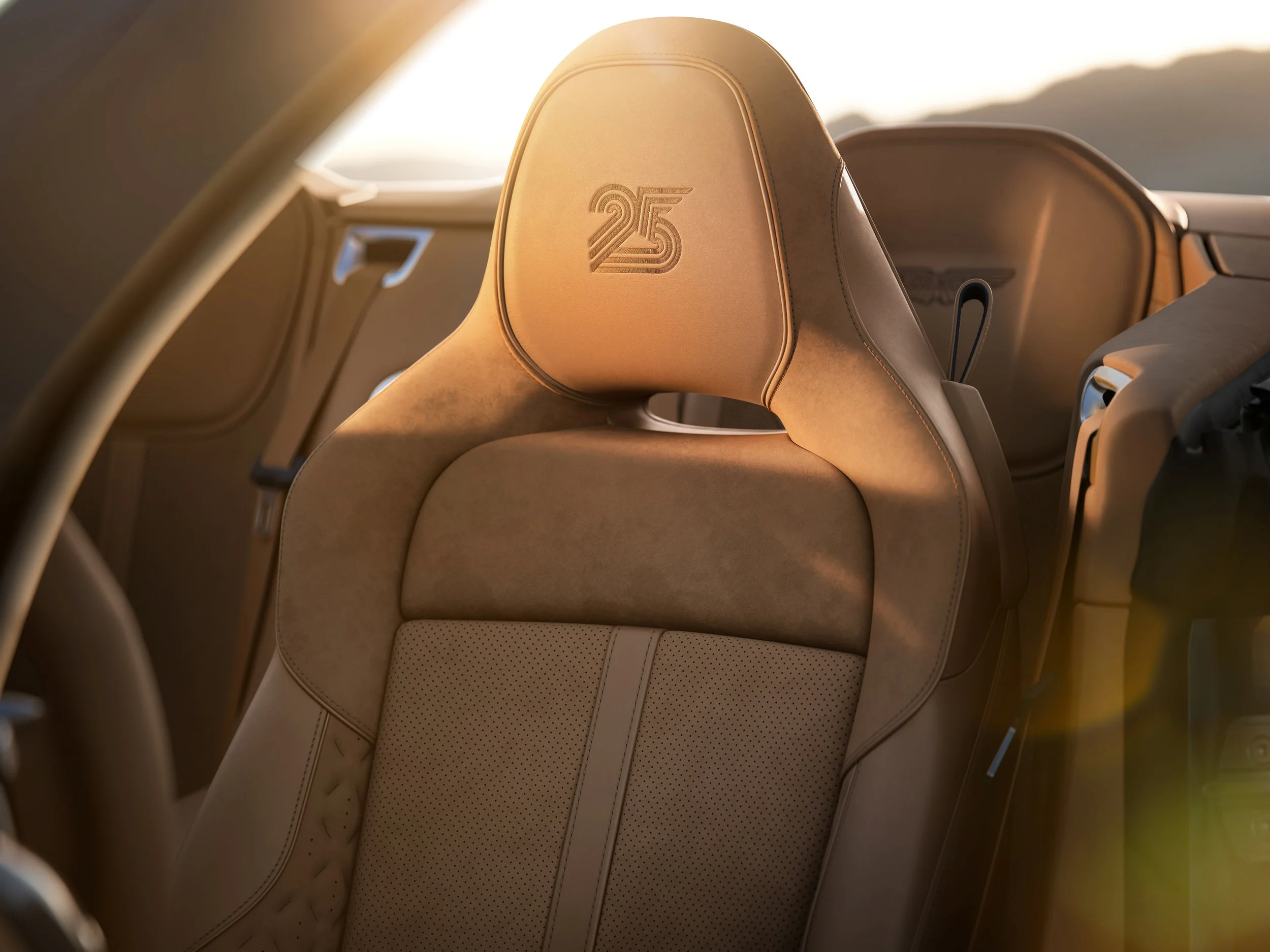
Image © Aston Martin Lagonda. Used for editorial purposes.
Buyers can choose from Onyx Black, Oxford Tan or Phantom Grey trim, with a black Alcantara headlining completing the specification.
Mechanically, the Vanquish 25 retains the formidable specification of the current production car. Its 5.2-litre twin-turbocharged V12 produces 835PS and 1,000Nm of torque, delivering 0–62mph in 3.3 seconds and a top speed of 214mph. The anniversary model is therefore not intended as a higher-performance derivative; its distinction lies in rarity, craftsmanship and the connections created between the present car and the two generations that preceded it.
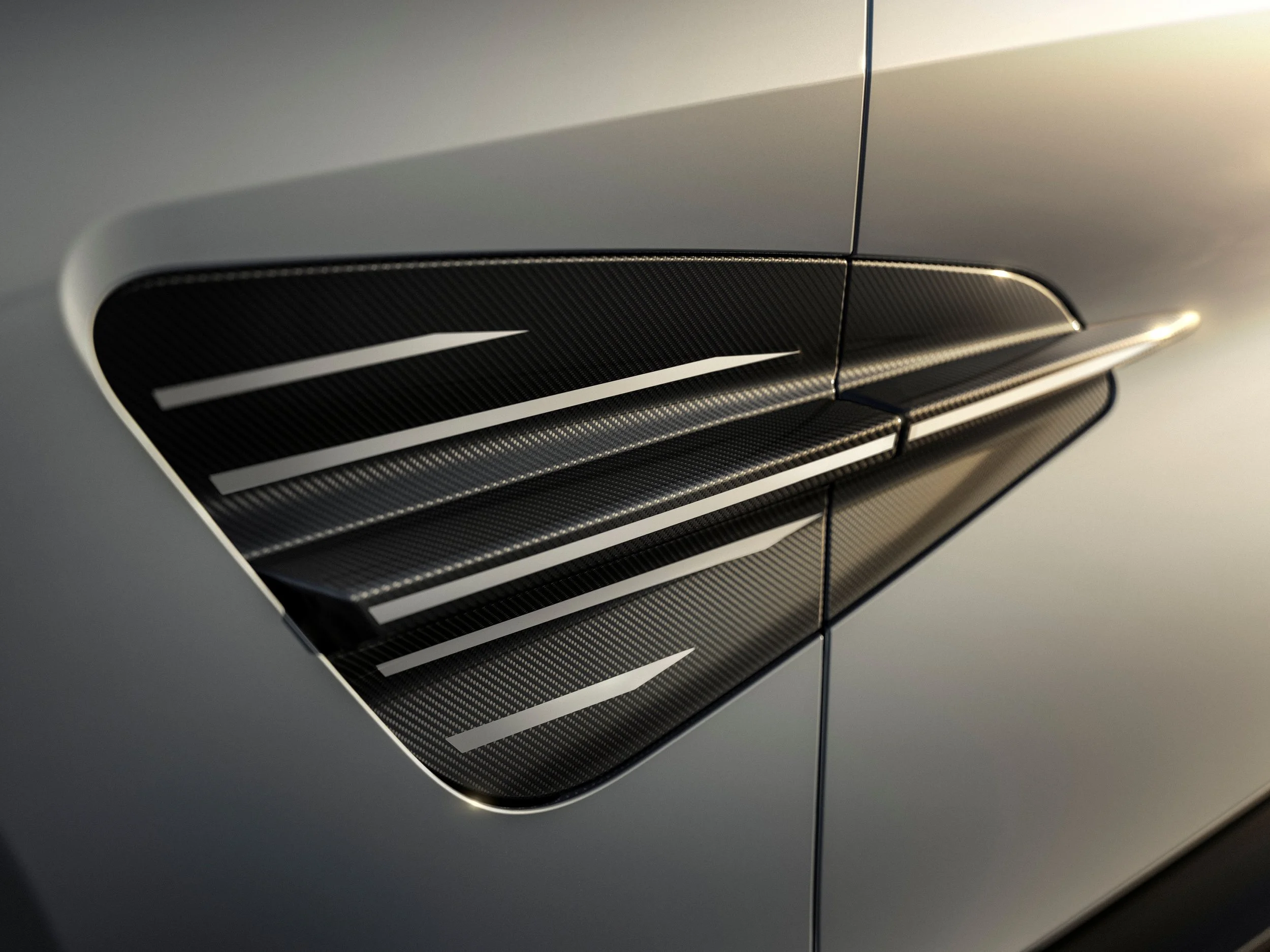
Image © Aston Martin Lagonda. Used for editorial purposes.
UK pricing hasn’t been included in Aston Martin’s official announcement, although Top Gear reports that the Vanquish 25 will begin at more than £430,000, a sizeable premium over the regular Vanquish, which starts at approximately £338,000. That places it firmly within collector territory, although scarcity and a high purchase price don’t automatically guarantee future appreciation.
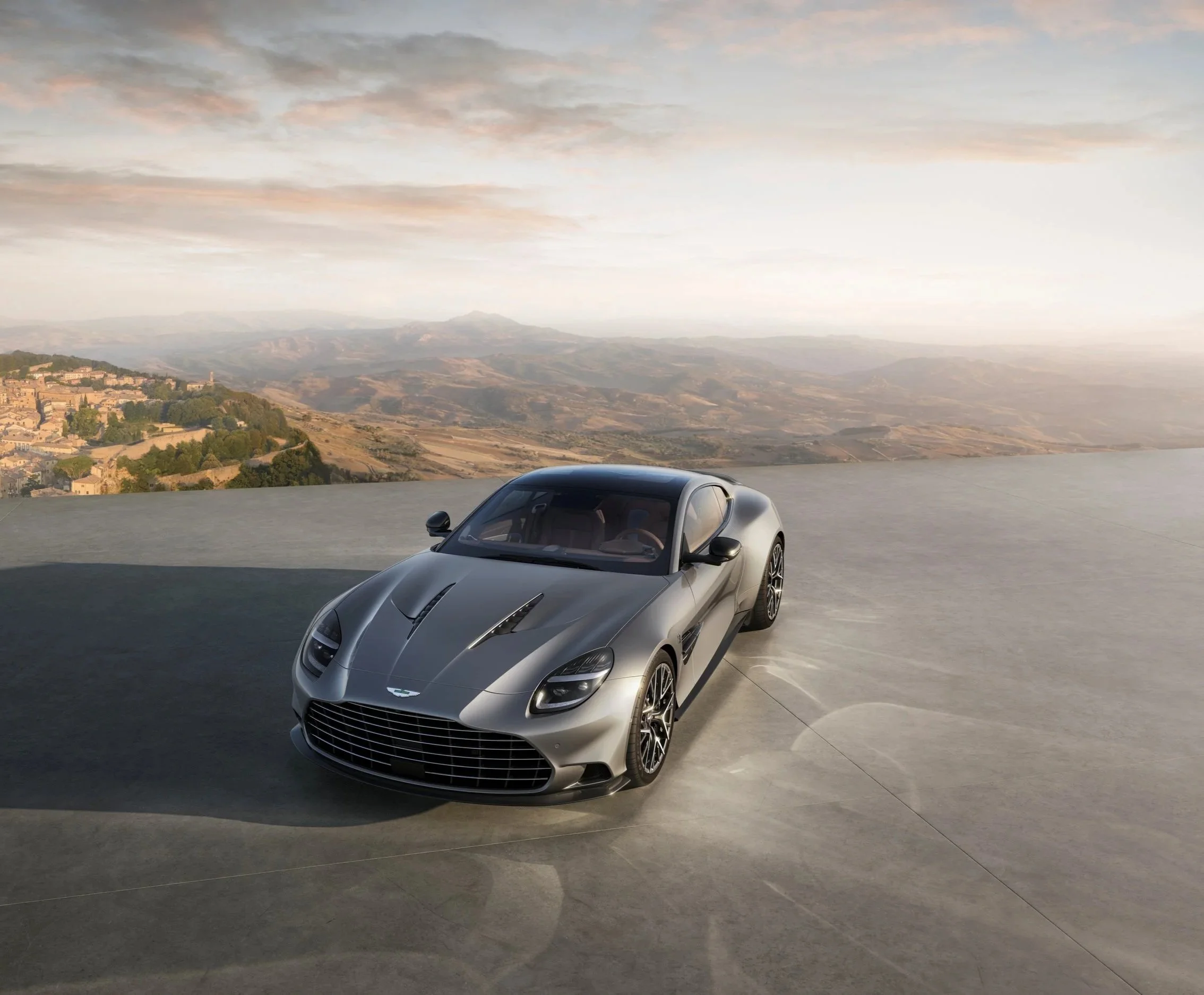
Image © Aston Martin Lagonda. Used for editorial purposes.
Its public debut is planned for Monterey Car Week in August, with initial deliveries expected during the final quarter of 2026. For Aston Martin, it provides a suitably exclusive centrepiece for an anniversary year that has already explored the Vanquish story through heritage features, events and the continuing profile of the first-generation cars.
The Vanquish 25 looks back to 2001, but the next story travels further into Aston Martin’s past, to another celebrated grand tourer, and to a collaboration built around the enduring cultural pull of the DB5.
Affiliate link note: Some links may be affiliate links, which means Fuel the Passion may earn a small commission if you purchase through them, at no extra cost to you. Thank you for your support.
Aston Martin and Breitling: Time, Speed and the Enduring Appeal of the DB5

Image © Aston Martin Lagonda. Used for editorial purposes.
The Vanquish 25 looks back across a quarter of a century. Aston Martin’s latest collaboration with Breitling reaches further still, returning to the 1960s and to the car that did more than any other to establish the marque within popular culture.
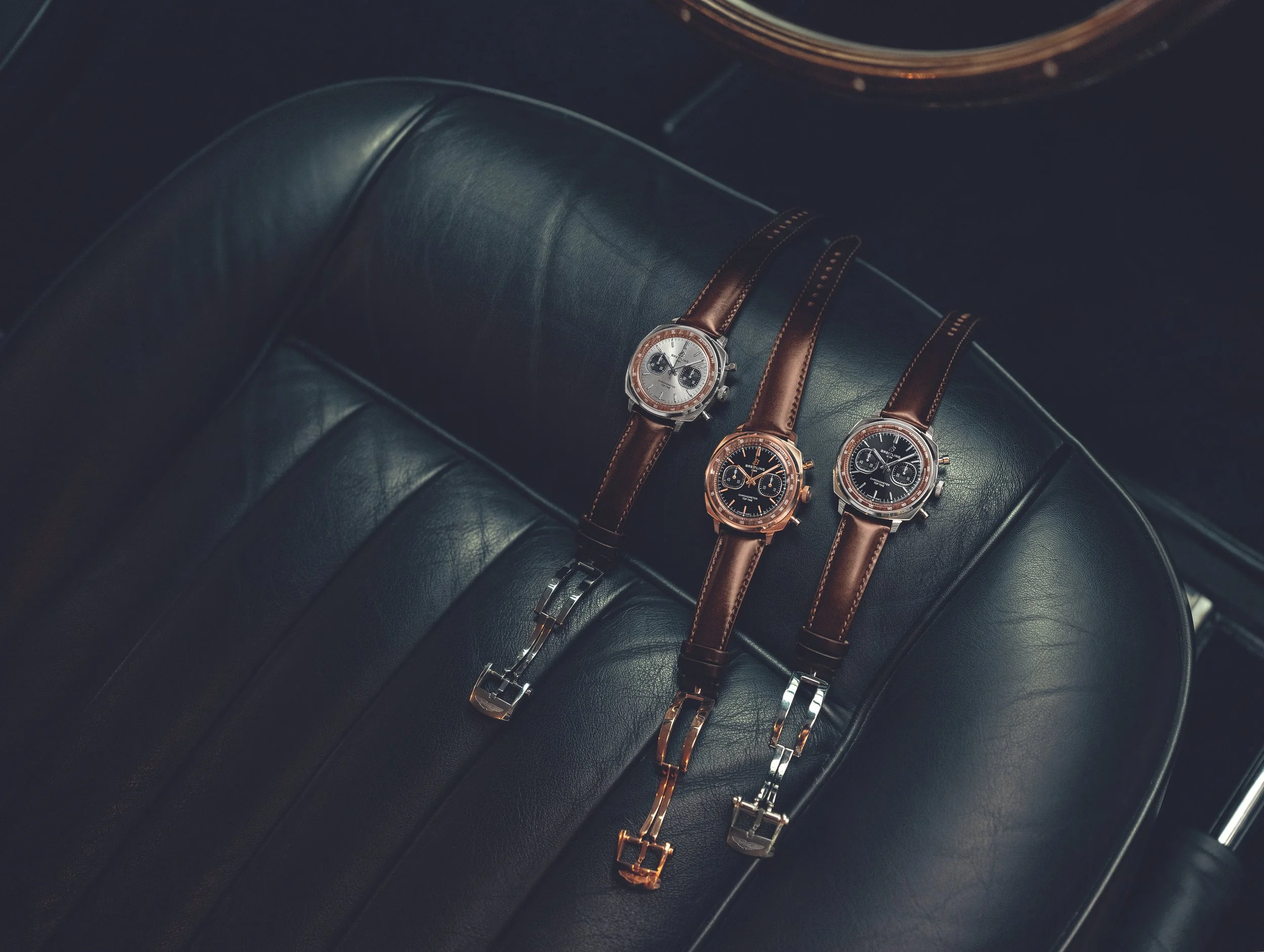
Image © Aston Martin Lagonda. Used for editorial purposes.
The Top Time B01 Chronograph 41 Tribute to Aston Martin DB5 is the first physical product to emerge from the partnership announced earlier this year. Rather than simply adding an Aston Martin badge to an existing watch, Breitling has produced three limited editions intended to translate some of the DB5’s character, materials and interior details into a chronograph.
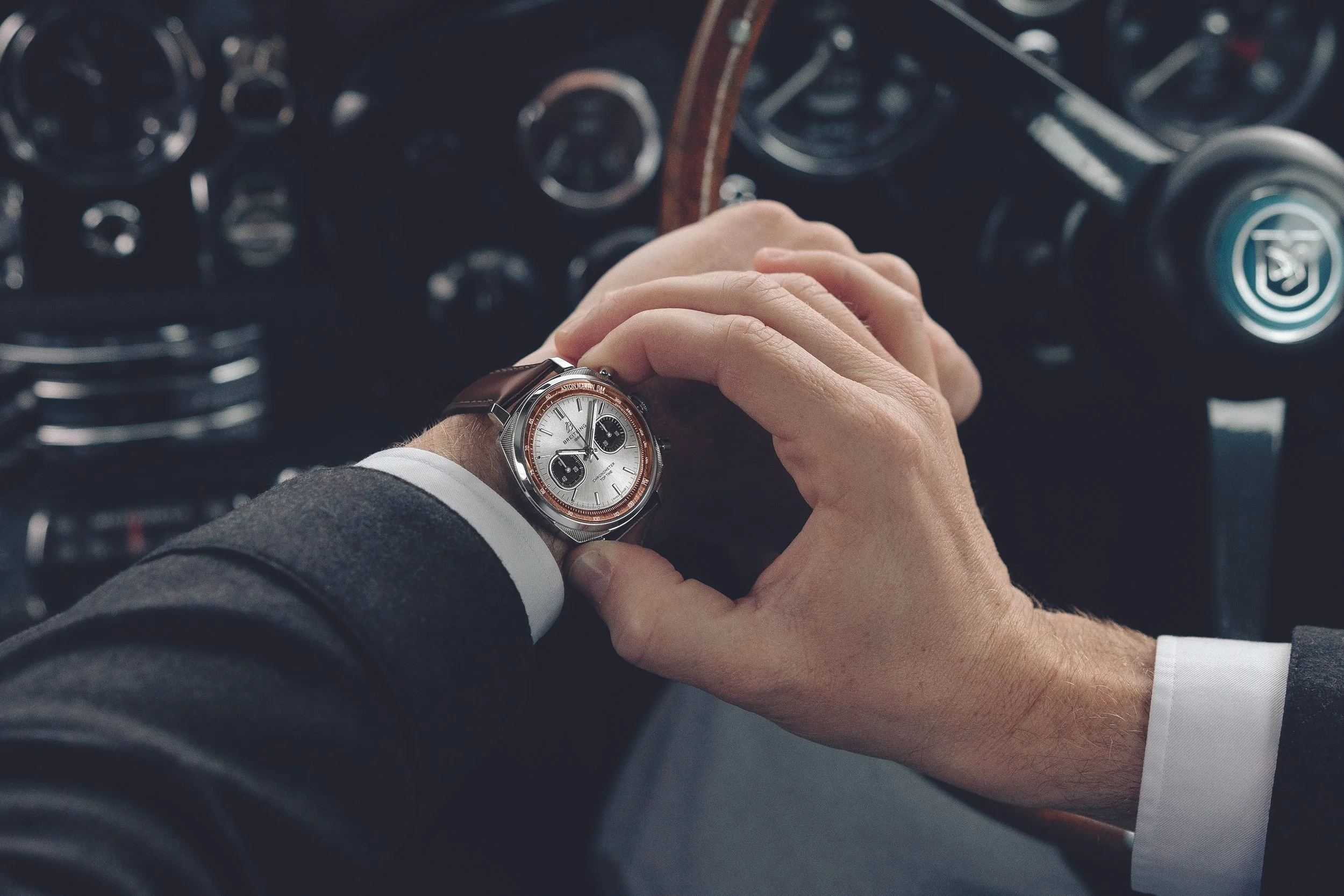
Image © Aston Martin Lagonda. Used for editorial purposes.
The first combines a stainless-steel case with a silver dial and is limited to 1,022 examples.
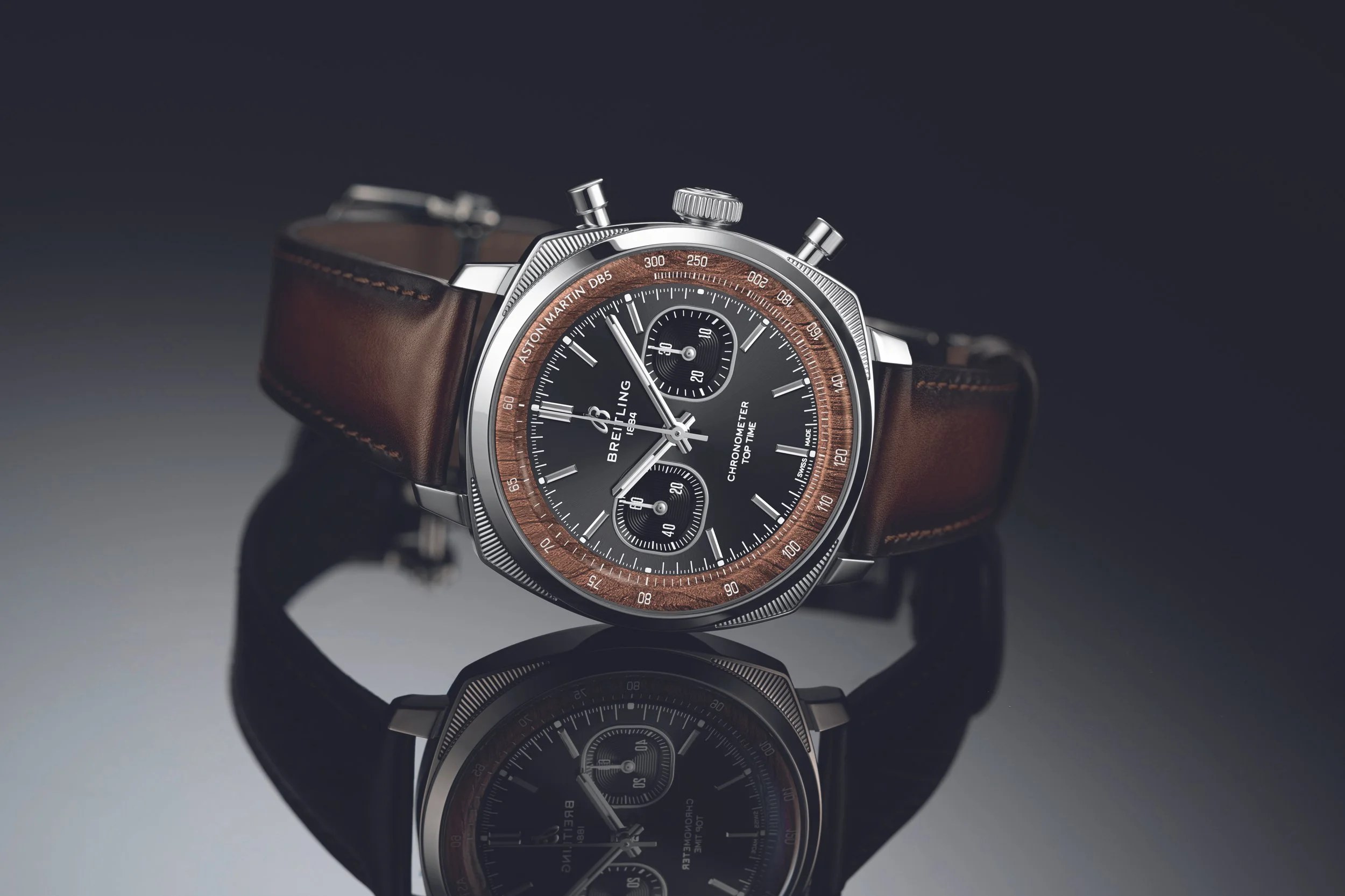
Image © Aston Martin Lagonda. Used for editorial purposes.
A second pairs steel and platinum with a black lacquered dial, with 315 to be produced.

Image © Aston Martin Lagonda. Used for editorial purposes.
While the most exclusive edition uses 18-carat red gold and a natural onyx dial, limited to 250 individually numbered pieces.
All three use Breitling’s COSC-certified Manufacture Calibre 01, offering a 70-hour power reserve and an open caseback through which an Aston Martin-engraved rotor can be seen.

Image © Aston Martin Lagonda. Used for editorial purposes.
The DB5 references are most evident in the smaller details. Dashboard-inspired typography appears across the dial, the rounded-square subdials recall classic instruments, and a wooden inner ring draws upon the car’s steering wheel.
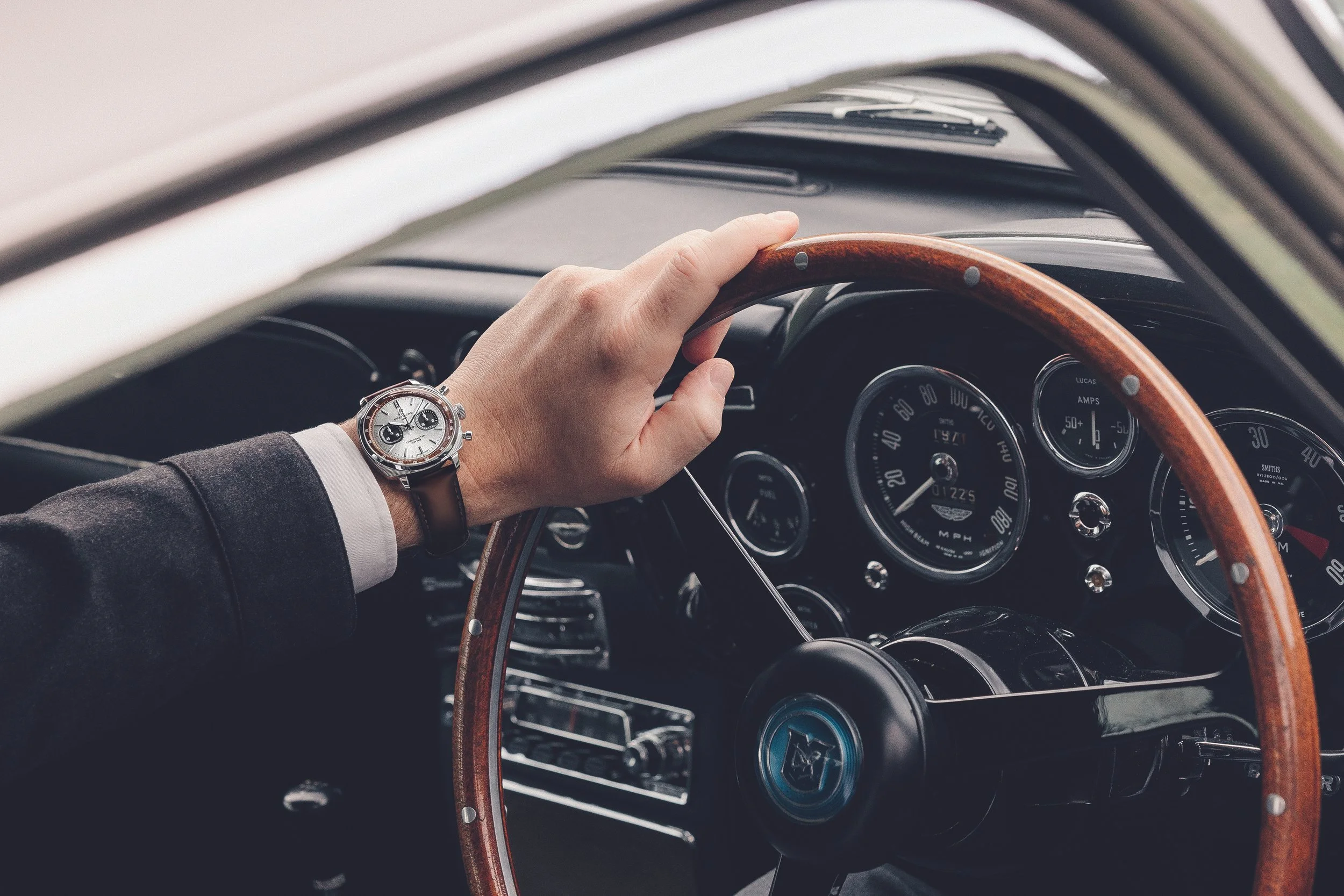
Image © Aston Martin Lagonda. Used for editorial purposes.
Hand-coloured leather straps introduce the warmth of a traditional Aston Martin interior, while the cushion-shaped case and domed crystal retain the character of Breitling’s original Top Time watches.
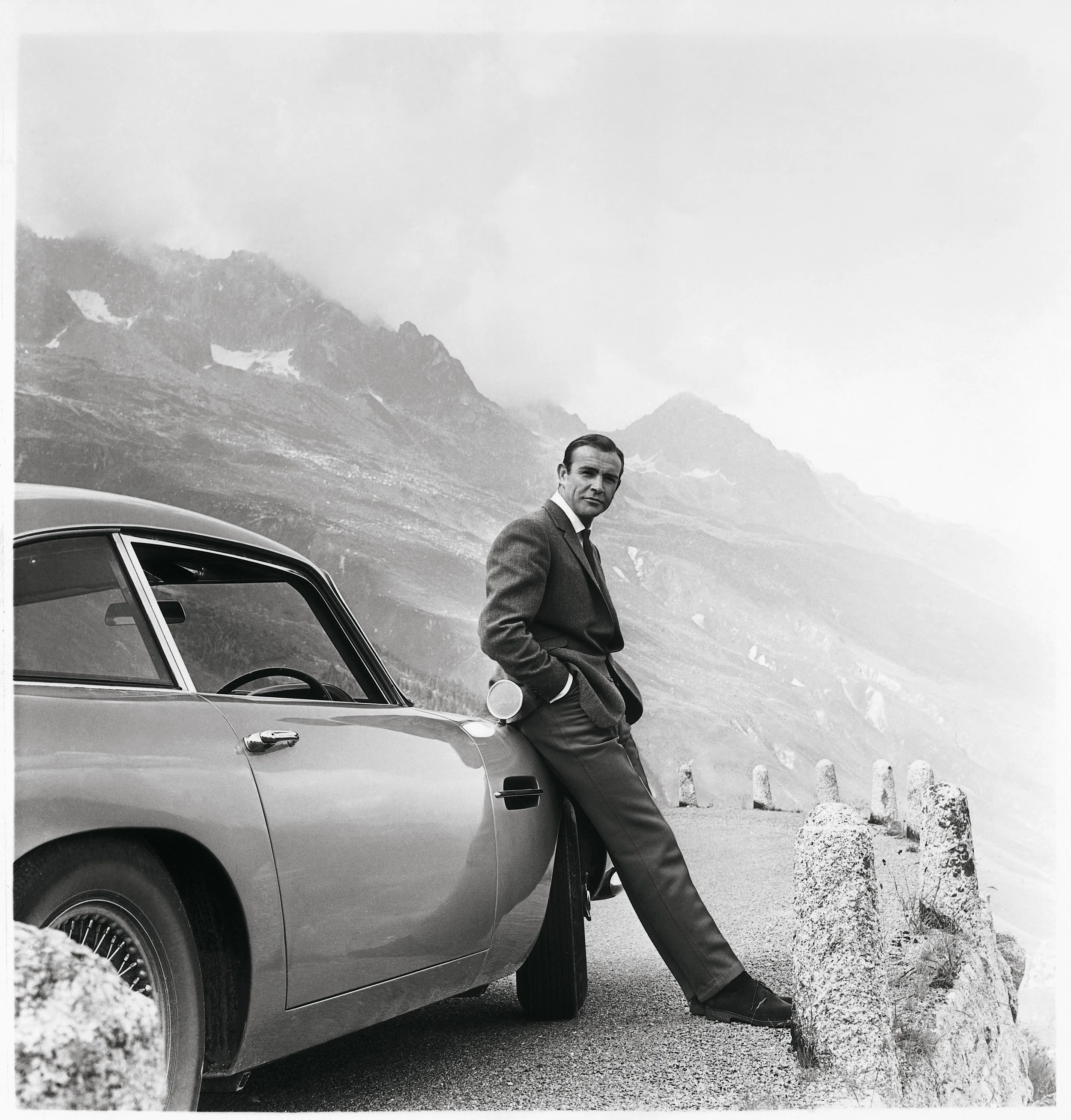
Image © Aston Martin Lagonda. Used for editorial purposes.
There is also a genuine historical connection behind the collaboration. A modified Breitling Top Time appeared on Sean Connery’s wrist in Thunderball in 1965, alongside the Aston Martin DB5. It became the first watch modified by Q in the Bond films, giving the two brands a shared place within the same cinematic moment long before their present-day partnership was conceived.
A film released by Breitling and Mr JWW this week (film added below) adds considerably more depth to the story. During a visit to Aston Martin, Marek Reichman explains how the DB5’s beauty begins with proportion: the relationship between its long bonnet and compact cabin, the movement created by its surfaces and the subtle lines that are often revealed more through reflected light than through a hard crease in the bodywork. The apparent simplicity of the shape, he argues, is underpinned by considerable complexity.
The film then follows that thinking into Breitling’s design process. The watchmakers describe studying the DB5 from their own perspective, looking at its instruments, materials and surfaces to decide which qualities could be reduced into something worn on the wrist. The contrast between cold steel and warm wood, the dashboard typeface and the way the case curves down at its edges are all intended to suggest movement, even when the watch is perfectly still.

Image © Aston Martin Lagonda. Used for editorial purposes.
Perhaps the most interesting discussion, however, concerns why enthusiasts are often drawn to both watches and cars. They’re mechanical objects whose practical purpose tells only part of their story. Scratches, wear and patina can become reminders of journeys and experiences, while the work of designers, engineers and craftspeople continues to be appreciated long after the object itself was made.
As the film observes, both can become small repositories for memory rather than possessions kept permanently untouched.
A separate film from the Audrain Automobile Museum provides a useful reminder of how the DB5 acquired such cultural reach in the first place. Its featured car is one of the gadget-equipped promotional DB5s associated with Thunderball. Following the success of Goldfinger, these cars toured the United States at a time when such promotional appearances were still unusual, allowing audiences to see the Bond car and its working gadgets, away from the cinema screen.
Taken together, the new watches and the two films demonstrate why the DB5 remains such fertile ground for Aston Martin. Its relationship with James Bond made it globally recognisable, but recognition alone wouldn’t have sustained its appeal for more than six decades. Beneath that fame is an exceptionally resolved piece of design, rich in detail without ever appearing burdened by it.
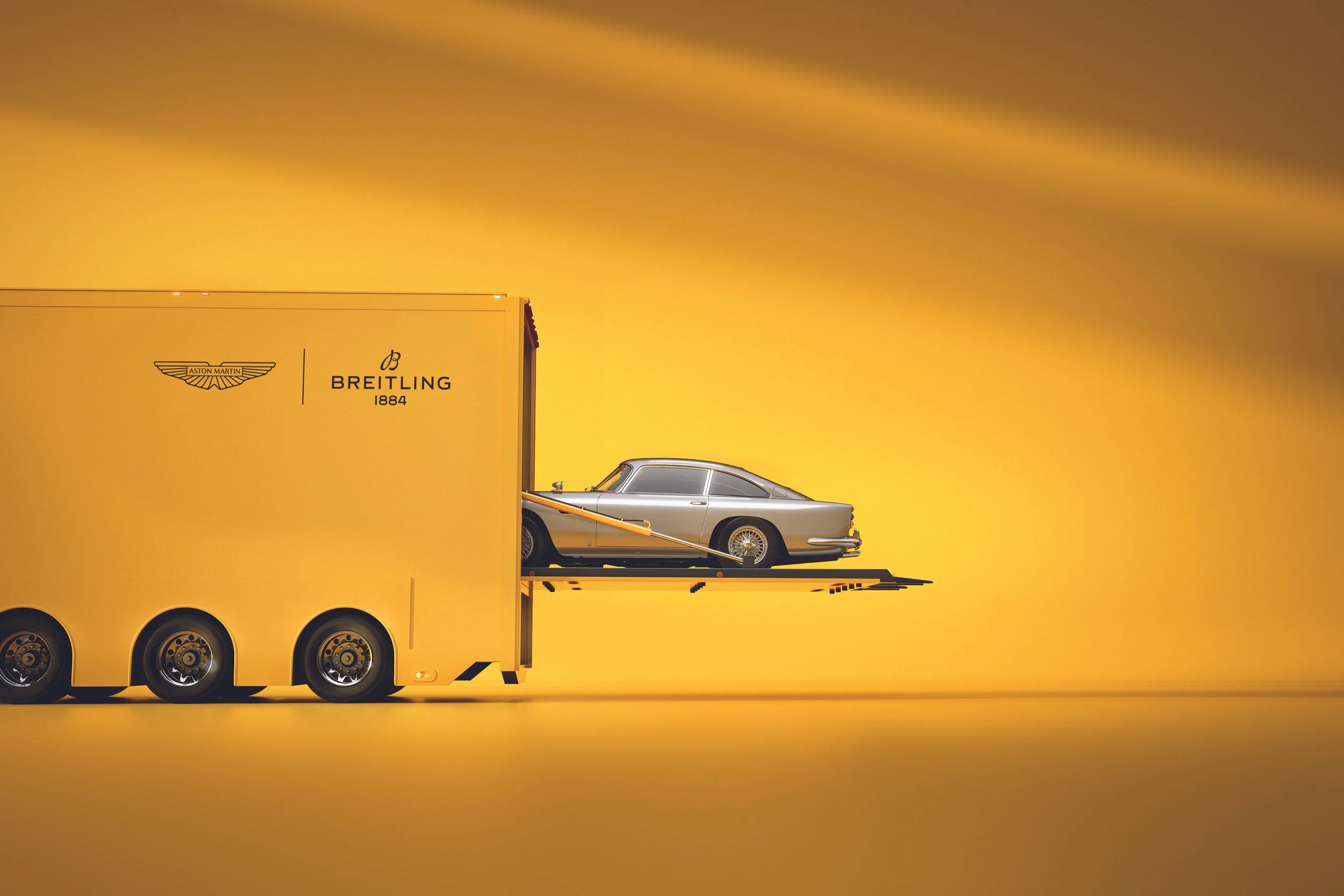
Image © Aston Martin Lagonda. Used for editorial purposes.
The Breitling collaboration is therefore more convincing when viewed as an exploration of those qualities rather than simply another piece of branded merchandise. It brings together two intricate mechanical objects, each capable of being useful, beautiful and deeply personal and each likely to gather more meaning as it’s used.
Heritage and craftsmanship provide the more romantic side of Aston Martin’s week. The company’s next announcement was considerably less glamorous, but potentially far more important to its immediate future: a new financing package worth up to £550 million.
Affiliate link note: Some links may be affiliate links, which means Fuel the Passion may earn a small commission if you purchase through them, at no extra cost to you. Thank you for your support.
Aston Martin’s £550 Million Financing Package Explained
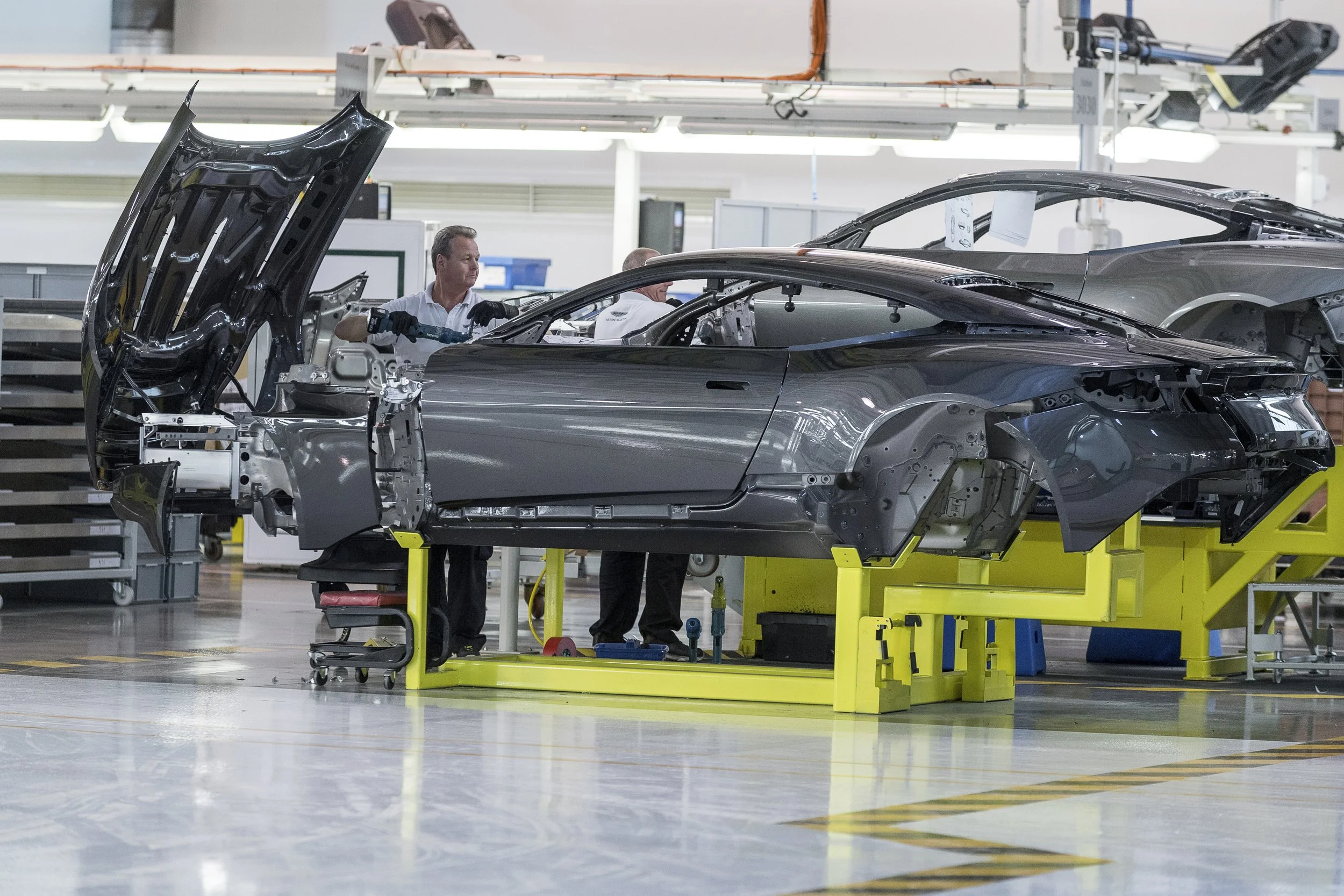
Image © Aston Martin Lagonda. Used for editorial purposes.
The headline figure is substantial, but the first point to make is also the simplest: this is new debt, not a £550 million investment in Aston Martin shares.
The financing is led by funds managed by HPS Investment Partners, the private-credit business owned by BlackRock. It consists of a £450 million senior secured term loan, which has already been completed, and a further £100 million delayed-draw term loan that Aston Martin can access later. Both mature in July 2031 and are priced at 6.75 percentage points above the prevailing SONIA base rate. There is also permission for Aston Martin to raise another £100 million of junior debt in the future, although that sits outside the £550 million package already announced.
Nor does the full headline amount immediately arrive as fresh spending money. From the initial £450 million, Aston Martin has repaid a fully drawn £170 million revolving credit facility and the £20 million already used from a facility provided by members of the Yew Tree Consortium. Transaction costs must also be paid, with the balance available for general corporate purposes. Put plainly, part of the new borrowing replaces £190 million of existing drawn facilities, while the remainder gives the company a larger reserve from which to fund its operations and product plans.
Aston Martin describes this as strengthening its “liquidity” and providing greater “financial flexibility”.
In everyday terms, liquidity is the money and available borrowing the company can call upon to pay suppliers, wages, interest, development costs and other bills. Flexibility means having more time and room to continue the turnaround without facing an immediate shortage of accessible cash. The company says the arrangement increases its pro-forma liquidity at 30th June to approximately £340 million.
Image © Aston Martin Lagonda. Used for editorial purposes.
That additional breathing space is valuable, but it isn’t free. The new loans increase Aston Martin’s gross borrowing, carry a significant interest cost and are secured against certain company assets. Reporting by the Financial Times placed the overall interest rate at approximately 10 per cent once the SONIA element is included, although the precise figure will move with the underlying base rate.
It’s also worth distinguishing between gross debt and net debt. Gross debt is the total amount borrowed. Net debt deducts cash held by the company from that figure. Because some of the proceeds initially remain as cash, the whole package won’t immediately appear as an equal increase in net debt. As that cash is spent, however, net debt will rise unless Aston Martin’s day-to-day business begins generating enough cash to offset it.
Some existing secured creditors objected to the structure before it was completed. Their concern was that assets used to secure the new HPS financing had been placed within a newly created subsidiary and could therefore sit beyond the reach of other lenders. Aston Martin proceeded with the transaction, stating that the new facilities provide the resilience needed to execute its current and future product plans.
The willingness of HPS and its fellow lenders to provide such a large facility…
…suggests they believe Aston Martin has sufficient assets and future repayment prospects to justify the risk.
Equally, the high interest margin and secured nature of the borrowing show that this confidence comes with firm protections attached. These lenders aren’t buying into Aston Martin as shareholders; they expect interest to be paid, their money to be returned and their security to remain available if the company cannot meet its obligations.
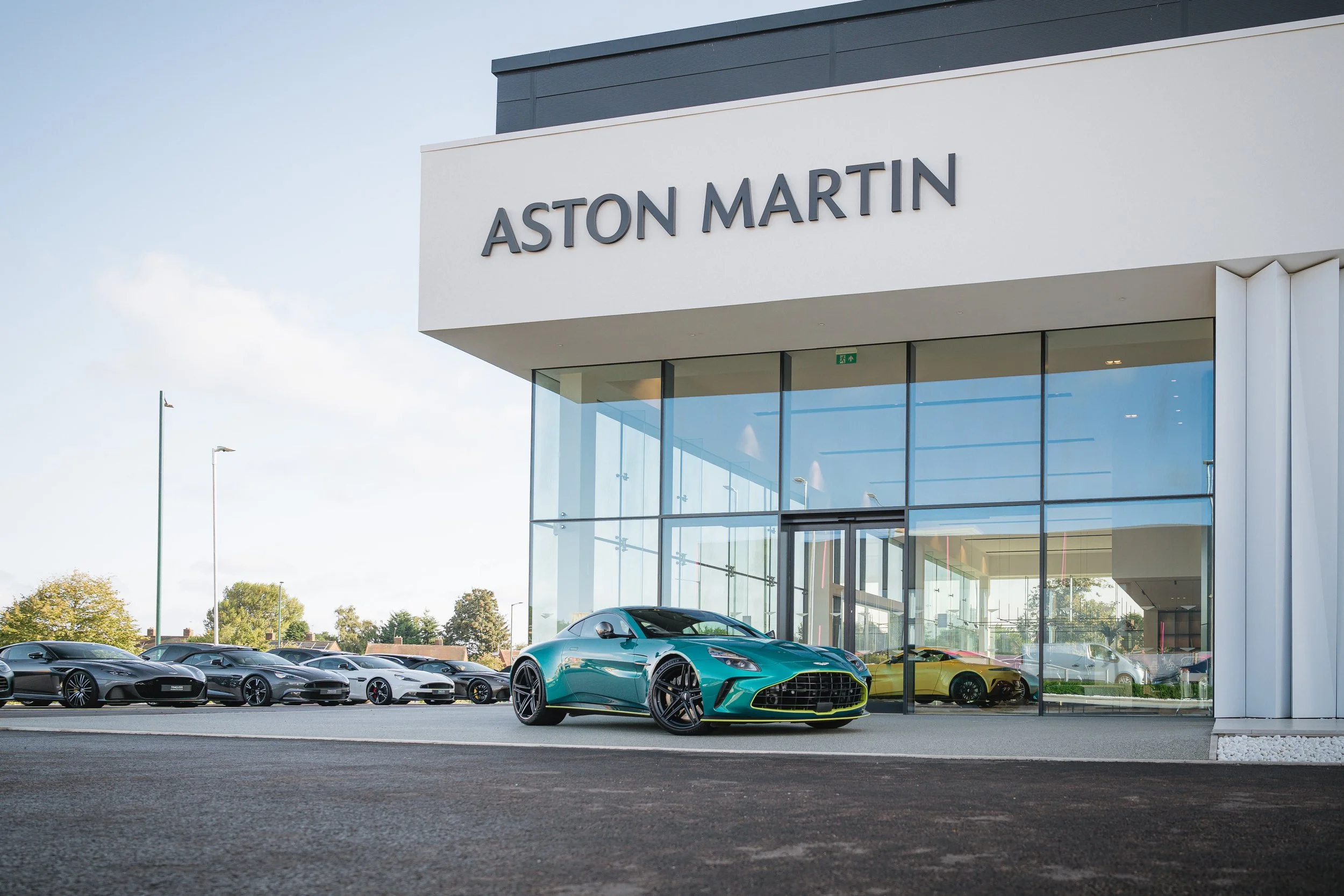
Image © Aston Martin Lagonda. Used for editorial purposes.
Strip away the corporate language and Aston Martin is taking on more debt, while using part of it to replace existing short-term facilities and the remainder to strengthen its available cash position. It buys valuable time, but brings additional borrowing, a substantial interest bill and further secured claims over company assets.
The unanswered question is whether the business can generate enough cash before that breathing space is consumed.
We should gain a clearer view very soon. Aston Martin is due to publish its H1 2026 financial results on Wednesday 29th July, and we’ll examine those figures in full in next week’s Roundup rather than attempting to reach conclusions before they’re available.
After a story dominated by debt, liquidity and the difficult realities of sustaining a global car company, the week also offered two rather gentler reminders of Aston Martin’s appeal, one celebrating its latest cars, and another returning to the earliest tools of the David Brown story.
From Modern Recognition to David Brown’s Earliest Engineering Tools
After the financial realities of Aston Martin’s present, two rather different stories offered a chance to step back and consider what continues to give the marque its wider appeal.
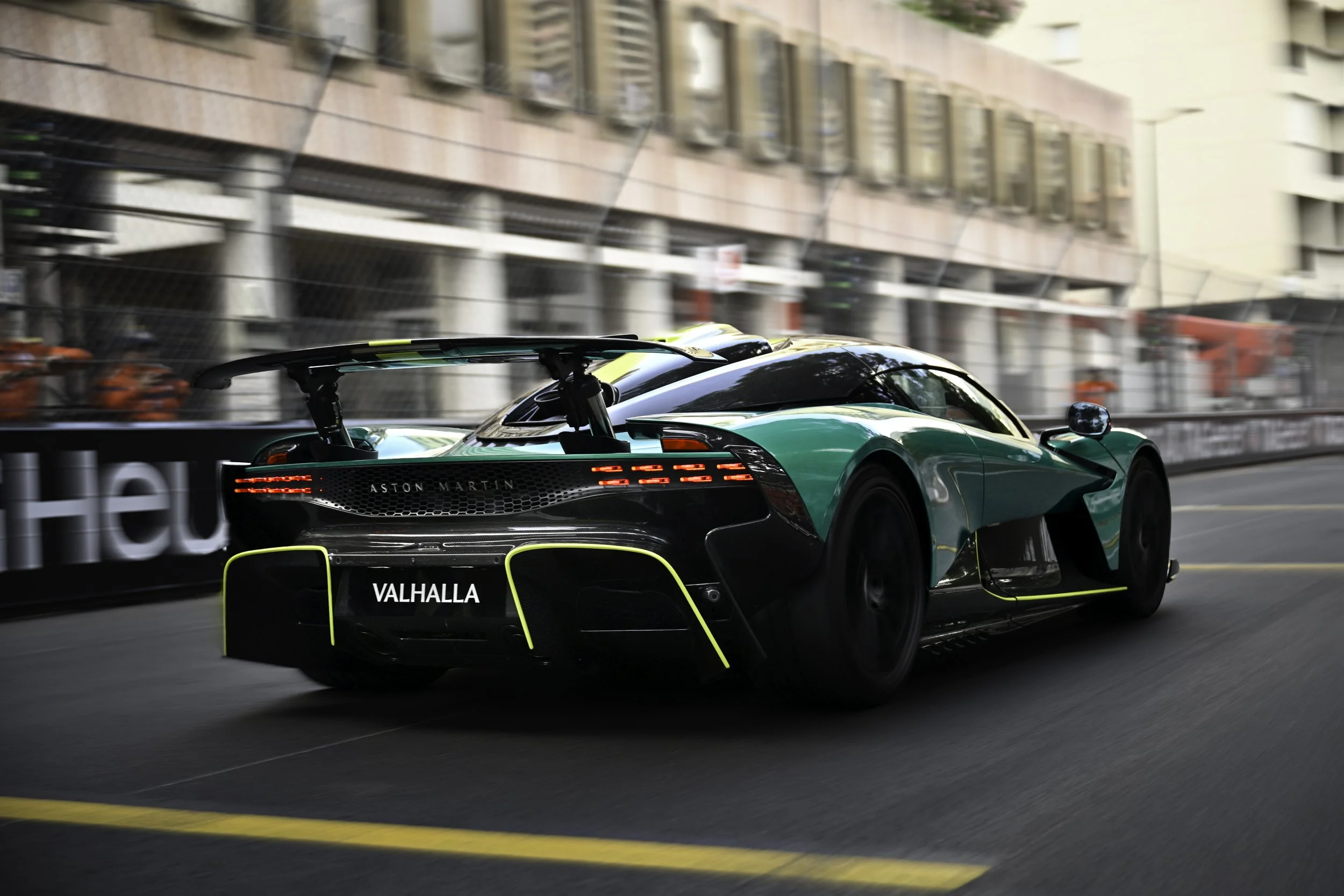
Image © Aston Martin Lagonda. Used for editorial purposes.
The first came through the 2026 Robb Report automotive awards, where the Aston Martin Valhalla was named Best Hybrid and the Vanquish received the award for Best Grand Tourer. For Aston Martin, the pairing is neatly symbolic: one car represents its move into mid-engined, electrified performance, while the other continues the company’s long-established tradition of front-engined V12 grand touring.
Awards of this kind are inevitably subjective, but the recognition is still useful. Valhalla and Vanquish sit at very different points within Aston Martin’s current range, yet both depend upon the same central idea: performance should be accompanied by a strong sense of occasion. One looks towards the company’s technical future; the other refines a formula Aston Martin has been developing for generations.
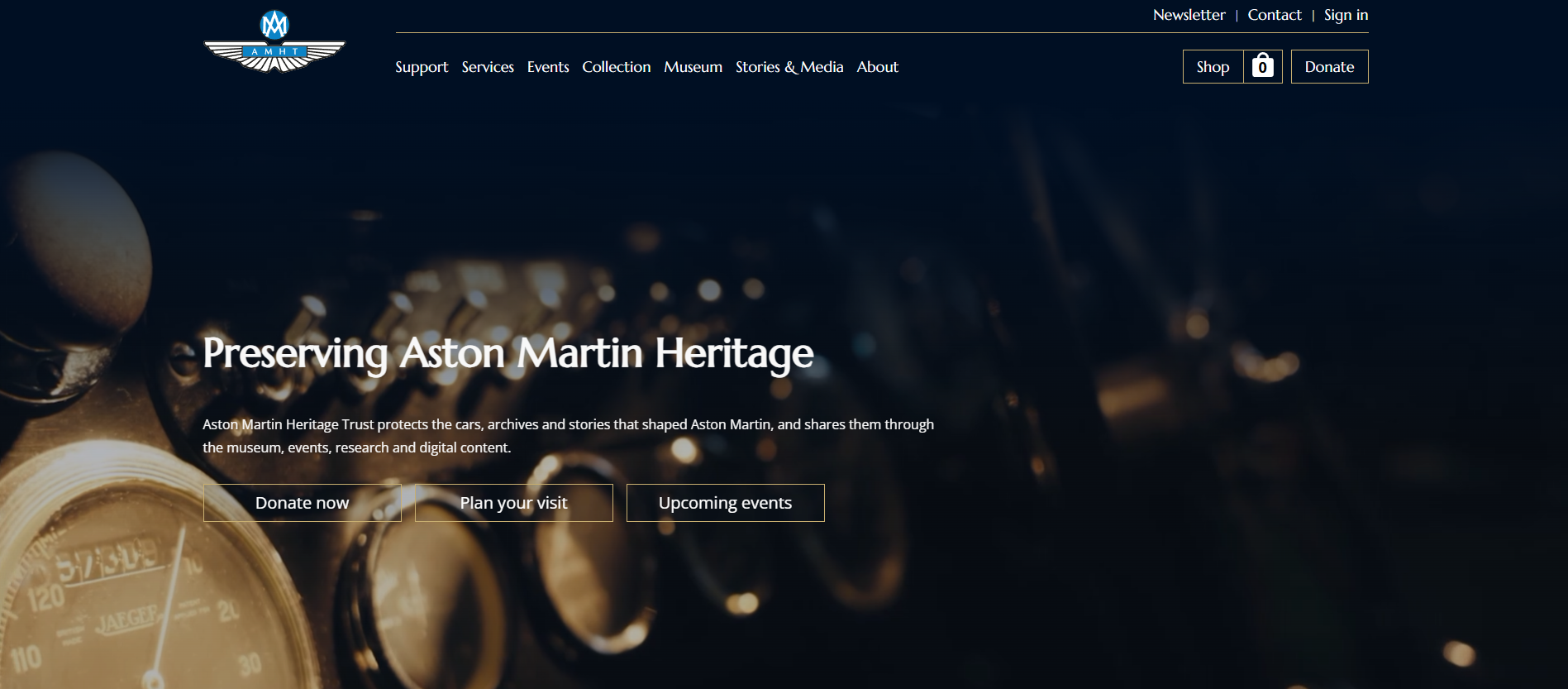
Image © Aston Martin Heritage Trust (front website page)
That longer history was brought into focus by a quieter feature from the Aston Martin Heritage Trust, centred upon a draughtsman’s set once owned by Sir David Brown. The feature is well worth a read and you can get to see pictures of the set, which look typically lovely.
The precision drawing instruments were made by William Ford Stanley & Co. and presented to Brown by his uncle, E. M. Brown, in November 1925, when David was 21 years old. Long before his name became attached to Aston Martin’s celebrated DB series, these were the practical tools of a young engineer learning to turn measurements, calculations and ideas into something that could eventually be manufactured.
There’s something particularly appealing about an object so modest surviving alongside the cars for which David Brown later became known. The set predates his ownership of Aston Martin by more than two decades, yet it provides a direct link to the engineering discipline and industrial background that shaped his career.
Placed beside the Valhalla and Vanquish awards, it also creates an intriguing contrast. Modern Aston Martins are developed through advanced simulation, digital modelling and extraordinarily sophisticated manufacturing processes, but the underlying purpose remains familiar: translating an idea from the drawing stage into a finished object capable of inspiring its owner.
From the precision instruments that helped shape David Brown’s early engineering career, we move to a very different set of tools, and a practical solution shared by an FTP reader for looking after a modern Aston Martin.
George’s Practical Car-Washing Solution
With hosepipe restrictions becoming an increasingly familiar frustration in the South-East, George had been concerned that he might no longer be able to wash his car properly. After a spell of dry weather, the bodywork had accumulated a noticeable layer of fine sandy dust, but attempting to remove it without the correct preparation could have caused more harm than leaving the car dirty.
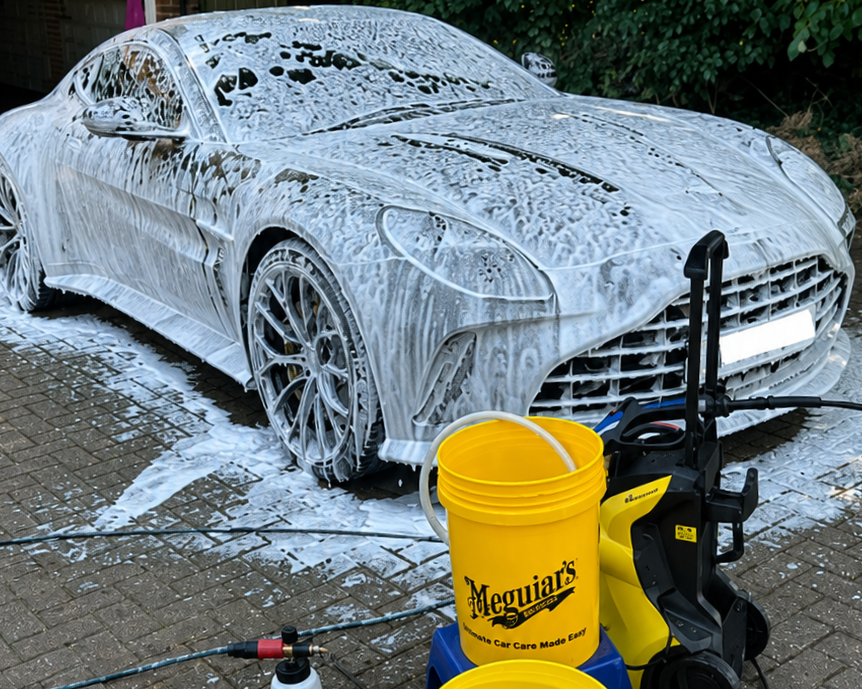
Image © George Johnson 2026. Reproduced with permission.
George’s PPF and detailing specialist had strongly advised him against using a single-bucket wash. Fine grit and contamination picked up by a wash mitt can easily be transferred back onto the paintwork, creating light scratches and swirl marks. His usual routine therefore begins with a generous application of snow foam as a contactless pre-wash.
The foam is left to dwell for around ten minutes before being rinsed away with fresh water from a pressure washer. This first stage is intended to remove as much loose dust, grit and coarse surface contamination as possible before a wash mitt makes contact with the car.
George then follows a careful two-bucket method, with grit guards fitted to the bottom of both containers. One bucket holds diluted car shampoo, while the second contains clean water into which the used wash mitts are placed. Any dirt released from the mitts can settle beneath the grit guard rather than being carried back onto the bodywork.
He takes the process a step further by using four separate mitts, one for each side of the car, one for the front and another for the rear. It may sound thorough, but on carefully protected paintwork it helps reduce the chances of transferring contamination from one part of the car to another.
Once the wash is complete, two large microfibre towels are used to remove the remaining water. George then uses warm air to clear moisture from panel gaps, crevices and other difficult areas before cleaning the glass and applying a finishing treatment to the tyres. As the Aston Martin is ceramic coated, there’s no need to apply polish or wax after each wash.
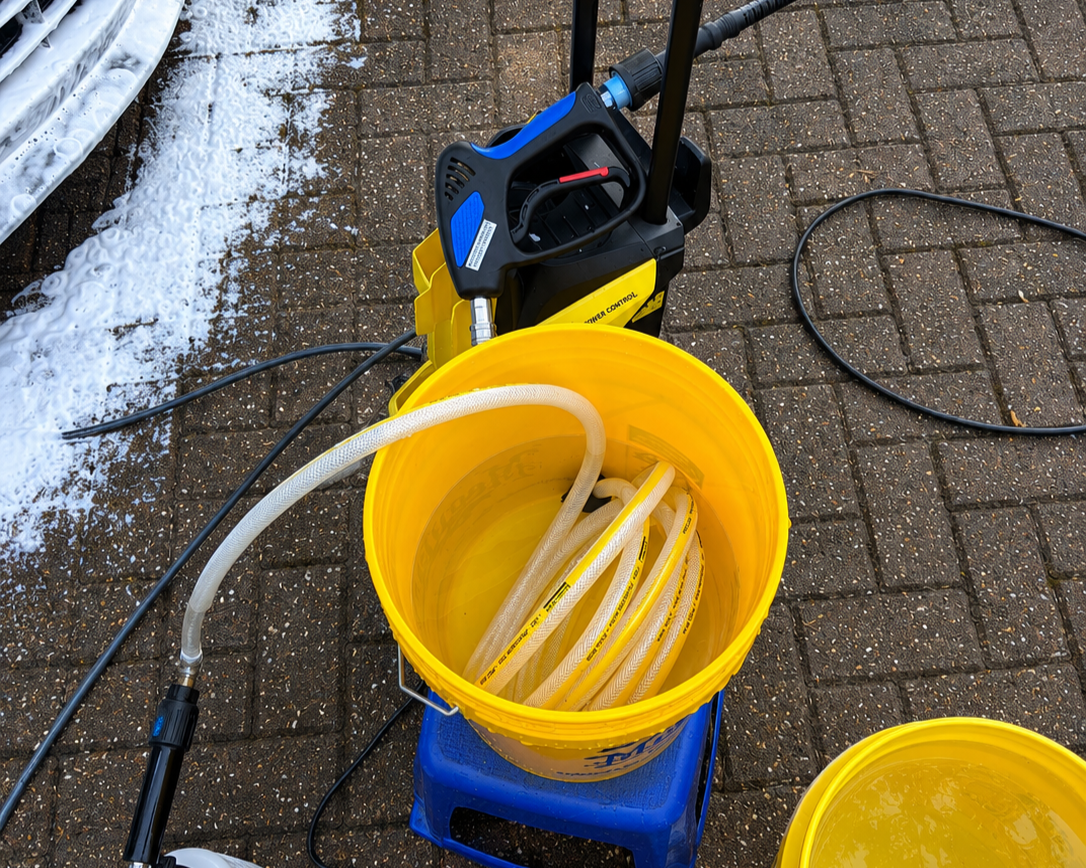
Image © George Johnson 2026. Reproduced with permission.
The breakthrough came when George purchased a Kärcher suction hose for his K4 pressure washer.
Rather than relying upon a direct connection to an outside tap, the hose allows the pressure washer to draw water from a separate container.
George uses a 22-litre Meguiar’s bucket and was surprised by just how effectively the arrangement worked.
It’s an inventive solution to a genuine ownership problem and one that allows George to retain the careful pre-wash and two-bucket routine recommended by his detailing specialist. As hosepipe restrictions and permitted uses can vary between water companies, owners should always check the specific rules applying in their own area before using a pressure washer or alternative water supply.
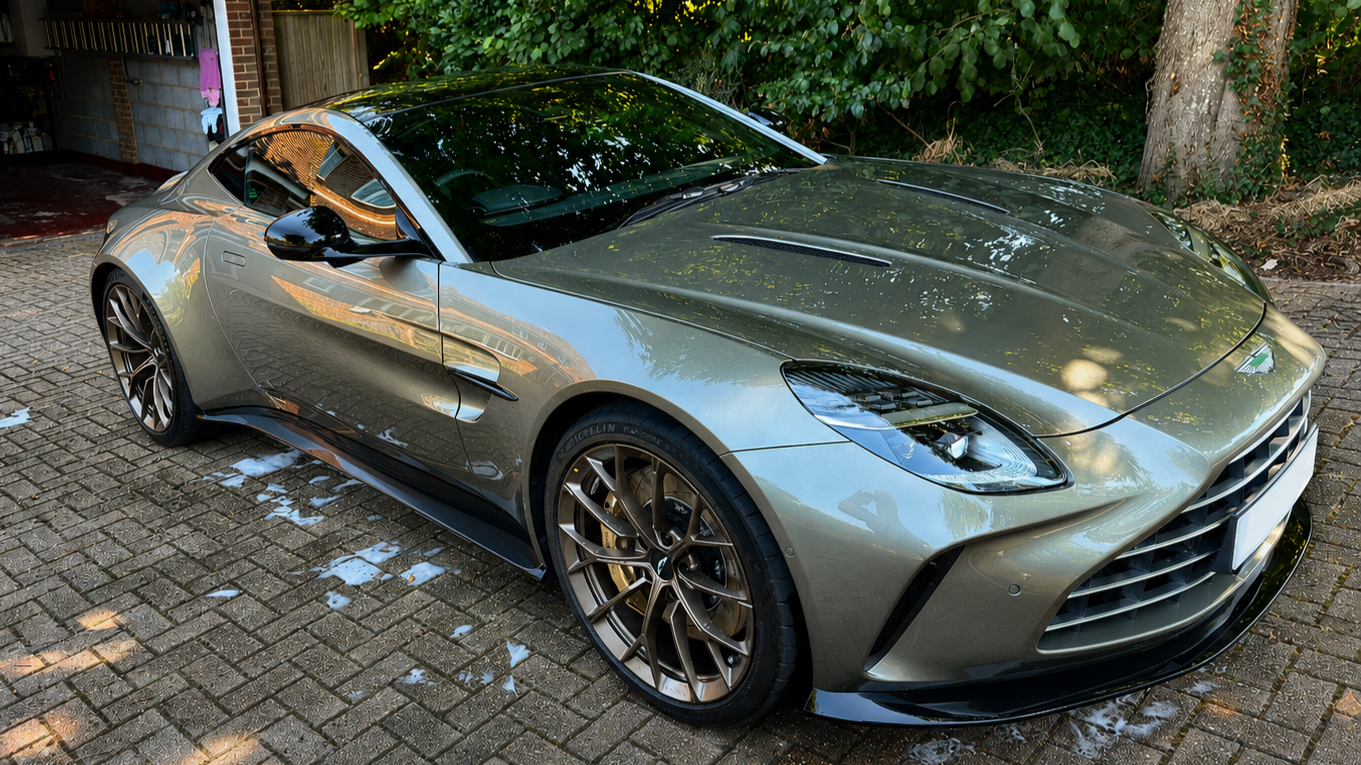
Image © George Johnson 2026. Reproduced with permission. George’s latest-generation Aston Martin Vantage, gleaming after its careful snow-foam and two-bucket wash.
George’s solution brings together two compatible Kärcher products that work particularly well as a pair. The Kärcher K4 Power Control Flex pressure washer provides the cleaning performance for his snow-foam pre-wash and contactless rinse, while the Kärcher SH5 suction hose and filter allows the machine to draw water from a suitable separate container rather than relying upon a direct connection to an outside tap.
For anyone who already owns a compatible Kärcher pressure washer, the SH5 may be all that’s needed to create a similar arrangement. For those starting from scratch, the K4 and SH5 provide the two principal components used in George’s tried-and-tested set-up.

Affiliate link note: Some links may be affiliate links, which means Fuel the Passion may earn a small commission if you purchase through them, at no extra cost to you. Thank you for your support.
George has been a generous supporter of Fuel the Passion for some time, regularly contributing thoughtful comments and measured observations across the website and YouTube channel. He also kindly wrote the FTP Featured Article “Should You Upgrade to the 2025 Aston Martin Vantage?”, sharing an exceptionally detailed and honest owner’s comparison between his previous 2019 Vantage and the latest-generation car he ultimately chose to buy.
My sincere thanks to George for that article, for his continued support and now for sharing this superb piece of owner-tested advice. This is exactly what Fuel the Passion is intended to be: a place where owners, prospective owners and enthusiasts can exchange genuine experiences, useful knowledge and a shared enthusiasm for Aston Martin.
Readers are always welcome to become more involved. Whether you have an ownership tip, an interesting story, a memorable journey, a restoration, a buying experience or simply an Aston Martin subject you’d like to discuss, please leave a comment below or get in touch through the Fuel the Passion contact page. I’d be delighted to hear from you.
With George’s Aston Martin safely cleaned and protected, we now turn to another beautifully presented example of the marque, although this week’s FTP Car of the Week carries considerably more history and a £2.5 million asking price.
FTP Car of the Week - 1960 Aston Martin DB4 GT

Image © Fuel the Passion
This week’s FTP Car of the Week is a 1960 Aston Martin DB4 GT, currently offered by Aston Martin Nottingham for £2,500,000. Registered 559 BCA and carrying chassis number DB4GT/0127/R, it’s presented in its original combination of Aston Martin Sea Green over House of Commons Green Connolly leather, an unusually cohesive specification that suits the car beautifully.
Introduced in 1959, the DB4 GT was developed as a shorter, lighter and more focused derivative of the standard DB4. Its wheelbase was reduced, thinner aluminium body panels were used and the Tadek Marek-designed six-cylinder engine received additional performance. Just 75 examples were produced between 1959 and 1963, creating a car that could be driven on the road while remaining closely connected to Aston Martin’s competition ambitions.
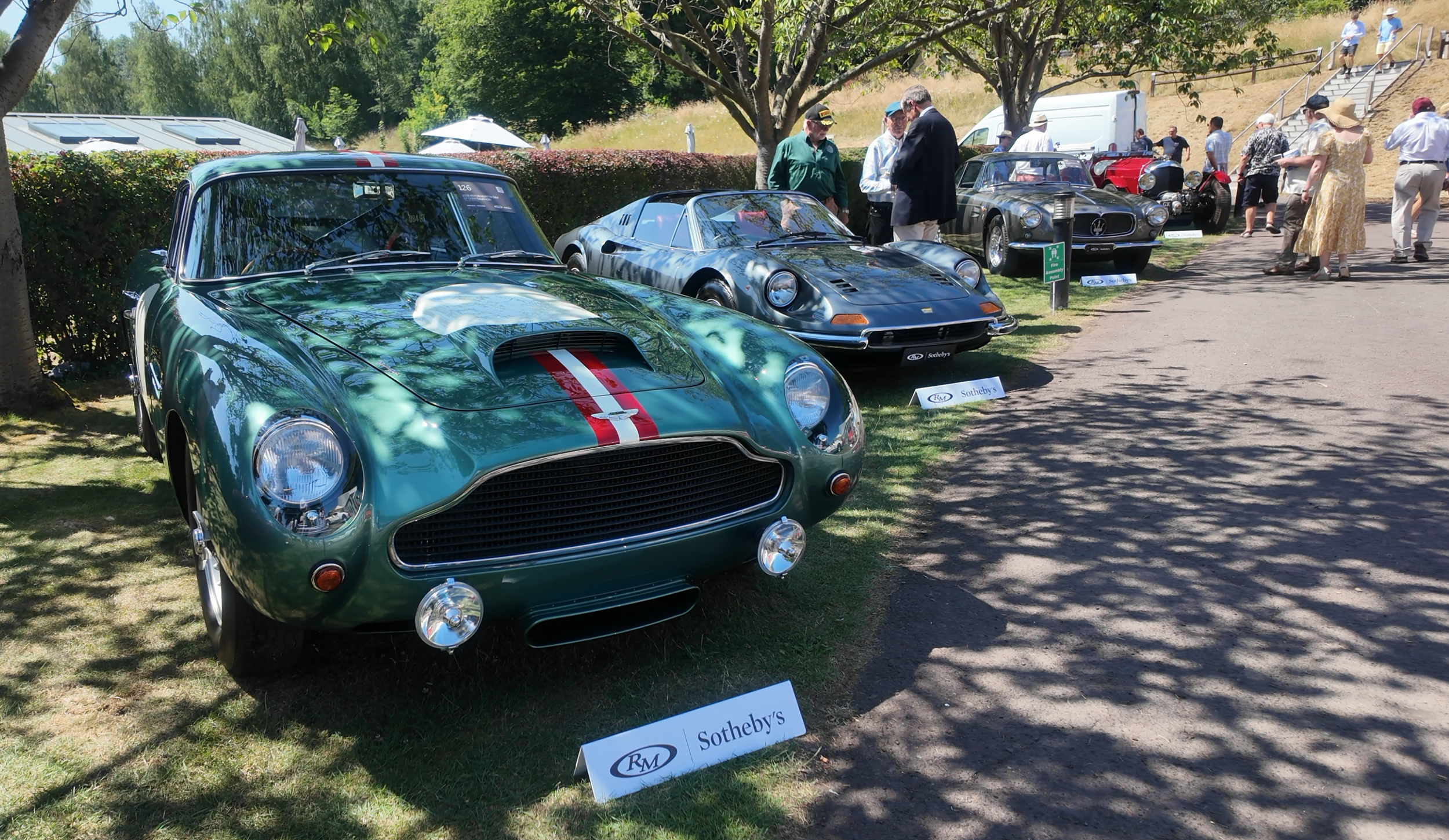
Image © Fuel the Passion. DB4 GT Continuation, RAC Concours, Epsom, Summer 2026.
Regular readers may remember another DB4 GT from Issue 33. My favourite car on display at the recent RAC Concours in Epsom was a DB4 GT Continuation, which I photographed before it sold at auction for £477,500.
Produced by Aston Martin Works using the original DB4 GT construction methods, the continuation cars combine period-correct appearance and engineering with a far more recent build date. They occupy an unusual position in the market: neither surviving 1960s originals nor conventional modern replicas, but factory-created continuations carrying genuine Aston Martin provenance in their own right.
That £477,500 auction result demonstrated the considerable value collectors continue to place upon that authenticity. It also provides a striking comparison with the £2.5 million asking price attached to 559 BCA. The difference of just over £2 million helps illustrate the very clear market separation between a Works-built continuation and an original DB4 GT constructed during the model’s first production period, particularly one carrying this level of ownership history, competition use and documented restoration.
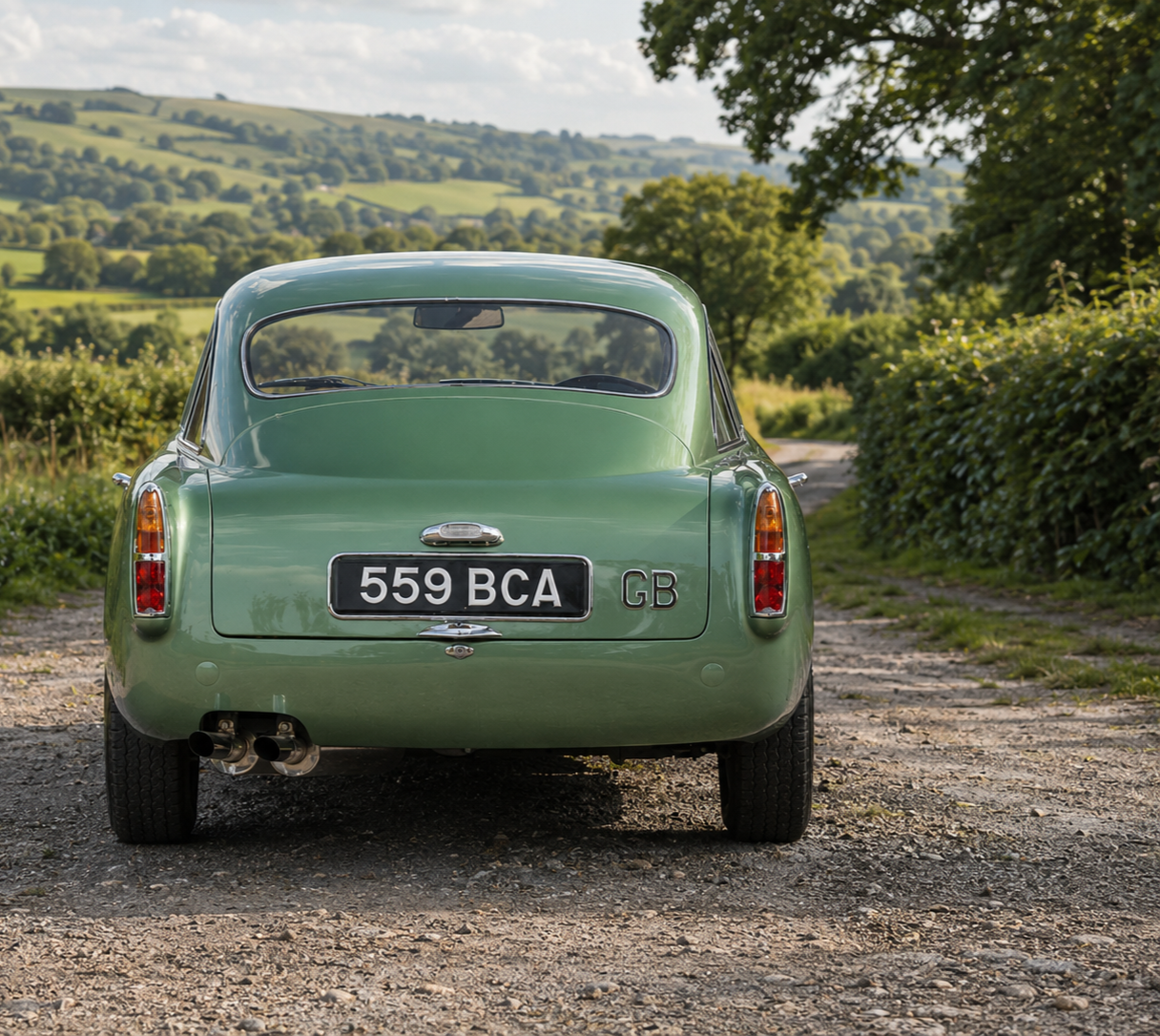
Image © Fuel the Passion
This particular car was supplied new in October 1960 to John Wilkinson, a garage proprietor and enthusiast based in North Wales. Its subsequent history took it through several notable collections, including periods in the ownership of racing driver Simon Phillips, Belgian collector and historic racer Hubert Fabri, and former Aston Martin racing team owner Lord Drayson. It also spent around a decade in Australia before eventually returning to Europe.
Its competition history is equally impressive. This DB4 GT has appeared at events including the Tour Auto, Le Mans Classic and Goodwood Revival, with Sir Stirling Moss, Sir Jack Brabham, Rauno Aaltonen and Aston Martin works driver Darren Turner among the distinguished names associated with driving it. Its later appearances also included historic competition at Spa-Francorchamps, Silverstone and Donington Park.
After retiring from competitive use, the car underwent a detailed body-off restoration completed in 2015 by respected Aston Martin specialists, including Bodylines and Spray-Tec Restorations. The aim was to return it to its original factory specification at concours level, with invoices, correspondence and extensive photographic records retained within its accompanying history file.
That work was recognised in 2020 at Salon Privé Concours d’Elegance, where the DB4 GT received the Duke of Marlborough Award. It has covered only around 3,600 miles since the restoration was completed. The car is currently displayed without its front and rear bumpers, using discreet colour-coded bungs that allow the purity of the Touring-designed bodywork to take centre stage. The original bumpers remain with it, alongside its handbook, tool roll, jack, copper hammer, indoor cover and substantial collection of supporting documentation.
At £2.5 million, this isn’t a purchase that can be judged through conventional measures of value. What it offers is exceptional rarity, an important competition-derived design, extensive provenance and a documented restoration to its original specification. Unlike a car preserved solely for display, its story has been built through road use, serious historic motorsport and associations with some of racing’s most distinguished names.
It also creates an intriguing choice alongside two very different Aston Martins currently available at a similar level. The DB4 GT is £95,000 less than the 2025 Valiant offered at £2,595,000, but £305,000 more than the Vulcan AMR Pro listed at £2,195,000.
So, with money taken out of the equation and space available for only one, which would you choose?
The road-legal and historically significant DB4 GT, the analogue V12 Valiant, or the track-only Vulcan AMR Pro?
FTP Update
From a £2.5 million DB4 GT shaped by decades of history, the focus now returns much closer to home, and to a busy week for both the FTP Vantage and the Fuel the Passion channel.
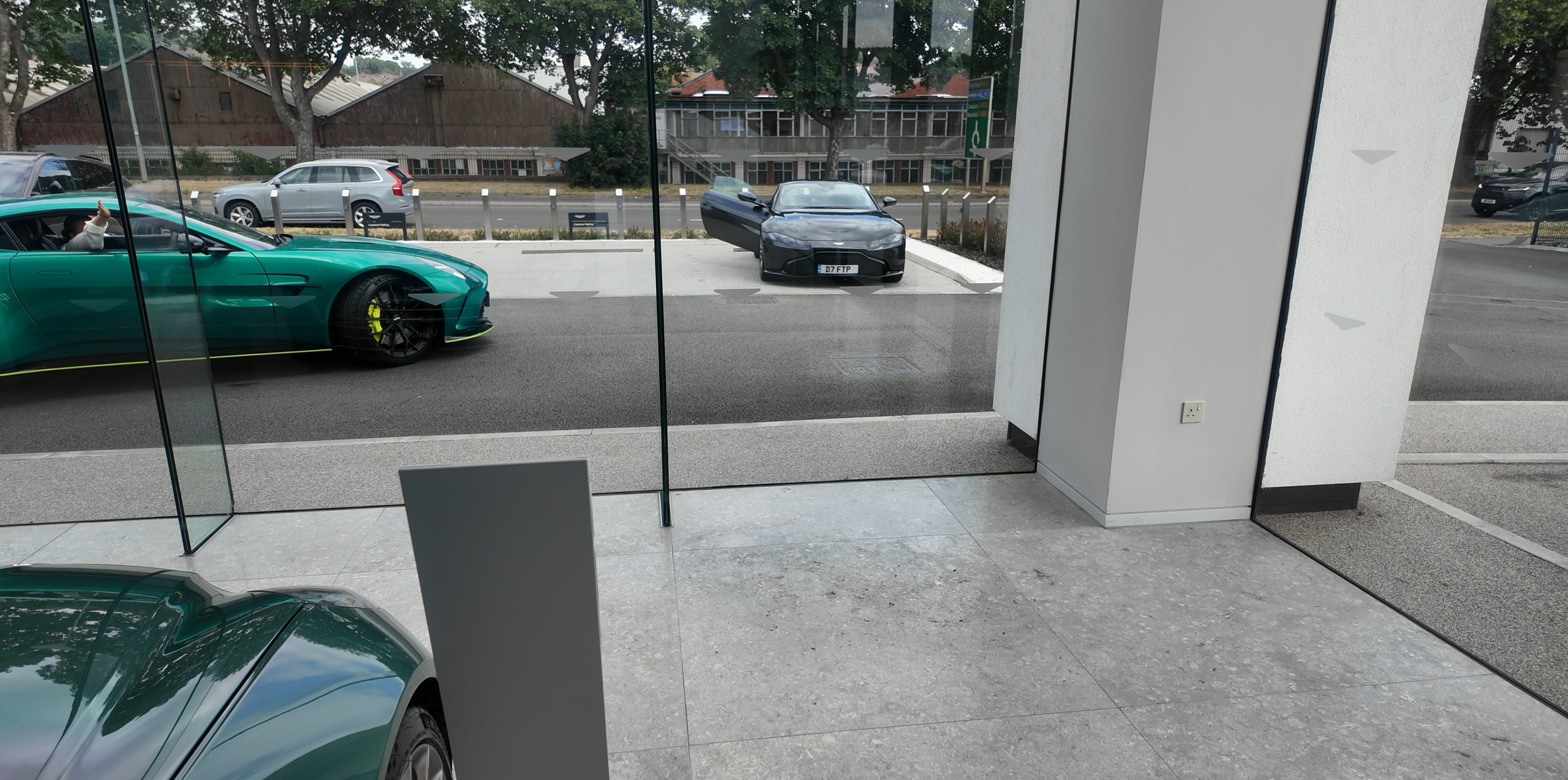
Image © Fuel the Passion. The FTP Vantage being returned after passing its MOT, JCT600, Aston Martin, Leeds, Summer 2026.
The FTP Vantage visited JCT600 Aston Martin Leeds for its MOT, which it passed without any difficulty. The accompanying health check identified a very small oil leak, although the technicians were clear that it’s currently insignificant and doesn’t require immediate attention. The plan is to continue monitoring it ahead of the car’s next service in spring 2027, although I may decide to have it addressed during the autumn rather than leave it until then.
While the Vantage was being inspected, I spent time filming around the dealership for the latest FTP video, Aston Martin Heaven: Unleashed, which went live at 6pm on Friday evening. If you haven’t had the chance to watch this yet, I’ve placed it below;
The centrepiece is an extraordinary Aston Martin Vantage GT4 offered through the Aston Martin Unleashed programme at £350,000 plus VAT. It’s a genuine competition car rather than a road-going special edition, with extensive carbon-fibre aerodynamics, a huge rear wing, an ATL fuel system, racing wheels and tyres, exposed pedals, harnesses, safety netting and a stripped-out GT4 cockpit.
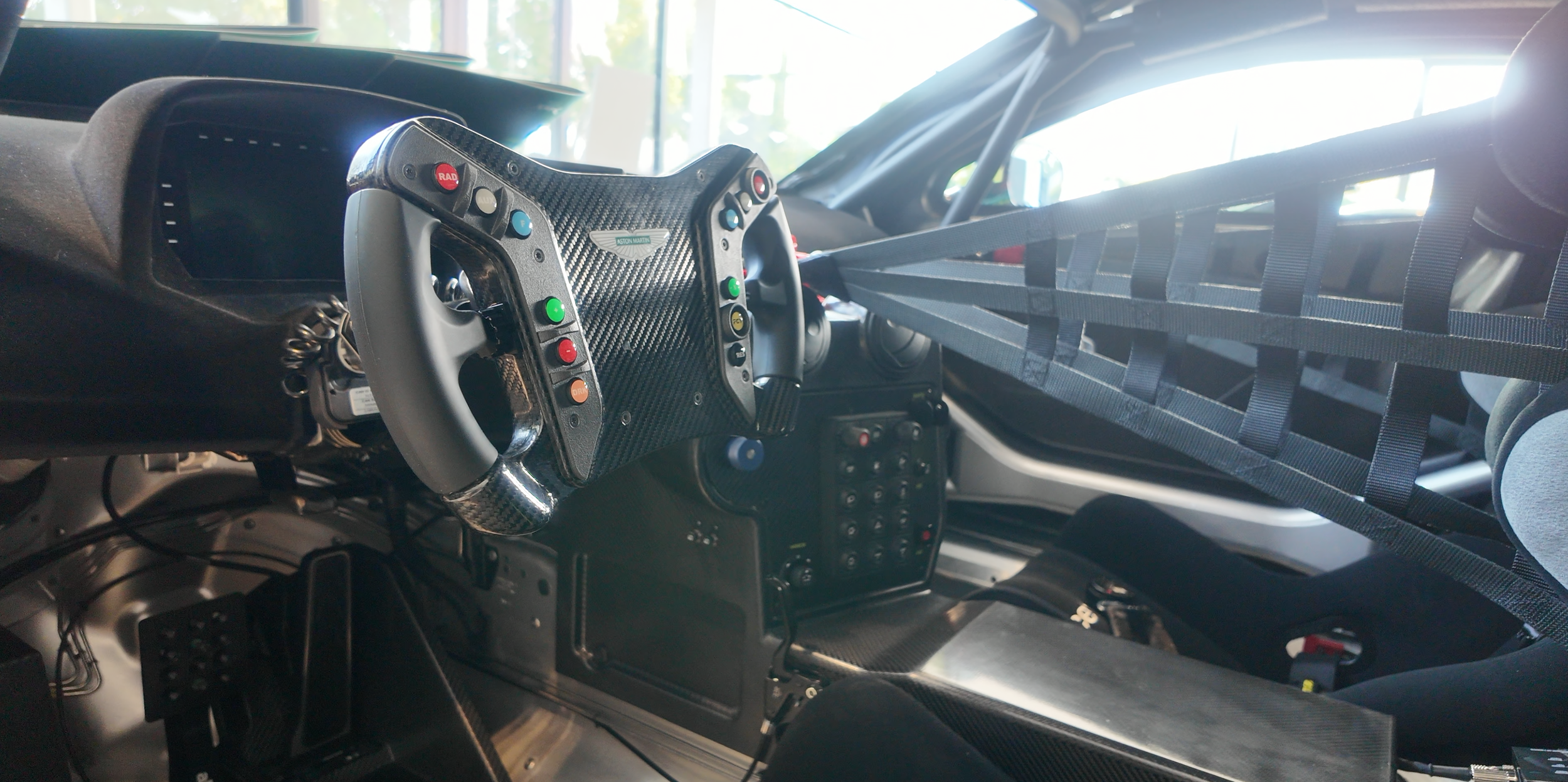
Image © Fuel the Passion. The cockpit of the Unleashed Vantage GT4, JCT600 Aston Martin, Leeds
The film explores how the GT4 differs from the more powerful GT3 machinery we regularly follow in the FTP Motorsport Hub, while also taking a detailed look at the controls, safety equipment and engineering that separate a customer racing car from the road-going Vantage on which it’s based.
There was plenty more to see around the showroom as well, including a Minotaur Green DB12 S, a new silver Vanquish, a green-and-gold Valiant, modern and earlier-generation V12 Vantages, a beautifully specified Vanquish Volante and the Vantage F1 Safety Car that we’ve featured before, associated with the extraordinary final lap of the 2021 Abu Dhabi Grand Prix. Even the accessories area provided some interesting discoveries, from luggage and cleaning products to ski equipment, dog accessories and a LEGO AMR25 displayed in the specification room.
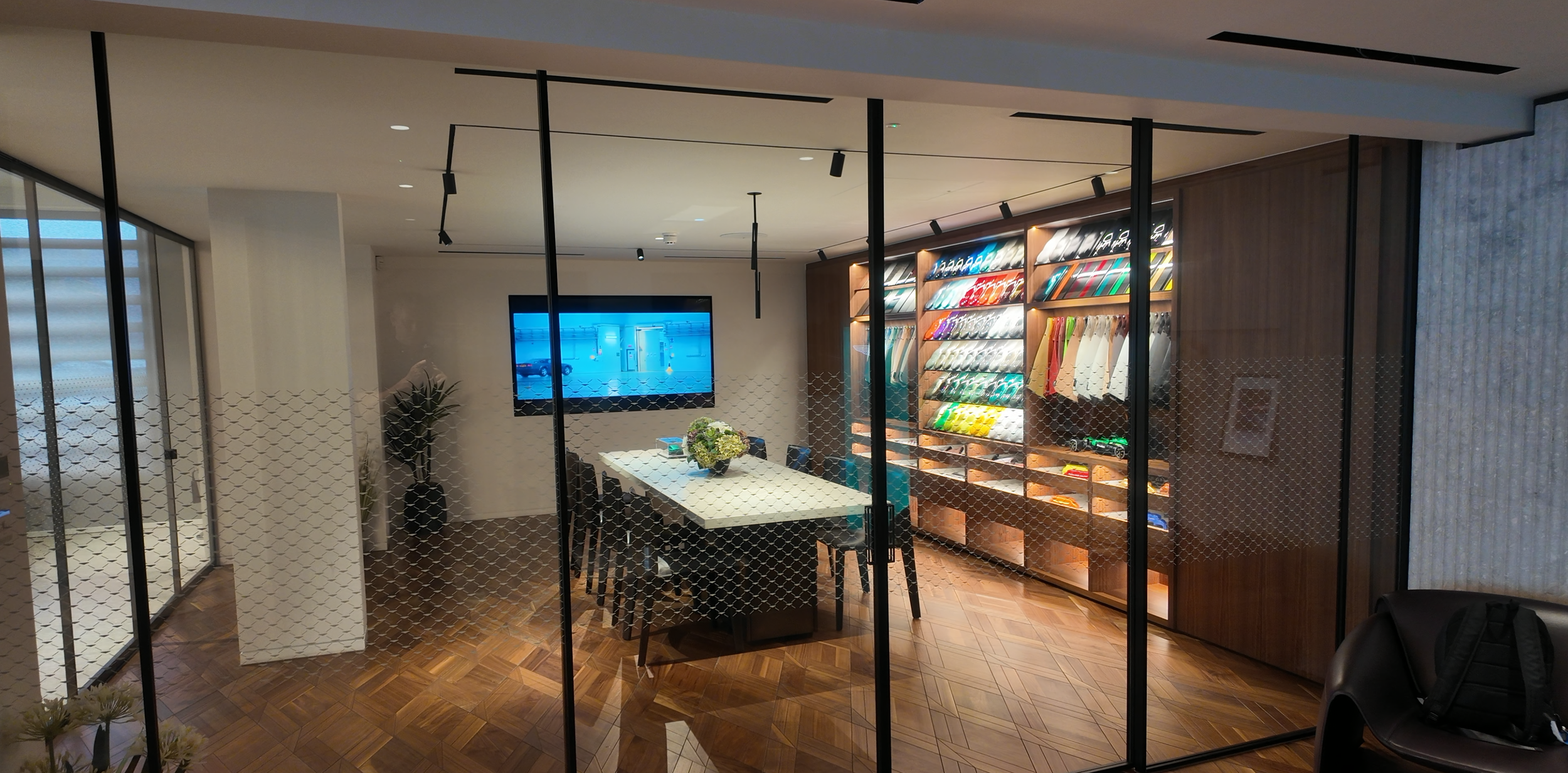
Image © Fuel the Passion. Specification Room, JCT600, Aston Martin, Leeds (You can just see the Lego AMR25 model on the shelf, featured in the film).
The visit gave me the opportunity to combine the FTP Vantage’s annual MOT with another look behind the scenes at one of Aston Martin’s dealerships, and I’m delighted with how the finished film has come together.
Work has also continued on the final film in FTP’s Vanquish 25th-anniversary series. All the amendments requested by Aston Martin Lagonda have now been completed, and the revised edit has been returned for what I hope will be final approval. The film brings Steve Waddingham together with several of his colleagues from Aston Martin Works, each of whom has a direct connection to the original Vanquish, whether through building the cars when they were new, developing them or continuing to maintain and restore them today. It feels like a fitting conclusion to the series, so fingers remain firmly crossed that clearance arrives soon.
With one new film now live, another awaiting approval and two important race weekends still unfolding, there’s already plenty to revisit in the days ahead.

Affiliate link note: Some links may be affiliate links, which means Fuel the Passion may earn a small commission if you purchase through them, at no extra cost to you. Thank you for your support.
Closing Reflection
Aston Martin’s week has moved between two very different worlds.
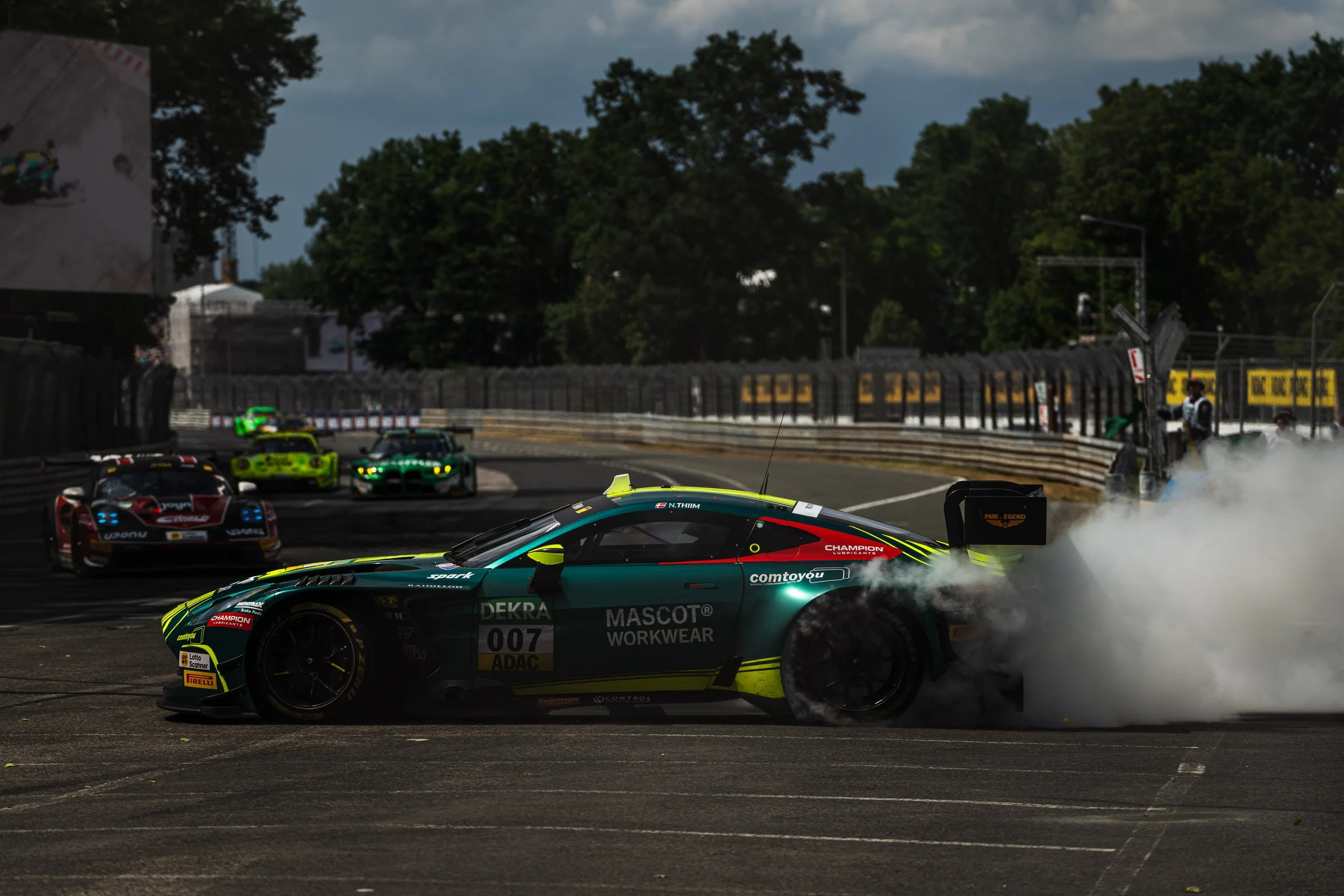
Image © Aston Martin Lagonda. Used for editorial purposes. Nicki Thiim doughnut celebrations at Norisring 2026
On one side, there’s been the excitement of competition: Blackthorn Racing converting pace into a Paul Ricard double, Nicki Thiim defending his DTM championship lead, and the first signs of Aston Martin’s revised Formula One car appearing in Hungary. On the other, there’s been the more serious business of securing further financial breathing space and preparing for another important set of company results.
Those two strands are closely connected. Racing success builds confidence, visibility and momentum around the marque, but the company’s longer-term future still depends upon the strength of the underlying business and its ability to generate sustainable cash. Wednesday’s H1 2026 results should therefore provide one of the clearest indications yet of how Aston Martin’s wider turnaround is progressing.
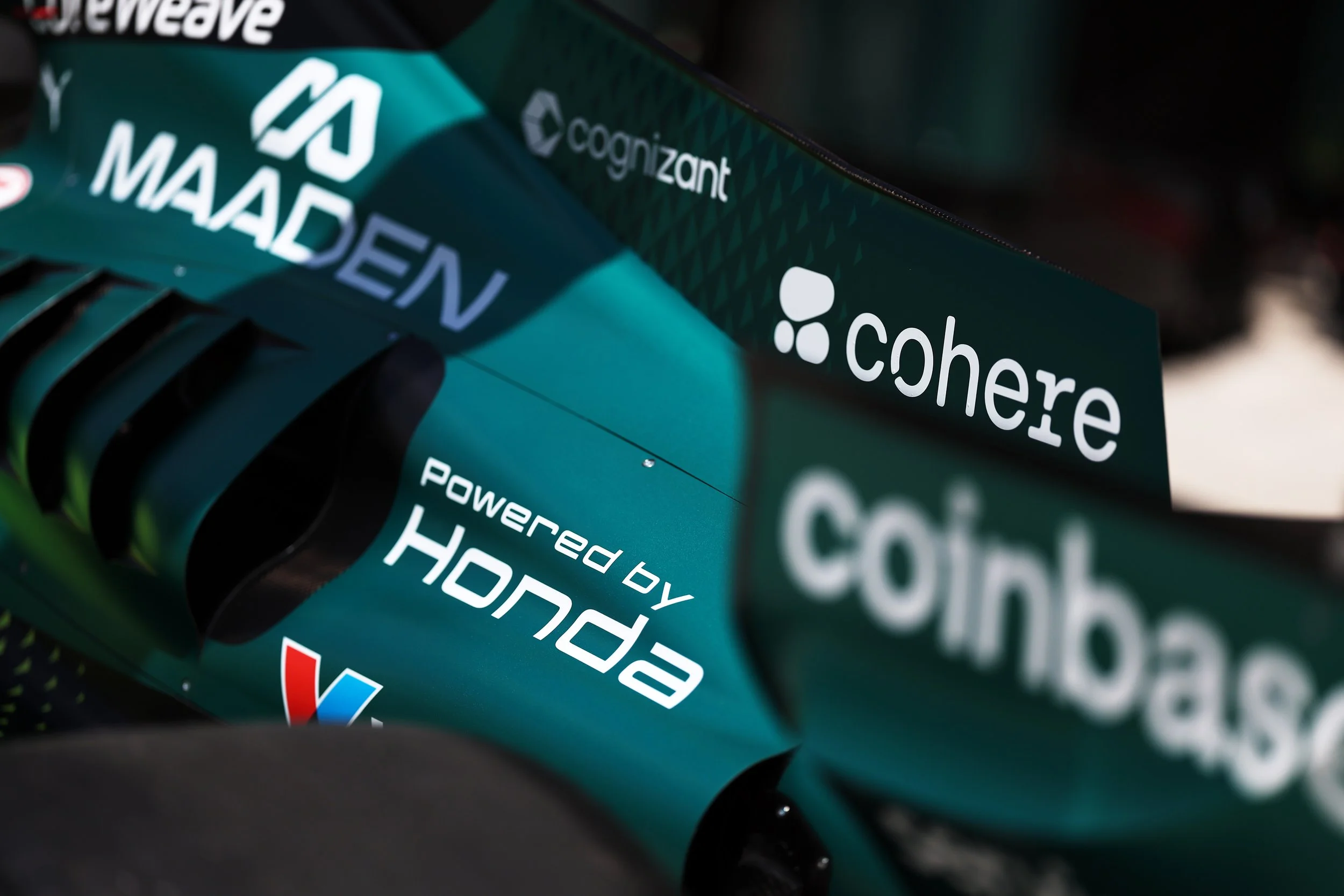
Image © Honda Motor Co., Ltd. Used for editorial purposes.
Before then, there are still races to be completed. At the time of writing, we’re waiting to see how the revised AMR26 performs through qualifying and the Hungarian Grand Prix, while Oschersleben will show whether Nicki Thiim and Comtoyou Racing can continue building upon that remarkable Norisring weekend.
Full reports will follow, as always, in the FTP Motorsport Hub, with the wider implications revisited in next week’s Roundup.
Closer to home, Aston Martin Heaven: Unleashed is now live, and I hope you enjoy stepping inside that extraordinary Vantage GT4 and exploring the wider collection at JCT600 Aston Martin Leeds. I’m also hoping the final Vanquish film will receive approval soon, allowing FTP’s 25th-anniversary series to conclude with the people whose own experiences helped shape the original car’s story. It’s a special film due to the people involved.
Thank you, as always, for reading, watching and supporting Fuel the Passion. Have a wonderful week, and I’ll see you next Sunday for Issue 35.👍
See you on the next one!👆
Kind regards,
Dan
Fuel the Passion
Where Every Drive Tells a Story.
💬 We’d Love to Hear Your Thoughts
You’re welcome to answer either of this week’s questions, or simply share your own view on anything Aston Martin - whether it’s something you’ve read here, a car that’s caught your attention, or a subject you think deserves further discussion. We would love to hear from you, leave some comments in the section below👇
1. With money taken out of the equation and space available for only one, which would you choose: the original 1960 DB4 GT, the analogue V12 Valiant or the track-only Vulcan AMR Pro?
2. What would you regard as an encouraging first weekend for Aston Martin’s heavily revised AMR26: reaching Q2, challenging for points, or simply showing that the new package has moved the car onto a better development path?
3. Having watched Aston Martin Heaven: Unleashed, what did you think of the £350,000-plus-VAT Vantage GT4, and, with a lottery win in your pocket, which car from the JCT600 Aston Martin Leeds showroom would you take home?
Still fancy a little more Aston Martin reading?
If you’ve reached the end of this week’s Roundup and still fancy exploring a little further, there’s plenty more to enjoy across the Fuel the Passion website.
You can head over to the FTP Motorsport Hub, where we’re continuing to build detailed race reports, result tables, classification updates and championship standings for Aston Martin’s racing programmes across the season.
There’s also the new FTP Aston Martin Buyers Guide section, which has now gone live with the first three guides: DB9, VH-generation V8 Vantage and DB11. More models will be added over time, with each guide designed to offer honest, enthusiast-focused guidance for anyone researching or dreaming about their next Aston Martin.
If you missed it earlier, our latest FTP Featured Article is now live too: Aston Martin and Le Mans: The Long Road Back to Victory. It looks at why Le Mans still means so much to Aston Martin, why the 1959 DBR1 victory remains the emotional benchmark, and why the modern Valkyrie Hypercar programme is such an important chapter in the story.
I’ve included the links below, so feel free to make yourself a coffee, settle in, and keep exploring.👍
