
Week Ending 6th September 2026
Settle in — Issue 40 is something of a milestone edition.
This is one of our most substantial Weekly Roundups yet, covering motorsport, Aston Martin’s business, ownership, a deeper investigation into the DB5 market, heritage, Club news and plenty from behind the scenes at FTP. Dip in and out, or make yourself comfortable and enjoy it from start to finish.
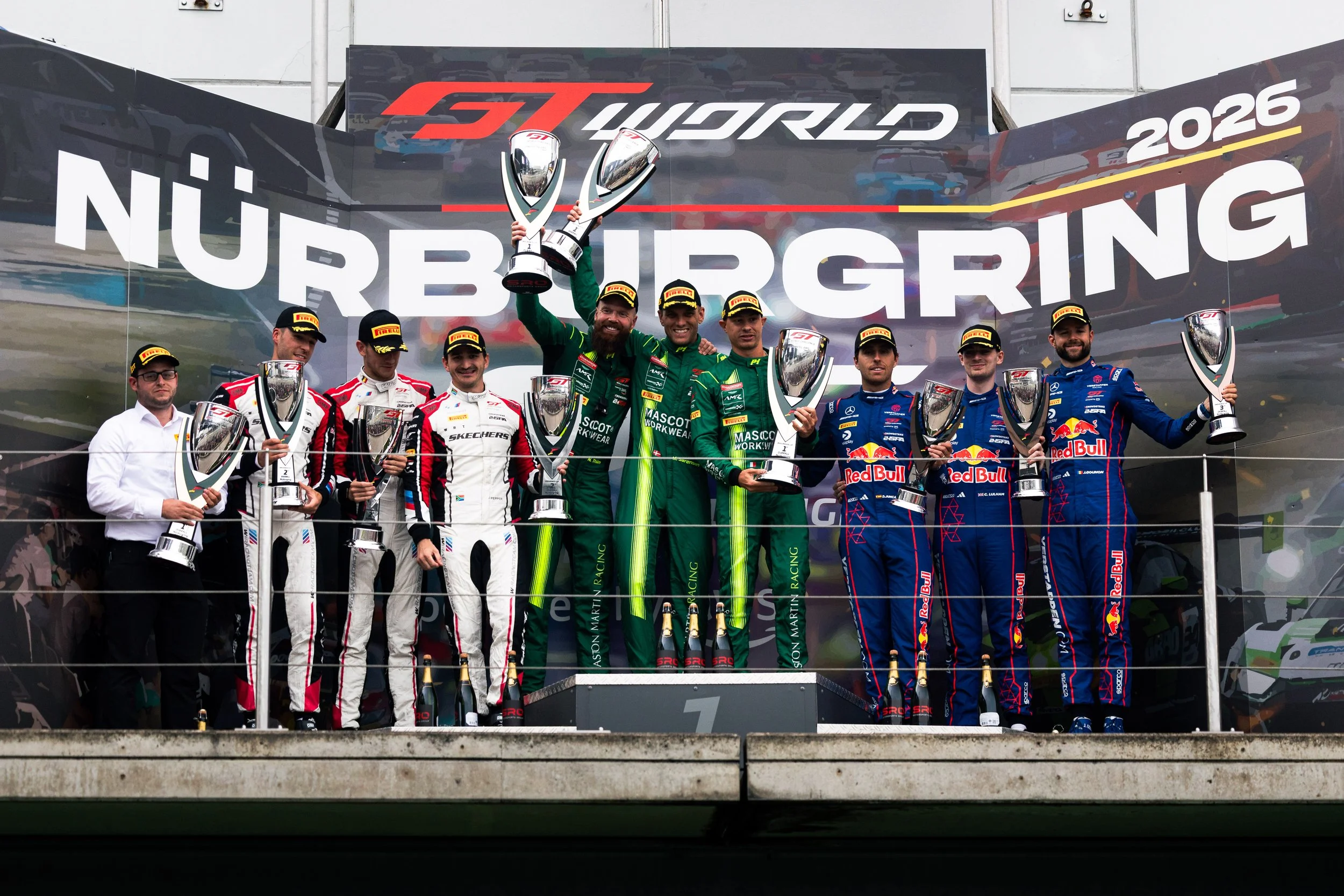
Image © Aston Martin Lagonda. Used for editorial purposes. Nürburgring Podium
Editor’s Introduction - Dan, Fuel the Passion
Welcome to Issue 40 of the Fuel the Passion Weekly Roundup. September and Forty editions already! It’s quite a milestone when I think back to where the Weekly Roundup began, and I’m genuinely grateful that so many of you continue to make it part of your Sunday. As always, the idea remains a simple one: bring together the Aston Martin stories genuinely worth knowing about, add some context where it helps, and hopefully save you having to search in half a dozen different places to understand what’s been happening. This week has given us a particularly broad mix.
There’s been plenty to celebrate in motorsport. Aston Martin came away from the Nürburgring with an important GT World Challenge Europe victory, while attention now turns to another very busy weekend: Formula One is at Monza, Valkyrie returns to FIA World Endurance Championship action in Austin, and Aston Martin heads into Donington with cars firmly involved in the British GT4 championship fight.
Away from the circuit, the picture becomes rather more complicated. Aston Martin Lagonda’s share price remains under considerable pressure and confirmation has now arrived that the company will leave the FTSE 250 later this month. We’ll take some time to explain what that actually means, why it’s happened, and why it’s important not to confuse the financial performance of the listed company with the strength or desirability of the Aston Martin brand itself.
That discussion feels particularly timely because publishing alongside Issue 40 is our latest Featured Article, Adrian Hallmark: Two Years On – Can the Bentley Playbook Work at Aston Martin? Two years into Hallmark’s tenure, it seemed the right moment to look beyond individual quarterly results and ask a broader question about the direction he’s trying to take the company, and whether the lessons from his time at Bentley can realistically be transferred to Aston Martin.
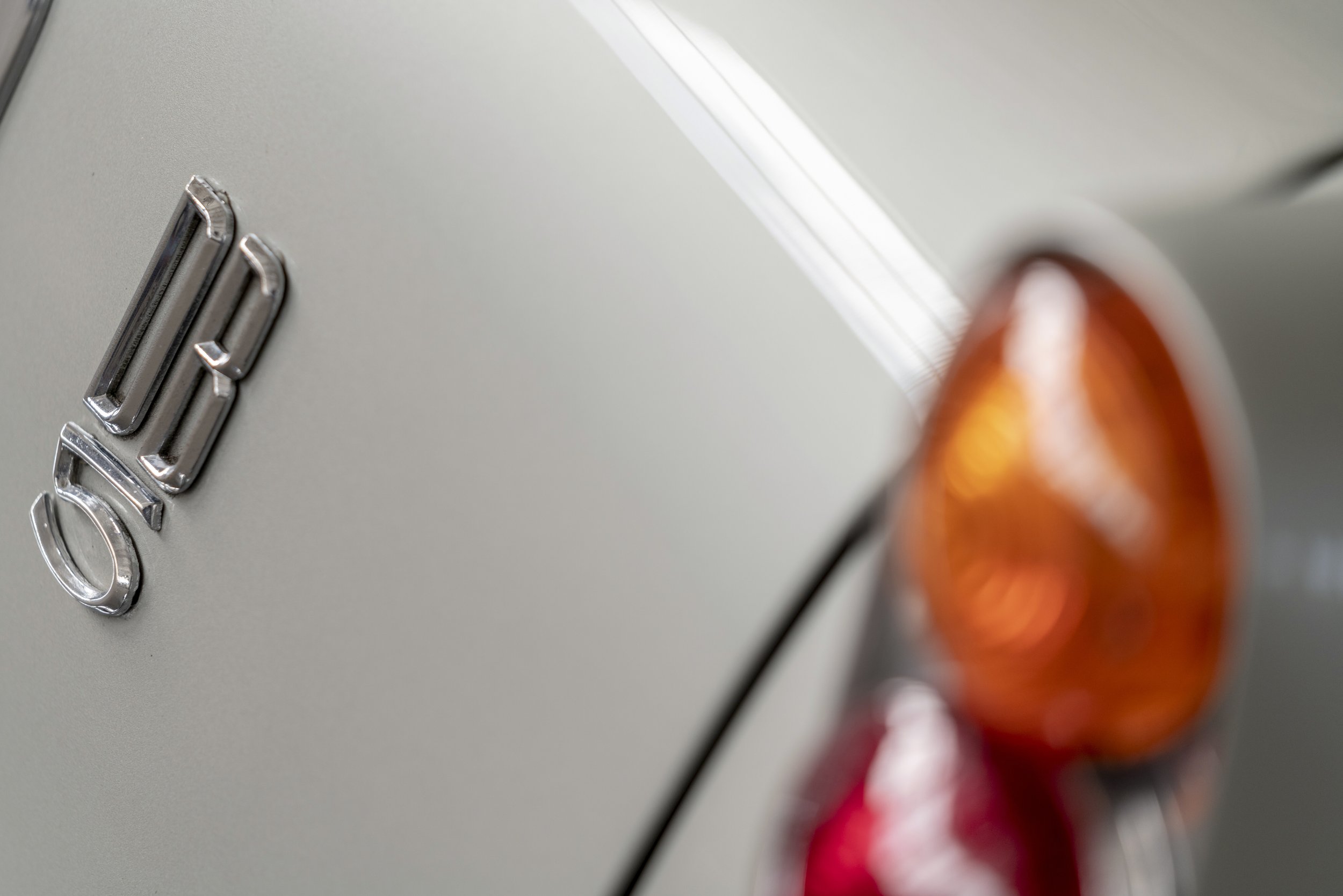
Image © Aston Martin Lagonda. Used for editorial purposes. Aston Martin DB5.
The collector market has taken us somewhere rather interesting too. What began as a look at two very different 1965 DB5s quickly developed into a much broader question: what have DB5s actually been selling for over the past five years, and what really determines the value of such an iconic Aston Martin? We’ve gone back through documented sales, looked at current asking prices and tried to understand why apparently similar DB5s can occupy very different parts of the market.
There’s also been plenty happening here at FTP. The new FTP Aston Martin Anniversary Calendar went live this week, I’ve spent much of the past few days finishing a rather different film for the Aston Martin Owners Club and Aston Martin Heritage Trust, and there’s a small Issue 40 reader gift waiting later in the Roundup. By the time many of you are reading this, I’ll also be somewhere considerably further south with the cameras packed and another busy Aston Martin weekend underway.
Before we get to any of that, though, there’s some unfinished business from last weekend. When Issue 39 was published, the GT World Challenge Europe weekend at the Nürburgring was still unfolding. Aston Martin had already put itself in a strong position, but as you can see from the picture above, the most important part of the story was still to come. By Sunday evening, Comtoyou Racing had turned that opportunity into something rather significant.
Aston Martin Makes GT World Challenge History at the Nürburgring
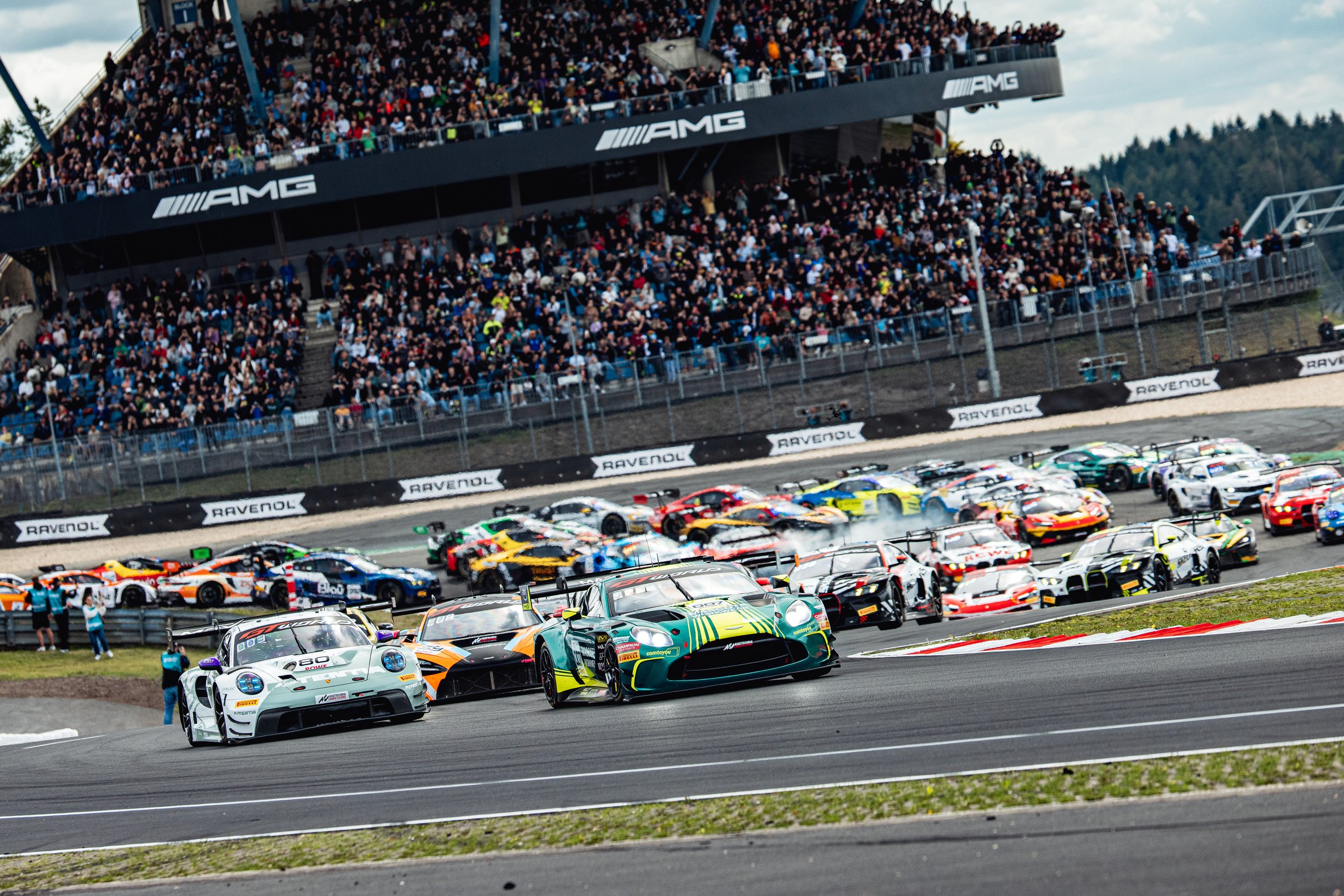
Image © Aston Martin Lagonda. Used for editorial purposes. 007 leads the way.
When Issue 39 went live last Sunday morning, there was still some unfinished business at the Nürburgring. Qualifying and the three-hour GT World Challenge Europe Endurance Cup race were yet to come, so we deliberately left that weekend open rather than trying to anticipate what might happen.
As it turned out, Aston Martin could hardly have asked for a better conclusion.
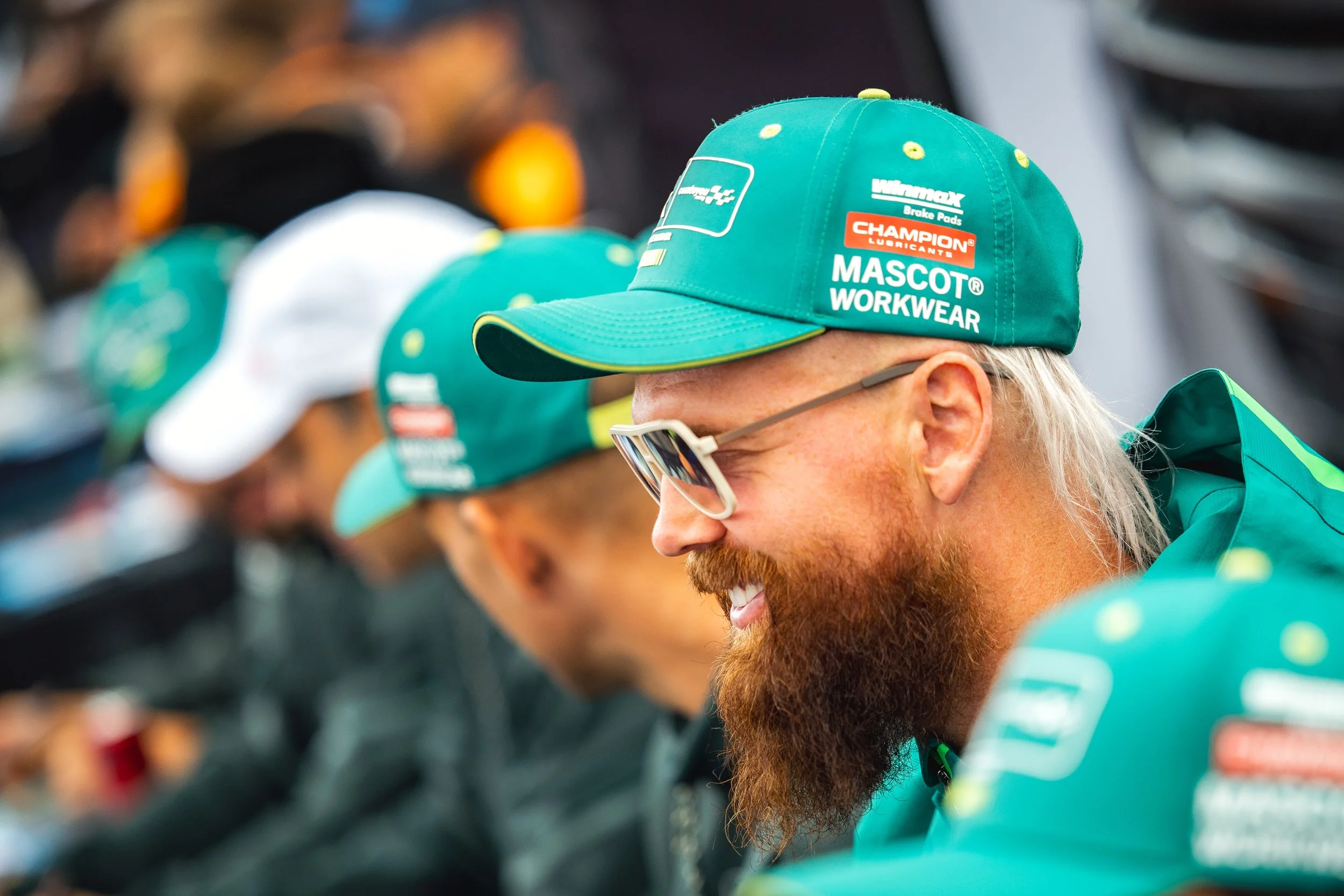
Image © Aston Martin Lagonda. Used for editorial purposes. Nicki Thiim.
Mattia Drudi, Marco Sørensen and Nicki Thiim combined to put the #007 Comtoyou Racing Aston Martin Vantage AMR GT3 Evo on pole, their consistency across the three qualifying sessions proving enough to head a huge 55-car field.
It was also Aston Martin’s first GT World Challenge Europe Endurance Cup pole since the 2018 CrowdStrike 24 Hours of Spa.
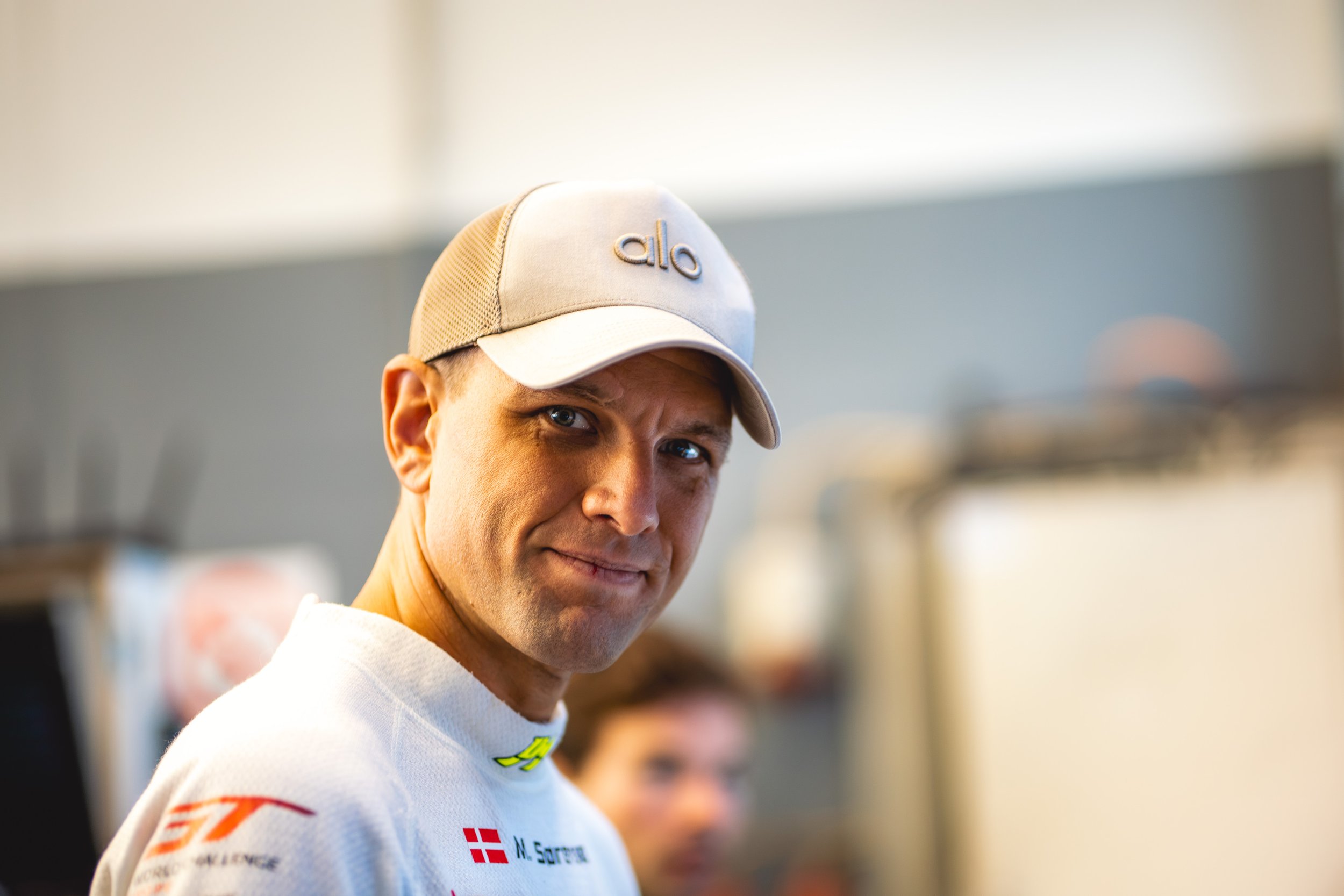
Image © Aston Martin Lagonda. Used for editorial purposes. Marco Sørensen.
Sørensen took responsibility for the opening stint and kept the Aston Martin at the front before handing over to Drudi, with Thiim completing the final hour. Several Full Course Yellow and Safety Car periods complicated the race, while strategy became particularly important approaching the final round of pit stops.
Comtoyou brought the #007 in ahead of that final hour and, despite pressure from the Garage 59 McLaren strategy, retained the advantage.
After 83 laps, Thiim crossed the line 5.751 seconds clear, completing a pole-to-victory weekend for Aston Martin.
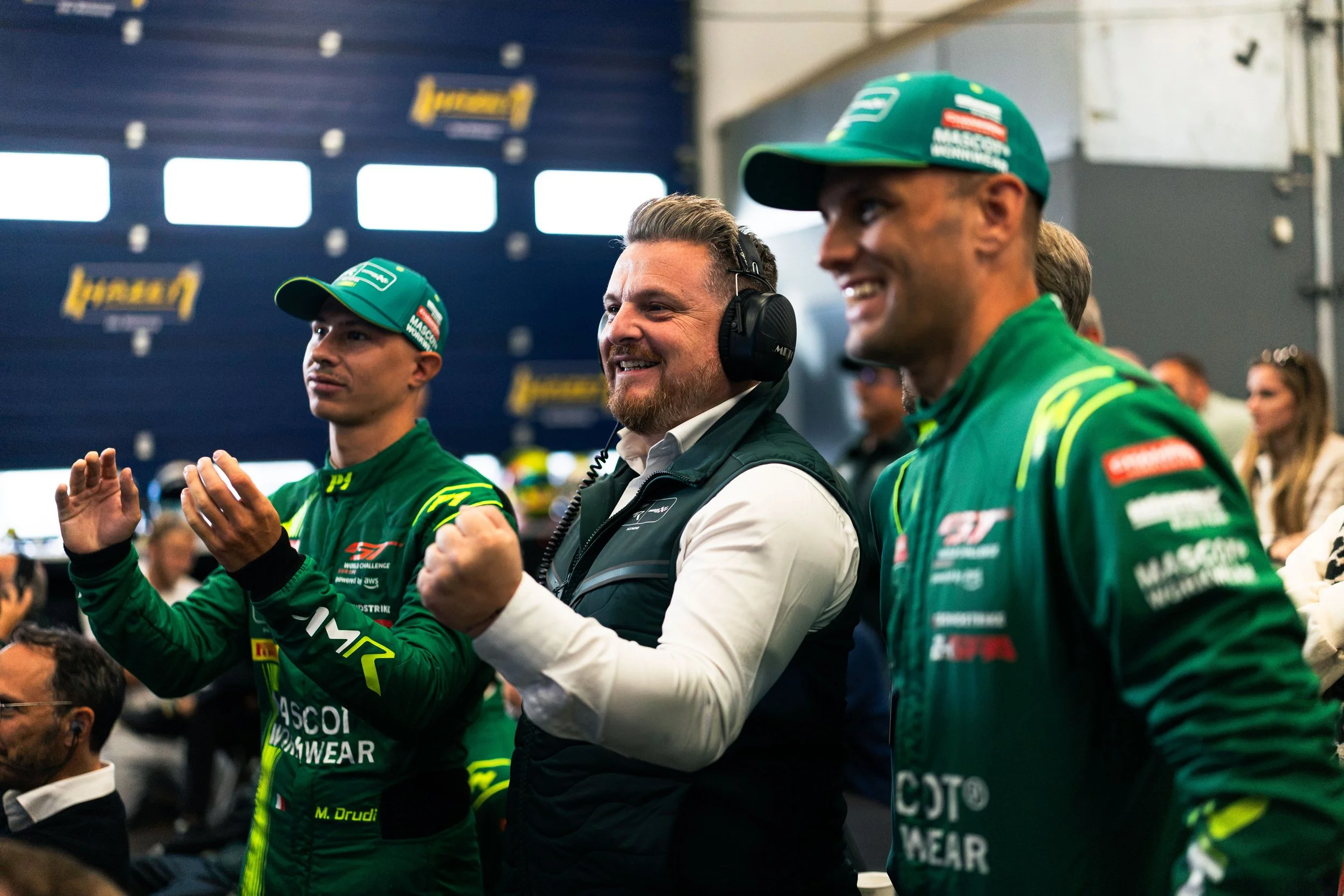
Image © Aston Martin Lagonda. Used for editorial purposes. Team Manager Francois Verbist & Team Celebrate Victory.
There was further significance behind the result. Following Comtoyou’s victory at Paul Ricard earlier this season, Nürburgring means Aston Martin has now recorded two overall GT World Challenge Europe Endurance Cup victories in the same year for the first time. It was also Comtoyou Racing’s fourth major Vantage victory of 2026 when Nicki Thiim’s two DTM wins at the Norisring are added to the two Endurance Cup successes.
The championship picture provides one qualification. Victory wasn’t enough to prevent the #48 Mercedes-AMG crew of Maro Engel, Lucas Auer and Luca Stolz from securing the Endurance Cup drivers’ title at Nürburgring. Drudi, Sørensen and Thiim nevertheless head towards the Portimão finale second in the drivers’ standings, with Comtoyou also second in the teams’ championship.
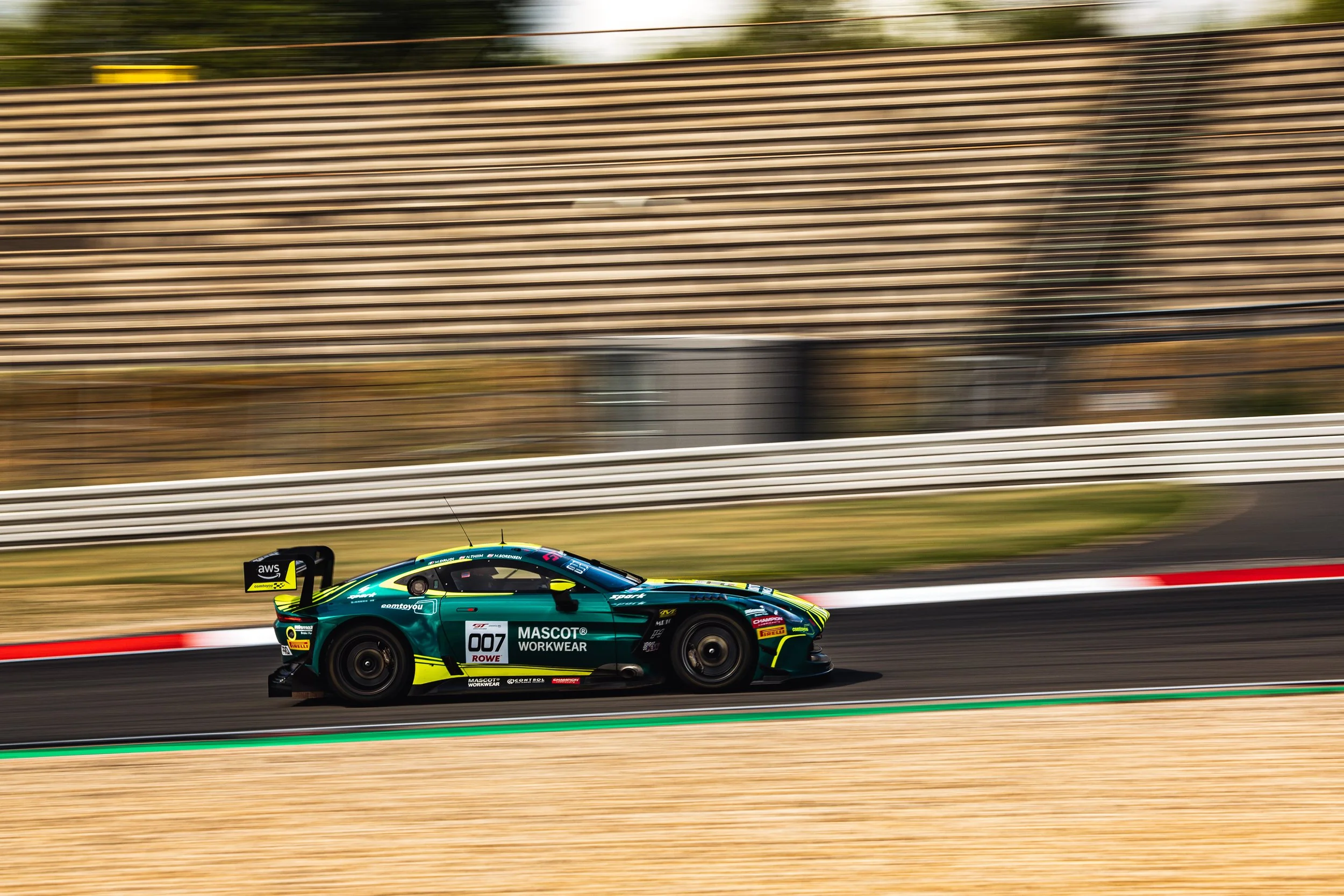
Image © Aston Martin Lagonda. Used for editorial purposes. 007 Aston Martin Vantage.
For the Vantage GT3 Evo programme, though, this was another substantial result. Pole against 54 other cars, followed by a controlled three-hour victory, is difficult to dismiss as circumstance. Across different championships and circuits this season, Aston Martin’s customer-racing programme continues to demonstrate just how competitive the current Vantage has become.
As usual, I won’t reproduce every stint, pit stop and classification here. We’ve already covered the Nürburgring weekend in full in the FTP Motorsport Hub, including the complete race story, results and championship picture.
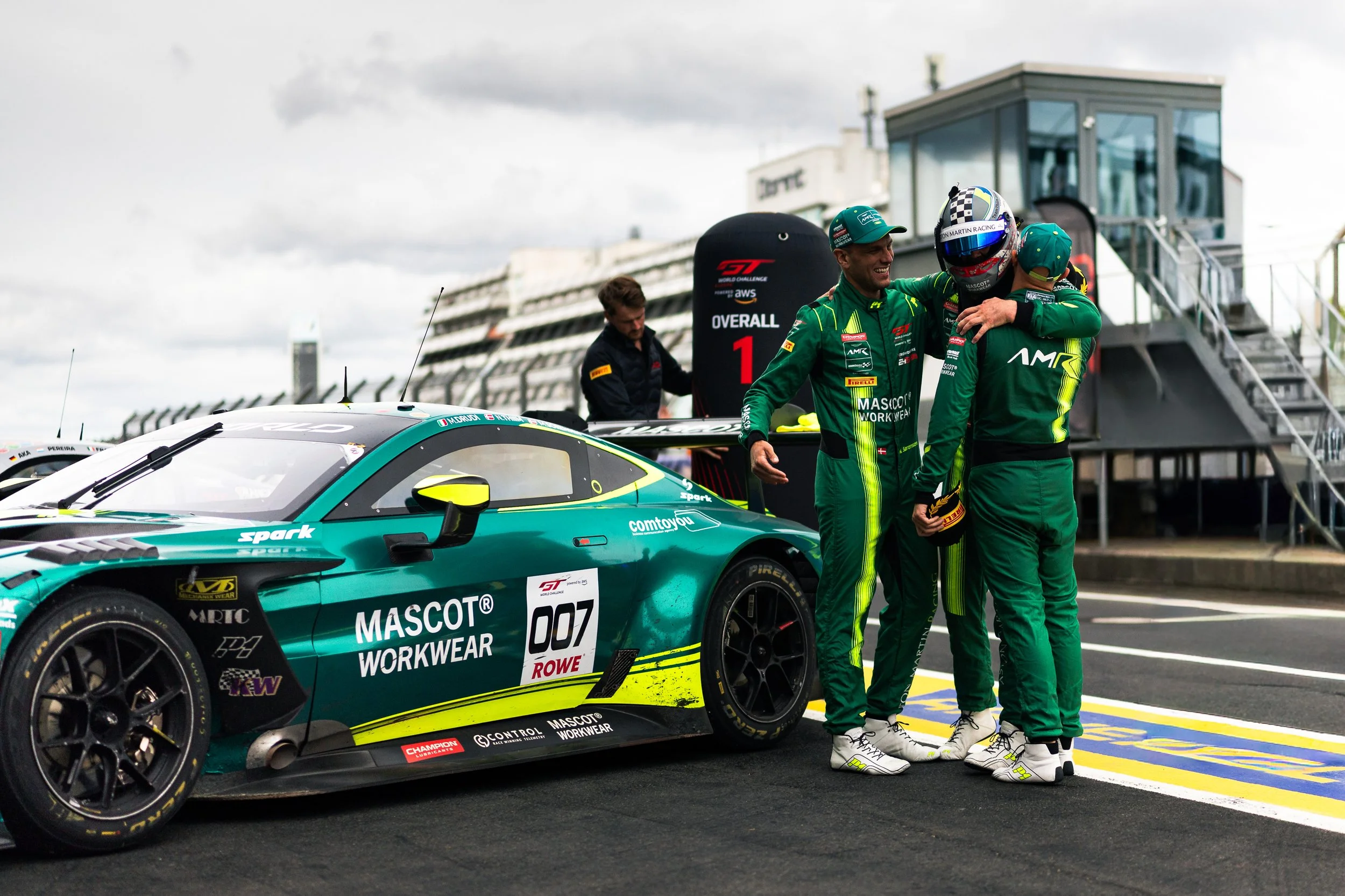
Image © Aston Martin Lagonda. Used for editorial purposes. Thiim greeted by team mates.
From one programme showing very tangible progress, we move to another, although the questions are rather different.
Aston Martin Formula One arrives at Monza after its most encouraging result of the season at Zandvoort. The next challenge is finding out whether that improvement survives one of the fastest and most power-sensitive circuits on the calendar.
Monza: The Next Test for Aston Martin and Honda
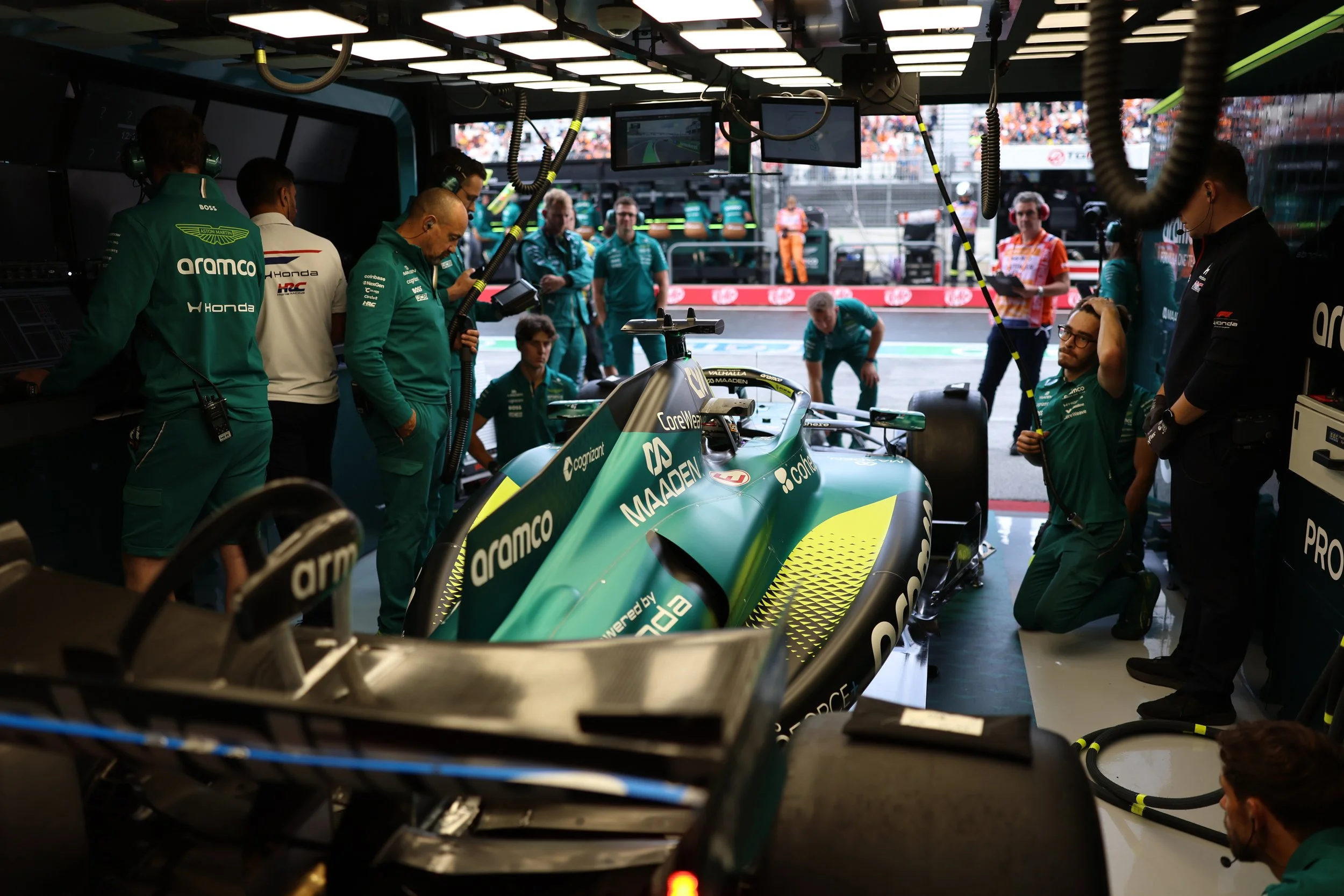
Image © Honda Motor Co. Ltd & Aston Martin Aramco. Used for editorial purposes.
From the Nürburgring, our attention turns to Formula One and a rather different measure of Aston Martin’s progress. Regular readers may remember that Issue 39 left us with one obvious question after the Dutch Grand Prix. Fernando Alonso’s ninth place at Zandvoort was Aston Martin’s best result of the season and continued the improvement we had begun to see before the summer break, but Monza was always likely to provide a very different examination of the AMR26.
The Italian circuit is dominated by long straights, heavy braking zones and relatively little time spent cornering. With one of the highest full-throttle percentages on the calendar, weaknesses in straight-line efficiency, power-unit deployment and energy management can be exposed rather more starkly than at Zandvoort. There’s another reason this weekend is particularly interesting: Honda is still working to unlock the potential of its latest 2026 power-unit specification.
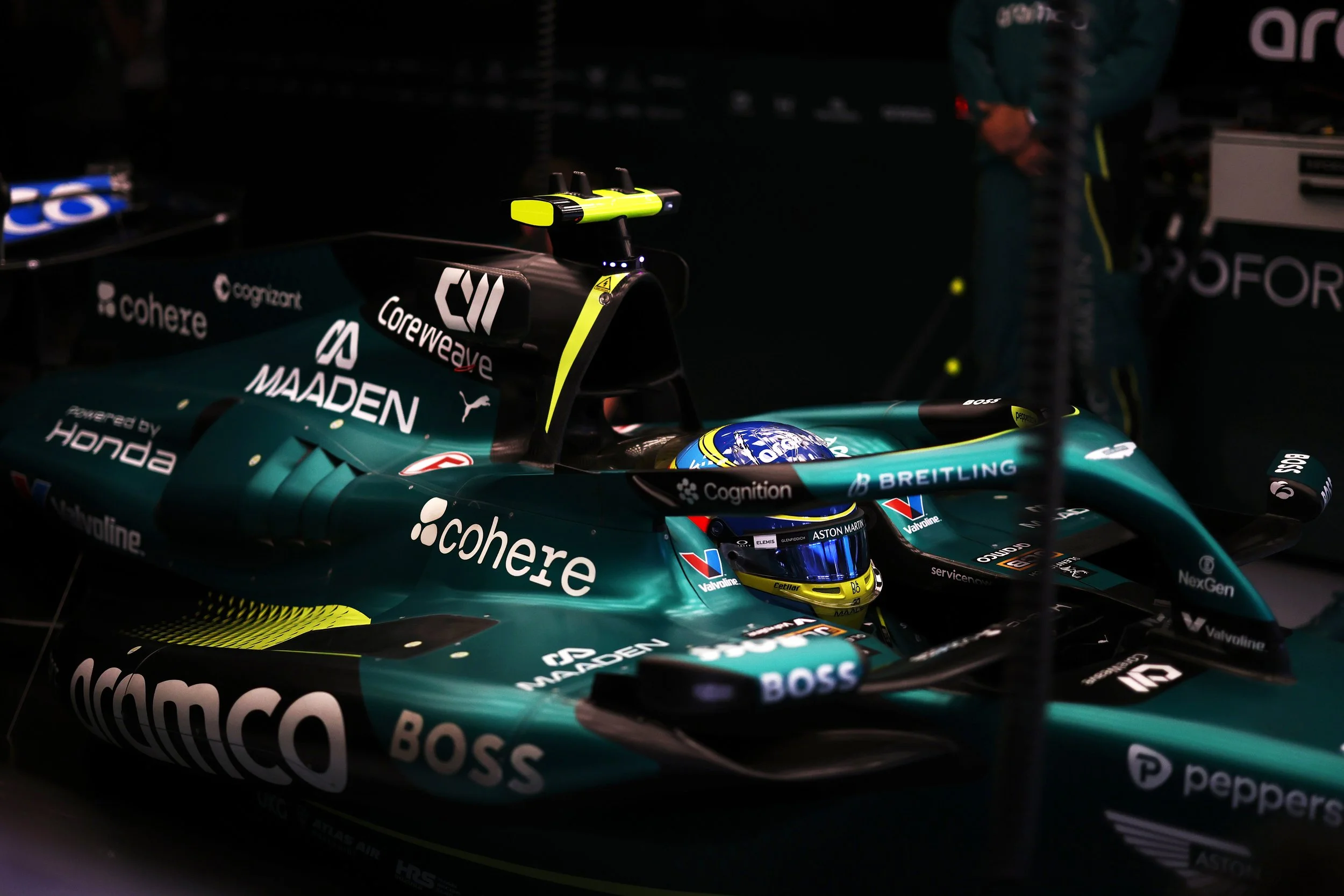
Image © Honda Motor Co. Ltd & Aston Martin Aramco. Used for editorial purposes. Fernando Alonso.
The revised engine made its race debut at Zandvoort and helped Aston Martin achieve its best result of the year, but Fernando Alonso was cautious about drawing any simple conclusions over whether it had delivered more outright power. His greater concern was driveability.
He reported difficulties with downshifts and engine braking from corner to corner, suggesting that in some respects the new specification had taken a step backwards from improvements made with the earlier unit. Honda appears to have taken that feedback very seriously.
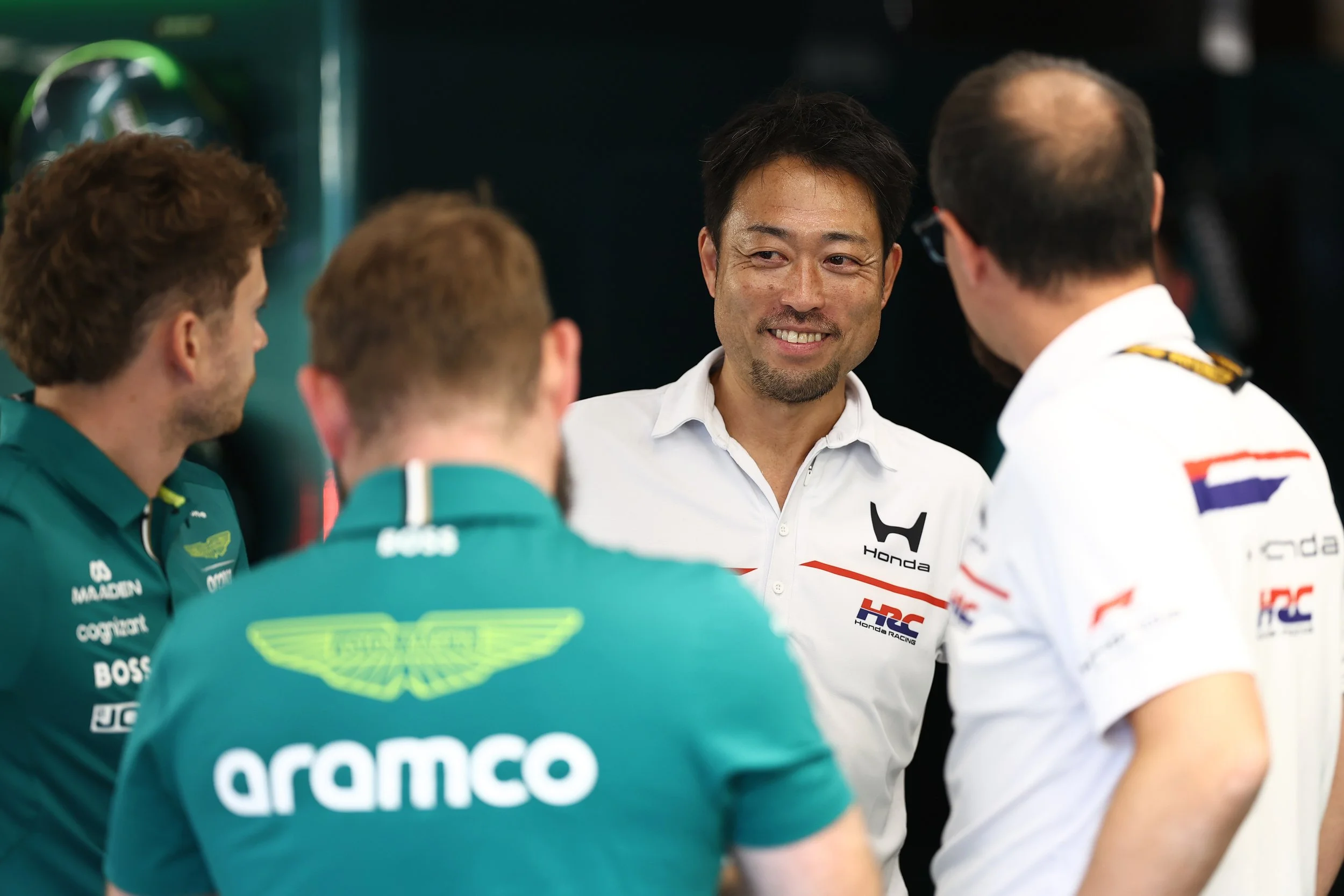
Image © Honda Motor Co. Ltd & Aston Martin Aramco. Used for editorial purposes. Shintaro Orihara.
Chief engineer Shintaro Orihara says improving driveability is a “key focus” for Monza, with extensive dyno work undertaken at HRC Sakura since the Dutch Grand Prix. Particular attention has been given to achieving more stable and consistent combustion control, with the aim of giving Alonso and Lance Stroll a more predictable response from the power unit.
That helps explain why this weekend shouldn't simply be reduced to a question of horsepower. Former Formula One driver David Coulthard made an interesting observation on the Up To Speed podcast this week: modern power-unit performance is about the complete system. The internal-combustion engine is only part of the picture; electrical-energy deployment, harvesting and the way the whole package is integrated around a lap can have a substantial effect on performance.
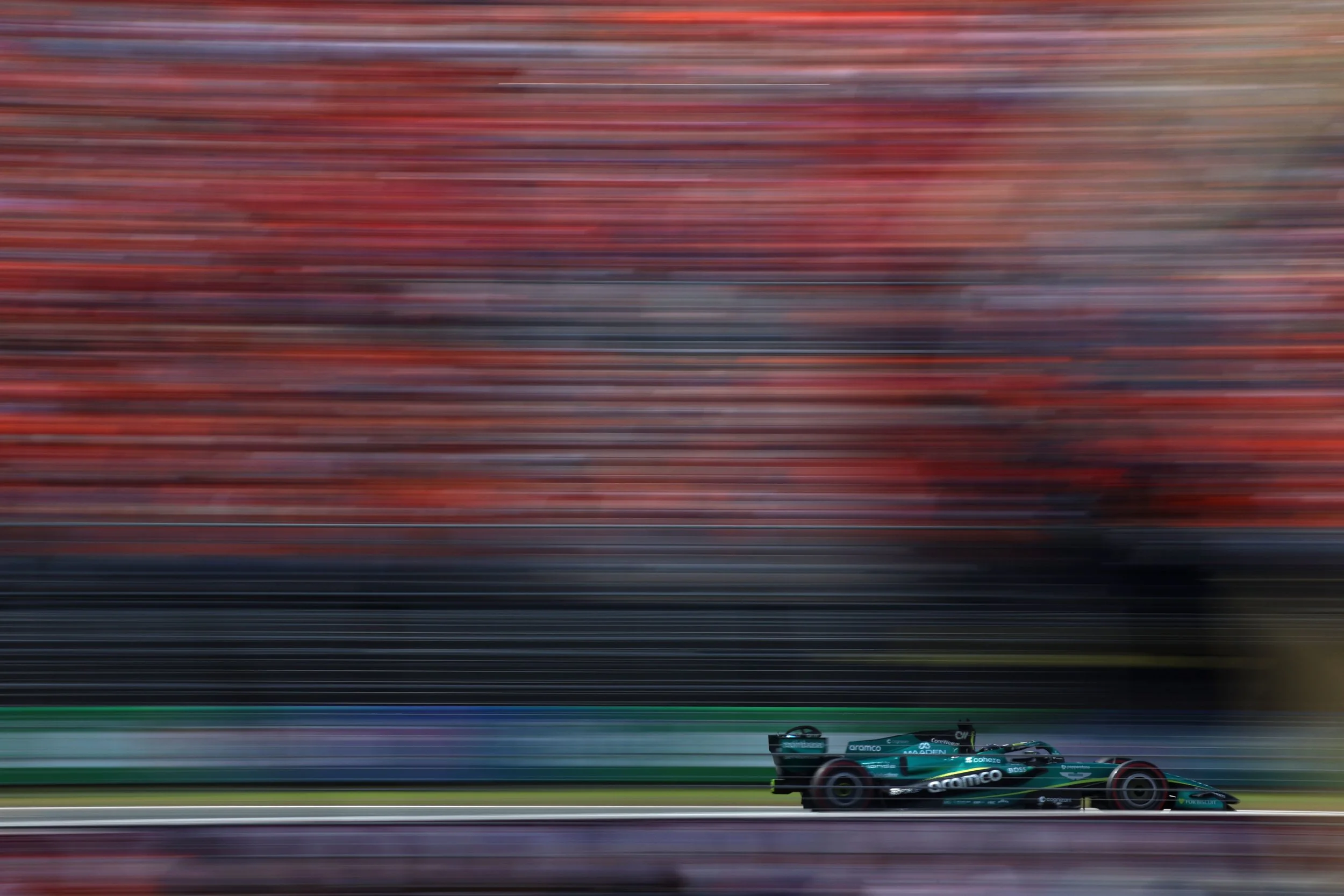
Image © Honda Motor Co. Ltd & Aston Martin Aramco. Used for editorial purposes. Lance Stroll out on track at the Dutch Grand Prix 2026.
At Monza, that becomes especially relevant. Managing a finite amount of electrical energy across such long periods of full throttle presents a very different challenge from Zandvoort, so the Italian Grand Prix should give Aston Martin and Honda useful evidence about where the latest package has genuinely improved, and where further work is still required.
It’s worth keeping expectations in perspective. Ninth place in the Netherlands was encouraging, but it didn’t suddenly turn Aston Martin into a regular front-running team. What we’re looking for now is confirmation that the recent improvement travels from circuit to circuit, rather than depending on a particular combination of track characteristics.
Cardile: Monza Will Expose Aston Martin’s Weaknesses
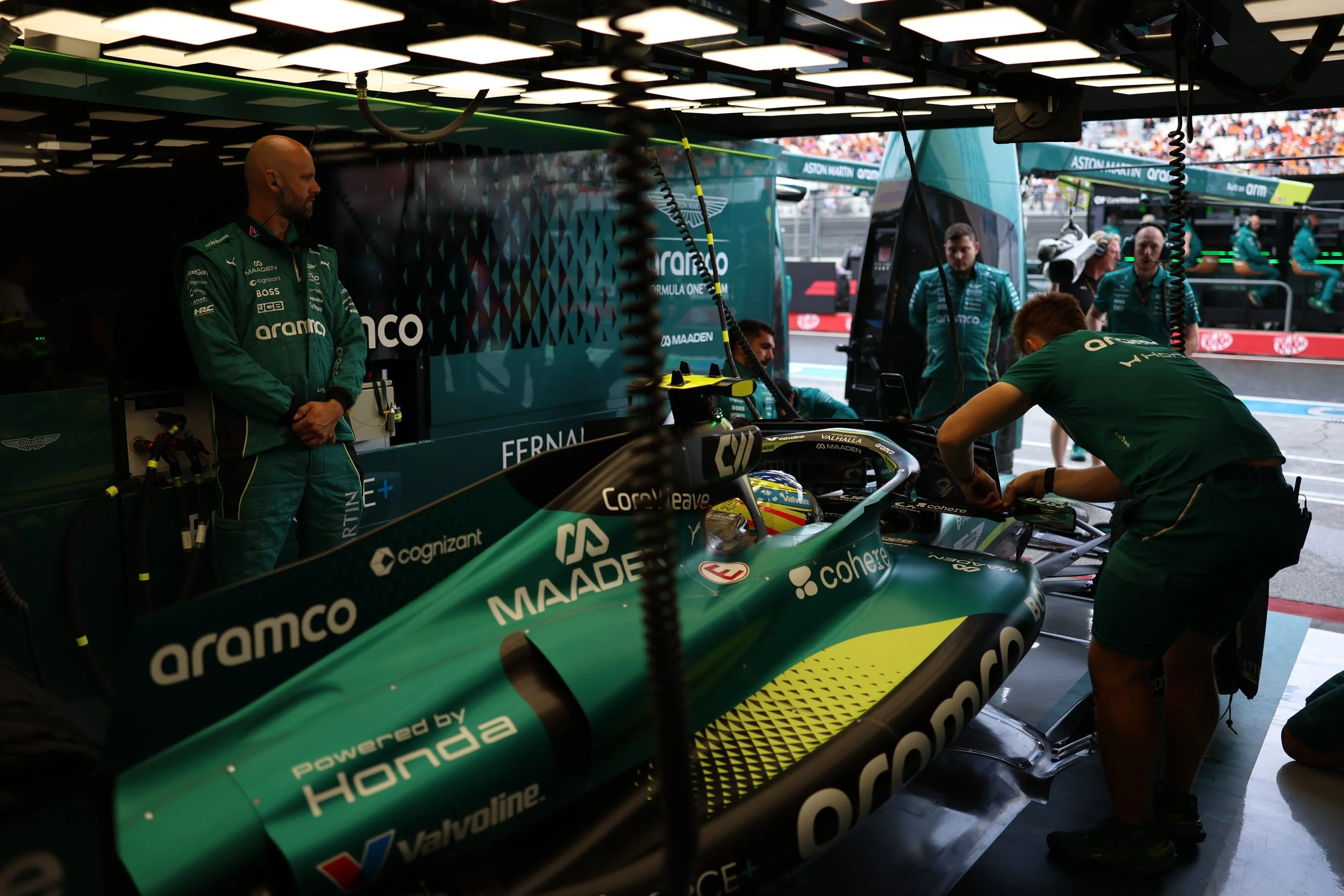
Image © Honda Motor Co. Ltd & Aston Martin Aramco. Used for editorial purposes.
Aston Martin Chief Technical Officer Enrico Cardile has now added some particularly useful context of his own. Speaking in a new UNDERCUT interview published by the team this week, Cardile described the recent package as the biggest upgrade Aston Martin F1 has ever brought to the track, saying the team is now much more confident that its CFD, wind-tunnel and circuit data are correlating properly.
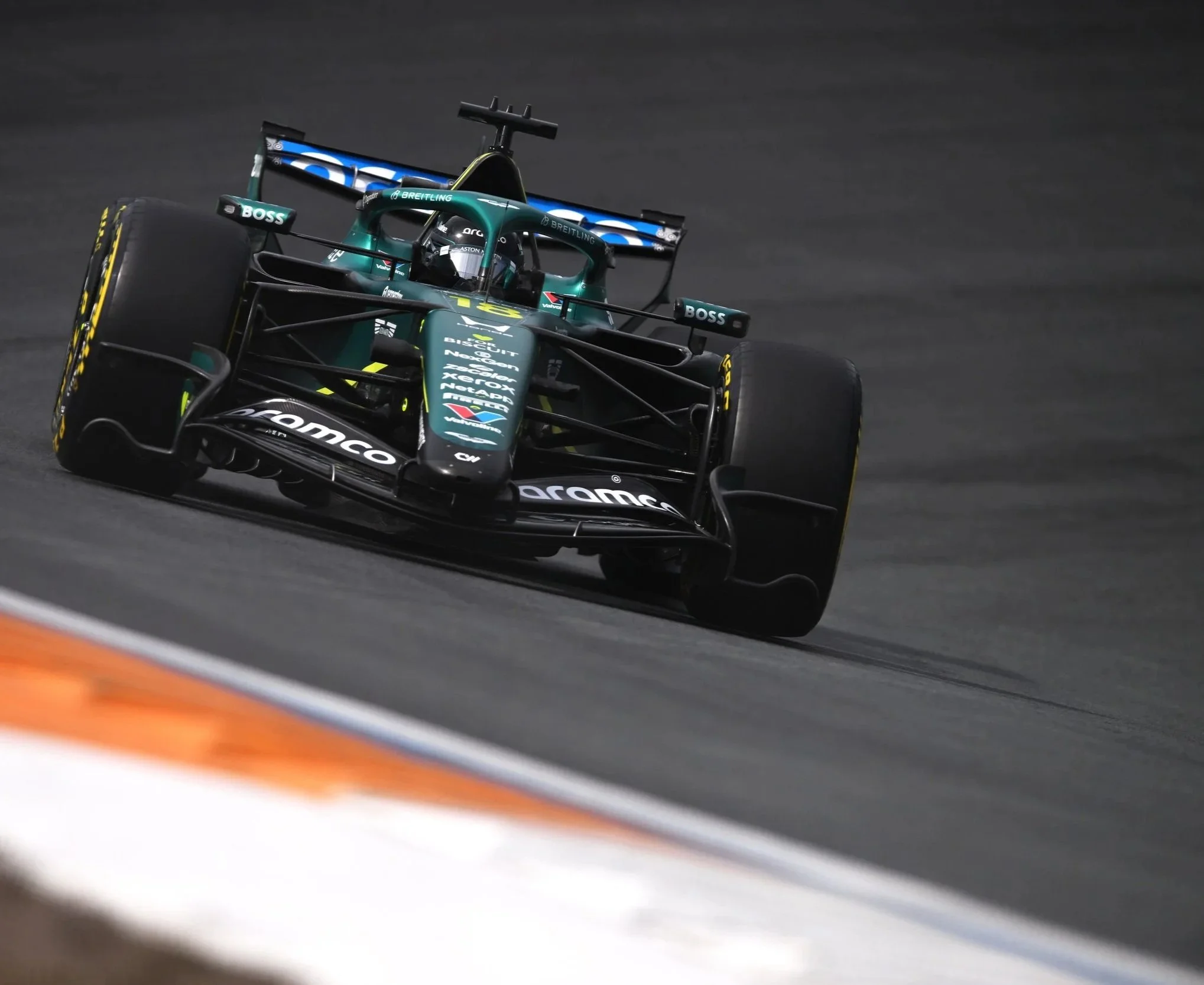
Image © Honda Motor Co. Ltd & Aston Martin Aramco. Used for editorial purposes.
Just as importantly, he was unusually candid about what Monza may reveal. Cardile expects the circuit to expose areas where the AMR26 remains vulnerable, particularly because there are relatively few corners in which chassis performance can compensate for weaknesses in straight-line efficiency and power.
He also confirmed that the planned aerodynamic development of the 2026 car is now effectively complete, aside from anything worth testing specifically to help future correlation, while a weight-saving programme should bring the car very close to the minimum weight limit by Baku.
The larger priority is already 2027: Cardile says every component of next year’s car will be new, although conceptually it will evolve the direction established by this year’s major upgrade. That makes Monza important for a slightly different reason too. Even if the outright result proves difficult, Aston Martin is increasingly using the remainder of 2026 to understand what works, identify what still doesn’t, and feed those lessons directly into the car it hopes will take another much larger step next season.
Alonso’s Future: Two Separate Questions
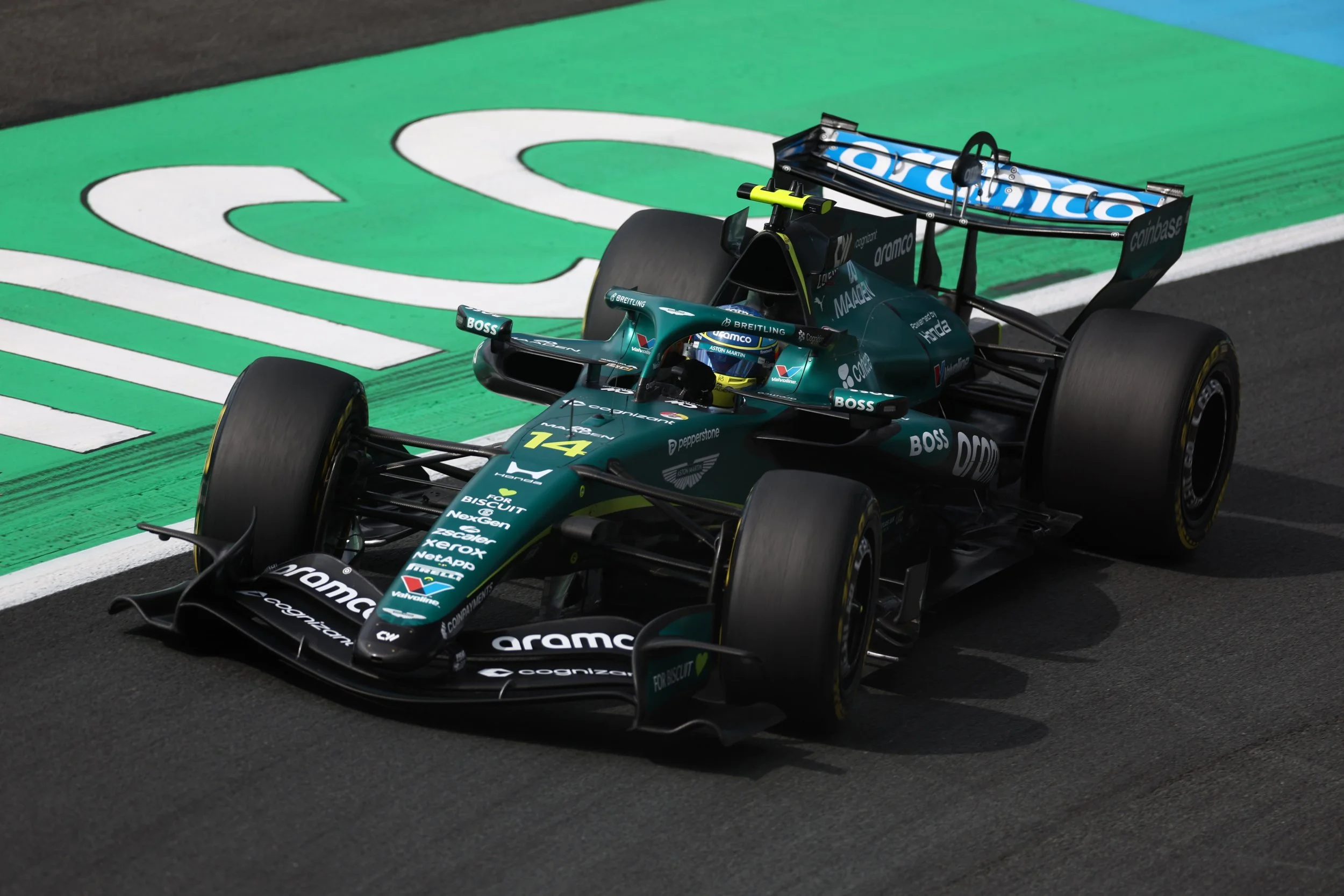
Image © Honda Motor Co. Ltd & Aston Martin Aramco. Used for editorial purposes. Fernando Alonso.
Monza also arrives as Fernando Alonso’s longer-term future continues to develop. We’ve followed the question of Alonso’s eventual retirement for some time, but recent comments have helped separate what are really two different decisions.
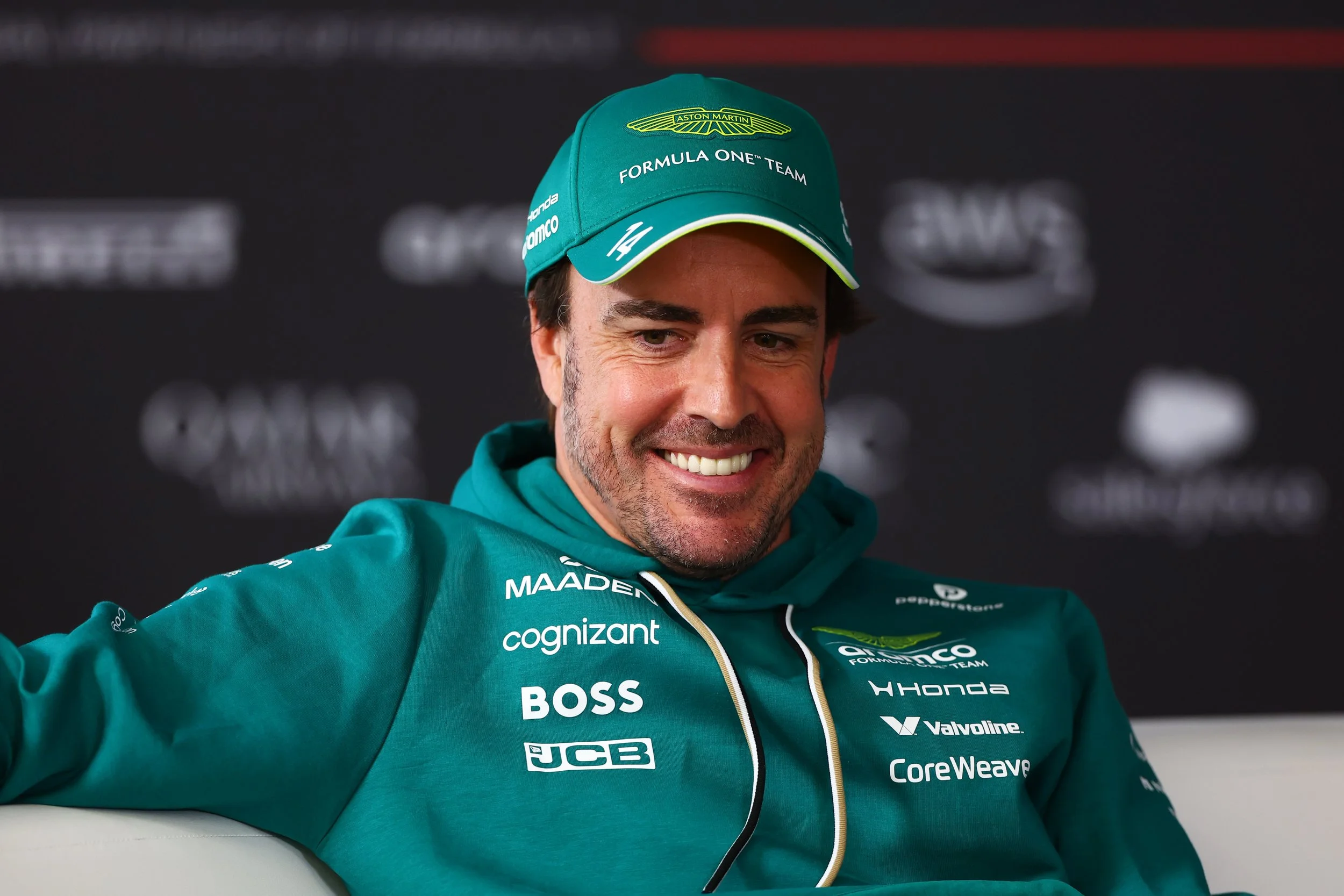
Image © Honda Motor Co. Ltd & Aston Martin Aramco. Used for editorial purposes. Fernando Alonso.
The first is whether he continues as an Aston Martin Formula One race driver in 2027. Alonso has indicated that he will discuss that with Lawrence Stroll and Adrian Newey, while Mike Krack has suggested greater clarity should come within the next few weeks.
The second question, whether Alonso remains with Aston Martin after he eventually stops racing in Formula One, appears rather less uncertain.
Alonso has now made clear that he expects to remain involved with Aston Martin “in one role or another” over the longer term. He remains motivated by the possibility of helping the team reach the front and, understandably, by the opportunity to drive a car developed under Adrian Newey. At the same time, he’s acknowledged that Aston Martin's ultimate ambitions could take longer to realise than his own Formula One driving career allows.
Jenson Button offered an interesting perspective on precisely that point this week. The Aston Martin ambassador and Alonso’s former McLaren team-mate believes Fernando still has plenty to contribute and would like to see him remain long enough to challenge for victories with Aston Martin. Button also drew a useful contrast with his own retirement. When he stepped away from Formula One at 36, he felt there was little left in the sport that was genuinely new for him. Alonso, by contrast, still has the Aston Martin project, and the prospect of working with Newey, providing another challenge.
So while the timing of Alonso’s final Formula One season remains unresolved, his connection with Aston Martin increasingly looks as though it could continue well beyond it.
How Much of Aston Martin F1 Does Adrian Newey Own?
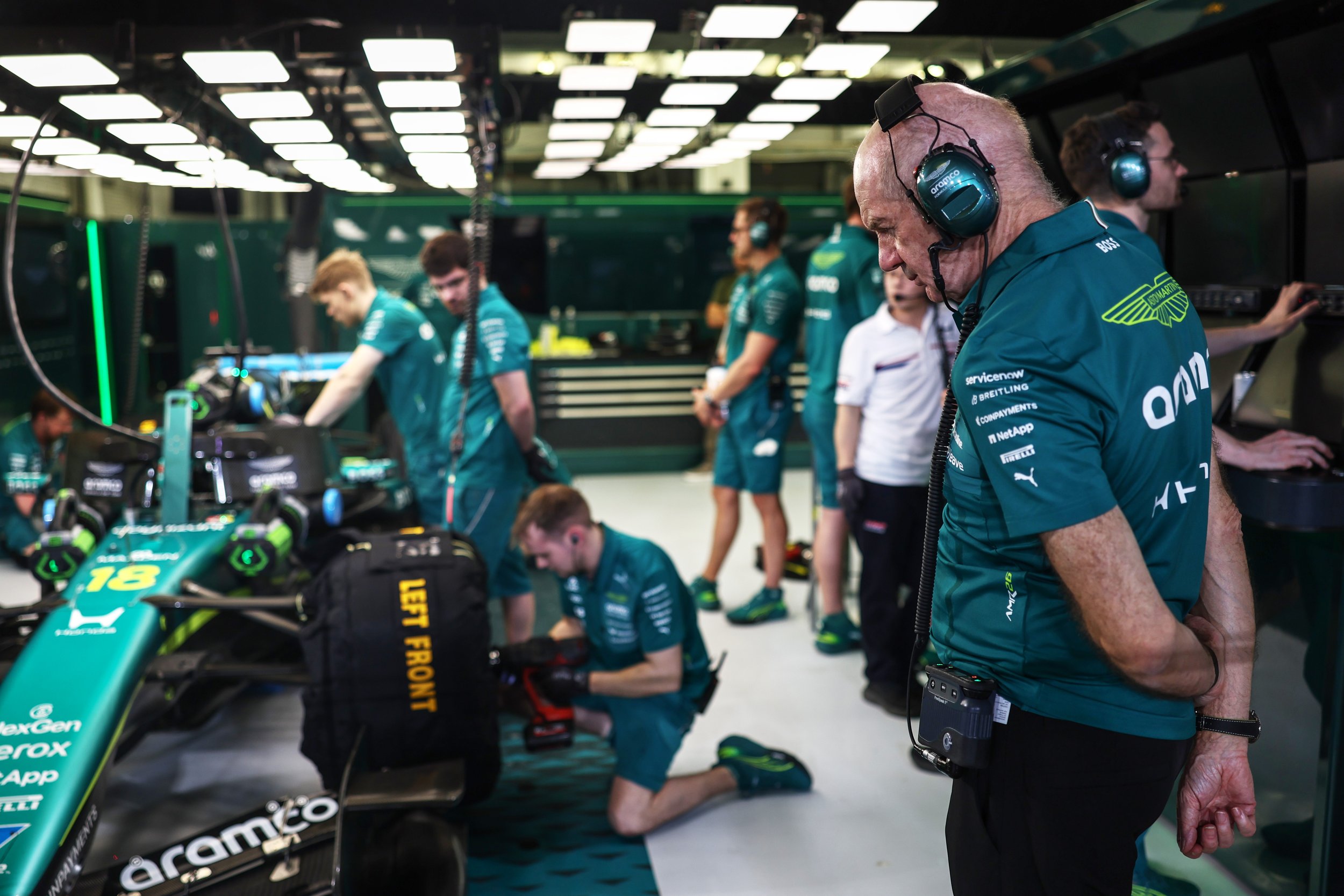
Image © Honda Motor Co. Ltd & Aston Martin Aramco. Used for editorial purposes. Adrian Newey with the AMR F1 Team.
There’s also been an interesting development surrounding Adrian Newey himself. When Lawrence Stroll recruited Newey, he was repeatedly described not merely as an employee but as a partner and shareholder in the Formula One operation. Until now, however, we’ve had relatively little indication of what that actually meant.
An investigation by PlanetF1 into company documentation reports that Newey holds approximately 4.7% of the Aston Martin Formula One team, represented by 17,287 Ordinary D shares carrying voting rights. There’s one distinction worth making particularly clear. Newey does not own 4.7% of Aston Martin Lagonda Global Holdings plc.
The publicly listed road-car company whose share price we discuss elsewhere in the Roundup and the privately owned Formula One team are separate businesses, despite sharing the Aston Martin identity and having extensive commercial links.
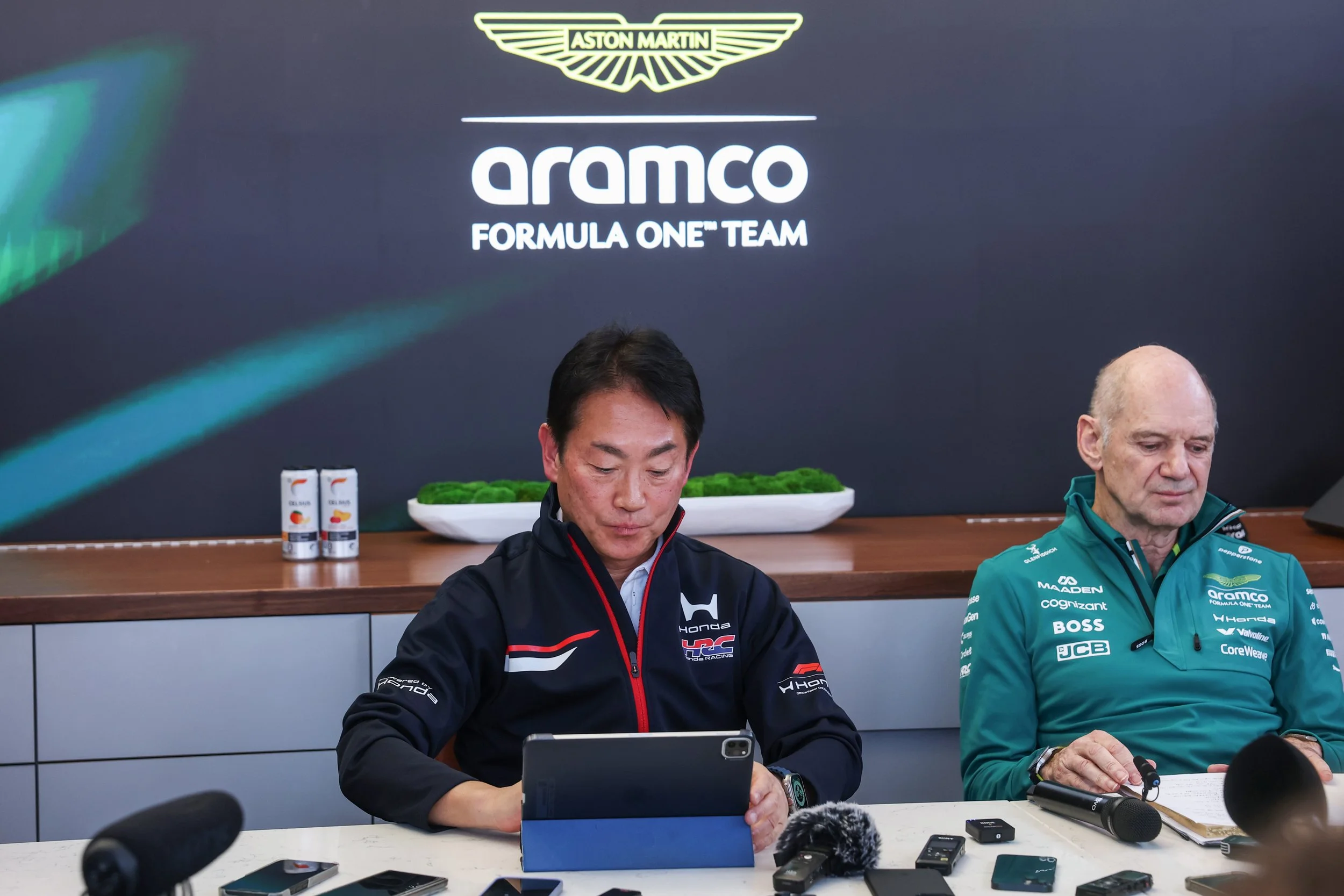
Image © Honda Motor Co. Ltd & Aston Martin Aramco. Used for editorial purposes. Koji Watanabe and Adrian Newey
I would also be wary of attaching a precise monetary value to Newey’s holding. Estimates depend upon assumptions about the value of the Formula One team and the particular terms attached to his shares. What seems rather more significant is the structure itself: Newey’s relationship with Aston Martin isn't simply that of a highly paid technical employee. His own interests are tied directly to the longer-term value and success of the F1 operation he is helping to build.
There’s been speculation elsewhere that equity arrangements of this kind could be connected with Formula One's cost-cap rules. At present, however, I haven't seen sufficient evidence to conclude that Newey's holding was specifically structured for that purpose, so I think it’s better left there. For the immediate future, the stopwatch will tell us rather more than the corporate paperwork.
Because I’m travelling south early on Saturday morning for this weekend’s filming, Issue 40 is being completed before Monza qualifying takes place. We therefore won't try to second-guess the result here. Instead, the Italian Grand Prix becomes one of the important developments to pick up through the FTP Motorsport Hub and in next week's Roundup.
What we can say before the cars take to the circuit is that Monza gives Aston Martin and Honda exactly the kind of test they now need: a circuit sufficiently different from Zandvoort to tell us whether the progress we saw there is beginning to become transferable.
Formula One isn't the only Aston Martin programme facing an important weekend. Across the Atlantic in Texas, Valkyrie returns to the FIA World Endurance Championship with its debut season having gathered considerably more momentum over the past few rounds.
Valkyrie Returns to Austin as Momentum Builds
Image © Aston Martin Lagonda. Used for editorial purposes. COTA.
This weekend, Valkyrie and Vantage are representing Aston Martin in Texas. For Valkyrie, the significance lies less in one isolated result and more in the direction of travel. The #007 Aston Martin THOR Team car finished fourth at Spa, followed that with eighth at the 24 Hours of Le Mans and then took sixth at São Paulo, while the sister #009 also scored points in Brazil.
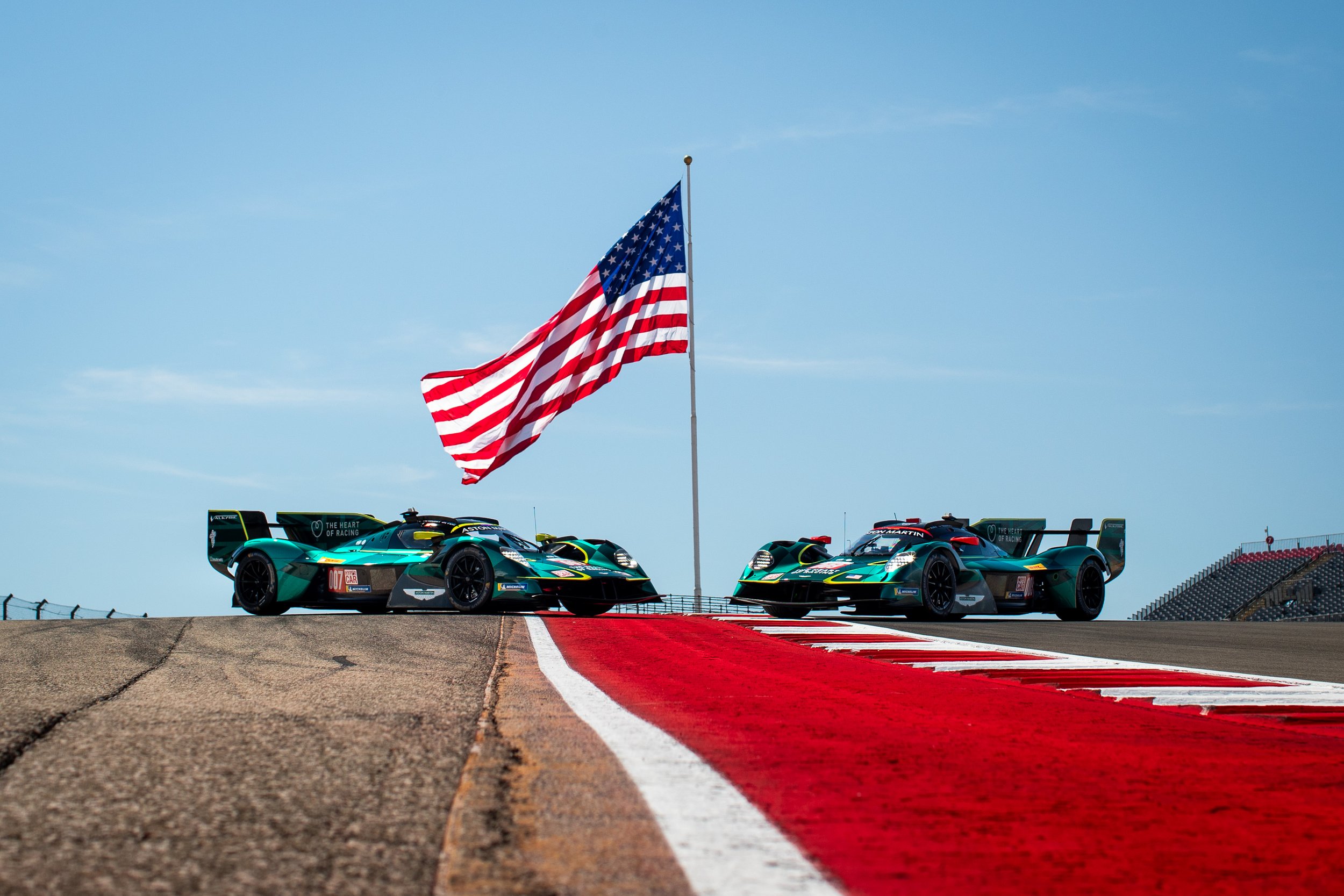
Image © Aston Martin Lagonda. Used for editorial purposes. Valkyrie returns to COTA.
Those performances have gradually moved the programme away from simply being treated as an intriguing new Hypercar project and towards something capable of competing meaningfully within an extraordinarily strong WEC field.
Austin therefore arrives at an interesting point in Valkyrie’s debut season.
There’s still a considerable difference between showing progress and fighting consistently for victories, but the evidence gathered across very different circuits is beginning to build. Spa demonstrated that the car could run genuinely close to the front, Le Mans provided its first full 24-hour examination, and São Paulo added another solid points finish. COTA now offers another opportunity to establish whether that trajectory can continue.
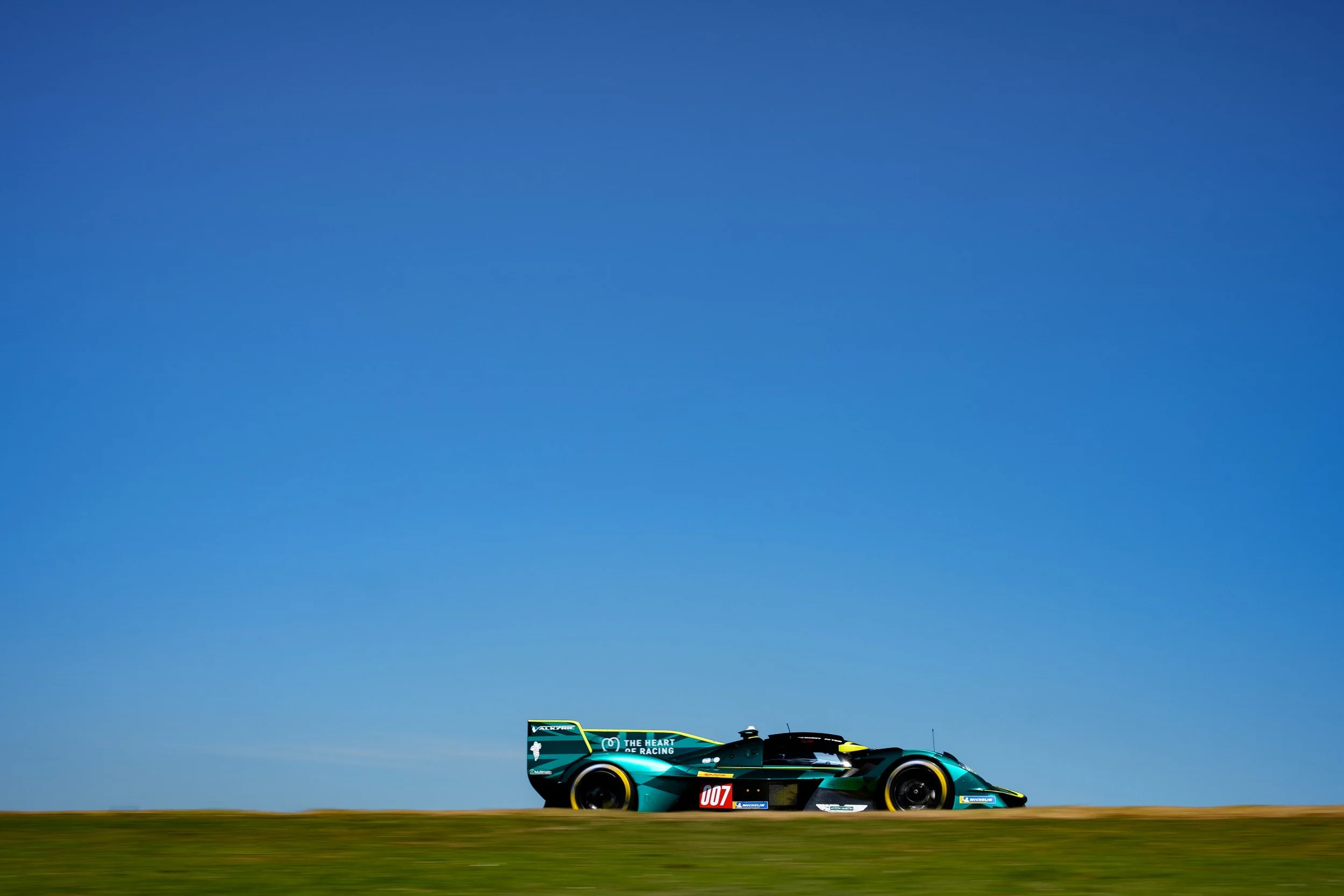
Image © Aston Martin Lagonda. Used for editorial purposes. 007 Valkyrie.
For anybody following the championship more closely, Aston Martin currently sits just behind Alpine in the Hypercar manufacturers’ standings, so every additional point carries a little more significance than it might have done during the opening rounds.
A Circuit with Plenty of Aston Martin History
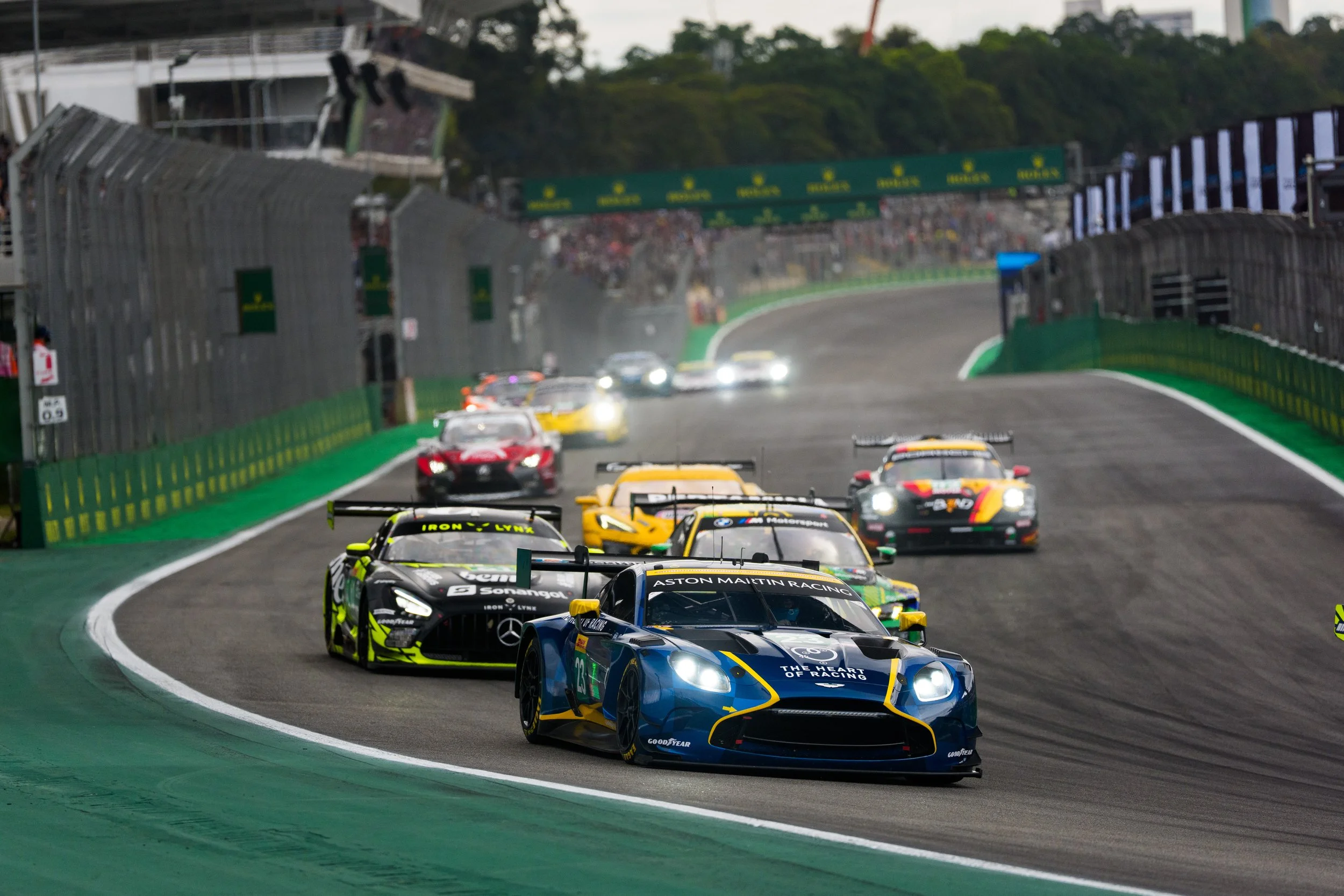
Image © Aston Martin Lagonda. Used for editorial purposes. Vantage leads in Brazil.
The Aston Martin story at COTA extends well beyond Valkyrie. According to Aston Martin’s own pre-race briefing, Vantage has recorded ten class victories from 13 podium appearances at the circuit, including four occasions on which Aston Martins won two classes during the same event.
The current Vantage also has a particularly happy memory of Texas. It was here in 2024 that Heart of Racing gave the Vantage its maiden FIA WEC LMGT3 class victory, so there is rather more than coincidence behind the optimism surrounding the GT programme this weekend.
Two Heart of Racing Aston Martin Vantages return this year.
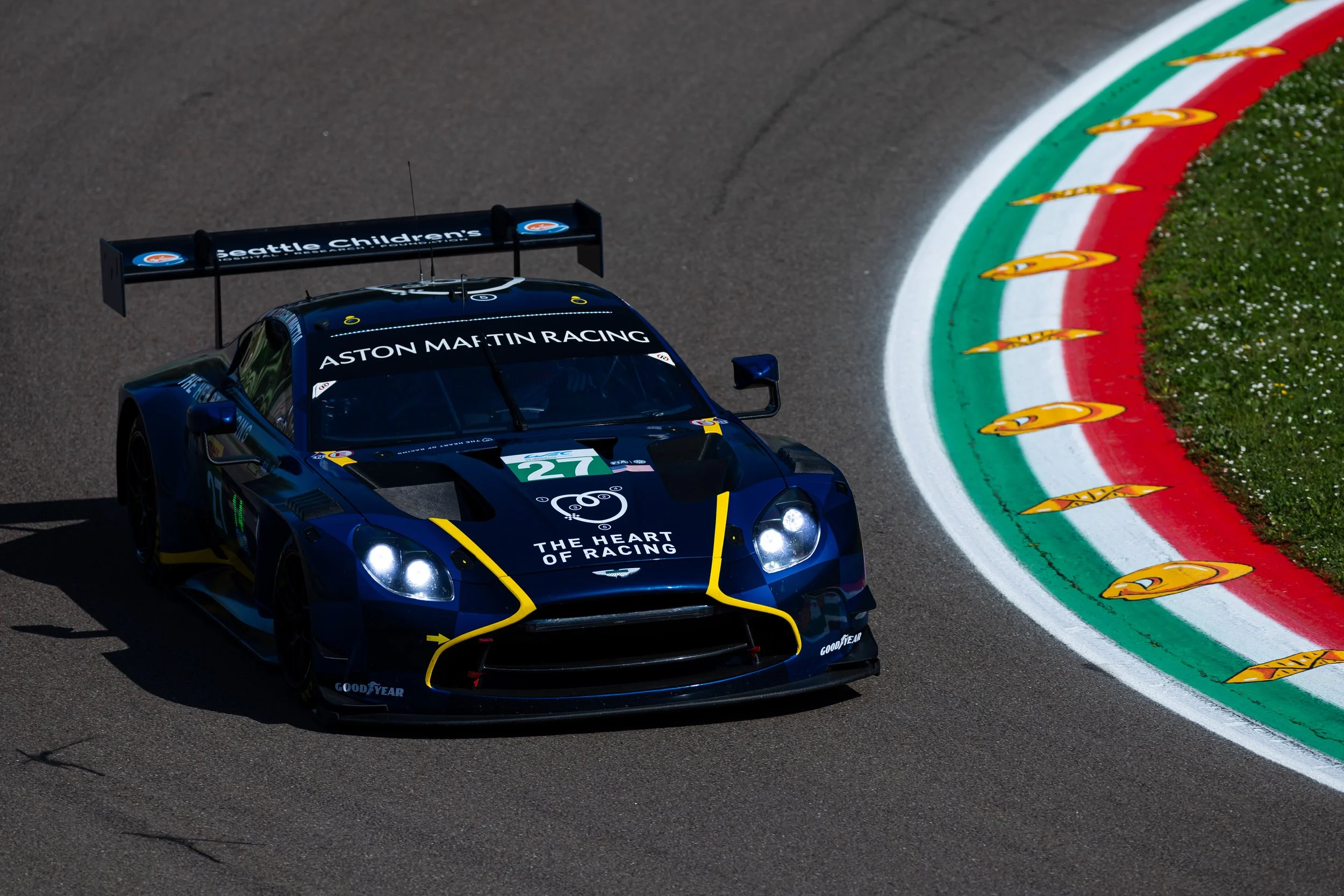
Image © Aston Martin Lagonda. Used for editorial purposes. #27 Vantage.
The #27 is shared by Ian James, Mattia Drudi and Zacharie Robichon. Their 2026 season has often shown more pace than the results table immediately suggests, with second place at Spa remaining the standout finish so far. James also knows what it takes to succeed at COTA, having previously won and taken pole at the circuit.
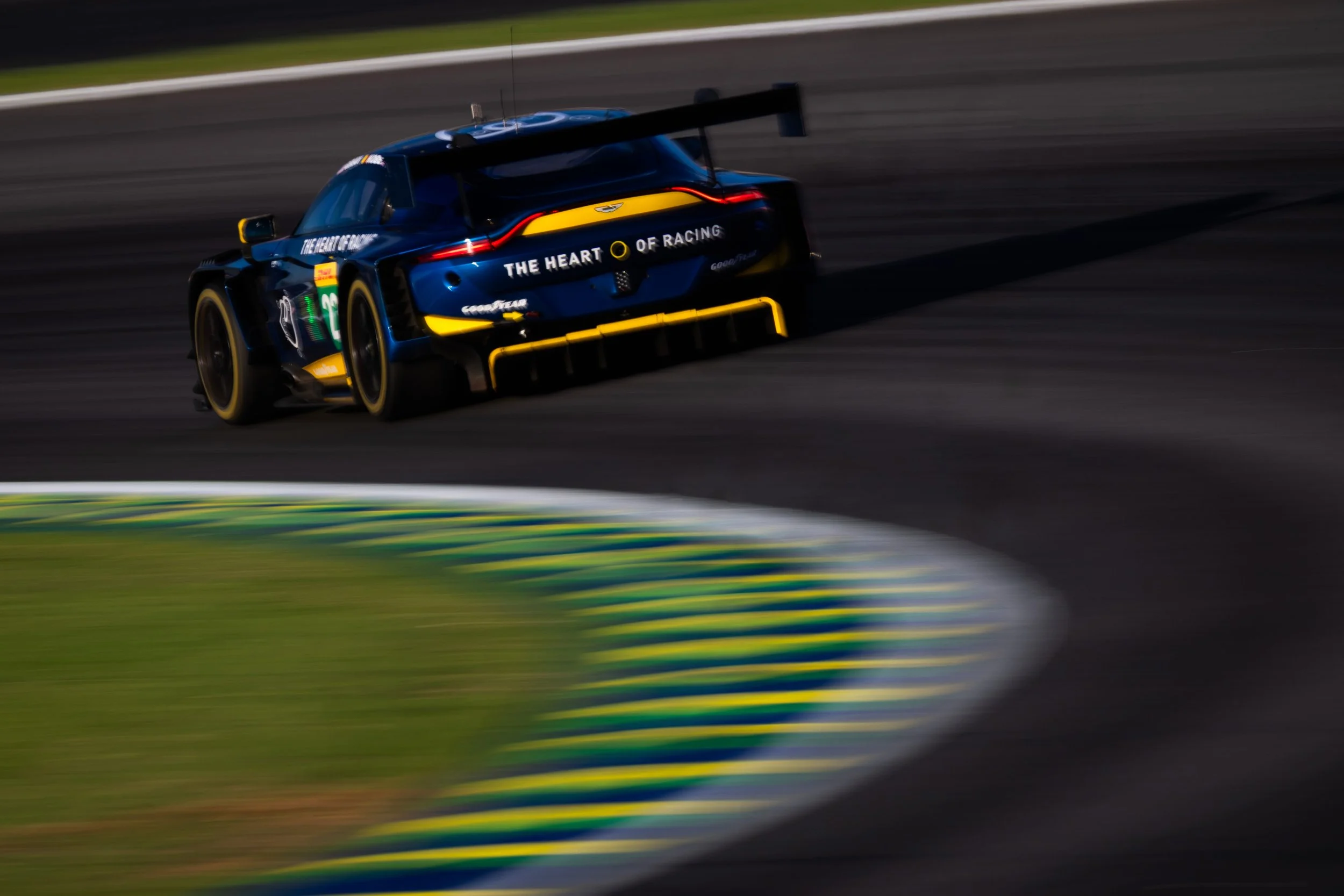
Image © Aston Martin Lagonda. Used for editorial purposes. #23 Vantage.
Alongside them, Gray Newell, Dudu Barrichello and Jonny Adam continue in the #23 Vantage.
Their podium at the 24 Hours of Le Mans remains one of the highlights of Aston Martin’s LMGT3 season, and this weekend carries some additional personal significance for Newell as his first FIA WEC home race in the United States. He already has experience of COTA, while Adam returns to the circuit for the first time since 2020, a visit which ended with a GTE-Am class victory.
It gives Aston Martin an unusually broad story in Texas this weekend: Valkyrie continuing the development of a completely new Hypercar programme at the top of the championship, while Vantage returns to a circuit at which the marque has already enjoyed considerable GT success.
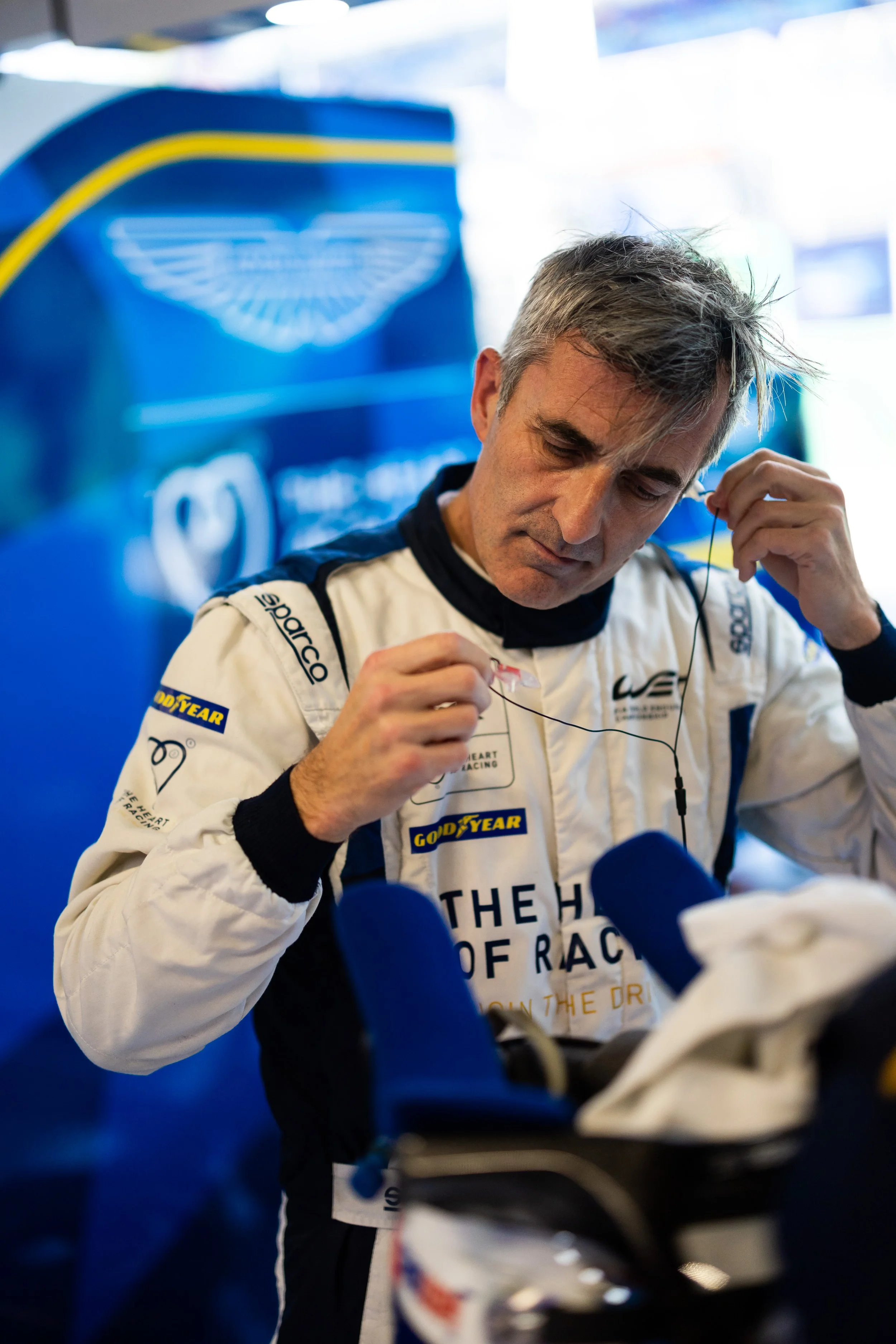
Image © Aston Martin Lagonda. Used for editorial purposes. Ian James. THOR Team Principal & Driver.
That combination is one of the things I enjoy most about following Aston Martin in endurance racing at the moment.
The Valkyrie naturally attracts enormous attention because of what it is and how unusual its V12 concept remains within modern Hypercar racing, but the Vantage programme continues quietly building its own impressive record underneath it.
As with Monza, timing means this Roundup has to stop before the story reaches its conclusion.
The Lone Star Le Mans starts at 13:00 local time on Sunday, 19:00 BST, several hours after Issue 40 has been published, so rather than trying to predict the outcome, we’ll follow the results through the FTP Motorsport Hub and return to what happened in next week’s Roundup.
For now, Austin gives us another fascinating measure of progress: can Valkyrie take another step towards the front, and can Heart of Racing add another chapter to Vantage’s already formidable COTA record?
[FOLLOW THE FIA WEC SEASON IN THE FTP MOTORSPORT HUB]
From Texas, our final stop in this weekend’s motorsport preview brings us back to Britain, and an Aston Martin championship battle that deserves rather more attention than it’s perhaps received so far. At Donington Park, Jessica Hawkins and Will Orton arrive leading the British GT4 championship, with another Aston Martin pairing still firmly in the title fight behind them.

Affiliate link note: Some links may be affiliate links, which means Fuel the Passion may earn a small commission if you purchase through them, at no extra cost to you. Thank you for your support.
Aston Martin Leads the British GT4 Fight into Donington
From Texas, we come rather closer to home for another Aston Martin story worth watching this weekend. The British GT Championship arrives at Donington Park with just two rounds remaining, and Aston Martin heads into the weekend in a particularly strong position in GT4.
Jessica Hawkins and Will Orton lead the GT4 drivers’ championship in the MK Racing Aston Martin Vantage GT4, although their advantage could hardly be slimmer. They sit on 106 points, just 1.5 ahead of Thomas Holland and Hadley Simpson, leaving very little margin for error as the season approaches its conclusion.
Their position at the top hasn’t come from one spectacular weekend alone. Hawkins and Orton have built their championship challenge through consistency, recording four podium finishes and scoring points in six consecutive races. In a championship where one poor result can quickly change the order, that reliability has become one of their greatest strengths.
They are not the only Aston Martin crew still in contention either.
Daniel Lavery and Darren Turner remain firmly involved in the overall GT4 battle, sitting fourth on 98.5 points and therefore only 7.5 points away from the championship lead. They also head the GT4 Pro-Am standings, giving Aston Martin another route towards silverware as the final part of the season unfolds.
It creates an interesting situation for Donington. Aston Martin has one pairing defending the outright championship lead and another close enough behind to capitalise if those ahead encounter trouble. With the margins this small, the championship could look very different by Sunday evening.
For Jessica Hawkins in particular, it’s another significant chapter in a season that’s continued to demonstrate her versatility beyond her role with the Aston Martin Formula One team. Sharing the Vantage with Orton, she now finds herself involved in a genuine national championship fight rather than simply collecting occasional GT appearances.
There’s a broader point here too. Formula One and Valkyrie understandably dominate much of Aston Martin’s motorsport visibility, but weekends such as this are a reminder of how much competitive activity sits underneath those headline programmes. The Vantage GT4 is being raced by customers in one of Britain’s most competitive domestic championships, and two Aston Martin crews arrive at Donington with realistic title ambitions.
The race itself takes place after Issue 40 has been published, so, as with Monza and COTA, we won’t try to predict how the championship will look by Sunday night. Instead, Donington becomes another result to follow through the FTP Motorsport Hub and pick up properly in next week’s Roundup.
For now, the position is simple enough: with two rounds remaining, an Aston Martin leads British GT4, and another is very much within striking distance.
[FOLLOW BRITISH GT IN THE FTP MOTORSPORT HUB]
That brings us to the end of this week’s principal motorsport preview, but it also provides a useful change of pace. Because while Aston Martin’s racing programmes have supplied plenty of encouraging headlines, the road cars continue to generate their own conversation, and one of the marque’s most important current models has just received another strongly positive independent verdict.
Vanquish: Another Strong Verdict for Aston Martin’s Flagship
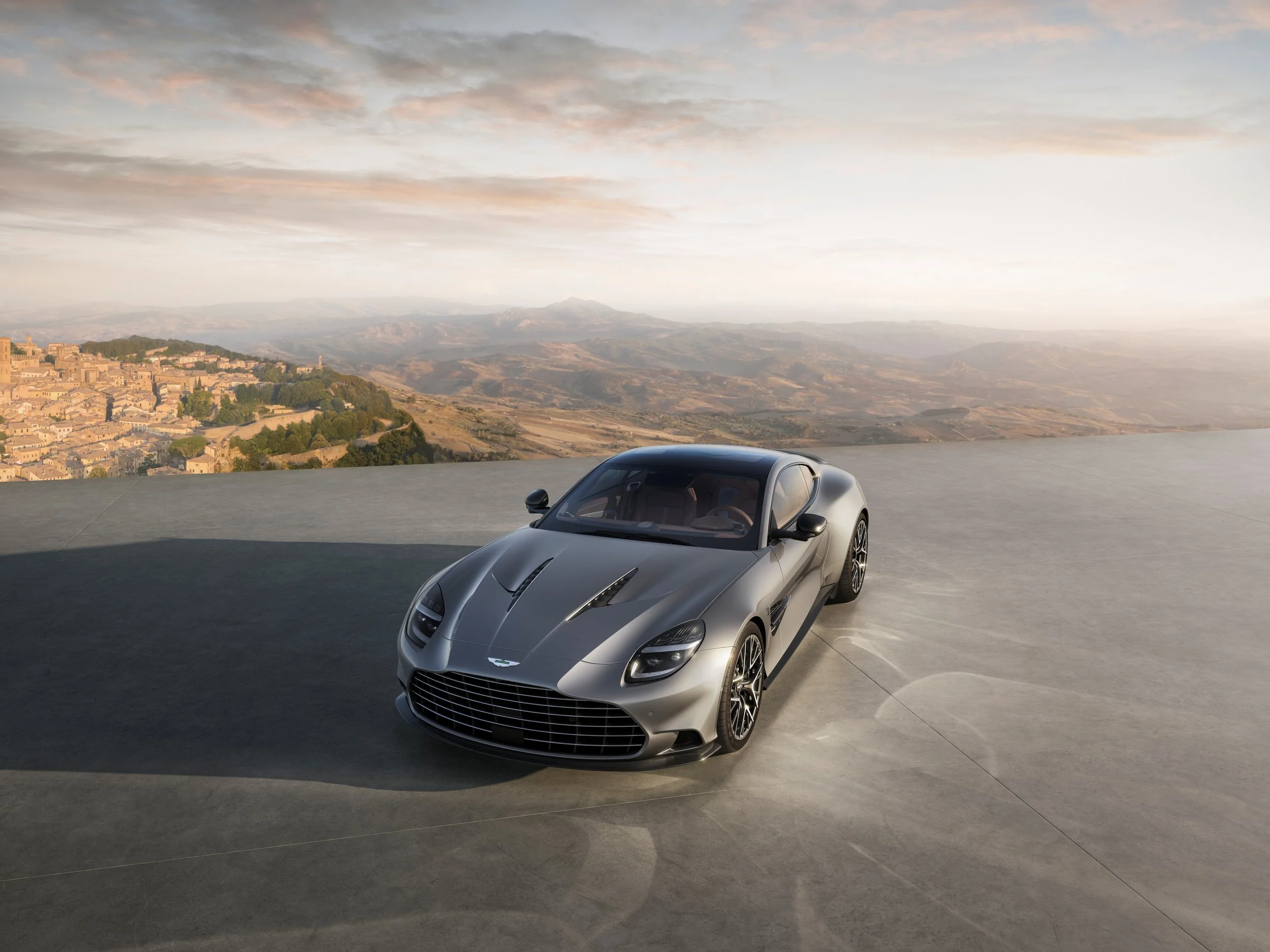
Image © Aston Martin Lagonda. Used for editorial purposes. Aston Martin Vanquish 25
Leaving the race circuit behind for a moment, Aston Martin’s road cars continue to provide their own evidence of just how far the current product range has moved on.
This week, Motor1 published a new review of the current Aston Martin Vanquish, with Jeff Perez spending time in the V12 flagship in the United States. We’ve already covered plenty of praise for Vanquish since its launch, so I don’t think there’s much value in simply repeating another conventional road test. What makes this one useful is how closely its verdict fits a broader theme running through this week’s Roundup.
Perez’s overall impression is overwhelmingly positive.
The Vanquish is described as a car with enormous presence and a genuine sense of occasion, with particular praise reserved for its proportions, cabin quality and, inevitably, the twin-turbocharged 5.2-litre V12. That engine remains central to the car’s appeal. In an era when so many high-performance cars are becoming smaller-engined, hybridised or increasingly similar in the way they deliver their performance, Vanquish continues with a front-engined, rear-wheel-drive V12 layout that now feels almost defiantly traditional. The review is not without criticism.
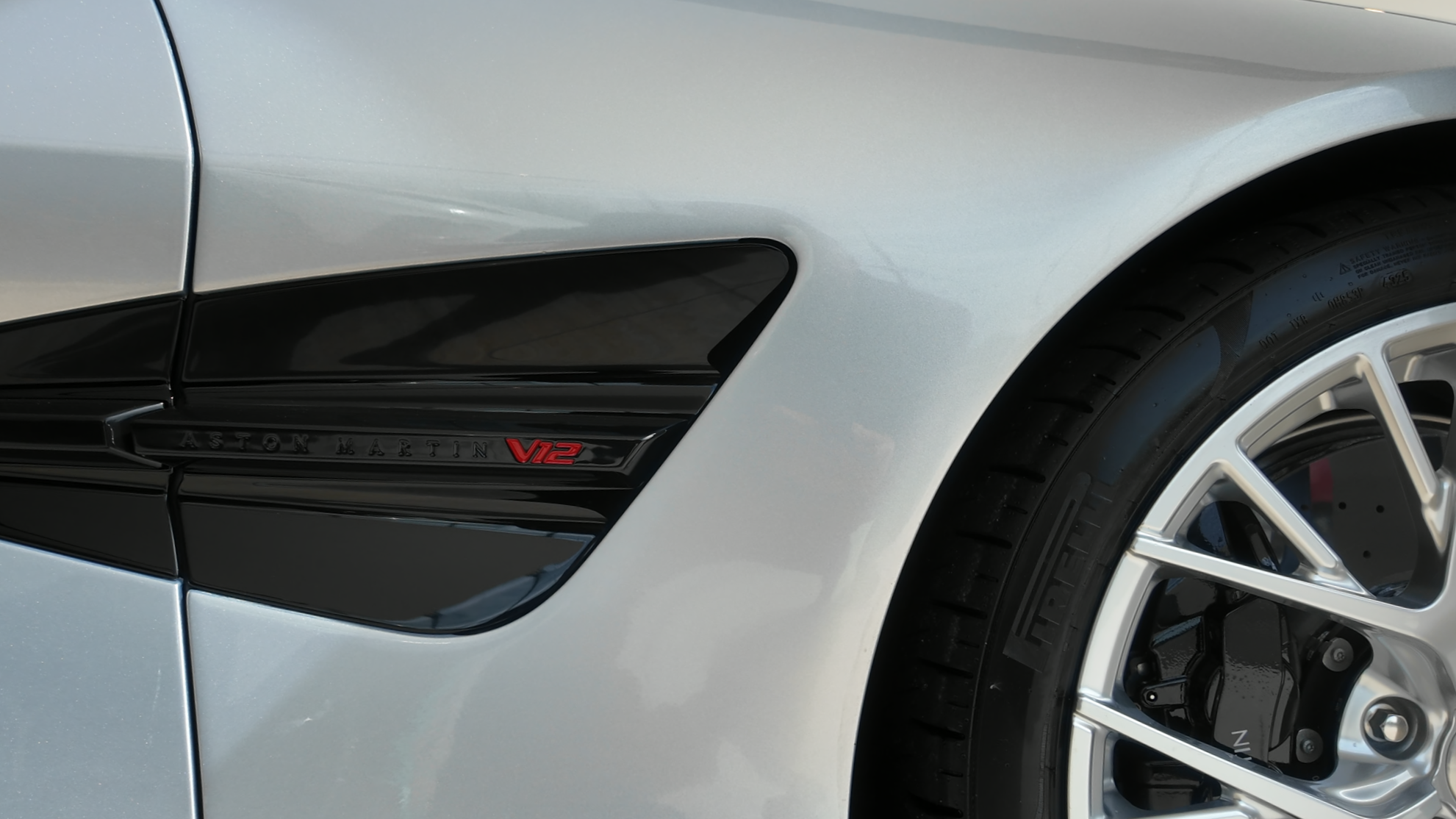
Image © Fuel the Passion. Aston Martin Vanquish, Aston Martin Nottingham.
At more than 4,200lb in the specification tested, Perez felt the Vanquish’s weight in tighter corners and found the ride could become harsh over poorer surfaces. He also questioned whether the cabin feels sufficiently different from DB12 and Vantage given the considerable step in price, while his experience with Apple CarPlay Ultra included some early connectivity issues.
Those reservations are worth acknowledging because they stop the review becoming another exercise in uncomplicated praise. Even so, they did little to alter his overall conclusion: the Vanquish feels special in a way that extends beyond acceleration figures or maximum speed.
That word — special — crops up repeatedly when people talk about Aston Martin’s current flagship, and perhaps that’s the more interesting point.
The Vanquish is not trying to be the lightest supercar, the most technologically complex or even necessarily the sharpest thing in its price bracket. Its appeal comes from bringing together the long bonnet, rear-drive layout, enormous V12, craftsmanship and sense of occasion into something recognisably Aston Martin. There’s an interesting commercial dimension here too.
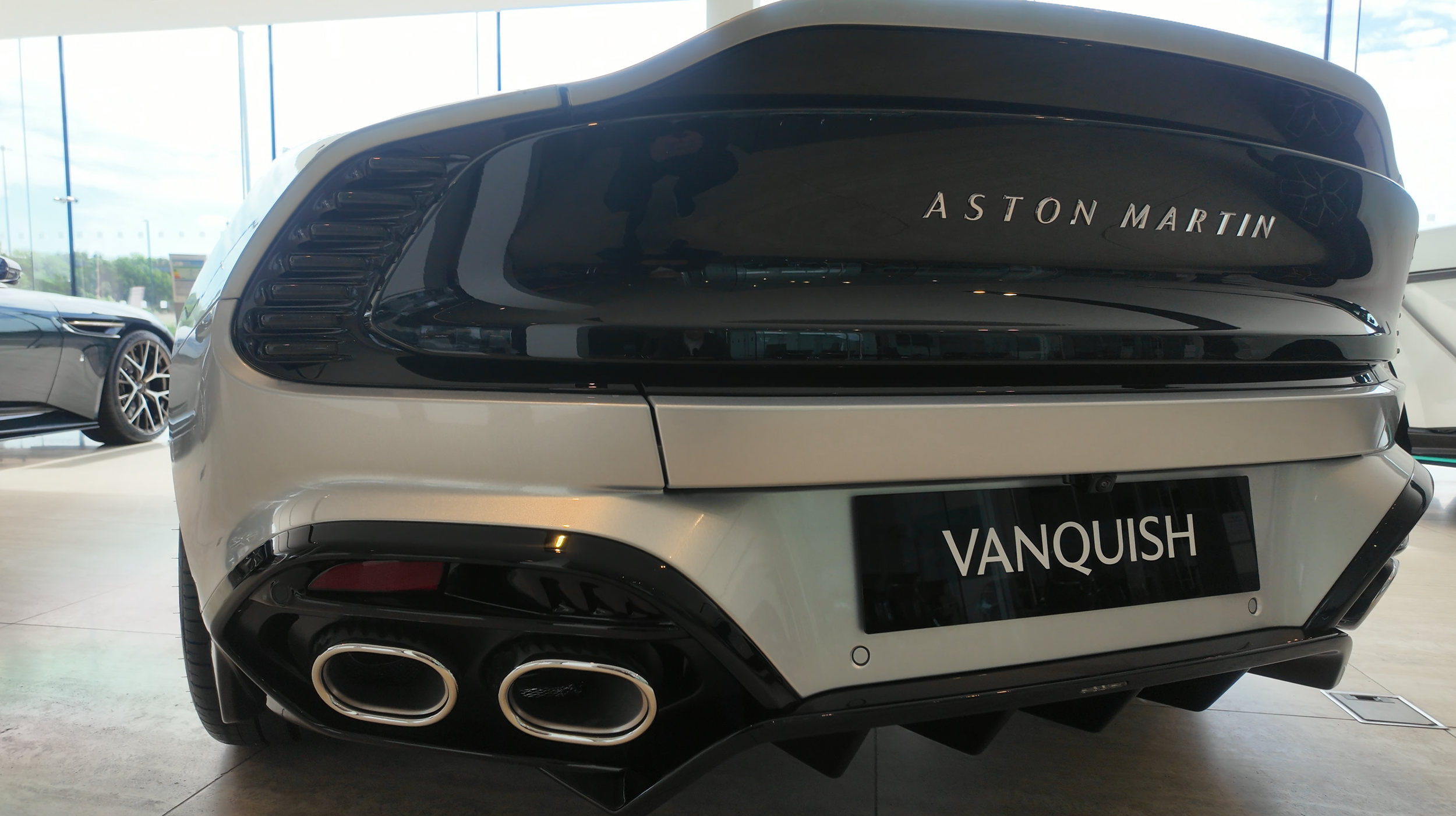
Image © Fuel the Passion. Aston Martin Vanquish, Aston Martin Nottingham.
The American car tested by Motor1 carried an as-tested price of $552,600 (approximately £410,000 at current exchange rates), including a substantial options bill and US import duties. That’s extraordinary money by almost any normal measure, but it also illustrates the direction Aston Martin has been pursuing: fewer cars, greater exclusivity, more personalisation and considerably higher value per car.
Which brings us rather neatly to the other side of this week’s Aston Martin story. Because while reviewers continue to find a great deal to admire in cars such as Vanquish, the listed company behind them is still struggling to convince the financial markets.
That contrast; highly desirable products on one side, a deeply challenged share price on the other, sits at the heart of the next section. Aston Martin Lagonda: What Does Leaving the FTSE 250 Actually Mean?
Aston Martin to Leave the FTSE 250

Image © Aston Martin Lagonda. Used for editorial purposes.
The contrast we’ve just been discussing with Vanquish leads rather neatly into one of the more difficult sides of the Aston Martin story. The cars continue to receive considerable praise. The brand remains globally recognisable and highly desirable. Yet the publicly listed company behind those cars continues to struggle for the confidence of investors.
That’s been an ongoing theme in the Weekly Roundup for some time, but this week brought a fresh and very visible development:
Aston Martin Lagonda Global Holdings is to leave the FTSE 250 later this month.
FTSE Russell formally confirmed Aston Martin among the companies being removed from the index following its September quarterly review. The changes will be implemented after the London market closes on Friday 18th September, becoming effective from the start of trading on Monday 21st September.
For anybody who doesn’t regularly follow financial markets, that announcement may sound rather more dramatic than it actually is, or, equally, its significance may not be immediately obvious. So before we look at Aston Martin’s recent share-price performance and what the change could mean in practice, it’s worth answering the most obvious question.
What Is the FTSE 250?
In very simple terms, the FTSE indices operate rather like league tables based principally on the stock-market value of qualifying UK-listed companies. The FTSE 100 contains the largest 100 qualifying companies. Immediately below it sits the FTSE 250, broadly representing the next 250.
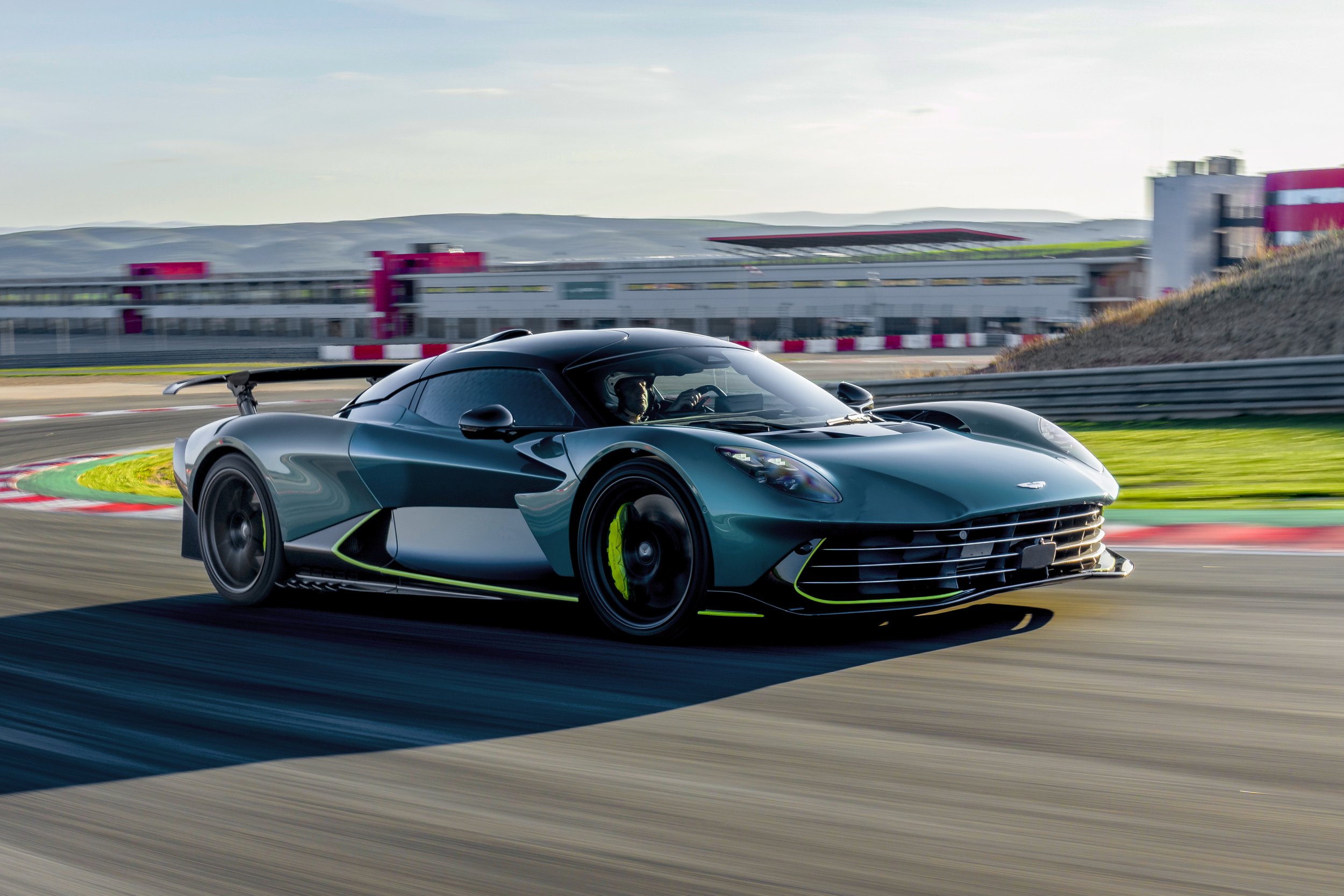
Image © Aston Martin Lagonda. Used for editorial purposes. Aston Martin Valhalla.
A company’s market value, or market capitalisation, is essentially calculated by multiplying its share price by the number of shares in issue. As a company’s value rises or falls relative to others, it can move between the indices when the quarterly reviews take place.
Aston Martin hasn’t been singled out because somebody at the London Stock Exchange has decided the company is badly run, its cars aren’t good enough or its future is hopeless. Its market valuation has simply fallen sufficiently far relative to other companies that it no longer meets the threshold required to remain in the FTSE 250.
Most importantly: Aston Martin is not being removed from the London Stock Exchange.
AML shares will continue to trade in the normal way. This is an index change, not a delisting, insolvency or declaration that the company has somehow ceased to be investable. There are nevertheless consequences. Investment funds designed specifically to track the FTSE 250 normally need to own the companies contained within it. When Aston Martin leaves, those funds will have to adjust their holdings accordingly around the rebalance. That can create some technical selling pressure. It does not, however, automatically mean the shares must fall.
Has the FTSE 250 Announcement Actually Hurt AML Shares?

Image © Fuel the Passion
So far, there’s surprisingly little evidence that the announcement itself has caused another substantial sell-off. Over the past five weeks, Aston Martin’s share price has remained extremely weak in historical terms, but the movement has been more of a low-level grind than another sudden collapse.
AML closed July at approximately 34.98p. Recent reference points have remained broadly around the mid-30p level:
7 August: 35.20p
14 August: 34.90p
21 August: 34.24p
28 August: 33.50p
2 September: 34.36p
That leaves the shares only around 1.6% lower than at the end of July, although that relative stability shouldn’t disguise just how depressed the underlying valuation has become. Interestingly, FTSE Russell had already identified Aston Martin as a likely FTSE 250 deletion in its indicative review on 25th August. AML shares actually rose that day. When the removal was formally confirmed on Wednesday 2nd September, they rose again, closing approximately 3.5% higher on the day.
We can now add the final piece of evidence for this week. AML closed on Friday 4th September at approximately 34.42p, up around 0.9% on the day and roughly 2.7% higher than the previous Friday’s 33.50p close. Compared with the 34.98p recorded at the end of July, the shares remain around 1.6% lower.
That makes the immediate market reaction to Aston Martin’s FTSE 250 exit rather interesting. Far from producing another sell-off, AML actually finished the week higher than it began it. The shares remain extraordinarily weak in historical terms, and nothing in one week’s trading changes the much bigger financial challenges facing the company, but there’s little evidence so far that investors have treated the index removal itself as a fresh crisis.
The most likely explanation remains that the move had already been anticipated and largely absorbed into the share price before the formal announcement arrived. In other words, leaving the FTSE 250 appears, at least initially, to have been viewed by the market more as a consequence of Aston Martin’s depressed valuation than as a new reason to mark the company down further.
The Five-Year Picture Is Much Harder to Ignore
Image © Aston Martin Lagonda. Used for editorial purposes.
Step back from the past five weeks, however, and the direction becomes much clearer. As we’ve covered in previous editions of the Roundup, Aston Martin shares were trading at vastly higher levels five years ago. The broad year-end picture runs from around 1,353p at the end of 2021, to approximately 154p in 2022. There was a meaningful recovery to around 226p during 2023, but that proved temporary, with the price subsequently falling to approximately 107p at the end of 2024, around 64p at the end of 2025, and now the mid-30p region during 2026.
Those figures need handling carefully. Aston Martin has undertaken major capital raises, a substantial rights issue and other corporate actions during that period, so simply comparing two historic share prices doesn't provide a perfectly clean measure of shareholder loss. The direction, though, is unmistakable. A sharp decline, a significant recovery during 2023 that ultimately failed to hold, followed by renewed weakness through 2024, 2025 and into 2026.
That’s really what the FTSE 250 exit represents. It’s not the cause of Aston Martin’s problems; it’s another visible consequence of the decline in the market’s valuation of the company.
Where Are Bentley and Aston Martin’s Other Rivals?

Image © Bentley Motors. Used for editorial purposes.
There’s another useful piece of context here. It would seem perfectly natural to ask where Bentley sits in the FTSE rankings. The answer is that it doesn't. Bentley Motors is not an independently listed British company. It sits within the much larger Volkswagen Group. Similarly, Rolls-Royce Motor Cars belongs to BMW Group and should not be confused with FTSE-listed Rolls-Royce Holdings, which is the aerospace and power-systems company. Ferrari is publicly listed, but in Milan and New York rather than London.

Image © Aston Martin Lagonda. Used for editorial purposes.
That makes Aston Martin relatively unusual among the great luxury-car marques. Investors can buy directly into the standalone Aston Martin road-car business through AML shares rather than buying into a much larger parent group containing numerous brands and business divisions.
For a British luxury comparison, Burberry is perhaps more useful. It currently sits in the FTSE 100.
That doesn't mean Burberry is somehow a “better” company than Aston Martin, and it certainly tells us nothing about the relative desirability of a handbag and a Vanquish. It simply means Burberry presently has sufficient stock-market value to qualify for the larger index.
FTSE membership is fundamentally a measure of relative market value - not a quality award.
The Bentley Comparison Becomes Even More Interesting
All of which brings us back to Adrian Hallmark. Much has been made of the similarities between what Hallmark achieved at Bentley and what he is now trying to accomplish at Aston Martin: greater exclusivity, stronger personalisation, disciplined production, richer derivatives and considerably more value extracted from each car rather than simply chasing ever-greater volume.
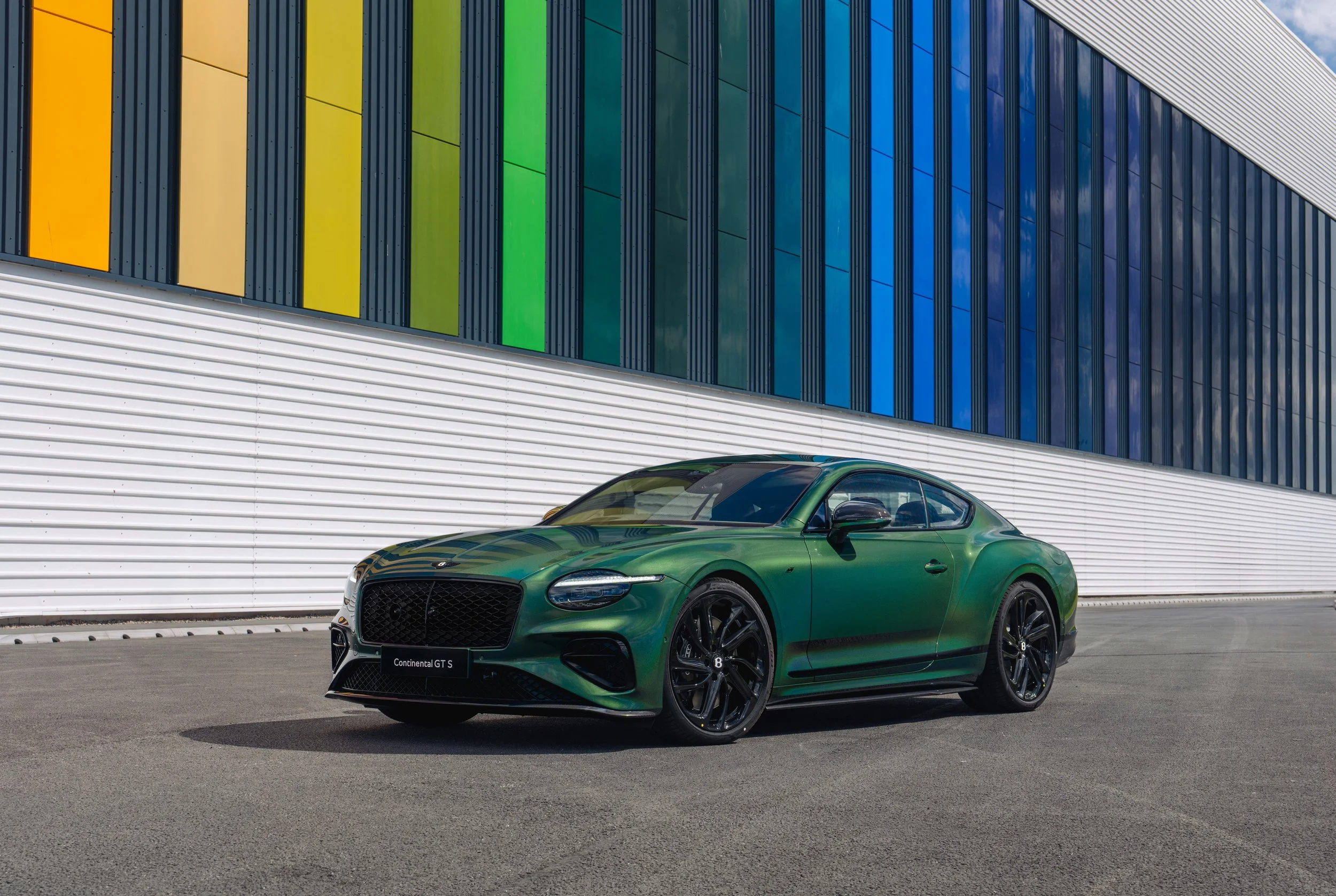
Image © Bentley Motors. Used for editorial purposes.
There is, however, a major structural difference. Hallmark ran Bentley inside the financial scale and support of Volkswagen Group.
At Aston Martin, he’s attempting to apply elements of that playbook to a much smaller, independently listed luxury manufacturer carrying its own debt, funding requirements and continuing pressure to generate cash.
That makes the question far more complicated than simply asking whether Aston Martin can produce desirable cars. The evidence from DB12, Vantage, Vanquish, Valhalla and the marque’s increasingly ambitious special programmes suggests desirability itself is not the central problem. The challenge is converting that desirability into sufficient margin, cash generation and sustained profitability to restore confidence in the underlying business.
It’s precisely the question we explore in considerably greater depth in the new Featured Article published alongside this Roundup:
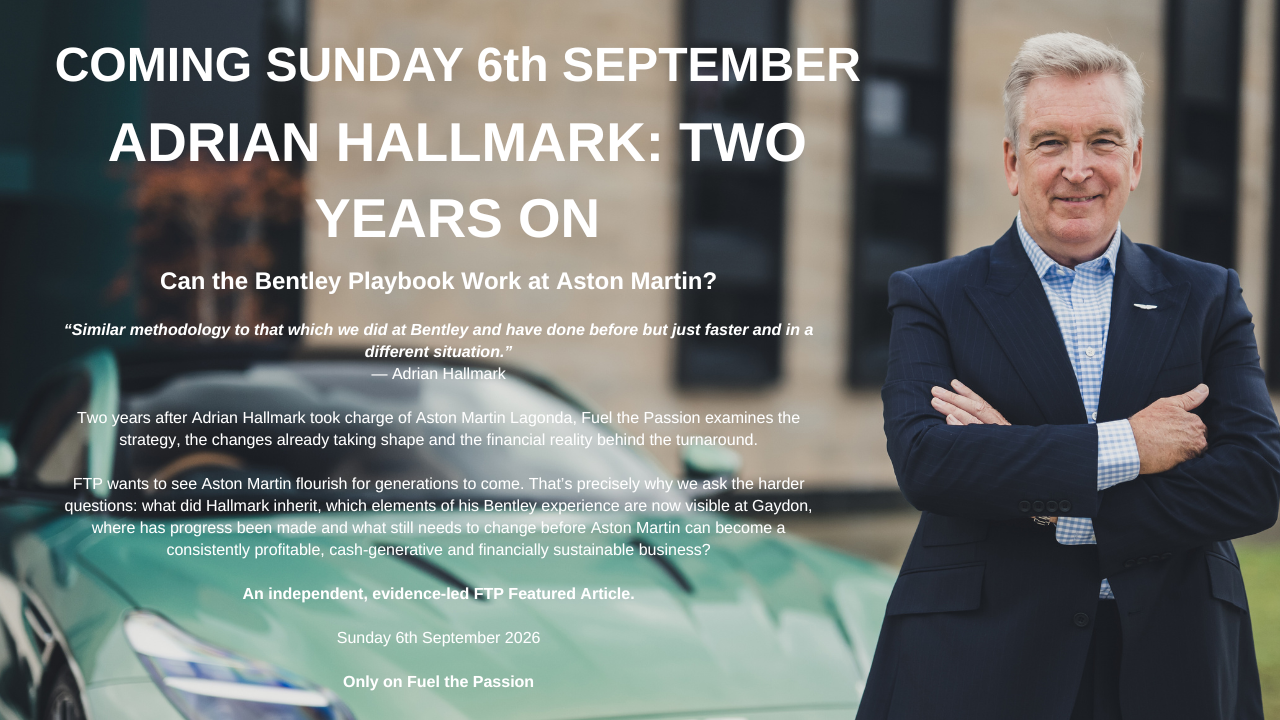
Adrian Hallmark: Two Years On – Can the Bentley Playbook Work at Aston Martin?
For now, Aston Martin’s departure from the FTSE 250 shouldn’t be treated as a crisis in isolation, nor dismissed as an irrelevant piece of financial housekeeping. It’s better understood as another visible marker of a story we’ve been following for some time.
The brand remains enormously powerful. The cars are increasingly compelling. The unresolved task is turning both into a consistently sustainable company.
That brings the conversation away from investors and towards something rather closer to the everyday reality of actually owning and using these cars, because another story this week has caused plenty of concern among enthusiasts about what the Government’s proposed changes to vehicle-emissions rules might mean for modified cars.
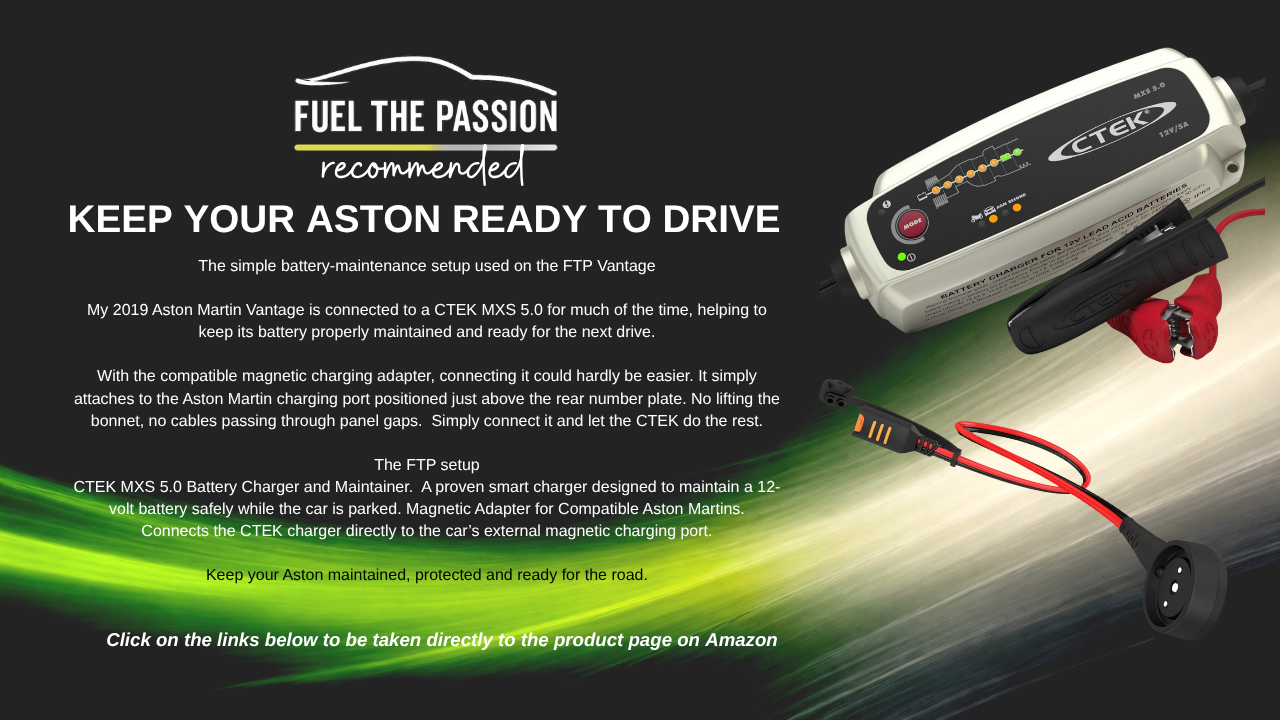
Affiliate link note: Some links may be affiliate links, which means Fuel the Passion may earn a small commission if you purchase through them, at no extra cost to you. Thank you for your support.
Proposed Emissions Rules: What Could They Mean for Aston Martin Owners?
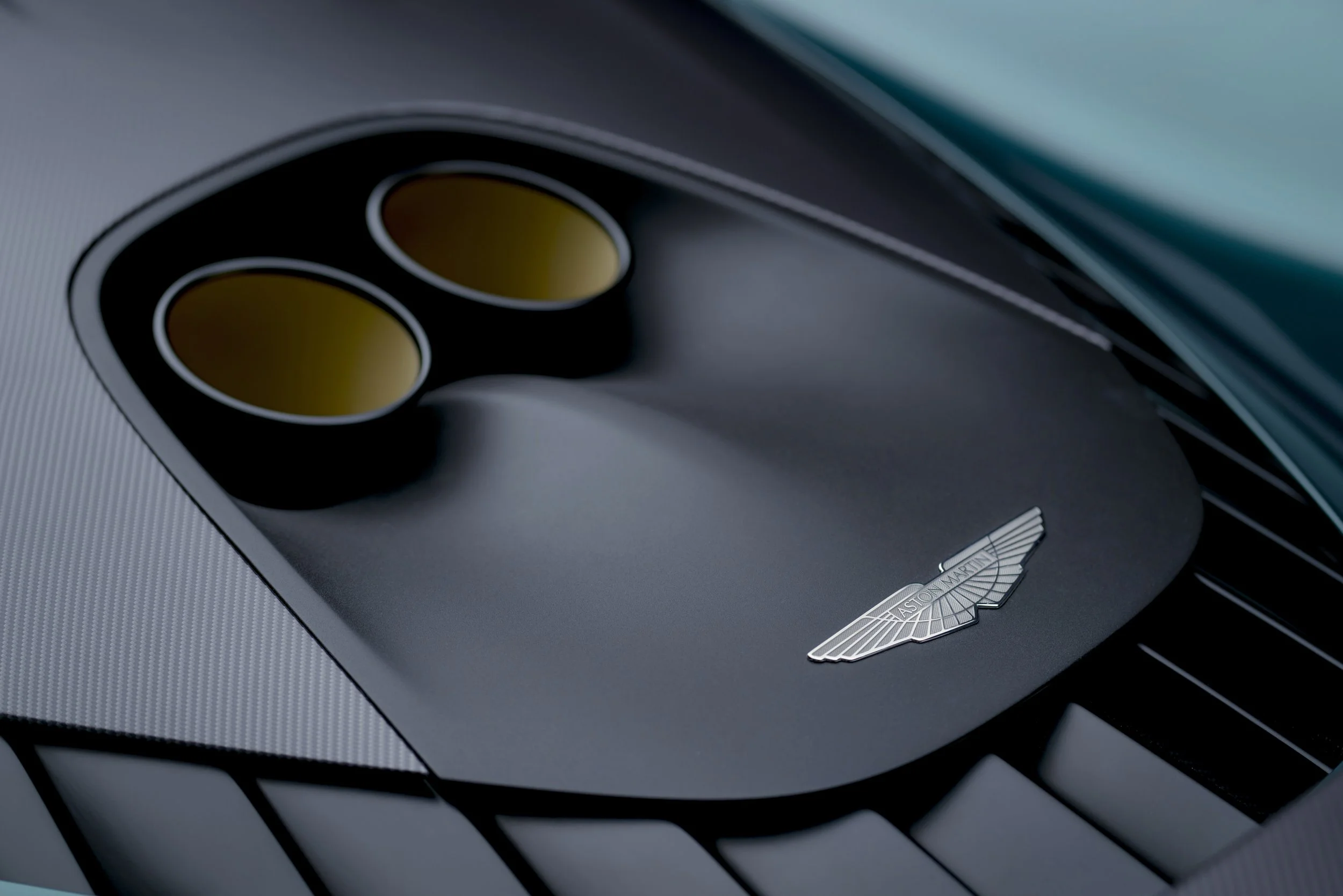
Image © Aston Martin Lagonda. Used for editorial purposes. Aston Martin Valhalla.
Leaving the financial markets behind, there’s another development this week that could have rather more direct relevance to owners, particularly anyone running a modern Aston Martin that’s been modified, remapped or fitted with an aftermarket exhaust.
The Department for Transport is currently consulting on proposed changes to the rules governing the in-use emissions of road vehicles, and there’s an important timing point for anyone reading Issue 40 on publication morning.
The consultation closes on the very same day this Roundup is published;
— Sunday 6th September 2026 — with responses accepted until 11:59pm.
So if you have a view on the proposals, there’s still time today to read the Government’s consultation for yourself and submit a response. Much of the discussion surrounding the proposals has focused on vehicle modification, but having worked through the consultation itself, we think it’s important to separate what the Government is actually proposing from some of the more dramatic interpretations that have appeared elsewhere.
This Is Not a Blanket Ban on Modifying Cars

Image © Fuel the Passion. For illustrative purposes.
At the centre of the consultation is a relatively straightforward principle. For road vehicles first used from 1st January 2001 onwards, the Government wants the law to make clearer that the emissions standards and emissions-control requirements applicable when a vehicle was originally manufactured and registered should continue to be met throughout that vehicle’s life.
In simple terms, a car should not become less compliant with its original emissions requirements merely because it’s become older or subsequently been modified. Crucially, the consultation does not propose banning vehicle modification or the use of aftermarket and non-original components.
The Government explicitly recognises that tuning, alteration and the fitting of generic or non-OEM parts are legitimate activities. The important question is whether a modification causes the vehicle to cease meeting the emissions standard that originally applied to it. That distinction is particularly relevant to Aston Martin owners.
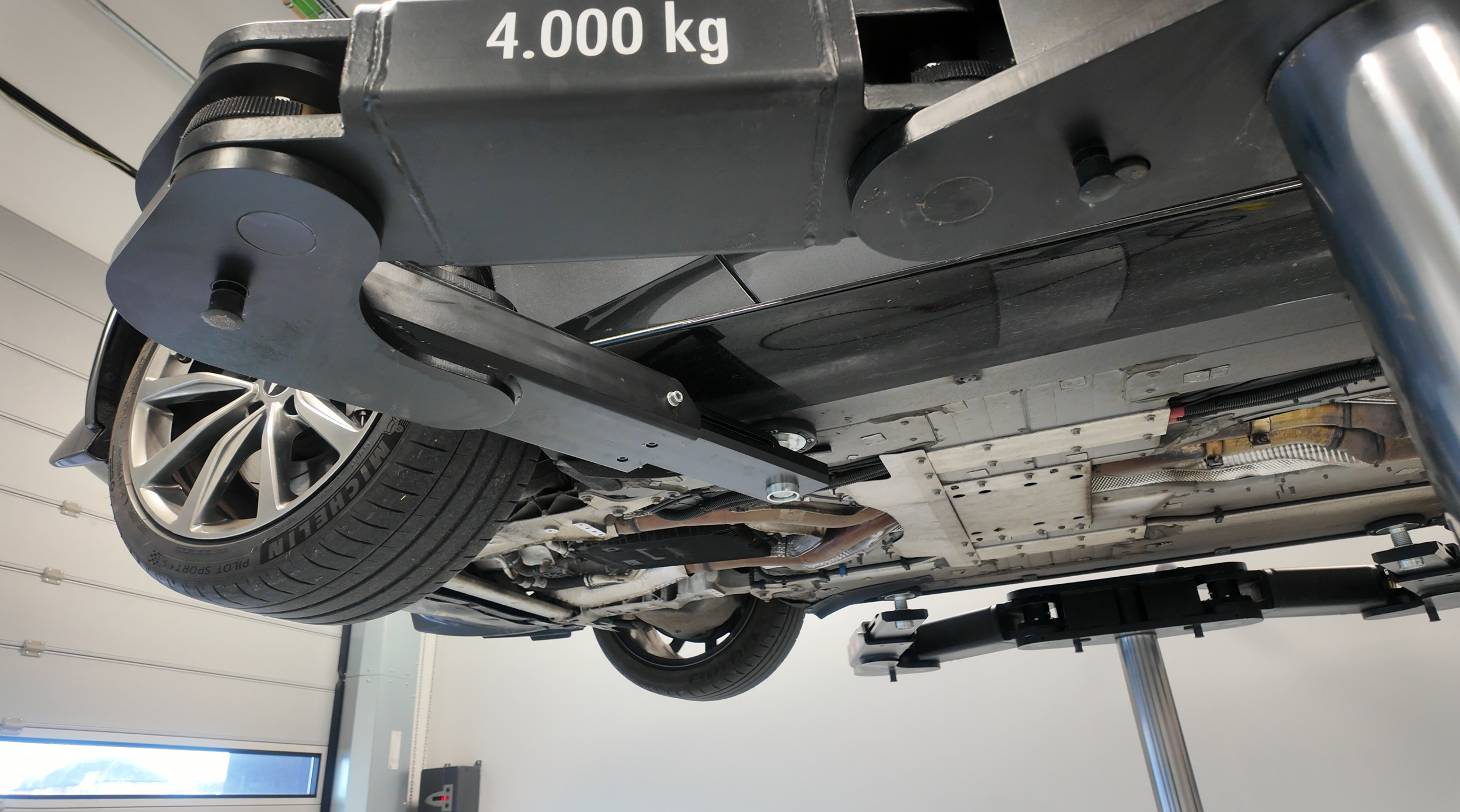
Image © Fuel the Passion. FTP Vantage having a service.
Changing a rear silencer or fitting a different exhaust system is not automatically prohibited simply because it changes the sound or character of the car. The emissions issue becomes much more significant where a modification involves removing, defeating or bypassing equipment specifically fitted to control pollutants.
The consultation identifies equipment such as catalytic converters, diesel and petrol particulate filters, AdBlue/SCR systems and exhaust-gas recirculation equipment as examples where removal or manipulation can affect compliance.
For later Aston Martins, one obvious area of interest will be the gasoline particulate filter, commonly referred to as a GPF or OPF. Removing or bypassing such a device is fundamentally different from changing the rear section of an exhaust while retaining all of the vehicle’s emissions-control equipment. Software modifications can also enter the picture. An ECU remap is not inherently unlawful simply because software has been changed, but if the alteration results in the vehicle exceeding the emissions requirements that originally applied to it, the proposed legislation could become relevant.
It’s also worth keeping emissions and noise regulations separate. Existing rules governing exhaust noise are a different legal consideration, so an exhaust modification might present no emissions problem while still raising a separate question over permissible noise levels.
Why Does This Matter to Aston Martin Owners?
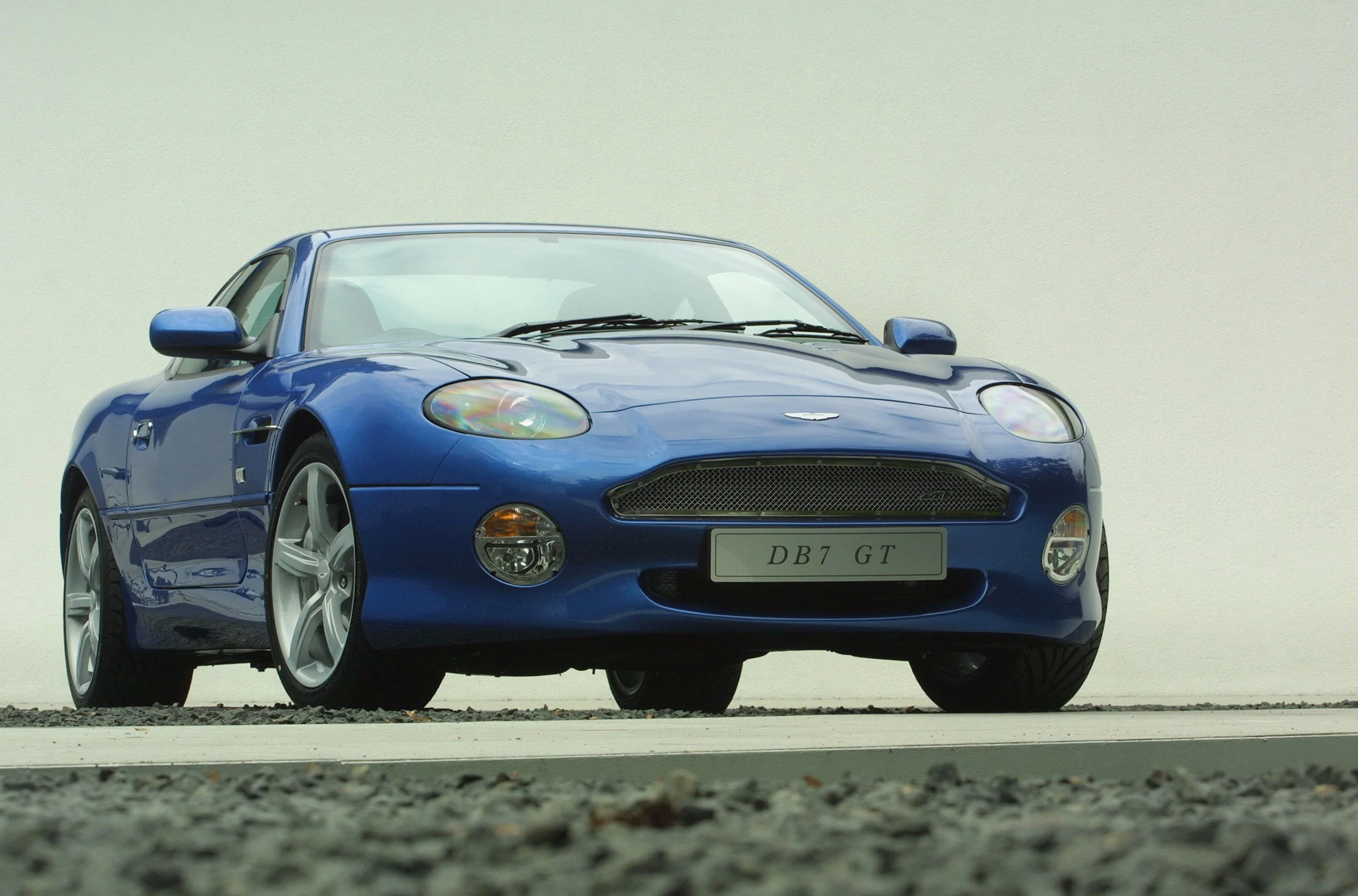
Image © Aston Martin Lagonda. Used for editorial purposes. 2002 - 2003 Aston Martin DB7 GT
The proposed 1st January 2001 starting point means the legislation could potentially encompass virtually the whole modern Aston Martin era, from later DB7s and the original Vanquish through DB9, V8 and V12 Vantage, Rapide, DB11, DBX and the current generation of cars.
That does not mean large numbers of legitimately modified Aston Martins are suddenly going to become illegal. A more accurate reading is that the Government wants clearer powers to deal with vehicles where emissions-control equipment has deliberately been removed or defeated, or where modifications mean the car no longer meets the environmental standard it was originally required to satisfy.
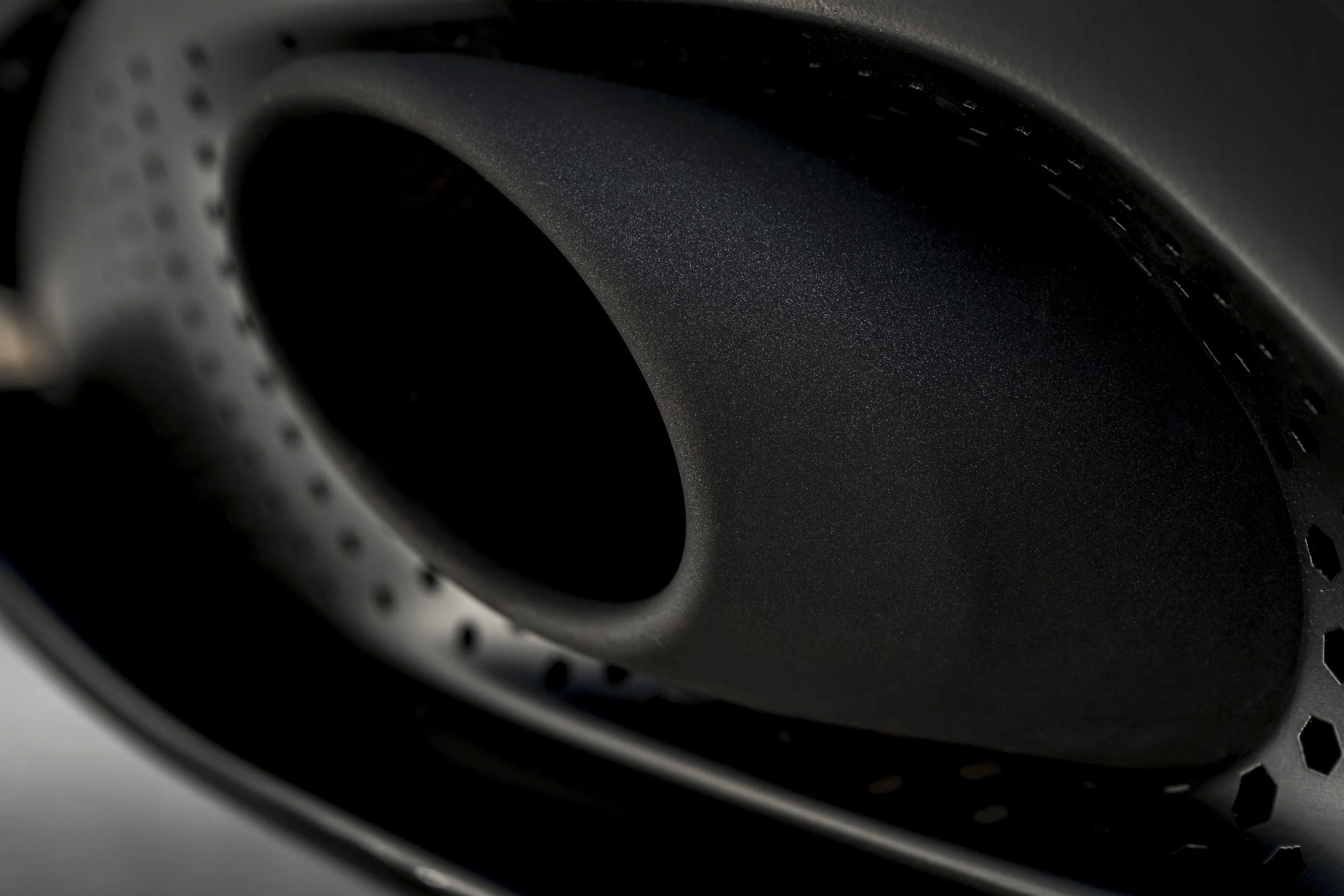
Image © Aston Martin Lagonda. Used for editorial purposes. Aston Martin DB11 rear exhaust
Poor maintenance can potentially be relevant too. The underlying principle is that the vehicle should continue to meet the emissions requirements applying to it throughout its working life, rather than compliance ending once the car has left the factory.
Enforcement would principally involve the DVSA, with the consultation discussing how existing Road Traffic Act provisions could be used alongside the proposed changes.
There’s no immediate overnight change to the law either. The Government envisages legislation being introduced during 2027, with a proposed lead-in period before the new requirements take effect. For now, this remains precisely what it says on the tin: a consultation.
There Is Still Just Time to Have Your Say
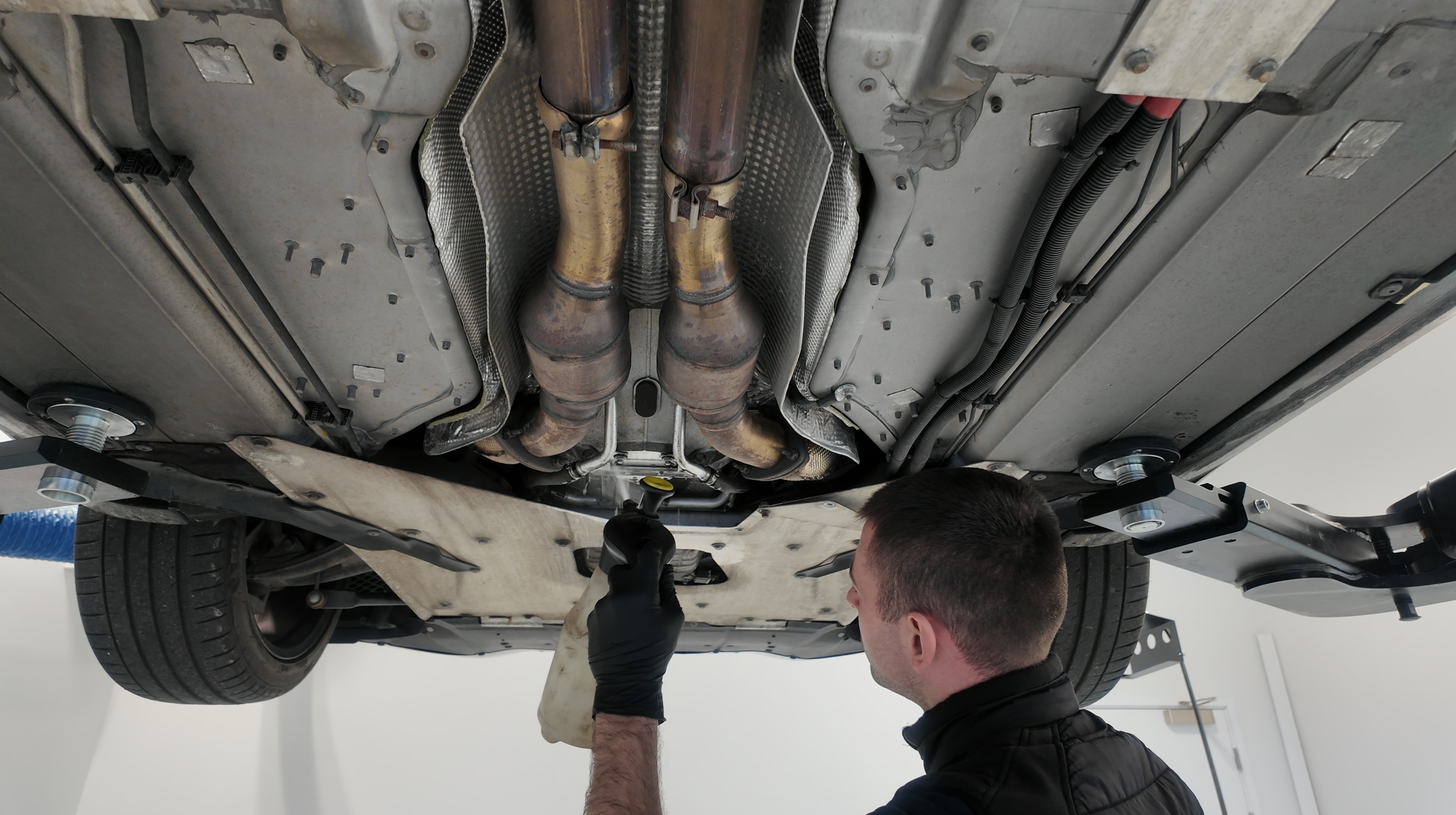
Image © Fuel the Passion. FTP Vantage having a service.
Because Issue 40 is being published on the final day of the consultation, anyone who feels strongly about the proposals still has an opportunity to respond. That could be particularly relevant if you own a modified Aston Martin, are considering changes to an exhaust or engine management system, work within the specialist-car industry, or simply believe enthusiast vehicles need to be properly understood when future regulation is being shaped.
Rather than relying solely on headlines or somebody else’s interpretation, including ours here at FTP, we would encourage anyone interested to read the Government document itself. The official GOV.UK consultation page contains the full proposals and provides the route to respond online.
[READ & RESPOND TO THE CONSULTATION]
Responses close at 11:59pm on Sunday 6th September 2026, the same day this Roundup is published.
For Aston Martin owners, the central point is perhaps reassuringly straightforward:
Vehicle modification itself is not what the Government is proposing to prohibit. The objective is to ensure that a vehicle continues to meet the emissions standard it was originally required to satisfy, regardless of what changes are subsequently made to it.
That feels a considerably calmer and more accurate interpretation of what’s actually being proposed. With the consultation covered, we can leave the world of regulation behind and turn to something rather more enjoyable, the collector market. This week, one particularly interesting DB5 is heading towards auction, and its estimated value provides a useful comparison with another 1965 DB5 that has caught our attention for FTP Car of the Week.
Why the DB5 for Issue 40?
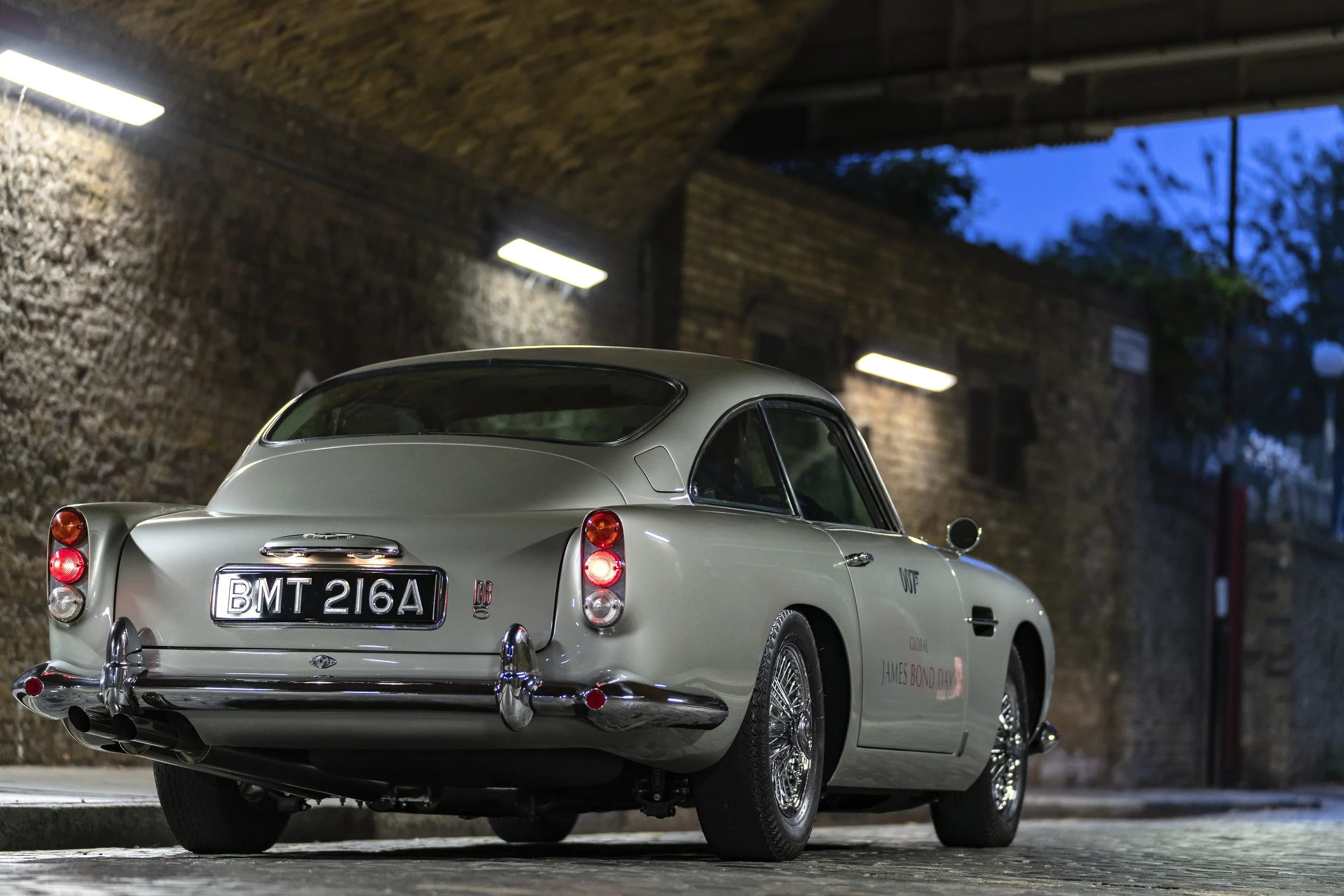
Image © Aston Martin Lagonda. Used for editorial purposes. Aston Martin DB5 - James Bond Day.
For Issue 40, it somehow felt appropriate that our FTP Car of the Week should be something particularly significant to Aston Martin. There are plenty of important cars in the marque’s history, but very few have come to represent Aston Martin quite like the DB5.
Only 1,022 DB5s were built, according to Aston Martin’s own heritage records: 887 saloons, 123 convertibles and 12 shooting brakes. Yet its significance has always been far greater than those relatively small production numbers might suggest. The elegant Touring-designed shape, Newport Pagnell craftsmanship, 4.0-litre straight-six and, inevitably, its association with James Bond combined to make the DB5 one of the few Aston Martins recognised far beyond the enthusiast world.
Our original intention this week was actually much simpler. We had found two particularly interesting 1965 DB5s: one currently being offered by Stratton Motor Company that immediately stood out as a strong candidate for FTP Car of the Week, and another rare factory Vantage heading to auction with RM Sotheby’s.
Putting those two cars alongside one another, however, stirred our curiosity.
Their headline values sit surprisingly close together, yet their specifications, histories and routes to market are very different. That led us to ask a much broader question here at FTP:
What have DB5s actually been selling for over the past five years, and where do these two cars sit within that wider picture?
With a car as internationally recognised and collectible as the DB5, simply repeating two asking prices didn’t feel quite enough. So before we look closely at either of this week’s cars, we decided to dig a little deeper into recent documented sales, condition, provenance, originality and specification to see what the market itself might tell us.
What Have DB5s Actually Been Selling For?
To answer that question properly, we went back through approximately five years of publicly documented DB5 saloon sales, looking for transactions where enough information was available to understand not simply the price achieved, but something about the car that achieved it.
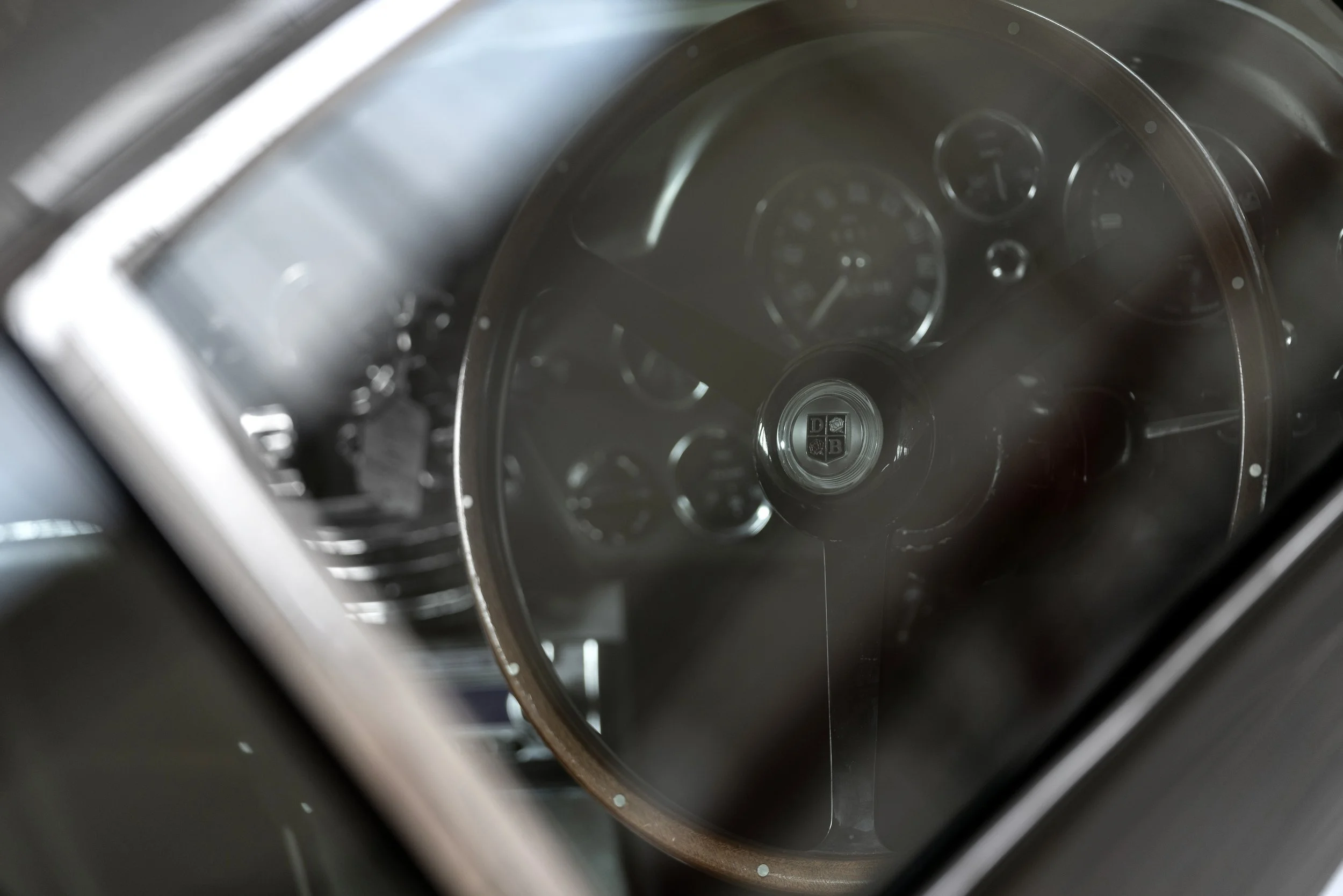
Image © Aston Martin Lagonda. Used for editorial purposes. Aston Martin DB5.
This isn’t intended to be an exhaustive record of every DB5 sold since 2021. Cars change hands privately, some auction results are not published in detail, and individual examples can disappear into collections for years at a time. Instead, we’ve selected a range of identifiable transactions that give us useful evidence across different conditions, specifications and levels of provenance.
We’ve deliberately concentrated on DB5 saloons. Convertibles, shooting brakes and cars with direct film provenance have been excluded because they can occupy materially different markets. Some saloons in our sample do carry notable ownership histories, because provenance itself is one of the factors we’re trying to understand.
Where an auction house published an estimate, we’ve included it. Where it didn’t, we’ve left that field blank rather than trying to reconstruct one retrospectively. We’ve also described prices as reported sold prices or prices realised, rather than hammer prices, because published auction results can include buyer’s premium depending on the auction house.
For US sales, we’ve converted the original dollar figures into approximate pounds sterling using the average GBP/USD exchange rate for the month in which the auction took place. Those converted figures are rounded and clearly marked as approximate, while the original dollar amounts remain visible in the table for transparency. We’ve not adjusted historic sale prices for inflation. The purpose of this comparison is to show the prices actually reported at the time of sale, rather than to calculate inflation-adjusted investment returns; doing so would introduce another variable into what is already a highly individual market.
Most importantly, we haven’t attempted to label any individual car as being “above” or “below market value”. With a DB5, there are simply too many variables for that to be a responsible conclusion from a catalogue entry alone. What we can do is show the evidence: the car, its condition and notable history, the estimate where available, and what it actually sold for.
The spread in those results is considerable. That’s where the story starts to become particularly interesting.
Still with us? This feels like a very good place for a cuppa.
We’ve covered the racing, Vanquish, Aston Martin’s FTSE 250 exit, the proposed emissions rules and begun our deeper look at the DB5. Coming next, we put the market evidence on the table before turning to our two featured DB5s, heritage, Club news and a particularly busy FTP Update.
Selected DB5 Saloon Sales
A selection of publicly documented Aston Martin DB5 saloon transactions from 2021–2026, showing how specification, provenance, condition and restoration can sit behind very different achieved prices.
| Date | Sale | Car / Chassis | Presentation & Notable Factors | Estimate | Reported Sold Price | Result vs Estimate |
|---|---|---|---|---|---|---|
| Aug 2021 | Gooding & Company Pebble Beach | 1964 DB5 DB5/1690/R | Neil Peart Collection; matching-numbers engine; 4.2-litre upgrade with triple Webers; extensively serviced and maintained. | ≈£471,000–£525,000 $650,000–$725,000 original | ≈£489,000 $675,000 original | Within |
| Aug 2021 | RM Sotheby’s Monterey | 1964 DB5 DB5/1466/L | Matching-numbers engine and gearbox; rare factory colour combination; well sorted and previously part of the Paul Andrews Estate Collection. SAME CHASSIS APPEARS AGAIN IN 2025 | — | ≈£661,000 $912,500 original | — |
| Apr 2022 | Bonhams Goodwood Members’ Meeting | 1964 DB5 DB5/1564/R | Long-term ownership; approximately 27,400 miles recorded; required substantial recommissioning / restoration. | £280,000–£350,000 | £506,000 | Above |
| Jul 2023 | Bonhams Goodwood Festival of Speed | 1964 DB5 DB5/1760R | Known ownership history; long-term enthusiast ownership; professionally restored between 2016 and 2019; fewer than 48,000 miles recorded. | £600,000–£700,000 | £625,400 | Within |
| Jul 2023 | Bonhams Goodwood Festival of Speed | 1964 DB5 Project DB5/1500/R | Dismantled restoration project; incomplete restoration undertaken previously; non-original engine. | £200,000–£300,000 | £326,600 | Above |
| Nov 2024 | RM Sotheby’s London | 1965 DB5 DB5/2197/R | Matching-numbers engine; five owners from new; dry-stored since 2007 and requiring recommissioning; temporary-import considerations. | £350,000–£450,000 | £376,250 | Within |
| Nov 2024 | RM Sotheby’s London | 1964 DB5 DB5/1787/R | Matching-numbers engine; fully restored in factory-correct colours; Aston Martin Works Assured Provenance Gold certification. | £550,000–£650,000 | £567,500 | Within |
| Aug 2025 | Gooding Christie’s Pebble Beach | 1964 DB5 DB5/1759/R | More than 2,600-hour rotisserie restoration; matching-numbers engine; converted from RHD to LHD; enlarged to 4.2 litres with modern five-speed gearbox. | ≈£539,000–£613,000 $725,000–$825,000 original | ≈£355,000 $478,000 original | Below |
| Aug 2025 | RM Sotheby’s Monterey | 1965 DB5 DB5/2151/R | Matching-numbers engine; single California ownership from 1974–2024; extensive records; recent cosmetic restoration to its original colour combination. | ≈£409,000–£483,000 $550,000–$650,000 original | ≈£372,000 $500,000 original | Below |
| Aug 2025 | RM Sotheby’s Monterey | 1964 DB5 DB5/1466/L | Same chassis sold in 2021; matching-numbers engine, gearbox and bodywork; more than $90,000 spent on service and improvements; reversible electric power steering. SAME CHASSIS AS 2021 SALE | ≈£613,000–£706,000 $825,000–$950,000 original | ≈£617,000 $830,000 original | Within |
| Jul 2026 | RM Sotheby’s Woodcote Park | 1965 DB5 DB5/1727/R | Just two UK owners from new; matching-numbers engine; 44,429 miles recorded; recently serviced by RS Williams; transferable “DB 5” registration included. | £700,000–£900,000 | £792,500 | Within |
So, What Does the Evidence Tell Us?
The first thing that stands out is simply the breadth of the figures.
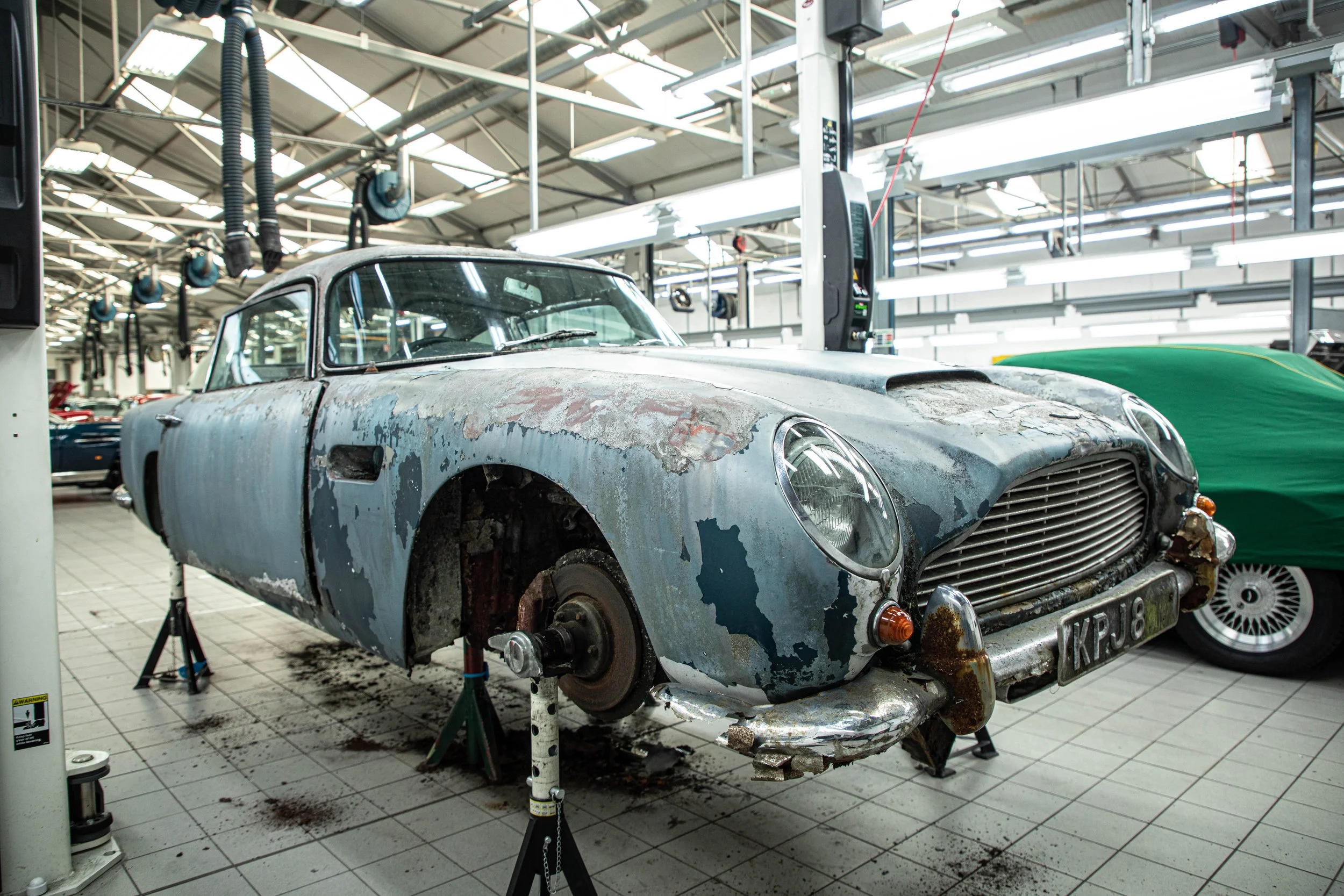
Image © Aston Martin Lagonda. Used for editorial purposes. A DB5 being restored at Aston Martin Works, used for illustrative purposes.
Across the selected transactions we’ve been able to document, reported DB5 saloon sale prices range from £326,600 for a dismantled restoration project in 2023 to £792,500 for a particularly well-provenanced, two-owner example sold by RM Sotheby’s this year with the transferable ‘DB 5’ registration included in the package.
The cars between those two extremes demonstrate why treating the DB5 as though it has one straightforward market value can be misleading.
A matching-numbers car requiring recommissioning achieved £376,250 in London in 2024, while another DB5 at the same RM Sotheby’s sale, fully restored, retaining its matching-numbers engine and carrying Aston Martin Works Assured Provenance Gold certification, achieved £567,500. Same model, same auction, same evening, but a difference of more than £190,000.
That’s perhaps the clearest evidence of what appears to drive this market. Scarcity provides the foundation, but scarcity alone doesn’t determine the price. Originality, matching numbers, condition, restoration quality, ownership history, specification, documentation and provenance all appear capable of materially changing the proposition presented to a buyer. There’s one result in our research that we find particularly interesting because it removes one of the biggest problems with comparing classic-car sales: it’s exactly the same car.
Chassis DB5/1466/L sold through RM Sotheby’s at Monterey in August 2021 for $912,500, approximately £661,000 using our historical exchange-rate methodology. Four years later, the same chassis returned to Monterey and sold for $830,000, approximately £617,000. In the intervening period, RM Sotheby’s records more than $90,000 having been spent on servicing and improvements, while the car continued to retain its matching-numbers engine, gearbox and bodywork.
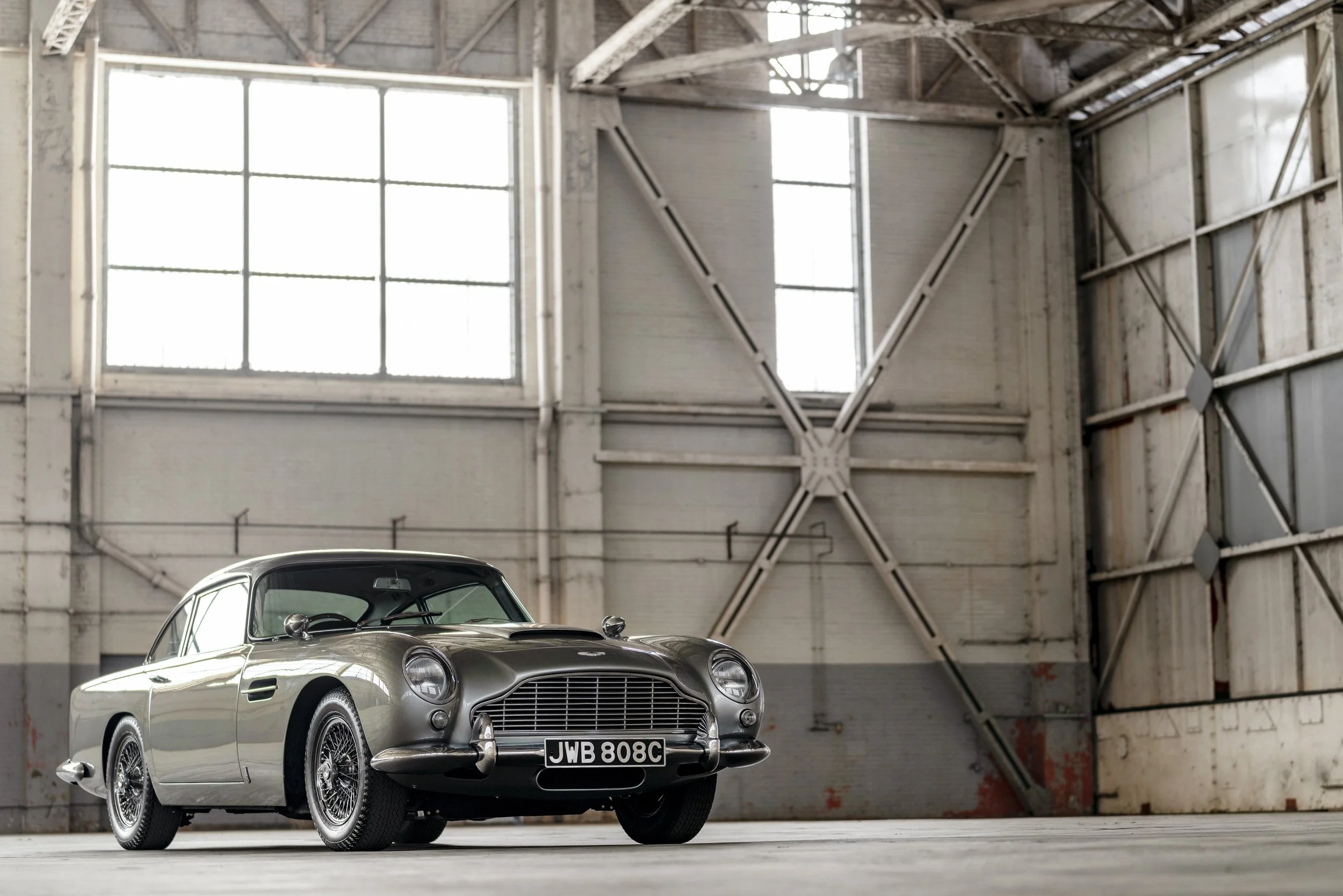
Image © Aston Martin Lagonda. Used for editorial purposes. An Aston Martin DB5, used for illustrative purposes.
It would be tempting to look at those two numbers and declare that DB5 values have fallen. I don’t think the evidence allows us to go that far. One repeated sale cannot represent an entire market, the figures have not been adjusted for inflation, circumstances differ from auction to auction, currencies move, and collector demand can change depending upon who happens to be bidding on the day.
What it does show is that even a strong, well-documented DB5 is not automatically guaranteed to appreciate every time it returns to market. Equally, some cars have significantly exceeded expectations. Others have sold below their published estimates. The lesson seems less about a simple upward or downward price trend and more about an increasingly selective market in which the individual history of the car carries enormous weight.
Image © Aston Martin Lagonda. Used for editorial purposes. An Aston Martin DB5, used for illustrative purposes.
Perhaps, then, asking: “What is a DB5 worth?” is actually the wrong question.
A better one might be: “What is this particular DB5 worth?”
That distinction becomes especially relevant to the two cars that started this investigation in the first place. Our £725,000 FTP Car of the Week and the £750,000-£850,000 factory Vantage heading to auction with RM Sotheby’s both sit towards the upper end of the range represented by our recent evidence, but they arrive there for very different reasons.
Before we look at those two cars properly, though, there’s one more useful piece of evidence we can add: what sellers are asking for DB5s right now.
What Are Sellers Asking for DB5s Today?
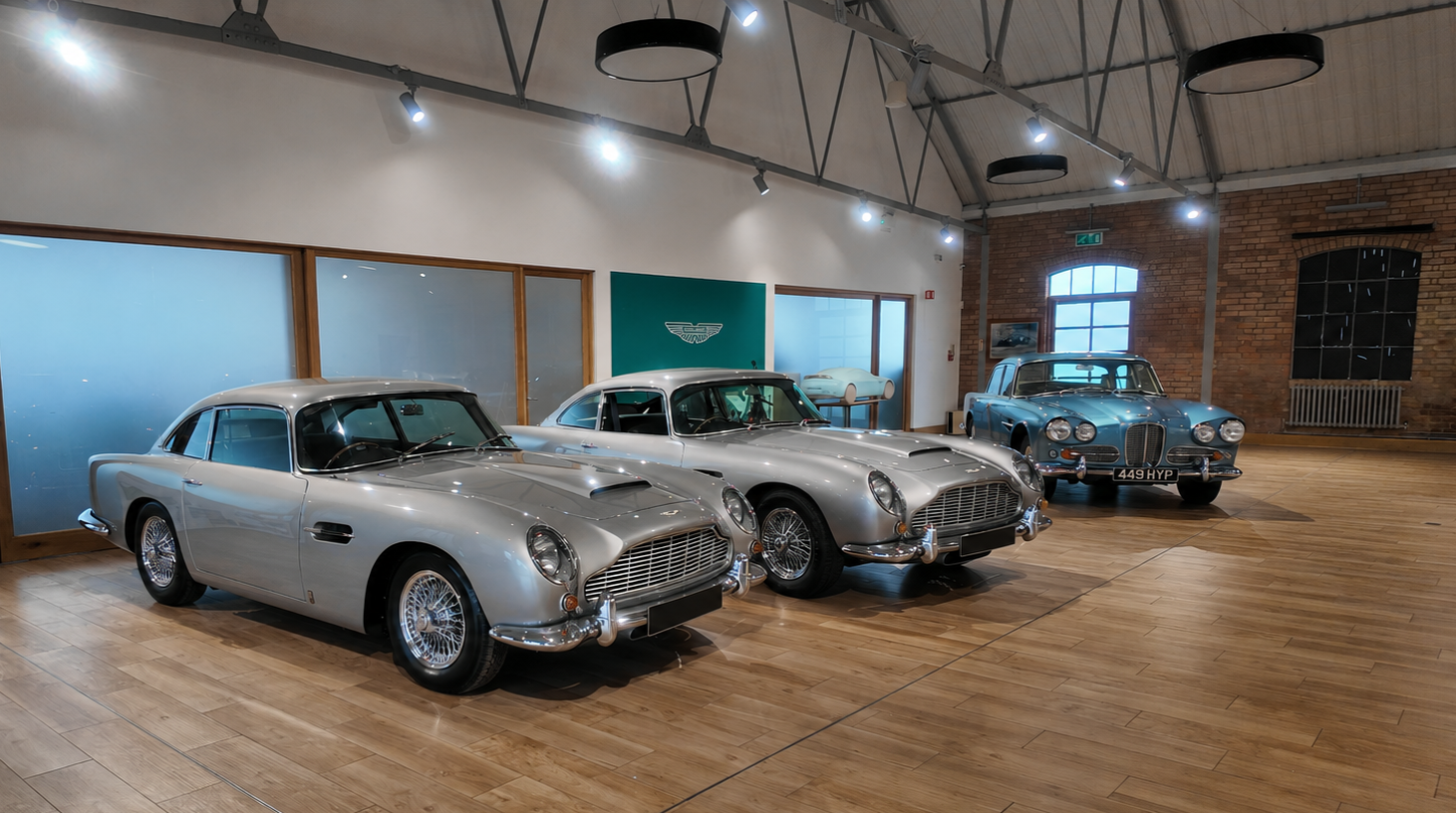
Image © Fuel the Passion. Two stunning Aston Martin DB5s photographed at Aston Martin Works, 2026.
Historic auction results tell us what buyers have actually paid, but there’s another useful comparison we can make: what are sellers asking for DB5s on the market today?
When we checked Auto Trader, only two DB5s were returned by our search. That certainly doesn’t mean there are only two DB5s available anywhere in Britain, cars of this calibre are frequently marketed through specialist dealers, privately or through networks that never reach the larger classified websites, but it does give an interesting snapshot of how rarely they appear in mainstream listings.
The first is a 1964 DB5 offered by Tom Hartley at £749,950. It shows approximately 48,000 miles and has had three owners from new. The dealer records a substantial restoration carried out by Pugsley & Lewis between 2016 and 2019, reportedly costing around £370,000, together with a ZF five-speed gearbox, electronic power-assisted steering and cooling upgrades intended to improve modern usability.
The second is another 1964 DB5, offered by Nicholas Mee at £725,000. Finished in Silver Birch over red Connolly leather, it has covered 48,495 miles and has also had three owners. There’s an important specification distinction here: although Nicholas Mee describes the car as “Vantage + Specifications”, it’s not being presented by us as an original factory Vantage. Its original engine was replaced decades ago and, during its later restoration, the replacement unit was enlarged to 4.7 litres and fitted with Vantage-specification camshafts and triple Weber carburettors.
Then, outside those two Auto Trader results, we have the 1965 DB5 already selected as this week’s FTP Car of the Week, currently advertised by Stratton Motor Company at £725,000.
So our current publicly advertised examples produce a remarkably tight cluster:
£725,000 — Stratton Motor Company
£725,000 — Nicholas Mee
£749,950 — Tom Hartley
That’s interesting when placed alongside the achieved prices in our five-year evidence table. Several DB5s have sold for substantially less, while the strongest examples have approached or exceeded those figures. But the same warning applies here as it did to our auction research: an asking price is not an achieved sale price.
A specialist dealer’s figure may reflect restoration quality, preparation, warranty, provenance, specification and the margin required to retail a car of this nature. There may also ultimately be negotiation between buyer and seller. Until money changes hands, the asking price tells us where the seller believes the car should sit rather than where the market has definitively valued it.
What our small current sample does suggest is that specialist sellers are presently positioning these particular well-presented DB5s around the £725,000–£750,000 mark.
That gives us some useful context for the two cars that started this whole investigation. Our Stratton DB5 sits right within that present asking-price cluster at £725,000. The forthcoming RM Sotheby’s factory DB5 Vantage carries a higher £750,000-£850,000 auction estimate, but it also brings genuine factory Vantage rarity and a very different provenance story.
Whether either figure ultimately proves justified can only really be answered in one of two ways: when the hammer falls, or when the handshake happens.
Market Watch | A Rare DB5 Vantage Returns to Auction
A quick note on the photographs used in this section: the DB5 images accompanying this section are for illustrative purposes only and do not show the actual car being offered by RM Sotheby’s. I’m not authorised to reproduce RM Sotheby’s sale photography here, so if you would like to see the car itself, and there are some lovely images of it, I’d strongly recommend clicking through to the highlighted RM Sotheby’s DB5 Vantage listing below.
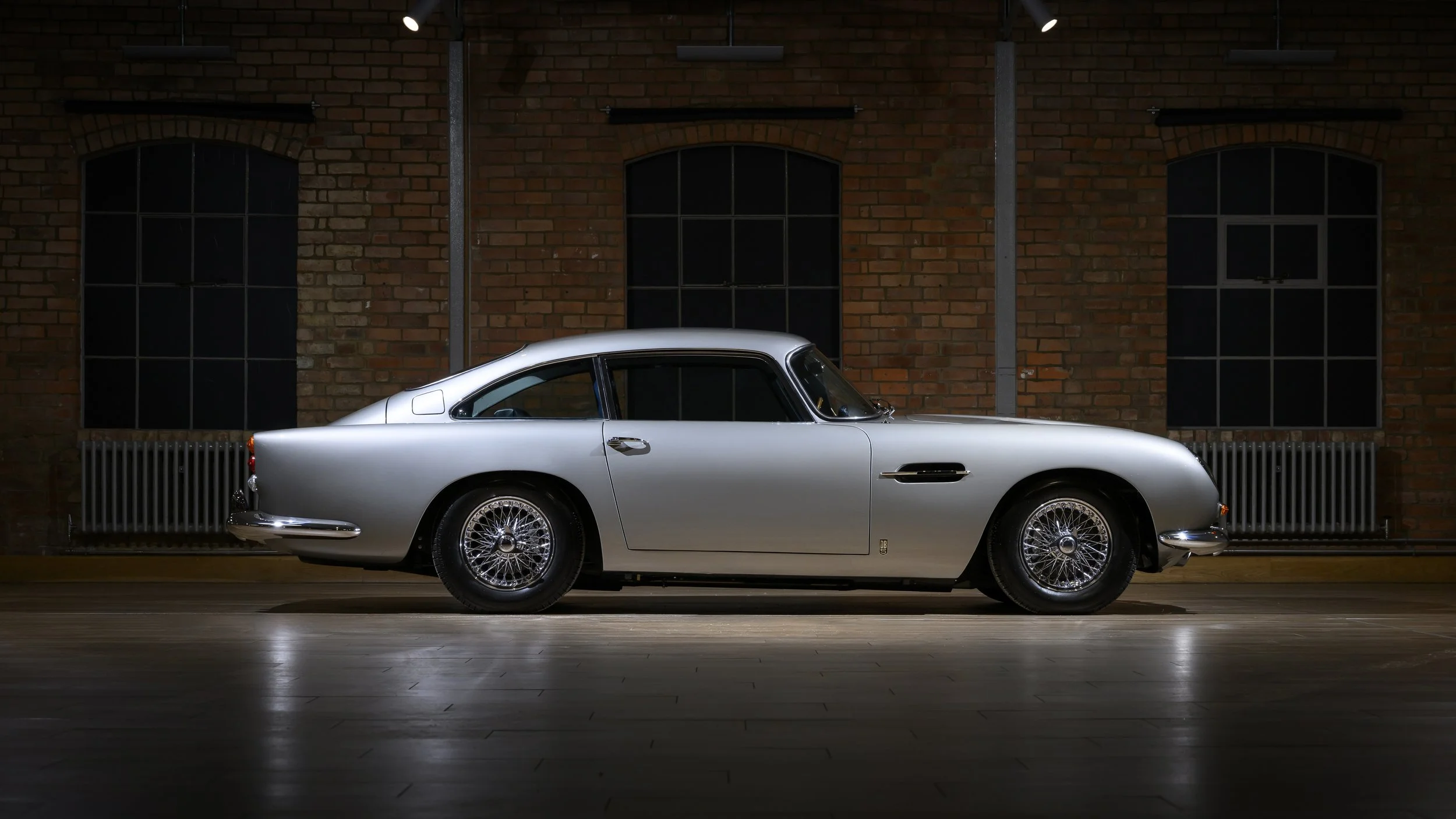
Image © Aston Martin Lagonda. Used for editorial purposes. Aston Martin DB5 restored at Aston Martin Works. Image used for illustrative purposes.
The first of the two cars that prompted this wider investigation is the factory Vantage heading to Switzerland later this month. RM Sotheby’s is preparing to offer a particularly special 1965 Aston Martin DB5 Vantage at its forthcoming Zürich sale on Saturday 26th September. Chassis DB5/2228/L is already unusual before we get anywhere near its restoration history. The latest RM Sotheby’s catalogue, citing Aston Martin Heritage Trust records, identifies it as one of only 60 closed DB5s originally fitted with the Vantage engine, and one of just 21 of those configured in left-hand drive.
It was originally specified for the European market and sold new to Captain Panos A. Tsagaris in Hamburg, finished in the wonderfully appropriate combination of Silver Birch over Dark Blue Connolly leather. The factory specification included the Vantage engine, five-speed manual gearbox, Marchal fog lamps, triple-eared chrome wheels, Normalair air conditioning and a Blaupunkt Köln radio.
Its later history is particularly interesting. By the 1990s the car was in Switzerland and subsequently underwent a lengthy restoration by Roos Engineering, during which it was refinished in midnight blue with a beige interior. By that stage its original engine had already been replaced by another correct DB5 unit, which was restamped with the car’s original engine number.
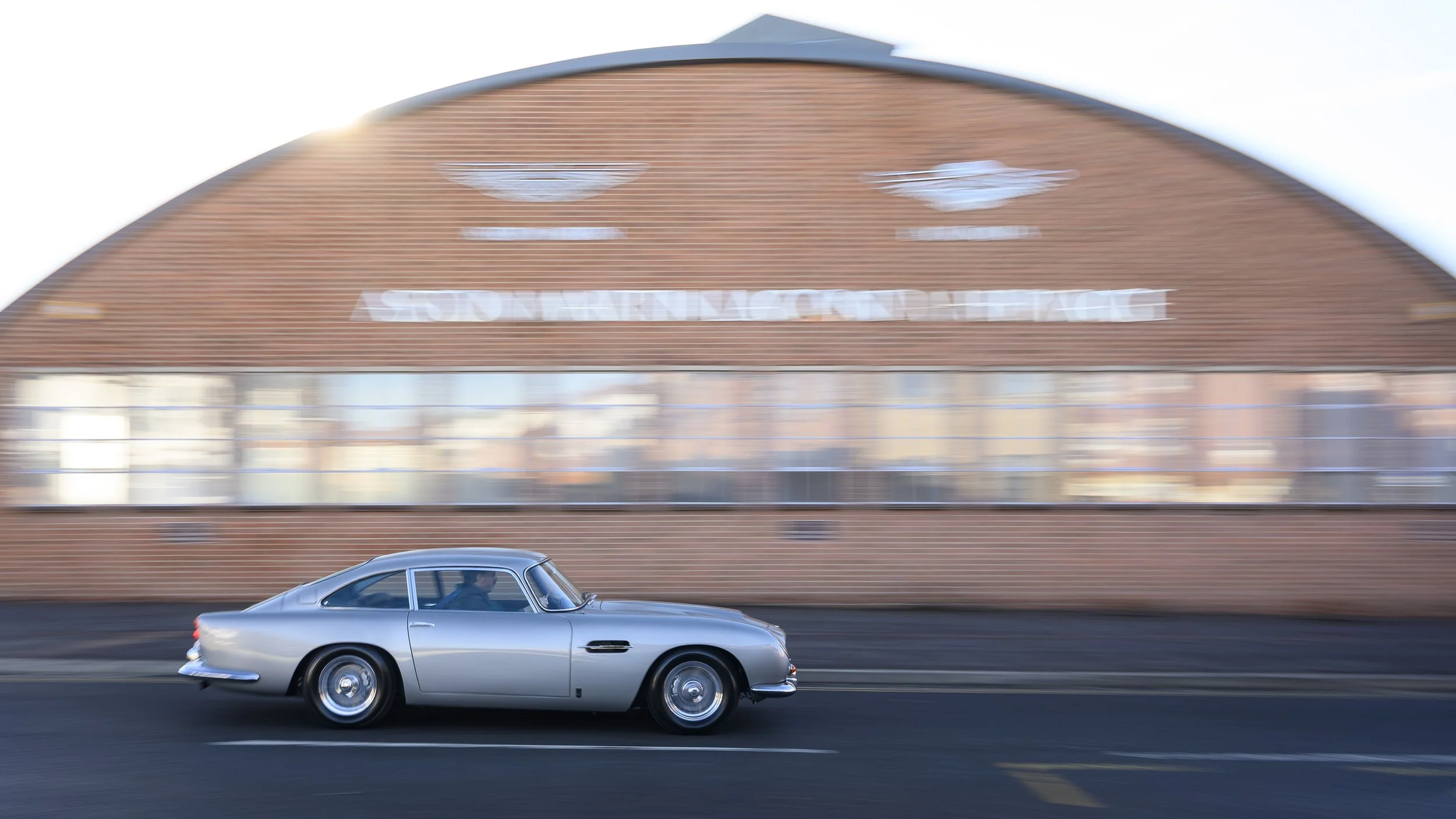
Image © Aston Martin Lagonda. Used for editorial purposes. Aston Martin DB5 restored at Aston Martin Works. Image used for illustrative purposes.
The present consignor acquired the DB5 in 2017 and then sent it back to Aston Martin Works at Newport Pagnell for something considerably more comprehensive.
Over the following three years, Works undertook a restoration reportedly costing more than £400,000, returning the car to its original Silver Birch and Dark Blue specification and renewing the mechanical systems. The replacement engine was rebuilt to Vantage specification with triple Weber carburettors.
There’s also a rather extraordinary additional component included with the car. Aston Martin produced a new continuation Vantage engine for it, carrying a number referencing the original unit. That engine has never been used and remains stored in its shipping crate, accompanying the DB5 as a spare.
Taken together, it makes for a slightly unusual proposition. This is not a matching-numbers, untouched survivor, and its history contains periods that are not completely documented. On the other hand, it’s an exceptionally rare factory Vantage DB5 that has received a huge amount of specialist attention, including a full restoration by Aston Martin Works, and it comes with substantial supporting documentation.
RM Sotheby’s currently estimates the car at CHF800,000–950,000, which it translates to approximately £750,000–£850,000.
There’s another little piece of market history worth noting. The same chassis was offered by RM Sotheby’s at St. Moritz in 2023, when it carried a substantially higher estimate of CHF1.1 million–1.6 million and did not sell. I would be very cautious about reading too much into that comparison. Auction estimates can change for all sorts of reasons, and one car cannot tell us what the entire DB5 market is doing. Nevertheless, the fact that the same DB5 is returning three years later with a noticeably lower estimate makes its eventual result especially interesting.
We’ll therefore put DB5/2228/L on the FTP Market Watch list and return to it once the auction has taken place. The achieved price, rather than the estimate, will give us something much more meaningful to discuss.
[VIEW THE RM SOTHEBY’S DB5 VANTAGE]
That brings us directly to the second car that sparked this wider DB5 investigation: this week’s FTP Car of the Week. Two cars from the same year, carrying remarkably similar headline values, but, as we’re about to discover, two very different DB5 propositions.
FTP Car of the Week
A quick note on the photographs used in this section: the DB5 images accompanying this section are for illustrative purposes only and do not show the actual car being offered by Stratton Motor Company. I’m not authorised to reproduce Stratton’s sale photography here, so if you would like to see the car itself, and there are some lovely images of it, I’d strongly recommend clicking through to the highlighted Stratton Motor Company DB5 listing below.
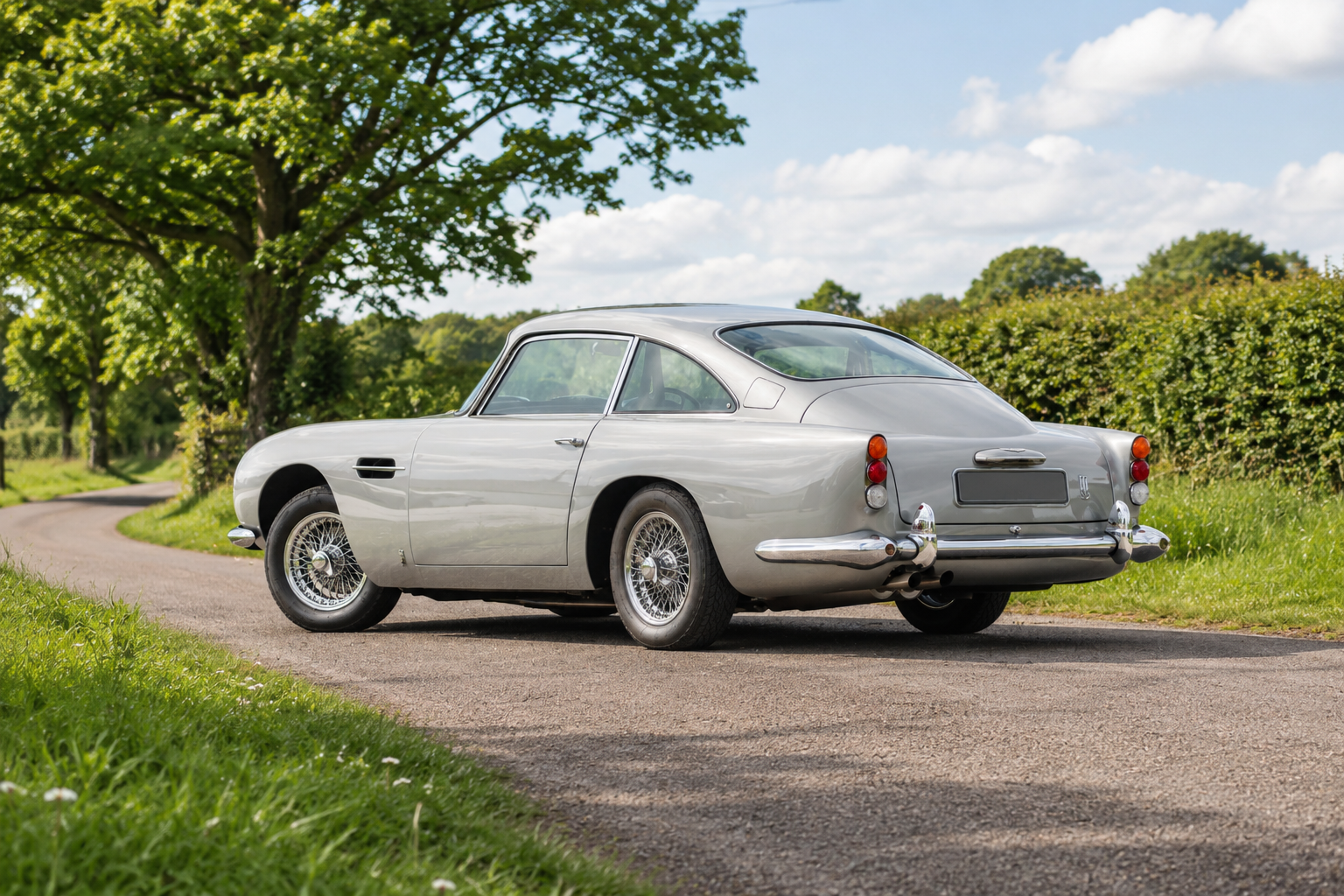
Image © Fuel the Passion. Aston Martin DB5 used for illustrative purposes only.
After looking at that rather special DB5 Vantage heading to auction in Zürich, it seems appropriate that this week’s choice takes us to the same year and one of the most recognisable Aston Martins ever created.
Our FTP Car of the Week is this 1965 Aston Martin DB5, currently offered by Stratton Motor Company in Norfolk for £725,000. The listing remains live at the time of writing, describing a right-hand-drive, manual, 4.0-litre car finished in Silver Birch.
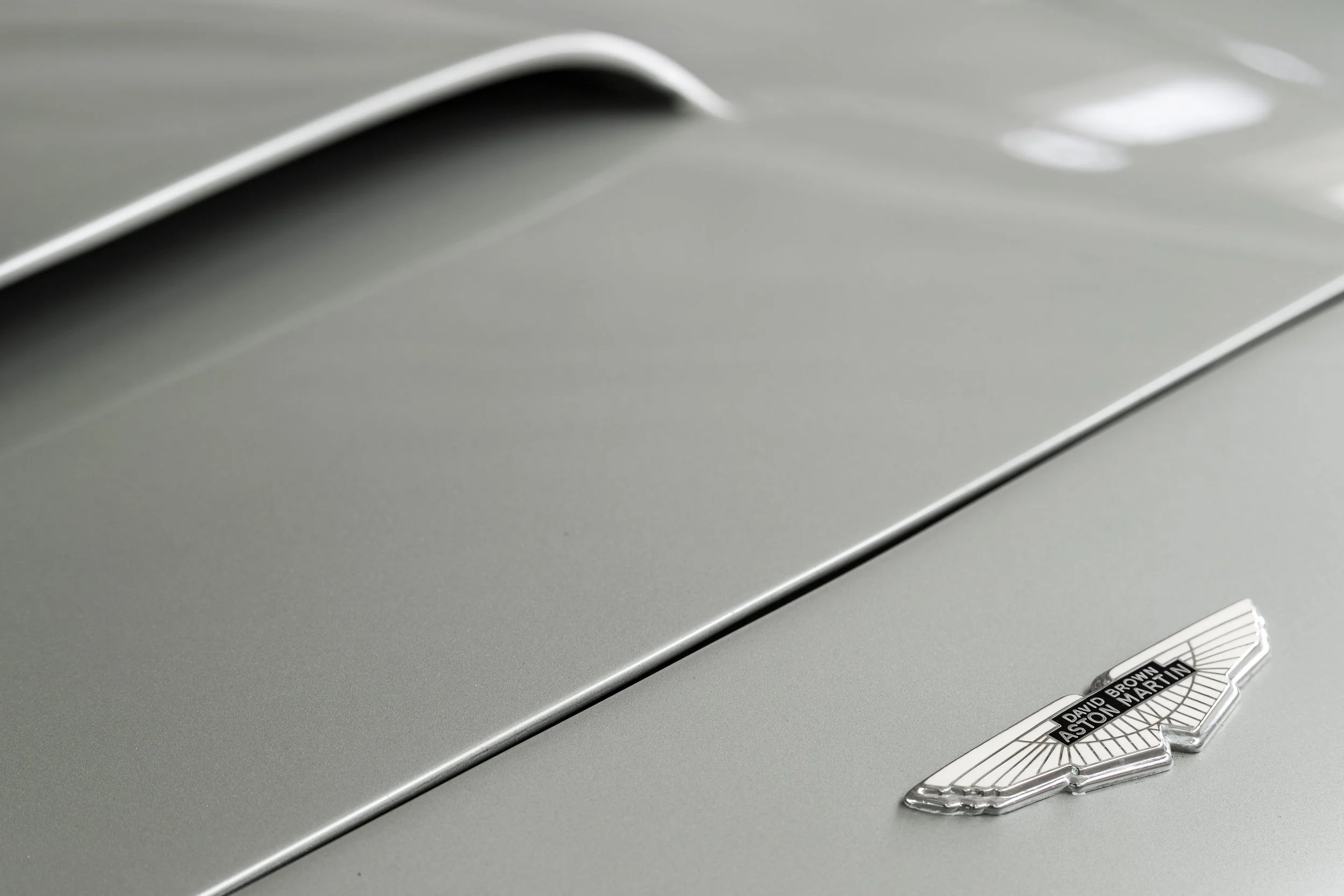
Image © Aston Martin Lagonda. Used for editorial purposes. Aston Martin DB5. Image used for illustrative purposes.
With this particular car, however, it is the restoration rather than simply the badge on the bonnet that made me stop and look more closely. Stratton says the DB5 has undergone a full body-off restoration by GTC Engineering, carried out under the guidance of John Winsor at the company’s premises near Silverstone. The dealer describes the work as having been completed with almost forensic attention to detail and regards the finished car as one of the finest DB5 examples it has seen.
The photographs certainly present a beautifully resolved car. Silver Birch is inevitably the colour many people immediately associate with a DB5, while inside the cabin has been fully refurbished in soft matt black leather. The combination is restrained, familiar and perhaps exactly what many buyers picture when somebody simply says “DB5”.
There’s also been one worthwhile concession to usability: the car is fitted with a five-speed gearbox upgrade. Purists may naturally prefer a car exactly as it left Newport Pagnell, but a sympathetic transmission upgrade is one of those modifications I can readily understand on a DB5 that is actually going to be driven. Longer-distance touring is such an important part of the character of these cars that an extra ratio can make modern journeys considerably more relaxed without fundamentally changing what the car is.
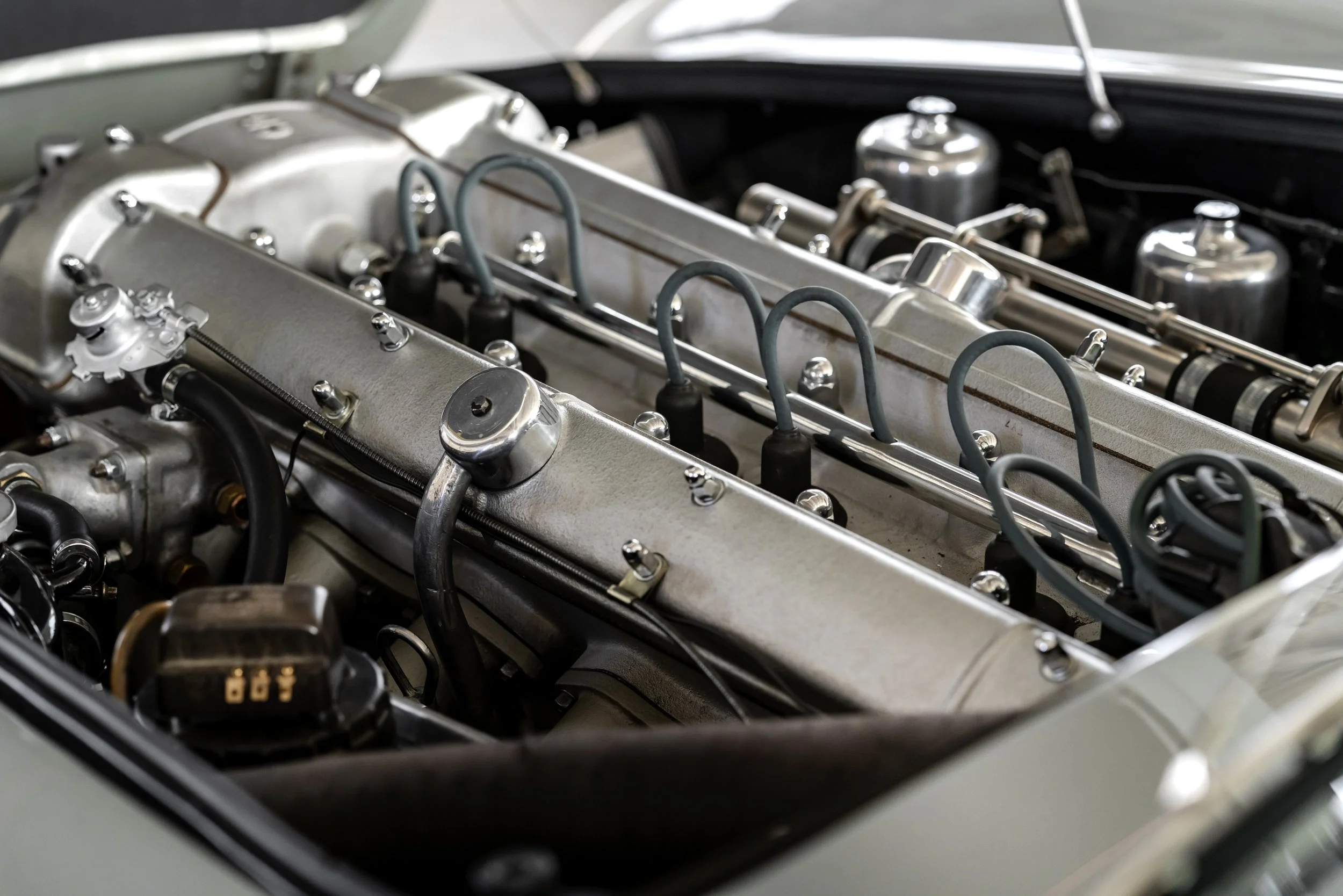
Image © Aston Martin Lagonda. Used for editorial purposes. Aston Martin DB5. Image used for illustrative purposes.
There’s one point where I would exercise the usual FTP caution. The public advertisement gives us excellent detail about the restoration, present specification and condition, but considerably less about the car’s earlier ownership history, chassis and engine provenance. I therefore wouldn't fill those gaps with assumptions.
Anyone seriously contemplating a DB5 at this level would quite rightly want to examine its factory record, restoration documentation and matching-number status in detail before reaching a conclusion about value.
That brings us to the asking price. At £725,000, this is unquestionably a serious purchase, but DB5 values depend enormously on provenance, originality, specification and the quality of previous restoration work. This example is being presented principally on the strength of what Stratton describes as an exceptional, comprehensive restoration rather than on a headline claim of unusual factory rarity.
[VIEW THIS 1965 DB5 AT STRATTON MOTOR COMPANY]
That’s also why we find this car particularly interesting alongside the DB5 Vantage we’ve just featured in Market Watch. With the wider DB5 market now in view, we can finally put the two cars that started this investigation directly alongside one another.
That seems the perfect point to put them side by side, not to decide which is “better”, but to explore what a collector is actually being asked to value in each of them.
Two 1965 DB5s - Two Very Different Propositions
At first glance, the two DB5s we’ve featured this week appear remarkably close in value. Our FTP Car of the Week is being offered by Stratton Motor Company at £725,000, while RM Sotheby’s estimates its factory Vantage DB5 at £750,000–£850,000.
Put the cars side by side, however, and those apparently similar headline figures begin to represent rather different things.
Two 1965 DB5s — Two Very Different Propositions
Similar headline values, but very different specification, provenance and restoration stories.
| Comparison | 01 Stratton Motor Company DB5 | 02 RM Sotheby’s DB5 Vantage |
|---|---|---|
| Year | 1965 | 1965 |
| Configuration | Right-hand drive | Left-hand drive |
| Specification | DB5 | Factory Vantage |
| Colour | Silver Birch | Silver Birch |
| Interior | Soft matt black leather | Dark Blue Connolly leather |
| Transmission | Five-speed gearbox upgrade | Factory five-speed manual |
| Restoration | Full body-off restoration by GTC Engineering under John Winsor | Earlier Roos Engineering restoration, followed by a three-year Aston Martin Works restoration completed in 2021 |
| Engine position | Listing does not provide enough detail for FTP to make a matching-numbers claim | Original engine no longer fitted; replacement DB5 engine rebuilt to Vantage specification |
| Additional engine | — | Unused continuation Vantage engine supplied with the car |
| Rarity | A restored example of the iconic standard DB5 | One of only 21 left-hand-drive closed DB5 Vantages according to current RM Sotheby’s / AMHT records |
| Sale route | Specialist dealer | Auction |
| Headline value | £725,000 asking price | £750,000–£850,000 auction estimate |
The two headline figures still need to be treated differently. Stratton is stating the price at which it’s prepared to sell its DB5, while RM Sotheby’s is providing an estimate of where it believes bidding may develop. We’ll only have a genuinely meaningful market comparison once the auction has taken place and an achieved sale price is known.
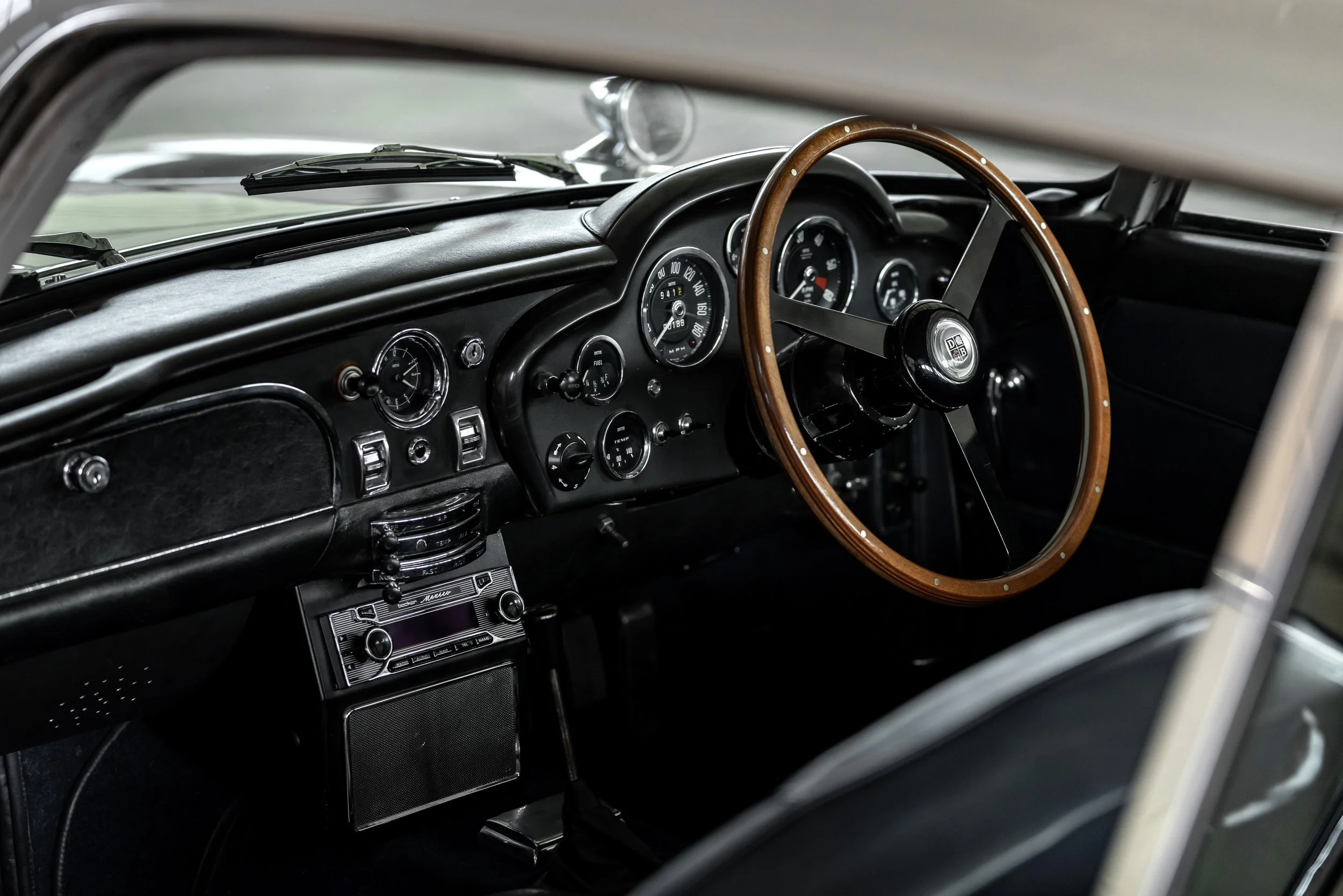
Image © Aston Martin Lagonda. Used for editorial purposes. Aston Martin DB5. Image used for illustrative purposes.
Even so, the comparison is fascinating. The Stratton car seems to make its case principally through the quality and completeness of its restoration, its desirable right-hand-drive configuration and the usability offered by the five-speed conversion. It looks like the sort of DB5 somebody could buy because they want an exceptionally well-presented example of the model itself.
The RM Sotheby’s car asks the collector to value something rather different: rarity of specification. A genuine factory DB5 Vantage is considerably scarcer, with this particular car becoming rarer again through its left-hand-drive configuration. Add a substantial Aston Martin Works restoration and the unused continuation Vantage engine supplied alongside it, and there’s clearly a great deal of value contained within the package.
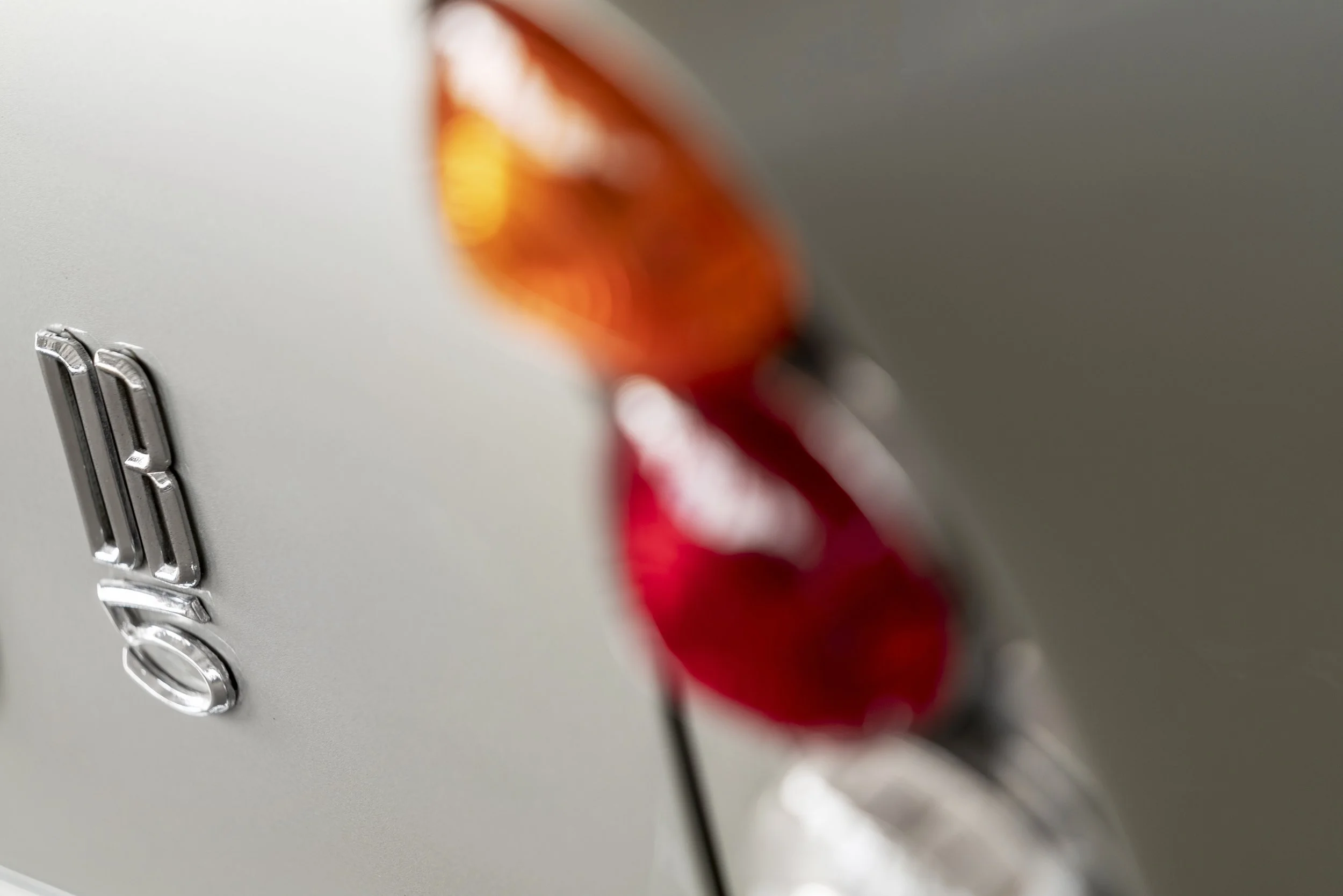
Image © Aston Martin Lagonda. Used for editorial purposes. Aston Martin DB5. Image used for illustrative purposes.
Yet its history is also more complicated. The original engine is no longer with the car, its replacement has been rebuilt to Vantage specification, and parts of its earlier history are less complete than might be expected of an entirely untouched provenance-led collector car. That’s why I don’t think this comparison produces an obvious winner.
If originality and factory rarity sit at the top of your list, the Vantage designation carries enormous attraction. If right-hand drive, presentation, usability and the apparent quality of a comprehensive restoration matter more, the Stratton car begins to make a very different argument for itself.
Perhaps the most revealing thing is that £725,000 can buy two very different interpretations of what makes a DB5 valuable. One is being offered primarily as an exquisitely restored example of perhaps Aston Martin’s most famous model. The other combines much greater factory rarity with a considerably more complicated history.
The market will eventually tell us something about the second of those propositions when the RM Sotheby’s car crosses the block. When it does, we’ll come back to the result, because the achieved sale result, rather than the estimate, will make this comparison considerably more meaningful.
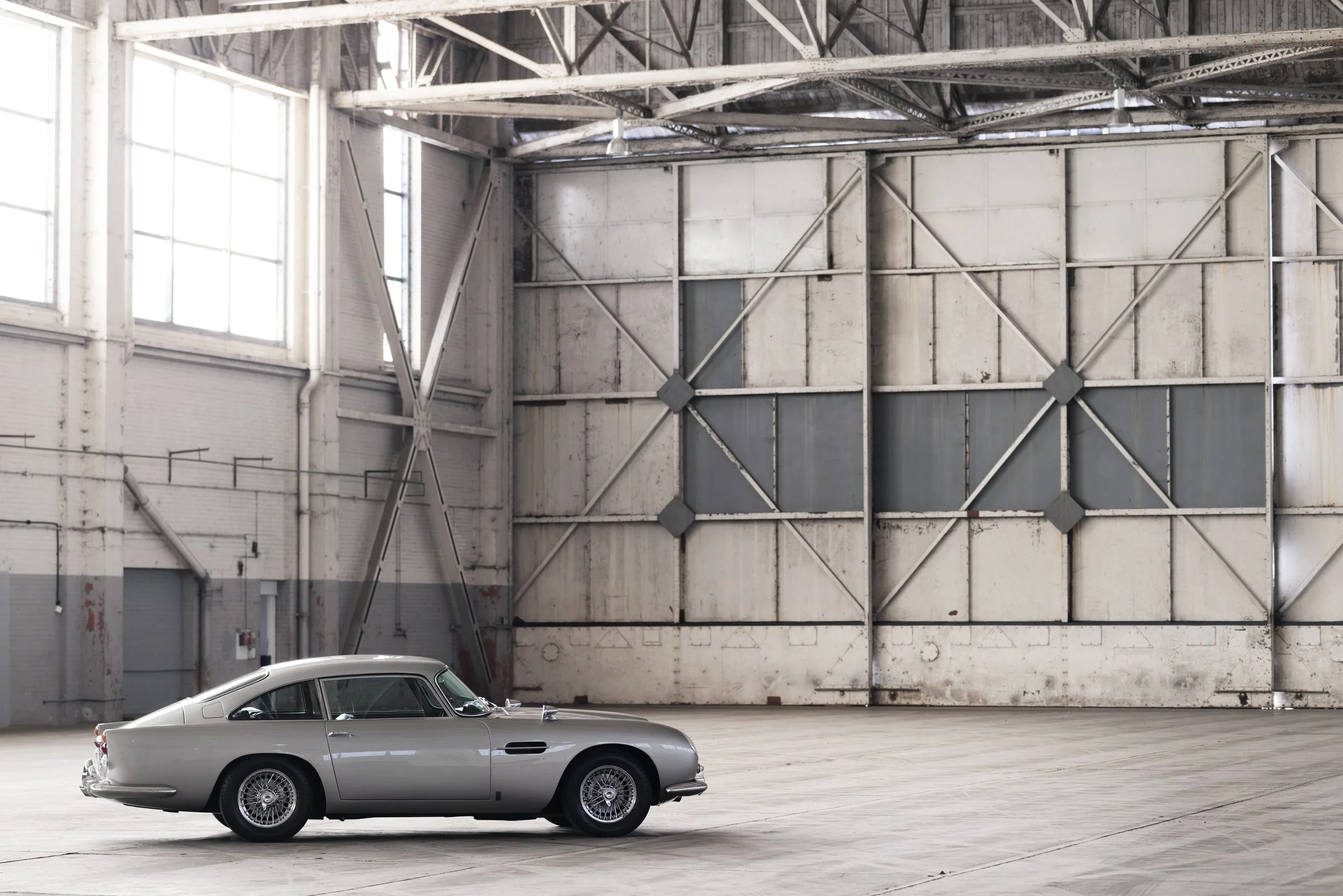
Image © Aston Martin Lagonda. Used for editorial purposes. Aston Martin DB5. Image used for illustrative purposes.
Before we leave the DB5, there is one other connection worth making, and it provides a useful example of why FTP launched a new project this week.
A Small Example of Why We Created the FTP Anniversary Calendar
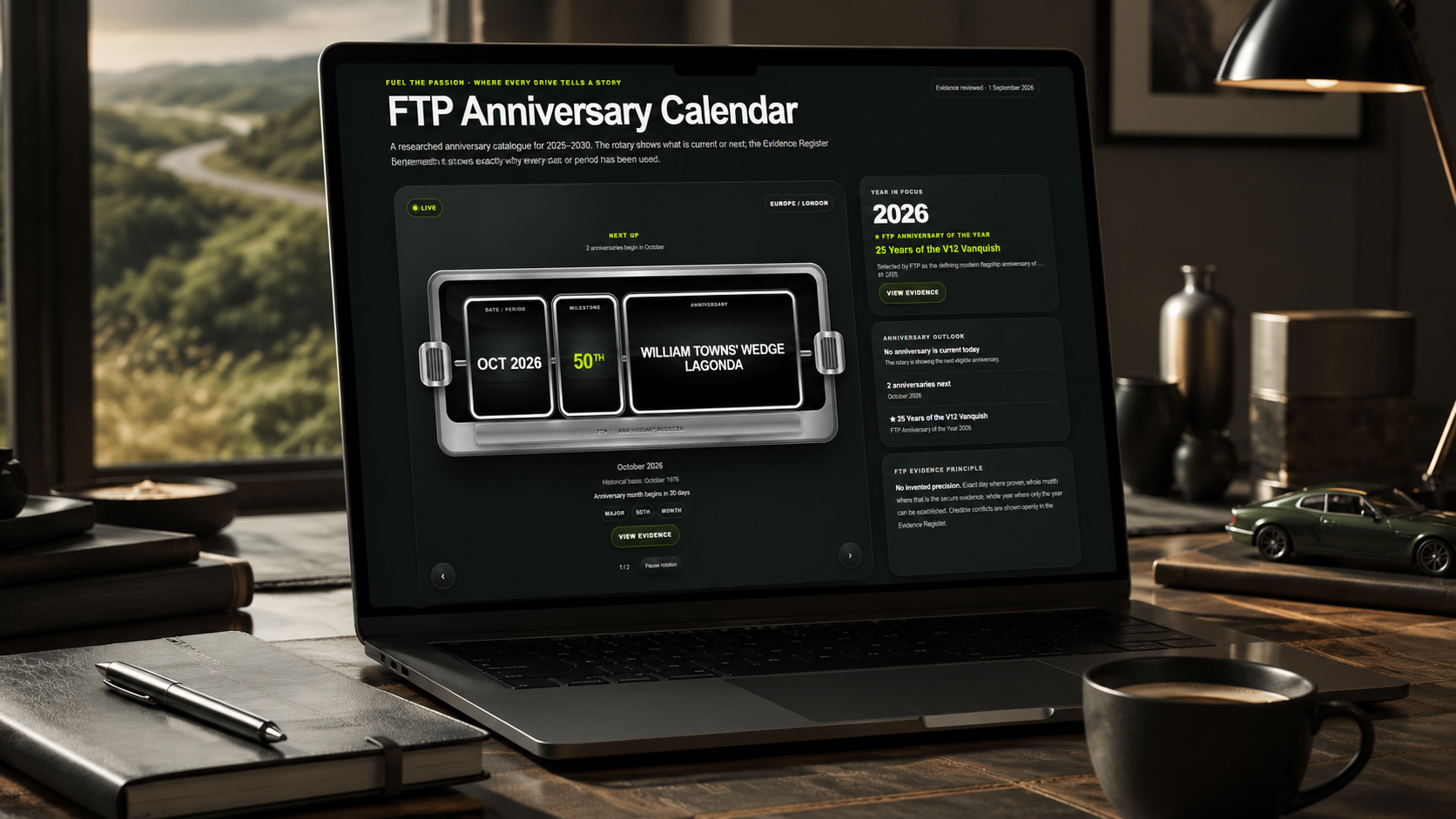
Image © Fuel the Passion. The FTP Aston Martin Anniversary Calendar
You may already have seen the FTP Aston Martin Anniversary Calendar advertised on the Fuel the Passion front page earlier this week. If you haven’t had a chance to explore it yet, it’s well worth a look and I’ll include a direct link a little further down this section. The Calendar is designed to provide one central, evidence-led reference point for important dates across Aston Martin history, helping owners, enthusiasts, clubs and organisations see what significant anniversaries are approaching rather than having to rediscover them each time.
The DB5 is a good example of how useful that can become. Our calendar already records September 2028 as the 65th anniversary of the DB5, marking 65 years since its official public debut at the Frankfurt Motor Show in September 1963.
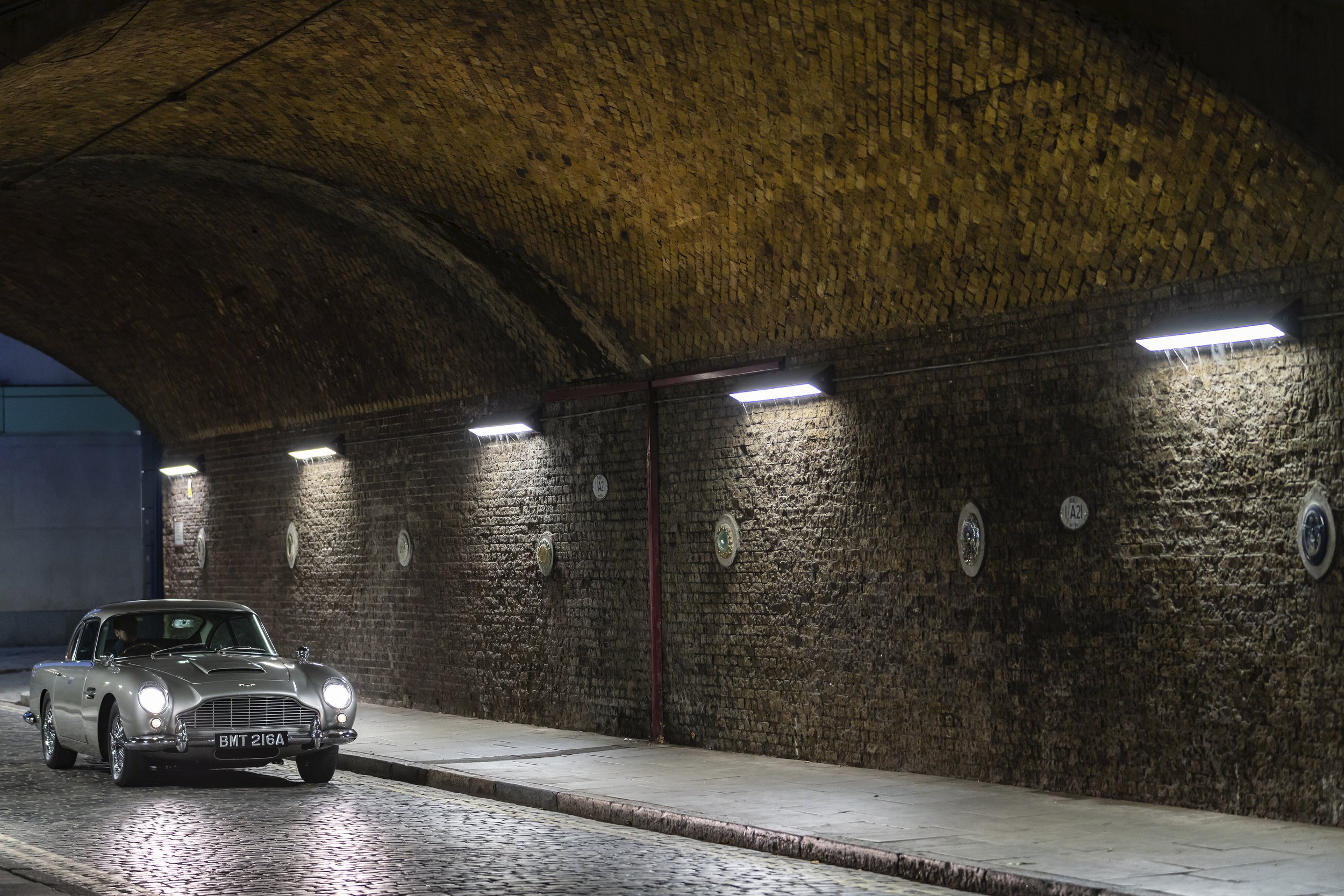
Image © Aston Martin Lagonda. Used for editorial purposes.
There’s a second DB5 milestone shortly afterwards too: 17th September 2029 will mark 65 years since the model’s appearance in Goldfinger, the moment that helped turn an already beautiful Aston Martin into perhaps the most famous car the marque has ever produced.
Neither anniversary is upon us just yet, but putting them into one forward-looking calendar means they are already visible, giving enthusiasts, AMOC, AMHT and others plenty of time to plan around them if they wish. That, really, is the thinking behind the whole project.
[EXPLORE THE FTP ASTON MARTIN ANNIVERSARY CALENDAR]
Those two DB5s also underline something that runs through so much of the Aston Martin world: the value of history, provenance and the people who preserve it.
Which feels like a good point to move from the collector market into the Club and Heritage Trust, because the latest September edition of AMOC’s AM Monthly arrived this week and contains several developments worth drawing to your attention, without spoiling the pleasure of reading the magazine itself.
Affiliate link note: Some links may be affiliate links, which means Fuel the Passion may earn a small commission if you purchase through them, at no extra cost to you. Thank you for your support.
From the Latest AM Monthly
Earlier this week, a familiar package came through the letterbox: September’s edition of AMOC’s AM Monthly.
It’s always one of those publications I enjoy sitting down with properly, and this latest issue has plenty in it covering Club life, heritage, events and some useful member interest stories. I obviously won’t reproduce the magazine here, but there are a few items that particularly caught my attention and are worth briefly highlighting for anyone who may not yet have had a chance to read their copy.
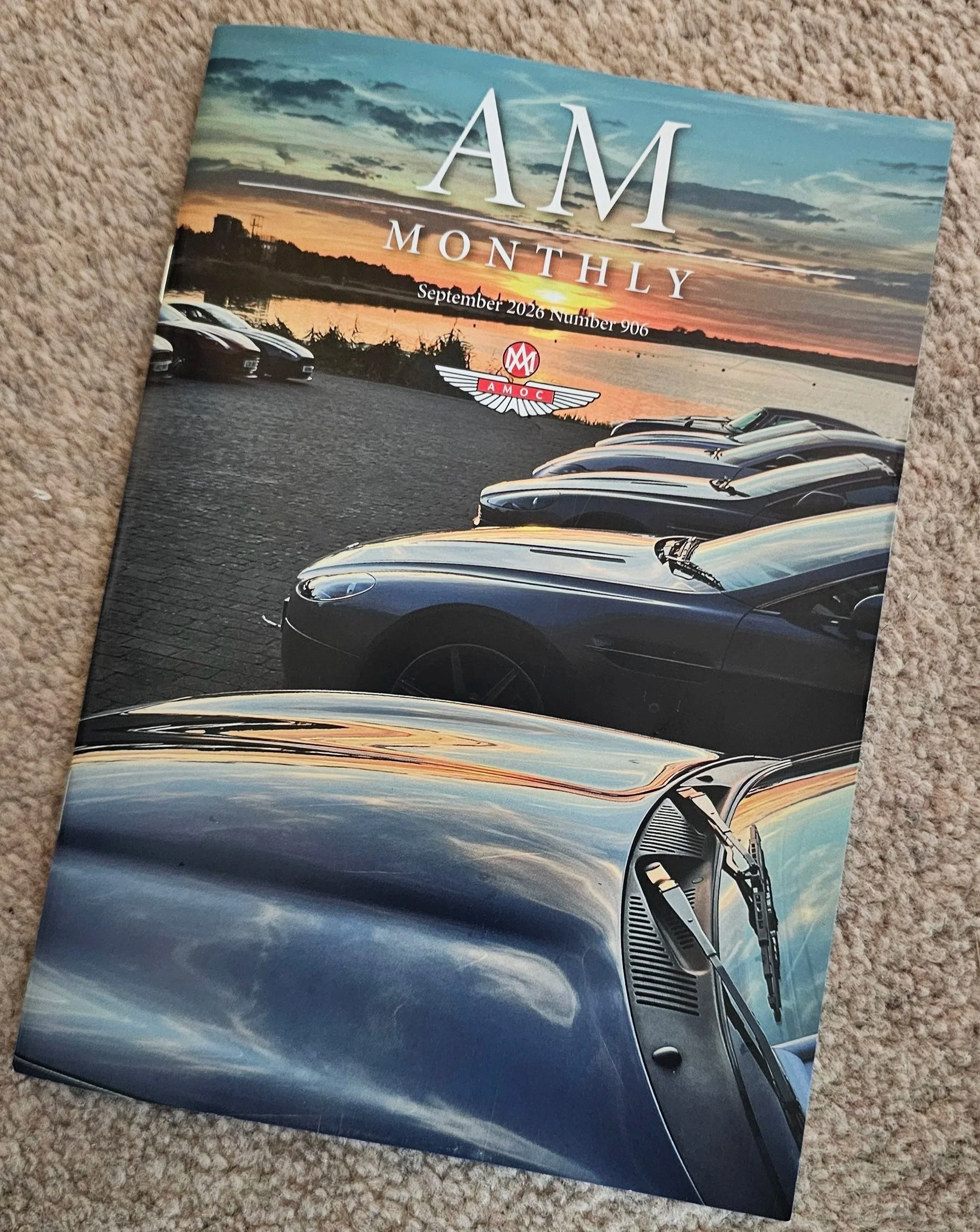
Image © Fuel the Passion, front cover © Aston Martin Owners Club (AMOC)
A Change at the Top of AMOC
The forthcoming AMOC AGM on 13th September will mark the end of Tom Westley’s five-year term as Chairman.
In his final Chairman’s editorial, Tom explains that increasing work commitments, together with a desire to slow things down a little, mean he has chosen not to stand again. He also makes it clear that he has no intention of disappearing from Club life and expects to remain very much part of the AMOC community.
There’s an encouraging wider message in his reflections too. Tom describes a Club with more members than ever, increasingly operating as one international organisation while continuing to place the social side of ownership, meeting people, attending events and sharing the cars, at the heart of what AMOC does.
Following the close of nominations, Jason Karr is due to become the new Chairman, with Peter Saglietti taking the International Director, Rest of the World role and Deborah Tyler-Curtis becoming Director, External Relations, Sponsorship and Marketing. All three positions were uncontested.
After five years at the helm, it feels appropriate to thank Tom for the time and energy he has given the Club and to wish Jason and the wider Management Committee every success with the next chapter.
A New Official AMOC Yearbook
Another announcement that looks particularly interesting is the creation of a new official Aston Martin Owners Club Yearbook. AMOC has entered into a five-year agreement with St James’s House Group to produce the publication, with the first edition expected towards the end of 2027.
The intention appears to be considerably more substantial than simply producing another newsletter or annual summary. The Yearbook is being positioned as a collector-style publication celebrating the Club, its members and activities around the world, with AMOC members expected to receive a complimentary copy. There’s more about the plans in AM Monthly, and it will be interesting to see how the project develops over the coming year.
A Further Addition to the AMHT Collection?
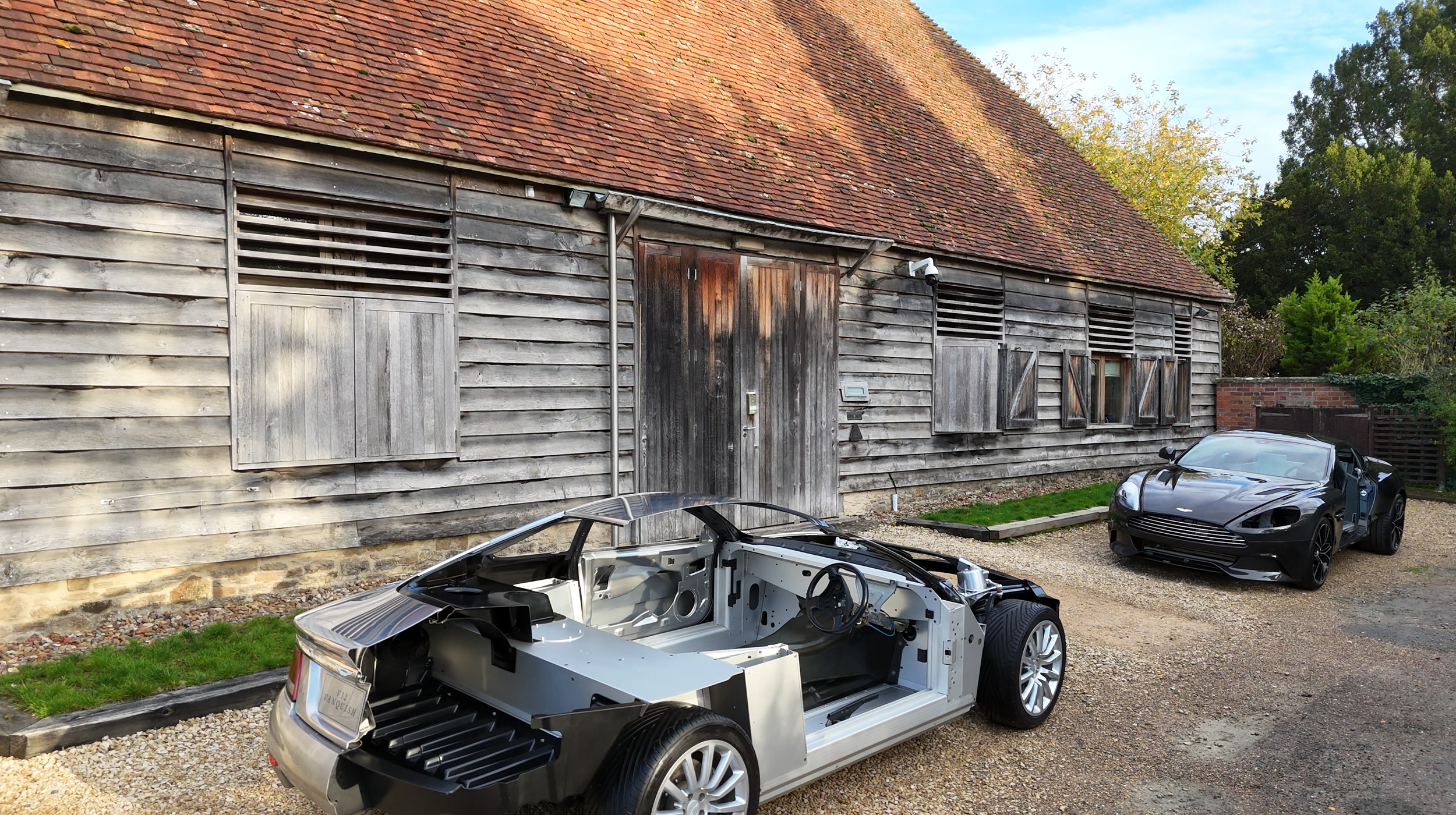
Image © Fuel the Passion. The two Vanquish cut-outs outside the Aston Martin Heritage Trust Museum & AMOC HQ Barn, Oxfordshire, UK
Over at the Aston Martin Heritage Trust, there’s also a brief but intriguing note that a special vehicle has been generously gifted to the Trust and will join the collection. Regular readers may remember that in Issue 39 we covered the remarkable 1924 Aston Martin, chassis 1944, which had been bequeathed to AMHT and featured in a Heritage Trust podcast. The latest AM Monthly doesn’t make clear whether this reference relates to that same car or to a different vehicle, so I don’t want to assume there’s been a second donation. For now, the sensible approach is simply to note that AMHT says more information will follow in the coming weeks. Once the Trust confirms exactly which vehicle is being referred to, we can return to the story with the proper context.
The same update also confirms that the Trust’s Vanquish exhibition is now open, which feels particularly appropriate in a year when the model’s 25th anniversary has featured so prominently across FTP. So rather than speculate, we’ll keep an eye on the Heritage Trust’s next update and pick up the story once the details are clear.
A Useful Warning for Collectors
One other article particularly worth reading deals with counterfeit Aston Martin memorabilia. What starts with an apparently inexpensive piece of Aston-related memorabilia develops into a much broader discussion about reproduction badges, signs, merchandise and the importance of establishing provenance before assuming something is genuine.
The subject becomes more serious when the same principle is applied to vehicle history and identity. For anyone collecting Aston Martin memorabilia, or indeed researching the provenance of a car, the message is a useful one: appearance and a convincing story are not necessarily proof of authenticity.
It also reinforces the value of organisations such as the Aston Martin Heritage Trust, where archive material, historical knowledge and specialist expertise can sometimes establish what a seller’s description alone cannot.
There’s considerably more in the September edition than I’ve covered here, and deliberately so. If you’re an AMOC member and your copy has arrived, I’d recommend spending some proper time with it rather than relying on my brief highlights.
The next AMOC item, though, is rather more time-sensitive, because members have only until Monday evening to place proxy bids in an auction raising money for The King’s Trust, and some of the lots are rather special indeed.
AMOC Charity Auction | Supporting The King’s Trust
Staying with the Club for a moment, there’s one more AMOC item worth highlighting because the timing is important. The AMOC Charity Clay Challenge 2026 takes place on Friday 11th September, raising money for The King’s Trust, and members who are unable to attend can still take part in the associated auction by submitting a confidential proxy bid.
The deadline for those proxy bids is 17:00 BST on Monday 7th September, just one day after this Roundup is published.
The principle is straightforward. Members can submit the maximum amount they’re prepared to pay for a particular lot, with a representative then bidding incrementally on their behalf up to that ceiling. Some lots carry a confidential minimum selling price, and AMOC is clear that a successful bid represents a commitment to purchase. There are some genuinely special prizes on offer.
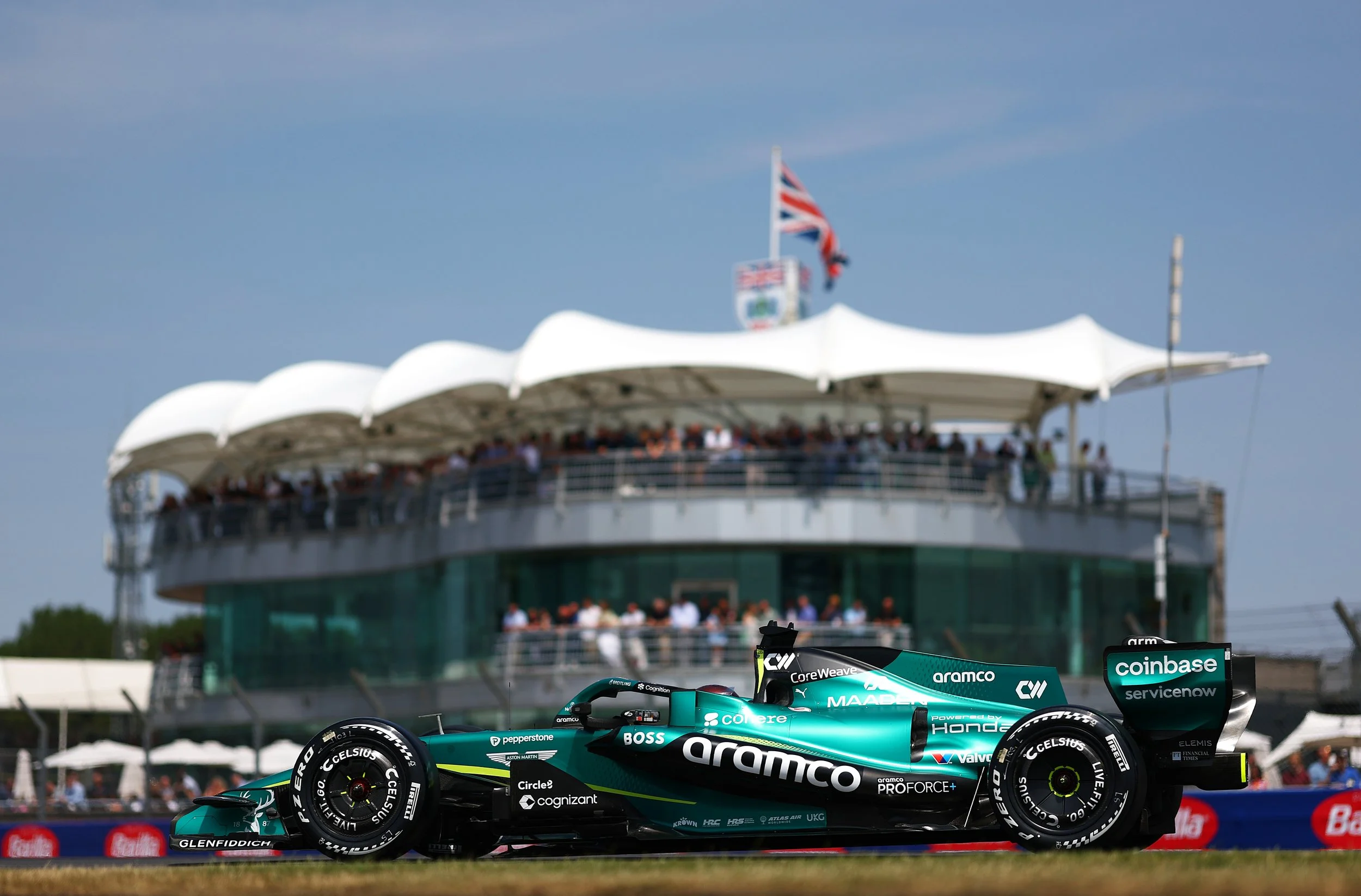
Image © Honda Motor Co. Ltd & Aston Martin Aramco. Used for editorial purposes.
Among the headline lots are two Aston Martin hospitality passes for the 2027 24 Hours of Le Mans, a pair of Paddock Club passes for race day at the 2027 British Grand Prix, and two Aston Martin Aramco Formula One caps signed by Fernando Alonso and Lance Stroll.
The auction also includes a limited-edition Aston Martin book and print from Dr Ulrich Bez, a Breitling Chronomat B31 Automatic 40, a bespoke made-to-measure jacket, shooting and hospitality experiences, and a number of rather special food, wine and event packages.
One particularly unusual prize is a pair of VIP tickets to The King’s Trust Carol Concert at Westminster Abbey, including the associated champagne reception and Gala Dinner. There’s also a private dinner party and wine tasting for eight, together with further Goodwood and sporting experiences.
I won’t reproduce the entire catalogue here, because anyone interested should read AMOC’s own auction information carefully before placing a bid, particularly the terms attached to each lot. The important point is that every successful bid ultimately contributes towards The King’s Trust, so there’s a genuine charitable purpose behind some very tempting Aston Martin and motorsport experiences.
[VIEW THE AMOC CHARITY AUCTION & PROXY BID DETAILS]
If anything catches your eye, remember that proxy bids close at 17:00 BST on Monday 7th September. I won’t personally be at the Charity Clay Challenge this year because, if everything goes to plan, I’m hoping to be at Silverstone shortly afterwards with Blackthorn Racing for the next Michelin Le Mans Cup round. More on that in the FTP Update.
For now, though, I hope the Club enjoys a hugely successful event and, most importantly, that the auction raises a worthwhile sum for The King’s Trust.
That brings the wider Club and community news to a natural close, so it’s probably a good moment to bring the focus back to Fuel the Passion itself, because it’s been another characteristically busy week behind the scenes.
FTP Update
Bringing the focus back to Fuel the Passion, this has been one of those weeks where rather a lot has been happening behind the scenes, even though there hasn’t been a new public YouTube film to accompany it.
Aston Martin in Motion - A Film Created for AMOC and AMHT
Earlier this week I finished something rather different from our normal FTP productions: Aston Martin in Motion – A Selection of Events & Concours 2025–2026.
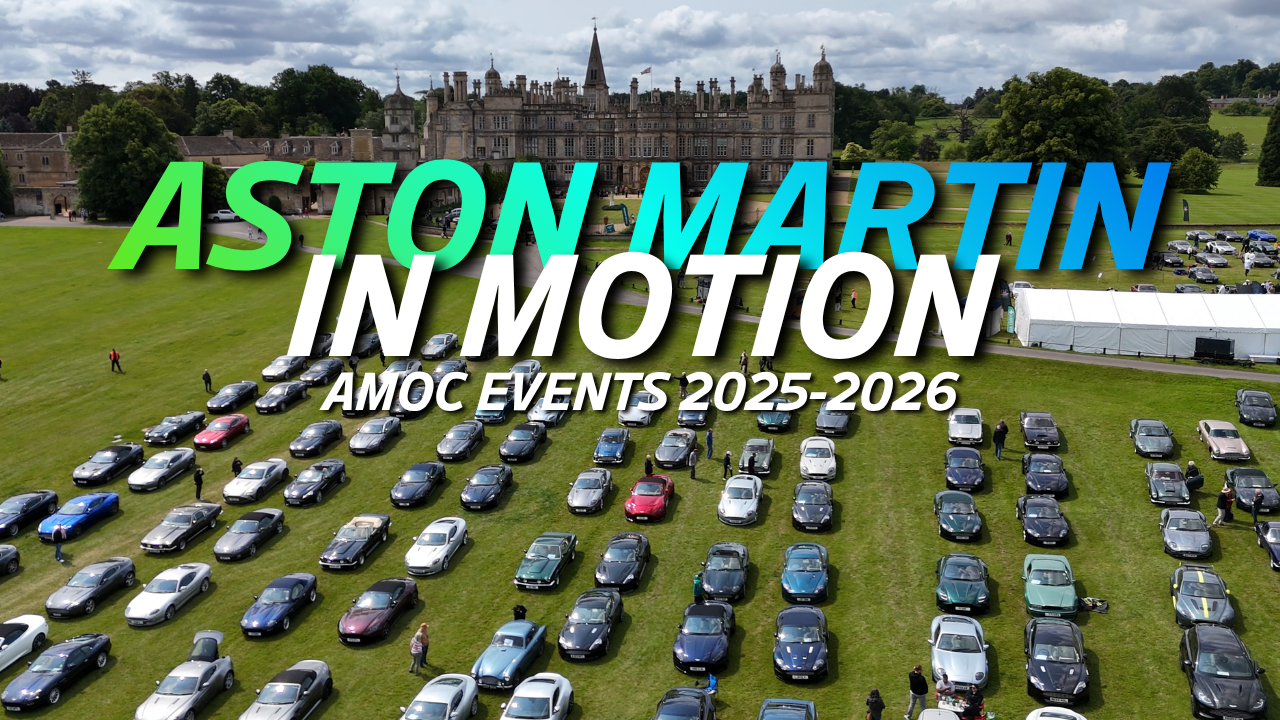
Image © Fuel the Passion. Aston Martin In Motion Thumbnail, Unlisted YouTube Video.
The film runs for approximately one hour and eight minutes and was created primarily for the Aston Martin Owners Club and Aston Martin Heritage Trust to use as a visual backdrop at events, meetings, exhibitions, hospitality occasions and gatherings. There is no narration and no soundtrack. That is intentional.
The idea was to produce something that could simply play on a large screen in the background, allowing the cars, locations and atmosphere to speak for themselves while the organisers choose whatever music best suits the occasion.
It brings together selected footage from four events:

Image © Fuel the Passion. Screenshot from Aston Martin in Motion
AMOC 90th Anniversary International Meeting; Saalfelden, Austria, 2025, including the International Concours;
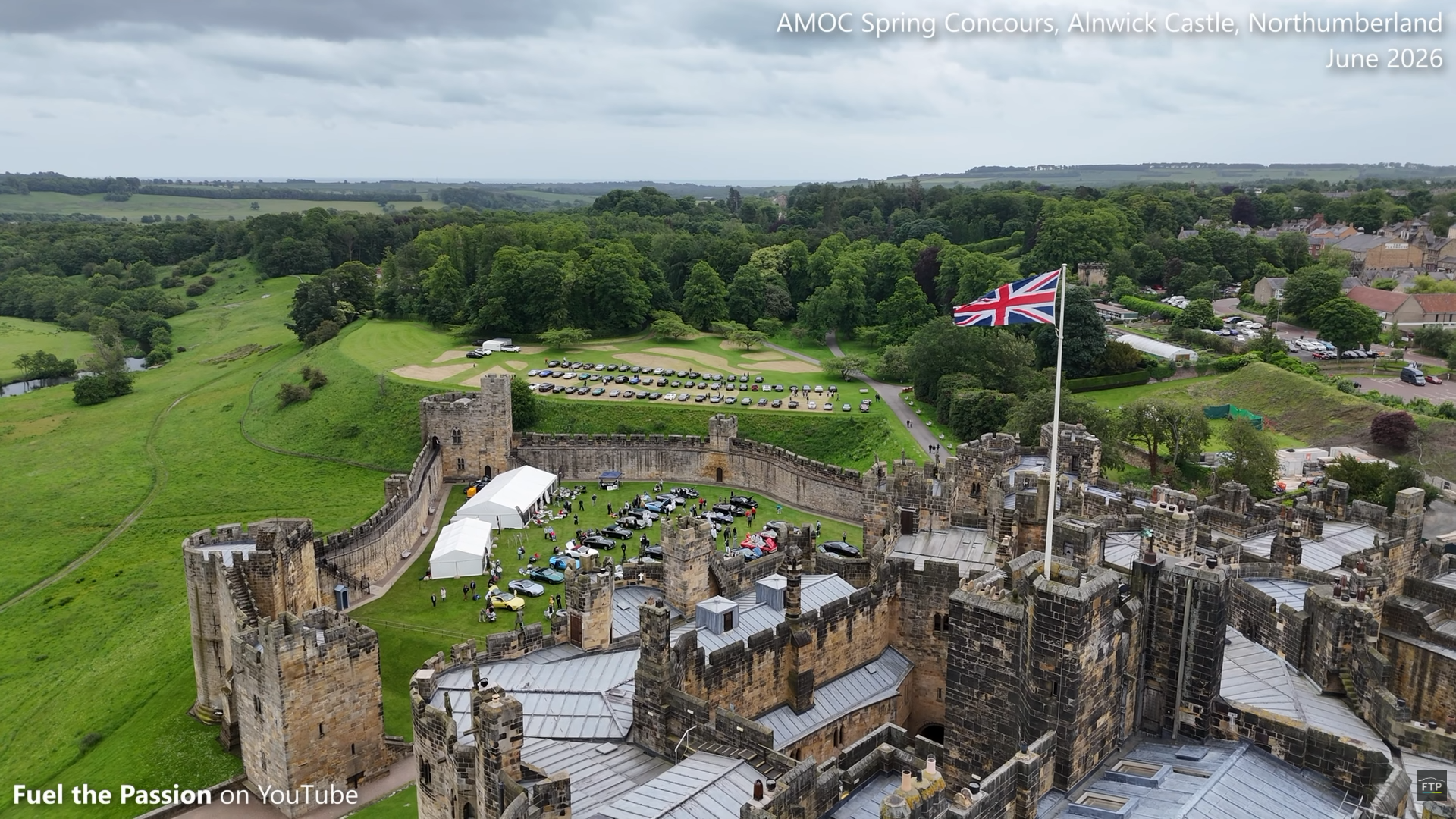
Image © Fuel the Passion. Screenshot from Aston Martin in Motion
AMOC Spring Concours; Alnwick Castle, 2026;
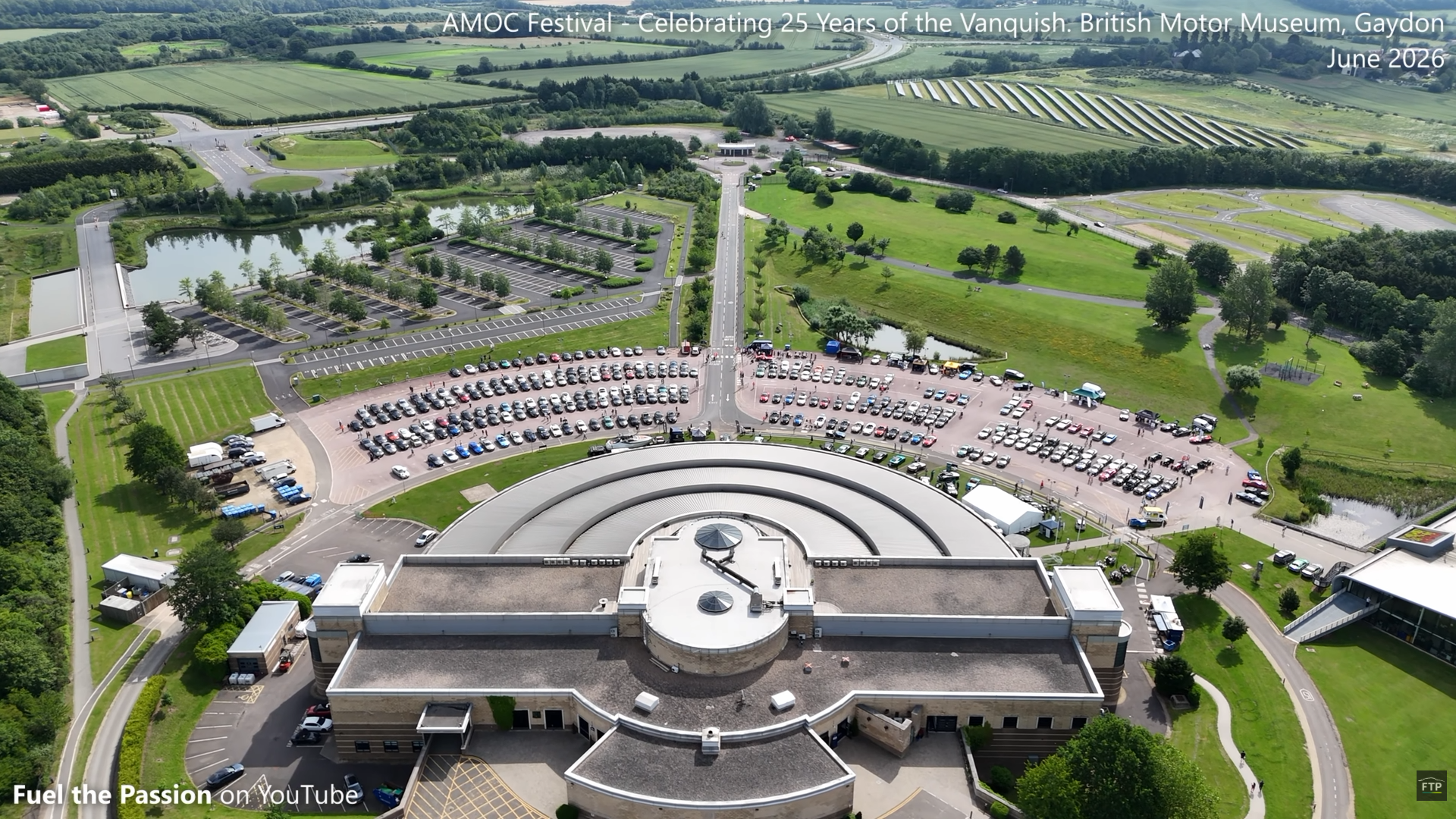
Image © Fuel the Passion. Screenshot from Aston Martin in Motion
Aston Martin Owners Club Festival; British Motor Museum, Gaydon, 2026, celebrating 25 years of Vanquish; and
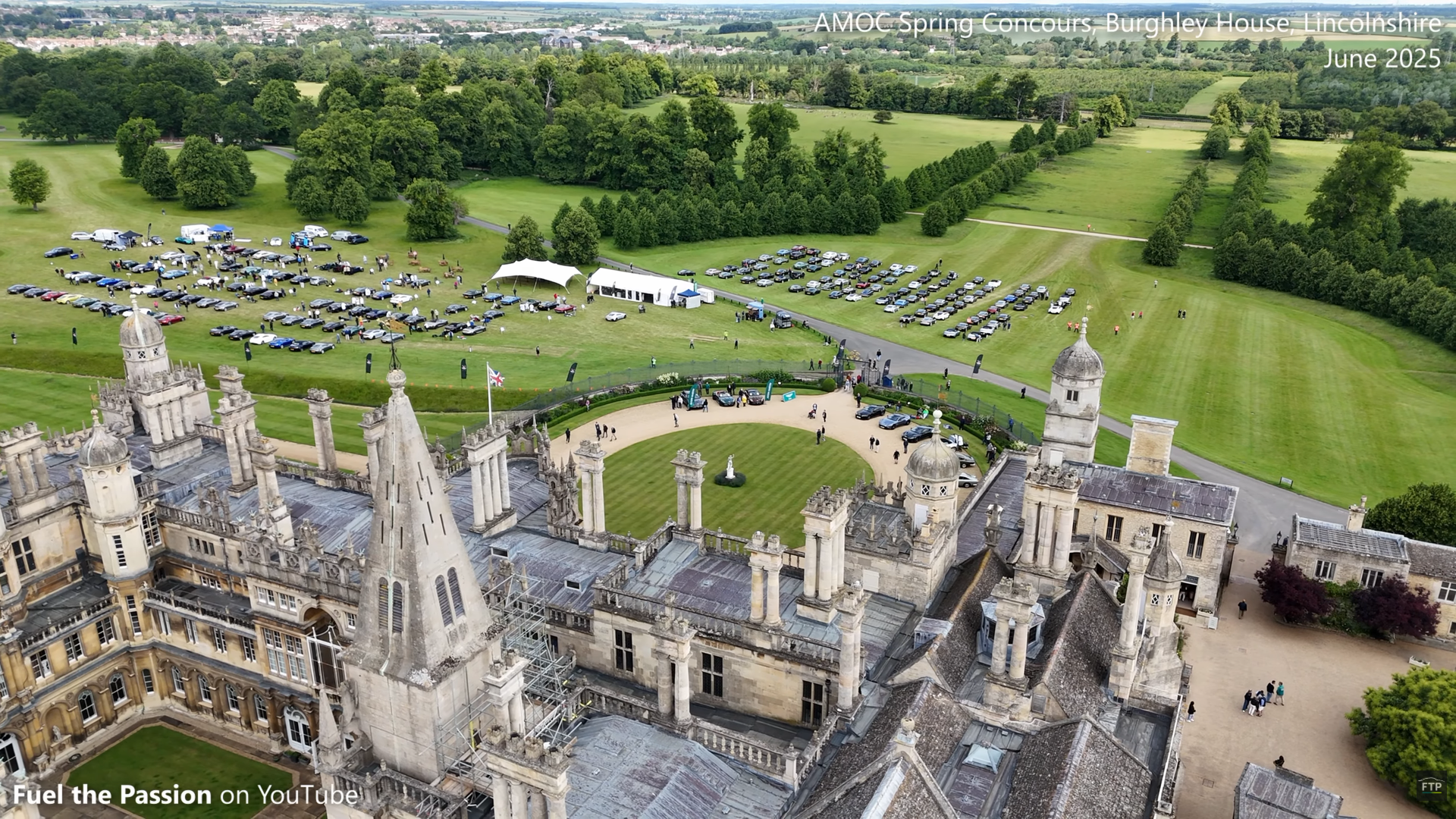
Image © Fuel the Passion. Screenshot from Aston Martin in Motion
AMOC Spring Concours; Burghley House, 2025.
It isn’t intended to be a record of every event FTP has attended. We selected those four because together they give a lovely sense of variety; Alpine scenery, castles, stately homes, the British Motor Museum and, most importantly, a remarkable collection of Aston Martins being enjoyed and displayed by their owners. A great deal of the film is aerial footage.
Anyone who has followed FTP for a while will know that I have always enjoyed the relationship between Aston Martins and beautiful surroundings, which is exactly why we put so much effort into capturing those settings both from cameras on the ground and with the drone in the air. Some of the conditions have been less than cooperative. Austria in particular provided its fair share of challenging wind, as did Alnwick Castle, but when the drone rises above a concours field or a line of cars set against an extraordinary landscape, it reveals a scale and perspective that simply isn’t available at ground level.
Credit also belongs to the AMOC and AMHT teams, together with the many volunteers involved, because those pictures only exist because somebody has carefully organised the cars and created the events in the first place. The finished film took the best part of two days to assemble and edit. That inevitably pushed my next conventional FTP YouTube production a little further back, including the public film from this year’s AMOC Festival at Gaydon.
I don’t regret that decision at all. AMOC and AMHT do an enormous amount to support the Aston Martin community and preserve the marque’s history, and when the opportunity arose to create something genuinely useful from the footage FTP already holds, it felt worth giving the project the time it deserved rather than simply supplying a folder full of disconnected clips. The next normal FTP film is still coming.
An Issue 40 Reader Gift
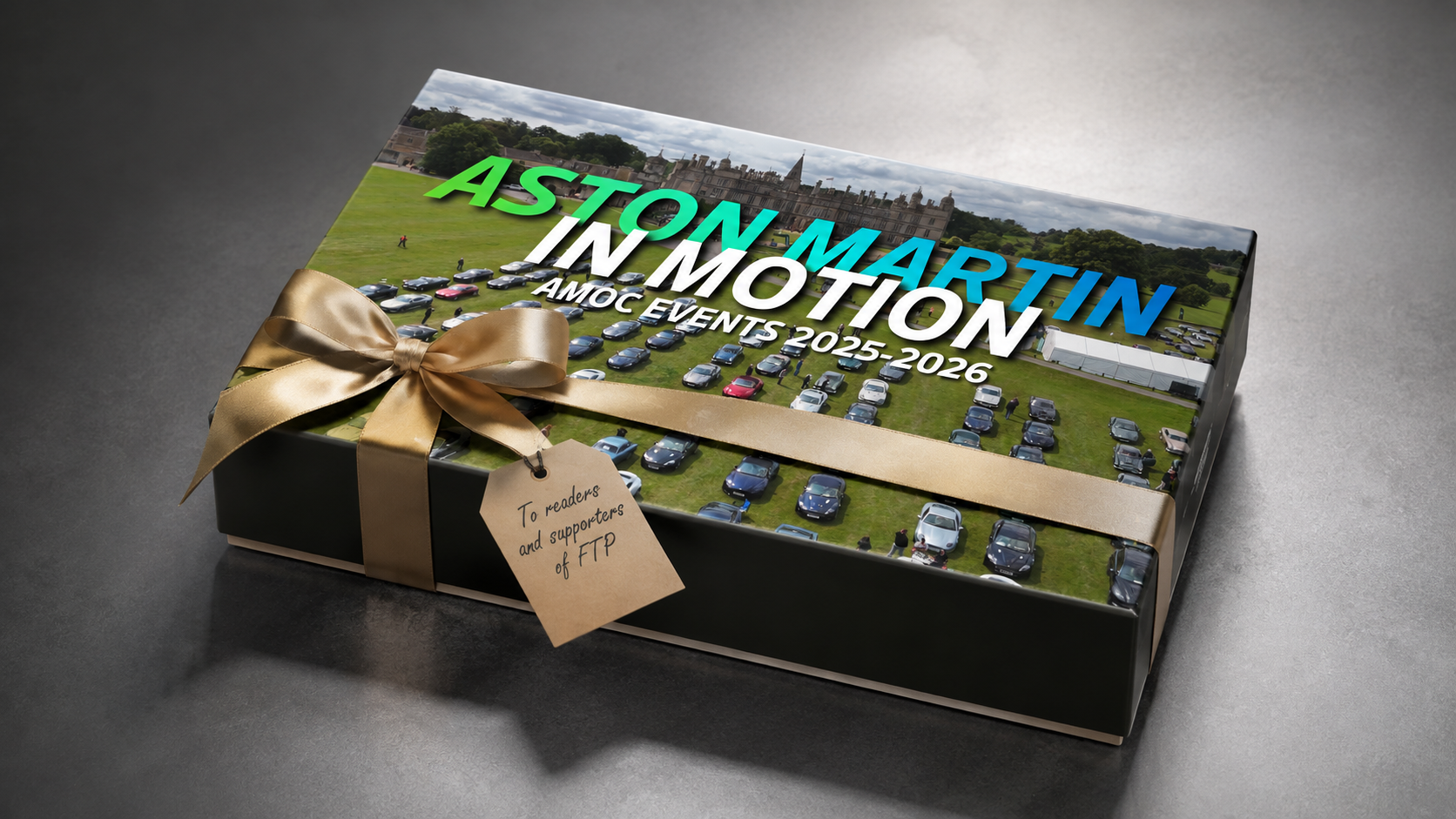
Image © Fuel the Passion
There’s also a small reason why we’ve mentioned the film in rather more detail here. The AMOC/AMHT version remains Unlisted on YouTube and isn’t being released as a normal public FTP upload. So it won’t show up on the FTP YouTube Channel for you to select and view. However, to mark Issue 40 of the Weekly Roundup, I thought it would be nice to make the link available here to Roundup readers.
Think of it as a small thank-you, and perhaps a consolation prize for there not being a conventional new FTP film this week. You could simply watch it as it is, but I rather like the idea of readers putting it on a television or larger screen when friends or fellow Aston owners visit, at a local gathering, over dinner or drinks, or even in a garage or office.
Because there’s no soundtrack, you can provide your own. Classical music, jazz, something contemporary, whatever suits the setting. Make sure the YouTube settings are ramped up to 4K. I must admit, we had it on a large television playing after dinner, earlier this week, with some carefully chosen music. Seeing those images accompanied by carefully chosen music we love genuinely gave me goosebumps. Beautiful Aston Martins, extraordinary surroundings and your own choice of music playing over the top. What could be better?
We haven’t inserted advertising or promotional interruptions into the film; it’s simply the imagery from beginning to end. One important point: Issue 40 is the only place where FTP intends to publish or promote access to the unlisted link. It won’t appear as a normal public FTP YouTube release, nor will we publish the link elsewhere. You can either watch it directly using the button below, or I’ve also included the actual unlisted YouTube link so you can save it, take it away from the Roundup and play the film whenever or wherever it suits you. If you’re reading Issue 40, this one is quite deliberately for you. Thank you for reading our roundups, and supporting FTP. We hope you enjoy it.
[WATCH ASTON MARTIN IN MOTION — ISSUE 40 READER GIFT]
There may eventually be future versions as worthwhile new footage accumulates. If you spot it being played at a future AMOC/AMHT event, let us know. We’d love to hear how it’s being received.
The Anniversary Calendar Is Live
The FTP Aston Martin Anniversary Calendar also went live this week. We’ve already explored it properly earlier in this Roundup through the forthcoming DB5 anniversary, so we won’t repeat everything here. Suffice to say, it’s been one of the larger research projects sitting behind the scenes recently, and we’re delighted to have reached the point where it’s now live and available for anybody to use.
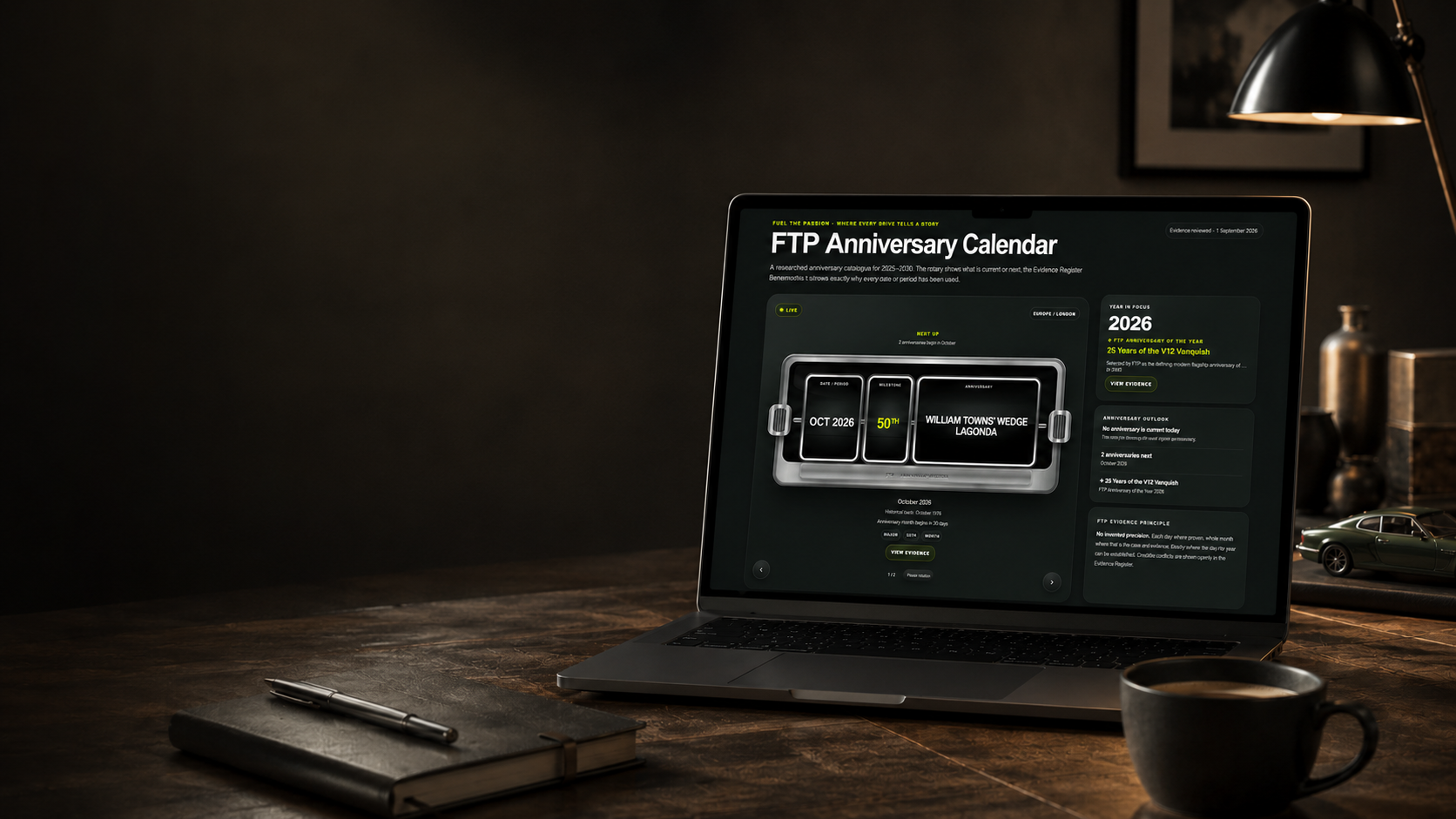
Image © Fuel the Passion. FTP Anniversary Calendar.
If you can spare a few minutes, I’d really encourage you to have a proper play with the Calendar rather than just glance at the opening screen. There are a number of filters built in, so you can narrow the register by specific years or categories, and you can click individual anniversary entries to see the evidence supporting the date we’ve used. The main display at the top also cycles through the anniversaries that are current or coming up next.
I’d genuinely love to know whether you find it useful, and we’ll certainly be referring back to it in future Weekly Roundups whenever a relevant anniversary comes into view.
More dates will inevitably be researched and added as the project develops, and if you ever spot an omission or believe something needs correcting, please let us know. Accuracy is the entire point of the project. I’ve passed the link to the Aston Martin Owners Club and the Heritage Trust, so it will hopefully save people time researching.
Two Years of Adrian Hallmark
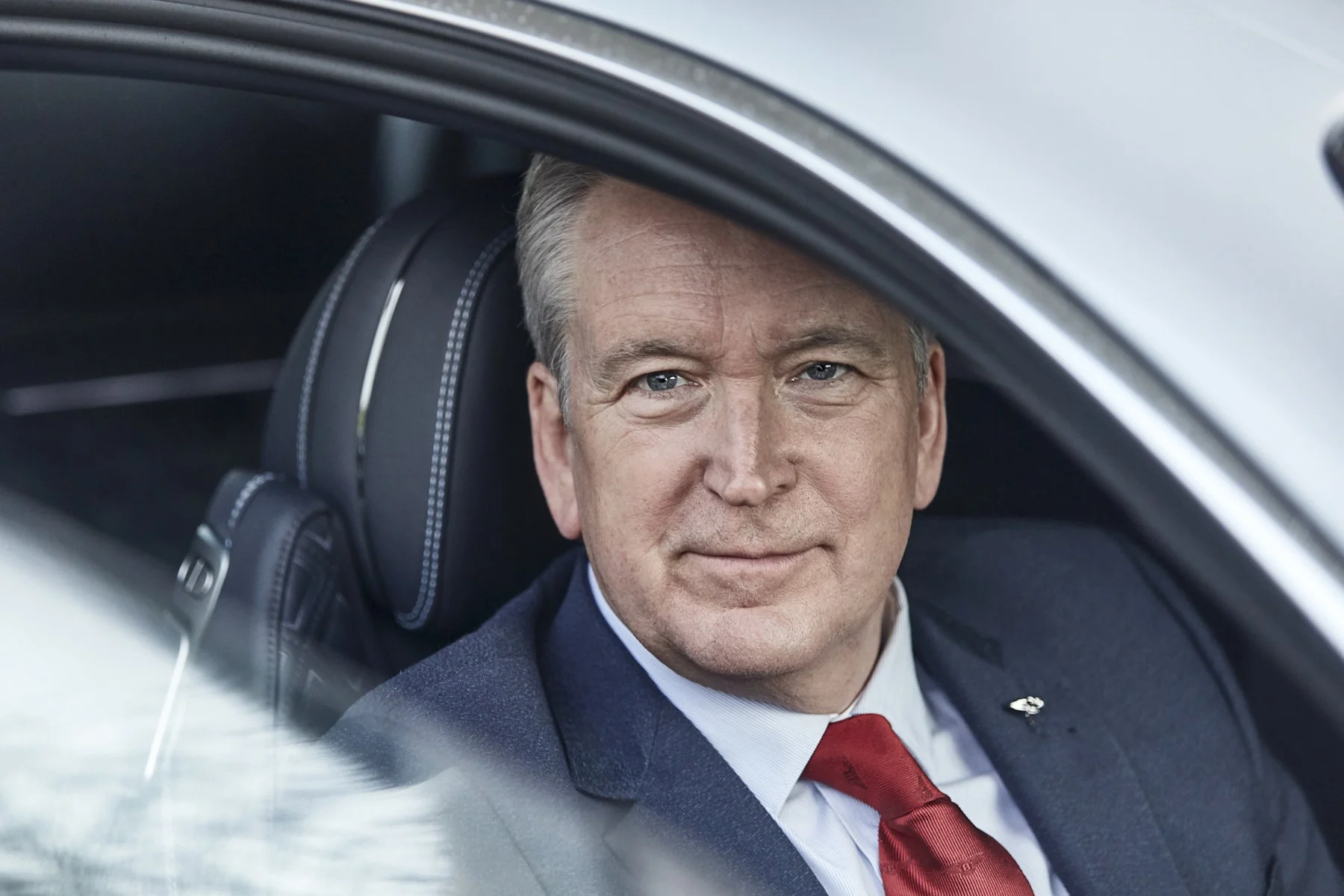
Image © Bentley Motors. Used for editorial purposes. Adrian Hallmark.
As already mentioned, there’s another substantial piece of FTP work going live alongside Issue 40. Our new Featured Article, Adrian Hallmark: Two Years On – Can the Bentley Playbook Work at Aston Martin?, takes a deeper look at what has changed since Hallmark formally took over as Chief Executive on 1st September 2024.
Rather than judging his tenure from one quarter or one share-price movement, we wanted to step back and look at the broader picture: product strategy, exclusivity, personalisation, production discipline, profitability, debt and the difficult question of whether lessons from Hallmark’s successful period at Bentley can genuinely be transferred to Aston Martin.
As we’ve seen elsewhere in this Roundup, the timing could hardly be more relevant.
Then, Hopefully, Inside Blackthorn Racing at Silverstone
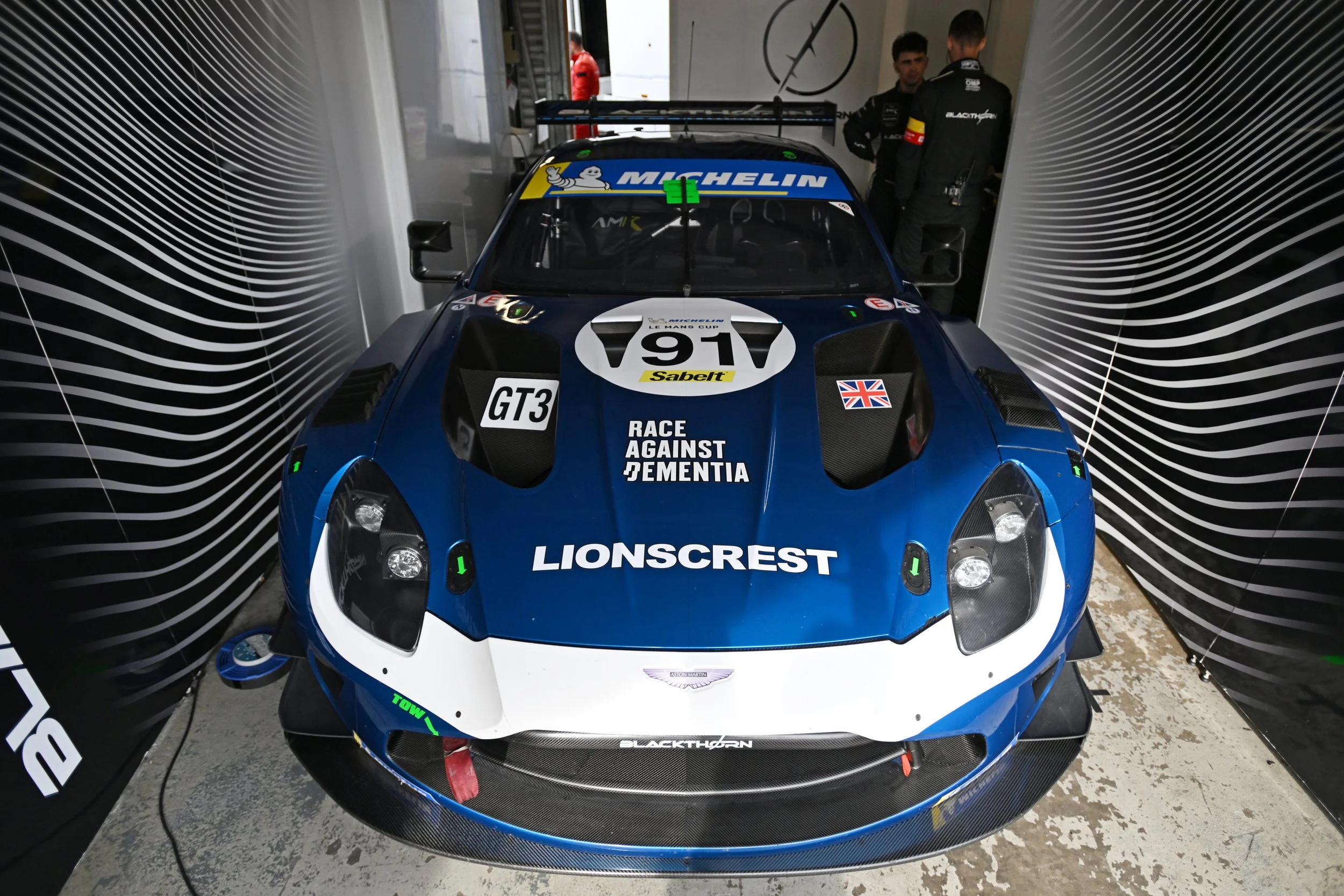
Image © Blackthorn Racing. Used for editorial purposes.
There may not be much time to put the cameras away afterwards. If everything goes to plan, the following weekend should take FTP to Silverstone for the next Michelin Le Mans Cup round with Blackthorn Racing.
Image © Blackthorn Racing. Used for editorial purposes.
We’re especially excited about this one because the intention is to get much closer to the team and car than we normally can as spectators, inside the garage, around the paddock and behind the scenes as Blackthorn goes through a race weekend.
There’s still a degree of “hopefully” attached until everything is finally in place, so we won’t get too far ahead of ourselves. But if it comes together as planned, it should give us the opportunity to show a side of GT racing that’s rarely visible from the grandstands.
Image © Blackthorn Racing. Used for editorial purposes.
After everything that’s gone into FTP this week, it seems rather fitting that the next few days involve doing what started much of this in the first place:
getting out with the cameras, spending time around Aston Martins and seeing where the story takes us.
That feels like a natural point to step back from the individual stories and reflect on what Issue 40 has actually told us about Aston Martin this week.
Closing Reflection
Issue 40 has ended up reflecting quite a lot of what makes the Aston Martin world so interesting to follow.
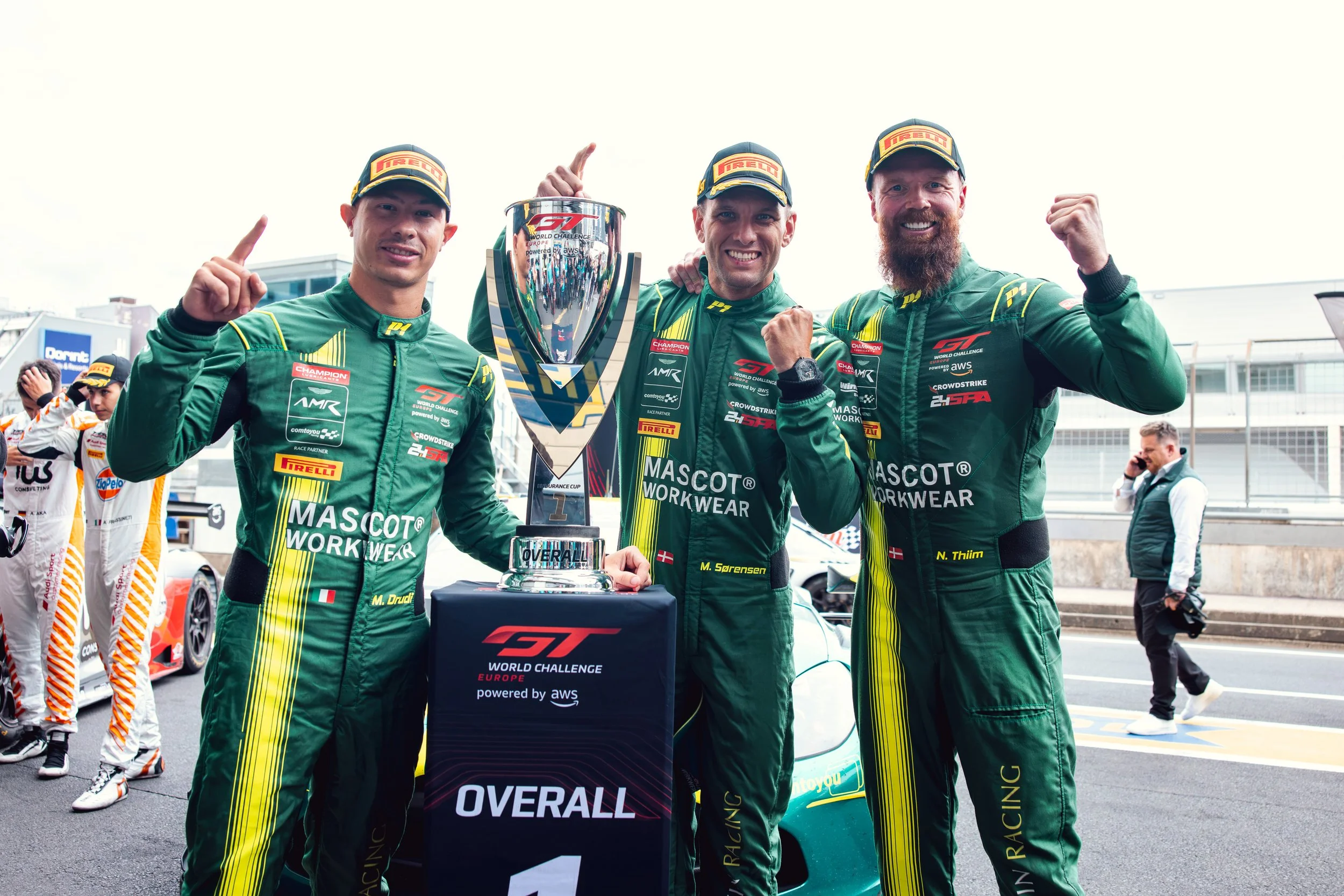
Image © Aston Martin Lagonda. Used for editorial purposes.
There’s been genuine success to celebrate, particularly through Comtoyou Racing at the Nürburgring, while Monza, COTA and Donington all give us important sporting questions to carry into the weekend.
At the same time, the financial picture surrounding Aston Martin Lagonda remains difficult, and the confirmed departure from the FTSE 250 is another reminder that building highly desirable cars and building a consistently sustainable business are not necessarily the same challenge.
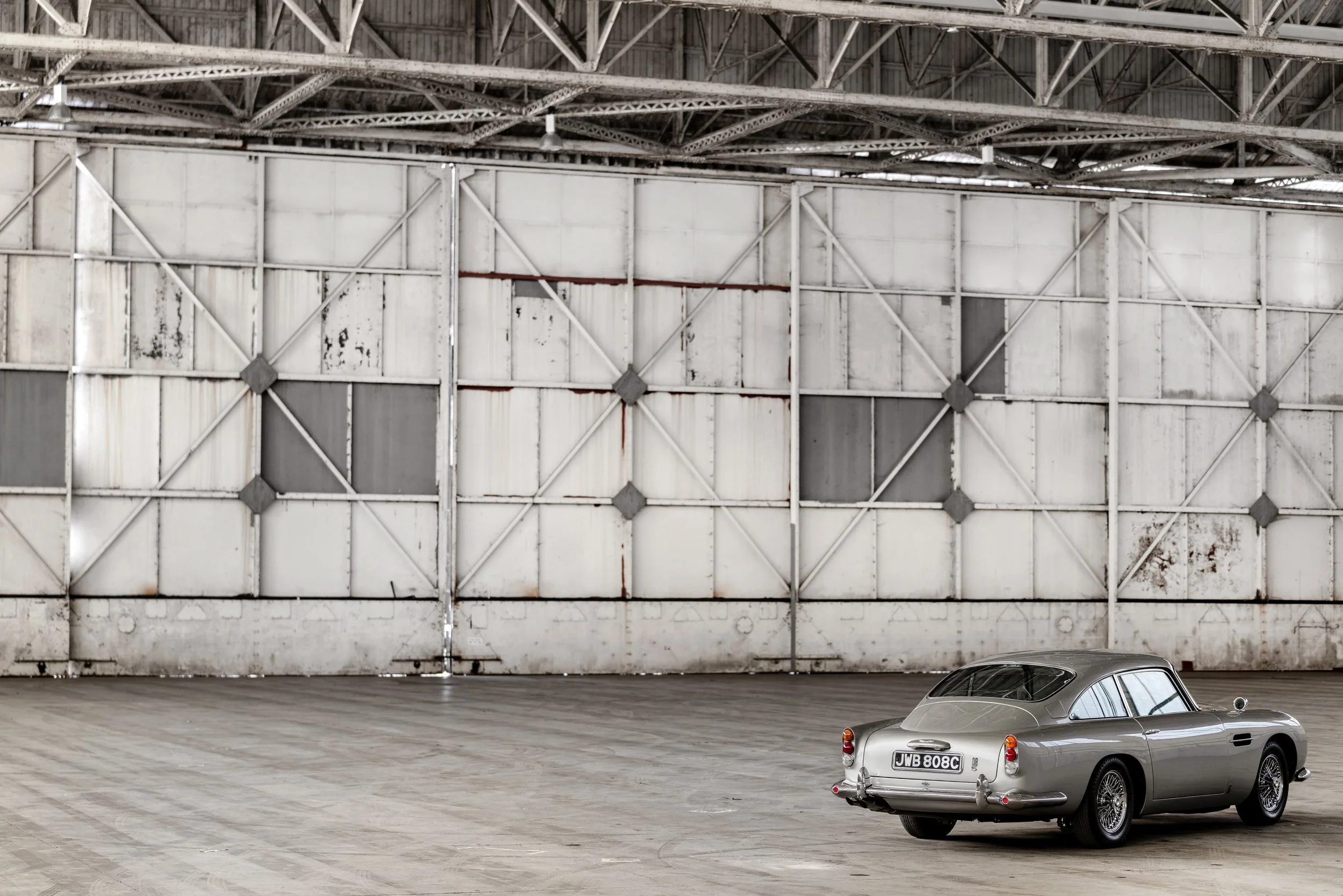
Image © Aston Martin Lagonda. Used for editorial purposes. Aston Martin DB5.
That contrast has probably been one of the strongest themes running through this edition.
Vanquish continues to attract glowing reviews, while our deeper look at the DB5 market showed just how much provenance, originality, condition and individual history can influence the value of a car more than six decades after the model first appeared.
Aston Martin’s heritage and community also remain extraordinarily active. Yet the company itself still has much to prove financially.
Closer to home, I’m particularly pleased to have finally launched the FTP Aston Martin Anniversary Calendar, and even more pleased to be able to share Aston Martin in Motion with Issue 40 readers. Both projects have taken a considerable amount of work behind the scenes, but both are really about the same thing: creating something useful that helps document, celebrate and share the wider Aston Martin story.
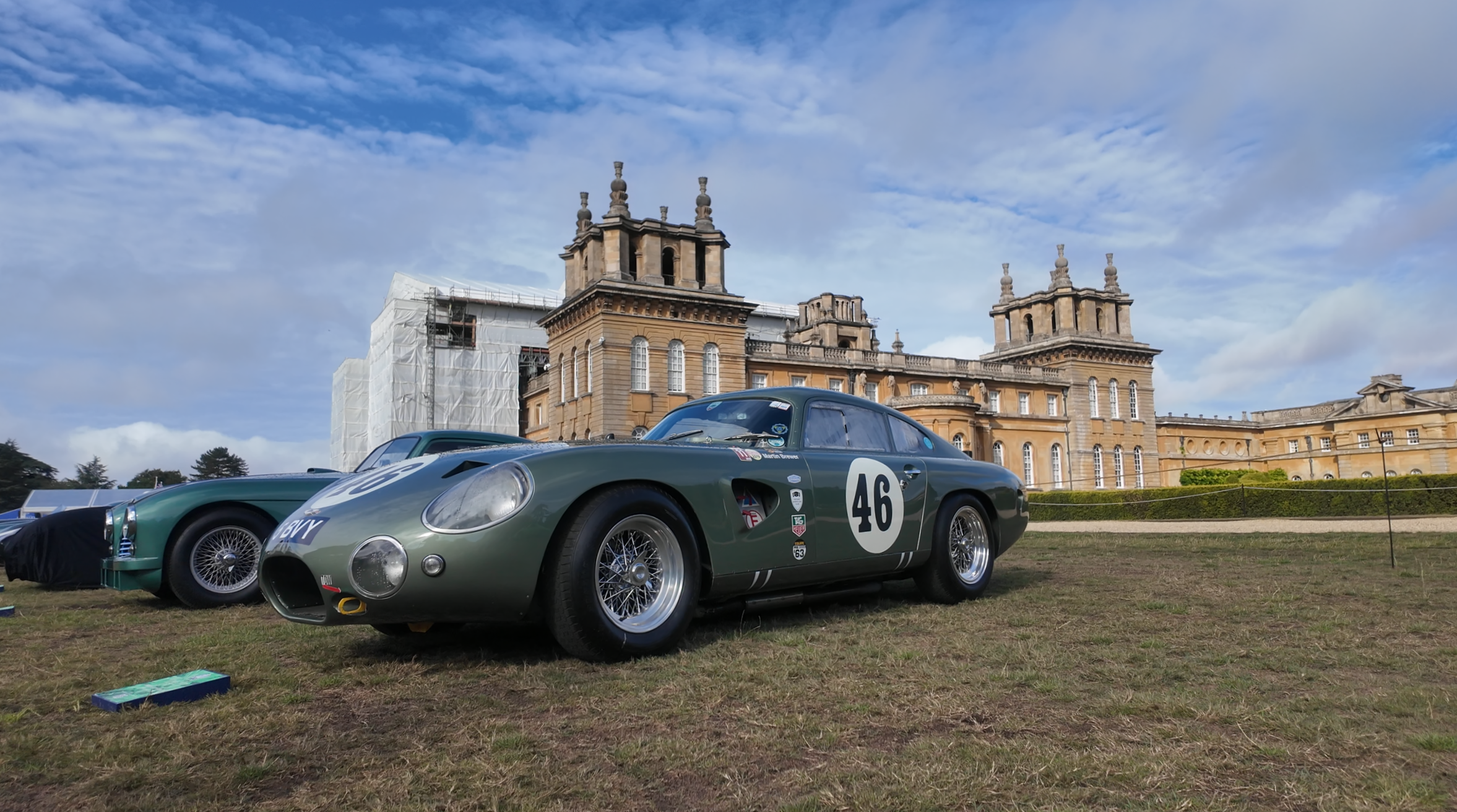
Image © Fuel the Passion. Salon Privé, Blenheim Palace 2025
By the time many of you are reading this, Saturday’s filming at Salon Privé should already be complete, with the Concours of Elegance at Hampton Court still waiting later today, and another very different weekend potentially following shortly afterwards at Silverstone with Blackthorn Racing.
The results from Monza, COTA and Donington will also be unfolding after this Roundup has gone live, so there should be no shortage of material waiting for us next week.
For now, though, thank you for spending part of your Sunday with Issue 40. Whether you have been reading since the early editions or have only recently found Fuel the Passion, your time, comments, messages and continued support are genuinely appreciated.
Here’s to the next forty! See you on the next one 👆
Kind regards,
Dan
Fuel the Passion 💚💛
Over to You 💬
We’ve covered plenty of ground in Issue 40, but as always, the conversation doesn’t have to stop with the subjects we’ve chosen. If there’s anything Aston Martin-related you’d like to comment on, something we’ve covered here, something you think we’ve missed, or simply something happening in your own ownership experience, please feel free to add it below.
If you’d prefer a starting point, here are three questions prompted by this week’s Roundup:
1. If you’ve had a chance to explore the new FTP Aston Martin Anniversary Calendar, do you think it’ll be useful, and is there anything you would add, change or make easier to find?
I’m particularly interested in whether the year and category filters, forthcoming-anniversary display and supporting evidence behind each entry make it something you could genuinely see yourself returning to.
2. Aston Martin continues to produce cars that receive enormous praise, yet the listed company remains under considerable financial pressure. What do you think Adrian Hallmark most needs to achieve over the next two years to convince you that the business really has turned a corner?
3. Put yourself in the position of choosing between the two 1965 DB5s we featured this week. Would you be more attracted by the rarity and factory Vantage specification of the RM Sotheby’s car, or the right-hand-drive configuration, restoration and apparent usability of the Stratton DB5, and what would ultimately influence your decision most?
You certainly don’t need to answer all three. Pick whichever one gets you thinking, or ignore them completely and tell us about anything else from the Aston Martin world that caught your attention this week.
As always, I look forward to reading your thoughts. 👇
Where next? Just click from the selection below and we’ll take you straight there;
