Date published: 23rd November 2026
Your Guide to the Vanquish II
The carbon-bodied V12 flagship is a car to admire — and one to understand before buying. Explore how the second-generation Vanquish evolved, what distinguishes each version and where careful inspection matters most.
From the original six-speed Coupé and open-top Volante to the eight-speed update, Vanquish S and Zagato family, we examine ownership considerations, specialist checks and the evidence that should guide a confident purchase.
Settle in.
A detailed guide to the carbon-bodied V12 flagship.
Excludes optional films and external links.
You were approximately 0% through this Buyers Guide.
There are Aston Martins that appeal immediately, and others whose significance grows the longer you spend with them. The second-generation Vanquish manages both. Its extraordinary shape, naturally aspirated V12 and hand-finished cabin are enough to make a lasting first impression. Look more closely, though, and there’s an equally interesting story beneath the surface: an advanced bonded-aluminium structure, an exterior formed entirely from carbon-fibre panels, and years of development that turned a dramatic flagship into an accomplished grand tourer.
Buying one today is an enticing prospect. Buying one properly calls for considerably more than choosing a colour and admiring the photographs. This guide explores the model's history, the important differences between versions, the technical areas that deserve close attention and the evidence that separates a genuinely well-kept Vanquish from one carrying expensive unanswered questions.
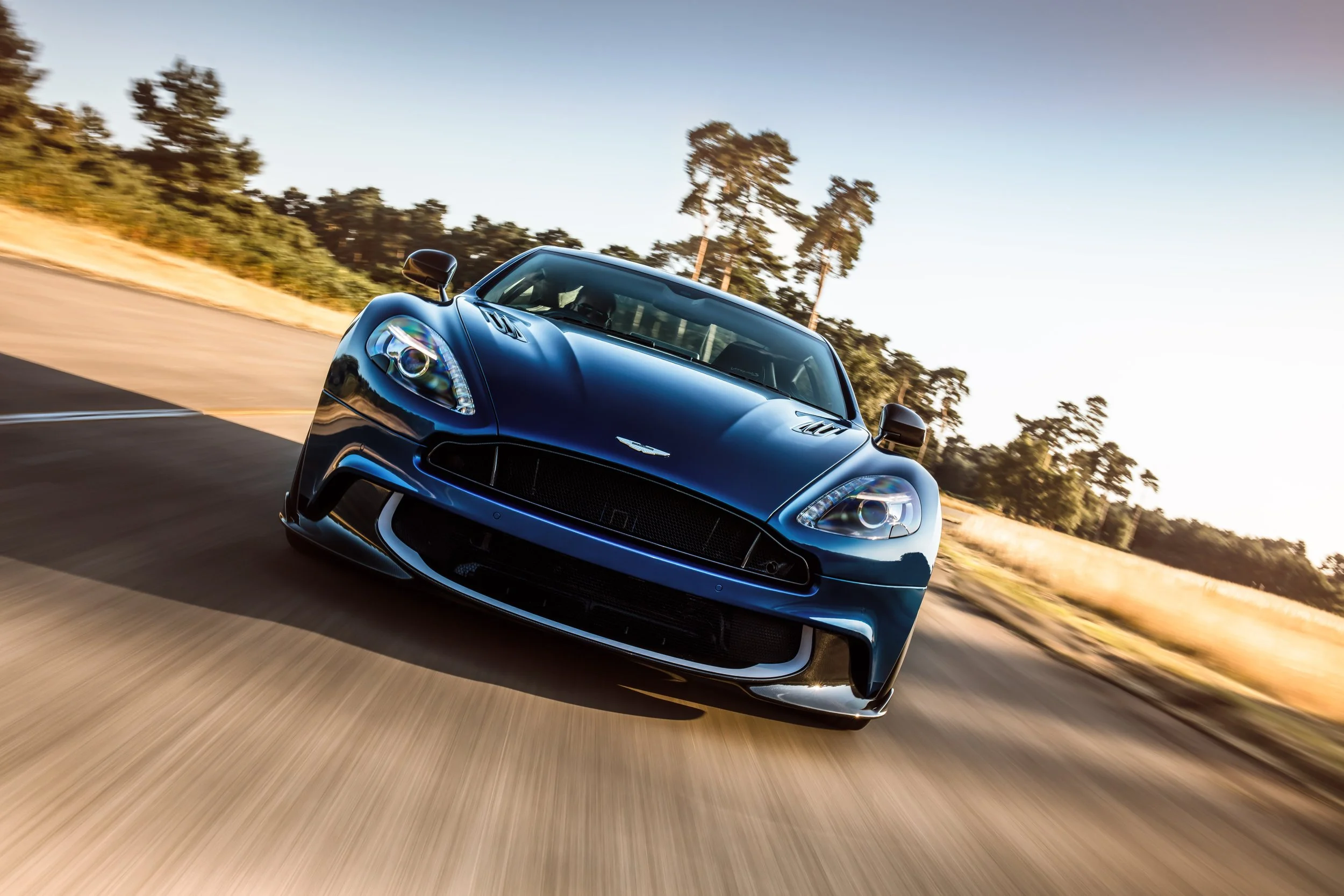
Image © Aston Martin Lagonda. Used for editorial purposes. Aston Martin Vanquish S.
Editor's Introduction — Dan, Fuel the Passion
The second-generation Aston Martin Vanquish is one of those cars that can persuade perfectly sensible people to make rather emotional decisions. That isn't difficult to understand. Just look at the long bonnet, the sweeping rear haunches, the extraordinary carbon-fibre detailing and those distinctive rear lights. Listen to the V12 fire into life, settle into its rhythm and begin to build its voice as the revs rise. It’s a car that seems to understand the importance of making an ordinary journey feel like an occasion.
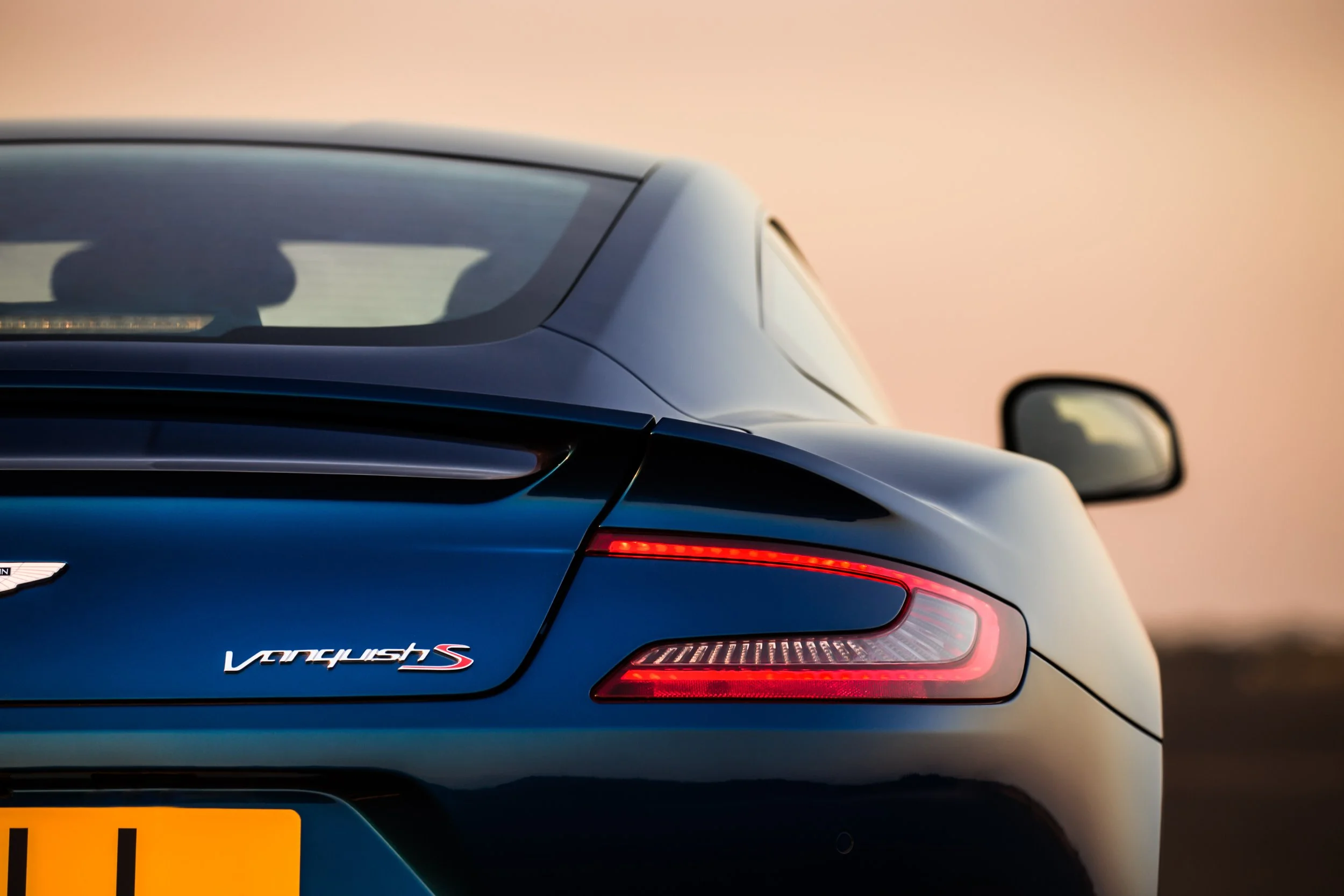
Image © Aston Martin Lagonda. Used for editorial purposes. Aston Martin Vanquish S.
Yet the Vanquish II deserves more than admiration. It was developed and sold as a flagship, with sophisticated construction, elaborate finishes and expensive components. The passage of time may have made some examples comparatively attainable, but it hasn't transformed their maintenance requirements into those of an ordinary used car. Its carbon bodywork, carbon-ceramic brakes, V12 engine, adaptive damping, electronics and, on Volantes, folding roof all demand the right knowledge and care.
That doesn't make it a car to fear. Quite the opposite. The research for this guide, including Aston Martin's own period material, Heritage Trust discussions, specialist engineering evidence and owner experiences, points towards a fundamentally appealing and capable modern classic. The key is to recognise the difference between the car's genuine strengths and the faults that can arise through age, damage, unsuitable use or deferred maintenance.
I want this guide to help you enjoy the search as much as the eventual ownership. We will celebrate what makes the Vanquish special, but also examine what needs checking before money changes hands. You should come away with a clearer idea of which version suits you, what a healthy example feels like and which questions deserve properly documented answers.
The guiding principle is simple: buy the evidence, not merely the dream.
Important Information
The Fuel the Passion Aston Martin Buyers Guides are produced independently to provide general information, editorial insight and enthusiast guidance for those considering the purchase or ownership of an Aston Martin. They are intended to help readers better understand individual models, their characteristics, potential ownership considerations and areas worthy of further investigation.
While every reasonable effort is made to ensure the information is accurate and useful, Fuel the Passion cannot guarantee that it is complete, current or applicable to every vehicle. Specifications, known issues, maintenance requirements, market values and individual vehicle conditions can vary considerably. These guides are not a substitute for a comprehensive pre-purchase inspection, specialist mechanical assessment, independent valuation or appropriate legal, financial or insurance advice.
Any decision to purchase an Aston Martin is entirely the responsibility of the prospective buyer. Readers should undertake their own research, verify all relevant information and obtain appropriate independent professional advice before committing to a purchase. Fuel the Passion does not inspect, certify, approve or guarantee individual vehicles, nor does it participate in or assume responsibility for transactions undertaken by readers.
These guides are provided to inform and assist prospective buyers, not to recommend or guarantee the suitability of any particular vehicle. Fuel the Passion does not accept responsibility for individual purchasing decisions or the costs and ownership experiences that may follow. The responsibility for deciding whether to purchase a vehicle rests entirely with the buyer.
What this guide covers
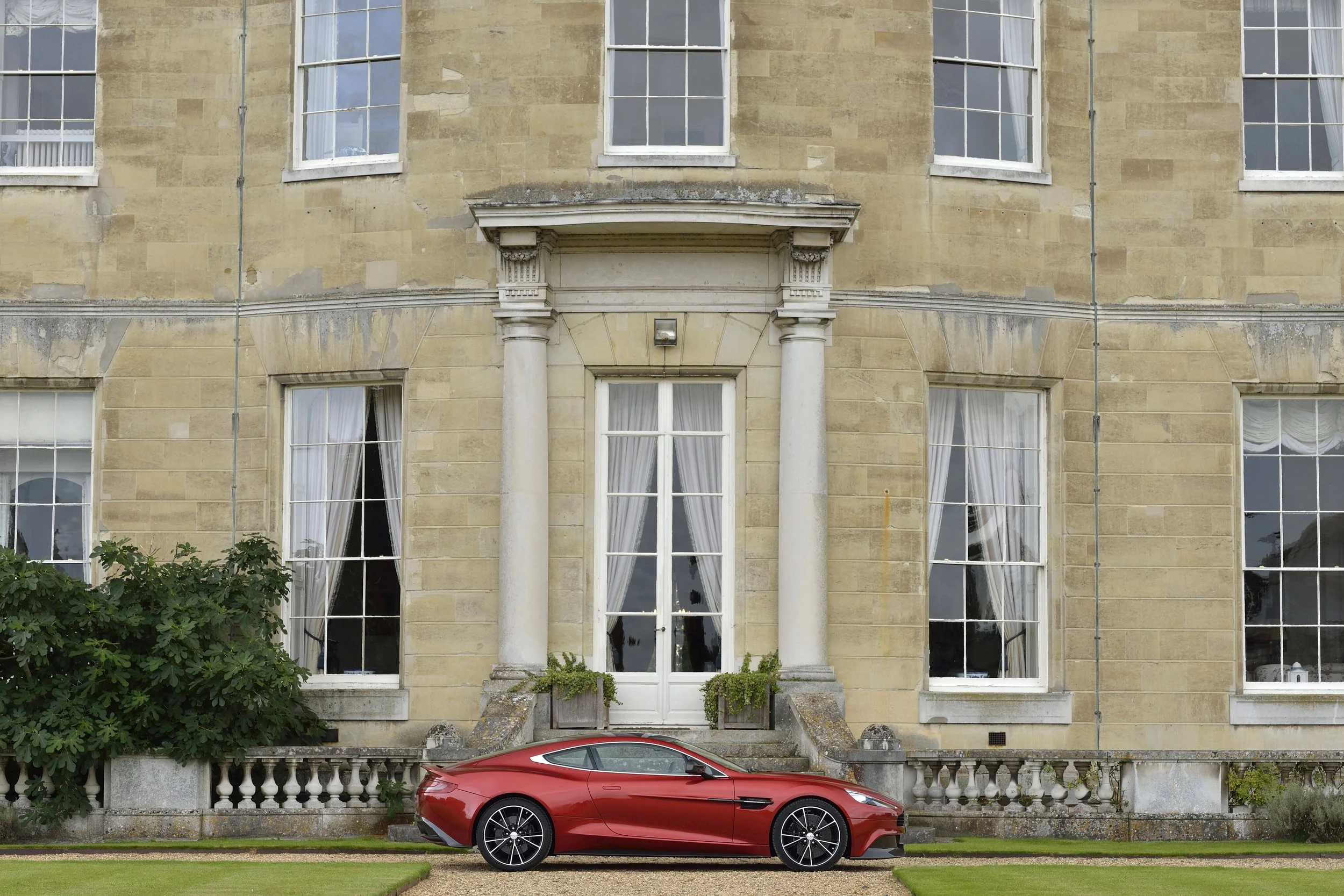
Image © Aston Martin Lagonda. Used for editorial purposes. Aston Martin Vanquish.
This guide concerns the second-generation, Gaydon-built Vanquish, introduced in 2012 and produced through the 2018 model period. It covers the standard Coupé and Volante, the early six-speed Touchtronic II cars, later eight-speed Touchtronic III versions, the Vanquish S and their important factory special editions. It also considers the Vanquish Zagato family as a separate, much more specialised collector proposition.
It does not cover the original Newport Pagnell V12 Vanquish built from 2001 to 2007, or the entirely different modern Vanquish introduced in 2024. The original Vanquish has its own FTP Buyers Guide, while the DBS and DBS Superleggera are separate model families with different buying considerations.
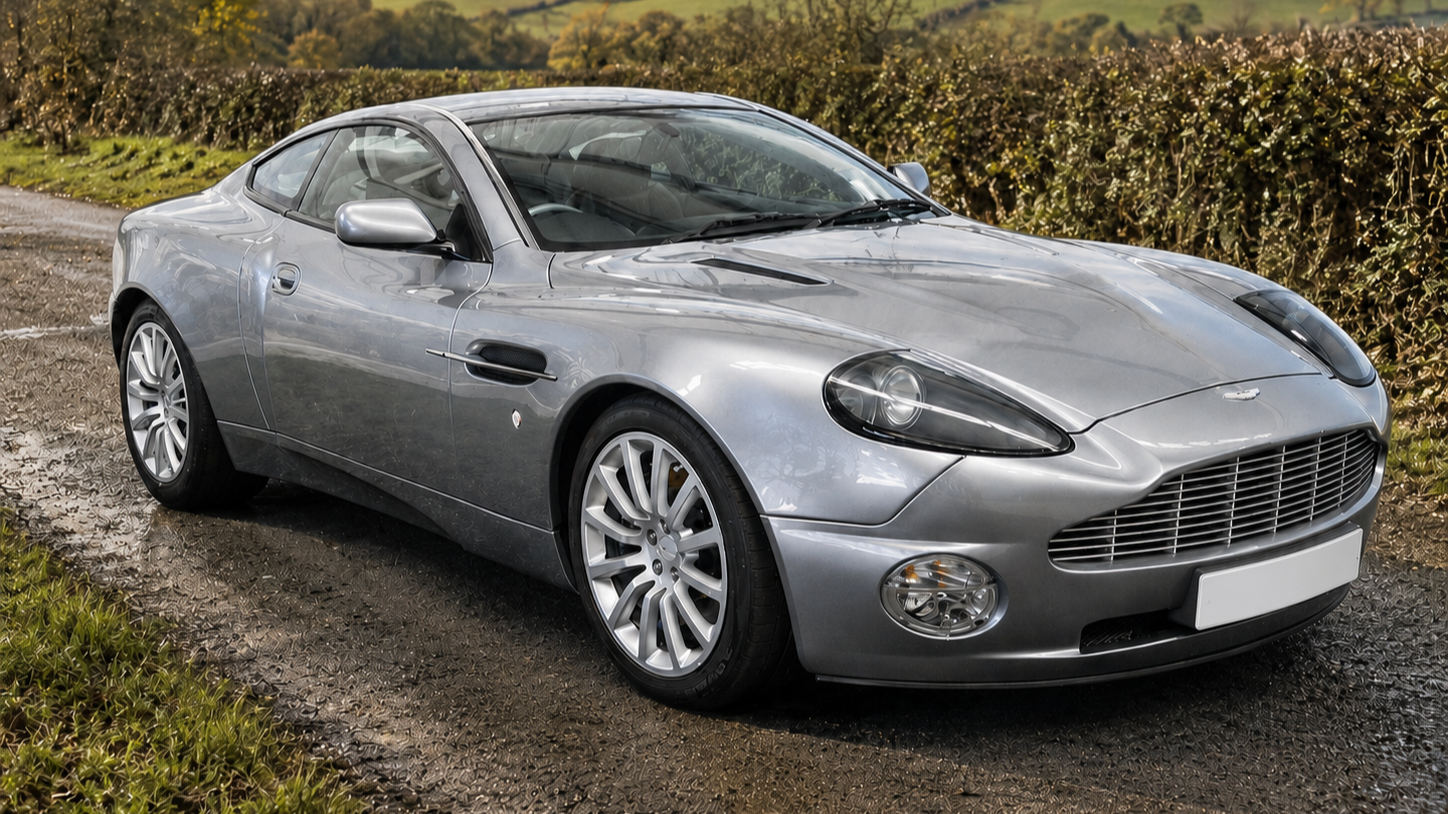
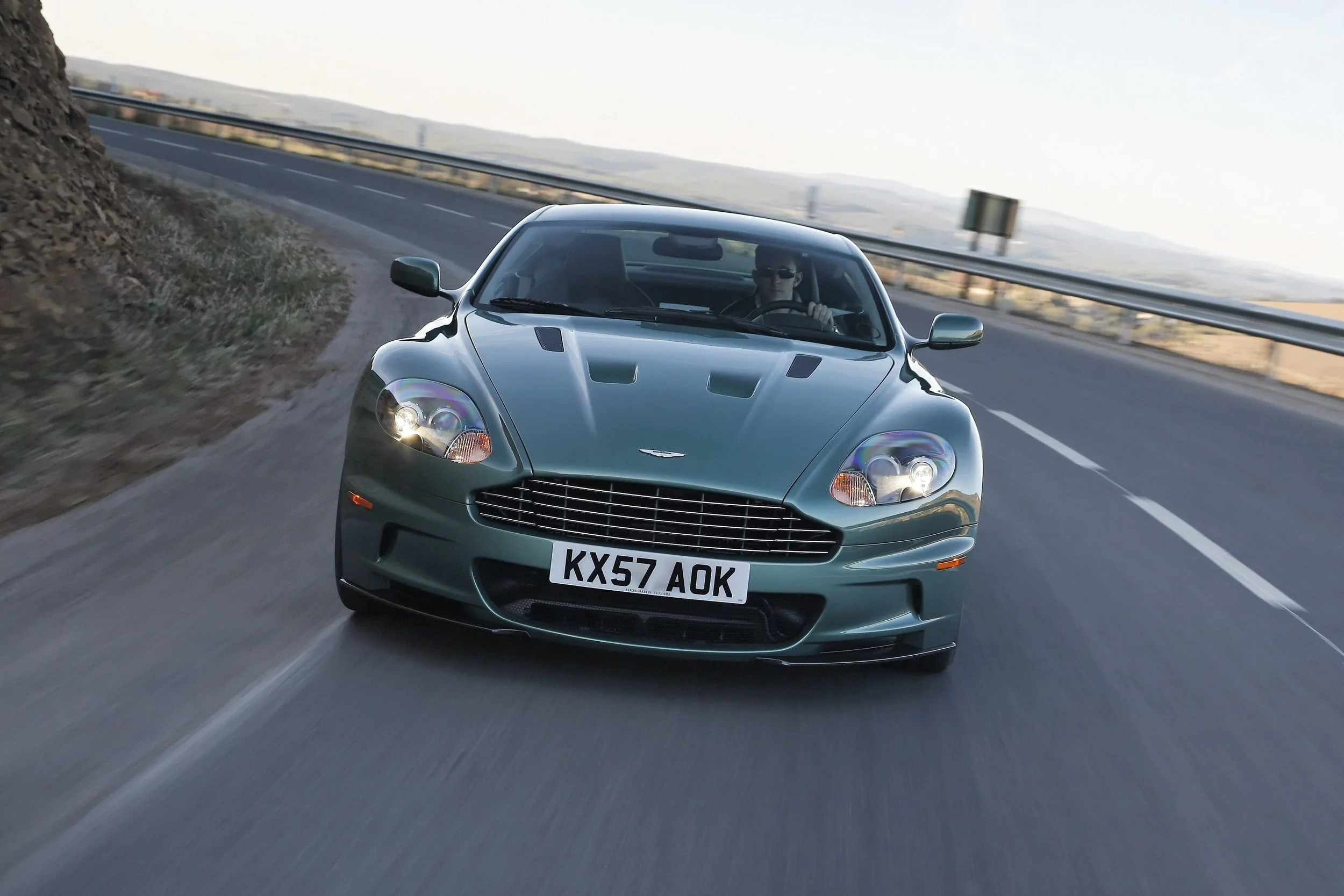
Throughout the guide, model year matters as much as registration year. Equipment, drivetrain and specification can differ between two cars carrying seemingly similar registrations. Where a detail is important, confirm it against the individual vehicle's original build record rather than relying on the advert.
FTP quick buyer summary
Which Vanquish II
is right for you?
Seven useful starting points before you begin the search. Each version has its appeal, but the condition and history of the individual car matter more than the badge.
Eight-speed Vanquish Coupé
For many buyers, the all-round sweet spot. Touchtronic III adds quicker responses and more effortless touring without losing the naturally aspirated V12 character.
Well-kept six-speed Coupé
An appealing entry into the carbon-bodied V12 experience. The saving only makes sense when the gearbox, brakes, history and outstanding maintenance all add up.
Vanquish Volante
Roof-down V12 theatre and long-distance grand touring. Pay particular attention to roof operation, window sealing, drains and any evidence of water ingress.
Vanquish S
The more purposeful final development of the regular range, with extra performance and a sharper character. An S badge alone never justifies a premium.
Special editions & Zagato
Carbon Edition brings specification-led appeal; Ultimate and Red Arrows add distinct provenance. The Zagato family belongs in a separate specialist collector market.
Inspect the expensive areas
Carbon-fibre panel repairs, carbon-ceramic brakes, unresolved V12 misfire or catalyst warnings, adaptive dampers and, on Volantes, roof faults can change the buying equation.
Buy the evidence, not merely the dream.
Arrange a pre-purchase inspection with genuine Vanquish experience. Verify the factory specification, diagnostic findings, maintenance invoices, carbon bodywork and brake condition — then establish the real cost before committing.
Why the second-generation Vanquish matters
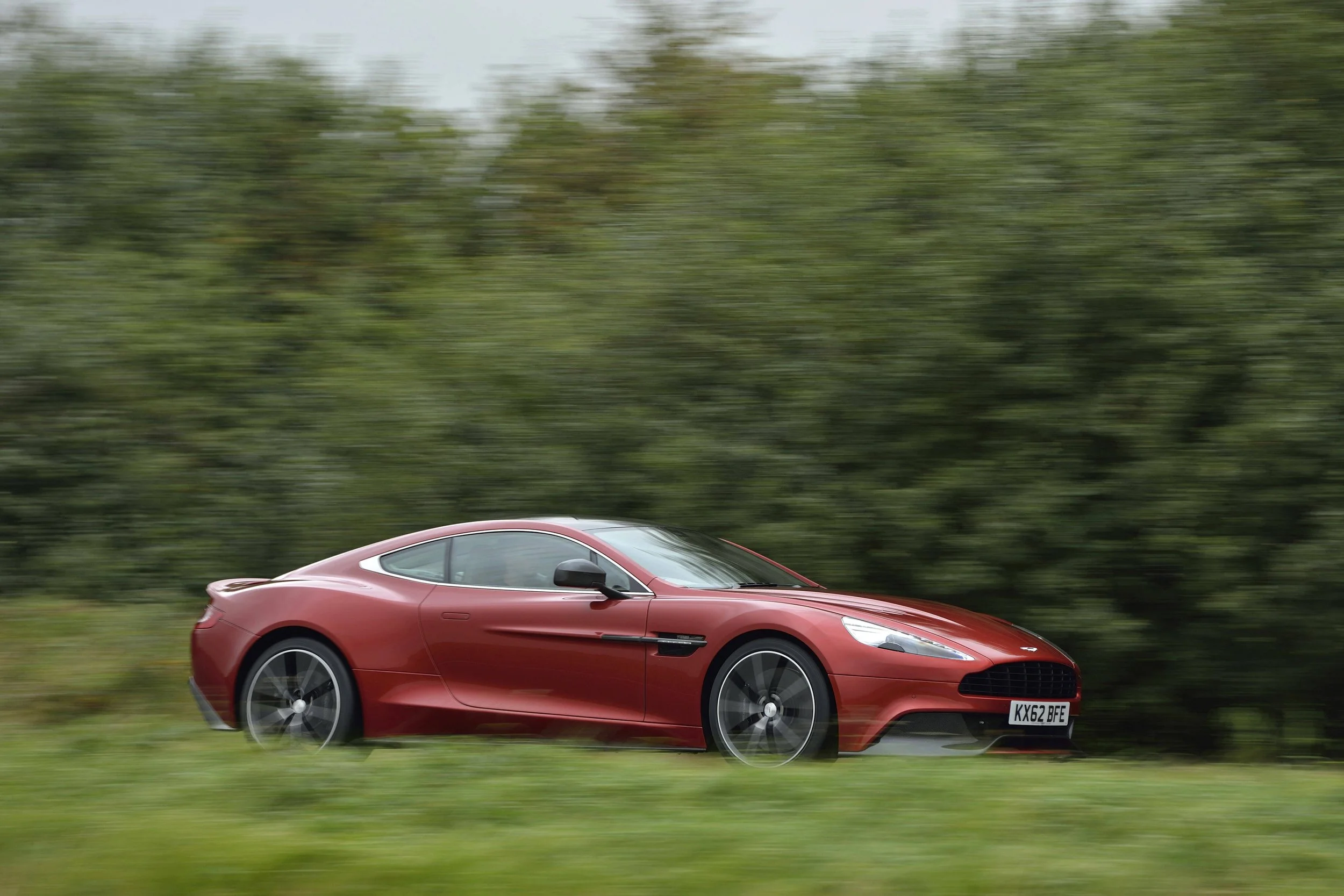
Image © Aston Martin Lagonda. Used for editorial purposes. Aston Martin Vanquish.
The second-generation Vanquish was not simply a DBS replacement with a new badge. It represented Aston Martin's most developed expression of the VH-era grand touring formula, bringing a much more ambitious approach to exterior construction while preserving the ingredients that enthusiasts loved: a long-bonnet silhouette, rear-wheel drive, a front-mounted naturally aspirated V12 and a carefully finished cabin.
At its launch in 2012, the Vanquish sat at the top of Aston Martin's regular production sports-car range. The initial 565bhp engine, six-speed automatic gearbox and carbon-fibre exterior panels made it both recognisably an Aston Martin and a significant step forward. The car's styling took influences from the One-77, particularly around the flowing side surfaces and dramatic rear treatment, but it established its own identity rather than becoming a smaller copy of the limited-production supercar.
Image © Aston Martin Lagonda. Used for editorial purposes. Aston Martin Vanquish 25.
Aston Martin's retrospective account of the Vanquish nameplate, published for the marque's 25-year Vanquish celebration in 2026, describes this generation as a landmark in exterior carbon-fibre construction. The Aston Martin Heritage Trust's anniversary podcast reinforces the same point through recollections of the car's development, launch and driving character. The discussion recalls the second-generation Vanquish being introduced to the press on roads around Palm Springs in California, a setting that helped demonstrate its combination of long-legged refinement and serious performance.
That history is worth remembering because, when new, the Vanquish wasn't merely intended to be quicker than a DB9. It was supposed to feel like the most complete and desirable expression of the company's sporting grand tourer. Today, the best examples still possess that quality. The car may no longer be the fastest Aston Martin on the road, but it remains one of the most distinctive modern V12s the company has produced.
The carbon-fibre body: beauty with consequences
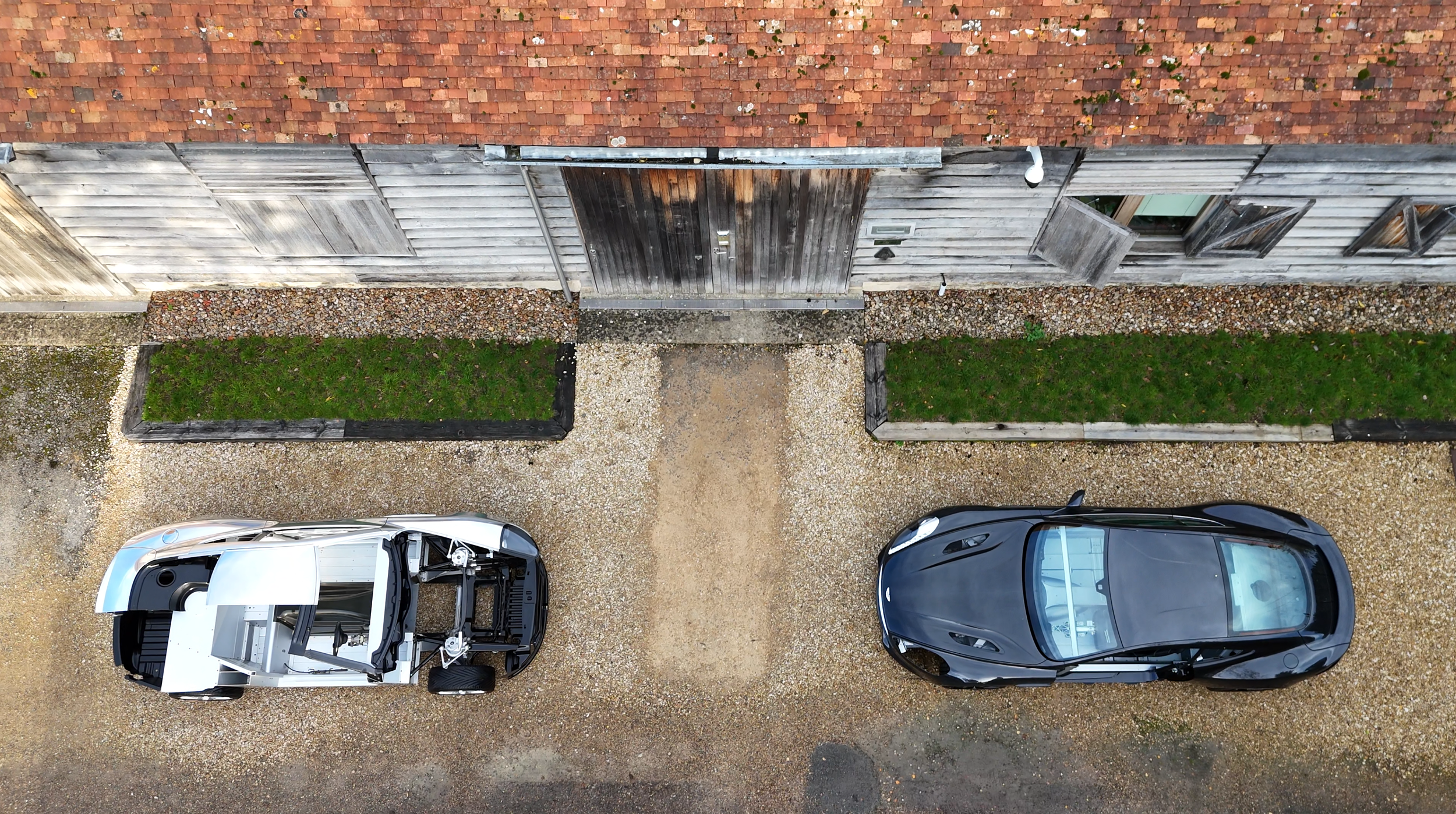
Image © Fuel the Passion. Aston Martin Vanquish Generation 1 (Left) and Generation 2 (Right) cut-outs outside the Aston Martin Heritage Trust Museum, Oxfordshire, UK, 2025.
Perhaps the most important construction fact about the second-generation Vanquish is also one of the easiest to misunderstand. Every exterior body panel was manufactured from carbon fibre, including the bonnet, front wings, rear quarter panels, bumpers and roof. However, the Vanquish wasn't constructed around an entirely carbon-fibre passenger monocoque. Beneath those beautifully sculpted exterior panels sat an evolved bonded-aluminium structure, developed from Aston Martin's VH architecture first introduced with the DB9.
It was a significant achievement. The Vanquish became Aston Martin's first series-production model to feature a complete carbon-fibre exterior body, bringing a level of construction sophistication that distinguished it from its predecessors.
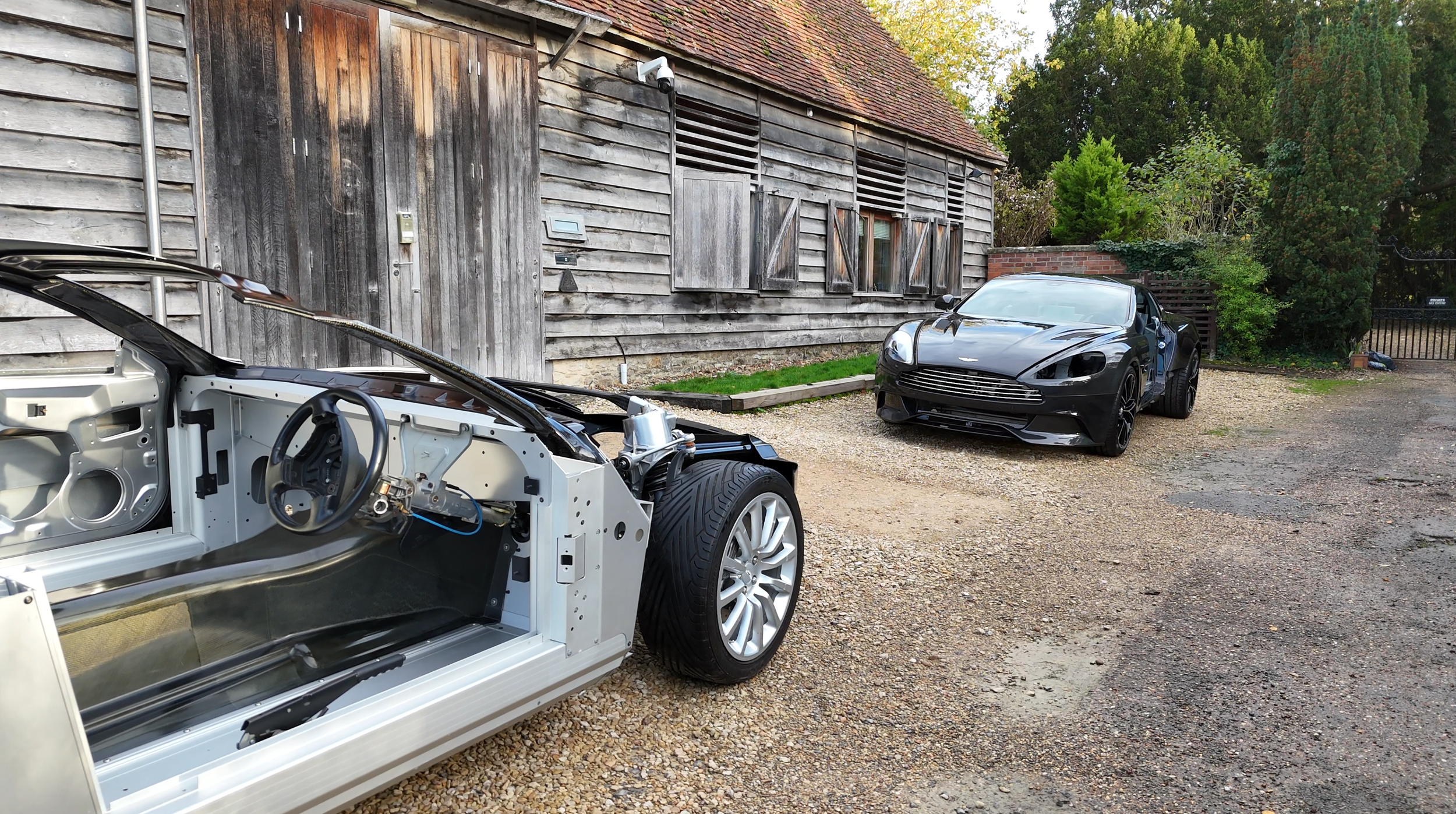
Image © Fuel the Passion. Aston Martin Vanquish Generation 1 (Left) and Generation 2 (Right) cut-outs outside the Aston Martin Heritage Trust Museum, Oxfordshire, UK, 2025.
Fuel the Passion's own film, (which you can access below, at the end of this section), exploring the Aston Martin Heritage Trust's second-generation Vanquish cutaway, offers a fascinating opportunity to see how it all came together. With much of its exterior removed, the car exposes the aluminium structure beneath the carbon-fibre panels, revealing engineering that would ordinarily remain hidden behind beautifully finished bodywork.
One particularly interesting detail is how the aluminium structure itself was assembled. Rather than relying upon conventional welded steel construction, the VH-era architecture used aluminium sections joined through structural adhesive bonding. Rivets helped hold the sections in position during assembly, while the adhesive provided the principal strength of the bonded joints. Around the A-pillars, substantial aluminium reinforcement contributed to the structure's strength and rollover protection.
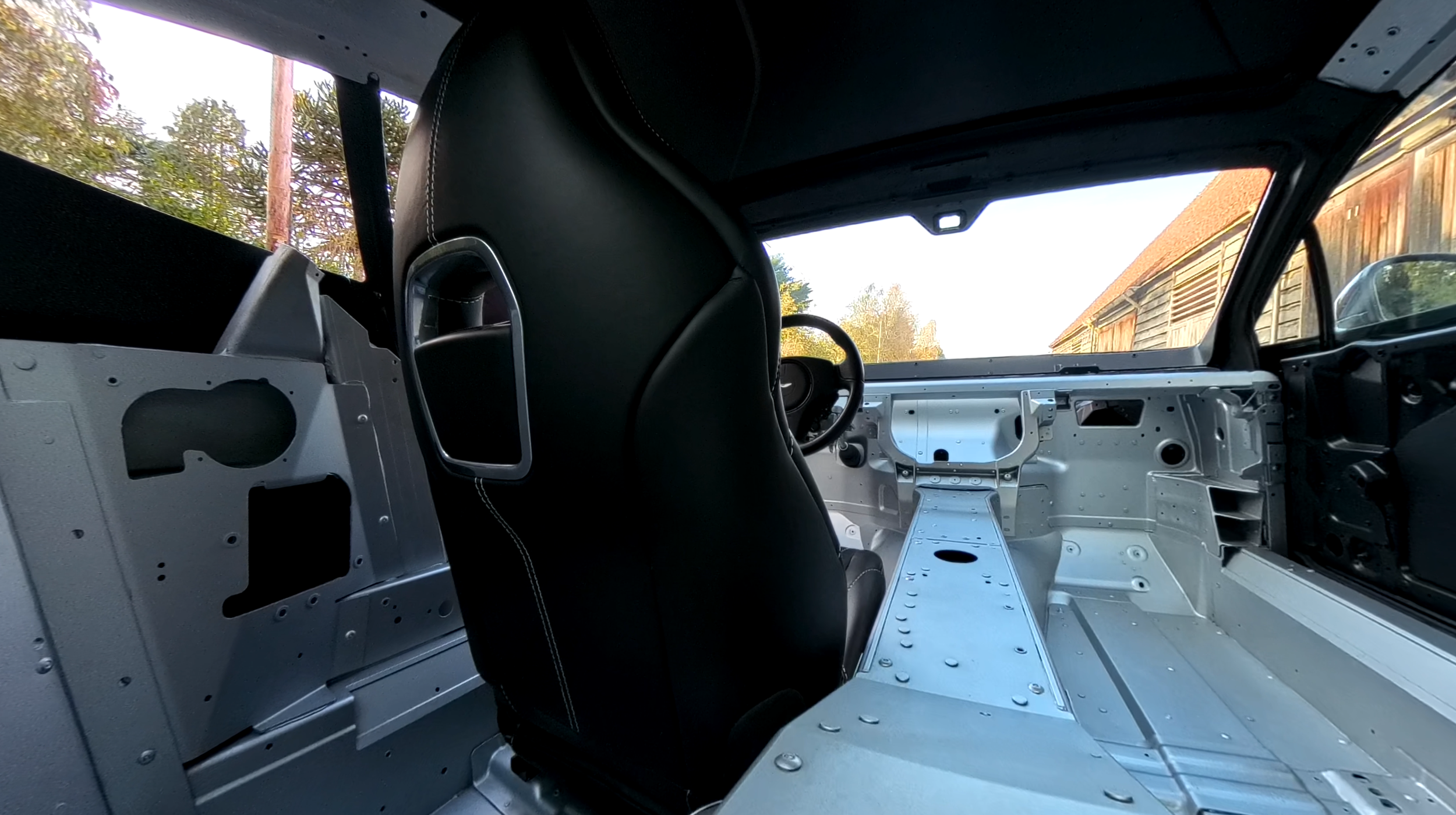
Image © Fuel the Passion. Inside the Aston Martin Vanquish Generation 2, cut-out example.
It's an important distinction for prospective buyers. The carbon-fibre panels form the exterior body, while the bonded-aluminium structure beneath provides the car's principal structural foundation. Damage to either demands proper assessment, but structural damage presents a different level of concern from superficial paintwork or cosmetic carbon-fibre repairs.
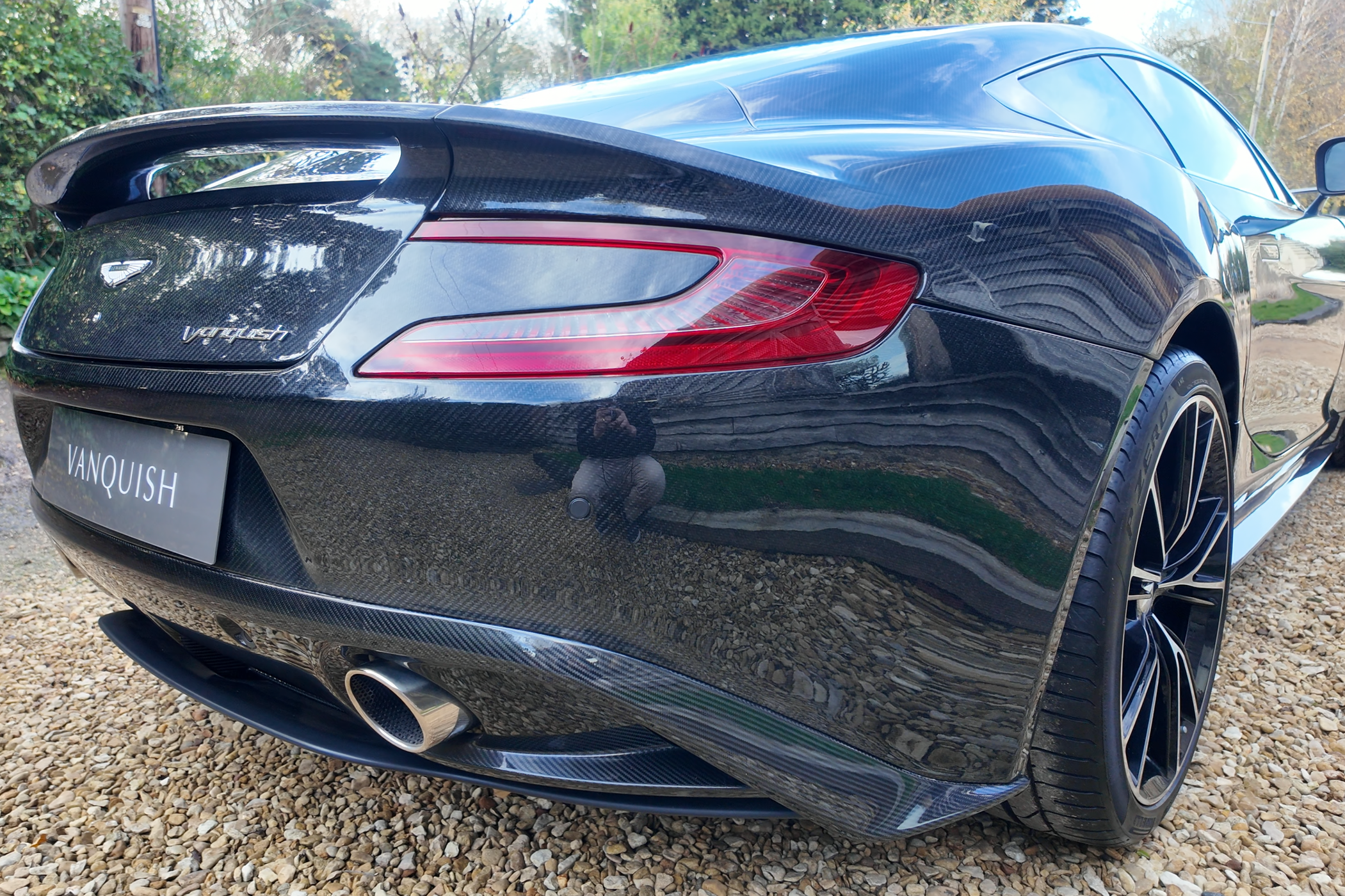
Image © Fuel the Passion. Rear quarter of the Aston Martin Vanquish Generation 2.
The rear quarter panels provide another remarkable illustration of the Vanquish's construction. As the cutaway reveals, much of the rear body side is formed from a single substantial carbon-fibre panel, bonded to the underlying aluminium structure. The front wings and bonnet are separate components, but the extensive rear-quarter construction demonstrates how Aston Martin used carbon fibre to create large, flowing surfaces with relatively few visible interruptions.
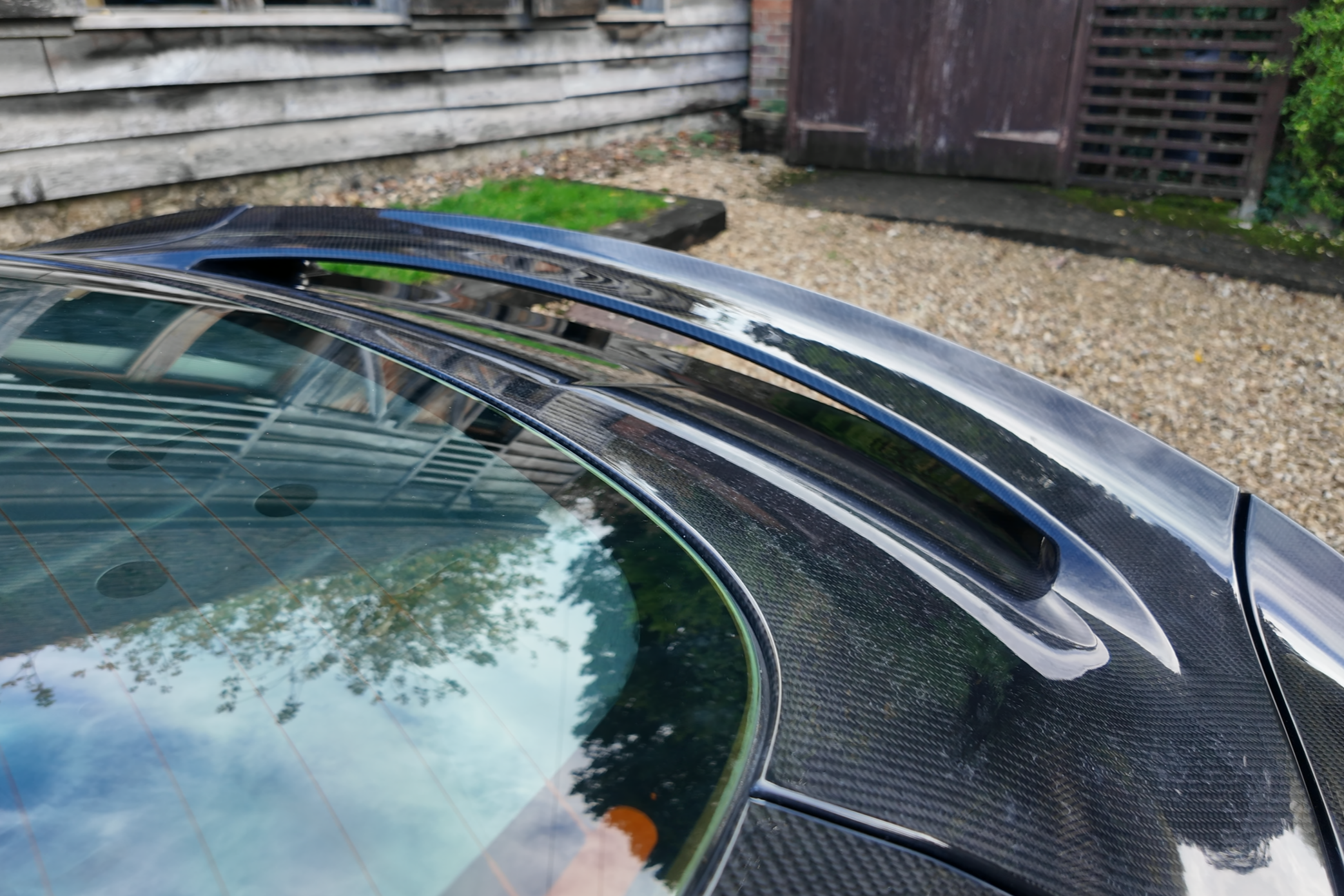
Image © Fuel the Passion. Rear Aero Duct of the Aston Martin Vanquish Generation 2.
That engineering freedom also helped produce one of the Vanquish's most distinctive features: the Aero Duct integrated into the boot lid. Air passing over the roof and rear window is channelled through an opening in the rear bodywork, contributing to the car's aerodynamic performance. Its complex shape was made possible by the carbon-fibre construction, allowing Aston Martin to incorporate an unusual aerodynamic treatment without relying upon a conventional raised rear spoiler.
Even the exterior finish tells an interesting story. Ordinarily, the carbon-fibre body panels were painted in the customer's chosen colour, concealing the intricate weave beneath. The roof, however, could be specified with an exposed-carbon finish, protected by clear lacquer. A small number of bespoke Q by Aston Martin commissions also featured exposed-carbon treatments on parts of the bonnet which included the Vanquish S Red Arrows Edition.
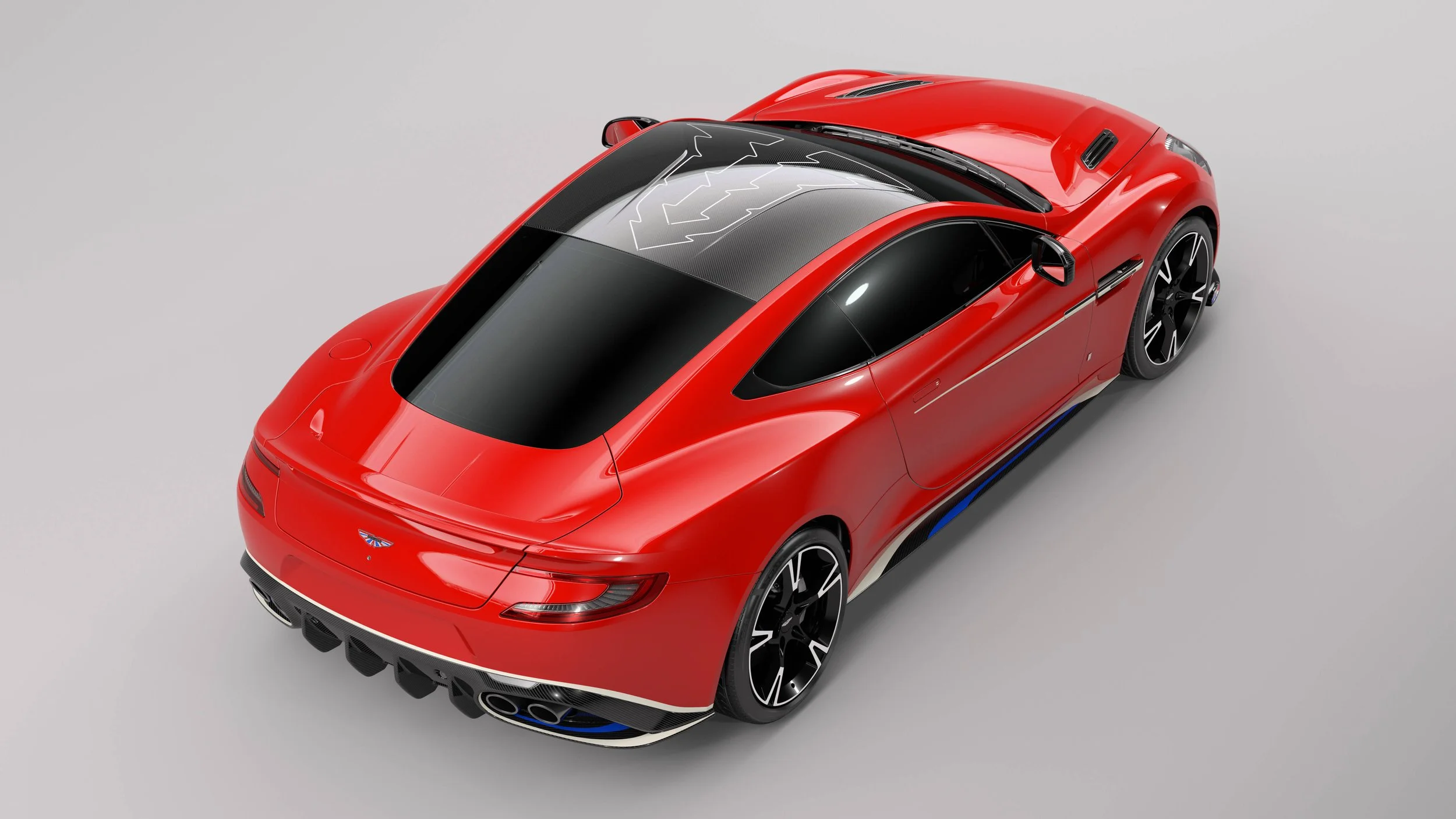
Image © Aston Martin Lagonda. Used for editorial purposes. Aston Martin Vanquish S Red Arrows Edition.
These distinctions matter when inspecting a prospective purchase. Exposed carbon should have a consistent, properly finished appearance, while unusual combinations of painted and visible carbon should be checked against the car's original factory specification.
For all its visual and engineering appeal, the Vanquish's construction brings some important ownership considerations. Carbon-fibre body panels require suitable repair methods, and experience working with conventional steel or aluminium panels doesn't automatically qualify a repairer to undertake complex carbon-fibre work. The size and construction of components such as the rear quarters can make damage particularly significant, especially where replacement panels or specialised repair processes are required.
Prospective buyers should therefore pay close attention to panel alignment, paint consistency, lacquer condition, exposed-carbon surfaces, lower bodywork, previous accident repairs and supporting documentation. Where there is evidence of substantial damage, the bonded-aluminium structure beneath should also be assessed by someone familiar with its construction.
The Aston Martin Heritage Trust's separate podcast on parts operations adds another useful perspective. It explains why replacement panels for some older metal-bodied classics may be comparatively straightforward to reproduce, while modern moulded carbon-fibre components can require more specialised tooling and manufacturing processes. This doesn't establish that Vanquish parts are generally unavailable, but it does underline the importance of checking availability, lead times and appropriate repair options for the particular component involved.
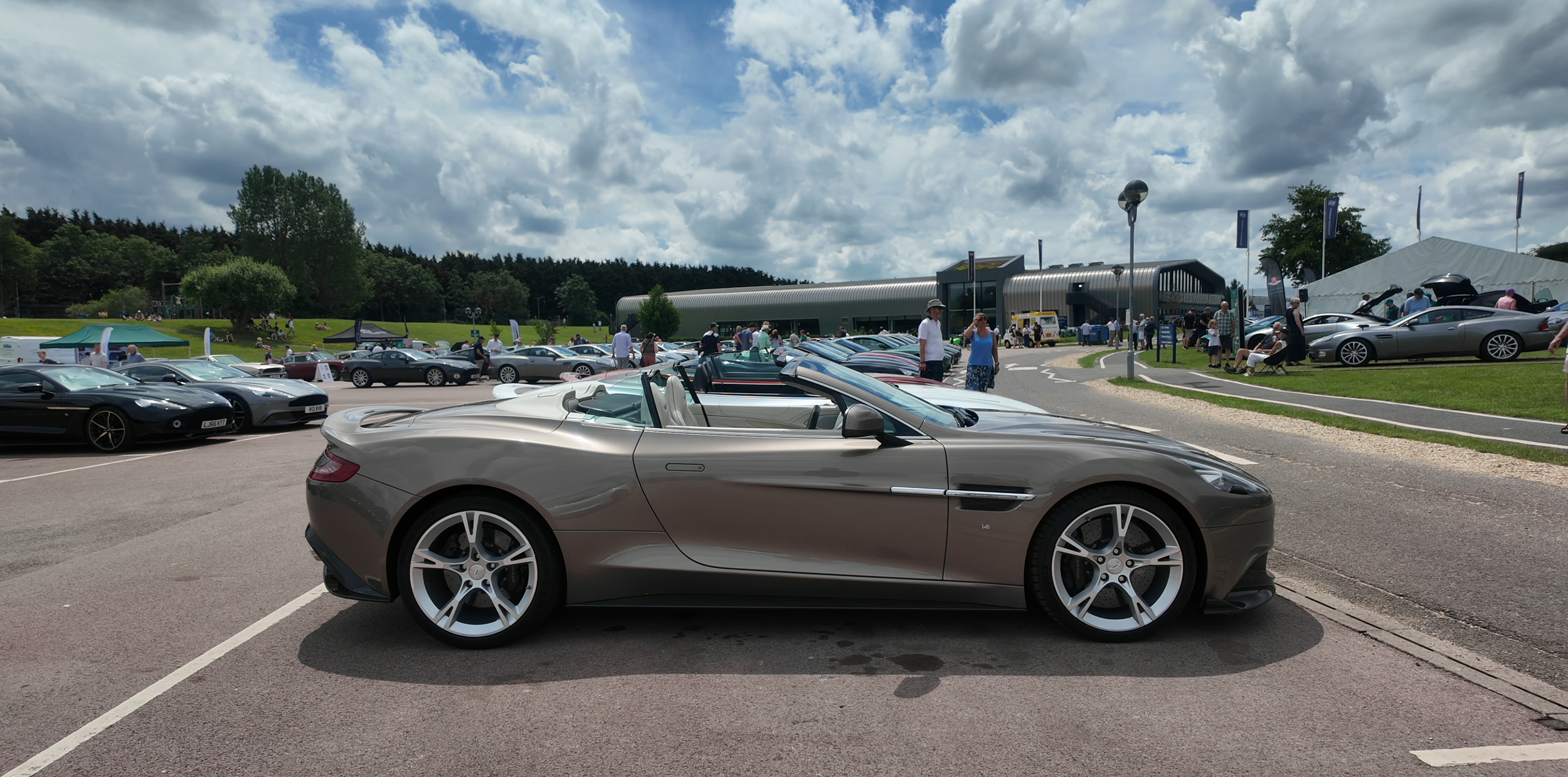
Image © Fuel the Passion. Car of the Show, AMOC Festival 2026, British Motor Museum. Aston Martin Vanquish Volante.
None of this should discourage someone from buying a Vanquish II. Properly documented and professionally completed repairs are not automatically a reason to reject an otherwise excellent car. What matters is understanding what’s been repaired, how the work was carried out and whether the result meets the standards expected of a carbon-bodied Aston Martin flagship.
The Vanquish's carbon-fibre construction was an important part of what made the car so special when new. Today, that same engineering deserves particular respect when assessing a used example.
Beautiful bodywork is part of the attraction. Understanding what lies beneath is part of buying wisely.
Model history and the important changes
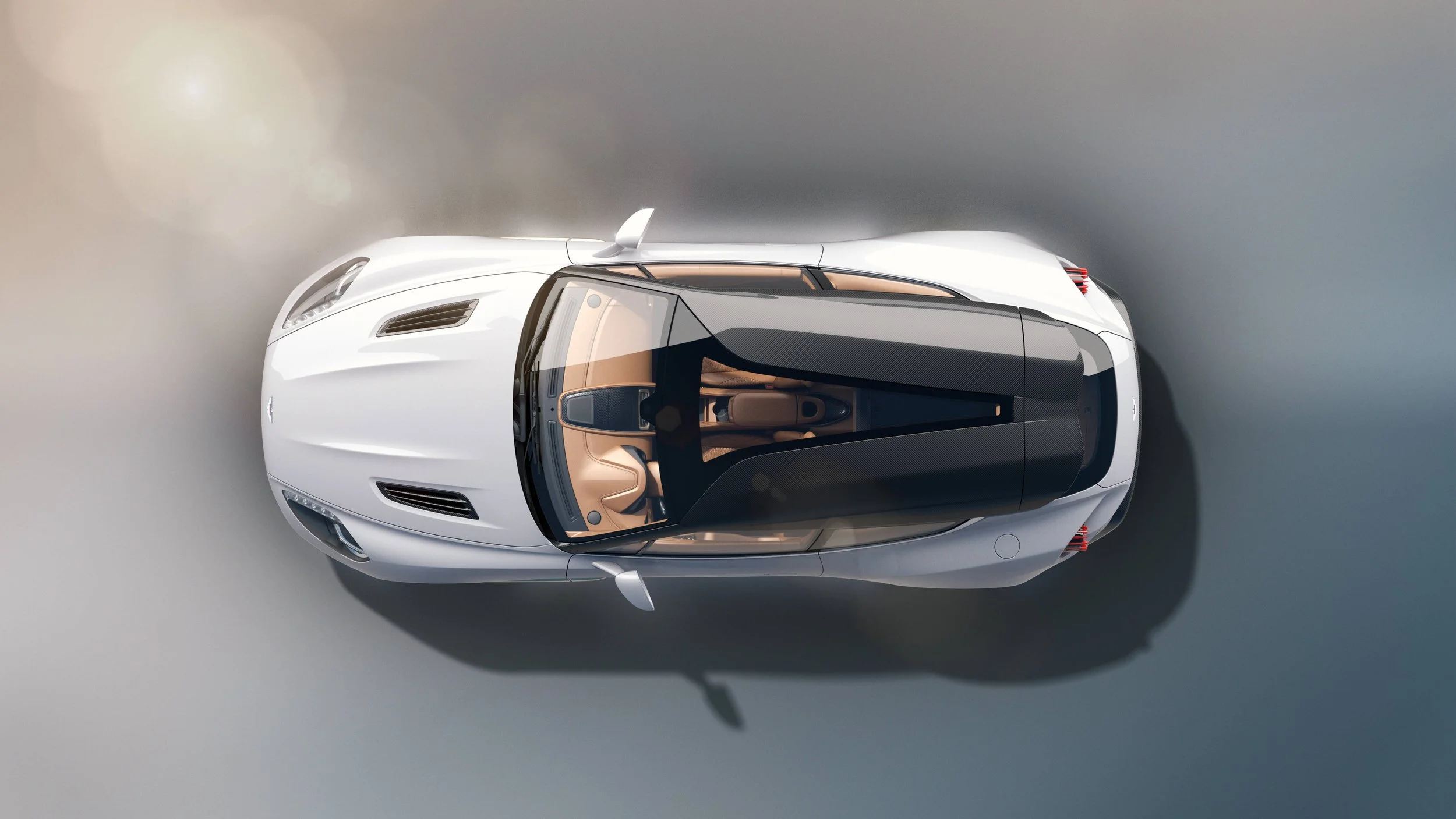
Image © Aston Martin Lagonda. Used for editorial purposes. Aston Martin Zagato Shooting Brake.
The Vanquish II range makes more sense when viewed as a sequence of meaningful developments rather than a single model offered from 2012 to 2018. There are the original six-speed cars, the Volante, the significantly improved eight-speed generation, the sharper S and several specification-led or collector editions. Each can be desirable for different reasons.
2012–2018 · MODEL EVOLUTION
THE VANQUISH II MODEL TIMELINE
From the first carbon-bodied Coupé to the final Vanquish S, this is how the range developed. Public announcements, model years and the timing of customer deliveries are identified separately.
-
2012PUBLIC UNVEILING
The second-generation Vanquish arrives
The Gaydon-built, carbon-bodied V12 flagship is revealed in June. First UK and European deliveries are announced for late 2012.
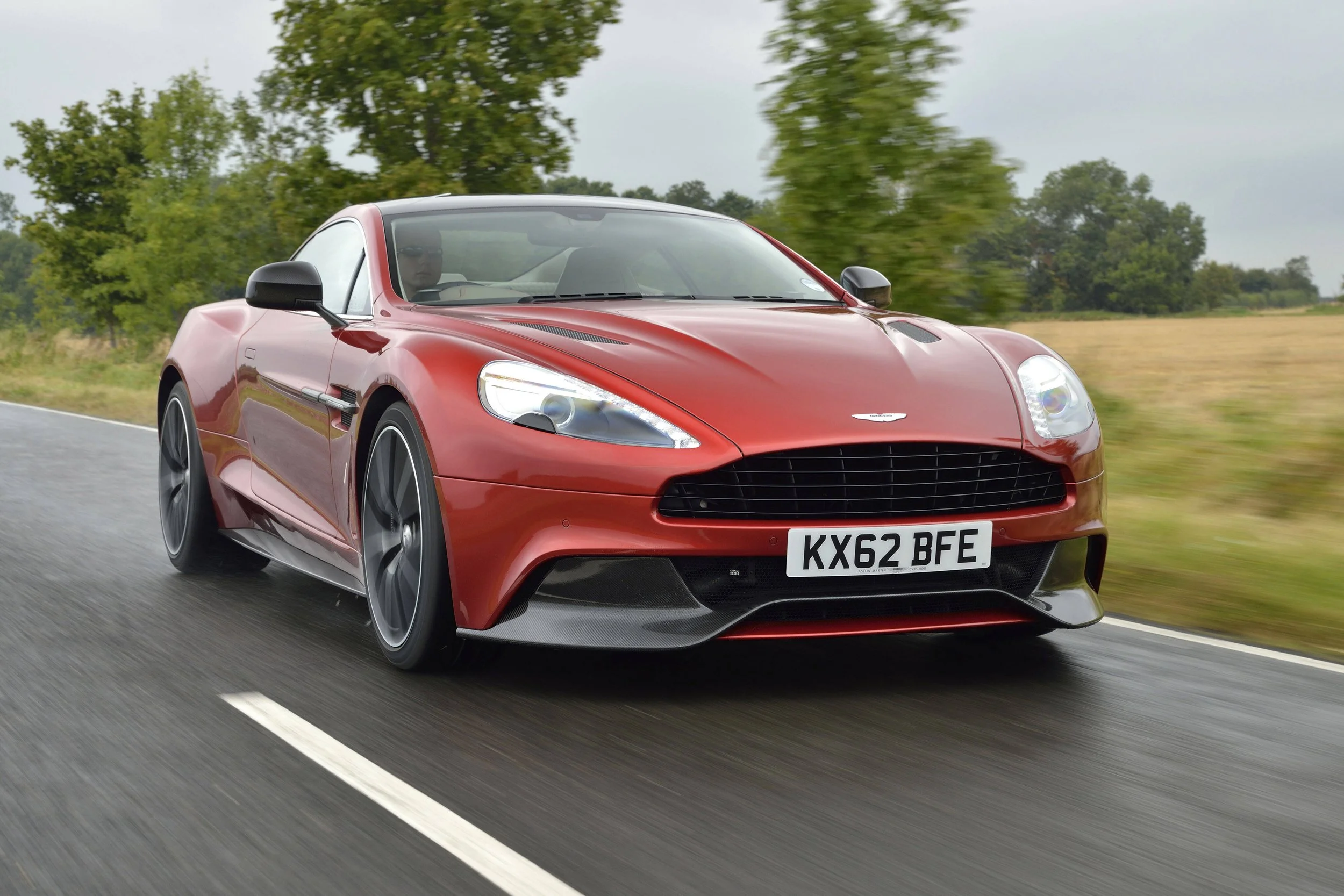
Image © Aston Martin Lagonda. Used for editorial purposes. -
JUN 2013VOLANTE UNVEILED
Open-air Vanquish joins the family
The Vanquish Volante is revealed in June, adding a folding fabric roof to the flagship GT. First deliveries are scheduled for late 2013.
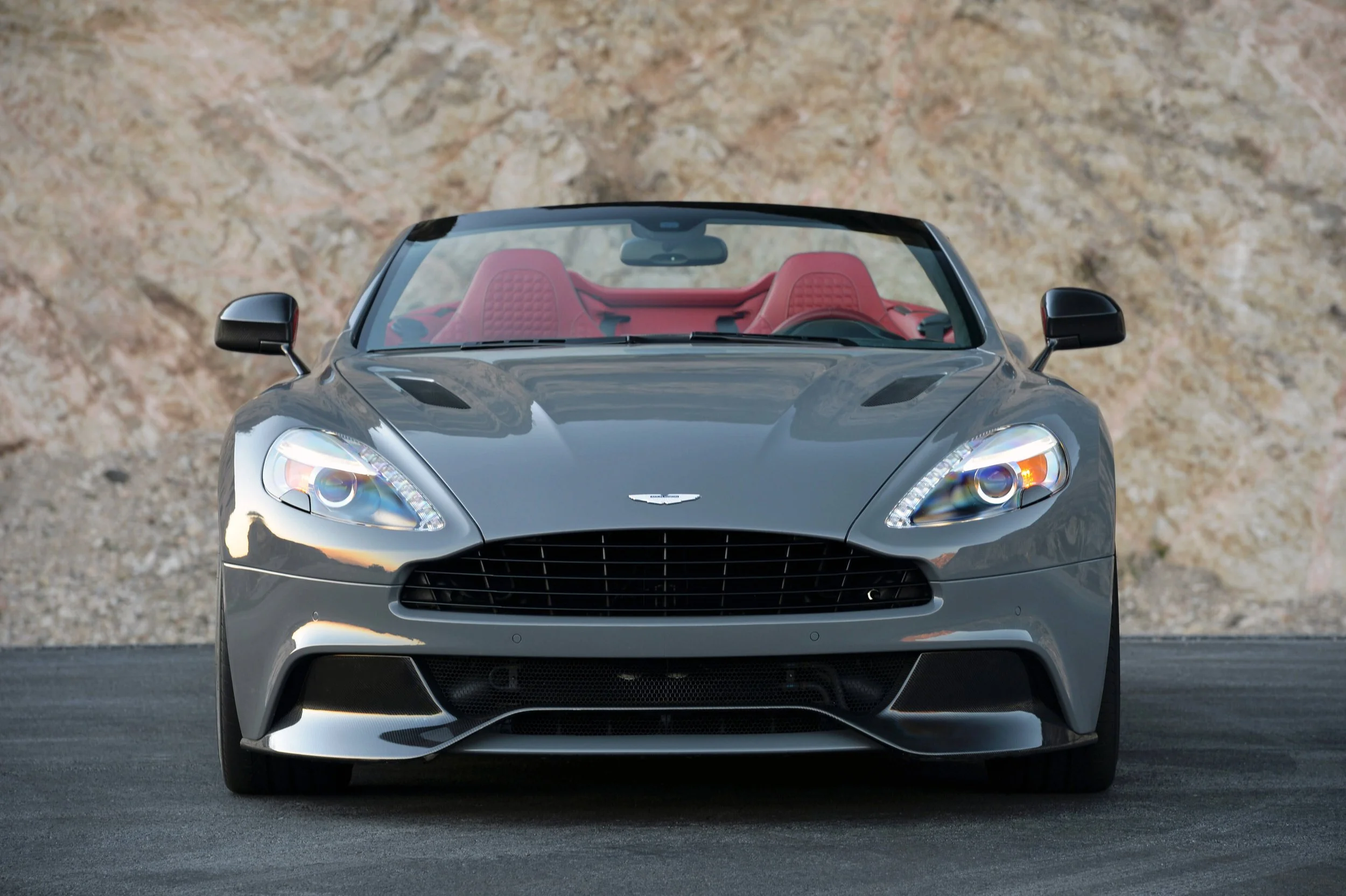
Image © Aston Martin Lagonda. Used for editorial purposes. -
AUG 20142015 MODEL YEAR ANNOUNCED
Touchtronic III transforms the range
Aston Martin announces the eight-speed automatic for the 2015 model year, alongside engine and chassis updates. The announcement year and model year are different.
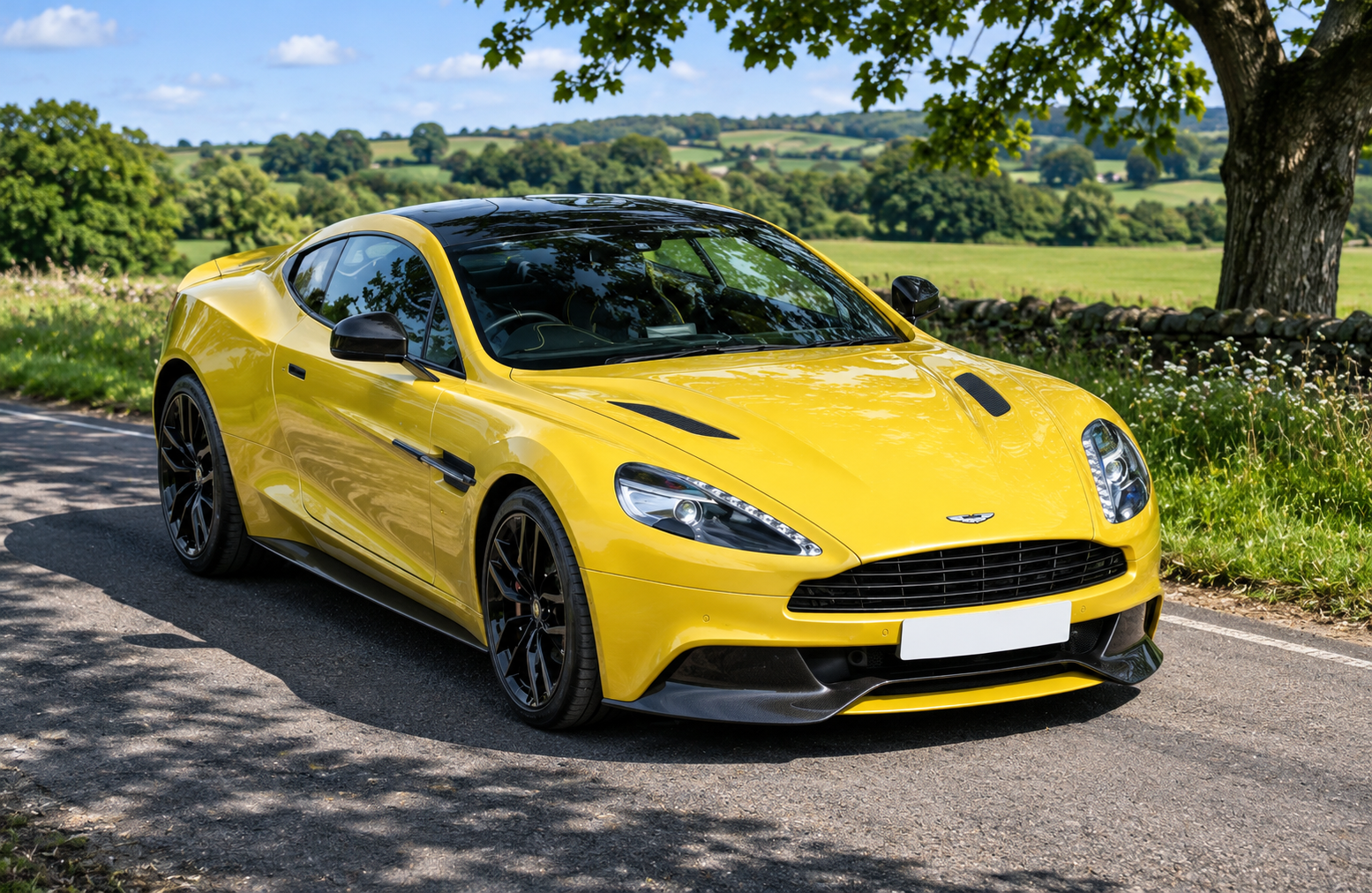
Image © Fuel the Passion. For illustrative purposes. -
SEP 2014SPECIAL SPECIFICATION ANNOUNCED
Carbon Edition makes its debut
Carbon Black and Carbon White themes bring darker trim, exposed-carbon detailing and distinctive finishes to Coupé and Volante. This is a specification-led edition.
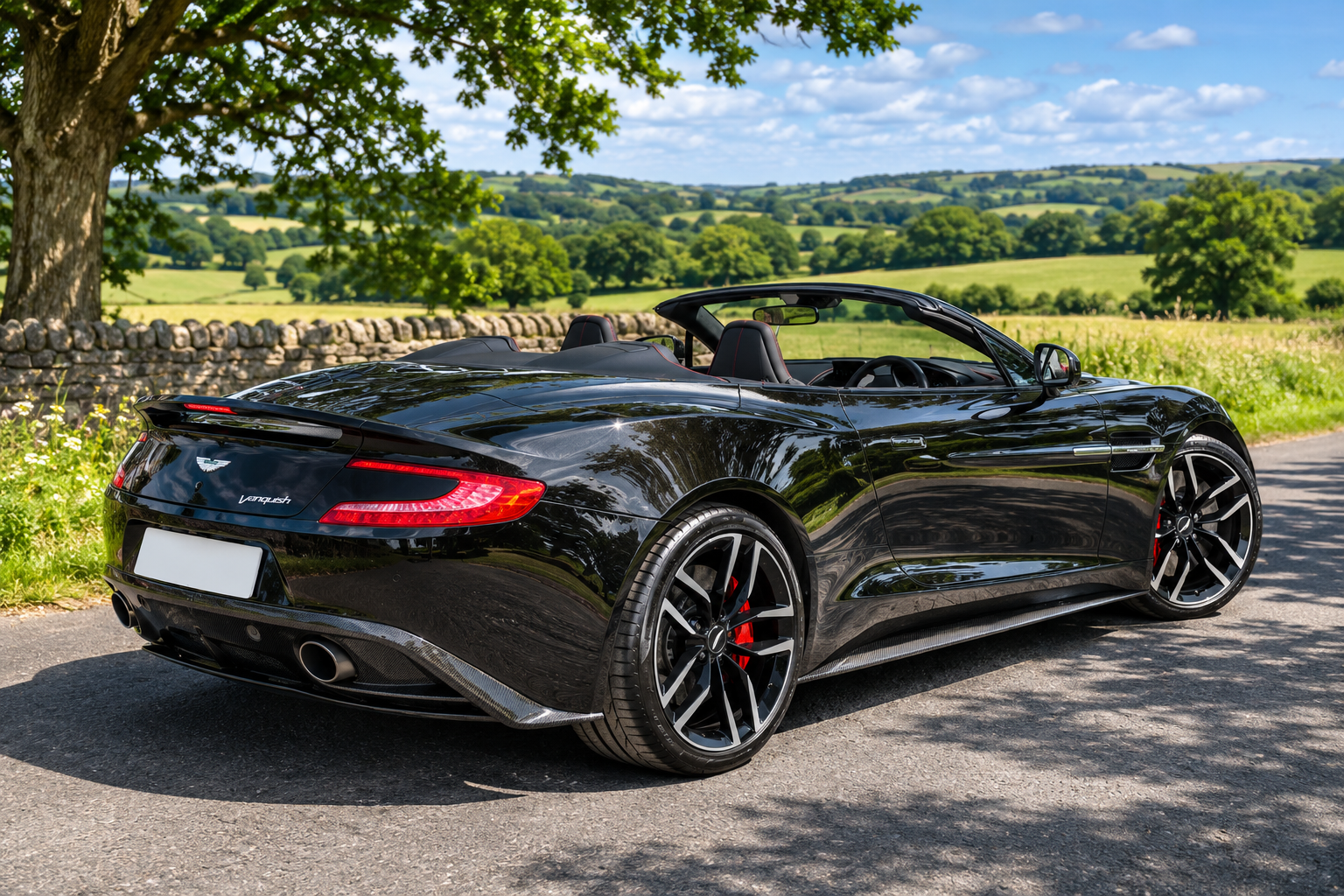
Image © Fuel the Passion. For illustrative purposes. -
NOV 2016S UNVEILED
Vanquish S sharpens the flagship
The 600PS Vanquish S is announced with revised engine breathing, chassis tuning and aerodynamic details. Initial customer deliveries are scheduled for December 2016.
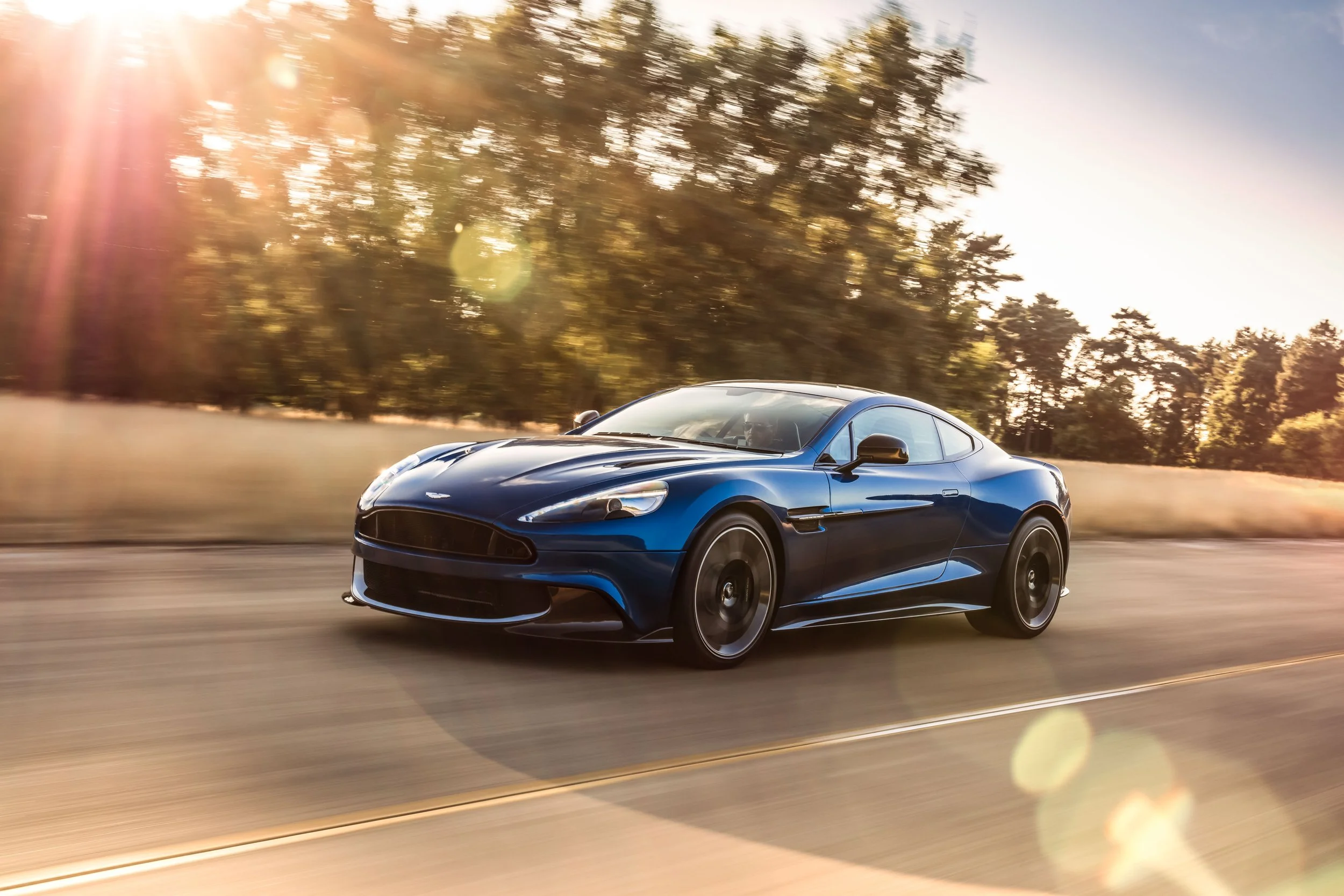
Image © Aston Martin Lagonda. Used for editorial purposes. -
2016COLLECTOR PROGRAMME BEGINS
The Zagato story starts
The Zagato Coupé and Volante are revealed during 2016. Coupé production begins later that year; the four-model programme is not yet complete.
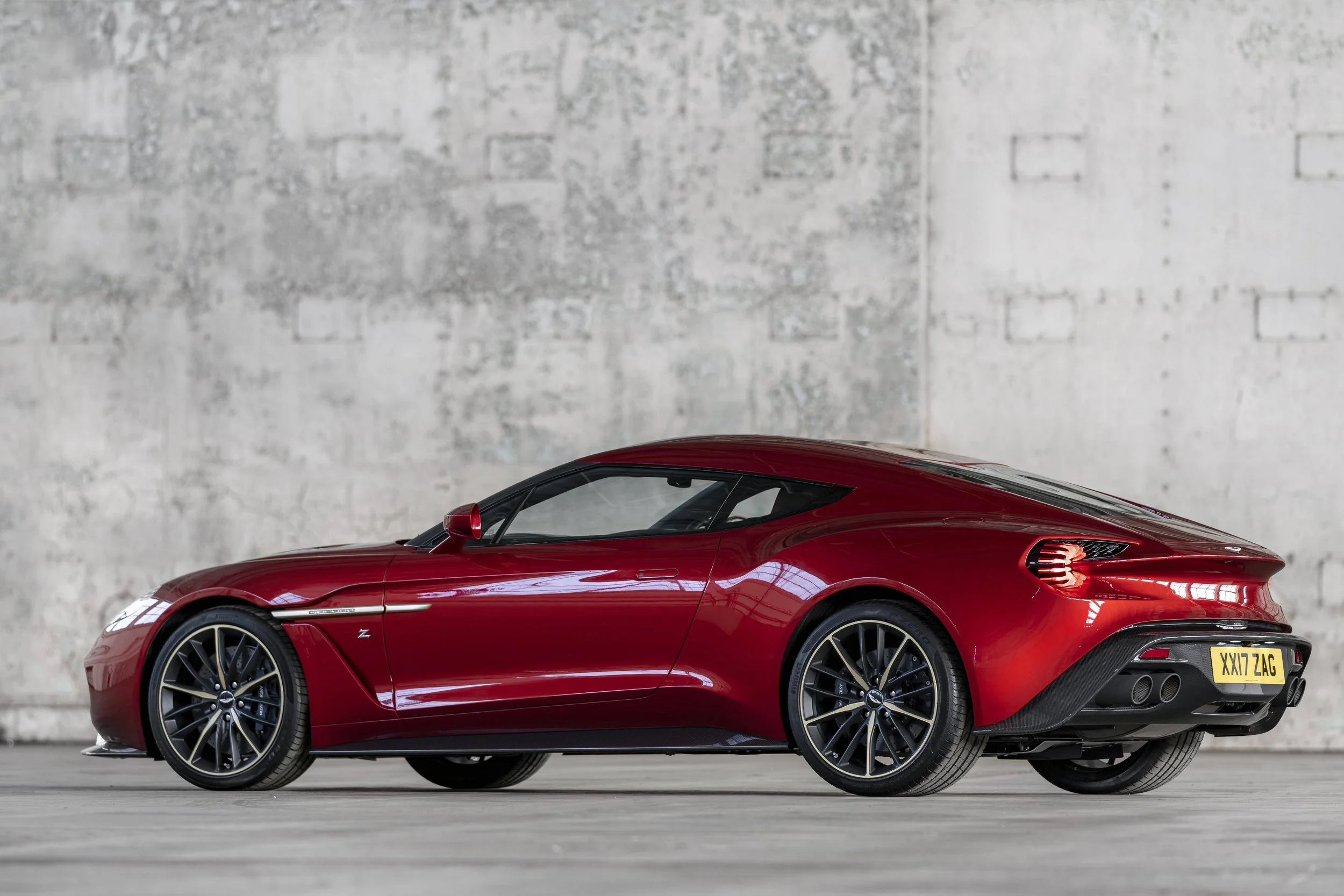
Image © Aston Martin Lagonda. Used for editorial purposes. -
APR 2017Q COMMISSION REVEALED
Vanquish S Red Arrows Edition
A special Q by Aston Martin commission inspired by the RAF Red Arrows is unveiled. Ten cars form the programme, including one connected to charitable fundraising.
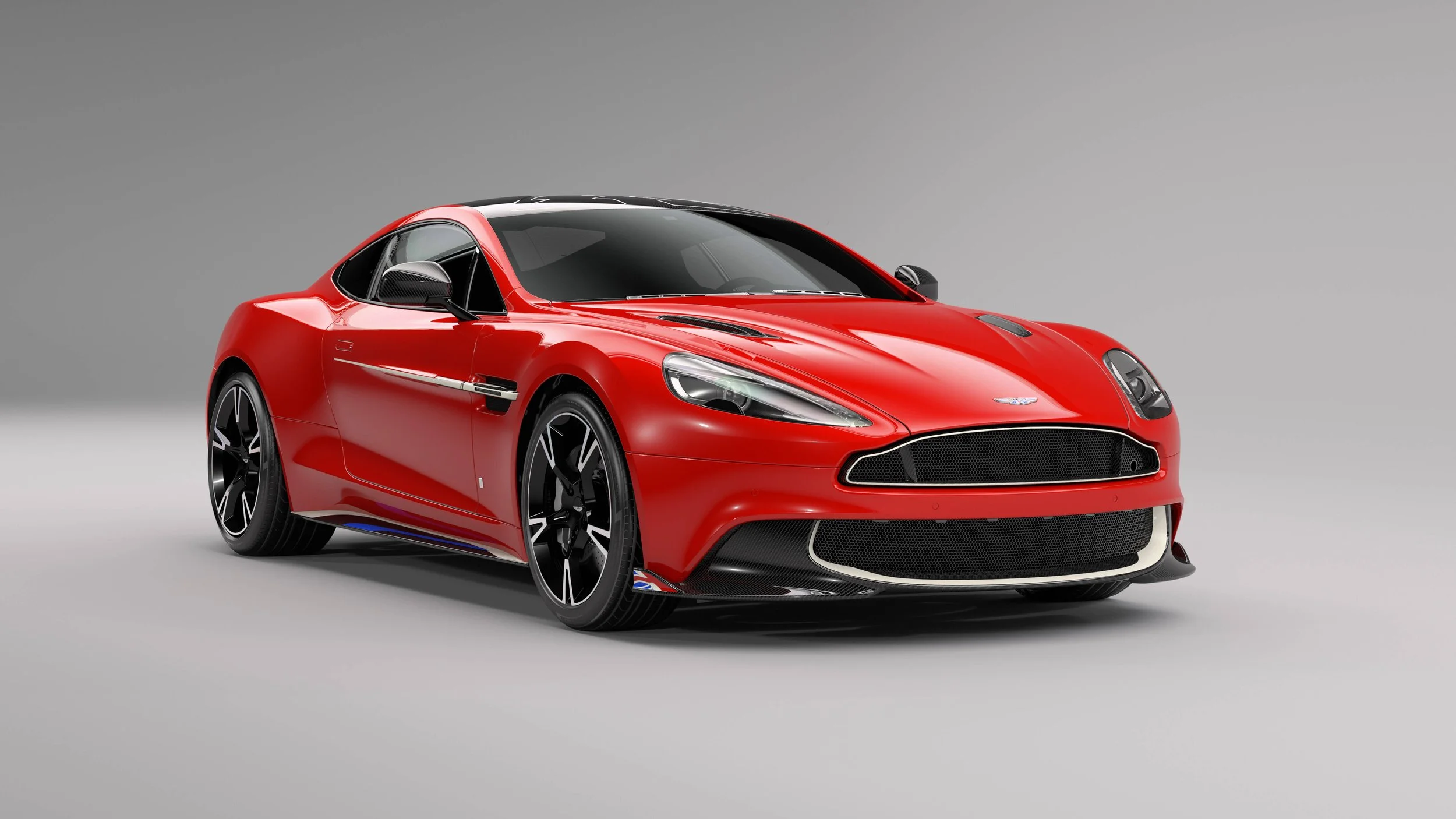
Image © Aston Martin Lagonda. Used for editorial purposes. -
AUG 2017QUARTET ANNOUNCED
The Zagato family expands to four
Speedster and Shooting Brake join Coupé and Volante in the announced Zagato quartet. The Speedster and Shooting Brake have customer deliveries planned for 2018.
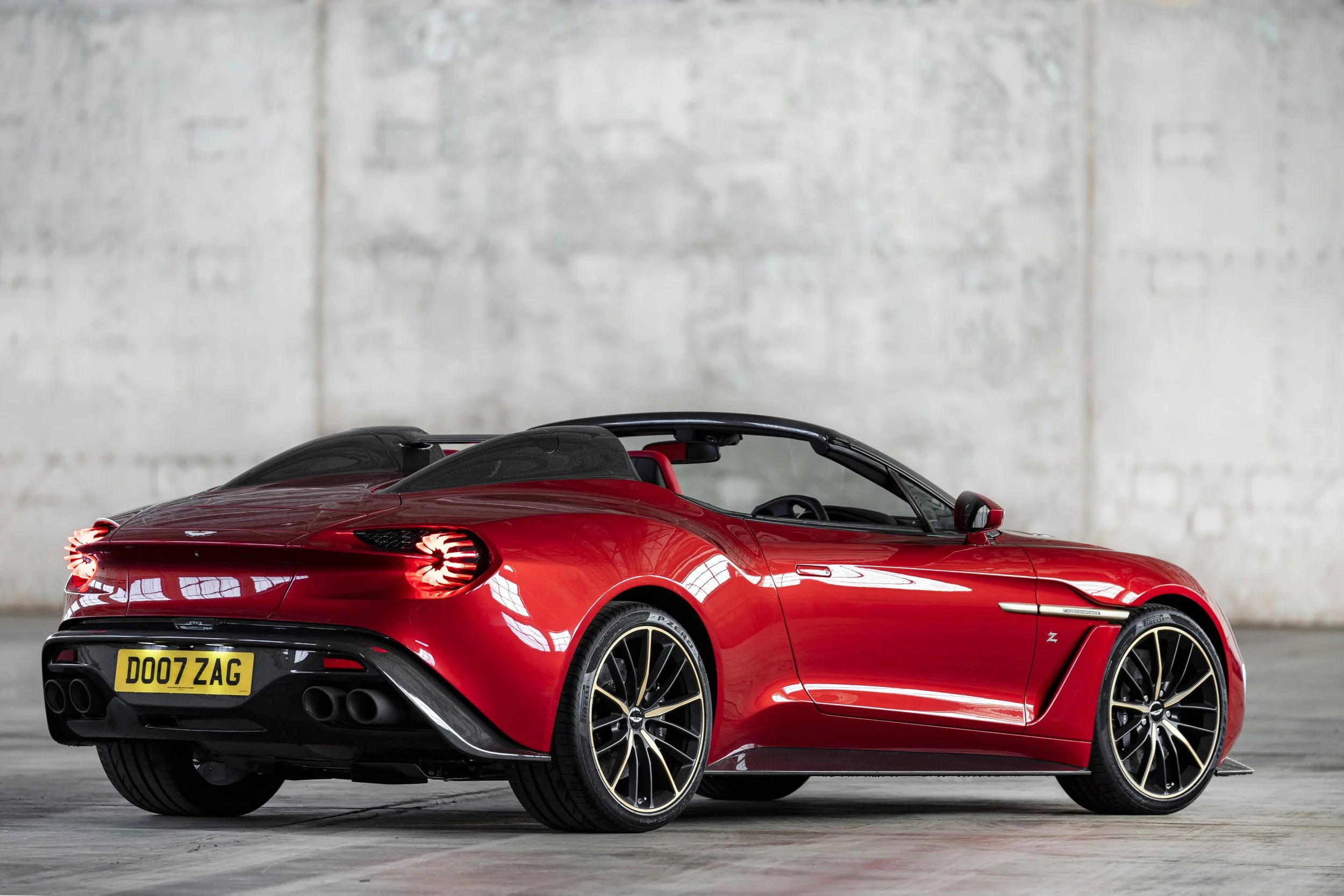
Image © Aston Martin Lagonda. Used for editorial purposes. -
NOV 2017ANNOUNCED FOR 2018 DELIVERY
Vanquish S Ultimate: the farewell edition
The Ultimate is announced as a worldwide run of 175 Coupés and Volantes. First customer deliveries are scheduled for the first quarter of 2018.
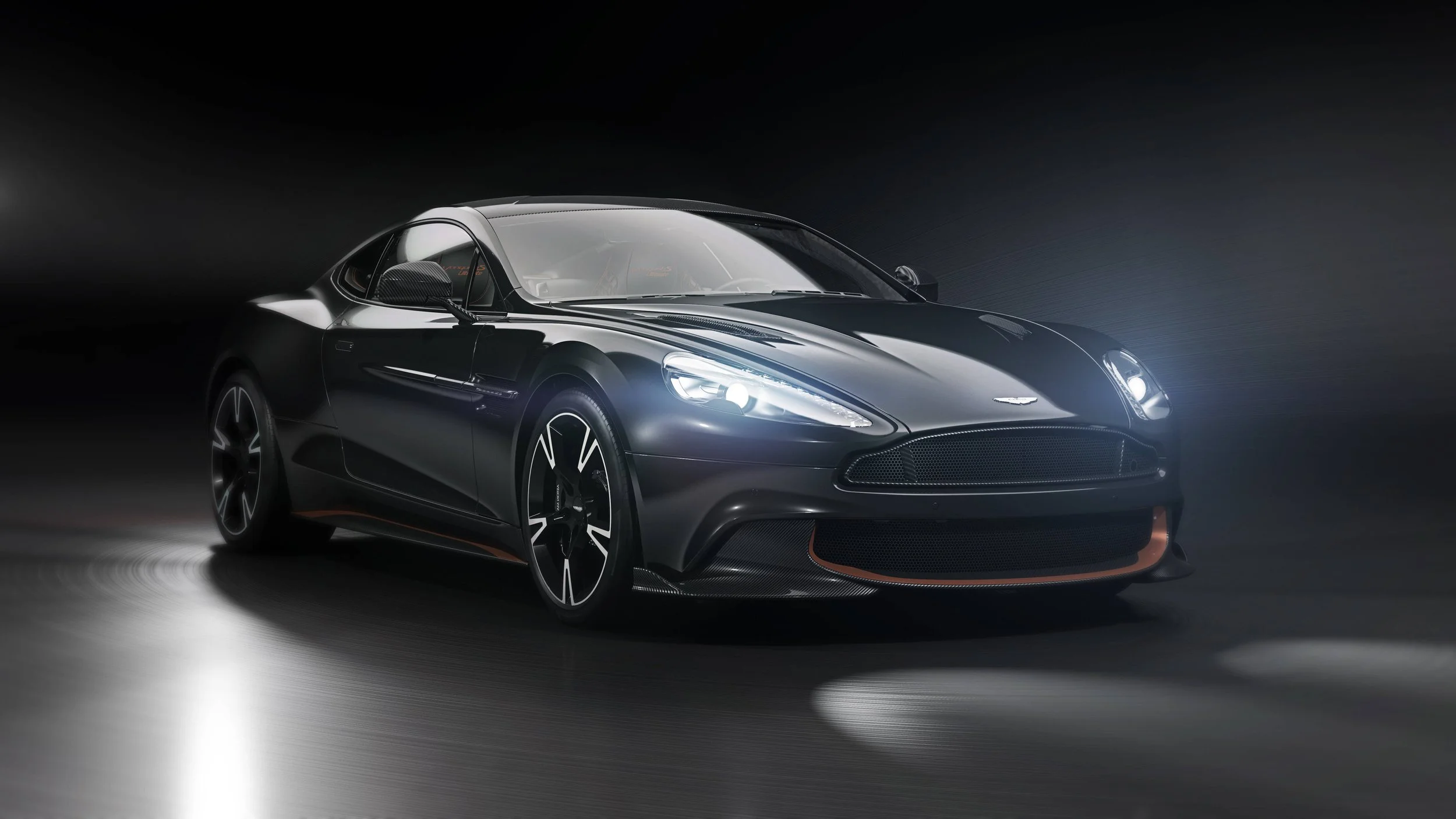
Image © Aston Martin Lagonda. Used for editorial purposes. -
2018FINAL MODEL PERIOD
The regular Vanquish II era closes
The second-generation range reaches the end of its production period as the DBS Superleggera succeeds it as Aston Martin’s V12 flagship. Bespoke Zagato deliveries follow their own schedule.
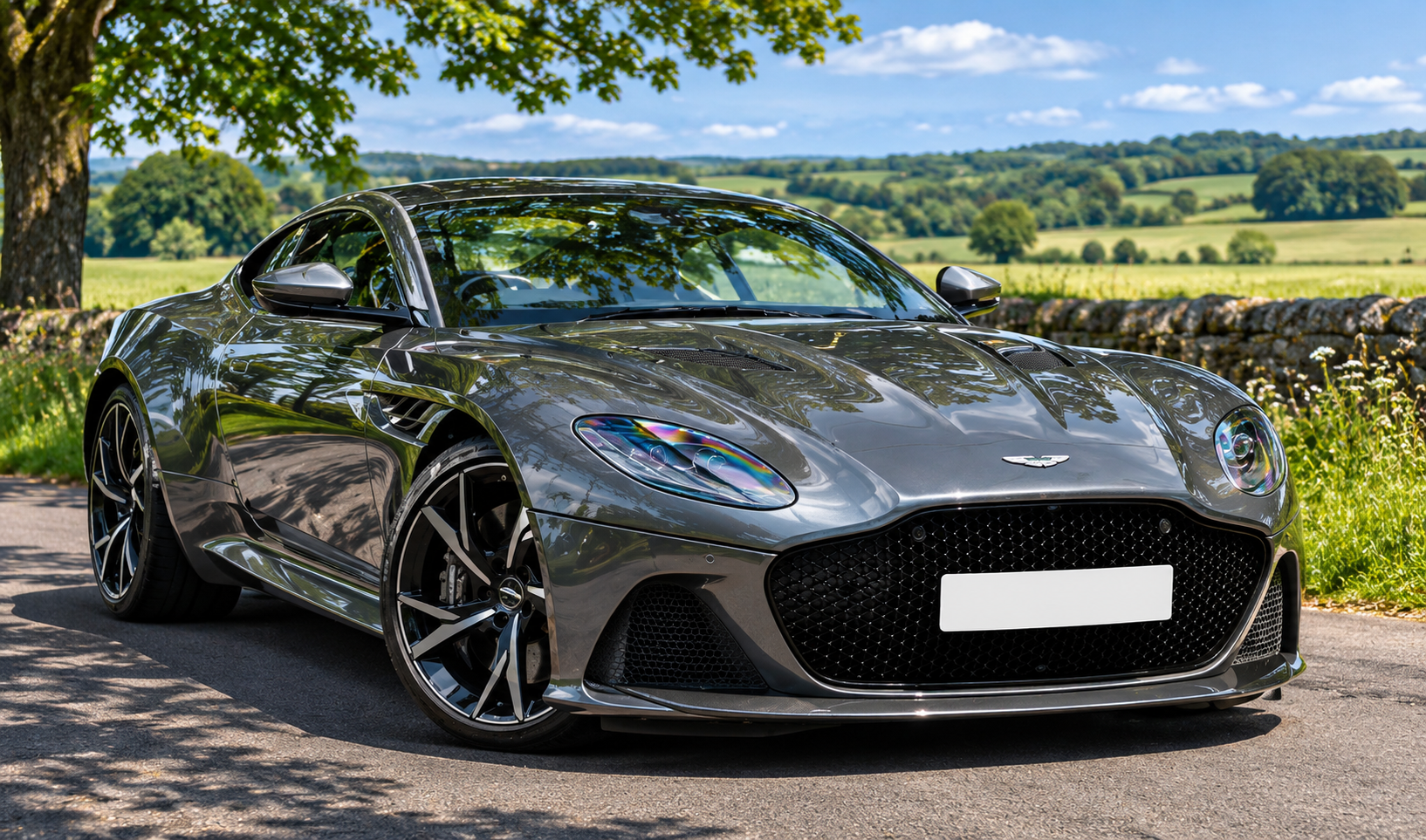
Image © Fuel the Passion. For illustrative purposes.
FTP buying note: A public reveal is not the same as a model-year change or a customer delivery. The eight-speed was announced in 2014 for the 2015 model year; the Ultimate was announced in 2017 with first deliveries scheduled for 2018. Always confirm a particular car’s build date, original specification and special-edition provenance against its factory records.
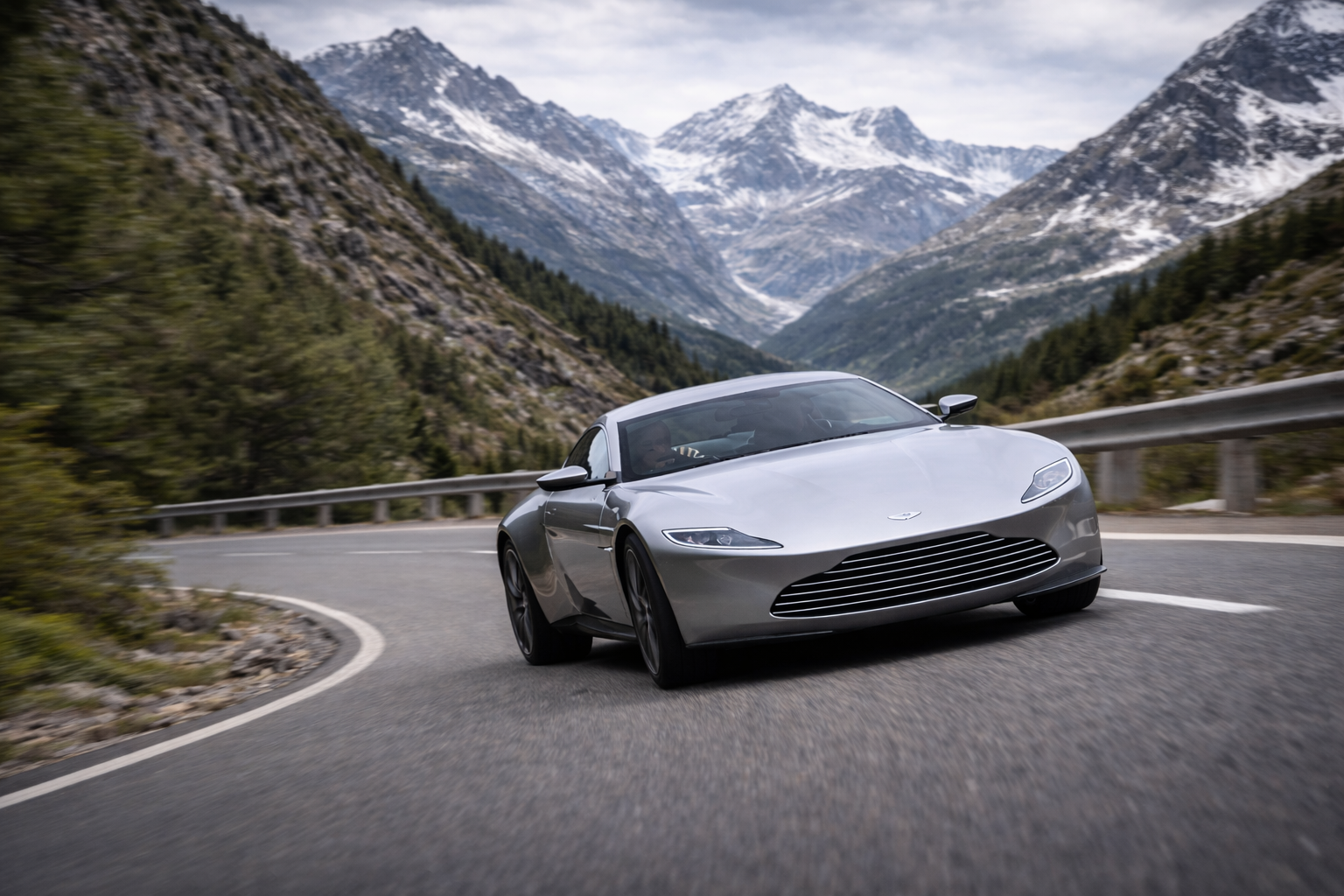
The original Vanquish Coupé: 2012 to the six-speed phase
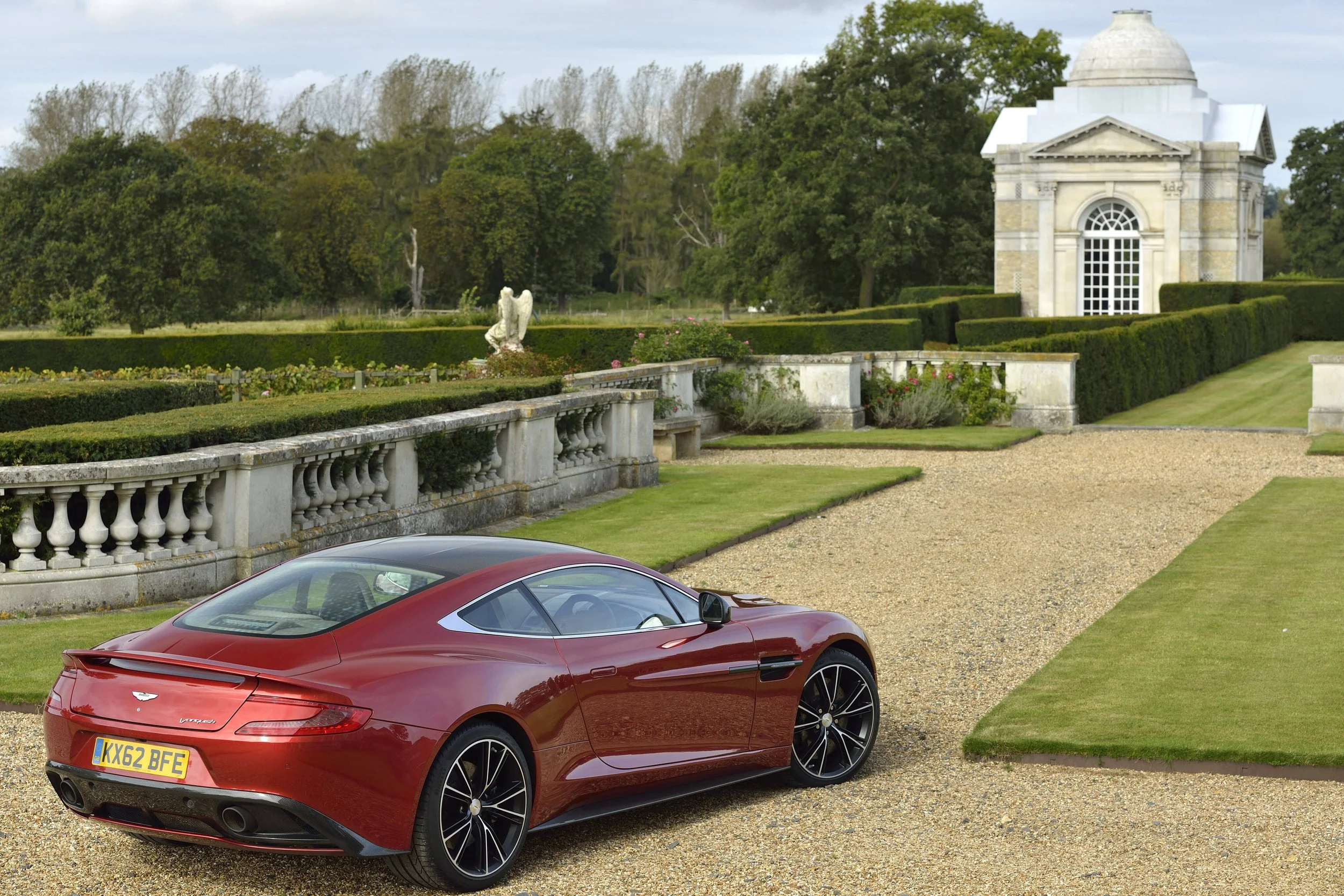
Image © Aston Martin Lagonda. Used for editorial purposes. Aston Martin Vanquish.
The earliest second-generation Vanquish Coupés were powered by the 5,935cc naturally aspirated V12, producing 565bhp and using the six-speed Touchtronic II automatic gearbox. Aston Martin quoted a top speed of approximately 183mph. The car was quick, but its real achievement lay in the way it blended V12 performance with the comfort, refinement and presence expected from a flagship grand tourer.
These cars are often among the more approachable ways into Vanquish ownership. They carry the same essential design and carbon-body story as later examples, with a conventional torque-converter automatic that suits relaxed touring. The gearbox is not the automated-manual system associated with the first-generation V12 Vanquish, an important distinction when reading online discussions of historic Vanquish gearbox problems.
A good six-speed car can be smooth, assured and deeply enjoyable. It may not feel quite as responsive or as effortlessly quick as the later eight-speed version, but that doesn't make it a poor choice. The price difference can leave room for maintenance, tyres, inspection and travel, provided the actual example is sound. The risk is buying an early car simply because it’s the cheapest available, then discovering expensive deferred work that erases the initial saving.
The Vanquish Volante: open-air V12 touring

Image © Aston Martin Lagonda. Used for editorial purposes. Aston Martin Vanquish Volante.
The Volante joined the range in 2013, offering the same fundamental Vanquish experience with the added theatre of a folding fabric roof. Aston Martin treated the conversion as an engineering programme in its own right. The Volante retained the distinctive carbon-fibre exterior character while accommodating the mechanisms and structural changes required by an open car.
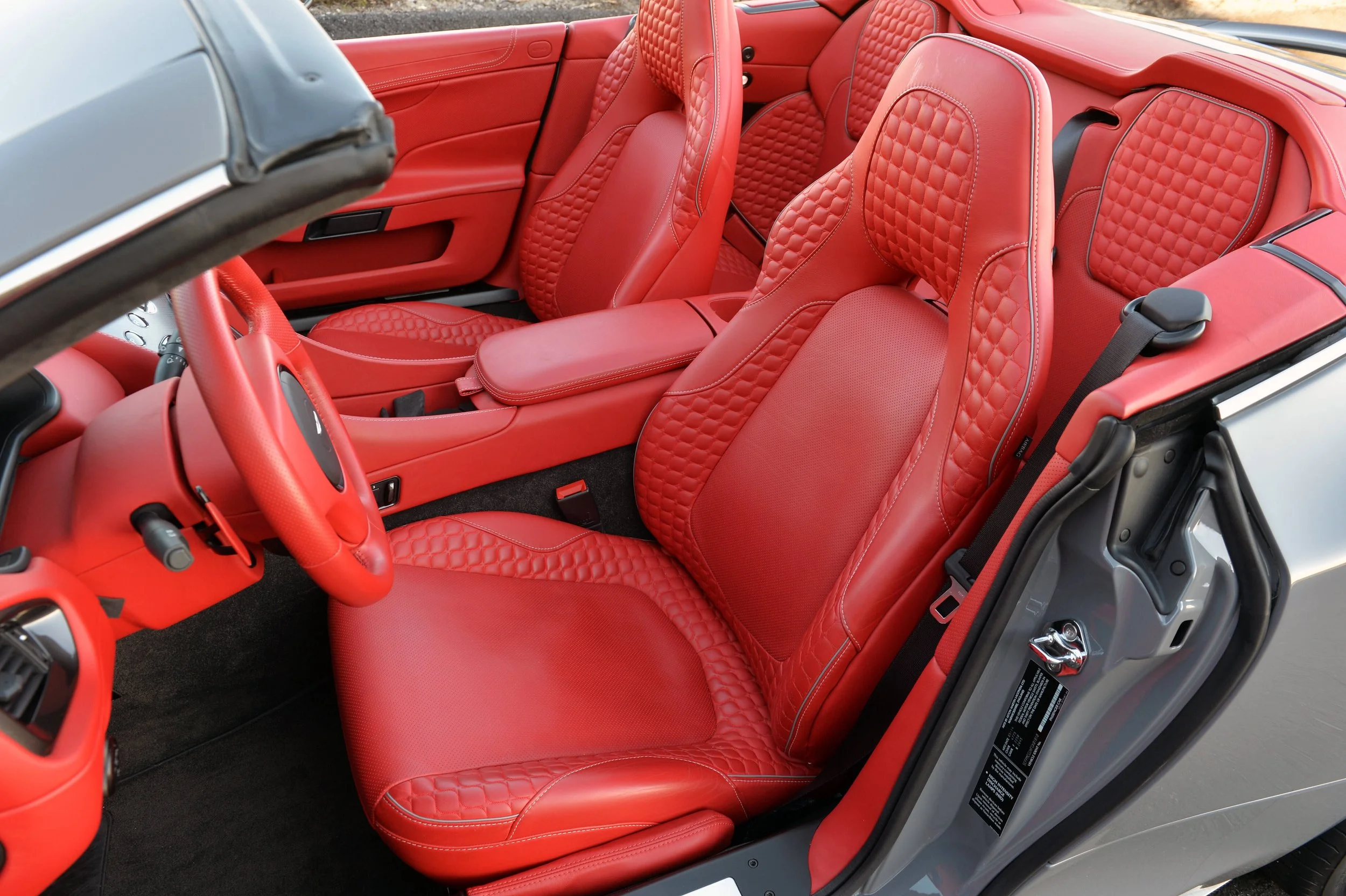
Image © Aston Martin Lagonda. Used for editorial purposes. Aston Martin Vanquish Volante.
A healthy Volante should still feel like a polished, confident grand tourer. Roof-down sound and a more open sense of occasion are its great rewards. In exchange, the buyer accepts additional inspection points: hood fabric, motors and hydraulic or electrical operation as applicable, latches, seals, drains, side-window indexing, water management and the condition of adjacent trim.
The Volante should be chosen because that particular driving experience appeals to you, not because it appears to offer an effortless way into the Vanquish range. A neglected roof or evidence of prolonged dampness can be expensive to resolve. A well-kept Volante, however, can provide some of the most memorable V12 touring this generation of Aston Martin has to offer.
The 2015 model-year eight-speed update: more than two extra gears
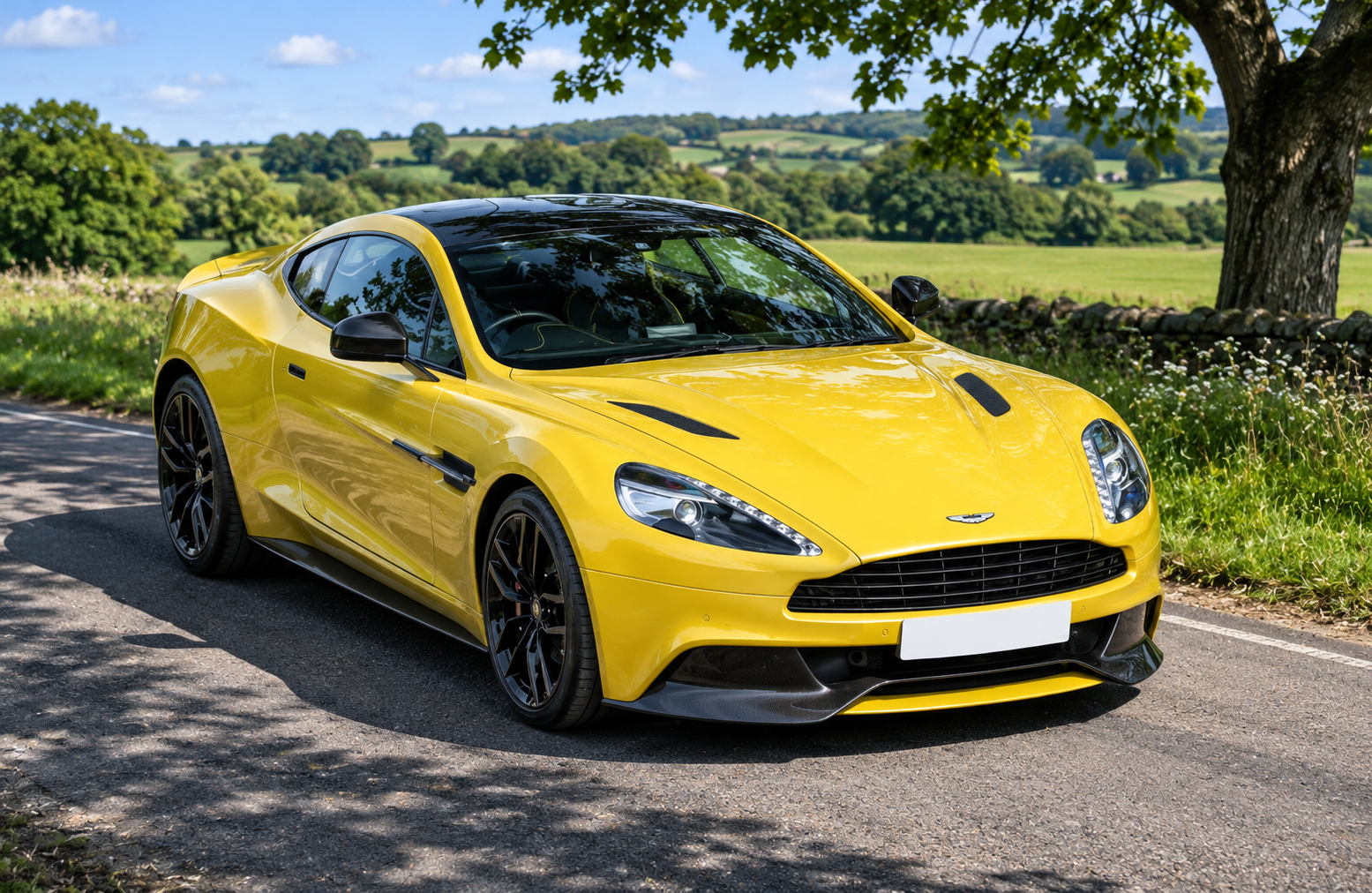
Image © Fuel the Passion. Aston Martin Vanquish Toutchtronic.
The arrival of Touchtronic III for the 2015 model year was one of the largest improvements in the Vanquish II's development. Announced during 2014, the new eight-speed automatic offered closer ratios, more responsive shifting and a broader spread of performance and cruising ability. The engine was also revised, with peak output increasing from 565 to 568bhp.
The performance figures underline the difference. In the eight-speed Coupé, the official top speed rose from approximately 183mph to 201mph, while the claimed 0–62mph time improved to around 3.8 seconds. The Volante's figures were slightly different, so buyers should compare like with like when reading specifications. Chassis and electronic refinements formed part of the wider update, making the later car feel more developed without losing its grand touring character.
For many buyers, the eight-speed Coupé represents the natural sweet spot: the original Vanquish shape, an atmospheric V12 and a more contemporary transmission. That preference is understandable, and the used market often reflects it. Nevertheless, the gearbox alone doesn't make a particular car better. An eight-speed example with old tyres, tired brakes, incomplete history or poor carbon repairs should not automatically command preference over a carefully maintained six-speed car.
Always verify the factory model year and actual transmission. An advert's registration date is useful, but it isn't definitive evidence of which specification a car left Gaydon with.
The Vanquish S: a sharper final chapter
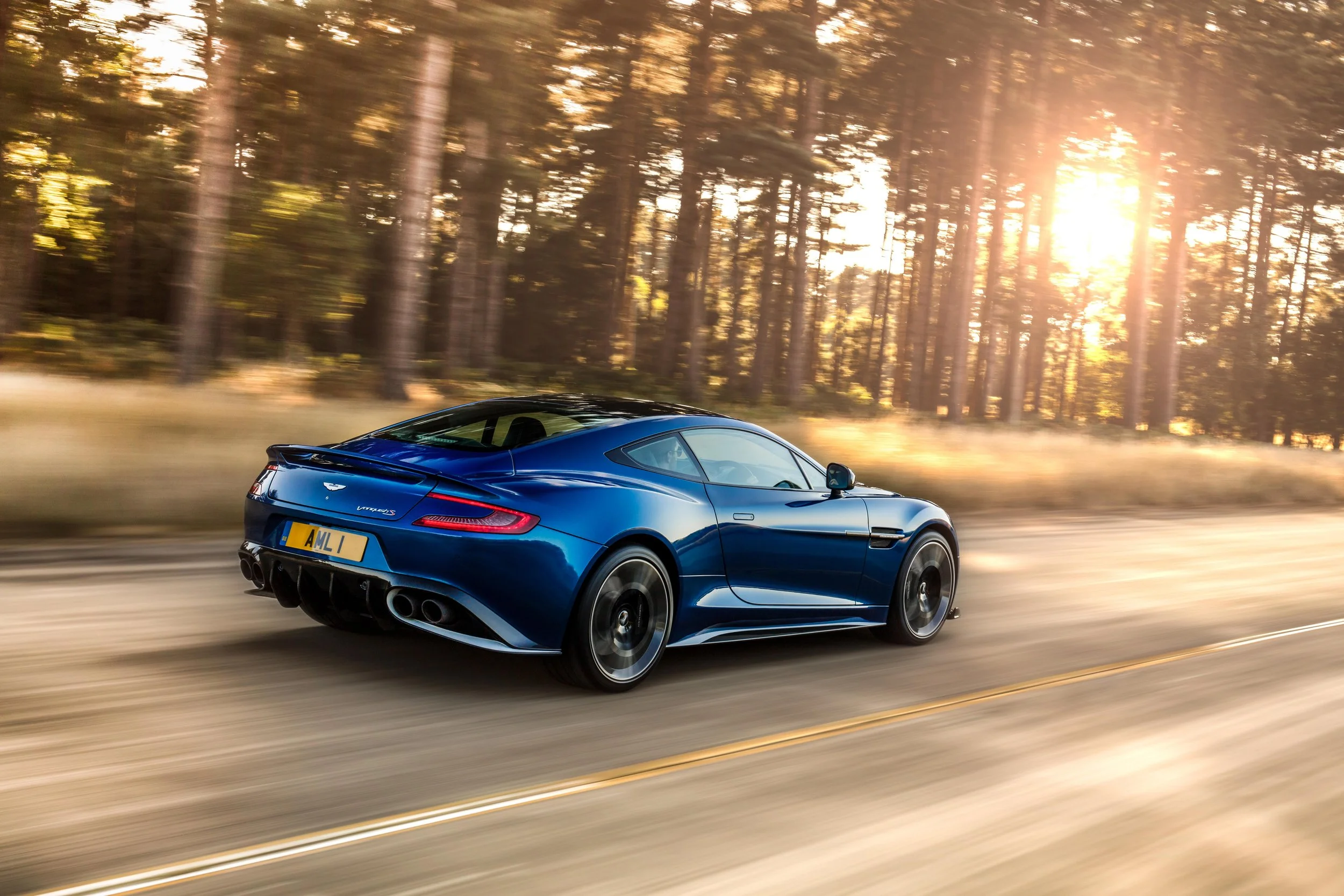
Image © Aston Martin Lagonda. Used for editorial purposes. Aston Martin Vanquish S.
Unveiled in 2016 and offered through the closing years of production, the Vanquish S moved the car towards the more assertive end of the GT spectrum. Its revised naturally aspirated V12 produced 600PS, with changes to engine breathing, transmission calibration, suspension tuning and aerodynamic detailing. The S also brought distinctive exposed-carbon front and rear treatments and a four-tailpipe exhaust arrangement.
It remained a grand tourer rather than becoming a stripped-out circuit car. That distinction matters. A good S should feel more urgent and purposeful, while retaining the polish that makes a Vanquish usable over distance. The extra performance and final-phase status help explain its appeal, but an S badge does not remove the need to check the same expensive fundamentals as on any other Vanquish.
Because S models often sit at a premium, the standard of evidence should rise with the asking price. Original specification, documented maintenance, healthy brakes, clean diagnostics, correct tyres and the condition of exposed carbon all matter more than an attractive list of factory equipment.
Coupé or Volante: which suits you?
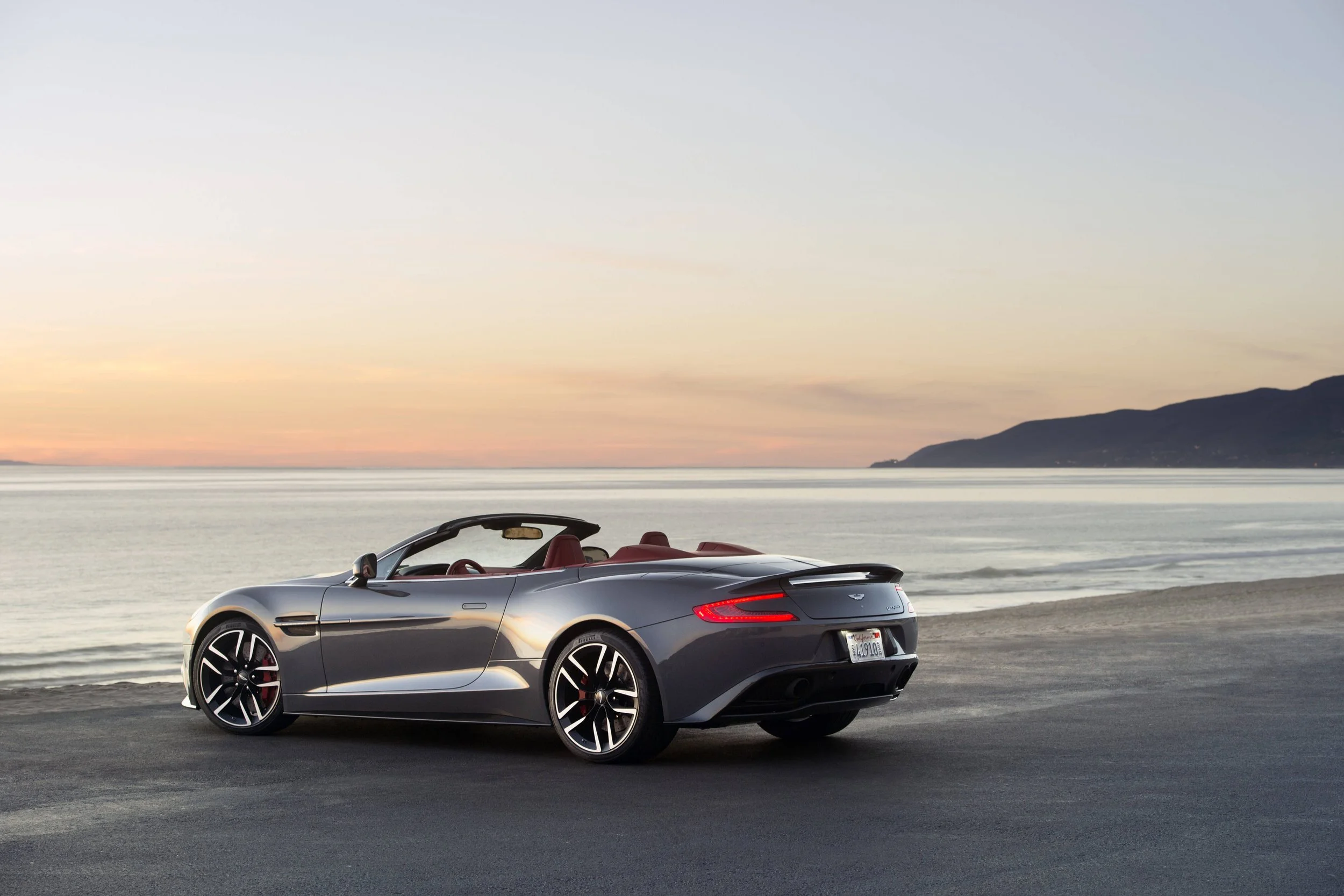
Image © Aston Martin Lagonda. Used for editorial purposes. Aston Martin Vanquish Volante.
The fixed-roof Coupé is the purer and generally simpler option. Its roofline is integral to the car's shape, and there are fewer moving roof parts and water-management systems to inspect. For a buyer who values clean design, firm structural feel and the most straightforward ownership proposition, the Coupé is the obvious starting point.
The Volante changes the emphasis. On a dry morning or a quiet evening, its ability to put the V12 soundtrack directly into the cabin is difficult to overstate. At legal road speeds, the open car can feel every bit as special as the Coupé, simply in a different way. The additional weight and potential for some open-body character are the trade-offs.
A properly functioning roof should not be a reason to avoid a Volante. What matters is understanding its condition rather than treating it as a harmless extra feature. Ask to see the roof operate fully more than once and check that the side windows seal correctly. Look for damp carpets, musty trim and unexplained work in the boot or behind the seats. A roof that works once for the seller is not the same as a documented, healthy roof system.
Seating configuration is another point worth checking. The Coupé could be specified in 2+0 or optional 2+2 form, with the former providing useful storage behind the front seats. The tiny rear seats in 2+2 cars are best understood as occasional accommodation rather than the equivalent of a family grand tourer. Confirm the actual arrangement before travelling to inspect a car; dealer descriptions are not always precise.
Body style comparison
COUPÉ VERSUS VOLANTE
Two expressions of the same carbon-bodied V12 grand tourer. The Coupé favours fixed-roof purity; the Volante adds open-air theatre. Here's what matters when choosing between them.
Driving character
Roof and structure
Inspection emphasis
Luggage and rear space
Typical buyer
Biggest compromise
FTP buying note: Neither body style is automatically the better purchase. Choose the experience you want, then verify the individual car's specification, condition and history with a specialist pre-purchase inspection.
Six-speed or eight-speed: making the gearbox decision
The choice between Touchtronic II and Touchtronic III is probably the most important mechanical distinction within the mainstream Vanquish II range. Both are traditional torque-converter automatics, not Aston Martin's automated-manual Sportshift or the first-generation Vanquish's Automated Manual Transmission. That last point is especially useful when navigating ownership forums and older videos that sometimes mix different generations together.
The six-speed has a more deliberate character and is entirely appropriate to a long-legged GT. When healthy, it should engage Drive and Reverse without undue delay, shift progressively and respond cleanly to its paddles. The eight-speed changes the feel of the car more than the simple number of ratios might suggest. It helps the V12 remain in a useful part of its rev range, sharpens acceleration and generally feels more contemporary.
The Heritage Trust's Vanquish anniversary discussion includes positive recollections of both the car's driving character and the effect of its sportier driving settings. Those impressions support an important practical test: drive the car in its available transmission and chassis modes, making sure that changes in response feel deliberate and consistent. A dramatic change in sound or urgency can be normal; warning lights, harsh engagement, hesitation or erratic shifts are not features to excuse.
For many buyers, I would begin with the eight-speed. If a particularly good six-speed appears, however, I'd drive it before ruling it out. An enjoyable, well-maintained example with clear invoices and healthy major components can offer tremendous value. The right gearbox is the one that suits your driving habits, provided the individual transmission is in proper condition.
Transmission comparison
SIX-SPEED VERSUS EIGHT-SPEED
Both are conventional torque-converter automatics, not the automated-manual gearbox of the first-generation Vanquish. The eight-speed update brought a noticeable step forward, but the condition of the individual car remains the deciding factor.
Model-year availability
Engine output
Coupé performance
Driving feel
Market position
Inspection priorities
FTP view
FTP buying note: The figures above refer to standard Vanquish Coupés; Volante and Vanquish S specifications differ. Confirm the model year, actual gearbox and factory build record rather than relying on the registration date. Neither transmission replaces the need for a specialist pre-purchase inspection.
Factory specification: why two Vanquishes can feel different
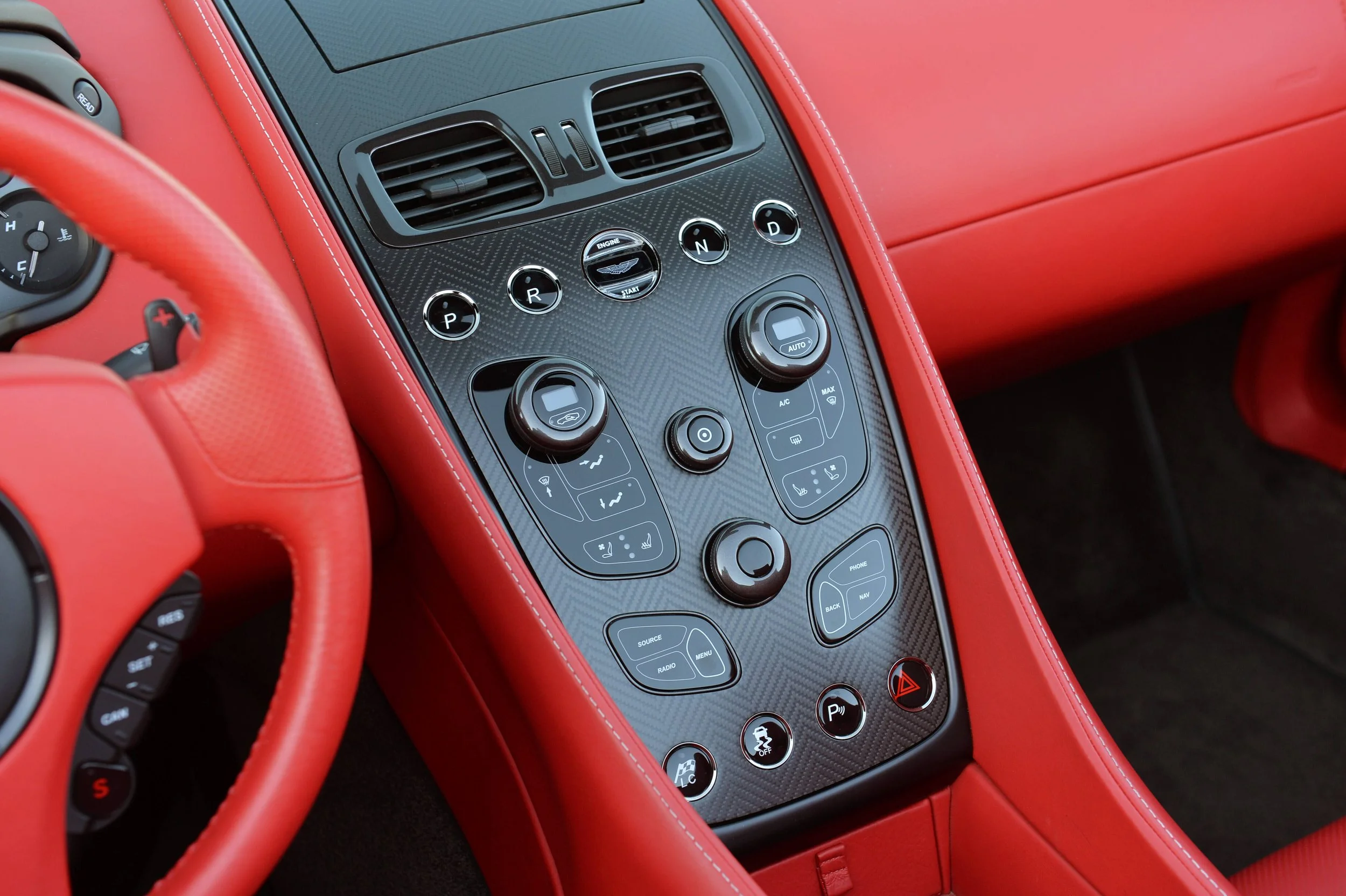
Image © Aston Martin Lagonda. Used for editorial purposes. Aston Martin Vanquish.
Personalisation has long been part of the Aston Martin experience, but the Vanquish II offered a particularly extensive palette of materials, finishes and interior treatments. Leather colour and grade, stitching, quilting patterns, headlining, steering wheels, exposed carbon, wheel designs and exterior details can make two outwardly similar cars feel surprisingly different.
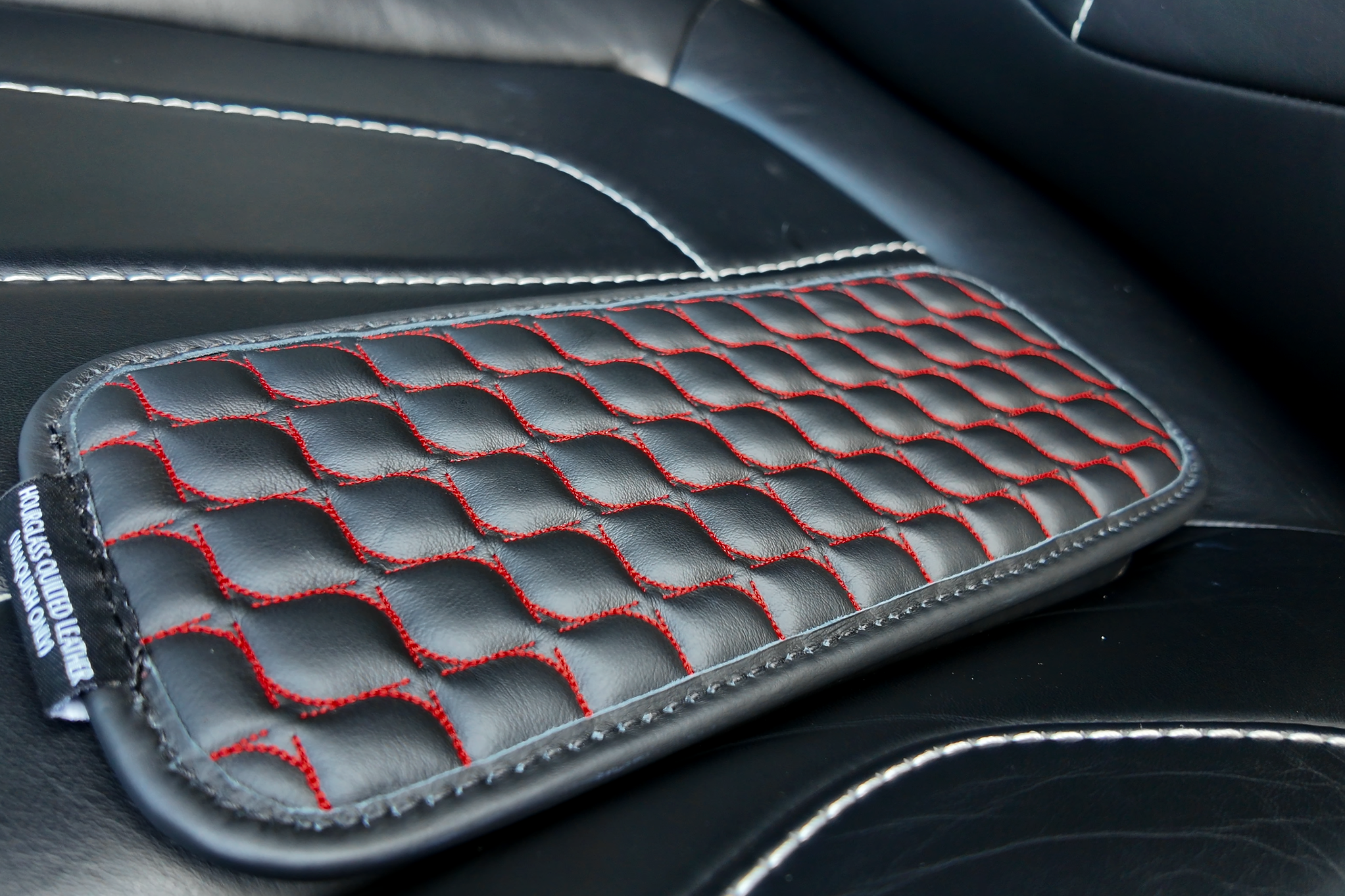
Image © Fuel the Passion. Aston Martin Vanquish Generation 2 cut-away, interior leather choices.
The Heritage Trust's cutaway coverage and anniversary discussions both highlight the role of construction and personalisation in this generation's identity. An exposed-carbon roof, for example, wasn't merely a fashionable visual option. It allowed the owner to celebrate the material that defined the car's exterior engineering. Equally, a distinctive interior with carefully chosen quilting and trim may be more appealing to one enthusiast than another's understated specification.
Treat these differences as individual preferences, not universal indicators of value. An unusual colour may be desirable, but only when the paint, interior and original factory record support the description. A highly optioned car can still be neglected, while a restrained specification can be every bit as attractive if the underlying condition is exceptional.
Before paying extra for rarity or equipment, obtain the factory build specification and check whether each advertised feature was originally fitted. If a car has been retrimmed, repainted or otherwise changed, ask for a clear explanation and invoices. Alterations are not automatically undesirable, but the buyer should know what is original, what has been changed and whether the work was carried out to an appropriate standard.
Carbon Edition, Ultimate, Red Arrows and Zagato
The Vanquish II family included several interesting factory editions, but it’s important to distinguish a special paint-and-trim programme from a genuinely limited collector model. An edition can add desirability without creating a fundamentally different car mechanically. The starting point for every one of them remains condition, correct specification, service history and provenance.
Vanquish Carbon Edition
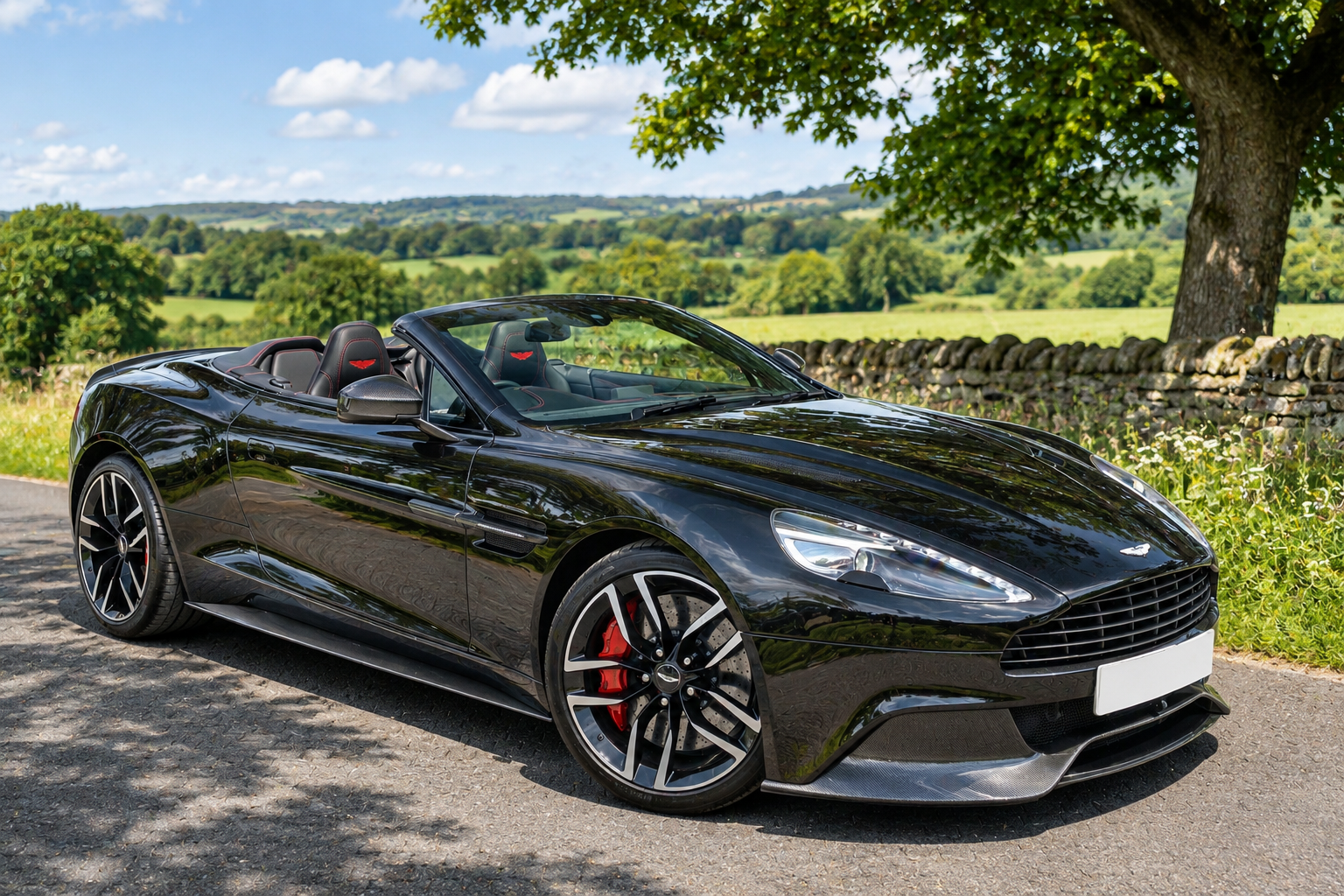
Image © Fuel the Passion. For illustrative purposes. Aston Martin Vanquish Volante Carbon Edition.
Announced in 2014, the Vanquish Carbon Edition placed particular emphasis on darkened exterior details, exposed carbon and carefully coordinated finishes. It was offered in black and white colour themes, commonly described as Carbon Black and Carbon White, including cars finished in Stratus White. Coupé and Volante forms were available.
It’s worth verifying exactly what is meant by an advert describing a 'Carbon Black' or 'Carbon White' Vanquish. A car painted black or white is not automatically a factory Carbon Edition. The correct exterior treatment, interior specification, trim and original factory paperwork should support the claim. These cars are visually compelling, but they still deserve the same mechanical and bodywork inspection as a standard Vanquish.
Vanquish S Ultimate
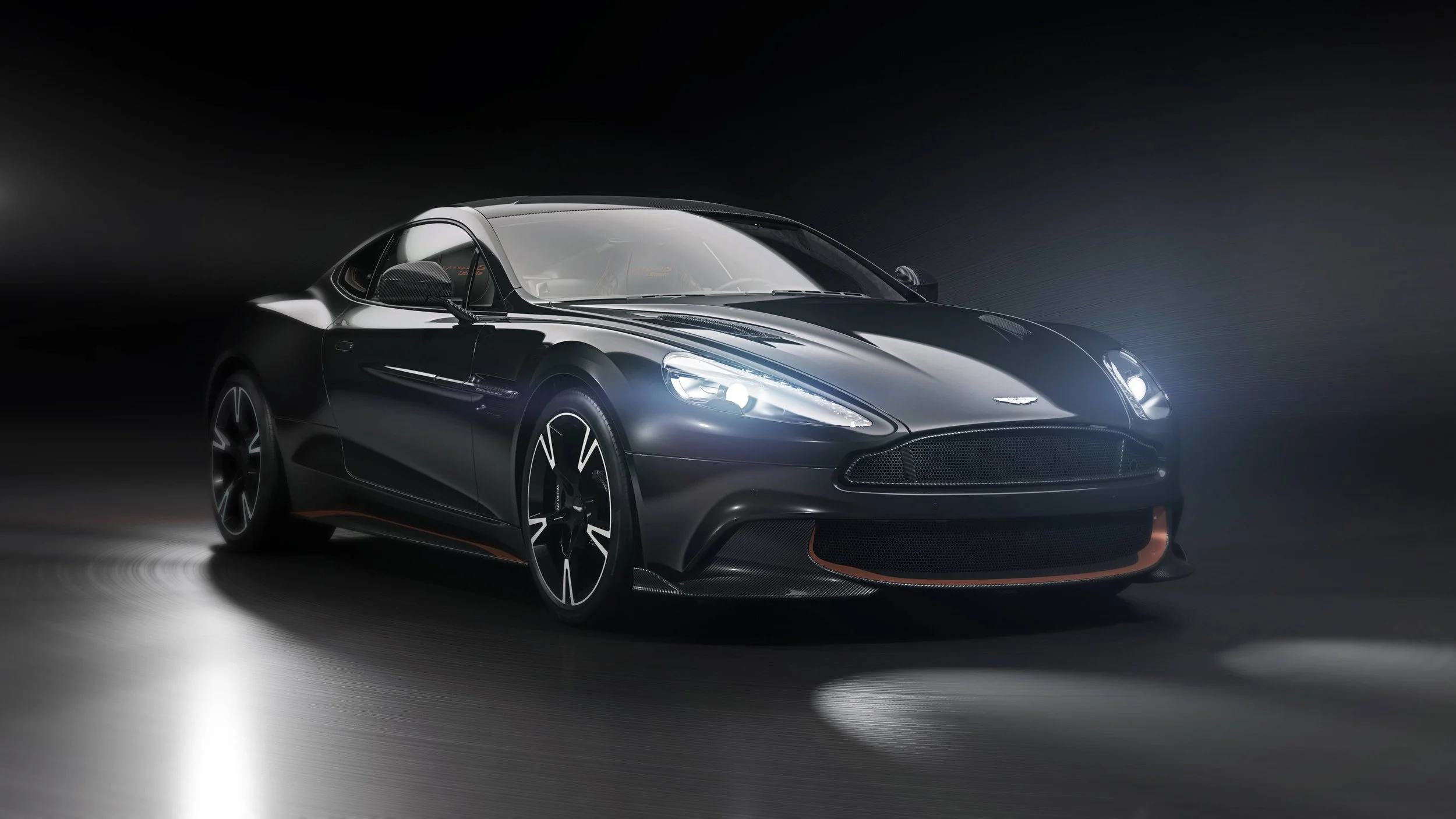
Image © Aston Martin Lagonda. Used for editorial purposes. Aston Martin Vanquish Ultimate.
The Vanquish S Ultimate marked the closing chapter of the second-generation range. Aston Martin announced a worldwide limit of 175 cars, available as Coupé or Volante, with several distinctive factory-designed colour and trim combinations. The attraction lies primarily in final-edition status, detailing and documented scarcity rather than a separate mechanical package.
For an Ultimate, I would check the individual edition identification, factory build specification, original finishes, special trim, accompanying documents and whether the car still matches its delivered configuration. Missing items or undocumented changes may matter more to a collector than they would to a buyer seeking an ordinary touring Vanquish.
Vanquish S Red Arrows Edition
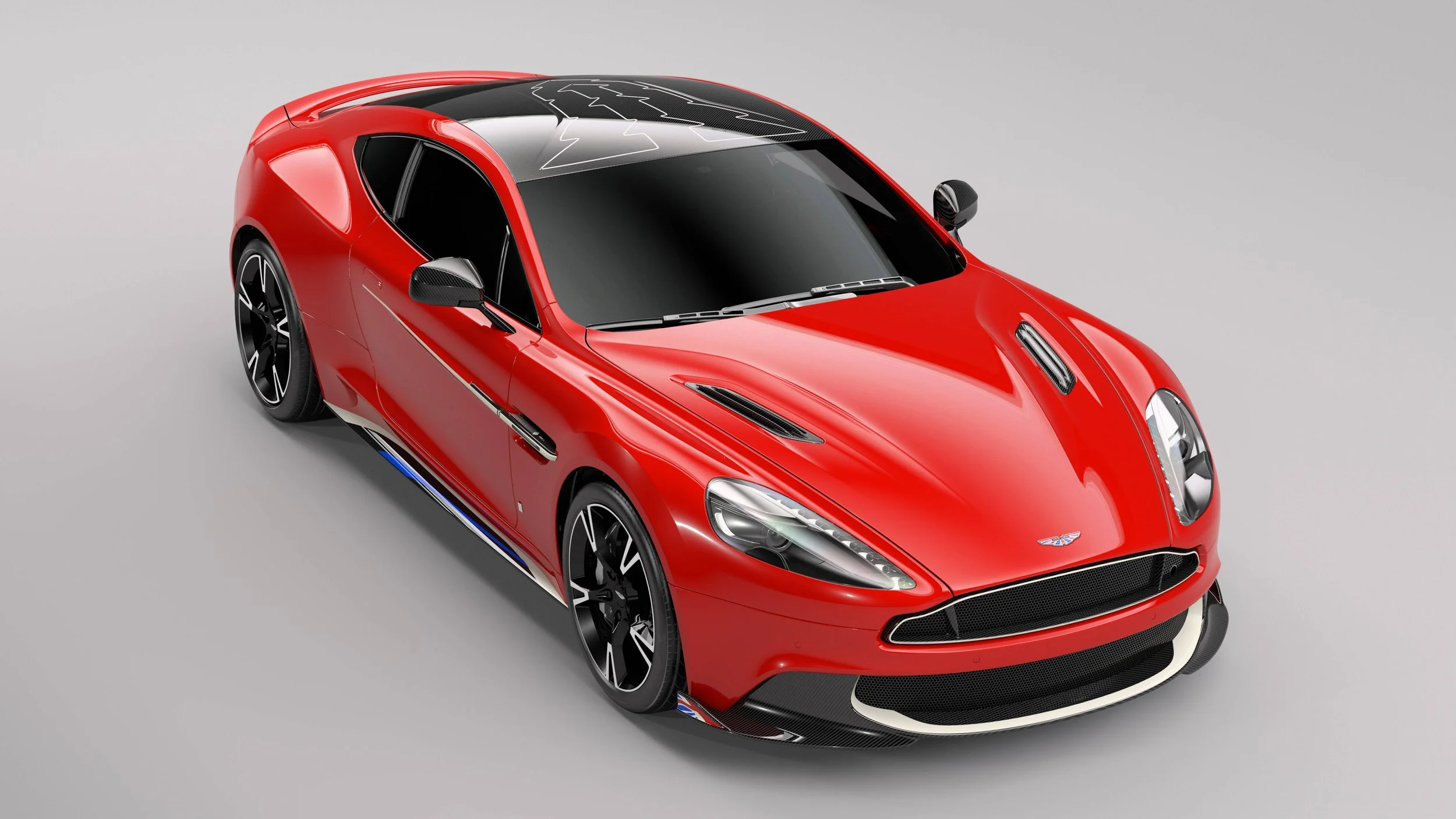
Image © Aston Martin Lagonda. Used for editorial purposes. Aston Martin Vanquish S Red Arrows Edition
The Vanquish S Red Arrows Edition was a distinctive Q by Aston Martin commission inspired by the RAF's aerobatic display team. The project comprised ten cars, with the tenth connected to fundraising for the RAF Benevolent Fund. Its appeal goes beyond ordinary colour-and-trim differentiation because the theme, original commission and surviving documentation form part of the car's historical interest.
The correct approach is to verify the full factory specification, the edition's identifying details and any special items supplied with the car. A premium supported by provenance is very different from one based solely on an advert's description.
Vanquish Zagato family
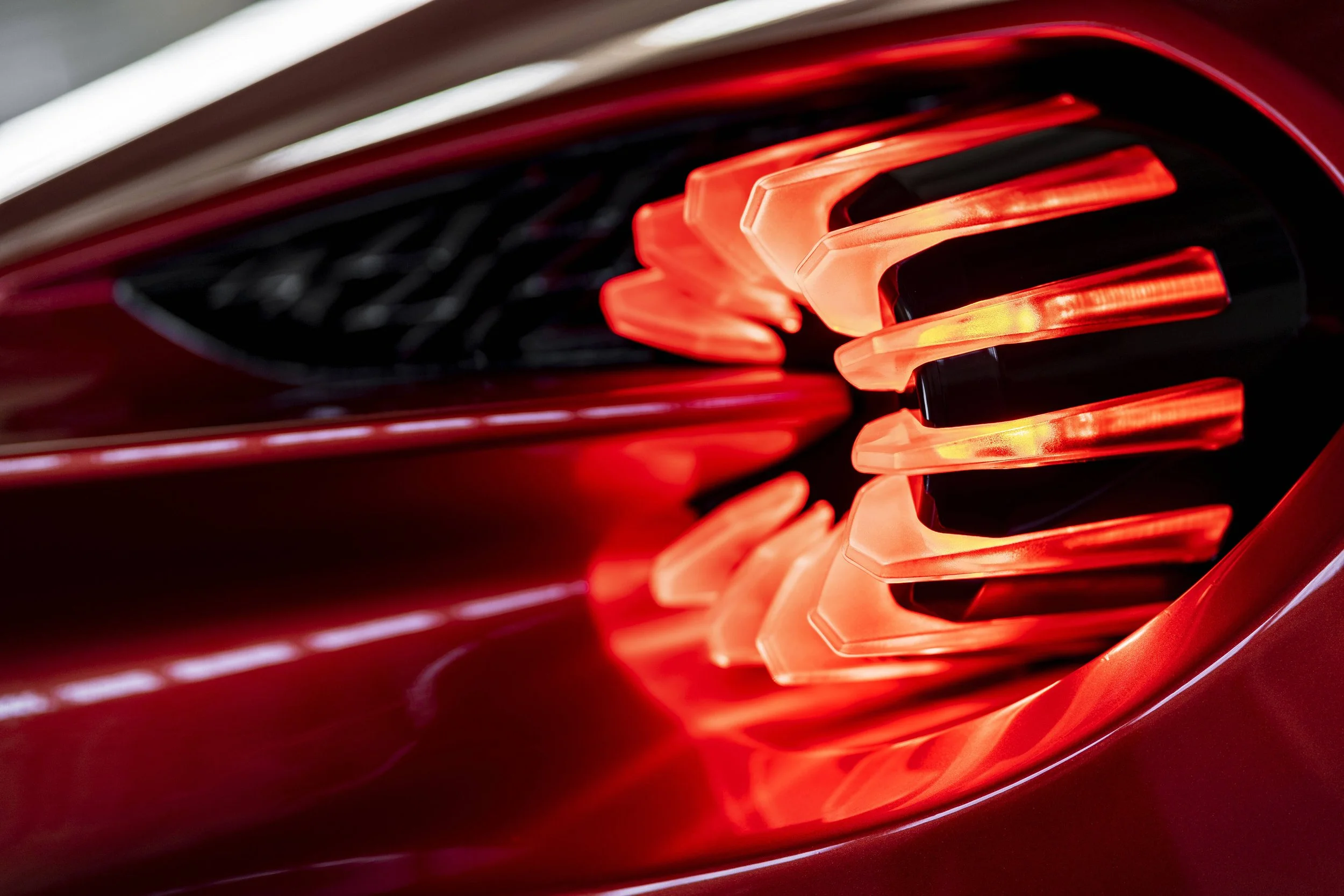
Image © Aston Martin Lagonda. Used for editorial purposes. Aston Martin Zagato.
The Vanquish Zagato quartet deserves a category of its own. Aston Martin announced 99 Coupés, 99 Volantes, 28 Speedsters and 99 Shooting Brakes, a combined programme of 325 cars. These are specialist collector vehicles with distinct bodywork and a different market from ordinary Vanquish Coupés and Volantes.
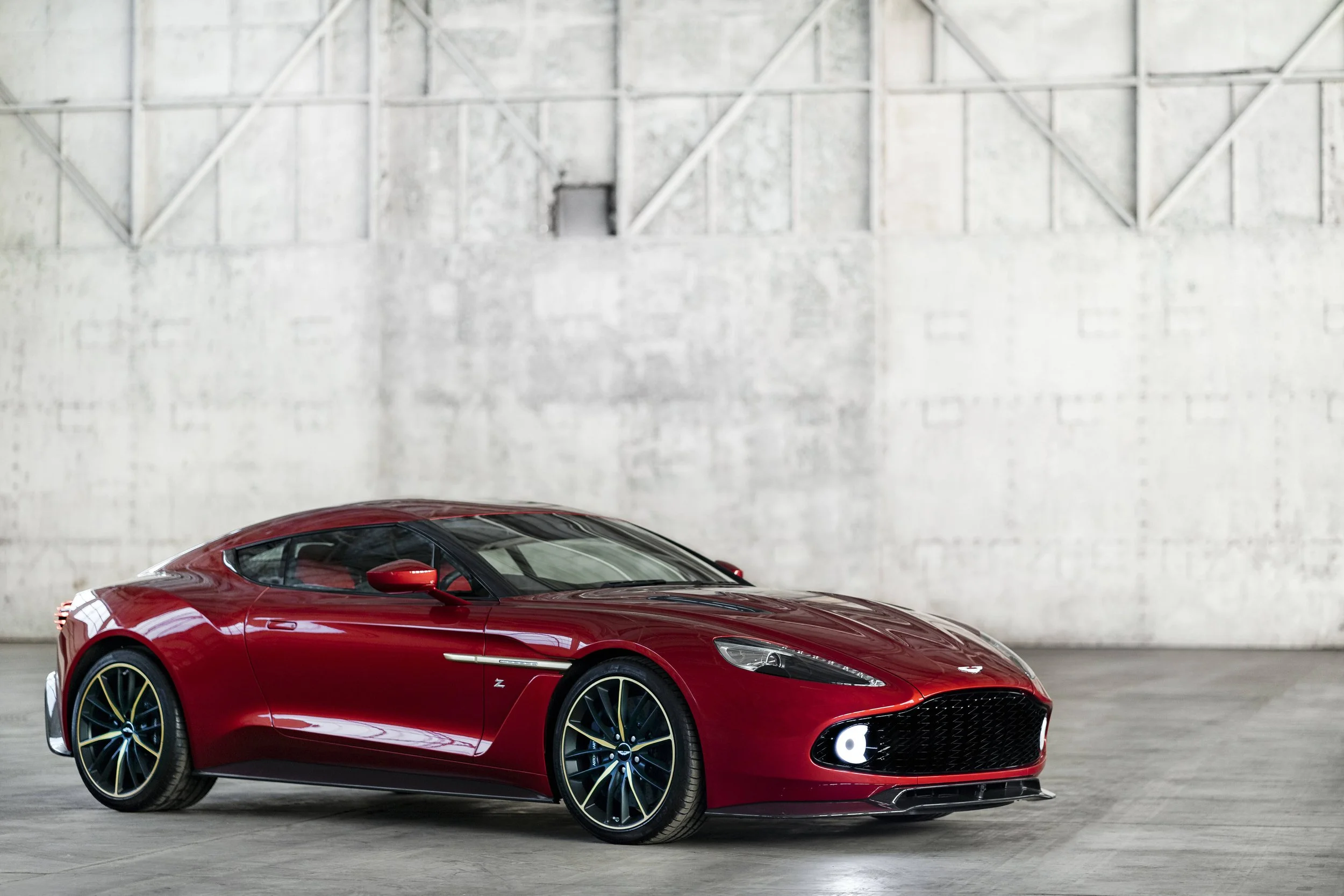
Image © Aston Martin Lagonda. Used for editorial purposes. Aston Martin Zagato Coupe.
A buyer considering one needs much more than a normal used-car inspection. Allocation and build records, bespoke components, accident and repair history, original accessories, storage, recommissioning, insurance and the availability of unique body or trim parts all need to be investigated. The engineering family resemblance does not make a Zagato equivalent to a standard Vanquish in acquisition cost, rarity or replacement-part complexity.
Other Q and bespoke cars
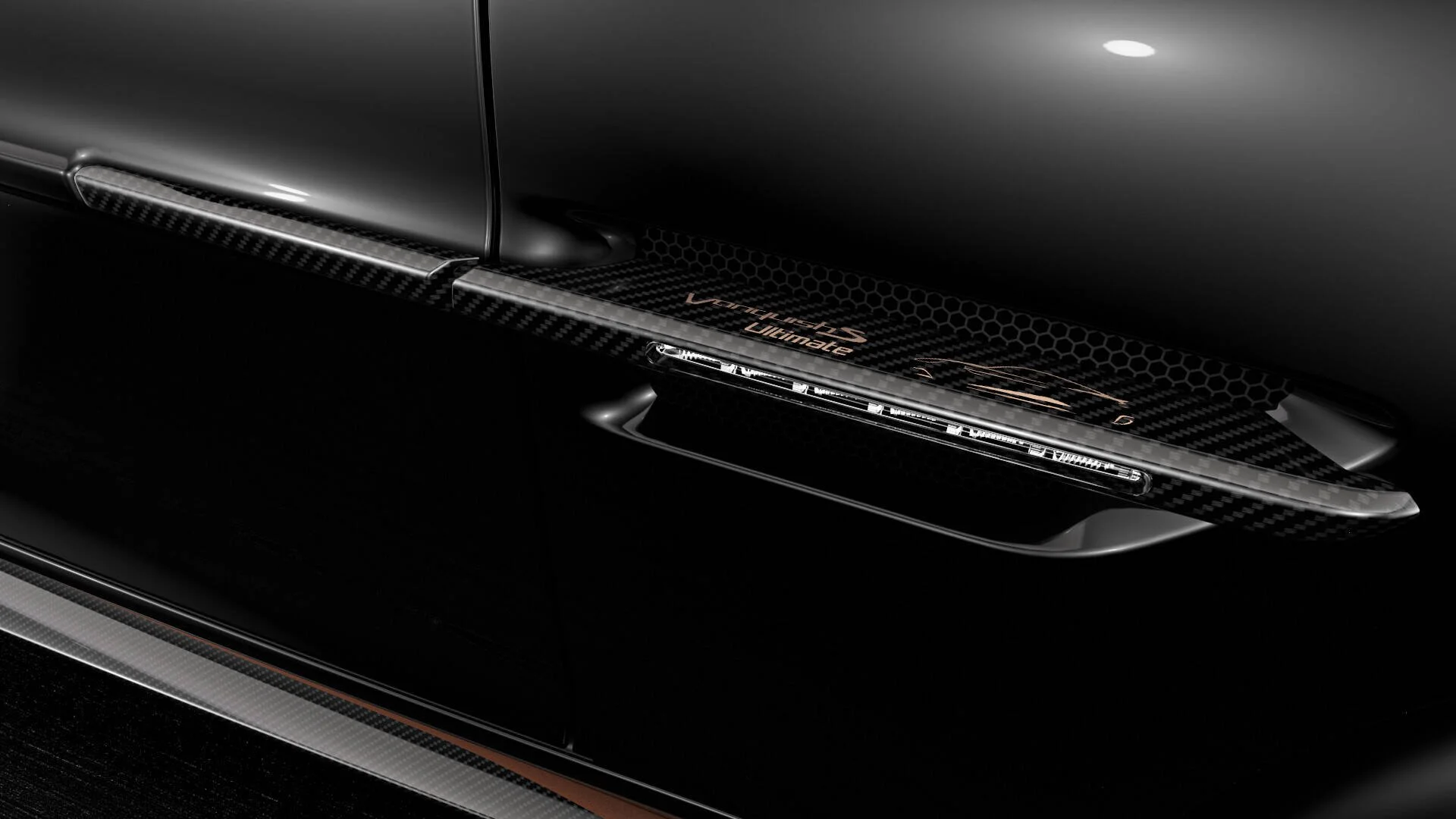
Image © Aston Martin Lagonda. Used for editorial purposes. Aston Martin S Ultimate.
Q by Aston Martin specifications can be extraordinary, but they should be assessed individually. A bespoke finish may make a car particularly appealing to its next owner, or it may narrow the potential audience. Never assume a bespoke commission is inherently more valuable than a standard car, and don't confuse a special paint colour with an officially designated limited edition.
Model and special-edition selector
EIGHT WAYS TO EXPERIENCE VANQUISH
From everyday V12 grand touring to individual factory specifications and rare collector programmes. A special badge or finish does not automatically mean a numbered production run — or a better car.
THE CORE RANGE
Regular-production choicesRegular six-speed Coupé
Best suited to: Value-led V12 enthusiast.
The original Vanquish II experience with Touchtronic II. A well-kept example can offer excellent value without sacrificing the carbon-bodied V12 character.
Buyer’s check: Check gearbox behaviour, VIN-specific recall status, carbon-ceramic brakes and documented maintenance.
Regular eight-speed Coupé
Best suited to: Everyday GT driver.
Touchtronic III adds quicker shifts and more contemporary performance. For many buyers, this is the natural mainstream sweet spot.
Buyer’s check: Verify the factory model year, eight-speed specification and condition rather than relying on registration date.
Vanquish Volante
Best suited to: Open-air touring enthusiast.
Enjoy the naturally aspirated V12 with the fabric roof lowered. The Volante exists across the evolving range, including later S versions.
Buyer’s check: Inspect the roof repeatedly, side-window seals, drains, water ingress and the usual expensive mechanical items.
Vanquish S
Best suited to: Sharper GT buyer.
The more assertive development of the regular range, with 600 PS, revised response and distinctive aerodynamic details. Not a numbered edition.
Buyer’s check: Expect documentation, healthy brakes and excellent overall condition to justify the S premium.
FACTORY PERSONALISATION
Edition specificationCarbon Edition
Best suited to: Specification-led individualist.
Carbon Black and Carbon White themes bring distinctive factory finishes and darker detailing, offered as Coupé and Volante. This is an edition specification, not a stated numbered production run.
Buyer’s check: Confirm Carbon Edition status, the original colour and trim details against the build record.
THE COLLECTOR PROGRAMMES
Announced production limitsVanquish S Ultimate
Best suited to: End-of-line collector.
The final-series Vanquish S edition, offered as Coupé or Volante. Its appeal rests on farewell status, special colour and trim themes, and documented provenance.
Buyer’s check: Check original specification, edition details and records; first deliveries were scheduled for Q1 2018.
Vanquish S Red Arrows
Best suited to: Provenance-focused collector.
A Q by Aston Martin commission inspired by the RAF Red Arrows. The tenth car was gifted to the RAF Benevolent Fund for fundraising.
Buyer’s check: Verify the numbered identity, original commission, specialist trim and any accompanying items.
Vanquish Zagato family
Best suited to: Specialist collector.
Distinctive Zagato coachwork across Coupé, Volante, Speedster and Shooting Brake. This is a separate collector market, not a typical used Vanquish purchase.
Buyer’s check: Investigate build provenance, accident repairs, bespoke parts, storage and recommissioning.
FTP buying note: Production quantities above are Aston Martin’s announced limits or planned build runs, not confirmation of any particular vehicle’s identity or completed deliveries. Verify build records, originality, provenance and specialist inspection findings before paying a premium. A meticulously maintained regular Vanquish may be a better purchase than a poorly documented special edition.
What should a healthy Vanquish II feel like?
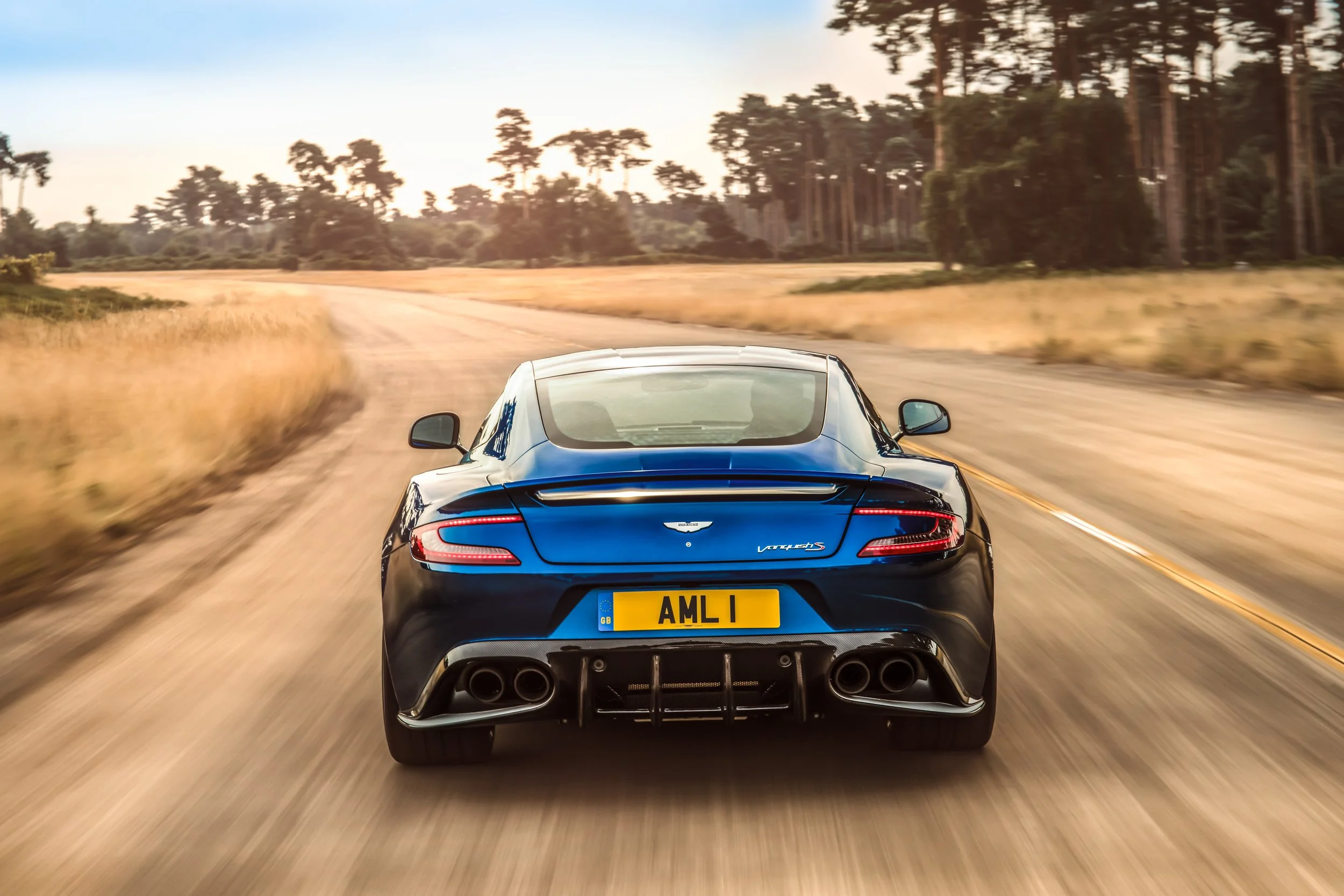
Image © Aston Martin Lagonda. Used for editorial purposes. Aston Martin Vanquish S.
A healthy Vanquish II should feel like a sophisticated sporting grand tourer. It’s a large, powerful car, but it should not feel loose, unstable or badly controlled. The steering should be consistent, the suspension composed and the V12 smooth and eager. The car ought to cover ground with remarkable ease while still offering enough response and sound to remind you that it’s something more special than a luxury saloon.
At low speeds, both automatic transmissions should make the car manageable without constant effort. Parking and reversing should not produce excessive hesitation, thumps or alarming warning messages. The car can feel firm on poor surfaces, particularly with the suspension in a more assertive setting, but 'firm' is not the same as crashy, nervous or worn out.
Once the engine is fully warm and the road opens up, a good Vanquish should feel increasingly natural. The V12's power builds progressively rather than arriving with the sudden low-rev force of a modern turbocharged engine. Its response is a large part of the appeal. The car should accelerate cleanly, change gear as requested and remain stable under braking.
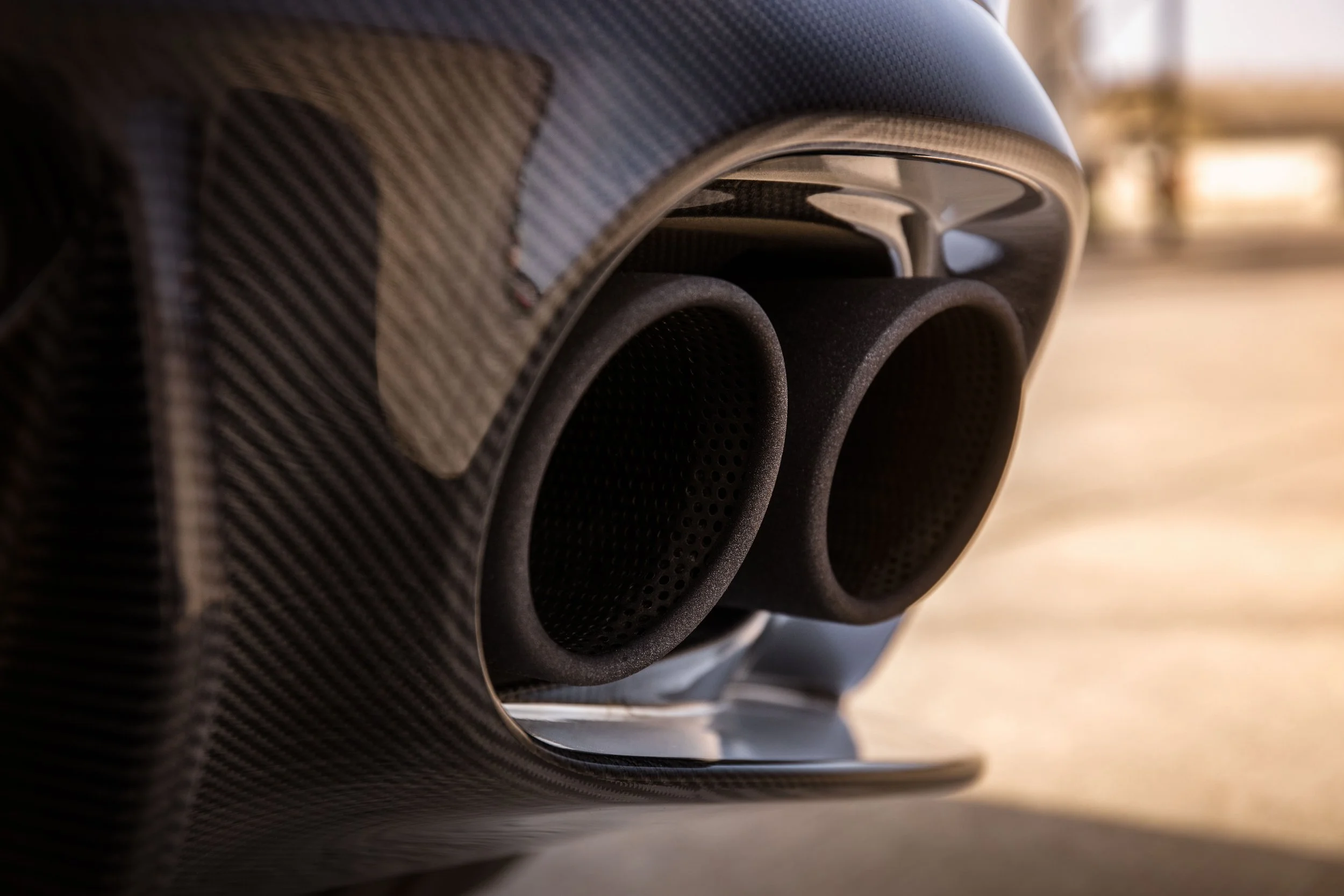
Image © Aston Martin Lagonda. Used for editorial purposes. Aston Martin Vanquish S.
A healthy exhaust can have considerable character, but roughness, rattling, emissions warnings or unexplained noises are not part of the ownership experience you should be paying for.
The Heritage Trust's anniversary discussion includes enthusiastic comments about the model's durability, styling and the difference that its sportier settings make. Those are useful impressions, but they are not a substitute for a proper test drive of the actual car. One Vanquish may feel tighter, smoother and more confidence-inspiring than another, simply because of tyres, alignment, brake condition, dampers and maintenance history.
For most prospective owners, the Vanquish should be an enjoyable car to live with rather than something reserved exclusively for occasional special events. If the example you're driving feels difficult to trust, investigate the cause before deciding that the behaviour is simply 'how they all are'.
FUEL THE PASSION · READING MILESTONE
Almost Halfway Through The Vanquish II Buyers Guide
We’ve explored the Vanquish’s development and the differences between the original six-speed Coupé, the Volante, the eight-speed cars, the Vanquish S and the special editions.
Strictly speaking, we’re at 49%. We could have waited for the exact halfway point, but that would mean interrupting the next chapter — and this seemed a better place to park. Ahead: the naturally aspirated V12, its strengths and the inspection priorities that matter.
JUST SHY OF HALFWAY
Around 40 minutes of reading remain
The naturally aspirated V12: strengths and inspection priorities
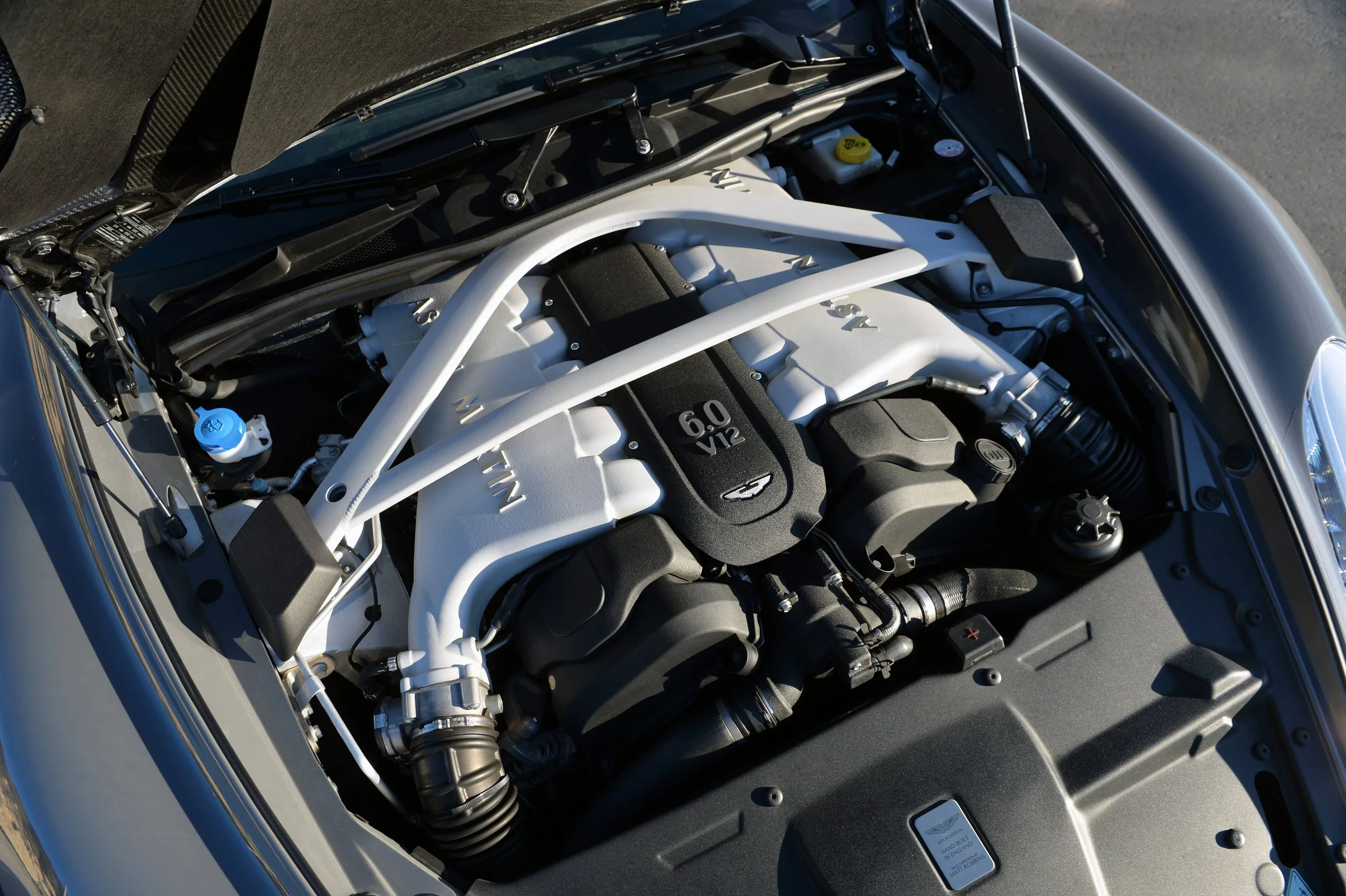
Image © Aston Martin Lagonda. Used for editorial purposes. Aston Martin Vanquish V12 engine.
The 5.9-litre Aston Martin V12 is one of the central reasons to choose this generation of Vanquish. It combines a smooth, flexible character with the sound and sense of occasion that only a large naturally aspirated twelve-cylinder engine can provide. The engine evolved during the model's life, and the later eight-speed cars benefited from revised specification, but the fundamental attraction remained the same.
There is good reason not to approach the engine with automatic suspicion. In the wider Heritage Trust discussion of the Vanquish family, the second-generation car's V12 was spoken of positively, reflecting the reputation these engines have earned when maintained properly. Technical evidence from the examination of one exceptionally high-mileage second-generation Vanquish engine provides an additional, more specific example. Despite covering around 350,000 kilometres and having suffered serious catalyst-related contamination, several major engine components were found to be in strikingly good condition for the distance travelled.
That is encouraging, but it must be interpreted carefully. One engine examination is not a reliability survey, and the presence of serious damage elsewhere in the same engine demonstrates why an isolated reassuring observation should never be turned into a claim that all Vanquish V12s are immune to expensive failure. The correct lesson is that mileage and age need context: how the car has been serviced, whether emerging faults were investigated and what its diagnostic and mechanical condition actually show.
When viewing a potential purchase, ask for the car to be started from cold. Observe how readily it fires, how it settles and whether there are any unusual noises or warning messages. A warm engine should idle evenly, respond smoothly to throttle inputs and restart cleanly. There should be no persistent misfires, unexplained hesitation, abnormal smoke, evident fluid loss or recurring engine-management warnings. A good pre-purchase inspection should go beyond listening to the engine and include a proper diagnostic assessment.
Evidence of previous spark-plug, ignition-coil, oxygen-sensor, exhaust or catalyst work deserves attention, but don't assume that invoices for replacement components prove an underlying cause was resolved. The most valuable records explain the original complaint, the diagnostic conclusion, the work undertaken and the result. A fault that has been repeatedly cleared without being properly diagnosed is still an unresolved fault.
Misfires, oxygen sensors and catalyst warnings
These are among the most important engine-related warning signs for a Vanquish buyer, precisely because different causes can produce similar symptoms. A check-engine light or catalyst-efficiency code might relate to a comparatively straightforward sensor problem, but it could also indicate a more serious issue requiring significant investigation. The presence of a code is not a diagnosis in itself.
A persistent misfire can have secondary consequences, including damage to exhaust after-treatment components. Conversely, evidence of catalyst damage or material entering places it should not be is a serious concern. The documented high-mileage engine examination referred to above involved catalyst material contaminating parts of the engine, demonstrating a possible failure mechanism. It does not establish that catalyst ingestion is common across the Vanquish II population.
The sensible approach is neither to panic nor to dismiss the warning. Ask for the diagnostic history, stored and pending codes, evidence of live misfire checks and any specialist findings relating to the exhaust and catalysts. Where a problem is suspected, the buyer should expect a clear diagnosis and, if necessary, further mechanical testing before committing to a purchase.
Be particularly cautious if a seller claims that a recurring engine light is 'only an oxygen sensor' without documentation, or that an intermittent misfire is normal. Ask what was tested, what was replaced and whether the fault returned after a meaningful road test. A recently extinguished dashboard warning is not sufficient evidence that the underlying problem has gone away.
Engine health & buying evidence
V12 ENGINE DIAGNOSTIC TRIAGE
A warning light, noise or poor start is a reason to investigate, not a diagnosis in itself. Use these checks to establish what a specialist needs to verify before you commit to a Vanquish.
How to read this table: Priority indicates how urgently to obtain evidence, not how frequently a fault occurs or what a repair will cost.
Misfire or uneven running
Rough idle, hesitation or an engine-management warning
Ignition, fuelling or air-related faults; sensor or mechanical issues. A persistent misfire can also threaten exhaust after-treatment components.
Stored and pending fault codes, misfire data, specialist diagnosis, repair invoices and a meaningful follow-up road test.
Investigate before buying; avoid continued use if the misfire is severe.
Reluctant cold start
Long cranking, unstable idle or warning messages from cold
Battery or voltage weakness, ignition or fuelling problems, or other engine-control faults. Symptoms alone do not identify the cause.
A genuine cold-start demonstration, battery and charging checks, fault-code history and evidence of any previous diagnosis.
Do not accept a pre-warmed car as a substitute for a cold-start check.
Poor hot restart
Hesitation, prolonged cranking or irregular running when warm
Potential fuelling, ignition, electrical or sensor/control problems. The specific fault requires testing.
A restart after a full warm-up, diagnostic report and supporting invoices for any claimed repair.
Reproduce the symptom and establish the cause before committing.
Oxygen-sensor or emissions code
Engine light, oxygen-sensor code or recurring cleared fault
The sensor or wiring may be at fault, but exhaust leaks, mixture-control issues or catalyst condition may also affect readings.
Exact stored/pending codes, freeze-frame and live data, diagnostic conclusion and evidence the warning stayed resolved.
A code does not prove that replacing a sensor will fix it.
Catalyst-efficiency warning
Catalyst-related code, repeated warning or unusual exhaust behaviour
Possible sensor or exhaust issues, incorrect fuelling or an actual catalyst problem. The warning alone cannot show the extent of any damage.
Specialist assessment of fault history, relevant live data, exhaust/catalyst condition and any associated misfires.
Resolve before purchase; do not accept “just a sensor” without evidence.
Oil or coolant leak
Staining, fluid loss, odour or signs of overheating
Hoses, seals, joints or cooling-system faults are among possible causes; location and severity must be established.
Cold and hot inspection, fluid-level history, relevant pressure tests where indicated and documented repair costs.
Prompt assessment; do not drive if overheating or suffering major fluid loss.
Unexplained mechanical noise
Persistent metallic tick, knock or abnormal sound
Could involve an external component, exhaust-related noise or an internal mechanical issue; it cannot be diagnosed reliably by description alone.
Listen cold and fully warm, record when the noise occurs, and obtain a specialist investigation or further testing as advised.
Do not dismiss a persistent abnormal sound as “they all do that”.
FTP buying note: These are diagnostic possibilities, not established Vanquish II fault rates or recommendations to replace specific parts. Ask for a cold-start inspection, full warm-up, stored and pending codes, a specialist assessment and written evidence of any repair. Persistent misfires, serious fluid loss, overheating or abnormal mechanical noise warrant particular caution. Do not commit to a purchase while a significant fault remains unexplained.

What about the so-called 'dreaded tick'?
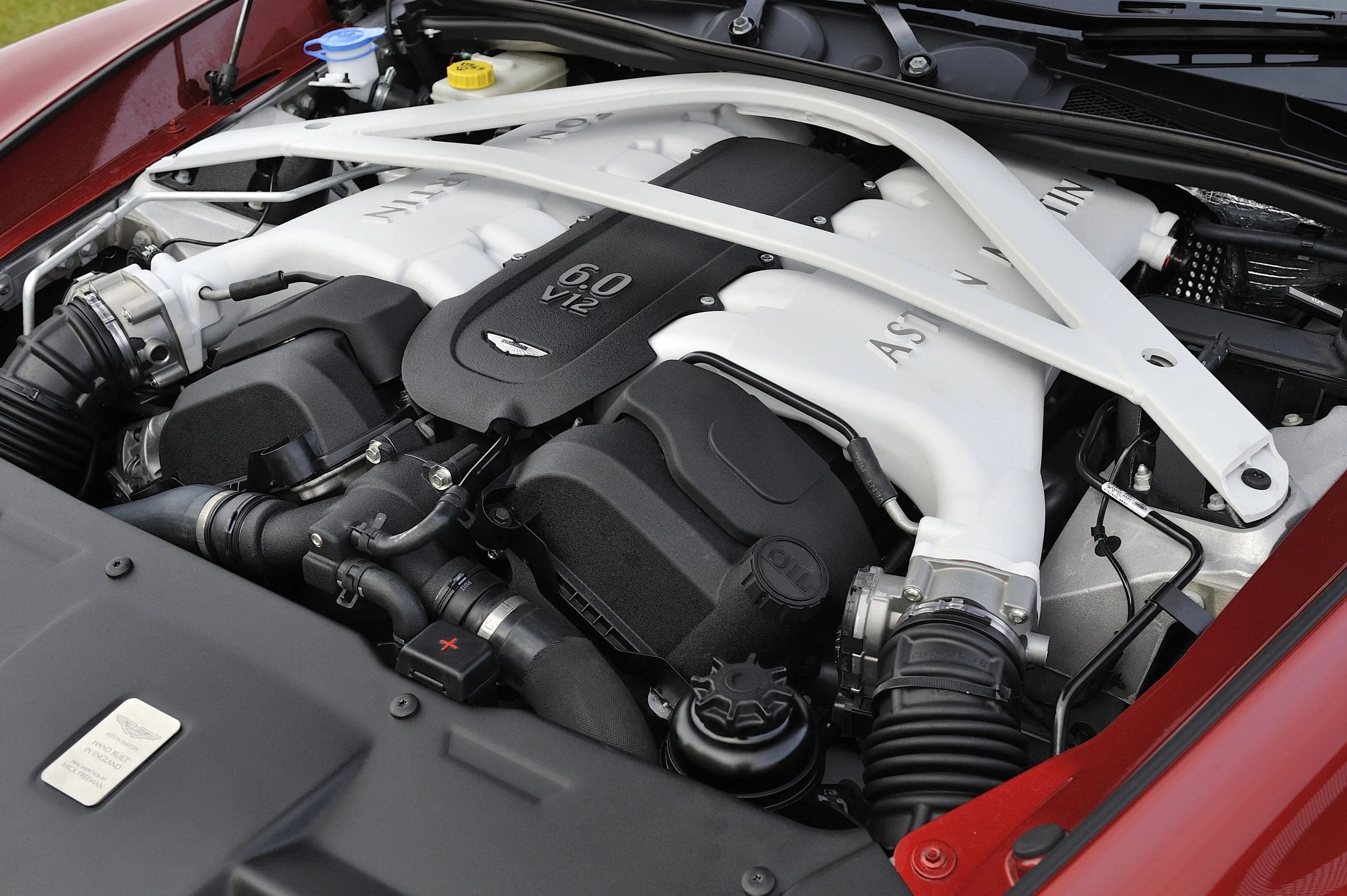
Image © Aston Martin Lagonda. Used for editorial purposes. Aston Martin Vanquish V12 Engine.
Owners researching Aston Martin's V12 engines will encounter references to a metallic 'engine tick', often associated with discussions of certain earlier models. The subject deserves proportion, not folklore. Some previous V12 issues have been associated with internal engine wear or cylinder-liner concerns, but it would be misleading to present those experiences as a characteristic weakness of every second-generation Vanquish.
Nevertheless, any persistent metallic ticking, knocking or other abnormal mechanical noise should be investigated. Listen with the engine cold and fully warm, note whether the sound changes with engine speed and seek proper diagnosis rather than relying on a seller's explanation. Mechanical sounds can be normal; an unexplained noise should not be accepted as normal merely because someone says it is.
For the Vanquish II, a clear maintenance record, smooth engine behaviour, clean diagnostics and evidence of a thorough inspection are far more valuable than generalised internet warnings about different Aston Martin V12 generations.
Gearbox, differential and drivetrain checks
Both Vanquish II automatic gearboxes should be assessed for smoothness, consistency and correct operation. The six-speed Touchtronic II and eight-speed Touchtronic III have different characters, but neither should require excuses for rough engagement or intermittent faults. On the road, ask the transmission to operate gently as well as briskly. A problem that disappears during hard acceleration may still be apparent when selecting Reverse or moving through stop-start traffic.
Check for delayed Drive or Reverse engagement, harsh thumps, unexpected slipping sensations, poor cold or hot shift quality, inconsistent paddle response, warning messages and unusual noises. Verify that the available driving and transmission modes work normally and that the car behaves predictably after a full warm-up. If there has been gearbox or software work, request the invoice and evidence of the result.
The rear transaxle arrangement and limited-slip differential are part of the Vanquish's driving character. Inspect for leaks, driveline vibration, abnormal noises and any evidence that differential-fluid or related maintenance has been overlooked. A road test on different surfaces and at different speeds can help distinguish ordinary tyre noise from something that merits investigation.
Early Touchtronic II cars also require a proper VIN-specific review of historic safety campaigns, including the transmission parking-related recall that affected certain cars. Not every six-speed Vanquish was included, and a generic list of recalls is not proof of a problem with any individual vehicle. The correct evidence is the manufacturer's record for that VIN and confirmation of any work completed.
Carbon-ceramic brakes: a defining feature and a major cost area
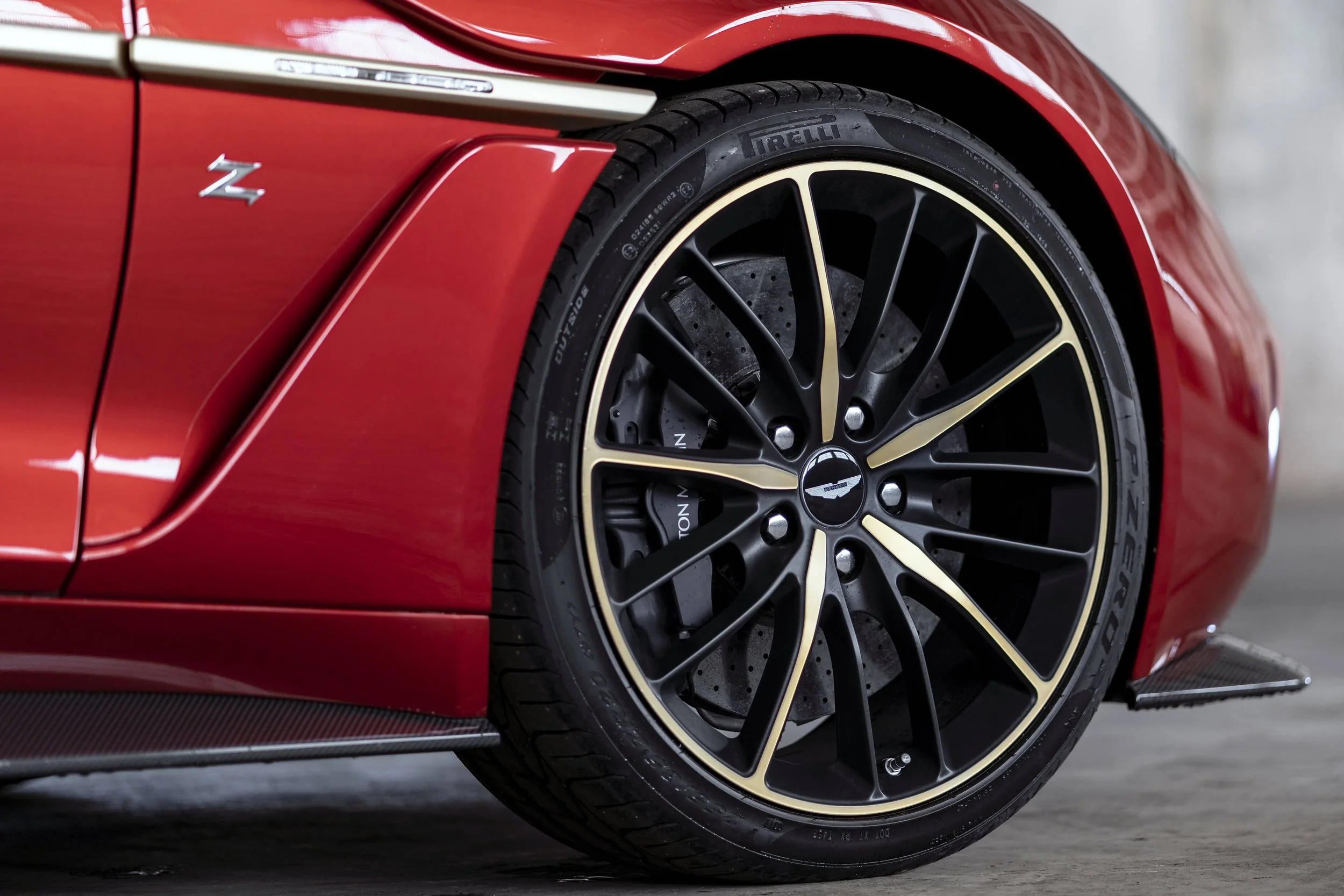
Image © Aston Martin Lagonda. Used for editorial purposes. Aston Martin Zagato Speedster.
The Vanquish II's standard carbon-ceramic brakes are part of its flagship specification and deserve to be understood as more than a potential invoice. The system used 398mm front discs with six-piston calipers and 360mm rear discs with four-piston calipers. In good condition, the brakes provide formidable stopping capability, but their remaining life cannot be assessed using mileage alone or a casual look through the wheels.
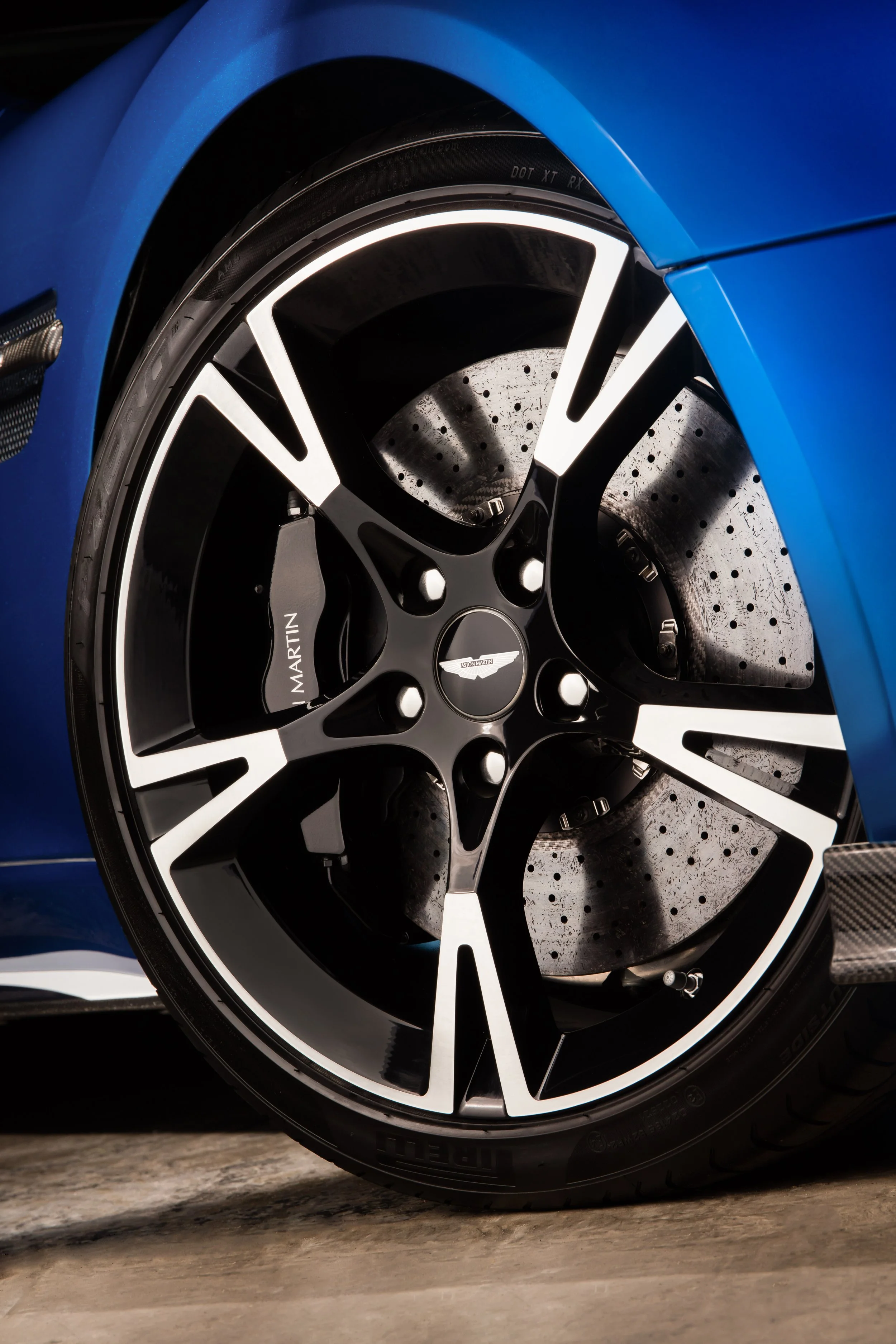
Image © Aston Martin Lagonda. Used for editorial purposes. Aston Martin Vanquish S.
Have the discs and pads inspected by someone familiar with the particular system. Important checks include chips and edge damage, cracks, surface condition, signs of unusual wear, pad life, caliper health, warning messages and any shudder, vibration or uneven braking during a proper test drive. Previous replacement work should be supported by invoices identifying the parts fitted. Brake judder should never simply be dismissed as 'normal for carbon ceramics'.
Cleaning practices matter too. Avoid potentially corrosive or aggressive wheel-cleaning chemicals around carbon-ceramic discs; mild soap and water or products expressly approved for the application are safer choices. Following washing, gentle driving with light braking may help remove residual moisture where it’s safe to do so and consistent with the manufacturer's guidance. Ask how the owner has cared for the wheels and brakes, particularly if the car has spent long periods in storage.
A car that has covered relatively few miles may still have damaged brakes through heavy use, careless handling or unsuitable cleaning. A higher-mileage example may have healthy discs if it has been maintained and driven appropriately. Neither scenario can be proved from the odometer. Specialist measurement and inspection should establish what is actually present.
On this model, carbon-ceramic brake condition can materially alter the total cost of purchase. Before offering, establish whether major work is needed and obtain a realistic written estimate if the inspection raises concerns.
Pre-purchase inspection & major ownership costs
CARBON-CERAMIC BRAKE BUYER CHECK
The Vanquish II’s standard carbon-ceramic brakes are a defining part of the car—and an expensive area to get wrong. Use these eight checks to ask the right questions before purchase.
Factory specification: 398 mm front discs with six-piston calipers; 360 mm rear discs with four-piston calipers. This is a buyer’s checklist, not a method for certifying disc wear or safety without a specialist.
Disc surface and edges
Chips, cracks or damaged edges
Inspect both faces and outer edges for chips, cracking, scoring, damaged surfaces or signs of impact. Minor marks need expert interpretation.
Close-up photographs and a Vanquish-experienced specialist’s written assessment of each suspect disc.
If damage is suspected, obtain a clear verdict and a replacement quotation before proceeding.
Remaining disc condition
A major potential expense
Do not judge remaining service life from mileage, pad thickness or a quick glance through the wheel. The correct carbon-ceramic assessment is model-specific.
Documented measurements and condition assessment against the applicable Aston Martin/Brembo service procedure and limits.
Do not accept an unsupported claim that the discs have “plenty of life left”.
Brake-pad wear
Inspect both axles
Check remaining pad material, evenness of wear, appropriate pad specification and signs of contamination or overheating.
Specialist pad inspection, relevant invoices and confirmation of correct parts used for this brake system.
Include the cost of any necessary pad replacement in the purchase assessment.
Calipers and hydraulics
Six-piston front; four-piston rear
Look for fluid leaks, damaged hoses, uneven braking action, seized components and poor or inconsistent pedal feel.
Caliper, hose and hydraulic inspection; brake-fluid service history and invoices for previous work.
Investigate leakage or abnormal operation before an offer; braking safety takes priority.
Test-drive behaviour
Feel as important as appearance
Assess progressive stopping, straight-line stability, pedal consistency, judder, vibration, pulling and unusual noises.
A controlled road test by a competent specialist, followed by inspection if any abnormal behaviour appears.
Do not excuse persistent judder or pulling as “normal carbon-ceramic behaviour”.
Cleaning and storage history
How the brakes have been cared for
Ask about aggressive wheel-cleaning products, long storage periods, handling damage and whether the brakes are maintained appropriately.
Owner explanation, detailer or maintenance records where available, plus inspection for staining or damage.
Follow Aston Martin’s wheel-cleaning guidance; mild soapy water is the prudent default.
Paperwork and past work
Invoices, not assumptions
Check previous disc and pad replacement, brake warnings, repairs, parts fitted and any relevant observations on earlier inspections.
Itemised invoices, part numbers where available, date and mileage of work, and specialist comments.
Treat missing evidence as an unanswered question, particularly where a premium is being asked.
Action before purchase
Turn uncertainty into a written cost
Have the complete carbon-ceramic system assessed as part of a Vanquish-specific pre-purchase inspection.
A written verdict on discs, pads, calipers and braking behaviour, plus a realistic estimate for any remedial work.
Agree what the inspection reveals—and any required repairs or price adjustment—before committing.
FTP buying note: Carbon-ceramic brake condition cannot be established by mileage, photographs or pad thickness alone. Have a specialist assess the discs using the correct technical procedure, check the entire system and document any findings. If significant damage or wear is identified, obtain a current written repair estimate before agreeing to buy. An apparently attractive price can quickly become less appealing if major brake work is outstanding.
Suspension, steering, tyres and wheels
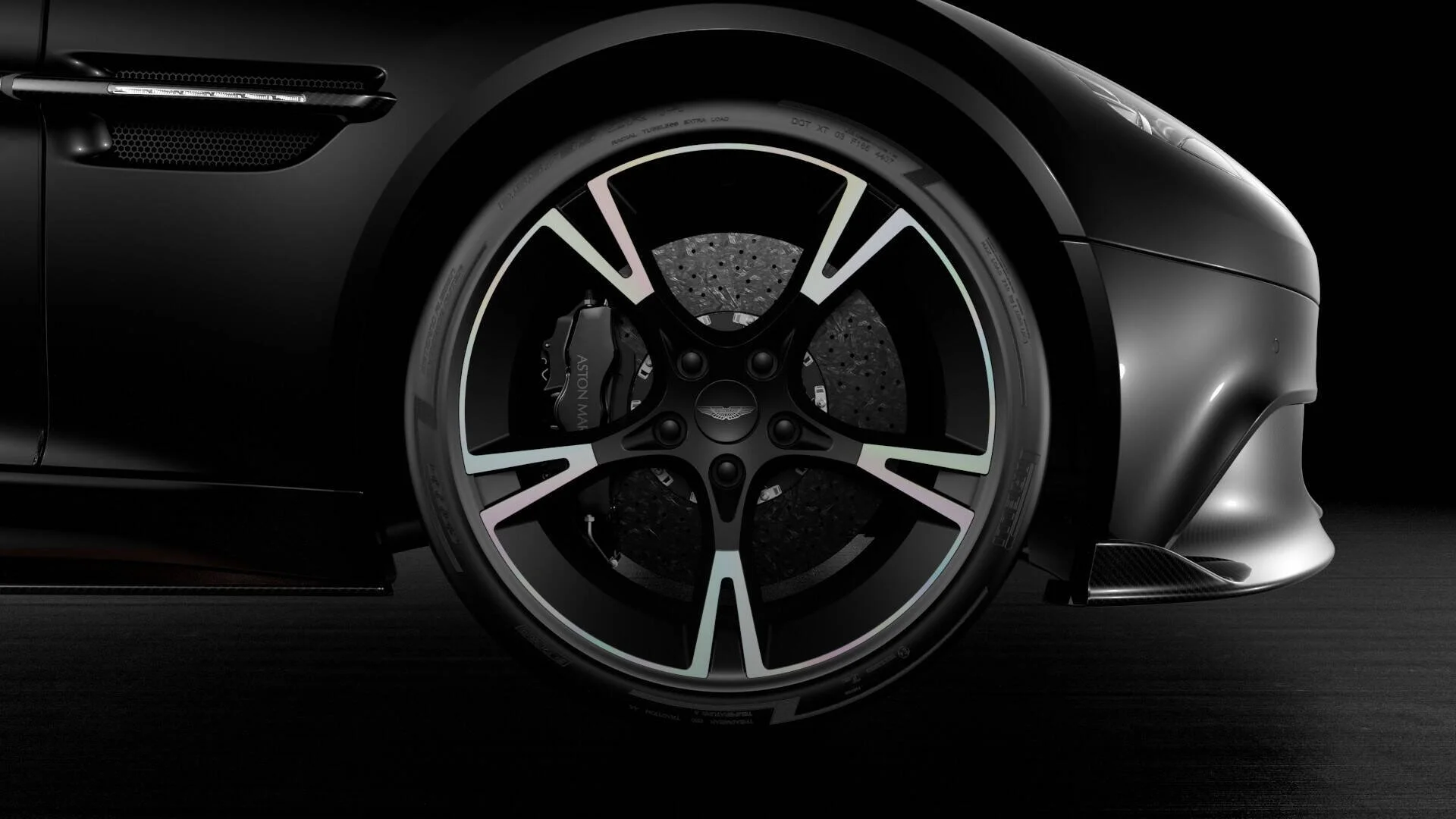
Image © Aston Martin Lagonda. Used for editorial purposes. Aston Martin Vanquish Ultimate.
The Vanquish is a substantial, powerful grand tourer, but it should not feel tired or unsettled. Its adaptive damping system is intended to provide a useful range of responses, allowing the car to remain composed over distance while feeling firmer and more controlled in sportier settings. A complete lack of noticeable difference between modes, persistent warning messages or a distinctly uneven ride deserve closer investigation.
Inspect dampers for leakage, suspension arms and joints for wear, bushes for deterioration and the underside for damage. Listen for knocks at low speed over uneven surfaces and note whether the car pulls to one side, wanders or feels unsettled under braking. Alignment errors and worn components can transform the way a Vanquish drives, making a healthy model appear disappointingly vague.
Tyres have a particularly large influence on this car. Check the correct sizes, load and speed ratings for the individual vehicle, matched specification across each axle and appropriate quality. Inspect manufacturing dates, cracking, flat spots, sidewall damage and inner-edge wear. A low-mileage example with old tyres does not have the same grip and safety margin as a properly maintained car on recent, suitable tyres.
Wheel damage matters as well. A beautifully refurbished wheel can conceal previous kerb contact, so look for uneven finishes, cracking, vibration and signs of impacts. Carefully inspect the wheels and suspension if the car has a history of aggressive kerb use or has been regularly driven on challenging surfaces. None of that automatically disqualifies a purchase, but the resulting condition should be known.
It's worth driving a Vanquish on more than a smooth road outside a dealership. A quiet country lane, slower uneven surface and ordinary town traffic can reveal issues that a brief high-speed demonstration may hide.
Carbon bodywork, paint and previous repair quality
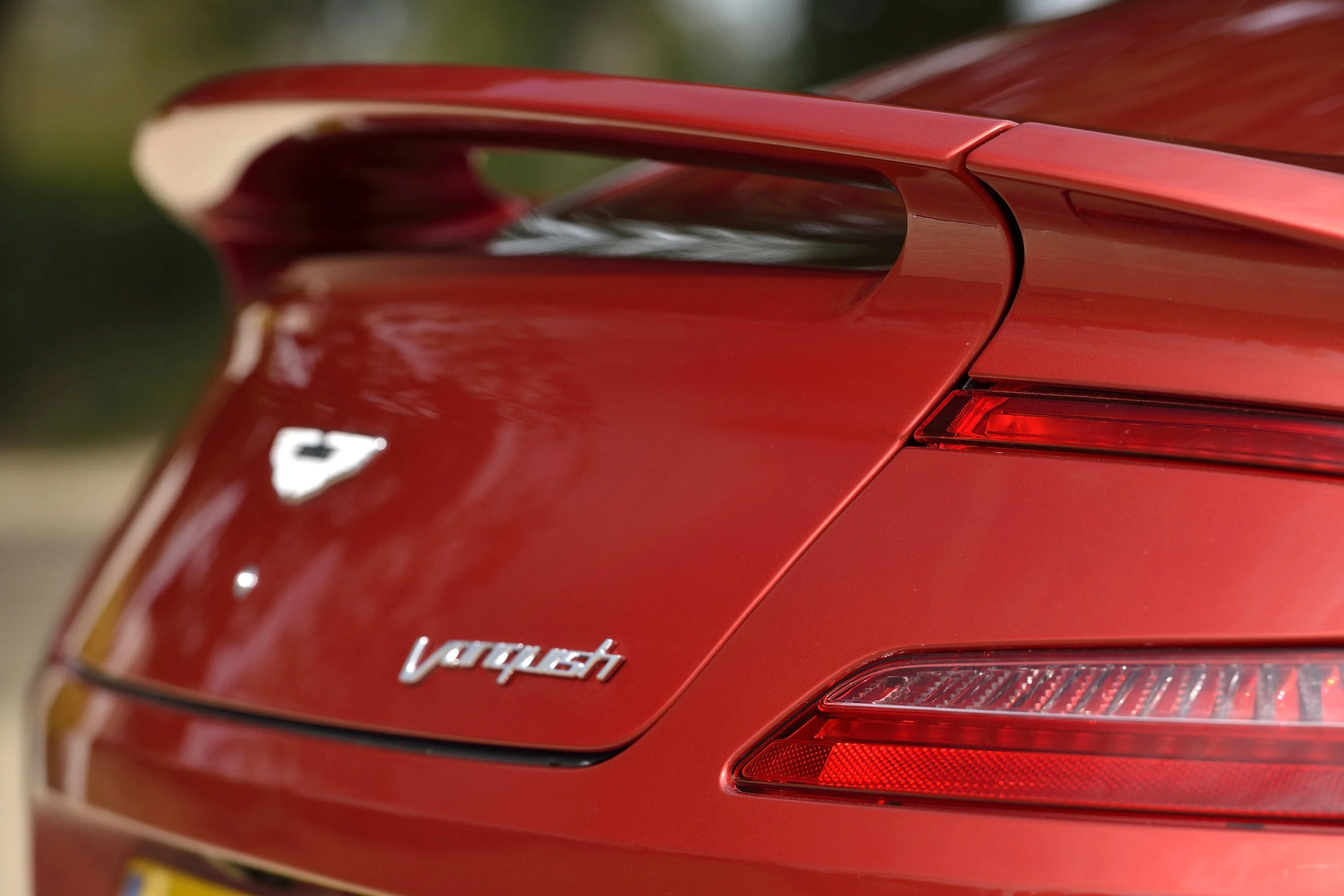
Image © Aston Martin Lagonda. Used for editorial purposes. Aston Martin Vanquish.
The bodywork is one of the main reasons the Vanquish II feels special, but it’s also an area where a poorly chosen example can become expensive. Every exterior panel's carbon-fibre construction means that damage and repair should be treated differently from ordinary minor dents in conventional metal panels. The correct repair method, component availability and quality of work may matter far more than the damage appears to warrant at first glance.
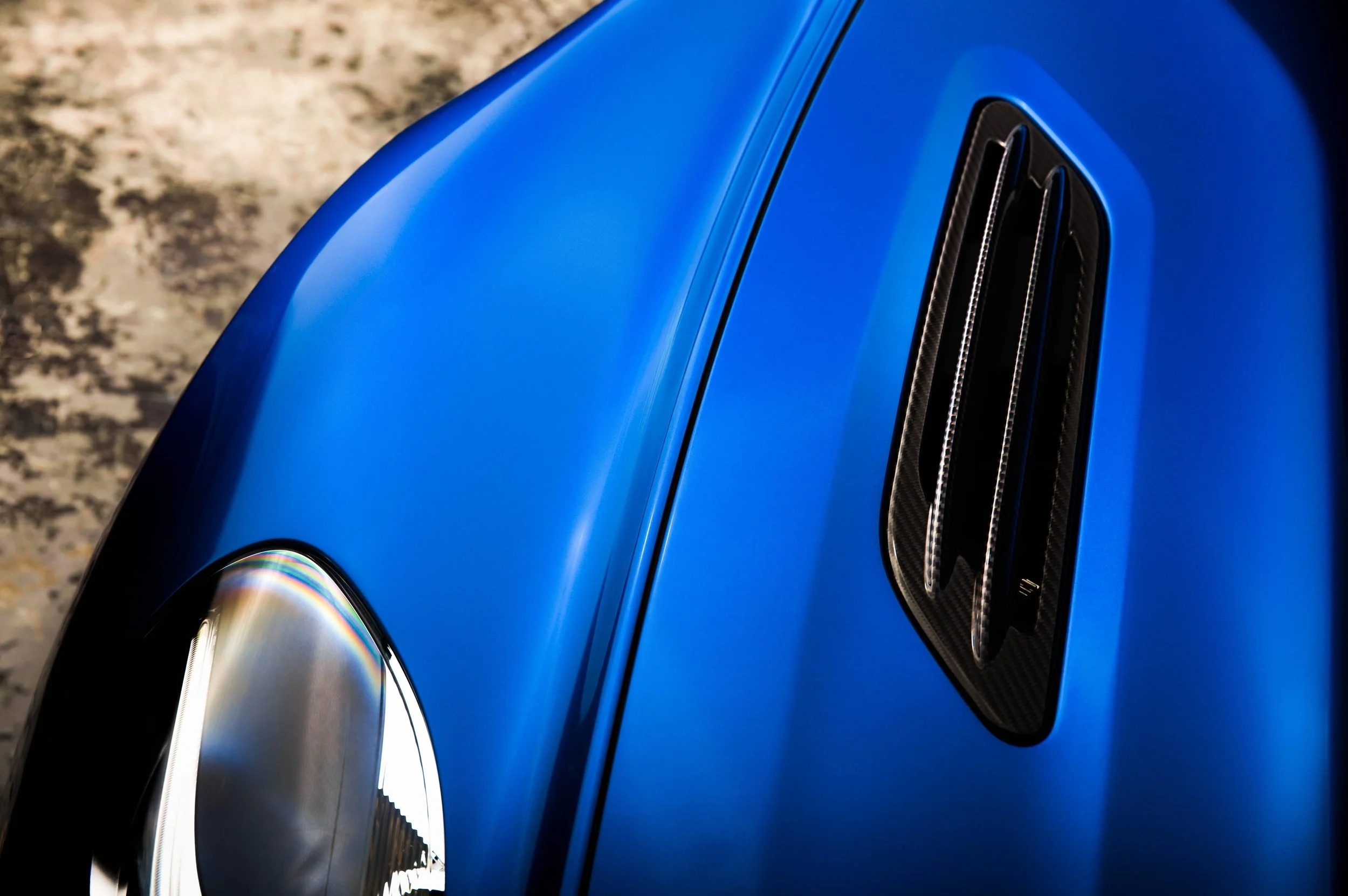
Image © Aston Martin Lagonda. Used for editorial purposes. Aston Martin Vanquish S.
Begin with the way the panels fit together. Look closely at the bonnet, front wings, doors, roof, rear quarters and boot lid. Compare gaps on either side, check how the doors close and look for inconsistent reflections or subtle differences in paint colour. An unusual gap is not proof of accident damage, but it’s a reason to ask whether panels have been removed, replaced or adjusted.
Exposed carbon deserves a separate inspection. Look for damaged lacquer, cloudiness, discolouration, chips, cracks, poor refinishing and irregular weave or surface finish where applicable. The front splitter, lower sills and rear diffuser are especially exposed to road debris and grounding. Paint-protection film may be desirable, but old or poorly installed film can conceal cosmetic defects and should never be treated as proof that the underlying panel is perfect.
The familiar Gaydon-era concerns about paint finish and blistering also deserve attention. Inspect panel edges, door handles, bonnet and boot apertures, trim junctions and any areas where bubbling or lifting may begin. The presence of a small cosmetic fault does not automatically make the car unsuitable, but repair costs and the likelihood of recurrence should be properly understood.
Where previous work has been completed, ask for photographs, invoices and an explanation of the repair method and parts used. If a seller describes a repair as 'cosmetic', there should be a credible record supporting that description. A carefully documented repair may be acceptable. An unexplained mismatch across several panels is a different proposition.
Front splitter, underside and hidden condition
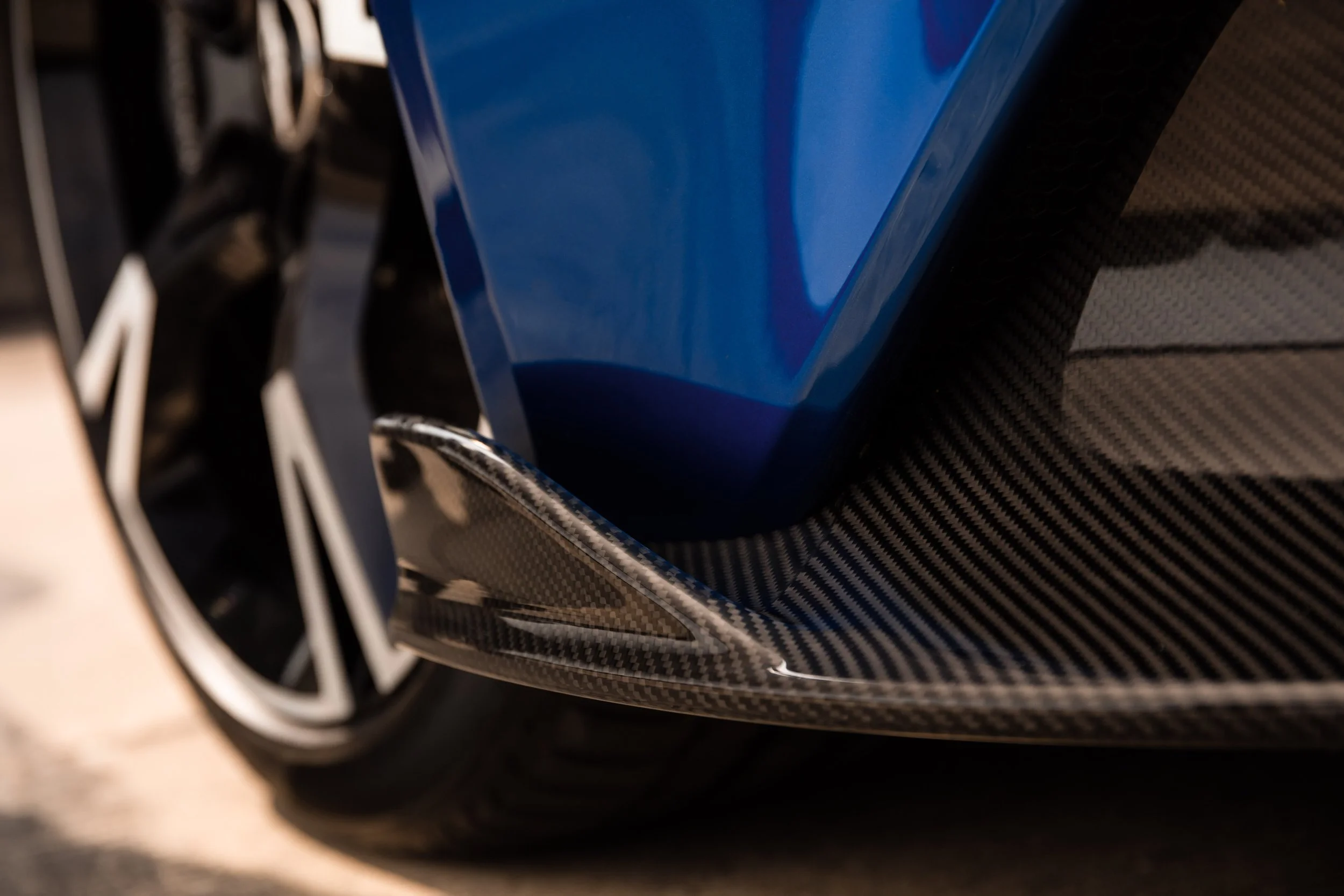
Image © Aston Martin Lagonda. Used for editorial purposes. Aston Martin Vanquish S.
The Vanquish sits low, and the exposed front splitter is vulnerable to steep driveways, ramps, ferry decks, kerbs and parking stops. Some evidence of ordinary use is unsurprising. The important distinction is between minor surface marks and damage that affects the panel, mounting points or surrounding components.
Inspect from a low angle and, ideally, with the car raised safely by a professional. Check for splitting, cracks, missing fixings, previous repairs, poor alignment and signs that the nose or underside has been dragged across an obstacle. Look beyond the obvious front edge: undertrays, brackets, jacking points, suspension mounting areas and the exhaust may reveal more about a car's history than its polished paintwork.
The bonded-aluminium structure does not remove the need to inspect corrosion-prone steel hardware and exposed components. Check the subframe and suspension areas, fixings, brake lines, brackets, exhaust supports and any signs of previous unsuitable jacking or impact damage. Fluid leaks and poorly refitted undertrays also deserve attention.
For unusual carbon damage, confirm in advance that the necessary repair expertise and replacement parts can actually be obtained. The Heritage Trust's discussion of parts operations is a reminder that specialist panels can depend on manufacturing arrangements that are very different from producing a conventional metal body panel. A seller's statement that 'it could easily be replaced' is not the same as a current parts quotation and credible repair plan.
Volante roof, windows and water ingress
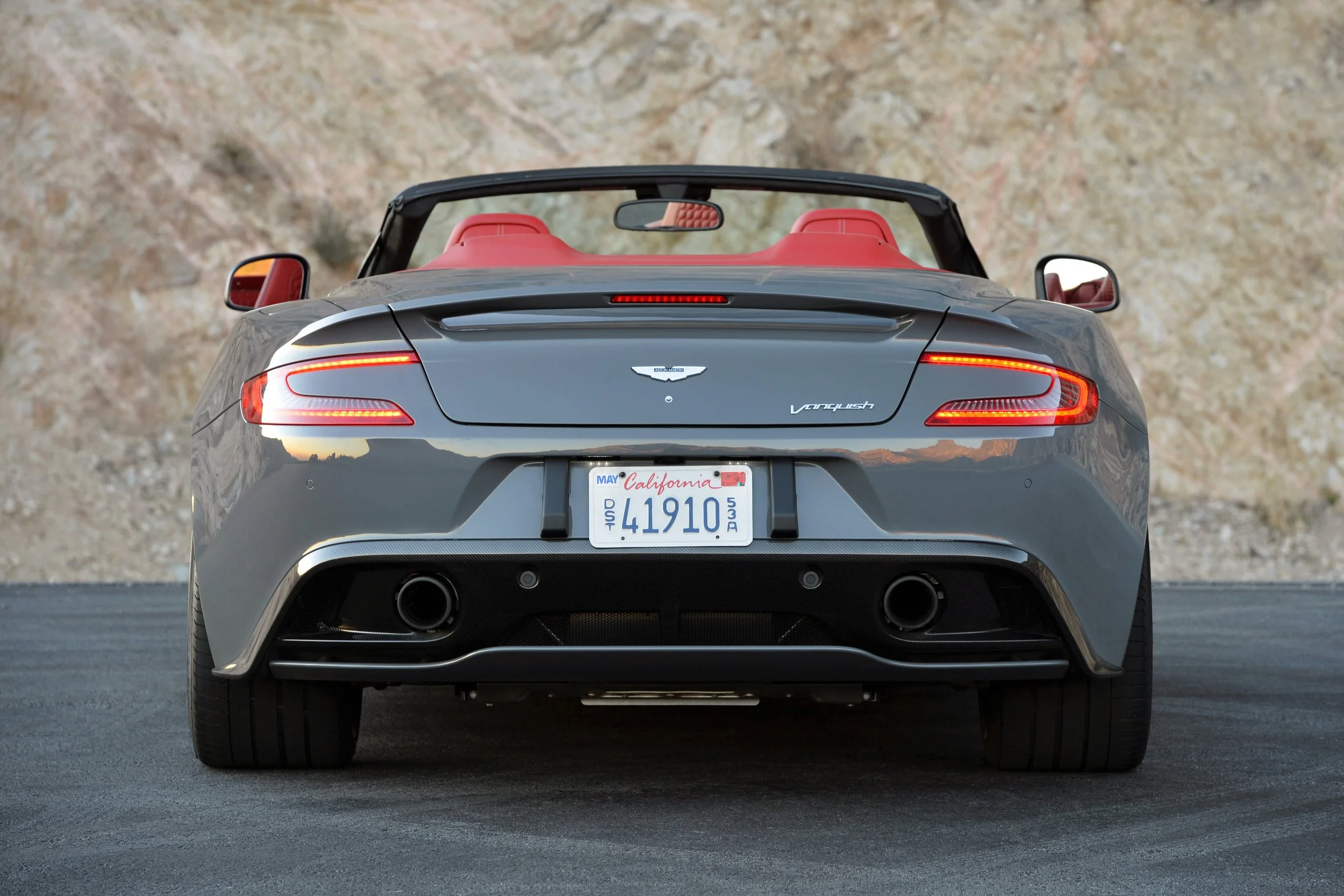
Image © Aston Martin Lagonda. Used for editorial purposes. Aston Martin Vanquish Volante.
A Vanquish Volante offers one of the great pleasures of Aston Martin ownership: the ability to enjoy its naturally aspirated V12 with the roof folded away. That privilege comes with a more involved inspection process. The car's roof, sealing and electrical operation need as much attention as its engine or bodywork.
Ask for a complete demonstration, preferably more than once, including opening and closing from the fully secured position. The fabric should move evenly, the latches should engage correctly and the windows should index as intended. There should be no need for an extra push, repeated switch operation or unexplained reset to make the mechanism work. Any hesitation, grinding, asymmetry or warning chime should be investigated.
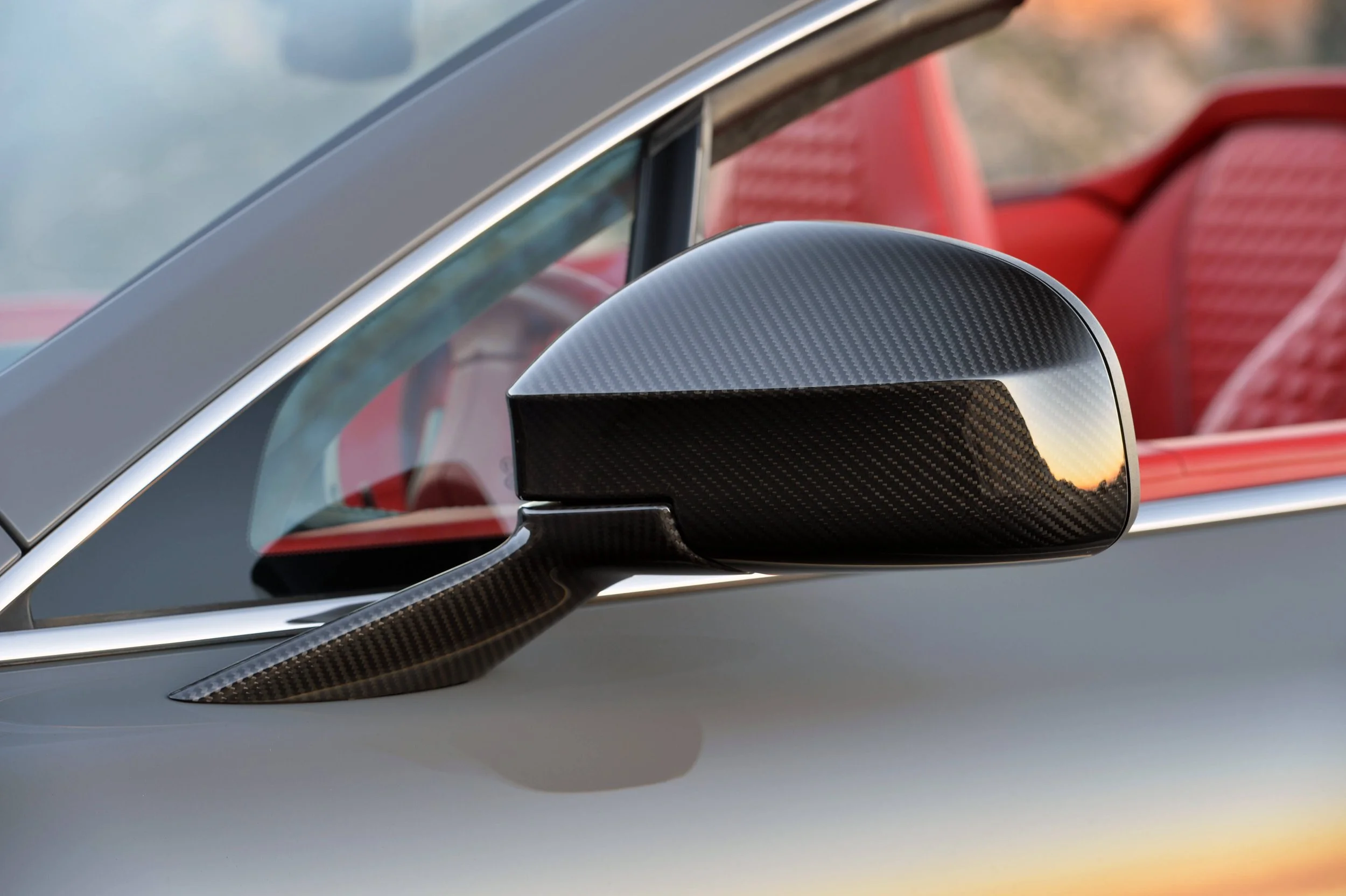
Image © Aston Martin Lagonda. Used for editorial purposes. Aston Martin Vanquish Volante.
Inspect the fabric, stitching, rear window, seals, header rail, drains, side glass and surrounding trim. Look for scuffs caused by poor folding, discolouration, repairs and signs of fabric deterioration. Dampness can reveal itself in less obvious places: under carpet edges, in the boot, around seatbelt mounts and within the rear trim. Musty smells and recurring window misting can indicate a history worth understanding.
A dry demonstration on a sunny day is useful, but it cannot establish that a car has never experienced water ingress. Ask about storage conditions, previous repairs and any past roof or window adjustments. Be cautious about poorly aligned glass or wind noise that the seller insists is unavoidable without evidence.
Volante roof problems are not a reason to dismiss the model. They are a reason to make the inspection more thorough, ideally with someone who understands the system and can distinguish maintenance or adjustment from a more substantial repair.
Volante inspection & ownership considerations
VOLANTE ROOF & WATER-INGRESS INSPECTION
Open-air V12 touring is part of the Vanquish Volante’s appeal. Before buying, check the complete roof cycle, glass alignment and signs of water ingress—not simply whether the hood opens once.
Inspection principle: A dry roof demonstration does not prove the car has never leaked. Combine repeated operation checks with an examination of the seals, drains, carpets, boot and supporting repair history.
Roof operation
Complete opening and closing cycle
Operate the hood fully from its secured position, then close it again. Repeat the cycle; movement should be smooth, even and consistent, without an extra push or repeated switch presses.
A live demonstration of at least two full cycles; records for any motors, controls, adjustments or previous repairs.
Investigate hesitation, asymmetry, grinding or incomplete movement before agreeing to purchase.
Latches and header rail
Positive and even engagement
Confirm the front latches secure the hood correctly, the header rail sits flush and there are no unusual noises, gaps or damaged seals.
Close-up examination of latches and seals, plus invoices for adjustments, replacements or previous roof work.
Do not accept a roof that needs assistance or repeated attempts to lock into place.
Glass indexing
Window movement and sealing
Check that the side windows lower and raise as intended when doors are opened and closed, and seal correctly against the raised hood.
Function tests on both sides, inspection of window alignment and any records of regulator or seal adjustments.
Investigate poor indexing, uneven glass alignment, wind noise or signs of water entry.
Hood fabric and rear window
Condition beyond first appearances
Inspect fabric, stitching, folds, the rear window and surrounding trim for wear, staining, scuffs, repairs or deterioration.
Close visual inspection with the roof both raised and folded, and explanations or invoices for repairs.
Check whether damage is cosmetic or may affect weather protection; seek a repair quotation where needed.
Seals and drains
Water-management essentials
Inspect seals, drainage channels and accessible drain areas for blockage, deterioration, standing water or signs of earlier leakage.
A specialist inspection of relevant seals and drains; records of cleaning, adjustments or water-ingress repairs.
Have blocked or damaged drainage and sealing issues investigated before buying.
Carpets and boot
Look for hidden dampness
Check beneath accessible carpet edges and inside the boot, rear trim and seatbelt areas for dampness, staining, mould or musty smells.
Inspection findings, photographs and documentation for any leak investigation, drying, trim replacement or electrical work.
Unexplained moisture warrants a specialist investigation, even when the roof works normally.
Warning signs
Symptoms that need an explanation
Watch for roof warnings, chimes, intermittent operation, grinding, repeated resets, misted glass, wind noise or irregular window movement.
Diagnostic results and a repeatable demonstration of correct operation after any claimed repair.
Avoid accepting 'they all do that' or a single successful demonstration as evidence of a healthy system.
Specialist follow-up
Turn concerns into a written plan
Include the complete roof mechanism, latches, glass, seals and water-management areas in a Vanquish-specific pre-purchase inspection.
A written specialist assessment identifying faults, likely causes, parts availability and estimated cost of remedial work.
Resolve material concerns or agree documented repairs and costs before committing to the purchase.
FTP buying note: A functioning roof mechanism is only part of the assessment. Confirm that the hood, latches, side glass, seals and water-management areas work together properly, and ask a Vanquish-experienced specialist to investigate any dampness or intermittent fault. Obtain written findings and a realistic repair estimate before making a commitment. The Volante should be chosen for its wonderful open-air character, not on the assumption that roof issues will be inexpensive to resolve.
Interior, trim and the detail of craftsmanship
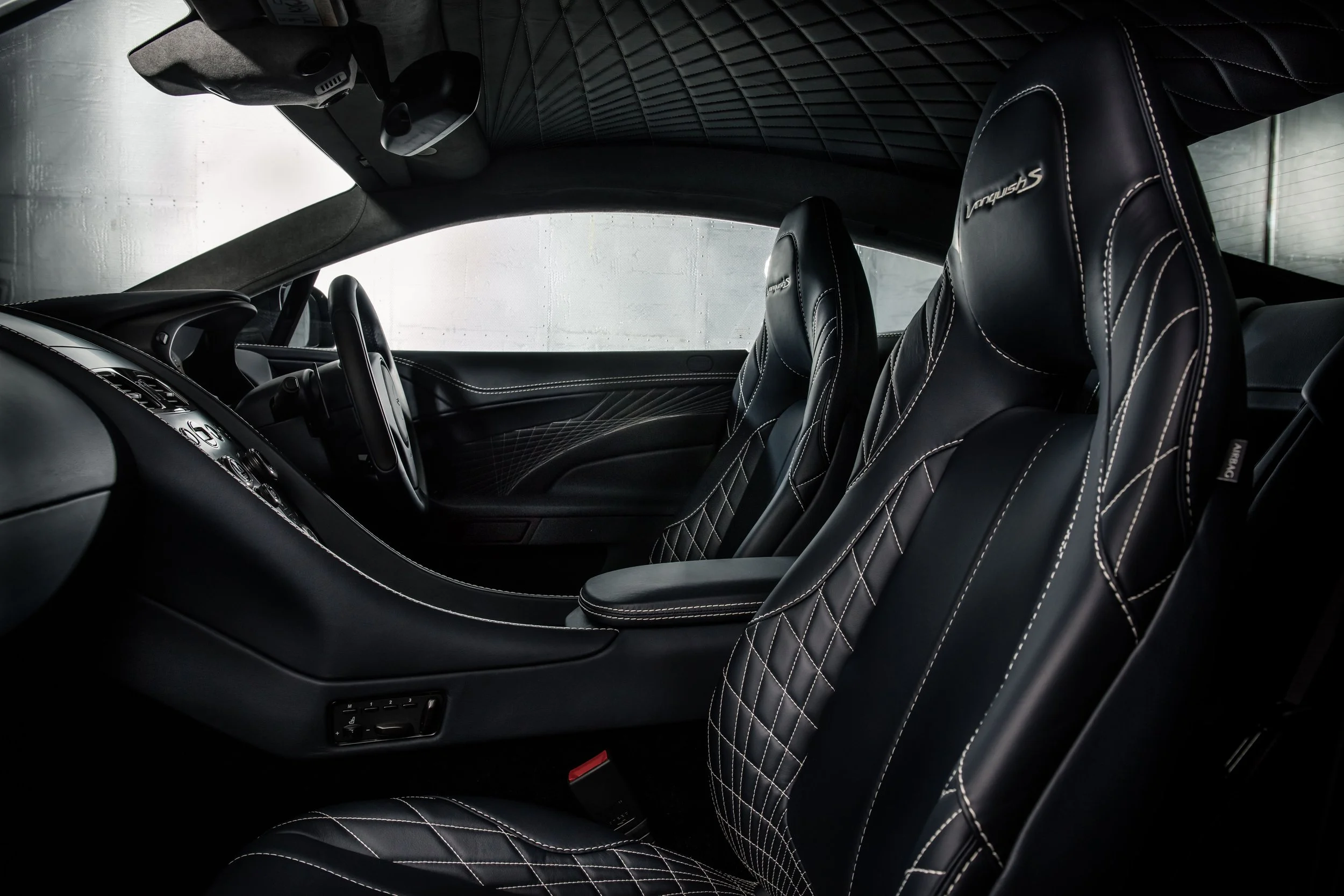
Image © Aston Martin Lagonda. Used for editorial purposes. Aston Martin Vanquish S Interior.
The Vanquish cabin is an important part of the ownership experience. Much of its appeal comes from the combination of leather, stitching, carefully finished controls, optional carbon trim and specification choices. A well-kept interior should still feel sumptuous and distinctive, even though some aspects of the design now clearly belong to the 2010s.
Take your time inside the car. Check dashboard leather for lifting or shrinkage, seat bolsters for wear, stitching and quilted sections for damage, armrests and door cards for scuffs and the headlining for sagging or staining. Examine switches and control surfaces for wear, poor fit or previous repairs. A small fault may be relatively easy to resolve, but a collection of tired details can signal years of inconsistent care.
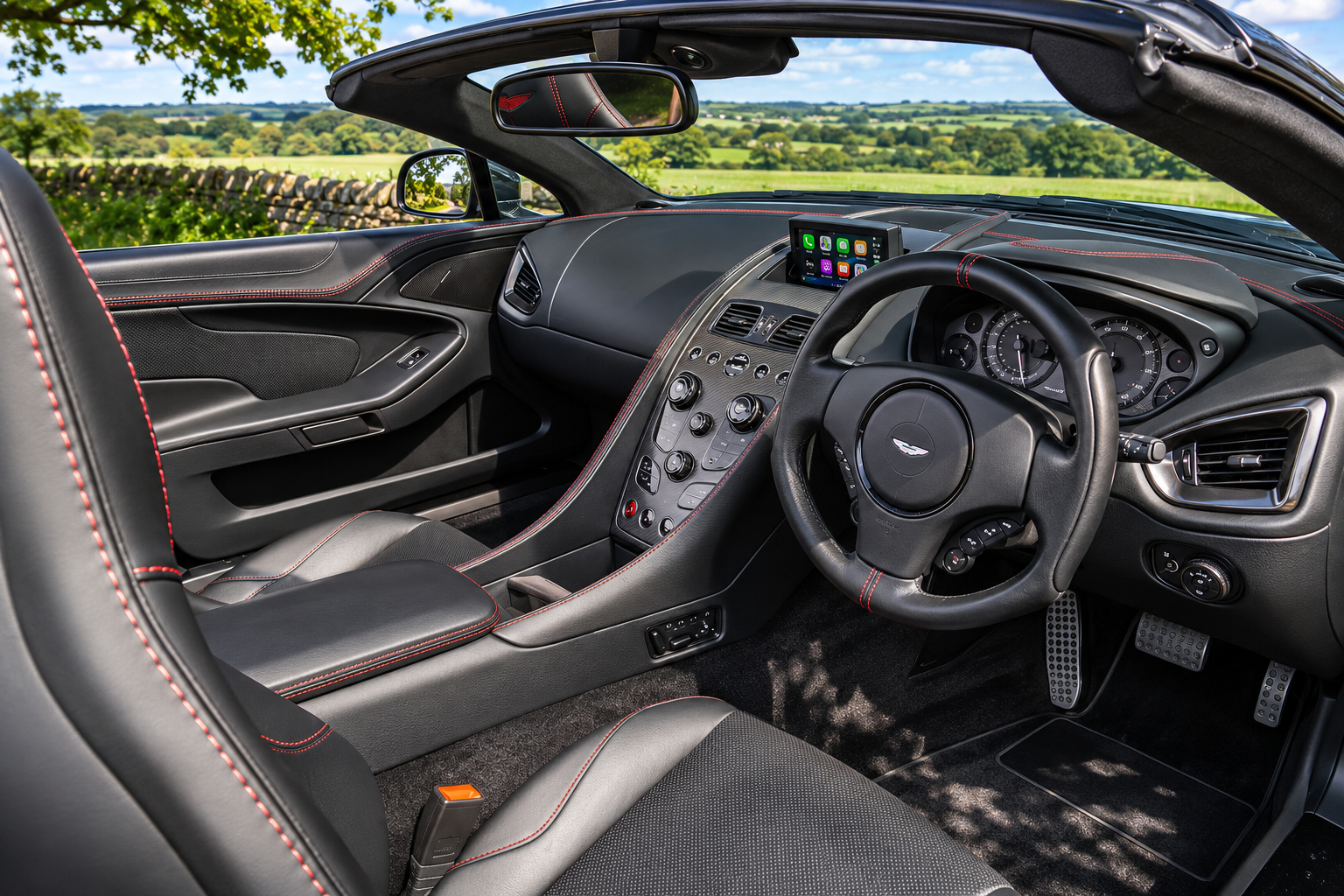
Image © Fuel the Passion. For illustrative purposes. Aston Martin Vanquish Carbon Edition.
If an unusual factory interior specification is part of the asking-price premium, compare it with the build record. The correct stitching, leather colours, carbon finish and seat style may be important to originality, especially on special editions. An attractive retrim should be disclosed and assessed on its own merits rather than presented as factory equipment without evidence.
Seating configuration also affects practical use. In a 2+0 Coupé, the space behind the front seats provides useful storage. A 2+2 offers occasional rear accommodation, but the seats are small. Try the arrangement you intend to use rather than assuming a four-seat description means four adults can travel comfortably.
Infotainment, audio, keys and electrical equipment
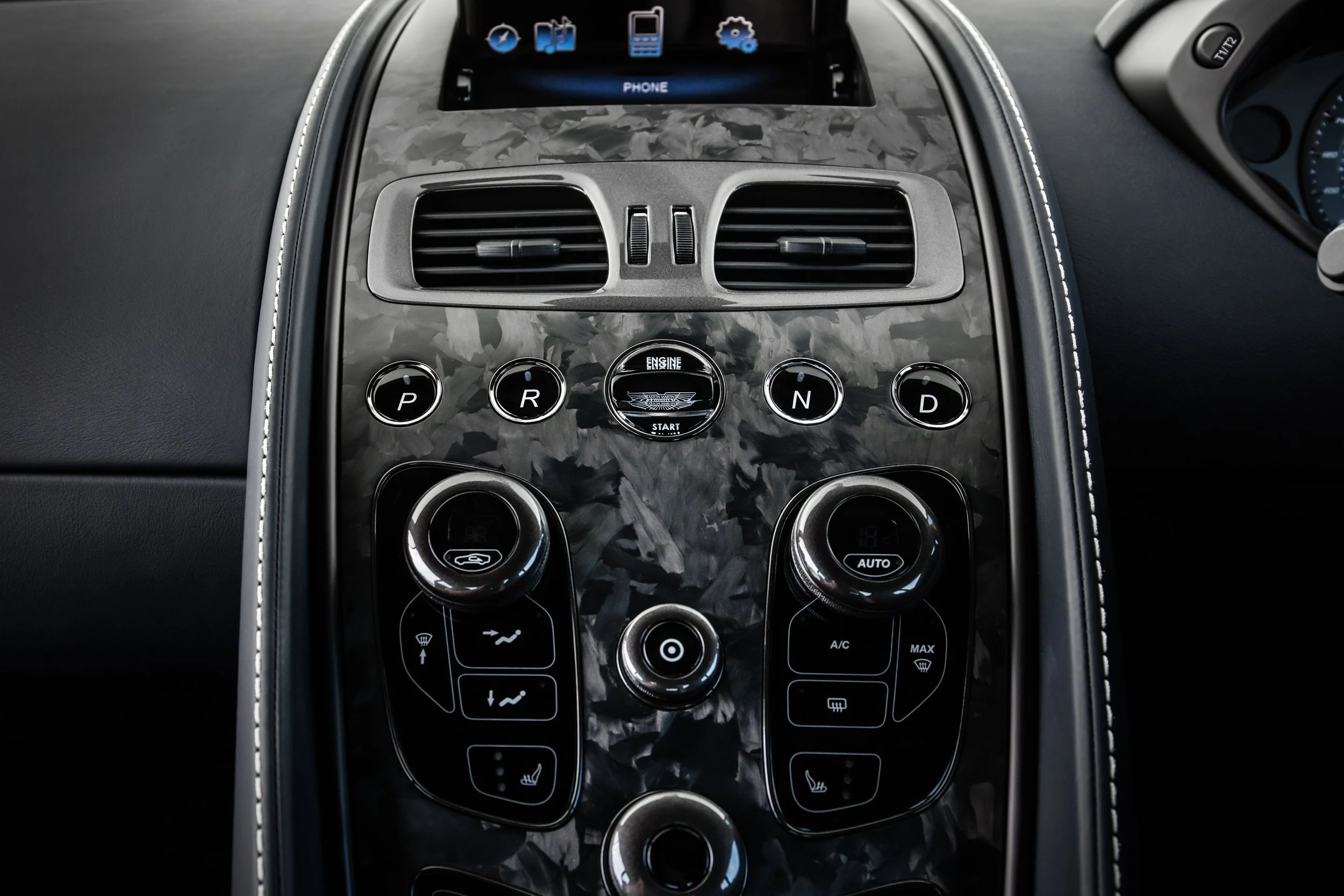
Image © Aston Martin Lagonda. Used for editorial purposes. Aston Martin Vanquish S Interior.
The Vanquish II's cabin technology evolved throughout its production life, and it's worth checking which version is actually fitted. Earlier cars have infotainment and navigation that feel dated beside current Aston Martins, while later examples benefited from upgraded systems. The AMi III system and Apple CarPlay integration became relevant in the later part of the range, and official upgrade options have also existed for certain earlier cars. Do not assume every registered model year has the same software or connectivity features.
Test the infotainment system methodically. Check that the screen operates correctly, navigation loads, audio plays through all relevant speakers, Bluetooth functions, reversing camera and parking sensors work where fitted, and the main control buttons respond reliably. If the car has a premium Bang & Olufsen system, make sure the complete audio installation functions as expected. A malfunctioning feature may not stop the car moving, but it can detract from a major part of the original flagship experience.
An aftermarket multimedia or CarPlay installation isn't automatically a negative. It may make the car more usable. However, the work should be tidy, properly documented, compatible with existing vehicle functions and reversible where practical. Cut wiring, loose trim or unexplained electronic warnings are reasons for further investigation.
Check all supplied keys and start-up devices, including any glass Emotion Control Unit or spare key appropriate to the car. Inspect for chips, cracks, inconsistent recognition and alarm or central-locking faults. Confirm the boot release, windows, seats, mirrors, climate control, fuel flap and other electrically operated features work. Missing keys can be costly to replace and may also prompt useful questions about the ownership history.
Battery health, low use and confusing warnings
Many Vanquish II examples now spend far more time in garages than on the road. That is not inherently harmful if storage and maintenance are managed properly, but prolonged low use can contribute to weak batteries, stale fluids, tyre flat spots and intermittent electrical behaviour.
The battery deserves an objective test, not a guess. Ask when it was fitted, whether it’s of the correct specification, whether it has been load-tested and whether the car has been kept on a suitable conditioner. A healthy conditioner routine can be reassuring, but it does not substitute for a good battery or prove that every electrical system is working correctly.
Low voltage can produce misleading symptoms in modern vehicles, including warning messages and unpredictable operation of convenience features. The opposite mistake is just as serious: treating every warning as a harmless battery issue. A fault code cleared after jump-starting the car is not necessarily solved. The proper approach is to identify the code, test the battery and charging system, address any underlying issue and confirm that the fault does not return.
Look for repeated warning messages, inconsistent window movement, unreliable key recognition, alarm problems, infotainment resets or roof hesitation on Volantes. Ask whether the car has recently stood unused in dealer stock and whether any battery-related work is documented. A well-kept occasional-use car should still start cleanly and behave consistently during inspection.
Haven't read this yet?
Our Featured Article, Adrian Hallmark: Two Years On, examines the Bentley turnaround, the strategy taking shape at Gaydon and whether those principles can succeed at Aston Martin.
Read the Featured Article
Service history: invoices reveal the real story
The service book is important, but detailed invoices are often more revealing. A stamp tells you that a vehicle attended a workshop. An invoice shows what work was performed, what parts were fitted, what faults were identified and whether previous owners dealt with advisories rather than allowing them to accumulate.
One of the recurring themes in Aston Martin Heritage Trust discussions of ownership and maintenance is the danger of assuming low annual mileage makes regular mechanical care unnecessary. A car covering only a modest distance each year still has fluids, filters, tyres, rubber components and time-sensitive maintenance requirements. A basic annual oil change repeated indefinitely is not the same as following the correct service schedule for the age and specification of the vehicle.
For a Vanquish II, look for evidence of regular servicing in line with the manufacturer's requirements, using the correct fluids and parts. Pay attention to brake fluid, transmission and differential-related maintenance where applicable, ignition system work, battery and tyre replacement, suspension and damper repairs, brake inspections, roof work on Volantes and any paint or carbon-panel repairs. Exact intervals and procedures should be checked against the correct owner and service information for the specific VIN; generic internet advice is not enough.
The best history files tell a coherent story. They include service records, invoices, MOT results, specialist diagnostic reports, old advisories, proof of recall work and explanations for significant maintenance. A well-used car with transparent records can be much more reassuring than a very low-mileage example with long gaps and few supporting documents.
Mileage on its own is neither proof of careful ownership nor evidence of neglect. One documented high-mileage engine examination is a useful reminder that substantial use needn't mean total mechanical exhaustion. But it doesn't guarantee that another car with the same mileage will have healthy brakes, paint, suspension or electronic systems. Buy the evidence attached to the specific car, not a reassuring story about a different one.
Recalls, safety campaigns and VIN verification
Every Vanquish II buyer should establish whether the individual car has any outstanding manufacturer safety recall or service campaign. These actions can depend on build date, market, transmission, model year and Vehicle Identification Number. A recall affecting some Vanquish cars is not evidence that every Vanquish is defective.
One documented campaign concerned certain six-speed Touchtronic II vehicles, including specified 2014 Vanquish cars, where a control-system communication problem could prevent the transmission's parking mechanism from engaging correctly. The appropriate response is not to assume that all early automatic cars have the issue. It’s to have the VIN checked against the manufacturer's records and request confirmation of any remedial work.
For UK cars, the official GOV.UK recall and MOT services provide useful starting points. Aston Martin also operates a VIN-based Safety Campaign Checker. A main dealer or authorised Aston Martin service department should be able to provide further vehicle-specific confirmation. Ask for the record in writing where possible.
Official resources:
GOV.UK — Vehicle recalls: https://www.gov.uk/check-vehicle-recall
GOV.UK — MOT history: https://www.gov.uk/check-mot-history
Aston Martin — Safety Campaign Checker: https://www.astonmartin.com/en/owners/safety-campaign-checker
A clean online recall result does not establish that the car has never suffered accident damage, mechanical failure or poor repairs. It’s one part of a wider due-diligence exercise covering identity, history, condition and ownership records.
Why a proper pre-purchase inspection is essential

Image © Fuel the Passion. For illustrative purposes.
A Vanquish II should not be bought on photographs, a brief drive and an attractive service-book presentation alone. The car's construction, braking system, V12 engine and model-specific equipment justify a thorough pre-purchase inspection by someone with relevant Aston Martin experience. That inspection should be considered part of the cost of buying the car, not an optional extra after the price has been agreed.
The inspector should assess the complete vehicle, including the engine from cold and fully warm, diagnostics, transmission and differential, suspension and adaptive dampers, tyres, carbon-ceramic brakes, exterior carbon-fibre panels, underside, bodywork and interior electronics. Volantes require an additional full roof and water-ingress inspection. Any significant warning or previous repair should be investigated rather than merely recorded as an observation.
The written report should distinguish urgent faults, wear that can be allowed for in the price, cosmetic matters, recommended future work and areas that cannot be verified without further dismantling or testing. Good inspection advice is specific. 'Brakes look fine' is not equivalent to an informed carbon-ceramic assessment, and 'no obvious engine problem' is not a substitute for an appropriate diagnostic review.
A seller who welcomes an independent inspection gives a buyer more confidence than one who resists it, rushes the process or insists the dealer's preparation is sufficient. A warranty may be useful, but it cannot replace understanding what you are actually purchasing.
Your primary inspection reference
THE VANQUISH II PRE-PURCHASE CHECKLIST
Ten essential areas to confirm before committing to a second-generation Vanquish. Use this as a practical summary alongside the detailed engine, brake and Volante sections of the guide—not as a substitute for a written independent specialist inspection.
FTP inspection principle: Ask for evidence, not reassurance. The highlighted checks deserve particular attention because unresolved problems may materially affect safety, repair cost or the decision to buy; the highlighting does not indicate how often faults occur.
Identity and history
Provenance and documentary trail
Verify VIN, factory build specification, ownership, outstanding finance or write-off history, mileage, MOT history and servicing. Confirm the advertised model year and edition.
Build record, detailed service invoices, MOT and vehicle-history checks, and records for any accident or structural repair.
Investigate gaps, inconsistencies or undocumented repairs before proceeding.
V12 and diagnostics
Cold start, hot running and fault history
Assess cold start, hot restart, idle, acceleration, leaks, abnormal noise and any engine or emissions warning.
Full specialist diagnostic scan, stored and pending codes, service records and a written explanation of any misfire or catalyst-related work.
Do not accept an unexplained warning light, misfire or seller assumption as a diagnosis.
Gearbox and differential
Transmission and rear driveline health
Check smooth Drive and Reverse engagement, cold and warm shifts, paddle response, driving modes, differential noise and fluid leaks.
Road-test and diagnostic findings; transmission or differential service and repair invoices, including any software work.
Require investigation of harsh engagement, slipping, warnings or driveline vibration.
Carbon-ceramic brakes
A potentially major ownership cost
Have discs, edges, pads, calipers and braking behaviour assessed using the correct specialist procedures.
Written brake-condition assessment and invoices for previous disc, pad or caliper work; estimates for any identified defects.
Never judge remaining brake condition by mileage or appearance alone.
Carbon body and underside
Repair quality and hidden damage
Inspect painted and exposed-carbon panels, splitter, diffuser, lacquer, panel alignment, underside and evidence of previous impact.
Close specialist examination; dated repair photographs, parts invoices and evidence of appropriate carbon-fibre repair methods.
Pause if significant damage or poor panel fit lacks a credible documented explanation.
Suspension, tyres and wheels
How a healthy Vanquish should feel
Check adaptive damping modes, bushes, joints, geometry, tyre type and age, wear patterns and wheel damage.
Road-test observations, tyre date codes, geometry results and invoices for suspension, damper or wheel work.
Price worn tyres and suspension properly rather than dismissing poor handling as normal.
Volante roof and seals
Volante models only
Operate the roof through repeated complete cycles; check latches, glass indexing, fabric, seals, drains and possible dampness.
Demonstration, roof repair or adjustment invoices and inspection of carpets, boot and relevant water-management areas.
Investigate intermittent operation or unexplained moisture before buying a Volante.
Interior and electrics
Cabin condition and every fitted function
Test keys, battery, infotainment, climate control, windows, seats, mirrors, cameras, sensors and audio; inspect leather and trim.
Operational demonstration, battery test, complete key set and invoices for electronic, infotainment or trim repairs.
Do not assume repeated warnings or non-functioning equipment are harmless age-related quirks.
Recalls and campaigns
VIN-specific safety confirmation
Verify applicable manufacturer safety recalls and service campaigns, including transmission-related actions where relevant.
Written VIN-specific confirmation from Aston Martin or an authorised dealer and completion records for any applicable work.
A general online recall list does not prove whether an individual vehicle has been checked or remedied.
Remedial costs and decision
The final pre-purchase reality check
Review the whole independent inspection, prioritise urgent faults, and establish the true cost of purchase plus immediate work.
Dated written pre-purchase inspection, itemised repair quotations, parts availability and a realistic maintenance reserve.
Resolve material unanswered questions and agree costs before committing. Be prepared to pause or walk away.
FTP buying note: A good Vanquish doesn't have to be flawless, but its history, test drive, specialist inspection and seller's explanations should tell the same story. Obtain written estimates for remedial work, allow a realistic ownership reserve and verify the factory specification of the individual car. Buy the evidence, not merely the dream.
The test drive: what to ask the car
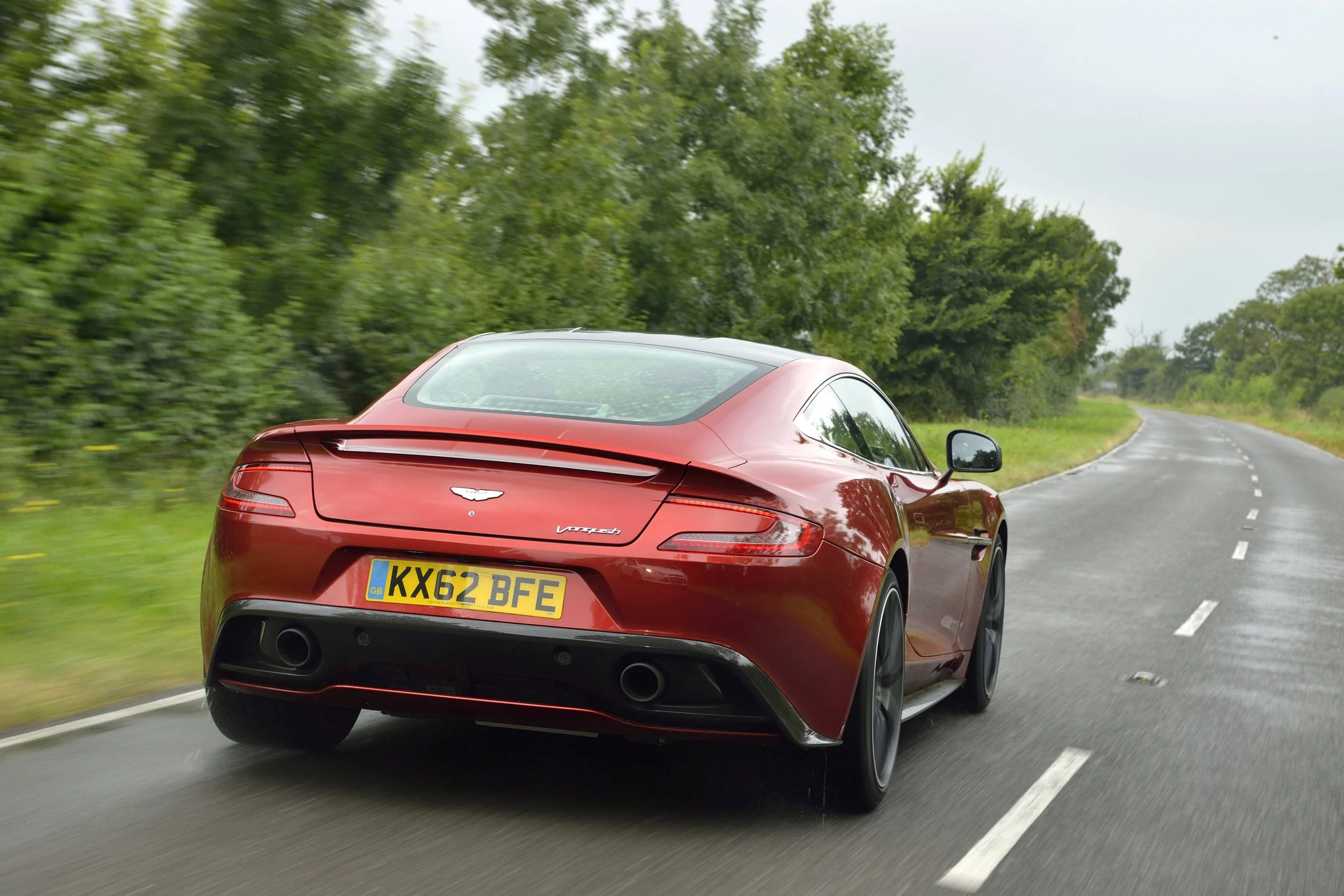
Image © Aston Martin Lagonda. Used for editorial purposes. Aston Martin Vanquish.
Arrange a drive long enough to assess more than the initial thrill of the V12 start-up. Where practical, see the car cold, then experience ordinary low-speed driving, a range of road surfaces and a full warm-up. Some weaknesses become clearer after the transmission, engine and brakes have reached normal operating temperatures.
Begin with basic behaviour. Does the engine start readily, idle evenly and respond without hesitation? Do the warning lights go out as expected? Does the transmission engage Drive and Reverse smoothly? Is the steering consistent, and does the car track straight without needing constant correction? Are there knocks or rattles over uneven surfaces, or a vibration that suggests tyres, wheels, suspension or driveline issues?
On a suitable road, assess the V12 under measured acceleration, verify paddle response and test the available driving modes. Do not assume that a louder exhaust or firmer suspension is evidence of improved performance if the car also exhibits irregular behaviour. Braking should feel controlled and consistent, without alarming judder, unusual noises or pulling. On a Volante, assess wind noise and glass sealing with the roof raised as well as enjoying the roof-down experience.
At the end, allow the car to settle and check for hot-start problems, dashboard warnings, fresh fluid leaks or unusual smells. Try the infotainment, windows, air conditioning, parking functions and keys before leaving. A good Vanquish should make you want to continue driving it; it should not leave you compiling a list of unexplained excuses for its behaviour.
What ownership is likely to cost
The second-generation Vanquish is now a modern classic, but it remains a low-volume, carbon-bodied V12 flagship. That is the starting point for any ownership budget. Routine servicing may be manageable in relation to the car's original purchase price, yet significant work on carbon-ceramic brakes, carbon panels, roof mechanisms, suspension or model-specific components can still be expensive.
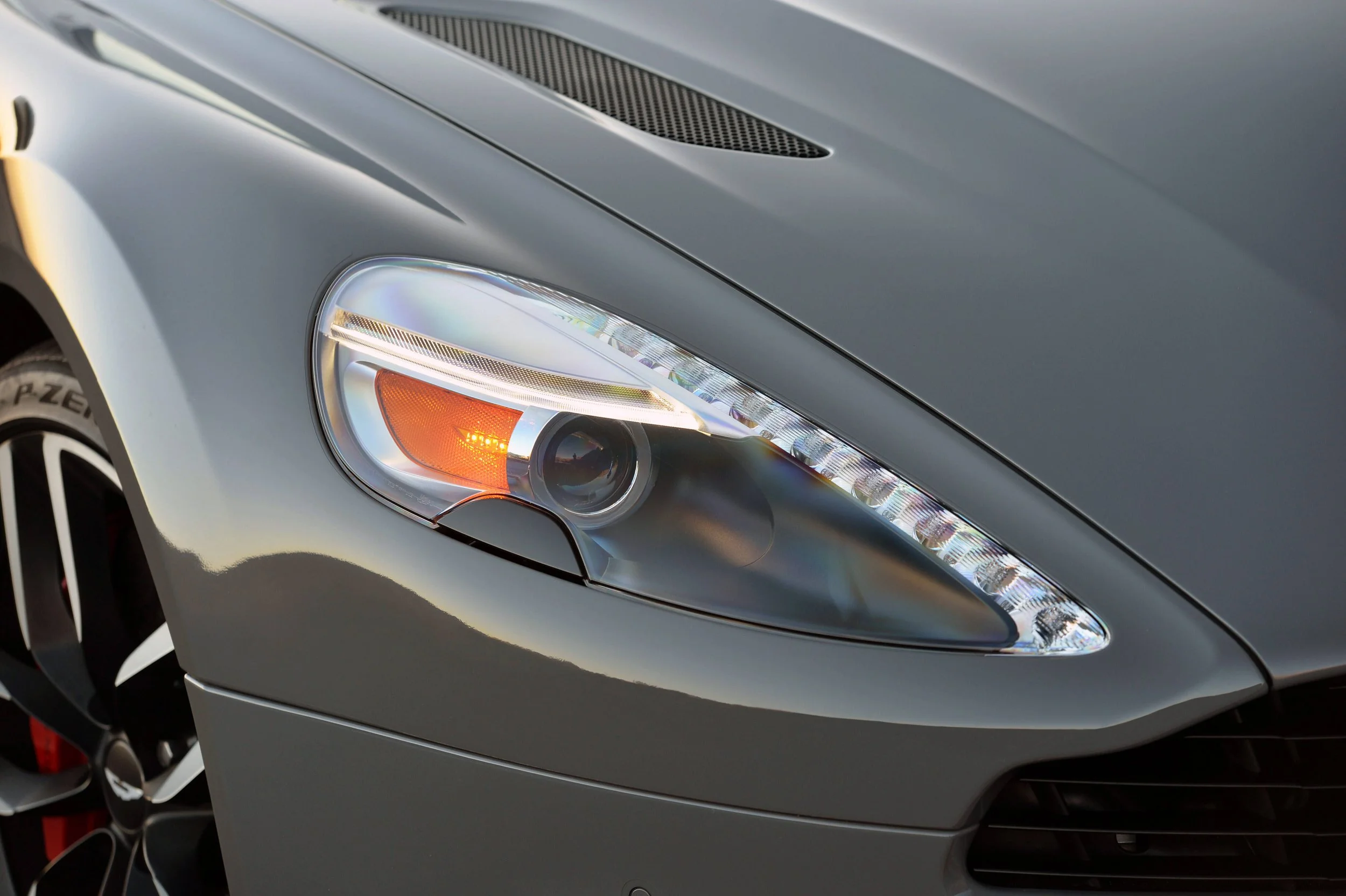
Image © Aston Martin Lagonda. Used for editorial purposes. Aston Martin Vanquish.
I would always separate the purchase budget from the maintenance reserve. A car that uses every available pound simply to reach the asking price can quickly turn an exciting purchase into a source of anxiety. The reserve should be sufficient to cover unexpected work and ordinary age-related items without forcing essential maintenance to be postponed.
Consider the realistic cost of servicing, premium tyres, brakes, battery care, inspections, insurance and road tax, as well as fuel and secure storage. The vehicle's exact registration, emissions classification and the owner's circumstances affect tax and insurance; don't rely on a generic internet estimate. If the car will be used for business, content production, events or higher annual mileage, explain that to the insurer before committing.
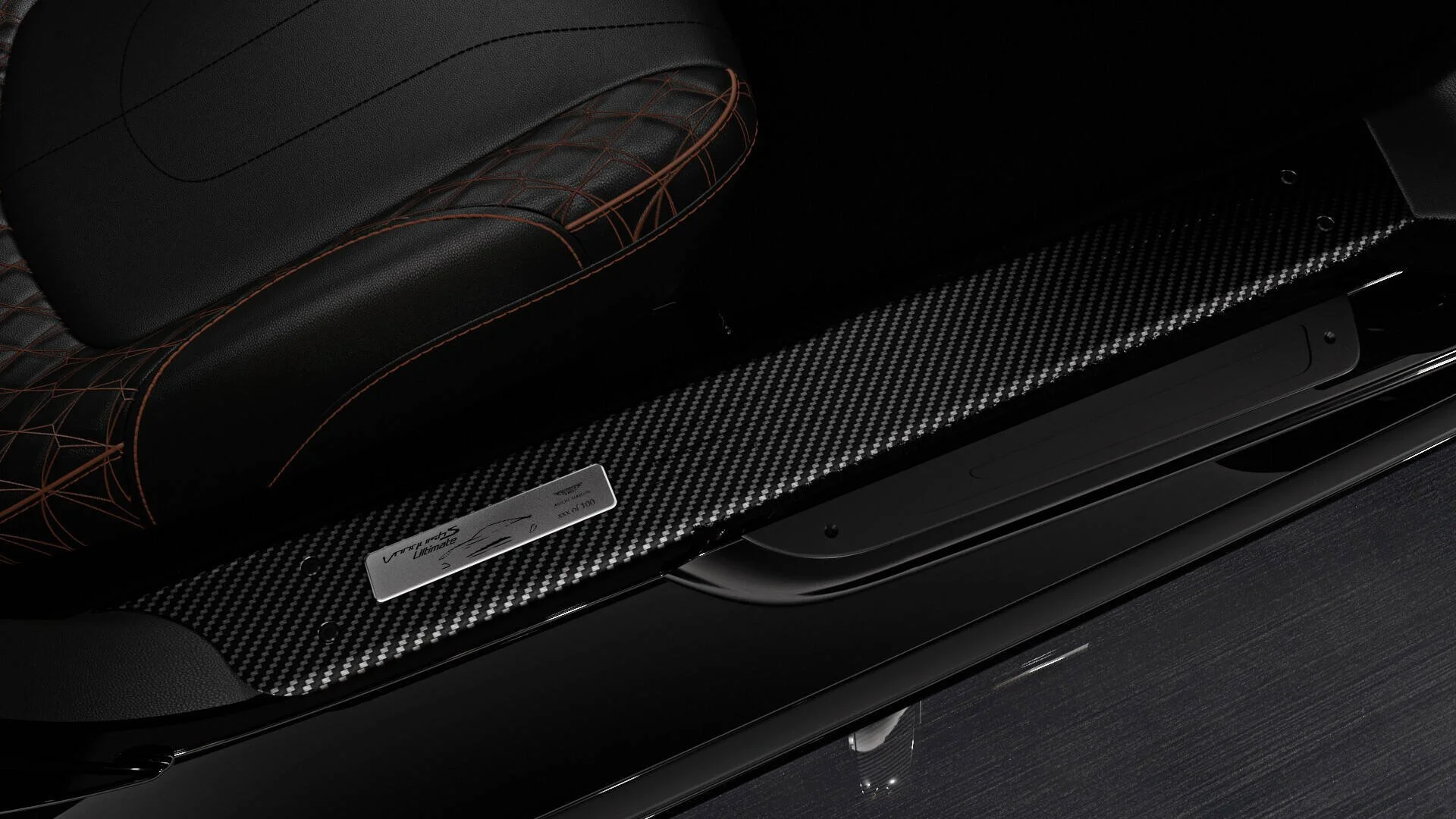
Image © Aston Martin Lagonda. Used for editorial purposes. Aston Martin Vanquish S Ultimate.
Special editions can introduce an additional consideration: availability and cost of correct replacement body and interior parts. A damaged bespoke component or unique trim item may be much more difficult to replace like-for-like than the same feature on a standard car. Where you know work is required, obtain a current quotation and ask whether the parts are available before accepting the seller's estimate.
Good ownership is not necessarily about spending more than everybody else. It’s about knowing what the car requires, maintaining it consistently and keeping enough financial space to enjoy it rather than postponing the inevitable.
Warranty, dealer support or a maintenance reserve?
Image © Aston Martin Lagonda. Used for editorial purposes. Aston Martin Birmingham.
A warranty can be valuable, particularly if it provides meaningful cover for expensive mechanical or electrical failures. However, the name of the scheme and the seller's reputation are not enough. Check age and mileage eligibility, exclusions, claim limits, required servicing, inspection conditions, excesses and whether pre-existing problems or wear items are covered. Restrictions can vary by scheme and change over time.
Aston Martin's approved-used and dealer-supported options may be relevant to some examples, but do not assume every Vanquish II qualifies simply because it’s being sold by an Aston Martin retailer. Cars at the older end of the range may fall outside particular programmes. Confirm eligibility and coverage for the individual vehicle in writing.
Some owners prefer to self-insure through a dedicated maintenance reserve. That can be sensible if the reserve genuinely exists and the buyer accepts the possibility of an unexpected large bill. It does not remove the need for a professional inspection, and it should never be used to justify ignoring an active fault at purchase.
Whether you choose dealer support, independent specialist care or a mixture of both, an established relationship with a competent workshop is worth a great deal. A service history built on thoughtful maintenance usually tells a more reassuring story than a stack of invoices generated only when the car was prepared for sale.
Mileage, storage and the value of regular use
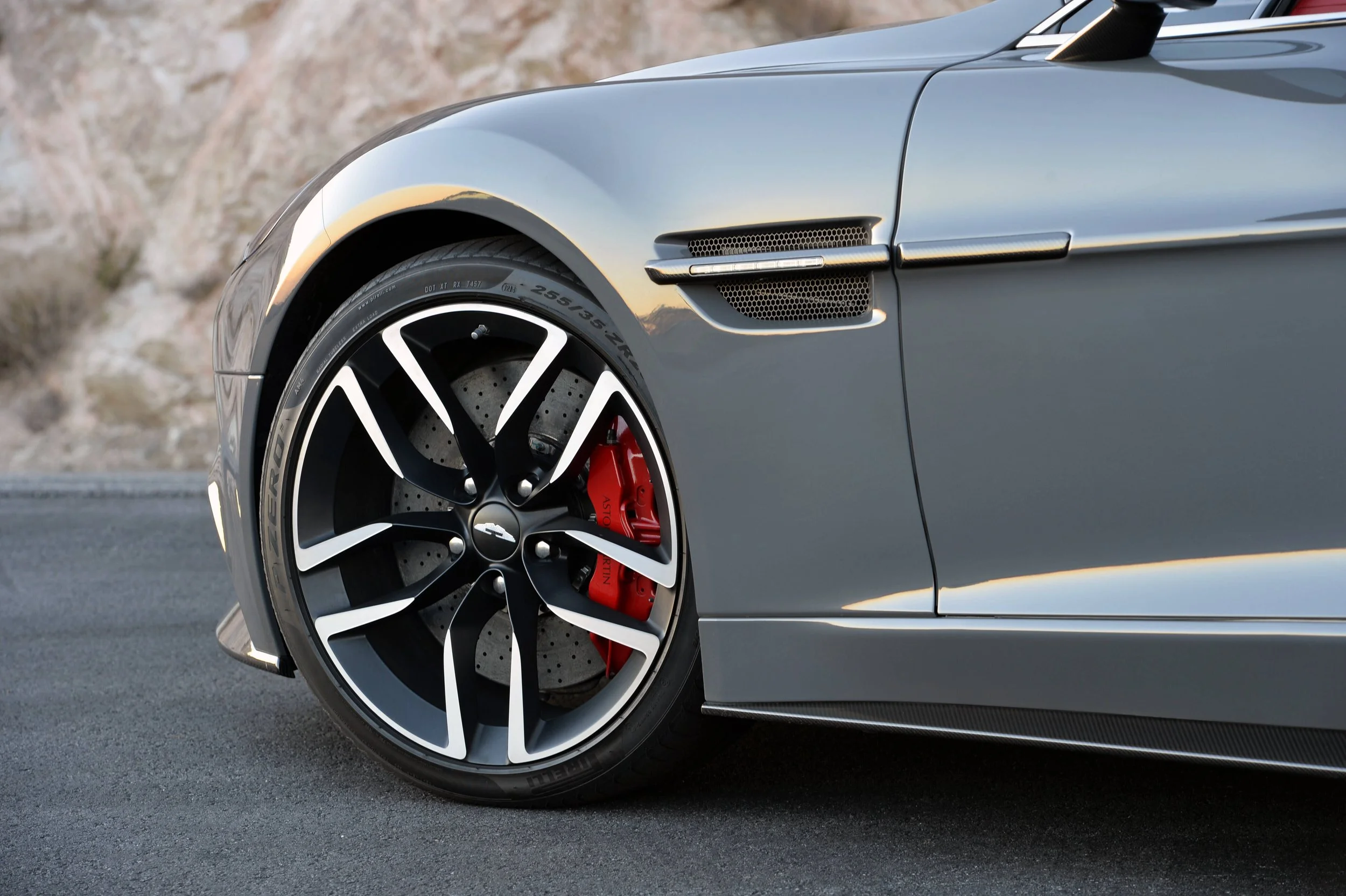
Image © Aston Martin Lagonda. Used for editorial purposes. Aston Martin Vanquish.
Vanquish II examples often come onto the market with surprisingly low mileage. For many collectors, that is part of their attraction. But there is a difference between low mileage and good mechanical condition, just as there is a difference between a frequently used car and a neglected high-mileage one.
Prolonged storage can affect tyres, batteries, fluids, seals, brakes and roof mechanisms. A beautiful low-mileage Volante that has not had its roof exercised or has been stored in a damp environment may require more investigation than the odometer suggests. A Coupé with regular use, current tyres and detailed maintenance invoices can be reassuring even if it has covered substantially more miles.
The high-mileage V12 engineering case examined earlier is relevant precisely because it challenges the assumption that mileage automatically makes an engine unviable. Equally, its documented problems remind us that a robust engine is not immune to serious faults. The particular car's diagnostic results, maintenance history and condition always matter more than a reassuring headline number.
A Vanquish should be maintained according to both time and use, with suitable storage and thoughtful driving habits. These cars are capable of memorable long-distance journeys. The best examples need not be preserved as motionless ornaments in order to be cherished.
The market: price, condition and specification
The UK Vanquish II market is comparatively small and highly sensitive to specification. A handful of visible cars can produce misleading impressions about the value of an entire generation, particularly when one listing is a very low-mileage S, another is an early six-speed Coupé and a third is a rare special edition.
In broad terms, early six-speed Coupés often provide the more accessible entry point. Later eight-speed cars tend to command interest for their improved performance and gearbox. Volantes appeal to buyers wanting open-air touring, while Vanquish S examples occupy a more developed and often more expensive position. Carbon Editions and other Q specifications add another layer, and Ultimate, Red Arrows and Zagato cars call for more individual collector-market assessment.
These are useful patterns, not valuations. Asking prices are not achieved sale prices. Colour, mileage, original specification, condition, recent maintenance, documented provenance, warranty and seller reputation can all influence the price of an individual car. A rare car needing expensive repairs may be a worse purchase than a standard one with an exceptional history.
Modifications, originality and sympathetic upgrades
A modified Vanquish II is not automatically an unsuitable car. Owners may reasonably wish to improve multimedia connectivity, add paint protection, alter the exhaust note or make small usability improvements. The relevant questions are how the work was done, whether it’s suitable for the vehicle and whether it’s properly documented.
Infotainment upgrades should preserve existing vehicle functions and avoid damaging trim or wiring. Paint protection can be worthwhile on vulnerable carbon areas, but the underlying surface should be inspected and the film's condition checked. Exhaust changes need more thought. A Vanquish is a grand tourer, and a system that sounds dramatic in a short video may prove tiring during a long motorway journey or early start.
Ask whether modifications are reversible, whether original parts are retained and whether the work has affected emissions compliance, MOT status, insurance or manufacturer-related coverage. Be particularly careful about changes involving catalysts, oxygen sensors, engine mapping or exhaust components. This guide does not recommend emissions-system alterations.
For a collector-focused Ultimate, Red Arrows or Zagato, originality and completeness can carry additional weight. An alteration that makes sense to a regular touring owner might reduce the appeal of a historically distinctive edition. The best decision depends on the car's intended use and the strength of the documentation.
Which Vanquish II would I choose?
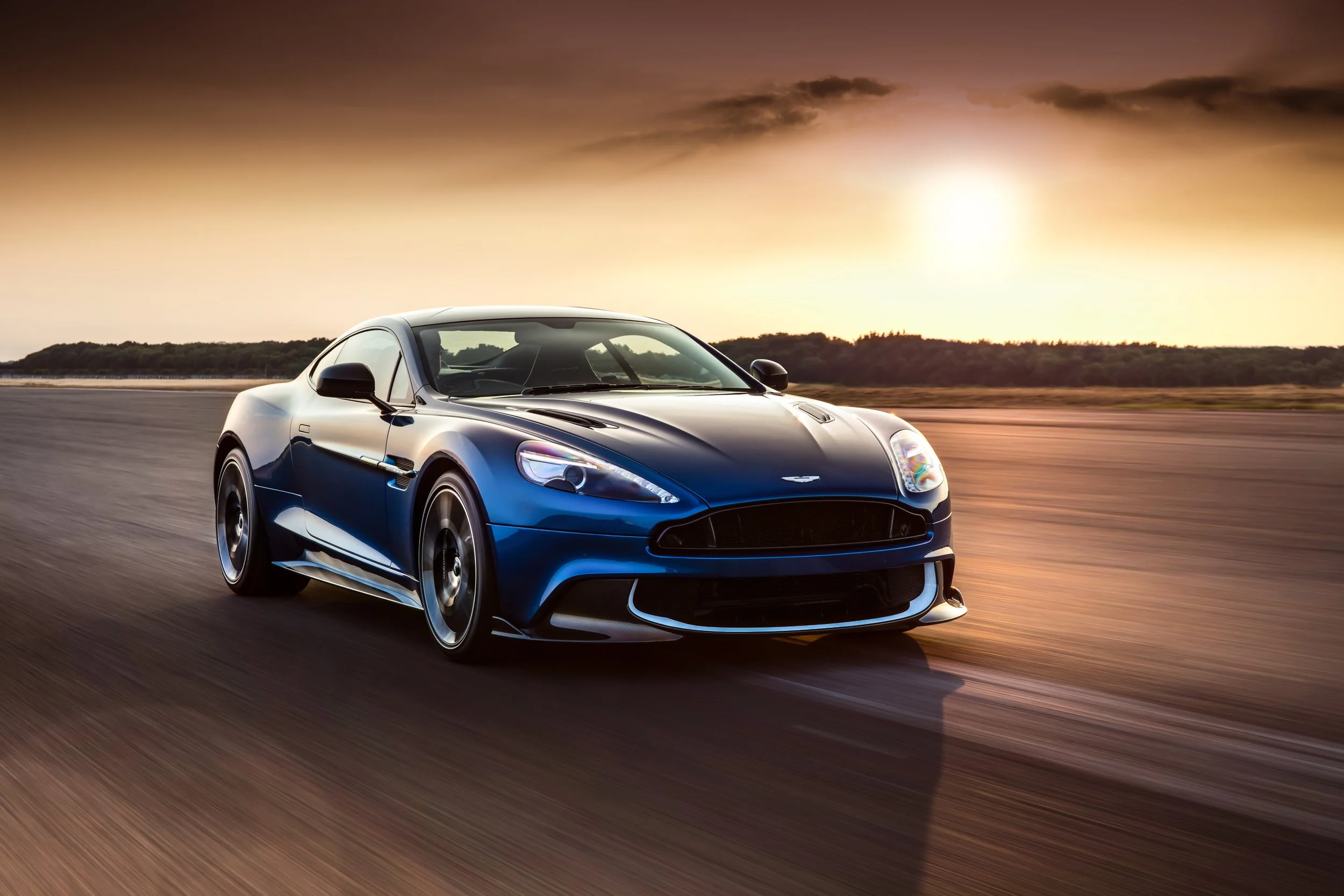
Image © Aston Martin Lagonda. Used for editorial purposes. Aston Martin Vanquish S.
There is no single best second-generation Vanquish for everybody, but the differences between versions help narrow the choice. For a buyer who wants the full experience at a comparatively approachable price, a well-maintained early six-speed Coupé is worthy of serious consideration. It provides the beauty, carbon construction and V12 character that define the model, provided the gearbox, brakes and overall condition are sound.
For many enthusiasts, the eight-speed Coupé is likely to be the strongest all-round mainstream choice. The later gearbox and improved performance make it feel more developed, while the shape and naturally aspirated V12 remain unmistakably Vanquish. It may carry a premium, but that premium only makes sense if the condition and history justify it.
The Volante is for someone who genuinely values the open-air experience. If you love the idea of the V12 with the roof down, a well-inspected Volante can be immensely rewarding. Choose it knowingly, with a clear understanding of roof health and water-management checks.
The Vanquish S appeals to buyers who want the most developed regular-production version, with its additional performance and sharper details. The Carbon Edition and carefully specified Q cars add visual individuality, while Ultimate and Red Arrows examples offer more specific collector interest. A Zagato sits in an entirely separate category and should be assessed accordingly.
My preference would always be for an honestly presented, thoroughly inspected car with convincing maintenance records over a more exotic example whose condition raises doubts. The version you love matters. The condition of the car you buy matters more.
Green flags, warning signs and reasons to pause
By the time you've completed the model research and seen several examples, patterns begin to emerge. Good cars tend to have coherent histories, consistent maintenance, clean diagnostics, healthy major components and sellers who are comfortable answering detailed questions. Weak cars often reveal problems gradually: incomplete invoices, unexplained warnings, neglected tyres, uncertain carbon repairs or promises that expensive faults are harmless.
A favourable inspection doesn't require a car to be perfect. Minor age-related wear can be completely reasonable if it’s disclosed, priced properly and supported by an appropriate repair plan. A poor inspection becomes a different proposition when the seller expects the buyer to accept significant unresolved risk without evidence.
The final decision · Table 10
THE FINAL BUYER DECISION BOARD
You've examined the car. Now judge what the evidence actually tells you. Bring together the written independent inspection, service records, provenance and realistic remedial costs. This is a decision framework—not a second technical checklist.
PROCEED WITH CONFIDENCE
The written evidence is coherent, the car has been properly inspected and any known work is understood and affordable.
PROCEED · SUBJECT TO FINAL CHECKSPAUSE AND VERIFY
There are unanswered questions or costs still to establish. Obtain independent findings, written quotations and a re-check before committing.
PAUSE · INVESTIGATE · REASSESSWALK AWAY OR STOP
Serious safety, identity, structural or mechanical concerns remain unresolved—or meaningful inspection is obstructed. Do not rely on reassurance alone.
WALK AWAY UNLESS RESOLVEDRead the evidence, then choose
WHAT GREEN, AMBER AND RED LOOK LIKE
Use the written PPI findings to classify each area. An amber needs closing out; an unresolved red should stop the purchase.
Written independent PPI
Dated report is complete, with findings explained and follow-up work addressed.
Inspection leaves material questions open or further testing is recommended.
Independent inspection is refused, obstructed, or major adverse findings are left unexplained.
Service and maintenance evidence
Invoices and servicing form a consistent history; gaps have credible explanations.
Some supporting records are missing and need independent confirmation.
Major contradictions, unexplained gaps or claims that cannot be supported.
V12 and drivetrain
Specialist findings and a full road test support healthy engine, gearbox and differential operation.
A concern is understood but diagnosis, completed repair or re-test is still needed.
Significant unresolved faults, persistent warnings or unsafe / unpredictable operation.
Carbon body and repairs
Panel condition is sound; previous work is disclosed and appropriately documented.
Damage or repair quality needs further specialist assessment and a firm estimate.
Significant undisclosed damage or repair work lacking credible evidence or expertise.
Carbon-ceramic brakes
A relevant specialist assessment confirms acceptable condition and identifies no urgent work.
Wear or damage is noted but a reliable assessment or repair quotation is outstanding.
Serious damage or unsafe condition, or the seller prevents meaningful assessment.
Volante roof and water ingress
On a Volante, roof operation is consistent and there is no unexplained evidence of dampness.
A roof, seal or water-management issue needs diagnosis and a written remedy.
Persistent leaks or major roof faults remain unresolved or cannot be assessed.
Interior and electronics
Fitted systems work; any historic faults have documented and verified resolutions.
An isolated problem needs a credible diagnosis, parts check or quotation.
Repeated warnings or significant non-functioning equipment have no credible explanation.
Identity and provenance
VIN, build record, mileage, history and claimed edition all reconcile.
A specific discrepancy is being checked with independent records.
Material VIN or mileage contradictions, undisclosed finance or unsupported identity claims.
Remedial cost and reserve
Required work is quantified; total outlay and maintenance reserve remain realistic.
Itemised estimates, parts availability or the final budget are not yet established.
Major costs are unquantifiable, exceed the buyer’s means or are being concealed.
For Coupé buyers: the Volante roof category is not applicable. All other evidence areas still need to be assessed.
THE FTP FINAL VERDICT
Green: proceed only when the full picture supports the purchase. Amber: pause, obtain evidence and re-evaluate. Red: walk away unless the material concern is independently resolved and verified before commitment.
A good Vanquish doesn't have to be perfect. The paperwork, specialist report, test drive and realistic total cost should, however, tell the same reassuring story. Buy the evidence, not merely the dream.
I would be especially cautious about a seller refusing an independent inspection; a persistent engine warning without a documented diagnosis; brakes whose condition cannot be verified; significant carbon damage without repair evidence; recurring roof faults; inconsistent mileage or VIN records; or a special-edition claim that cannot be reconciled with the factory build data. Any one issue might have an explanation. Several unexplained issues together create a pattern that should not be ignored.
The strongest buying decisions usually feel reassuring because the test drive, service history, independent report and seller's explanation all point in the same direction. That is the position worth waiting for.
Final FTP verdict
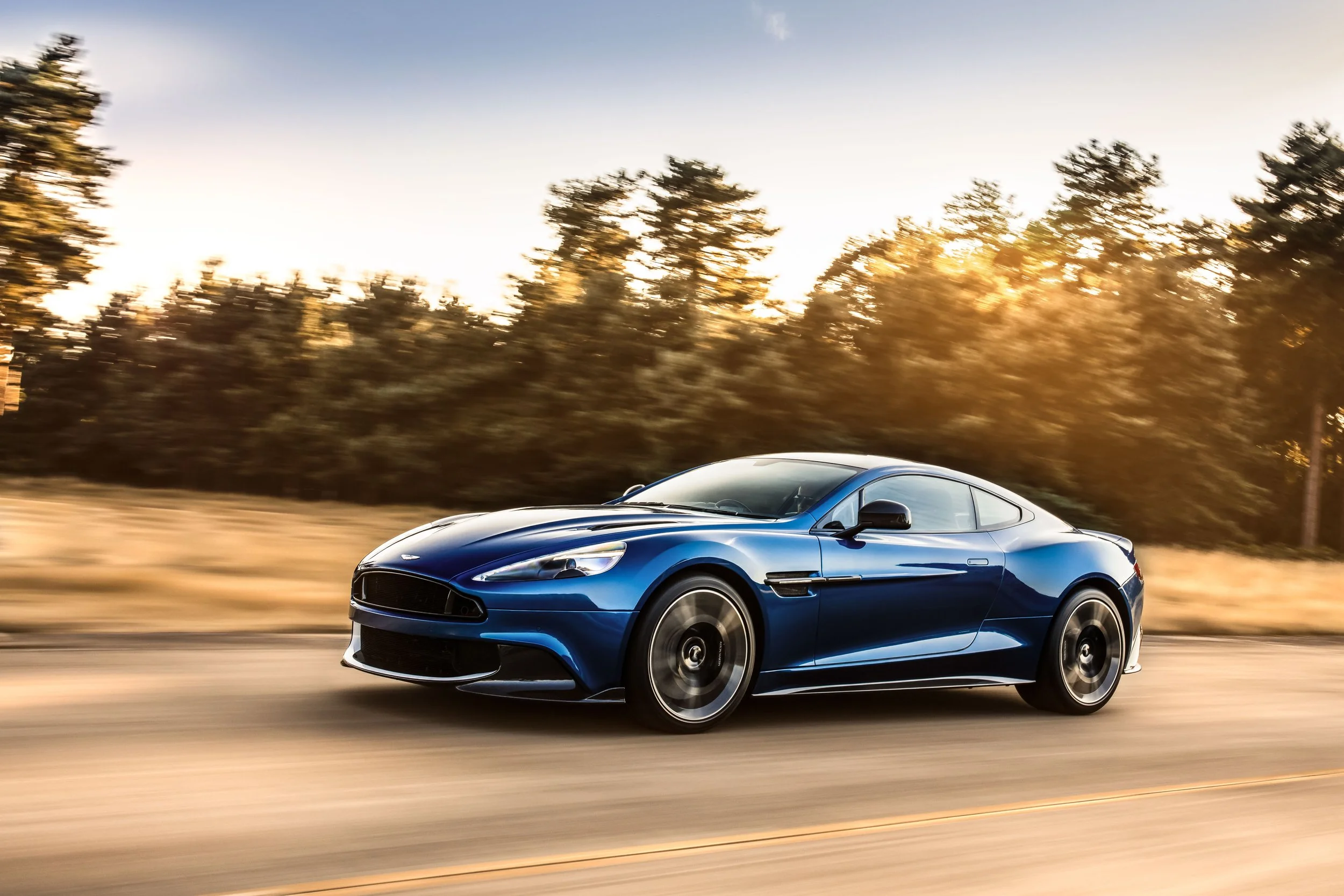
Image © Aston Martin Lagonda. Used for editorial purposes. Aston Martin Vanquish S.
The second-generation Aston Martin Vanquish remains one of the most compelling modern Aston Martin grand tourers. Its shape has aged beautifully, its naturally aspirated V12 provides an increasingly unusual kind of performance, and its carbon-fibre exterior construction makes it a significant chapter in the marque's engineering history. It’s unmistakably a flagship, whether parked outside a hotel or working its way through the countryside.
The range also offers more variety than the badge initially suggests. An early six-speed Coupé can be a remarkably engaging route into the model. The later eight-speed car feels more developed and delivers substantially improved performance. The Volante introduces open-air drama, while the Vanquish S sharpens the final years. Carbon Editions, Ultimate, Red Arrows and Zagato variants offer distinct combinations of specification, provenance and collector appeal.
There is no reason to treat every Vanquish II as fragile, but there is equally no reason to ignore what makes it expensive. A low-volume V12, carbon-ceramic brakes, sophisticated body panels, adaptive suspension and elaborate trim all require informed maintenance. Misfires, catalyst-related warnings, questionable carbon repairs and unknown brake condition need answers before purchase, not optimistic explanations afterwards.
The best Vanquish is not automatically the newest, the rarest or the one with the lowest mileage. It’s the example whose condition, history, specification, inspection findings and total purchase cost fit together honestly. Find that car, leave enough in reserve to maintain it properly, and there is every reason to enjoy one of Aston Martin's finest modern V12 grand tourers.
This is a car that deserves to be driven: a long road, an early start, the engine coming alive and the familiar glance back after you've parked it. Those are the moments that give the Vanquish its real meaning. The preparation before purchase is what allows you to enjoy them with confidence.
Choose the version that moves you. Buy the individual car whose evidence earns your trust.
FUEL THE PASSION · BUYERS GUIDES
Editorial Independence and Research Notes
Fuel the Passion is an independent Aston Martin enthusiast website and YouTube channel. This Buyers Guide has been researched and prepared using publicly available manufacturer information, historical material, the educational work of the Aston Martin Heritage Trust, specialist technical evidence, owner experiences and FTP's own published coverage. It has not been produced in association with Aston Martin Lagonda, any vehicle retailer or workshop, and should not be interpreted as an endorsement of any particular business, service provider or individual vehicle.
The aim is to provide balanced, well-researched and useful information that helps enthusiasts better understand the second-generation Vanquish. Historical interviews, owner experiences and individual engineering examinations can offer valuable insights, but they should not be regarded as representative reliability studies or evidence that every vehicle will encounter the same issues. As further credible information becomes available, Fuel the Passion will continue to review and refine its Buyers Guides.
A Final Word from Fuel the Passion
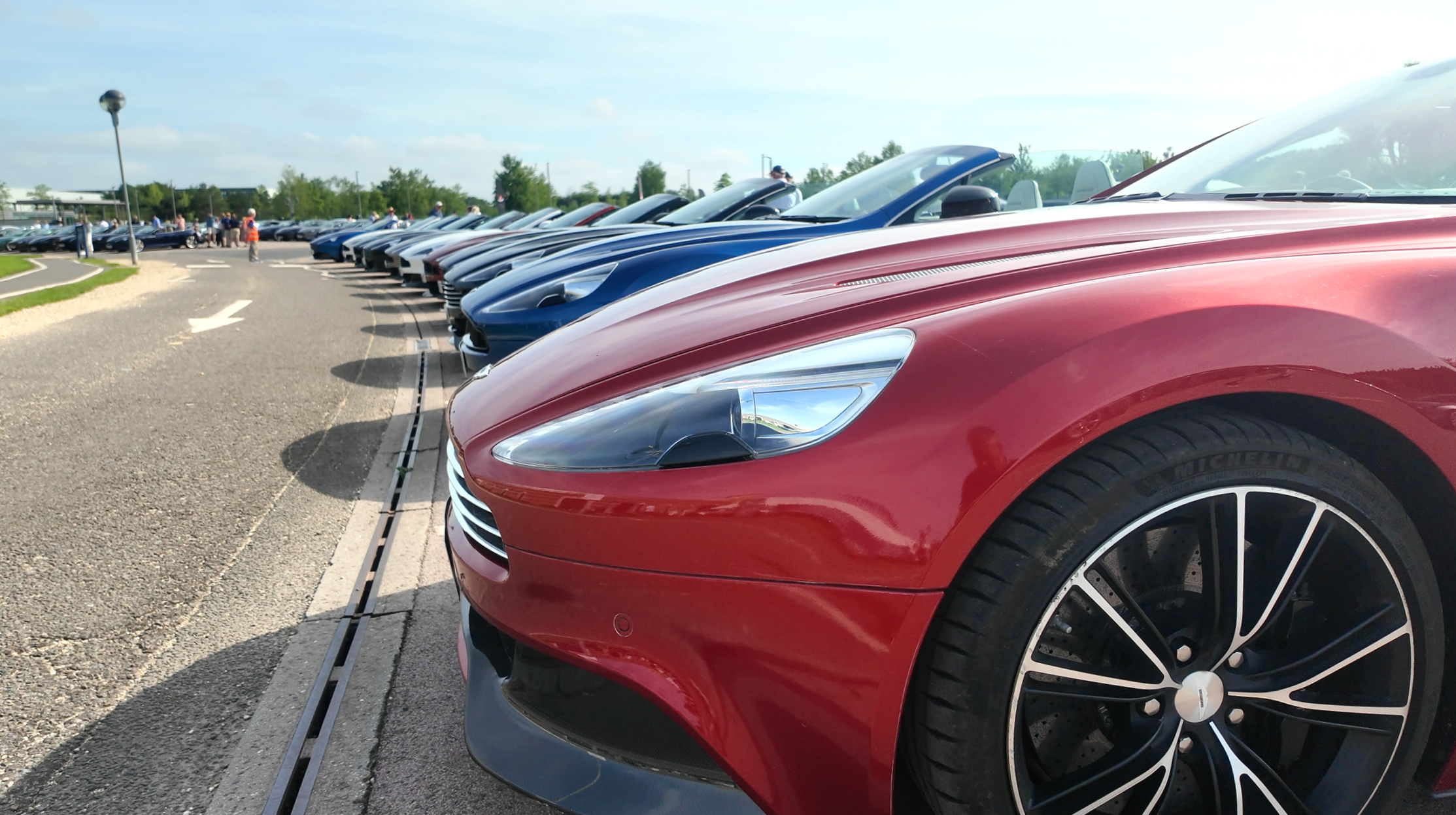
Image © Fuel the Passion. A line up of Aston Martin Vanquishes, AMOC Festival 2026.
Having spent so much time exploring the second-generation Vanquish, I keep coming back to something quite simple. This is a car that was created to be enjoyed. The engineering, the craftsmanship, the naturally aspirated V12 and that extraordinary shape all contribute to something rather special, but ultimately, it's the experience of driving and owning one that matters most.
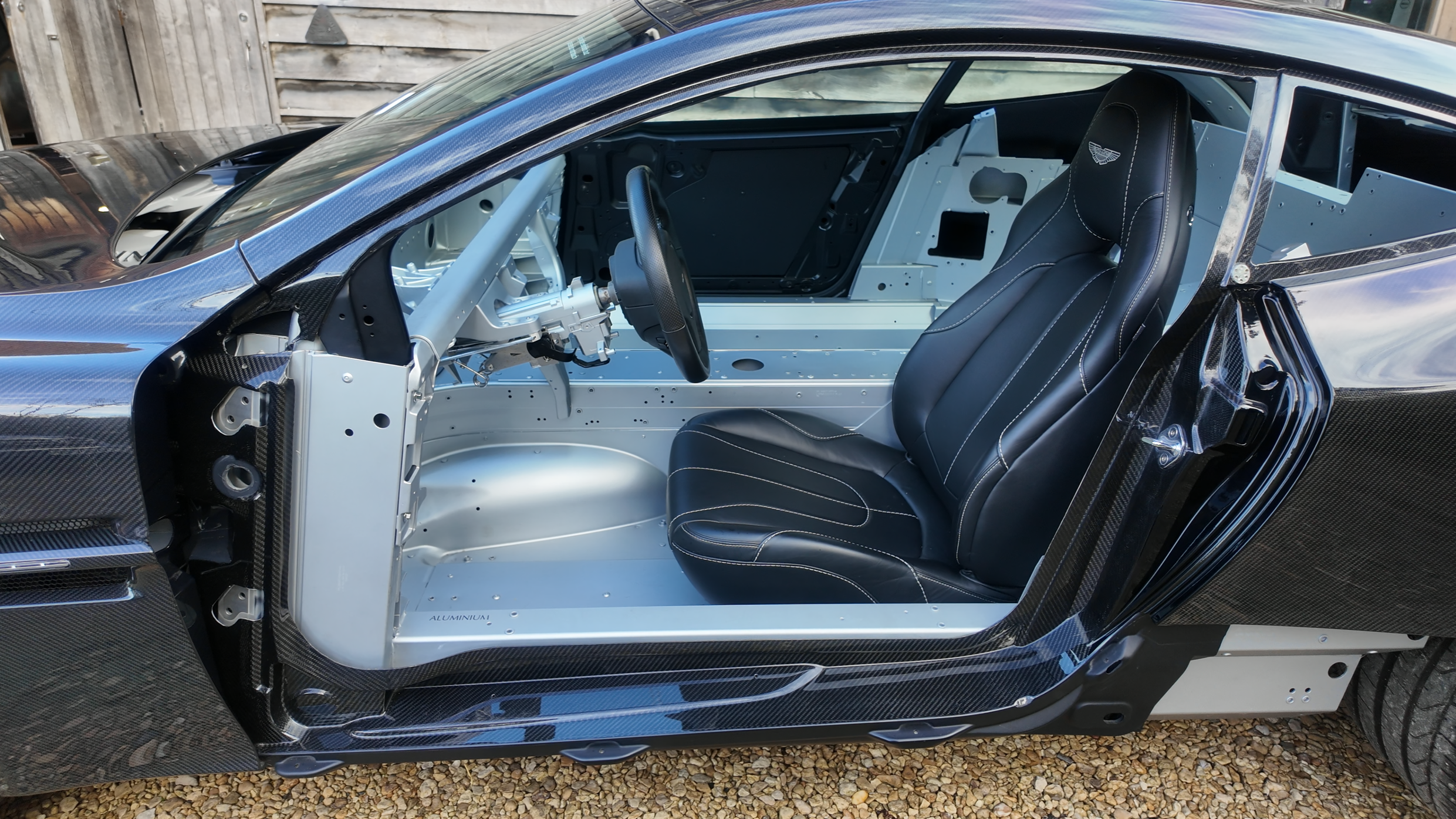
Image © Fuel the Passion. Aston Martin Vanquish II cut-away car. AMHT Museum, 2025.
One of the real pleasures of putting this guide together has been revisiting our own filming with the Aston Martin Heritage Trust. Standing beside the Vanquish cutaway and seeing the engineering normally hidden beneath those beautiful carbon-fibre panels gave me an even greater appreciation of the thought and craftsmanship that went into creating the car. It's a reminder that there's so much more to these Aston Martins than what we see on the surface.
Of course, we've spent a considerable amount of time discussing potential problems, maintenance requirements and things to inspect. That's important, but the intention has never been to discourage anyone from owning a Vanquish. Quite the opposite. It's about helping enthusiasts make informed decisions, find the right car and enjoy the experience with confidence.
If you're already fortunate enough to own a second-generation Vanquish, I'd genuinely love to hear about your experiences. Whether it's a memorable journey, something you've learned through maintenance, a useful buying tip or simply what makes your particular car special, your insights can help make this guide even more valuable to others.
Equally, if this guide has helped you take the next step towards Vanquish ownership, please do let me know. I'd love to hear which version you chose and, perhaps most importantly, how that first proper drive felt.
Whether you're actively searching for a Vanquish or simply enjoying learning more about one of Aston Martin's great modern V12 grand tourers, I hope you've found something useful and interesting here.
Thank you for taking the time to read the guide and, as always, thank you for supporting Fuel the Passion.
Where Every Drive Tells a Story.
FUEL THE PASSION BUYERS GUIDES Research & Further Reading The original sources behind the Vanquish II story — for readers who would like to explore further.
This guide draws on original Aston Martin publications, the Aston Martin Heritage Trust, Fuel the Passion's own filming and official vehicle-checking resources. These selected links are offered for context and further reading; they aren't a substitute for checking the specification, history and condition of an individual car.
| PUBLICATION | WHY IT'S RELEVANT | REFERENCE |
|---|---|---|
| Vanquish at 25Manufacturer retrospective · 2026 | The nameplate's history and the role of the second-generation Vanquish. | READ SOURCE |
| Vanquish model archiveOfficial past-model archive | Factory overview of the Gaydon-built Vanquish, including its materials and character. | READ SOURCE |
| Original Vanquish launchManufacturer press material | The original car's VH architecture, carbon body and V12 specification. | READ SOURCE |
| Vanquish SOfficial model announcement | The later 600PS S, its engineering changes and distinctive appearance. | READ SOURCE |
| Vanquish S UltimateFactory special-edition announcement | The final-series specification and announced 175-car worldwide limit. | READ SOURCE |
| Vanquish S Red ArrowsQ by Aston Martin commission | Background to the aviation-inspired special edition and its original commission. | READ SOURCE |
| Vanquish Zagato quartetOfficial 2017 announcement | The four coachbuilt-style variants and their announced production allocations. | READ SOURCE |
| SOURCE | WHY IT'S RELEVANT | REFERENCE |
|---|---|---|
| FTP — Vanquish II cutaway filmFuel the Passion · video | The carbon-fibre panels, bonded-aluminium structure, Aero Duct and factory detailing, explained using the cutaway car. | WATCH FILM |
| AMHT · Podcast 5625 years of Vanquish · 2026 | Historical recollections and discussion of all three Vanquish generations. | LISTEN |
| AMHT · Podcast 18Parts operations · 2024 | Background to the challenges of replacement parts and supporting low-volume models. | LISTEN |
| AMHT · Podcast 20VH-era maintenance insight · 2024 | The importance of detailed maintenance evidence rather than service stamps alone. | LISTEN |
| RESOURCE | WHAT TO CHECK | REFERENCE |
|---|---|---|
| Aston Martin Safety Campaign CheckerManufacturer · VIN search | Applicable manufacturer safety campaigns and vehicle-specific recall information. | CHECK VIN |
| UK vehicle recall checkerGOV.UK · DVSA | UK safety recalls, using a registration number or the vehicle's model and year. | CHECK RECALLS |
| UK MOT historyGOV.UK · DVSA | Recorded mileage, MOT outcomes, previous advisories and inspection history. | CHECK MOT |
| Official Aston Martin Owner's GuidesManufacturer · model/year lookup | Owner documentation relevant to the particular model year and equipment. | VIEW GUIDES |
A note on evidence. Historical recollections, owner experiences and individual engineering cases provide useful context, but do not establish fault rates or prove the condition of any particular car. External links are offered for further reading, not as endorsements of sellers or services. Always verify a vehicle's history and commission an independent, model-appropriate inspection.